Leading China's pipeline material science since 2000
National level testing and engineering validation center
Continuous innovation in viscoelastic & light-curing technology
Stable supply to CNPC, Sinopec, PipeChina & Indian Oil
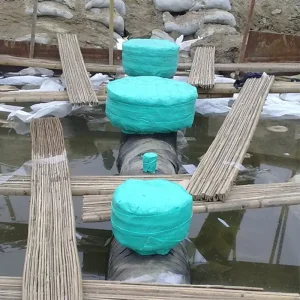
The ultimate mechanical reinforcement solution designed to secure anticorrosion coatings during trenchless pipeline installation and Horizontal Directional Drilling (HDD).
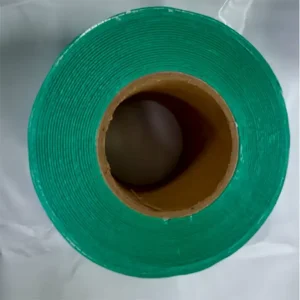
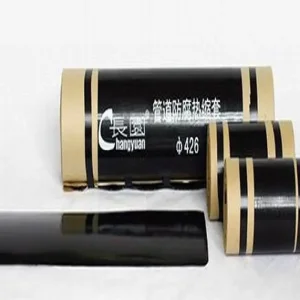
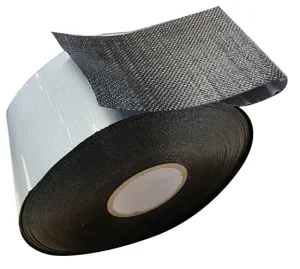
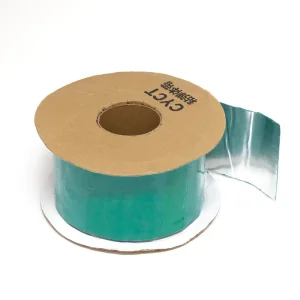
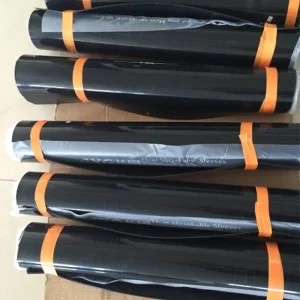
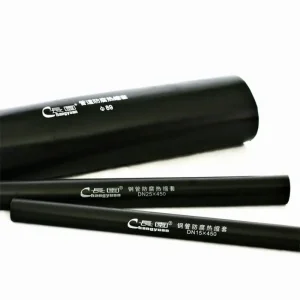
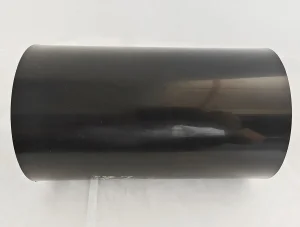
A light-cure protective sleeve (also referred to as a photo-curing composite wrap or UV curing sleeve) is a specialized material consisting of high-strength glass fiber fabrics impregnated with a photo-sensitive unsaturated polyester resin formulation. When wrapped around a pipeline’s field joint coating and exposed to natural sunlight or artificial UV radiation, a rapid photochemical cross-linking reaction takes place, converting the flexible wrap into an exceptionally hard, rigid polymer matrix.
The primary function of this system is to serve as a sacrificial mechanical shield. In trenchless construction methods, such as Horizontal Directional Drilling (HDD), micro-tunneling, or pipe jacking, pipelines are pulled through boreholes containing abrasive soil, gravel, and rock formations. The light-cure sleeve absorbs the brutal shear forces and abrasive friction, ensuring the underlying anti-corrosion barrier (such as 3LPE, 3LPP, viscoelastic tape, or liquid epoxy) remains completely undamaged.
How rapid infrastructure expansions and trenchless pipeline crossings are driving the demand for light-cure composite wraps worldwide.
Globally, environmental regulations and urbanization have made traditional open-cut pipeline trenching highly restricted. Whether passing under major navigable rivers, multi-lane highways, rail transit lines, or protected ecological zones, Horizontal Directional Drilling (HDD) is now the standard design choice for oil, natural gas, chemical, municipal water, and wastewater pipelines.
During the pulling phase of an HDD project, the pipeline is subjected to immense mechanical stresses. Traditional heat shrinkable sleeves or liquid epoxies are prone to peeling, gouging, and stripping when encountering subterranean rocky outcrops or gravel layers. Pipeline operators and engineering consulting firms globally are standardizing the installation of a sacrificial glass-fiber reinforced light-cure sleeve over the field joint coatings. This has triggered an exponential rise in procurement requests for high-durability light-cure composite sleeves, particularly from EPC contractors in North America, Europe, the Middle East, and APAC.
Consequently, sourcing high-quality, cost-efficient OEM partners who can customize dimensions, thickness, and cure profiles is critical for project success and budget management.
Provides robust protection against abrasive pebbles, silts, and rough riverbed sediments during deep sub-river pipeline pulling operations.
Guards field joints against soil shear stress and mechanical friction caused by high static and dynamic traffic loads above casing-free crossings.
Acts as a tough, hard shield that resists sharp rocky projections in mountainous pipelines, preventing micro-gouges that lead to pinhole corrosion.
The chemical composition and structural design that make light-cure protective wraps the ultimate mechanical defense layer.
A light-cure sleeve features a multi-layered composite design. The primary load-bearing layer is composed of structural E-glass fiber fabric. Unlike random short-fiber configurations, CYCT uses high-density woven glass-fiber patterns that maximize tensile strength in both circumferential and axial directions. The glass fibers are deeply saturated with a formulation of unsaturated polyester resins, reactive monomers, photo-initiators, and stabilizers.
When UV radiation (ideally within the 365nm to 420nm spectral window) hits the sleeve, the photo-initiators absorb the light energy and trigger a massive free radical polymerization process. Within minutes, the liquid resin undergoes solid-state cross-linking, converting the soft wrap into a high-density, glass-reinforced thermoset plastic shell with high hardness and impact toughness.
| Property / Parameter | Test Standard Reference | Typical Value (CYCT Standard) | Technical Advantage |
|---|---|---|---|
| Shore D Hardness | ASTM D2240 | ≥ 80 (After complete cure) | Prevents soil intrusion and deformation under extreme drag pressure. |
| Impact Resistance | ASTM G14 | ≥ 30 J | Guards against micro-fracturing when contacting sub-surface rocks. |
| Tensile Strength | ASTM D638 / ISO 527 | ≥ 180 MPa | Resists longitudinal dragging and axial stresses during pull-back. |
| Flexural Strength | ASTM D790 | ≥ 140 MPa | Adapts to natural pipeline deflection and bending without cracking. |
| Curing Speed | UV Radiation / Natural Sun | 15 to 30 minutes | Minimizes civil downtime; speeds up pipe launching schedules. |
| Lap Shear Strength | ASTM D1002 (to FBE/PE) | ≥ 15 MPa | Ensures the protective sleeve remains bonded to primary coatings. |
High-tech automation, strict ISO compliance, and cost-effective OEM customization capacities.
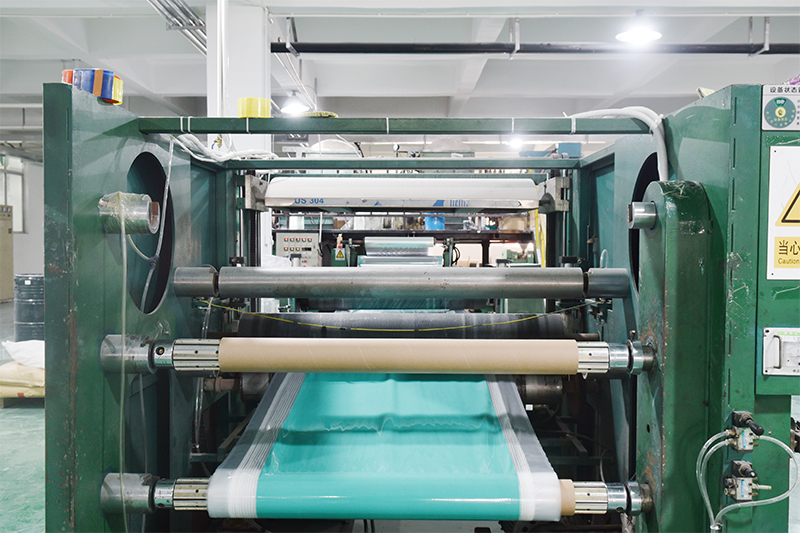
As a leading Chinese high-tech enterprise, CYCT operates an integrated raw material synthesis and composite fabrication line. In the pipeline corrosion market, manufacturing efficiency is determined by three factors: consistent resin formulation, automated impregnation, and reliable packaging. CYCT excels in all three:
Optimizing your supply chain with flexible OEM/ODM specifications designed for international projects.
For international buyers, including procurement officers, engineering design firms, and EPC contractors, purchasing from an OEM factory requires flexibility. CYCT offers customizable variables to match specific HDD designs:
We work directly with engineering consultants to supply comprehensive documentation, test reports, and compliance certificates, ensuring smooth approval processes with project owners.
A trusted name in pipeline integrity, materials innovation, and engineering verification.
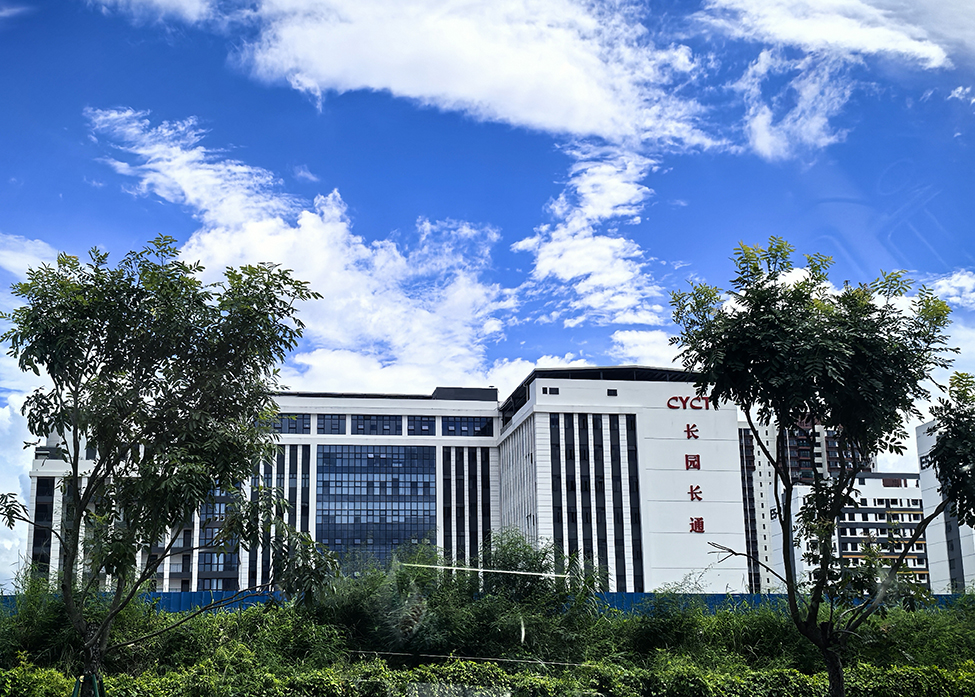
CYCT New Materials Company Limited (for short, CYCT) is a state-level high-tech enterprise integrating R&D, production and sales of pipeline corrosion protection materials as well as buried pipeline detection service and pipeline coating field application service into one. CYCT devotes itself to R&D, production and sales of pipeline corrosion protection materials for decades.
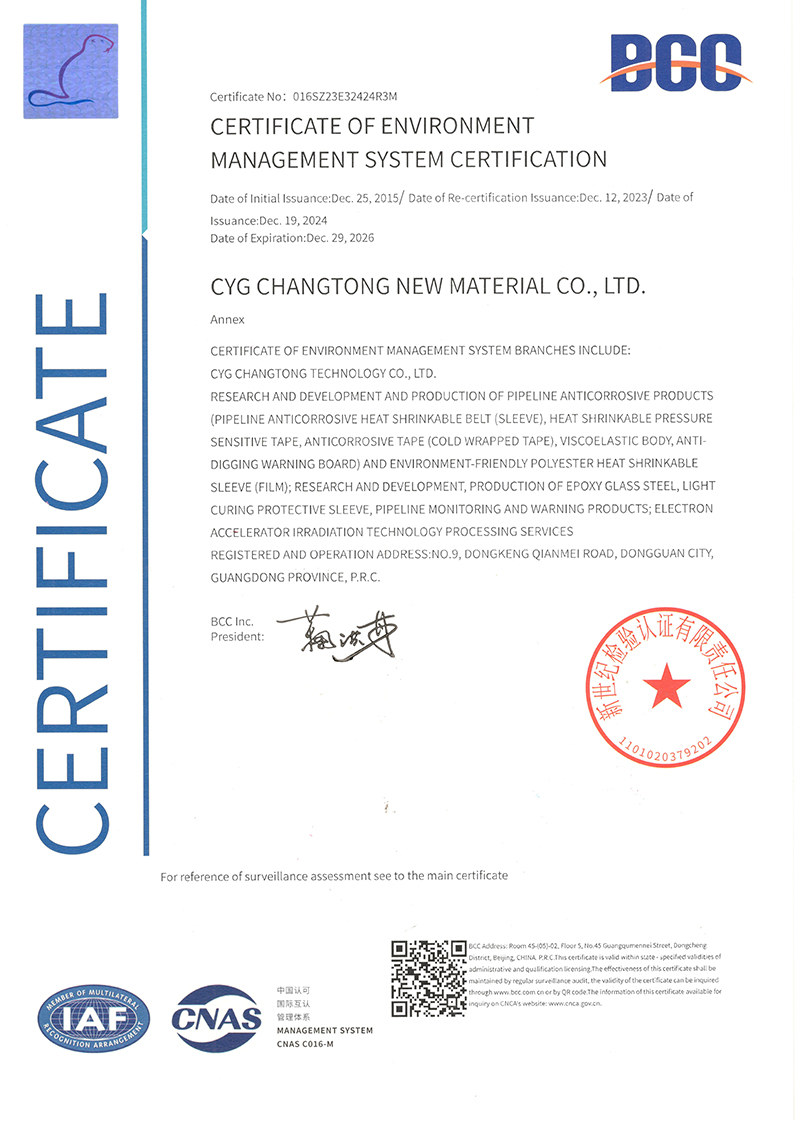
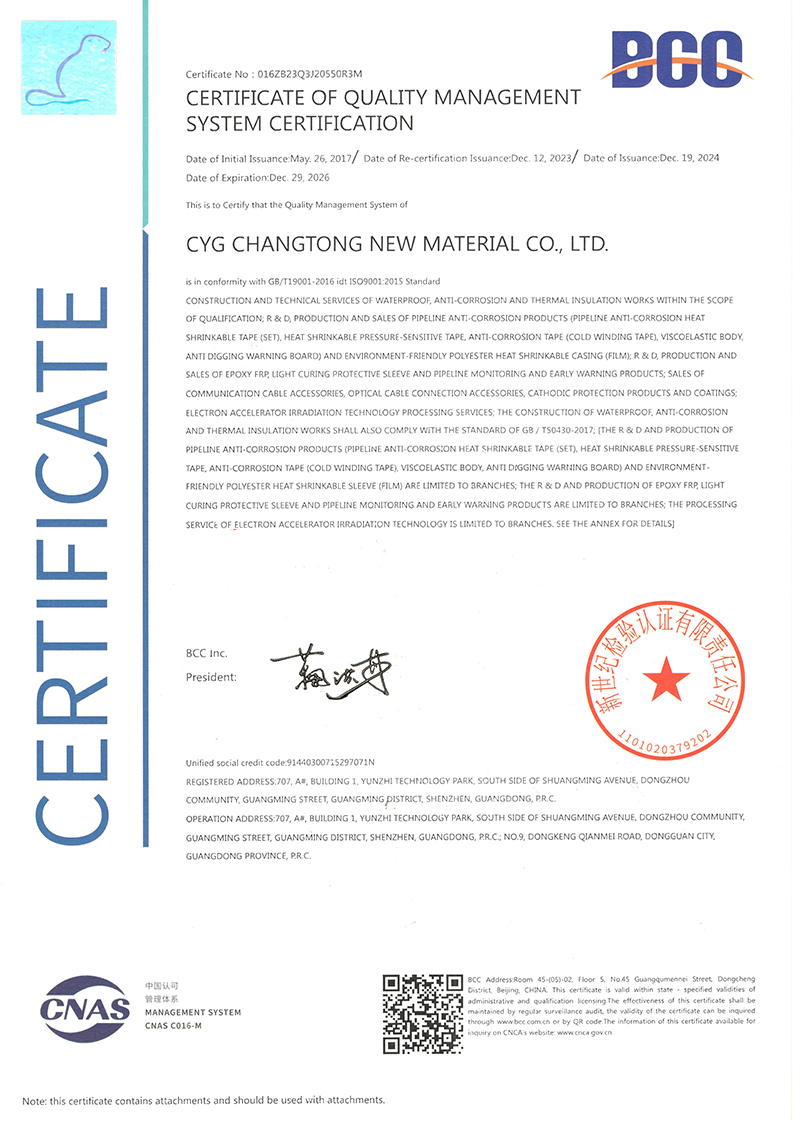
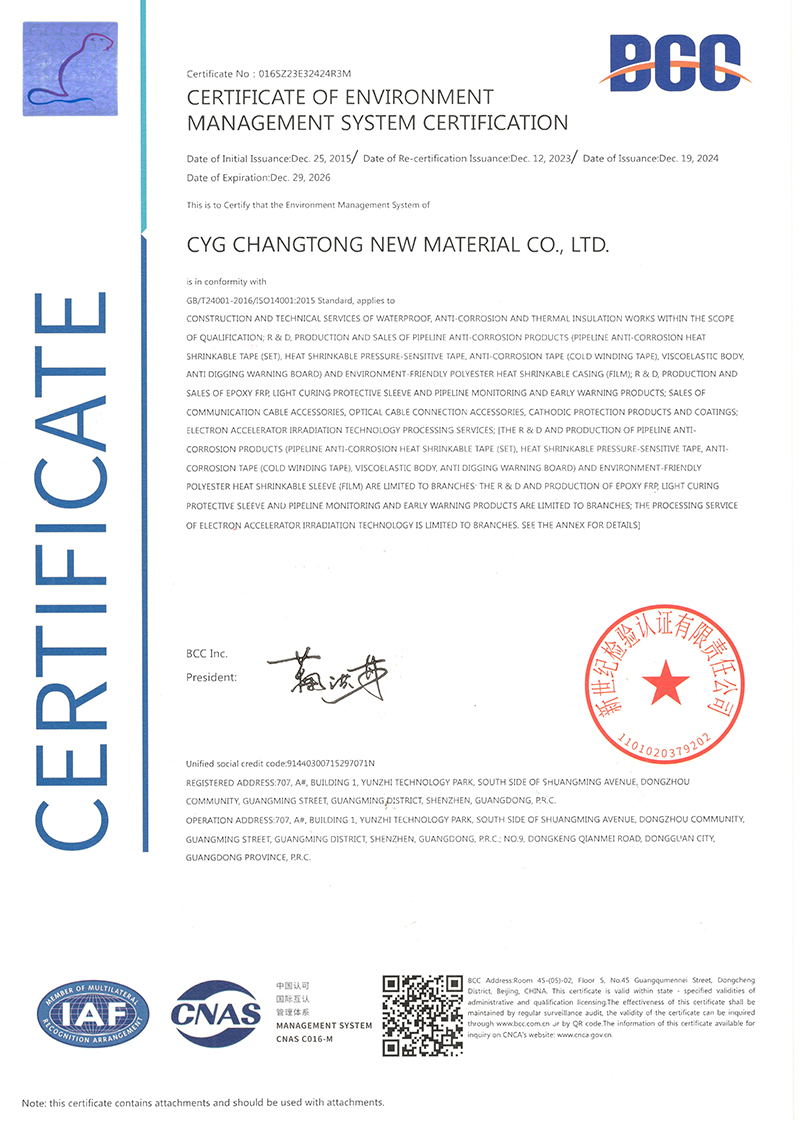
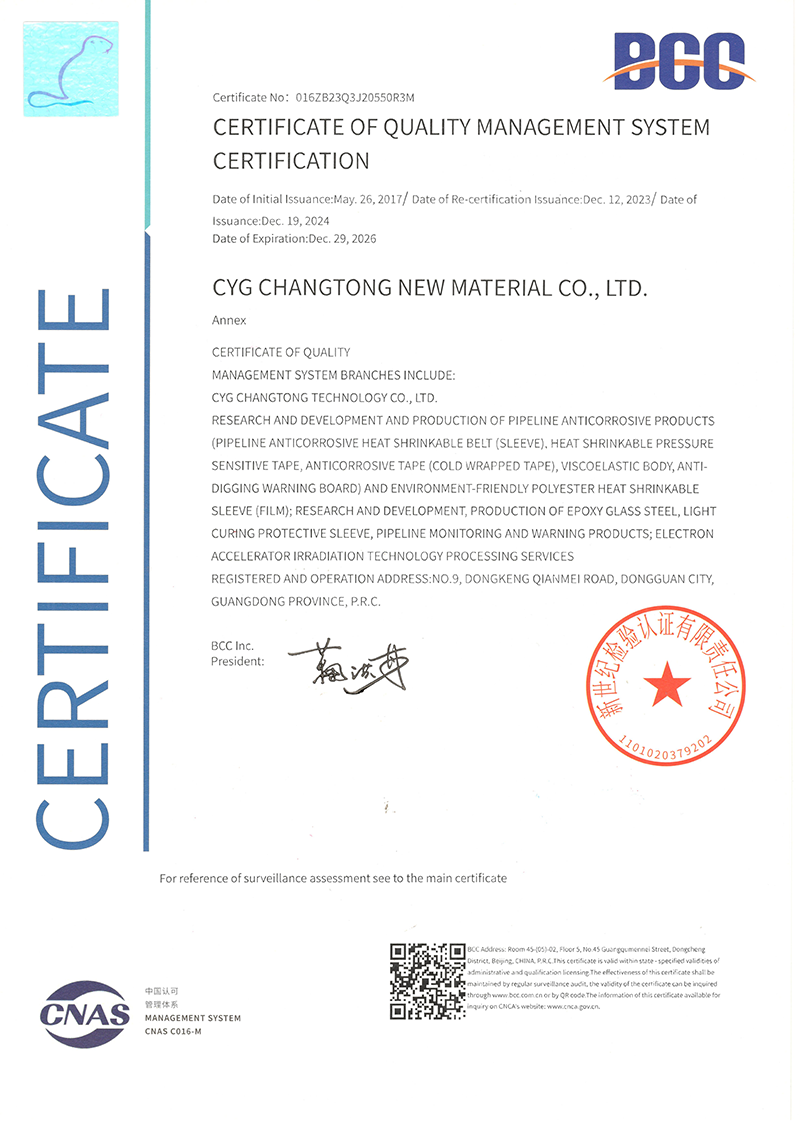
Our production floor, analytical laboratories, and logistics warehouses are maintained under ISO-certified processes to ensure consistent quality.
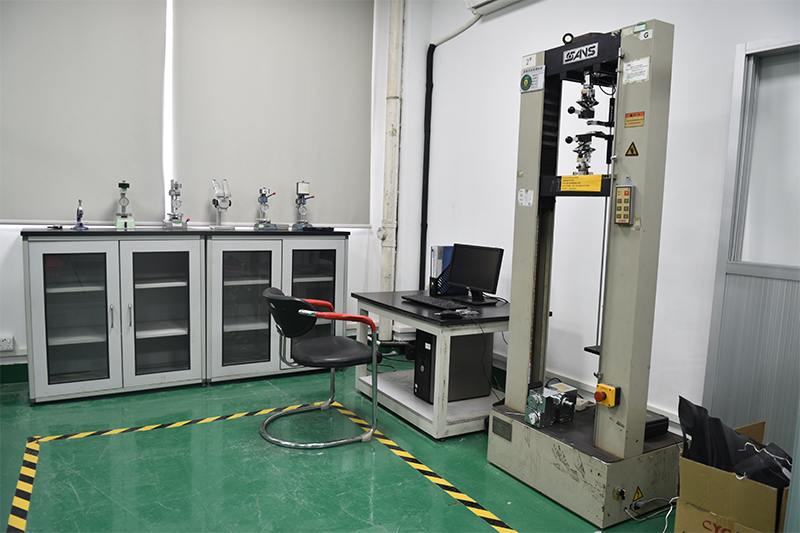
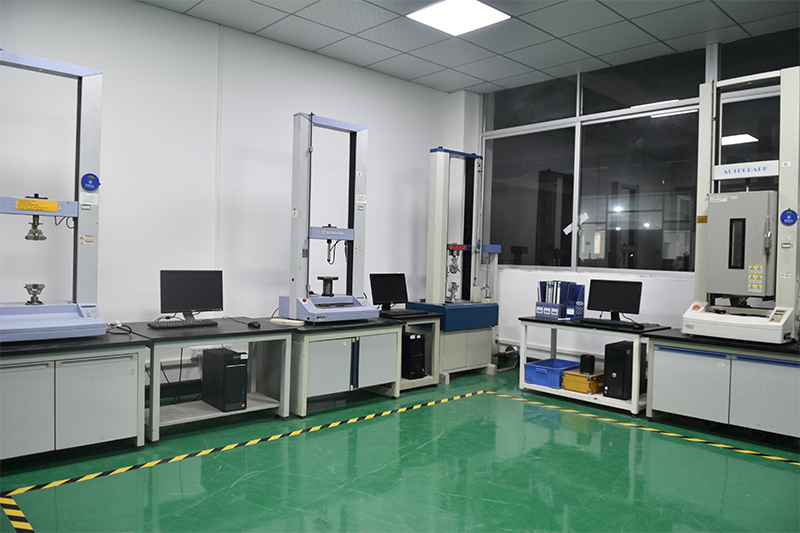
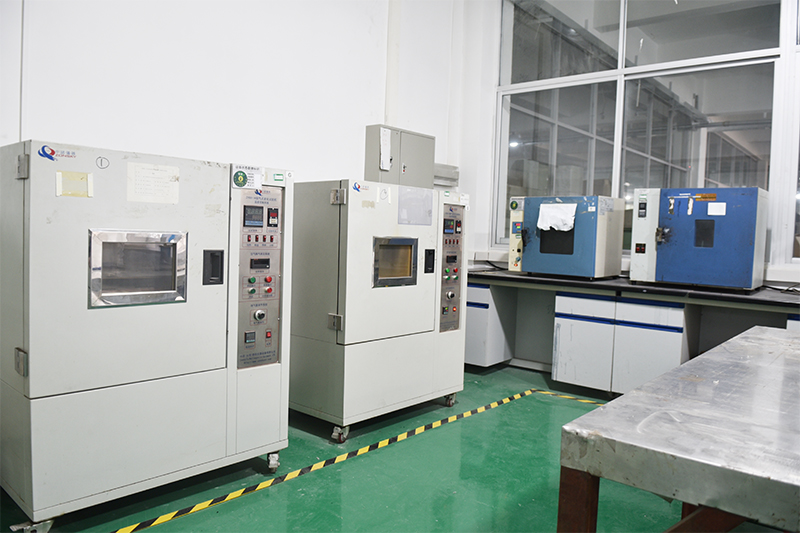
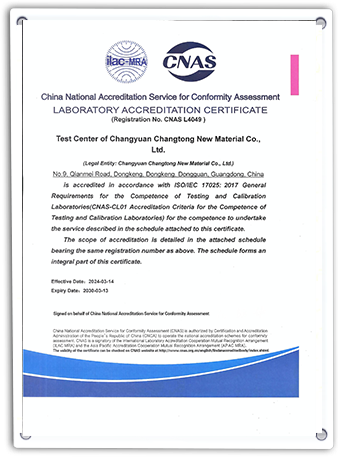
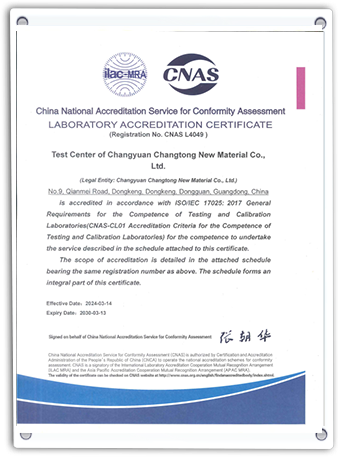
CNAS Certified Testing & Research: CYCT owns leading testing and R&D capabilities, a professional R&D team, and a national CNAS-accredited laboratory.
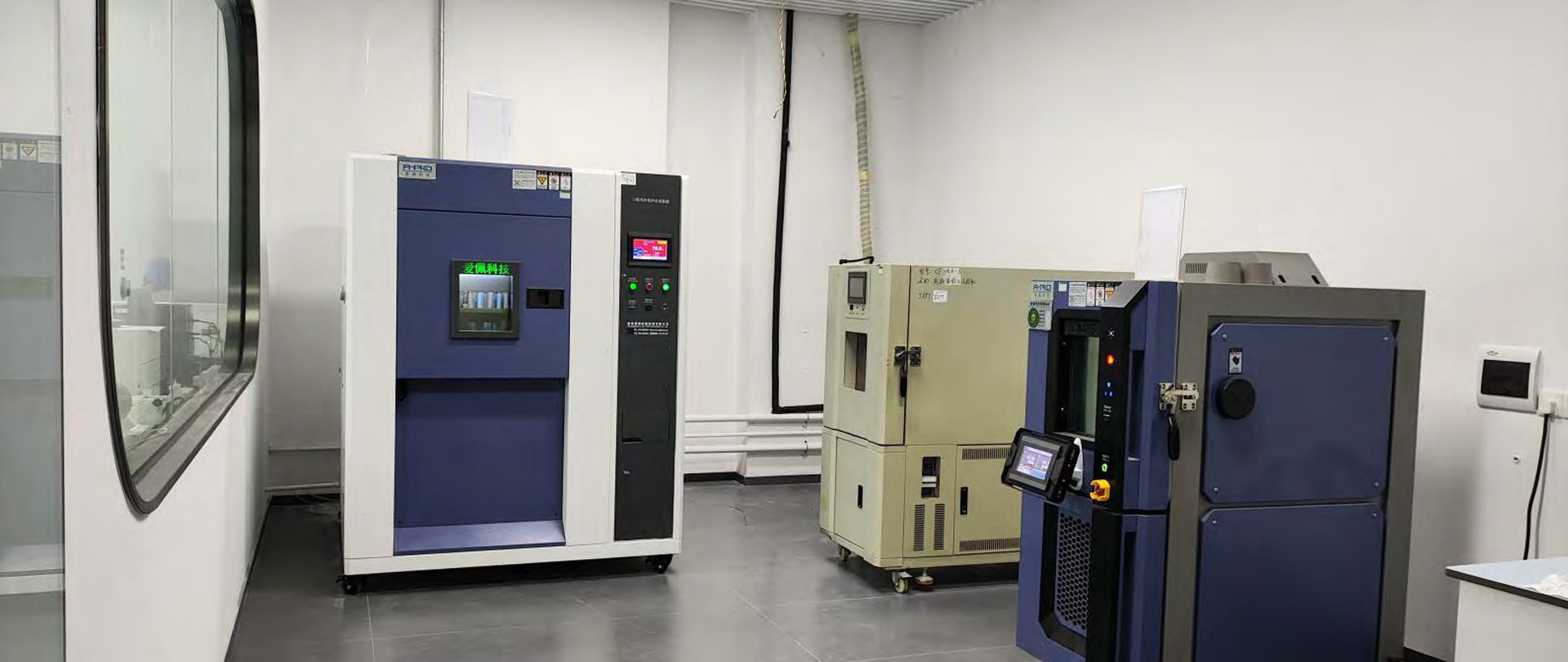
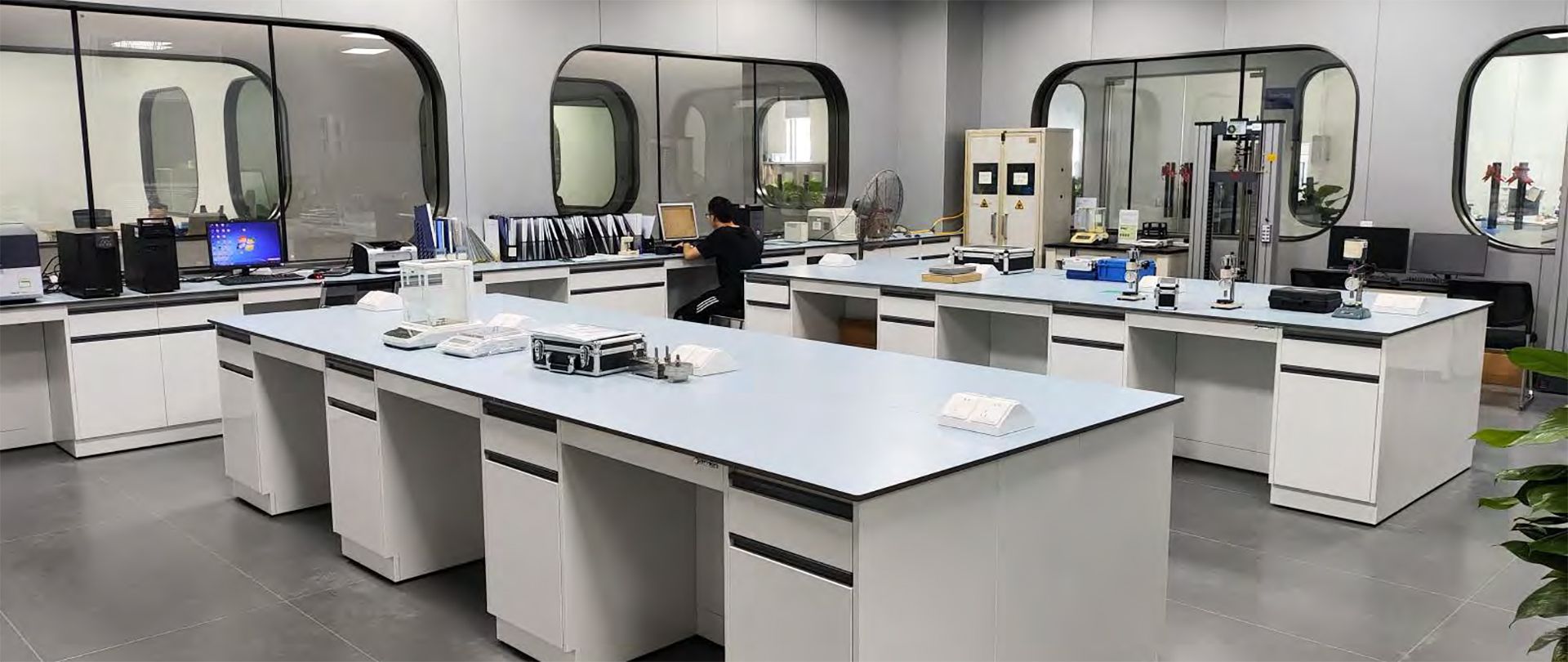
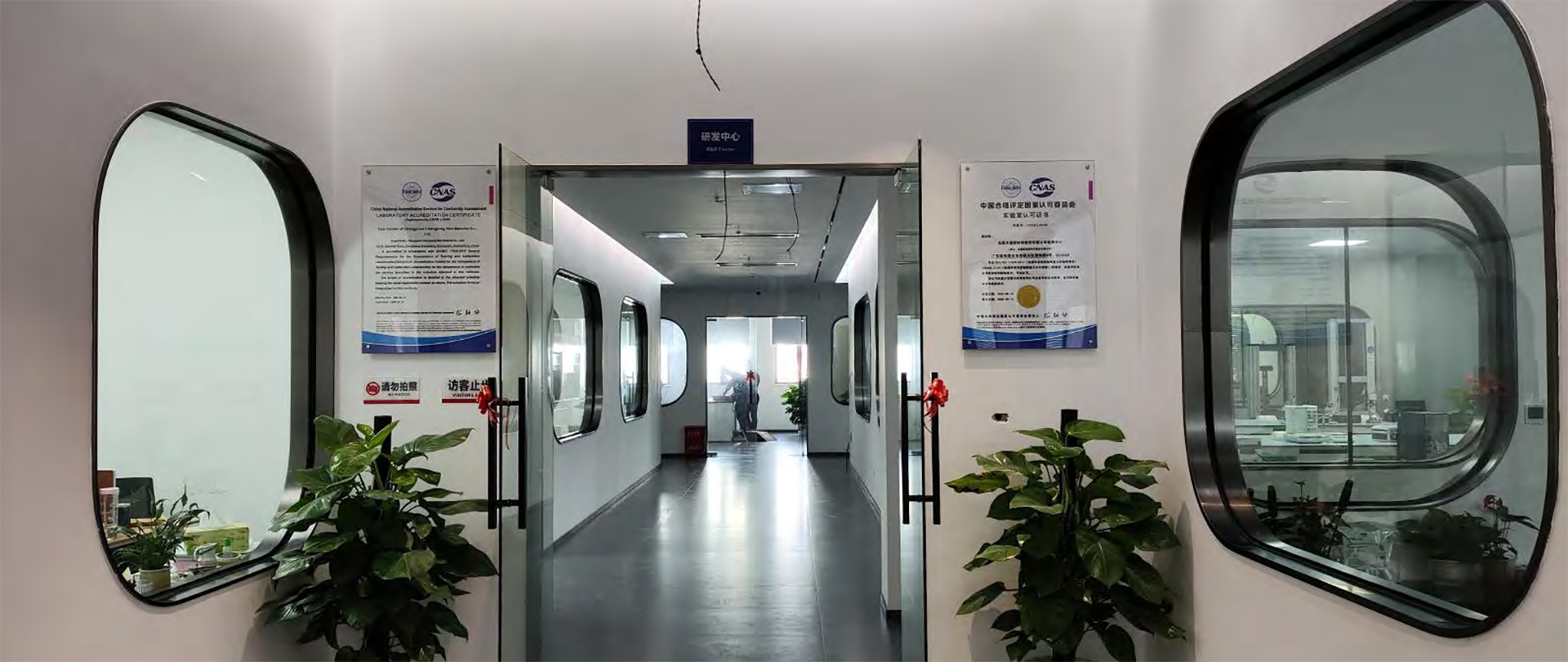
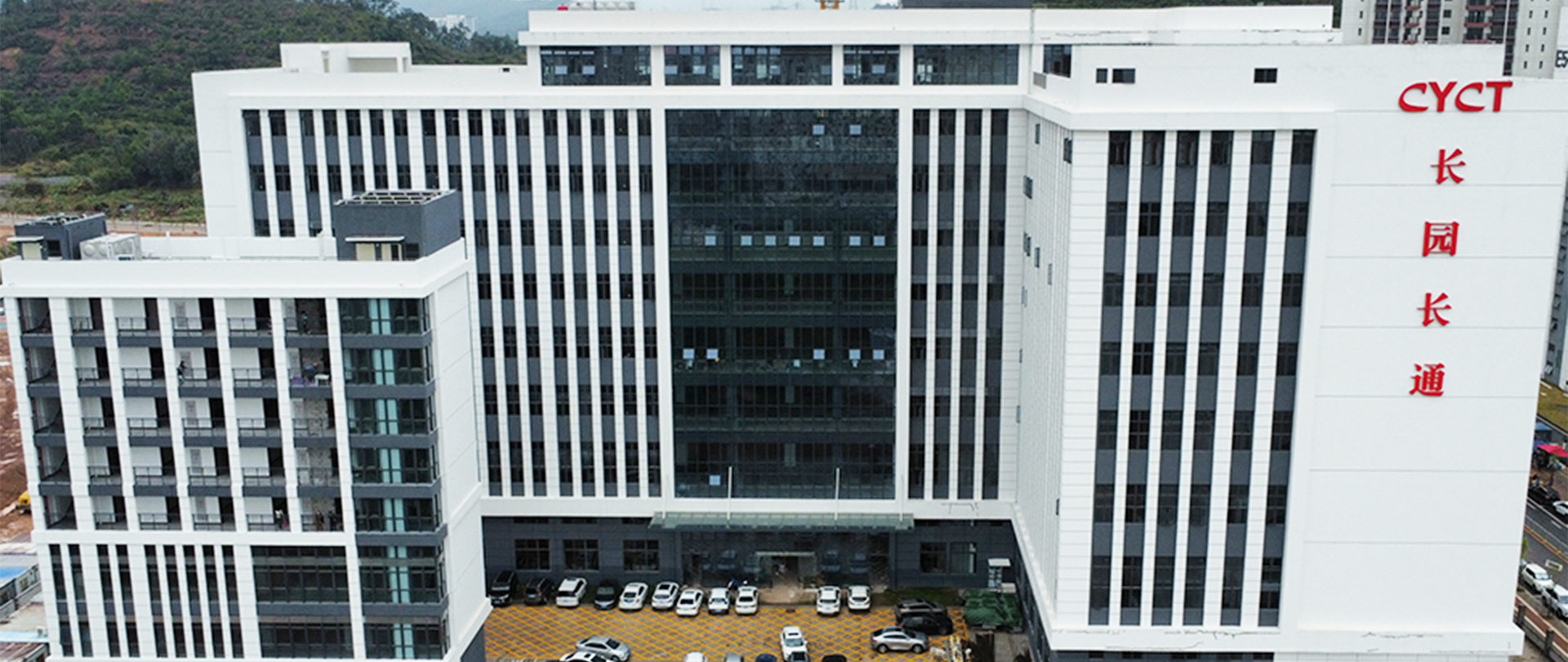
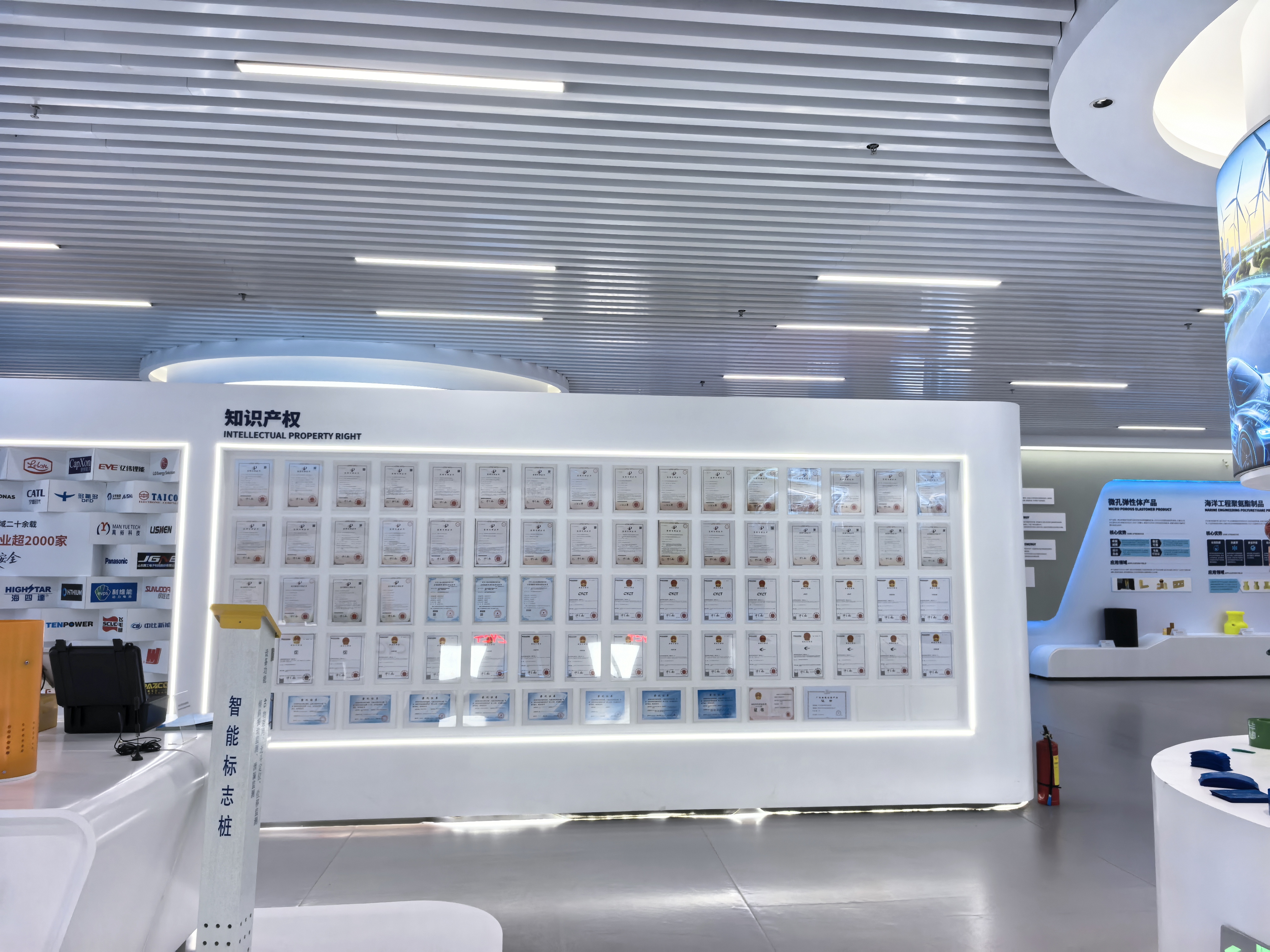
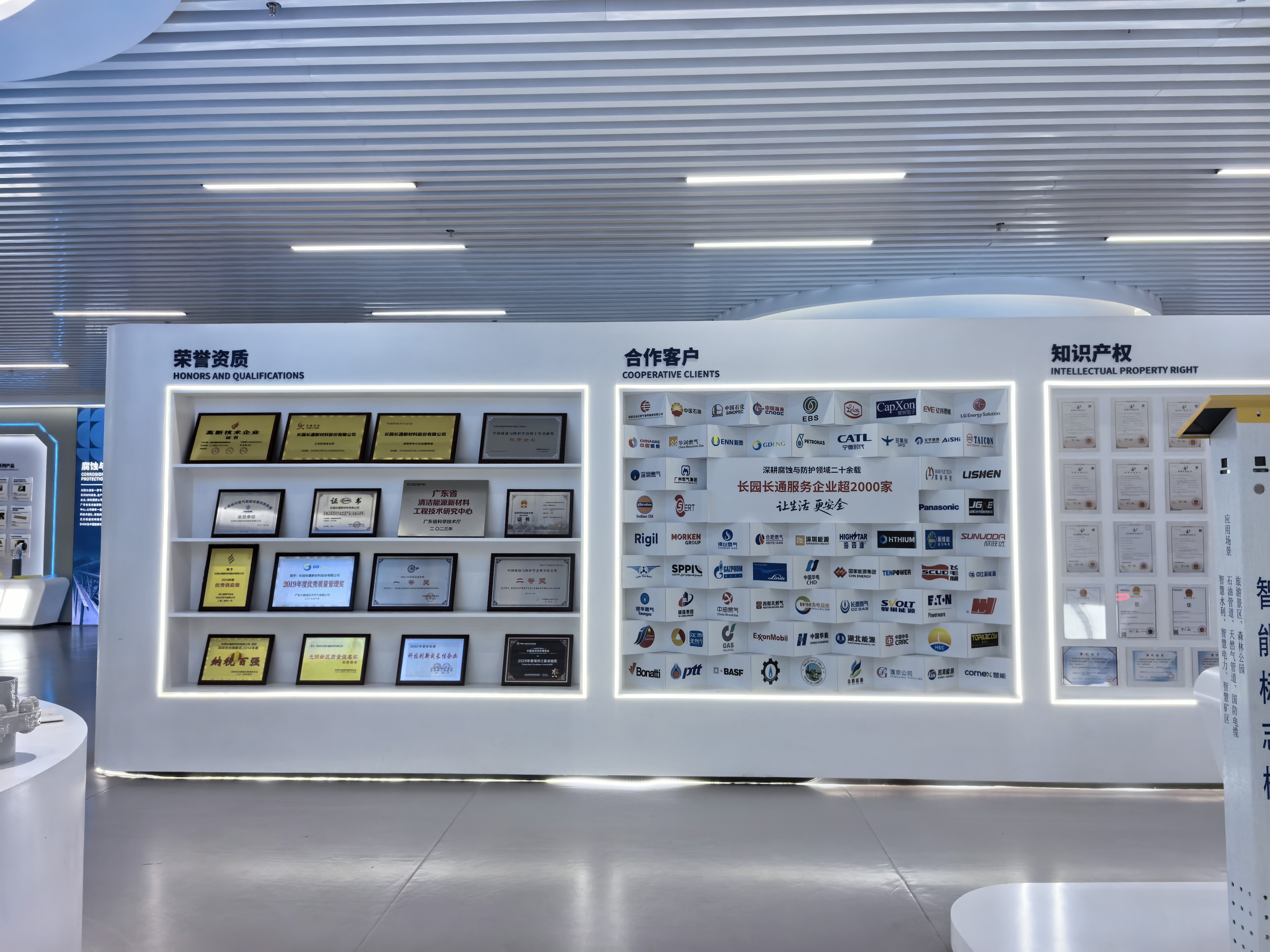
CYCT is a stable, long-term supplier of field joint coatings for PetroChina, Sinopec, PipeChina, and various municipal pipeline networks. We maintain a high market share by continually introducing specialty corrosion protection materials, including visco-elastic anticorrosion materials, special photo-curing sleeves for HDD protection, and polyurea coatings.
Collaborative Engineering & Design: By partnering with leading R&D organizations, such as the CNPC Pipeline Science Research Institute, CYCT provides technical services for operating pipelines. These services include buried pipeline detection, custom design schemes, cathodic protection, rehabilitation projects, and integrated safety solutions.
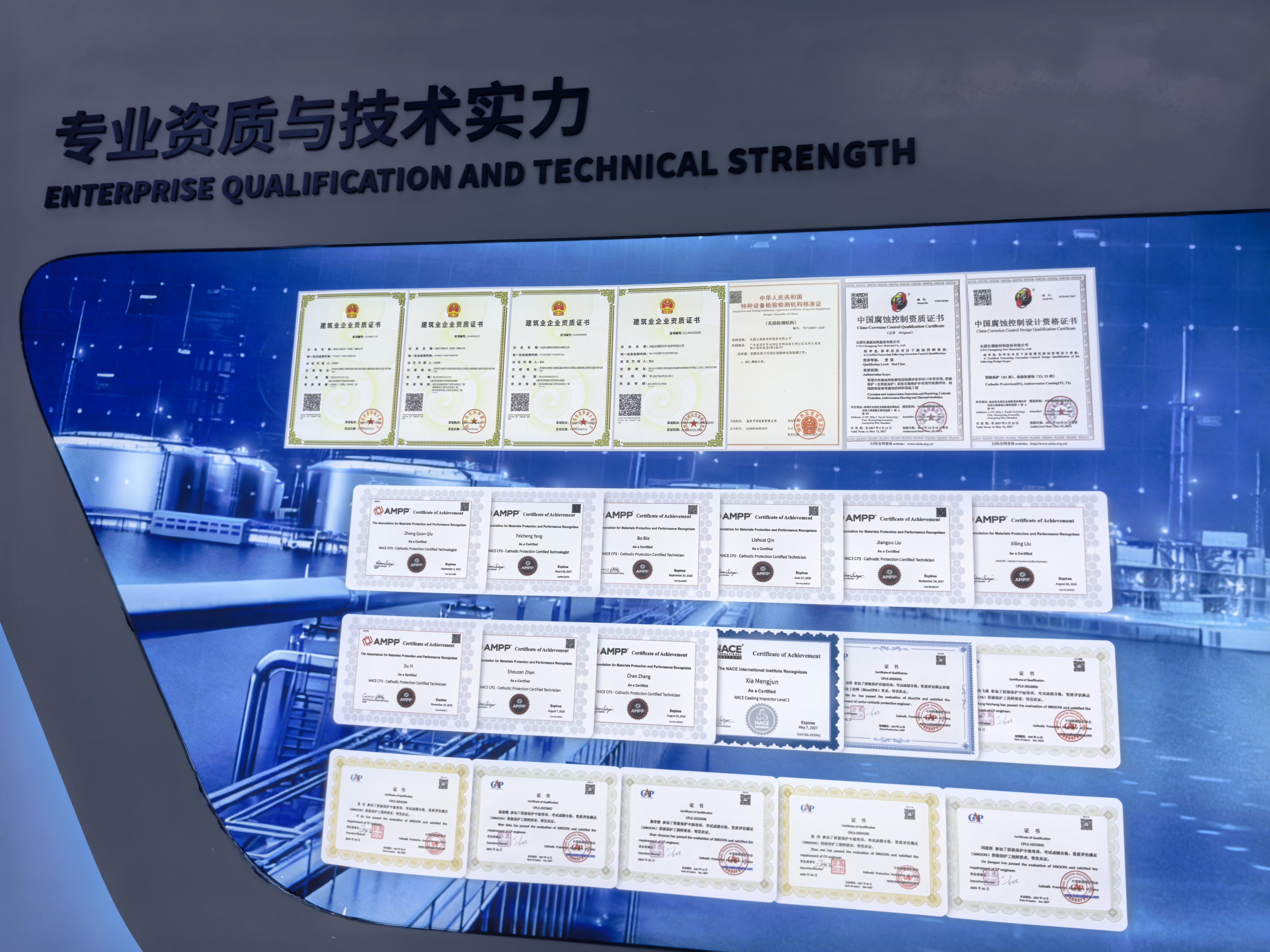
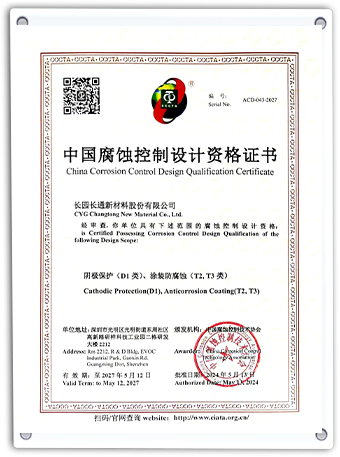
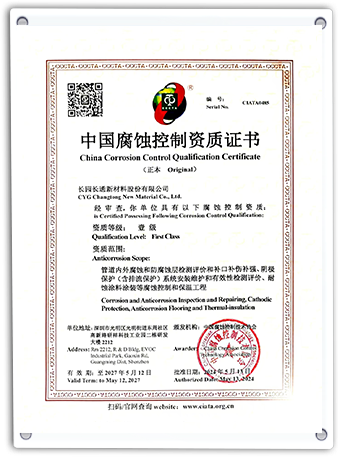
Member of Council in Chinese Society for Corrosion and Protection (CSCP), Qualification Certificate of Corrosion Protection Construction, Qualification Certificate of Pipeline Detection, Well-known Brand of Pipeline Corrosion Protection in China, Corporate Member of China Association of Petroleum Engineering Construction (CAPEC), State-Level High-Tech Enterprise with more than ten proprietary intellectual property rights, stable supplier of PetroChina, Sinopec, China Gas Group, and supplier of Indian Oil.
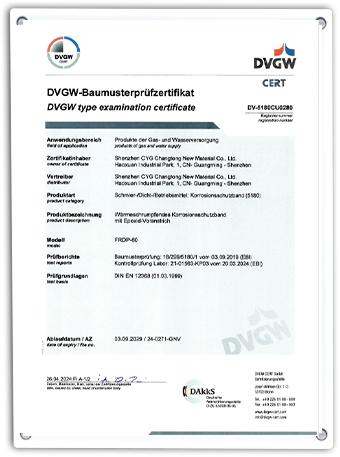
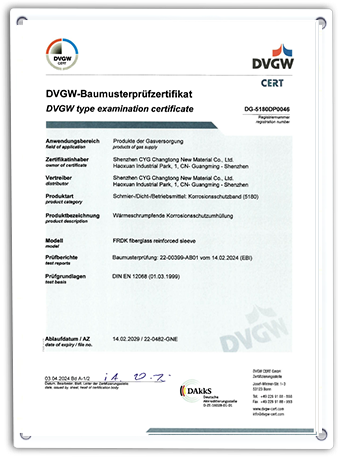
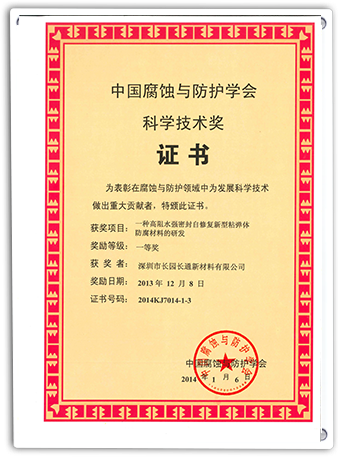
Answers to common engineering and procurement questions regarding material science, application processes, and logistics.
 CYCT
CYCT