Explore our premium range of factory-certified heat-shrinkable sleeves, viscoelastic tapes, and customized pipeline repair materials.

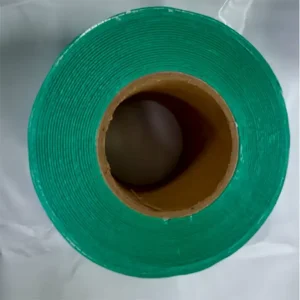
In the modern era of energy transit, pipelines form the circulatory system of our global economy. Whether conveying natural gas, crude oil, petrochemicals, or desalinated water, these steel channels operate under harsh underground and subsea environments. The pipe segments are meticulously coated in state-of-the-art factories with thick layers of anti-corrosion barriers, such as 3-Layer Polypropylene (3LPP) or 3-Layer Polyethylene (3LPE).
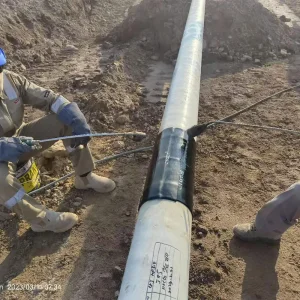
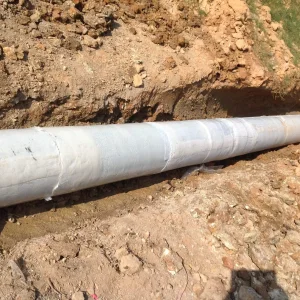
However, when these pipeline segments are welded together in the field, a raw steel area is exposed. This is the **Field Joint**. This critical joint becomes the weakest point of the entire network unless protected with an equivalent or superior anti-corrosion system. High-quality Joint Sleeves are engineered to seal this junction against soil stress, moisture ingress, microbial decay, chemical attack, and mechanical damage, maintaining continuous pipeline integrity.
The field joint coating industry has evolved from basic cold-applied tar coatings to high-performance, multilayer polymer systems. The modern industry demands three key product trends:
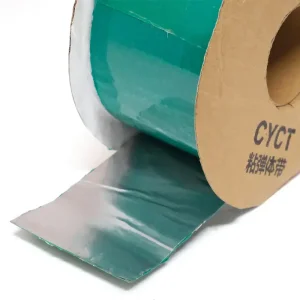
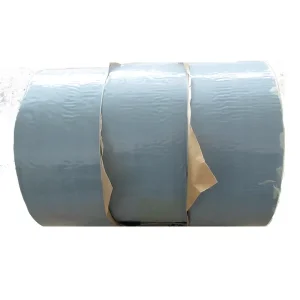
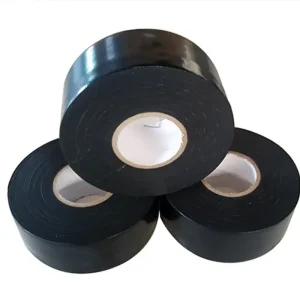
1. Viscoelastic Technology (Self-Healing): Using materials like VT95 and FVT95 fabric tapes that exhibit flow characteristics under pressure, filling all surface micro-irregularities without the need for primers. This eliminates human error during field application.
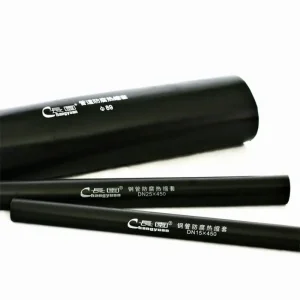
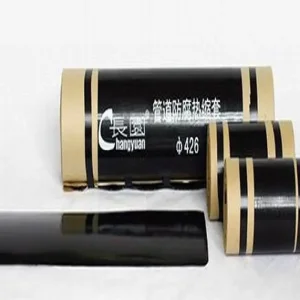
2. Thermoplastic Heat Shrinkable Sleeves (HSS): Specially cross-linked polyolefin backings with hot melt adhesives (e.g., FRPD-PP) that offer superior shear resistance, specifically matching the factory-applied parent coating at high temperatures.
3. Advanced Mechanical Over-Jacketing (GRP/UV-Curing): For Horizontal Directional Drilling (HDD), photo-curing protective sleeves provide rugged protection against severe abrasion during pullback.
Aligning manufacturing capabilities with global compliance and technical specifications for heavy industrial applications.
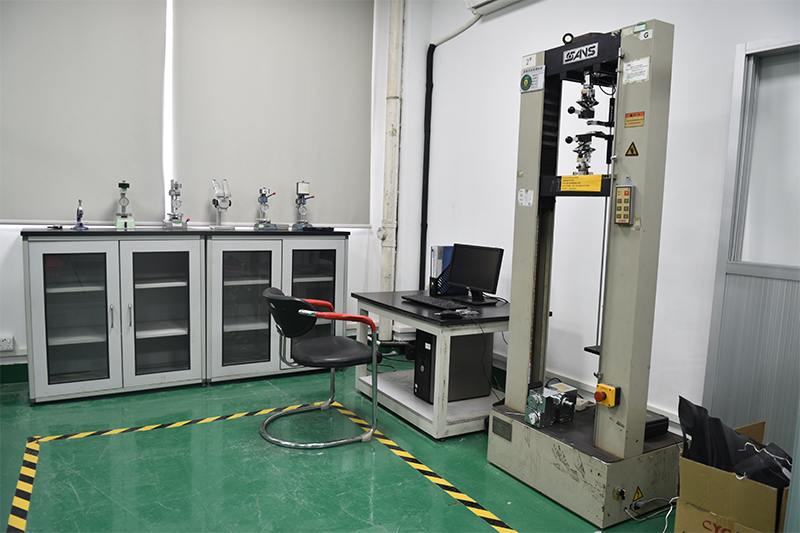
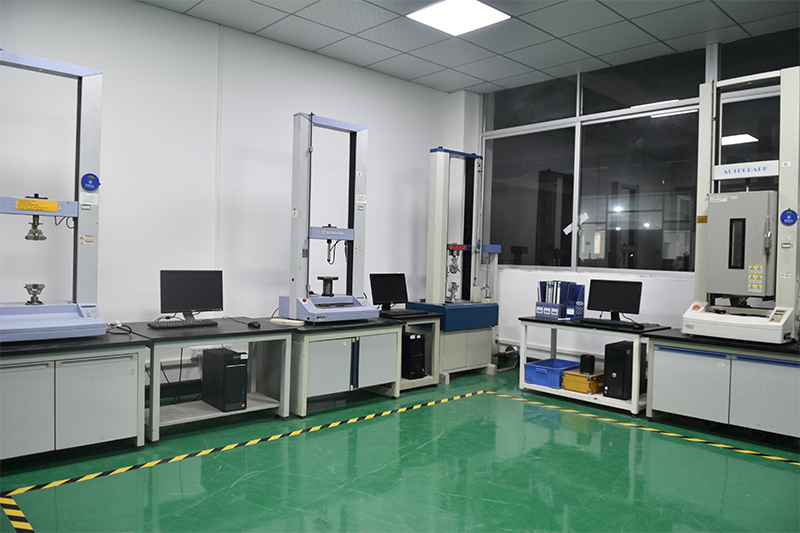
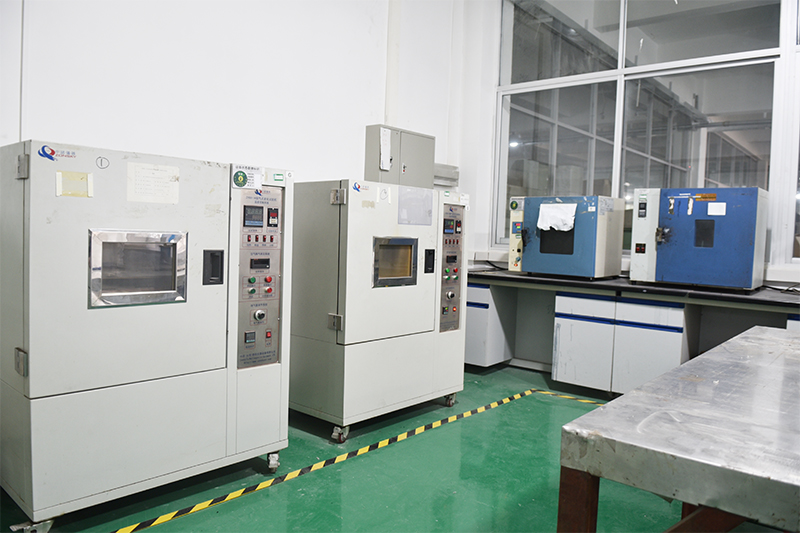
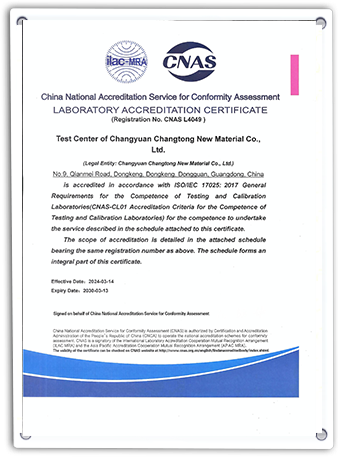
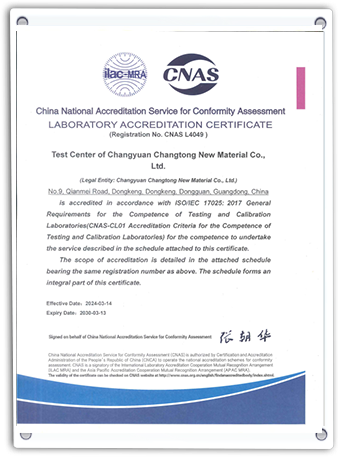
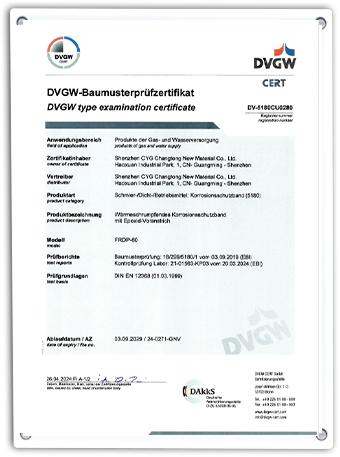
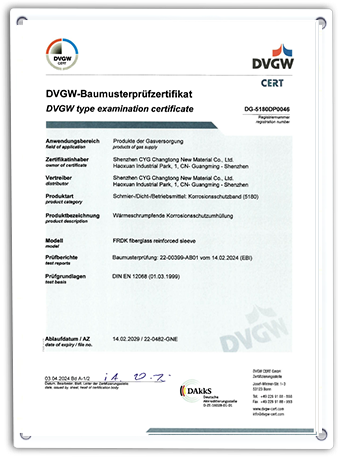
Global engineering procurement contracts require strict compliance with international standards such as ISO 21809-3, EN 12068, and AMPP/NACE SP0169. Procurement managers evaluate manufacturers based on independent lab reports from accredited facilities (like CNAS labs) that verify properties such as peel strength, cathodic disbondment resistance at elevated temperatures, water absorption, and indentation resistance.
No two pipelines are identical. Project designers require tailored OEM formulations. Heat shrink sleeves must be adjusted based on the pipeline operating temperatures (ranging from ambient 50°C to high-temperature PP applications up to 120°C). Advanced manufacturers like CYCT offer co-extrusion technology, combining customized cross-linked backings with custom-synthesized epoxy primers and shear-resistant hot melt adhesives.
Large-scale infrastructure projects require strict adherence to delivery schedules. A delay in the arrival of joint sleeves can halt entire pipelaying crews, causing significant financial losses. Consequently, procurement departments prioritize manufacturers that exhibit deep raw material reserve control, automated production capacity, and global logistics coordination.
The modernization of Chinese manufacturing is highlighted by the integration of Industry 4.0 principles in the corrosion protection sector. China's leading factories utilize automated compounding and continuous co-extrusion systems to ensure consistent thickness and adhesive distribution across every square meter of joint sleeve manufactured.
Through state-level high-tech enterprise recognition and academic collaboration with specialized research facilities like the CNPC Pipeline Science Research Institute, Chinese manufacturers have closed the gap with historical European brands. They offer comparable performance properties at a lower total cost of ownership.
This efficiency is backed by a robust supply chain network. Raw materials like specialty polypropylene copolymers, elastomeric butyl compounds, and UV-curable fiberglass resins are sourced within localized high-tech clusters. This minimizes lead times, reduces carbon footprints, and allows rapid capacity scaling for major projects.
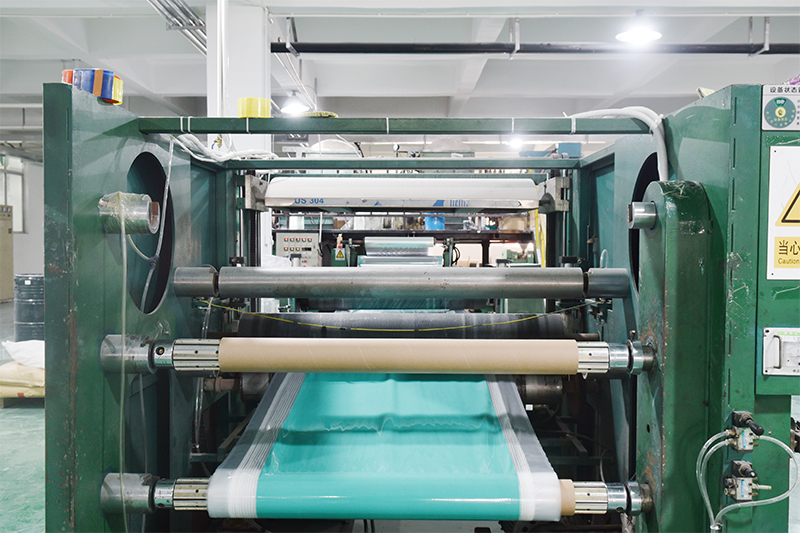
Adaptable field joint coating solutions engineered for challenging environments worldwide.
When pipelines cross rivers, highways, or railways via trenchless drilling, the shear force on the field joint is immense. Conventional heat shrinkable sleeves can peel off during pullback. Using UV-cured GRP photo-curing sleeves over the primary corrosion layer provides a hard, impact-resistant outer shell. This ensures the integrity of the underlying anti-corrosion barrier.
In regions like the Middle East, pipeline temperatures can rise significantly, and soil stress from surrounding sand is constant. High-temperature polypropylene outer tapes and specialized PP heat shrink sleeves (operating up to 110°C-120°C) prevent mastic migration, maintaining long-term adhesion to the 3LPP steel parent coating.
For aging gas grids and regional pipelines, in-service corrosion rehabilitation is critical. Viscoelastic VT95/FVT95 Fabric Tapes are highly suited for this application. They require minimal surface preparation (St2/St3 mechanical wire brushing), eliminating the need for sandblasting in restricted urban or ecological zones.
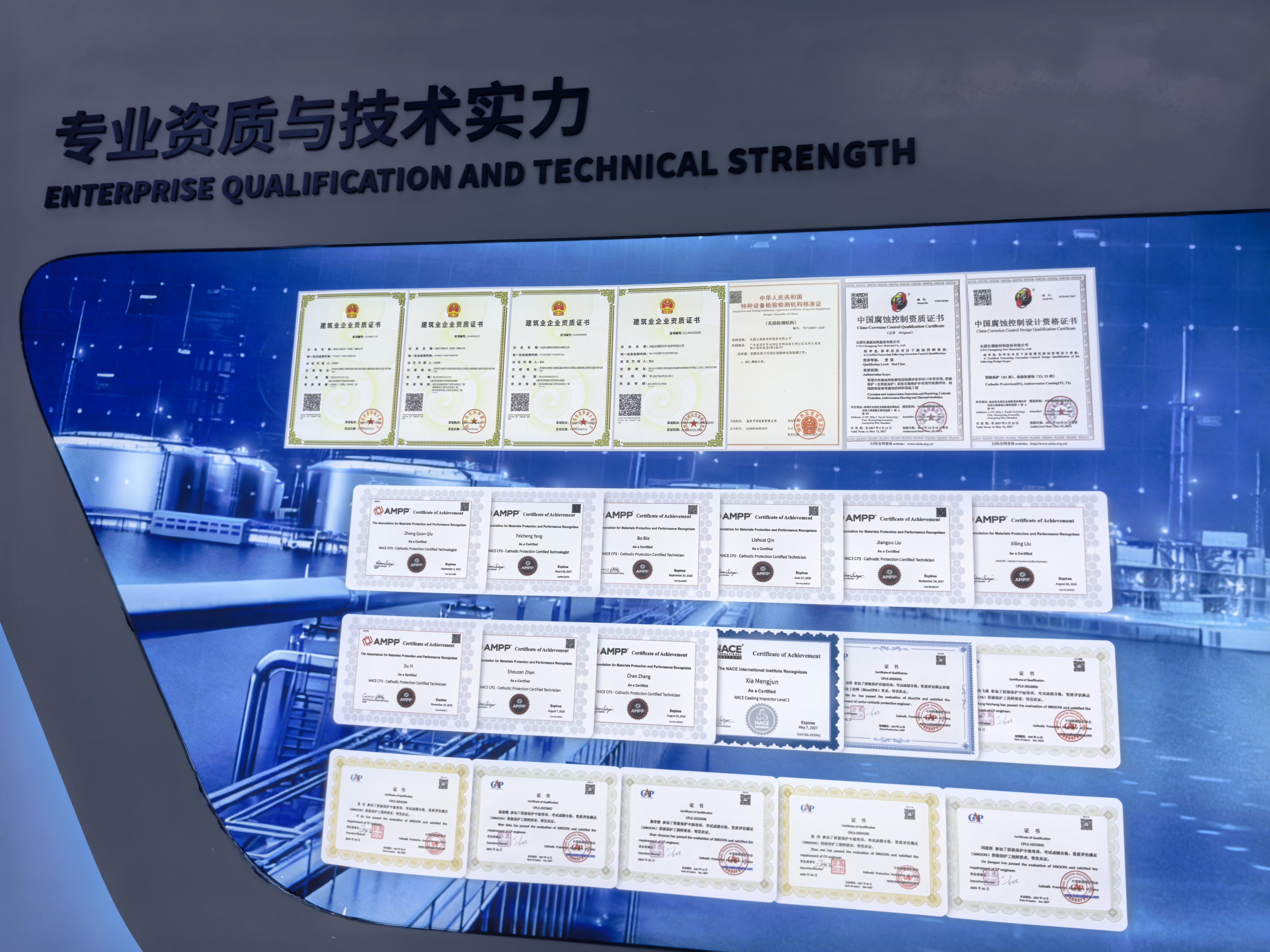
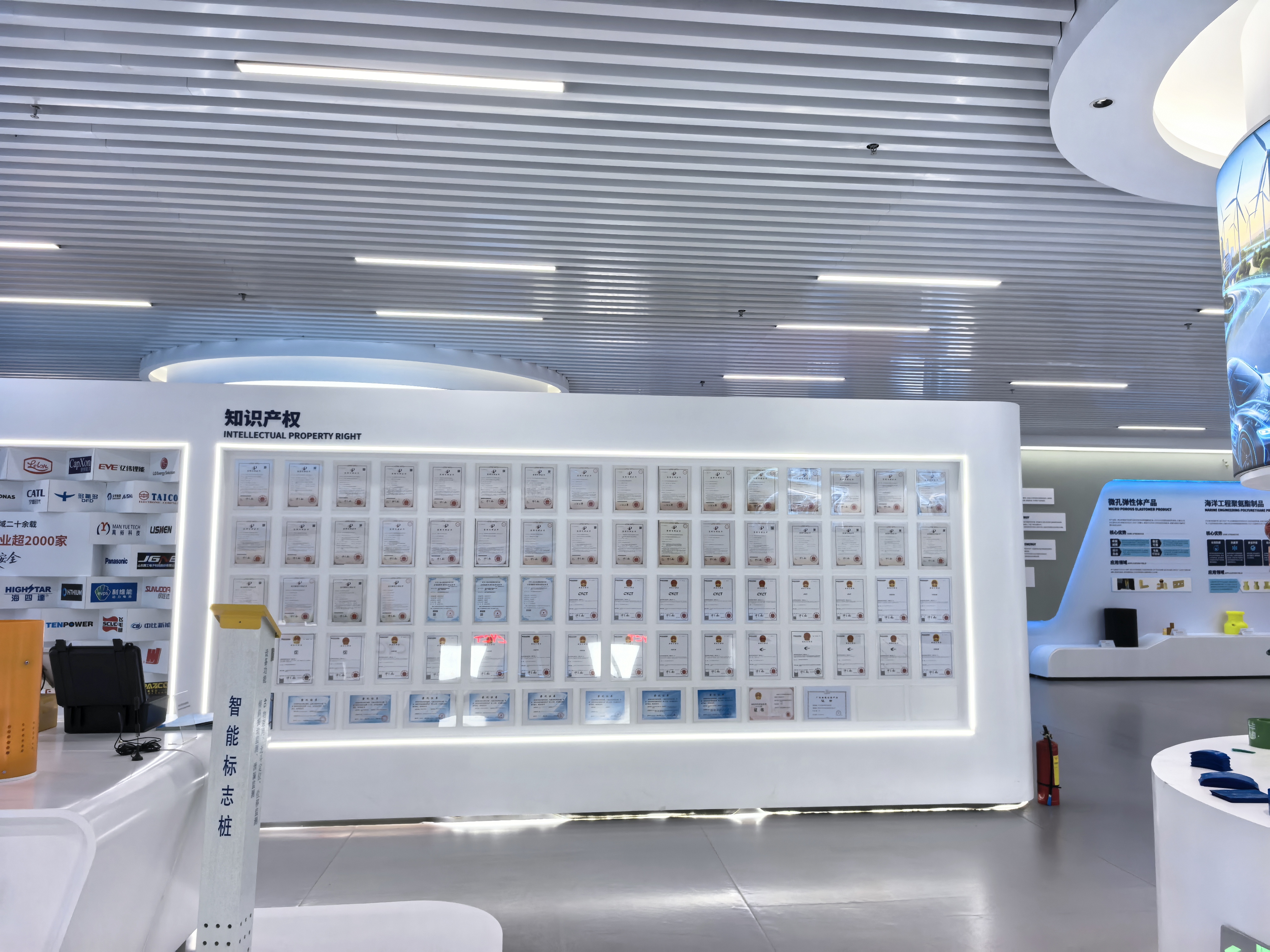
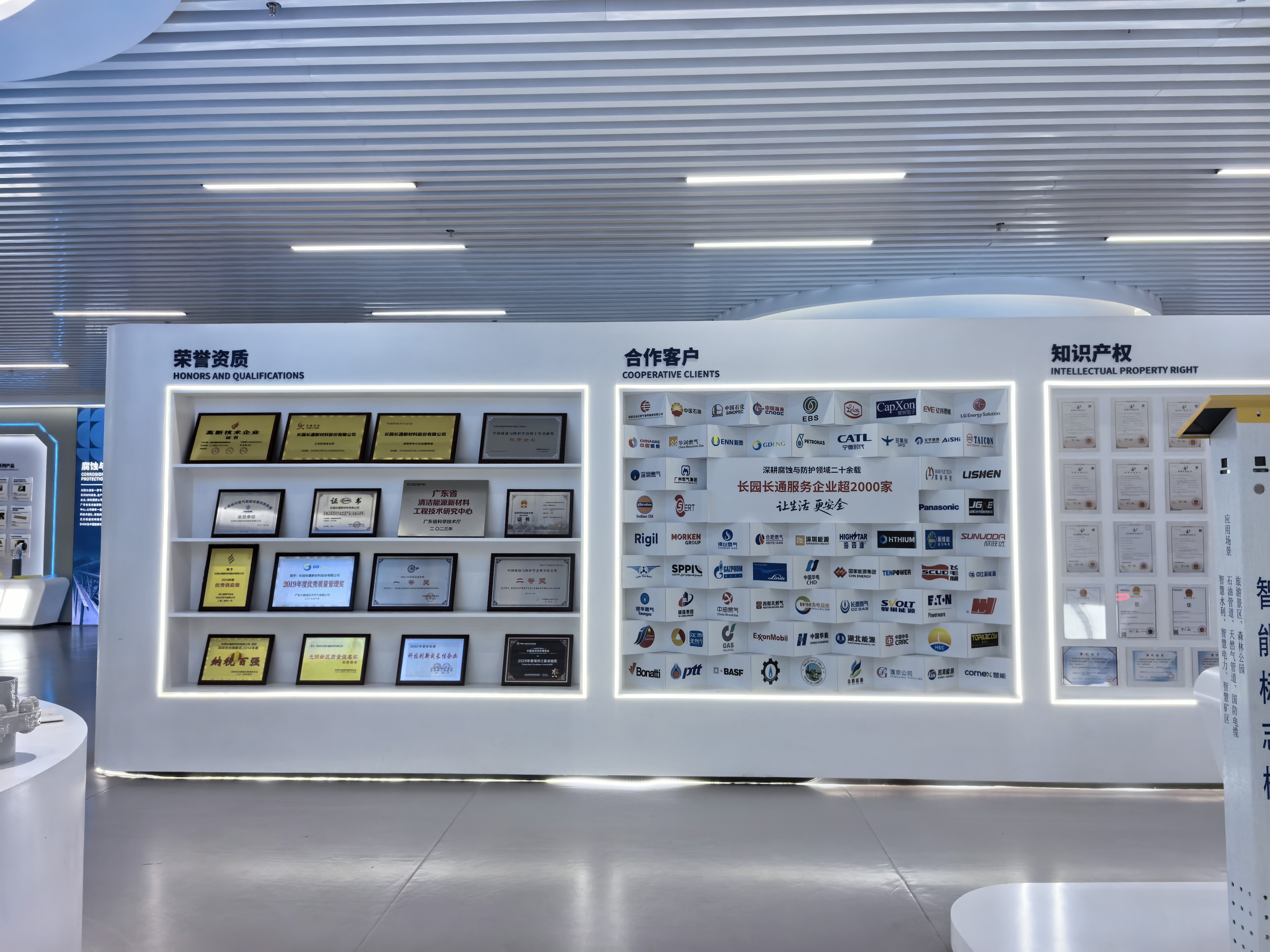
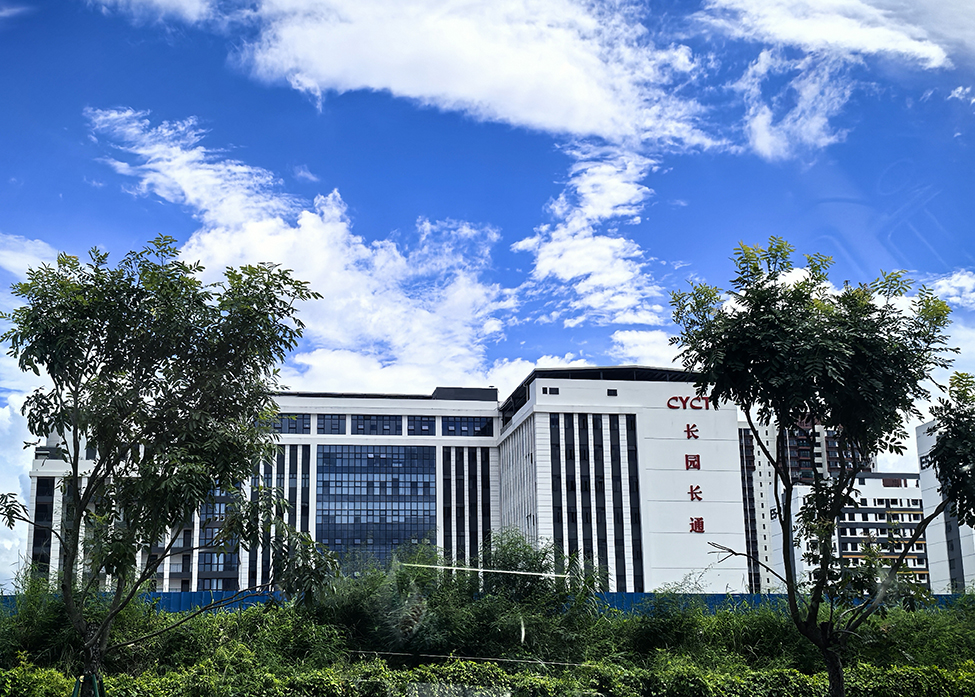
CYCT New Materials Company Limited (for short, CYCT) is a state-level high-tech enterprise integrating R&D, production, and sales of pipeline corrosion protection materials. We also offer buried pipeline detection services and pipeline coating field application services.
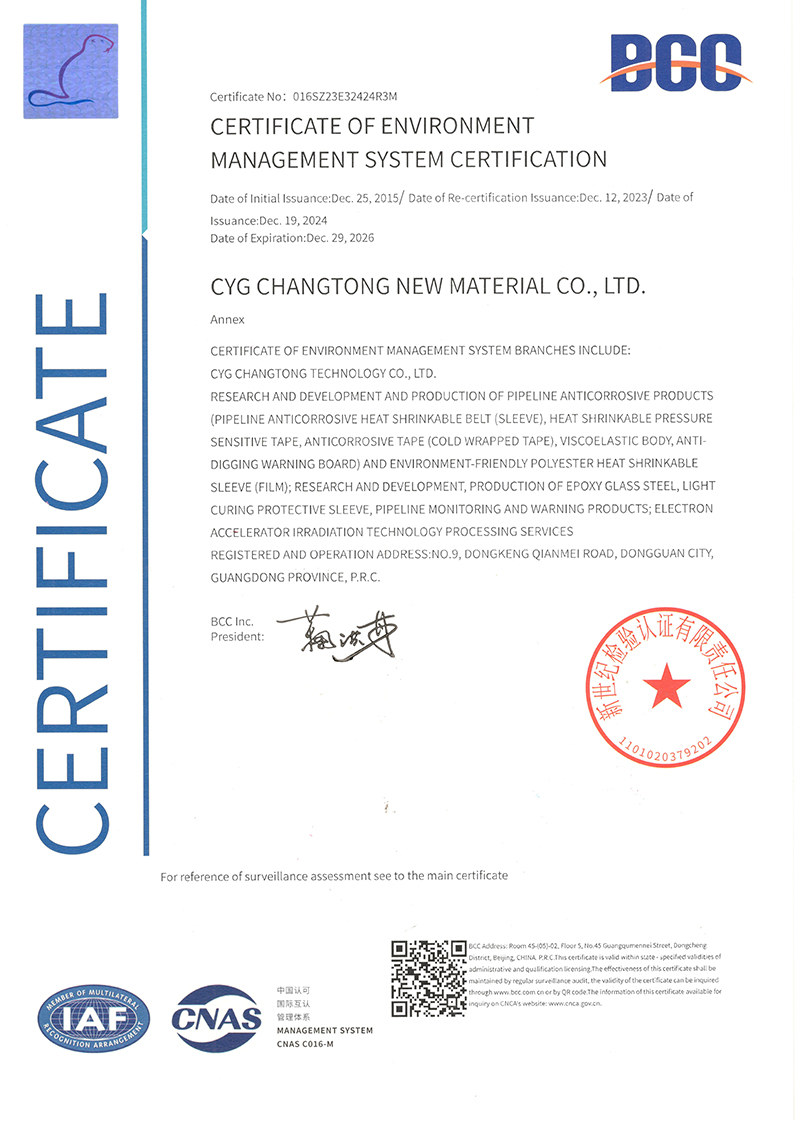
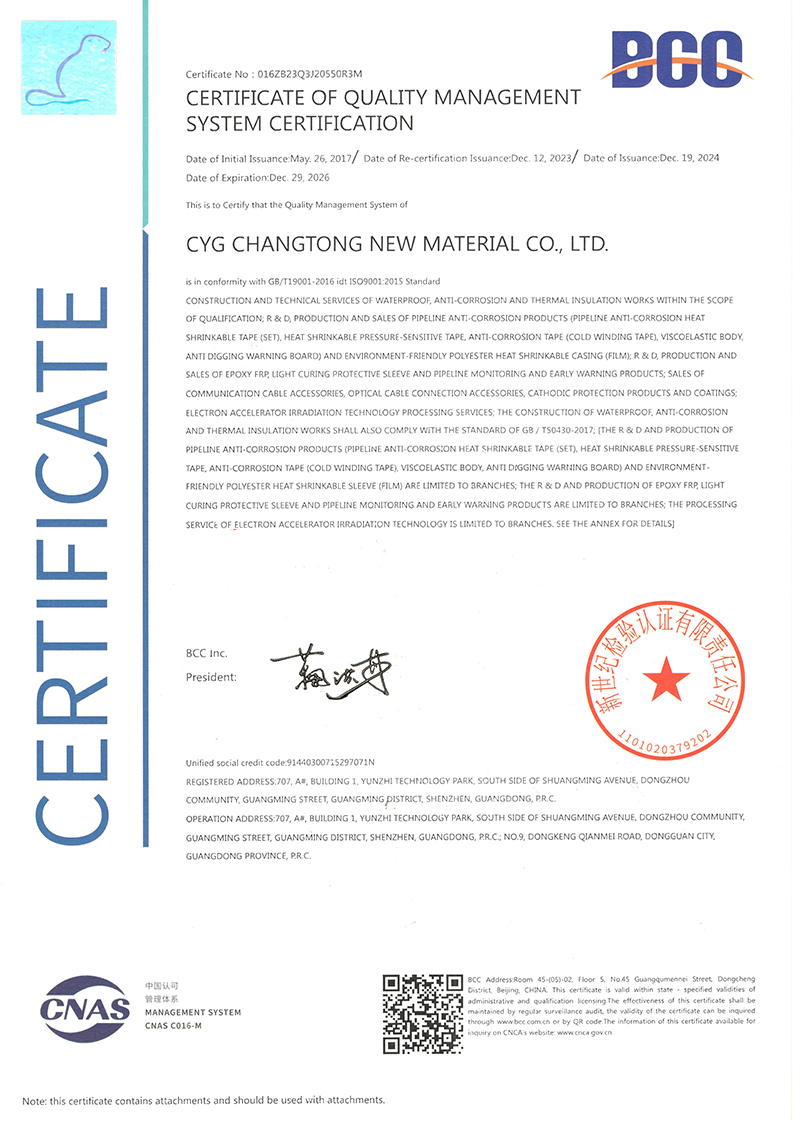
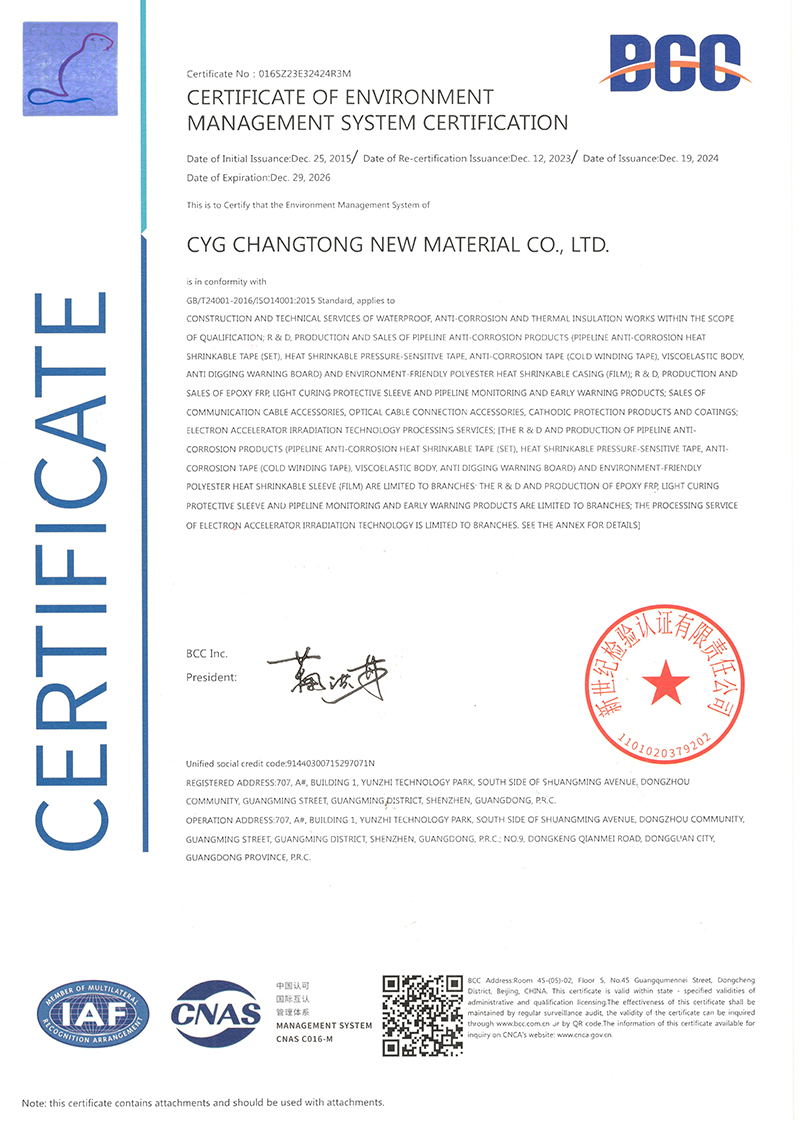
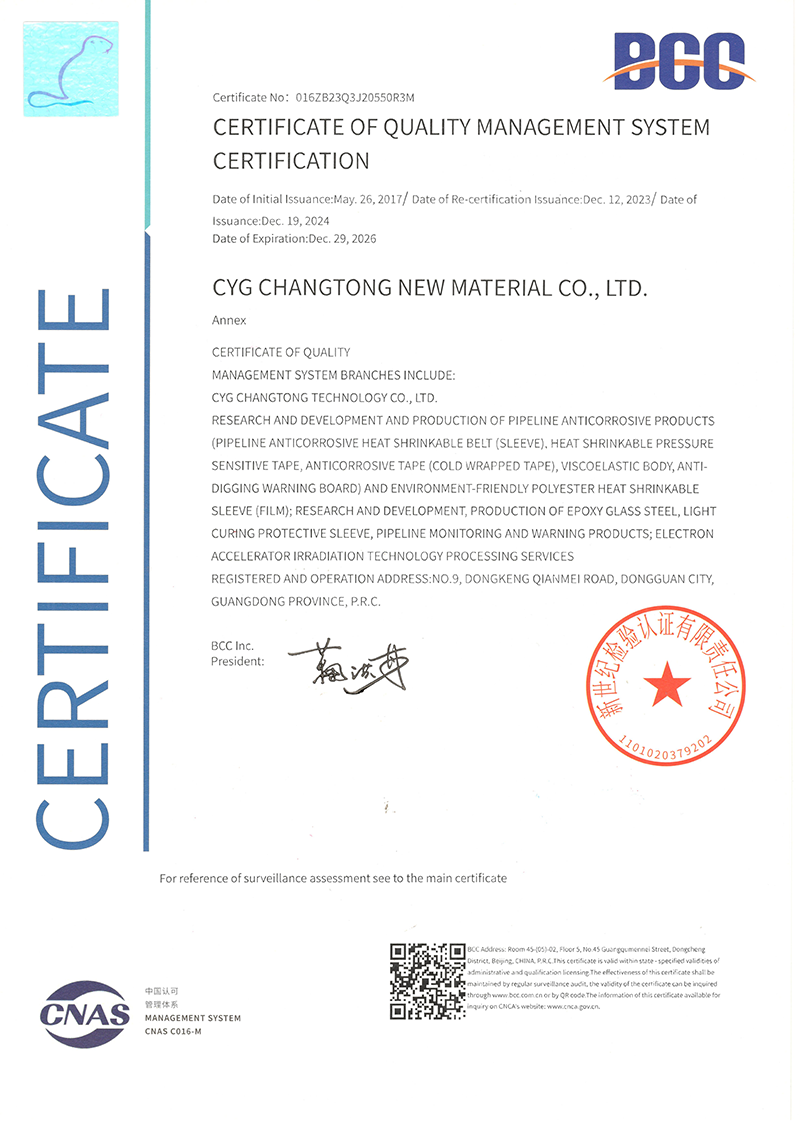
CYCT has dedicated decades to the R&D and manufacturing of pipeline corrosion protection materials. We maintain advanced testing and research capabilities, a professional R&D team, and a national CNAS-accredited laboratory.
CYCT has been a stable supplier of field joint coatings for years to major national enterprises including PetroChina, Sinopec, PipeChina, and various municipal pipeline grids. We maintain a strong market share in domestic and international engineering projects.
Additionally, CYCT has developed and introduced specialty protection materials including visco-elastic anticorrosion materials, photo-curing sleeves for HDD protection, and polyurea coatings.
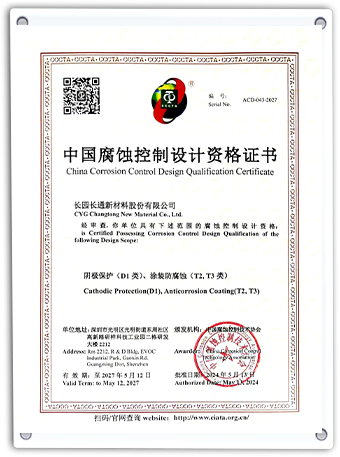
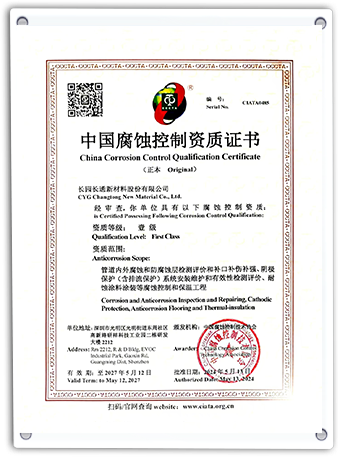
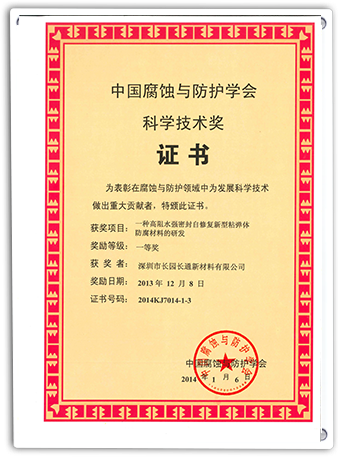
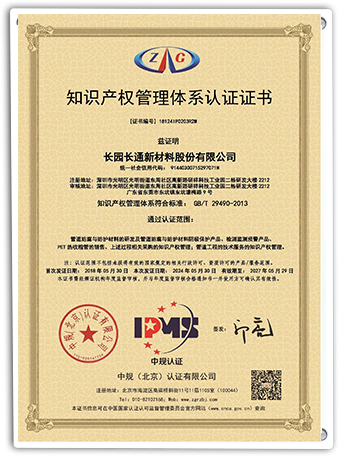
Member of Council in Chinese Society for Corrosion and Protection (CSCP), Qualification Certificate of Corrosion Protection Construction, Qualification Certificate of Pipeline Detection, State-Level High-Tech Enterprise.
In-depth technical answers regarding pipeline protection, application requirements, and standard compliance.
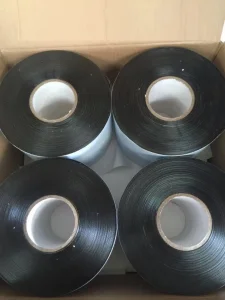
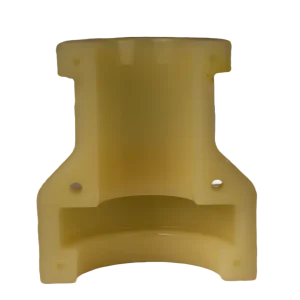
Discover our complete portfolio of cold-applied tapes, heat shrinkable tubular sleeves, and pipeline bend restrictors.
 CYCT
CYCT