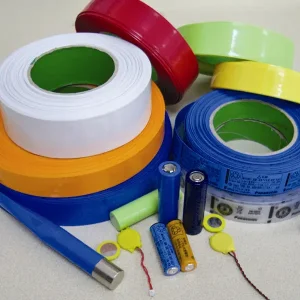
Explore our flagship range of anti-corrosion tapes, sleeves, and specialized materials engineered for high-performance municipal, marine, and industrial pipelines.
As heavy industries push operational limits in pursuit of higher thermal efficiencies, the global demand for advanced pipeline protection systems has grown exponentially. Pipelines handling crude oil, steam lines, municipal gas systems, and chemical processing channels frequently operate at elevated temperatures. In this context, standard coatings fail due to thermal degradation, leading to catastrophic pipeline failures. High Temperature Epoxy Primers have emerged as the gold standard for heavy-duty corrosion protection under extreme thermal stress.
High temperature epoxy primers are engineered to withstand continuous service temperatures ranging from 80°C up to 150°C and beyond. The formulation incorporates highly cross-linked Novolac epoxy resins, combined with heat-resistant pigments and curing agents, ensuring excellent adhesion, thermal stability, and resistance to cathodic disbondment (CD). In industrial projects, particularly in oil and gas production, geothermal energy, and process industries, these primers serve as the foundation of three-layer systems (3LPE/3LPP) or work as stand-alone solutions to prevent Corrosion Under Insulation (CUI).
Maintains structural integrity and adhesion under cyclic temperature loading, preventing delamination and bubbling.
Prevents Corrosion Under Insulation (CUI), a major source of cost and safety hazards in chemical plants.
Excellent resistance to cathodic disbondment (CD) at elevated temperatures, meeting stringent international standards.
High temperature epoxy primers are versatile materials optimized for specialized pipeline systems across multiple industries. Their unique properties enable long-term performance under demanding operating conditions worldwide:
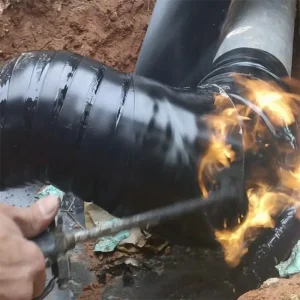
In global transmission pipelines carrying hot oil or natural gas, the pipes are coated with three-layer polyethylene (3LPE) or three-layer polypropylene (3LPP) coatings. During field joint coating (FJC) at weld lines, a liquid high-temperature epoxy primer is applied to the bare steel before placing the heat-shrinkable sleeve or wrap. This primer forms a strong chemical bond with both the steel surface and the adhesive backing of the outer sleeve, creating a continuous barrier against corrosive chemicals and high service temperatures.
Geothermal power plants and district heating networks operate under conditions of extreme moisture and elevated temperatures. High temperature liquid epoxies are used to coat pipeline bends, elbows, and fittings that cannot be protected by conventional factory coatings. The thermal stability of these systems prevents thermal expansion stresses from shearing the coating off the metal substrate.
Undersea pipelines run at high temperatures due to internal fluid friction and subterranean warmth. These pipelines are subjected to external seawater pressure and corrosive salts. Liquid epoxy primers are formulated for high cathodic disbondment resistance to ensure subsea joints remain protected even if the outer mechanical protection is damaged during installation.
Horizontal Directional Drilling (HDD) requires pipeline coatings with exceptional shear resistance and tensile strength. Standard coatings risk being stripped off by soil friction and rock abrasion during pulling. A reinforced high-temperature epoxy primer provides a tough layer that resists shear stress, ensuring long-term protection in demanding crossing zones.
When sourcing OEM high temperature epoxy primers, global enterprises prioritize consistent quality, capacity, and competitive pricing. China has become the center for advanced chemical coatings and anticorrosive materials. CYCT leads this market by combining raw material advantages with strict quality control systems.
CYCT's production facilities benefit from direct access to high-grade epoxy resins, curing agents, and additives. This local chemical infrastructure lowers shipping and material costs, allowing us to pass savings onto our global customers.
Equipped with computerized blending reactors and high-speed packaging lines, our factory runs precise production runs with low batch-to-batch variation. Whether you need a container-load of primer or custom-formulated liquid kits, our capacity ensures reliable supply schedules.
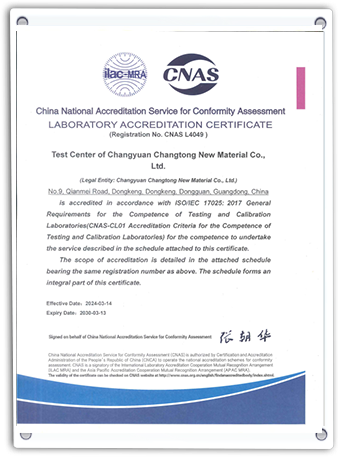
We do not rely on third-party labs. Our national CNAS-accredited laboratory performs comprehensive testing for cathodic disbondment, hot-water immersion, DSC thermal analysis, and adhesion pull-off. Every batch is tested and certified before it leaves our factory gates.
CYCT New Materials Company Limited (CYCT) is a state-level high-tech enterprise integrating R&D, production and sales of pipeline corrosion protection materials as well as buried pipeline detection service and pipeline coating field application service into one. CYCT has devoted itself to the R&D, production, and sales of pipeline corrosion protection materials for decades, refining its techniques to match international standards.
CYCT has become a stable supplier of field joint coatings for years to major energy enterprises including PetroChina, Sinopec, PipeChina, and various local pipeline systems, commanding a major market share. Furthermore, CYCT has developed and introduced specialty corrosion protection materials such as viscoelastic anticorrosion materials, special photo-curing sleeves for HDD protection, polyurea coatings, and high-temperature primers.
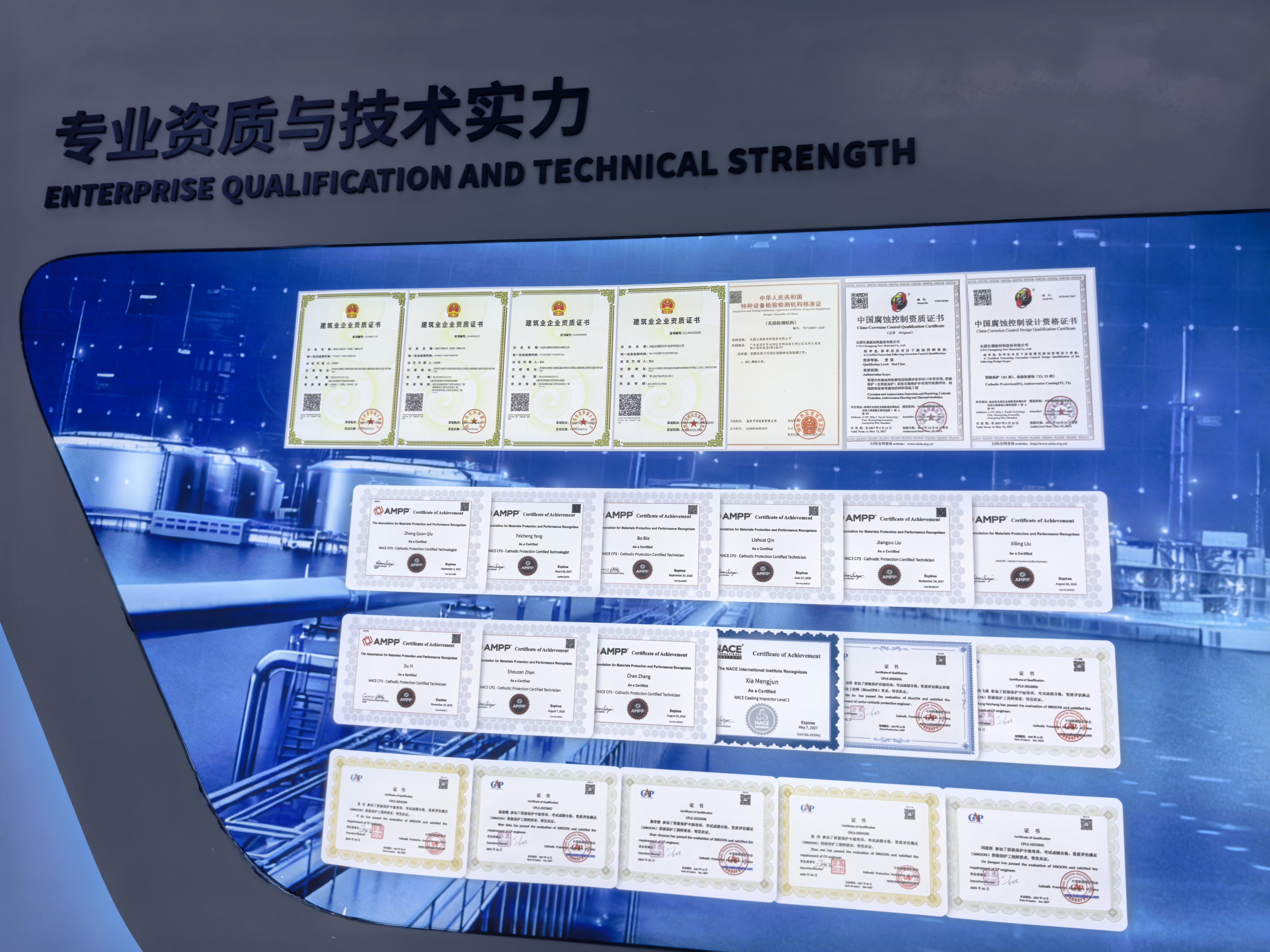
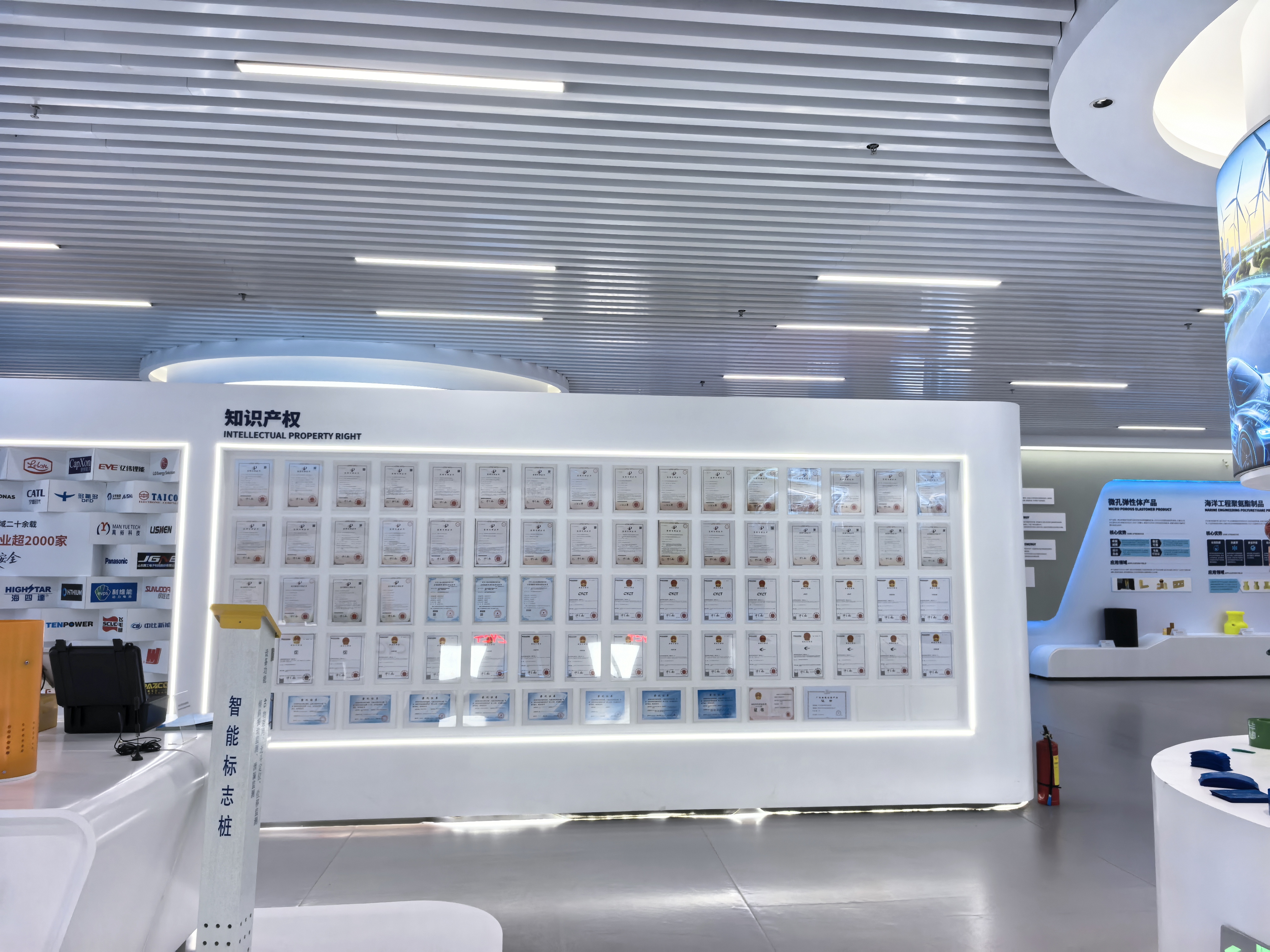
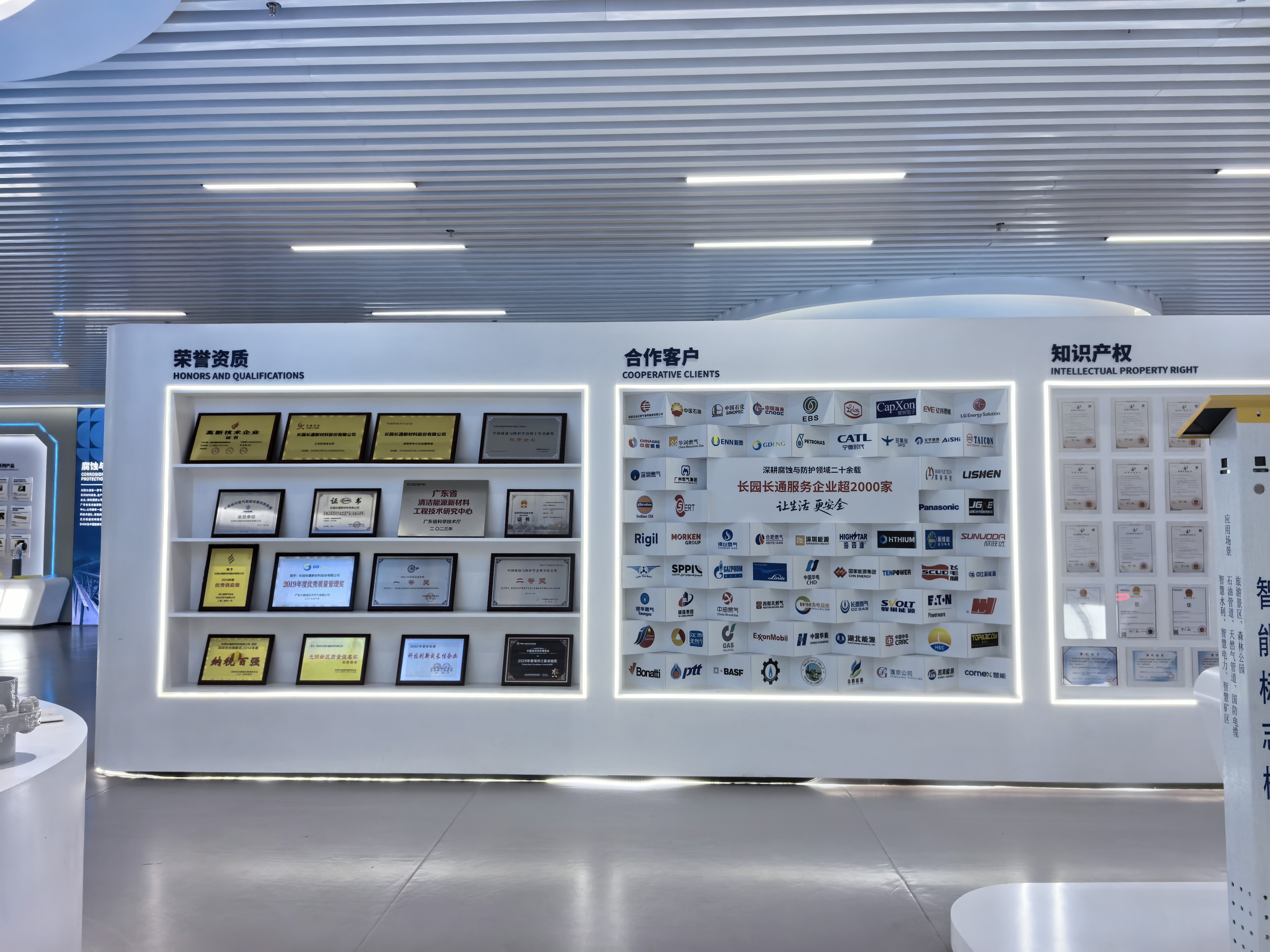
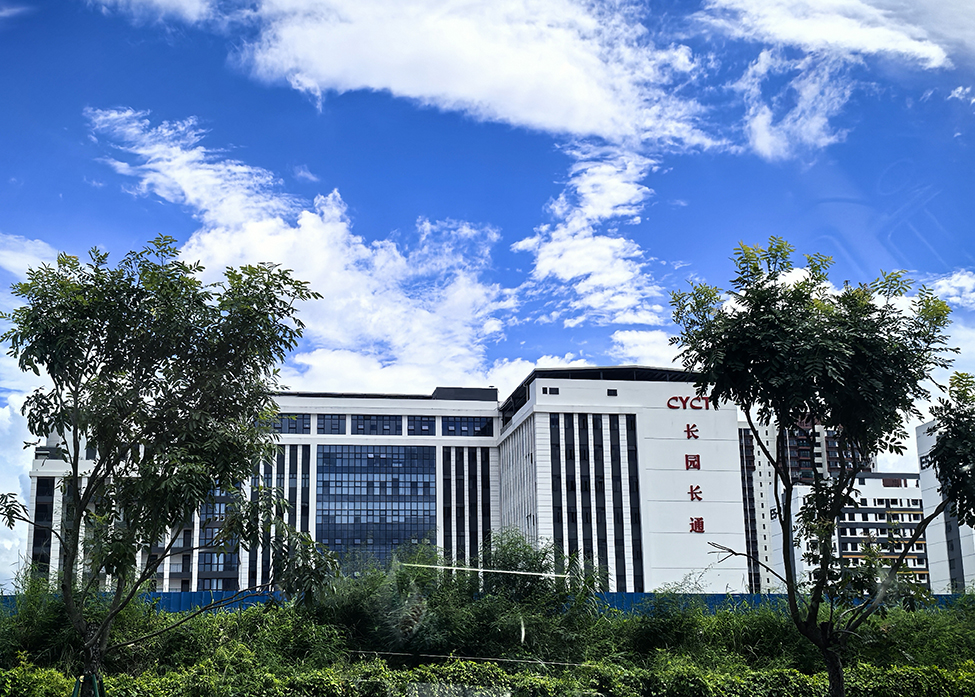
Through close cooperation with leading research institutes, such as the CNPC Pipeline Science Research Institute, CYCT provides pipeline operator companies with services including buried pipeline inspection, cathodic protection design, rehabilitation planning, and integrated corrosion protection solutions.
CYCT is a Council Member of the Chinese Society for Corrosion and Protection (CSCP), holds Qualification Certificates for Corrosion Protection Construction and Pipeline Detection, and is recognized as a Well-known Brand of Pipeline Corrosion Protection in China. We are also a corporate member of the China Association of Petroleum Engineering Construction (CAPEC) and an active member of AMPP (Association for Materials Protection and Performance).
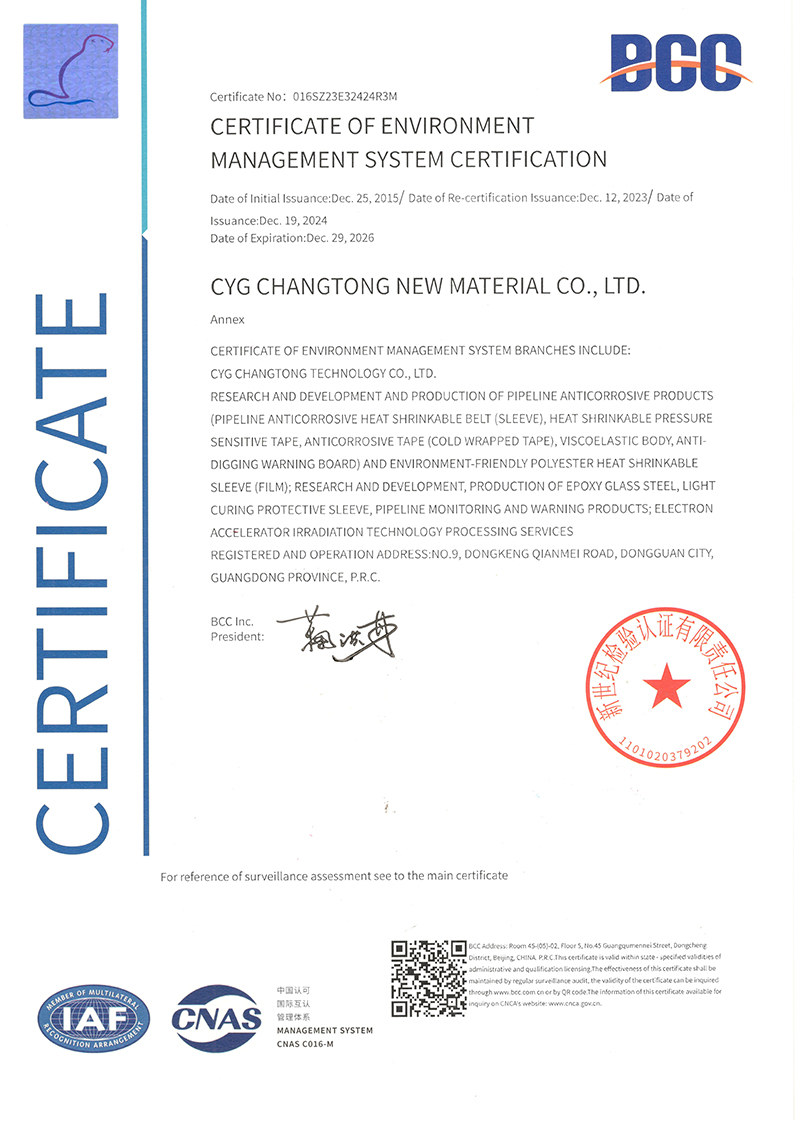
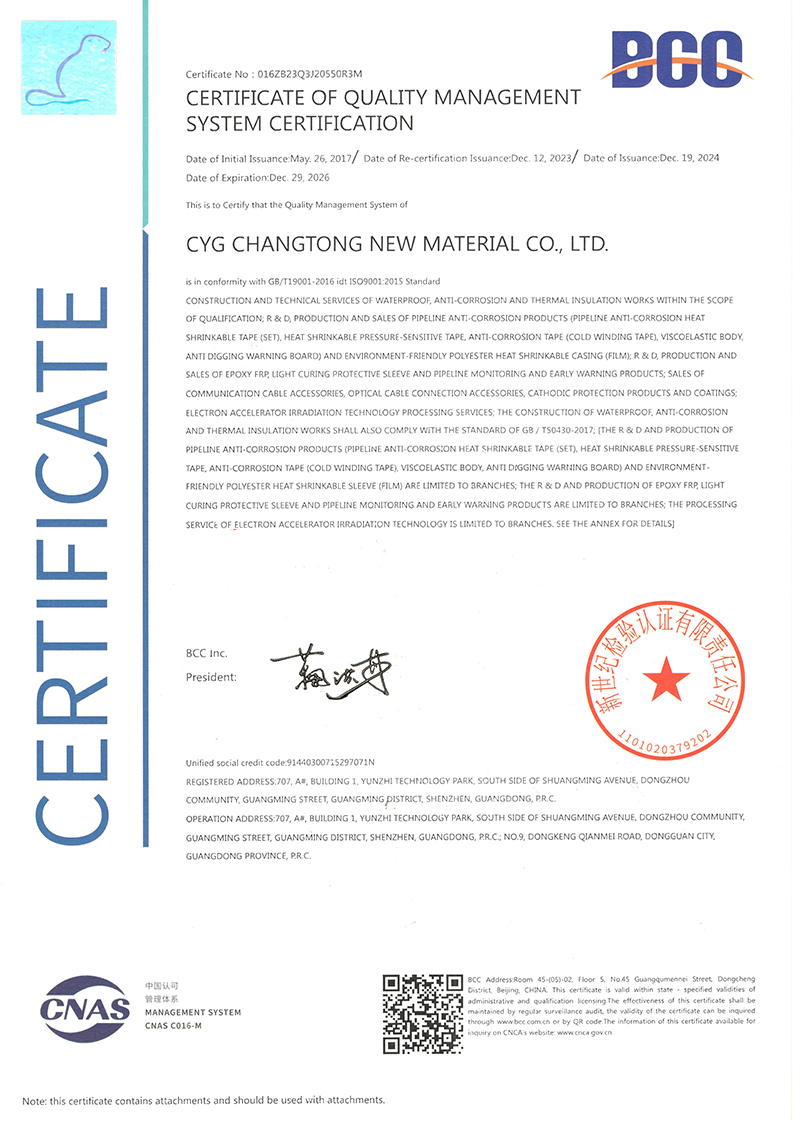
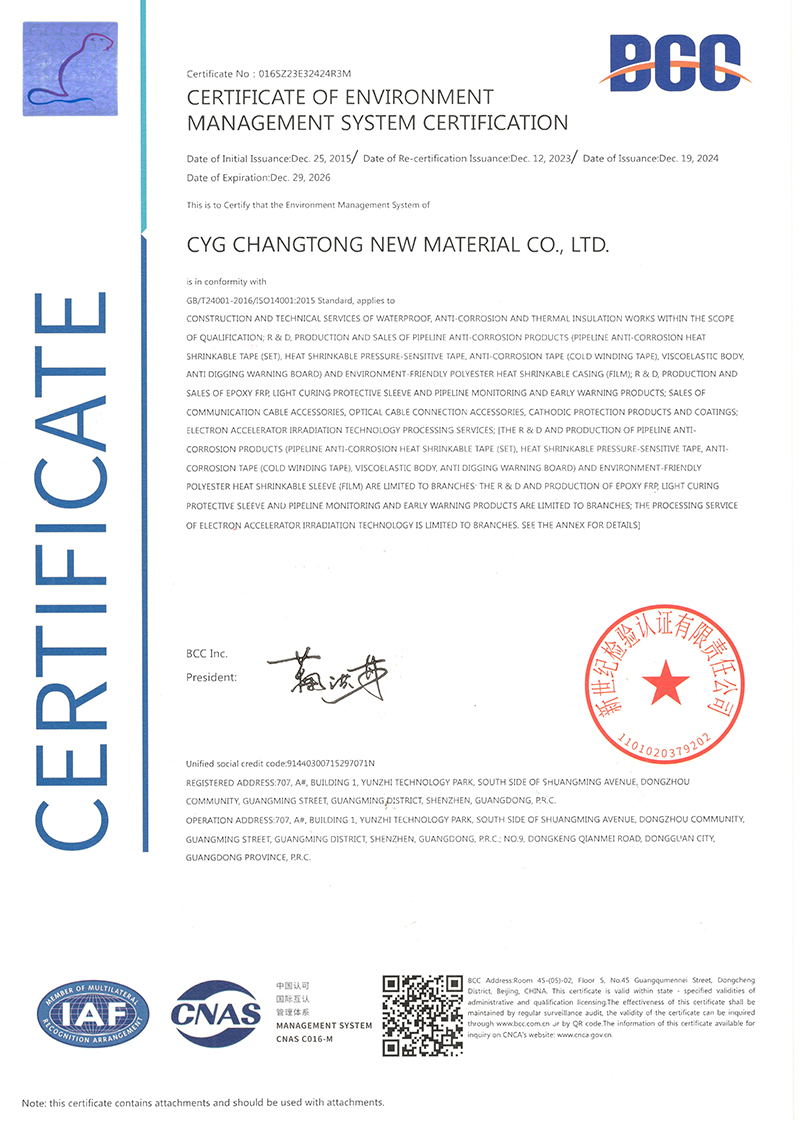
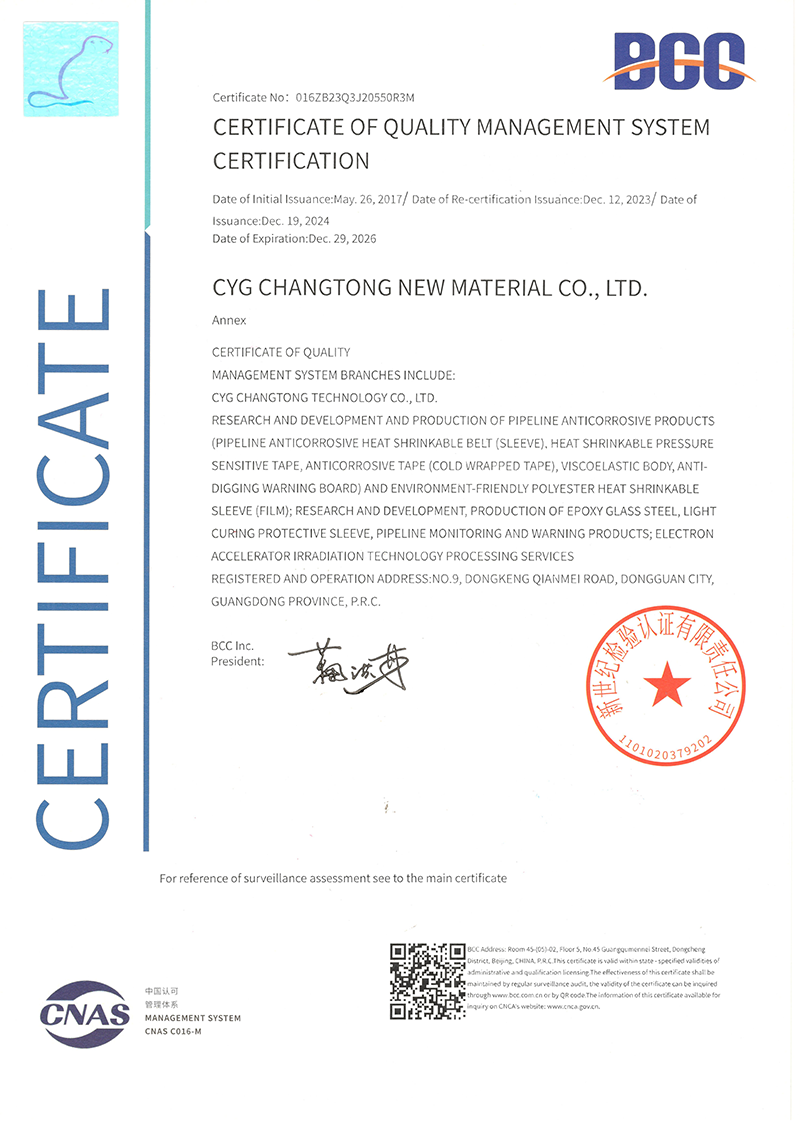
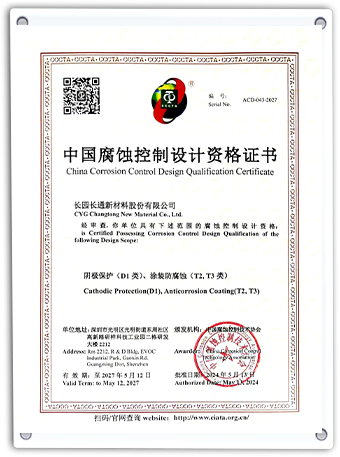
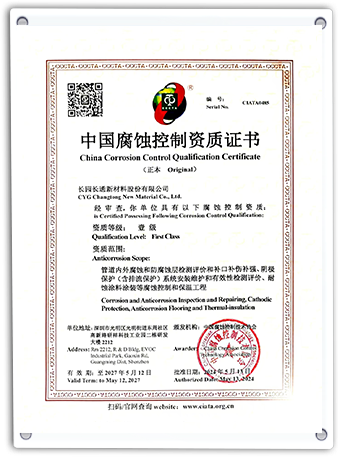
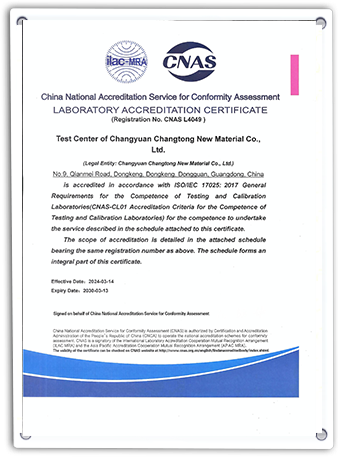
Sourcing engineers and procurement teams evaluate critical technical metrics to ensure compatibility with local pipeline codes (such as ISO 21809-3, NACE SP0394, and EN 12068). High-temperature epoxy primers must meet strict performance thresholds before approval for oil, gas, or chemical plants.
| Performance Parameter | Test Standard | Typical Values (Standard Epoxy) | CYCT High-Temp Epoxy Primer Value |
|---|---|---|---|
| Curing Time (Dry to Touch) | ASTM D1640 | 2 - 4 hours | 45 - 90 minutes (Optimized for speed) |
| Cathodic Disbondment (CD) | ASTM G95 / ISO 21809 | 8 - 12 mm @ 65°C, 28 days | < 5 mm @ 80°C - 95°C, 28 days |
| Adhesion to Steel (Pull-Off) | ASTM D4541 / ISO 4624 | 12 - 15 MPa | > 20 MPa (Cohesive failure) |
| Glass Transition Temp (Tg) | ASTM E1356 (DSC) | 85°C - 95°C | 110°C - 135°C (High crosslink density) |
| Impact Resistance | ASTM G14 | > 5 Joules | > 10 Joules |
| Hot Water Immersion Resistance | ISO 21809-3 | Passable at 50°C | Excellent (No blistering/loss of adhesion at 95°C) |
The industrial coatings sector is shifting toward environmentally sustainable formulations that maintain high performance in extreme environments. We track these key trends to keep our product line aligned with future requirements:
Environmental regulations are driving the reduction of Volatile Organic Compounds (VOCs). Future high-temperature epoxy primers will be 100% solids, solvent-free liquid epoxies, which reduce environmental impact and prevent solvent entrapment during application.
By incorporating nanomaterials like graphene oxide or nano-silica, newer primers achieve higher thermal conductivity, lowered thermal stress degradation, and increased barrier properties against water and chemical molecules.
Micro-encapsulated healing agents are being developed. When the coating suffers micro-cracks from thermal expansion, the capsules rupture to release active compounds that seal the damaged area, extending the life of buried steel pipelines.
Common questions answered by CYCT's senior coating engineers regarding application, performance, and sourcing.
Choose from our specialized heat-shrinkable sleeves, viscoelastic coatings, and repair solutions designed for standard and high-temperature pipelines.
 CYCT
CYCT