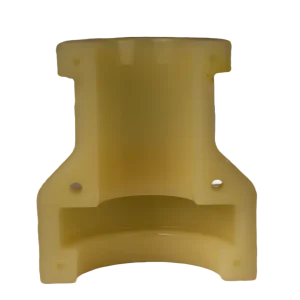
Engineered to protect critical infrastructure under extreme environmental stresses. Directly from our state-level high-tech facility.
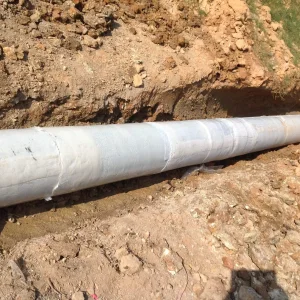
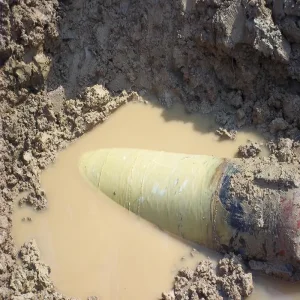
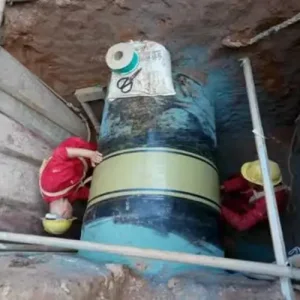
A Premier State-Level High-Tech Enterprise Dedicated to Advanced Pipeline Protection Solutions.
Years of Engineering Expertise
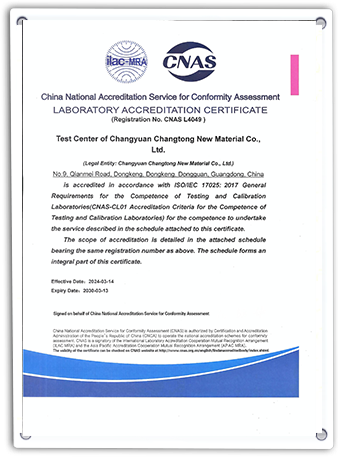
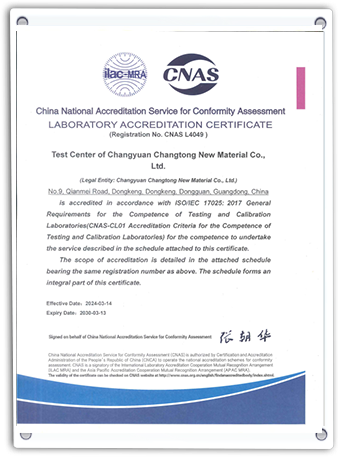
National Accredited Laboratory
Proprietary Patent Rights
Corporate Alliance Member
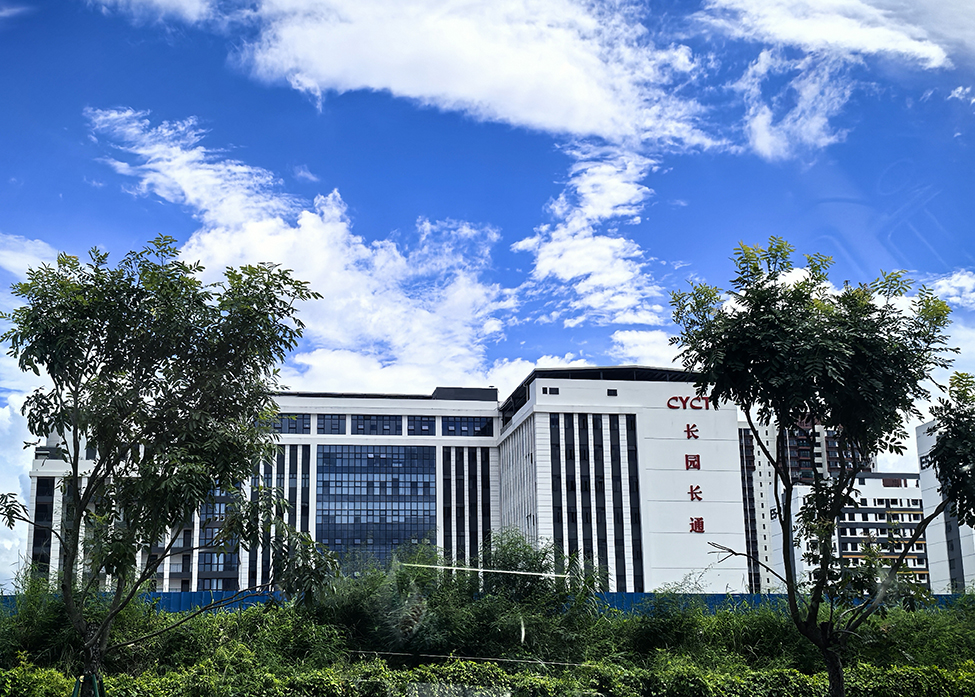
CYCT New Materials Company Limited (for short, CYCT) is a state-level high-tech enterprise integrating R&D, production and sales of pipeline corrosion protection materials as well as buried pipeline detection services and pipeline coating field application services into one integrated system. Established in 2000, CYCT has devoted itself to solving the most complex pipeline integrity challenges for over two decades.
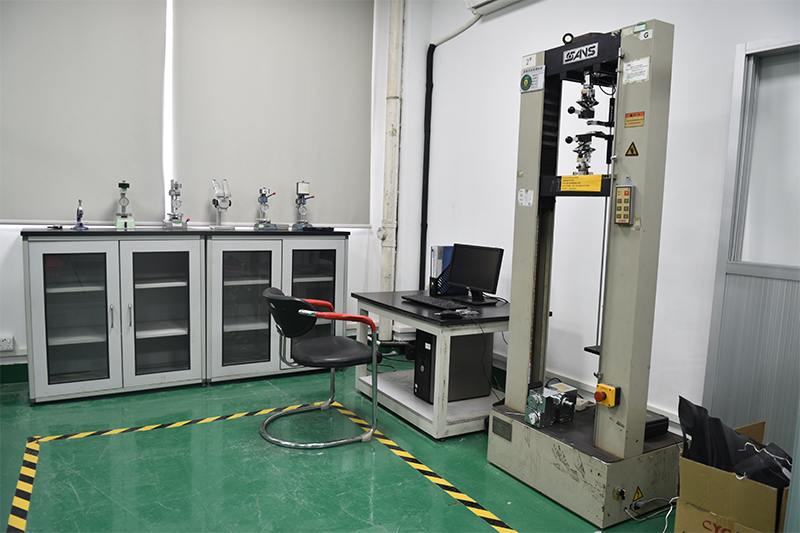
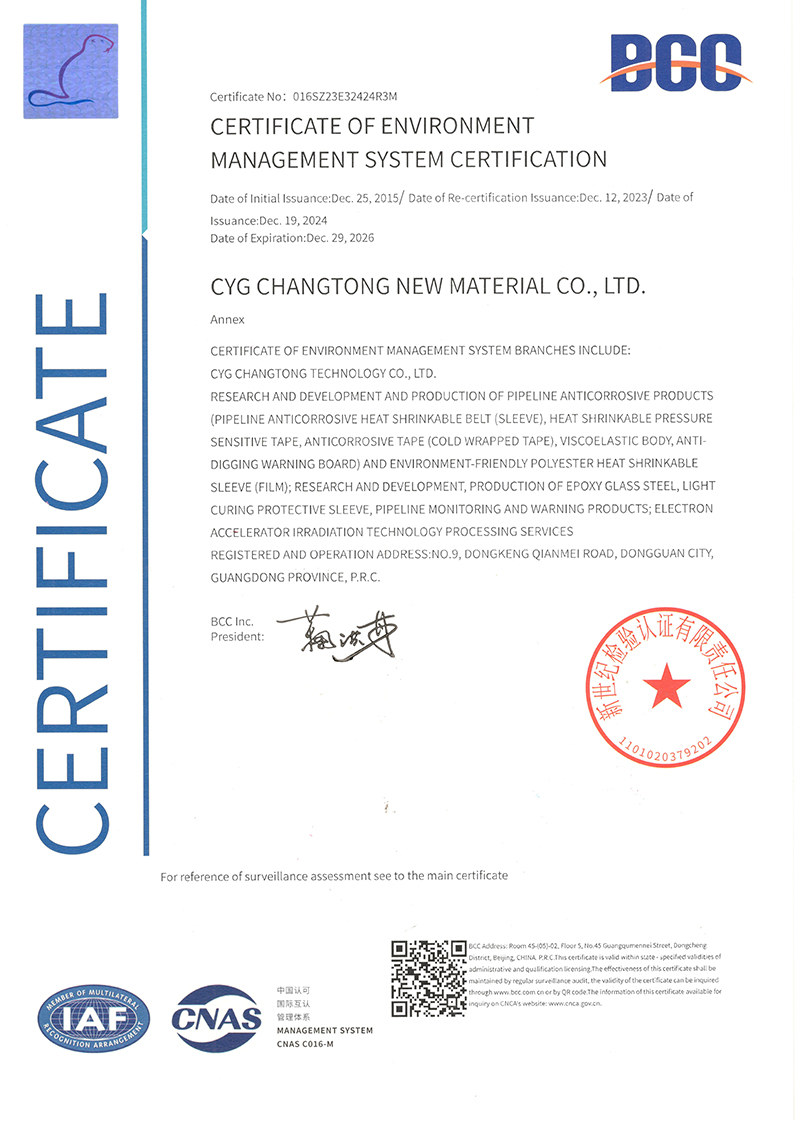
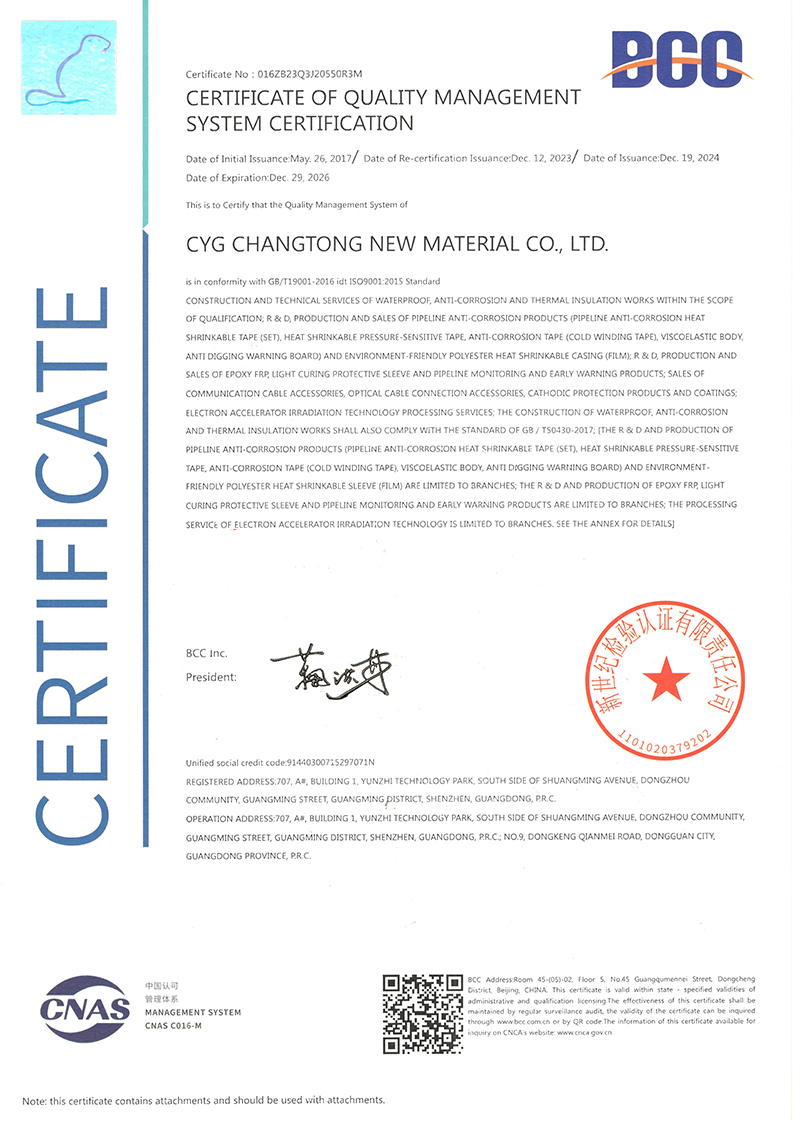
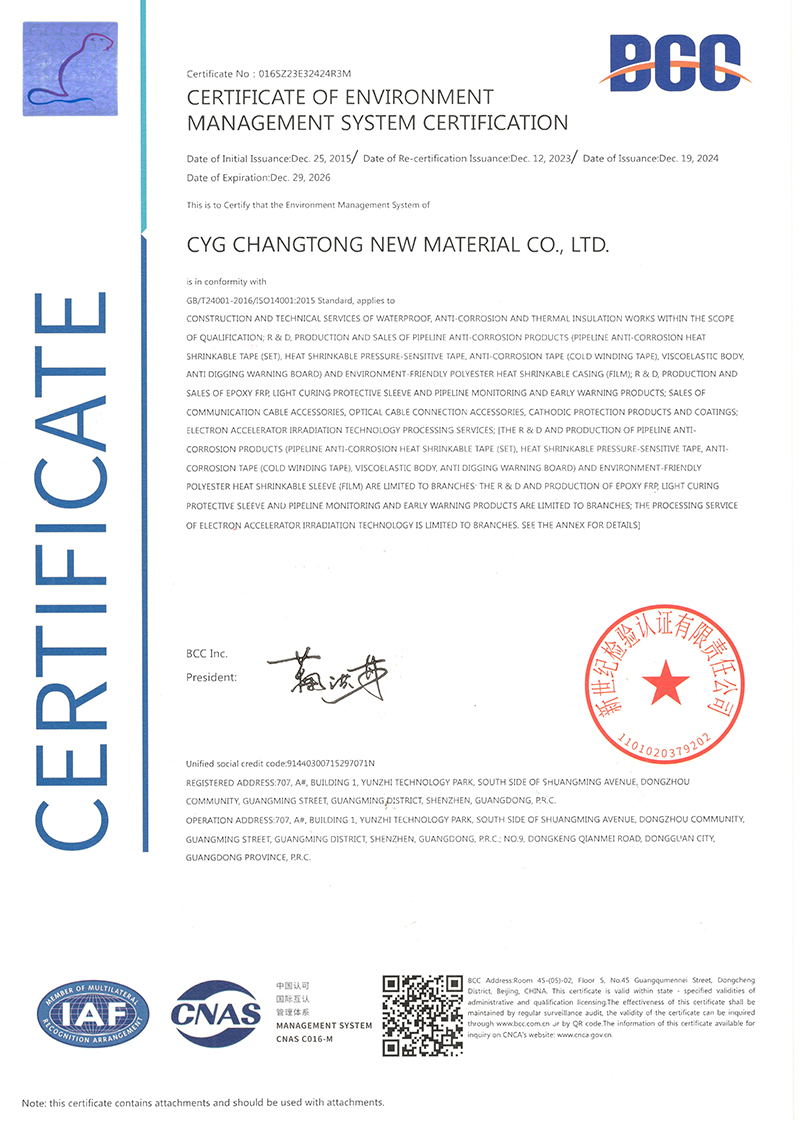
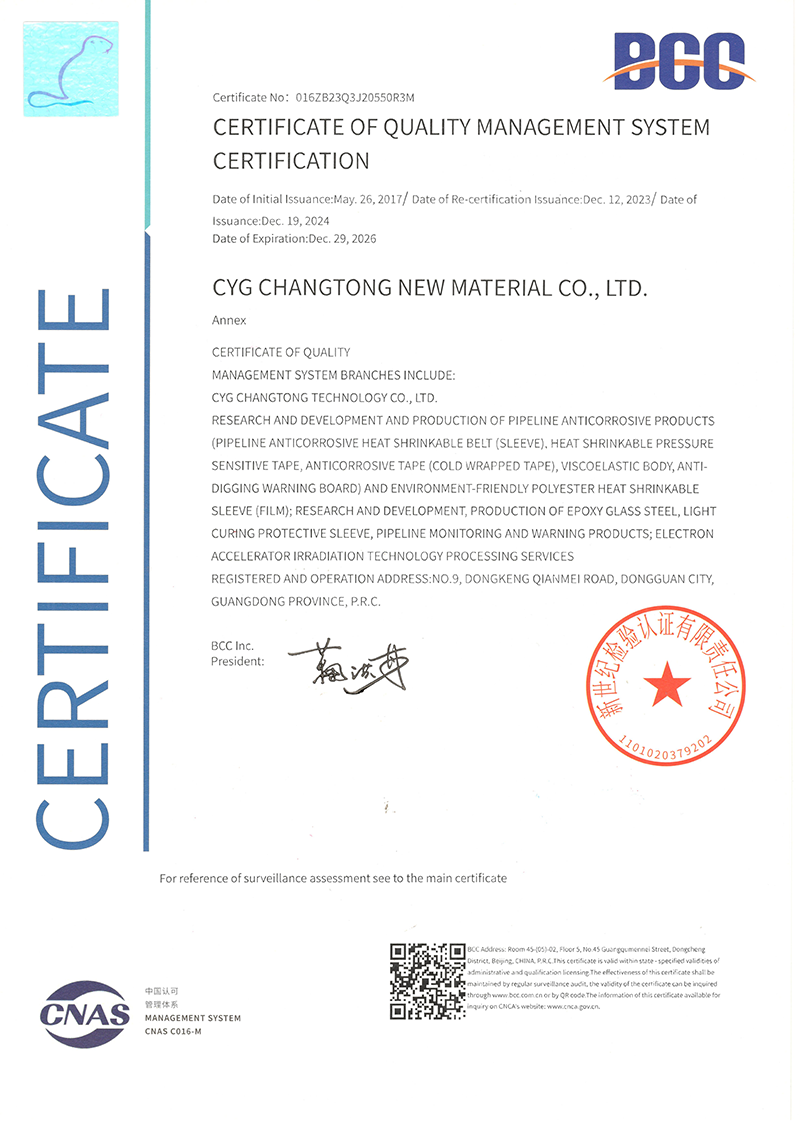
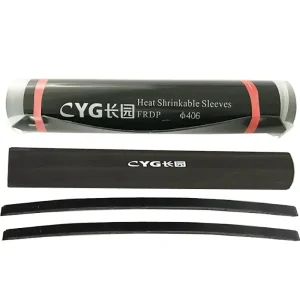
CYCT owns leading testing and R&D capabilities, backed by a highly specialized team of material scientists, corrosion engineers, and structural analysts. By operating our national CNAS-accredited laboratory, we ensure every batch of heat shrinkable protective tapes, viscoelastic coatings, and photo-curing sleeves undergoes rigorous testing to meet strict ISO, EN, and ASTM standards. We are honored to serve as a stable supplier of field joint coatings and pipeline materials for global energy enterprises, including PetroChina, Sinopec, PipeChina, China Gas Group, and Indian Oil.
Uncovering the shift toward high-performance materials, extreme environments, and sustainability.
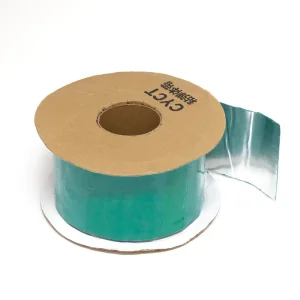
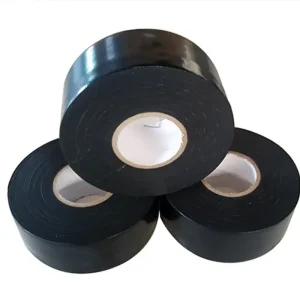
Modern protective tapes utilize radiation cross-linked high-density polyethylene (HDPE) backing. This molecular structure offers superior mechanical strength, resisting soil stress and thermal expansion better than traditional alternatives.
VOC regulations and stringent HSE guidelines are reshaping adhesive technologies. Transitioning to solvent-free, high-solid hot melts and viscoelastic compounds ensures environmentally non-hazardous installations.
Intelligent, color-shifting markers embedded in heat shrink layers allow inspectors to verify uniform heat application and shrink completeness. This dramatically reduces human error and field joint inspection times.
Scientific performance metrics comparing primary protective tape backing and adhesive technologies.
| Property Parameter | Heat Shrinkable HDPE Tape | Viscoelastic Adhesive Tape | Epoxy FRP Composites |
|---|---|---|---|
| Operating Temperature | -50°C to +85°C | -45°C to +130°C (wide temp) | -60°C to +150°C |
| Peel Strength to Steel | > 80 N/cm (at 23°C) | Cohesive failure (self-healing) | High mechanical bonding |
| Cathodic Disbondment | < 10 mm (at 60°C, 30 days) | < 5 mm (highly resistant) | < 8 mm |
| Soil Stress Resistance | Excellent (thick backing) | Requires mechanical outer tape | Extreme (used for HDD crossings) |
| Shelf Life | Up to 5 years (cool, dry storage) | Indefinite (does not cure) | 12–24 months (curing dependent) |
Custom-engineered application systems designed to defend assets against harsh geological conditions.
Trenchless pipeline installation subjects steel pipes to heavy mechanical friction, shear stress, and rocky abrasions. Our specialized Epoxy FRP & GRP photo-curing protective sleeves act as sacrificial outer layers, preventing damage to the primary anti-corrosion barrier.
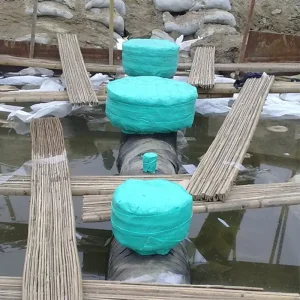
Splashing zones and deep-sea currents expose pipes to highly corrosive saltwater and microbial activity. CYG Changtong GRF moisture-curing shields provide long-term barrier properties, isolating metal surfaces from moisture and oxygen.
Operating hot oil and gas lines require field joint coatings that withstand temperatures up to 85°C without peeling. Our hot melt sticks, repair patches, and viscoelastic tapes offer self-healing properties that keep aging networks running smoothly.
A reliable logistics and quality compliance network for seamless material procurement.
Our raw materials and finished products strictly conform to AMPP, ISO 21809-3, and EN 12068 standards. Complete traceability documentation is provided with every shipment.
Whether you require unique roll dimensions, specific mastic thickness, custom backing colors, or private labeling, our production line handles high-volume requests.
We work directly with major logistics networks, providing export-grade packaging (custom crates, temperature-controlled shipping if needed) to ensure product arrives ready for application.
Inside our advanced production plants and CNAS testing centers where corrosion challenges are solved.
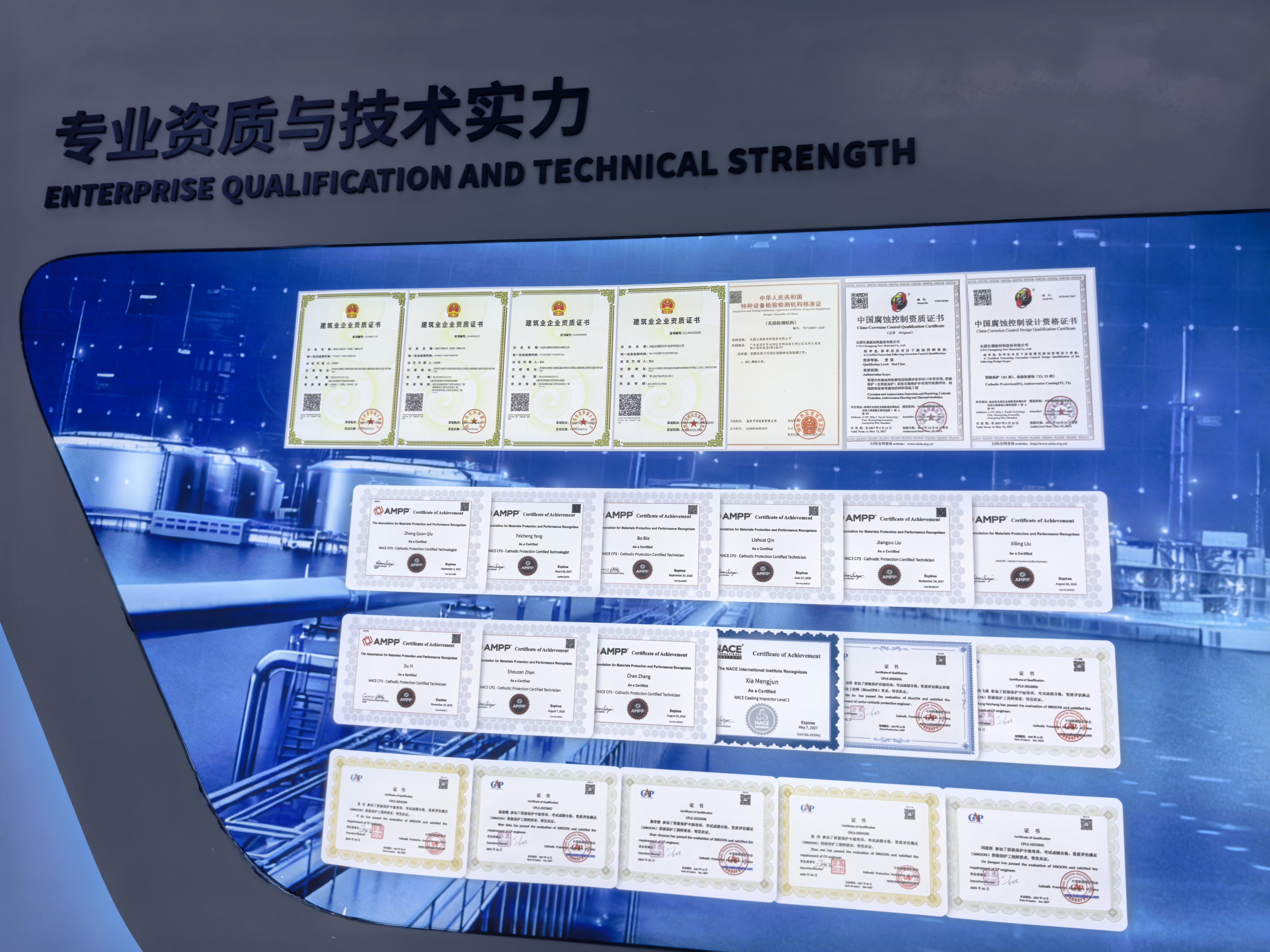
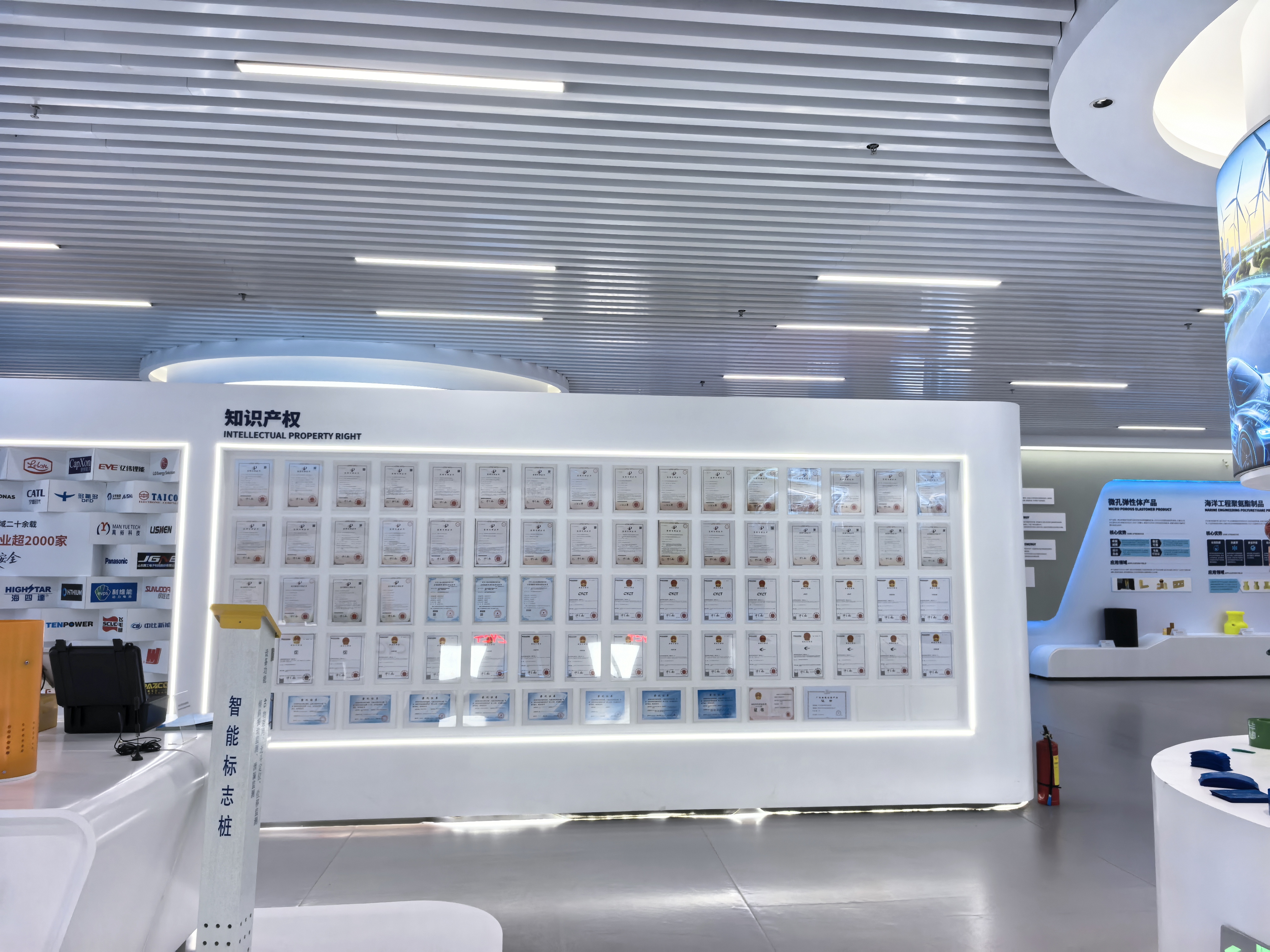
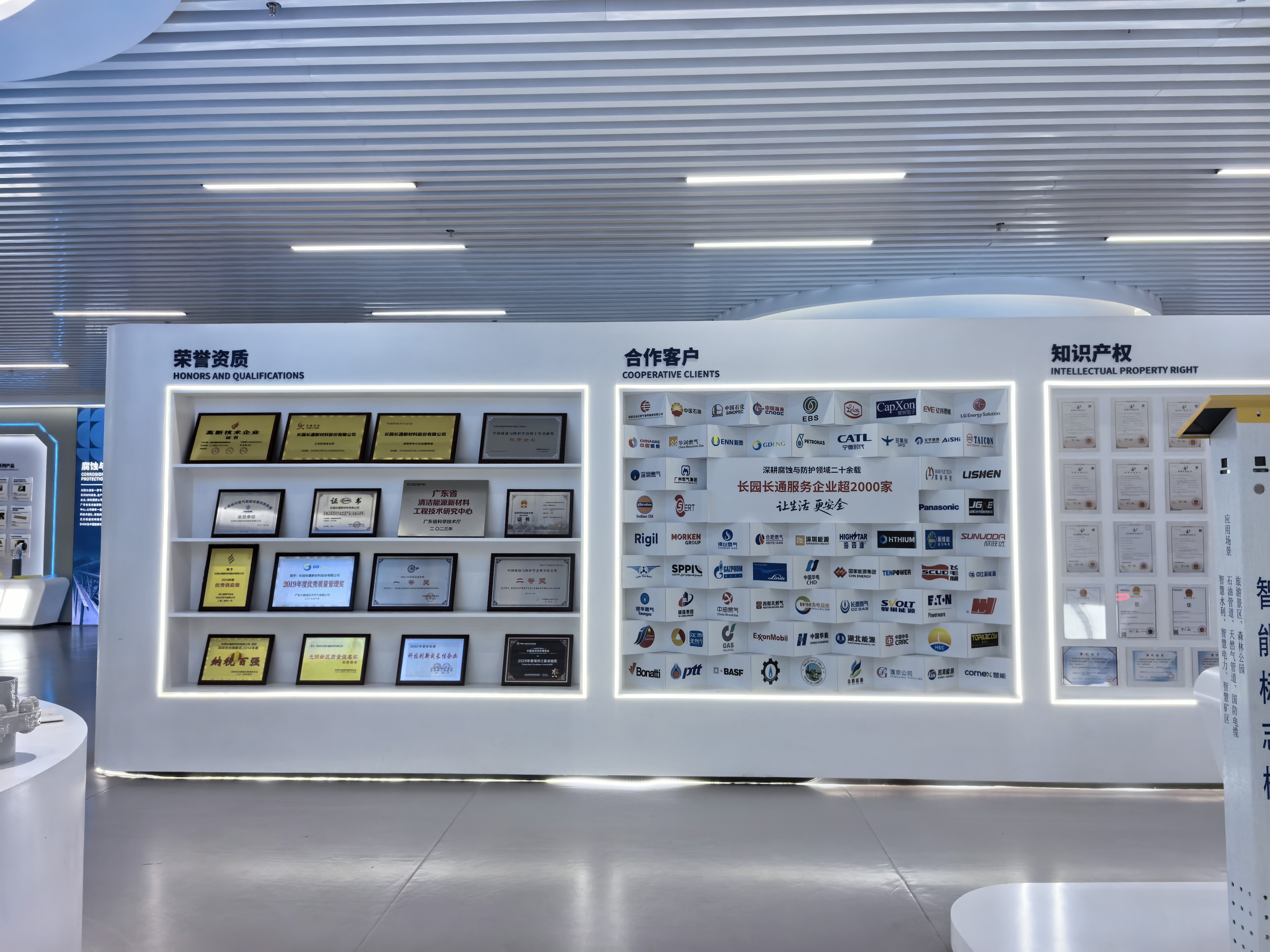
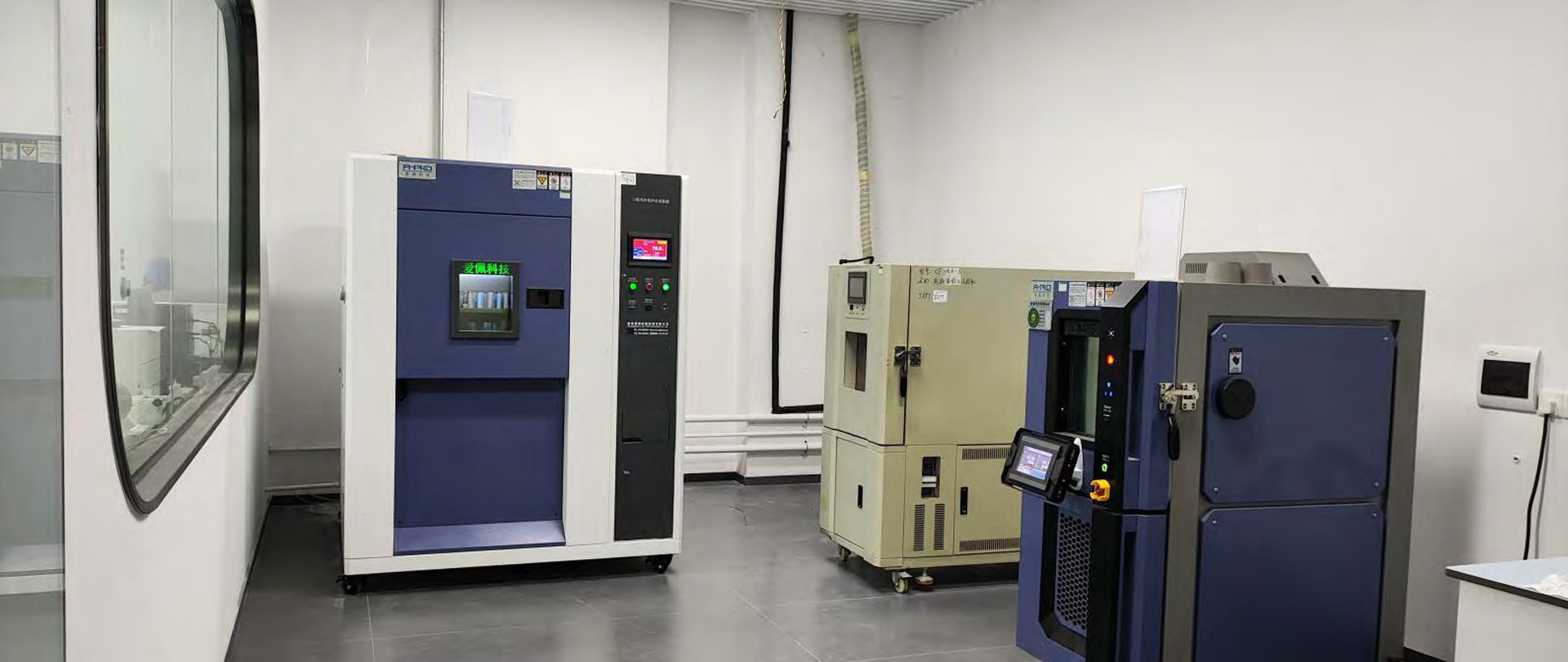
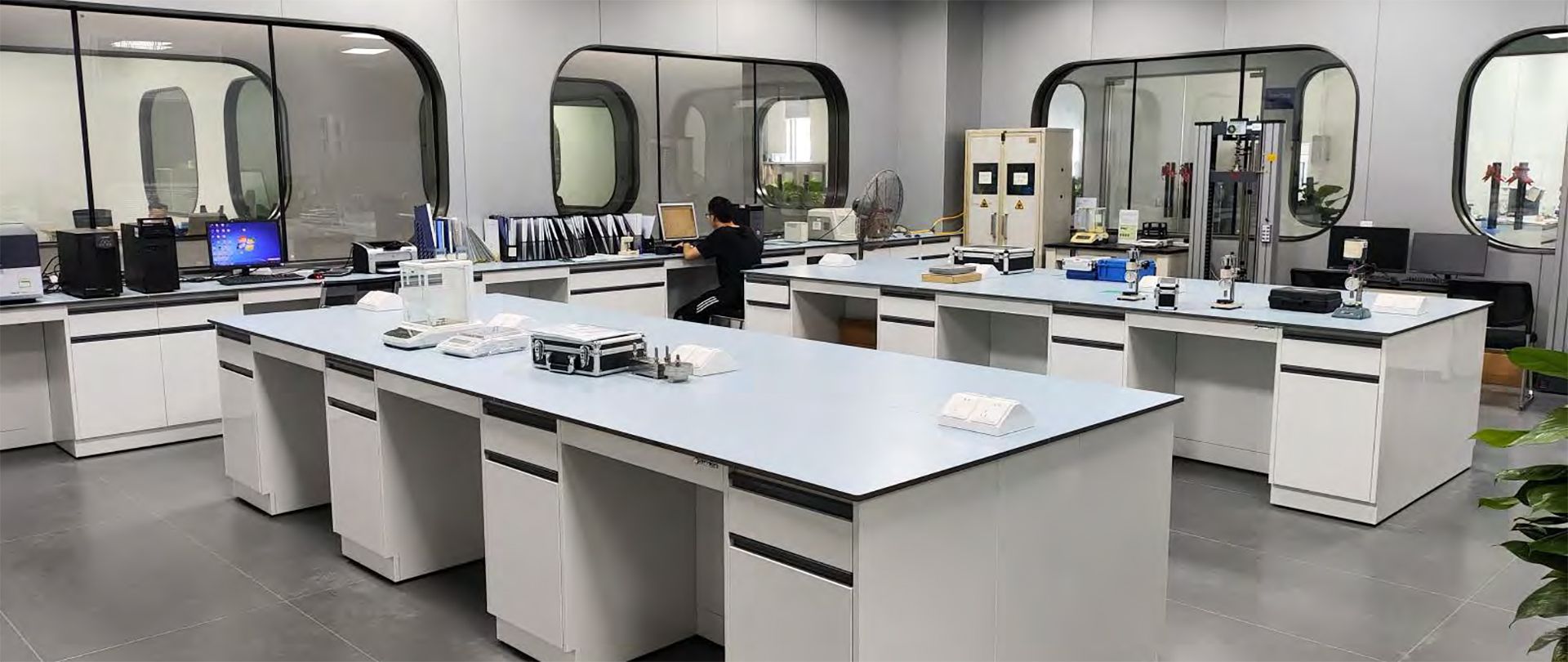
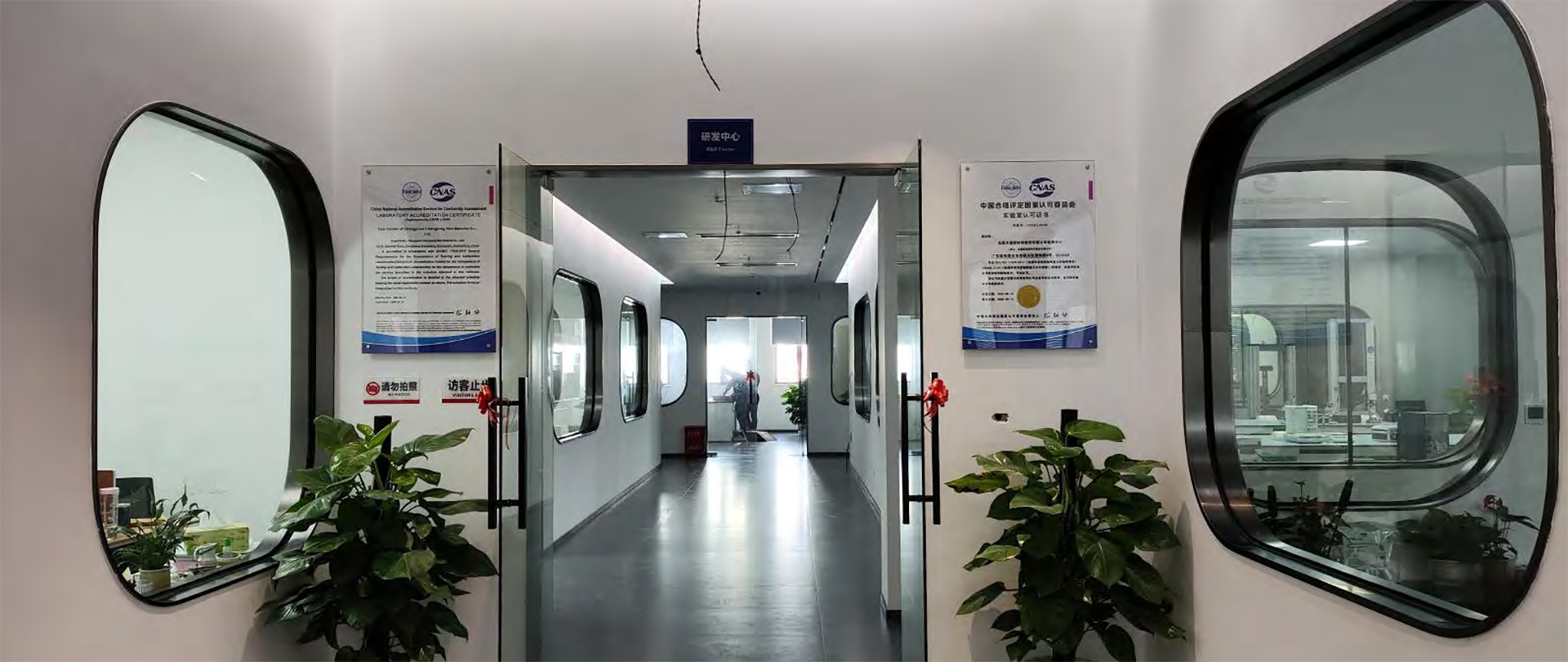
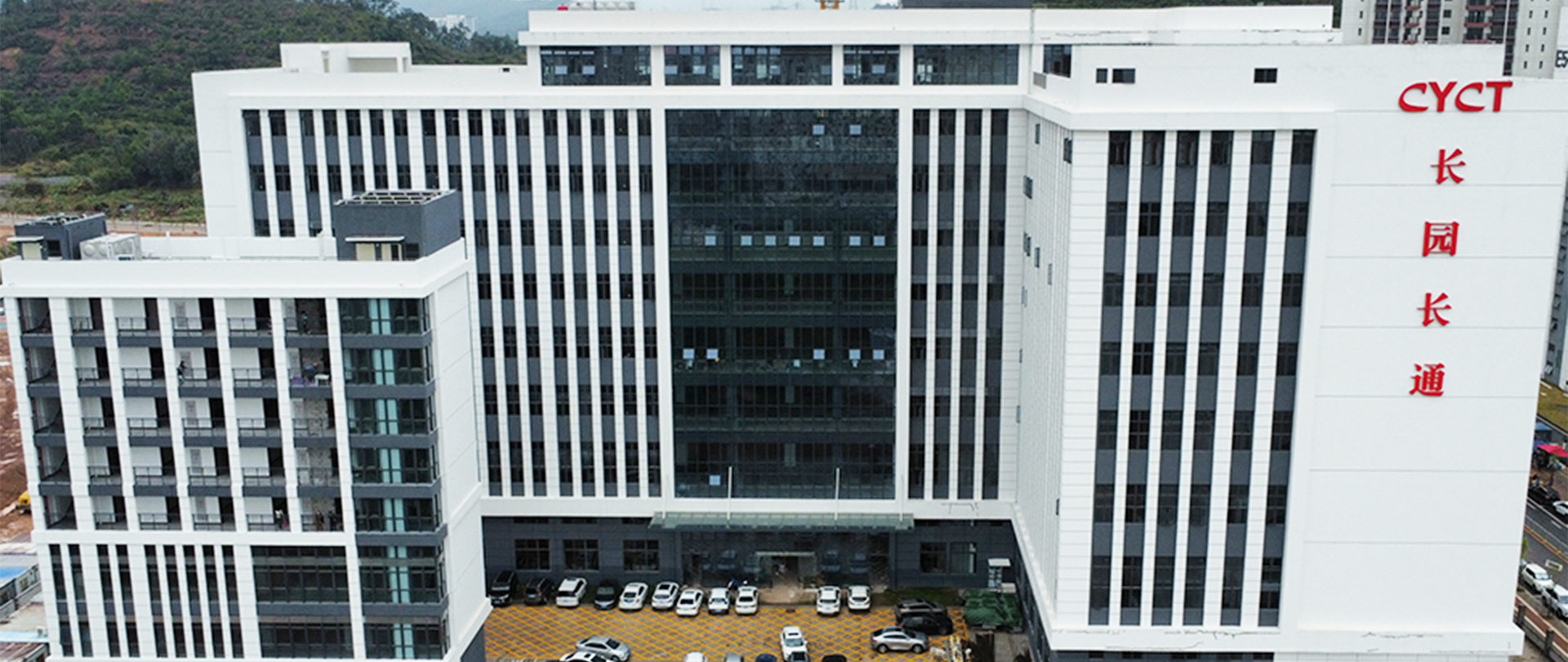
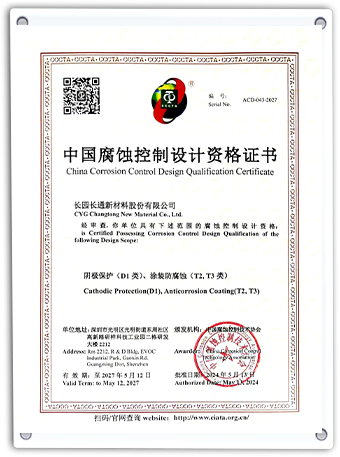
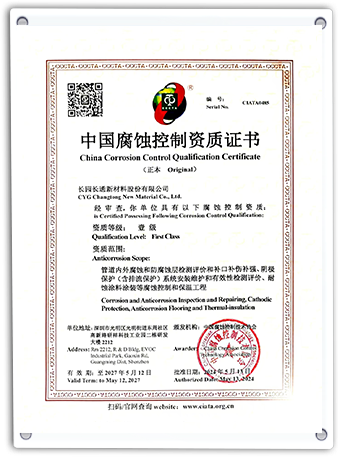
Verified compliance showing our adherence to global quality standards.
Pushing the boundaries of material science to secure the next generation of energy infrastructure.
Integrating carbon nanotube (CNT) matrices within our hot-melt adhesive formulations to improve shear strength and maximize thermal dissipation on high-temperature gas transmission lines.
Refining our photo-curing sleeves to react efficiently with low-energy UV light sources. This minimizes field power requirements and improves installation speeds for offshore work.
Replacing petroleum-derived PE backing with bio-based high-density polyethylene polymer matrices to reduce carbon footprints while maintaining physical and mechanical protection properties.
Get answers to common technical queries about our heat shrinkable protective tapes and coatings.
Explore our extensive catalog of field-proven pipeline repair systems, viscoelastic materials, and custom coatings.
 CYCT
CYCT