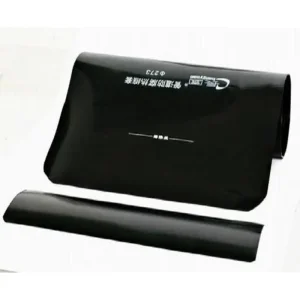
Explore our premium range of cold-applied tapes, repair sticks, putties, and glass-fiber solutions manufactured to rigorous global specifications.
A comprehensive analysis of macromolecular structures, viscoelastic properties, and environmental requirements.
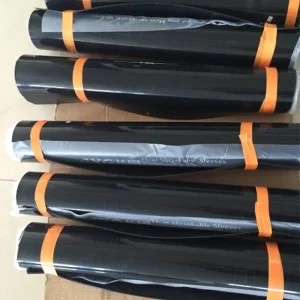
The core performance of heat shrinkable sleeves hinges on radiation cross-linked high-density polyethylene (HDPE) or polypropylene (PP). Through electron-beam exposure, long-chain polymers form covalent bonds, resulting in a shape-memory polymer. Upon thermal induction, the backing contracts uniformly, applying structural pressure to the underlying adhesive matrix.
Integrating pressure-sensitive viscoelastic polymers allows for self-healing properties. Cold flow characteristics ensure that micro-fractures, voids, and surface irregularities in pipeline steel are completely filled. This prevents electrolyte penetration, neutralizing corrosion cells at the molecular interface.
Modern petrochemical transmission involves elevated product temperatures. Standard mastic-based wraps break down under sustained heat. Developing custom-formulated copolymer hot-melt or modified butyl pressure-sensitive adhesives allows for continuous service temperatures up to 85°C, and in some applications, up to 120°C.
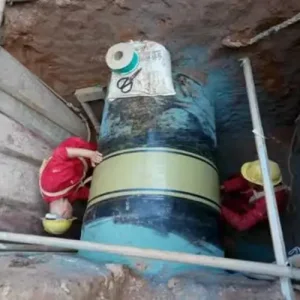
For decades, the global oil, gas, and water distribution infrastructure relied heavily on liquid epoxy or polyurethane coatings at pipe joints. However, the introduction of multi-layer factory coatings (such as 3-layer Polyethylene - 3LPE, and 3-layer Polypropylene - 3LPP) required a field joint coating (FJC) system that matches the mechanical and chemical protection of the parent coating. This is where OEM Heat Shrinkable Pressure Sensitive Sleeves have set a new industry benchmark.
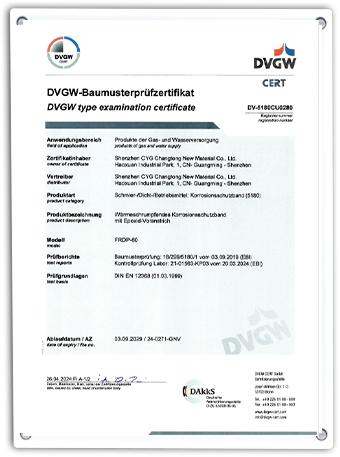
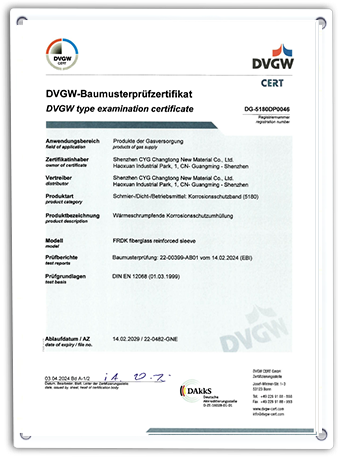
By marrying the physical armor of a radiation-crosslinked polyolefin outer backing with the active protection of viscoelastic, pressure-sensitive adhesives, modern engineering standards (including ISO 21809-3 and EN 12068) recognize heat shrink sleeves as critical barrier systems. These sleeves withstand high soil stress, dynamic thermal cycling, and environmental stress cracking (ESCR), securing long-distance transmission lifelines worldwide.
Rigorous verification parameters for Heat Shrinkable Sleeves under international certification rules.
| Performance Property | Testing Standards | Mastic-based Adhesives (PE) | Hot-Melt Copolymer Adhesives (PP) |
|---|---|---|---|
| Operating Temperature | ISO 21809-3 / EN 12068 | -40°C to +60°C | -20°C to +110°C / +120°C |
| Tensile Strength | ASTM D638 / ISO 527 | ≥ 15 MPa (Backing) | ≥ 22 MPa (Backing) |
| Cathodic Disbondment | ASTM G8 / EN 12068 (28 Days) | < 8 mm radius at 23°C | < 5 mm radius at 95°C |
| Peel Strength to Steel | ISO 21809-3 Annex H | ≥ 2.5 N/mm at 23°C | ≥ 30 N/mm at 23°C |
| Impact Resistance | EN 12068 / ASTM G14 | Class B (≥ 8 J) | Class C (≥ 15 J) |
| Elongation at Break | ASTM D638 / ISO 527 | ≥ 400% | ≥ 600% |
Demonstrating capacity, quality control limits, and domestic and global implementation metrics.
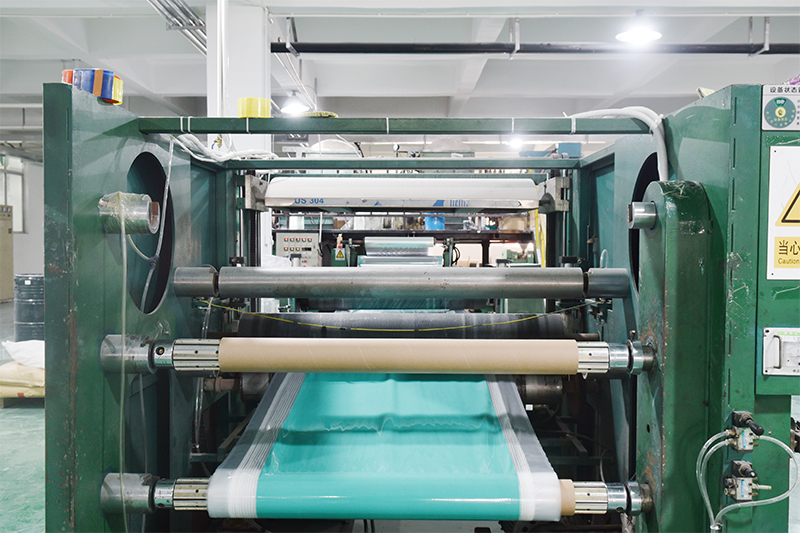
How state-of-the-art compounding, automated extrusion, and electron-beam crosslinking ensure consistency.
Unlike chemical crosslinking, our advanced high-energy electron accelerators (E-beam lines) control the depth and density of crosslinking precisely. This provides optimal thermal memory, ensuring the backing shrinks at a stable ratio (typically 1.3:1 or up to 2:1) without thinning out or tearing during installation.
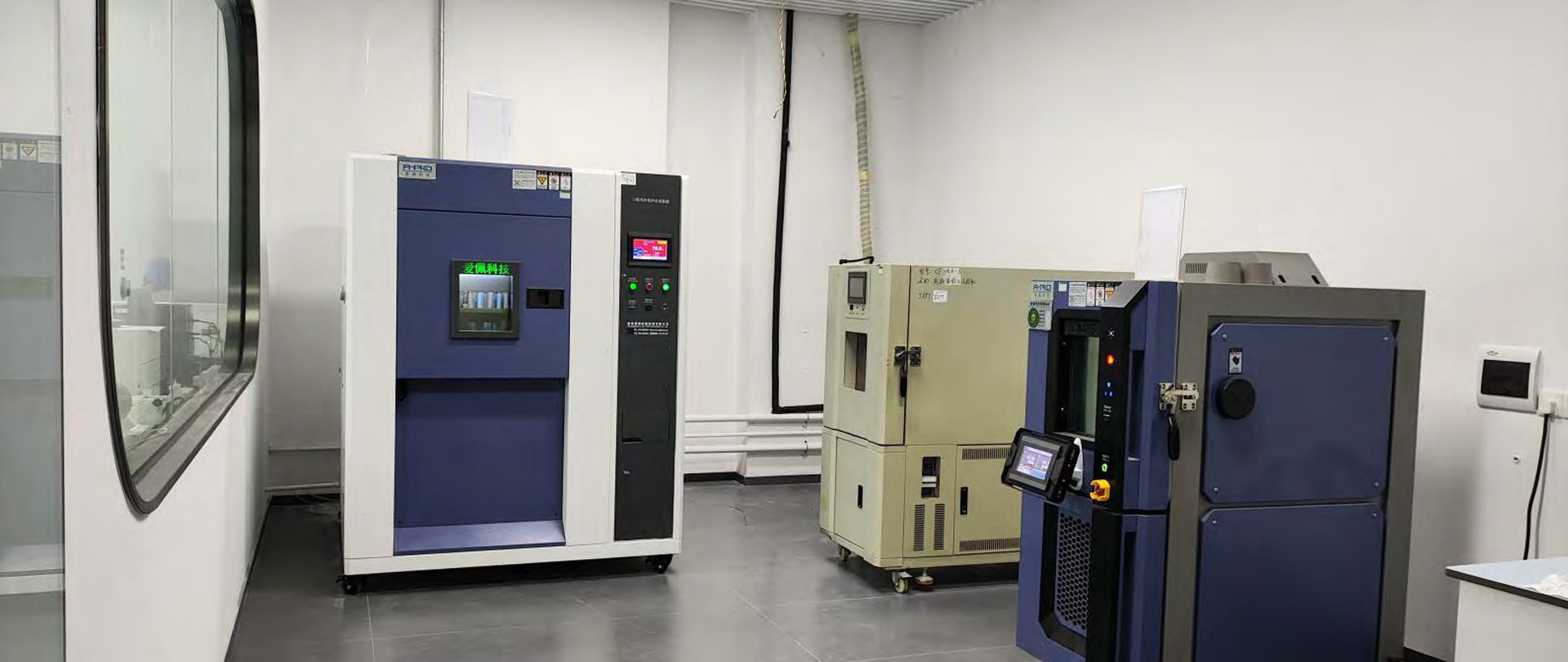
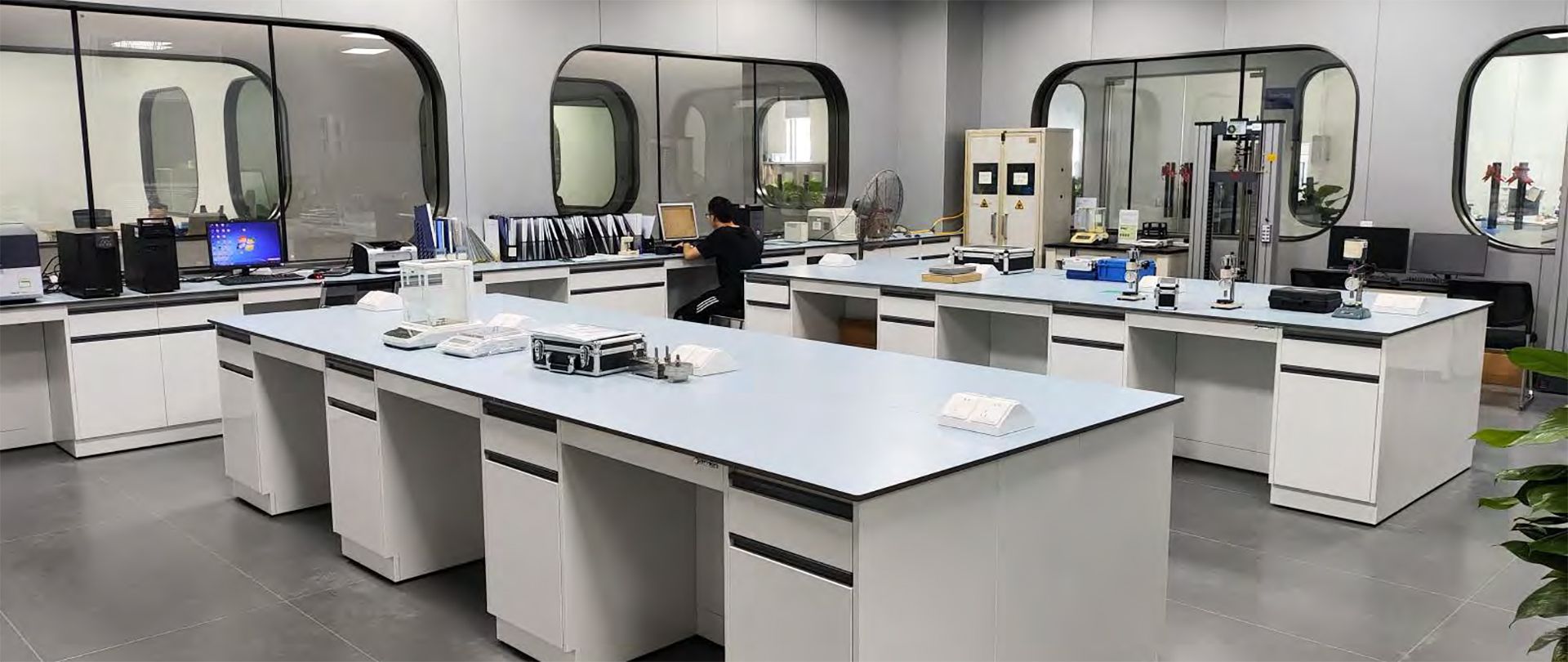
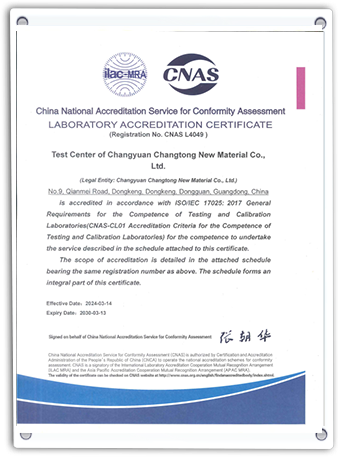
Our raw material compounding undergoes rigorous inspections. From resin viscosity validation to mastic shear stability verification, our CNAS lab controls every step. We monitor cathodic disbondment, peel strength values, and UV weathering resistance to prevent batch deviations.
We source high-purity base polyolefins and raw chemical compounds in bulk. Combined with our fully automated continuous adhesive coating plants, this insulation from market raw material fluctuations keeps lead times predictable and production costs highly competitive for global clients.
Integrating research, development, and state-of-the-art production of pipeline corrosion protection systems since 2000.
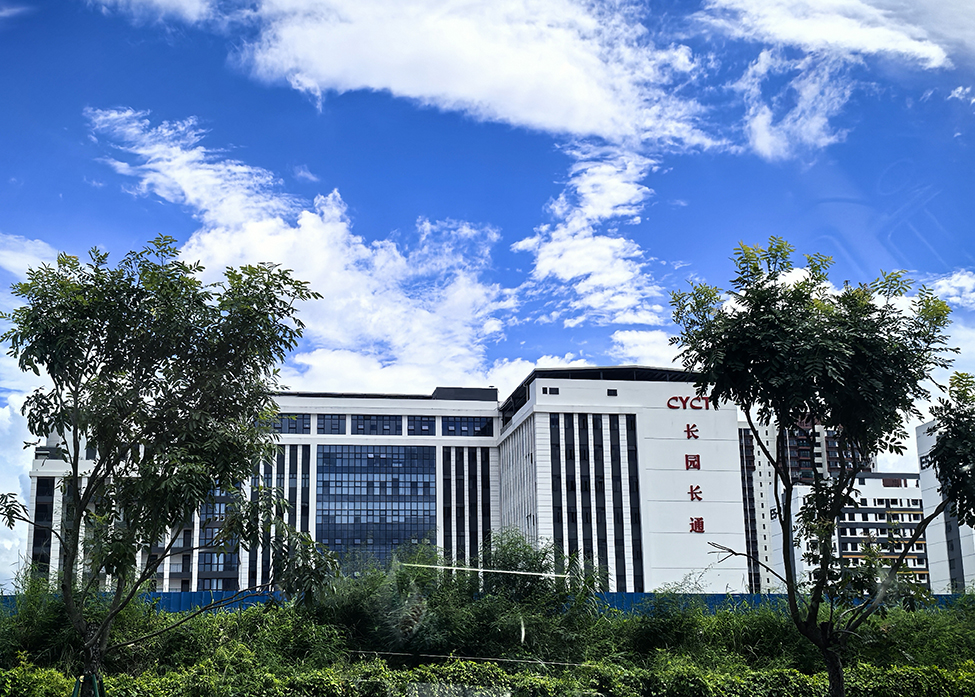
CYCT New Materials Company Limited (for short, CYCT) is a state-level high-tech enterprise integrating R&D, production and sales of pipeline corrosion protection materials as well as buried pipeline detection service and pipeline coating field application service into one. CYCT devotes itself to R&D, production and sales of pipeline corrosion protection materials for decades.
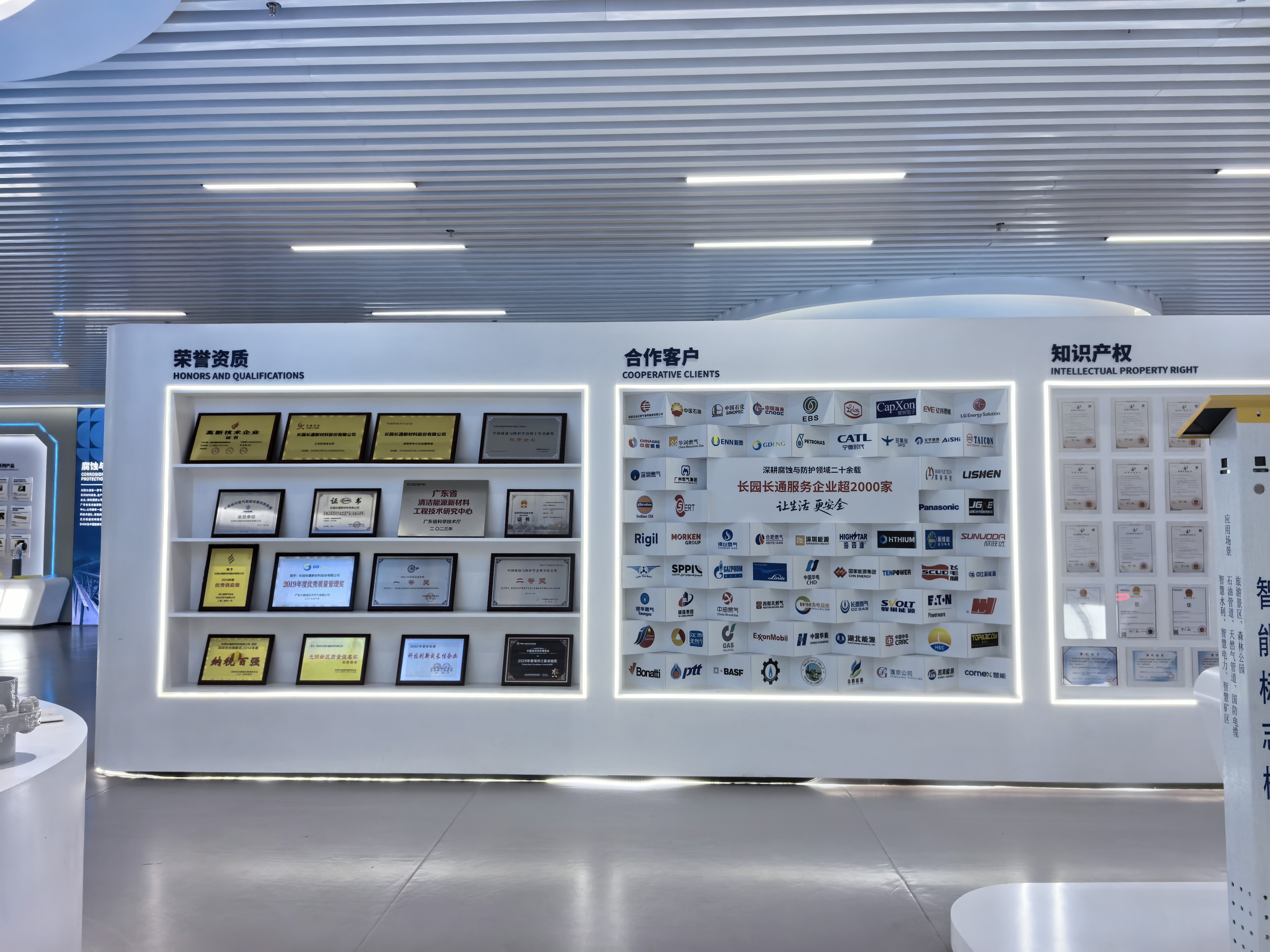
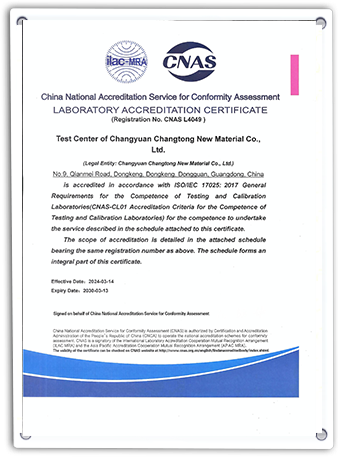
CYCT owns leading testing and R&D capabilities, a professional R&D team, and a national CNAS-accredited laboratory. Over the years, CYCT has become a stable supplier of field joint coating for PetroChina, Sinopec, PipeChina and local pipelines, commanding a high domestic market share. Furthermore, CYCT has successfully developed and introduced a number of specialty corrosion protection materials such as visco-elastic anticorrosion materials, special photo-curing sleeves for Horizontal Directional Drilling (HDD) protection, and polyurea coatings.
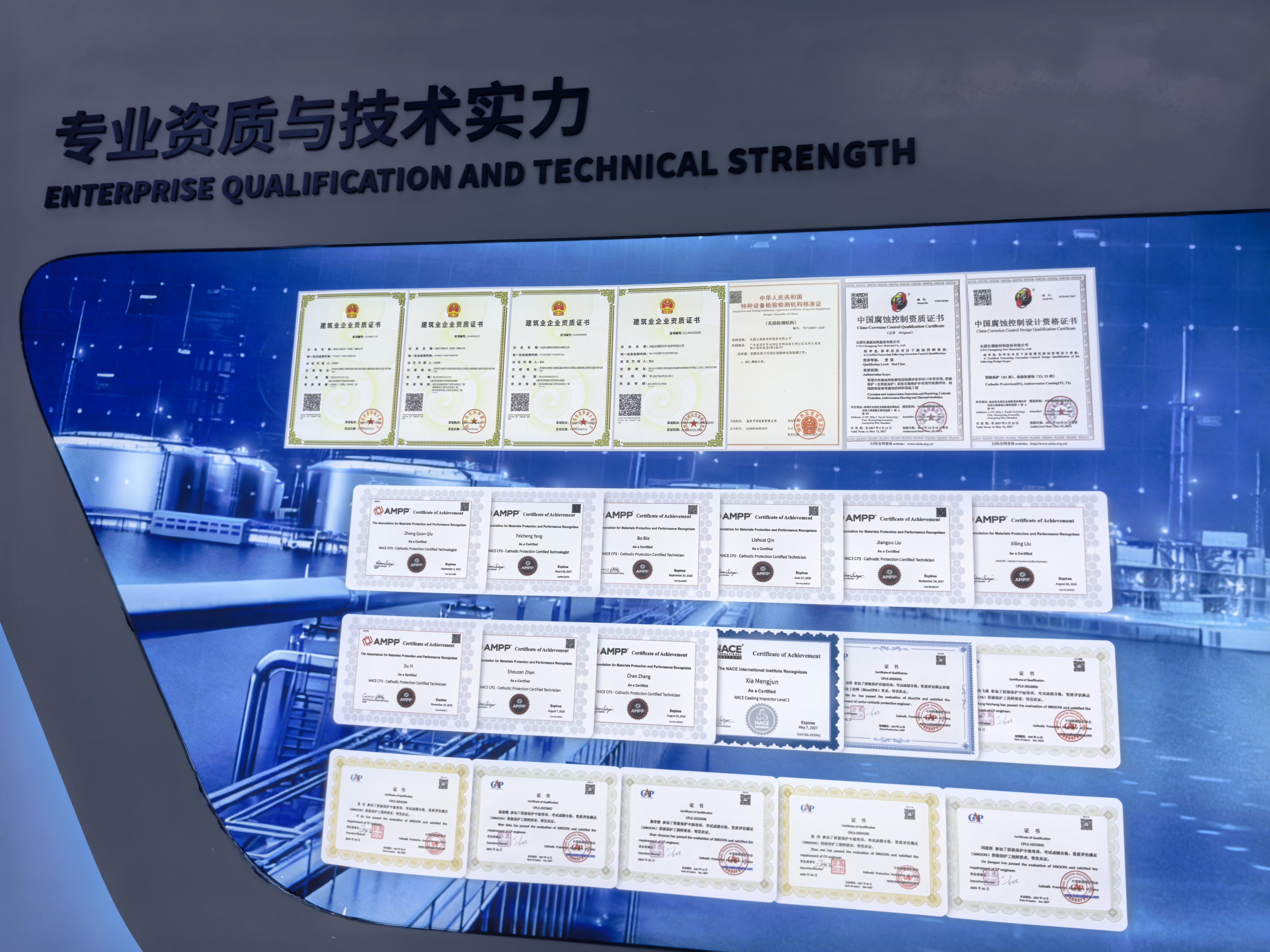
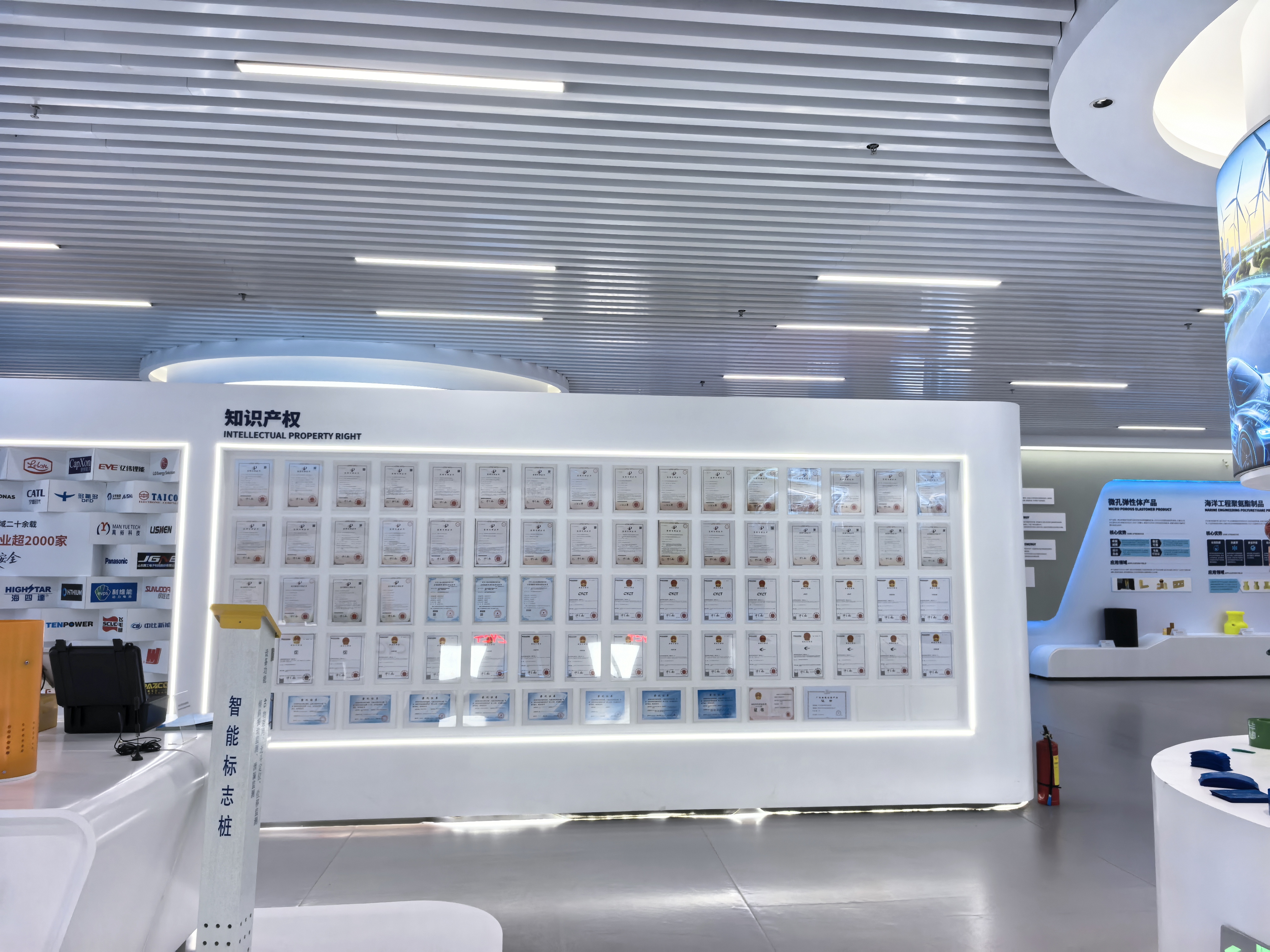
By collaborating closely with leading R&D institutes such as the CNPC Pipeline Science Research Institute, CYCT provides in-service pipelines with varied technical services, including buried pipeline detection, design scheme, cathodic protection, rehabilitation projects, and integrated safety protection.
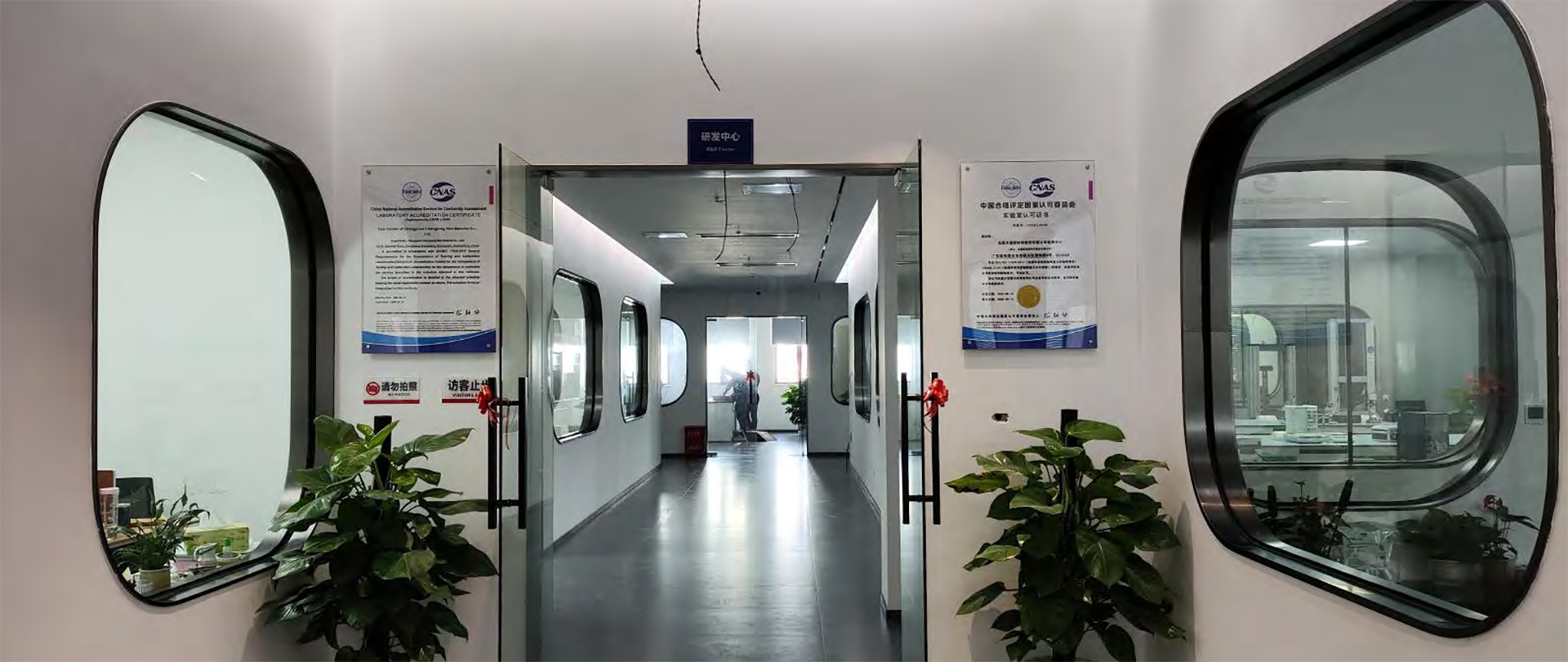

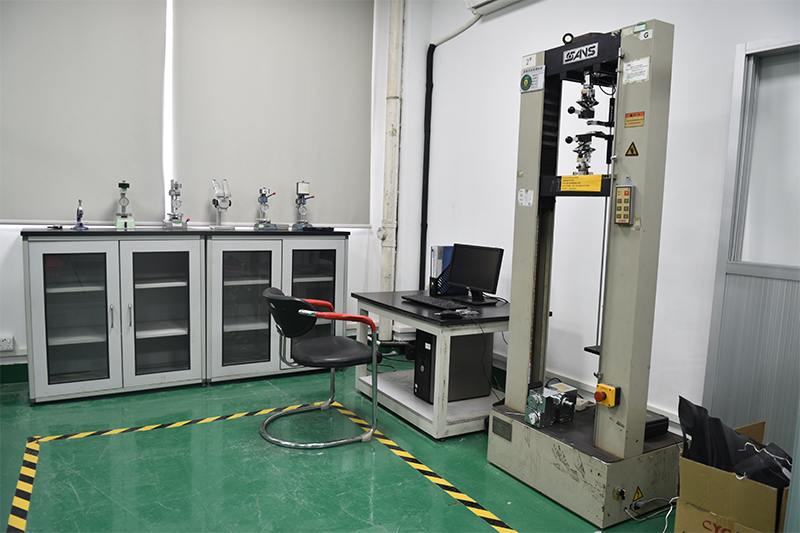
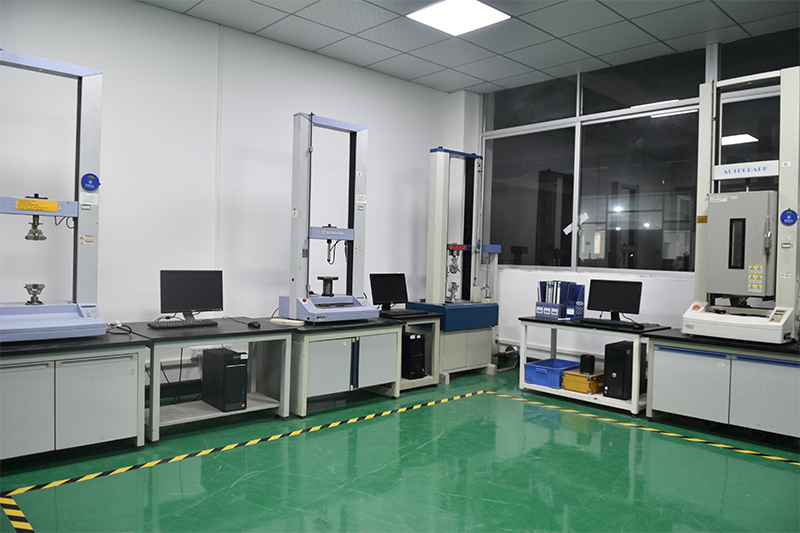
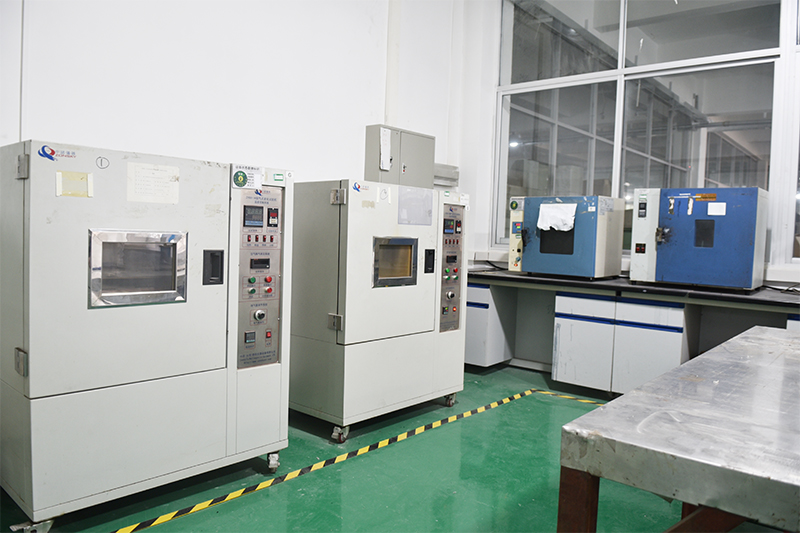
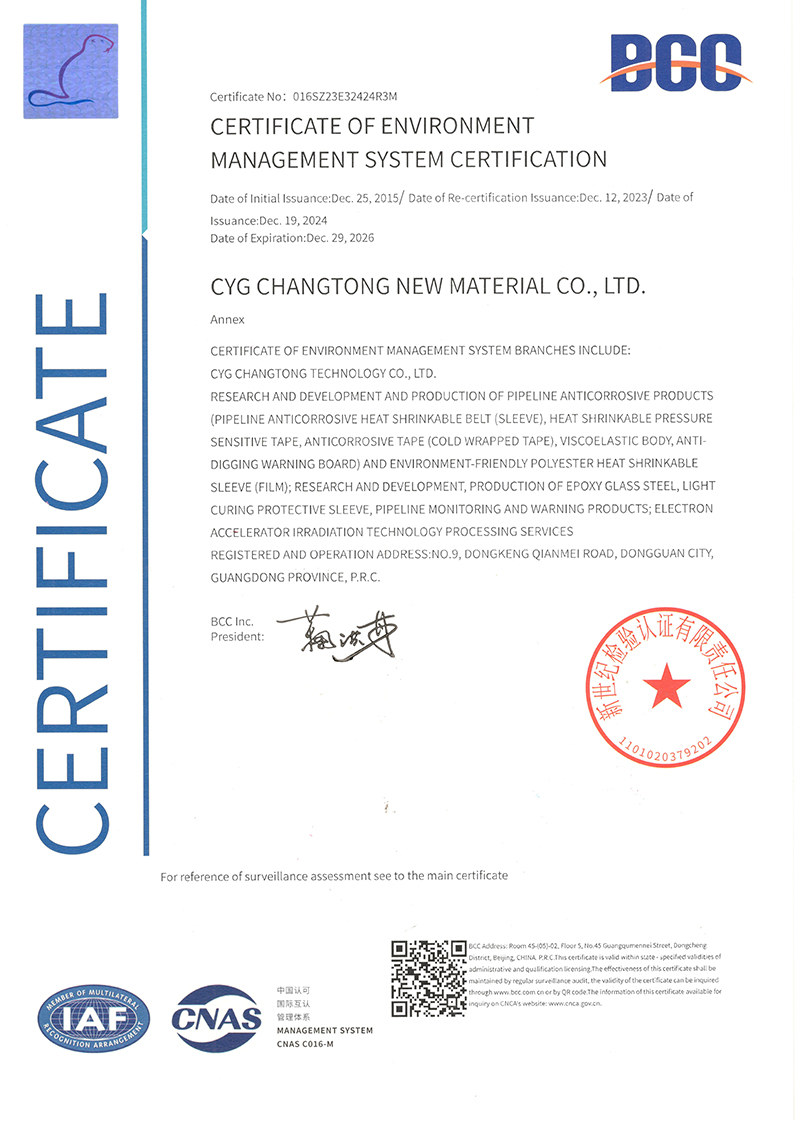
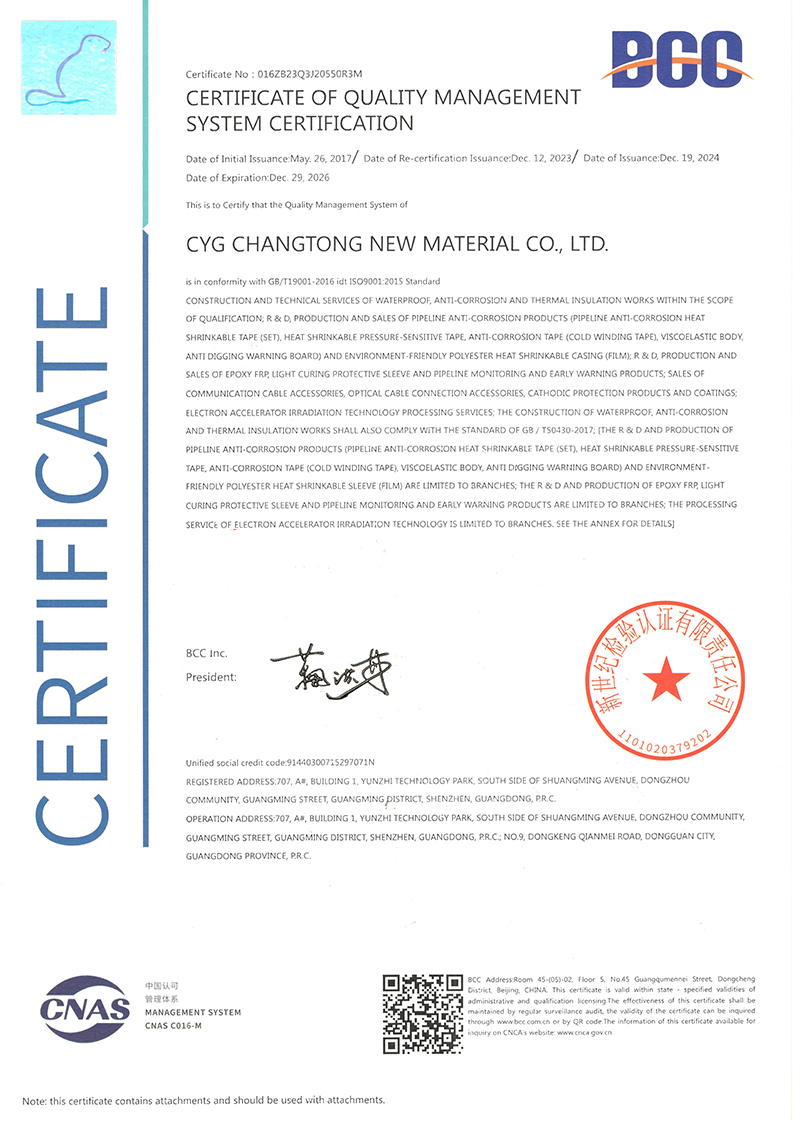
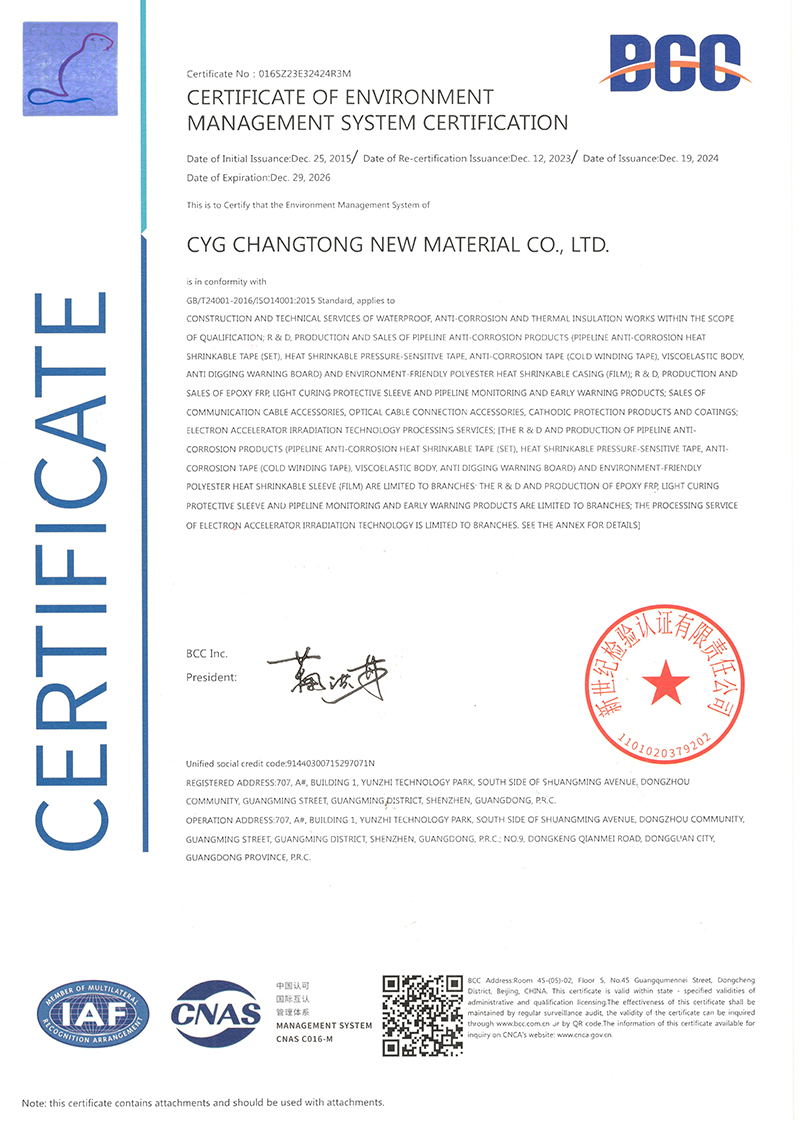
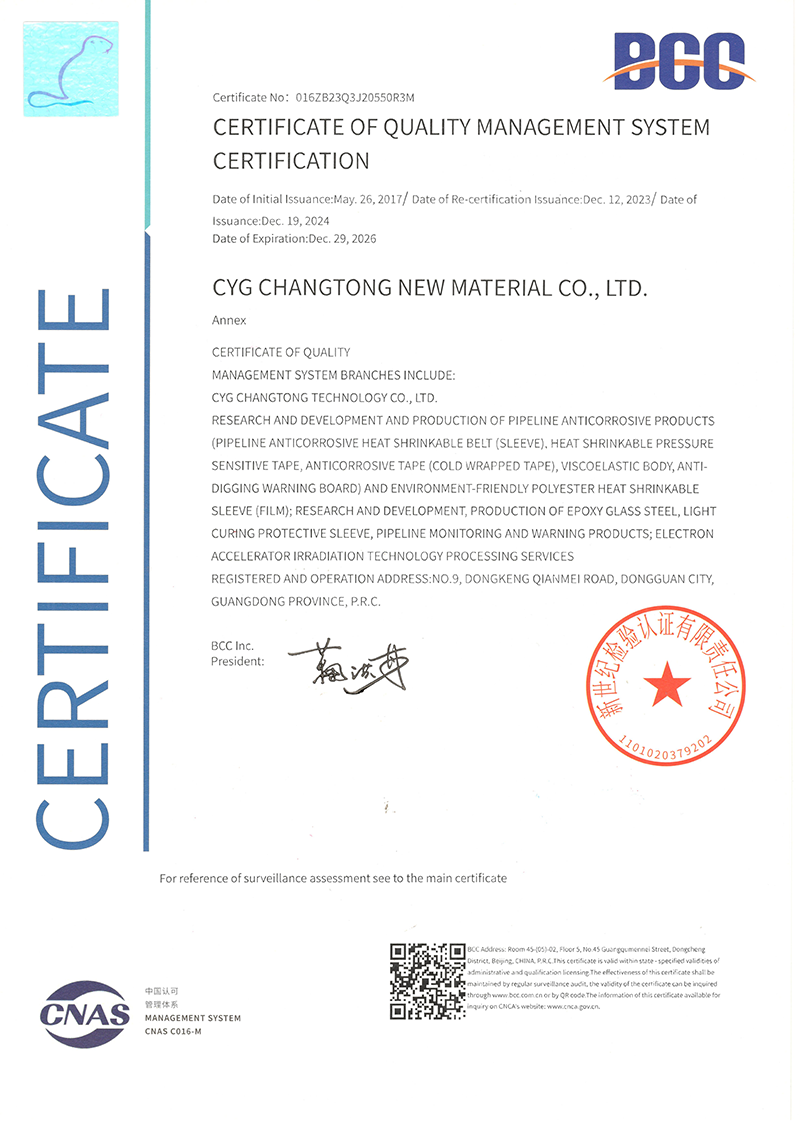
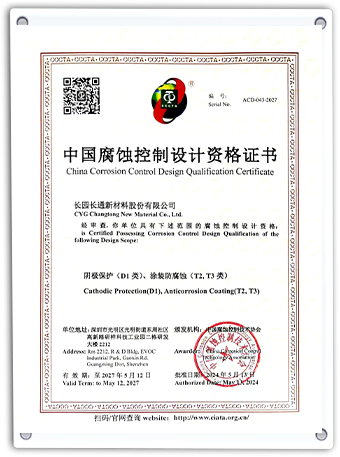
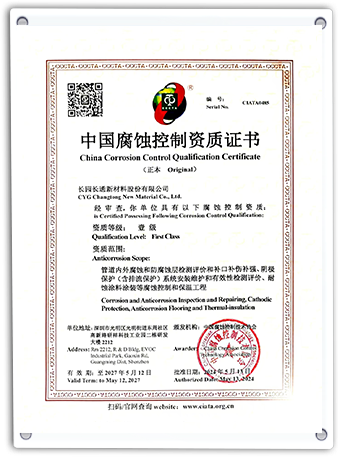
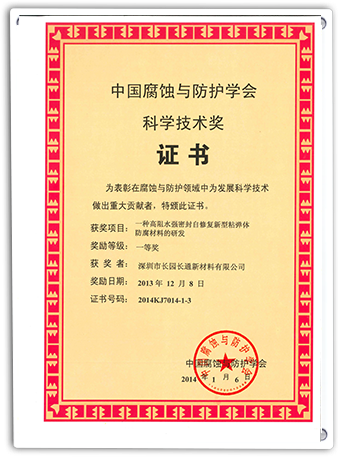
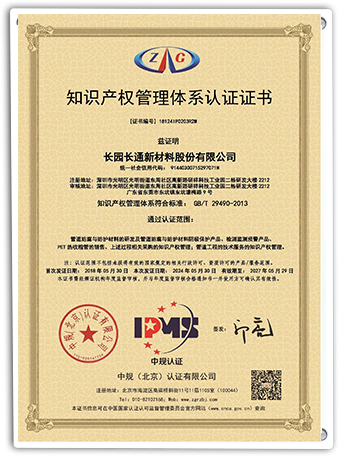
Member of Council in Chinese Society for Corrosion and Protection (CSCP), Qualification Certificate of Corrosion Protection Construction, Qualification Certificate of Pipeline Detection, Well-known Brand of Pipeline Corrosion Protection in China, Corporate Member of China Association of Petroleum Engineering Construction (CAPEC), State-Level High-Tech Enterprise with more than ten proprietary intellectual property rights. Stable supplier of PetroChina, Sinopec, China Gas Group, and Indian Oil.
Engineered solutions tailored for complex terrains, marine conditions, and structural load challenges.
Pipeline installation through HDD exposes coatings to high shear and abrasive forces. Combining high-performance heat shrinkable sleeves with Glass Fiber Reinforced Polymer (GFRP) outer reinforcement layers provides sacrificial structural shielding, preventing joint coating removal or degradation.
Clay-heavy soils undergo significant volumetric expansion and contraction during dry-wet cycles. Ordinary pipeline tapes can buckle or slide, exposing the steel. The high cohesive shear strength of our hot-melt copolymer adhesives locks the sleeve to the pipe, maintaining zero-slippage protection.
Coastal and subsea transition joints suffer constant moisture loading. The non-toxic, highly water-resistant viscoelastic putty combined with aluminum foil backings creates an absolute vapor-impermeable barrier, preventing condensation and rust buildup under insulation.
Expert clarifications regarding selection, application, and compliance metrics for engineering procurement.
Mastic-based sleeves feature a rubber-modified asphalt or butyl adhesive that remains relatively soft. They exhibit pressure-sensitive properties, meaning they bond immediately to steel substrates at ambient temperatures. These are highly effective for low-stress pipelines operating below 60°C. In contrast, hot-melt copolymer sleeves utilize crystalline polymers that require high preheating temperatures (typically 120°C to 150°C). These offer superior mechanical shear resistance and are suited for higher operating temperatures (up to 120°C) and heavy soil stress environments.
E-beam crosslinking density determines the balance between the sleeve's heat shrinkability and its tensile strength. Undercrosslinking results in a sleeve that shrinks poorly and has insufficient mechanical strength. Overcrosslinking, however, makes the polyolefin backing brittle, reducing its elongation capacity and increasing the risk of split failures during high-temperature torch shrinking. CYCT ensures precise control over this process to maintain optimal backing performance.
For optimal peel strength, the bare steel joint area must be abrasive blast cleaned to a minimum of Sa 2.5 (near-white metal) in accordance with ISO 8501-1, with an anchor profile between 50 to 90 micrometers. The adjacent mill-applied coating must be beveled (usually to a 30-degree angle) and abraded back by at least 100 mm to ensure a smooth, secure transition zone.
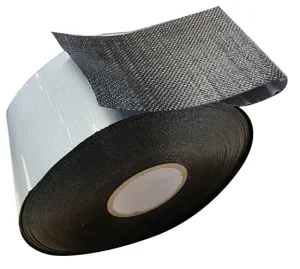
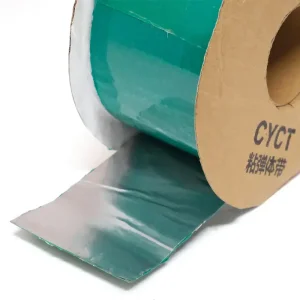
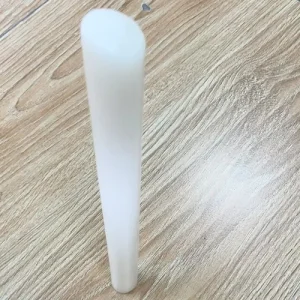
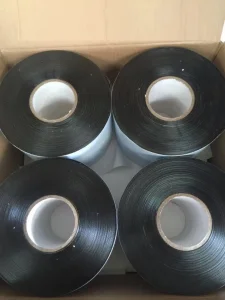
Viscoelastic putties serve as filling materials for irregular geometry profiles like valves, flanges, and T-joints, preventing cold voids. Aluminum foil viscoelastic tapes provide a vapor barrier and UV protection, making them ideal for above-ground piping and transition zones exposed to solar radiation.
CYCT's production processes are verified by our national CNAS-accredited laboratory. Every product batch is tested against EN 12068, ISO 21809-3, and ASTM standards. Our approvals as a stable supplier to global partners like PetroChina, Sinopec, and Indian Oil demonstrate our commitment to strict quality control.
View the second half of our range of specialized sleeves, viscoelastic aluminum foils, and custom PP joint wraps.
 CYCT
CYCT