High-performance custom-manufactured repair patches, hot melt adhesives, and viscoelastic systems direct from our CNAS accredited facilities.
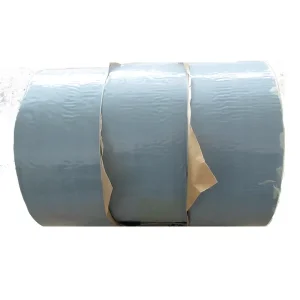
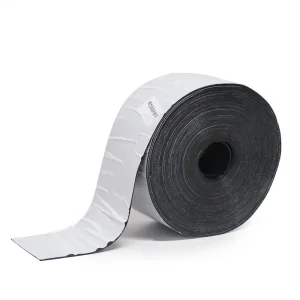
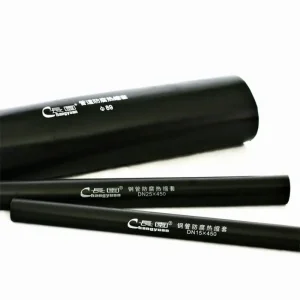
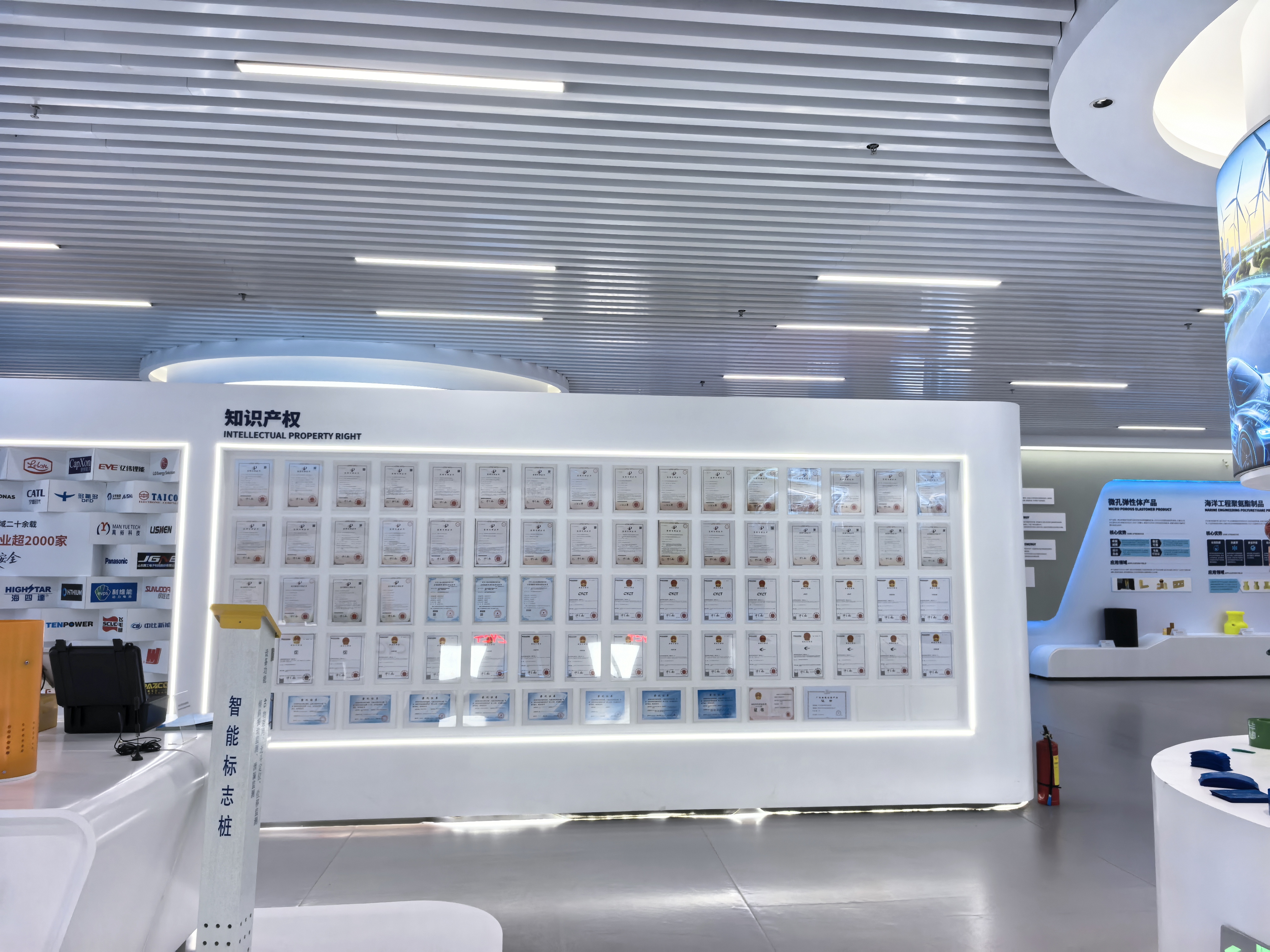
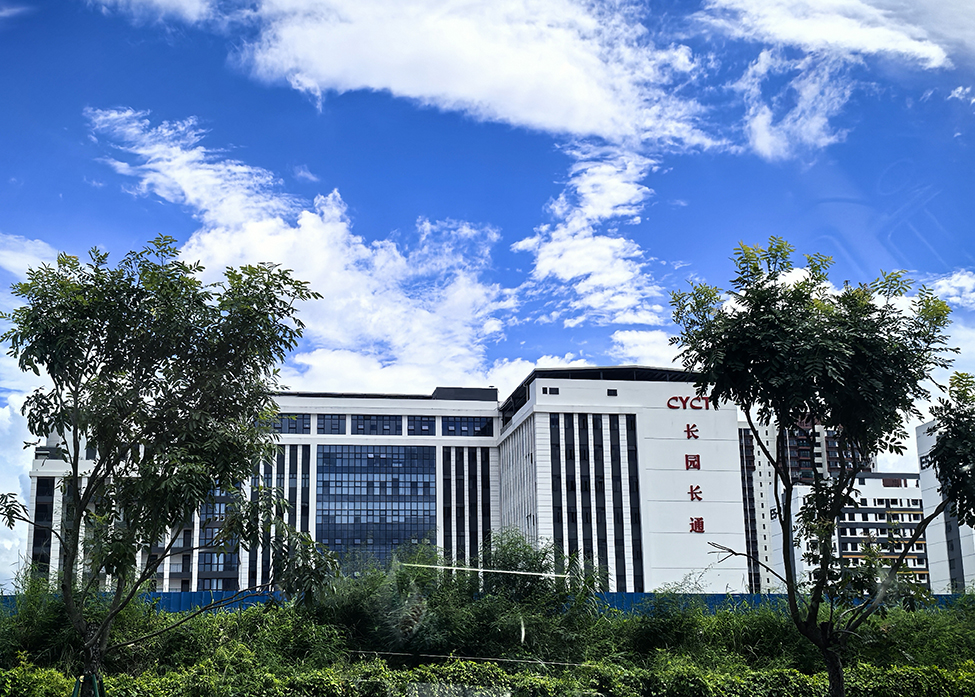
Founded in 2000, CYCT New Materials Company Limited (CYCT) is a premier, state-level high-tech enterprise dedicated to the research, development, production, and sales of high-performance pipeline corrosion protection materials. Over decades of industrial evolution, CYCT has transformed into an integrated powerhouse offering not only world-class products but also advanced buried pipeline detection and specialized field-joint application services.
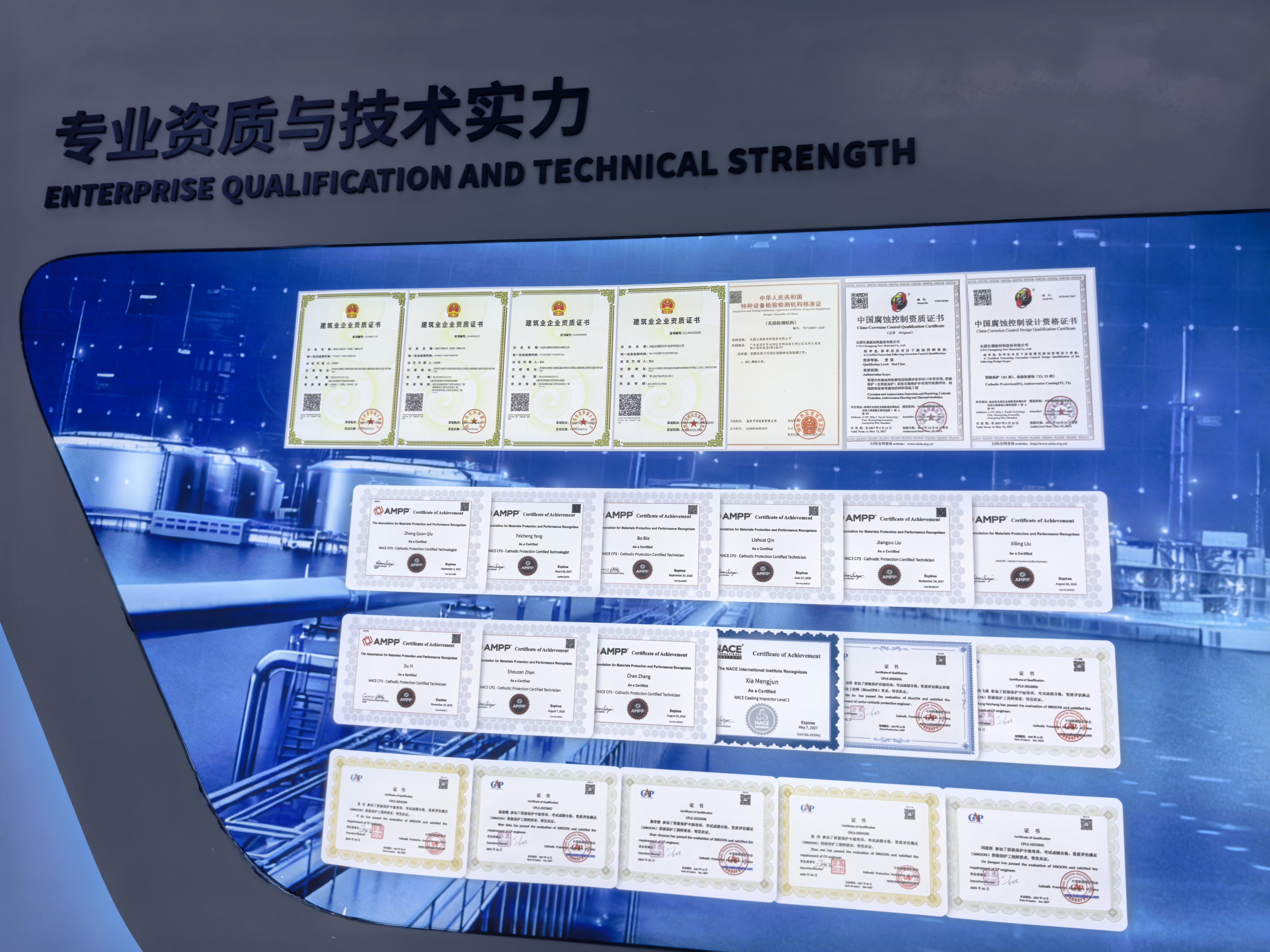
CYCT represents the pinnacle of expertise in the anti-corrosion sector. By utilizing a national CNAS-accredited laboratory and partnering closely with key industry associations like the Chinese Society for Corrosion and Protection (CSCP) and China Association of Petroleum Engineering Construction (CAPEC), we deliver engineering validation that ensures long-term operational safety.
Analysis of the critical role of heat shrinkable rubber and polyolefin sleeves in international energy distribution and infrastructure projects.
The global pipeline network serves as the circulatory system of modern industry, transporting trillions of cubic meters of oil, natural gas, chemical raw materials, and potable water across continents. Ensuring the structural integrity of these underground and underwater conduits is paramount. This is where Heat Shrinkable Rubber and Polyolefin Sleeves play a non-negotiable role.
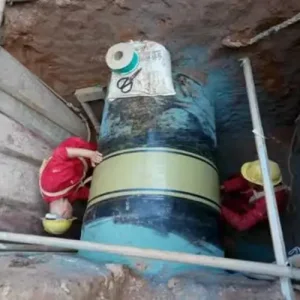
During installation, pipelines are welded together from individual sections. The factory-applied coating (typically 3-layer polyethylene [3LPE] or 3-layer polypropylene [3LPP]) must be removed at the weld margins to prevent thermal damage during welding. Once welded, these bare Field Joints represent the most vulnerable interface of the entire pipeline profile. Without adequate protection, corrosion accelerates rapidly, leading to catastrophic structural failures, massive environmental damage, and financial liabilities. Heat shrinkable tubular sleeves and wrap-around sleeves act as the primary defense barrier, matching the lifespan of factory-applied coatings.
| System Component / Criteria | High-Density Polyethylene (HDPE) Base | Polypropylene (PP) System | Viscoelastic Self-Healing System |
|---|---|---|---|
| Operating Temperature | -40°C to +80°C | -20°C to +110°C / +120°C | -45°C to +95°C | Cathodic Disbondment Resistance | Excellent (under ASTM G8) | Superior (under high thermal stress) | Self-healing (zero disbondment propagation) |
| Primary Application Area | Oil & Gas Transmission (3LPE field joint) | Deepwater Pipelines (3LPP system repair) | Complex Geometry Fitting & Rehabilitation |
| Mechanical Protection | High soil shear stress resistance | Maximum resistance to rock impingement | Requires secondary mechanical protection layer |
How cross-linking molecular structure and rheology shape the performance of pipeline coatings.
Our backing materials undergo high-energy electron beam radiation. This changes the molecular structure from a linear polymer to a three-dimensional network, giving it a permanent "elastic memory" that shrinks tightly when heat is applied.
Formulated with non-crystalline, low-viscosity polymers, our viscoelastic tapes maintain a fluidic contact behavior that allows them to flow into microscopic steel surface anomalies, preventing corrosion and self-healing under small punctures.
Specifically tailored to interface with 3-Layer Polyethylene and Polypropylene structures, combining structural chemical similarity with high shear-strength hot melt adhesives to eliminate chemical migration boundaries.
From horizontal directional drilling to subsea oil extraction, CYCT supplies certified solutions globally.
Trenchless pipeline installation routes are highly demanding. Pulling pipe sections through soil and rock layers places intense mechanical shear and abrasive stress on field joint coatings. Standard heat shrink sleeves can buckle or tear under these forces. To address this, CYCT provides the Epoxy FRP (Fiber Reinforced Polymer) HDD protection system. By placing a high-strength fiberglass outer jacket over a primary corrosion protection layer (like VT95 Viscoelastic tape or heat shrinkable sleeve), the field joint receives structural reinforcing that shrugs off heavy drag stress and impact forces.
Deepwater and offshore platforms face high pressure and salt spray corrosion. In these environments, operating temperatures often exceed 100°C. CYCT's PP Repair Patches and specialized moisture-curing shields (like the CYG Changtong GRF Moisture Curing Shield) provide the necessary chemical stability and hydrolytic resistance required for offshore and tidal zone installations.
Aging pipelines suffer from coating degradation and cathodic disbondment. Direct replacement is costly. CYCT offers high-performance viscoelastic tapes that can be applied with minimal surface preparation (down to SSPC-SP2/SP3 hand-tool cleaning). This eliminates the need for expensive sandblasting, saving field labor and equipment costs during rehabilitation projects.
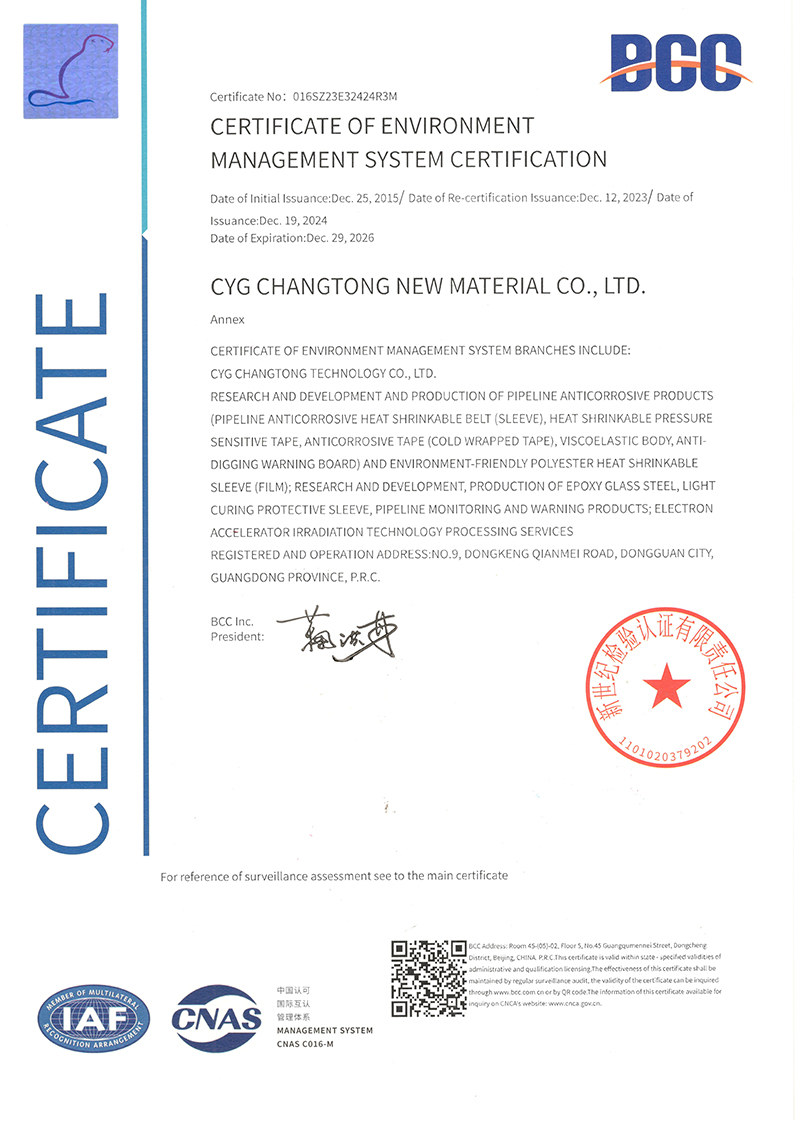
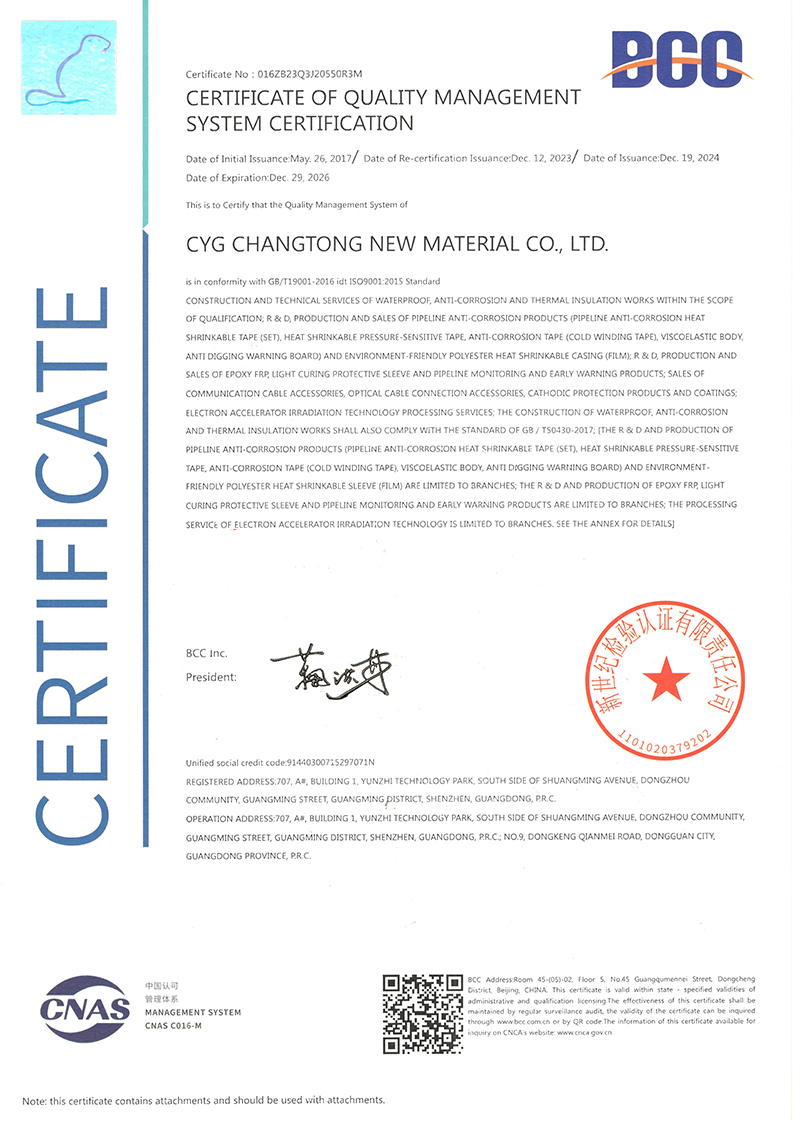
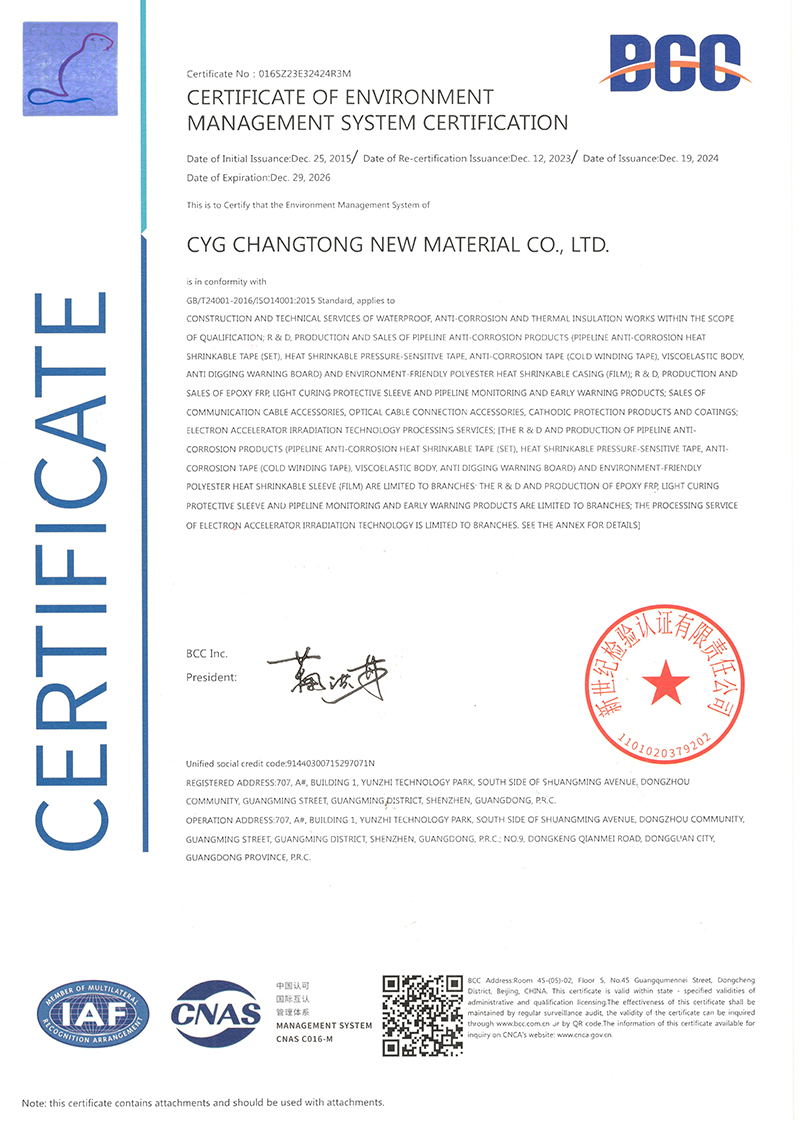
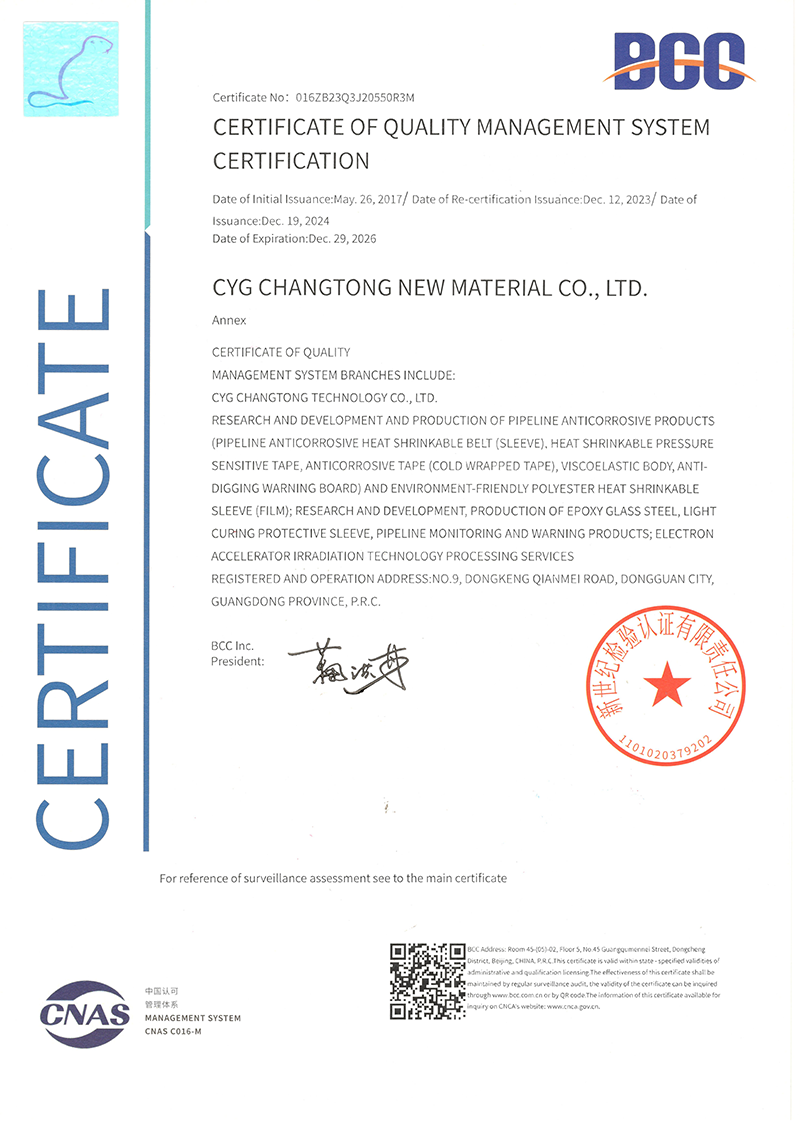
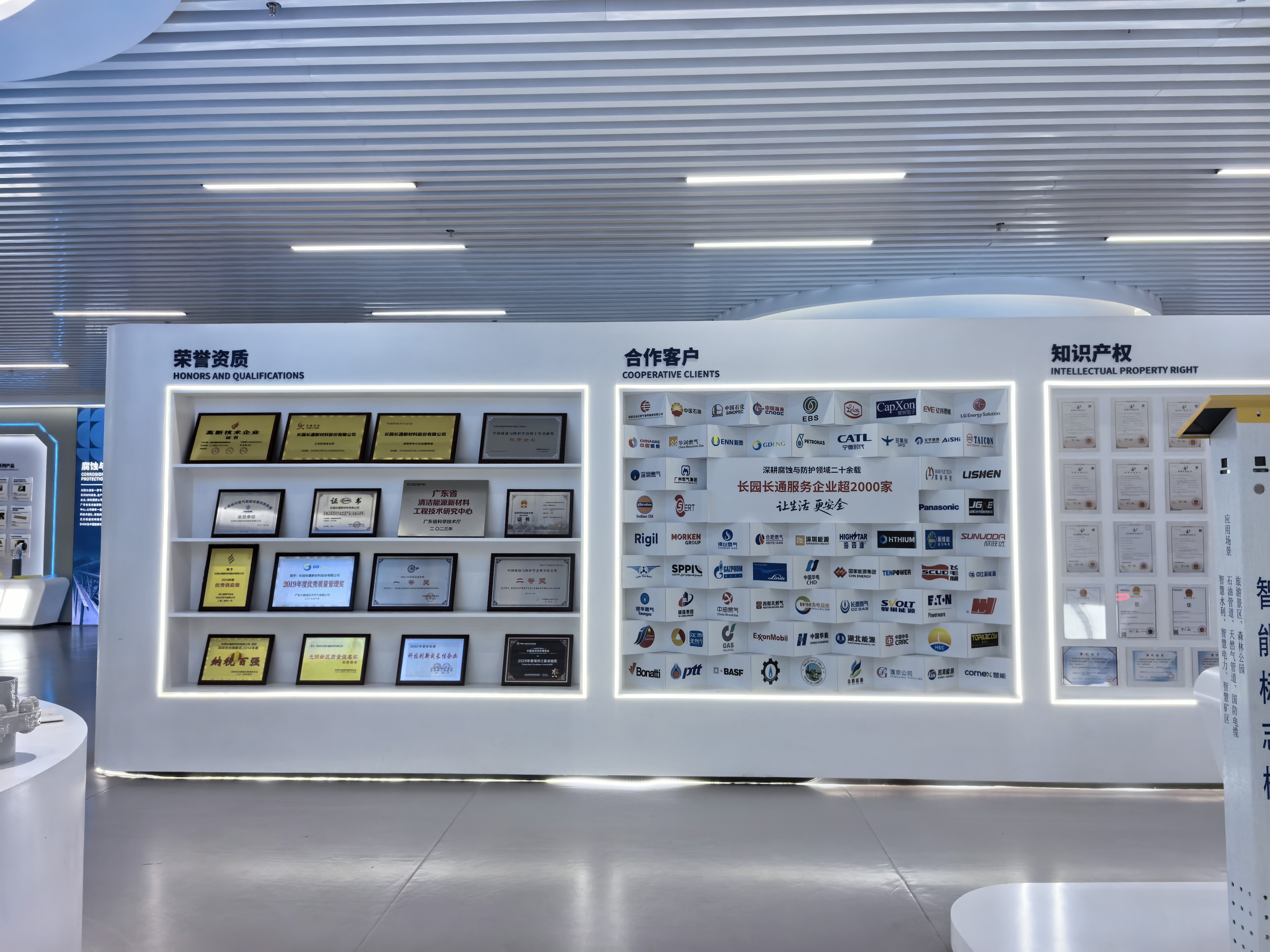
CYCT is a stable supplier for PetroChina, Sinopec, China Gas Group, and Indian Oil.
Answers to common technical questions from engineering, procurement, and construction (EPC) professionals.
Successful application requires three critical phases. First, surface preparation is key: steel surfaces must be grit-blasted to an ISO 8501-1 Sa 2.5 near-white finish, and adjacent line coatings must be abraded. Next, the joint area is preheated using an induction coil or propane torch to the target application temperature (typically 60°C to 70°C for PE systems). Finally, the sleeve is wrapped around the joint, secured with a closure patch, and shrunk using a torch. Shrinking should start at the center and move outward to expel air pockets and activate the hot-melt adhesive flow.
Polypropylene (PP) offers higher mechanical strength, better indentation resistance, and a higher melting temperature than Polyethylene (PE). Consequently, PP-based systems (like 3LPP repair patches) are preferred for high-temperature lines (up to 110°C–120°C) and subsea applications. However, PP requires higher preheat temperatures (often above 200°C) during installation, which demands precise field controls to prevent damage to the underlying pipe steel or coating.
Viscoelastic materials remain in a semi-solid state, maintaining liquid-like surface contact. Under cathodic protection, this allows the material to self-seal over minor mechanical penetrations. Because it maintains contact at the molecular level, it prevents water from reaching the steel surface, eliminating the electrolytic path needed for cathodic disbondment to occur.
CYCT materials are designed, manufactured, and tested to meet or exceed international pipeline corrosion protection standards. These include ISO 21809-3 (field joint coatings), EN 12068, ASTM G8 (cathodic disbondment), and ASTM D1000 (peel adhesion). All certification tests are performed in our national CNAS-accredited laboratory, ensuring reliable documentation for global regulatory audits.
Explore our specialized high-temperature repair patches, viscoelastic coating systems, and GFRP pipeline solutions.
 CYCT
CYCT