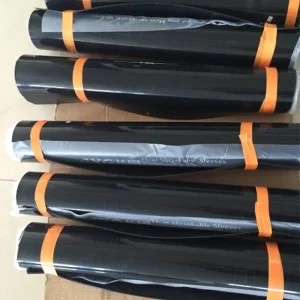
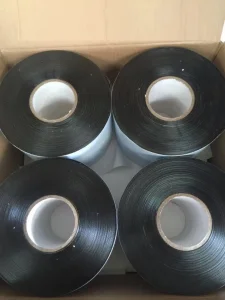
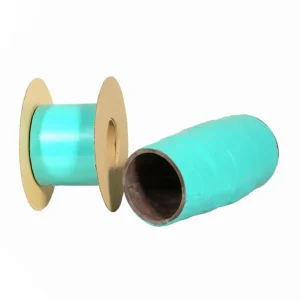
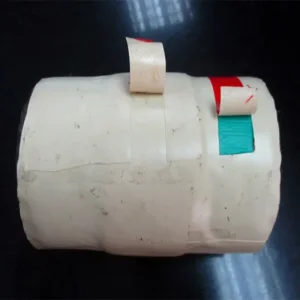
Advanced structural wraps, corrosion barriers, and specialized components for high-reliability applications.
Analyzing global trends, technical parameters, and modern quality standards in structural rehabilitation.
In modern structural engineering, asset preservation is paramount. The degradation of steel pipelines, structural concrete columns, and underwater pilings due to electrochemical corrosion presents a trillion-dollar liability globally. Traditional repair methodologies—such as complete section replacement or welded steel sleeve encasement—frequently demand system shutdowns, introduce hot-work hazards, and fail to provide permanent electrochemical isolation.
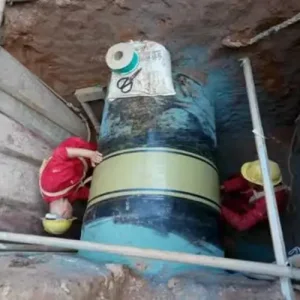
Glass Reinforced Plastic (GRP) and Glass Fiber Reinforced Polymer (GFRP) wrapping systems represent a significant paradigm shift. By leveraging high-strength continuous glass fibers embedded within a specialized epoxy or polyurethane resin matrix, GRP composite wraps restore structural integrity. They prevent oxygen and moisture intrusion while providing exceptional load-sharing capacity. As an OEM manufacturer, ensuring these systems deliver optimal performance requires rigorous attention to fiber orientation, resin formulation, and curing dynamics under varied ambient conditions.
Information Gain Notice: Unlike standard superficial wrapping products, advanced GRP system configurations rely heavily on anisotropic mechanical properties. This means the wraps are specifically designed to handle high hoop stress or axial load distributions depending on the damage profile of the substrate.
The global market for GRP composite wraps is expanding rapidly, driven by three major macro-environmental shifts:
Global regulatory frameworks demand reductions in industrial carbon footprints. Reconditioning existing pipelines using GFRP composite wraps generates up to 90% less CO₂ equivalents than manufacturing, transporting, and welding new steel components.
Urban density prevents extensive excavation. Modern municipal grids utilize composite sleeves and wraps that can be applied in restricted spaces without disruptive civil works.
Climate volatility requires wraps capable of sustaining properties between -60°C and +120°C. Subsea, desert, and polar pipelines rely on specialized polymer blends designed for extreme thermal cycles.
Procurement engineers and Quality Assurance (QA) professionals evaluating OEM GRP Composite Wrapping factories must ensure compliance with international structural standards. Sourcing composite systems requires evaluating specific mechanical values, including:
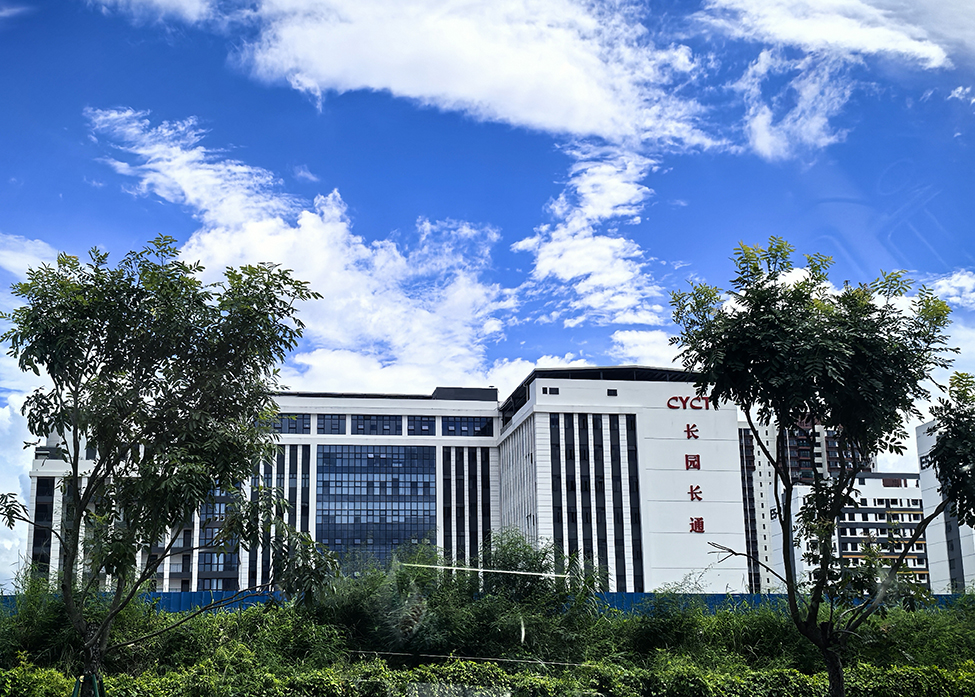
CYCT New Materials Company Limited (for short, CYCT) is a state-level high-tech enterprise integrating R&D, production, and sales of pipeline corrosion protection materials. We also offer buried pipeline detection services and pipeline coating field application services. CYCT has dedicated itself to the R&D, production, and sales of pipeline corrosion protection materials for decades.
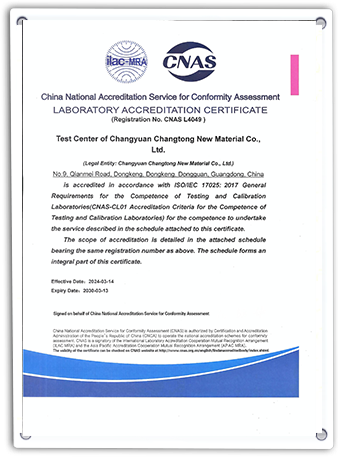
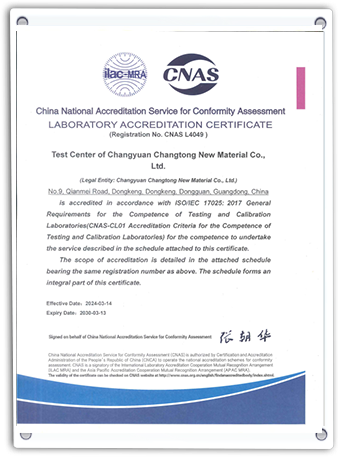
We operate leading testing and R&D facilities, backed by a professional R&D team and a national CNAS-accredited laboratory. CYCT has served as a stable supplier of field joint coatings for years to PetroChina, Sinopec, PipeChina, and various local pipelines, capturing a significant market share. Furthermore, CYCT has developed and introduced specialized corrosion protection materials, including viscoelastic anticorrosion materials, special photo-curing sleeves for HDD protection, and polyurea coatings.
In cooperation with top research institutes like the CNPC Pipeline Science Research Institute, CYCT provides in-service pipelines with technical services. These include buried pipeline detection, design schemes, cathodic protection, rehabilitation projects, and integrated pipeline safety solutions.
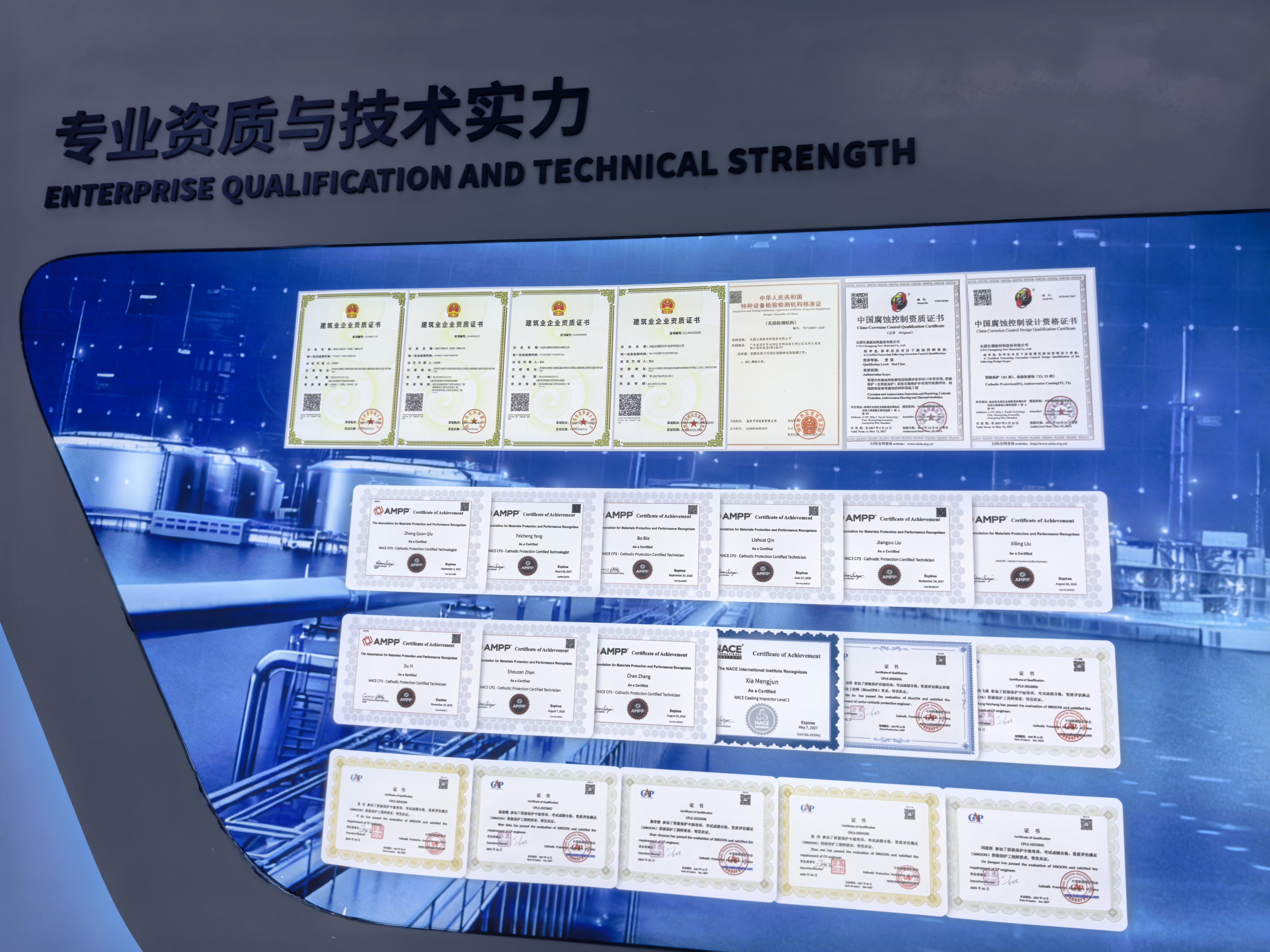
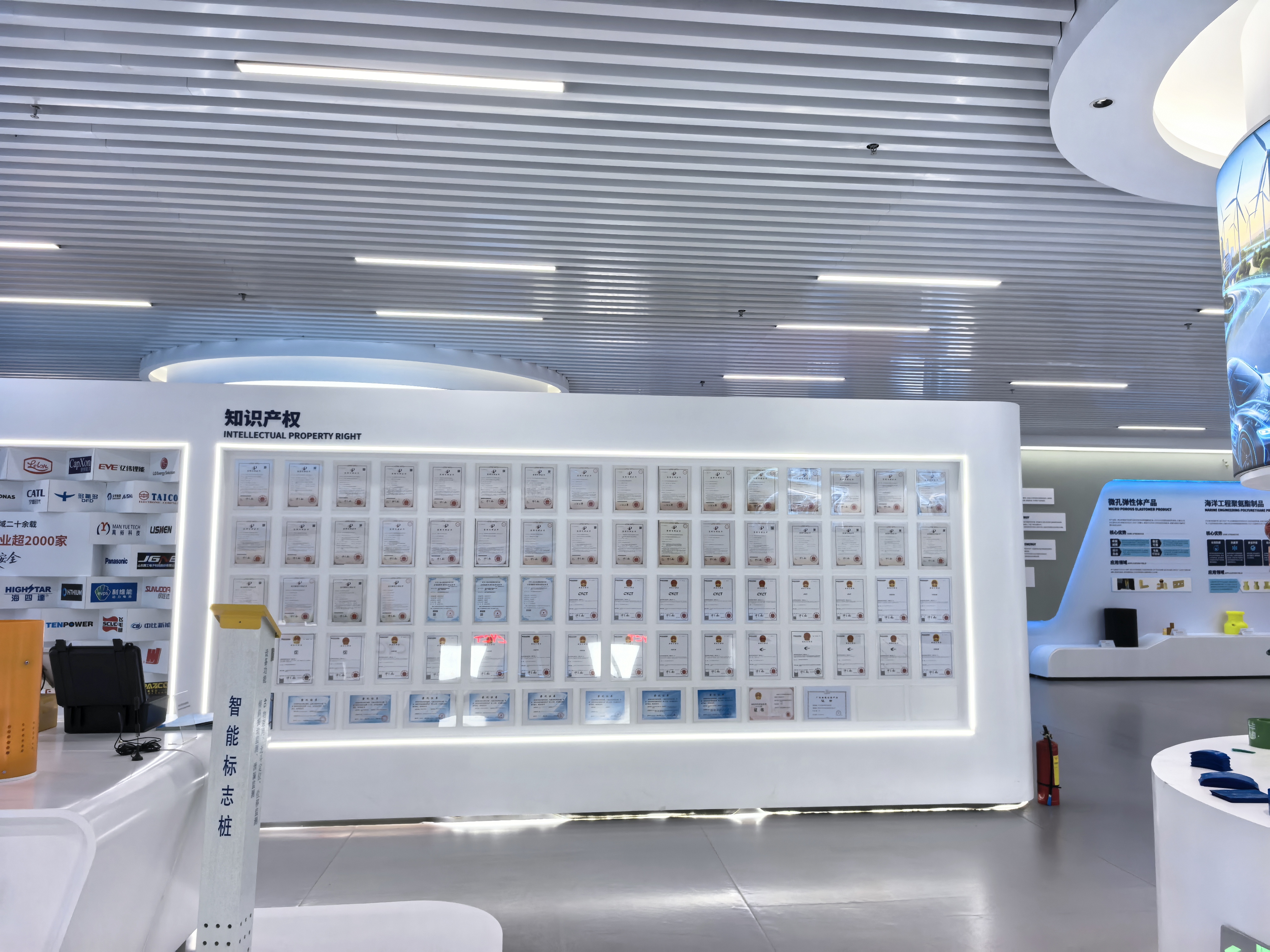
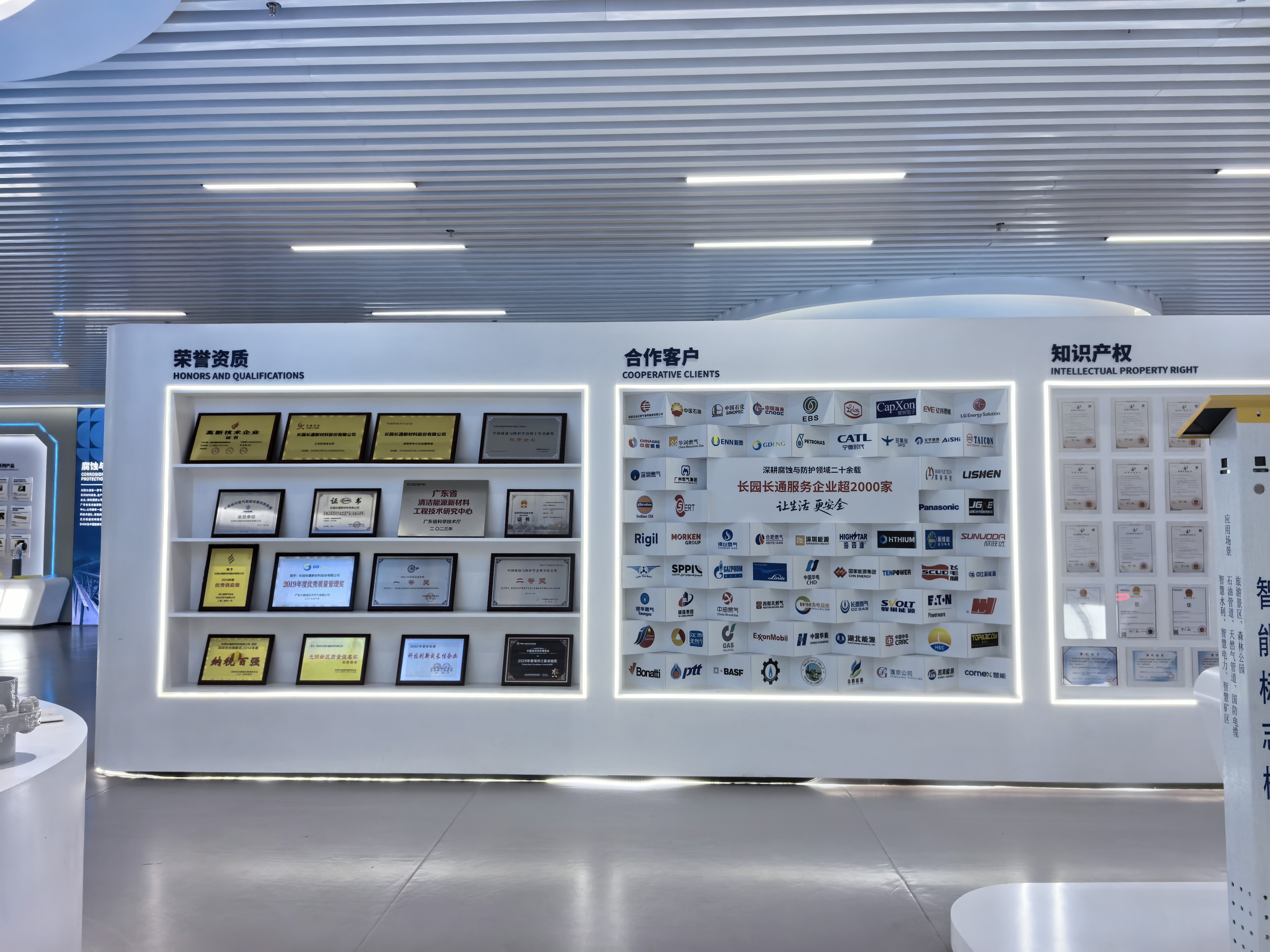
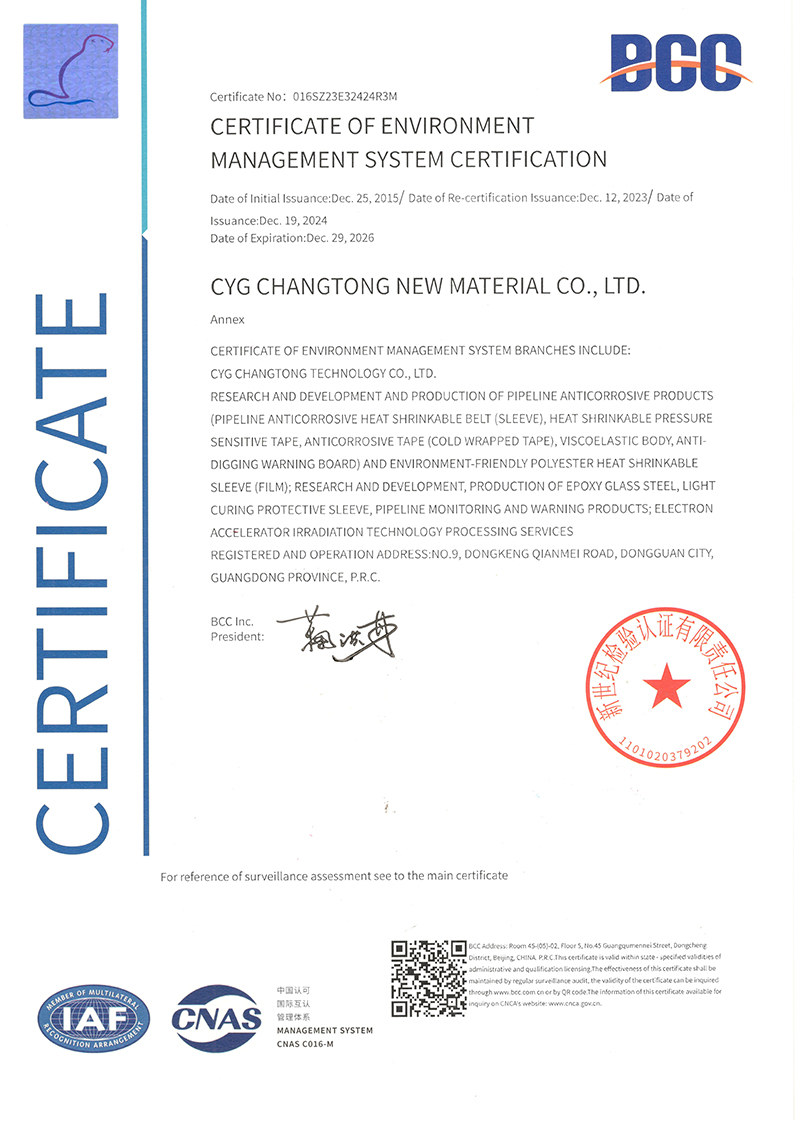
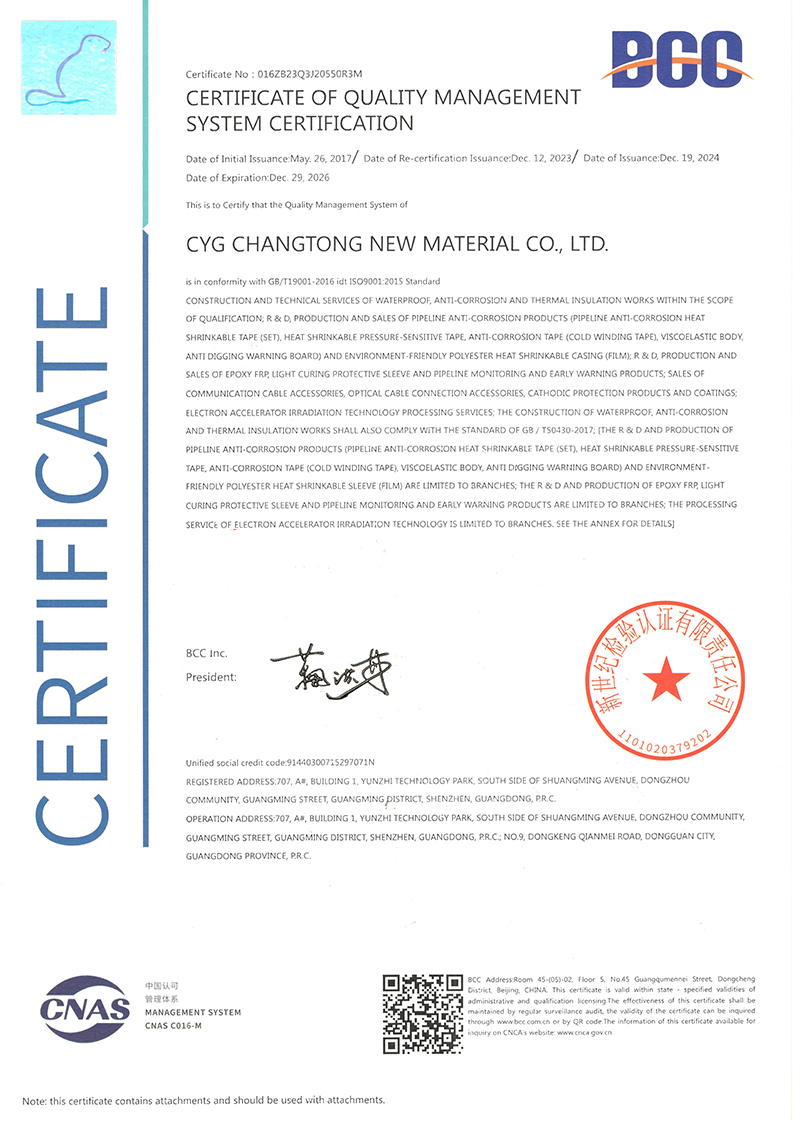
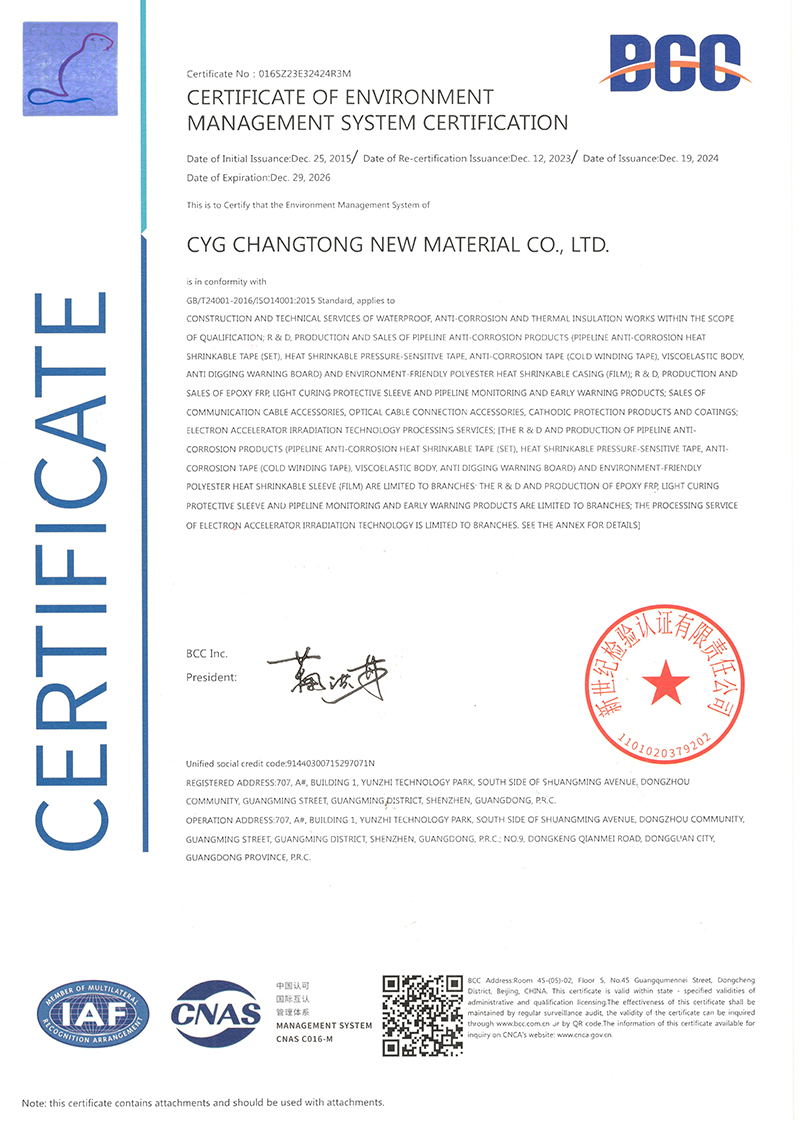
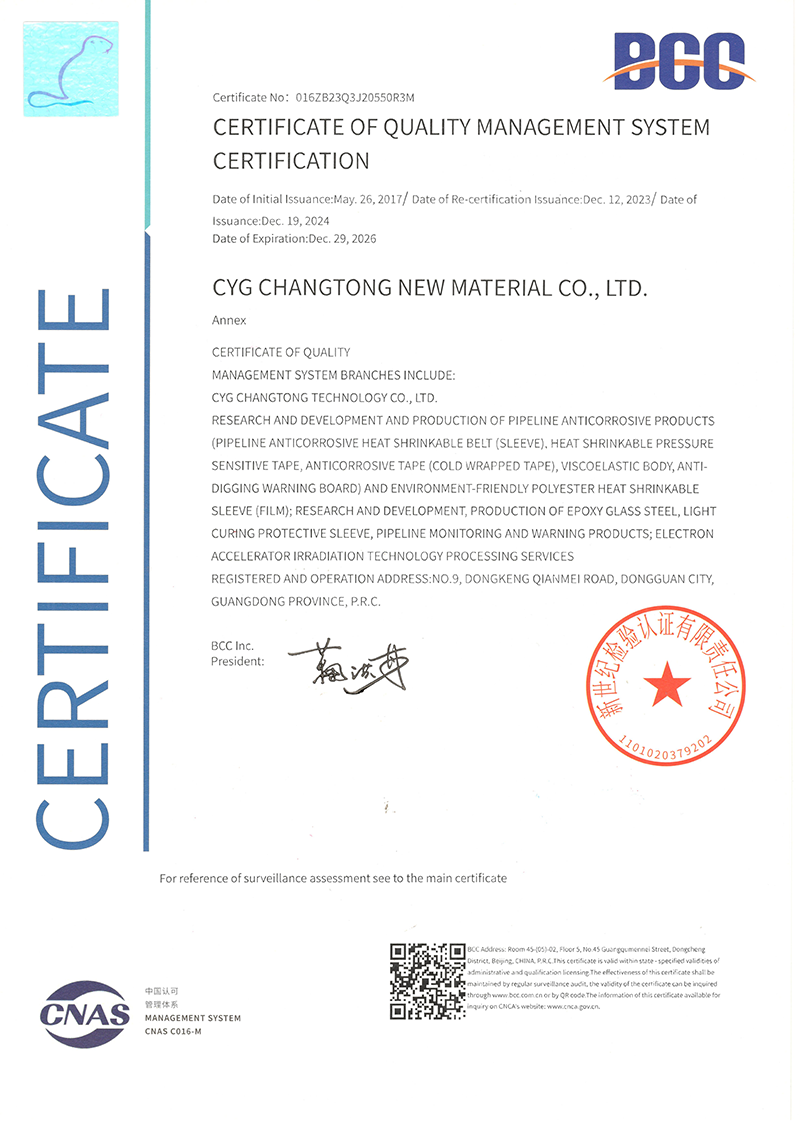
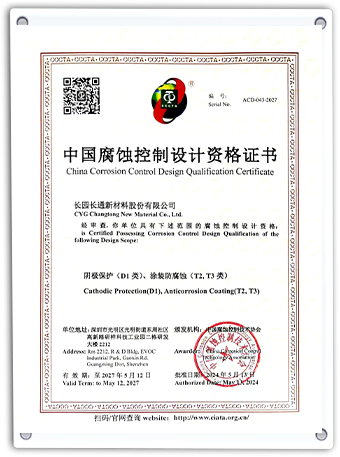
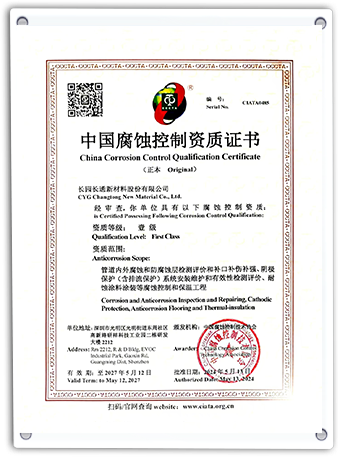
CYCT is a Council Member of the Chinese Society for Corrosion and Protection (CSCP), holds Qualification Certificates for Corrosion Protection Construction and Pipeline Detection, and is a corporate member of the China Association of Petroleum Engineering Construction (CAPEC).
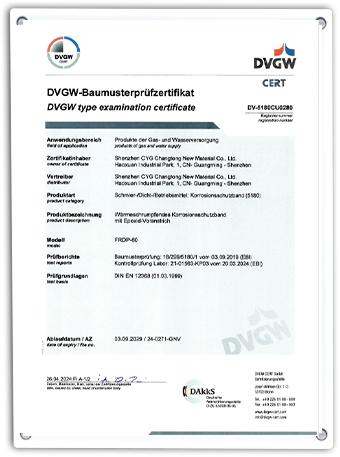
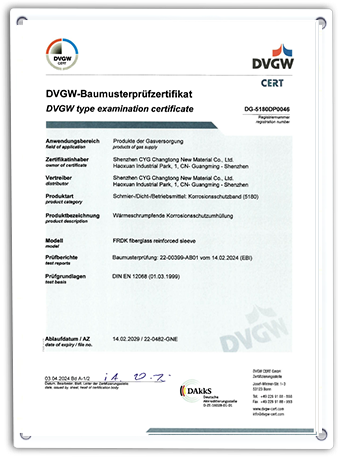
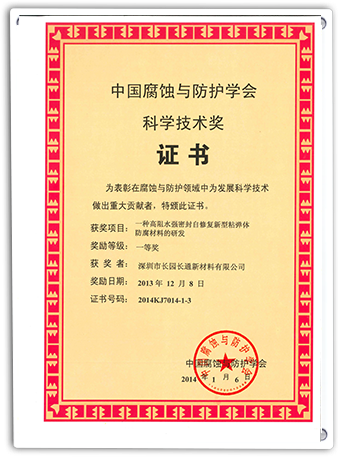
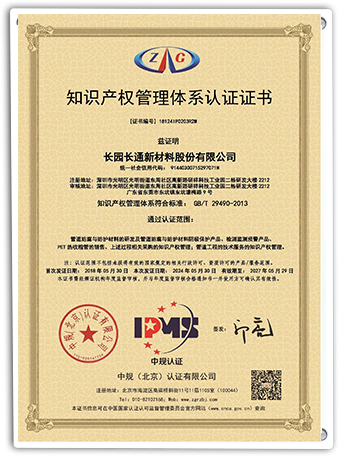
Industrial operating conditions require specialized product selection. GRP and GFRP composite configurations vary by application:
Offshore structures encounter high wave action, salt spray, and physical impacts. Our specialized subsea systems utilize water-activated polyurethane resins paired with heavy biaxial glass fiber weaves. These can cure underwater, creating a robust shield against mechanical erosion and chloride ingress.
Pipelines carrying crude oil or industrial process water can exceed temperatures of 100°C. Standard epoxy resins lose mechanical strength under these conditions. CYCT utilizes custom-formulated, solvent-free epoxy primers and polymer matrices that maintain their structural integrity at continuous operating temperatures up to 150°C.
During trenchless pipeline installation, pipelines are pulled through boreholes containing abrasive rock and gravel. Standard coatings risk being scraped off. Our photo-curing glass fiber protective sleeves provide high scratch, impact, and shear resistance, ensuring the pipeline remains protected after installation.
The mechanical performance of a GRP wrap relies on the interaction between the reinforcing fibers and the polymer matrix. When a defect, such as external corrosion, occurs in a steel pipe wall, the remaining steel expands radially under internal pressure. When the GRP wrap is applied, it constrains this expansion, absorbing the radial stress.
For effective stress transfer, the void-filling mastic must display high compressive strength and low shrinkage. The adhesive layer needs high lap shear strength to prevent delamination. The wrapping itself must be applied under tension to ensure close contact with the pipe. CYCT utilizes multi-axial weave architectures, providing reinforcement in both the hoop (circumferential) and axial directions. This protects pipelines from both internal pressure and bending forces caused by soil movement.
Deploying composite wrapping systems globally requires strict compliance with international standards. Organizations like ASME (PCC-2) and ISO (24817) govern the engineering, qualification, and installation of non-metallic composite repairs for pressure systems.
CYCT supports international operators by providing full compliance documentation, including qualification testing reports from our CNAS-accredited laboratory. We offer field joint coating application services, on-site training for contractors, and engineering calculations to determine the required wrap thickness based on defect geometry, design pressure, and temperature.
Compliance Standards Covered: ASME PCC-2 Article 4.1 (Non-metallic composite repair systems for pipelines and pipework) & ISO 24817 (Composite repairs for pipework - Qualification and design, installation, testing and inspection).
The pipeline corrosion protection industry is shifting toward smart, multi-functional composite wraps. CYCT's R&D pipeline focuses on integrating carbon nanotube sensors directly into the fiber weave, enabling real-time structural health monitoring (SHM). This will allow operators to track internal pressure changes and detect delamination or moisture ingress remotely.
Additionally, our team is developing bio-based resins to lower the carbon footprint of repairs, along with fast-curing UV-LED sleeves for rapid pipeline repairs in cold climates.
Answers to common technical queries from pipeline operators and procurement teams.
GRP (Glass Reinforced Plastic) specifically utilizes optimized continuous fiberglass filaments in either woven or stitched architectures, impregnated with high-performance epoxy or polyurethane resins. This provides greater tensile strength and chemical resistance compared to generic polymer-only adhesive wraps.
Yes. Because the application process does not require welding or hot work, GRP wraps can be installed while the pipeline is operating. This avoids costly system shutdowns and bypass setups.
CYCT operates a national CNAS-accredited laboratory. Every production batch of composite material undergoes mechanical testing (tensile modulus, flexural strength, Tg) and chemical profiling to ensure compliance with ASME PCC-2 and ISO 24817 standards before shipment.
The selection of the resin matrix is critical. For colder climates, we offer low-temperature curing agents. For high-temperature service lines (up to 150°C), we supply specialized heat-resistant epoxy primers that prevent thermal degradation and preserve the structural bond.
When qualified and installed in compliance with ASME PCC-2 or ISO 24817 guidelines, CYCT composite repair systems are designed for a service life of up to 20 years, matching the operational lifespan of the pipeline.
Explore our full range of field joint coatings, heat shrinkable sleeves, and visco-elastic solutions.
 CYCT
CYCT