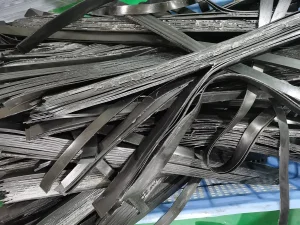
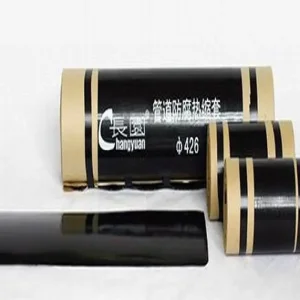
Explore our elite range of factory-certified anticorrosion materials designed to exceed international pipeline standards.
A deep technical analysis of radiation-crosslinked polyolefin backing and copolymer hot-melt adhesive interfaces in pipeline joint protection.
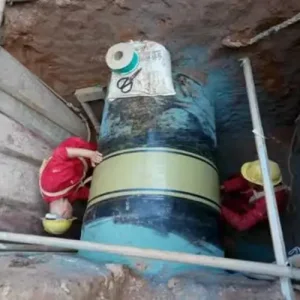
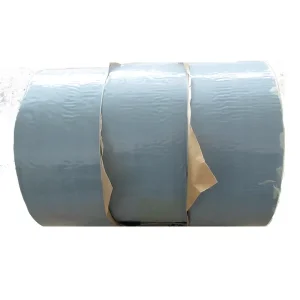
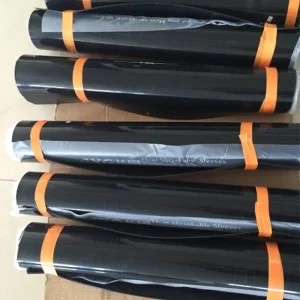
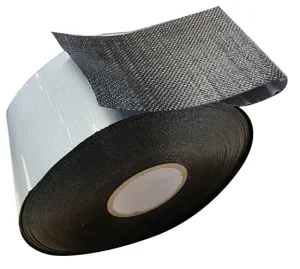
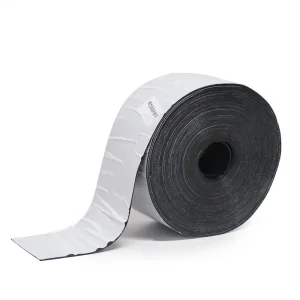
Modern buried pipelines rely on robust Field Joint Coatings (FJC) to maintain structural integrity. OEM Glue Lined Heat Shrinkable Sleeves represent a pinnacle of polymer engineering designed to secure these critical areas. Consisting of a radiation-crosslinked, high-density polyethylene (HDPE) backing coated with a specialized thermoplastic copolymer hot-melt adhesive layer, this system delivers an impenetrable barrier against environmental moisture and corrosive electrolytes.
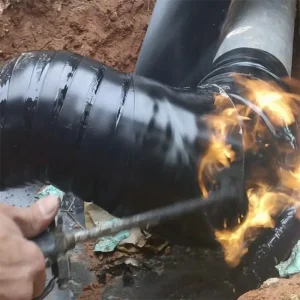
During installation, heating shrinks the backing polymer to its pre-stretched memory state while simultaneously melting the internal glue. The liquefying copolymer flows into the microscopic steel profile (anchoring pattern) and overlaps existing parent coatings (typically 3LPE, 3LPP, or FBE). Upon cooling, the system solidifies into a cohesive, chemically bonded protective layer.
| Property | Standard Reference | Typical Value Range |
|---|---|---|
| Tensile Strength | ASTM D638 / ISO 527 | ≥ 17 MPa |
| Elongation at Break | ASTM D638 / ISO 527 | ≥ 400% |
| Peel Strength to Steel | EN 12068 / ISO 21809-3 | ≥ 100 N/cm (at 23°C) |
| Cathodic Disbondment | ASTM G42 (at 60°C, 30 days) | ≤ 8 mm radius |
The "Glue" lining is not a generic hot-melt adhesive; it is a proprietary copolymer matrix engineered for shear resistance under high soil stresses. Key technological requirements for OEM projects include:
As a global OEM supplier, CYCT works closely with engineers to adjust polymer molecular weight distribution, cross-linking density, and adhesive chemical compositions to meet custom project specs.
Unlocking unparalleled manufacturing efficiency, strict quality controls, and advanced polymer R&D at scale.
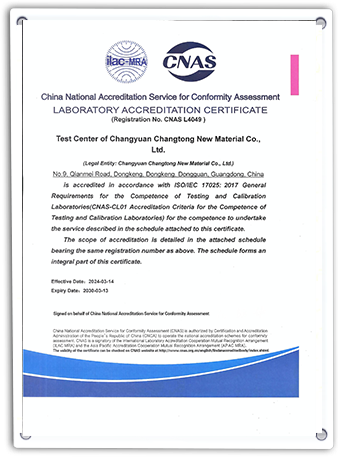
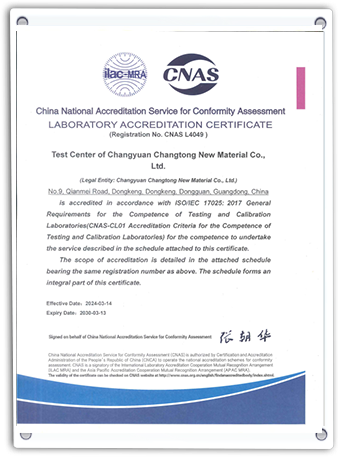
CYCT operates a national CNAS-accredited laboratory, validating chemical properties, shear, peel strength, and aging properties in-house. We guarantee that every production batch complies strictly with ISO 21809-3 and EN 12068 standards.
Founded in 2000, CYCT integrates chemical raw material sourcing, compounding, radiation cross-linking, and coating under one manufacturing hub in China, yielding exceptional cost benefits and shorter lead times.
From custom colors (black, yellow, red), specific shrinkage ratios, customized sheet widths to unique adhesive configurations, our engineering department designs tailored OEM solutions matching regional environment challenges.
Supplying key pipeline operations, offshore platforms, municipal water systems, and global oil infrastructure.
CYCT New Materials Company Limited (CYCT) is a state-level high-tech enterprise integrating R&D, production, and sales of pipeline corrosion protection materials. We support major national infrastructure operations, serving as a stable supplier of field joint coatings to PetroChina, Sinopec, PipeChina, and local municipal pipeline systems.
Tackling the most rigorous environment conditions across deep-sea pipelines, desert oil transport, and HDD projects.
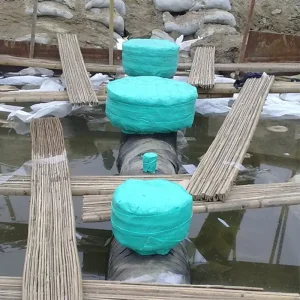
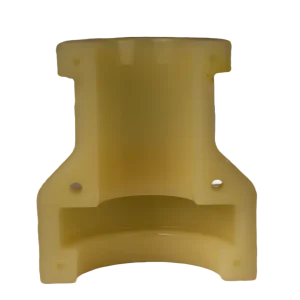
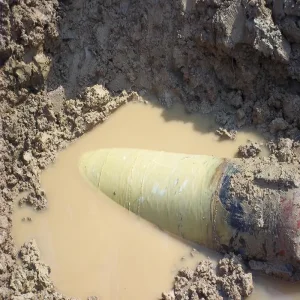
HDD operations expose pipeline coatings to extreme soil friction, abrasion, and mechanical stress. Standard field joint coatings can peel back or disbond. CYCT’s fiberglass-reinforced sleeves (FRPD) incorporate high-durability glue matrices and sacrificial outer shields that withstand pull-through friction, preserving corrosion barrier integrity.
Our OEM PP repair patches and hot-melt PE fillers are formulated to match parent pipeline coatings seamlessly. By restoring the thickness and barrier properties of factory-applied layers, they extend pipeline lifespans and prevent localized galvanic corrosion cell formation.
High-operating-temperature oil lines require specialized thermal stability. Our polypropylene (PP) heat shrinkable sleeves utilize high-softening-point hot-melt copolymers that resist sag and movement even under continuous temperatures of up to 120°C. They maintain firm adhesion, ensuring long-term pipeline safety in extreme environments.
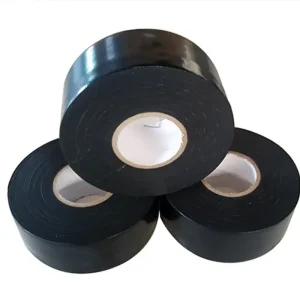
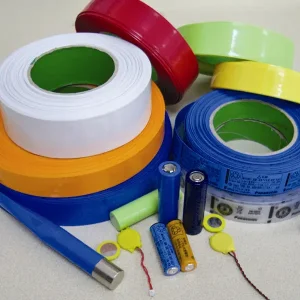
In addition to heavy petrochemical use, our PVC anti-corrosion tapes and visco-elastic coatings protect distribution networks against shifting urban soils, stray currents, and biological degradation. This ensures long-term infrastructure stability and reduces municipal maintenance costs.
Adapting to evolving global standards, environmental mandates, and technological developments.
Environmental regulations restrict the use of volatile organic compounds (VOCs) in construction. Modern hot-melt formulations are 100% solid, solvent-free systems that release no hazardous chemicals during heat activation, ensuring operator safety.
Modern sleeves are engineered to prevent shielding of Cathodic Protection (CP) currents. Should moisture penetrate the sleeve, the design allows the protective electrical currents to reach the steel pipe substrate, preventing localized pitting.
Moving beyond basic chemical cross-linking, the industry relies on high-energy electron beam irradiation. This alters the molecular matrix of the backing to improve heat resistance, tensile strength, and recovery memory.
A glimpse inside CYCT's manufacturing hub, testing centers, and executive divisions.
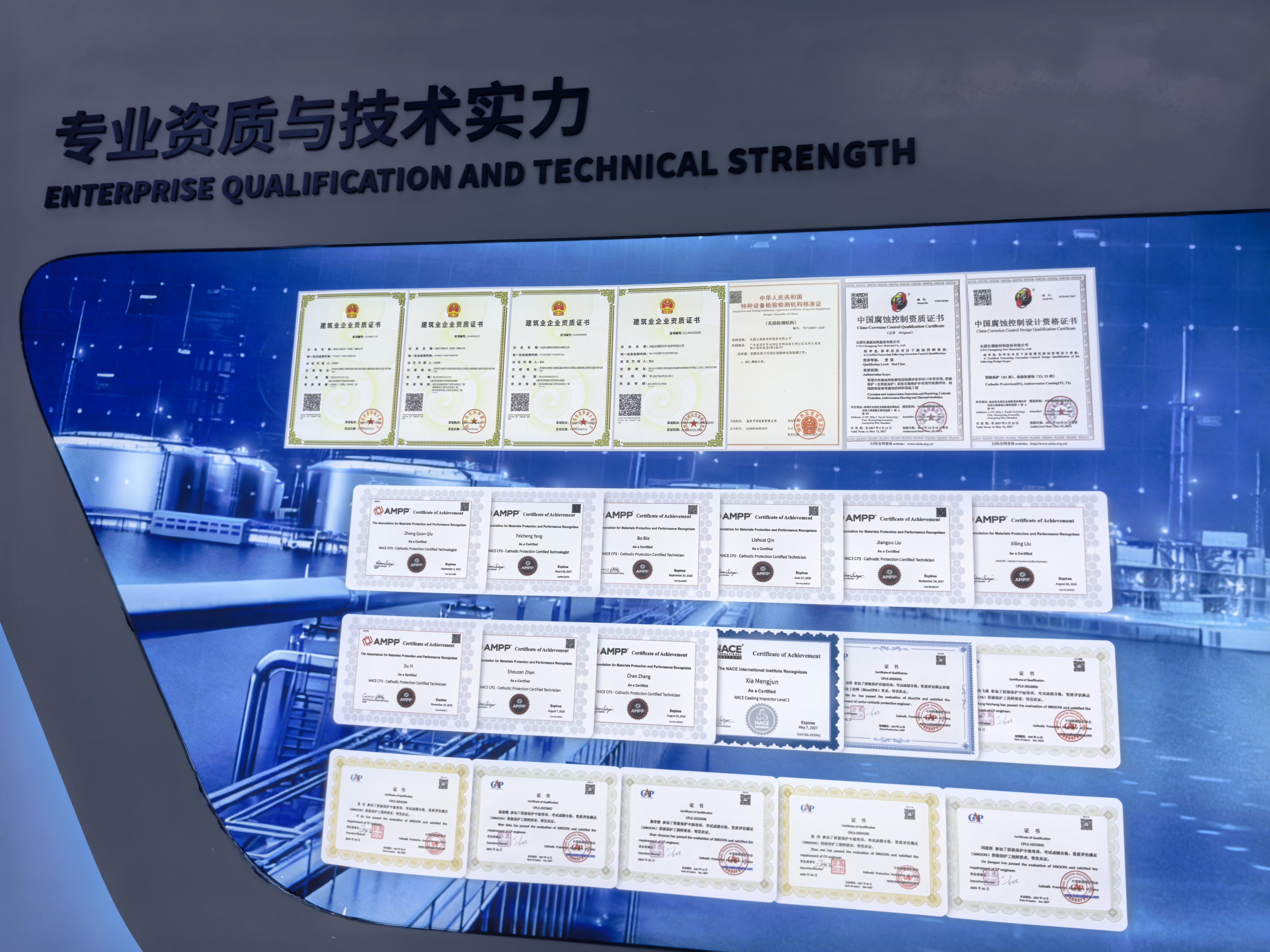
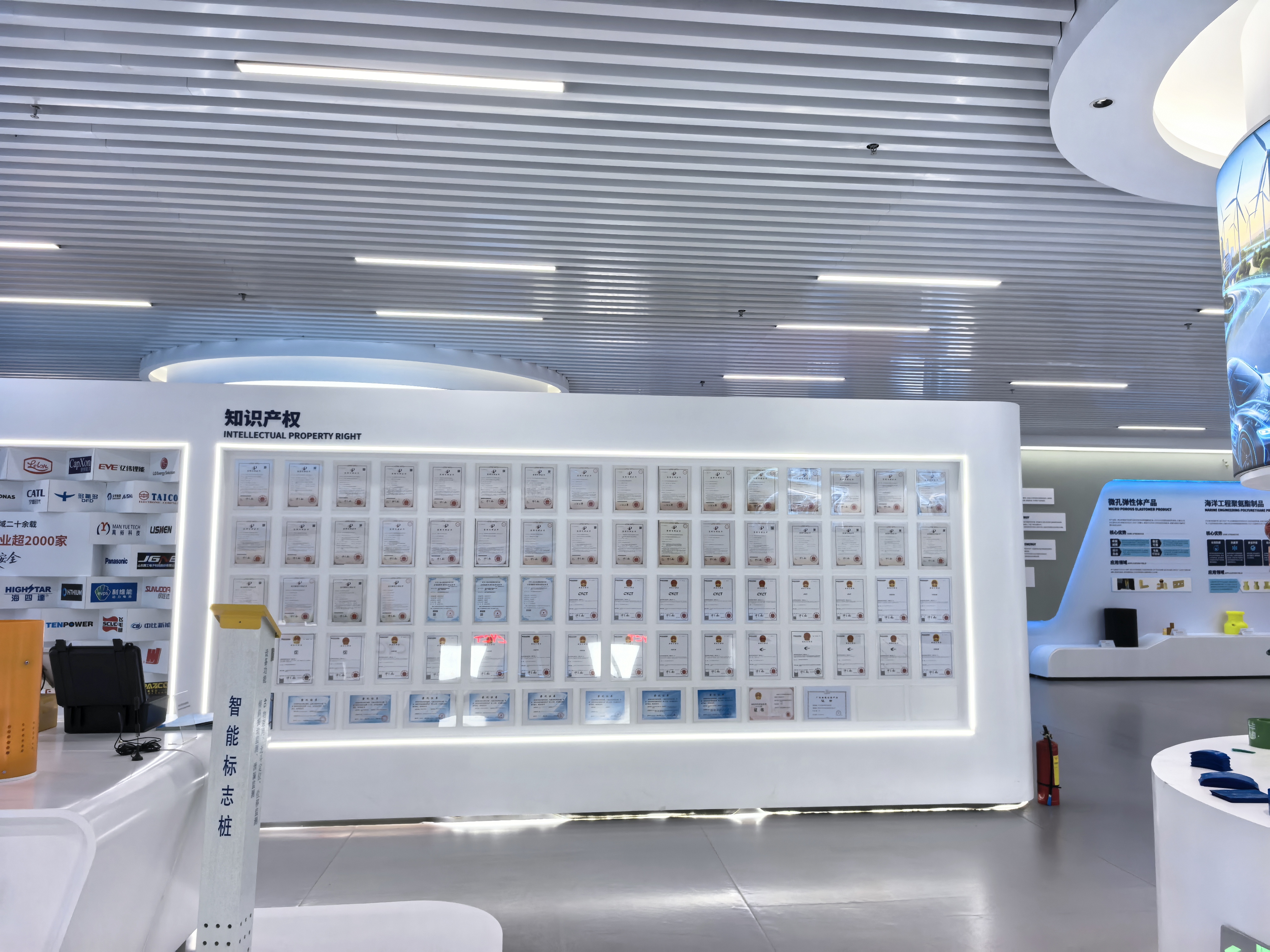
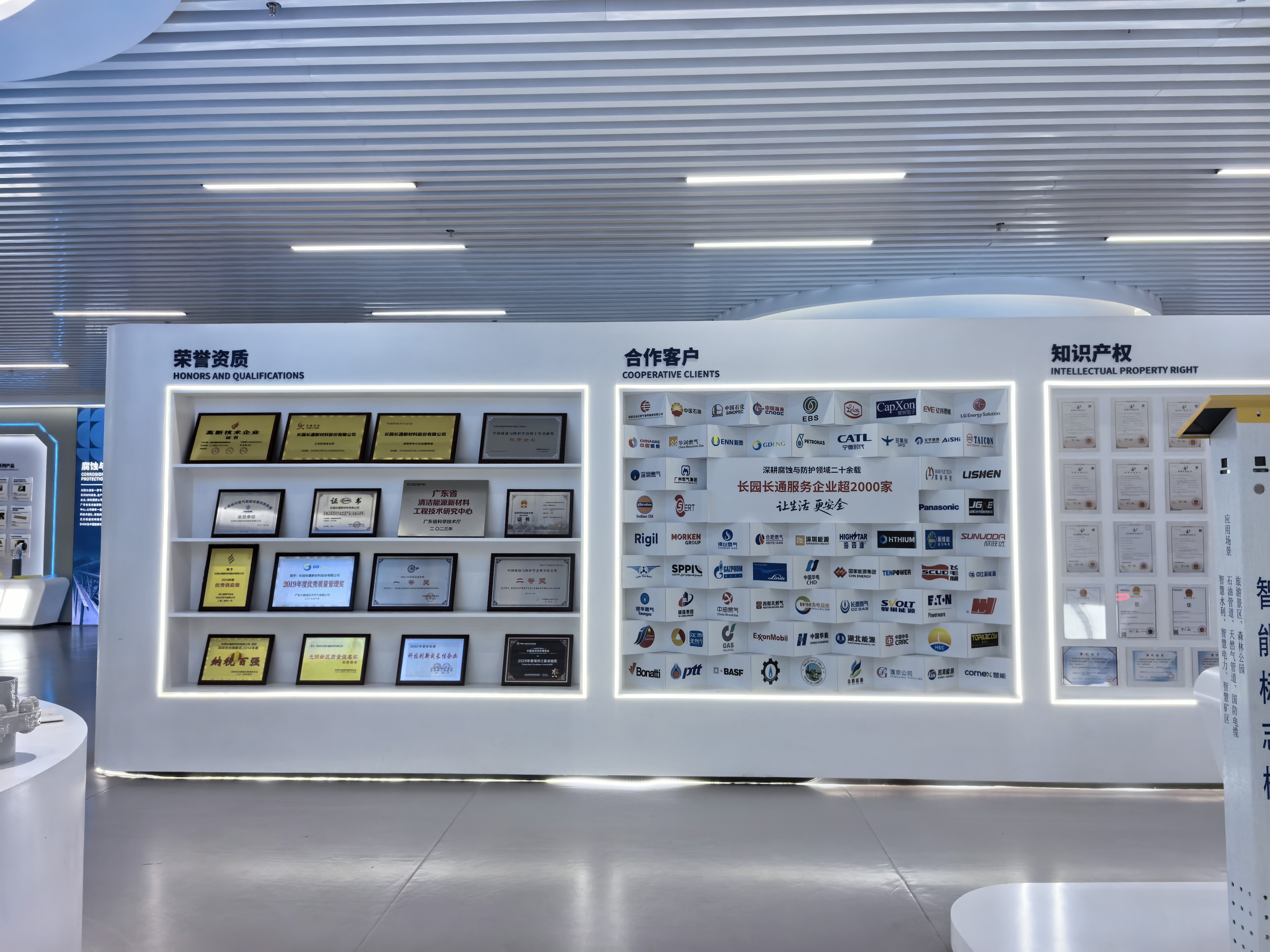
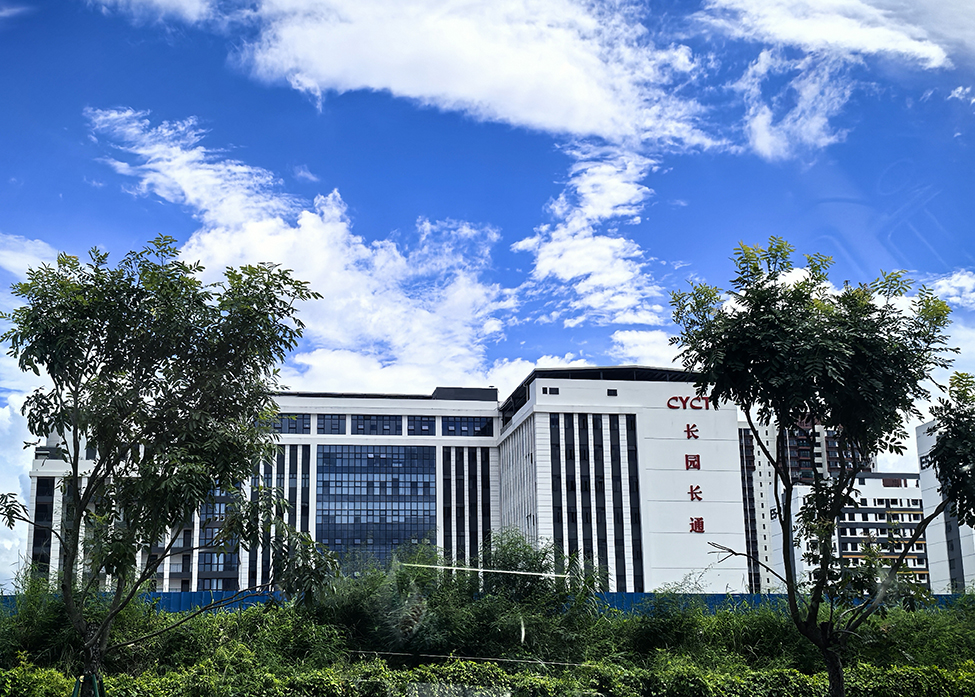
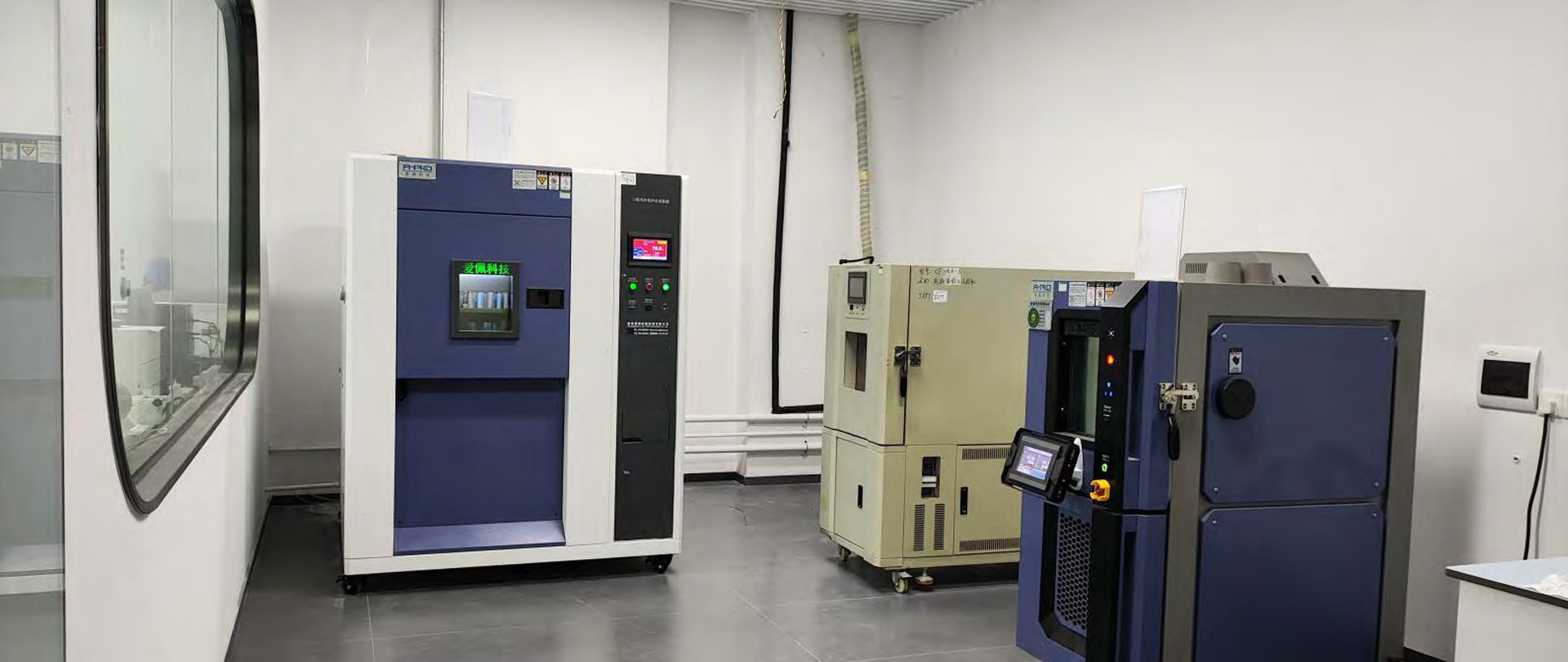
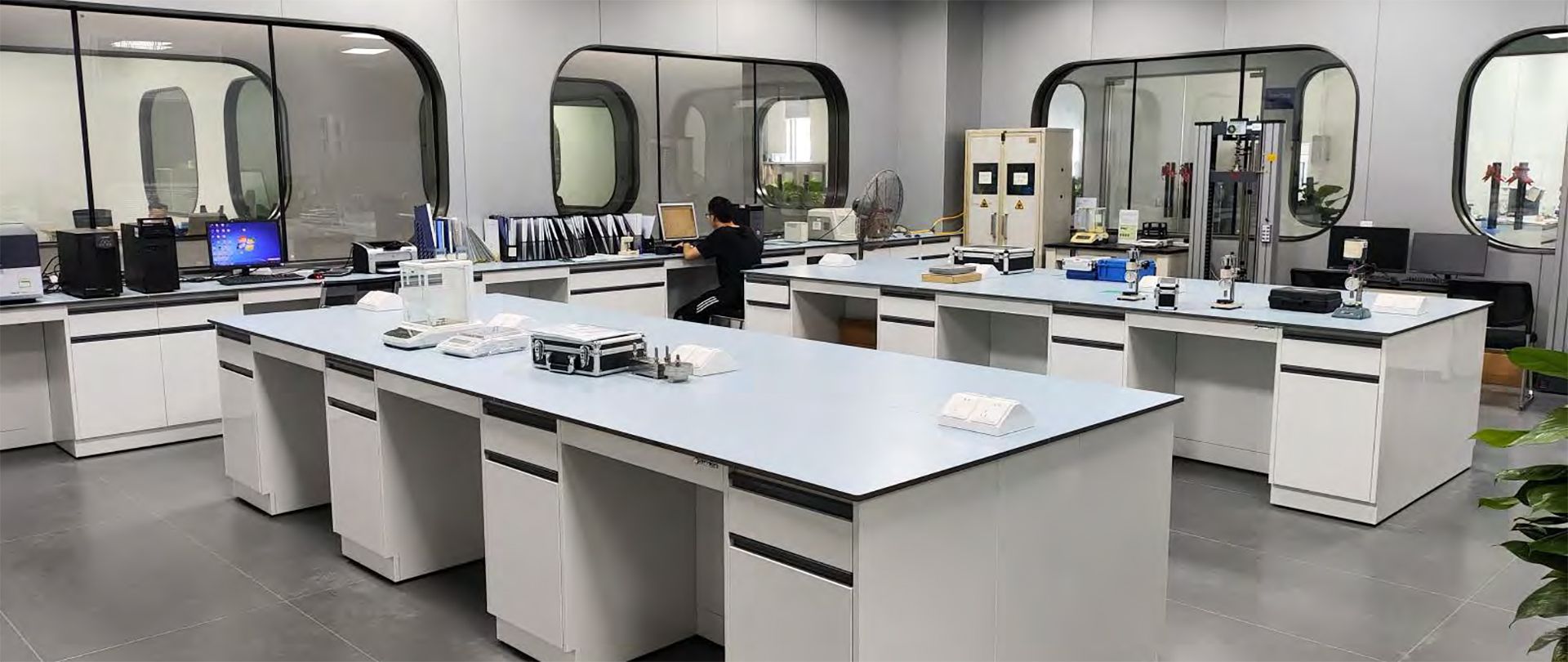
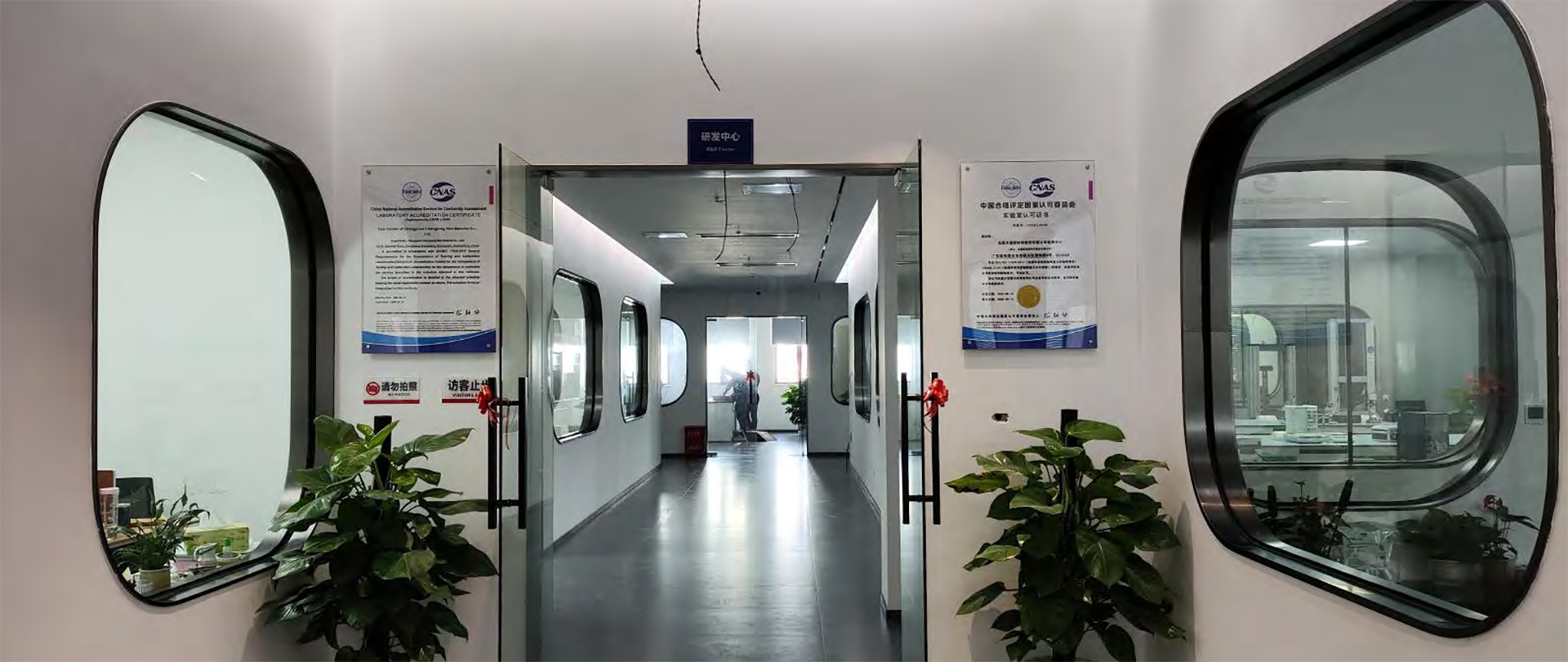
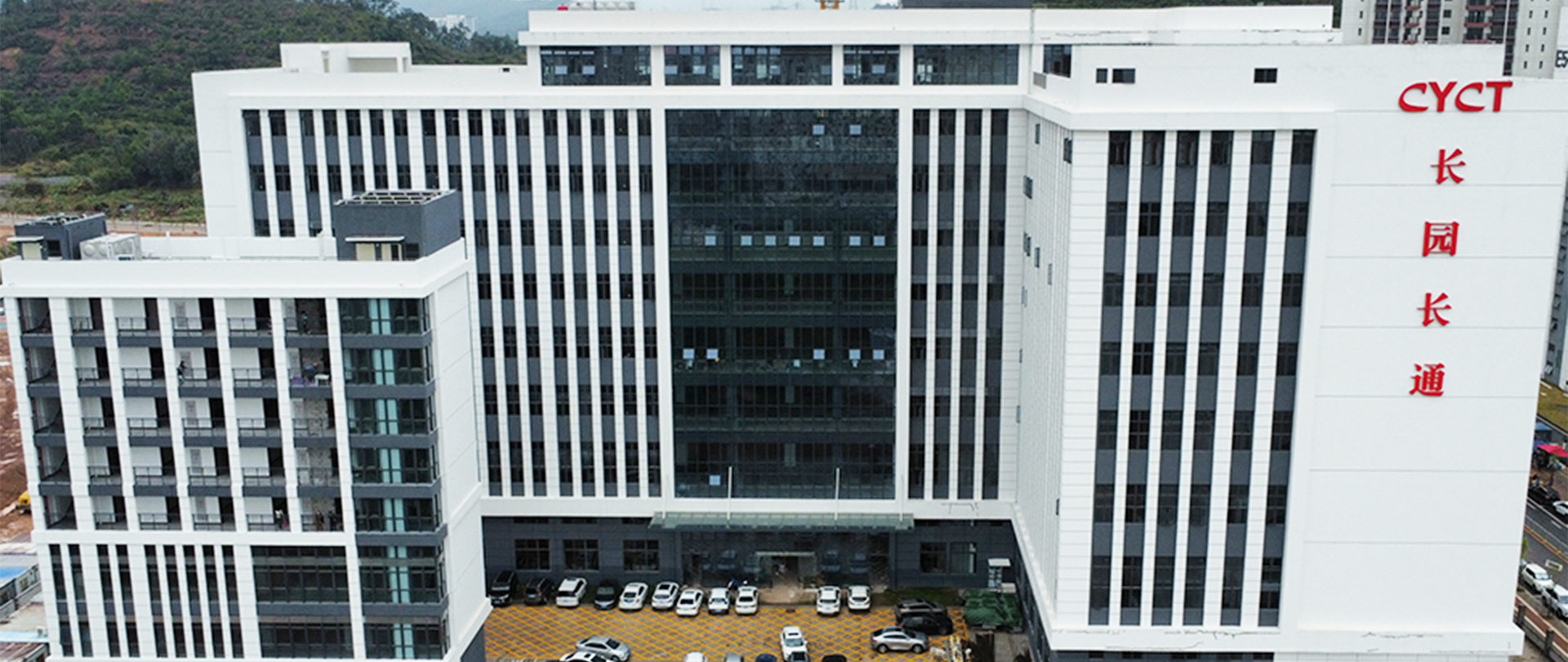
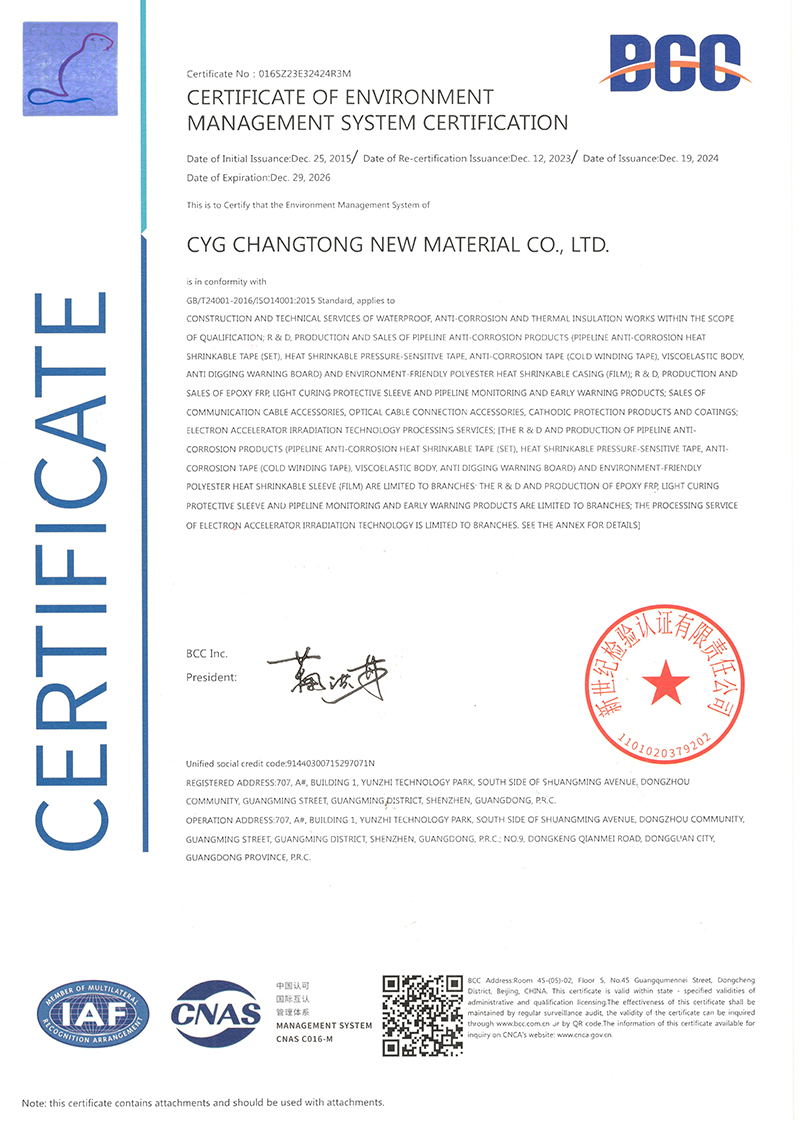
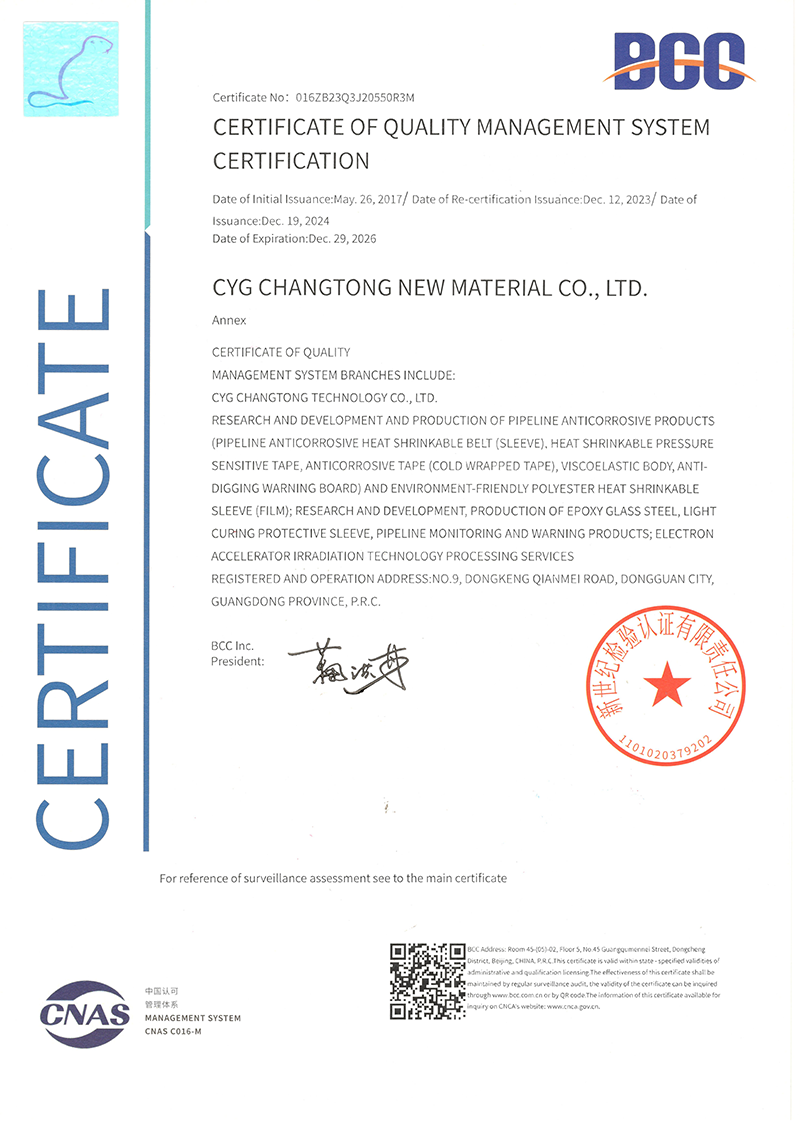
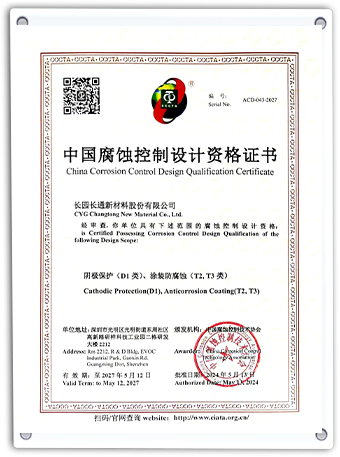
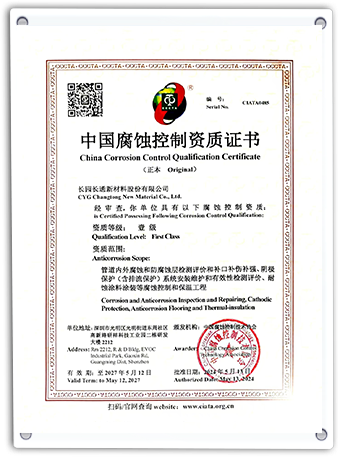
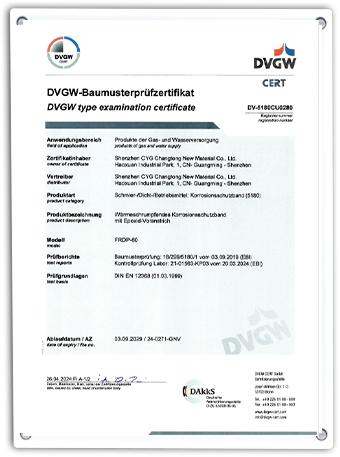
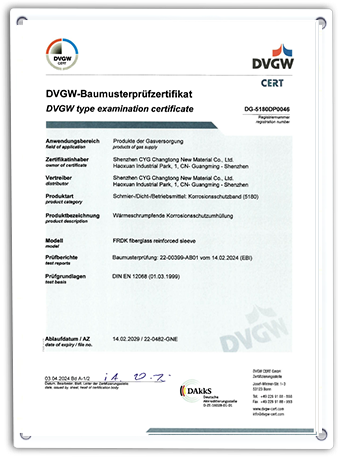
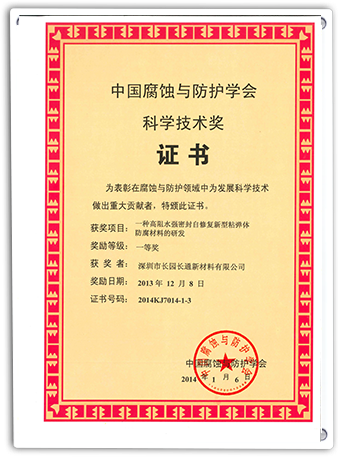
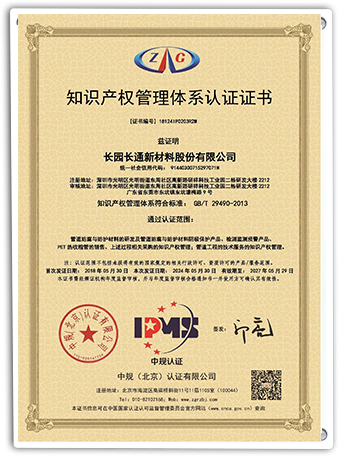
Our commitment to global standards: member of Chinese Society for Corrosion and Protection (CSCP), CAPEC, and a trusted supplier for Indian Oil, PetroChina, Sinopec, and China Gas.
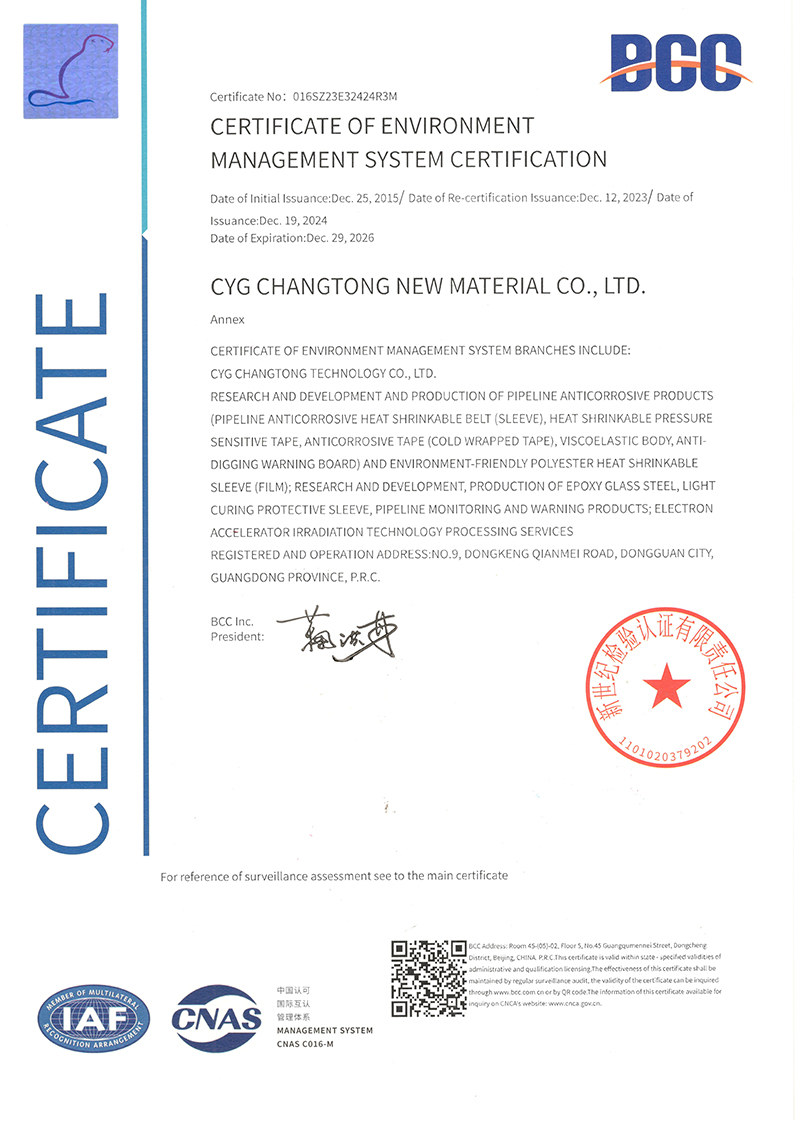
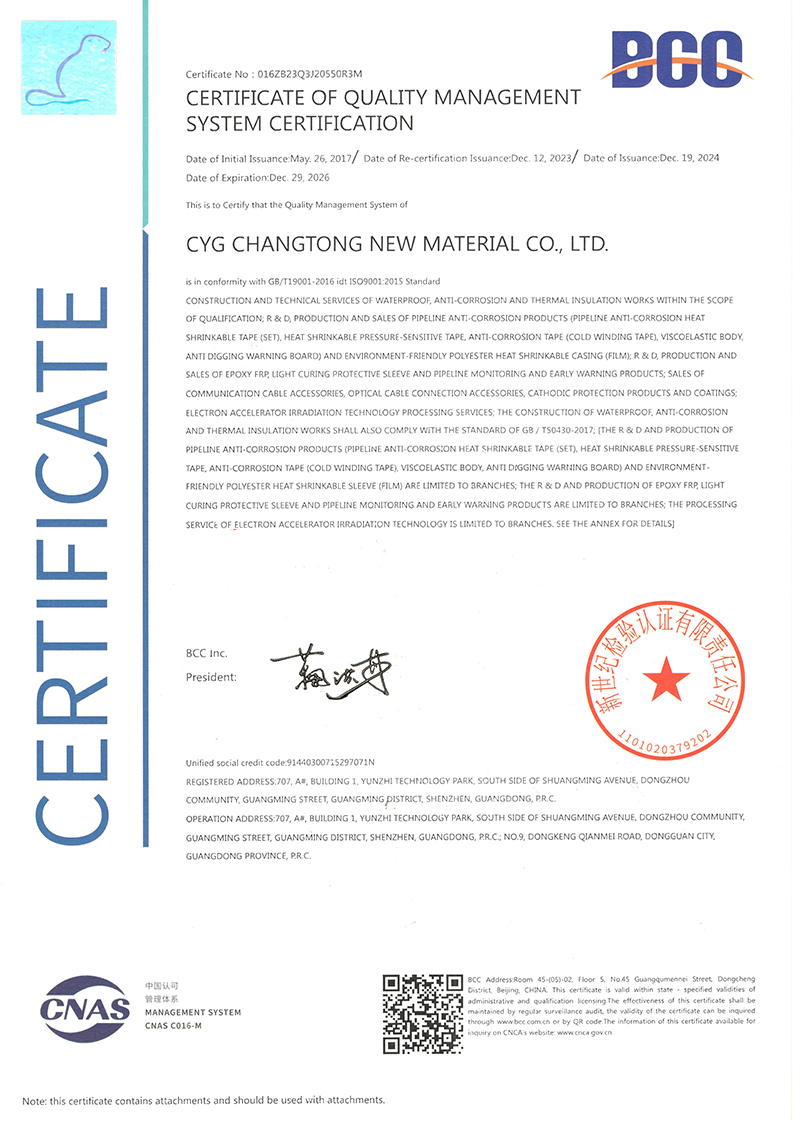
Expert technical insights regarding pipeline joint coatings, material selection, installation parameters, and compliance.
Discover additional cold-applied tapes, repair patches, and specialized heavy-duty solutions.
 CYCT
CYCT