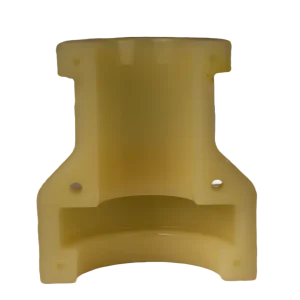
Explore our specialized range of field joint systems, repair patches, and viscoelastic coatings designed to exceed global industrial criteria.
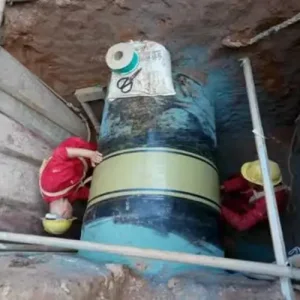
Fiberglass Reinforced Plastic (FRP) and Glass Reinforced Plastic (GRP) coatings represent the pinnacle of compound engineering designed to isolate critical steel substrates from corrosive operational elements. As key installations migrate toward tougher geological sectors, standard liquid and wrap coatings often fall short when subjected to high-shear, abrasive conditions such as Horizontal Directional Drilling (HDD) and deep marine currents. OEM FRP systems provide custom composite structures that yield exceptional shear resistance, mechanical load distribution, and unparalleled long-term chemical barriers.
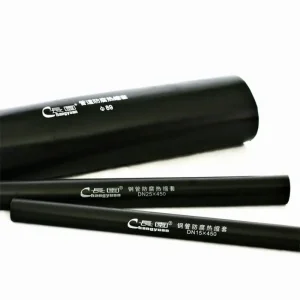
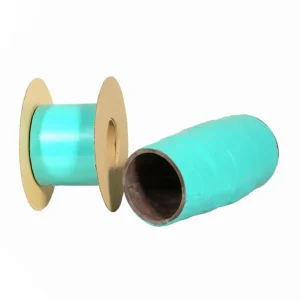
Our premium photo-curing sleeves employ specialized photo-initiators coupled with high-density E-glass fabrics. Upon exposure to UV radiation or daylight, the resin matrix undergoes rapid radical polymerization, setting into a high-modulus shell within minutes. This transition eliminates chemical cure waiting times and secures absolute mechanical resistance against indentation and sliding wear, bridging the gap between field joint applications and heavy plant-applied coatings.
Achieving stable adhesion under dynamic thermal expansion requires multi-tier defense systems. The composite structure is engineered to resolve differential stress between steel and the outer shell. In deep subterranean or submarine lines, cathodically protected pipelines risk cathodic disbondment (CD) if moisture breaks through. By integrating a polymeric viscoelastic primary primer with a high-strength FRP outer shielding, manufacturers provide a barrier that prevents water ingress, maintains continuous electrical impedance, and withstands local soil pressures.
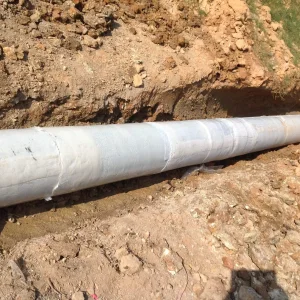
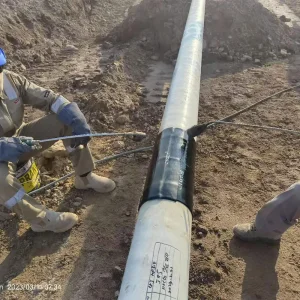
Modern field engineers count on photo-curing wraps to protect field joint welds on 3LPE or 3LPP pipelines. Utilizing FRP wraps creates a monolithic sleeve over the joint area, mimicking the performance criteria of factory coatings. This system has become the global standard for shore crossings, pull-ins, river crossings, and heavy agricultural soil overlays where rock backfill would otherwise puncture standard polyolefin wraps.
Pioneering the evolution of pipeline protection from simple wraps to intelligent, high-modulus structural polymer matrices.
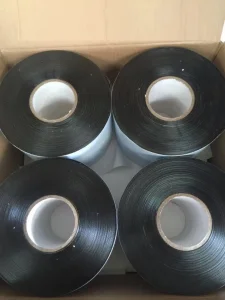
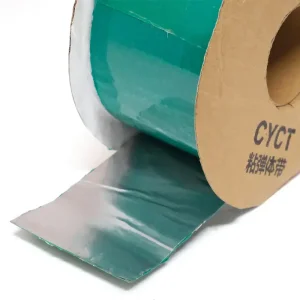
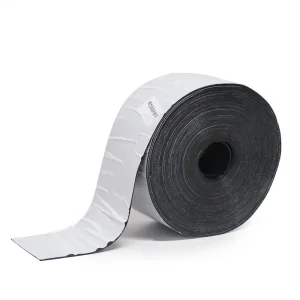
Engineered cold-flow chemistry that self-heals micro-defects at steel interfaces, assuring 100% wetness, zero moisture pathways, and permanent adhesion.
Pre-impregnated fiber sheets cured using solar UV energy or portable field equipment, providing a rapid, trench-side joint casing.
Applied to subsea flowlines and dynamic risers, incorporating bend restrictors and custom elastomer combinations to limit shear deformation.
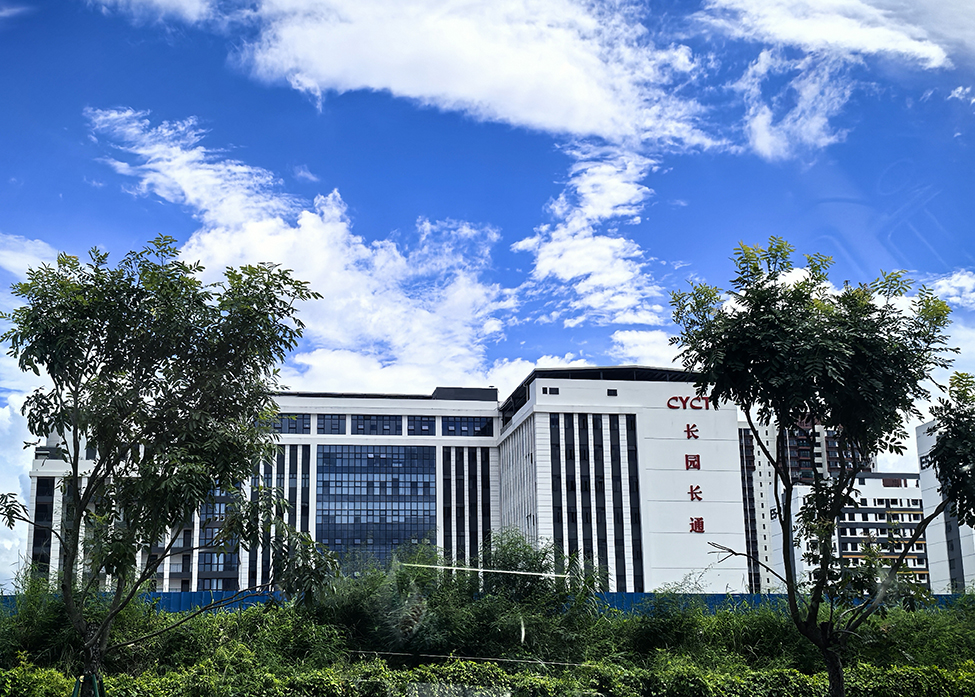
A State-Level High-Tech Enterprise integrating advanced material production, buried pipeline diagnostics, and global supply systems.
CYCT New Materials Company Limited (CYCT) stands at the forefront of China's anti-corrosion innovation. Established in 2000, we have grown into a central node for high-integrity coatings, supplying major energy groups such as PetroChina, Sinopec, PipeChina, China Gas Group, and Indian Oil. Our focus is simple: guaranteeing structural safety for infrastructure assets globally.
By operating a national CNAS-accredited laboratory and partnering with the CNPC Pipeline Science Research Institute, we translate complex material chemistry into field-applicable systems. From advanced viscoelastic tapes to UV-cured GRP sheets for trenchless installations, CYCT products are engineered to excel under extreme conditions.
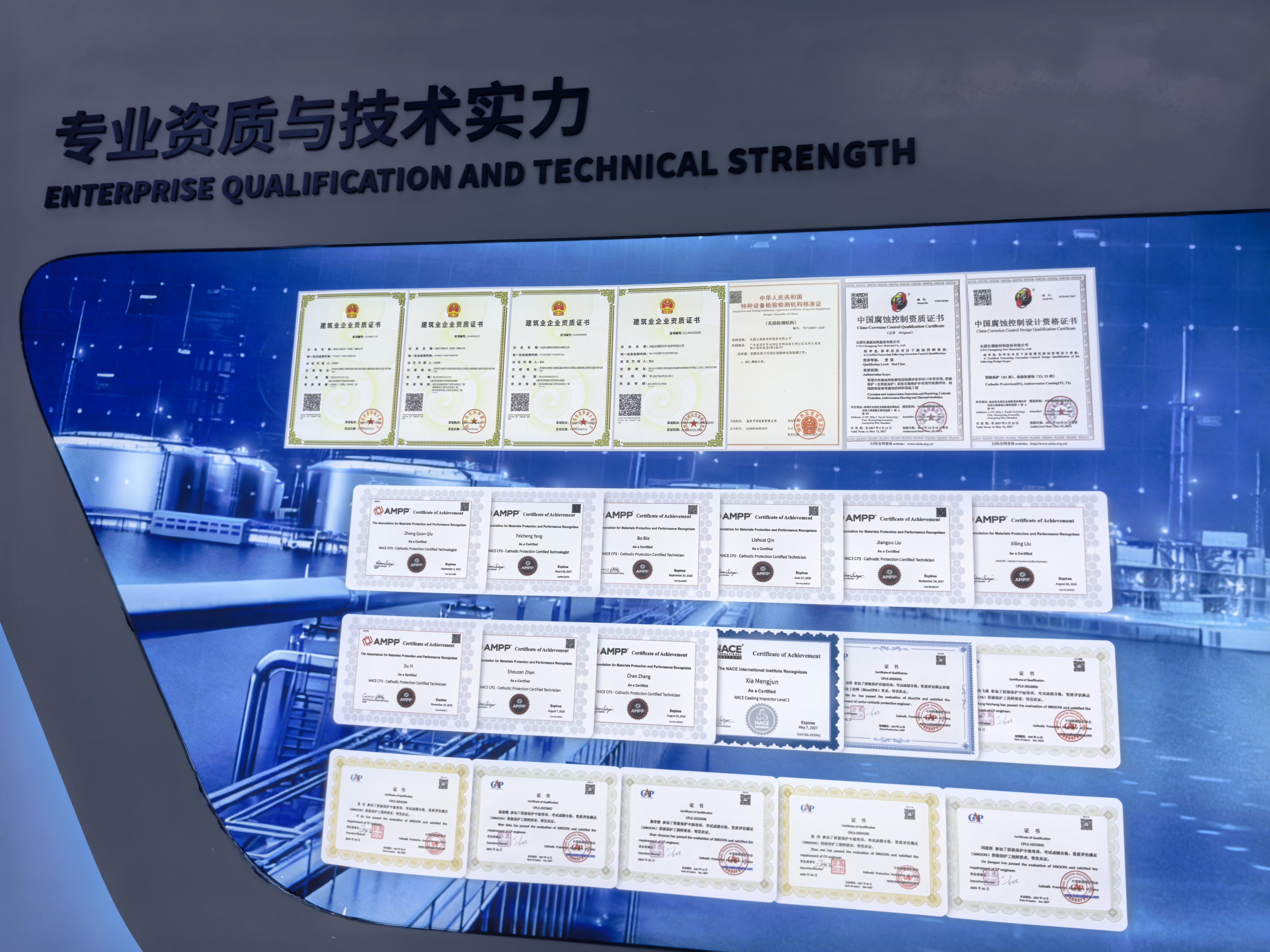
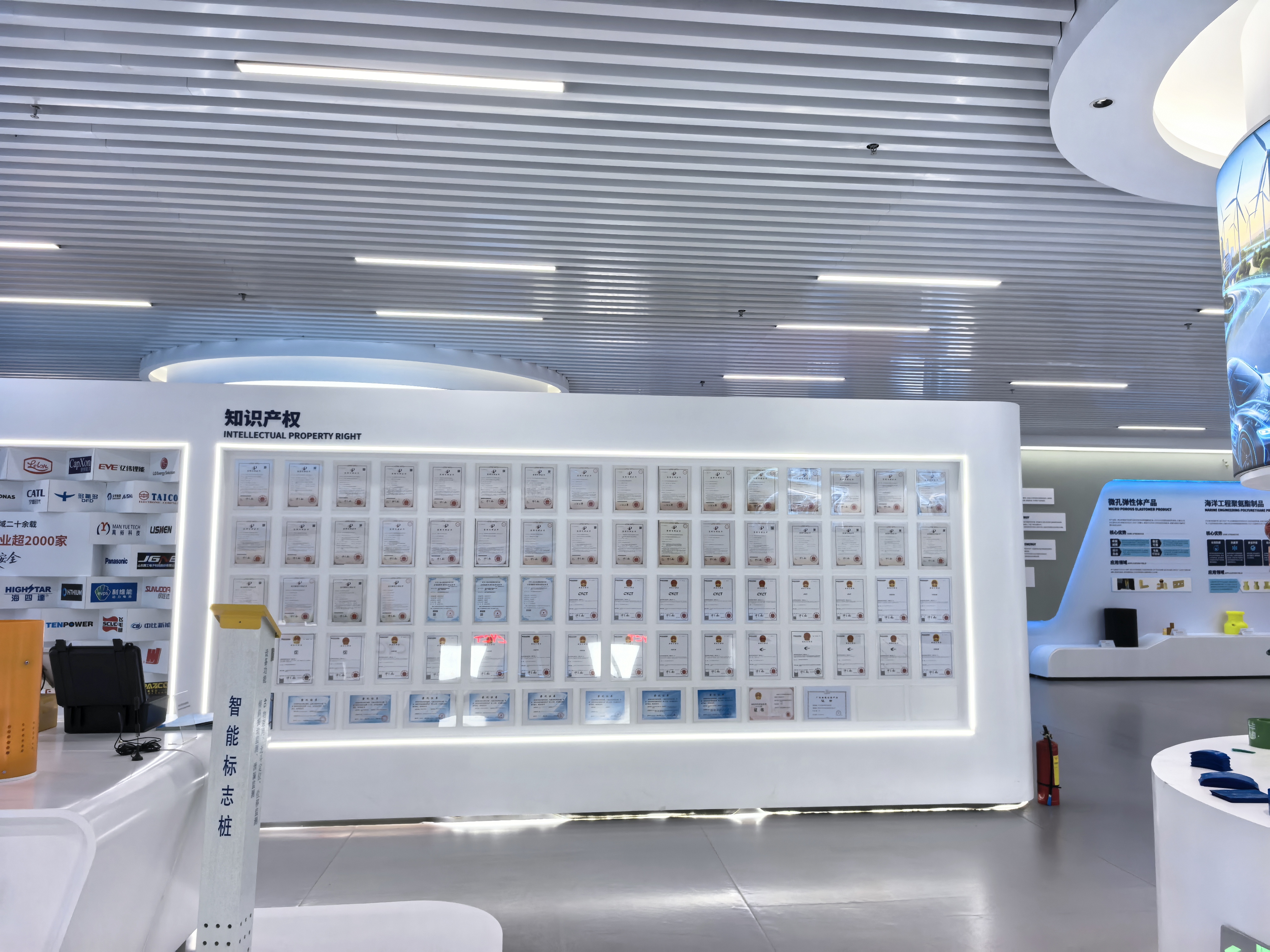
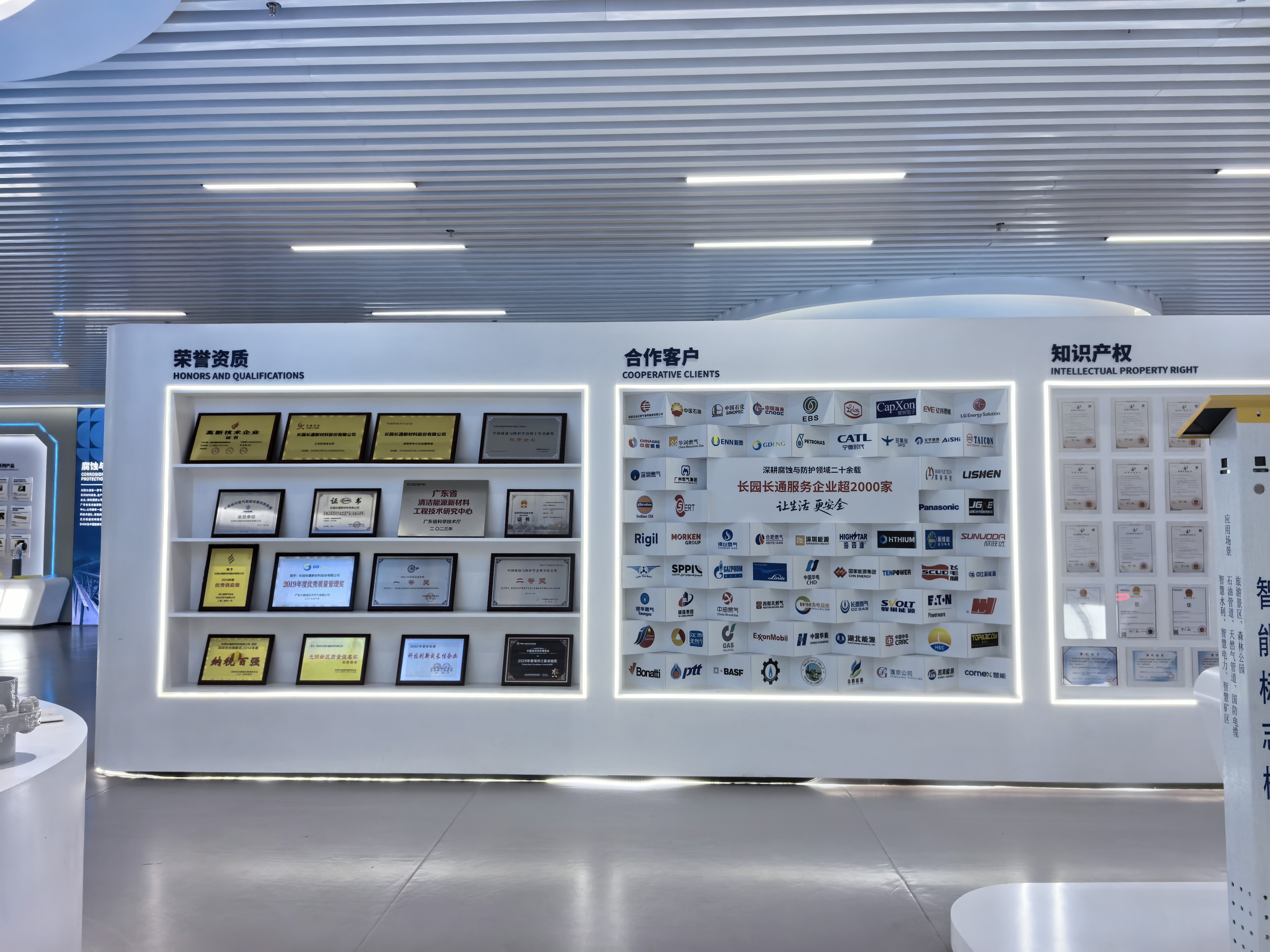
Governed by strict international quality criteria to meet safety standards in hazardous oil, gas, and chemical environments.
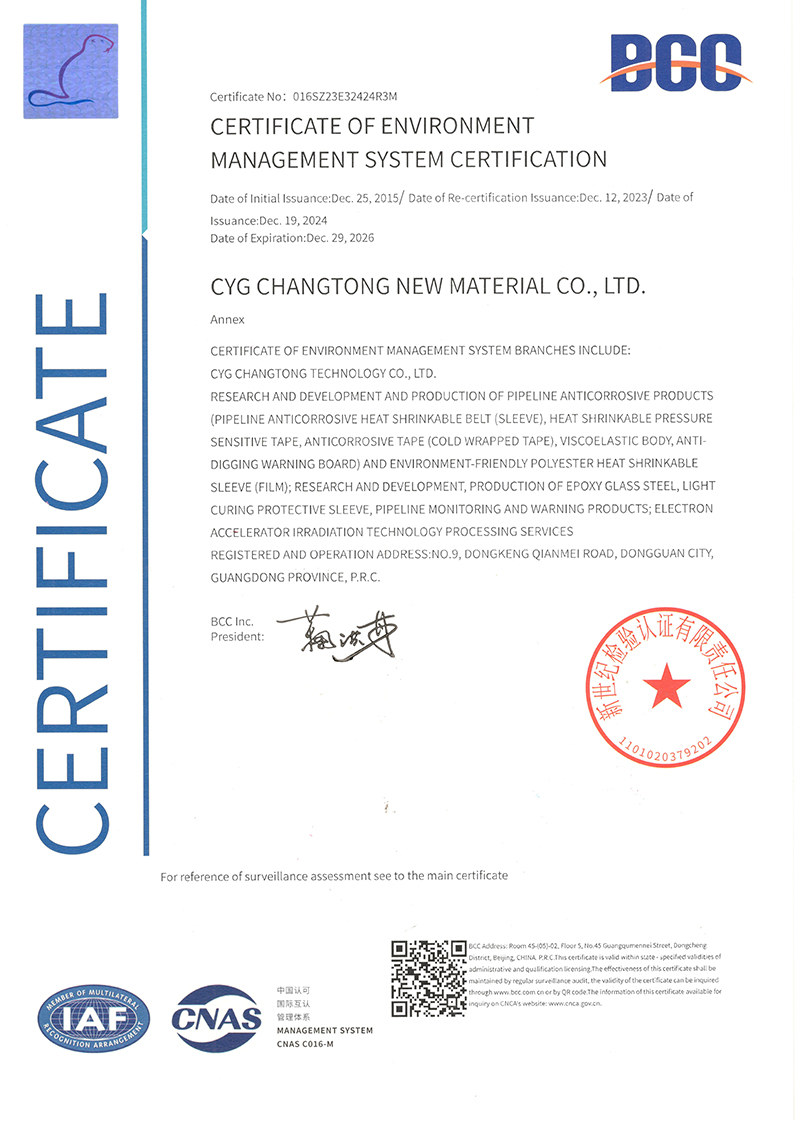
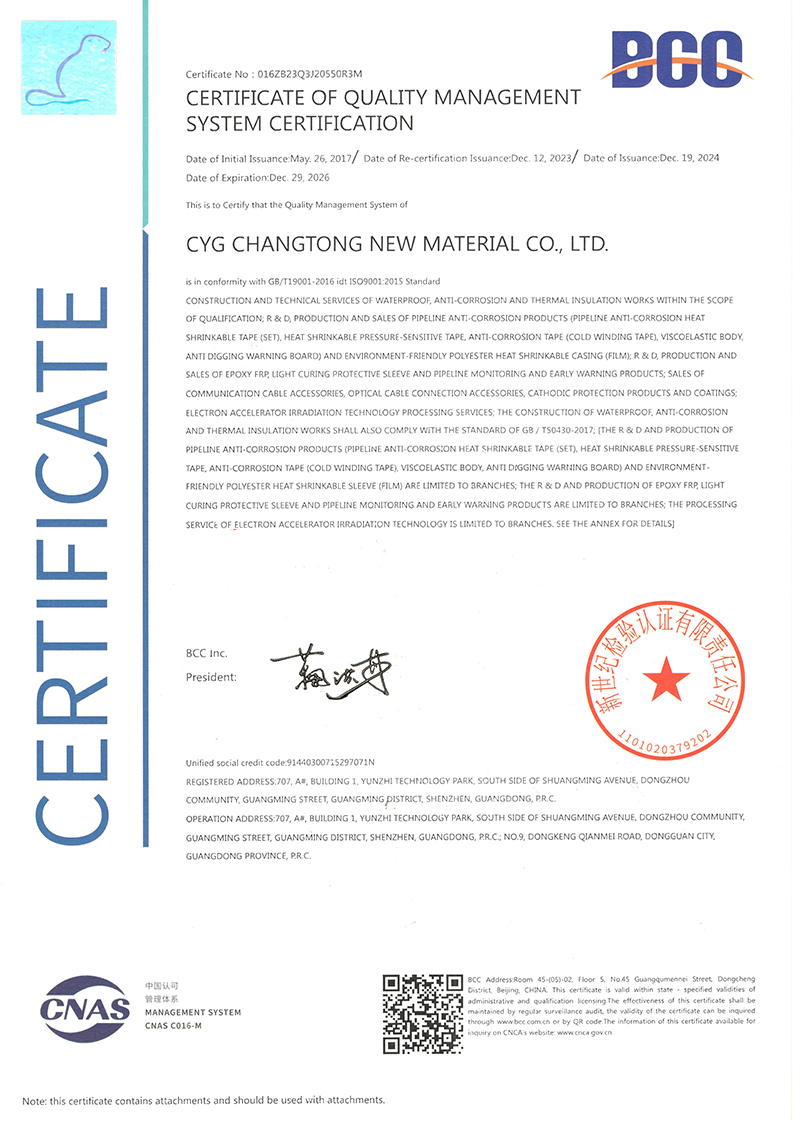
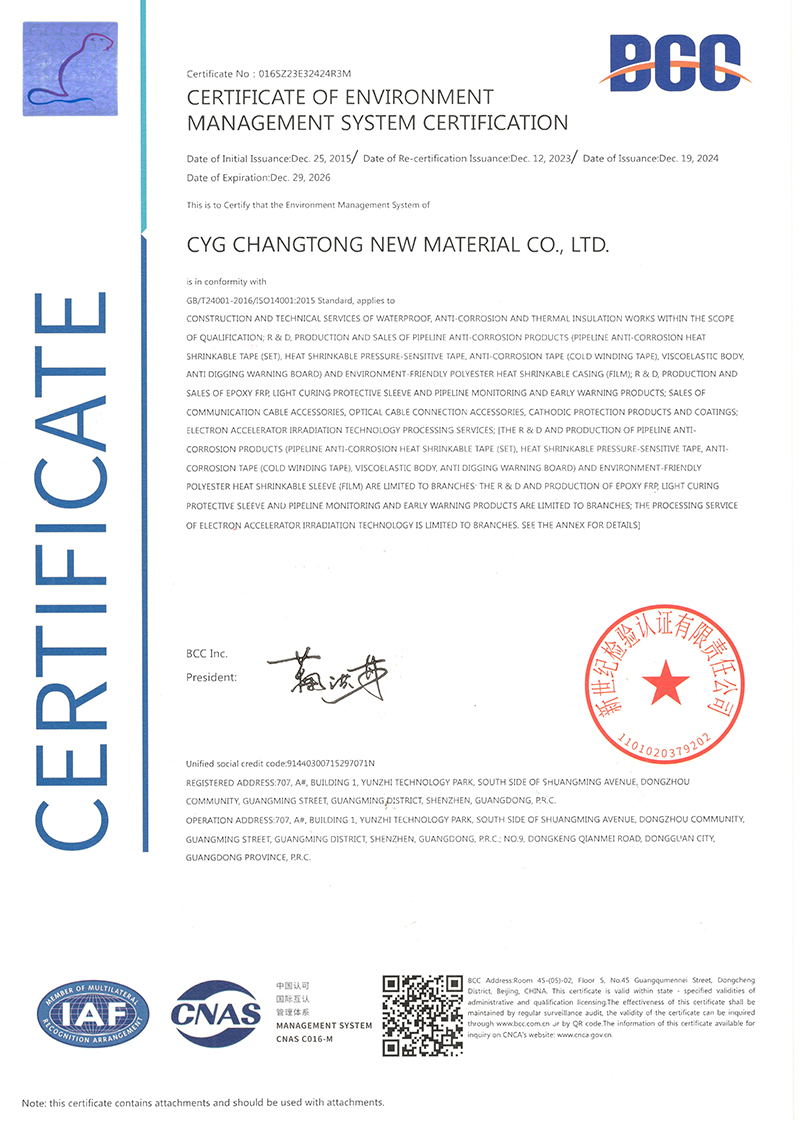
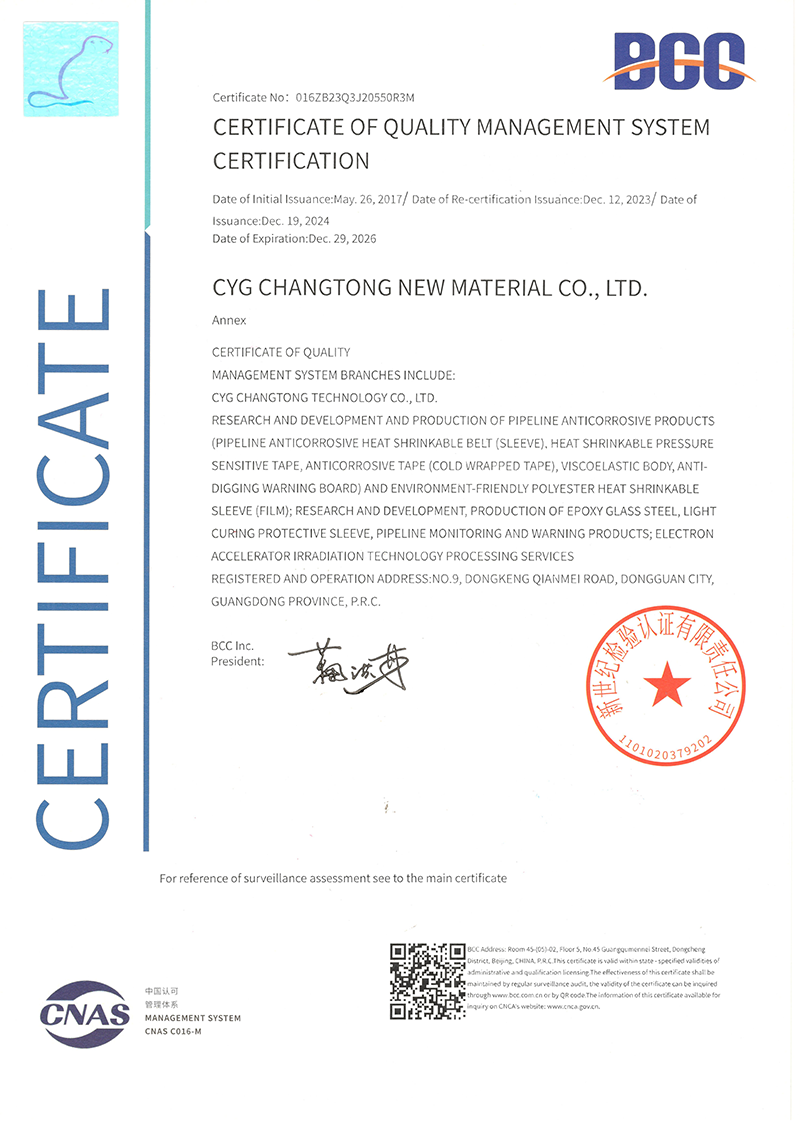
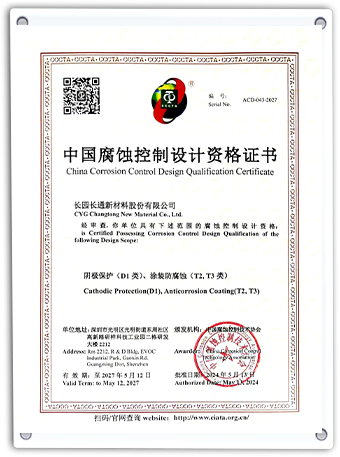
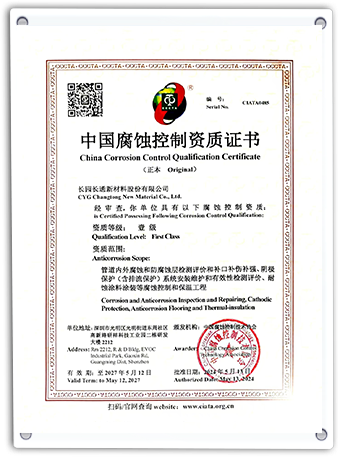
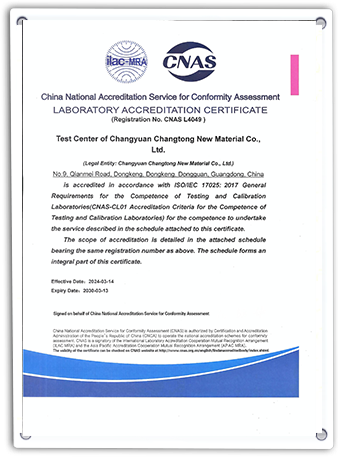
Addressing engineering questions regarding application, structural standards, and design variables of modern composite coatings.
Complete project components featuring high-temperature systems, aluminum viscoelastic foils, and heavy-duty bend restrictors.
 CYCT
CYCT