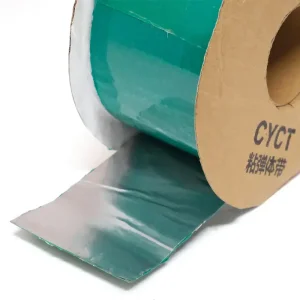
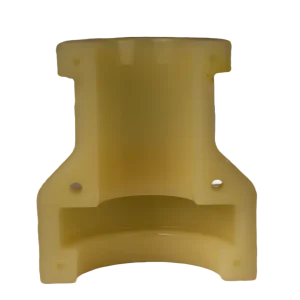
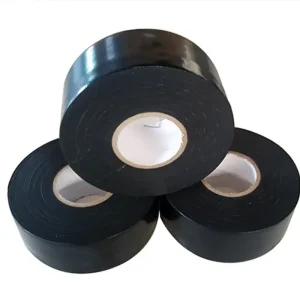
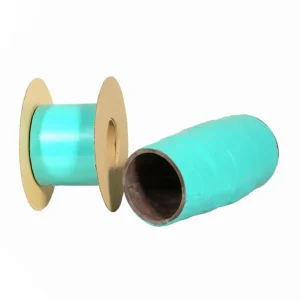
Explore our premium grade viscoelastic materials, sleeves, and anti-corrosion components engineered to withstand critical environments. Certified to meet international standards for major oil, gas, and municipal infrastructure projects.
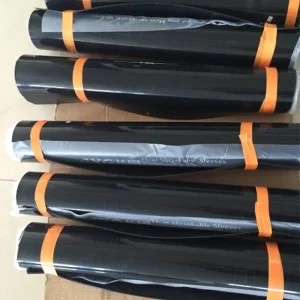
Year Established
Accredited Lab
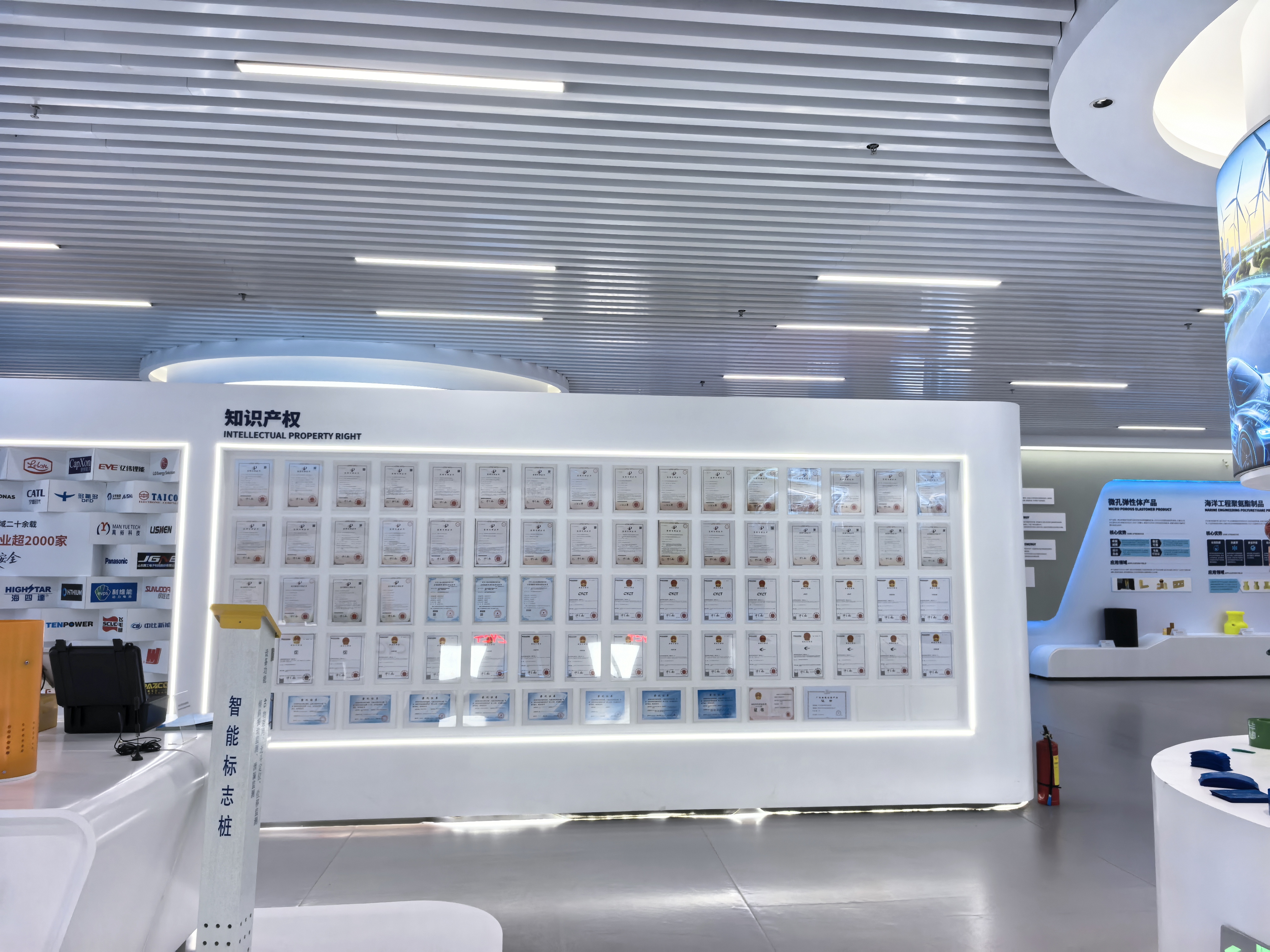
Proprietary Patents
Active Corporate Member
CYCT New Materials Company Limited (abbreviated as CYCT) is a state-level high-tech enterprise founded in 2000. Over more than two decades, we have integrated research and development (R&D), production, sales, pipeline detection services, and pipeline coating field applications into a cohesive unit. We stand as a leading engineering partner in the global corrosion prevention matrix, recognized for high-performance specialty pipeline coatings.
CYCT has established dynamic, strategic collaborations with prestigious institutes such as the CNPC Pipeline Science Research Institute. This synergy permits us to offer comprehensive diagnostics, cathodic protection designs, rehabilitation projects, and customized safety profiles for in-service gas, oil, water, and municipal pipeline systems.
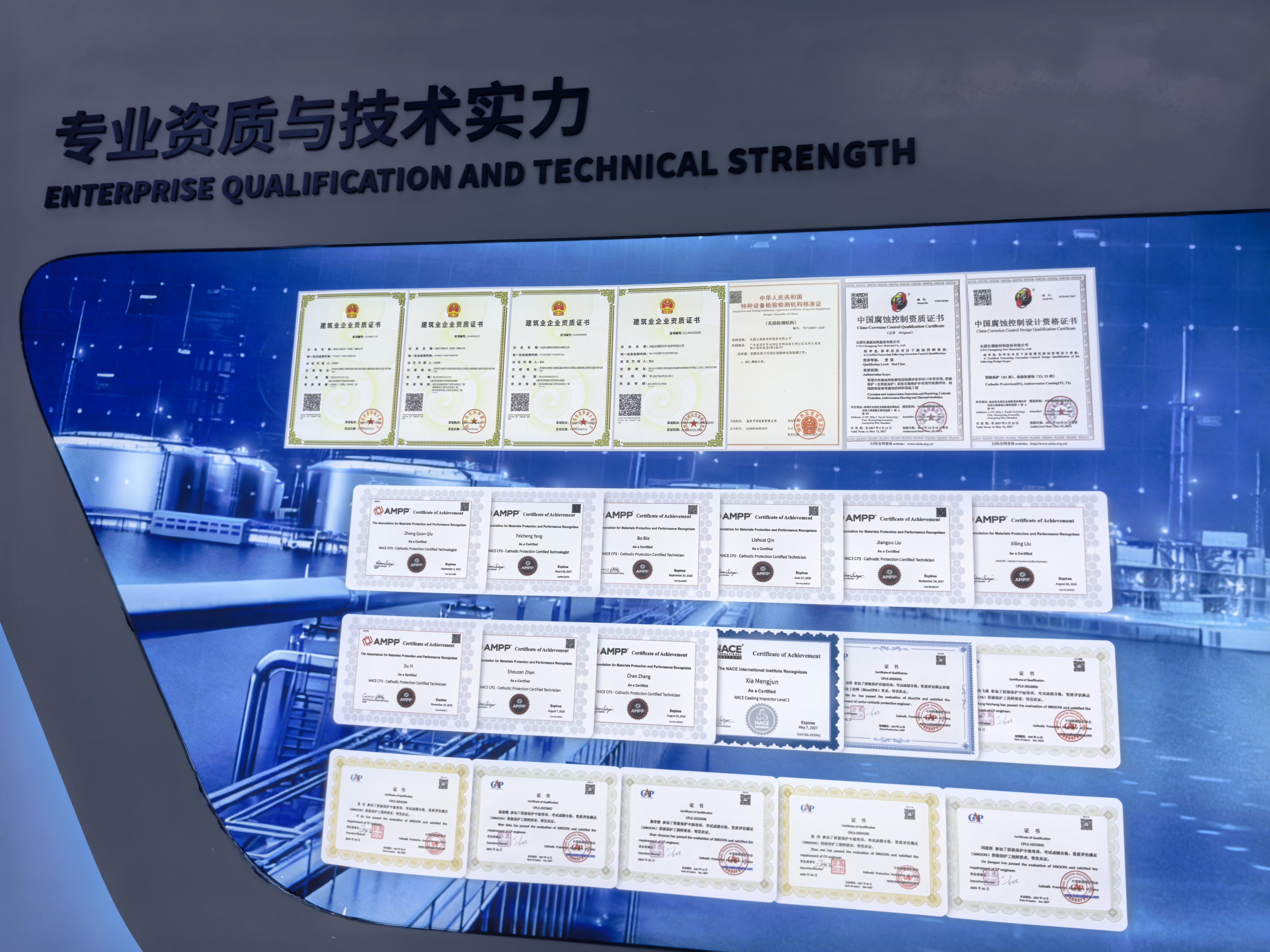
Equipped with state-of-the-art testing instrumentation, CYCT operates a fully functional national CNAS-accredited laboratory. This facility enables us to characterize advanced polymers, measure peel-strength dynamics under varying temperatures, and run prolonged environmental chamber simulated tests. As a core Council Member of the Chinese Society for Corrosion and Protection (CSCP) and China Association of Petroleum Engineering Construction (CAPEC), our engineering framework remains aligned with the latest scientific discoveries.
Unlike conventional polyethylene cold-applied tapes or liquid-applied epoxy coatings, viscoelastic materials possess unique rheological behaviors. They simultaneously exhibit viscous flow properties (like a liquid) and elastic recovery properties (like a solid). Formulated primarily using high-molecular-weight polyisobutene (PIB) matrices mixed with inert, weather-resistant reinforcing agents, these sealants never cure or harden.
This continuous viscous state enables the material to flow into the microscopic pores and crevices of steel surfaces, guaranteeing 100% surface wetting. The thermodynamic drive ensures a continuous polar bond, preventing water ingress, oxygen exposure, and subsequent micro-galvanic corrosion cells.
| Performance Metrics | Viscoelastic Sealing (CYCT) | Liquid Epoxy Coatings | 3-Layer Polyethylene (3LPE) |
|---|---|---|---|
| Curing & Induction Time | Zero (Instantaneous seal) | 2–24 Hours depending on temp | Thermal activation required |
| Surface Preparation Required | ISO 8501-1 St 2 (Manual wire brushing) | ISO 8501-1 Sa 2.5 (Abrasive blasting) | ISO 8501-1 Sa 2.5 + Anchoring profile |
| Self-Healing Capacity | Excellent (Flows back over punctures) | None (Rigid structure fails permanently) | Low (Creep resistance prevents reflow) |
| Cathodic Disbondment Resistance | Superior (Passes ISO 21809-3) | Moderate to High (Subject to bubbling) | Prone to shielding if debonded |
| Long-term Aging & Embrittlement | No aging, indefinite plastic state | Prone to micro-cracking and UV aging | Subject to thermal degradation over time |
Should mechanical impacts compromise the outer protective shield, the visco-elastic core flows into the gap automatically, sealing punctures up to several millimeters in diameter and preventing moisture from contacting the steel substrate.
The formulation shows excellent chemical wetting behavior. Under moderate pressure, it flows into structural irregularities, welds, and T-junctions, completely eliminating voids and minimizing the risk of under-film corrosion.
Engineered to maintain viscoelastic behavior down to -45°C without fracturing and up to +95°C without slipping or liquefying. Ideal for extreme climates across continental pipelines.
Viscoelastic sealing systems are versatile solutions, accommodating structures that defy traditional corrosion-mitigation methods. Below are typical localized deployment scenarios:
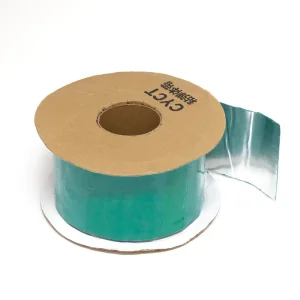
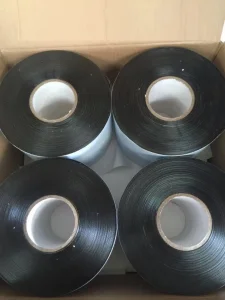
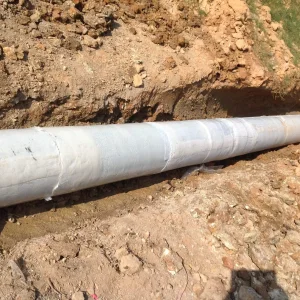
During new pipeline construction, factory coating stops short of the field girth weld. Wrapping these sections with CYCT Viscoelastic Tape combined with a protective outerwrap creates a seamless barrier, matching the performance of the main pipeline's 3LPE coating.
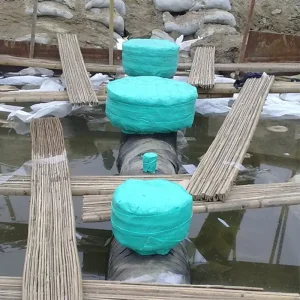
Valves, flanges, and tees feature complex geometries that are difficult to seal with heat-shrinkable sleeves or cold wrap tapes. Applying VE Putty (Viscoelastic Paste) fills gaps and transitions sharp edges into smooth contours, simplifying subsequent protective wrapping.
Pipelines exiting the soil to enter compression stations experience high thermal expansion, moisture accumulation, and oxygen variations. The flexible, non-hardening character of viscoelastic materials accommodates pipeline movements without cracking or debonding from the substrate.
The interface between storage tank concrete foundations and their steel bases is vulnerable to rain runoff. Viscoelastic sealants provide a flexible barrier that blocks water penetration while accommodating structural shifts during filling and emptying cycles.
When pipelines are pulled through long underground bores, friction can damage standard coatings. Applying our Photo-Curing GRP Protective Sleeves over a viscoelastic base coat prevents shear damage during installation, maintaining corrosion protection.
Offshore steel piles endure splash zone environments rich in oxygen and chlorides. Viscoelastic coating matrices resist saltwater washouts and biological attacks, maintaining long-term barrier properties under heavy wave action.
CYCT prioritizes material innovation to meet the demands of modern pipeline infrastructure. Our R&D roadmap targets performance improvements under challenging operational conditions:
We are engineering next-generation polymer blends to raise the maximum service limit of viscoelastic tapes to +120°C, supporting hot oil and deep geothermal pipelines.
R&D is evaluating bio-sourced synthetic rubber alternatives, reducing carbon footprint while maintaining identical chemical and physical protection profiles.
We are developing embedded micro-indicators that generate clear visual color changes when exposed to severe mechanical damage, enabling rapid inspection.
Designing handheld and automated motorized wrapping units to optimize field application speeds, ensuring consistent wrapping tension and overlap ratios.
As a direct manufacturer based in China, CYCT leverages domestic industrial ecosystems to deliver reliable, high-performance viscoelastic sealing products globally:
CYCT maintains direct partnerships with major chemical producers, securing consistent access to high-grade polyisobutene, elastomers, and specialty additives. This vertical integration buffers our supply chains against global market volatility and guarantees uniform batch quality.
Our automated manufacturing plants run high-output extrusion and coating lines. We produce millions of square meters of viscoelastic and polyolefin tapes annually, maintaining the capacity to support large, multi-phase international pipeline projects.
CYCT's production centers are situated close to major domestic deepwater ports, including Shanghai and Ningbo. This proximity enables fast customs clearing and flexible container logistics, reducing transit times to key project sites globally.
Corrosion remains a significant challenge for global industrial infrastructure. Viscoelastic systems play an important role in asset protection across diverse regions:
High desert temperatures coupled with saline coastal atmospheres accelerate pipeline degradation. Our wide-temperature viscoelastic formulations are deployed to protect critical field joints and pipeline loops from sand abrasion and extreme thermal cycling.
With aging pipeline networks requiring rehabilitation, viscoelastic materials support efficient, on-site repairs. Their minimal surface preparation requirements reduce downtime and simplify pipeline retrofits.
High rainfall, tropical humidity, and wet soil environments make traditional coatings difficult to apply. Viscoelastic systems provide a moisture-tolerant alternative that helps pipeline operators maintain scheduled install times.
CYCT maintains a comprehensive quality management system. Our manufacturing workflows are certified to ISO standards, ensuring compliance with international regulations:
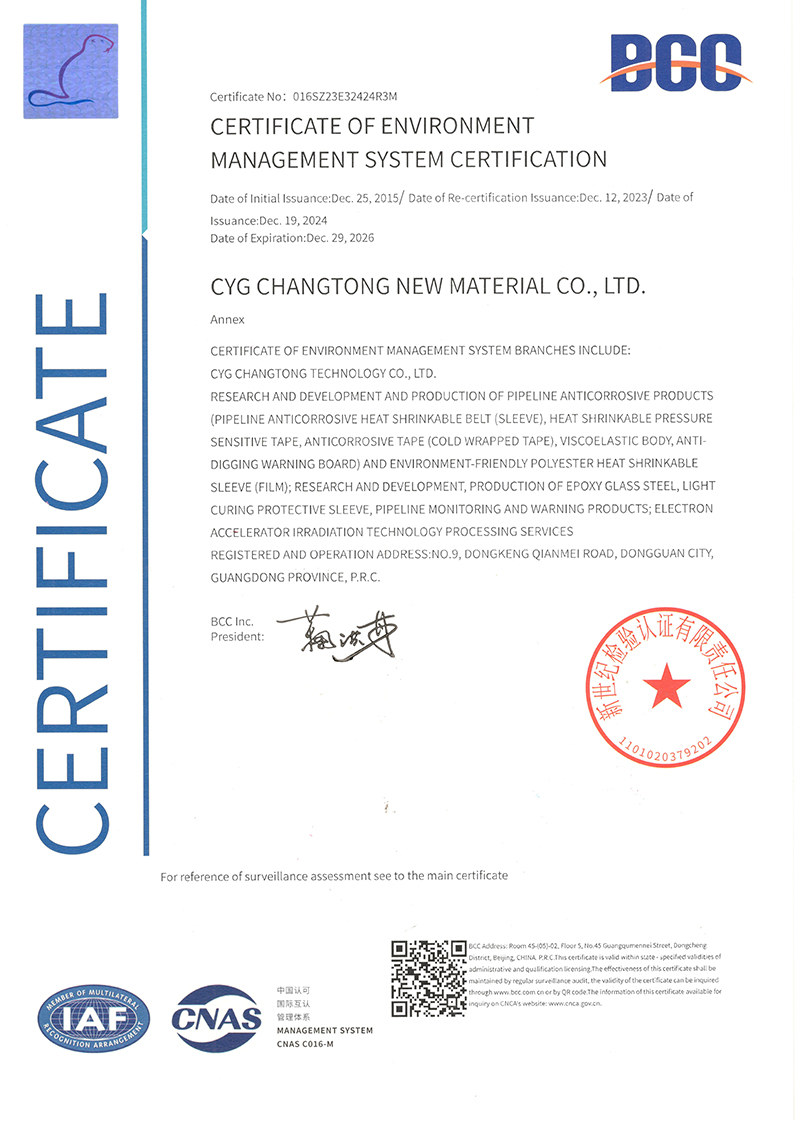
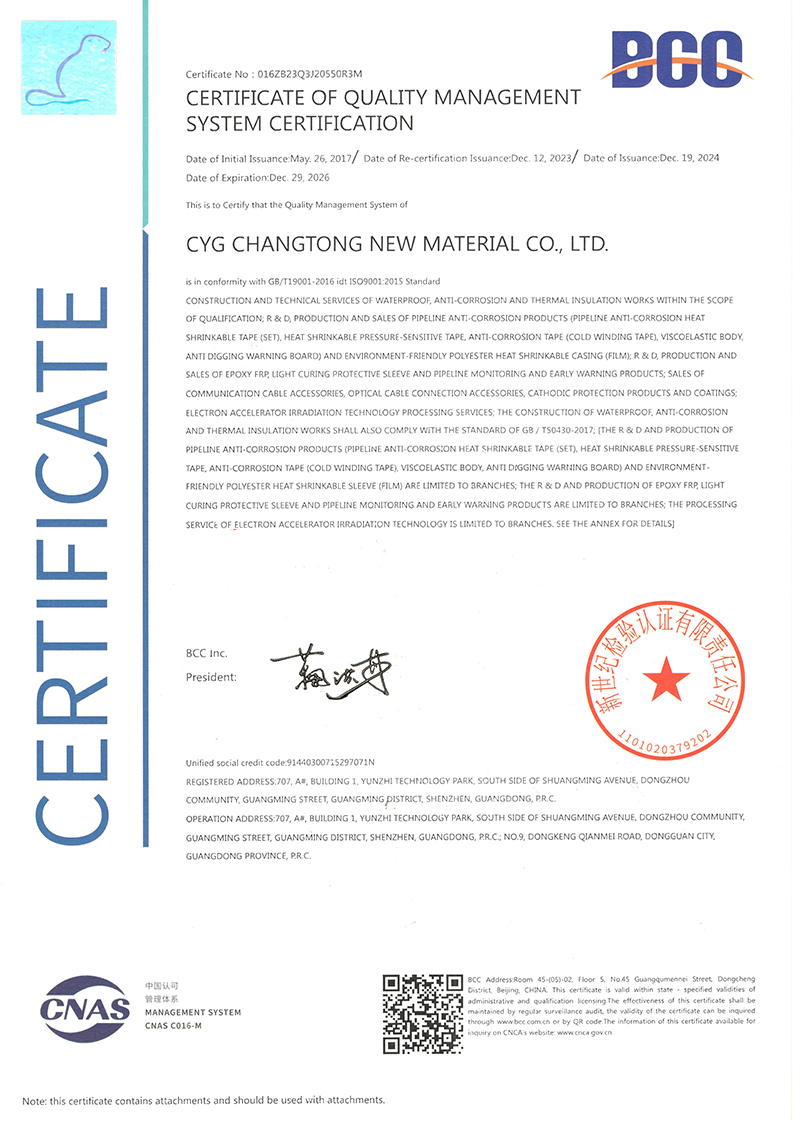
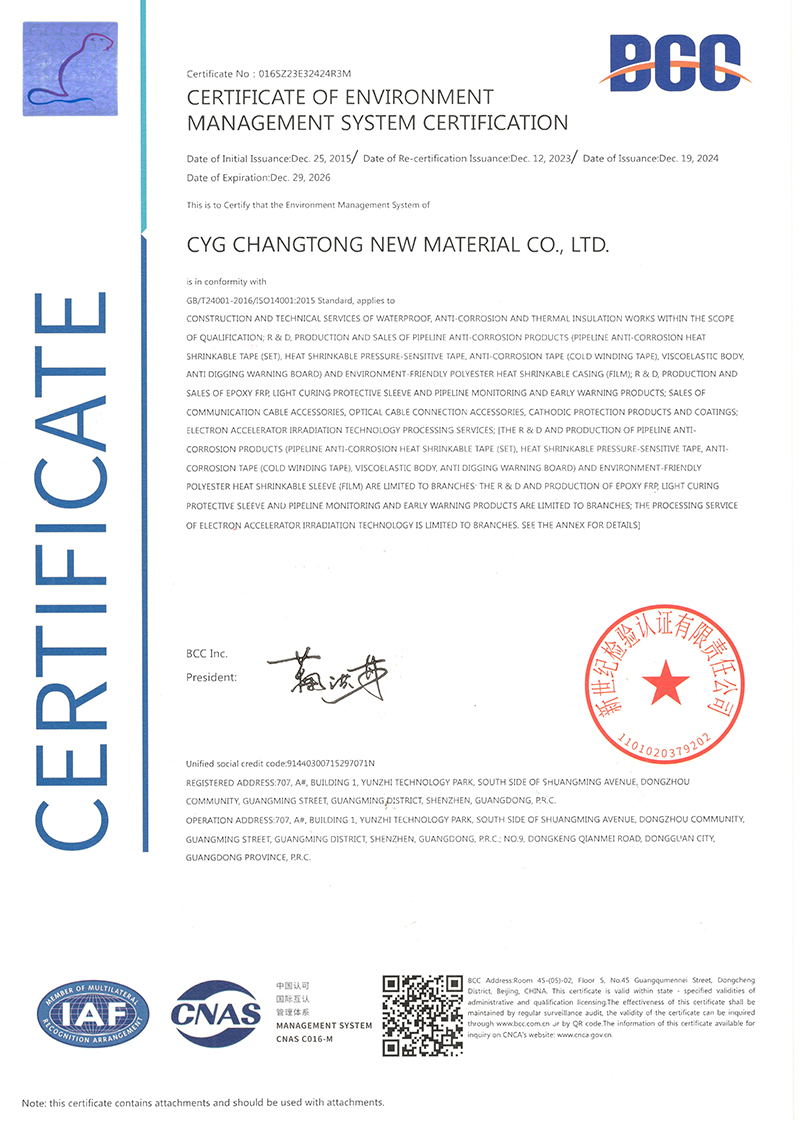
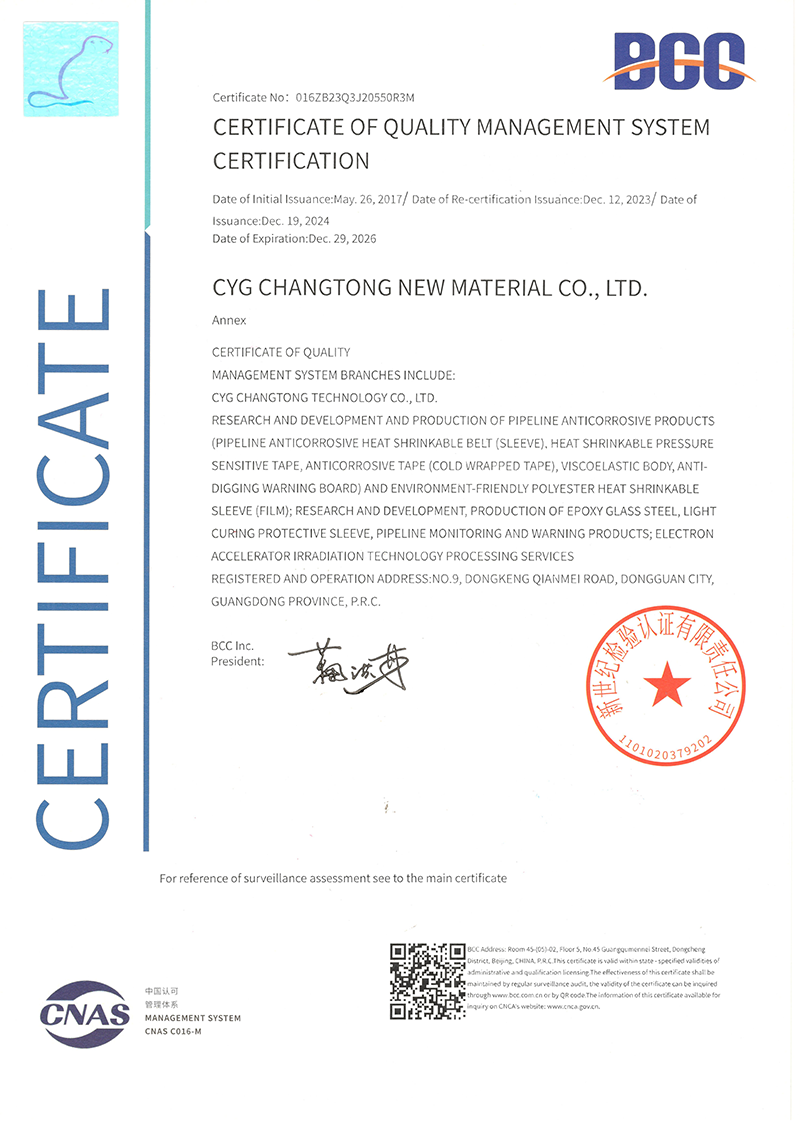
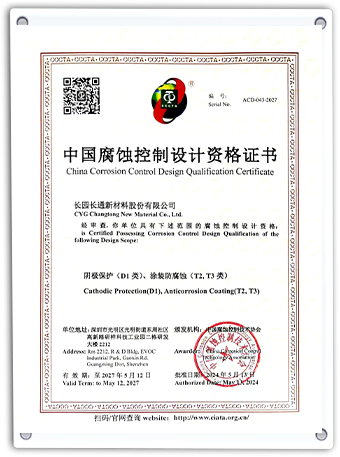
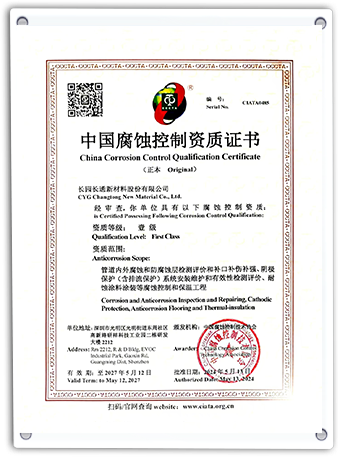
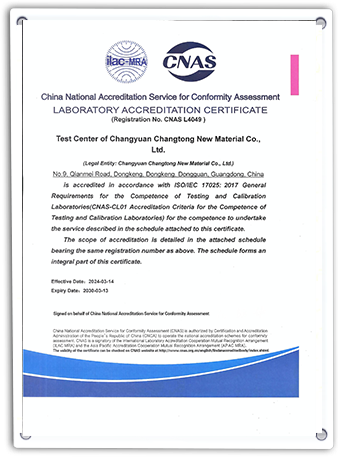
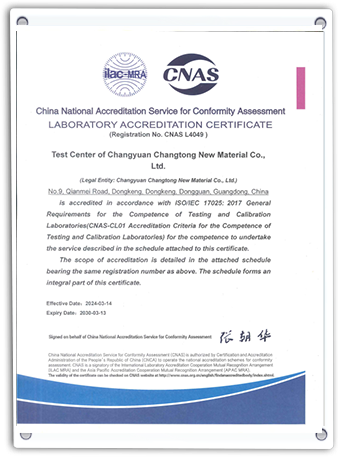
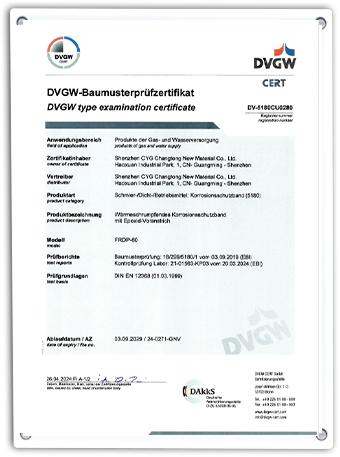
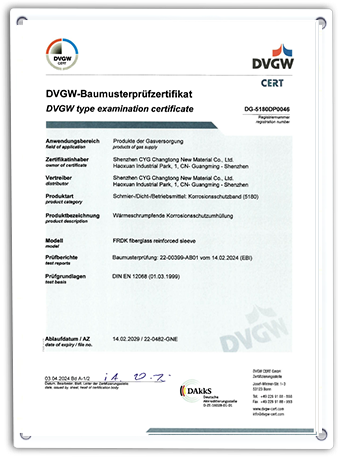
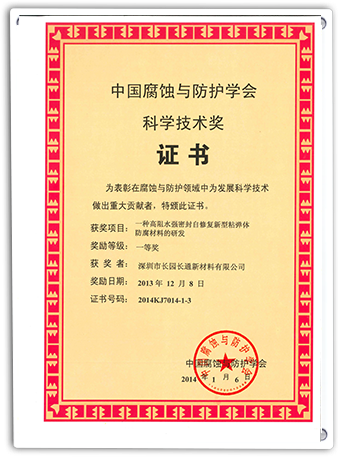
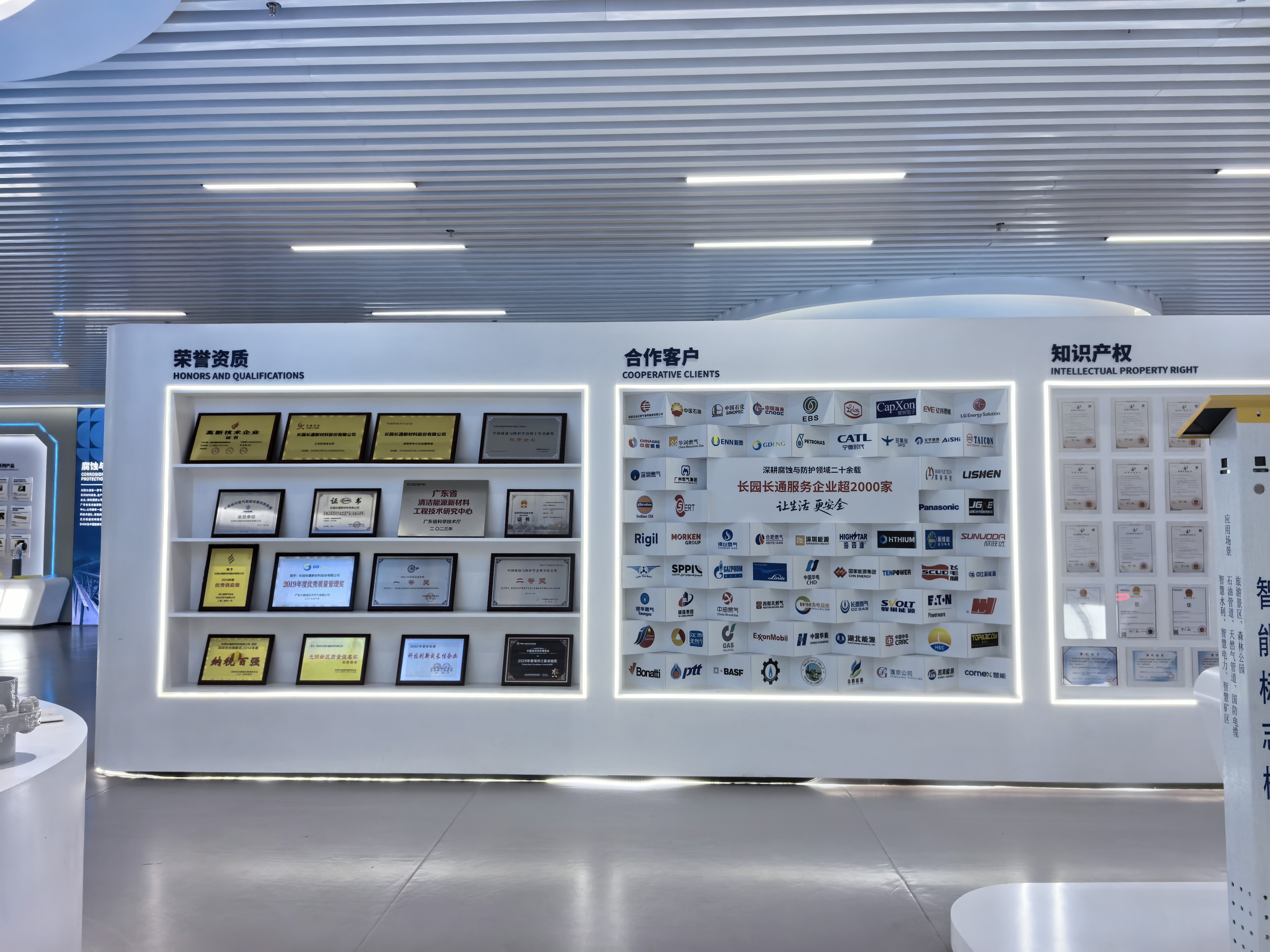
Our products meet rigorous quality standards for oil, gas, and chemical storage facilities, including compliance certifications with PetroChina, Sinopec, China Gas Group, and Indian Oil.
CYCT provides global support through on-site engineering assistance, design consultation, and documentation packages:
Our products meet global corrosion standards, including ISO 21809-3 (coating of field joints), DIN EN 12068 (stress-resistance criteria), and AMPP/NACE SP0169 (practices for cathodic protection).
CYCT engineers construct design plans mapping out thickness requirements, mechanical wrap schedules, and outer shielding profiles tailored to the geologic stresses of your specific line path.
We provide on-site training and field supervision to ensure installers apply coatings correctly, verifying parameters such as surface cleaning, tape tension, and overlap width.
Technical guidance and application insights from CYCT's engineering division.
Viscoelastic materials do not require heat to bond or establish a seal. They rely on cold-flow polymer wetting, which conforms to the pipe surface to eliminate air gaps. Viscoelastic coatings also feature self-healing properties, remaining liquid-like to seal minor coating punctures automatically, whereas traditional heat-shrinkable sleeves can allow water to migrate beneath the surface if compromised.
Viscoelastic systems are designed for minimal surface preparation. While traditional epoxies require abrasive blasting to ISO 8501-1 Sa 2.5, CYCT viscoelastic tape can be applied to surfaces cleaned to St 2 or St 3 standards using manual or power wire brushes. Removing loose rust, scale, and moisture is sufficient to achieve an effective seal.
Yes. For irregular shapes, we recommend applying CYCT VE Putty first. This viscoelastic paste can be molded manually into voids, flanges, and fittings, creating a smooth transition. Once the gaps are filled, viscoelastic tape and a mechanical outer wrap can be applied over the assembly.
Our viscoelastic materials are designed to resist cathodic disbondment. Unlike standard coatings that can shield CP currents, viscoelastic systems maintain close adhesion to the steel surface, preventing moisture pathways and minimizing the risk of under-film corrosion.
CYCT viscoelastic sealing materials are formulated with synthetic polyisobutene, which is chemically inert and does not degrade through oxidation or moisture exposure. When applied with a suitable mechanical outer wrap, our systems are designed to match the 30+ year service life of pipeline installations.
Our viscoelastic materials can be installed in cold conditions without pre-heating, retaining their adhesive qualities down to -45°C. For high-temperature lines up to +95°C, our formulations resist sagging, maintaining barrier integrity and structural thickness under operational loads.
Yes. Viscoelastic materials remain soft and cohesive to ensure long-term surface wetting. An outer wrap, such as our PE or PVC outer tapes or a GRP photo-curing sleeve, is required to protect the soft inner layer from mechanical wear, soil stress, and rock impacts.
Our CNAS accredited laboratory tests products against ISO 21809-3, DIN EN 12068, ASTM D1000, and NACE/AMPP guidelines. We perform routine testing for peel strength, lap shear strength, cathodic disbondment, electric strength, and thermal aging resistance.
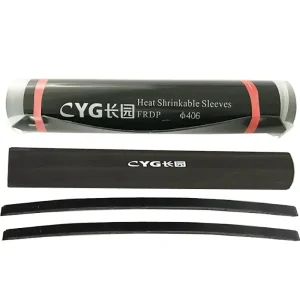
Explore our complete product catalog, featuring cold-applied outer wraps, heat-shrinkable sleeves, and specialized joint sealing materials designed for high-stress applications.
 CYCT
CYCT