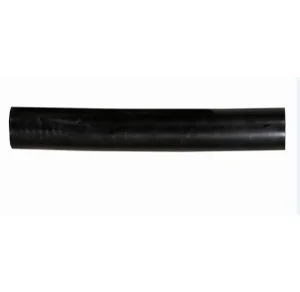
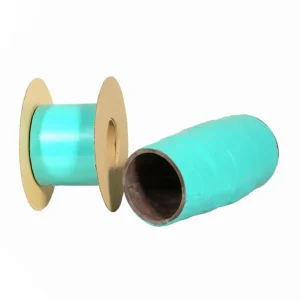
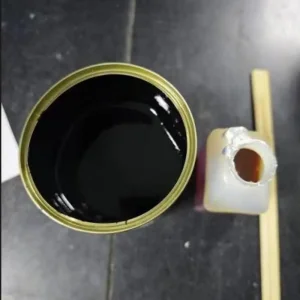
Explore our premium grade cold-applied PE tapes, heat shrink sleeves, and visco-elastic coatings.
As modern smart cities and underground industrial networks grow denser, the preservation of subsurface utility lines has transitioned from simple visual warning systems to sophisticated, multi-tier protection strategies. Utility damage during excavation represents millions of dollars in losses annually and presents severe occupational and public safety hazards.
Today's underground warning tapes serve a critical role. Developed through advanced material engineering, they prevent accidental utility strikes by providing an immediate, high-visibility visual alert and electromagnetic detectability for municipal utility crews, excavation operations, and civil engineering groups worldwide.
"The shift toward trenchless excavation and Directional Drilling (HDD) demands warning and protection systems with significantly enhanced tensile strength and environmental endurance."
Understanding regional specifications is critical to optimizing supply chains and ensuring local compliance.
Procurement in North America strictly follows APWA (American Public Works Association) uniform color codes. Tapes must adhere to ASTM specs including ASTM D882 for tensile strength and ASTM D256 for impact resistance to ensure integrity over decades of burial.
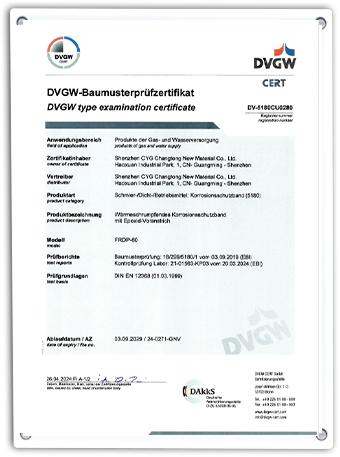
The European market operates under EN 12613 specifications, focusing on mechanical warning characteristics, visual color fastness, and elongation properties. Suppliers must provide certified compliance for public tender validation.
In highly corrosive desert and coastal environments (e.g., GCC countries), chemical stability is paramount. In addition to warning tapes, advanced pipeline systems utilize viscoelastic anti-corrosion tapes like VT95 to guard against rapid oxidation.
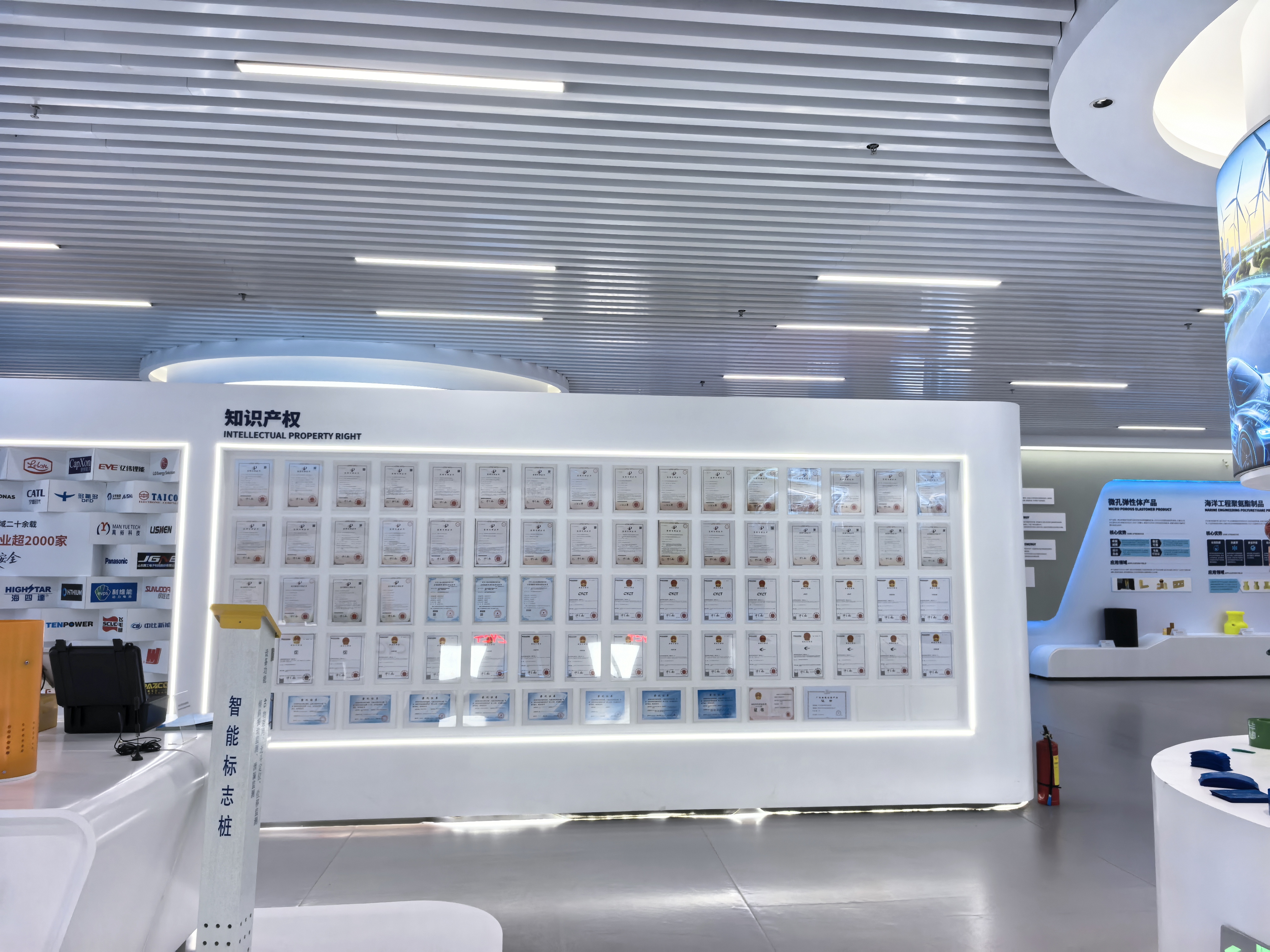
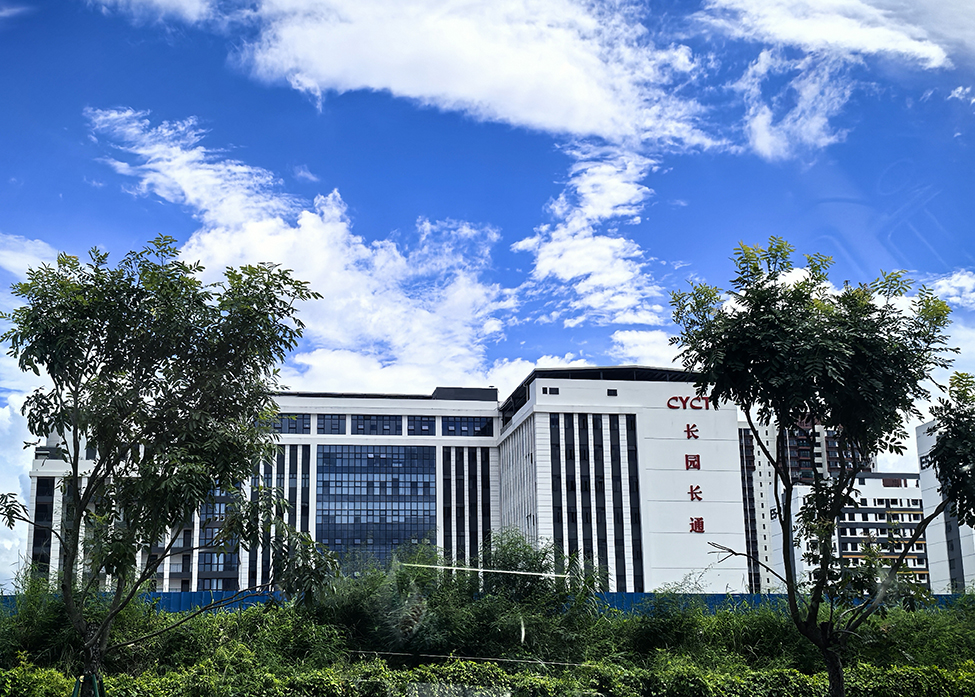
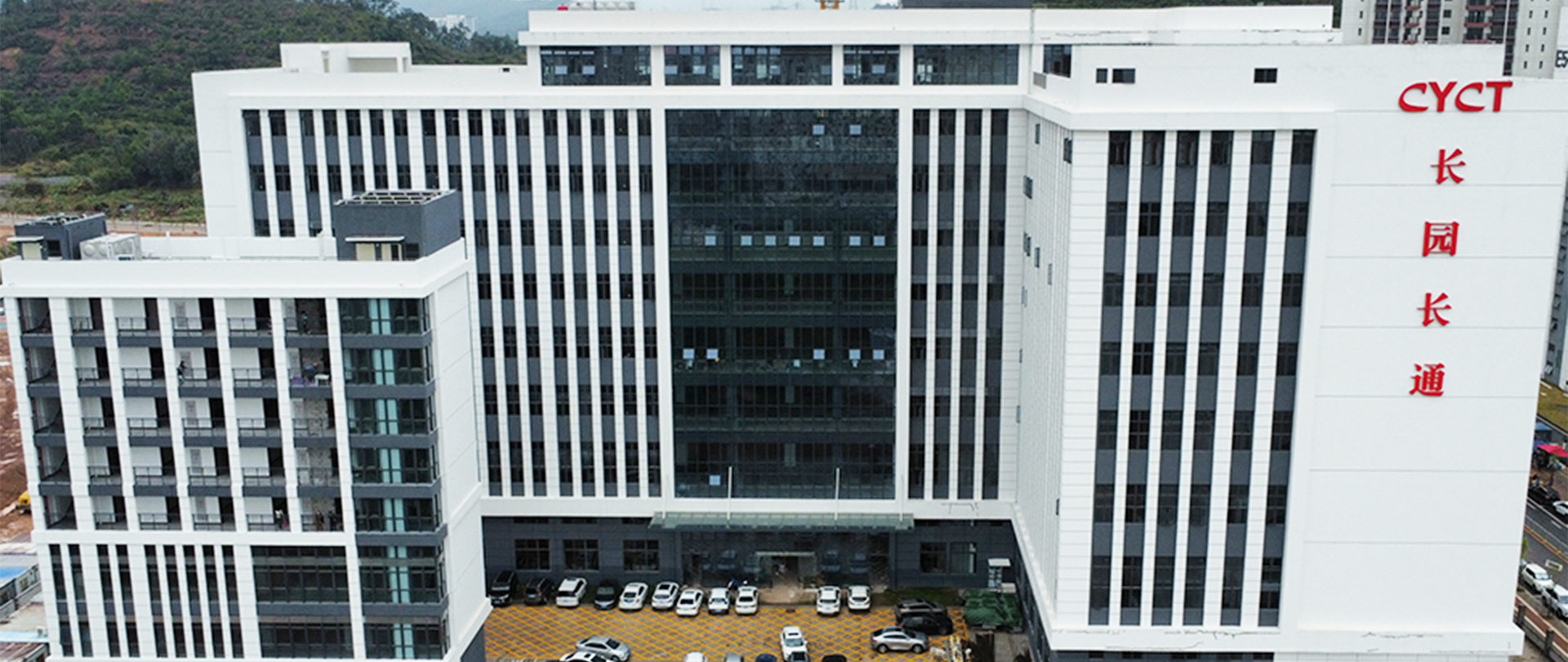
As a leading state-level high-tech enterprise founded in 2000, CYCT New Materials has integrated Industry 4.0 frameworks into our manufacturing centers. This allows us to supply major pipelines globally while maintaining cost efficiency and quality control.
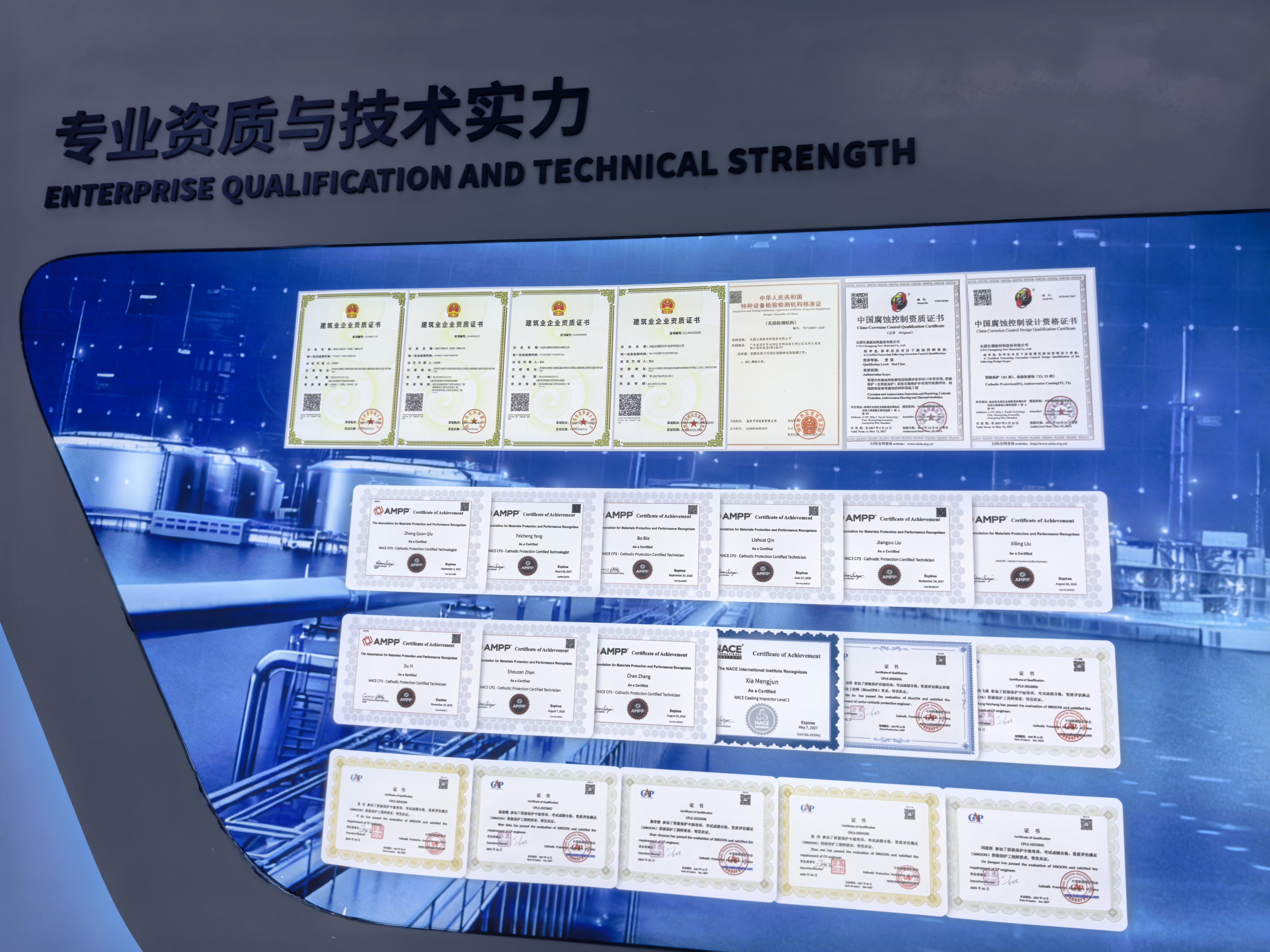
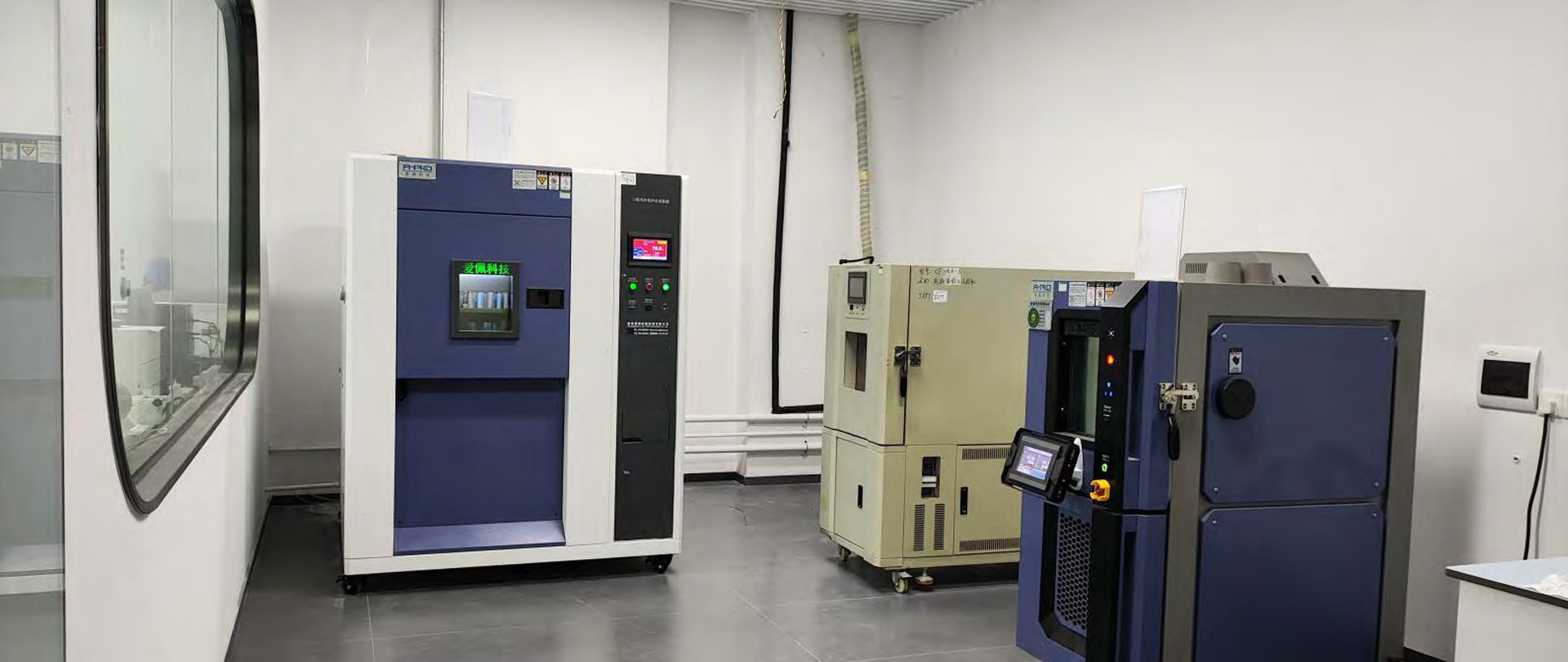
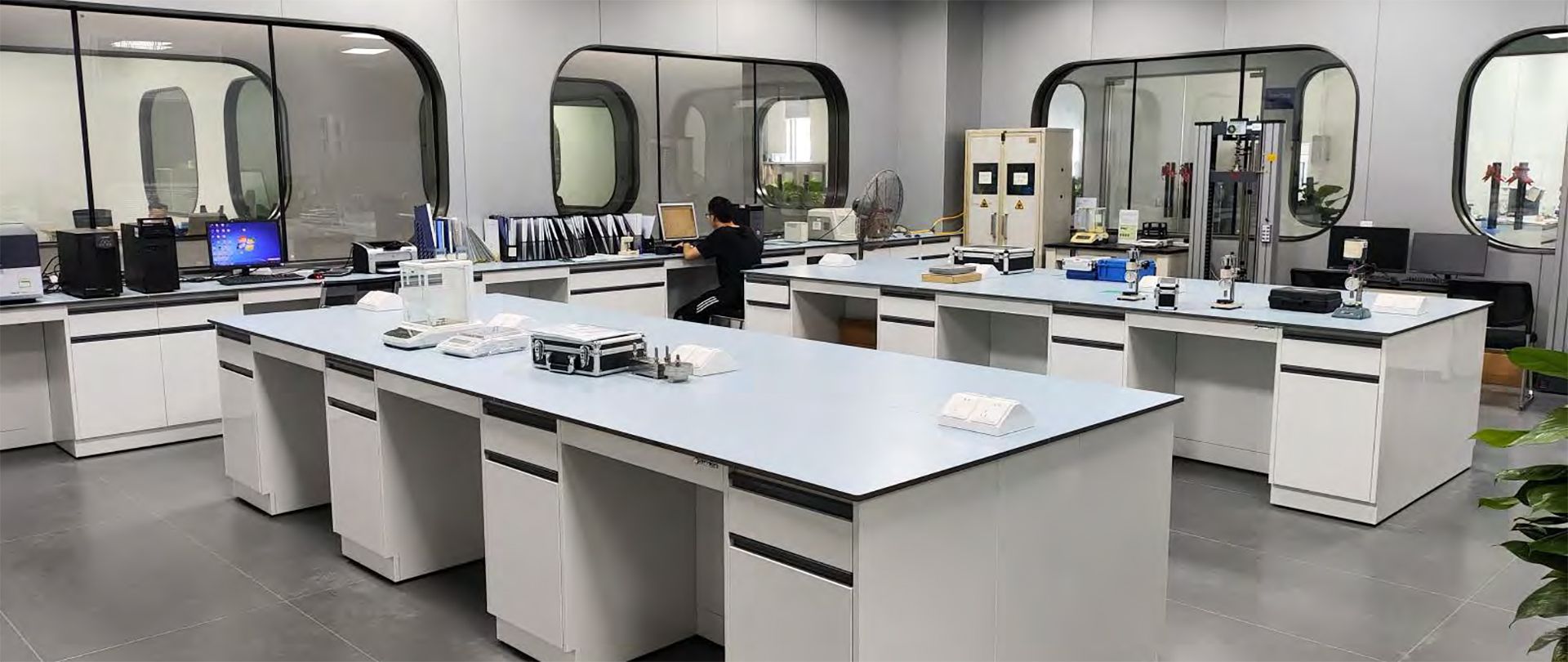
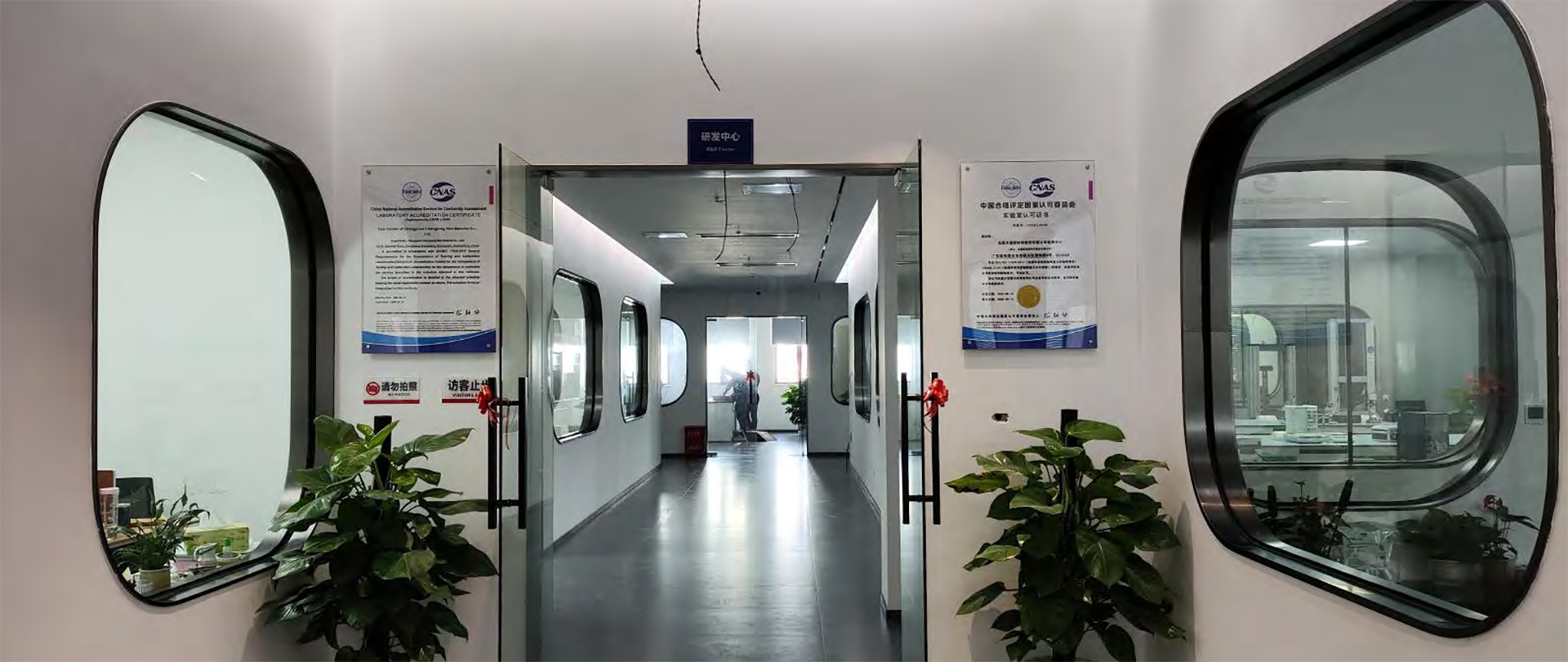
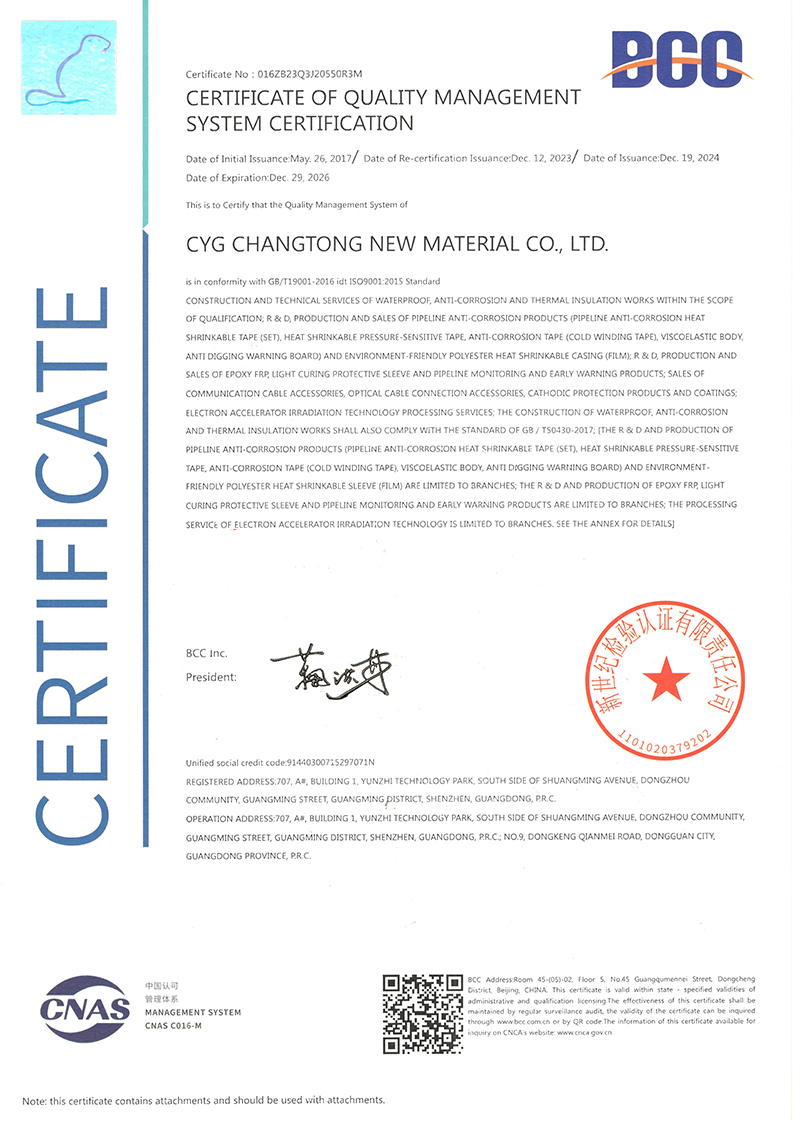
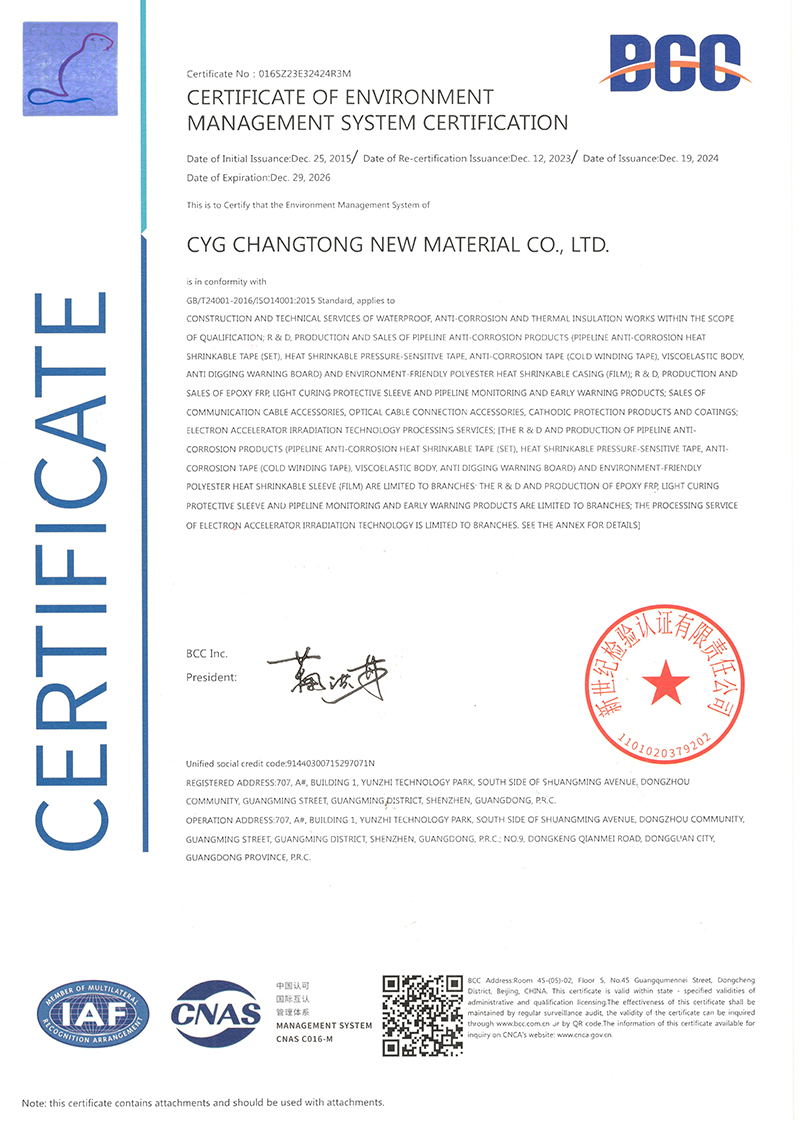
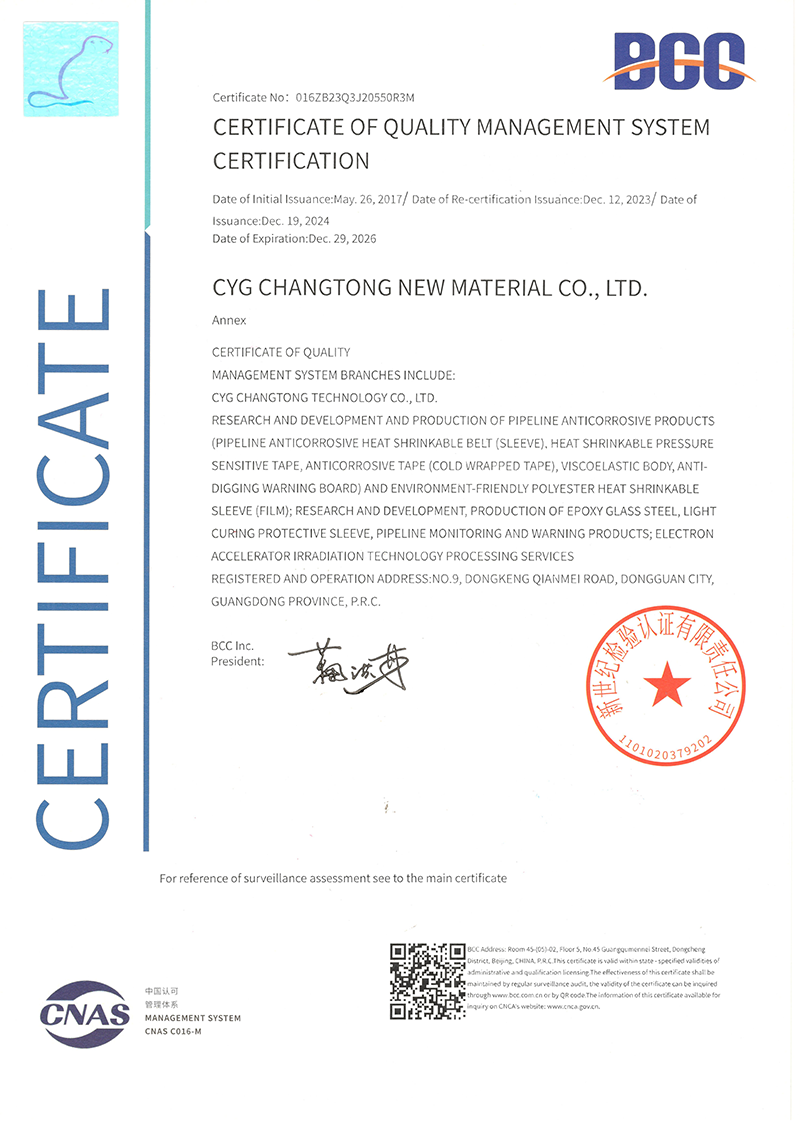
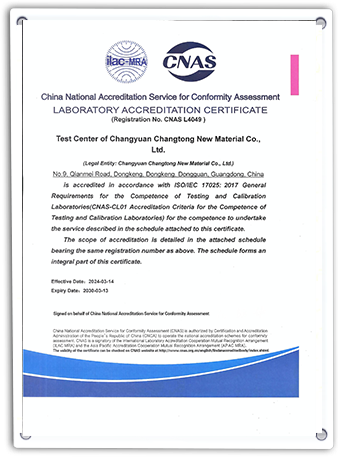
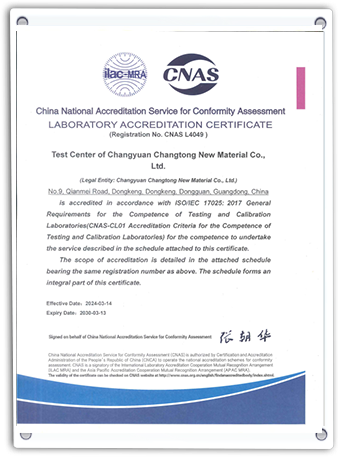
Our infrastructure includes a national CNAS-accredited laboratory, enabling us to test and innovate on-site. By working closely with research entities like the CNPC Pipeline Science Research Institute, we continuously develop high-performance viscoelastic materials, UV-curing protective sleeves, and durable cold-applied tapes that meet high mechanical demands.
| Material Variant | Primary Standards | Key Properties | Typical Scenarios |
|---|---|---|---|
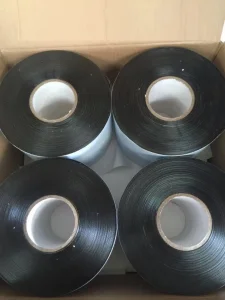
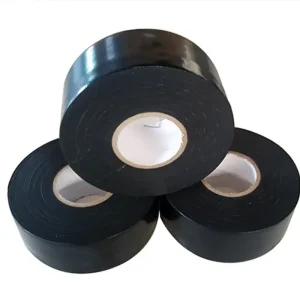
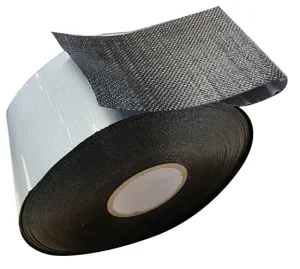
| PE Cold-Applied Tape | ASTM D1000, EN 12068 | High mechanical resistance, Excellent dielectric strength | Oil & gas transmission line coatings |
| Viscoelastic Tape VT95 | ISO 21809-3, EN 12068 | Self-healing, zero moisture permeation, cold-flow characteristics | Irregular pipeline fittings, valves, flanges, high moisture environments |
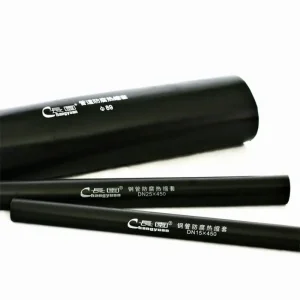
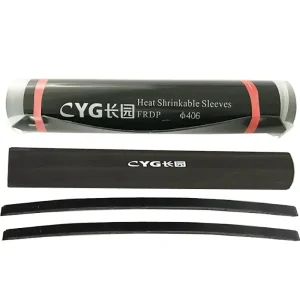
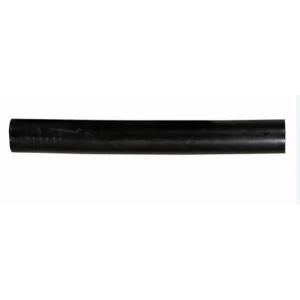
| Heat Shrink Sleeves (FRDP/FRY) | EN 12068 Class C, ISO 21809-3 | Exceptional shear resistance, thermal-shrink bonding | Field joint coatings, HDD trenchless crossings |
| PVC Anti-Corrosion Tape | NACE standards | Easy manual application, high conformability | Gas pipe distribution networks, industrial plant lines |
Take an inside look at CYCT's testing facilities, ensuring zero-defect deliverables for global pipeline operators.
Underground warning tapes and pipeline coatings must be selected based on specific application conditions:
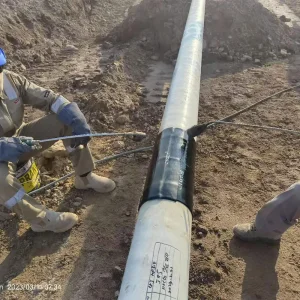
Trenchless construction exerts high shear stress on pipeline outer coatings. Standard PE tapes can tear under high friction. In these environments, engineers apply high-density photo-curing sleeves or heavy-duty fiber reinforced polymer (GFRP) repair systems over field joints to prevent damage during pipe pulling.
Offshore environments require resistance to wave action, tidal stress, and constant moisture. Products like CYG Changtong GRF moisture curing shields are specifically engineered to cure in wet environments, providing a barrier layer against sea-water corrosion.
District heating systems and thermal oil conduits run at high temperatures. Pipeline systems require specialized materials like PP Heat Shrink Sleeves and hot melt adhesives that maintain stability at temperatures up to 85°C without sliding or degrading.
Get answers to common technical queries about underground warning tapes and anti-corrosion materials.
Examine our hot melt systems, repair sticks, moisture-curing shields, and high-temperature polymer solutions.
CYCT New Materials Company Limited (for short, CYCT) is a state-level high-tech enterprise integrating R&D, production and sales of pipeline corrosion protection materials as well as buried pipeline detection service and pipeline coating field application service into one. CYCT has dedicated itself to the R&D, production, and sales of pipeline corrosion protection materials for decades, ensuring consistent quality and engineering support.
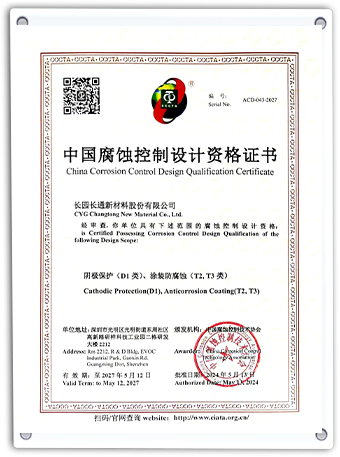
By cooperating with leading R&D institutes such as the CNPC Pipeline Science Research Institute, CYCT is capable of providing in-service pipelines with varied technical services including buried pipeline detection, design schemes, cathodic protection, rehabilitation projects, and integrated solutions for pipeline safety.
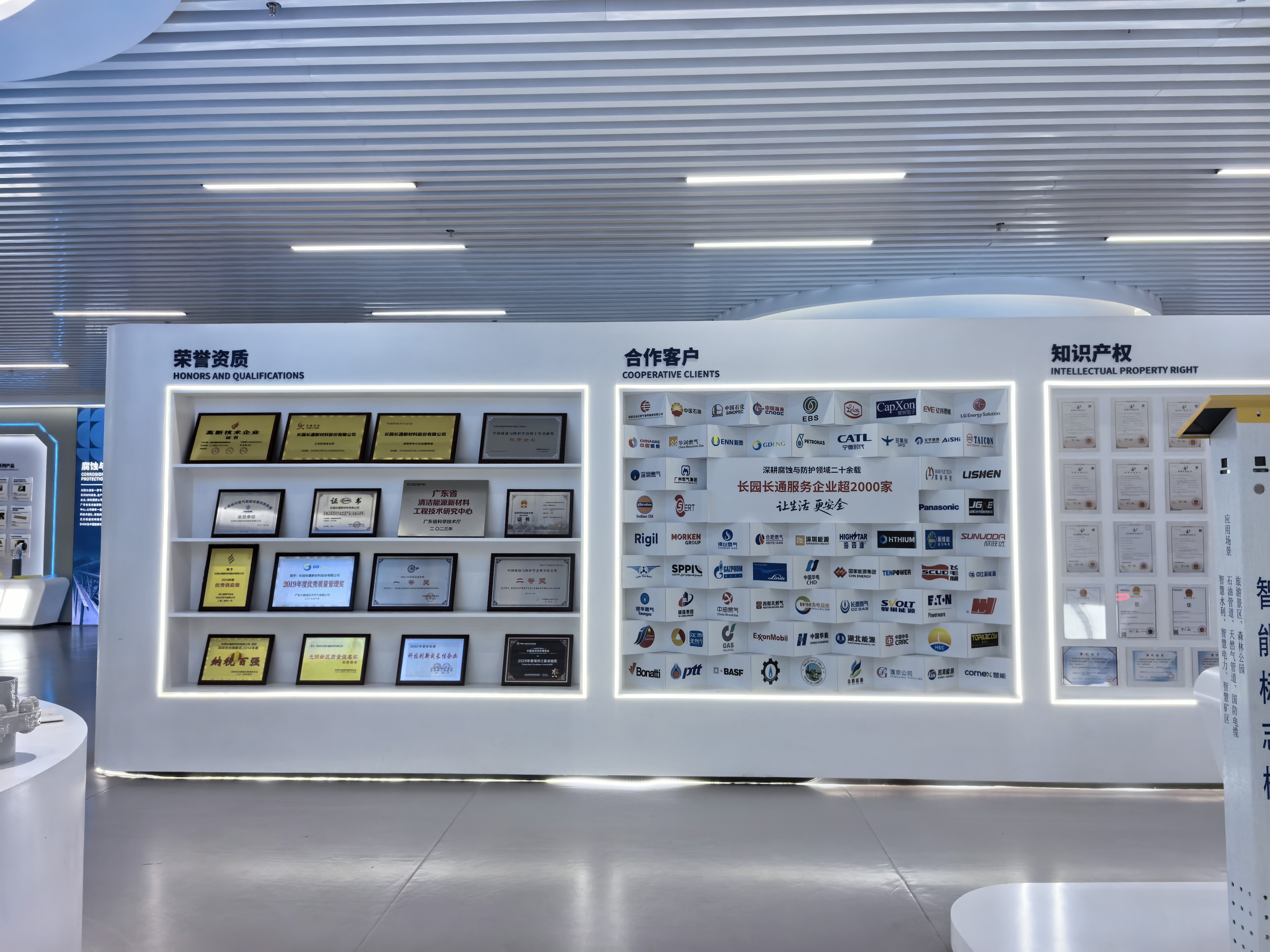
Today, CYCT is a stable supplier of field joint coatings for PetroChina, Sinopec, PipeChina, local utility pipelines, and international networks such as Indian Oil, enjoying a prominent market share. We have successfully introduced multiple specialty corrosion protection materials, including visco-elastic anticorrosion materials, special photo-curing sleeves for HDD protection, and polyurea coatings.
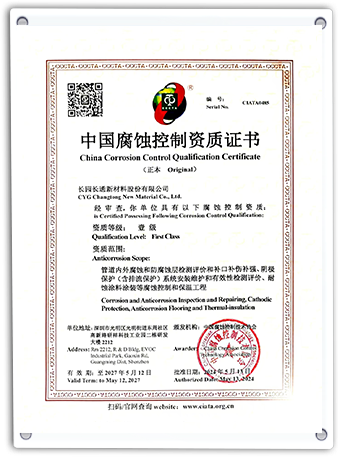
Member of Council in Chinese Society for Corrosion and Protection (CSCP), Corporate Member of China Association of Petroleum Engineering Construction (CAPEC), and State-Level High-Tech Enterprise.
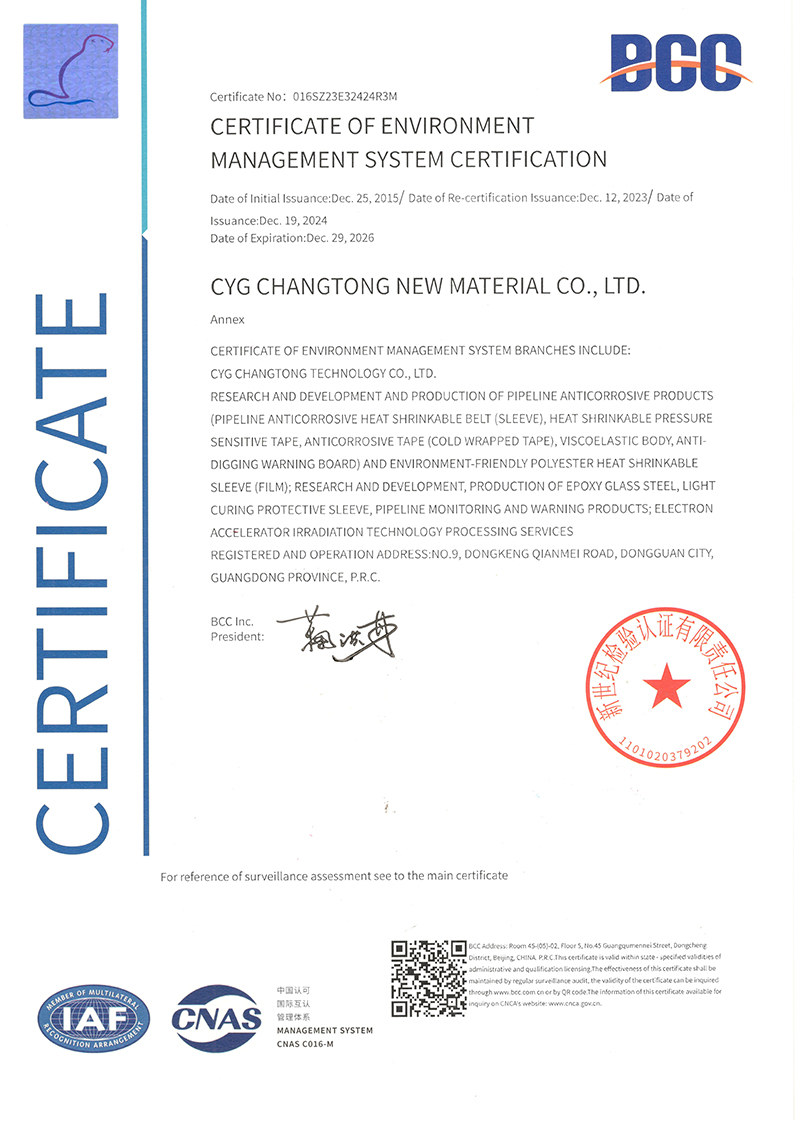
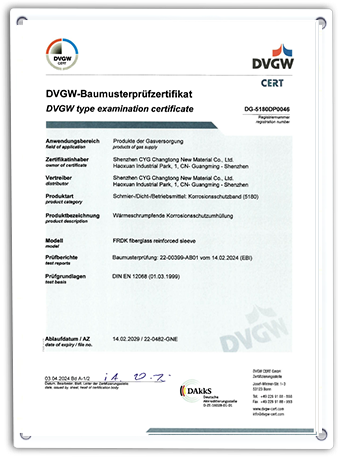
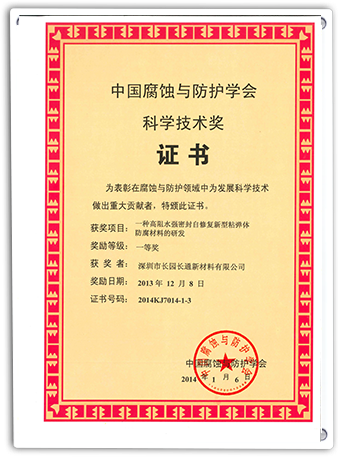
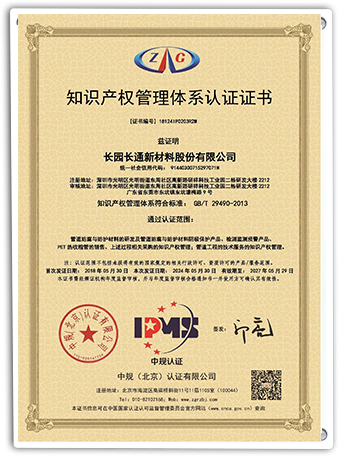
Pipeline protection does not end with manufacturing. At CYCT, we recognize that field application is the most vulnerable phase of a pipeline’s service life. Field joint coatings (FJC) completed on-site under variable weather conditions must meet the same strict standards as factory-applied three-layer polyethylene (3LPE) or fusion-bonded epoxy (FBE) parent coatings.
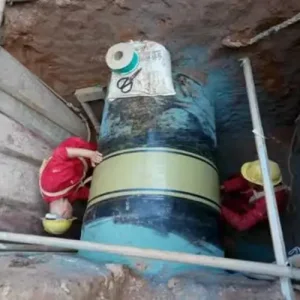
To support EPC contractors, CYCT provides pipeline coating field application services alongside buried pipeline inspection. Using electromagnetic detectors, our team maps current pipeline conditions, locates coating holidays (defects), identifies cathodic protection (CP) shielded areas, and designs targeted rehabilitation plans.
Whether you require viscoelastic tape VT95 for complex pipe fittings or high-temperature PP heat shrink sleeves for hot-climate transmission lines, our technical field engineers provide training and oversight to ensure long-term, holiday-free joint protection.
 CYCT
CYCT