Explore our elite range of anti-corrosion systems manufactured under strict CNAS and AMPP standards for oil, gas, and municipal water utilities.
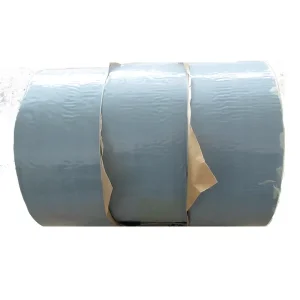
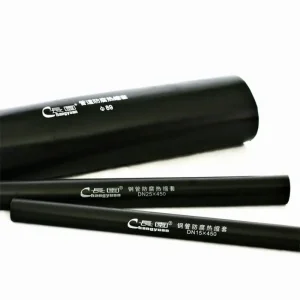
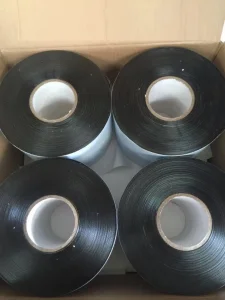
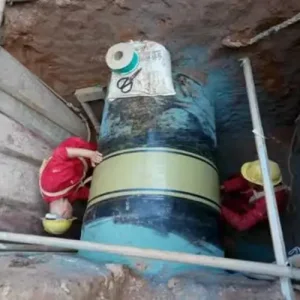
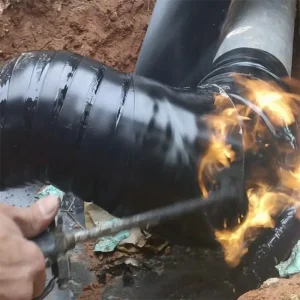
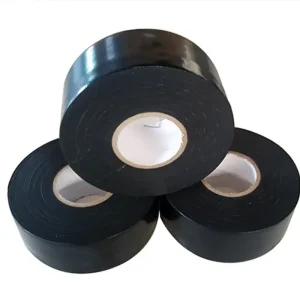
In modern industrial infrastructure, the integrity of buried oil, gas, water, and chemical transmission pipelines is paramount. Globally, pipeline systems face extreme geological, chemical, and physical degradation pathways. The commercial landscape of Industrial Tape Adhesives has evolved from basic physical barrier wraps to complex, multi-layered chemical-barrier systems designed to offer decades of maintenance-free service. China has risen as a pivotal global manufacturing and research hub, supplying high-performance polymer tapes, heat-shrinkable materials, and viscoelastic systems that meet or exceed international standards like ISO 21809-3, NACE SP0169, and EN 12068.
The demand for high-performance tape adhesives is driven by massive global investments in energy infrastructure, pipeline rehabilitation projects, and municipal water expansion. As pipelines span cross-continental distances through hostile terrains—including Siberian tundras, desert sands, acidic soils, and high-salinity coastal zones—the selection of anti-corrosion materials determines the lifecycle cost and ecological safety of the infrastructure. Chinese manufacturers, using advanced polymer chemistry, provide cost-efficient, highly durable solutions that mitigate cathodic disbondment and prevent moisture ingress.
One of the primary failure mechanisms of traditional pipeline coatings is "Cathodic Protection Shielding." When a tape adhesive fails to bond completely and allows water to seep underneath while blocking the flow of CP currents, rapid localized corrosion (pitting) occurs. Modern cold-applied PE tapes and viscoelastic materials (such as the VT95 formulation) are engineered with non-shielding properties. This allows protective CP currents to reach the steel substrate even if physical coating damage occurs, drastically improving overall safety profiles.
The timeline of pipeline corrosion prevention is marked by shifts in polymer chemistry. Understanding this transition is essential for procurement managers and design engineers seeking optimized solutions for specific projects.
| Coating Generation | Material Composition | Key Performance Limit | Optimal Application Scenarios |
|---|---|---|---|
| First Gen (Cold Applied) | Bitumen / Coal Tar Enamel with PVC/PE backing | Low shear strength, environmental concerns | Low-pressure local lines, dry soils |
| Second Gen (Heat Shrink) | Radiation Cross-linked PE + Hot Melt Copolymer Adhesive | Requires pre-heating, excellent mechanical strength | Field Joint Coatings (FJC), HDD crossings |
| Third Gen (Viscoelastic) | Non-crystalline Polyisobutene (PIB) self-healing compound | Low mechanical resistance (requires outerwrap) | Valves, flanges, irregular fittings, repair |
| Next-Gen (Composite & UV) | Photo-curing GRP Glass Fiber Reinforced Sleeves | Higher material cost, extreme impact resistance | HDD (Horizontal Directional Drilling) rocky terrains |
At present, the industry relies heavily on 3-Layer Polyethylene (3LPE) and 3-Layer Polypropylene (3LPP) systems as the factory-applied baseline. Field joint coating (FJC) systems—the tape adhesives and heat-shrink sleeves applied on site where sections are welded—must match or exceed the performance of this parent coating. This has spurred the development of advanced thermal-fusion heat shrink sleeves (such as our high-temperature PP heat shrink sleeve system) which form a homogeneous bond with factory-applied 3LPP coatings.
Tailoring chemical and physical protection structures to geographical realities and operating conditions.
Horizontal Directional Drilling (HDD) subjects pipelines to immense shear force and abrasive friction as they are pulled through rocky borehole environments. Conventional PE cold tapes will peel. Our solution involves the application of Photo-Curing GRP Sheets or GFRP Reinforcement Systems over the primary corrosion coating, providing an armor-like shield that remains intact under extreme soil drag.
Heavy crude transport requires heated pipelines, often operating at temperatures between 60°C and 85°C. Standard adhesives liquefy or degrade at these levels. By utilizing specialized 3LPP Heat Shrink Sleeves and high-performance hot melt sticks designed specifically for high-temperature PE/PP repairs, we guarantee long-term thermal-oxidative stability.
Offshore terminals and coastal wetlands expose metallic components to high chloride levels. Our VT95 Viscoelastic Tape combined with non-toxic VE Putty fills irregular contours around flanges and valves, entirely displacing air and moisture to form an impenetrable barrier that prevents corrosion under insulation (CUI).
Founded in 2000, CYCT New Materials Company Limited (for short, CYCT) is a state-level high-tech enterprise integrating R&D, production, and sales of pipeline corrosion protection materials. Over several decades of deep industry specialization, CYCT has expanded its core competencies to include buried pipeline detection services, custom coating design, cathodic protection evaluation, and direct field application services.
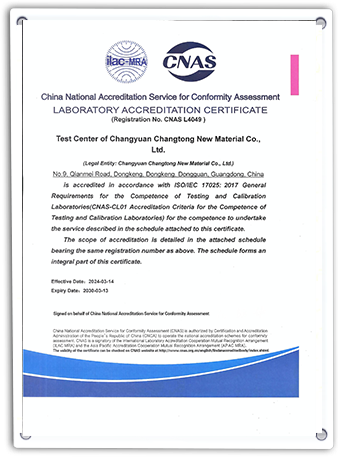
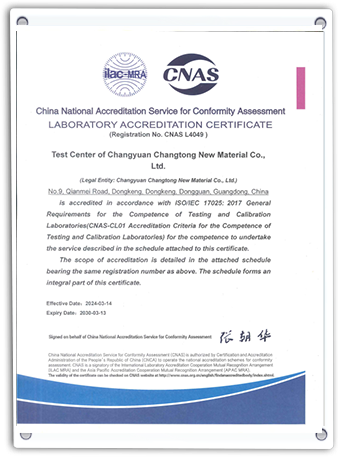
CYCT stands out in the global supply chain due to its integration of research and field validation. By cooperating closely with leading research institutes—including the prestigious CNPC Pipeline Science Research Institute—CYCT ensures that its material science formulations address real-world application challenges. We possess a national CNAS-accredited laboratory, meaning our QC processes comply with international testing criteria, rendering certified performance parameters fully reliable.
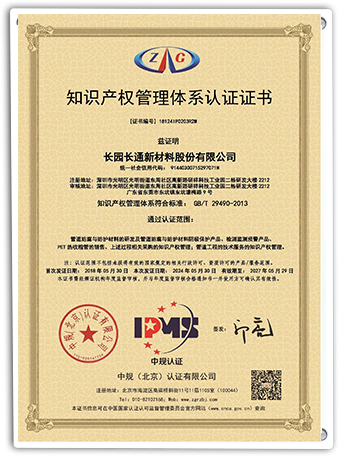
CYCT is a stable, long-term qualified supplier of field joint coatings to energy giants including PetroChina, Sinopec, PipeChina, China Gas Group, and Indian Oil. Our products secure massive market shares across municipal water and industrial energy networks. With more than ten proprietary intellectual property rights, CYCT continually pioneers advanced solutions like viscoelastic anti-corrosion wraps, photocurable structural sleeves, and high-performance polyurea coatings.
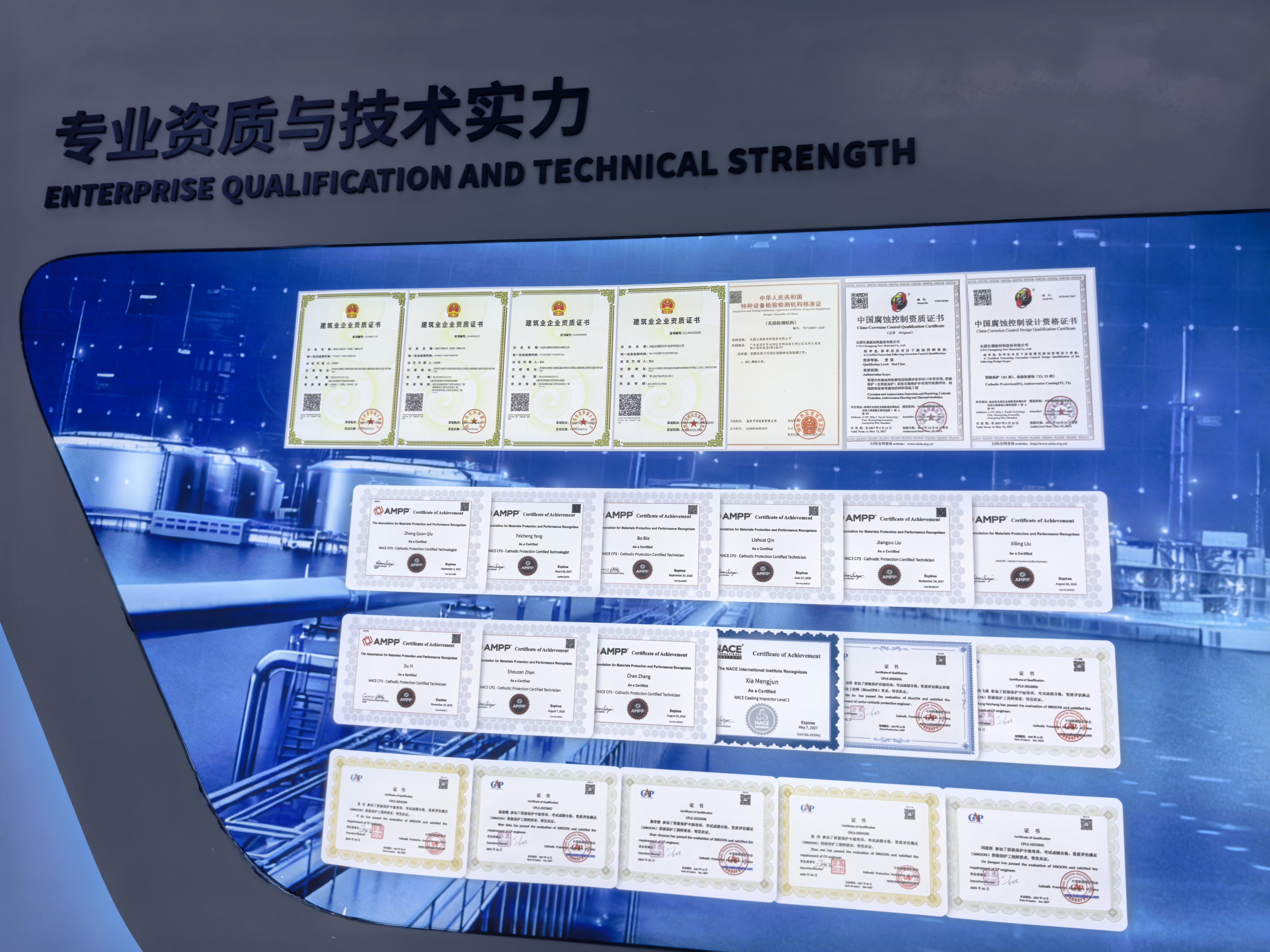
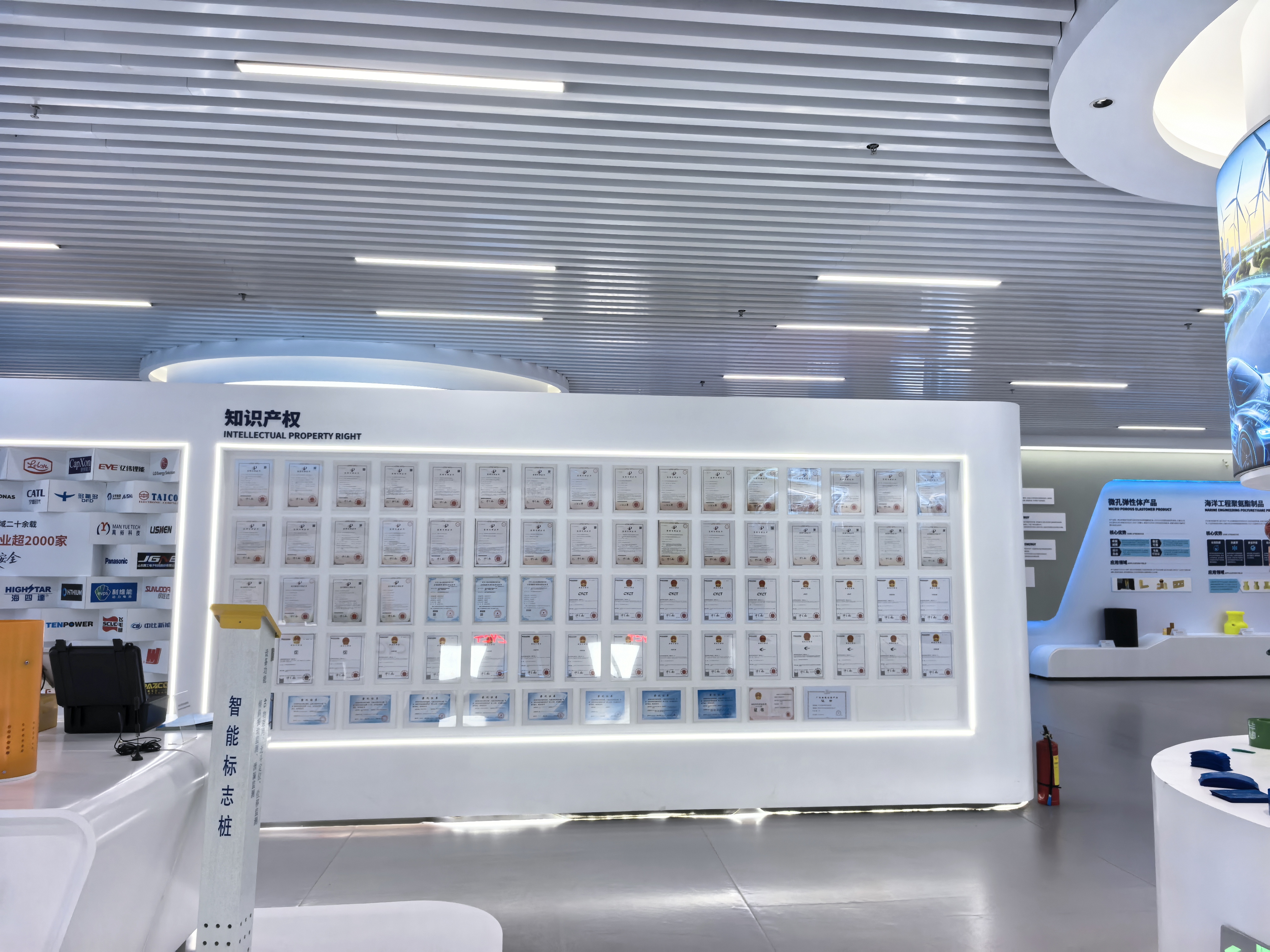
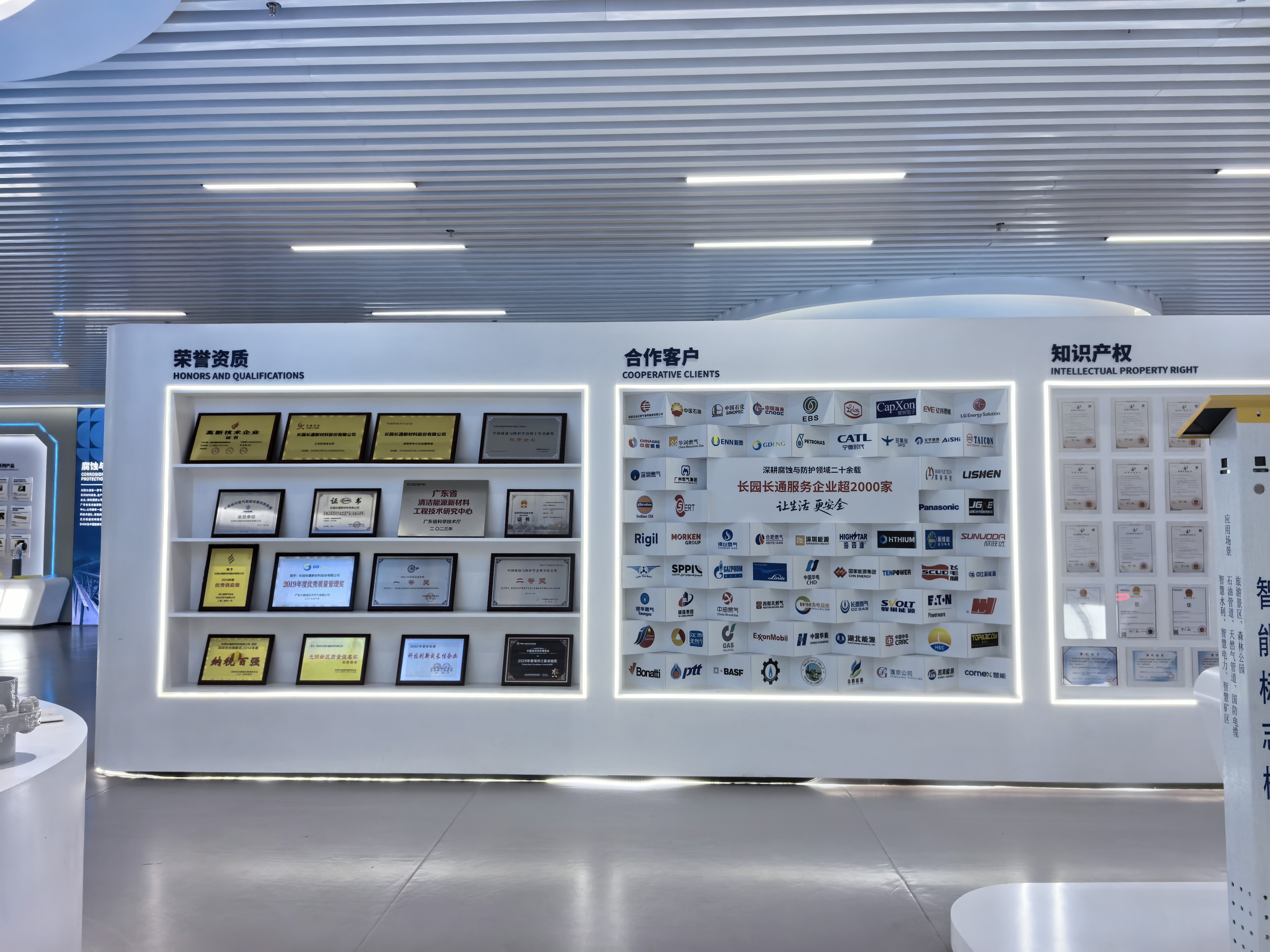
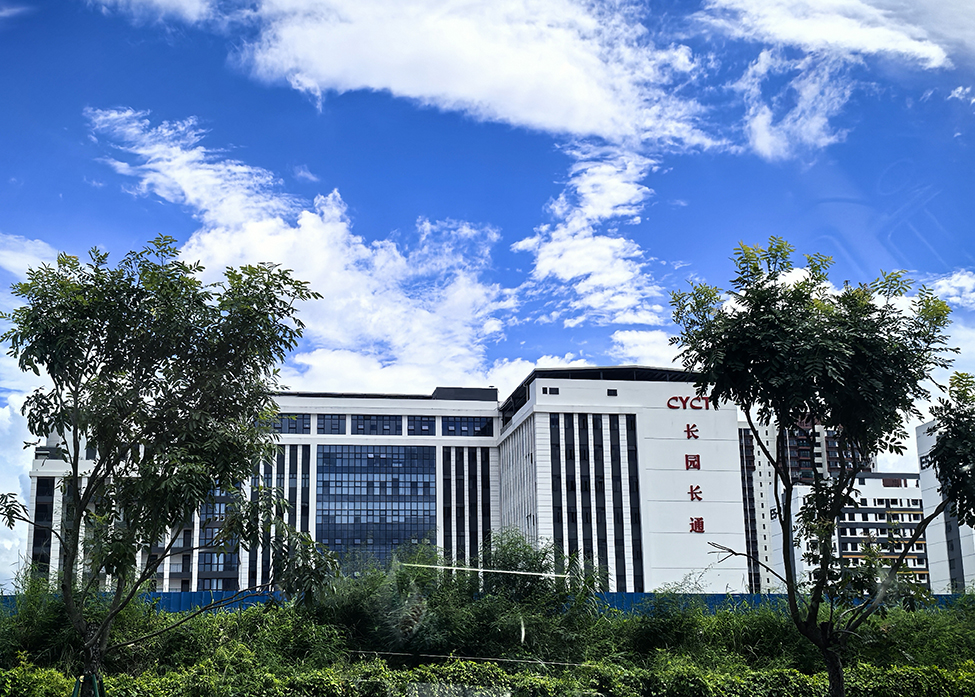
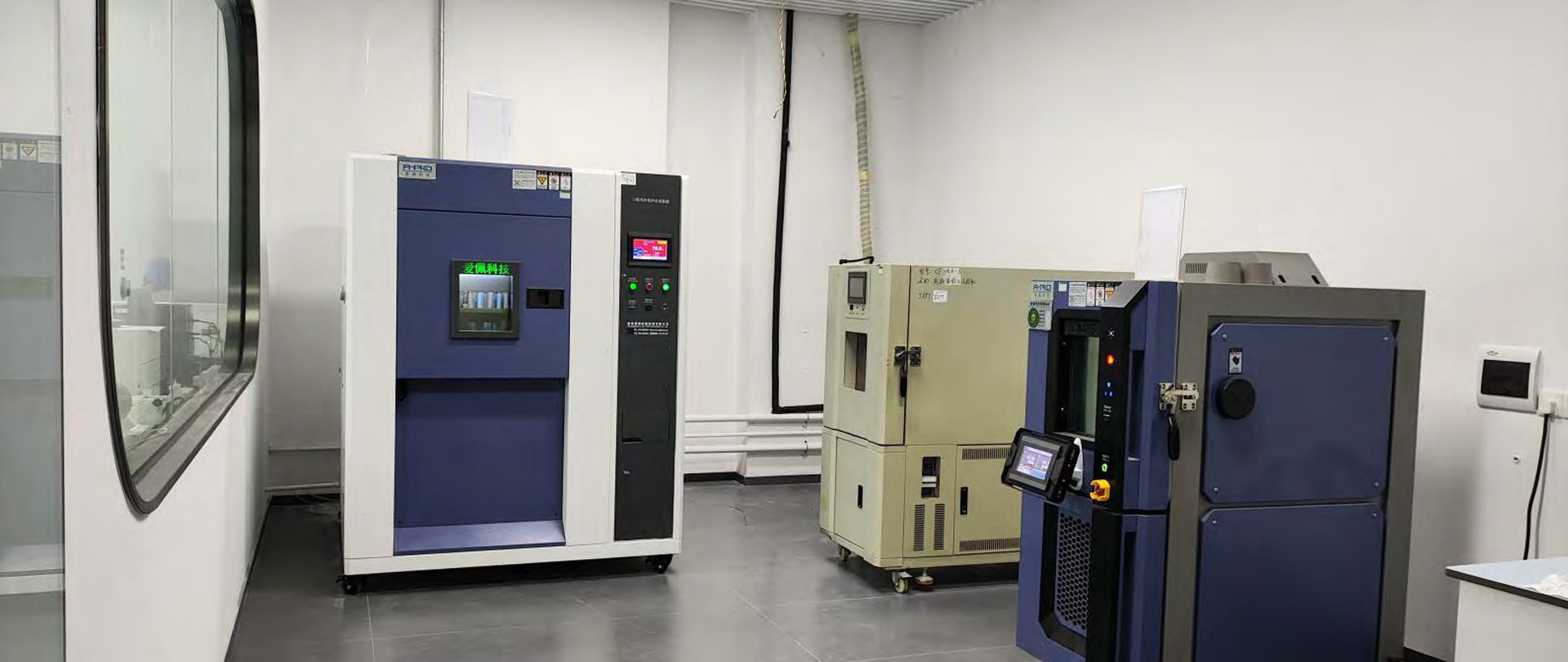
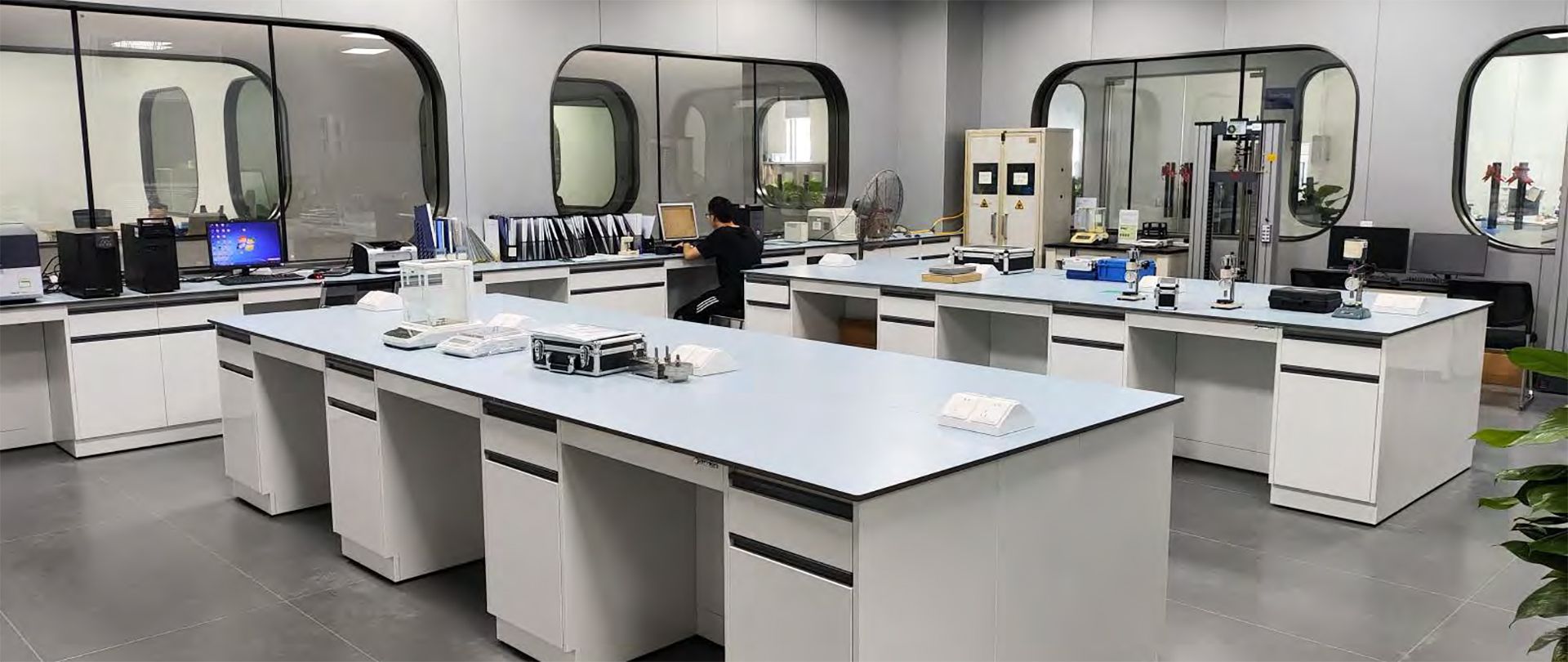
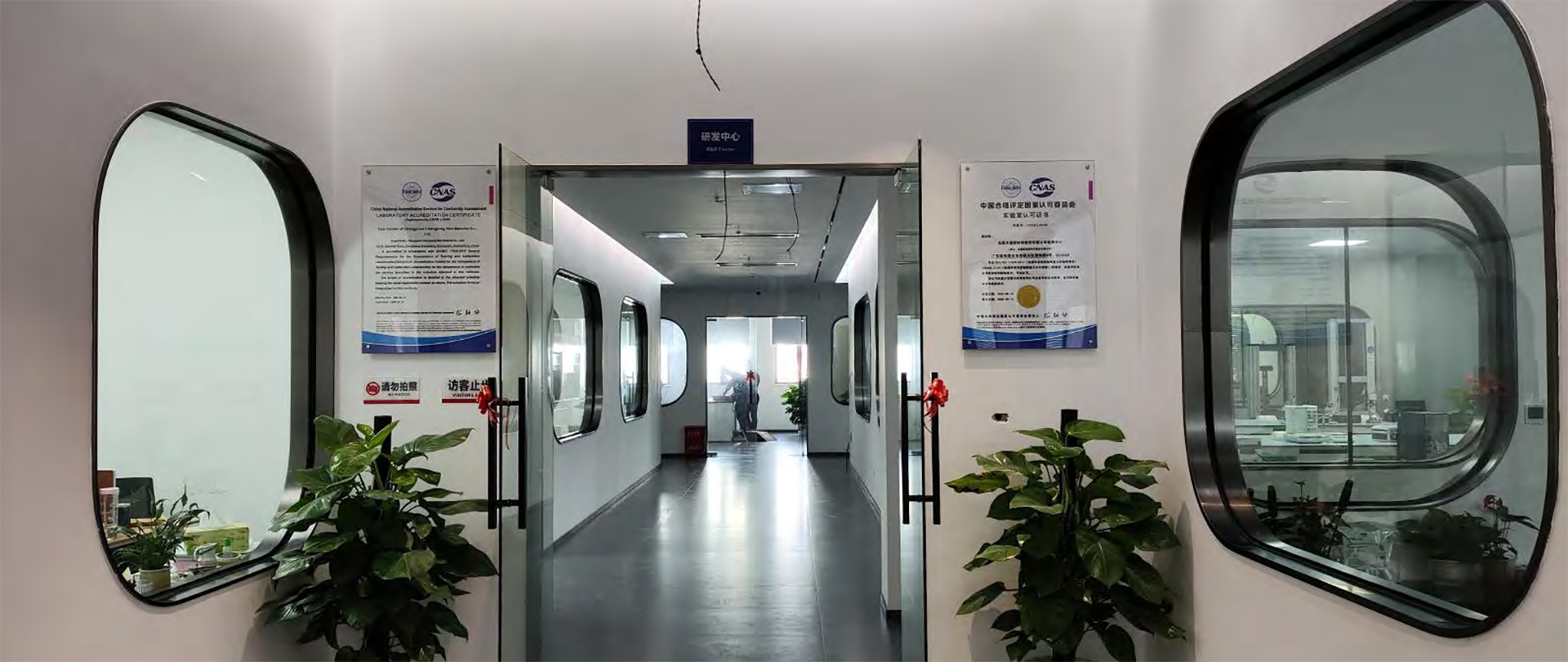
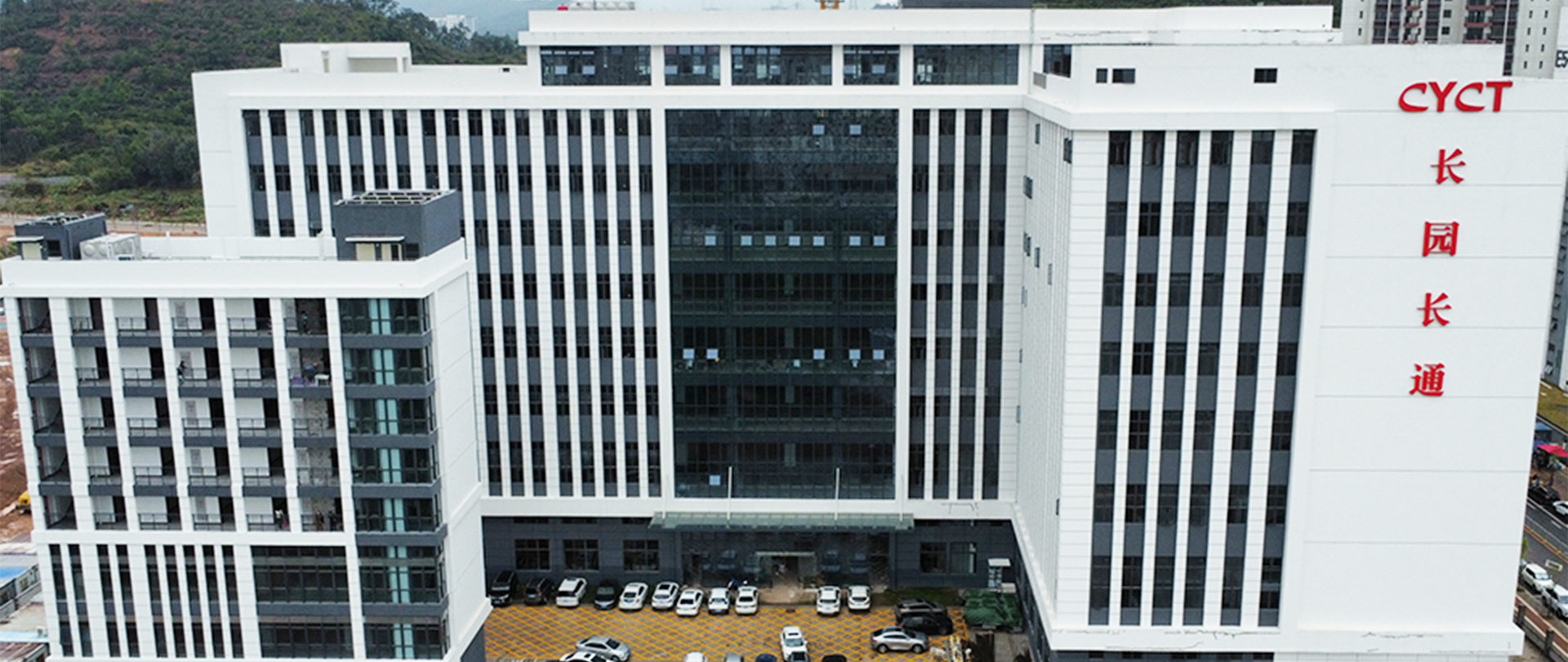
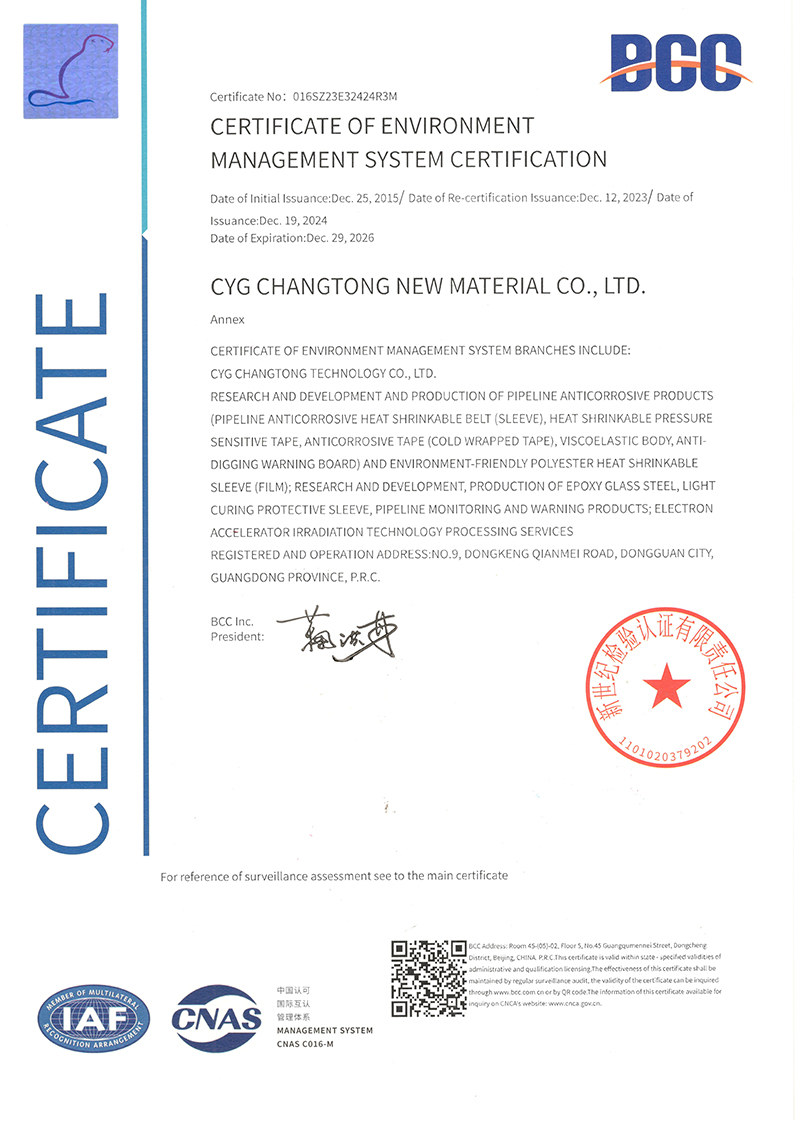
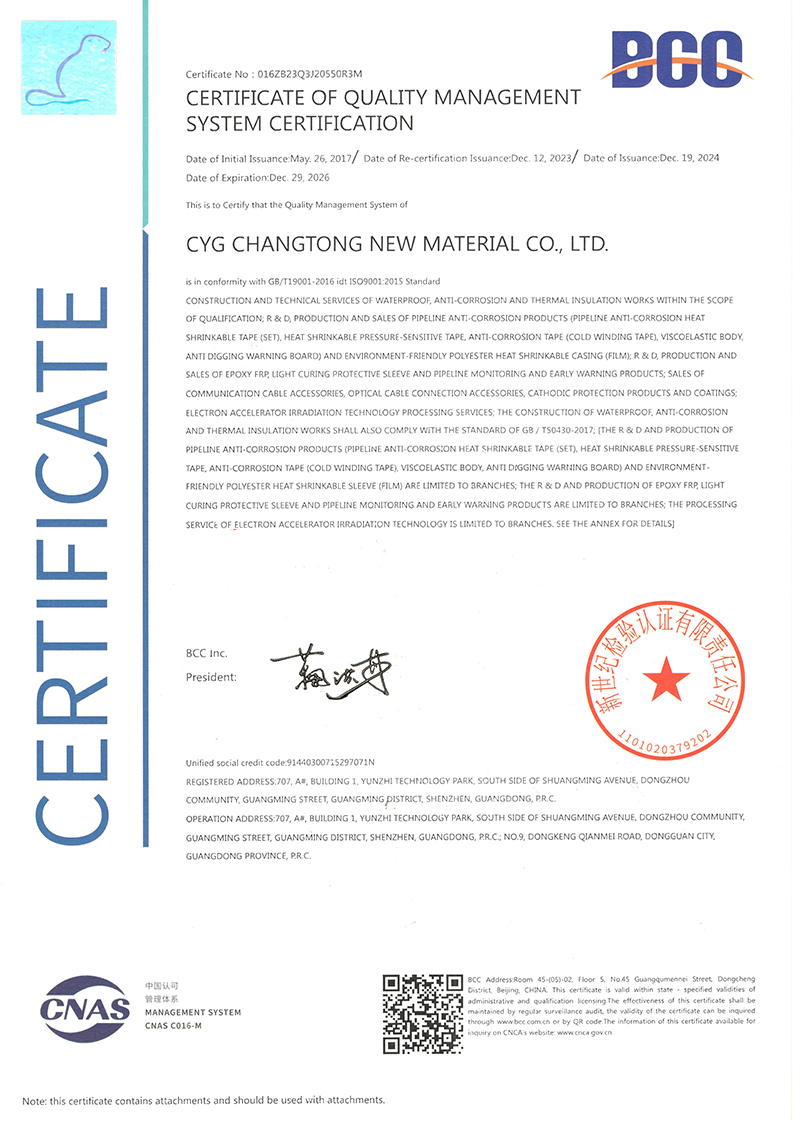
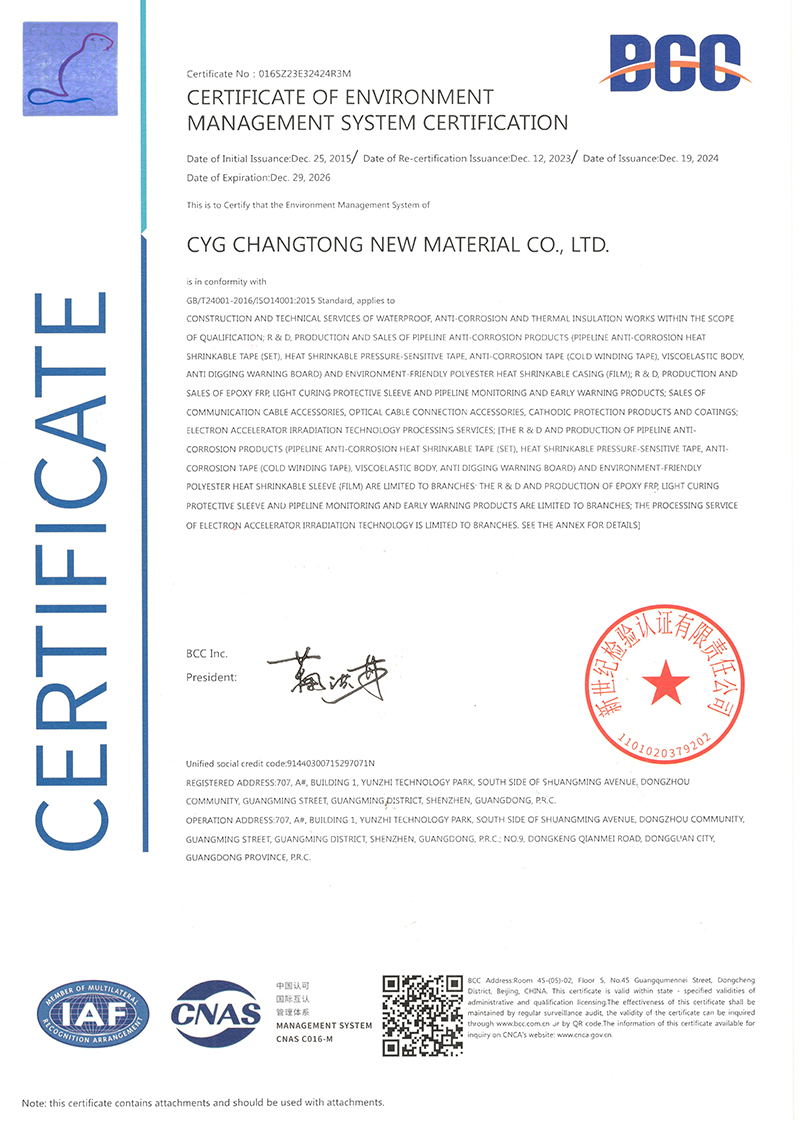
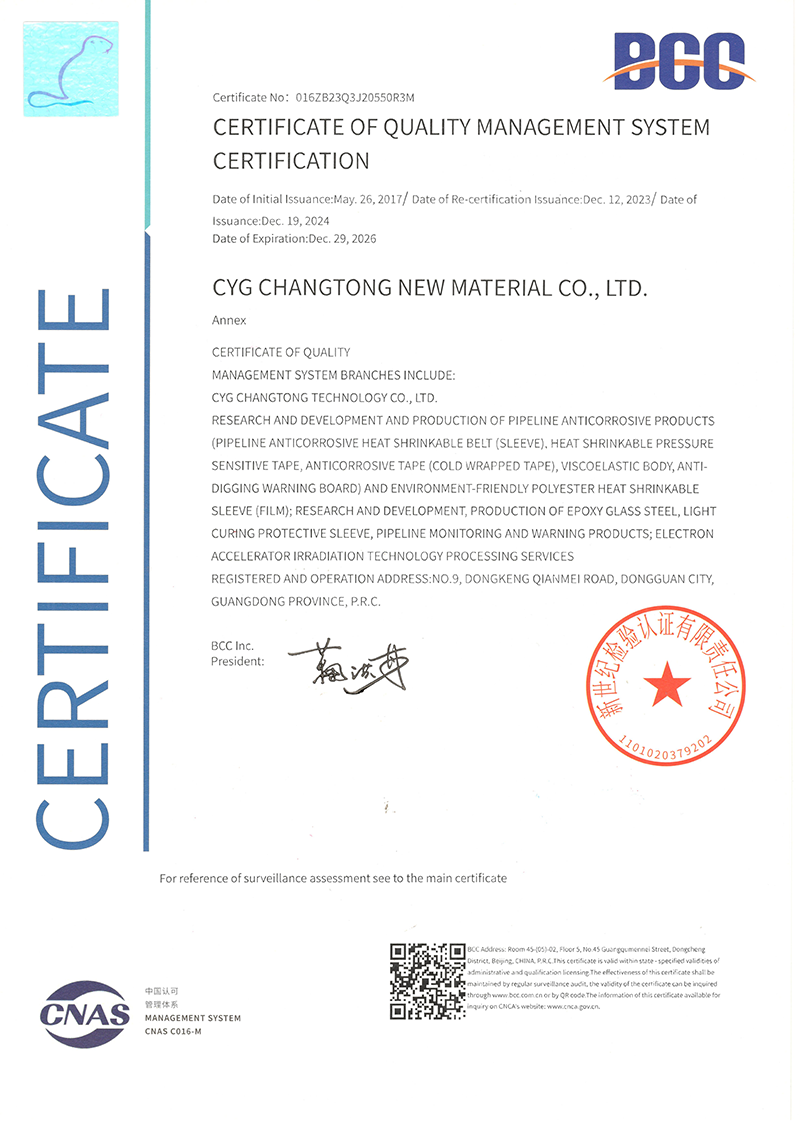
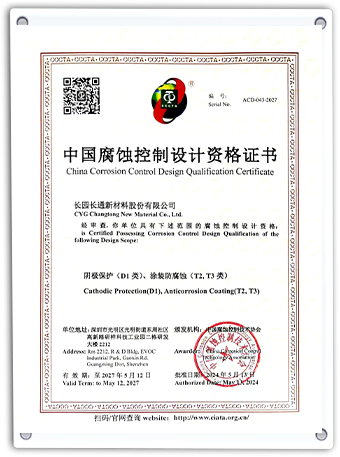
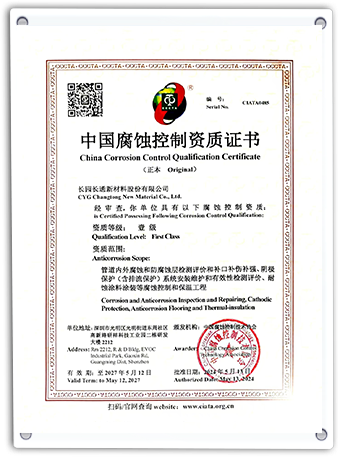
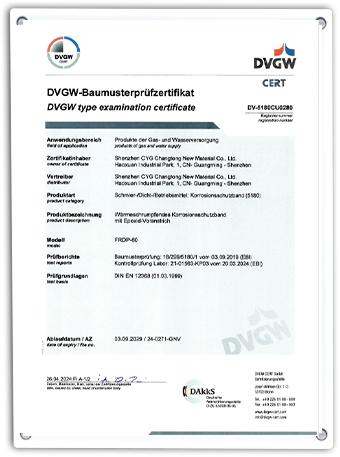
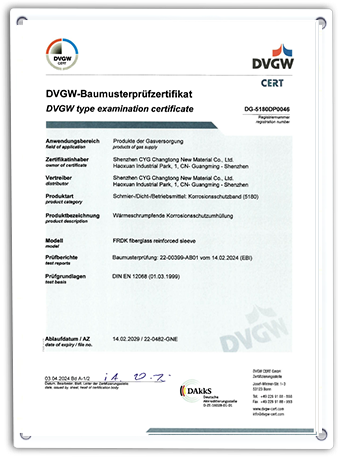
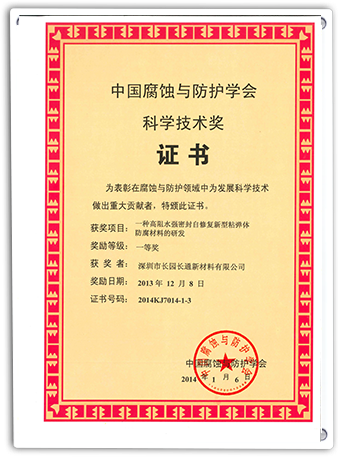
Our standing within the global corrosion mitigation community is validated by our institutional memberships and certifications. CYCT is a proud Member of Council in the Chinese Society for Corrosion and Protection (CSCP), an active corporate participant in the Association for Materials Protection and Performance (AMPP, formerly NACE/SSPC), and holds official Qualification Certificates for Corrosion Protection Construction and Pipeline Detection.
Clarifying engineering inquiries regarding procurement, performance limitations, and installation metrics.
Explore our specialized pipeline repair patches, hot melt adhesives, and viscoelastic putty formulations.
 CYCT
CYCT