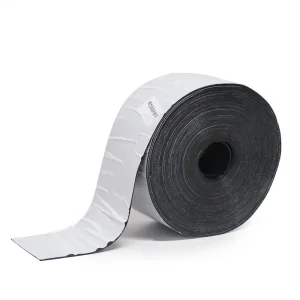
Engineered to meet stringent global standards, our field joint coatings and cold-applied tapes guarantee complete structural protection in complex soils and extreme service environments.
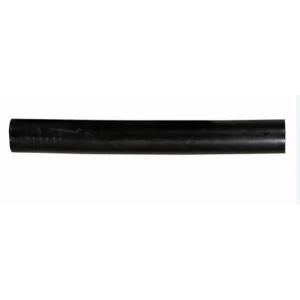
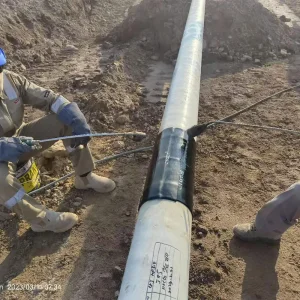
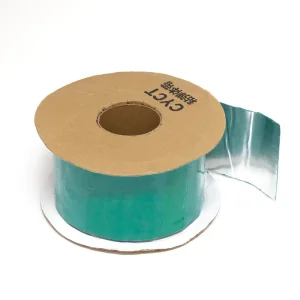
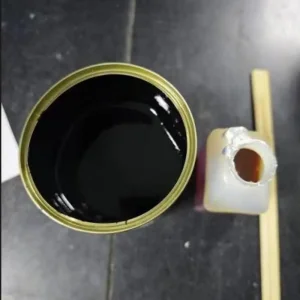
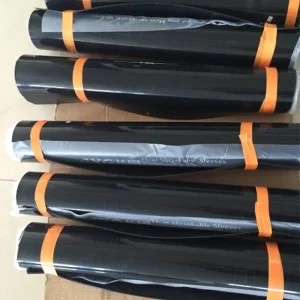
Across modern infrastructure sectors—ranging from hydrocarbon transportation, high-pressure natural gas lines, subsea oil lines, municipal water distribution, to Horizontal Directional Drilling (HDD) utilities—pipeline longevity is synonymous with structural integrity. Unmitigated corrosion leads to catastrophic failures, environmental devastation, and massive operational liabilities.
According to industrial estimates, direct asset corrosion costs the global oil and gas sector billions of dollars annually. To mitigate these risks, the industry depends heavily on multi-layered external coating systems. While factory-applied coatings (such as 3-layer Polyethylene [3LPE], 3-layer Polypropylene [3LPP], and Fusion Bonded Epoxy [FBE]) protect the main run of the line, the field joint—the section welded in the field—remains the most vulnerable to mechanical stress, thermal expansion, moisture ingress, and soil shear. This is where high-performance pipeline wraps, heat shrinkable sleeves, and viscoelastic systems prove essential.
"Under cathodic protection (CP), improper field joint wraps can cause shielding effects, blocking electrical currents and accelerating localized pitting under the tape backing. Advanced viscoelastic systems and radiation cross-linked polyolefin sleeves are engineered to prevent shielding, ensuring continuous, comprehensive corrosion protection."
A pipeline wrap is not merely a barrier; it is a highly engineered system that must withstand several stresses:
In recent years, procurement managers from major utility firms, EPC (Engineering, Procurement, and Construction) companies, and international distribution networks have increasingly turned to specialized Chinese manufacturers. This transition is not driven solely by cost, but rather by the massive supply chain consolidation, custom R&D response speeds, and advanced manufacturing technologies that Chinese industrial hubs present.
Chinese manufacturers offer unmatched efficiency across several key metrics:
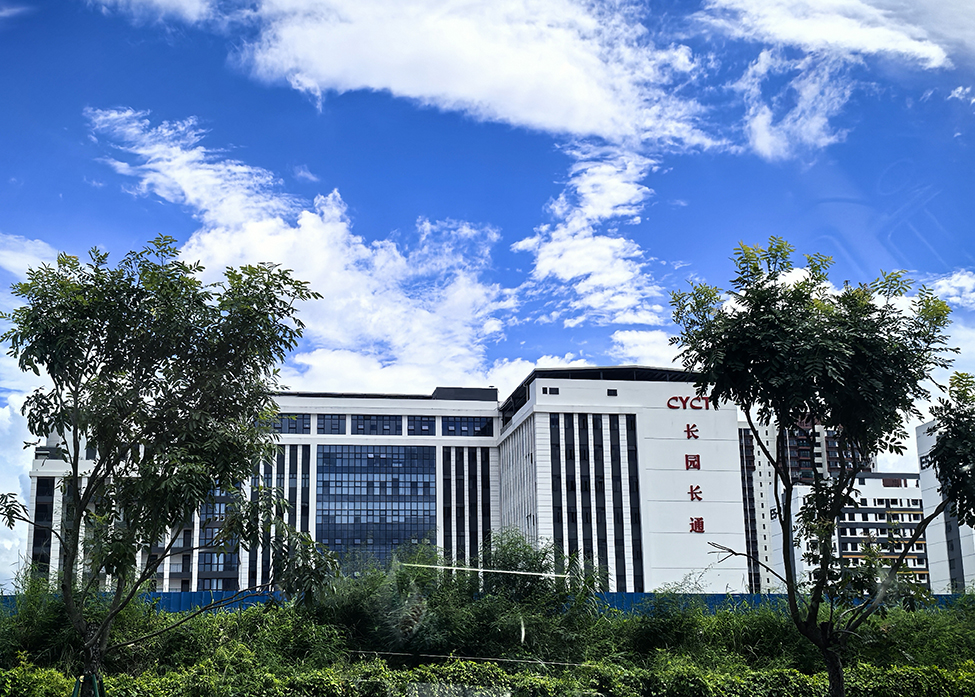
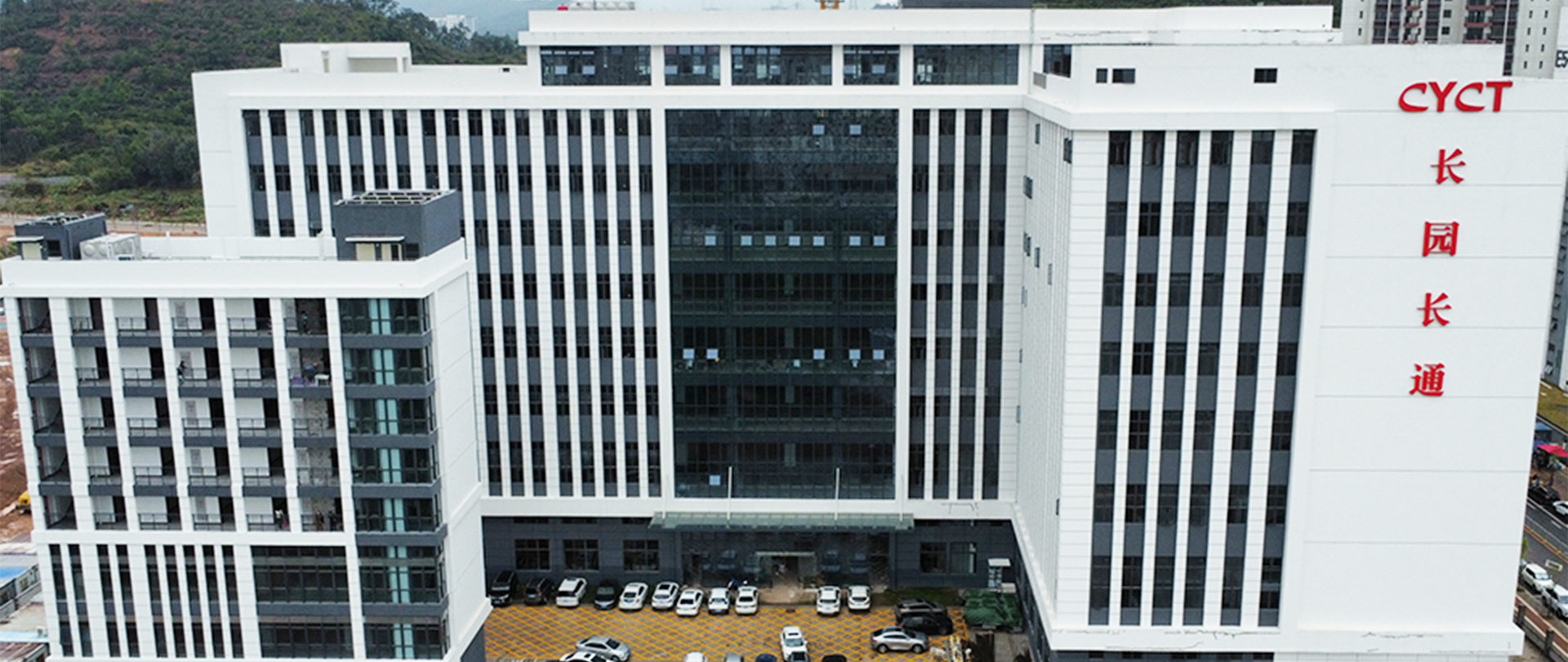
CYCT New Materials Company Limited (CYCT) is a state-level high-tech enterprise founded in 2000. For over two decades, CYCT has integrated R&D, production, sales of pipeline corrosion protection materials, buried pipeline detection services, and coating field application services into a singular, highly cohesive operation.
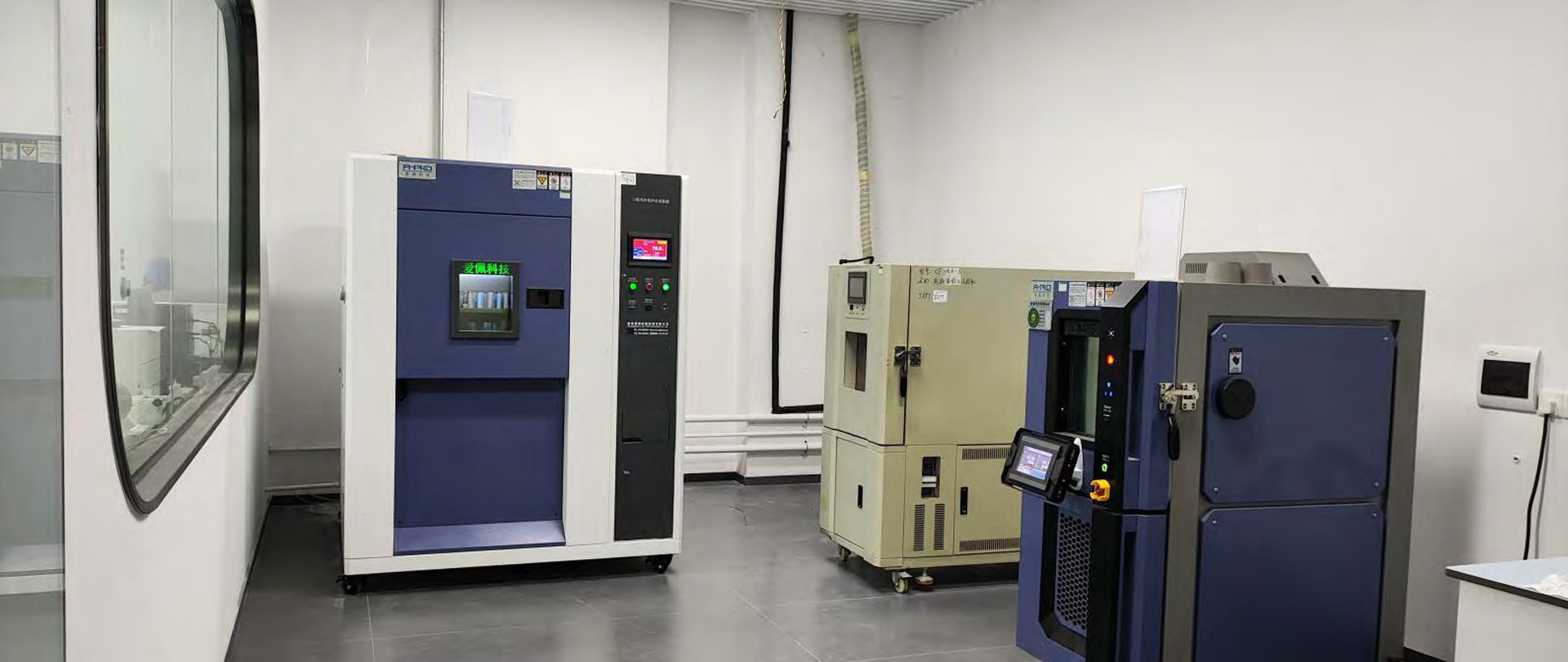
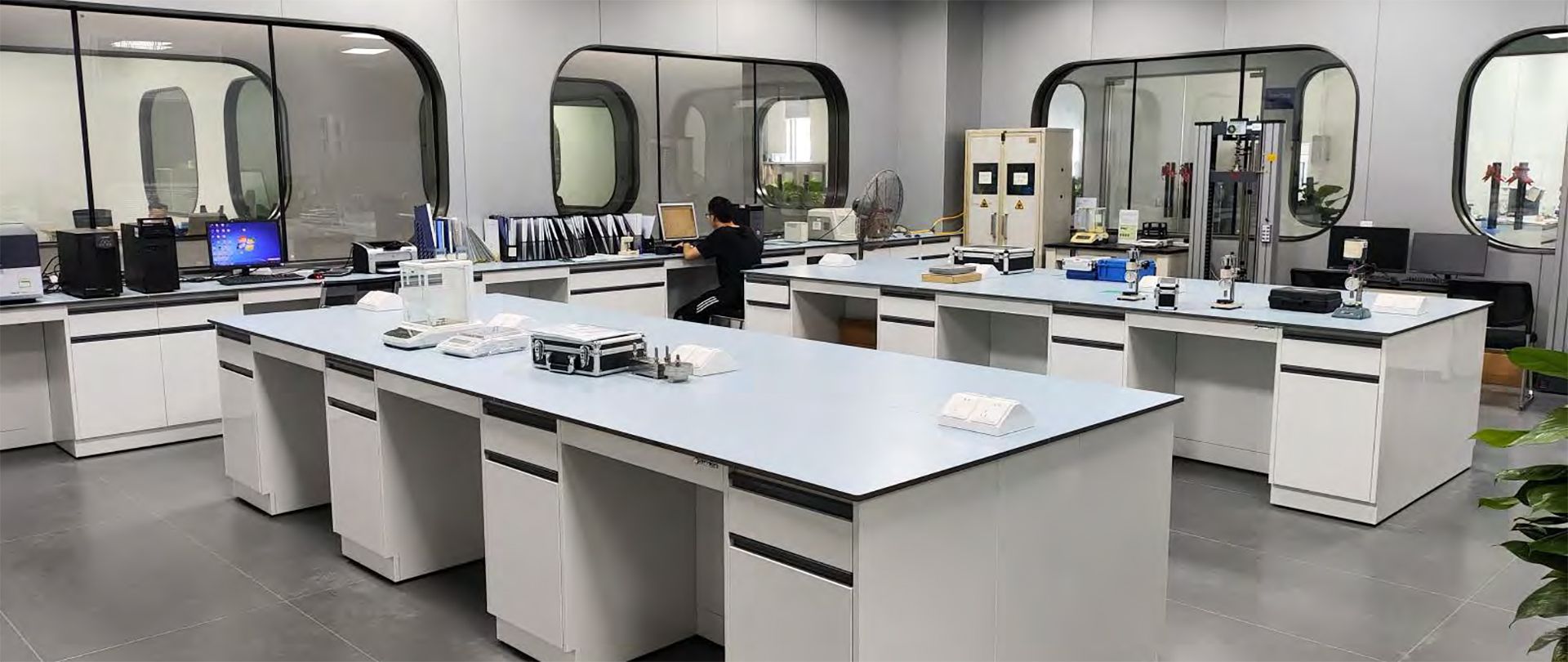
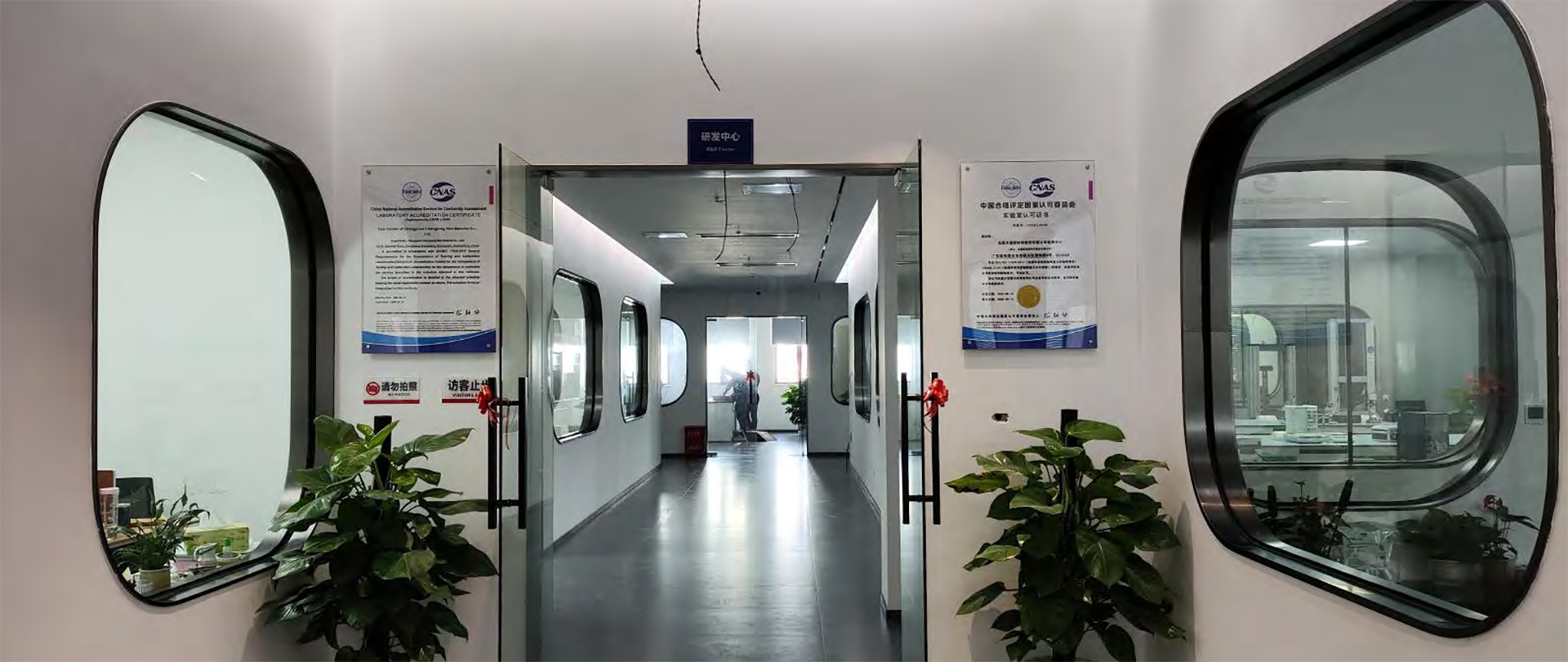
With an emphasis on R&D, CYCT operates a national CNAS-accredited laboratory, ensuring that every batch of raw material and finished product undergoes rigorous quality testing. Our laboratory works in close cooperation with leading research institutes, such as the CNPC Pipeline Science Research Institute, allowing us to remain at the cutting edge of global protective technologies.
Industrial applications present unique demands, necessitating diverse material options:
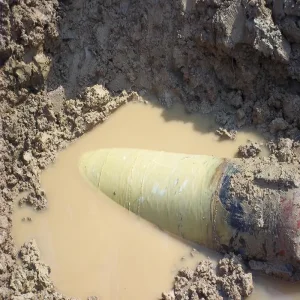
In municipal and industrial trenchless installations, pipes are pulled through rocky, abrasive underground pathways. Traditional coatings easily shear off under these conditions. CYCT addresses this challenge with our specialized Epoxy FRP (Fiberglass Reinforced Polymer) system, providing high mechanical strength, puncture resistance, and abrasion protection.
Irregularly shaped structures like valves, tees, and flanges are notoriously difficult to protect with rigid sleeves. Viscoelastic wraps present cold-flow, self-healing properties that flow into micro-crevices, establishing a continuous protective layer that isolates steel from moisture and oxygen.
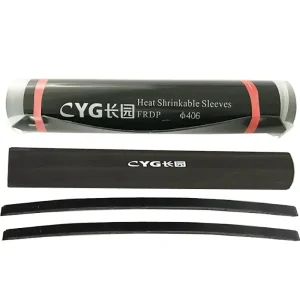
District heating systems and deep hydrocarbon extraction pipelines can operate at continuous temperatures exceeding 80°C. Standard butyl mastic tapes lose stability and slide off the steel under these conditions. CYCT's specialized high-temperature PP heat shrinkable sleeves and hot melt repair sticks maintain mechanical properties up to 85°C and higher.
Viscoelastic materials that exhibit viscous liquid and elastic solid properties. They flow to repair minor scratches, maintaining an airtight barrier over years of operation.
Polyethylene molecular modification via electron beam exposure. The resulting material shrinks when heated, wrapping tightly around joints without sagging.
Fiberglass composite systems designed for HDD applications. Provides the necessary mechanical strength to protect primary coatings from sharp gravel and rocks.
As the industry moves toward smart infrastructure, we are seeing a shift toward wraps with integrated sensors to monitor corrosion, moisture ingress, and cathodic protection efficiency in real-time. CYCT remains active in these developments, continually advancing the performance of our coating materials.
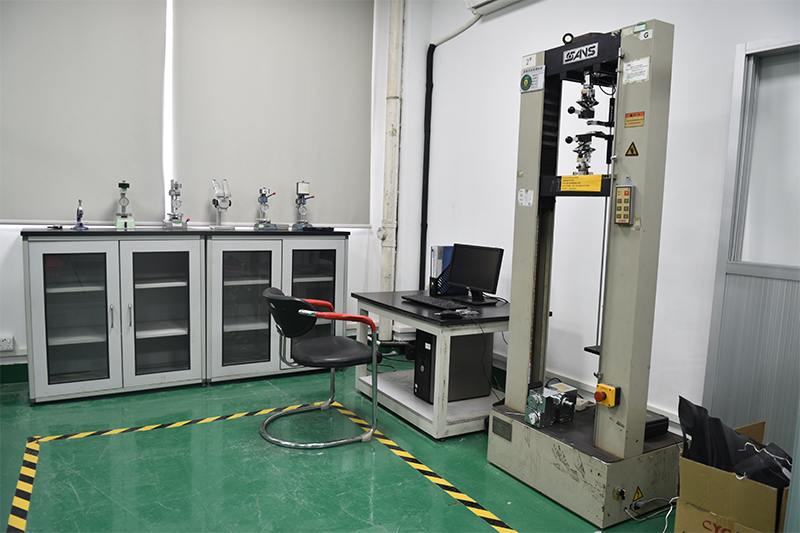
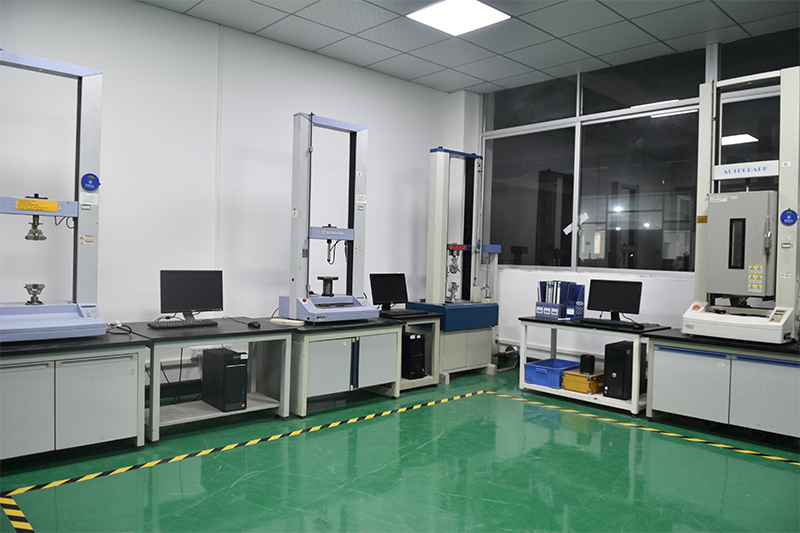
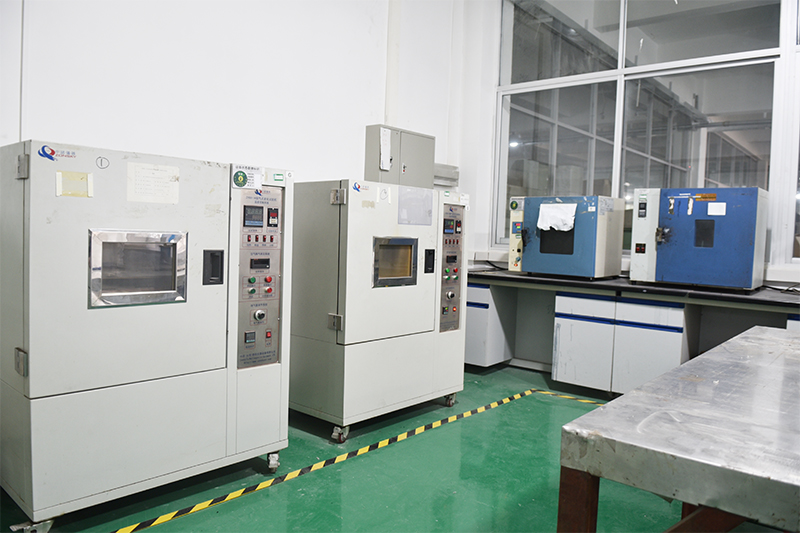
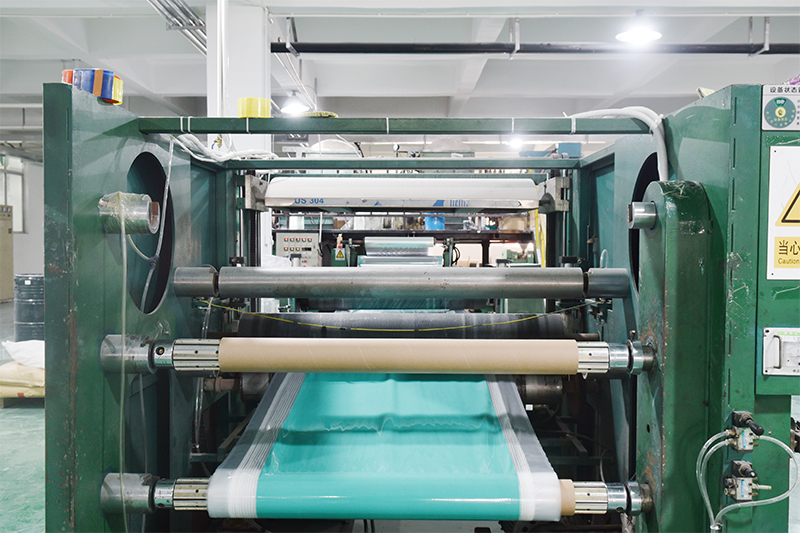
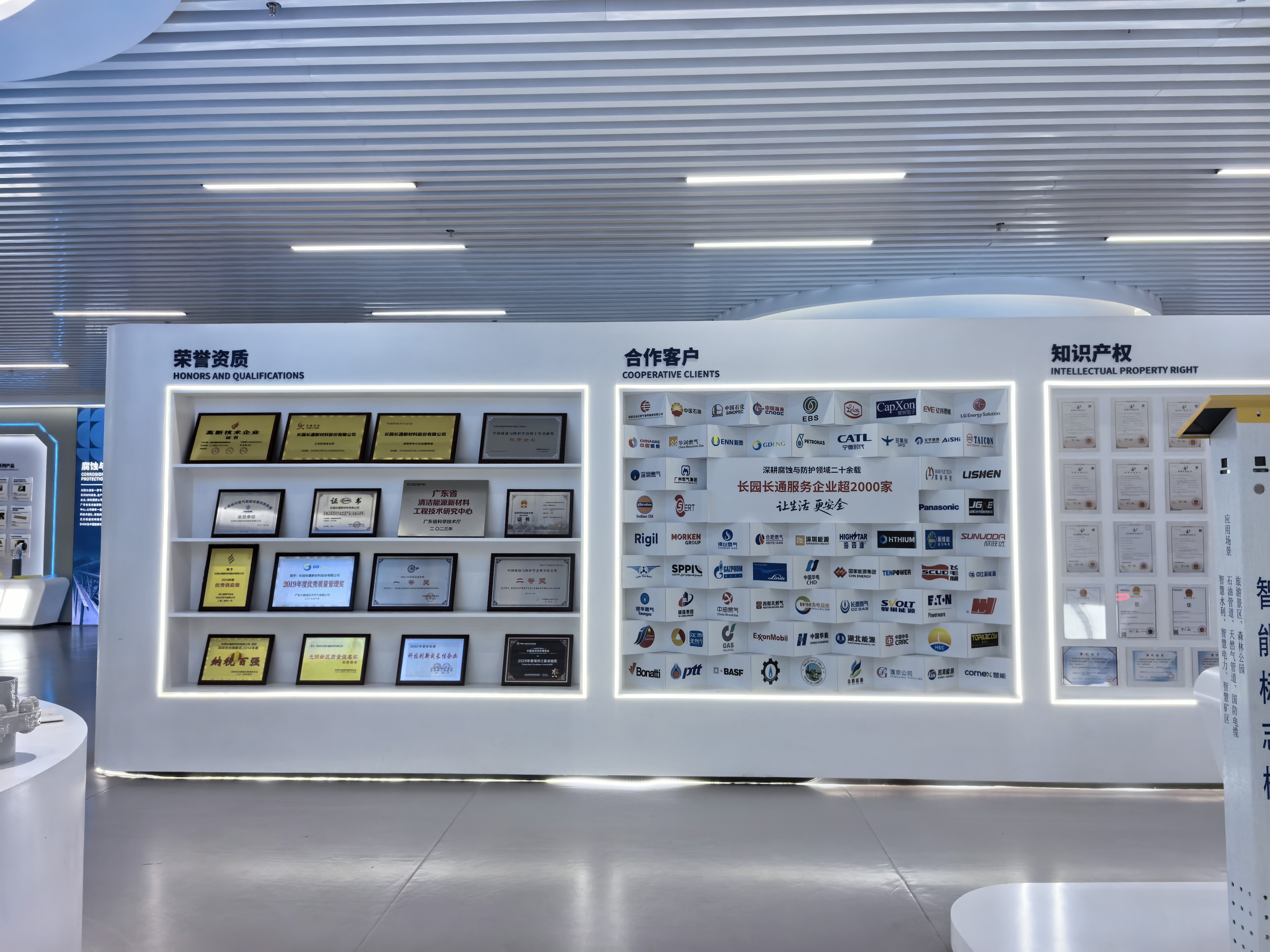
Reliable supplier of field joint coatings for PetroChina, Sinopec, PipeChina, China Gas Group, and Indian Oil.
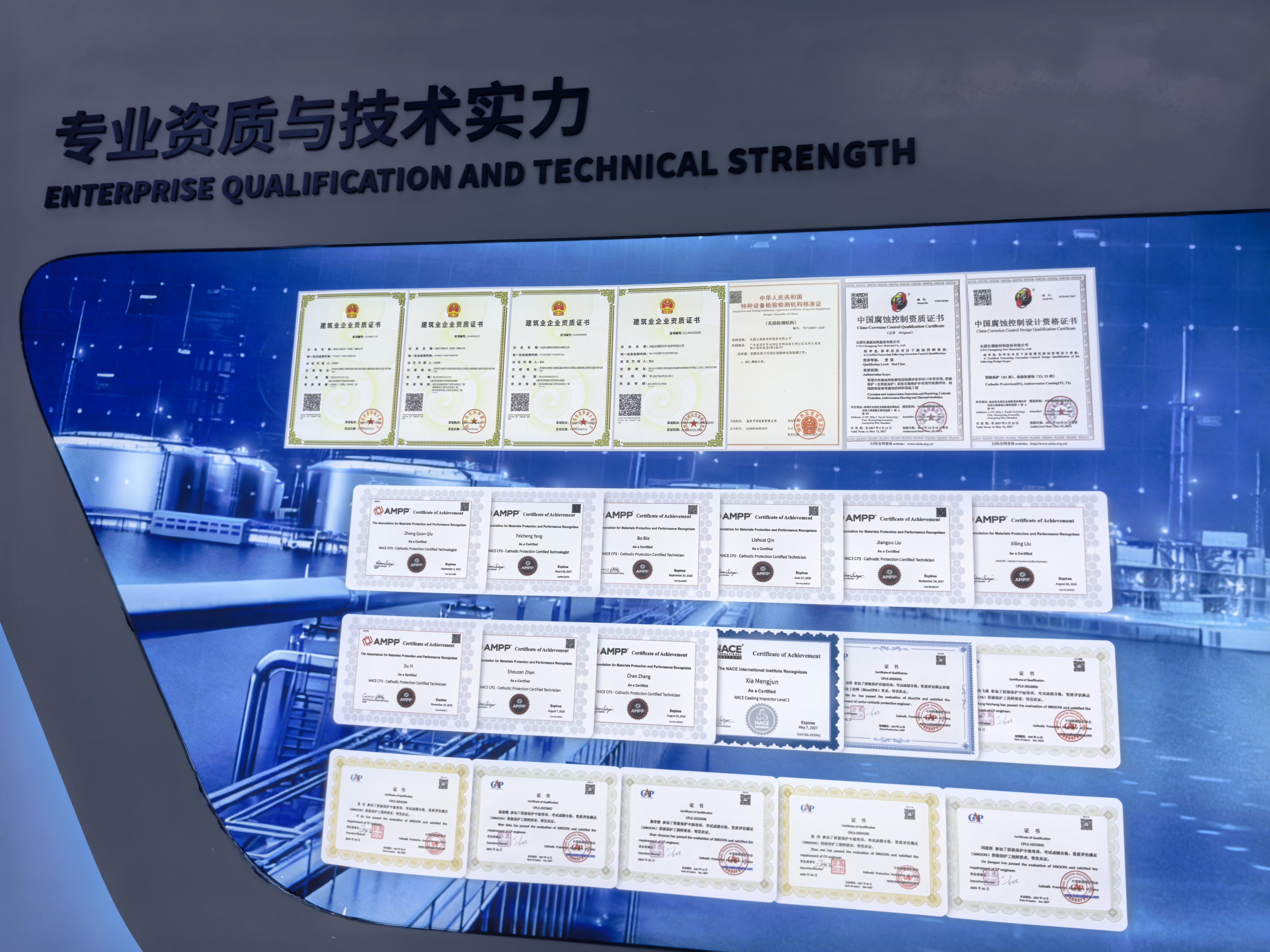
As a Member of Council in the Chinese Society for Corrosion and Protection (CSCP) and Corporate Member of the China Association of Petroleum Engineering Construction (CAPEC), we uphold strict manufacturing standards.
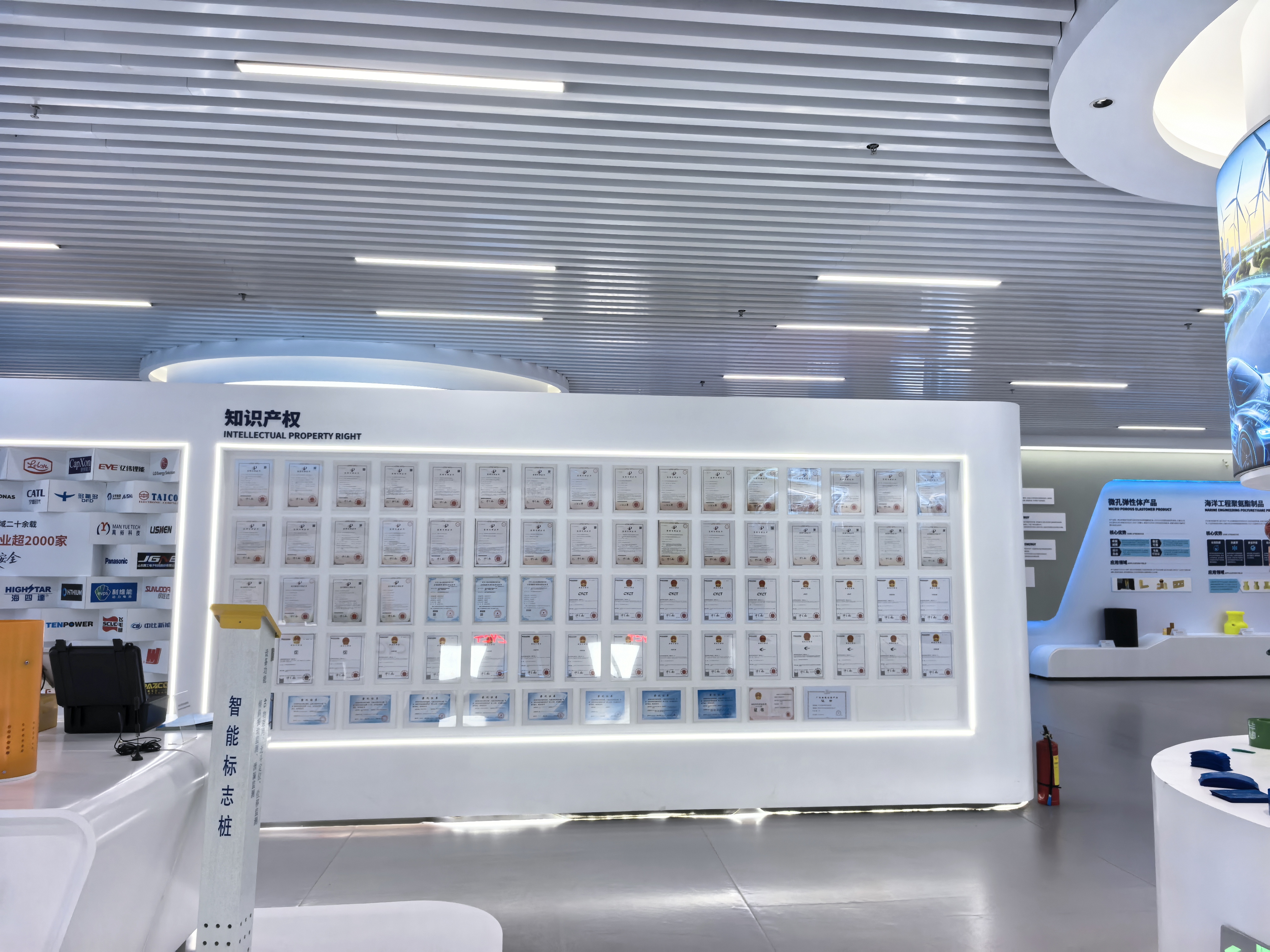
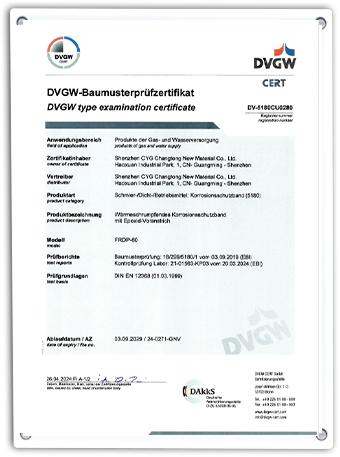
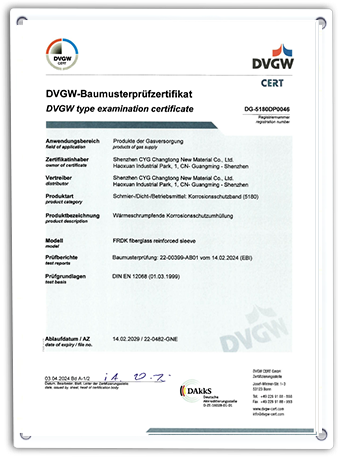
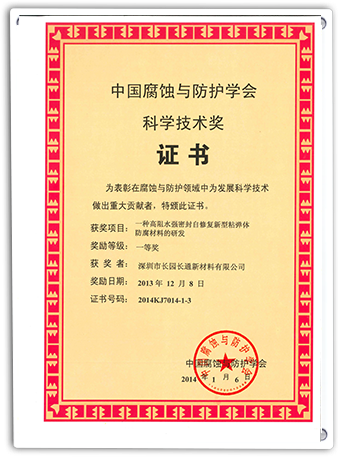
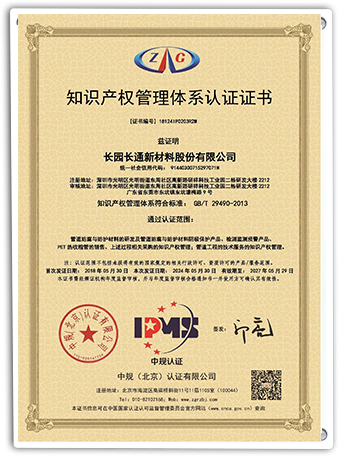
Our quality control program is backed by multiple certifications, recognizing CYCT as a State-Level High-Tech Enterprise with more than ten proprietary intellectual property rights. We maintain approval as an approved vendor for major entities including CNPC, Sinopec, China Gas Group, and Indian Oil.
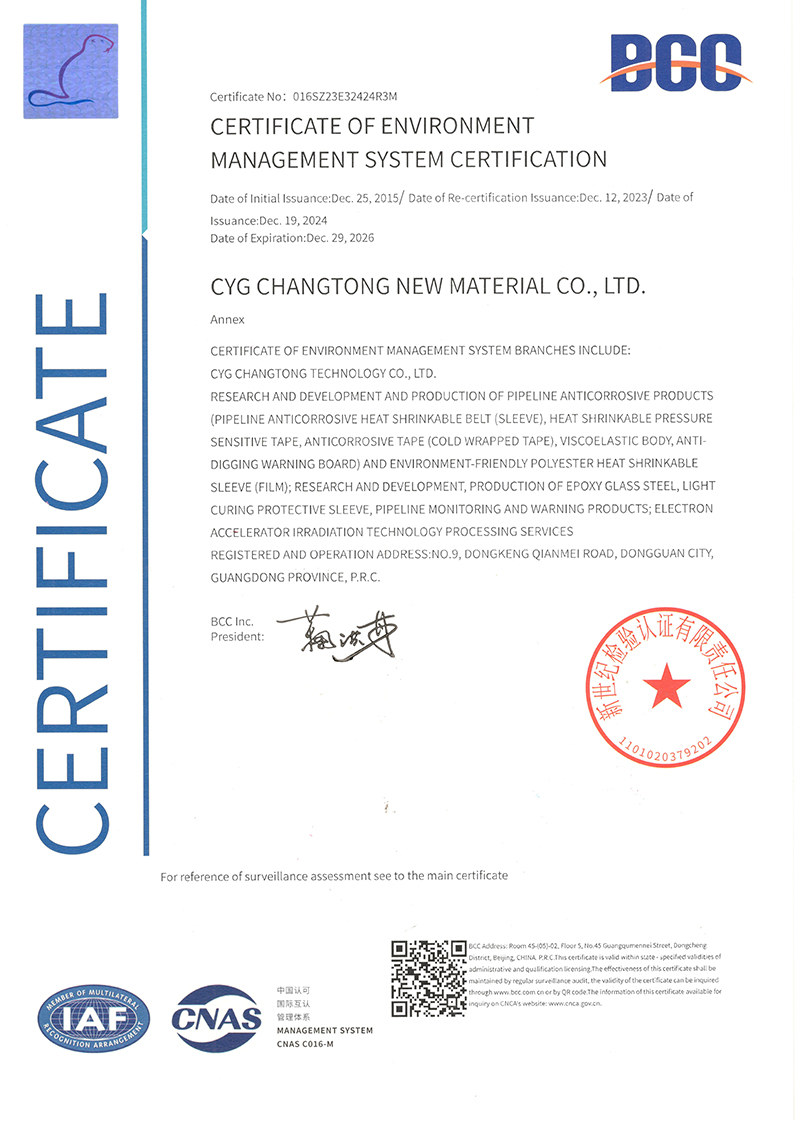
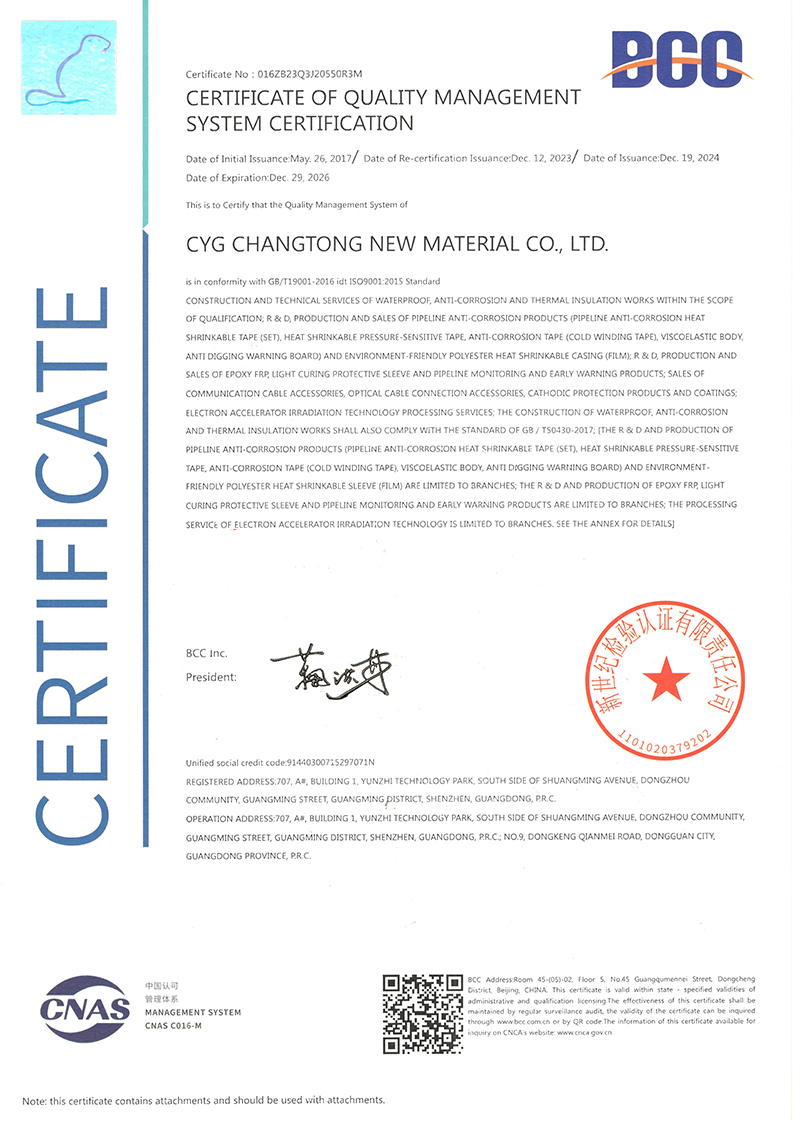
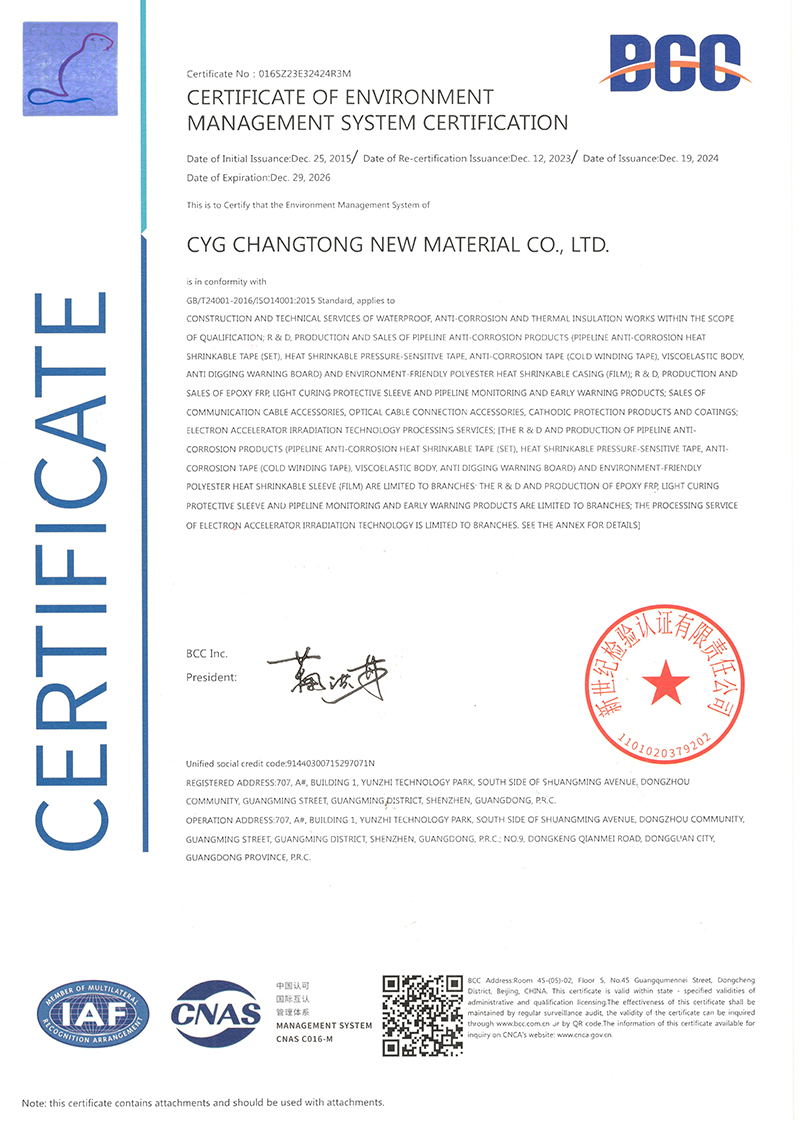
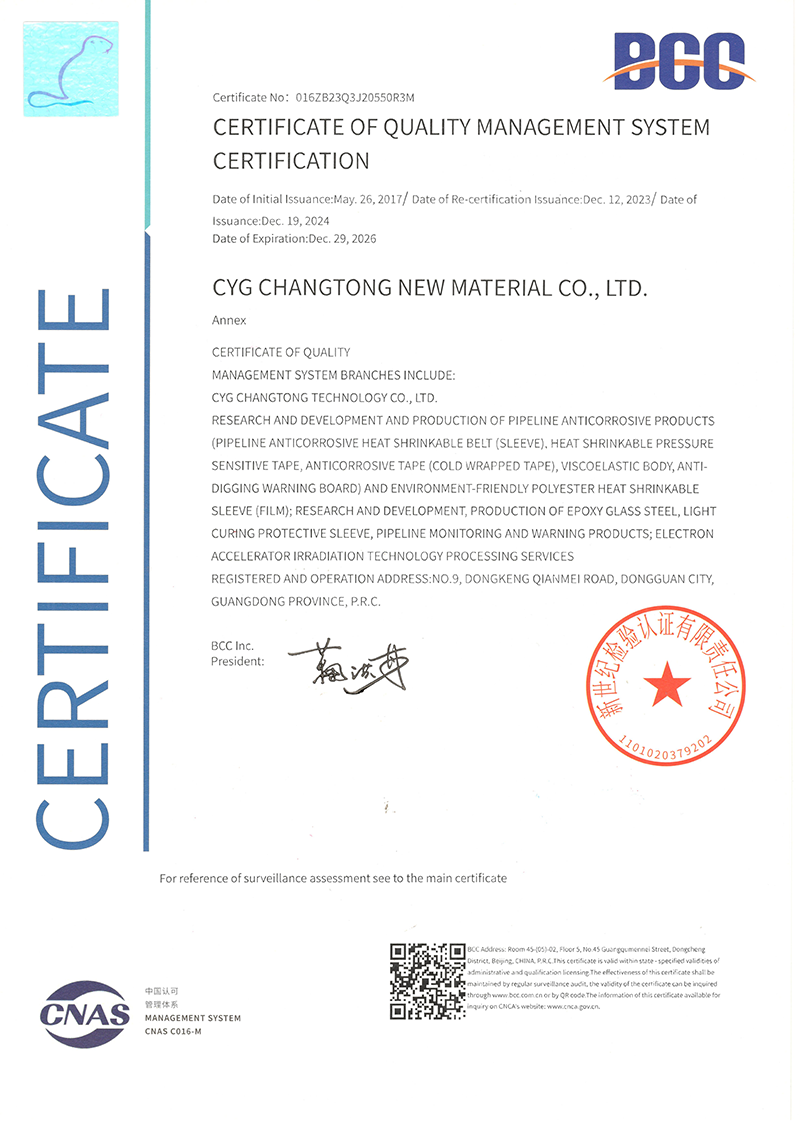
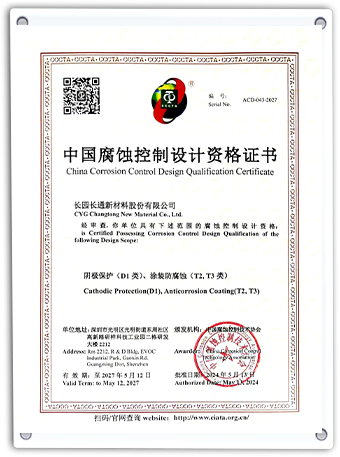
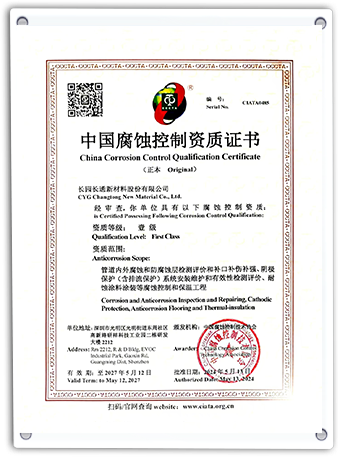
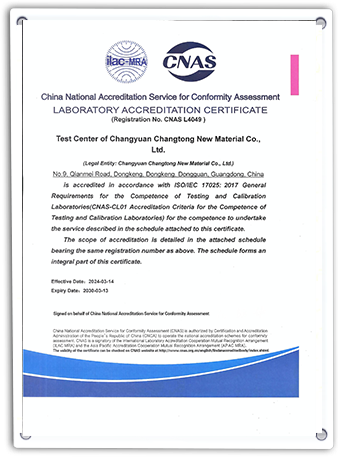
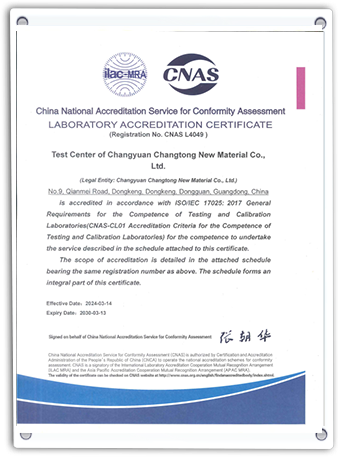
Providing viscoelastic systems, mastic tapes, and specialized PVC/FRP products to protect complex geometries, valves, and buried pipelines.
Expert insights addressing key design, procurement, and installation queries for industrial corrosion protection systems.
 CYCT
CYCT