Explore our field-proven joint coatings, repair patches, and high-strength wrap systems.
The global infrastructure network relies heavily on buried steel pipelines to transport natural gas, crude oil, petrochemicals, municipal water, and industrial slurries. The longevity of these multi-billion dollar assets hinges entirely on the integrity of their corrosion protection systems. Left unshielded, soil moisture, ionic conduction, microbial elements, and cathodic disbondment can lead to catastrophic structural failures. Pipeline tape coatings serve as the primary defensive barrier, bridging mill-applied primary coatings (such as 3LPE, 3LPP, and FBE) and field joint transitions.
For decades, standard polyethylene cold-applied tapes dominated the market. However, the modern energy transit landscape requires material formulations capable of withstanding higher operating temperatures, heavy soil shear, and extreme mechanical stress during trenchless installations. This comprehensive technical guide details how advanced polyolefin formulations, viscoelastic compounds, and radiation-crosslinked heat-shrinkable sleeves represent the pinnacle of current anti-corrosion science.
Over Two Decades of Technological Leadership in Anti-Corrosion Material Science
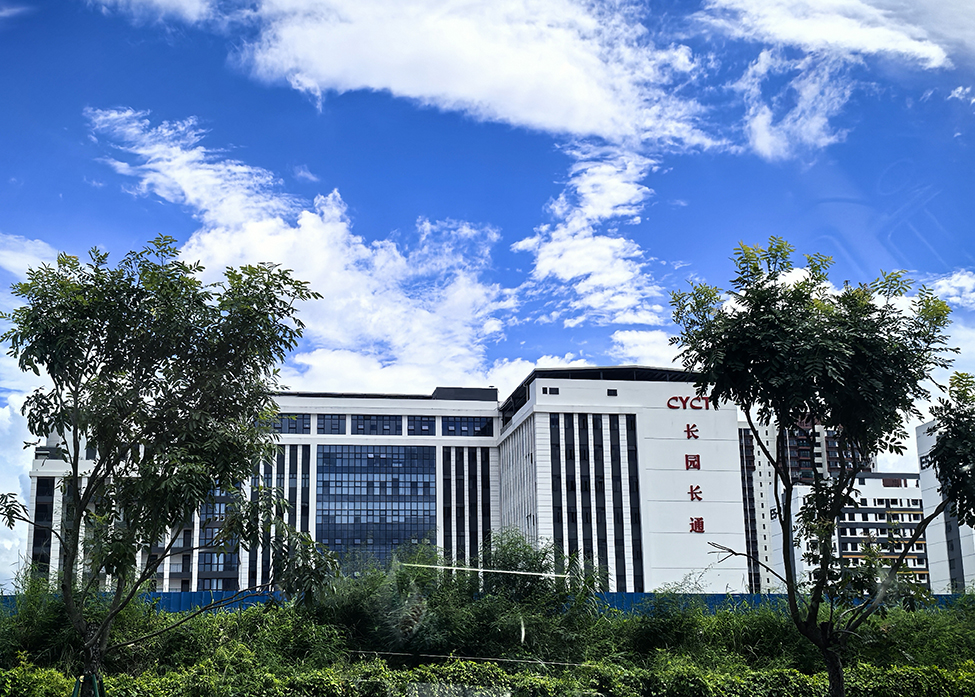
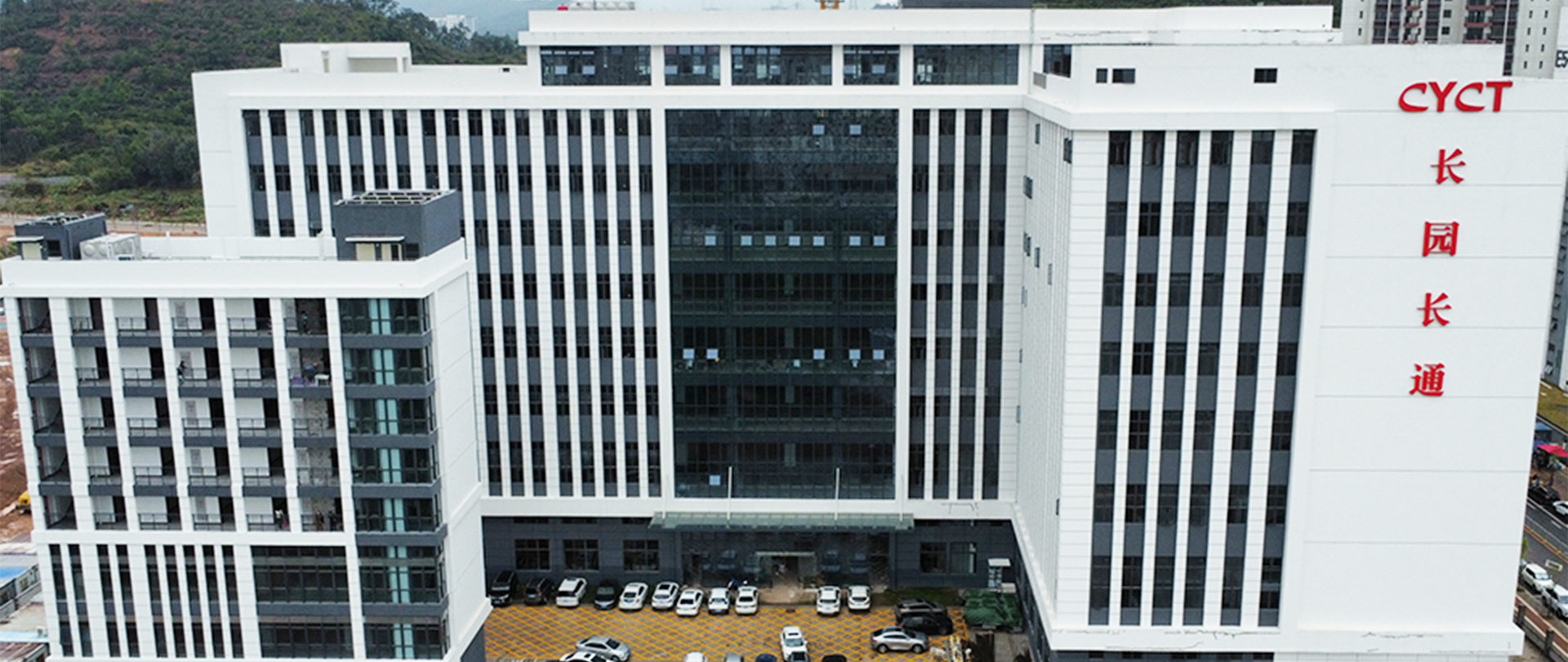
CYCT New Materials Company Limited (CYCT) is a state-level high-tech enterprise integrating R&D, production, and sales of pipeline corrosion protection materials, buried pipeline detection services, and field application engineering. Since our establishment in 2000, we have dedicated ourselves to solving complex corrosion challenges across global distribution lines.
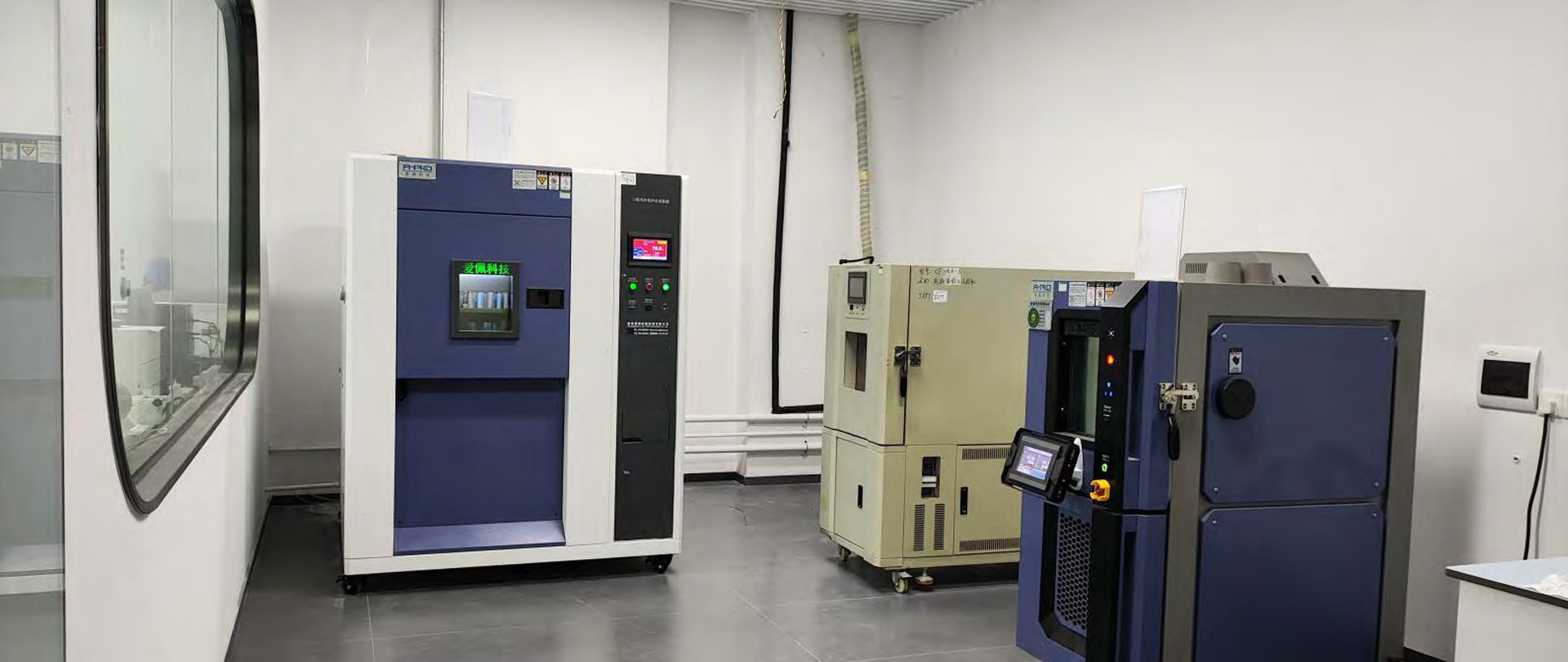
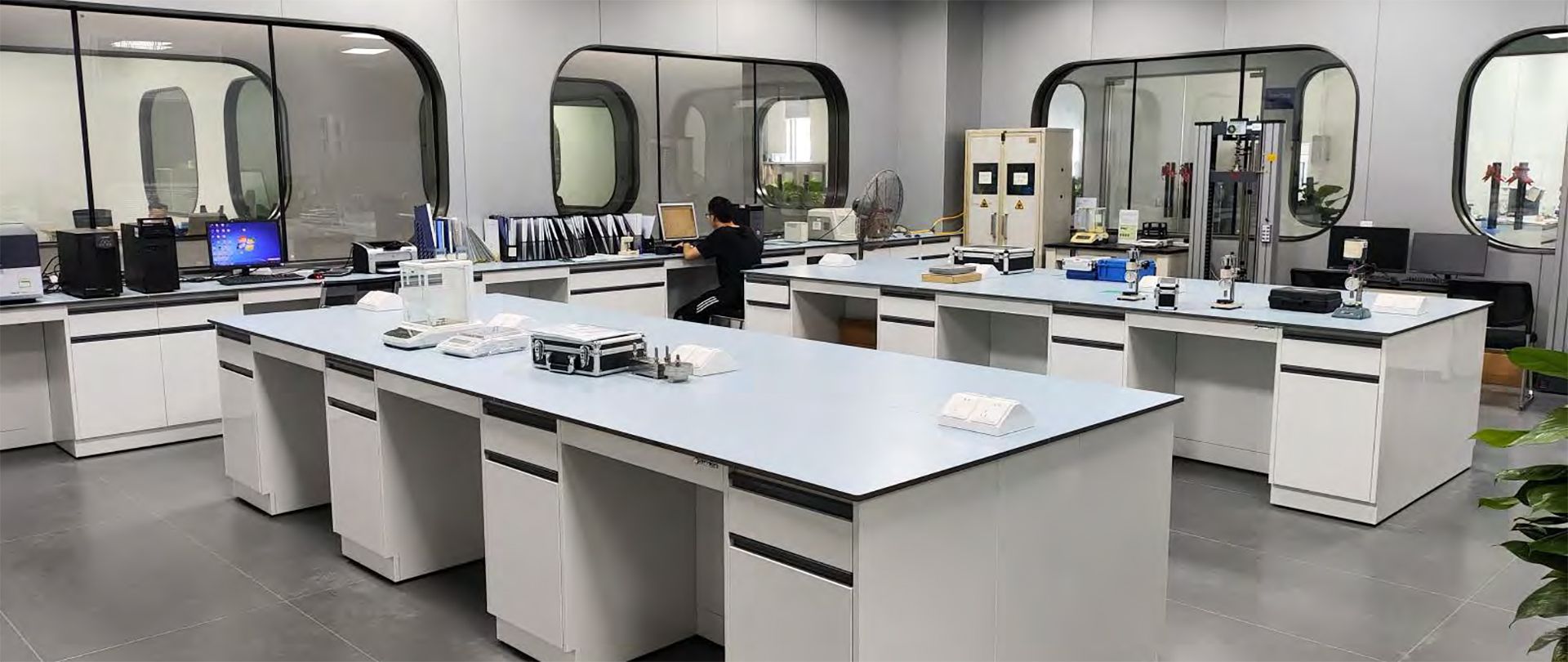
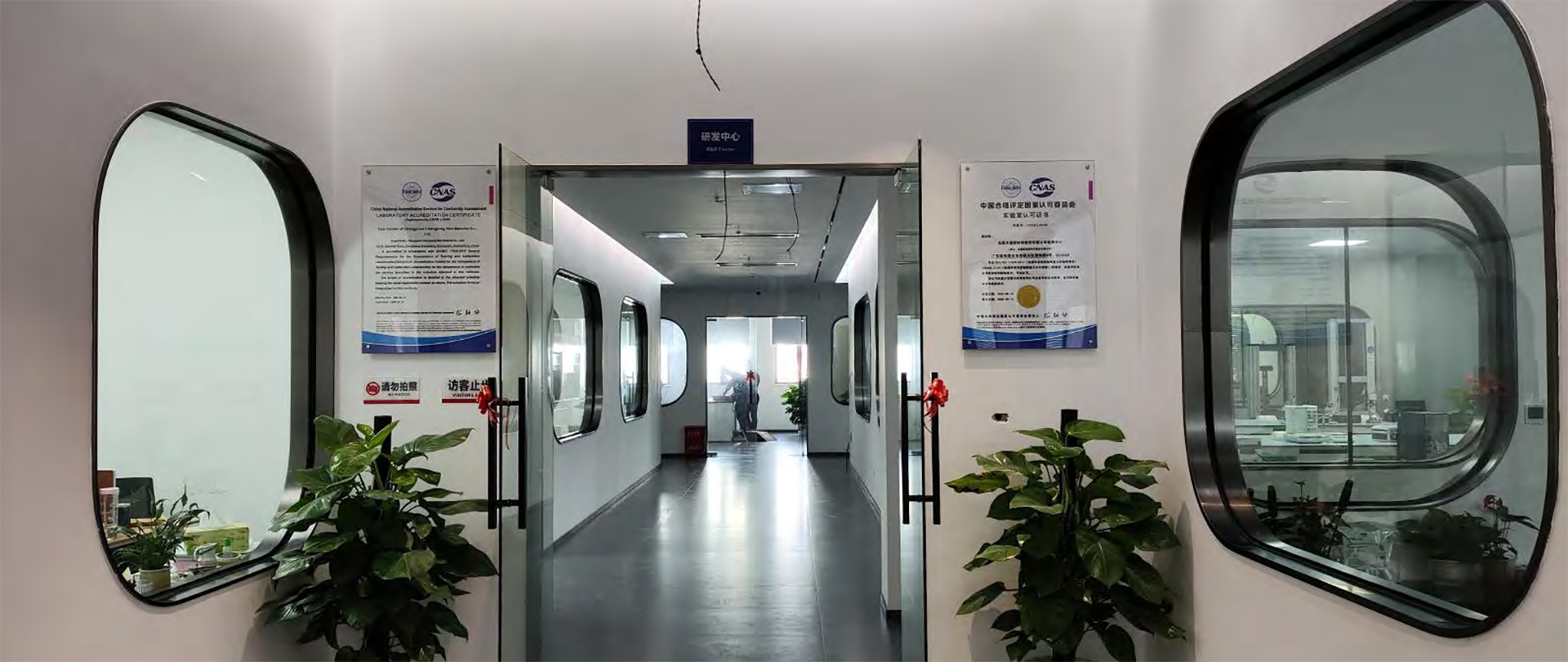
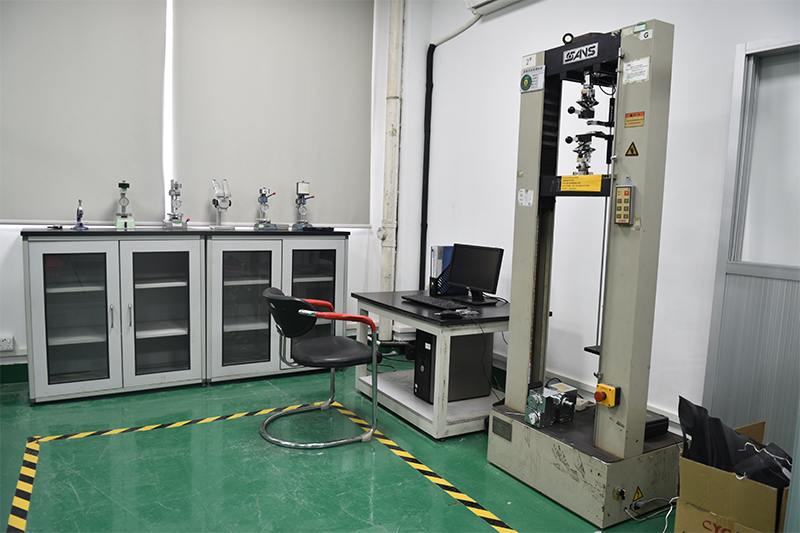
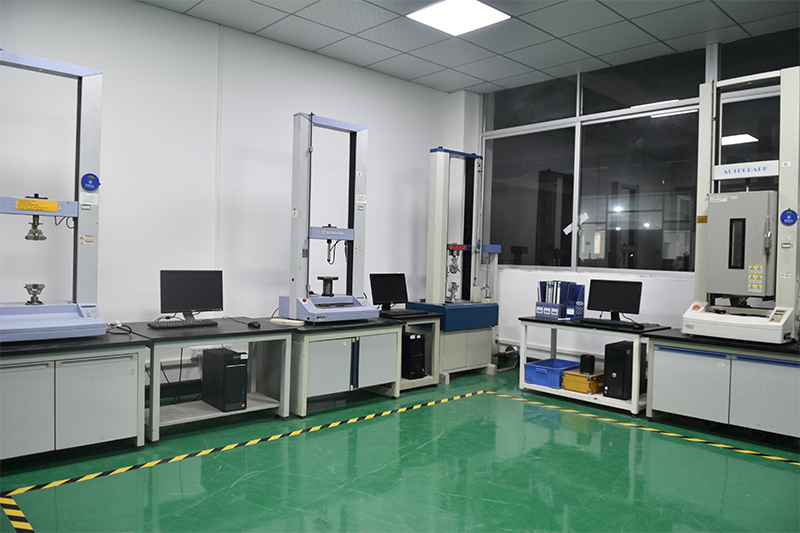
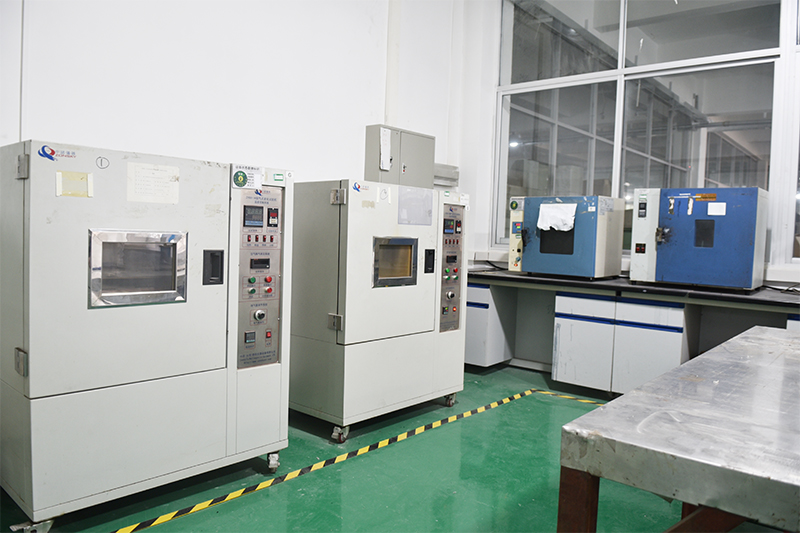
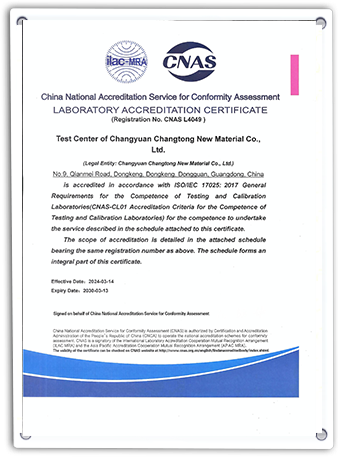
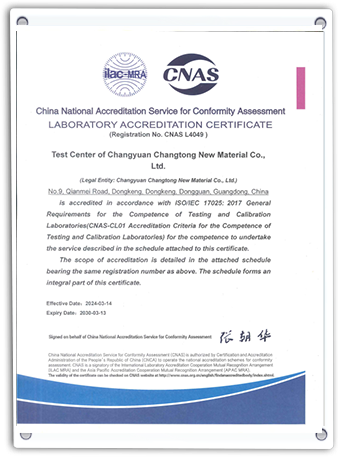
CYCT operates a national CNAS-accredited laboratory, ensuring every batch of raw polyethylene, polypropylene, viscoelastic mastic, and epoxy resin meets rigorous ASTM, ISO, and EN standards. Through close collaboration with prestigious research entities, including the **CNPC Pipeline Science Research Institute**, we provide tailored solutions for pipeline design schemes, cathodic protection integration, rehabilitation engineering, and trenchless HDD (Horizontal Directional Drilling) protection.
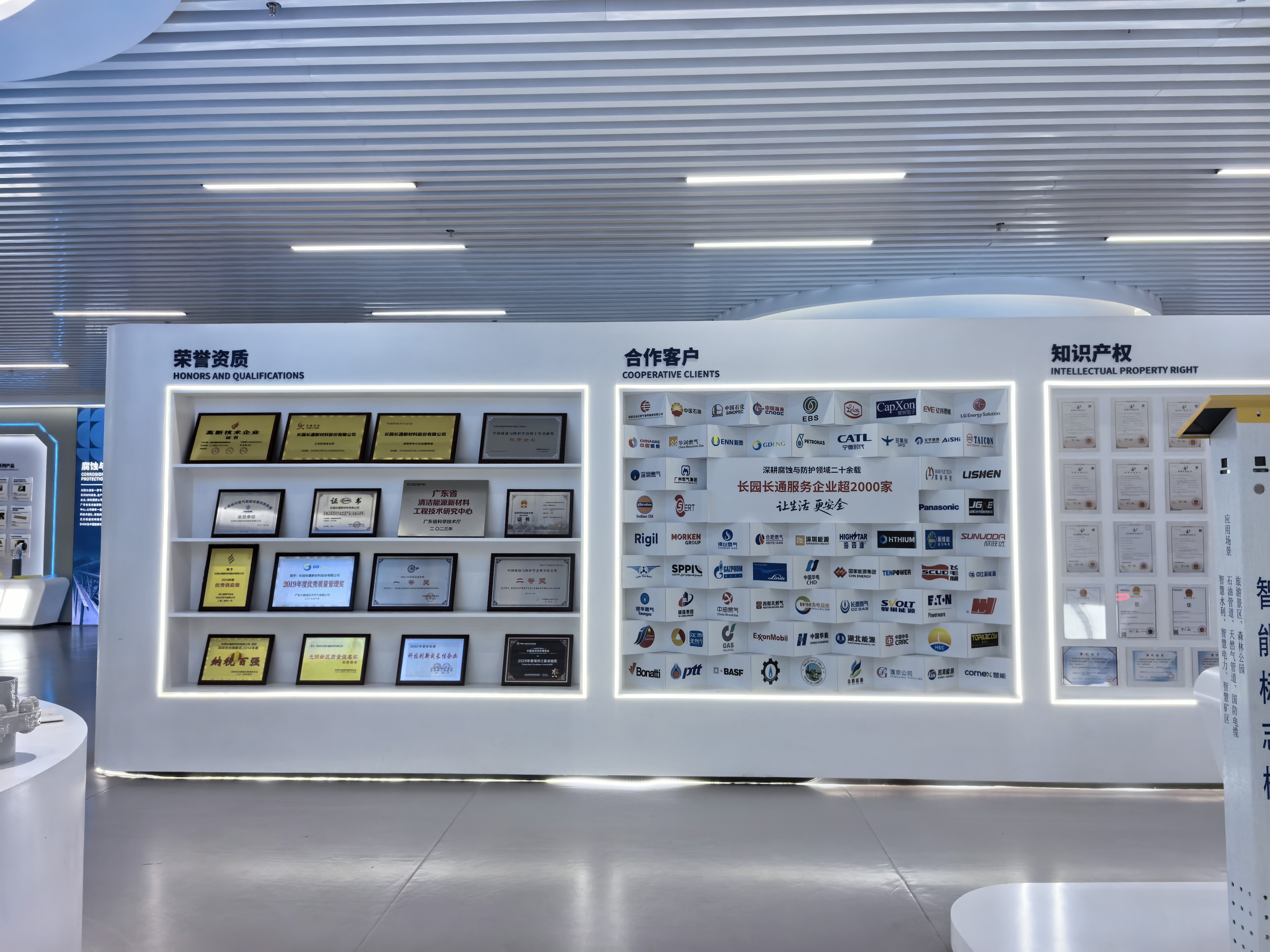
Our long-term supply relationships with global giants like PetroChina, Sinopec, PipeChina, China Gas Group, and Indian Oil stand as a testament to our manufacturing capacity and technical authority.
A deep breakdown of CYCT's core coating chemistry, crosslinking technologies, and mechanical applications.
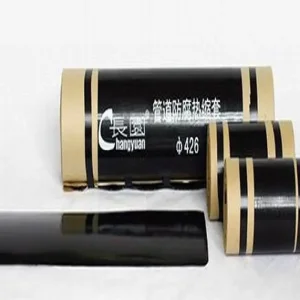
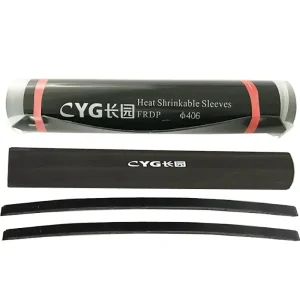
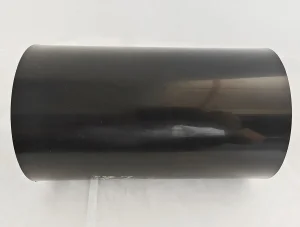
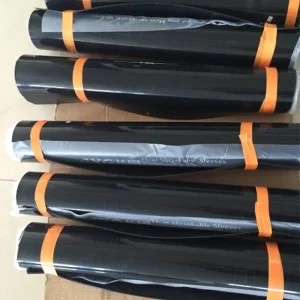
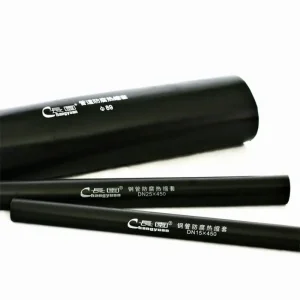
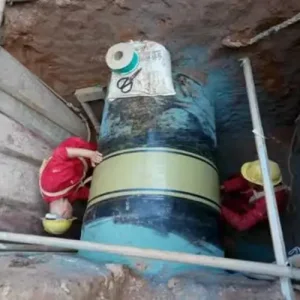
Our radiation-crosslinked polyolefin heat-shrinkable sleeves (such as the FRDP 60C and FRY Series) feature a viscoelastic backing coupled with an engineered hot-melt adhesive layer. Under heating, the backing's elastic memory triggers shrinkage, wrapping tightly around the pipe joint. The adhesive flows into surface irregularities, providing an impenetrable mechanical barrier conforming to ISO 21809-3 and EN 12068 standards.
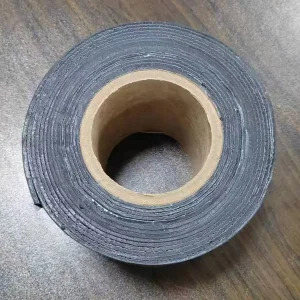
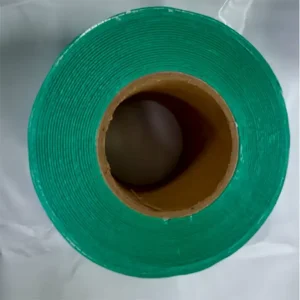
Represented by our FVT95 Fabric Viscoelastic Tape and viscoelastic coatings, these materials exhibit unique liquid-like cold flow characteristics combined with solid elastic behavior. Because they do not cure, they constantly "heal" micro-fissures and remain flexible down to -35°C. With zero susceptibility to cathodic disbondment, they are ideal for valves, flanges, and complex joint geometries.
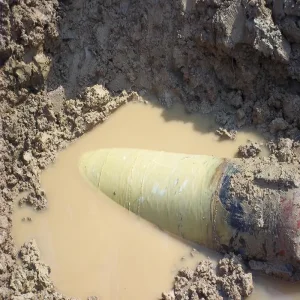
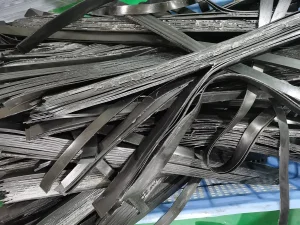
Trenchless directional drilling subjects coatings to extreme shear and abrasion. Our Epoxy FRP Fiberglass Protection Solutions are applied as a secondary reinforcement shield over primary anticorrosion layers (like viscoelastic tape or heat shrinkable sleeves). This outer wrap shrugs off gravel abrasion and rock impact, allowing successful pipeline installation through challenging boreholes.
Tailoring material science to survive localized environmental extremes across the globe.
When routing pipelines beneath rivers, arterial highways, or urban sectors, developers avoid excavation by utilizing Horizontal Directional Drilling. The pull-back phase drags the steel line through a rock-strewn borehole, exposing the field joints to severe mechanical stress. Using CYCT's **Heat-Shrinkable Fiberglass Reinforced Sleeves** combined with an **Epoxy FRP** shield prevents stripping or damage, keeping the anti-corrosion barrier completely intact.
Oil-gas gathering systems near refinery outlets or within desert oilfields frequently transport media at temperatures exceeding 60°C to 80°C. Standard butyl adhesives liquefy and slide under high soil stress at these temperatures. CYCT's FRDX HT PE Repair Patches and high-temp formulation sleeves utilize specialized high-shear hot-melt polymers that maintain structural integrity and adhesion even under sustained thermal load.
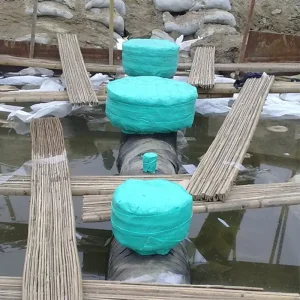
In swampy terrains, salt marshes, or coastal pipelines, water logging keeps the steel pipe constantly wet. Traditional tapes suffer from water-wicking along their edges. The **CYCT Viscoelastic Anticorrosion Coating** system displaces surface moisture due to its hydrophobic chemistry, forming a tight, molecular-level seal that prevents water molecules from reaching the iron matrix.
Rehabilitating aging municipal pipelines requires materials that can be safely applied on-site without heavy machinery. Our **Mastic Tapes** and cold-applied viscoelastic rolls can be easily applied with manual tension wrap tools, assuring rapid installation, safe operations in confined urban zones, and reliable compatibility with legacy tar or epoxy coatings.
Why CYCT delivers consistent quality, competitive pricing, and rapid delivery under pressure.
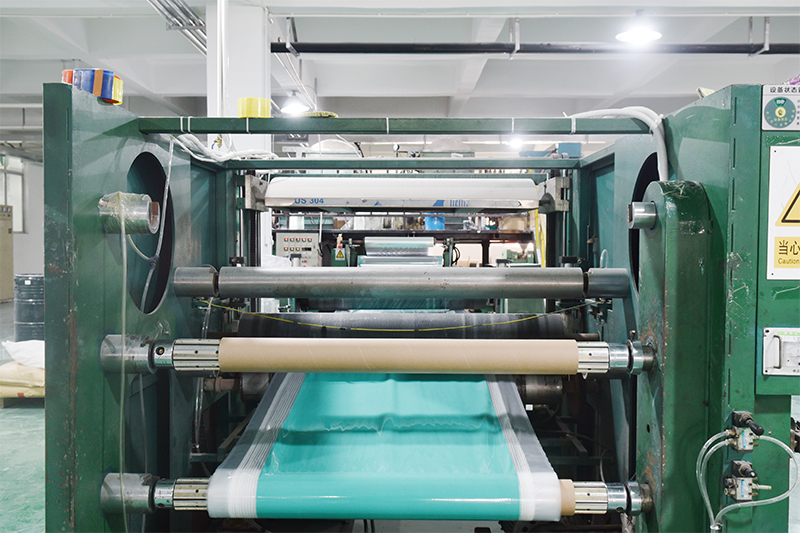
Our domestic integration ensures stable procurement of high-purity raw polymers, butyl rubber bases, and specialized modifiers. Unaffected by overseas feedstock delays, we maintain continuous output even during volatile market cycles.
Through our CNAS certified laboratory, we run real-time stress testing, peel strength analysis, differential scanning calorimetry (DSC), and holiday detection on all output, ensuring compliance with global specifications.
Located near major international shipping hubs, CYCT coordinates seamless ocean freight, rail-bound overland shipping to Central Asia/Europe, and air logistics for urgent pipeline restoration operations.
Authorized qualifications confirming reliability on every critical project.
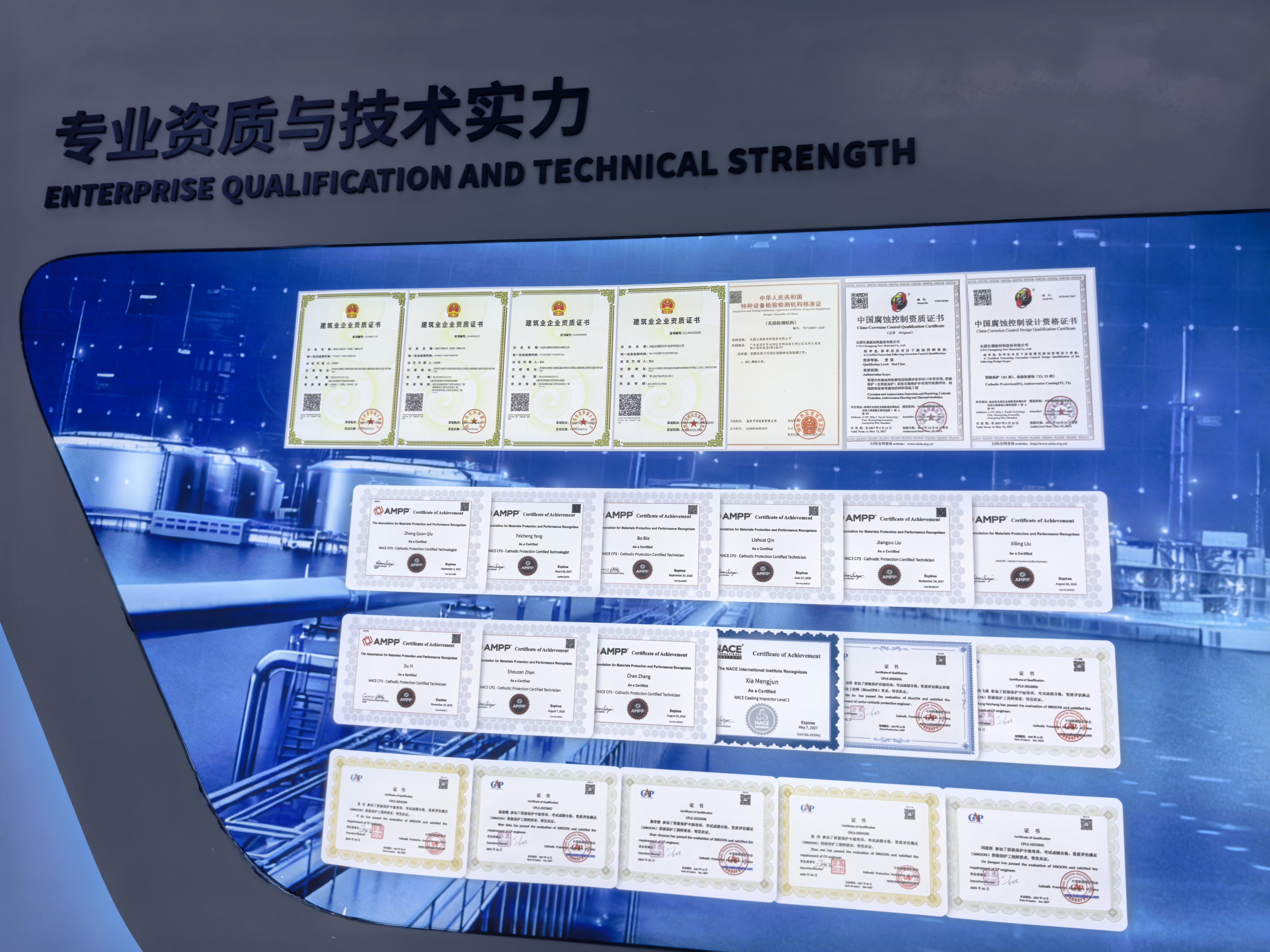
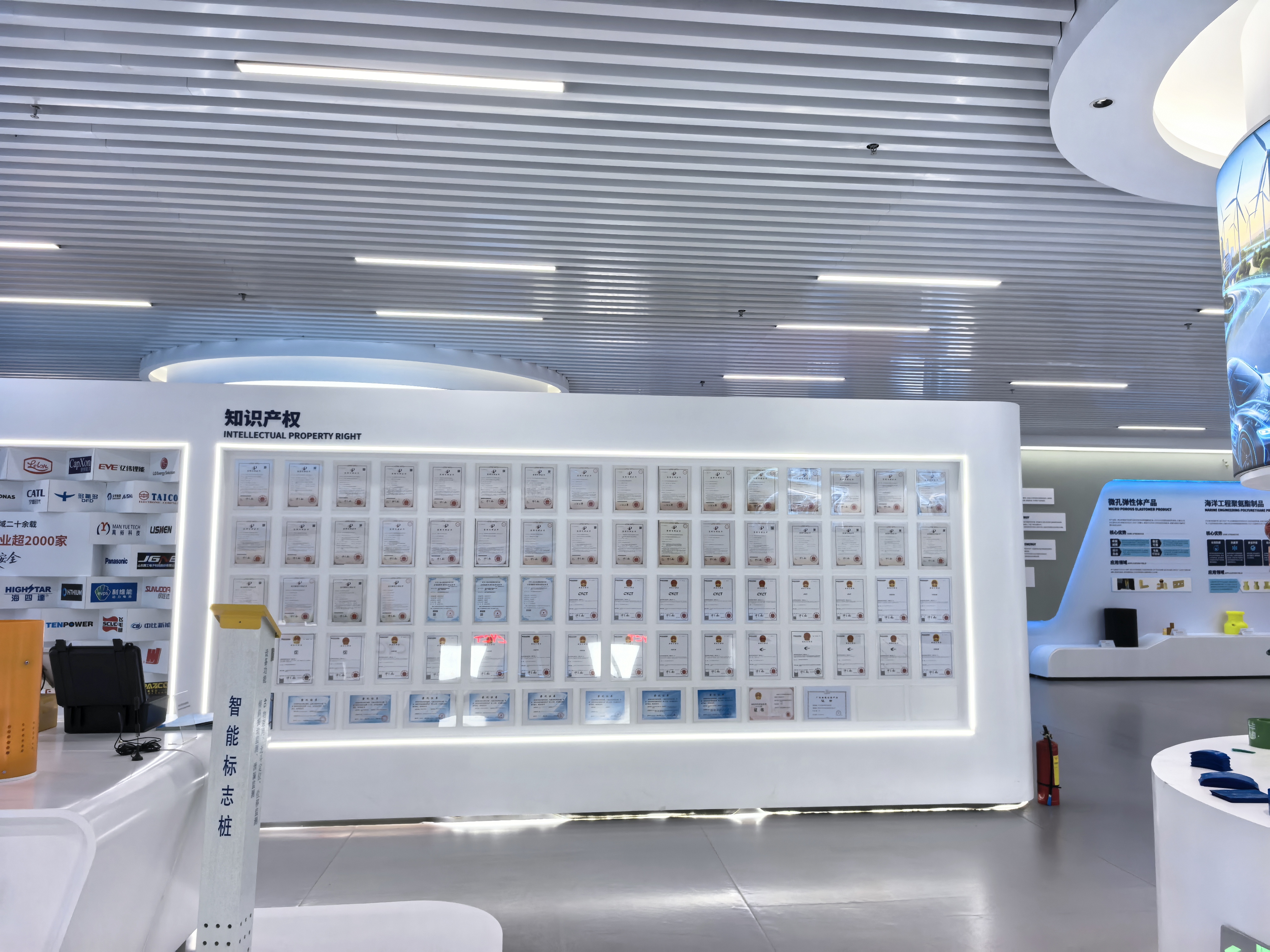
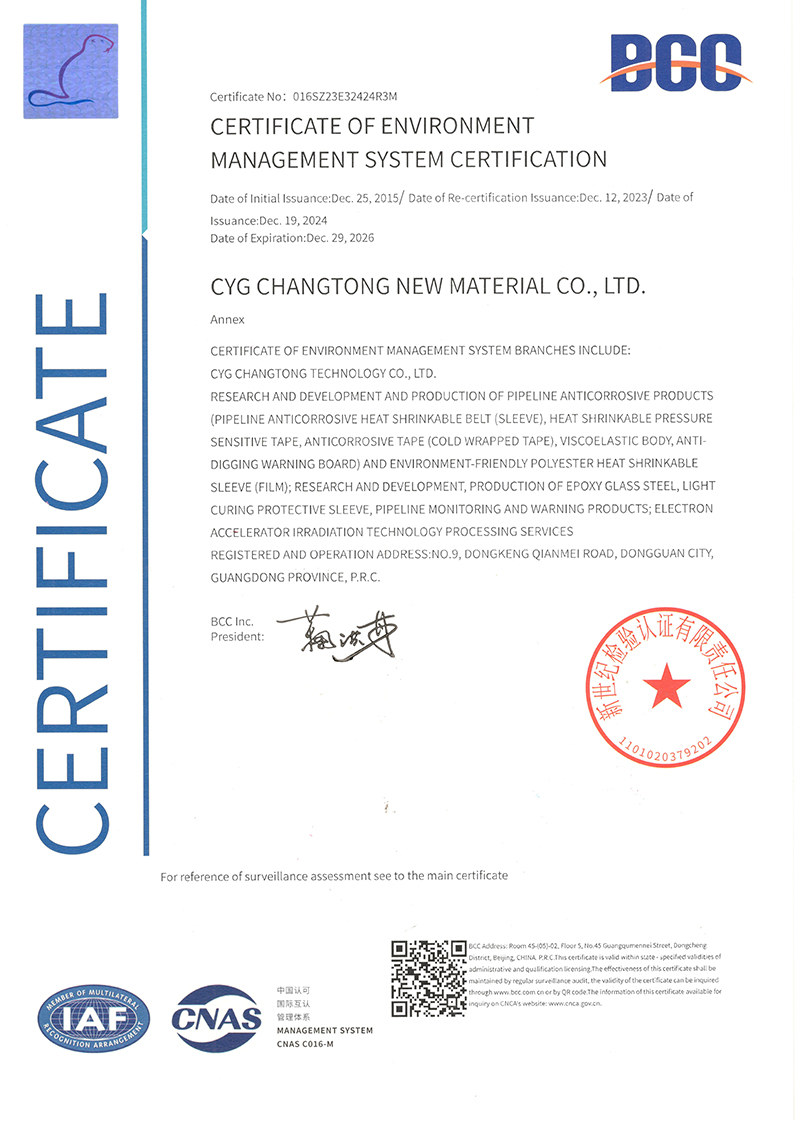
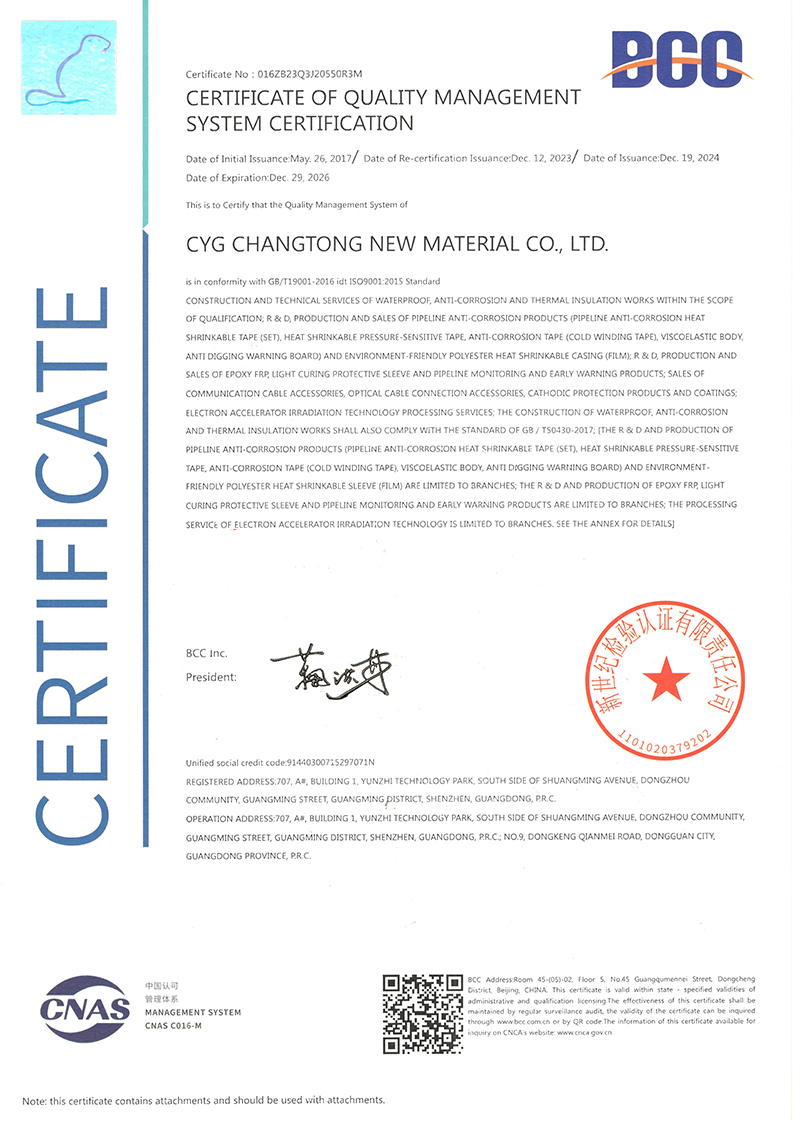
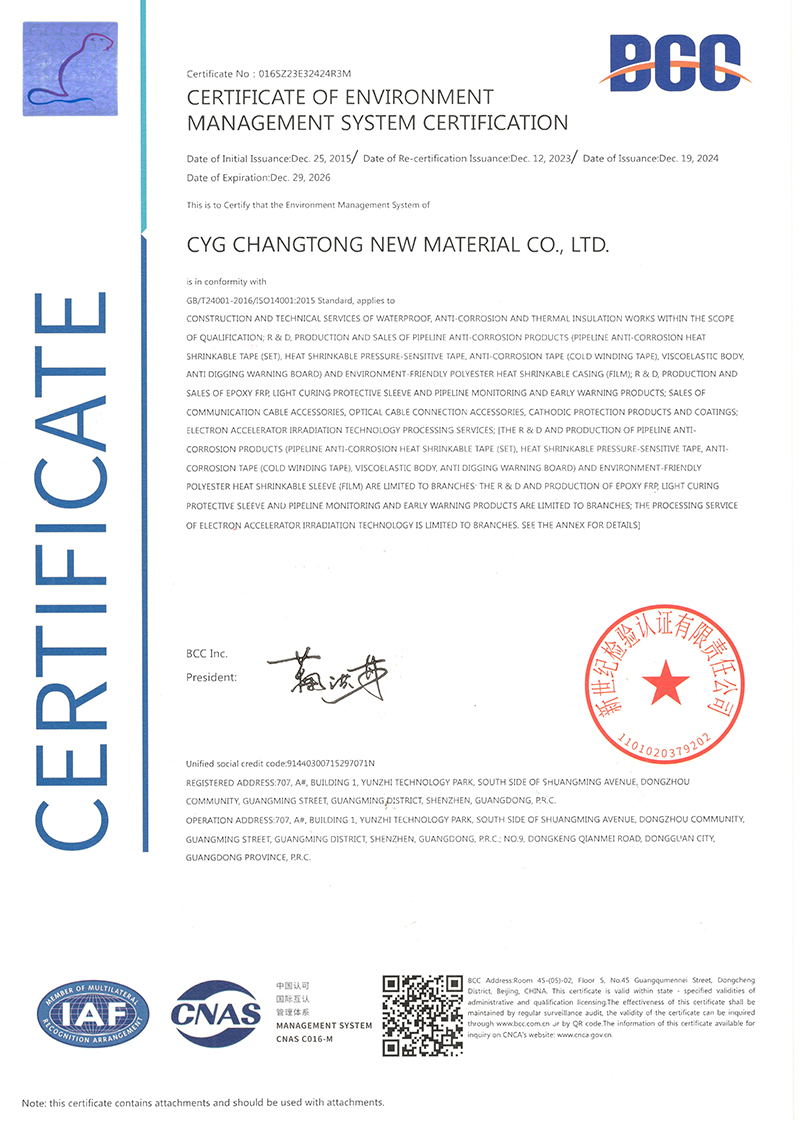
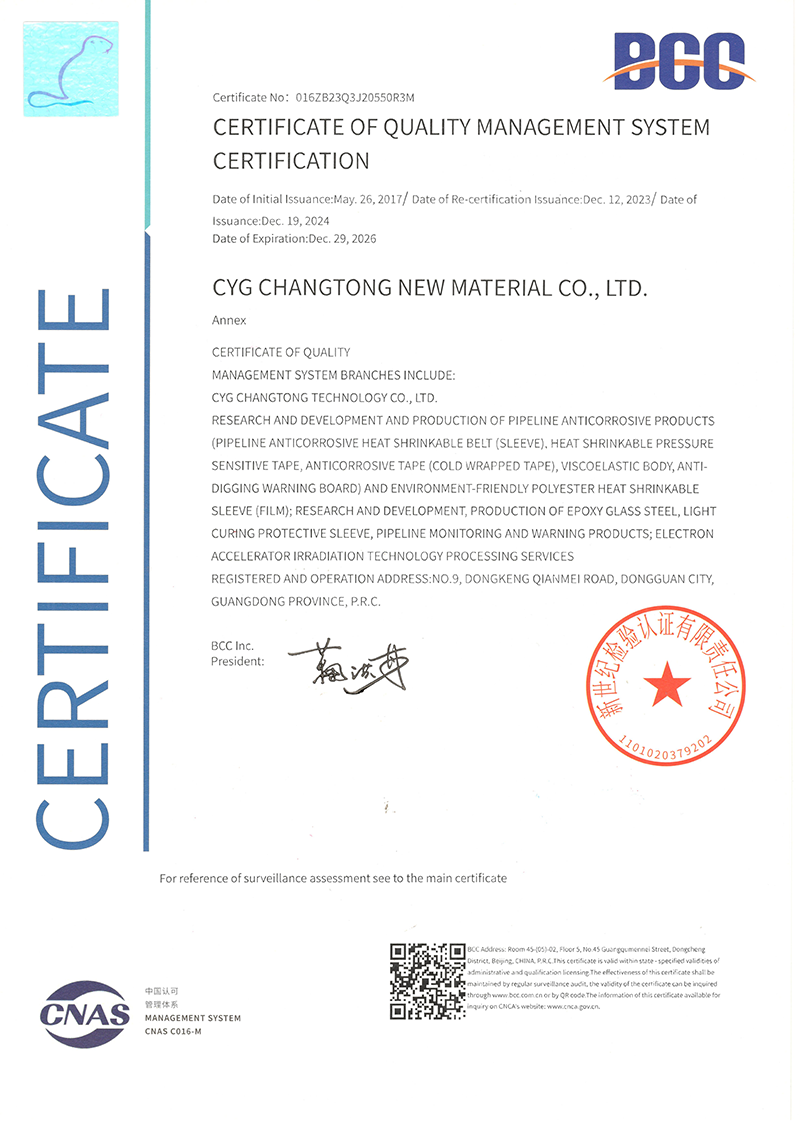
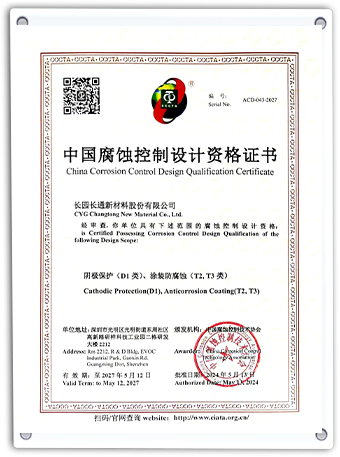
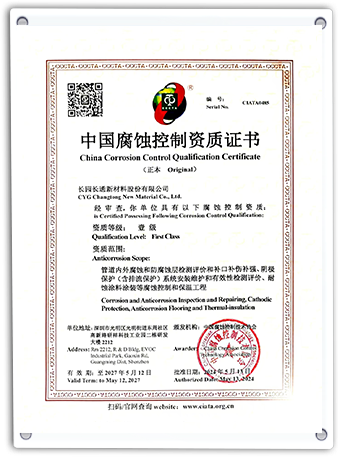
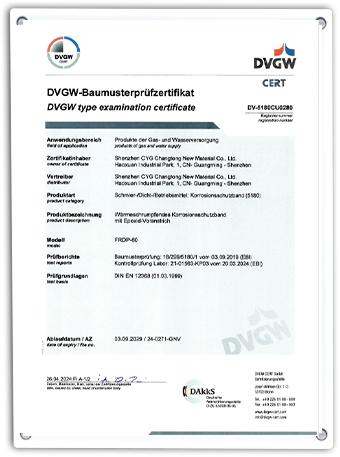
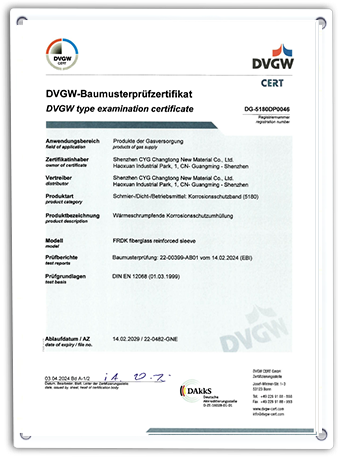
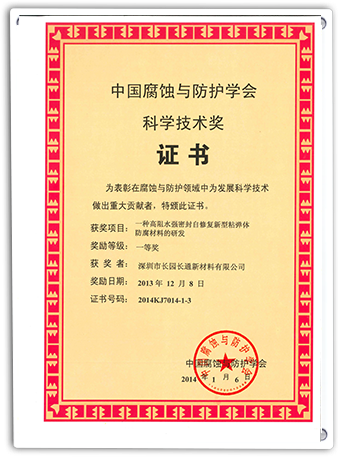
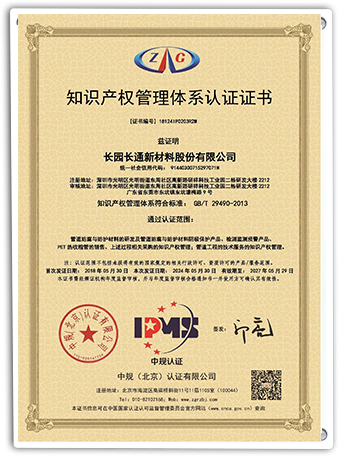
CYCT holds multiple credentials certifying our technical authority: we are a **Member of Council in the Chinese Society for Corrosion and Protection (CSCP)**, possess Qualification Certificates for Corrosion Protection Construction and Pipeline Detection, and are a **Corporate Member of the China Association of Petroleum Engineering Construction (CAPEC)**. Below are our documented company and product certificates:
Technical answers to critical design and application questions in pipeline coating engineering.
Select industrial-grade solutions for HDD crossings, PP joints, and high-temp localized repairs.
 CYCT
CYCT