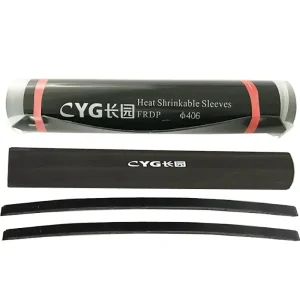
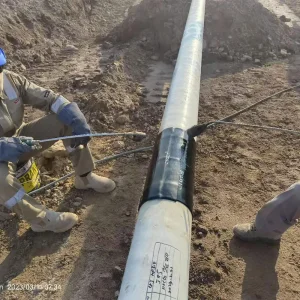
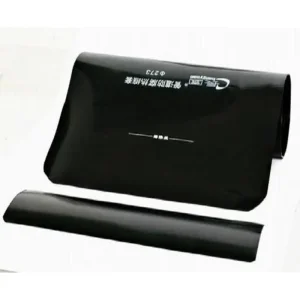
Operating global energy transport networks requires a commitment to durability and pipeline integrity. According to international corrosion engineering standards, soil stress, microbial attacks, and moisture infiltration are constant threats to high-pressure oil, gas, and water transmissions. Viscoelastic tapes, polyethylene (PE) outerwraps, and heat shrinkable sleeves form the frontline defense against pipeline degradation.
Pipeline repair tape systems do not simply seal; they create an active barrier against moisture transport, resisting cathodic disbondment under extreme soil dynamics. Whether implementing field joint coatings during new construction or rehabilitating aging pipes, selecting high-performance, heat-shrinkable materials reduces operational risk and protects your long-term infrastructure investment.
Decisive performance parameters of multi-layered pipeline coatings, heat-shrinkable sleeves, and cold-applied viscoelastic tapes.
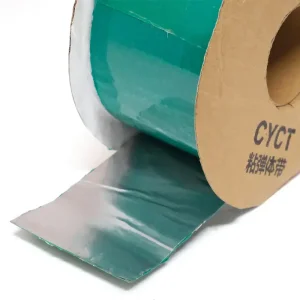
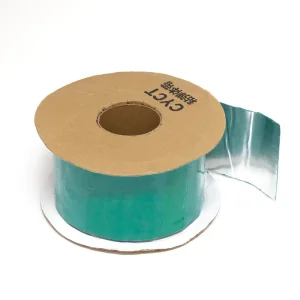
Viscoelastic materials feature cold-flow properties that allow them to flow into microscopic substrate profiles. This ensures complete surface wetting, eliminating air voids. Combined with an aluminum foil or PE backing, this system offers self-healing properties that resist chemical permeation and cathodic disbondment.
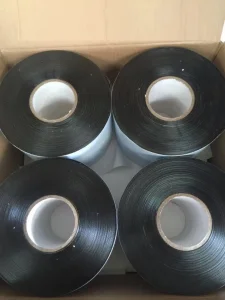
Polyethylene backing material undergoes irradiation cross-linking, which enhances its structural memory, tensile strength, and impact resistance. Formulated with UV stabilizers and high-performance butyl rubber adhesives, our PE tapes maintain their elastomeric seal in direct sunlight and under soil stress.
Designed for operations up to 85°C and higher, polypropylene field joint systems provide excellent shear resistance. They are ideal for high-operating-temperature gas transmission pipelines and deep geological installations where standard polyethylene coatings might degrade.
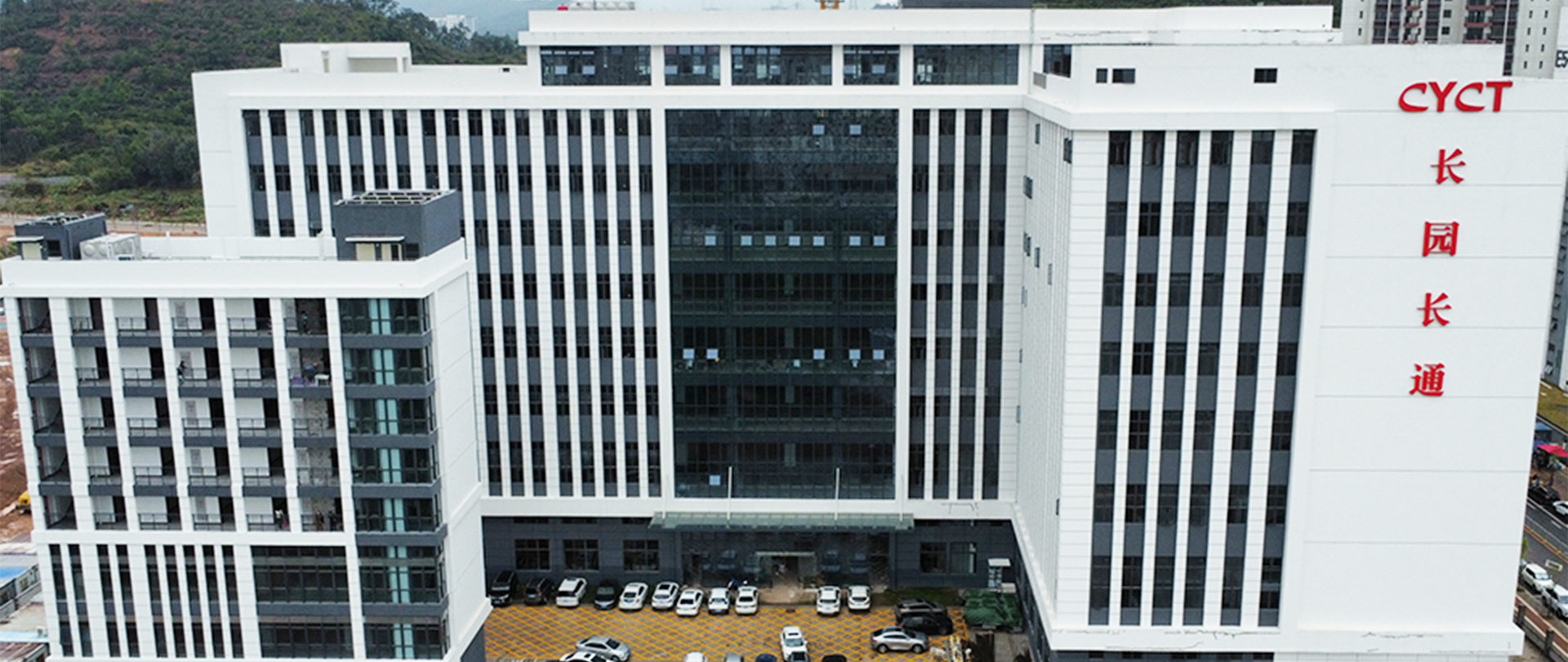
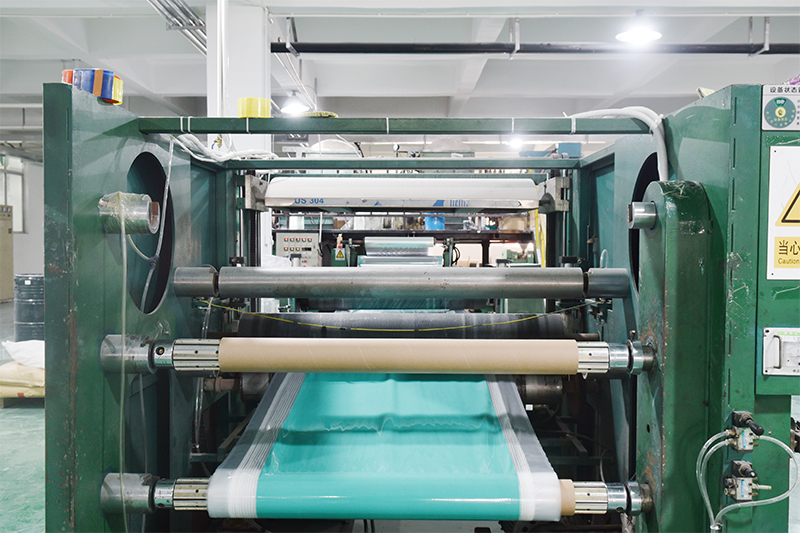
CYCT operates a fully integrated manufacturing facility, managing every step from raw material formulation and polymer compounding to backing extrusion, adhesive coating, and final spooling. This end-to-end control minimizes production variance, ensuring consistent quality for large-scale infrastructure projects.
Our facility features high-capacity extrusion lines, automated hot-melt coating machinery, and precision slitting systems. This production capability allows us to shorten lead times for global pipeline tenders, keeping projects on schedule. By souring raw materials locally and utilizing automated processes, we provide high-performance corrosion mitigation solutions at a competitive total cost of ownership.
Engineered to perform in demanding environmental conditions, from sub-zero soils to high-salinity marine environments.
HDD pull-back operations expose pipe coatings to severe friction and rock damage. Our photocurable outer sleeves and heavy-duty shrinkable systems act as a protective barrier, keeping the primary corrosion coating intact during installation.
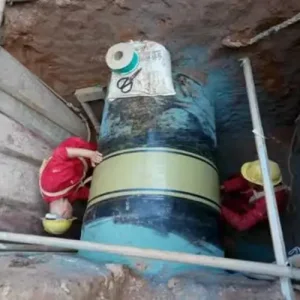
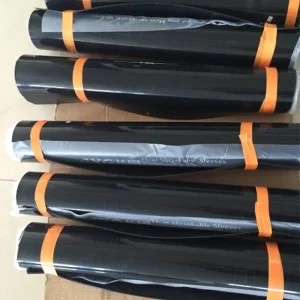
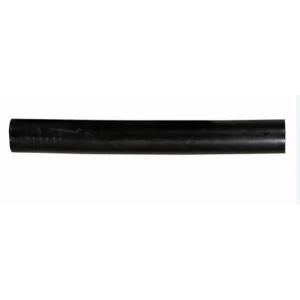
Field-welded pipeline joints are highly vulnerable to localized corrosion. Our heat shrinkable wraparound sleeves replicate the protection of factory-applied 3LPE/3LPP coatings, establishing a continuous protection barrier across the joint.
Coastal and offshore splash zones present high corrosion risks due to constant moisture and chlorides. Viscoelastic tapes and waterproof outer mastics prevent chloride penetration, protecting critical valves, flanges, and piping.
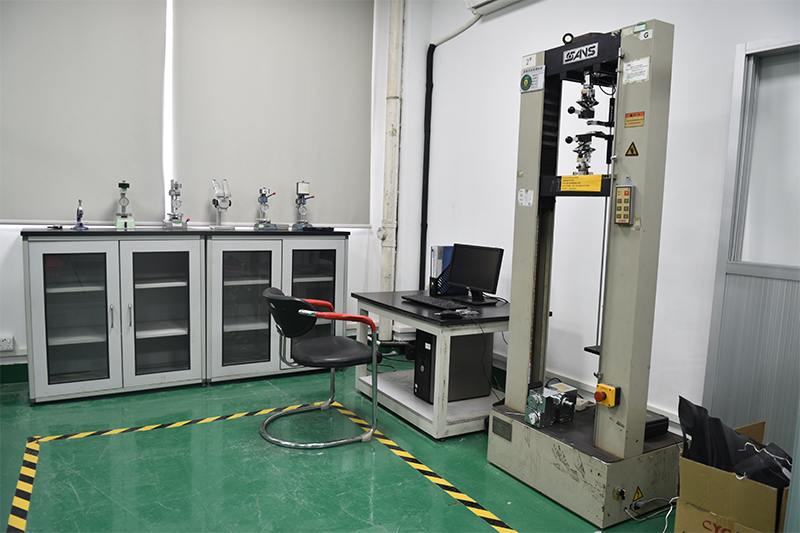
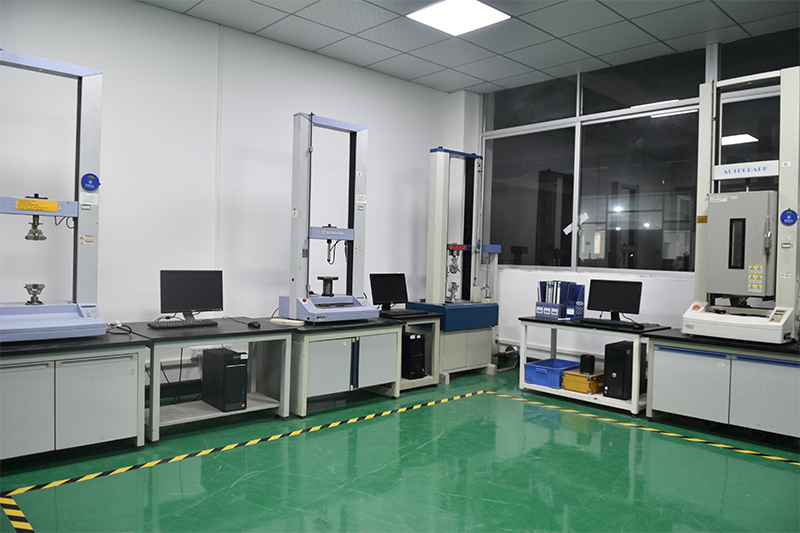
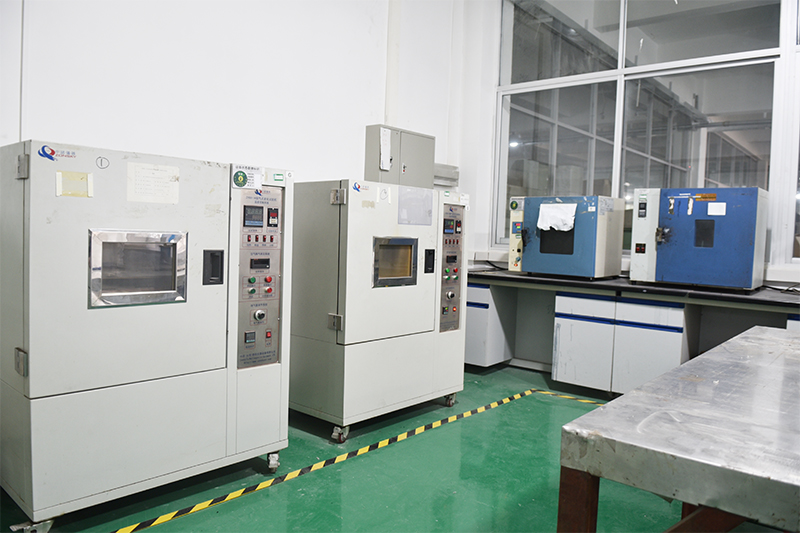
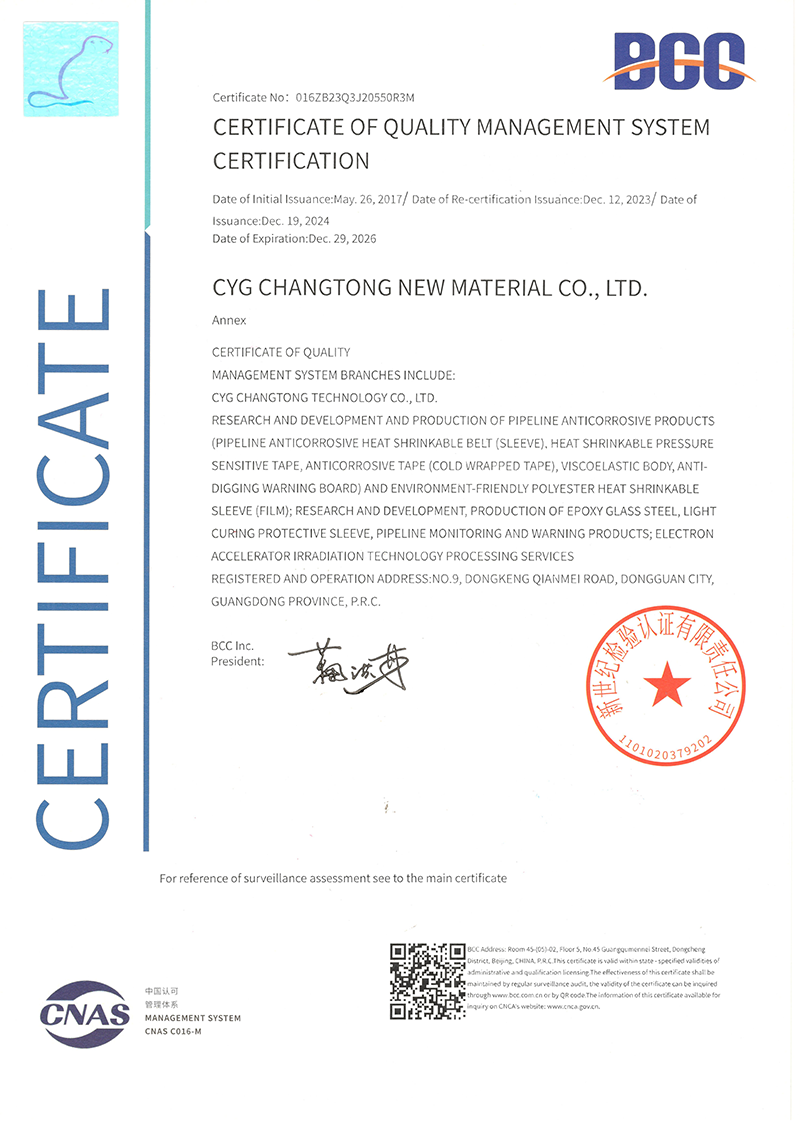
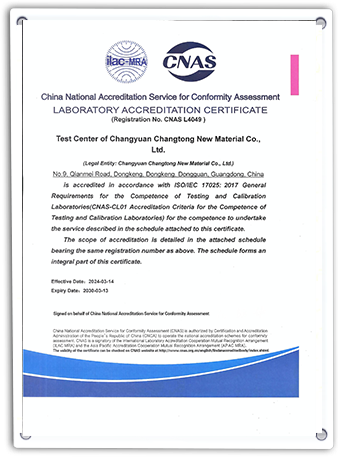
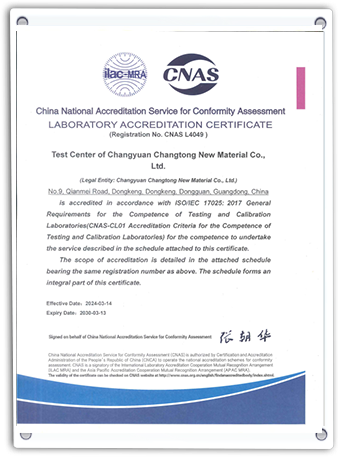
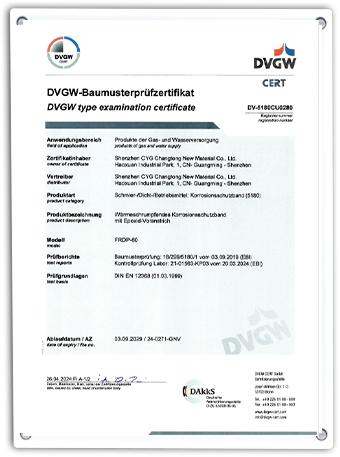
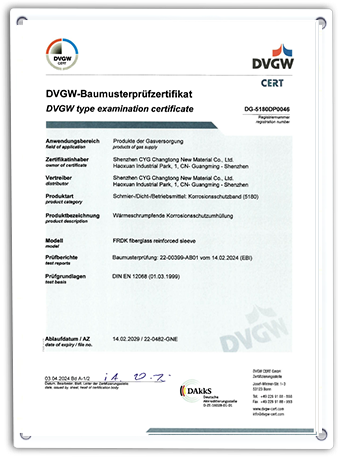
CYCT's anti-corrosion products are manufactured to meet major global engineering specifications, including ISO 21809-3, EN 12068, and AWWA C214. Our laboratory is accredited to national CNAS standards, allowing us to perform rigorous internal testing for cathodic disbondment, peel strength, shear resistance, and heat aging.
We supply pipeline materials directly to major energy operators like PetroChina, Sinopec, PipeChina, China Gas Group, and Indian Oil. Through our technical support team, we assist procurement managers with material specification reviews, custom roll dimensioning, and logistics coordination for cross-border projects.
State-level high-tech enterprise integrating R&D, production, sales, and service.
CYCT New Materials Company Limited (for short, CYCT) is a state-level high-tech enterprise integrating R&D, production and sales of pipeline corrosion protection materials as well as buried pipeline detection service and pipeline coating field application service into one. CYCT devotes itself to R&D, production and sales of pipeline corrosion protection materials for decades.
CYCT owns leading testing and R&D capabilities, a professional R&D team, and a national CNAS-accredited laboratory. We are a stable supplier of field joint coatings for years in PetroChina, Sinopec, PipeChina and local pipelines and hold a very high market share. Furthermore, CYCT has successfully developed and introduced a number of specialty corrosion protection materials such as visco-elastic anticorrosion materials, special photo-curing sleeves for HDD protection and polyurea coatings.
Through close cooperation with leading research institutes like the CNPC Pipeline Science Research Institute, CYCT provides in-service pipelines with varied technical services, including buried pipeline detection, design schemes, cathodic protection, rehabilitation projects, and integrated pipeline safety solutions.
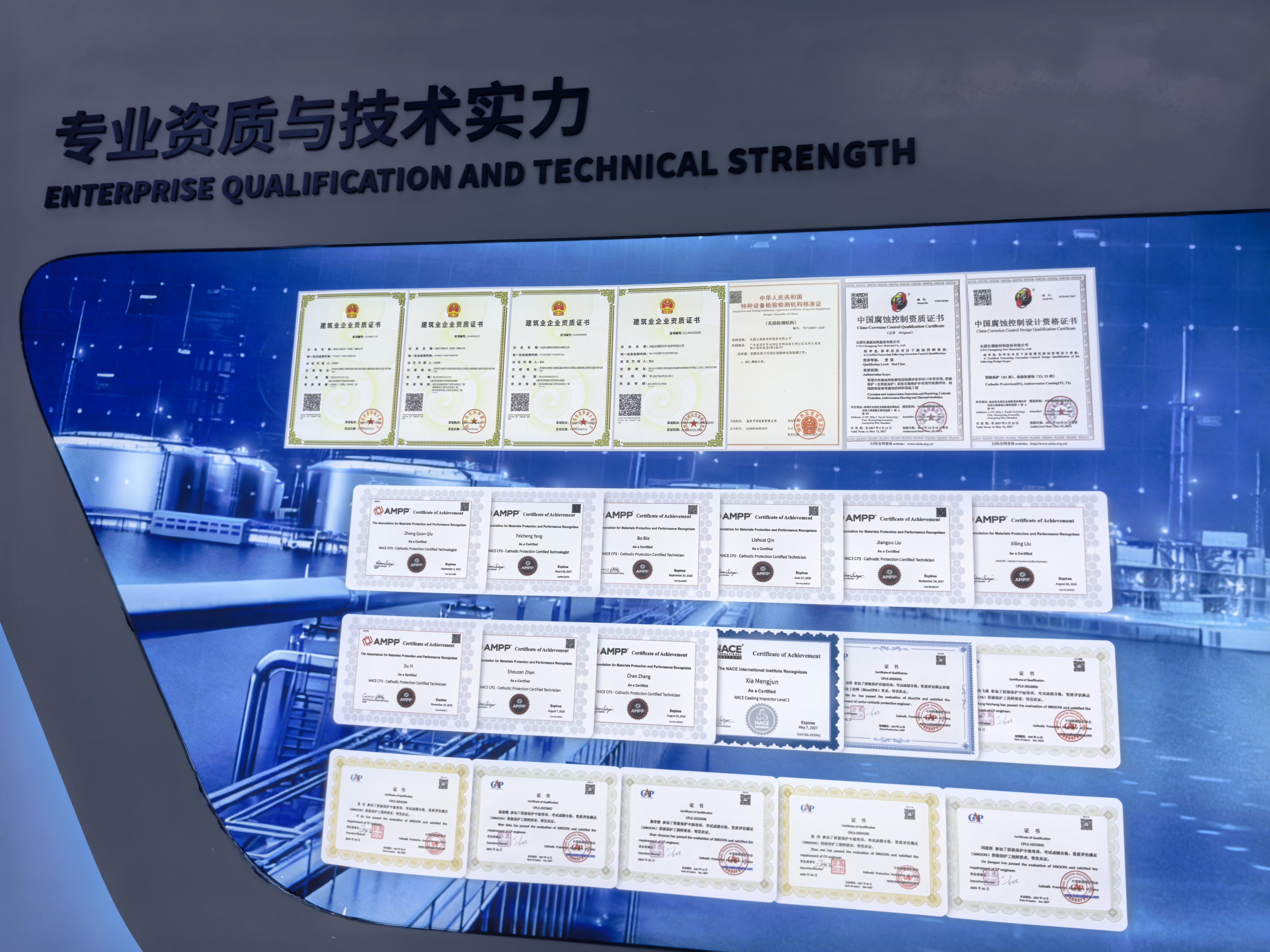
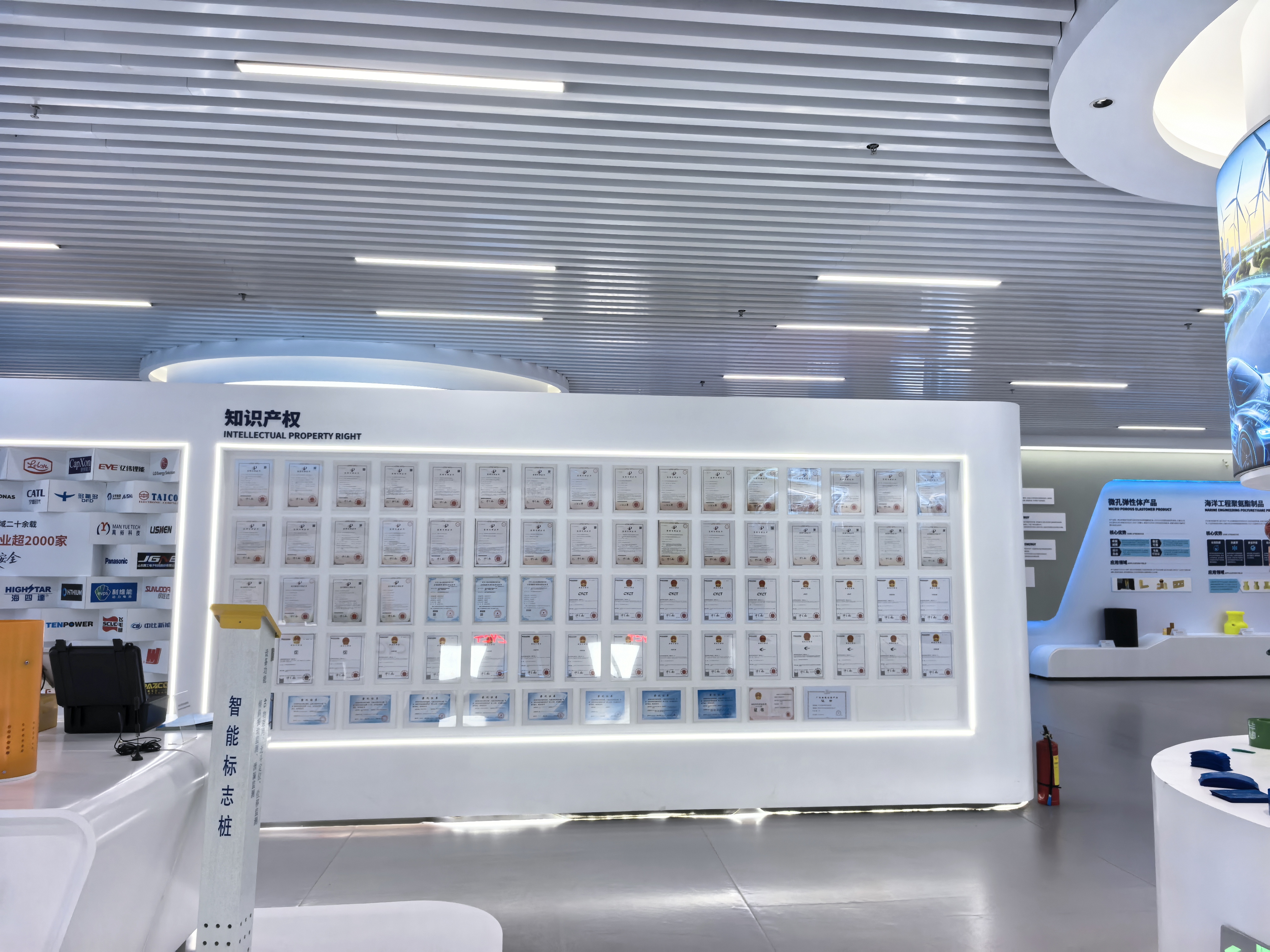
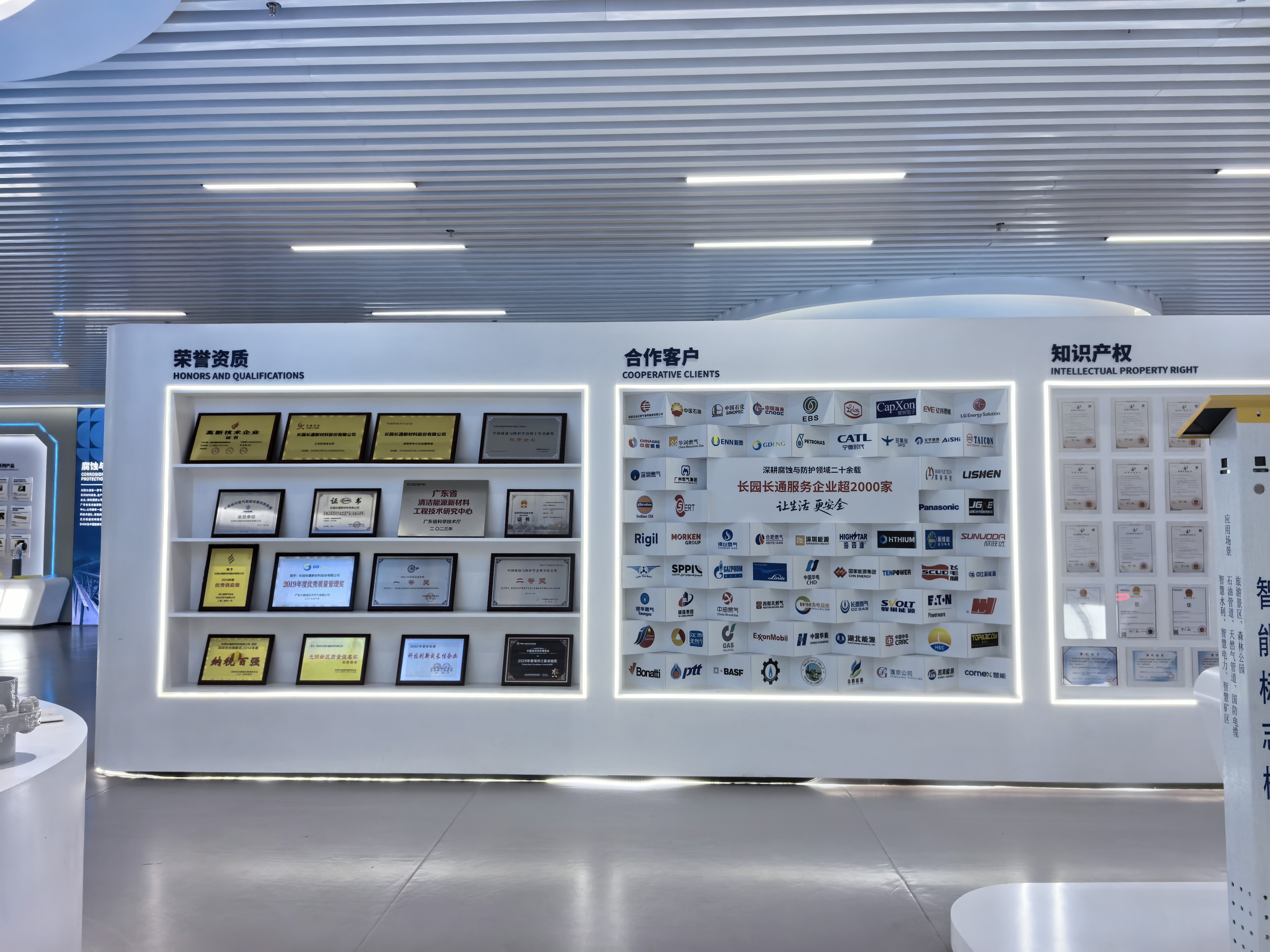
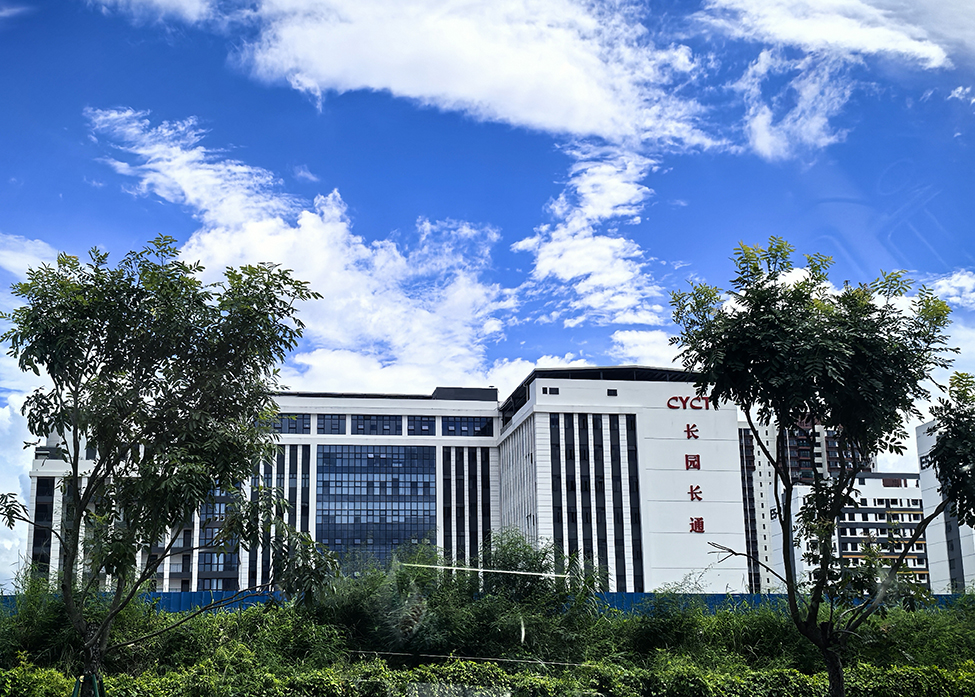
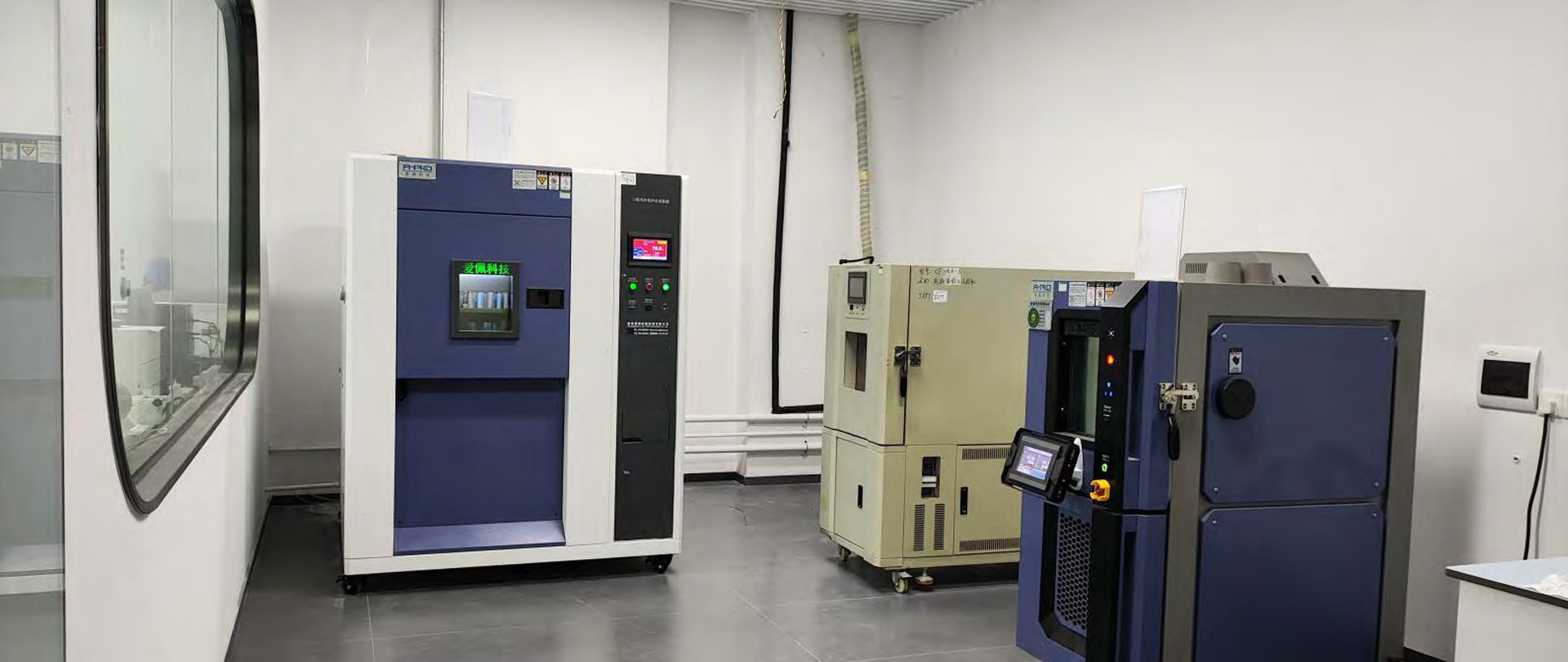
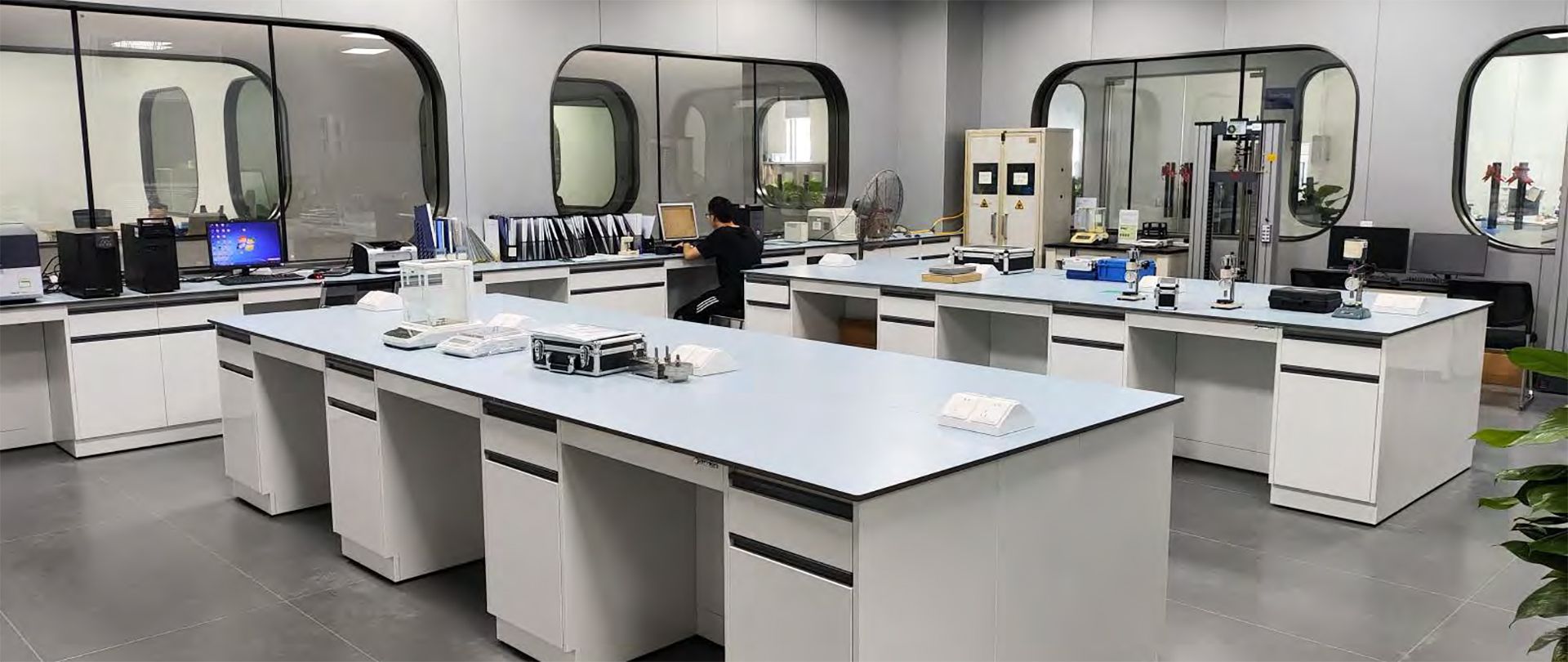
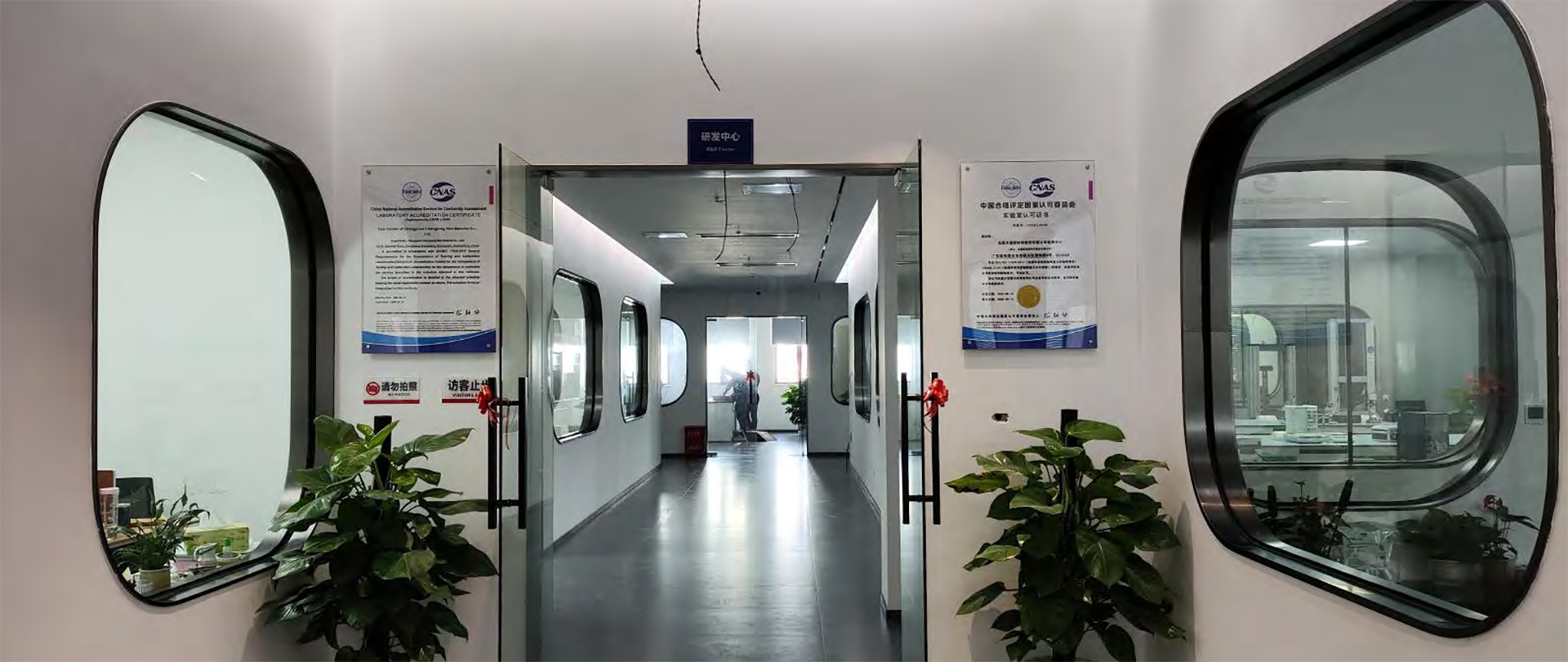
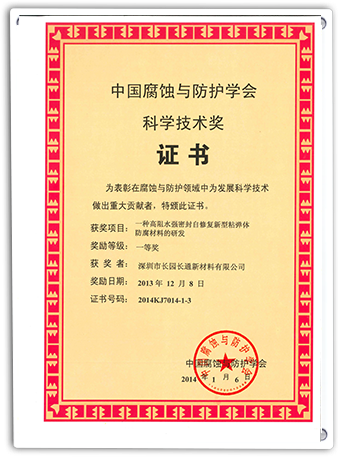
Member of Council in Chinese Society for Corrosion and Protection (CSCP). Qualified Supplier of Major Petrochemical Groups.
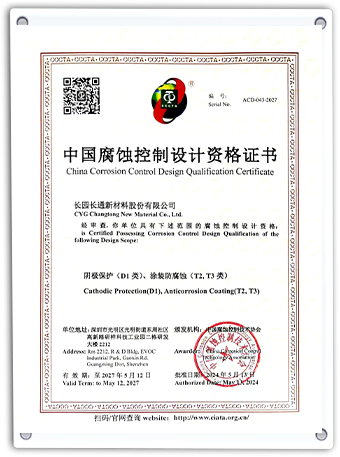
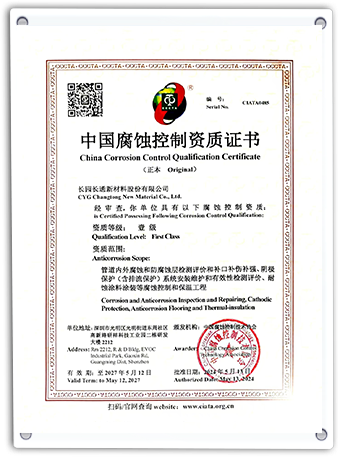
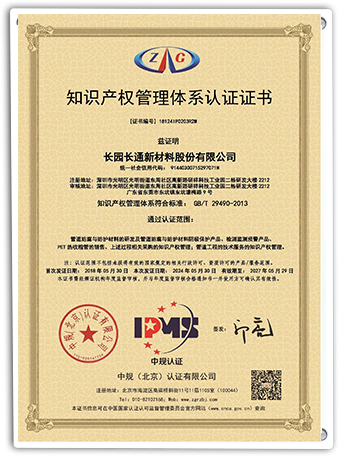
Member of Council in Chinese Society for Corrosion and Protection (CSCP), Qualification Certificate of Corrosion Protection Construction, Qualification Certificate of Pipeline Detection, Well-known Brand of Pipeline Corrosion Protection in China, Corporate Member of China Association of Petroleum Engineering Construction (CAPEC), State-Level High-Tech Enterprise with more than ten proprietary intellectual property rights, Stable supplier of PetroChina, Stable supplier of Sinopec, Stable supplier of China Gas Group, Supplier of Indian Oil.
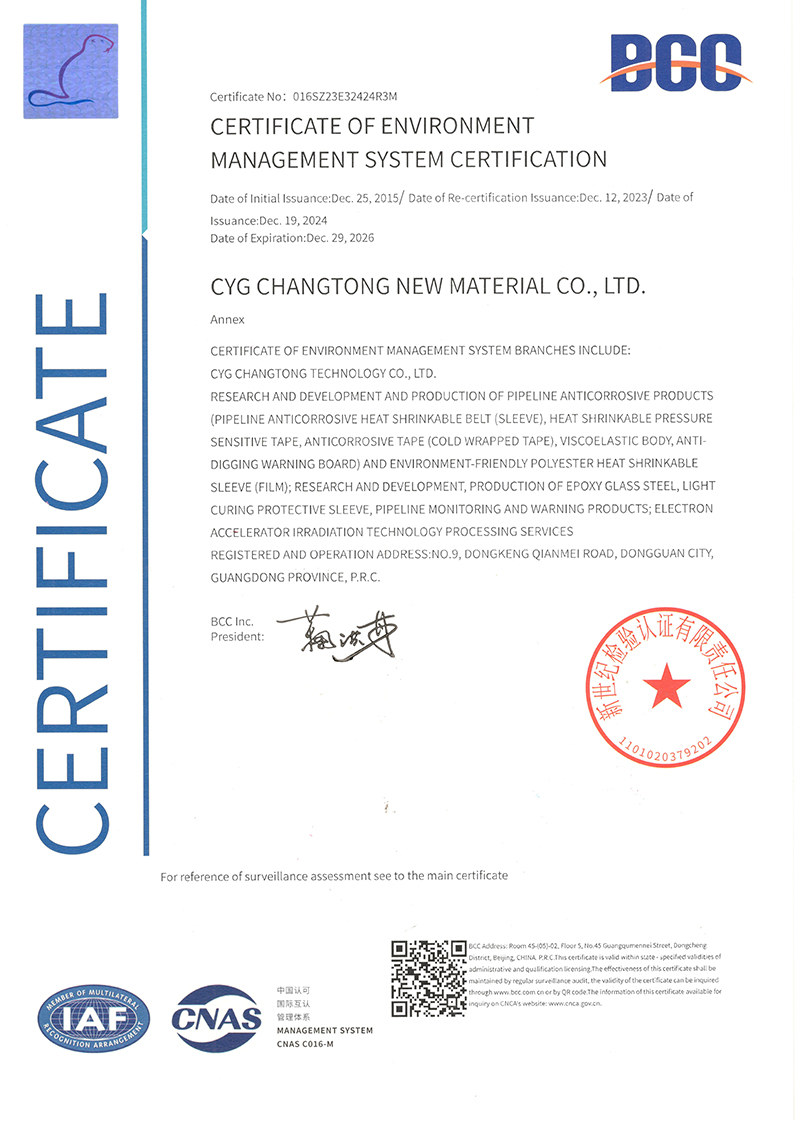
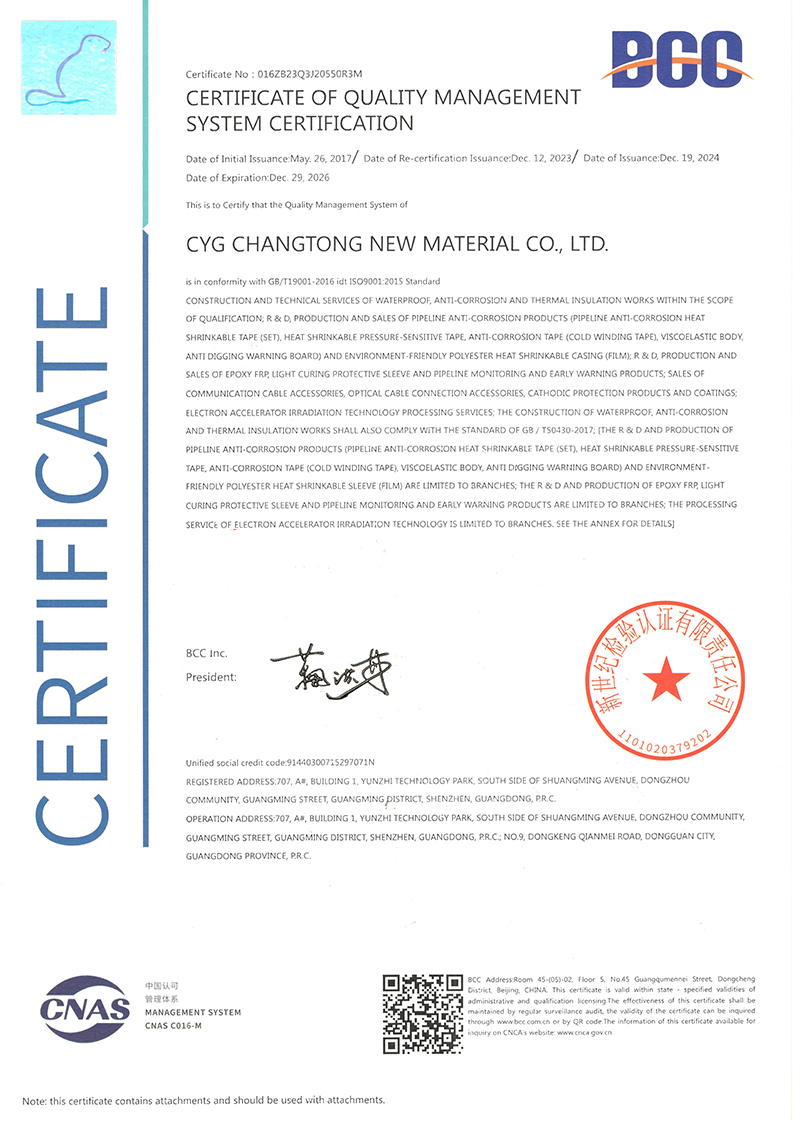
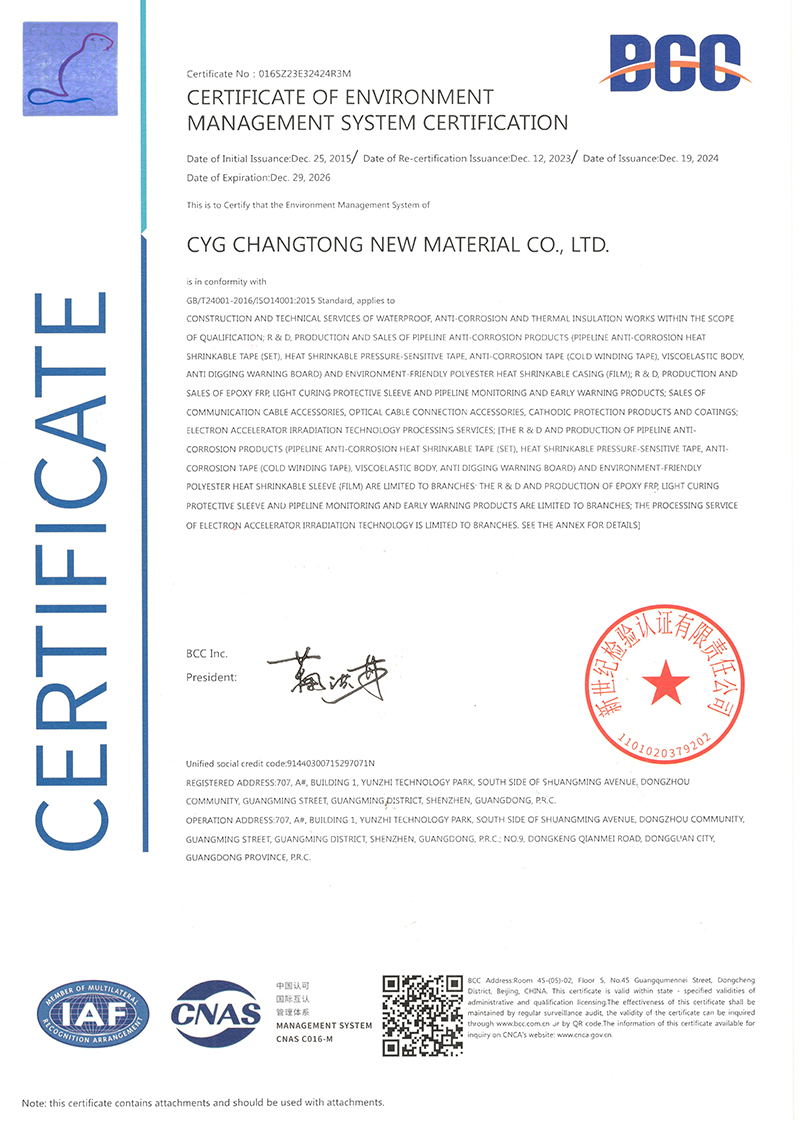
Technical guidance, installation procedures, and specification standards for pipeline repair tape systems.
 CYCT
CYCT