Explore our high-performance field joint protection materials, viscoelastic tapes, and repair solutions certified by leading worldwide inspection authorities.
Evaluating the Strategic and Technological Advantages of Advanced Pipeline Anti-Corrosion Materials Engineered in China
Buried and underwater pipeline infrastructure forms the vascular network of global energy transport, distributing millions of barrels of crude oil, cubic meters of natural gas, and volumes of municipal water daily. The primary threat to this massive asset base is corrosion. Over time, electrochemical and environmental interactions degrade steel infrastructure, presenting high-risk liabilities, environmental hazards, and costly operational shutdowns.
Historically, pipeline operators relied on simple asphalt enamel or basic coal tar coatings. Today, modern engineering demands multi-layer high-performance coatings like 3-Layer Polyethylene (3LPE), 3-Layer Polypropylene (3LPP), Viscoelastic polymers, and Glass-Fiber Reinforced Plastics (GFRP). These materials provide barrier resistance, electrical isolation, and mechanical protection. As a dominant provider of pipeline coating technology, Chinese manufacturing has transitioned from volume-driven production to highly specialized, R&D-led manufacturing, establishing standards recognized globally.
Chinese manufacturers offer unique strategic advantages for international EPC (Engineering, Procurement, and Construction) companies:
Understanding the micro-structure and physical properties of pipe coating materials is essential for reliable procurement:
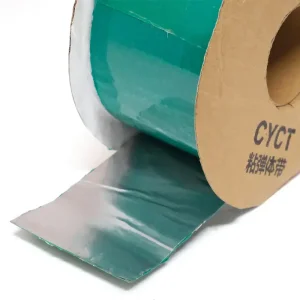
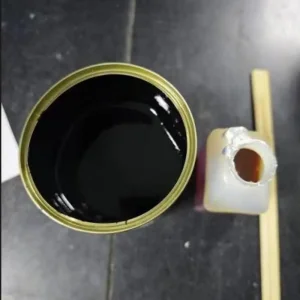
Viscoelastic Coating Systems: Unlike traditional PE tapes, viscoelastic systems display cold-flow properties that "self-heal" minor mechanical damages. Consisting of low-molecular-weight polyisobutylene, these coatings provide excellent wetting behavior on steel surfaces. This keeps the interface free of oxygen and moisture, effectively stopping corrosion.
3-Layer Polypropylene (3LPP) Systems: For high-operating temperatures (exceeding 80°C up to 110°C), Polypropylene is the standard choice. Polypropylene exhibits high mechanical strength, puncture resistance, and chemical stability, making it ideal for deep-well thermal extraction lines and heavy industrial environments.
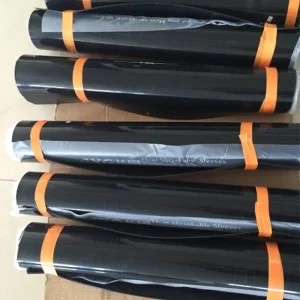
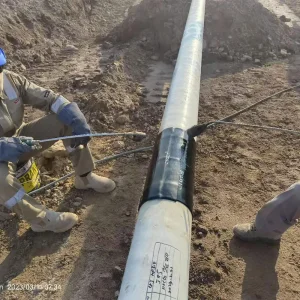
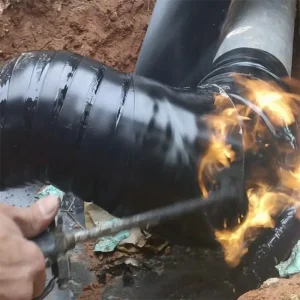
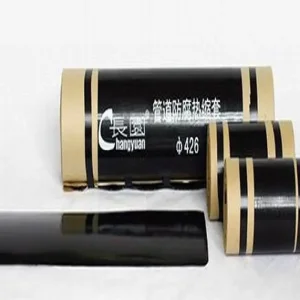
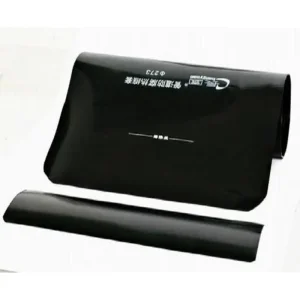
Heat Shrinkable Sleeves (HSS): Engineered with radiation-crosslinked polyolefin backing and heavy-duty hot-melt adhesive, heat shrinkable sleeves are standard for field joint coating (FJC). During installation, heat shrinkable sleeves shrink to form a tight, protective seal over welded joints, maintaining continuity with factory-applied 3LPE/3LPP coatings.
Founded in 2000, CYCT is a state-level high-tech enterprise integrating R&D, production, and service of pipeline corrosion protection.
CYCT New Materials Company Limited (CYCT) has focused on R&D, manufacturing, and sales of pipeline corrosion protection materials for decades. The company integrates buried pipeline detection, design schemes, cathodic protection, rehabilitation projects, and field-applied coating services into a single unified business model.
As an established supplier to PetroChina, Sinopec, PipeChina, and municipal gas networks, CYCT maintains a significant domestic market share. The company has introduced specialty corrosion protection materials, including viscoelastic anticorrosion materials, special photo-curing sleeves for Horizontal Directional Drilling (HDD) protection, and polyurea coatings.
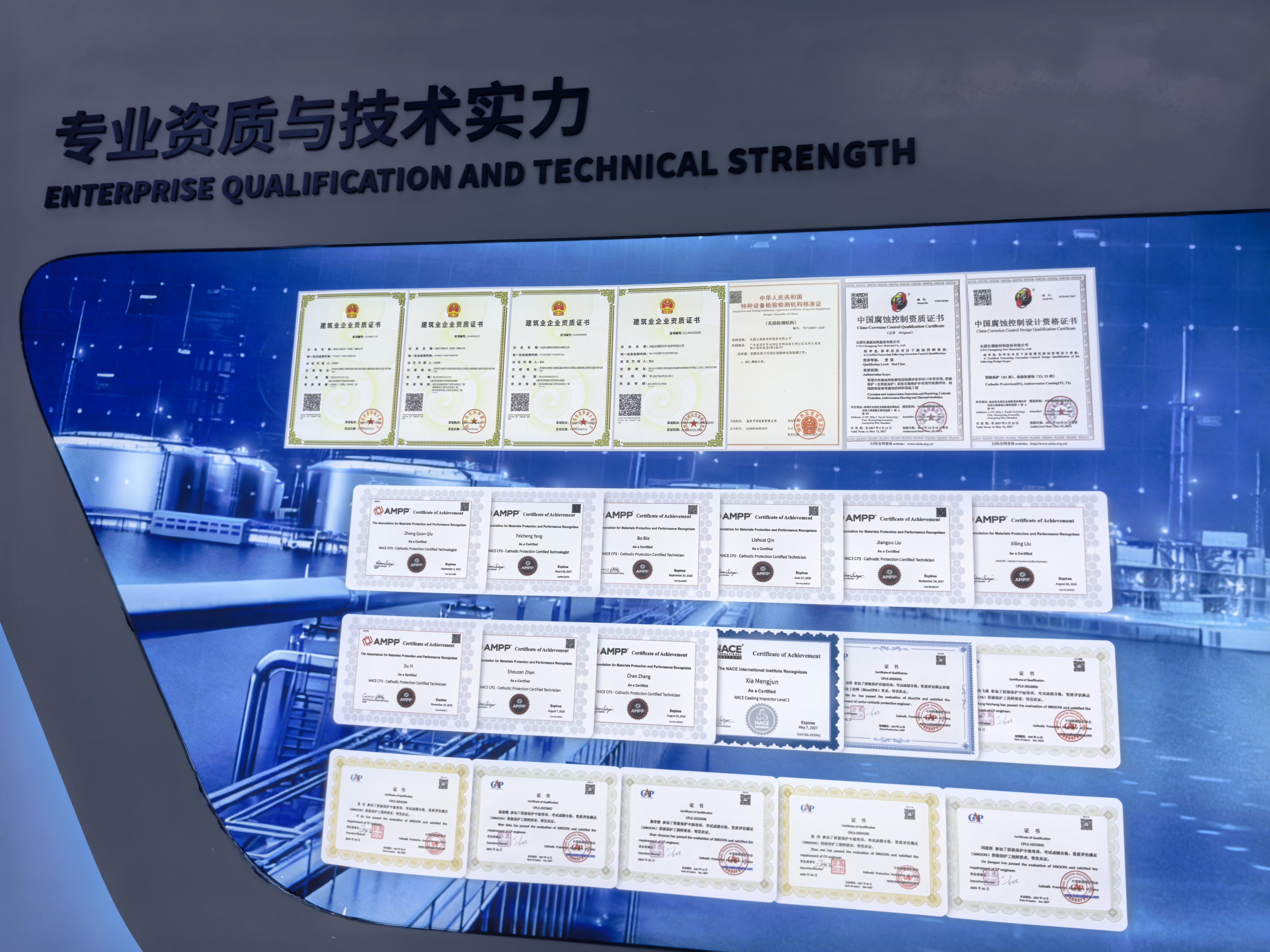
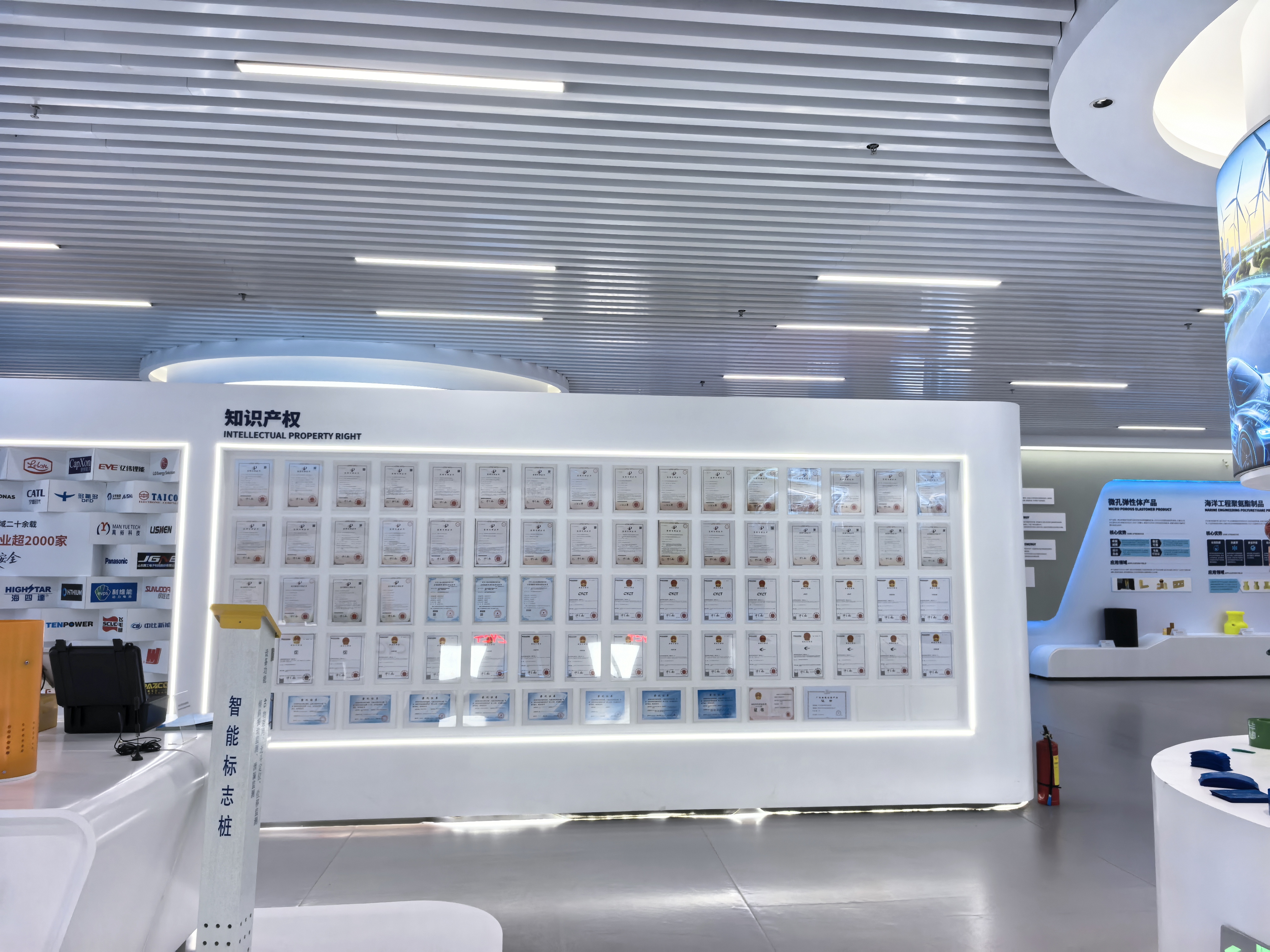
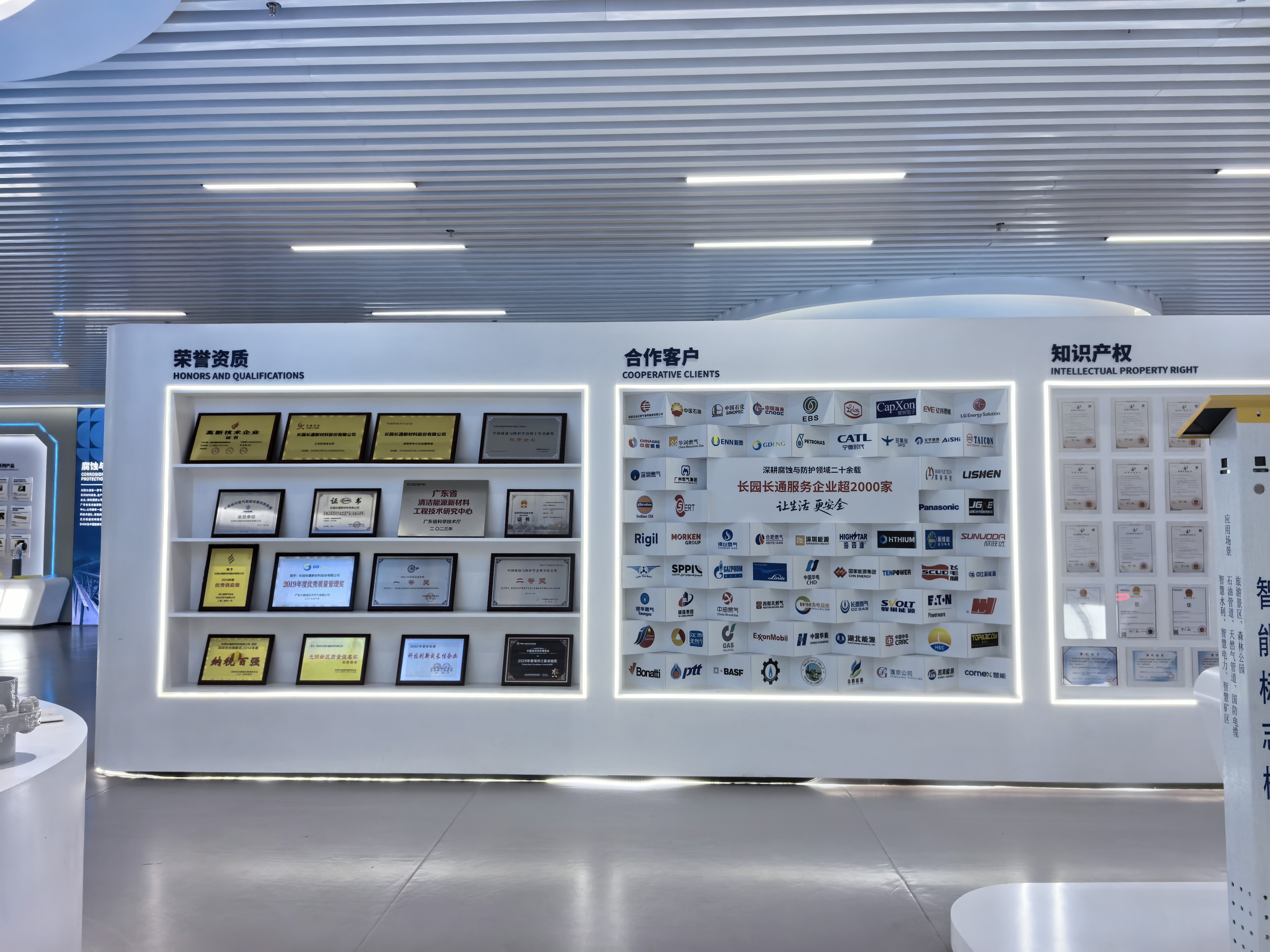
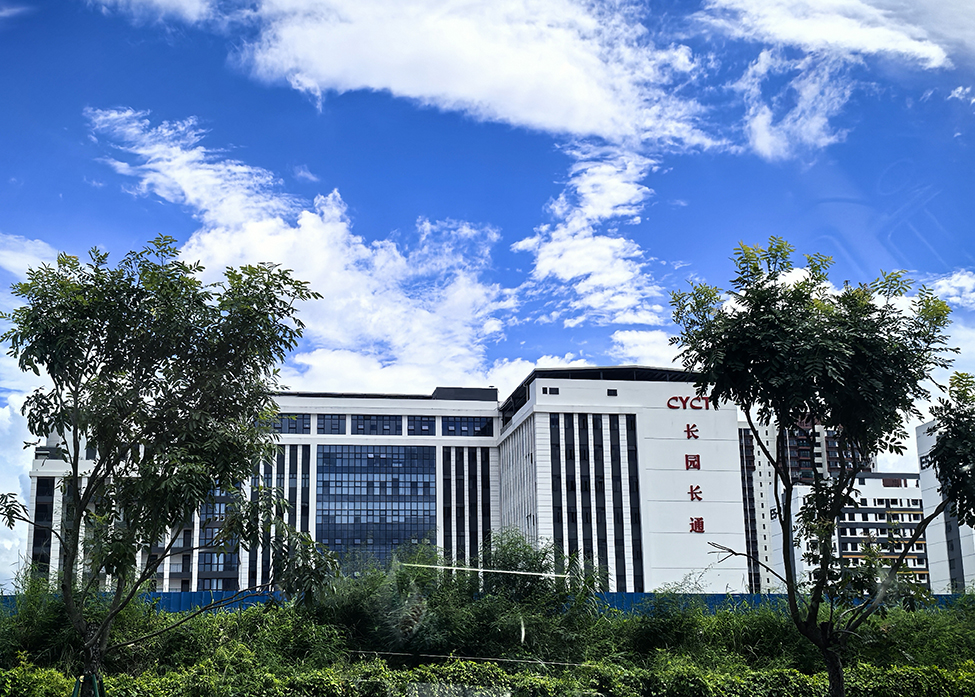
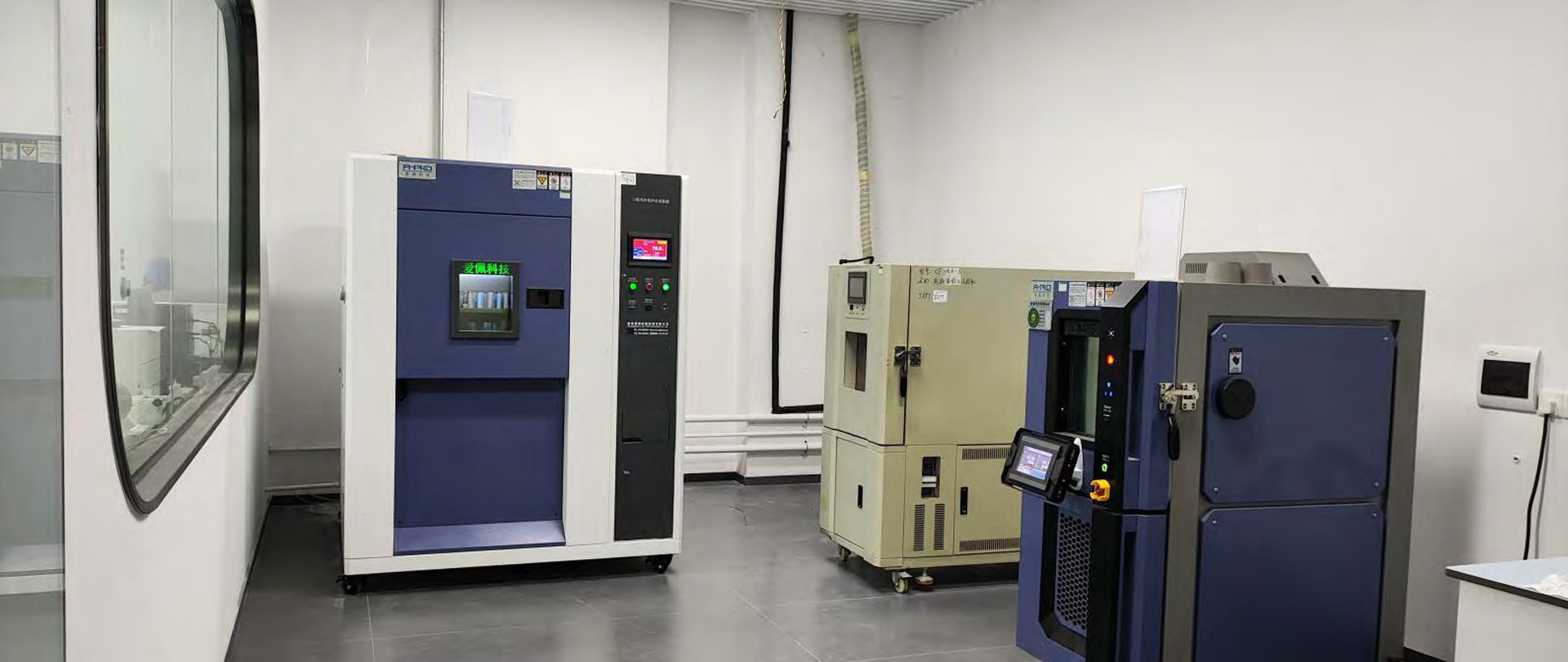
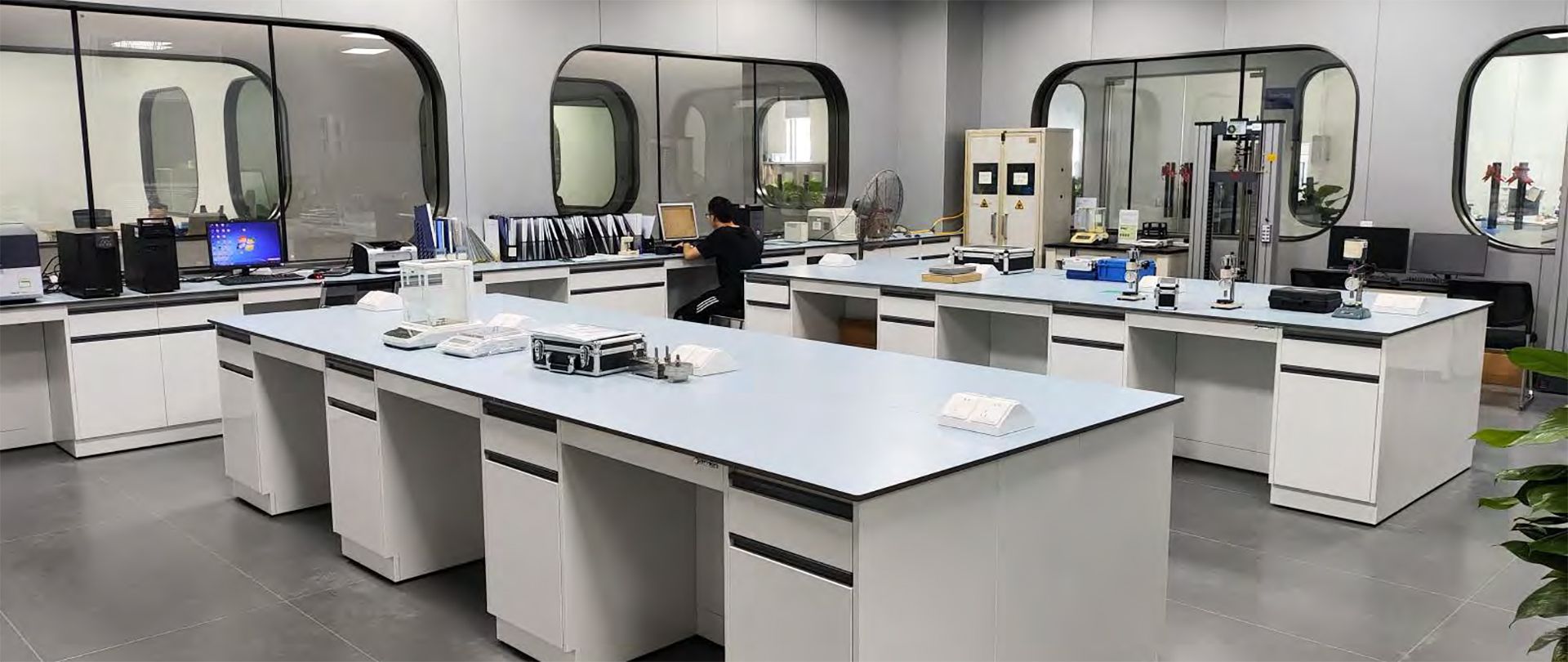
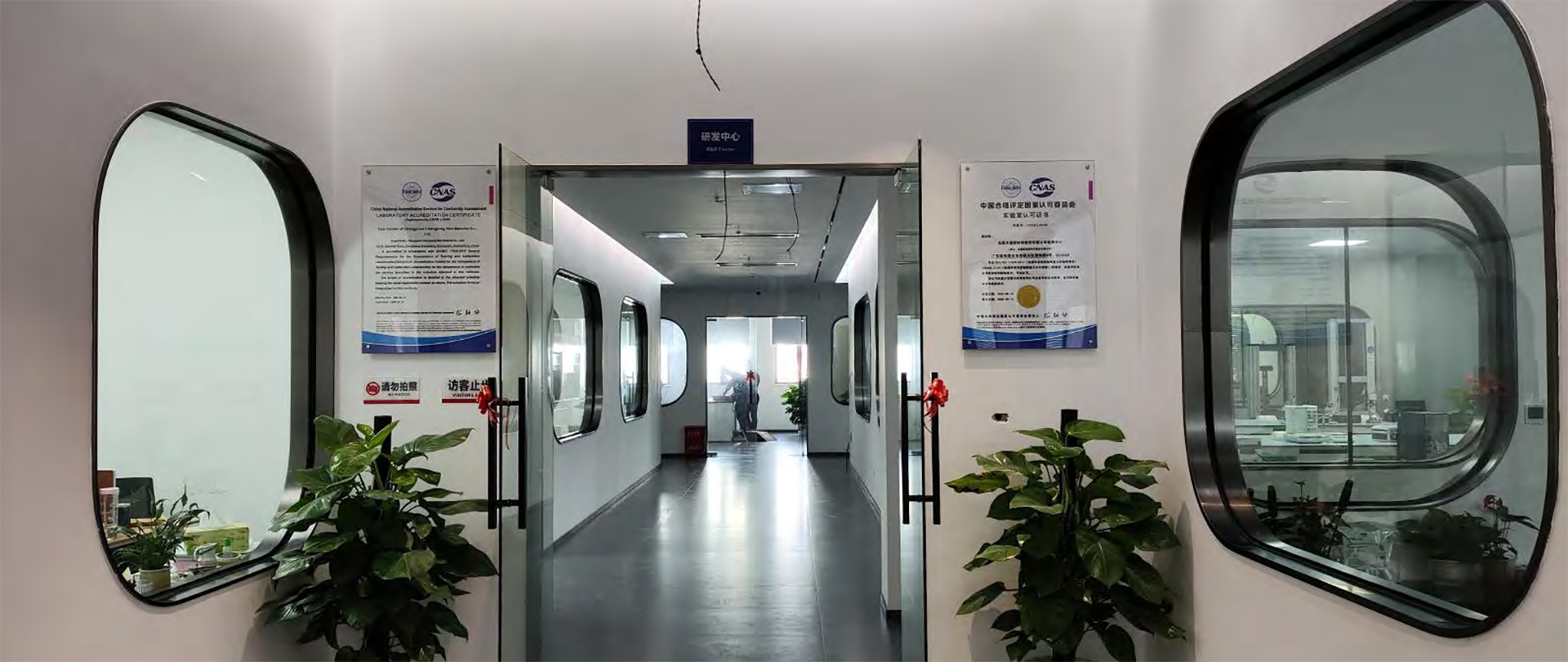
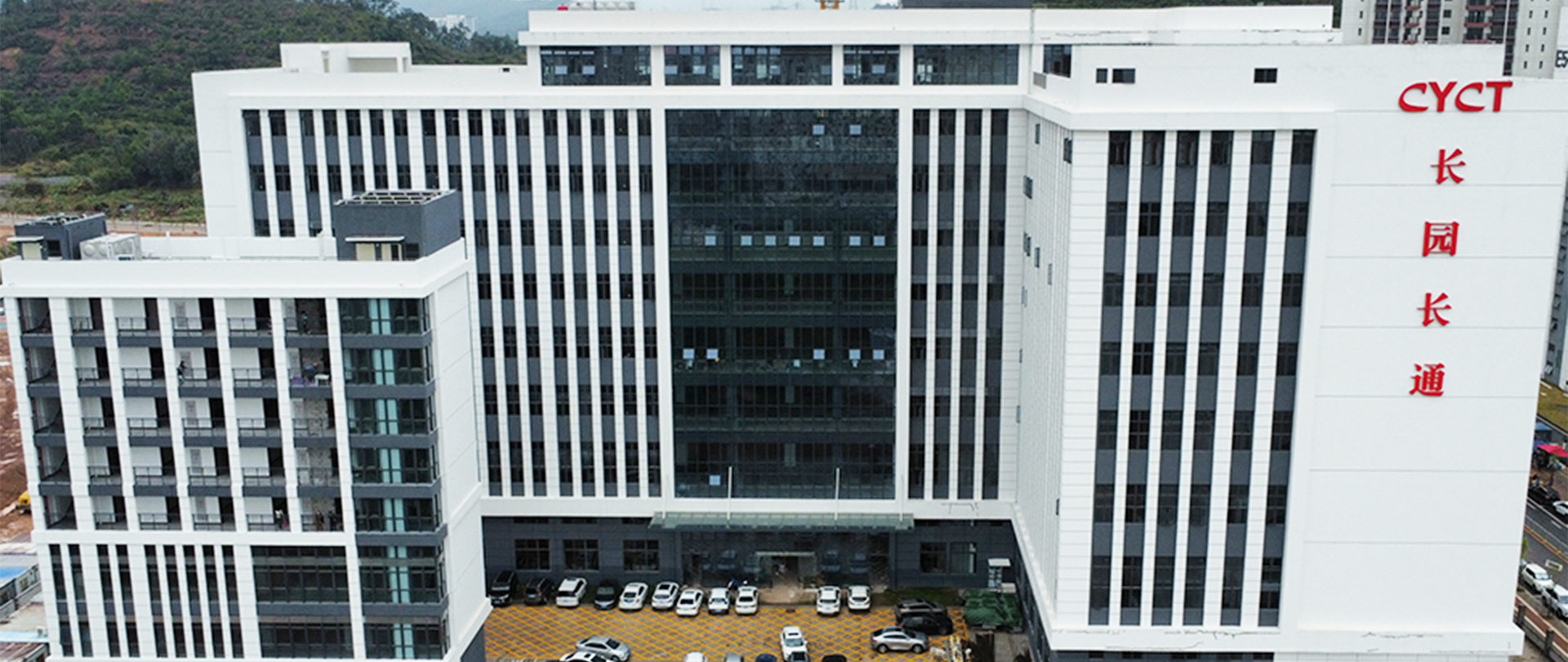
Engineered anti-corrosion protection designed to meet high environmental demands across global pipeline installations.
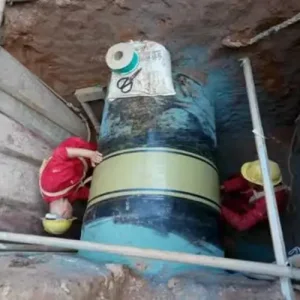
Trenchless pipeline crossings expose coatings to high mechanical stress, abrasion, and shear forces. CYCT's fiberglass-reinforced sleeves protect the parent coating during pulling operations, preventing pipeline holidays and subsequent environmental risks.
Modern extraction methods require high fluid temperatures. Under these conditions, standard 3LPE coatings can soften and degrade. Our PP-based heat shrinkable sleeves are designed for operating temperatures up to 110°C, providing long-term reliability.
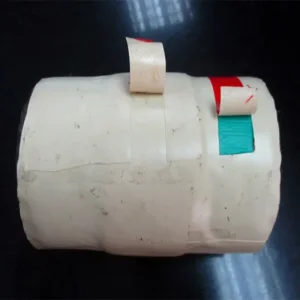
Rehabilitating active pipelines demands materials with minimal surface preparation requirements. CYCT viscoelastic systems can be applied over ST2-cleaned surfaces without sandblasting, forming an immediate, moisture-resistant barrier.
Collaborative research with top energy institutes ensures our anti-corrosion materials meet the requirements of major petrochemical companies.
Through ongoing cooperation with leading research centers, including the CNPC Pipeline Science Research Institute, CYCT provides pipeline detection, cathodic protection design, and integrated solutions for energy infrastructure safety.
CYCT is a Council Member of the Chinese Society for Corrosion and Protection (CSCP) and a Corporate Member of the China Association of Petroleum Engineering Construction (CAPEC). This positioning supports our work on international projects, helping us meet the technical and delivery requirements of partners like Indian Oil and regional gas providers.
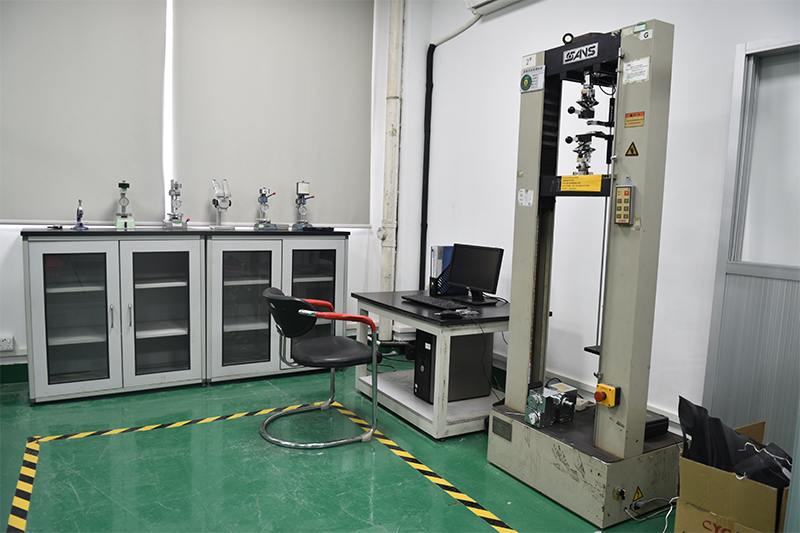
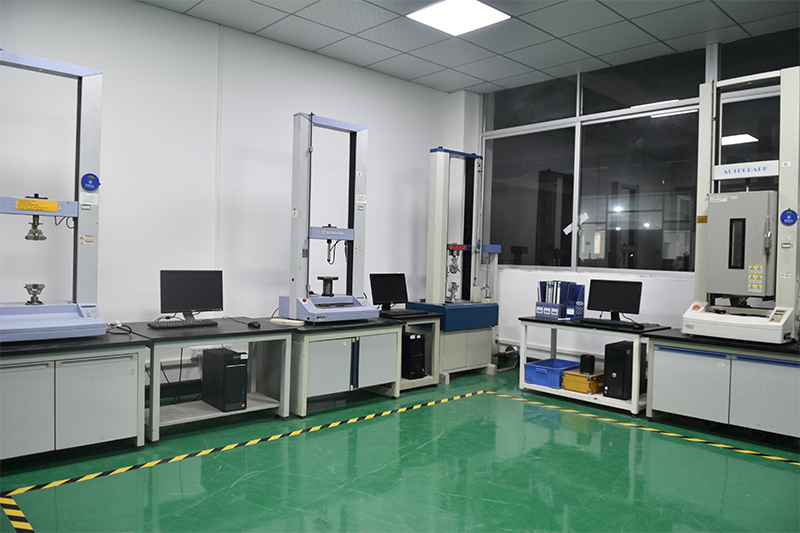
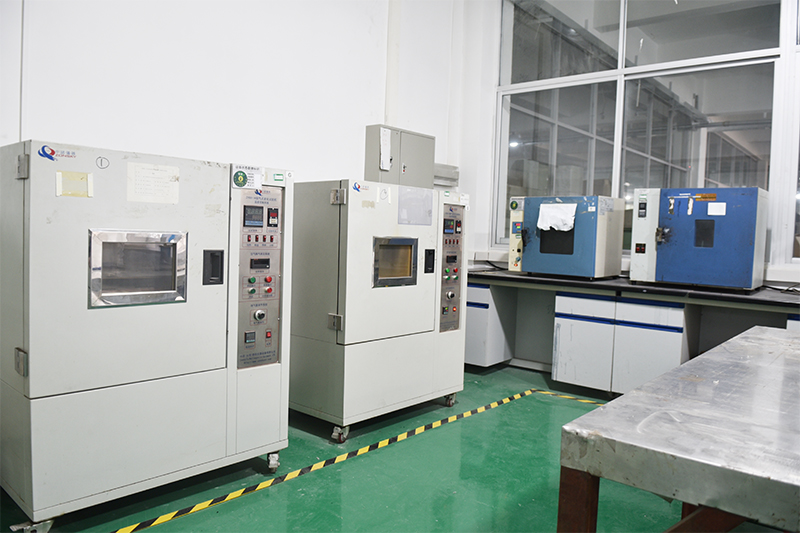
Find answers to common questions about pipeline coatings, industry standards, and procurement processes.
Specialty viscoelastic compounds, heat-shrinkable tapes, repair patches, and industrial primers for pipeline maintenance and rehabilitation.
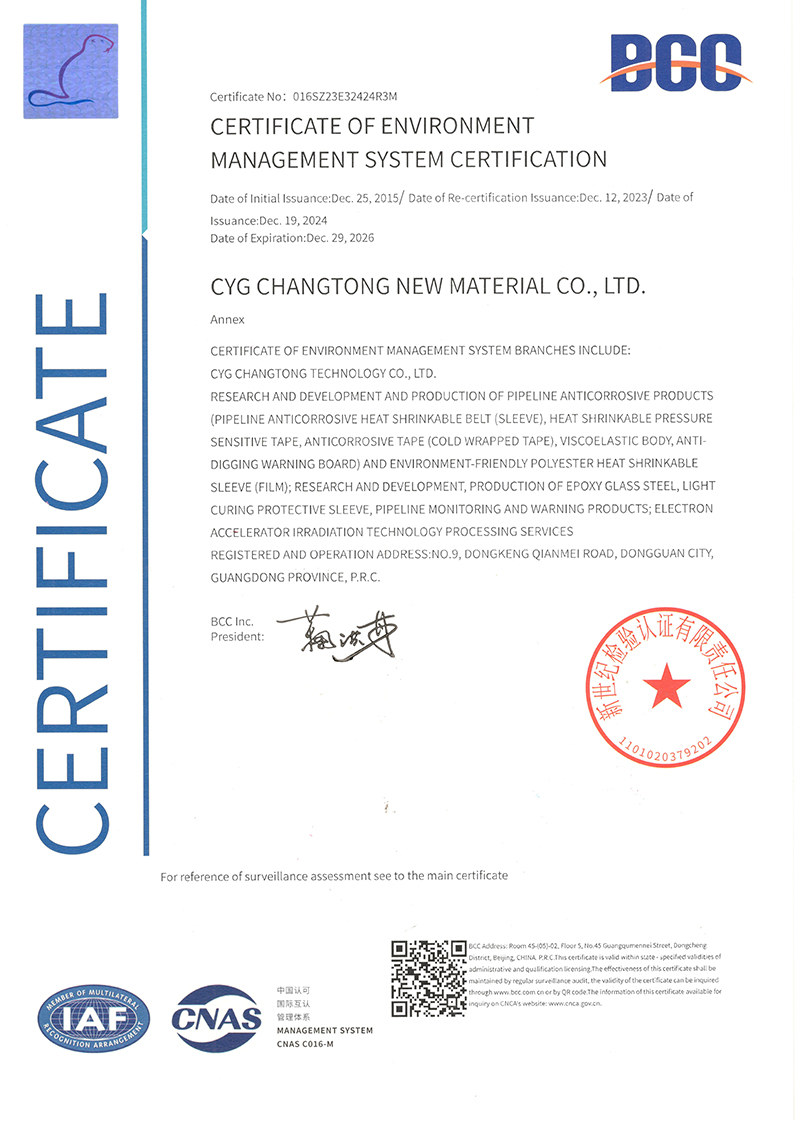
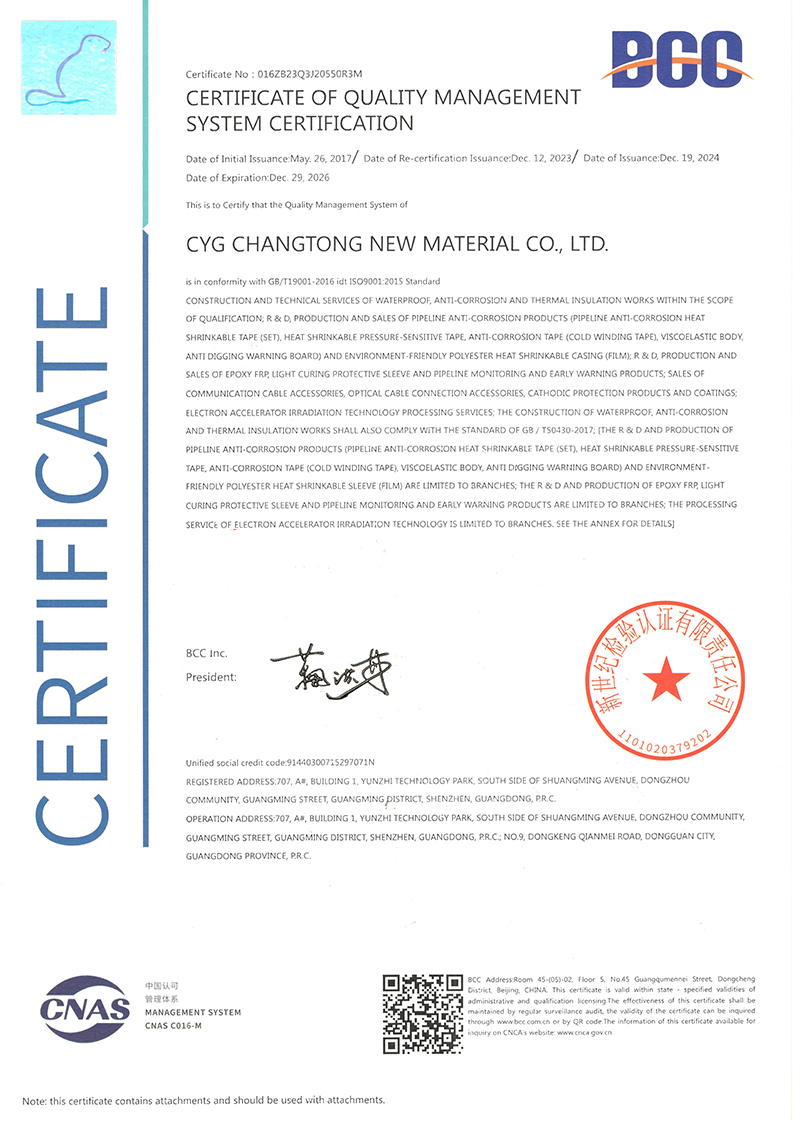
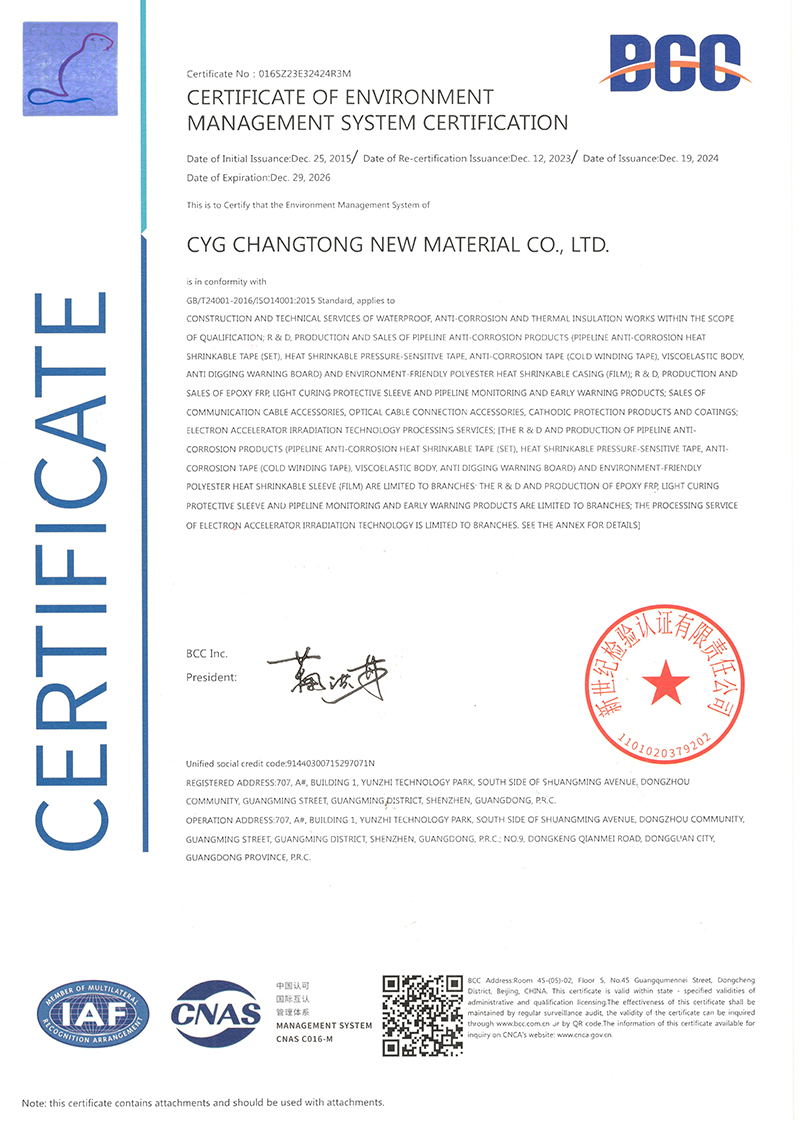
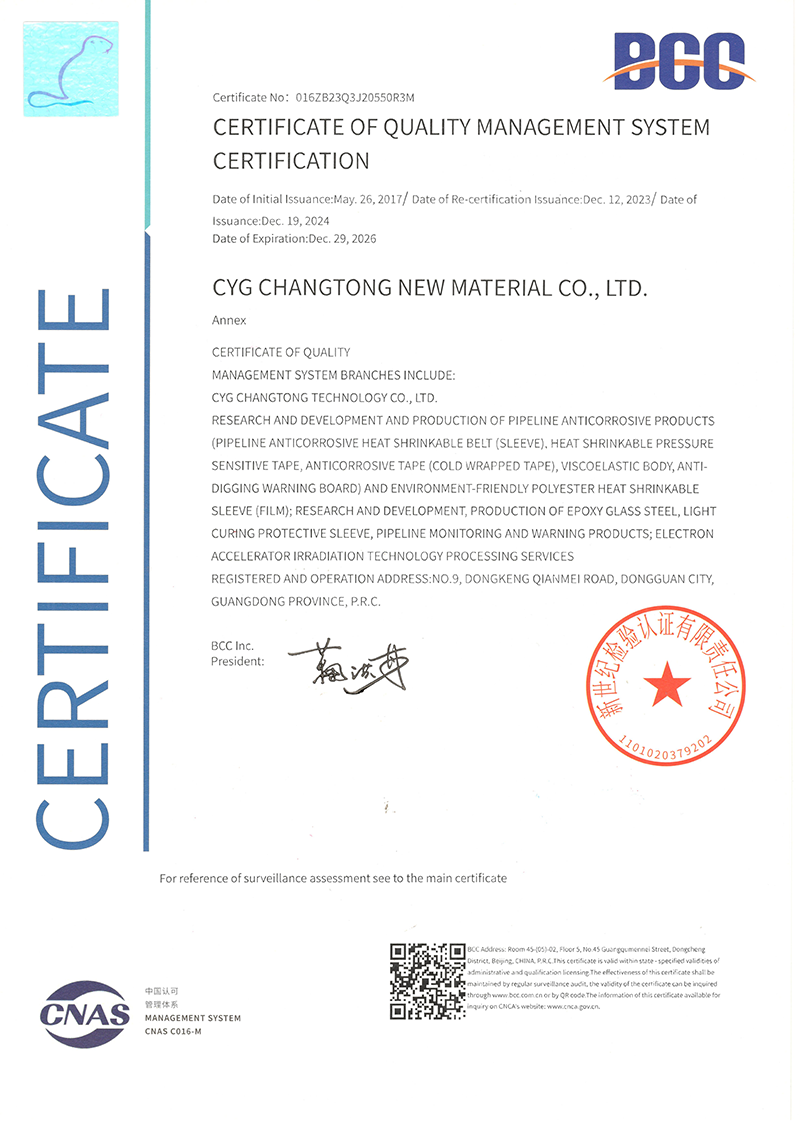
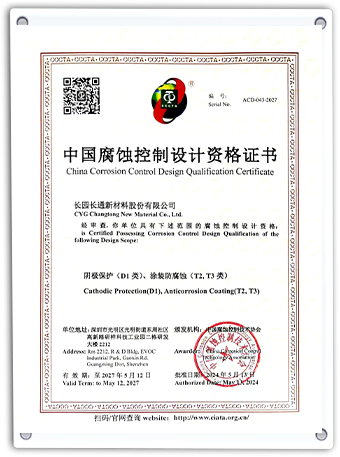
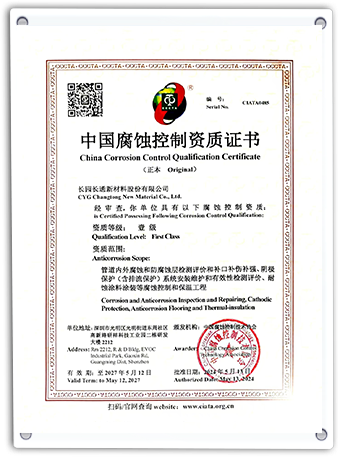
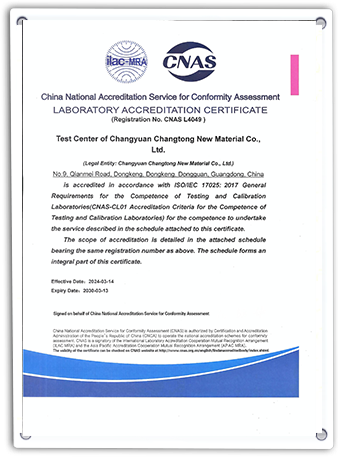
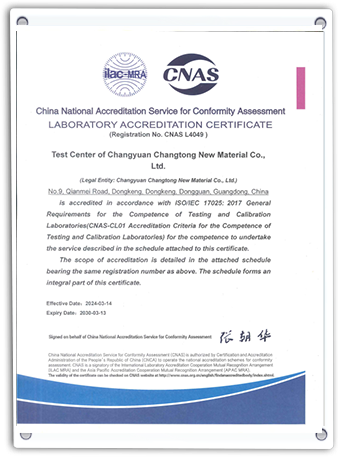
CYCT products are tested and approved under stringent global standards for industrial corrosion engineering.
 CYCT
CYCT