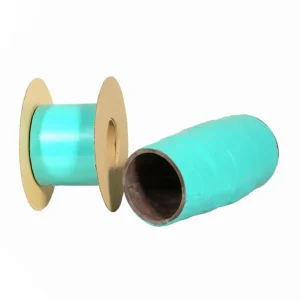
Explore our premium grade cold-applied tapes, heat shrinkable sleeves, and high-performance repair systems engineered for long-term corrosion prevention.
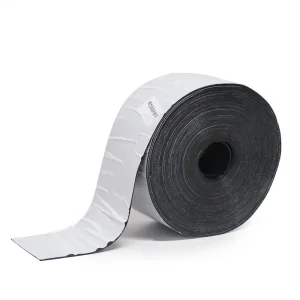
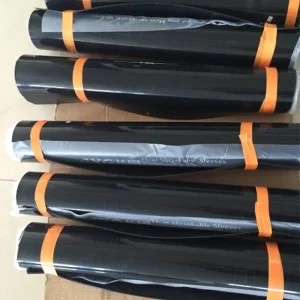
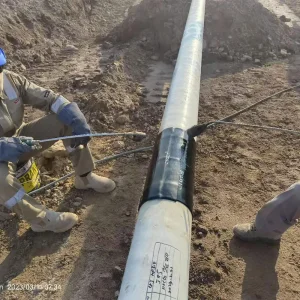
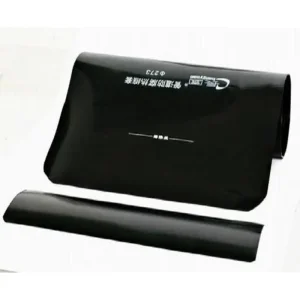
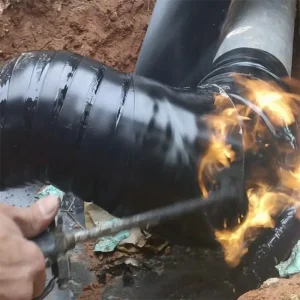
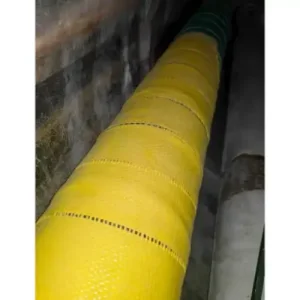
In modern energy grid transportation, the integrity of buried and submarine transmission lines governs operational safety. Historically, traditional bitumen coatings were the baseline standard for pipeline corrosion mitigation. However, these systems suffered structural degradation when exposed to constant soil shear stress, elevated thermal loads, and environmental water ingress.
As a leading force in pipeline chemistry, we have transitioned the industry toward viscoelastic matrices, moisture-curing shielding, and cross-linked polyolefin sleeves. These solutions exhibit zero water permeability, self-healing properties on micro-defects, and dynamic mechanical resistance. This technology roadmap represents the benchmark for reliable pipeline field joint sealing systems.
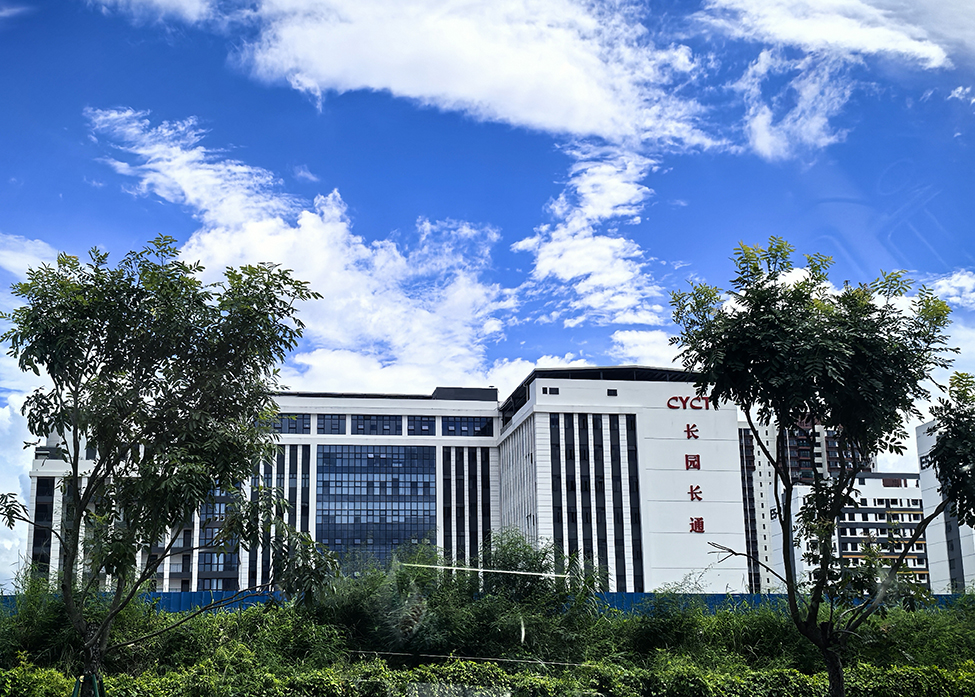
CYCT New Materials Company Limited (for short, CYCT) is a state-level high-tech enterprise integrating R&D, production, and sales of pipeline corrosion protection materials. Over decades of focused industry execution, we have expanded our capabilities to provide buried pipeline detection services and pipeline coating field applications.
Our company hosts advanced R&D capabilities, a dedicated engineering research team, and a state-of-the-art national CNAS-accredited laboratory. By partnering with leading domestic research institutes like the CNPC Pipeline Science Research Institute, we provide comprehensive in-service technical support, design schemes, cathodic protection, rehabilitation services, and complete pipeline asset preservation packages.
Affiliations & Industry Status: Council Member of the Chinese Society for Corrosion and Protection (CSCP), Corporate Member of the China Association of Petroleum Engineering Construction (CAPEC), certified with qualification certificates of corrosion protection construction, pipeline detection, and recognized as a leading name in pipeline asset preservation.
Explore our industrial complexes, advanced R&D labs, and international certifications proving compliance to global pipeline coating specifications.
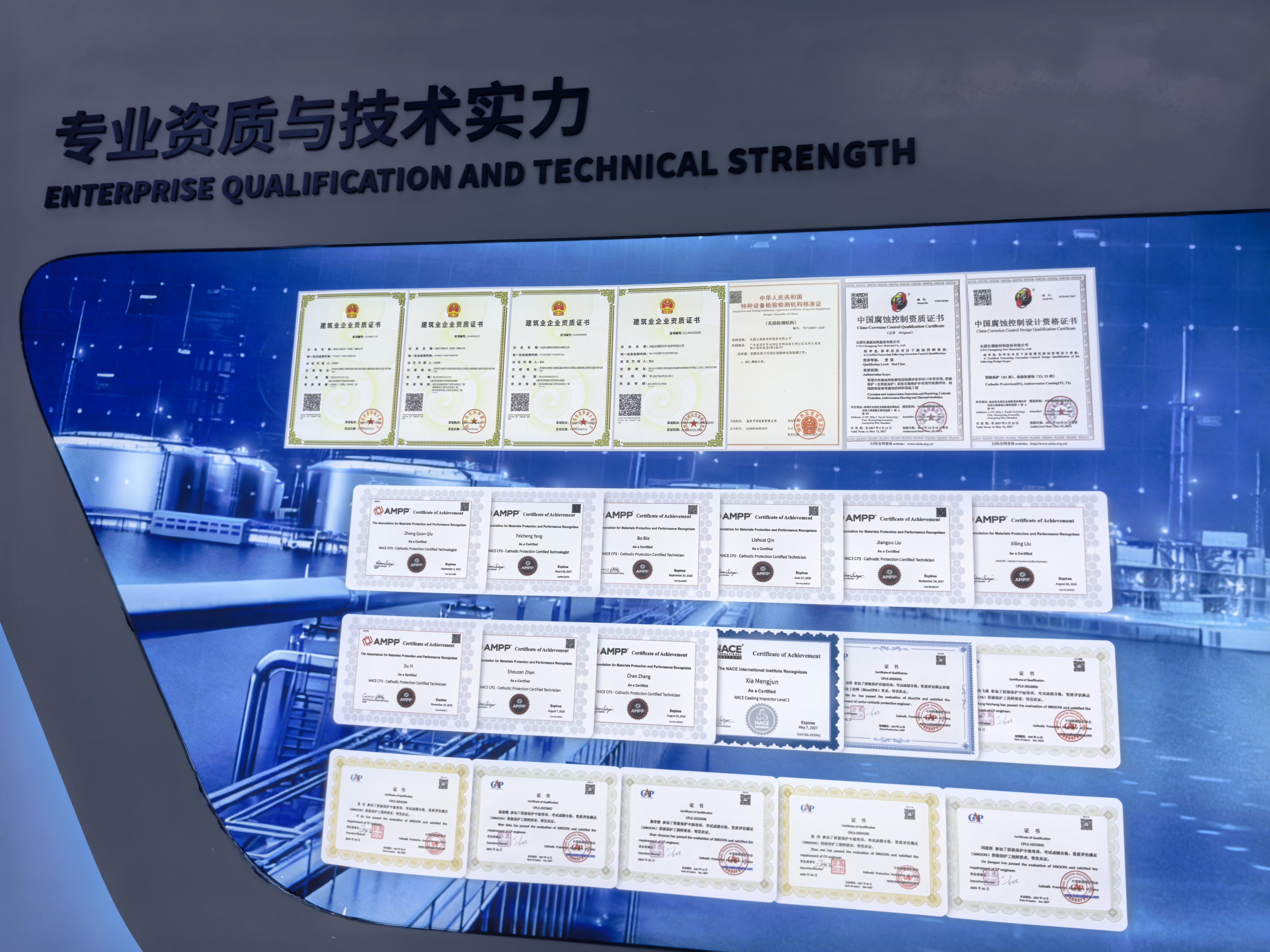
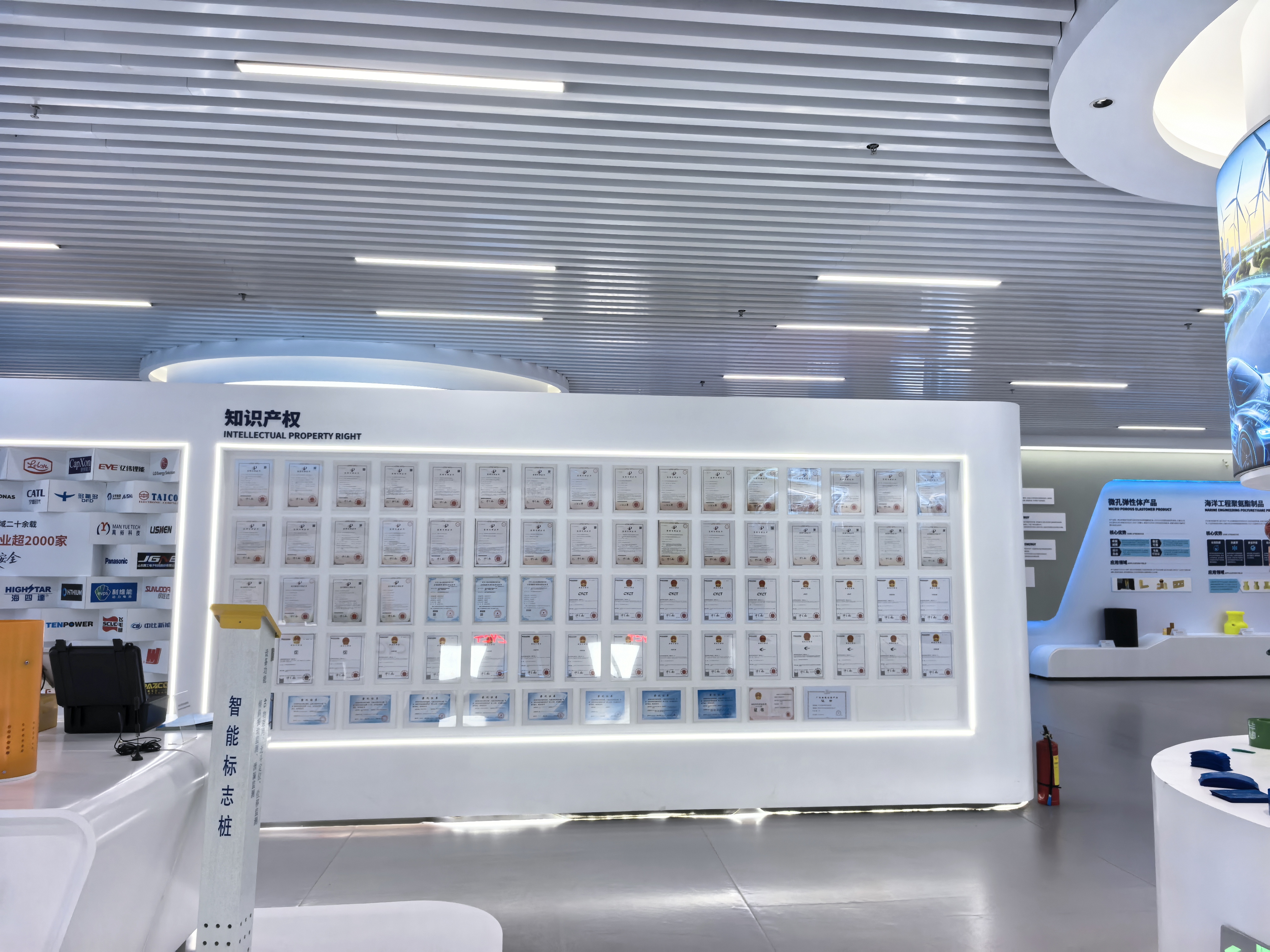
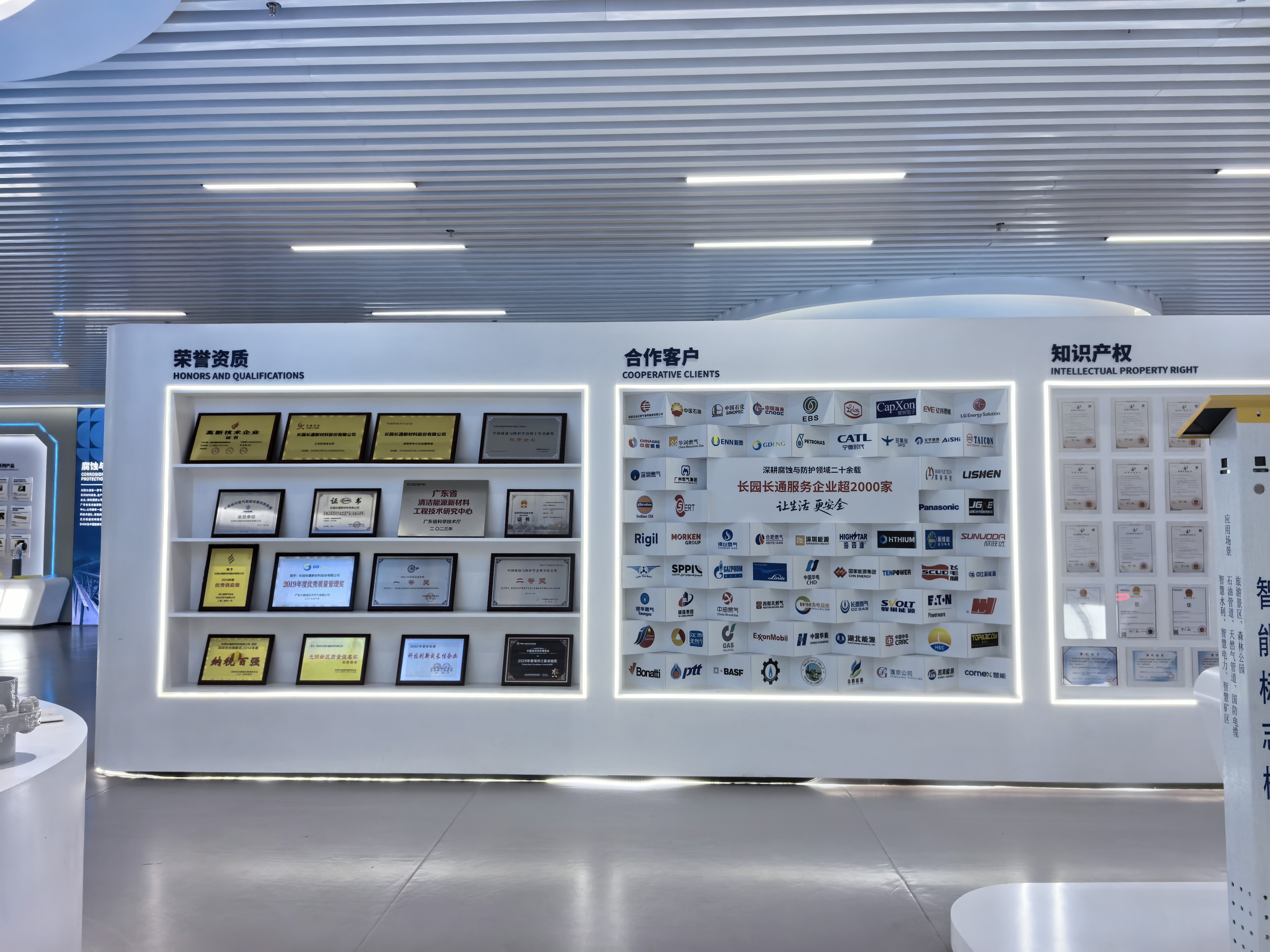
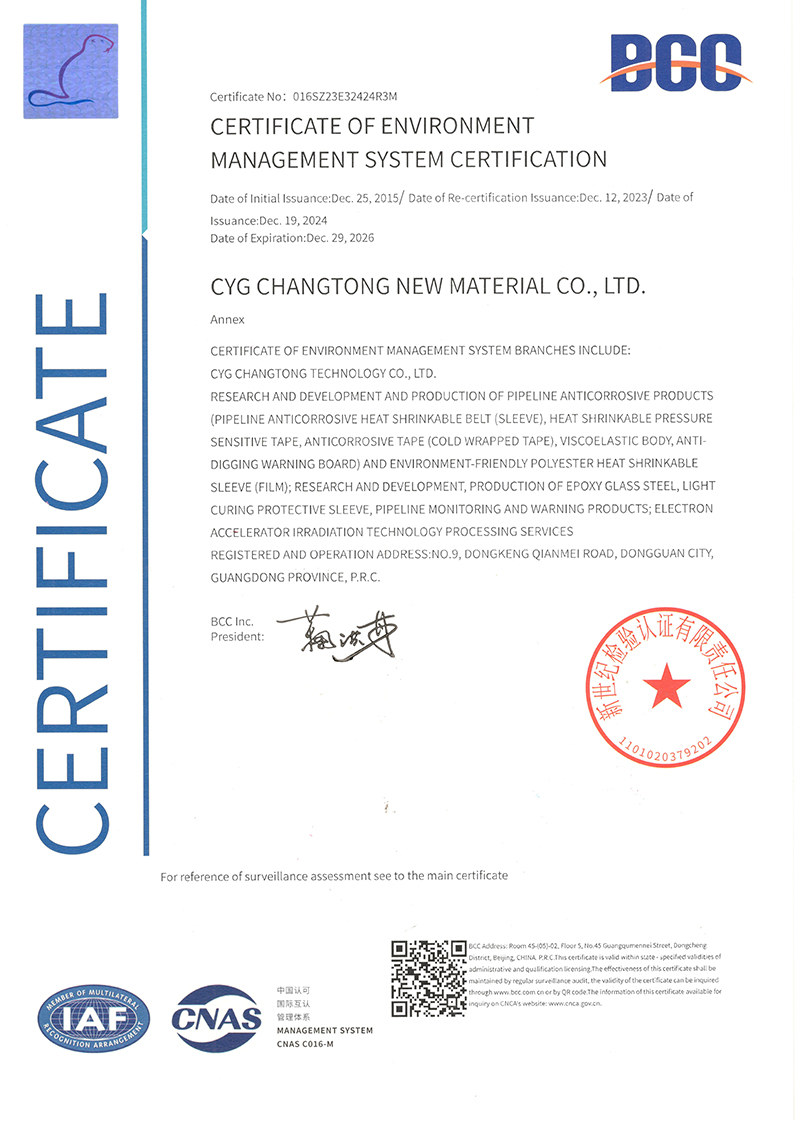
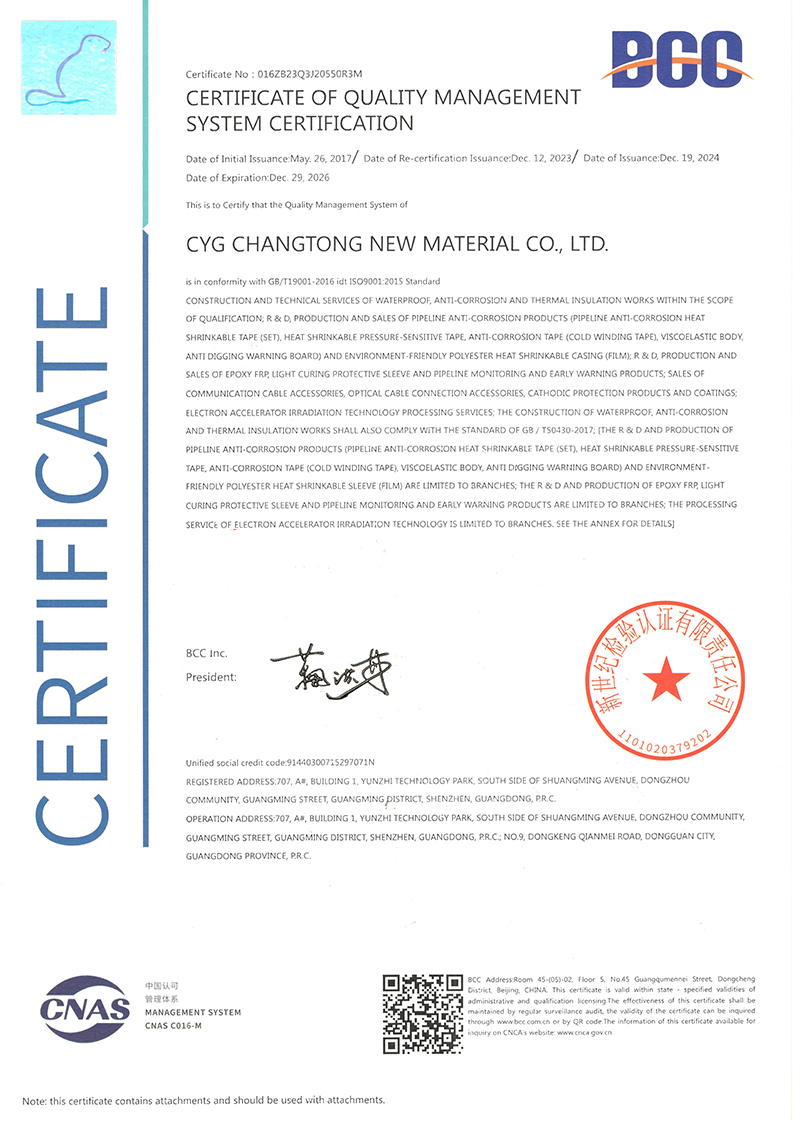
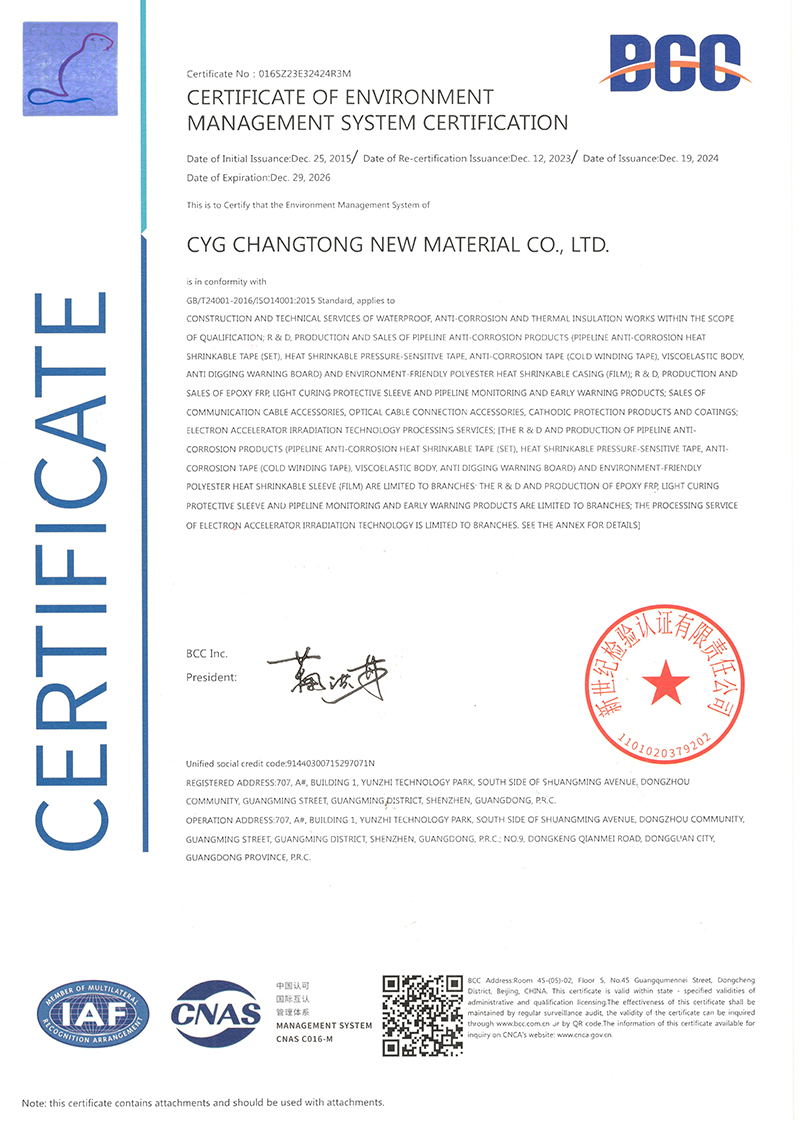
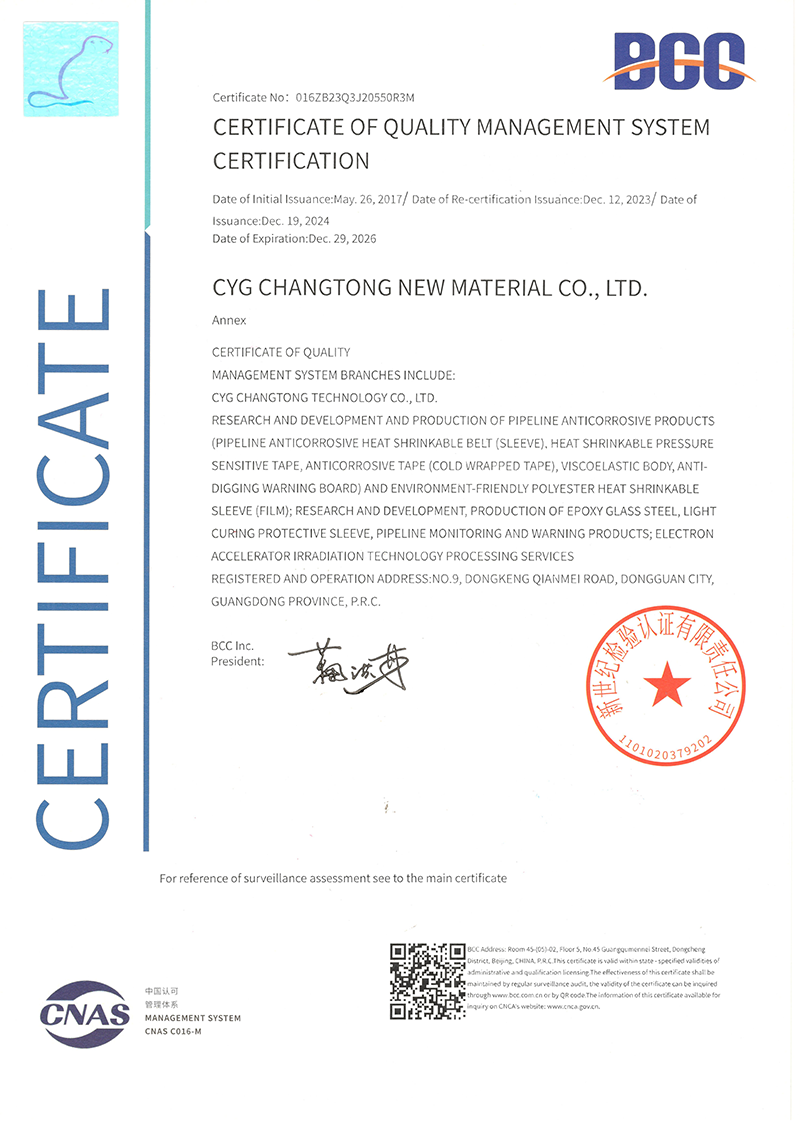
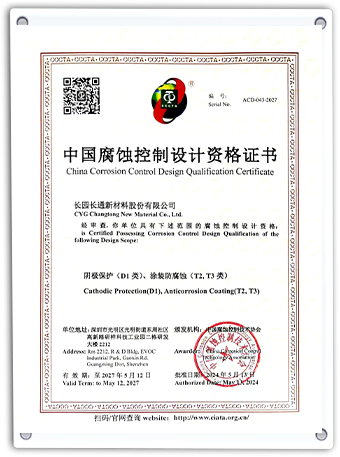
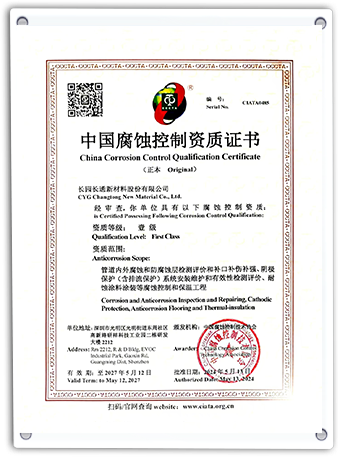
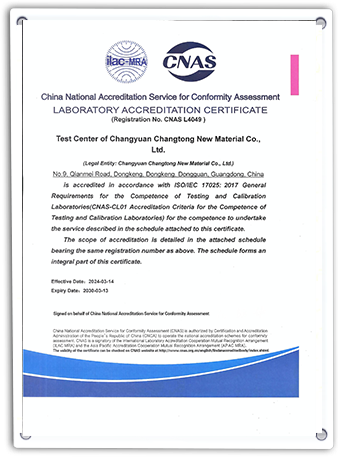
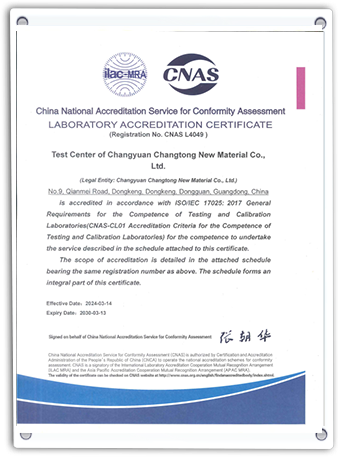
Key parameters and quality benchmarks required by international EPC contracting partners when procuring pipeline sealing materials.
Global energy corporations enforce strict compliance to ISO 21809-3, EN 12068, and NACE SP0169. Materials must undergo verification testing for peel strength, indentation resistance, and cathodic disbondment.
Pipelines traverse diverse ecosystems. Suppliers must offer materials functional across operating ranges from -40°C in arctic soils to 85°C in middle-eastern deserts or heavy deep-sea hydrostatic environments.
Full raw material component tracking is critical. Buyers demand mill test certificates (MTC), international shipping documentation, and protective custom packaging to prevent pre-installation polymer degradation.
Our engineered systems are deployed across various high-stress environments to guarantee the safety of critical oil, gas, and water distribution networks.
Subsea environments expose pipelines to extreme hydrostatic pressure and saline chemical attack. Traditional outer wraps can fail due to rapid shear displacement and localized mechanical wear. Our moisture-curing fiber shields (such as the CYG Changtong GRF) create an outer protective layer that cures upon contact with atmospheric or marine humidity, providing mechanical protection against impact, abrasion, and marine growth.
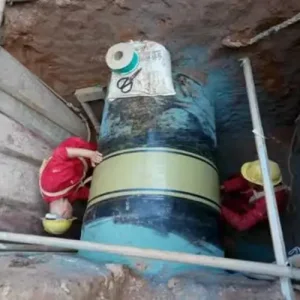
During Horizontal Directional Drilling (HDD), the pipeline is pulled through subterranean boreholes, subjecting the field joint coating to extreme frictional abrasion and rock gouging. Using our specialized photo-curing sleeves or high-strength PP repair patches ensures the joint maintains its physical and barrier integrity, preventing coating damage that leads to pinhole corrosion.
| Material Class | Applicable Environment | Maximum Temperature | Primary Feature | Standard Certifications |
|---|---|---|---|---|
| Viscoelastic Tape (VT95) | Clay/Rocky Soil, Complex Valves | 95°C | Cold-flow self-healing, zero moisture permeability | ISO 21809-3, EN 12068 Class C |
| PP Heat Shrink Sleeve (FRPD) | Deep Buried High-Temperature Pipes | 85°C - 110°C | Extreme shear resistance, high mechanical lock | EN 12068, DIN 30672 |
| Moisture-Curing Shield (GRF) | Offshore Field Joints, Splash Zones | 80°C | Cures under water, high mechanical armor protection | NACE SP0169, AMPP Certified |
| PE Repair Patch (FRDX) | Local Damage Rehab, Outer Wrap Repair | 65°C - 80°C | Cost-effective, hot-melt adhesive integration | ASTM D1000, ISO 21809 |
As global pipeline systems carry high-temperature media, traditional mastic adhesives can experience shear failures. CYCT's R&D department is focused on structural modifications of polymeric matrices. By utilizing radiation cross-linked high-density polyethylene (HDPE) and PP backings combined with hybrid co-polymer hot-melt adhesives, we achieve bond strength that surpasses the cohesive strength of the material itself.
Our future roadmap focuses on environmental sustainability and non-toxic formulation developments. Products like our Non-Toxic VE Putty provide moisture-resistant sealing for flanges, nuts, and bolts without releasing volatile organic compounds (VOCs). This aligns with global environmental safety initiatives while maintaining industrial-grade corrosion protection.
How we support international projects with custom logistics, strict standards compliance, and on-site engineering assistance.
Even high-grade coatings can fail due to poor surface preparation. CYCT provides on-site field training, detailing surface blast profile measurement, pre-heating requirements, and shrink application controls to guarantee flawless joint installation.
Our internal testing laboratory has national CNAS accreditation, enabling independent verification of peel strength under water immersion, cathodic disbondment limits, thermal aging, and indentation resistance.
Operating global logistics networks requires reliable delivery timelines. CYCT maintains raw material reserves and efficient scheduling systems to supply complex pipe protection packages directly to deep-water ports or remote land installations.
Detailed insights from our engineering laboratory answering critical technical questions asked by pipeline integrity managers.
Browse our specialized product catalog featuring polypropylene repair systems, viscoelastic tapes, and advanced structural pipe reinforcement coatings.
 CYCT
CYCT