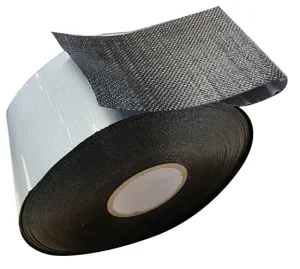
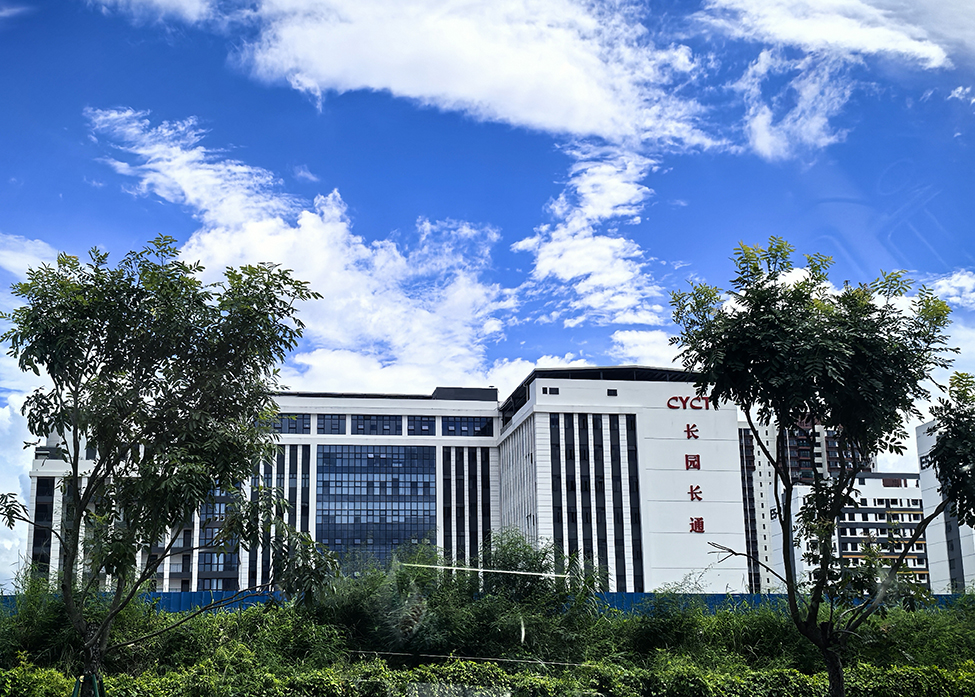
CYCT New Materials Company Limited (for short, CYCT) is a state-level high-tech enterprise integrating R&D, production, and sales of pipeline corrosion protection materials. Over decades of steady growth, we have expanded our footprint to include buried pipeline detection services and professional pipeline coating field application solutions.
In the highly specialized domain of oil, gas, water, and petrochemical transport, pipeline field joints represent the most vulnerable points in network integrity. Historically, failure to apply adequate corrosion barriers results in multibillion-dollar asset losses and catastrophic environmental consequences. As an industry pioneer, CYCT has dedicated itself to continuous engineering innovation, developing state-of-the-art HSS (Heat Shrink Sleeves), viscoelastic systems, and fiberglass-reinforced wraps to guarantee continuous, zero-leak operations across thousands of pipeline miles.
Year Founded
Accredited Lab
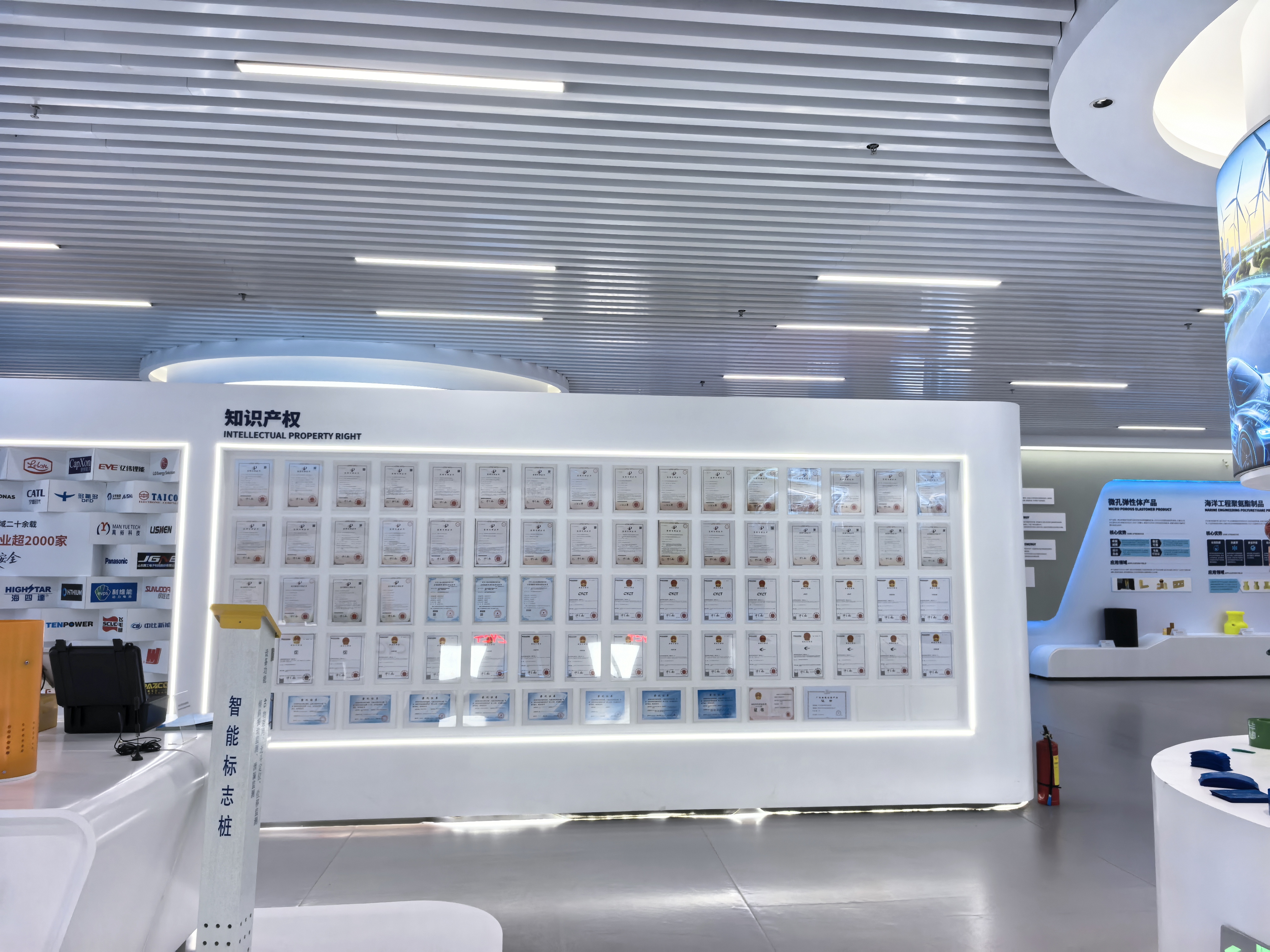
Proprietary Patents
Active Corporate Member
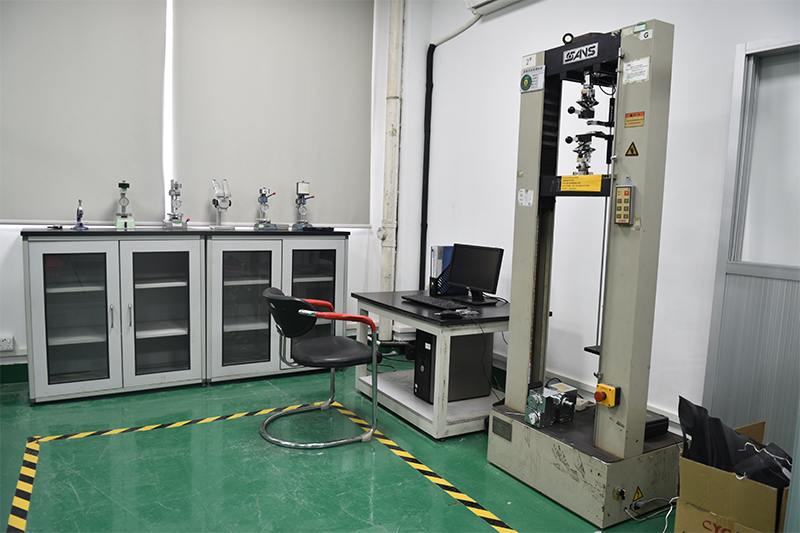
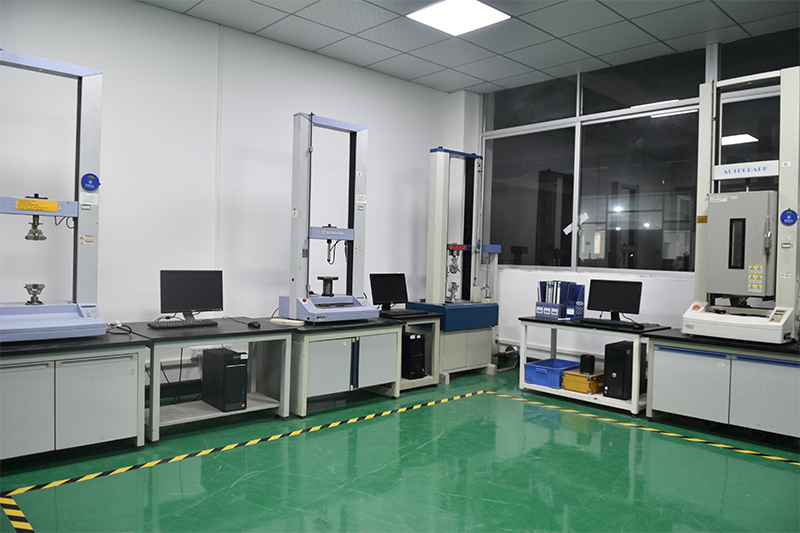
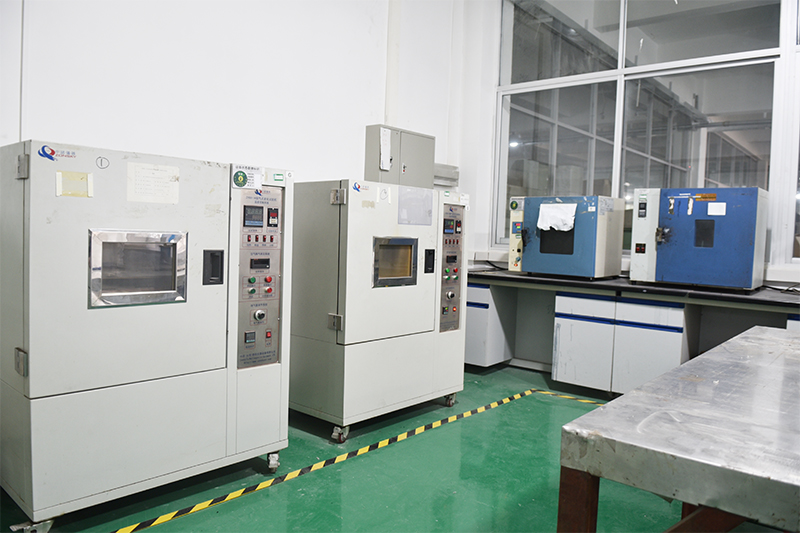
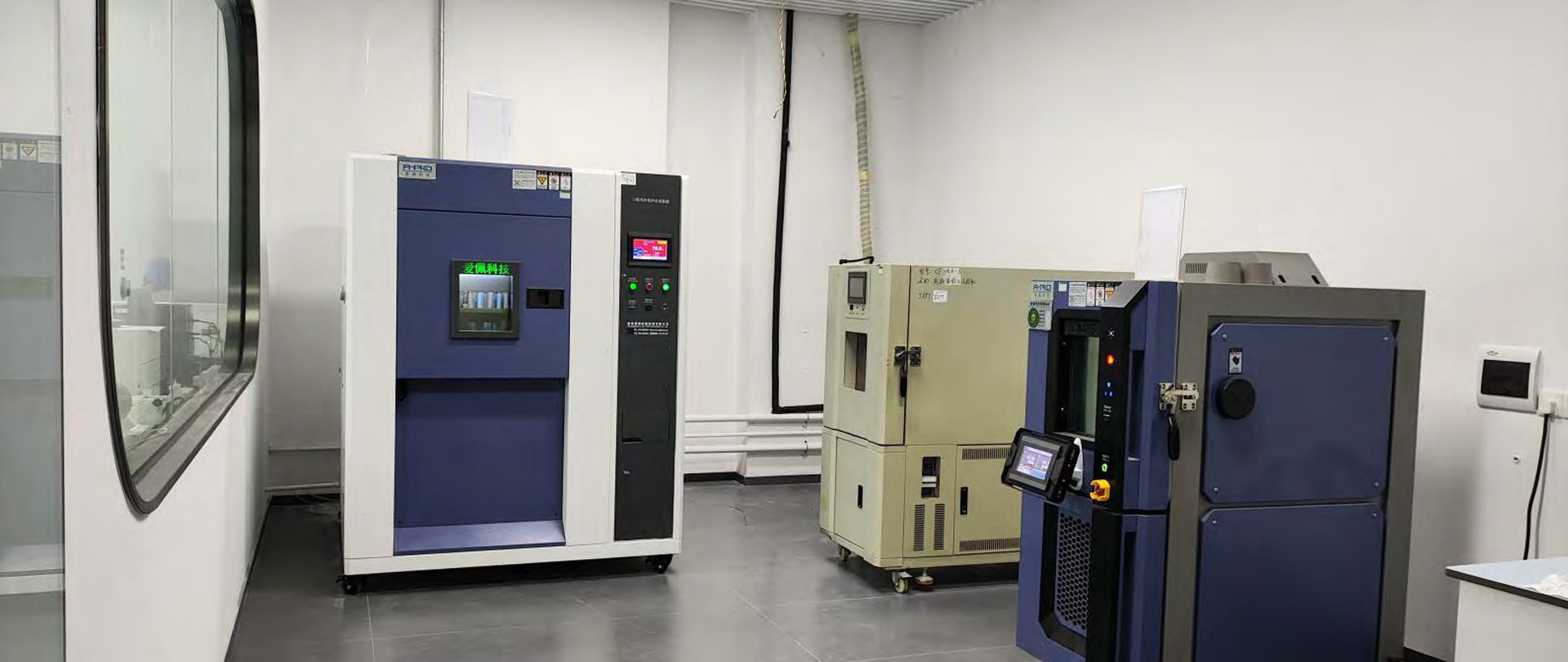
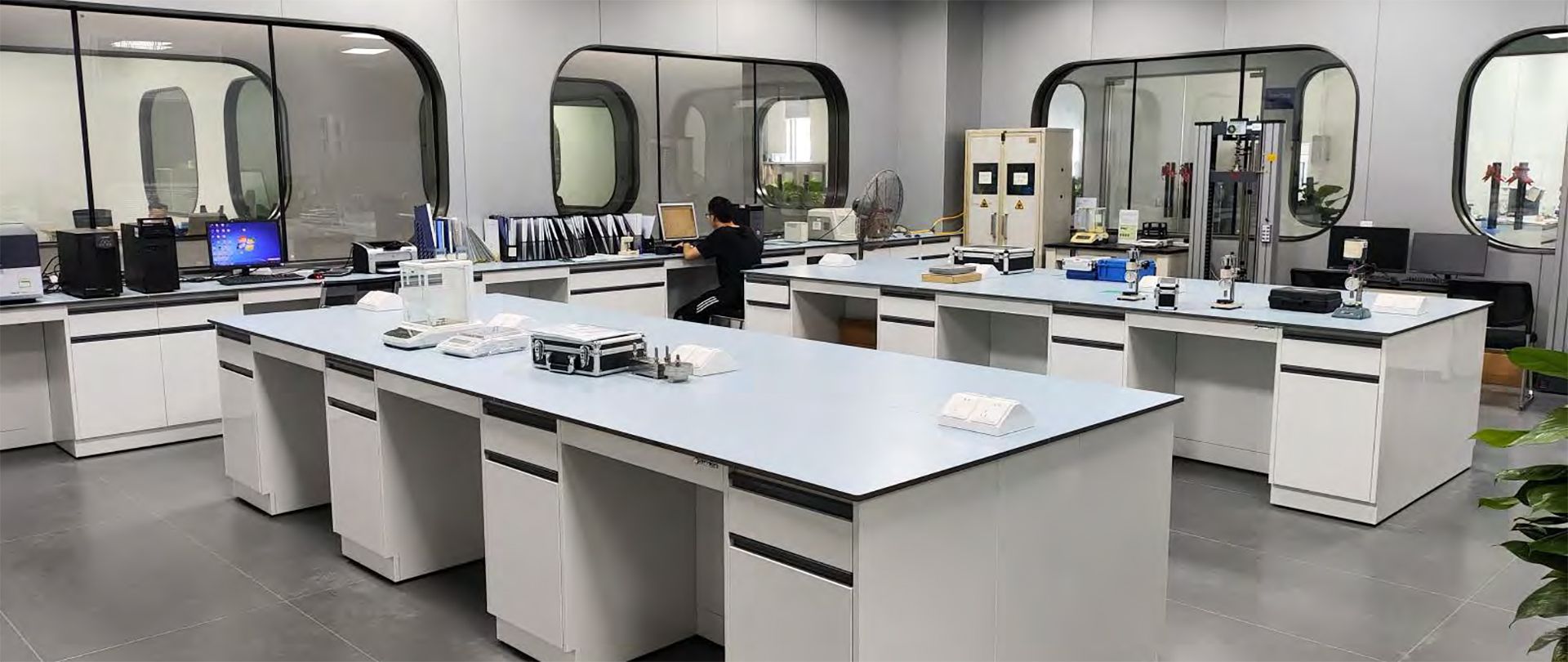
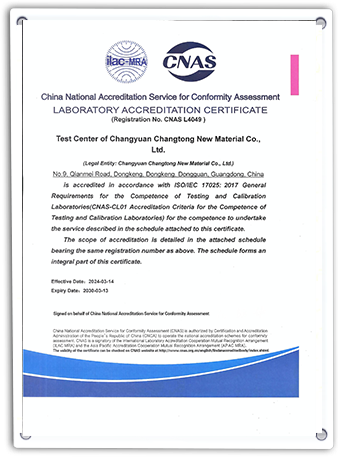
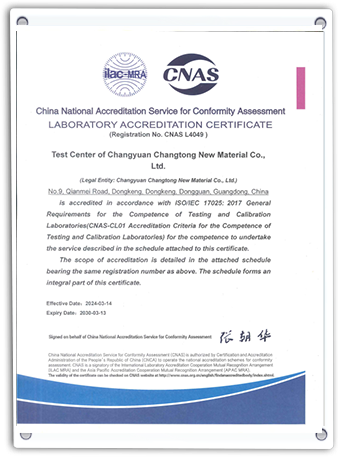
Equipped with state-of-the-art testing instrumentation and automation capabilities, CYCT operates an advanced national CNAS-accredited laboratory. Our scientists, working in close cooperation with leading research institutes such as the CNPC Pipeline Science Research Institute, ensure that every batch of heat-shrink materials exceeds standard testing requirements for shear resistance, cathodic disbondment, peel strength, and long-term aging.
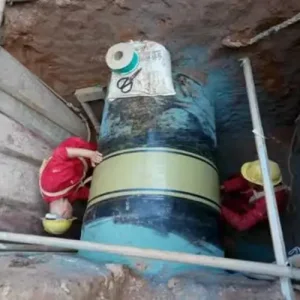
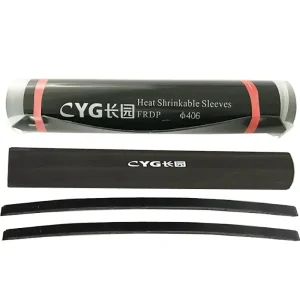
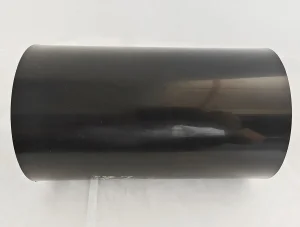
Modern HSS Heat Shrink Sleeves are far more than simple plastic wraps. They are composite systems comprising a radiation cross-linked, high-density polyethylene (HDPE) backing coated with a specialized, high-shear hot-melt adhesive or viscoelastic mastic layer. During installation, the backing's "elastic memory" triggers recovery when exposed to heat (using a propane torch or induction heater), causing the sleeve to shrink tightly over the pipeline joint. Simultaneously, the adhesive liquefies, filling all surface irregularities and bonding molecularly with the factory-applied coating (such as 3LPE, 3LPP, or FBE).
By bombarding the extruded polyethylene sheet with high-energy electron beams, a highly stable, three-dimensional molecular network is formed. This gives the backing outstanding resistance to mechanical abrasion, soil stress, and thermal degradation, preventing sagging and environmental cracking over decades of operation.
Specially formulated to counter shear stress induced by soil movement and thermal cycling of pipelines. The adhesive maintains excellent flexibility in sub-zero environments while retaining high peel strength and resistance to cathodic disbondment at elevated operating temperatures up to 80°C or higher.
For high-demand pipelines, a liquid epoxy primer is applied to the bare steel before sleeve placement. As the sleeve is heated, the adhesive fuses with the curing epoxy. This creates a highly resistant barrier matching the performance of factory-applied 3LPE coatings, resisting cathodic disbondment and water ingress.
CYCT's anti-corrosion products are engineered to perform in diverse geographical, geological, and industrial environments worldwide. Different regions present distinct challenges, prompting the development of customized protection solutions:
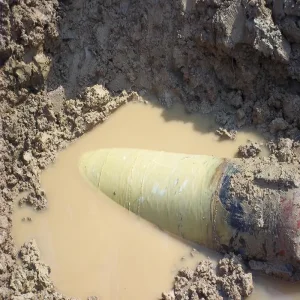
Trenchless pipeline installations force the pipe through abrasive rock and soil. Standard HSS sleeves risk tearing during pull-back. CYCT provides specialized photo-curing sleeves and high-strength Epoxy FRP (Fiberglass-Reinforced Plastics) overlays to shield joints from severe abrasion.
In regions like the Middle East, pipelines carry hot crudes, and ambient soil temperatures can exceed 50°C. Standard PE sleeves may soften and slip under high shear. CYCT’s FRDX HT and high-temperature PP outer tapes are rated for operating environments up to 100°C, resisting sliding and thermal aging.
Arctic and sub-arctic pipeline routes experience ground freezing and shifting. Field-applied tapes must retain flexibility at -30°C. CYCT’s viscoelastic coating systems and cold-applied PE tapes remain pliable, offering reliable adhesion without cracking under low-temperature bending.
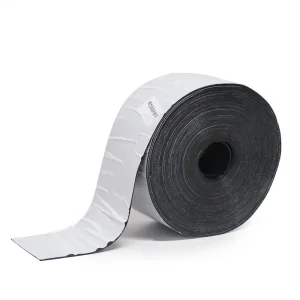
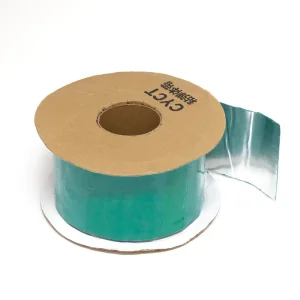
Marine environments combine high salinity, UV exposure, and continuous wave impacts. CYCT provides heavy-duty polyurethane solutions, bend restrictors, and viscoelastic tapes wrapped in aluminum foil to seal splash zones and protect subsea flowlines.
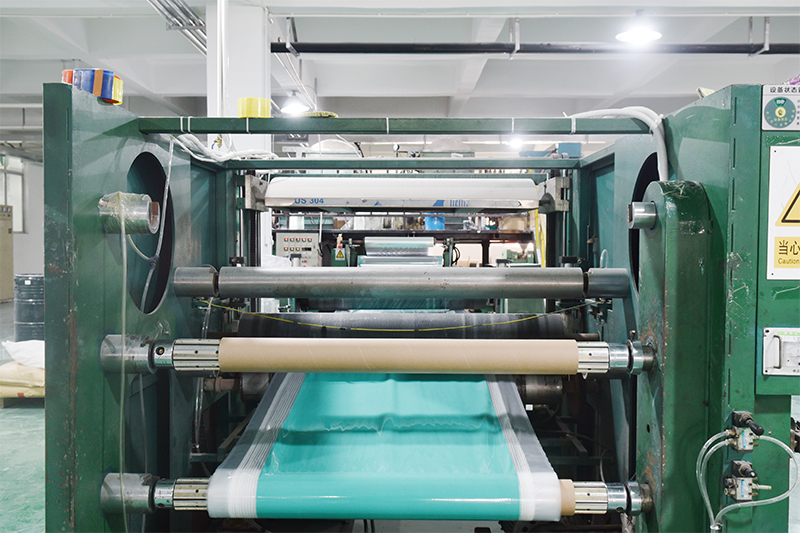
China has established itself as the global hub for chemical and polymer synthesis. CYCT leverages this industrial ecosystem to ensure supply security, cost stability, and rapid response times. As a vertically integrated manufacturer, CYCT controls every stage of the production cycle:
This vertical integration allows CYCT to offer cost advantages without sacrificing quality. Every batch is traceable from raw polymer pellet to field delivery, providing reliable quality control for critical projects.
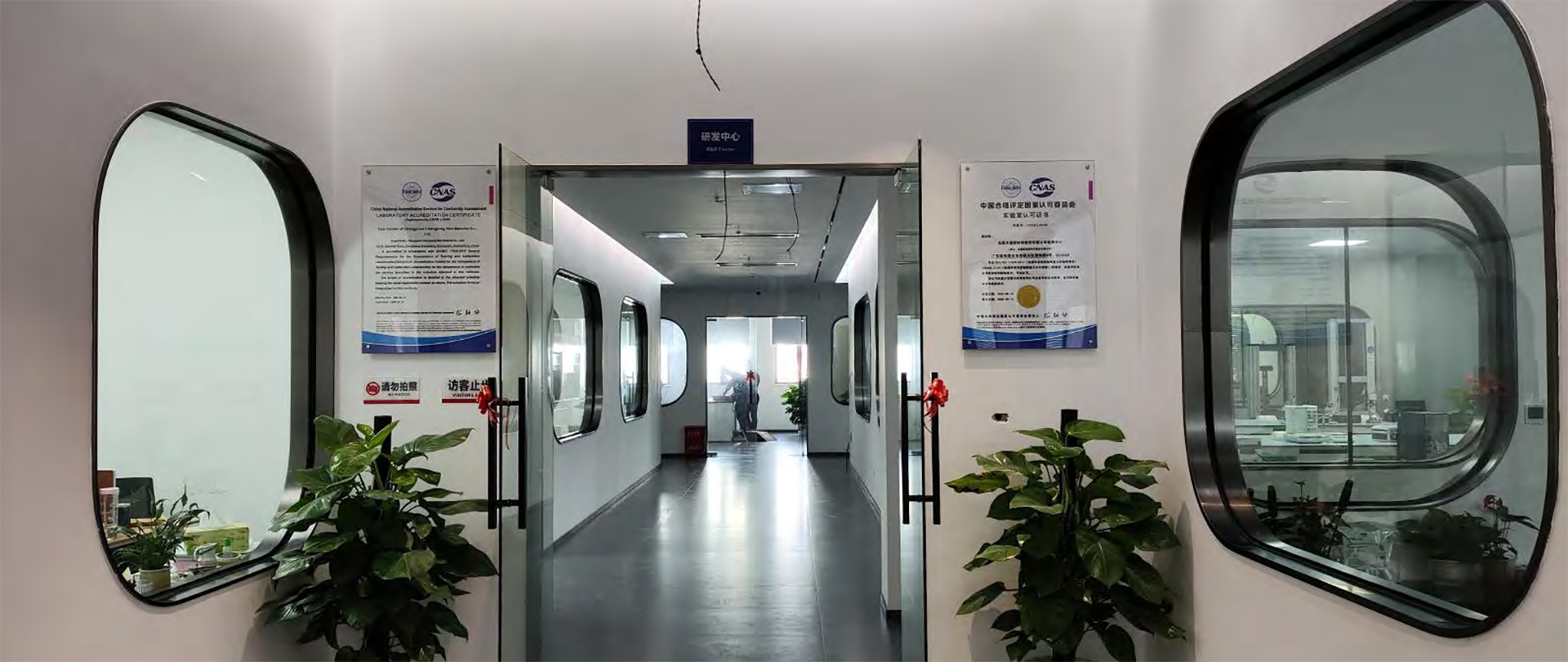
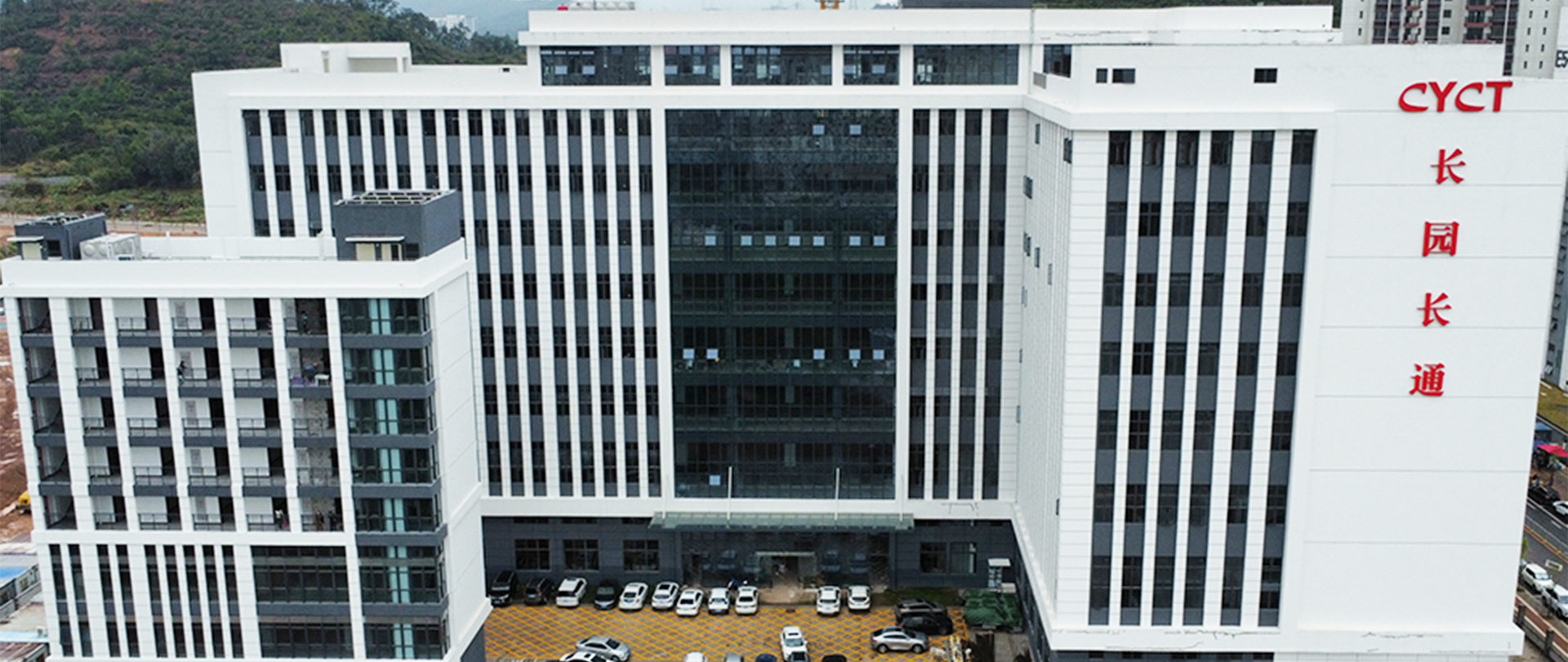
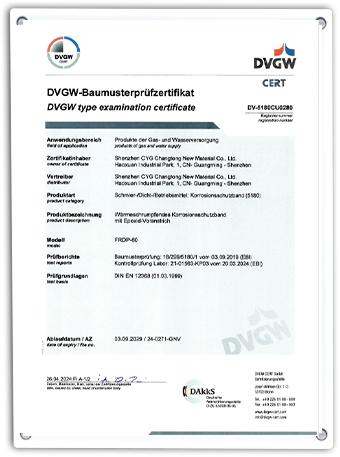
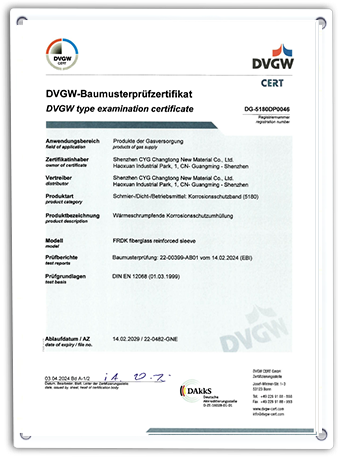
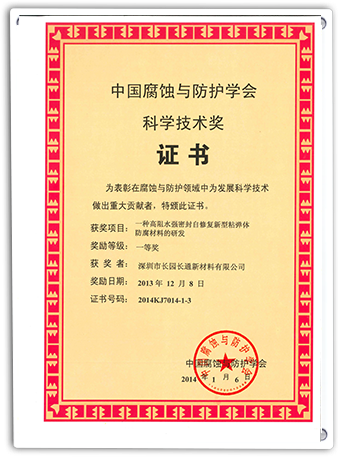
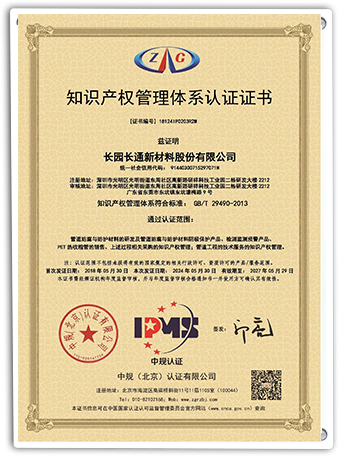
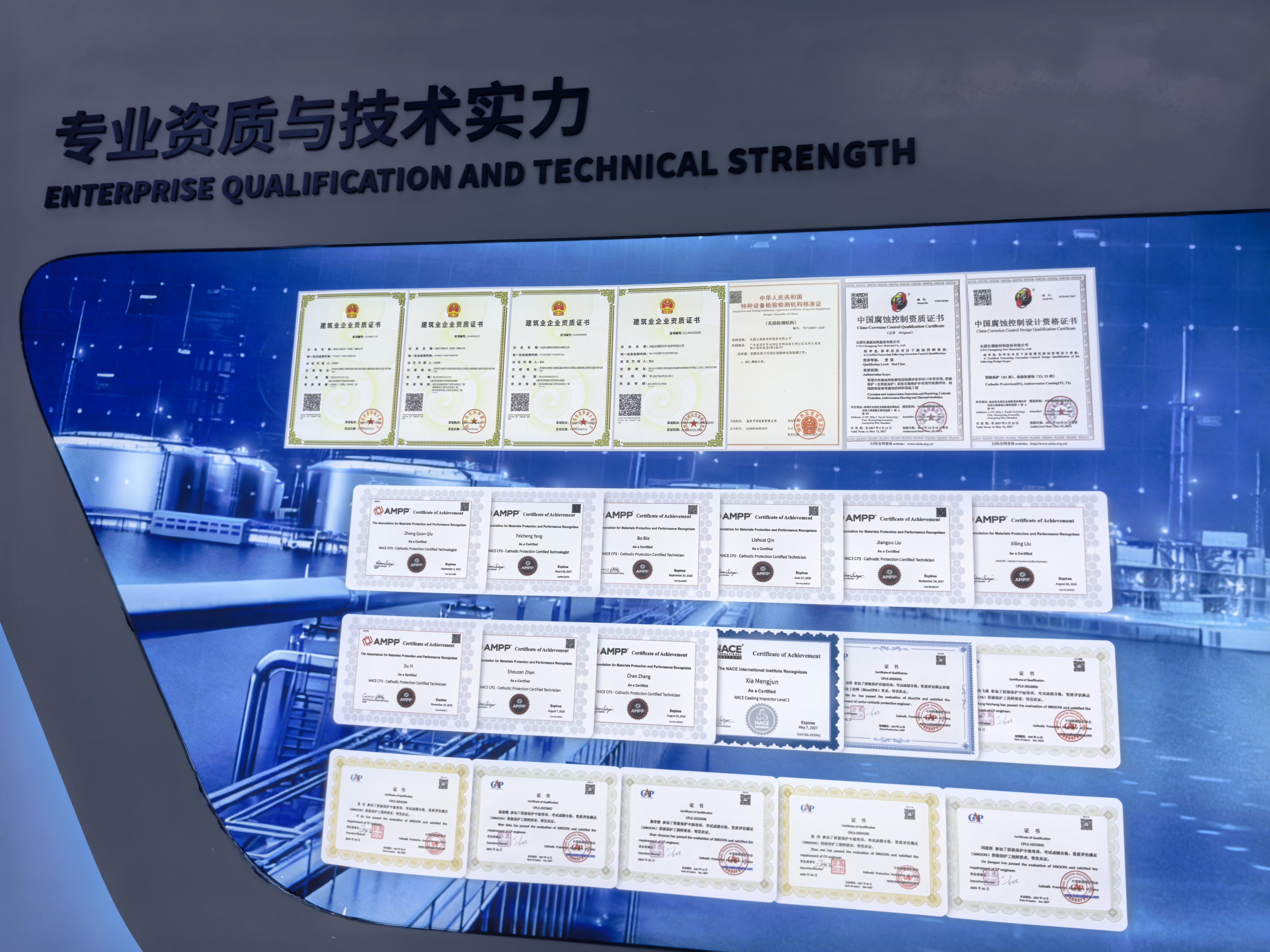
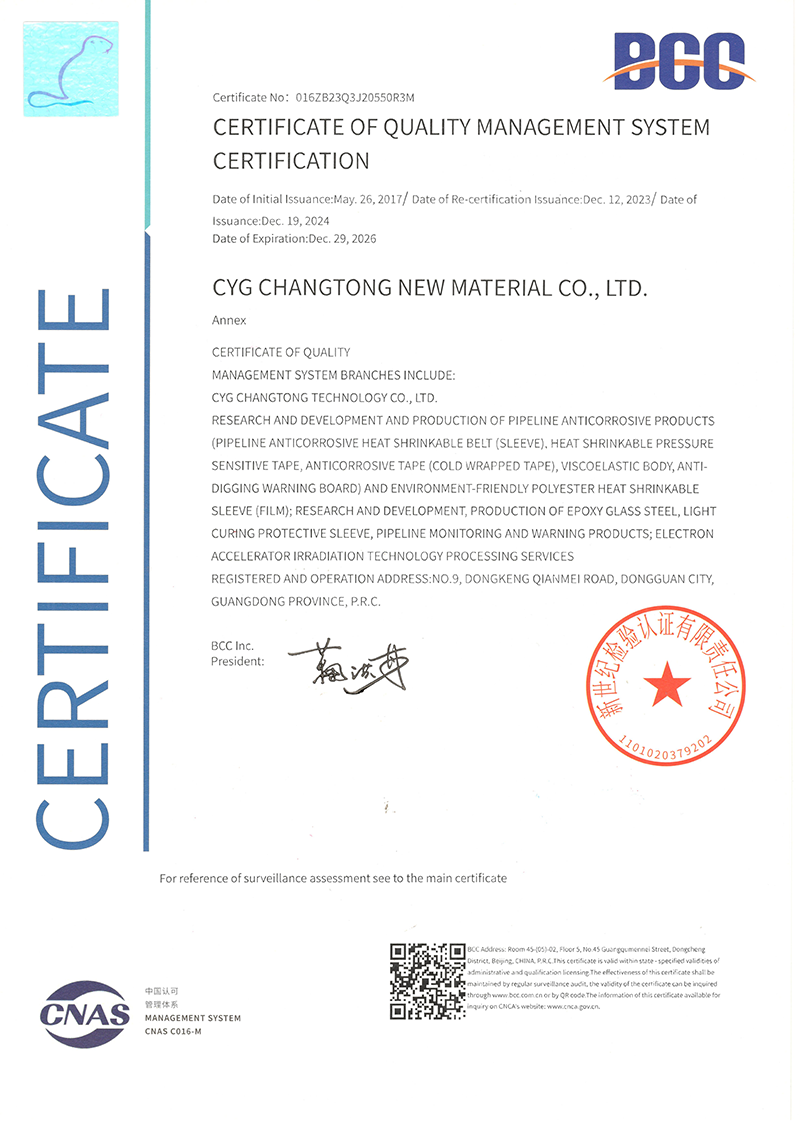
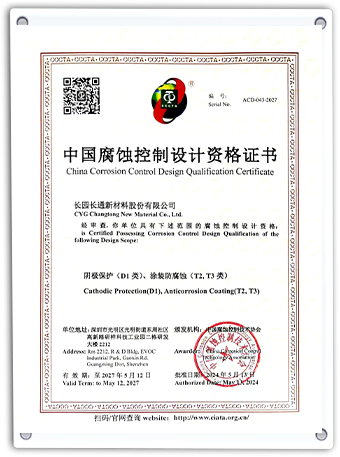
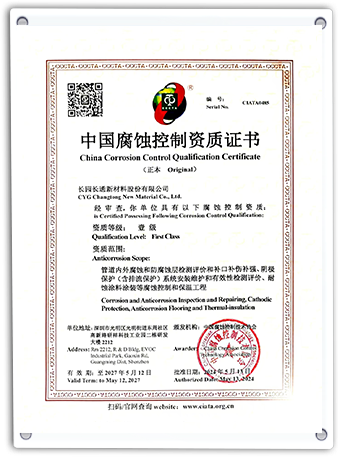
CYCT has spent decades earning credentials to qualify as an approved vendor for national oil companies and global engineering contractors. We are an active member of the Council in Chinese Society for Corrosion and Protection (CSCP), corporate members of the China Association of Petroleum Engineering Construction (CAPEC), and participate in the Association for Materials Protection and Performance (AMPP, formerly NACE).
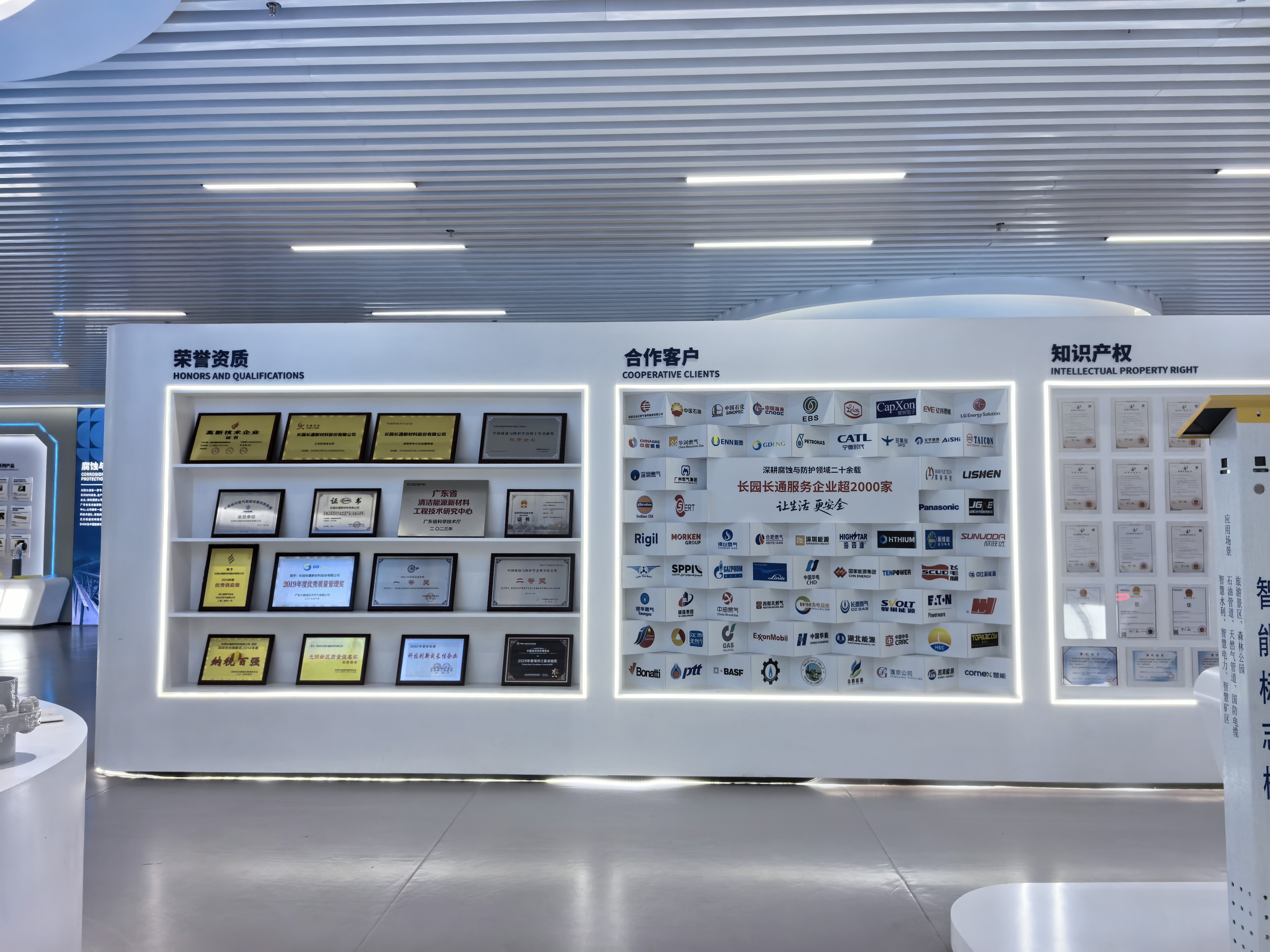
Our status as a stable supplier to giants like PetroChina, Sinopec, PipeChina, China Gas Group, and Indian Oil demonstrates our commitment to reliable manufacturing and service delivery. Pipeline projects demand strict compliance, and CYCT's facility holds comprehensive certifications to meet international engineering specifications.
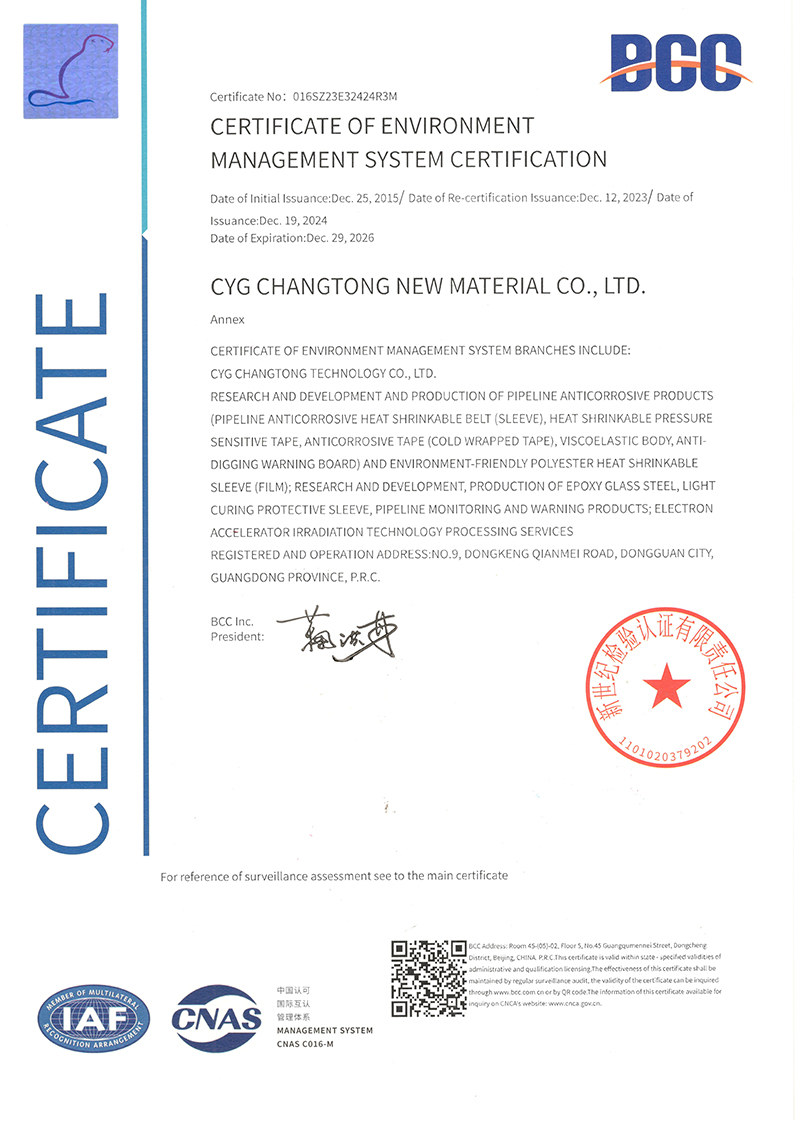
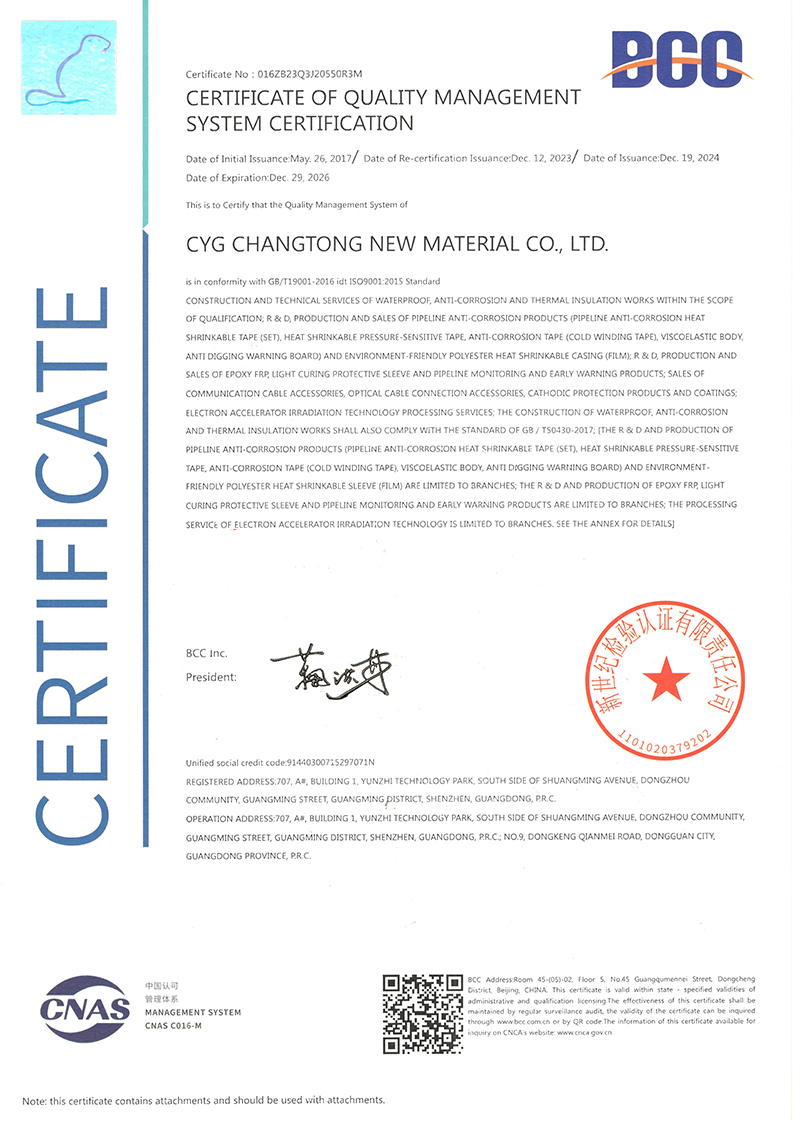
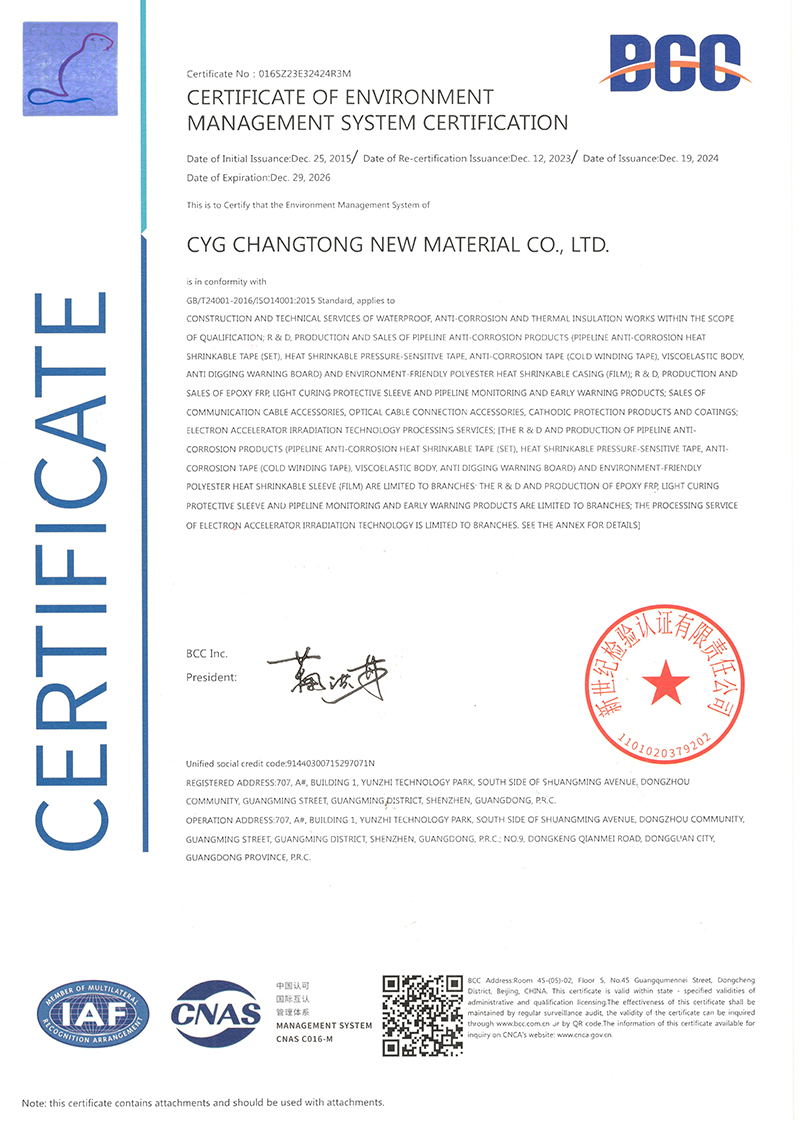
 CYCT
CYCT