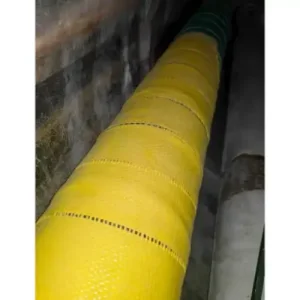
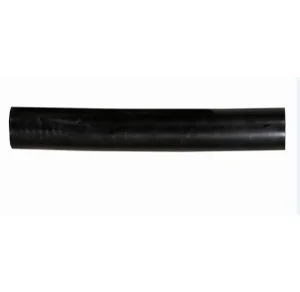
Advanced engineering solutions designed for high mechanical resistance, thermal stability, and long-term durability.
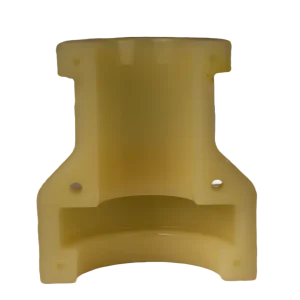
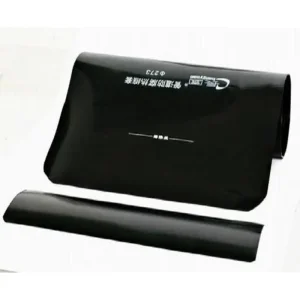
Understanding the critical role of heat shrinkable wraparound sleeves, high-performance joint coatings, and mechanical shields in protecting infrastructure.
In modern energy, petrochemical, municipal transmission networks, the continuous protection of pipeline joint interfaces stands as the absolute pillar of operational longevity. High-performance field joint coatings (FJC), notably heat shrinkable sleeves and repair patches, represent the primary barrier against galvanic reaction, microbiological erosion, stress corrosion cracking (SCC), and severe mechanical impacts. As systems age, the cost of sub-surface failures climbs exponentially, forcing global infrastructure planners and EPC corporations to execute rigorous validation of anti-corrosion suppliers.
Understanding the thermodynamics and material polymerizations of PE (Polyethylene) and PP (Polypropylene) heat shrink materials is paramount for field applications. Heat shrinkable technology utilizes radiation-induced crosslinked polymer backings combined with custom viscoelastic or hot-melt mastic adhesives. These specialized assemblies construct a highly impermeable protection sleeve that morphs intimately around steel welds and parent pipe surfaces when thermal treatment is applied.
Procurement teams within global oil, gas, and major utility sectors face strict technical, environmental, and financial constraints. These priorities include:
Established Authority & Innovation
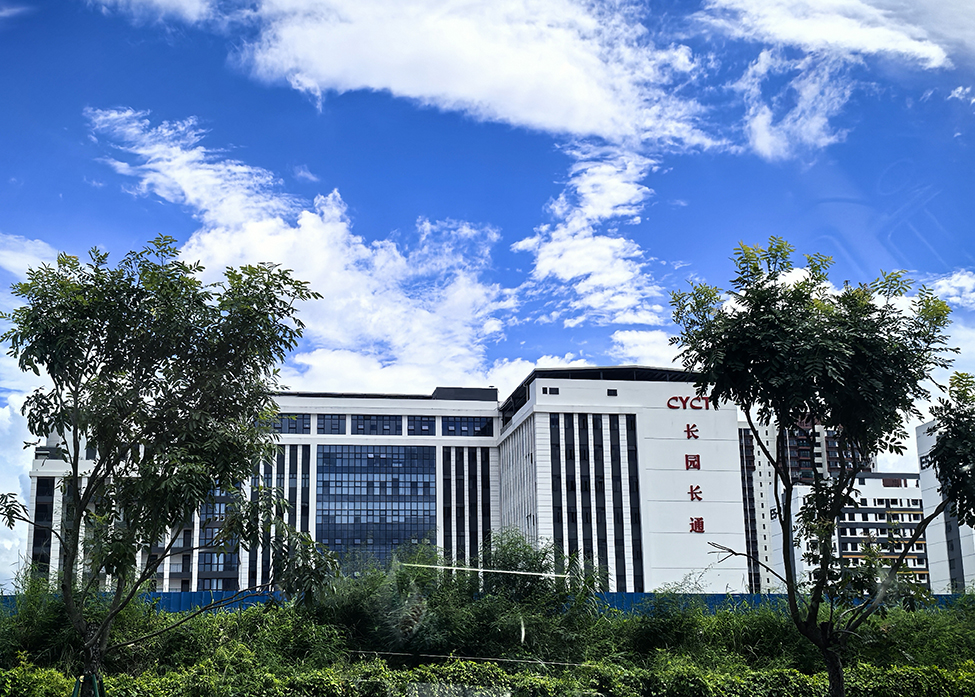
CYCT is a state-level high-tech enterprise integrating R&D, production, and sales of pipeline corrosion protection materials, as well as buried pipeline detection services and pipeline coating field application services into a unified global solution.
With decades of dedicated focus on pipeline corrosion prevention, CYCT combines advanced material synthesis, manufacturing, and QA validation. Our engineering capabilities enable us to provide in-service pipelines with varied technical services, including design schemes, cathodic protection, pipeline rehabilitation, and integrated safety systems.
As a stable, long-term supplier of field joint coatings for years in PetroChina, Sinopec, PipeChina, and various municipal gas networks, CYCT maintains a dominant market share. Over the years, we have introduced a comprehensive array of specialized protection coatings, including visco-elastic anticorrosion materials, special photo-curing sleeves for HDD protection, polyurea coatings, and advanced polyurethane offshore bend restrictors.
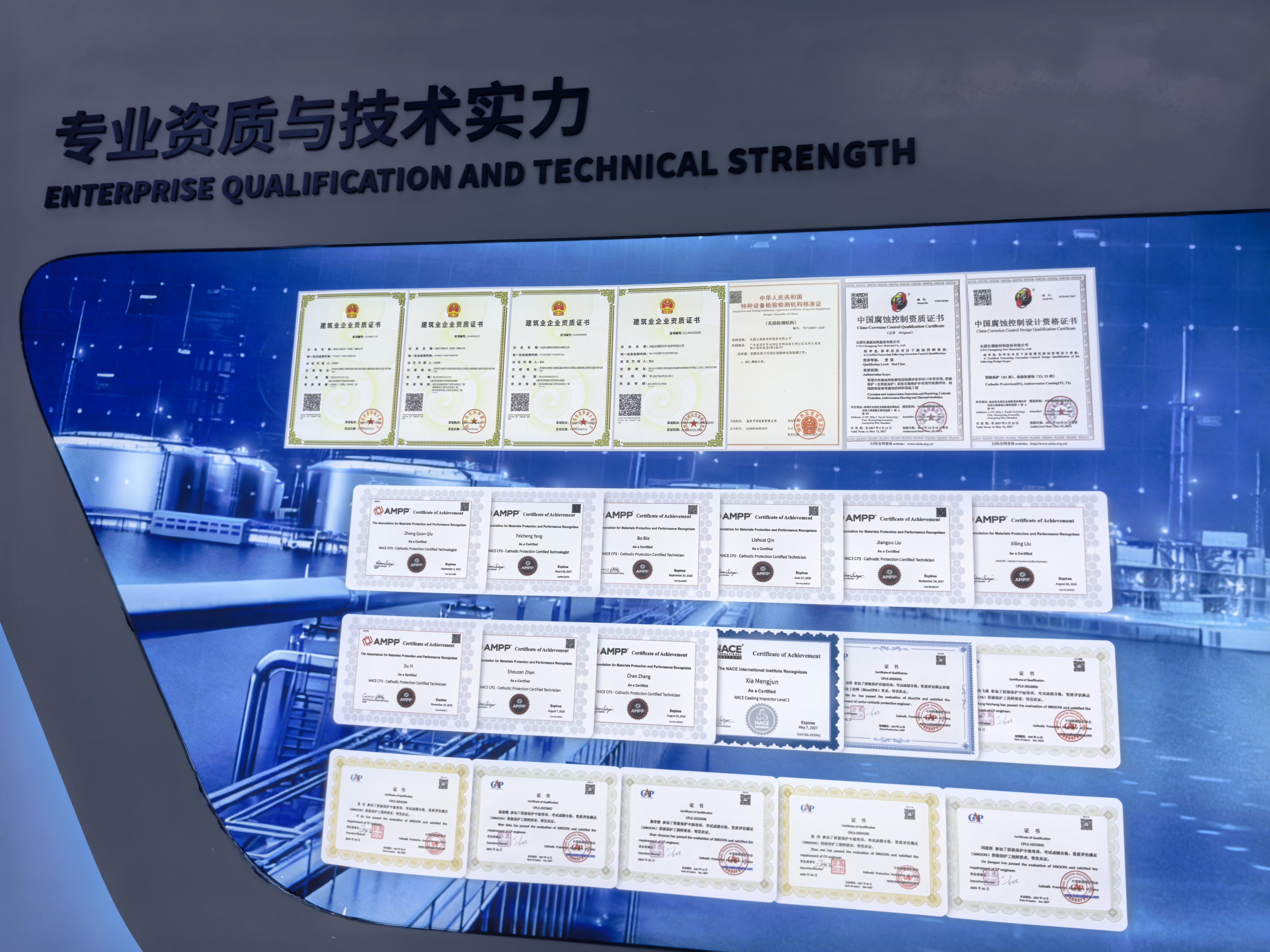
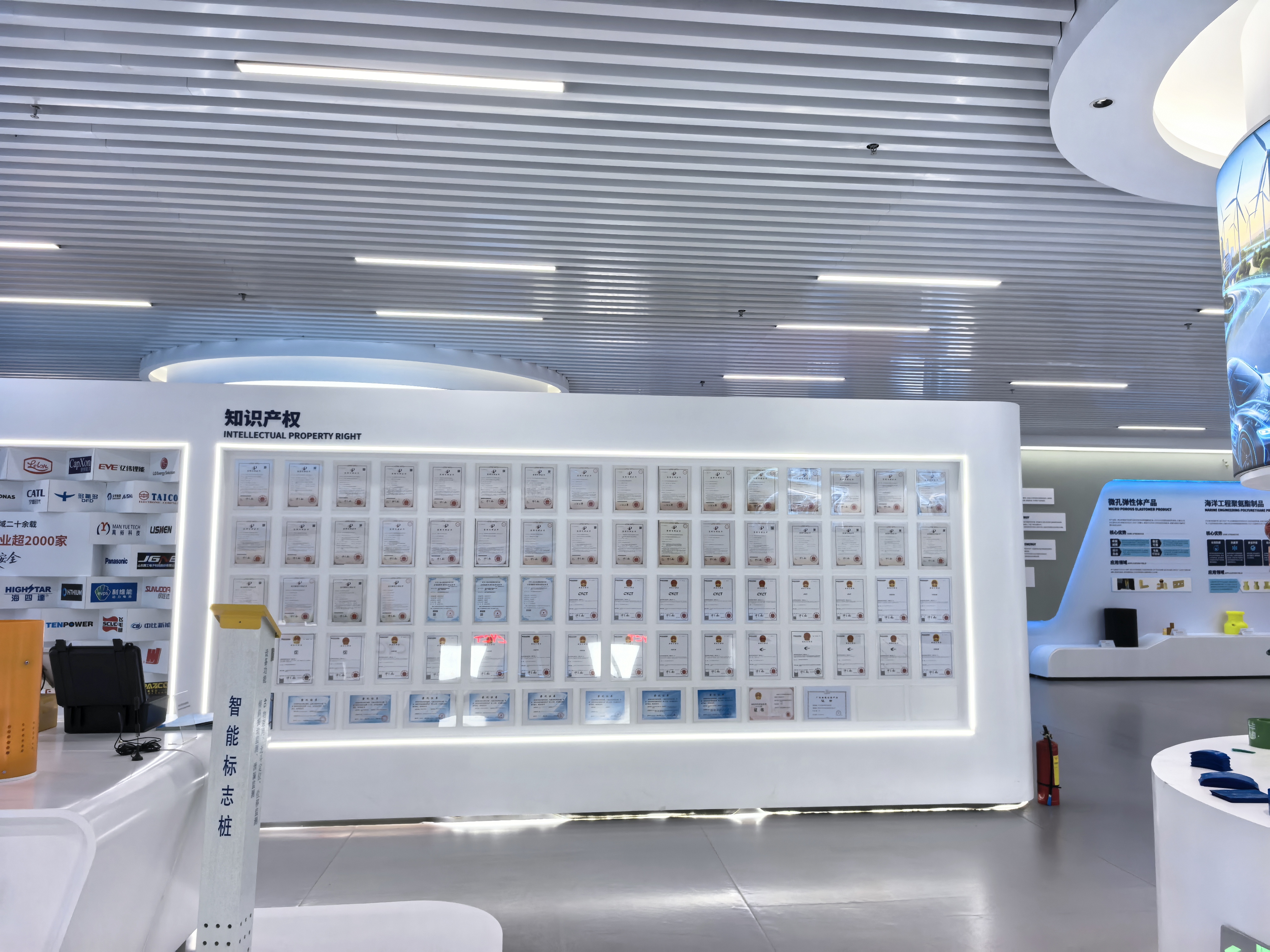
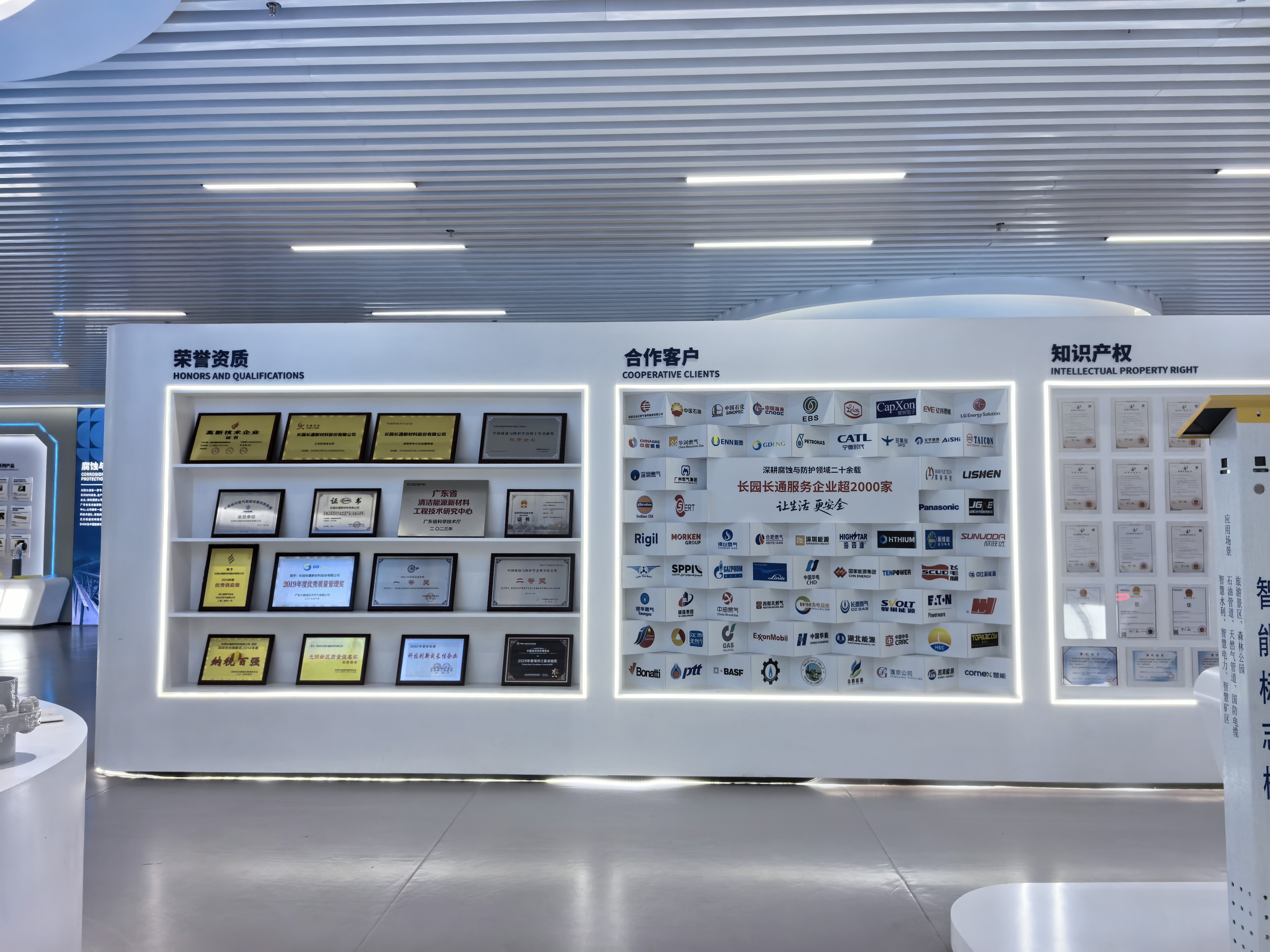
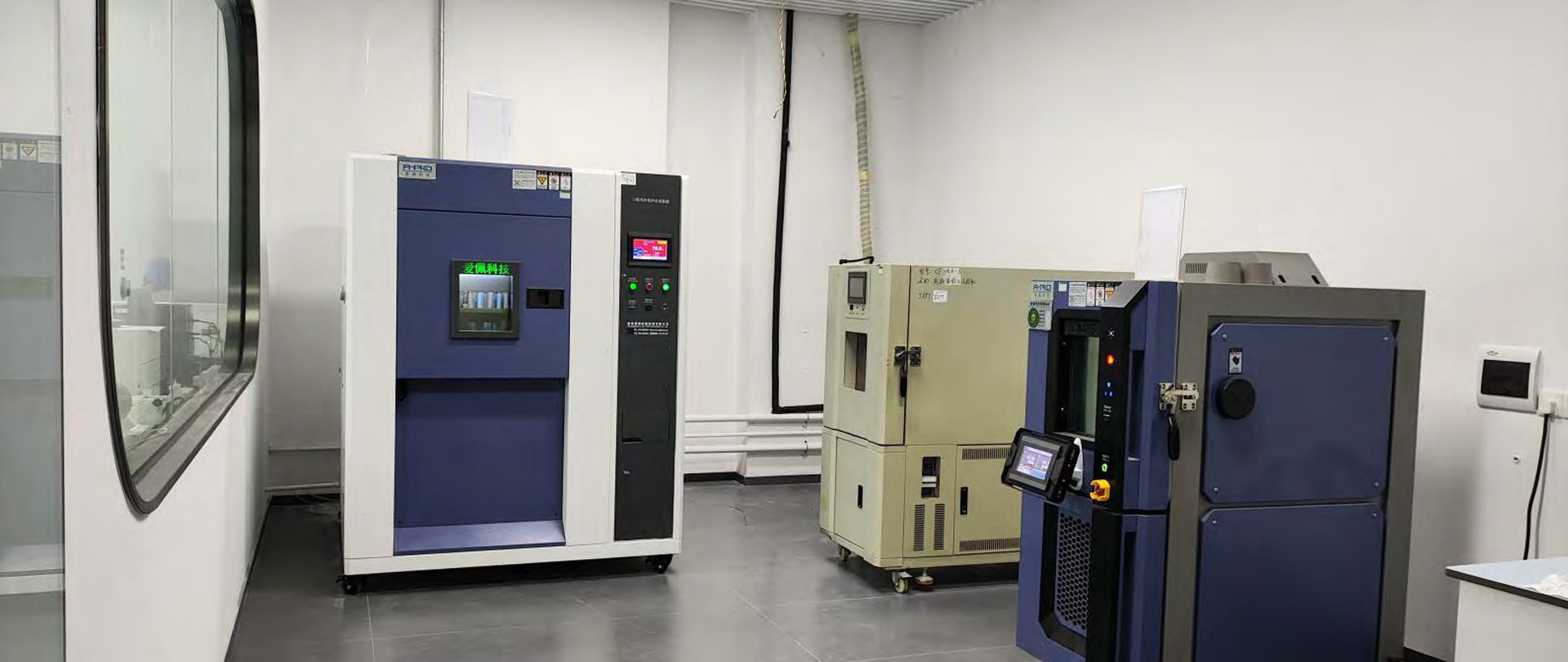
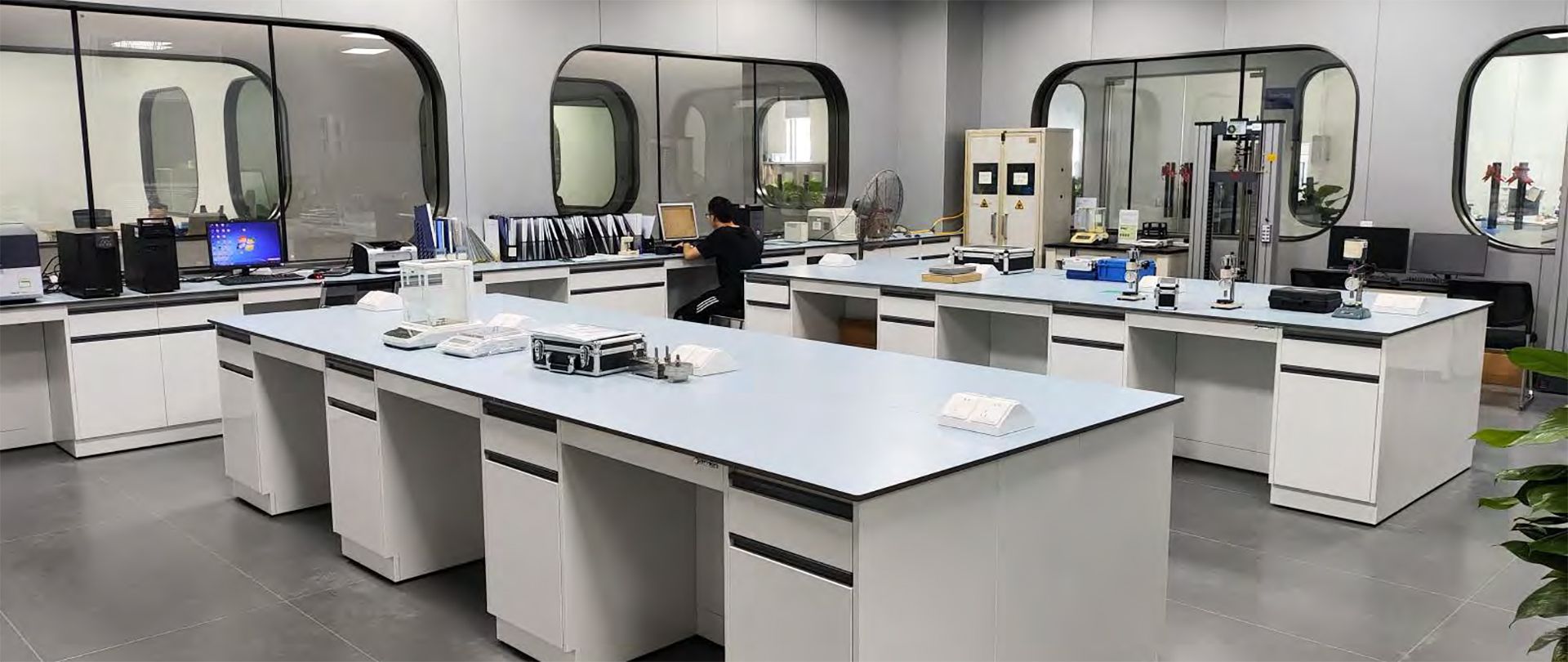
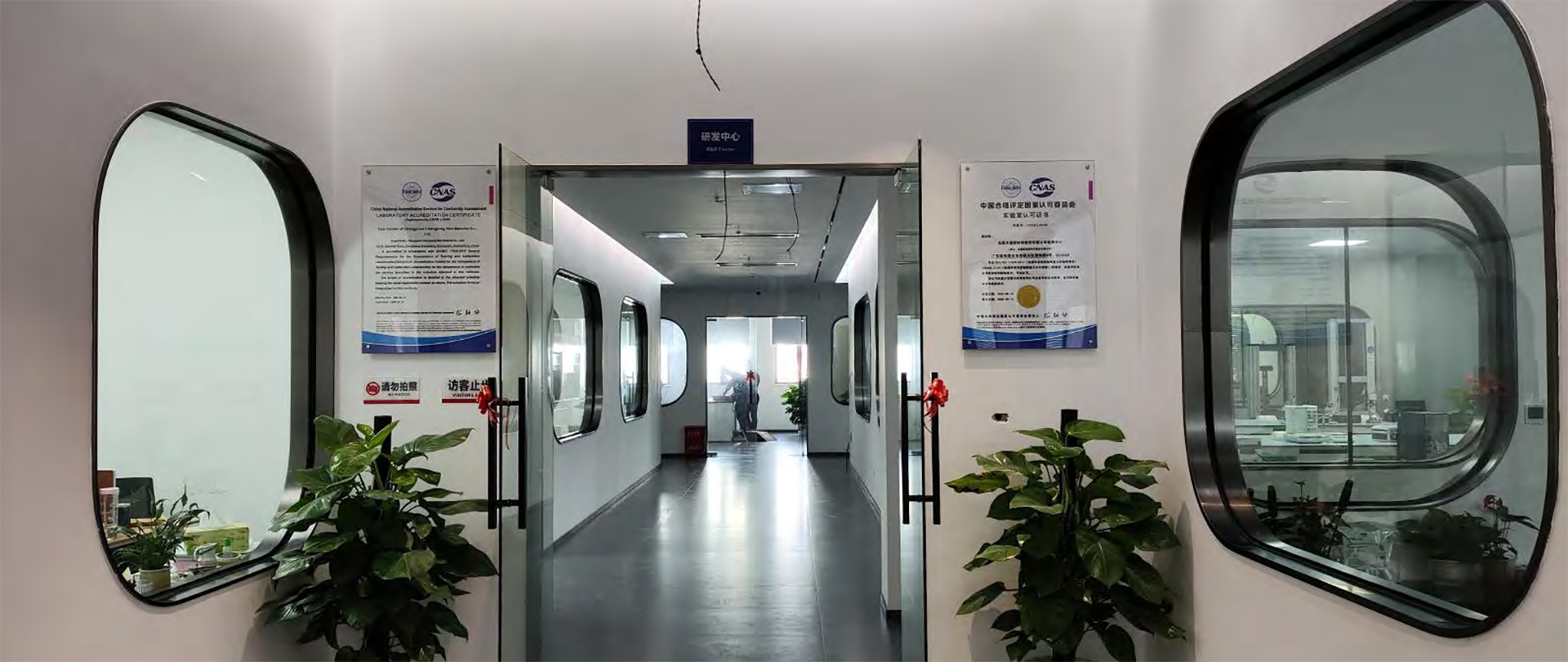
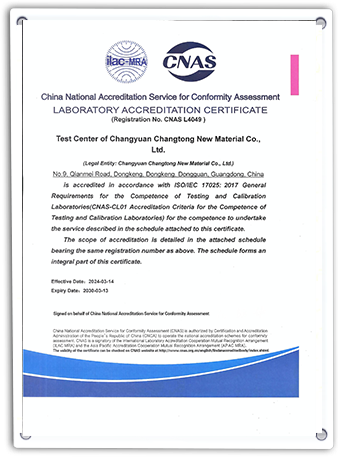
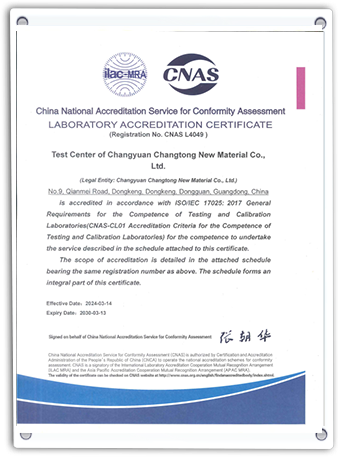
A national CNAS accredited laboratory testing performance benchmarks for cross-linked polyolefin backings, viscoelastic flow, and adhesive shear rates.
CYCT owns leading testing and R&D capabilities, supported by a professional R&D team and a national CNAS-accredited laboratory. This facility evaluates raw copolymer bases, polymer cross-linking densities, radiation dosage levels, peel strength stability, and cathodic disbondment resistance.
We work in close cooperation with leading research centers, including the CNPC Pipeline Science Research Institute. This collaborative framework translates pipeline science into engineered products, delivering reliable field performance under complex soil stress and environmental conditions.
From design phase support and cathodic protection configurations to active rehabilitation works, CYCT delivers integrated solutions that minimize corrosion risks and prolong critical pipeline infrastructure life.
Years of Engineering Excellence
Proprietary Intellectual Properties
CNAS & AMPP Compliance Rate
Pipeline Supplier in Strategic Markets
Optimized coating structures engineered to withstand mechanical stress, dynamic soil movement, and high operating temperatures.
A pipeline coating's design must account for geographical stressors, installation methods, and operating dynamics. Below, we examine the primary scenarios where CYCT systems are applied by oil and gas operators:
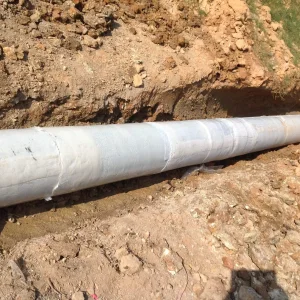
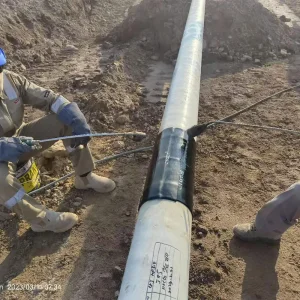
Large-diameter cross-country pipelines operating at elevated temperatures face significant soil stress and cyclic pressure variations. Standard 3LPE (Three-Layer Polyethylene) parent coatings require field joint systems that bond seamlessly to them. The FRDP Heat Shrinkable Sleeve (operating up to 80°C - 85°C) and the PP Heat Shrink Sleeve (Wraparound-Type) are designed for this purpose. Utilizing a high-shear hot-melt copolymer adhesive over liquid epoxy primers, they provide a reliable barrier with excellent resistance to cathodic disbondment.
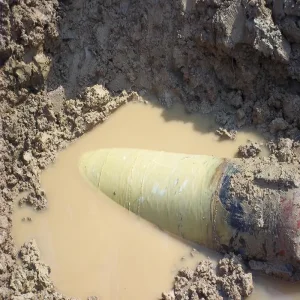
Trenchless construction subjected pipelines to high shear forces as they are pulled through bedrock and soil. Standard heat shrink sleeves can shear or peel under these conditions. CYCT addresses this with the Photo-Curing Protective Sleeve (GRP Sheet) and the Epoxy FRP (Fiberglass) Solution. Applied over the primary corrosion coating, these systems cure into a hard, impact-resistant shield that protects the joint during installation.
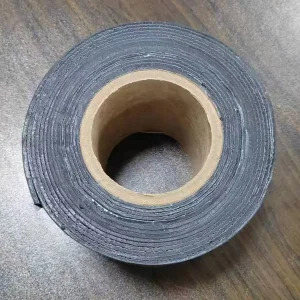
For existing pipelines experiencing coating degradation, excavation and rehabilitation require systems that can be applied with minimal surface preparation. The FRDX PE Repair Patch and Viscoelastic Anticorrosion Tapes/Coatings are ideal for this. Viscoelastic systems feature a cold-flow, self-healing property that flows into micro-fissures and maintains constant contact with the steel substrate, requiring only a wire-brush surface finish (St 2/St 3).
| System Type | Primary Application | Temp Rating | Key Advantage | Standard Compliance |
|---|---|---|---|---|
| FRDP Heat Shrinkable Sleeve | Field Joint Coating (3LPE) | Up to 85°C | High peel strength, cathodic disbondment resistance | ISO 21809-3 Type 14A |
| PP Heat Shrink Sleeve | High-Temp Field Joint (3LPP) | Up to 110°C | Excellent thermal stability & shear resistance | ISO 21809-3 Type 14B |
| Viscoelastic Tape (FVT95) | Valves, Flanges, Custom Joints | -30°C to 95°C | Self-healing, minimal surface prep required | EN 12068 Class C50 |
| Photo-Curing GRP Sleeve | HDD Structural Protection | Wide Range | Excellent mechanical shear & impact resistance | ASTM D256 / D638 |
Marine environments expose pipelines to extreme hydrostatic pressure and physical movement. Subsea systems rely on structural protection like High-Performance Polyurethane Bend Restrictors. These modular systems prevent dynamic cables, umbilicals, and flowlines from exceeding their minimum bend radii under current and wave action, preventing structural damage.
Exploring the chemistry behind radiation cross-linking and viscoelastic interfaces.
The performance of heat shrinkable materials is based on the phenomenon of elastic memory. During manufacturing, CYCT uses high-energy electron accelerators to irradiate extruded polyolefin backing sheets. This process cross-links the linear polymer chains into a stable three-dimensional network. After cross-linking, the backing is heated past its crystalline melting point, stretched to its target dimensions, and cooled to temporarily lock in its expanded state.
Upon field installation, heating the backing past its crystalline melting point triggers the elastic memory, causing the sleeve to shrink toward its original dimensions. This recovery pressure forces the molten internal adhesive layer into close contact with the steel pipe and parent coating, forming a durable, low-permeability seal.
Our hot-melt copolymer adhesives are formulated to resist shear stress caused by soil movement and thermal cycles, maintaining adhesion under heavy loads.
Our viscoelastic coatings exhibit cold-flow behavior, allowing the material to self-repair minor surface penetrations and maintain continuous coverage.
Using photo-initiators sensitive to specific light wavelengths, our GRP protective sheets cure rapidly under sunlight or UV lamps to form a robust mechanical barrier.
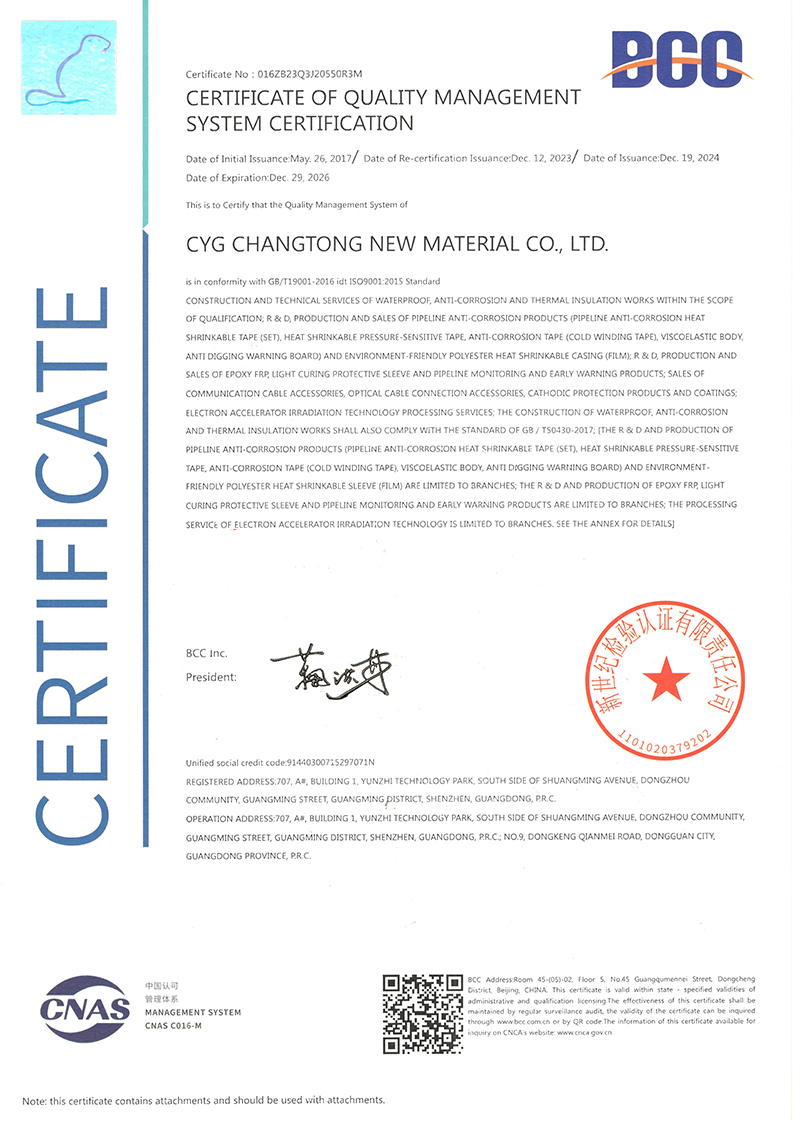
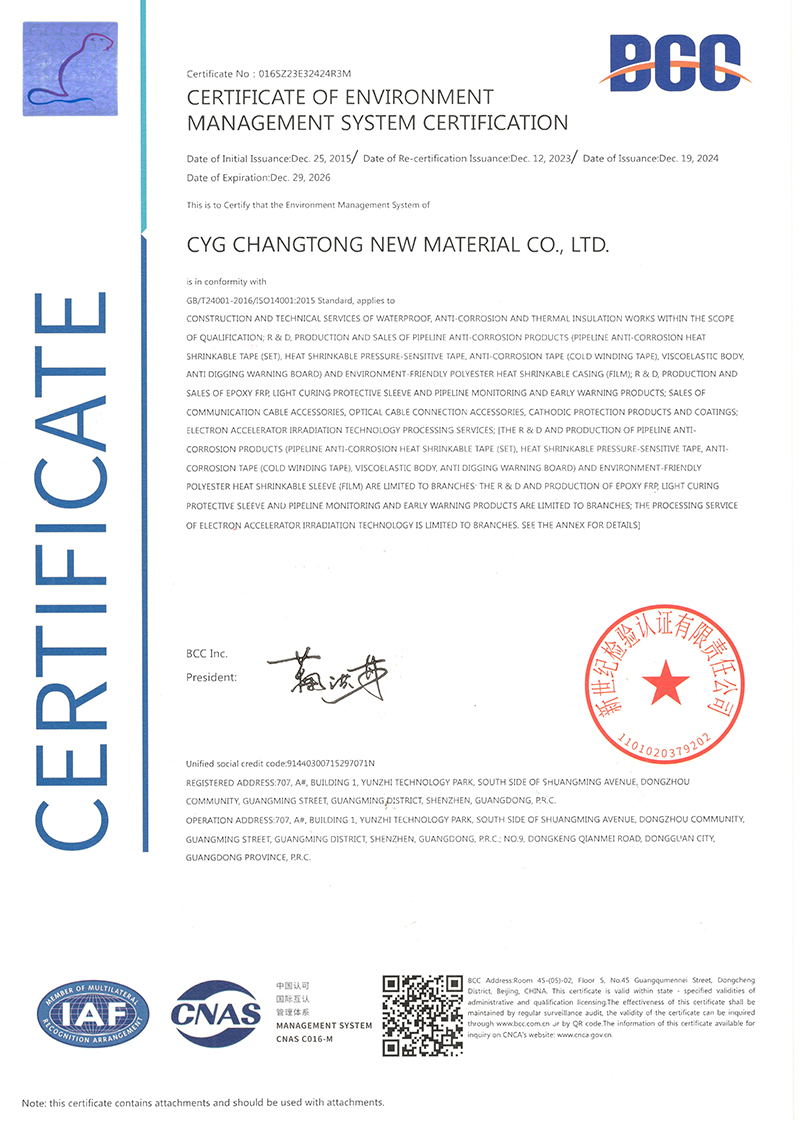
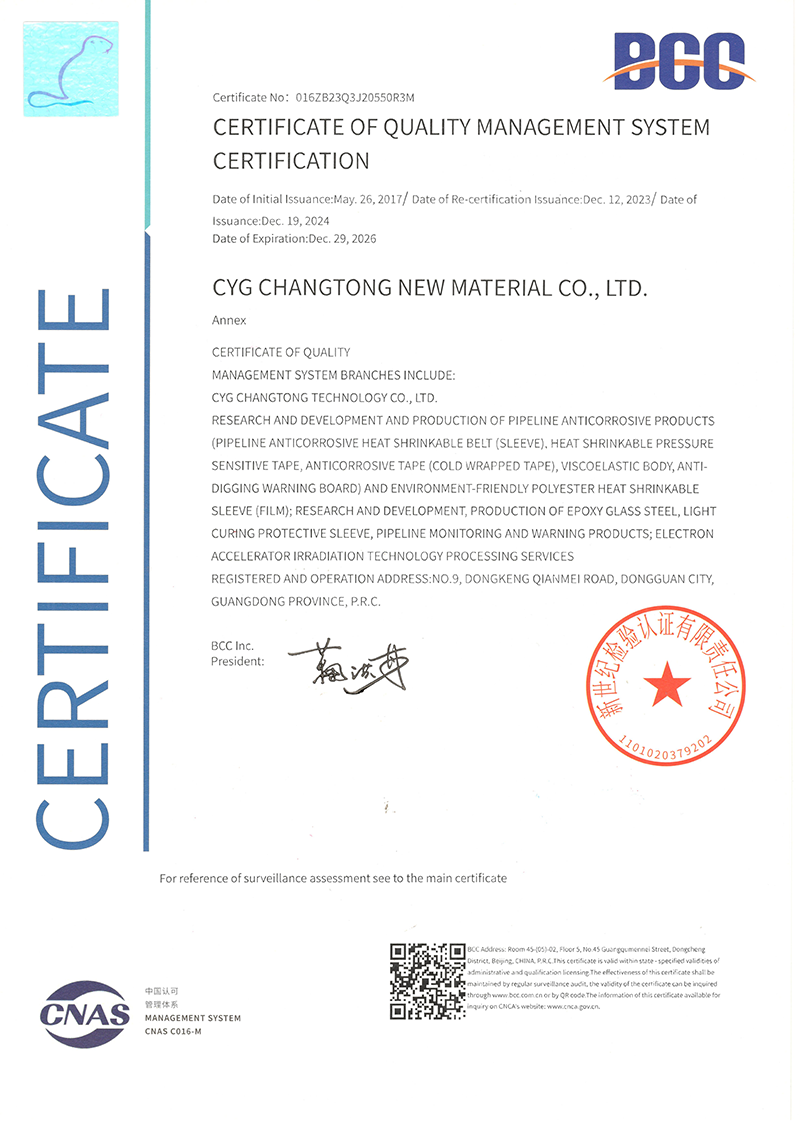
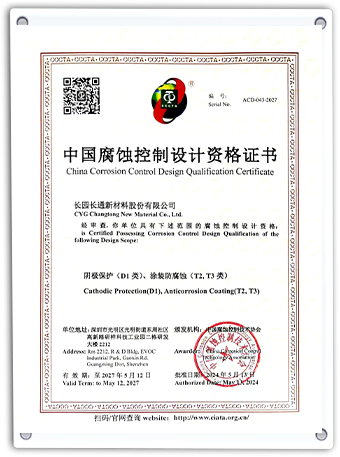
CYCT operates under strict international quality guidelines to ensure compliance with global engineering standards.
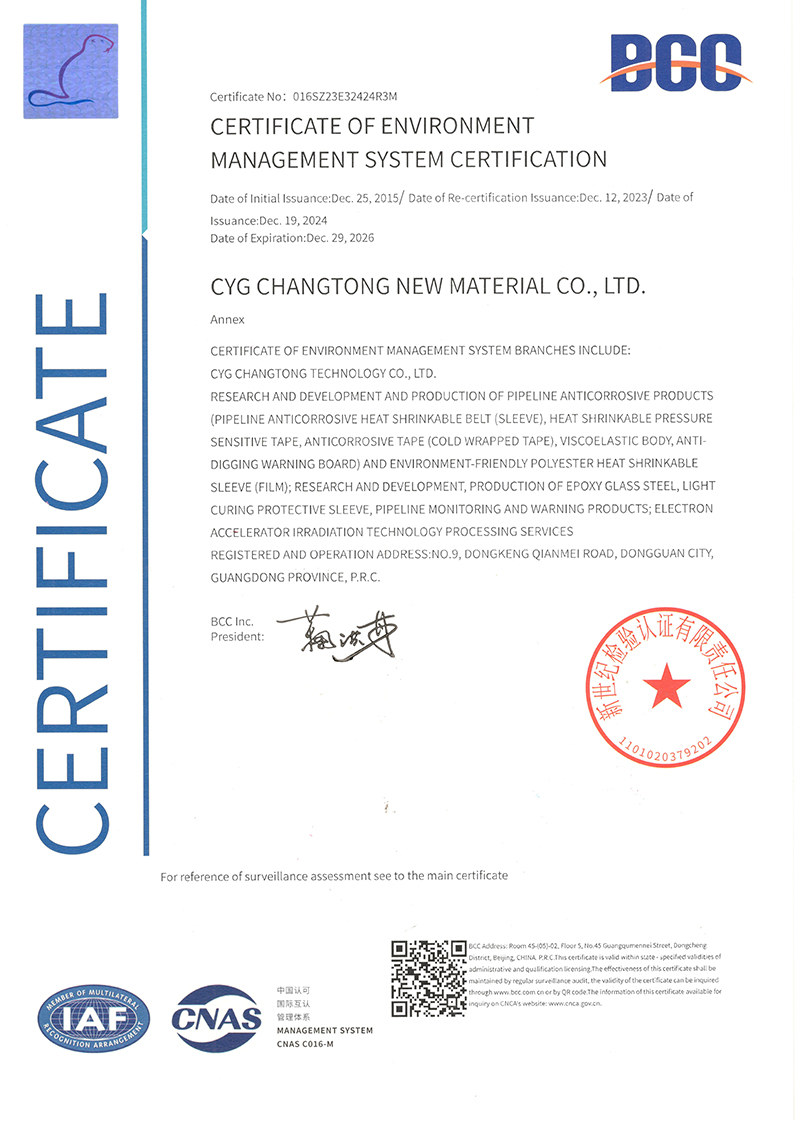
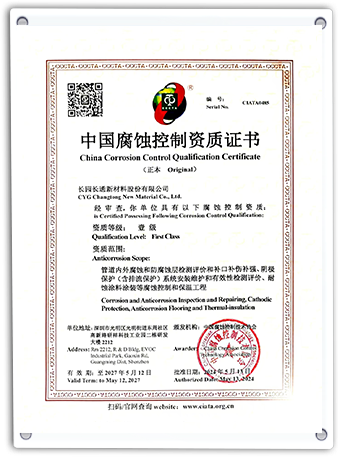
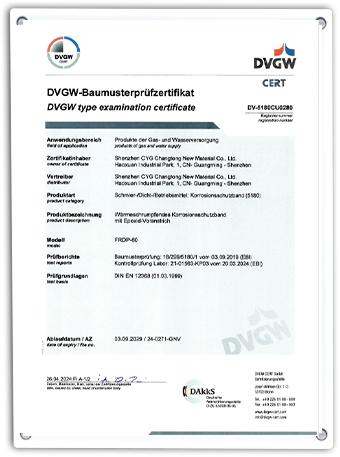
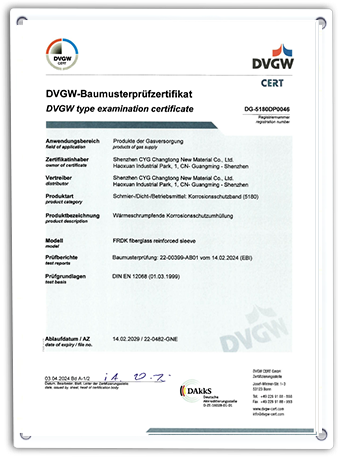
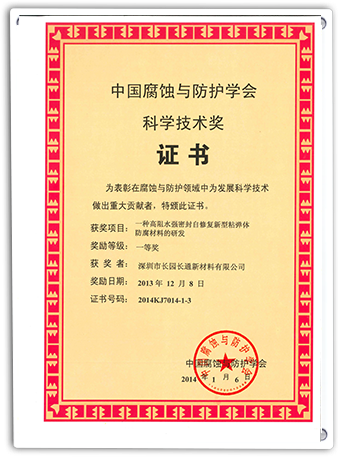
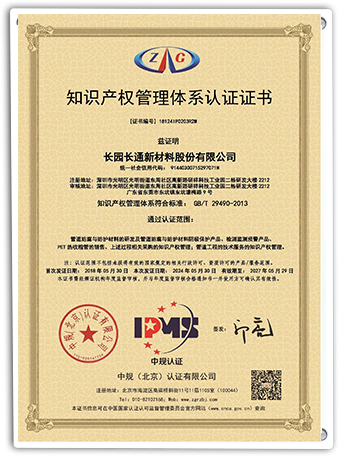
CYCT's products are manufactured in compliance with ISO 9001, ISO 14001, and ISO 45001 standards. Our materials hold councils and memberships in key corrosion prevention groups, including:
Technical answers to common field engineering, procurement, and surface preparation challenges.
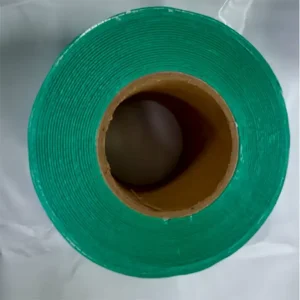
Specialized anti-corrosion solutions, tapes, and accessories completing our pipeline integrity product range.
 CYCT
CYCT