Engineered high-performance heat-shrinkable sleeves and protective solutions designed for rigorous global standards.
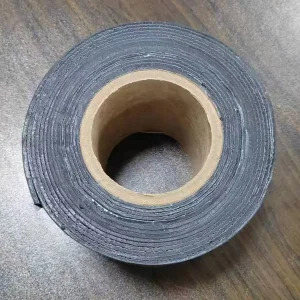
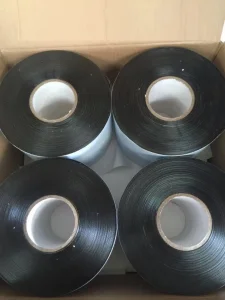
An engineering deep-dive on advanced polyolefins, shear stress resistance, and long-term cathodic disbondment mitigation.
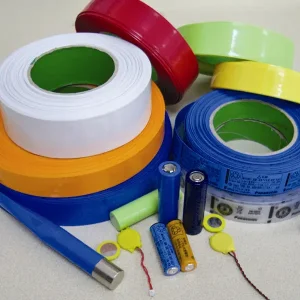
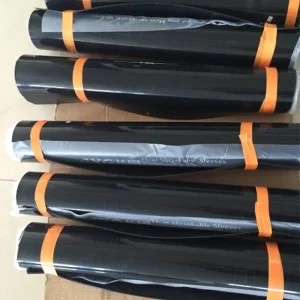
Modern infrastructure requires pipeline systems to endure over 50 years under dynamic geological stresses and aggressive electrochemical conditions. Field joints—the welded sections linking pipes—represent the most vulnerable component of this infrastructure. Heat shrink tapes (HST) function as critical, custom-engineered barrier protection. A high-performance HST consists of a cross-linked polyolefin backing combined with a shear-resistant hot melt or mastic adhesive.
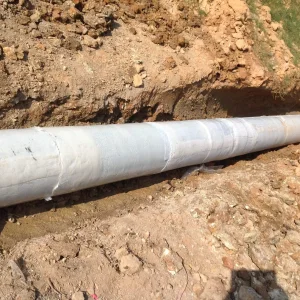
During installation, heat applied to the backing triggers its "elastic memory," prompting the polymer matrix to shrink tightly around the substrate. Concurrently, the thermal exposure liquefies the internal adhesive layer, allowing it to flow into surface irregularities on the steel and pre-existing factory coating. This creates a cohesive, void-free moisture barrier.
Polypropylene (PP) based heat shrinkable sleeves, such as the FRPD-PP system, are highly valued for high-temperature pipelines (ranging up to 110°C to 120°C). Unlike Polyethylene (PE) options, PP provides superior mechanical strength and resistance to soil stress. In hot climates or clay-heavy soils, underground thermal movement creates substantial lateral drag. Poorly engineered tapes can buckle or shear, exposing the metal underneath.
PP sleeves provide the necessary structural support to counter these forces. In addition, their low permeability index prevents water vapor and oxygen molecules from contacting the underlying steel surface, halting the oxidation process.
Modern pipelines utilize cathodic protection (CP) currents as secondary corrosion defense. However, CP currents can generate hydrogen gas beneath damaged coatings, leading to a phenomenon known as Cathodic Disbondment (CD). The primary metric for premium pipeline field joints is their resistance to CD at high temperatures. CYCT's specialized hot melt adhesives are formulated to maintain strong chemical bonds with the steel surface, even under continuous cathodic stress.
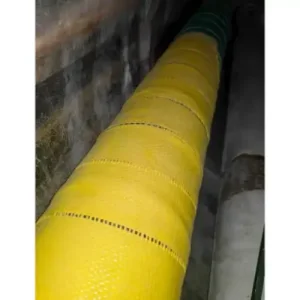
In high-stress installation scenarios, such as Horizontal Directional Drilling (HDD) where pipes are pulled through rocky borehole environments, traditional polymer coatings can suffer severe abrasion. In these cases, combining PE or PP heat shrink sleeves with Glass Fiber Reinforced Plastics (GFRP) or photo-curing GRP sheets provides an ultra-rugged outer layer, protecting the corrosion barrier during pull-back operations.
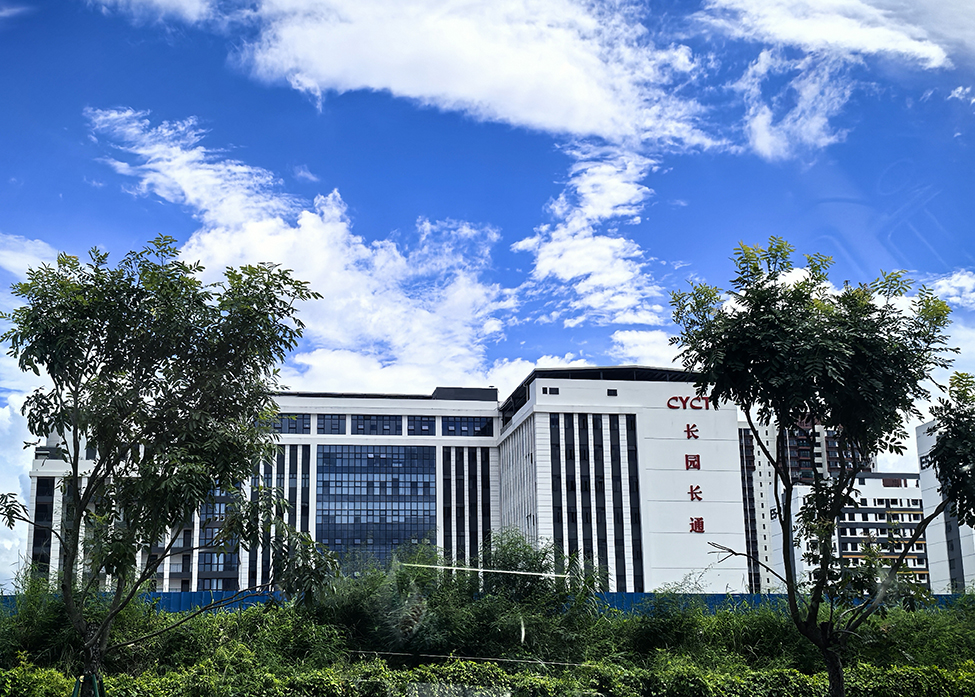
CYCT New Materials Company Limited (for short, CYCT) is a state-level high-tech enterprise integrating R&D, production and sales of pipeline corrosion protection materials as well as buried pipeline detection service and pipeline coating field application service into one. CYCT has devoted itself to the R&D, production, and sales of pipeline corrosion protection materials for decades.
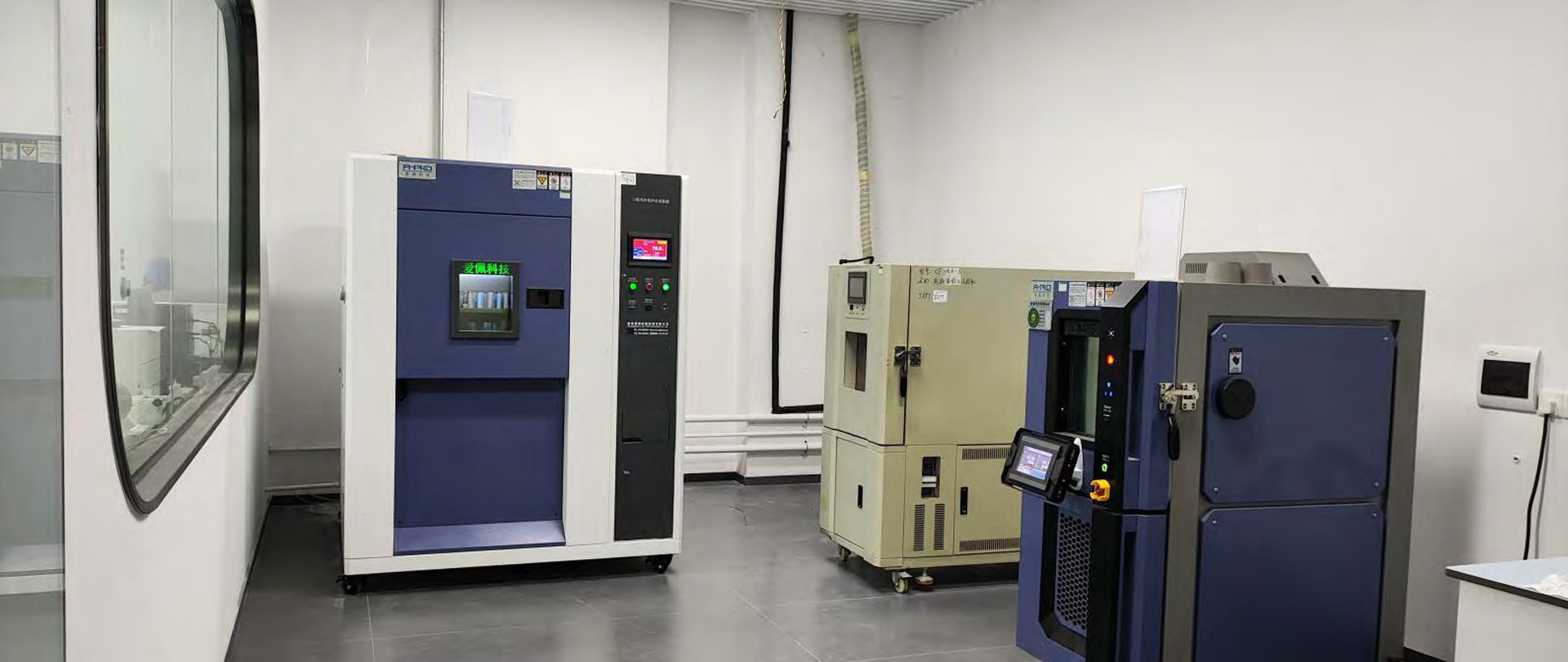
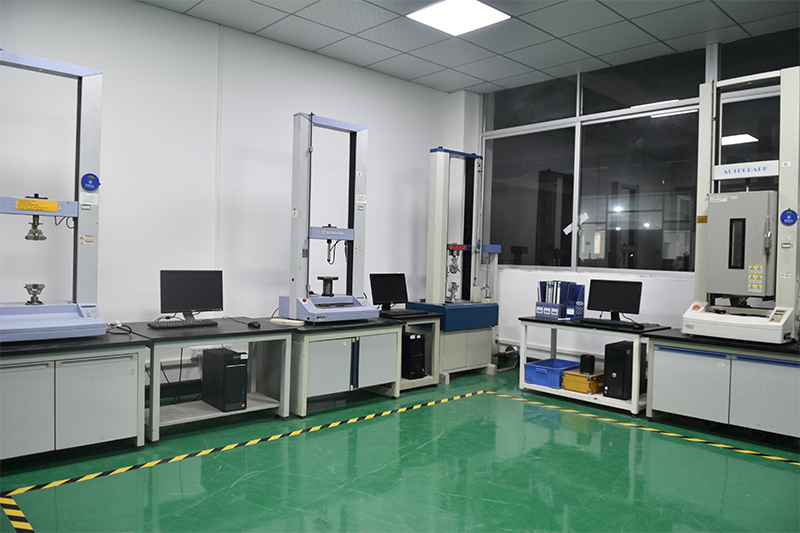
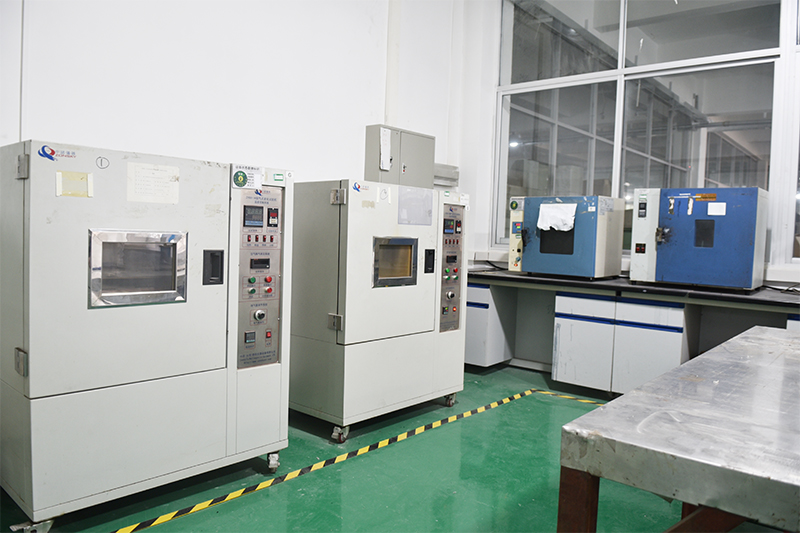
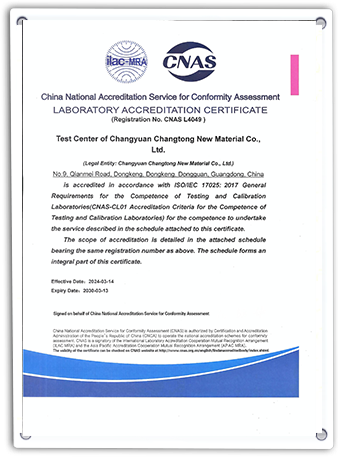
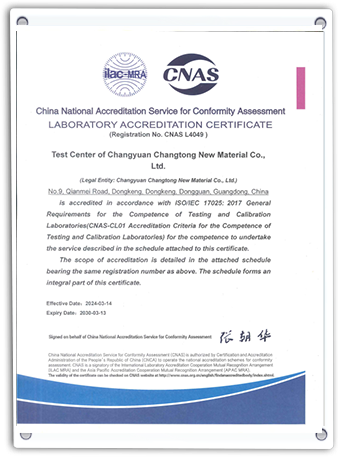
CYCT owns leading testing and R&D capabilities, a professional R&D team, and a national CNAS-accredited laboratory. By maintaining close cooperation with leading research organizations like the CNPC Pipeline Science Research Institute, CYCT is equipped to provide in-service pipelines with varied technical services. These include buried pipeline detection, design schemes, cathodic protection, rehabilitation projects, and integrated solutions for pipeline safety.
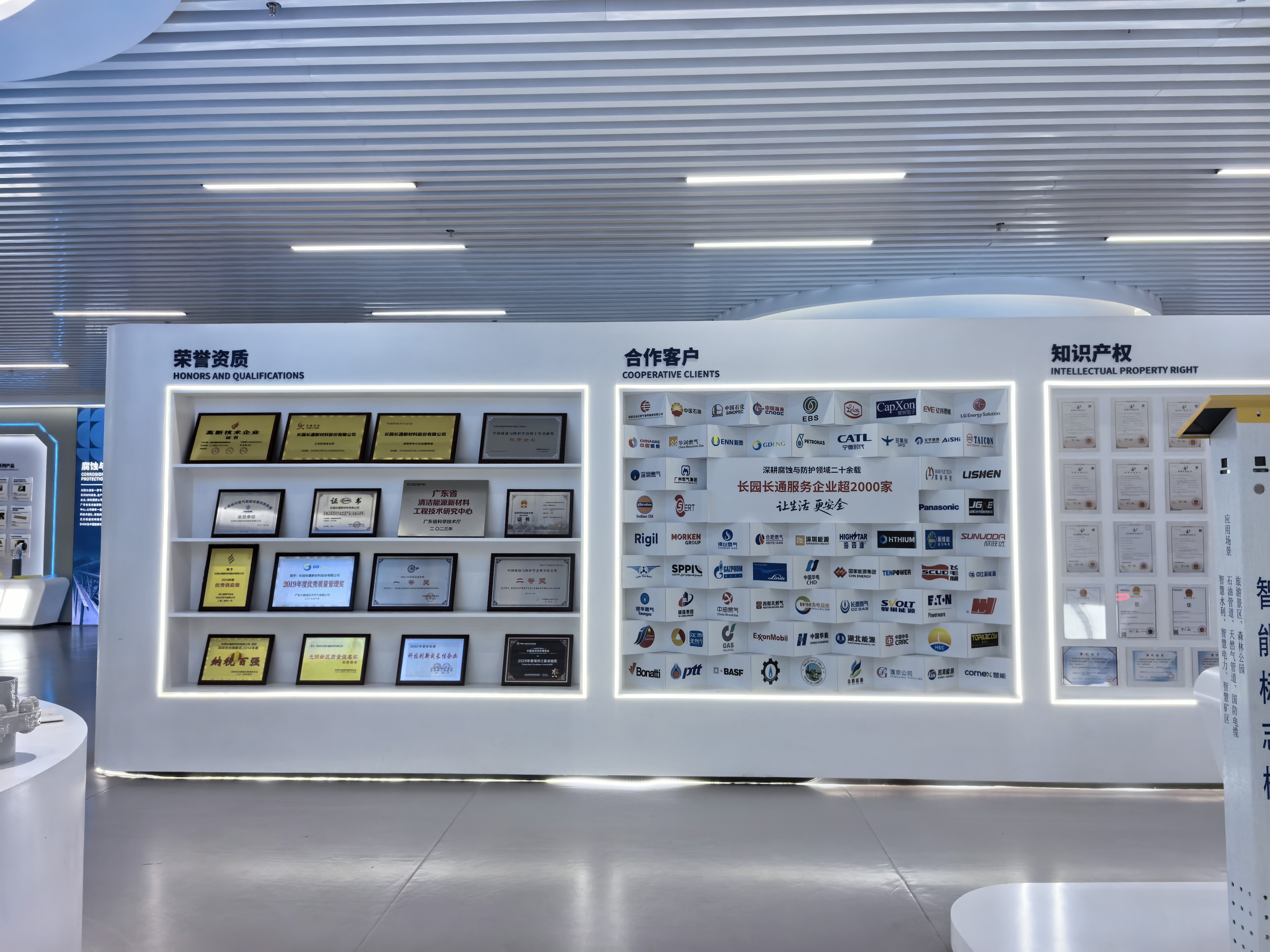
CYCT has been a stable field joint coating supplier for years to PetroChina, Sinopec, PipeChina, and various local pipeline projects. Through these partnerships, it has secured a major share of the market. Furthermore, CYCT has developed and introduced several specialty corrosion protection products, including visco-elastic materials, photo-curing sleeves for HDD protection, and polyurea coatings.
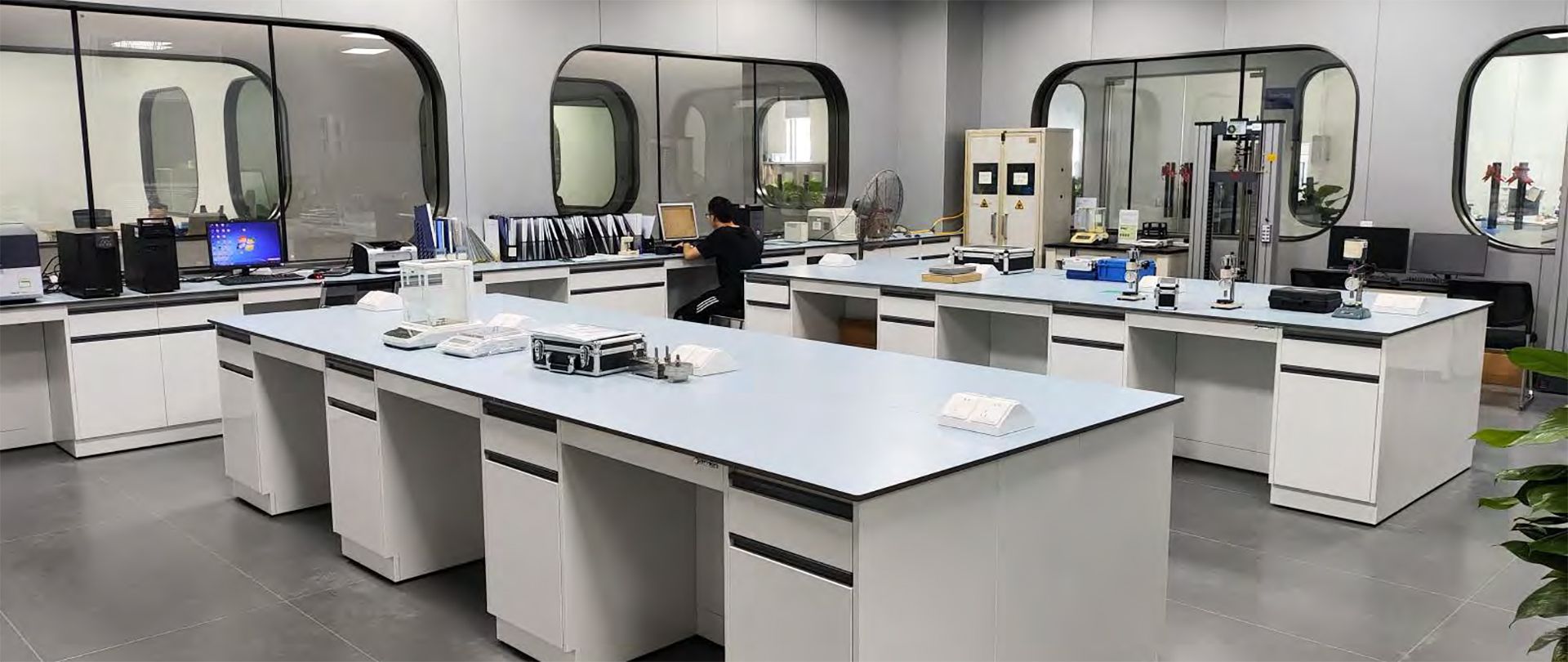
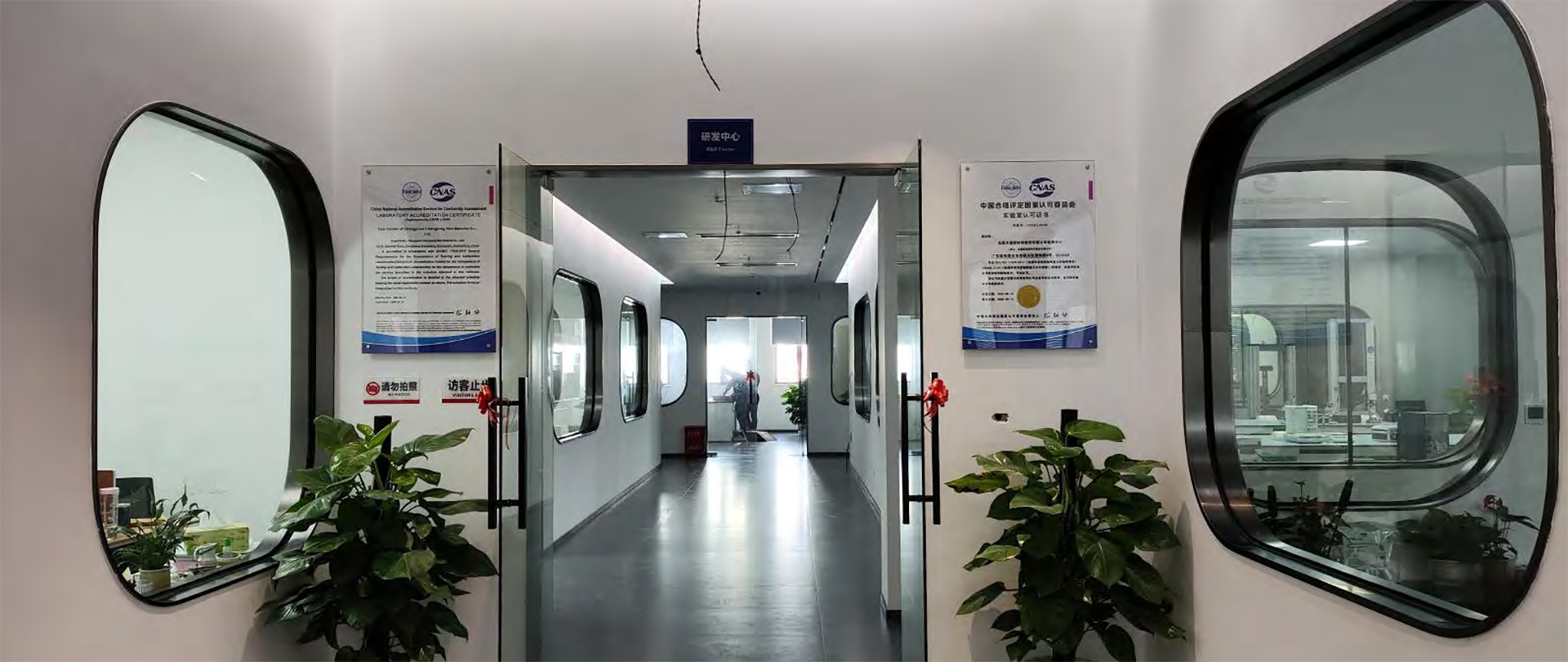
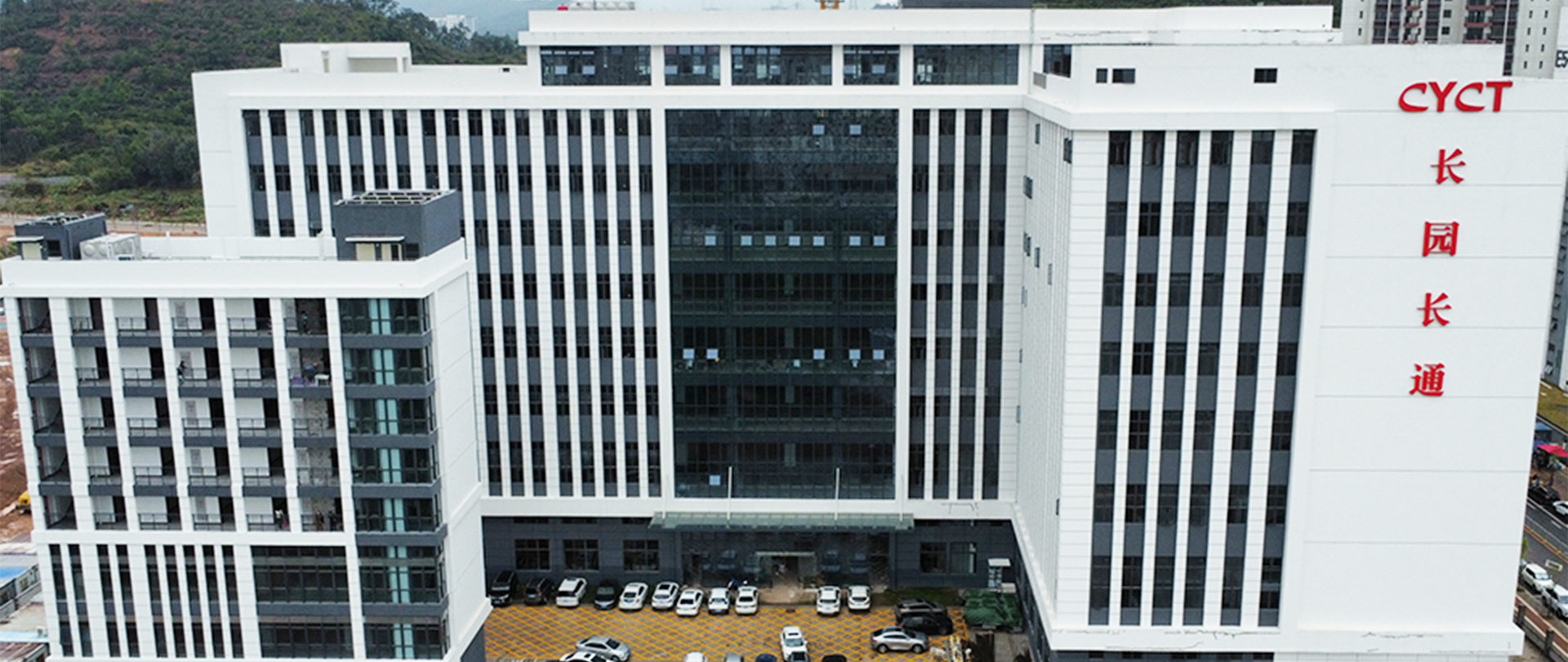
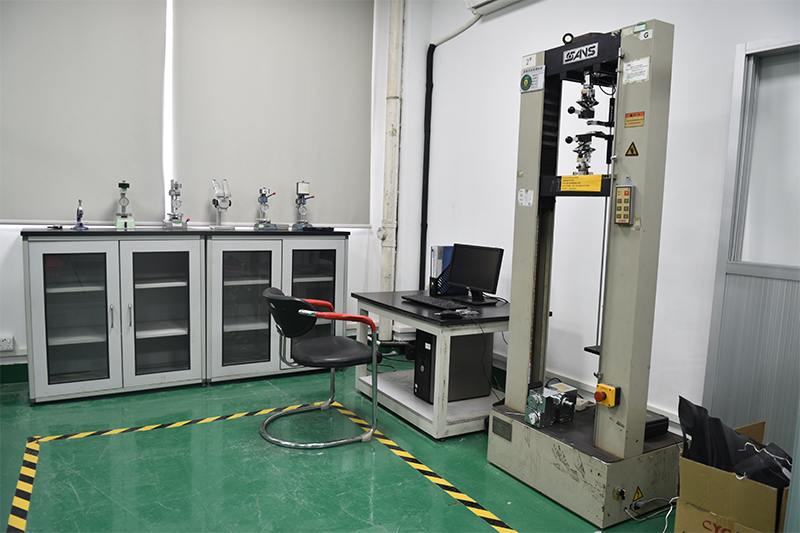
Why global EPC pipeline contractors specify Chinese raw material sourcing and manufacturing integration.
China's comprehensive domestic industrial base enables vertical integration of raw materials, from crude petroleum refining to downstream functional polyolefin compounding and elastomer synthesis. This localized supply chain insulates global buyers from global market price fluctuations and guarantees consistent chemical compositions.
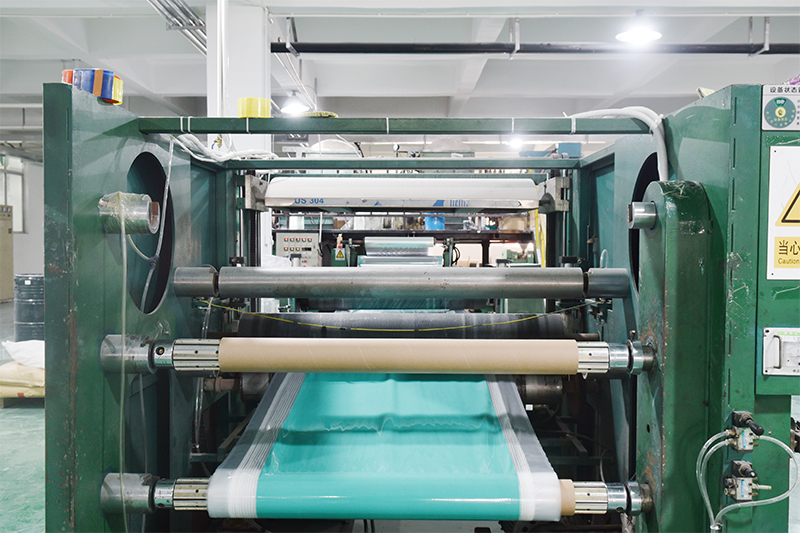
Equipped with wide-die co-extrusion machinery, Chinese manufacturing complexes easily scale production, allowing them to output thousands of square meters of radiation-crosslinked backing daily. This massive capacity allows manufacturers to meet tight project delivery windows for transcontinental pipelines.
Located near major deep-water ports like Shanghai, Ningbo, and Qingdao, CYCT guarantees streamlined export shipping processes. Backed by dedicated customs clearance operations and temperature-controlled shipping setups, we protect heat-sensitive adhesives on long sea journeys to tropical and equatorial job sites.
Meeting stringent global regulatory specifications and localized engineering standards for peace of mind.
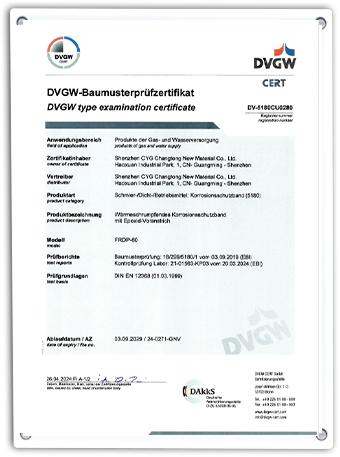
For international oil, gas, and water transport line constructors, sourcing materials requires strict adherence to international safety standards. CYCT products undergo rigorous validation testing to meet high-performance industry metrics, including:
CYCT bridges regional specification differences by offering comprehensive localized support services. We provide detailed installation guidelines and technical documentation, and coordinate with engineering teams globally to verify local regulatory compliance across the Middle East, Southeast Asia, Central Asia, and the Americas.
Additionally, CYCT offers remote contractor training and installation verification. This helps ensure field crews, regardless of location, apply the wraparound-type field joint systems correctly, reducing errors and long-term project risks.
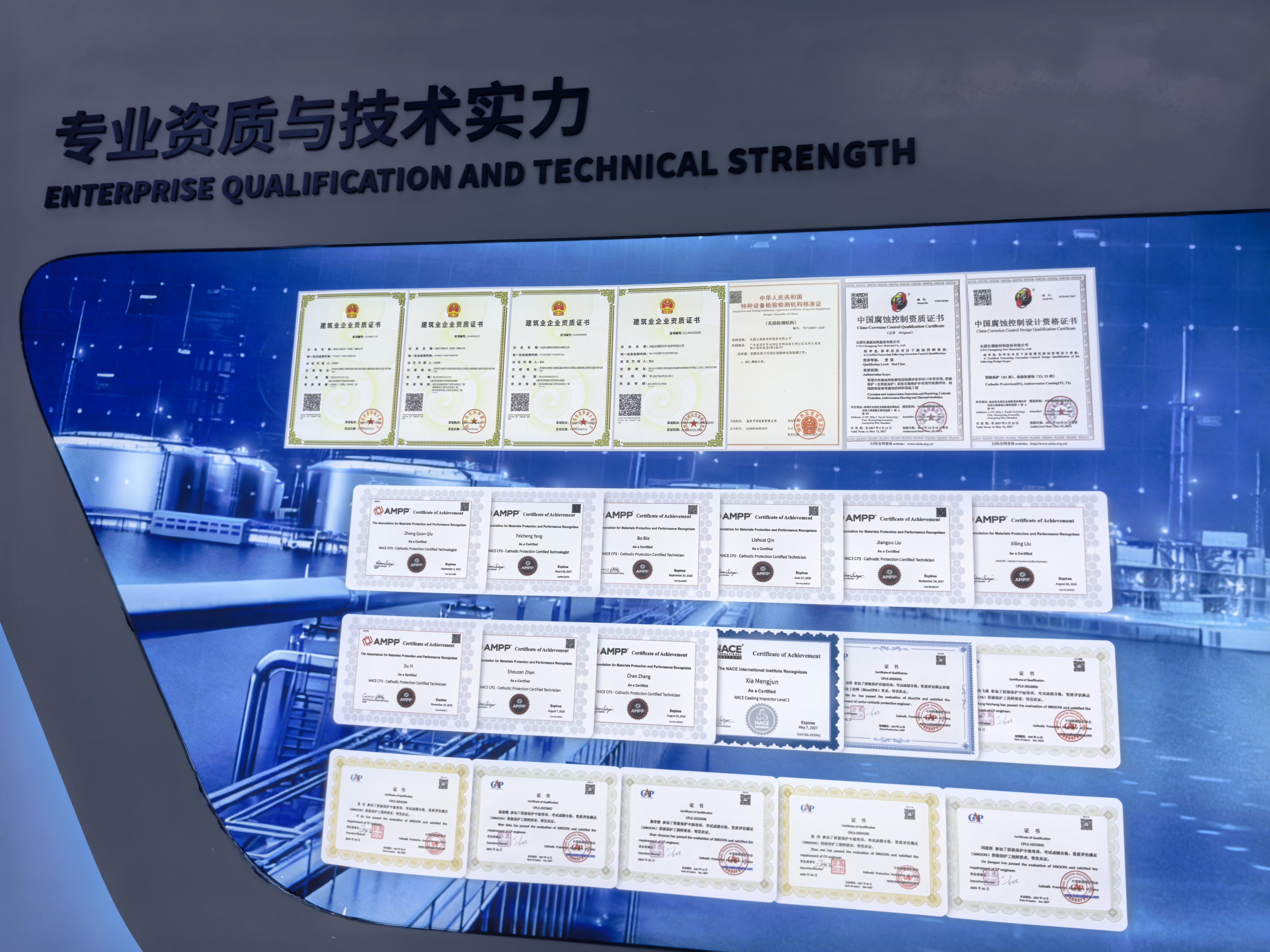
Recognized globally and verified by top inspection bureaus for safety, quality, and technological innovation.
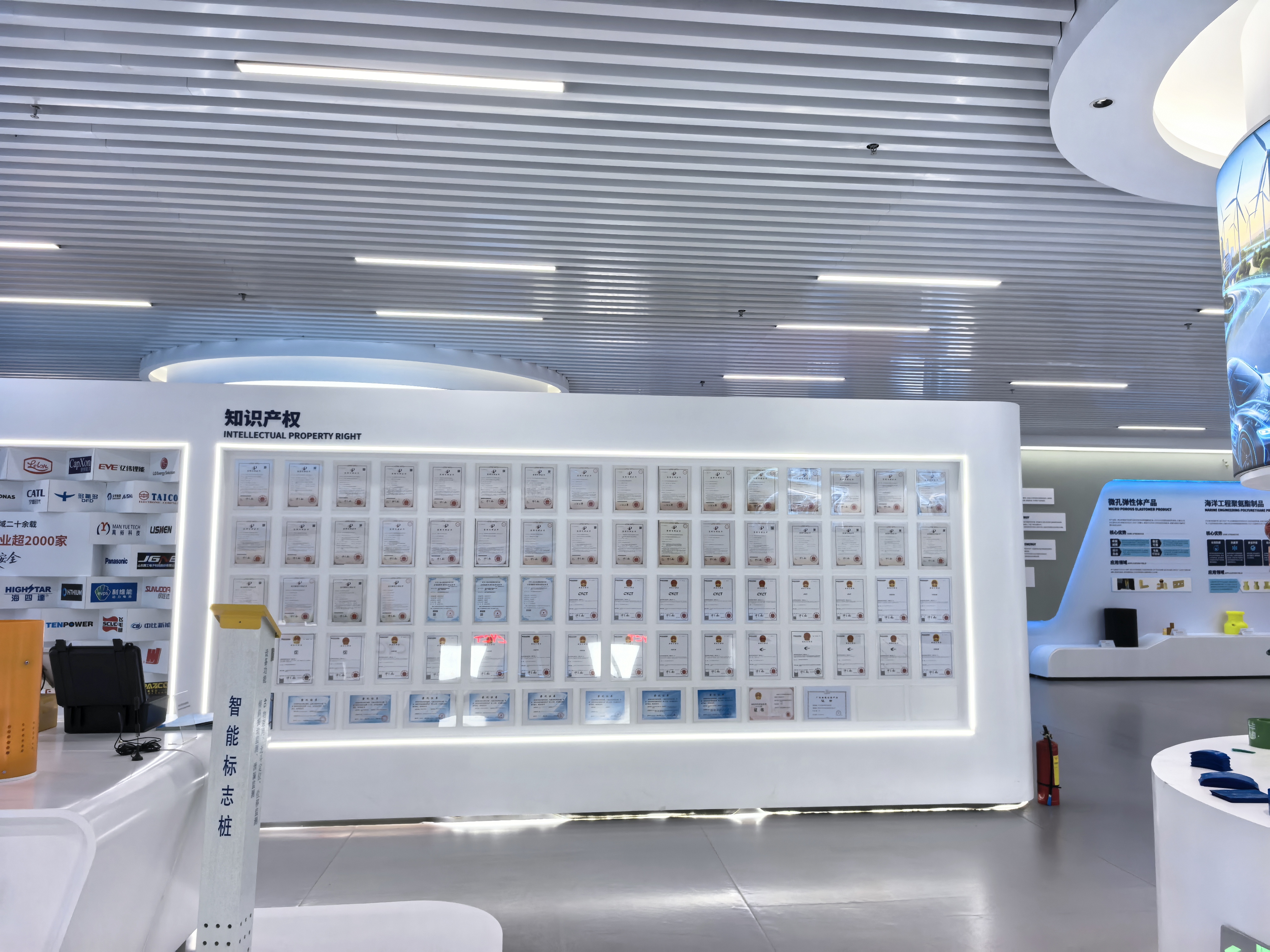
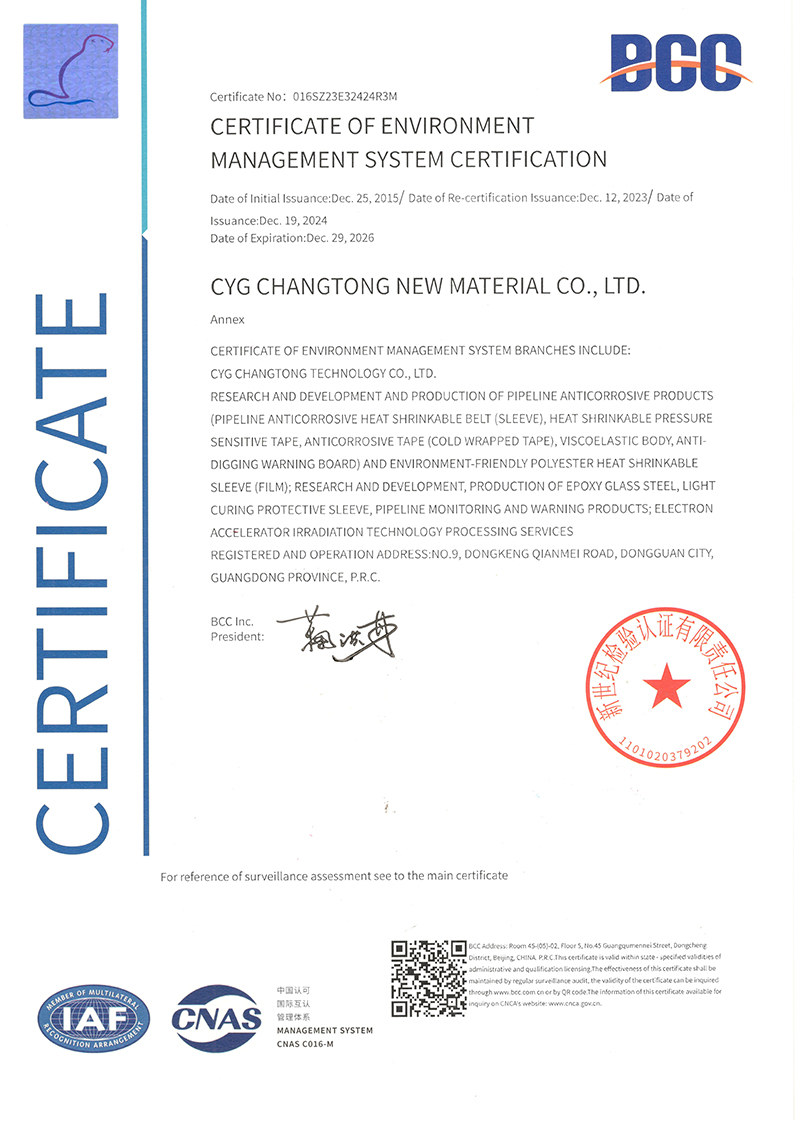
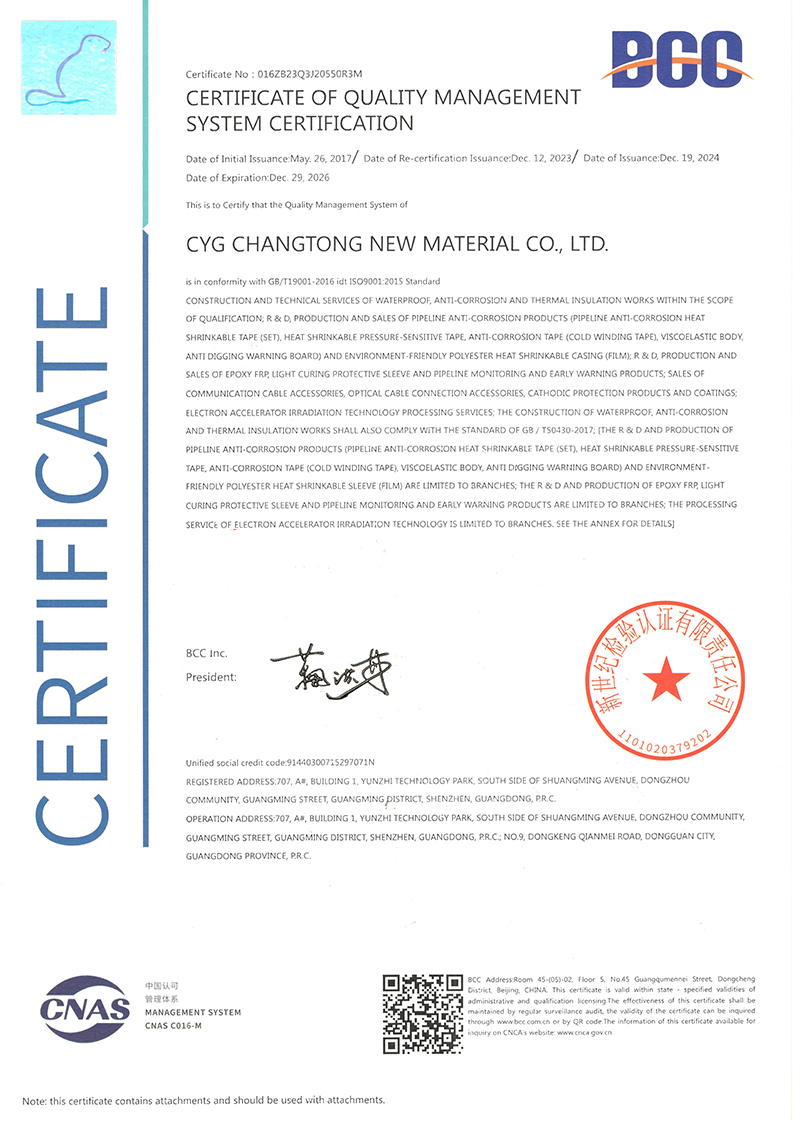
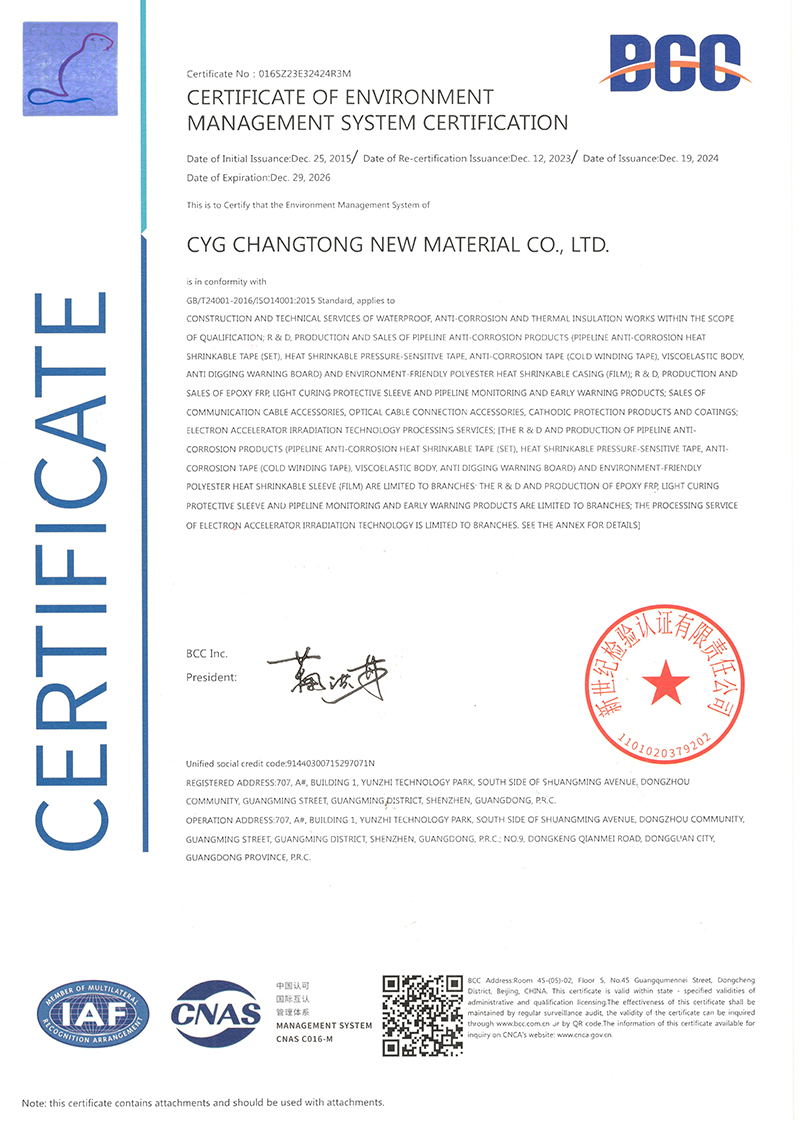
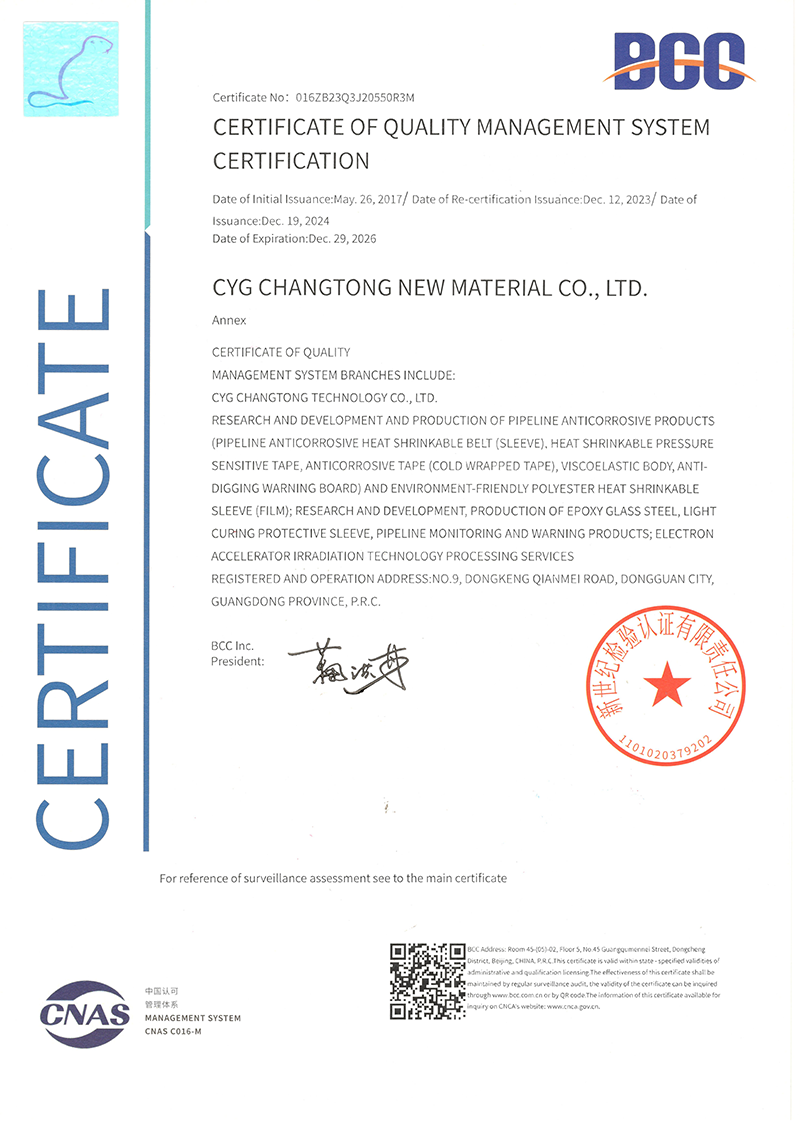
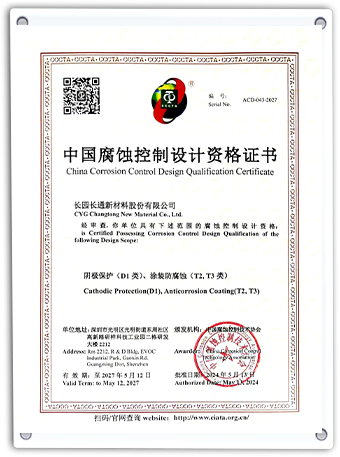
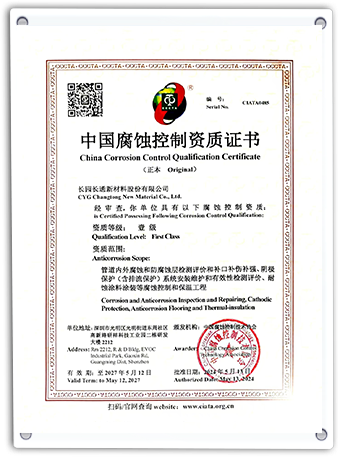
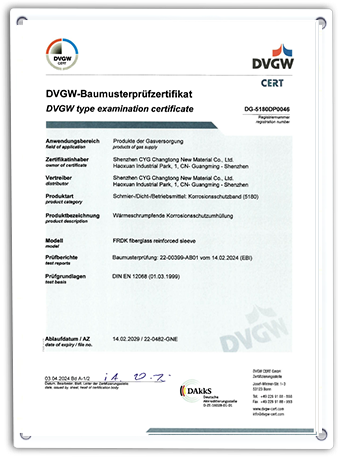
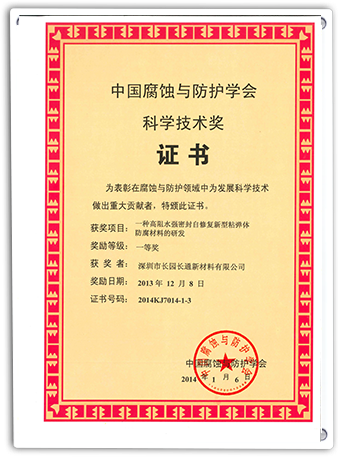
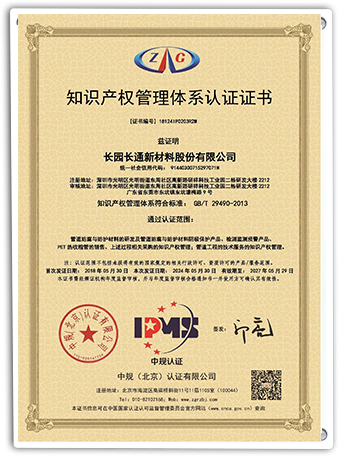
CYCT is a Member of the Council in the Chinese Society for Corrosion and Protection (CSCP), holds the Qualification Certificate of Corrosion Protection Construction, the Qualification Certificate of Pipeline Detection, and is a Well-known Brand of Pipeline Corrosion Protection in China. We are also a Corporate Member of the China Association of Petroleum Engineering Construction (CAPEC), a State-Level High-Tech Enterprise with more than ten proprietary intellectual property rights, and a stable supplier of PetroChina, Sinopec, China Gas Group, and Indian Oil.
Technical answers directly from CYCT's engineering department to help guide your purchasing decisions.
High-durability repair patches, composite sleeves, and specialty products for comprehensive pipeline protection.
 CYCT
CYCT