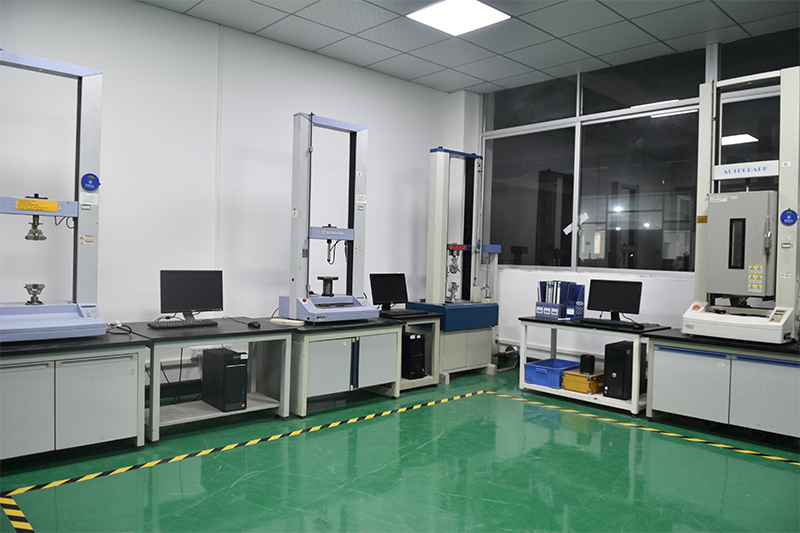
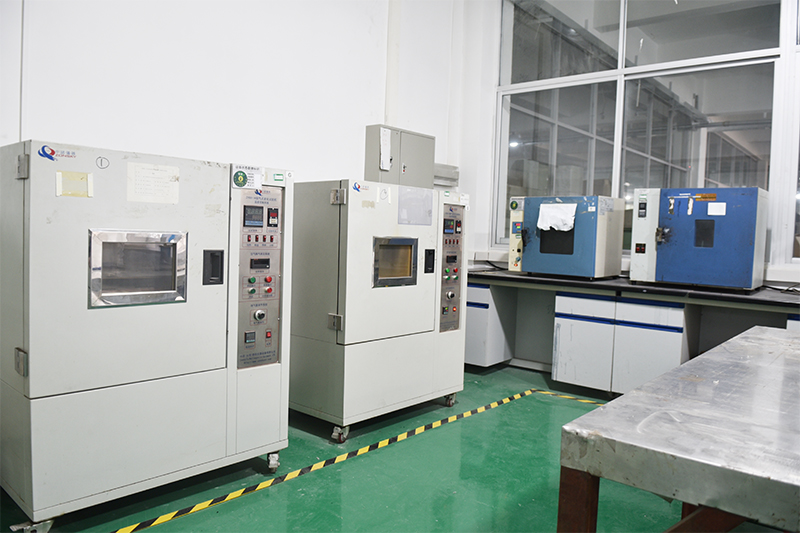
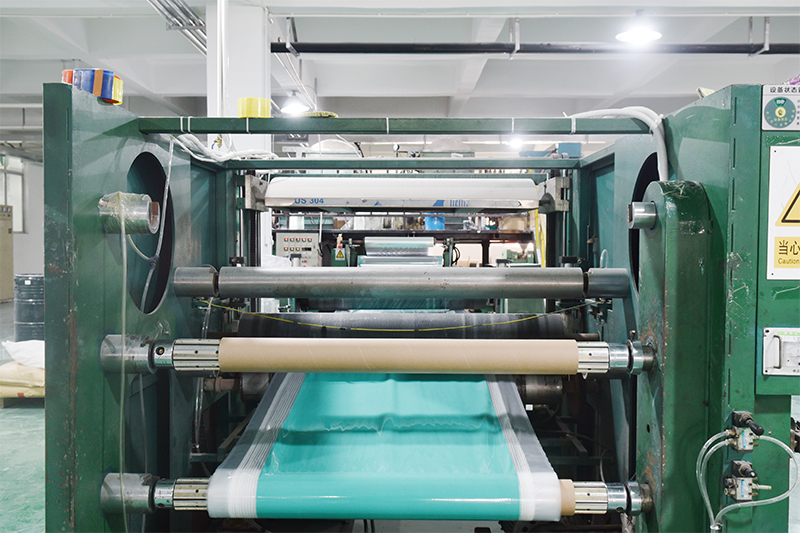
Explore our top industrial-grade solutions engineered for field joint coatings, PE coating repairs, and pipeline integrity management.
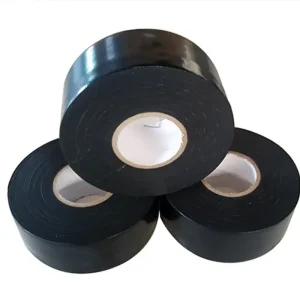
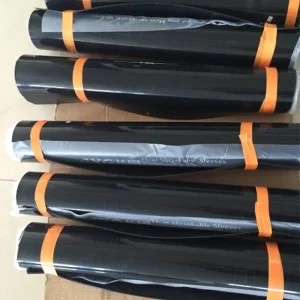
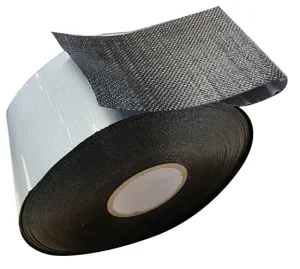
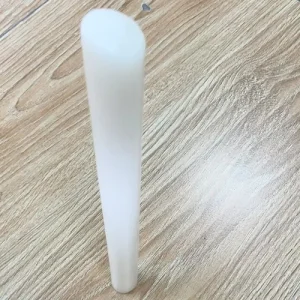
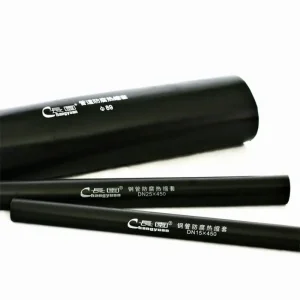
Dual wall heat shrink tubing (often designated as adhesive-lined heat shrink tubing) represents an advanced formulation in polymer material science. Unlike single-wall variants that only offer basic mechanical abrasion protection, dual-wall tubing utilizes a co-extrusion process that pairs a high-performance cross-linked polyolefin outer jacket with an engineered thermoplastic adhesive inner lining.
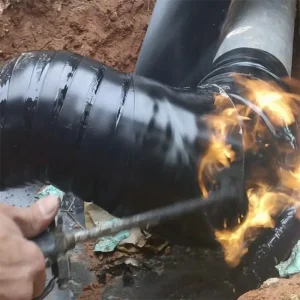
When exposed to thermal activation (typically exceeding 110°C to 135°C depending on thickness and polymer grade), the outer polyolefin wall shrinks to its predefined ratio (commonly 3:1, 4:1, or even higher for specialized pipe sleeve junctions). Concurrently, the inner adhesive layer melts and flows, filling all volumetric voids, interstitial gaps, and irregular geometric profiles underneath. As the material cools, it establishes a high-shear-resistant, moisture-proof hermetic seal.
For heavy pipeline projects, marine installations, and underground municipal systems, this dual-wall mechanism serves as an impenetrable barrier against cathodic disbondment, corrosive electrolytes, microbial corrosion, and moisture infiltration. CYCT has spent over two decades optimizing these polymer systems, ensuring they withstand maximum geological stress and harsh thermal fluctuations.
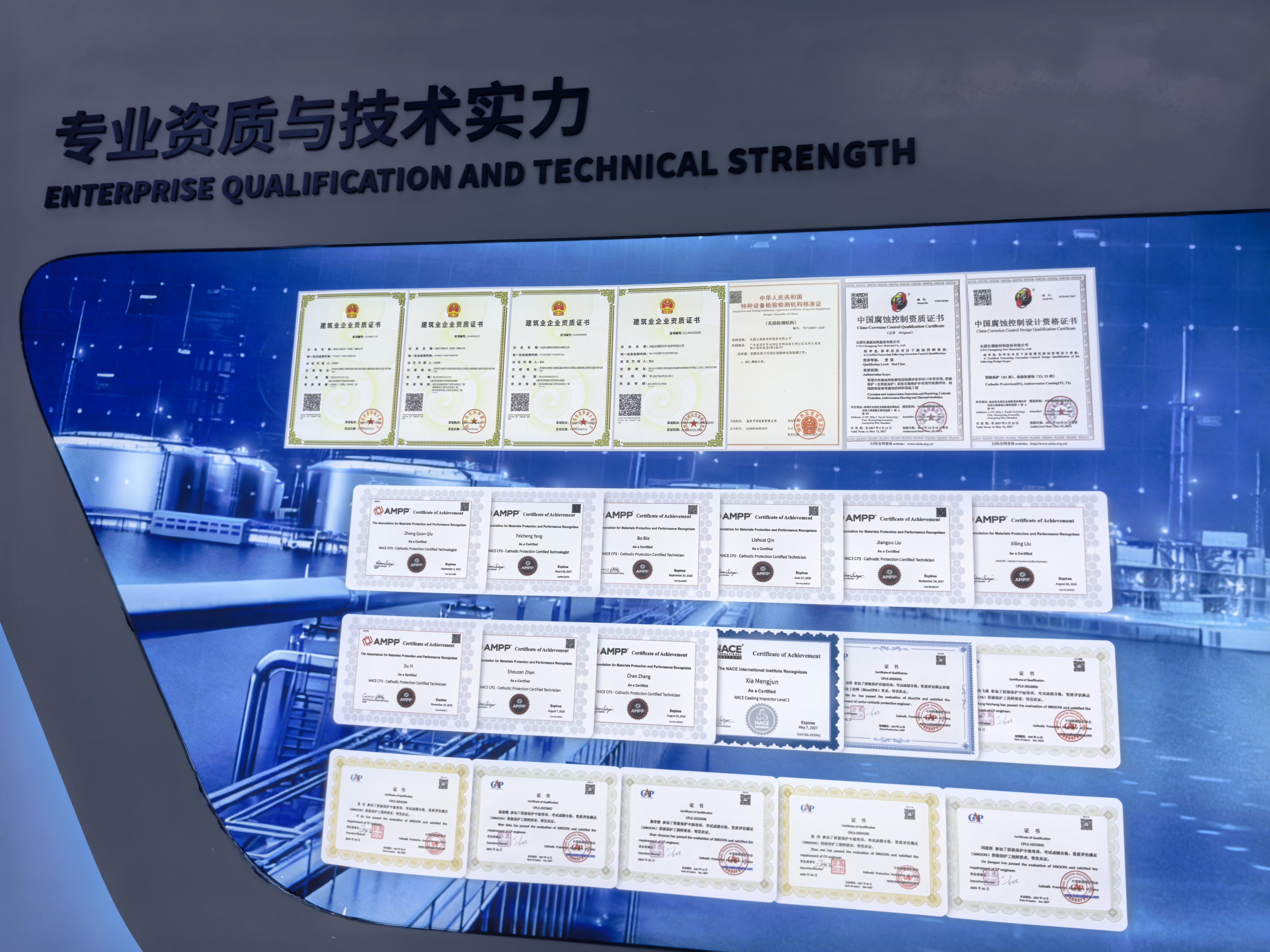
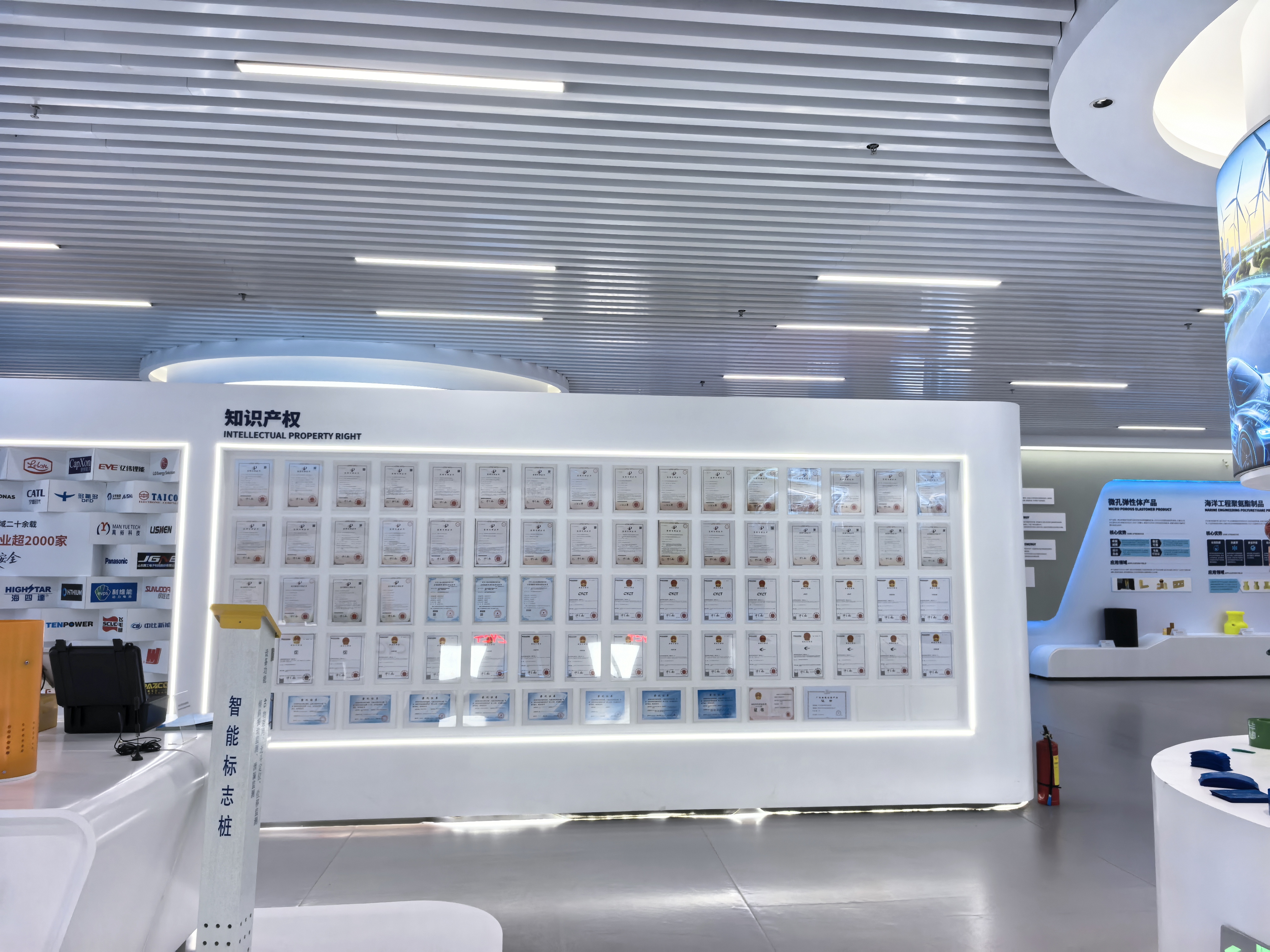
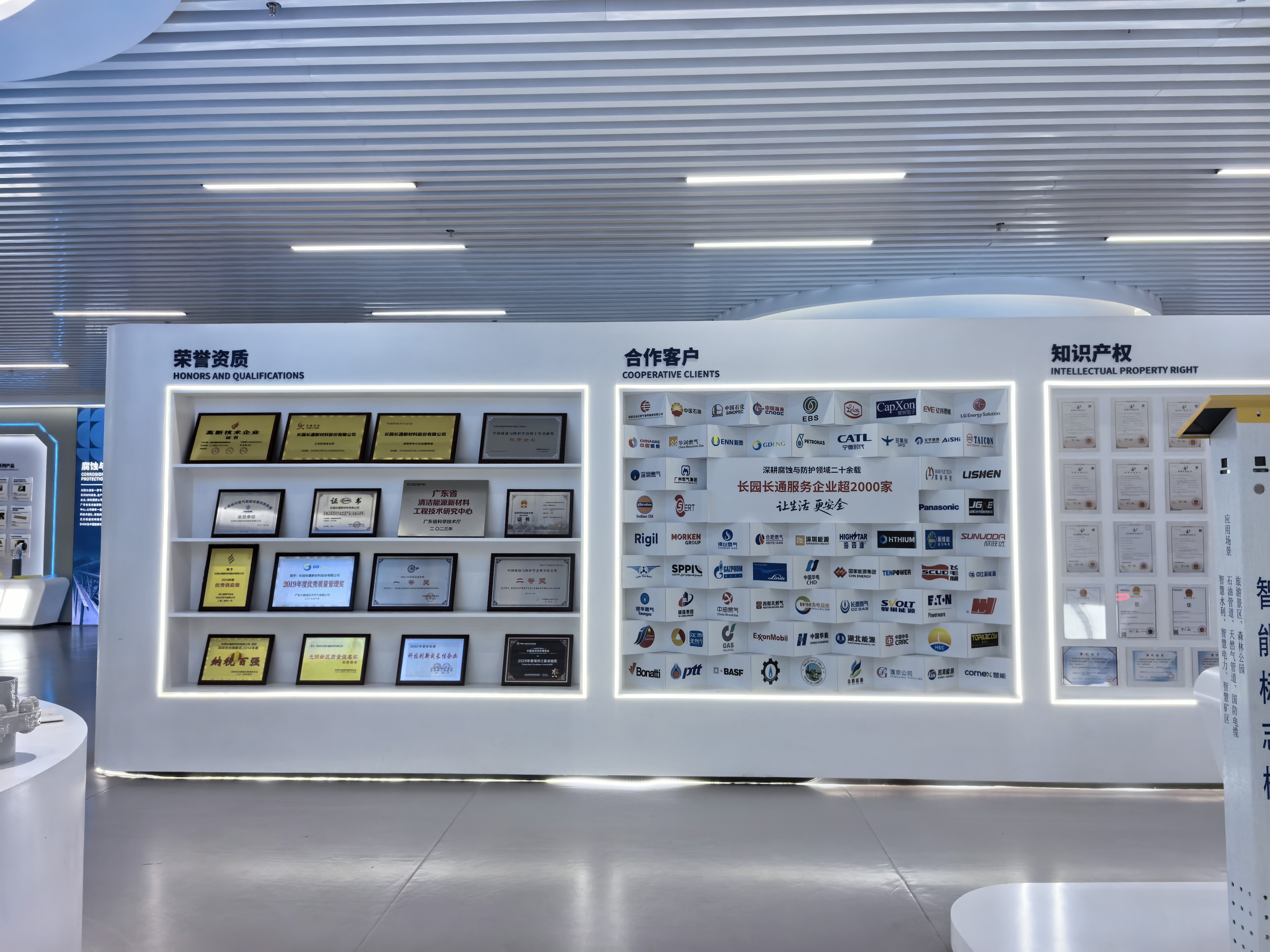
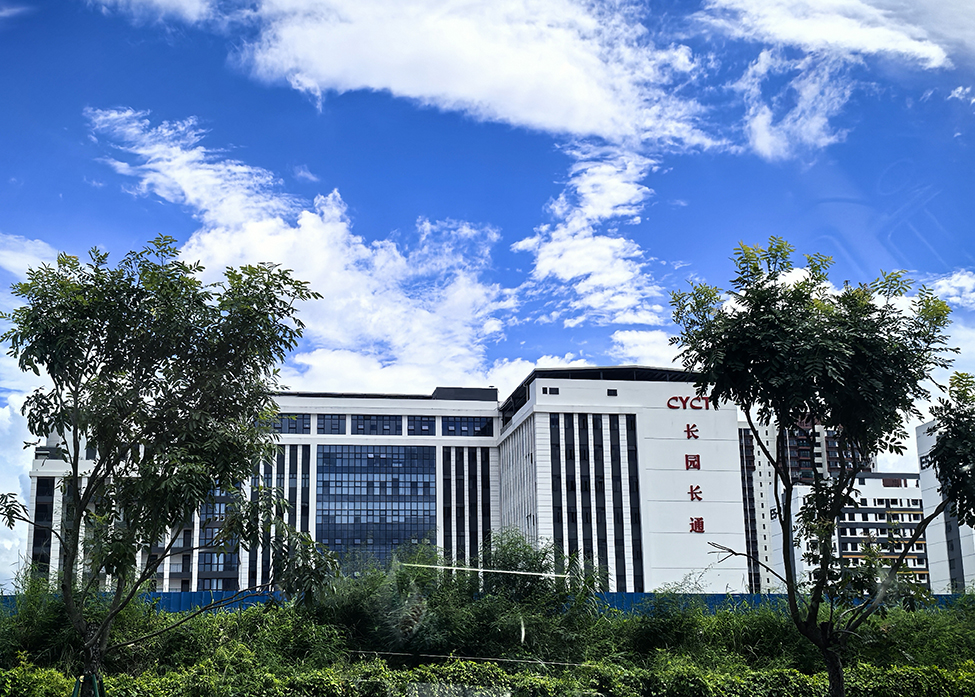
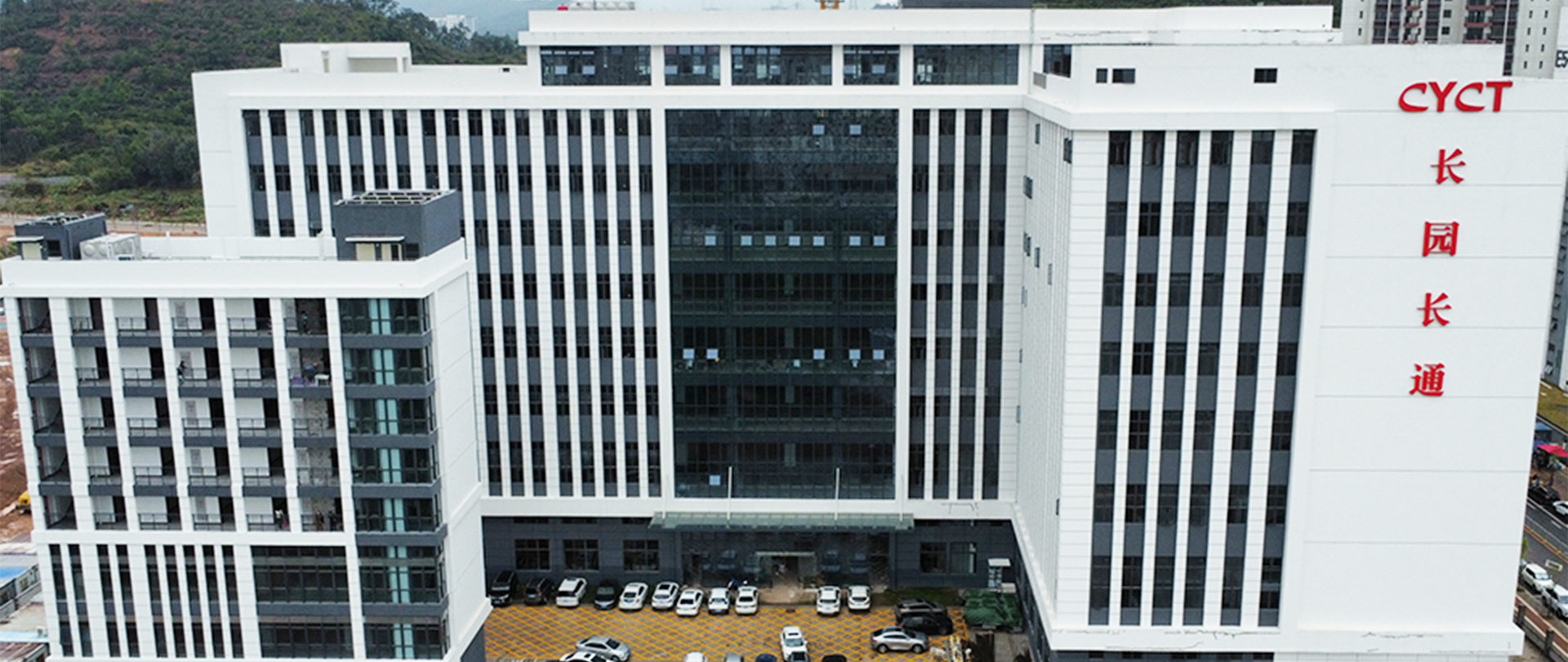
CYCT New Materials Company Limited (for short, CYCT) is a state-level high-tech enterprise integrating R&D, production, and sales of pipeline corrosion protection materials as well as buried pipeline detection services and pipeline coating field application services into one integrated system.
Founded in 2000, CYCT has dedicated itself to the research, development, formulation, and global supply of pipeline corrosion prevention materials for decades. Our long-term technical achievements have allowed us to become a stable supplier of field joint coatings for oil and gas projects operated by PetroChina, Sinopec, PipeChina, and various municipal pipeline entities. We occupy a commanding market share in national infrastructure projects and maintain strong export networks to global industrial hubs like India, Central Asia, the Middle East, and Southeast Asia.
By building strategic R&D cooperation alliances with leading academic and industrial research hubs—such as the **CNPC Pipeline Science Research Institute**—CYCT can provide in-service pipelines with varied technical services including pipeline integrity assessment, cathodic protection designs, rehabilitation project execution, and integrated protective solutions.
A detailed comparison of cross-linked polyolefin backings, adhesive matrix formulations, and operating temperatures for engineers.
| Property / Material Parameter | Dual Wall Polyolefin Shrink Tubing | Heavy-Duty Pipeline Joint Sleeves (PP/PE) | Visco-Elastic Anti-Corrosion Systems |
|---|---|---|---|
| Base Polymer Composition | Radiation Cross-linked Polyolefin | High-Density PE / Copolymer PP | Viscoelastic Polyisobutylene (PIB) paste |
| Inner Adhesive Lining | Co-extruded Hot Melt (EVA / Polyamide) | Copolymer Hot Melt Adhesive (85℃+ rating) | Cold-flow, self-healing viscous sealant |
| Shrink Ratio Range | 3:1 to 4:1 | Up to 35% radial contraction | Non-shrink (cold applied tape wrapping) |
| Continuous Operating Temp | -55°C to +125°C | -40°C to +85°C (specialized systems up to 110°C) | -35°C to +80°C |
| Dielectric Strength (ASTM D149) | ≥ 20 kV / mm | ≥ 25 kV / mm | ≥ 15 kV / mm |
| Peel Strength to Steel (ISO 21809-3) | ≥ 80 N/cm | ≥ 100 N/cm at 23°C (cohesive failure) | Cohesive self-healing contact bonding |
| Primary Certification & Standards | UL 224, RoHS, REACH, ASTM | ISO 21809-3, EN 12068, AMPP Standards | ISO 21809-3 Class A, B, C ratings |
By utilizing high-energy electron beam irradiation, the linear molecular chains of our polyolefin material are converted into strong, three-dimensional network structures. This cross-linking process yields exceptional thermal stability, chemical inertness, and a high memory retention force, ensuring the outer wall retains structural integrity during high-temperature shrinkage.
The hot-melt adhesive inner wall is formulated to balance viscosity and flow behavior. It exhibits a low melting threshold for quick activation while offering exceptionally high shear strength at maximum operating limits. This formulation prevents sliding under soil stresses or thermal expansions, protecting the pipe interface from structural failures.
Cathodic disbondment is a critical vulnerability for buried pipelines. Our dual-wall heat-shrinkable systems are engineered to prevent disbondment caused by electrical currents. The combination of our modified copolymer adhesive and high-density outer backing forms a protective seal that prevents moisture and oxygen ingress.
From trenchless pipeline crossings to offshore oil lines, CYCT provides verified protection in tough environmental conditions.
Trenchless technologies such as Horizontal Directional Drilling (HDD) subject field joint coatings to extreme shear stresses, rock scratches, and soil friction. Ordinary heat shrink sleeves often peel off or tear during pull-back operations. To address this risk, CYCT developed specialized fiberglass-reinforced polymer (Epoxy FRP) and photo-curing sleeves that serve as an outer mechanical shield over our dual-wall heat shrink joints. This multi-layered composite design protects the primary anti-corrosion barrier against severe mechanical impacts.
Operating from one of China's primary industrial zones, CYCT leverages an integrated chemical supply chain, localized source access to raw monomers, and in-house compounding capability. This structural advantage translates to several supply chain benefits:
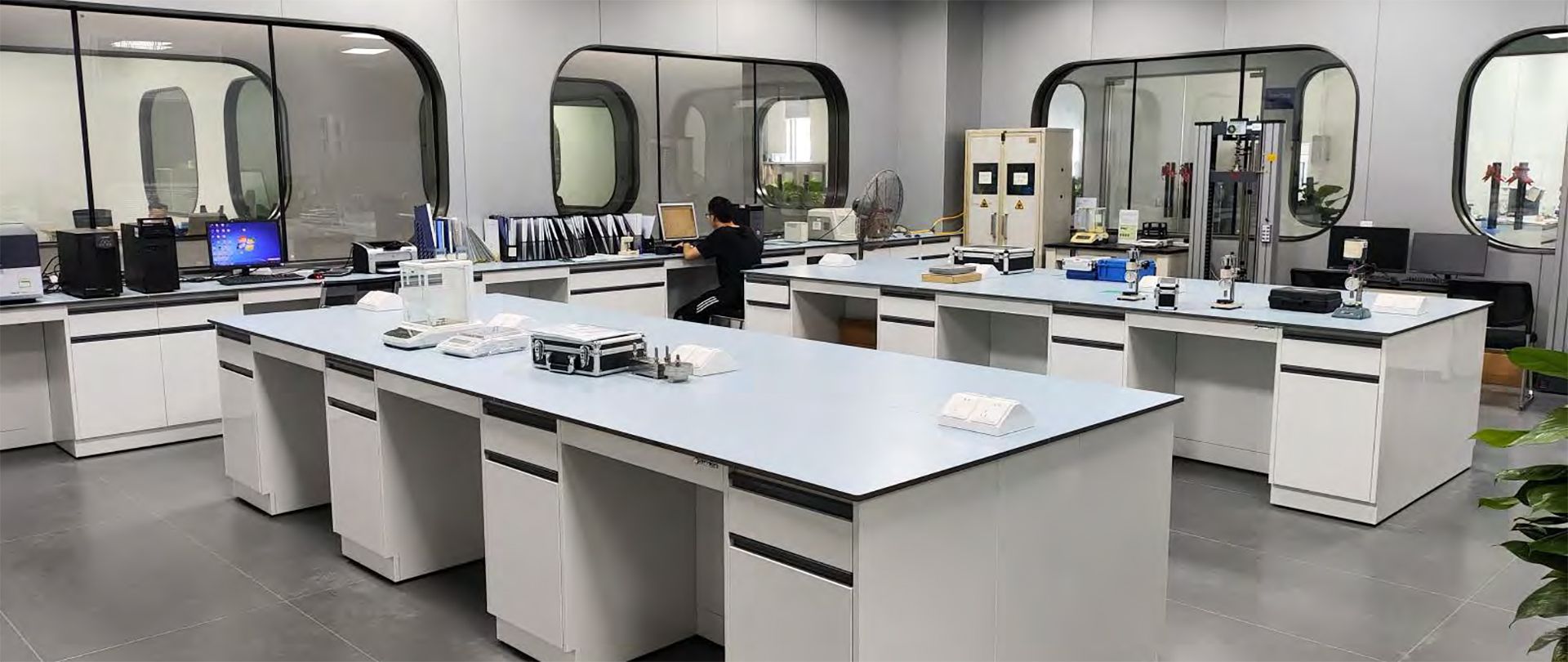
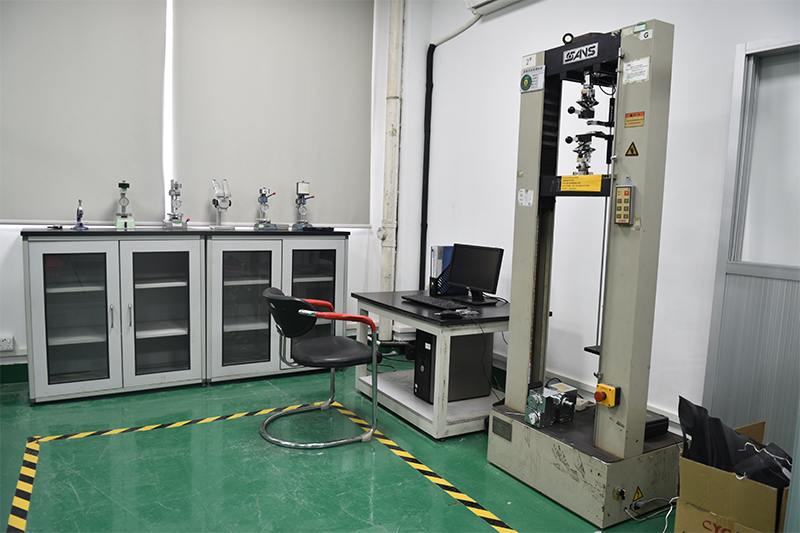
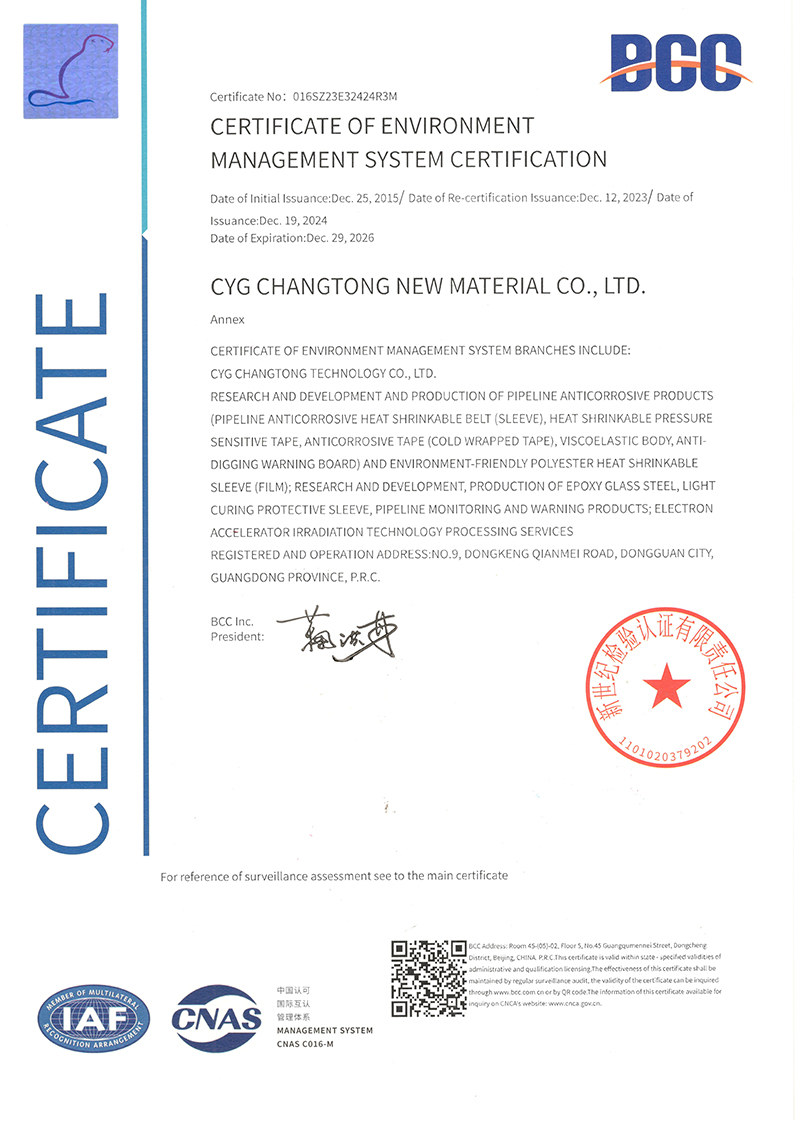
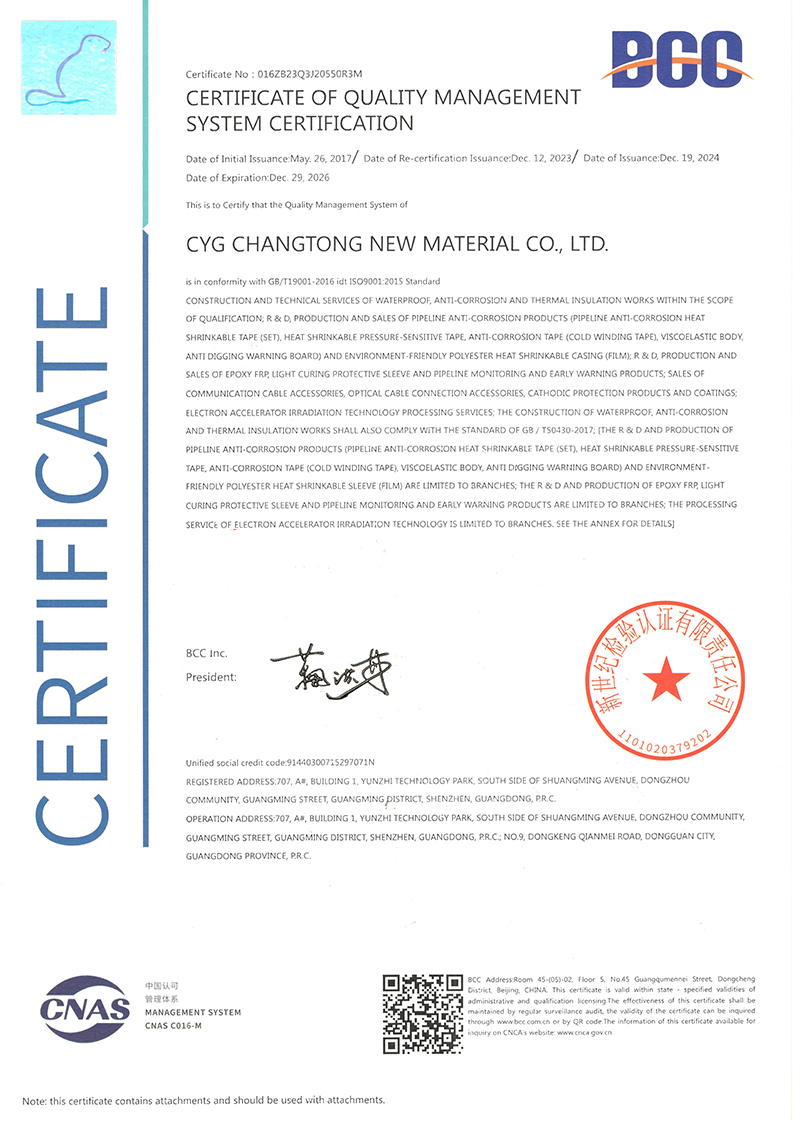
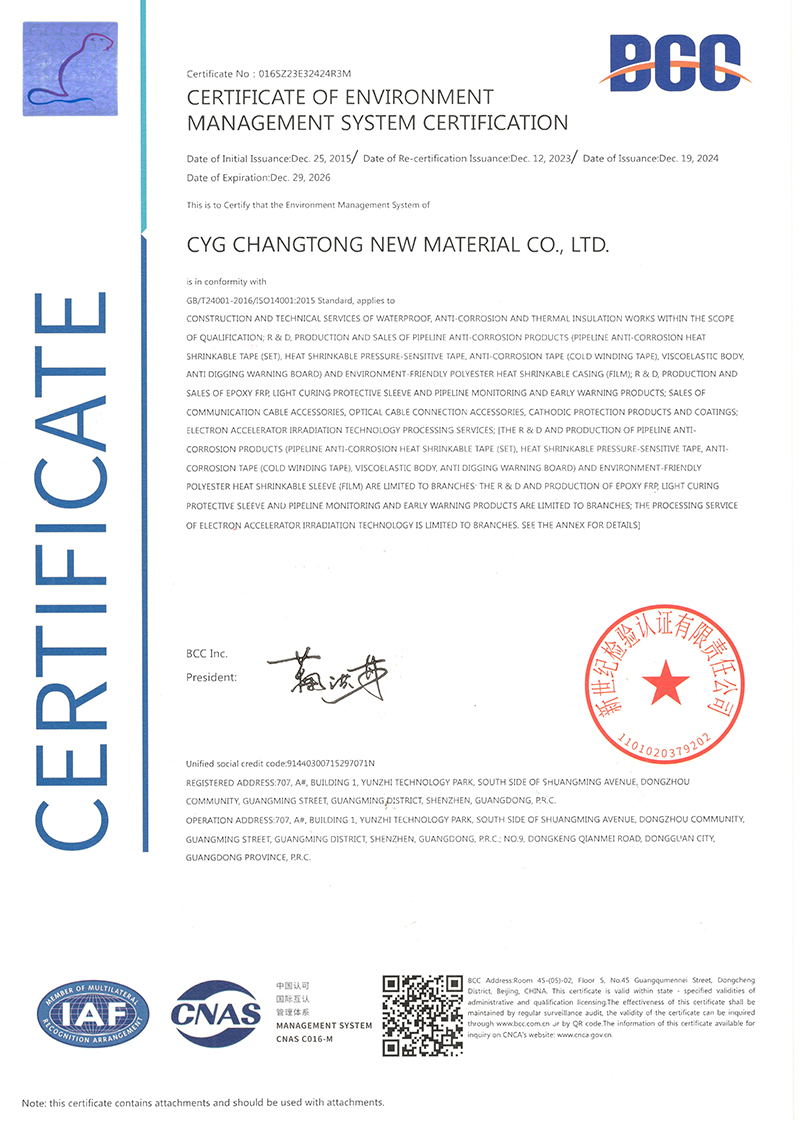
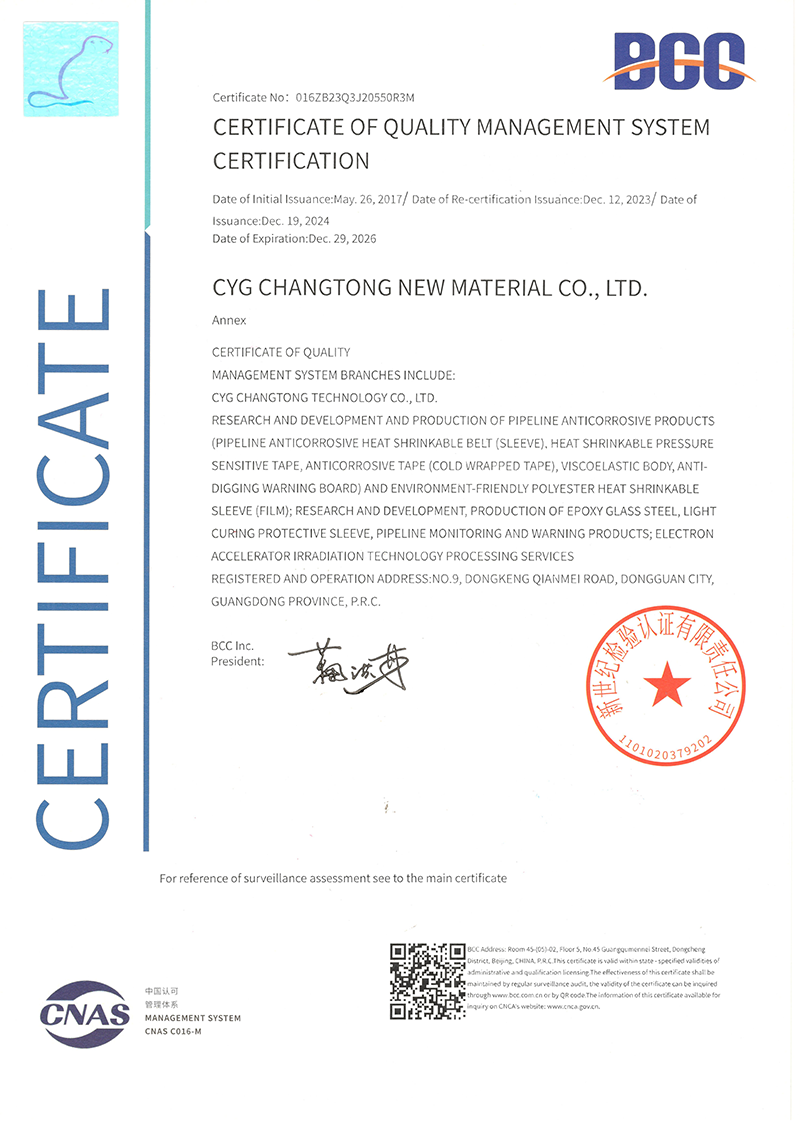
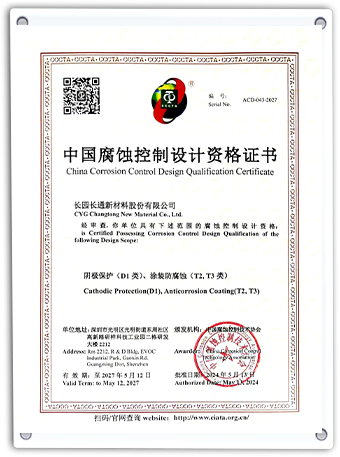
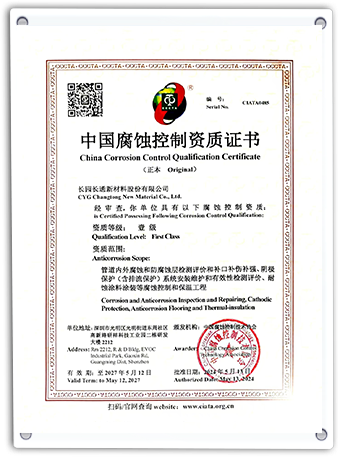
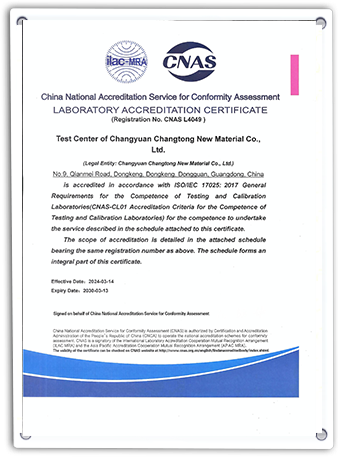
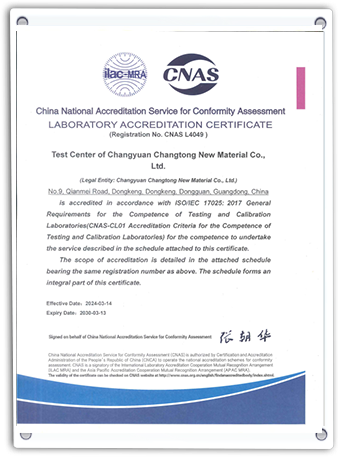
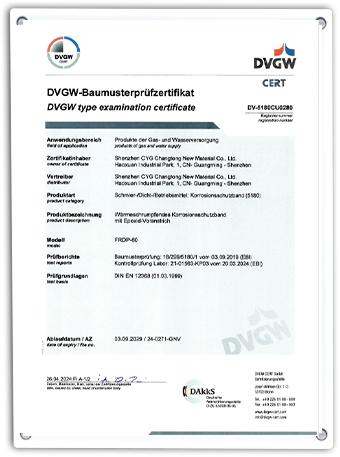
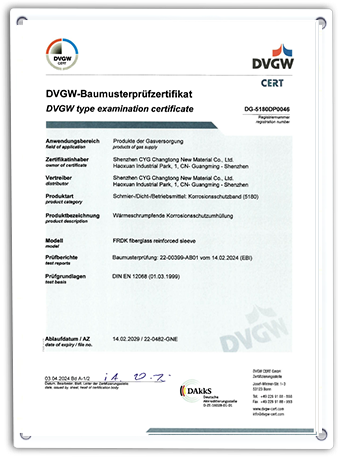
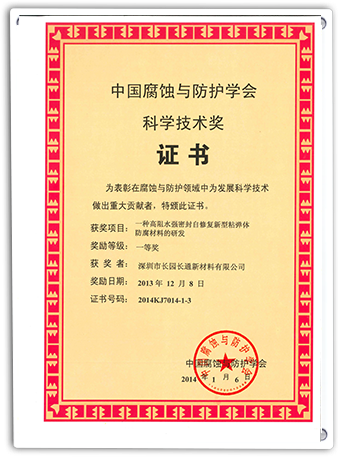
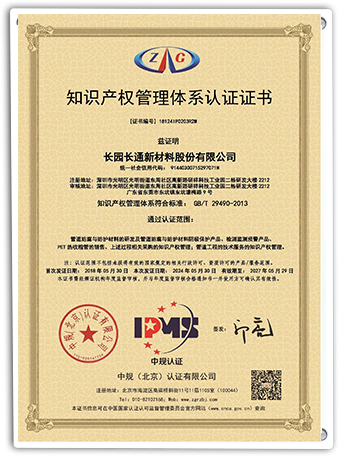
CYCT maintains rigorous quality management certifications and complies with major global engineering standards.
To provide reliable pipeline and electrical insulation protection systems, our products comply with major global certification bodies. We supply materials that align with international performance standards, including:
Additionally, CYCT offers localized field support. Our team of experienced technical engineers can assist on-site with installation guides, heat shrink temperature calibration, pre-heating protocols, and post-installation quality checks (such as holiday detection and peel testing).
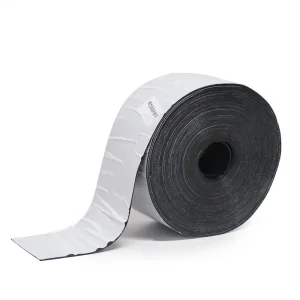
Our engineering division manufactures a complete range of repair materials, Viscoelastic coatings, and heavy-duty joint systems.
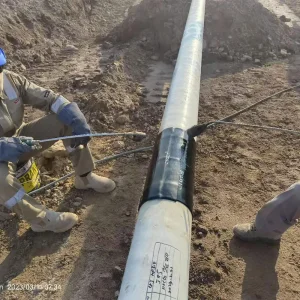
Get professional support on material characteristics, installation methods, and quality standards for our dual wall shrink tubing systems.
 CYCT
CYCT