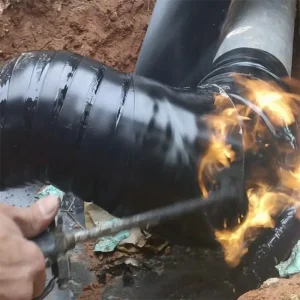
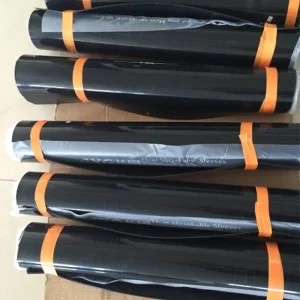
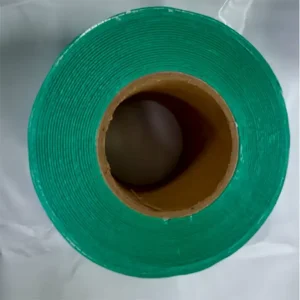
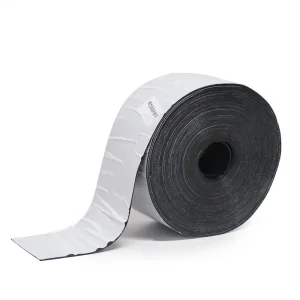
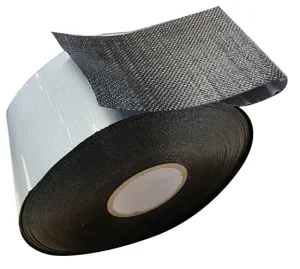
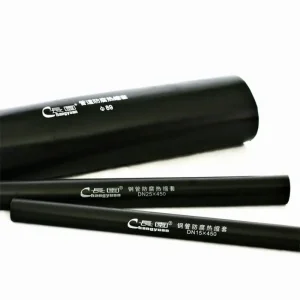
Engineered for high-stress applications, our product lines deliver robust defense against moisture ingress, structural stress, and electrochemical corrosion.
In modern pipeline engineering and structural integrity management, high-performance tapes act as the vital barrier between structural metal and highly corrosive environments. Industrial aluminum foil tapes—especially when combined with viscoelastic polymer backings—have transformed how petrochemical, municipal, marine, and HVAC infrastructure mitigate corrosion and heat dissipation challenges.
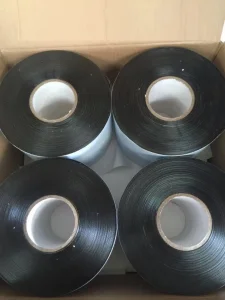
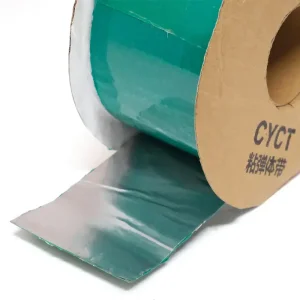
Unlike standard adhesive tapes, industrial-grade aluminum foil tape features a high-purity aluminum substrate paired with advanced viscoelastic properties. This structural design provides outstanding resistance against gas, water vapor, and UV degradation. In coastal areas, offshore platforms, and subterranean oil fields, infrastructure is subjected to high humidity, shifting soils, and severe chemical attack. The application of aluminum foil viscoelastic tapes ensures long-term protection, maintaining structural soundness and reducing maintenance overheads.
A national-level high-tech pioneer integrating scientific research, intelligent manufacturing, and pipeline service verification.
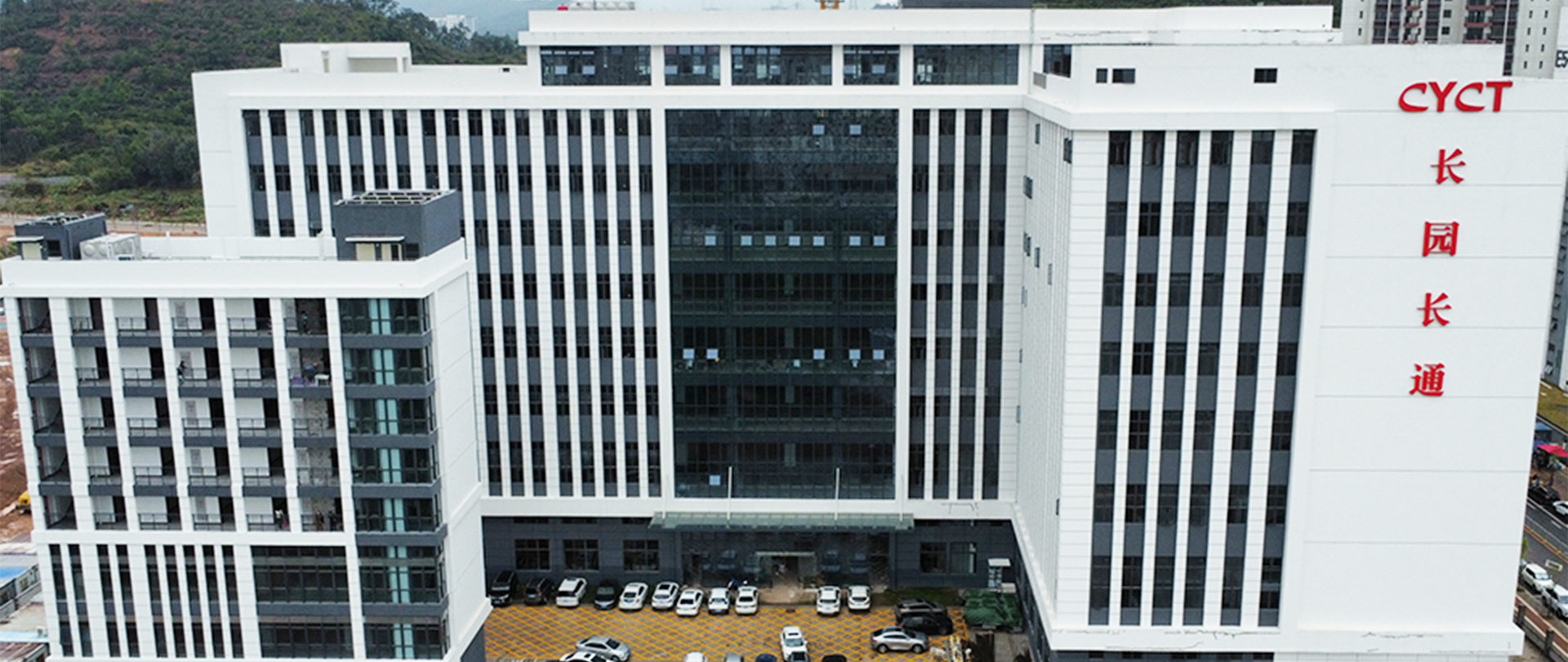
CYCT New Materials Company Limited (for short, CYCT) is a state-level high-tech enterprise integrating R&D, production, and sales of pipeline corrosion protection materials. Over decades of dedicated field experience, CYCT has expanded its scope to encompass buried pipeline detection services and pipeline coating field application solutions. Our objective is clear: to engineer premium solutions that prolong the operational life of pipelines carrying vital oil, gas, water, and chemical resources worldwide.
CYCT has become a stable supplier of field joint coatings for years in PetroChina, Sinopec, PipeChina, and various local pipeline operators, securing a commanding market share in China. Furthermore, CYCT has successfully developed and introduced a number of specialty corrosion protection materials such as visco-elastic anticorrosion materials, special photo-curing sleeves for HDD protection, and advanced polyurea coatings.
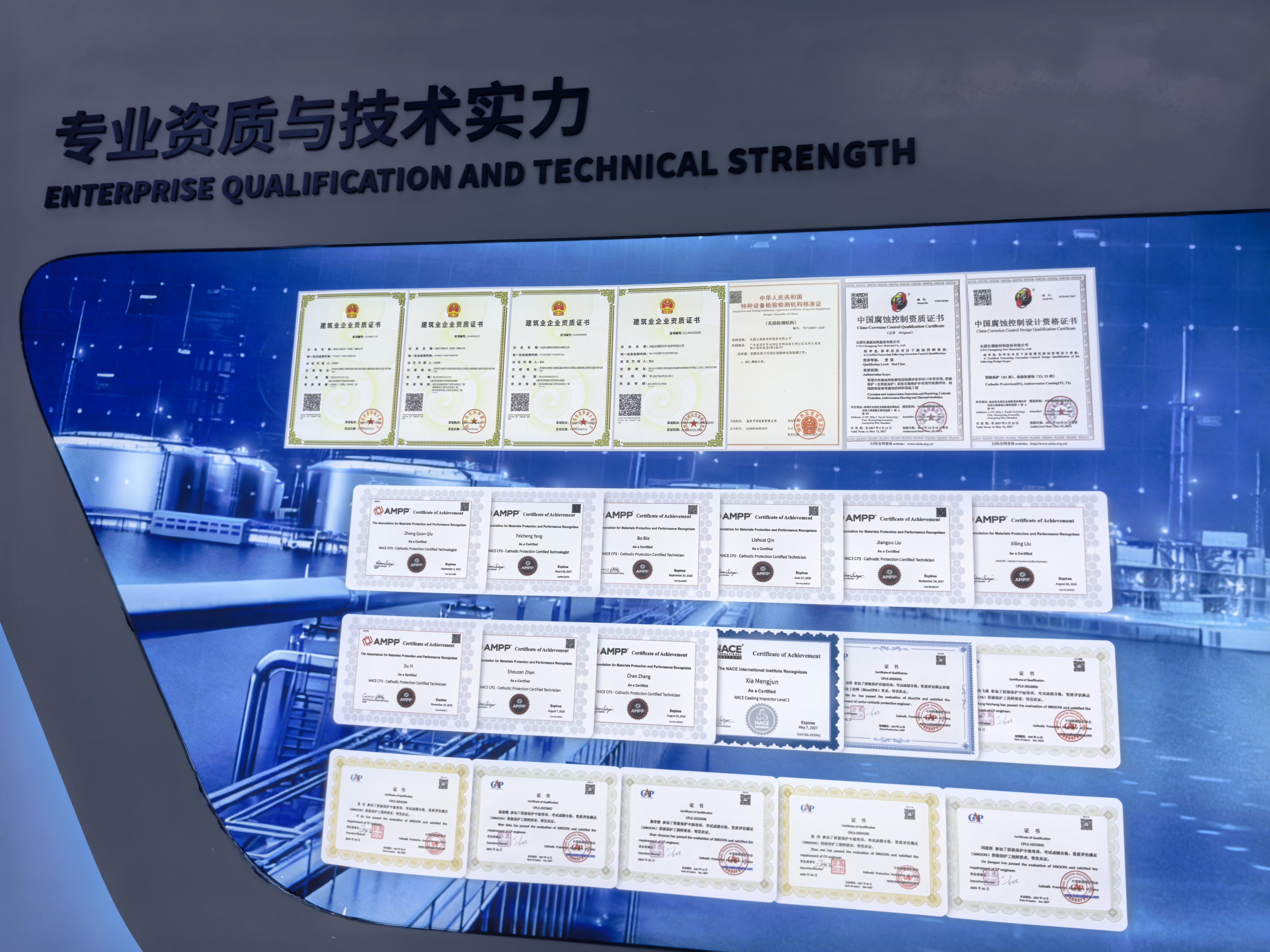
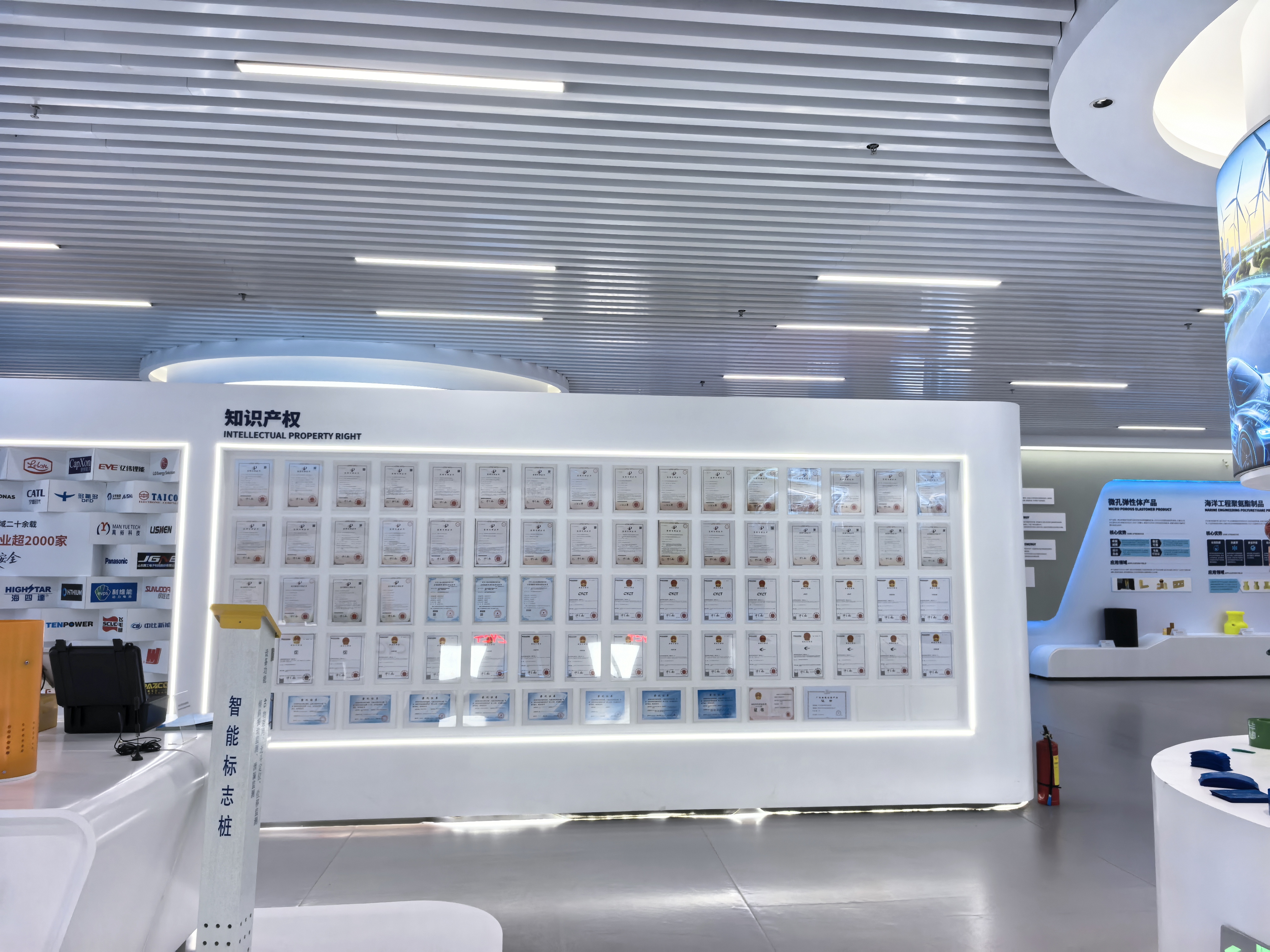
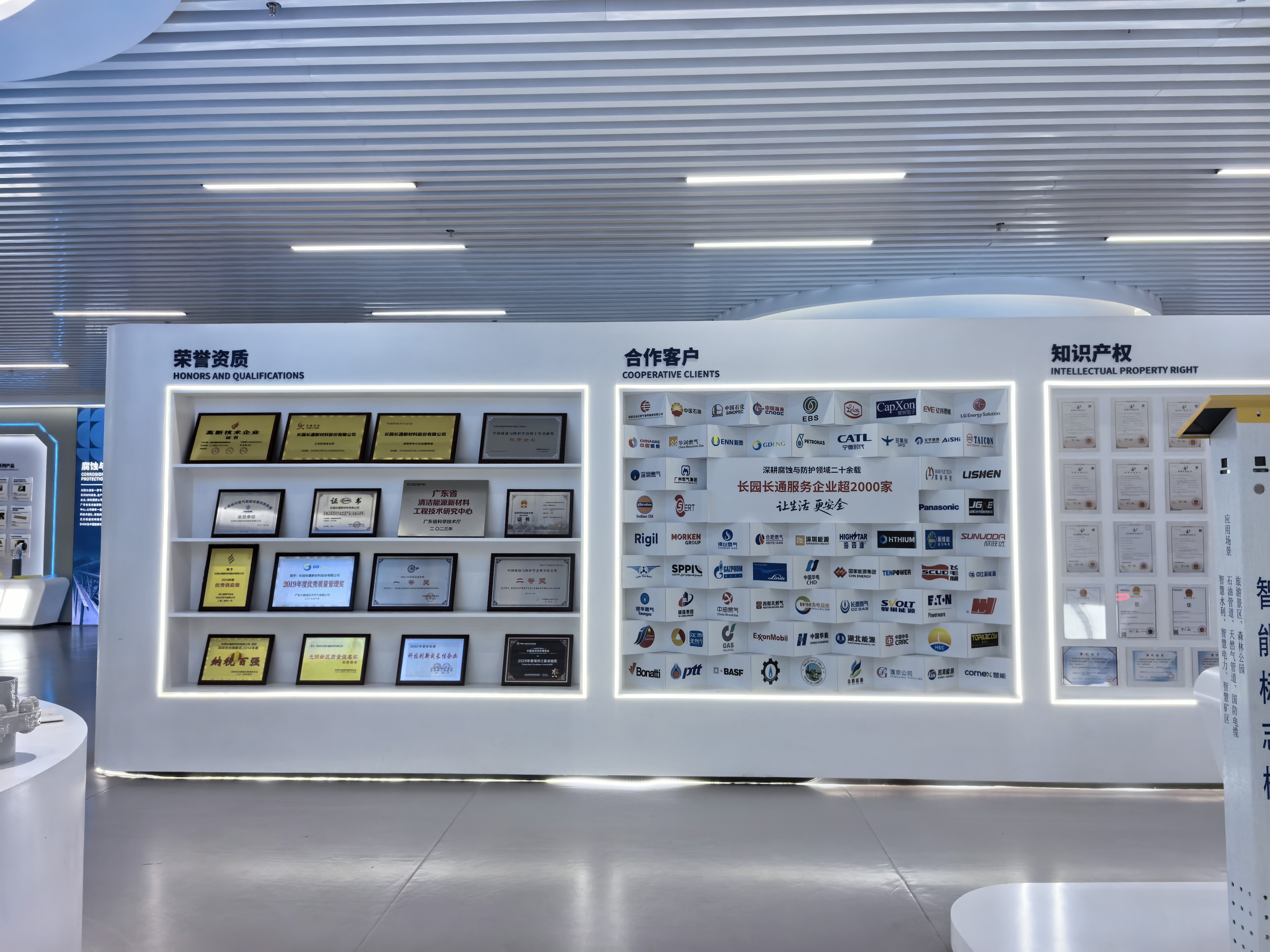
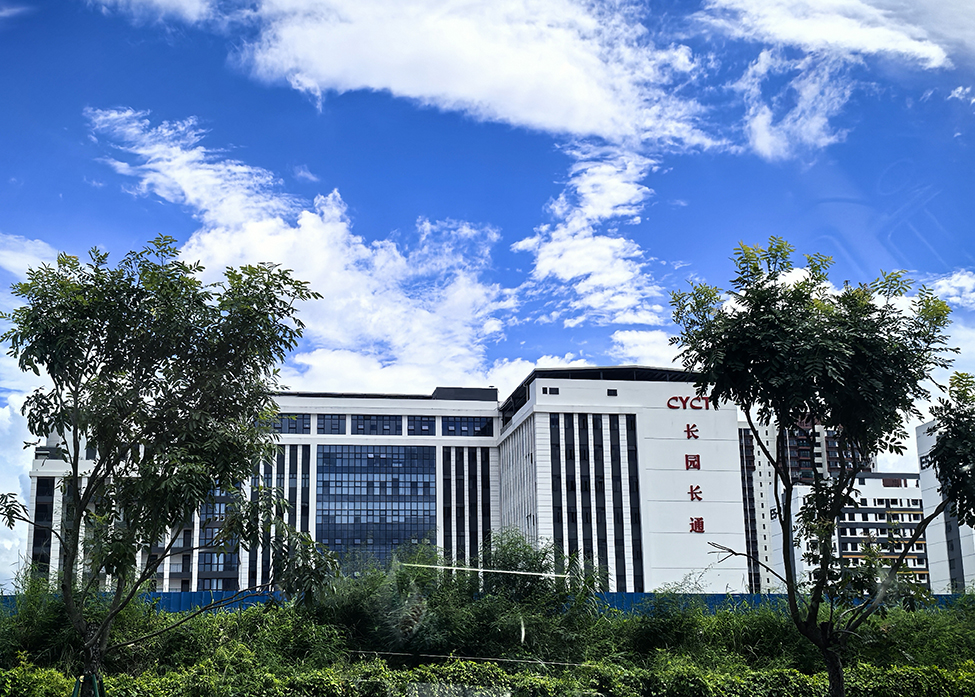
Engineered to adapt to diverse geological, climatic, and environmental challenges across global regions.
In highly corrosive refinery units, ambient humidity combined with elevated temperatures creates high risks of exterior corrosion. Aluminum foil viscoelastic tapes provide reliable barrier isolation for piping systems and storage tank chimes, preventing corrosion under insulation (CUI) and blocking chemical exposures.
Large municipal and manufacturing complexes require absolute thermal seals. Aluminum foil tape serves as the main sealing layer for insulation panels. It prevents air leakage and resists condensation build-up in high-humidity areas, optimizing HVAC energy efficiency.
Offshore oil platforms and coastal installations face continuous exposure to marine mist and chloride attack. Viscoelastic aluminum foil tapes block chloride ion ingress, protecting exposed metal risers and structural piping from localized pitting corrosion.
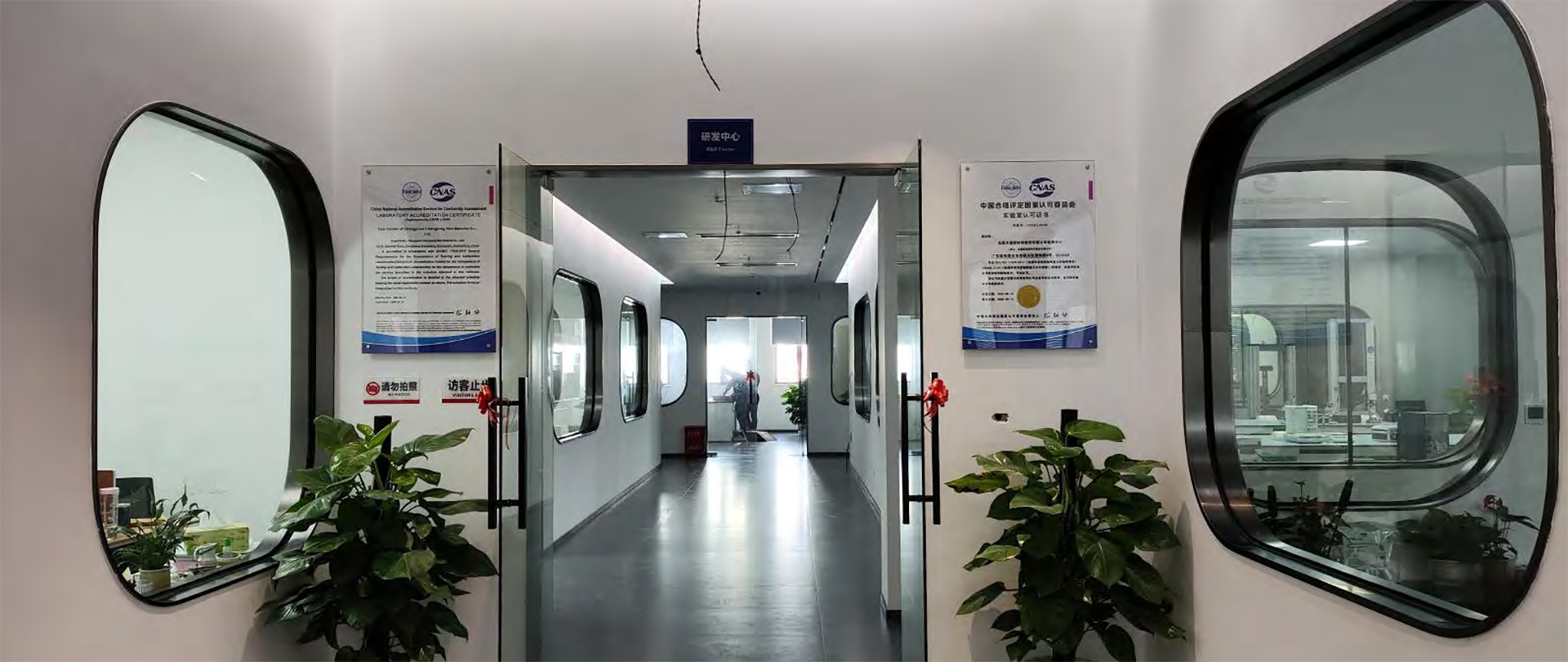
Ensuring compliance with international standards through testing in our state-of-the-art laboratory facilities.
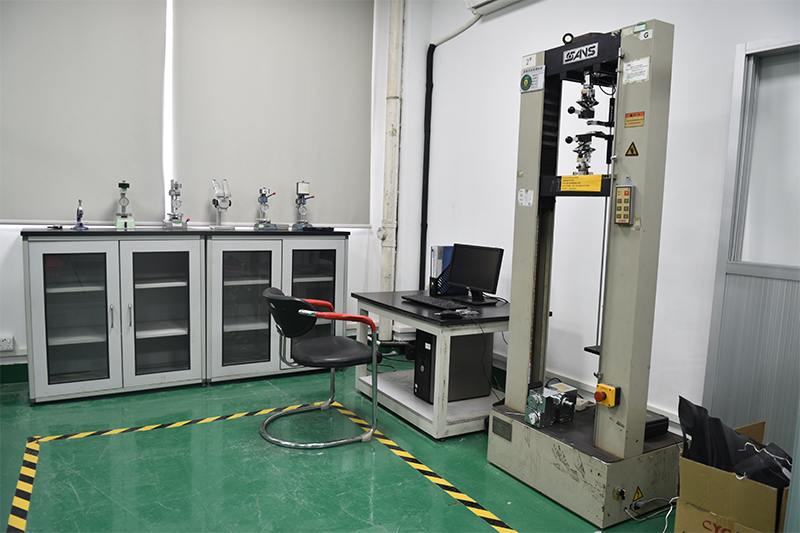
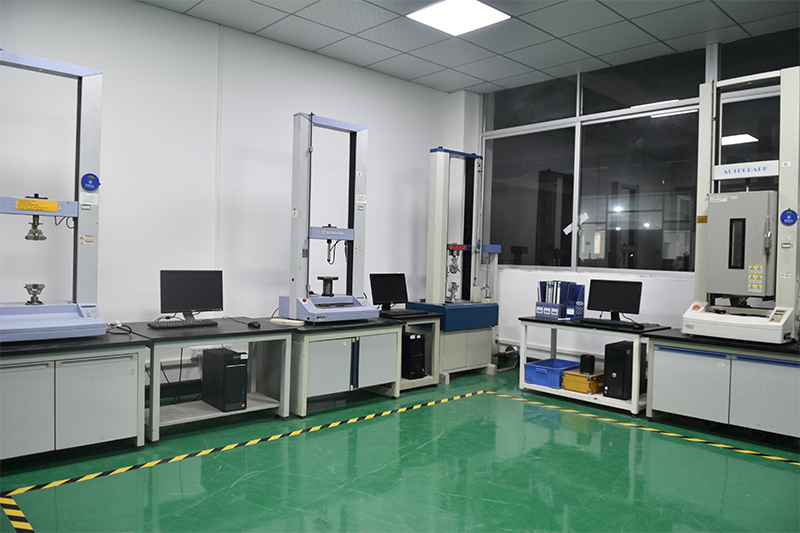
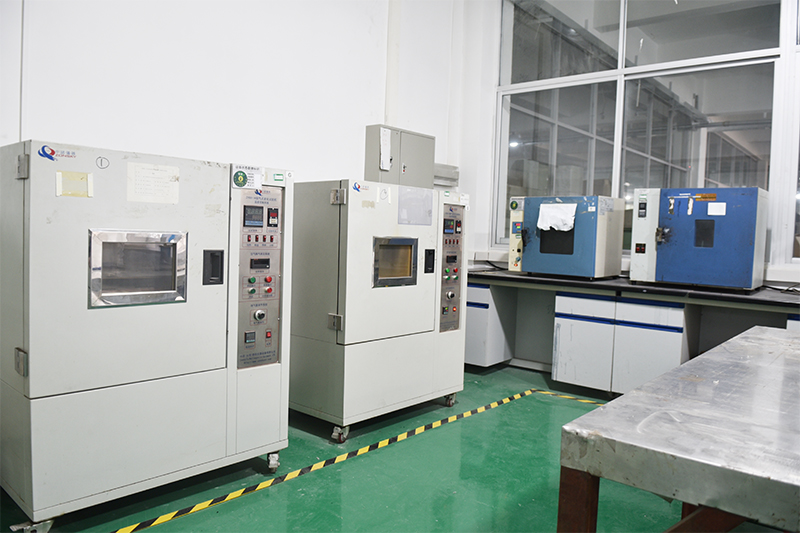
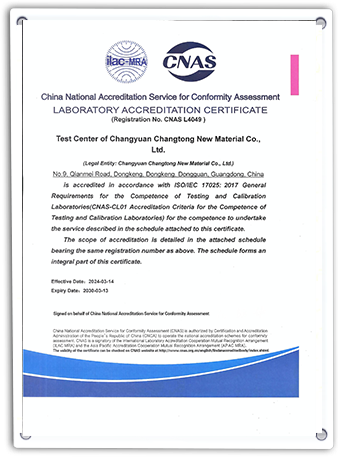
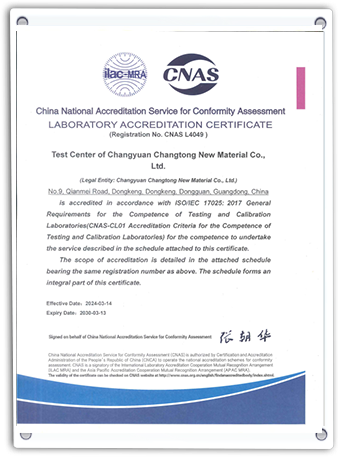
CYCT operates a national CNAS-accredited laboratory designed for evaluation of pipeline coatings and polymer materials. Our facilities perform critical tests, including cathodic disbondment resistance, water vapor transmission rates, high-temperature peel strength, and long-term aging simulations. Working alongside institutes like the CNPC Pipeline Science Research Institute, CYCT delivers field joint coating design schemes, cathodic protection plans, rehabilitation projects, and integrated solutions for pipeline safety.
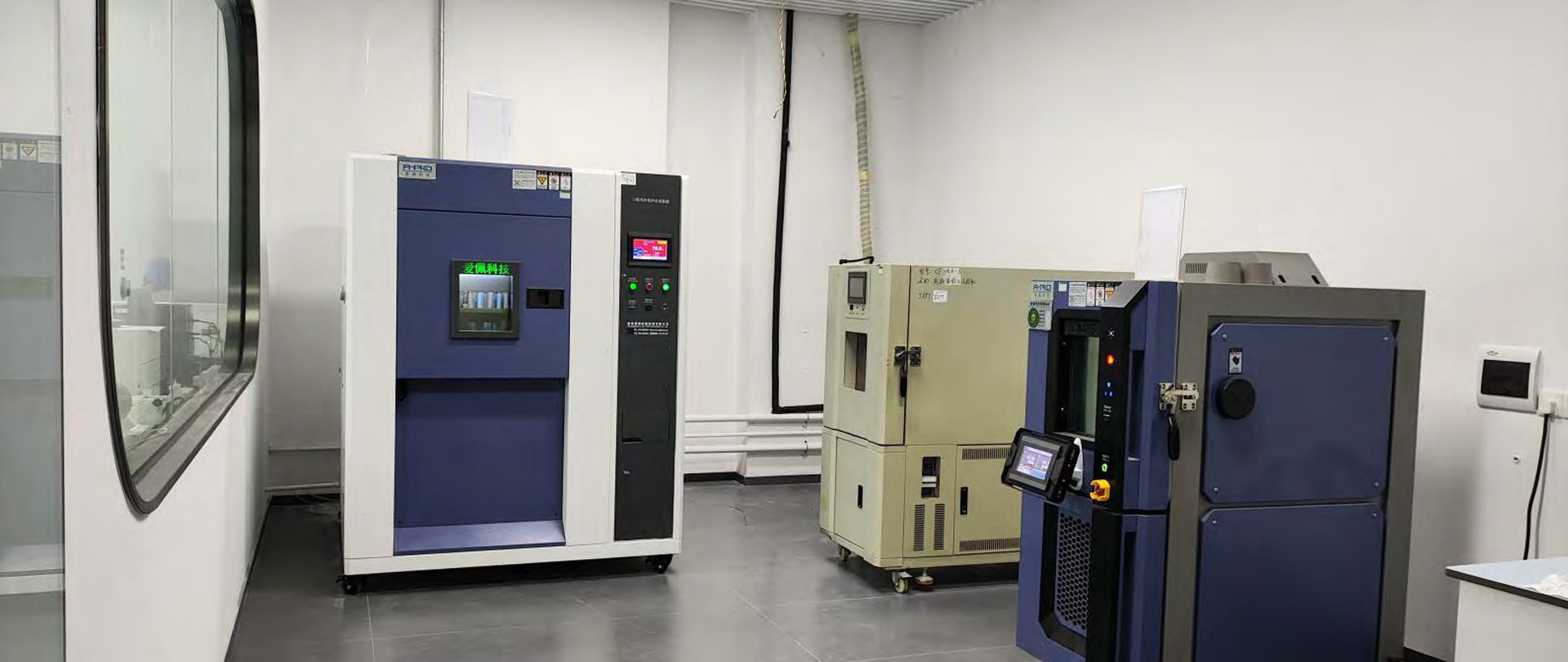
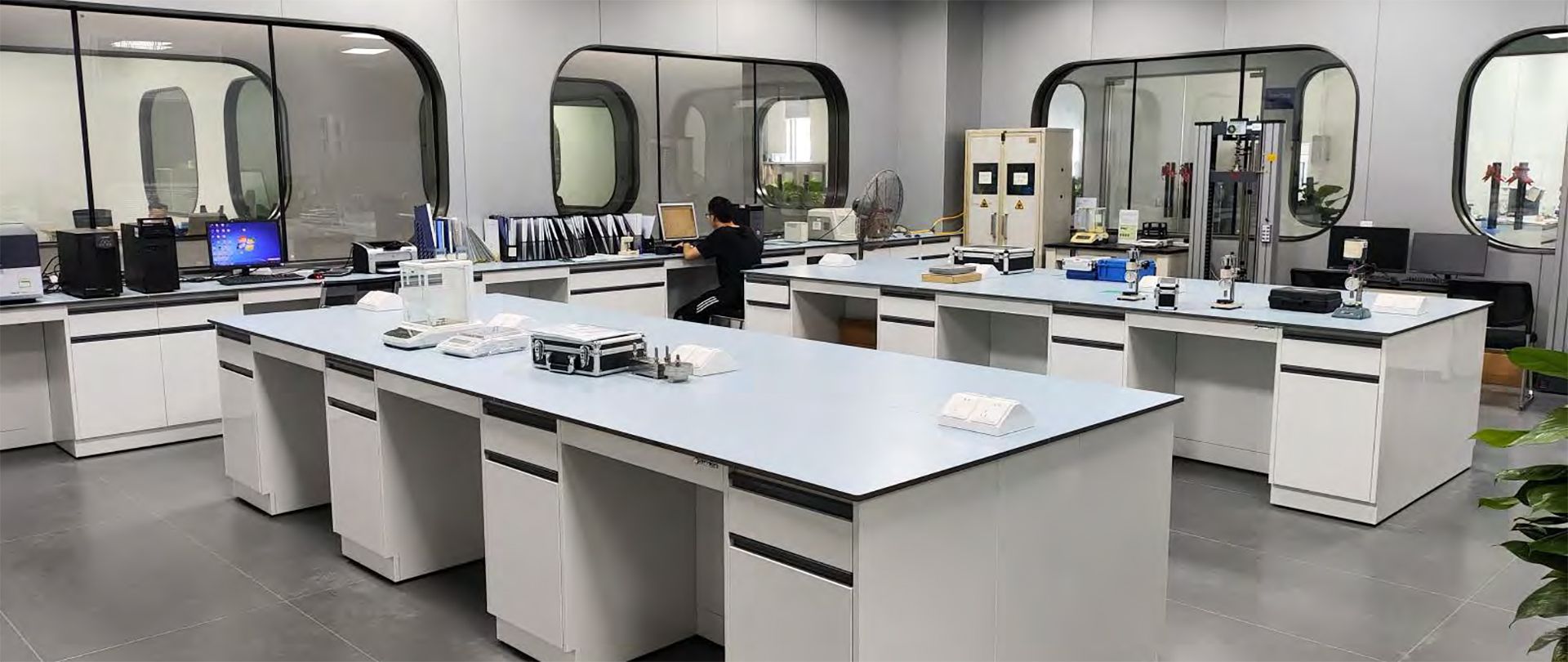
Exploring the technology roadmap for pipeline coatings and viscoelastic polymer materials.
Modern research focuses on developing self-healing viscoelastic polymers. Unlike standard rubber-bitumen compounds, viscoelastic materials exhibit cold-flow properties, allowing them to flow into microscopic substrate crevices. If minor mechanical damage occurs, the material self-repairs, preserving the barrier and protecting the underlying steel.
Future iterations combine pure aluminum foil with multi-layer high-density polyethylene (HDPE) or polypropylene (PP) laminates. This hybrid construction improves tensile strength, chemical resistance, and puncture protection, maintaining flexibility across wide temperature variations.
Smart coating systems are emerging, integrating conductive sensors or optical fibers within the tape structure. These setups monitor temperature changes, stress loads, and humidity ingress, providing operators with real-time performance tracking.
Our integrated manufacturing facilities provide reliable logistics, scale economies, and consistent production quality.
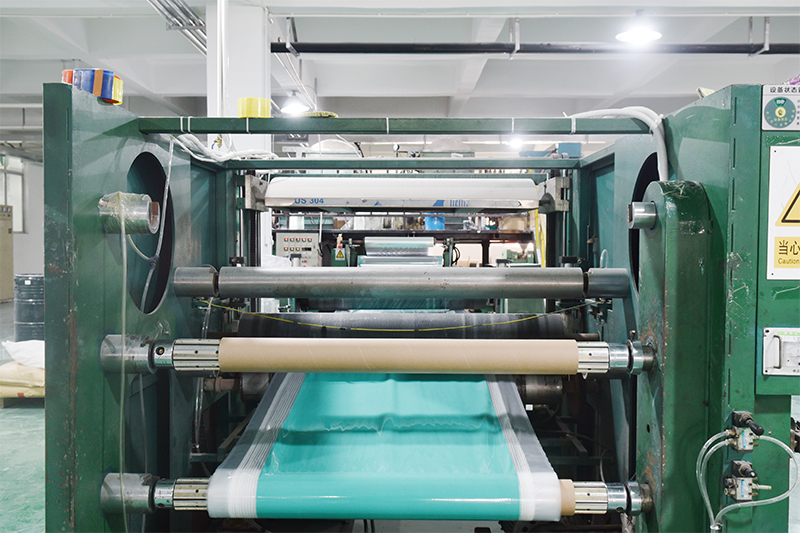
Chinese manufacturers offer a reliable supply chain built on local raw material availability, optimized production lines, and direct access to major international ports. At CYCT, our production lines utilize automated systems to manage adhesive thickness, backing tension, and lining placement. This high degree of automation ensures consistent performance across manufacturing runs, minimizing batch-to-batch variation.
CYCT operates dedicated production centers, testing hubs, and logistics structures designed to handle large-scale global demands. Our strategic partnerships with key raw material suppliers minimize volatility in costs and production lead times, ensuring steady delivery schedules even during market fluctuations.
A detailed engineering comparison showing the differences between viscoelastic tapes, PE cold-applied tapes, and heat-shrinkable sleeves.
| Performance Characteristic | Viscoelastic Aluminum Foil Tape | PE Cold-Applied Tape | Heat Shrinkable Sleeve (FRPD) |
|---|---|---|---|
| Adhesive Base | Viscoelastic polymer matrix | Butyl rubber / Synthetic elastomer | Hot-melt copolymer adhesive |
| Self-Healing Window | Excellent (re-flows to seal minor cuts) | Minimal self-repair capability | None (mechanical repair required) |
| Substrate Preparation | ISO 8501-1 St 2 / St 3 (Hand wire brushed) | ISO 8501-1 Sa 2.5 (White metal blast) | ISO 8501-1 Sa 2.5 + Pre-heat treatment |
| Water Vapor Ingress | Virtually zero (reinforced foil backing) | Low permeability | Low to medium permeability |
| UV Exposure Stability | High UV reflection (aluminum face) | Moderate (depends on UV inhibitors) | High (carbon black modified PE backing) |
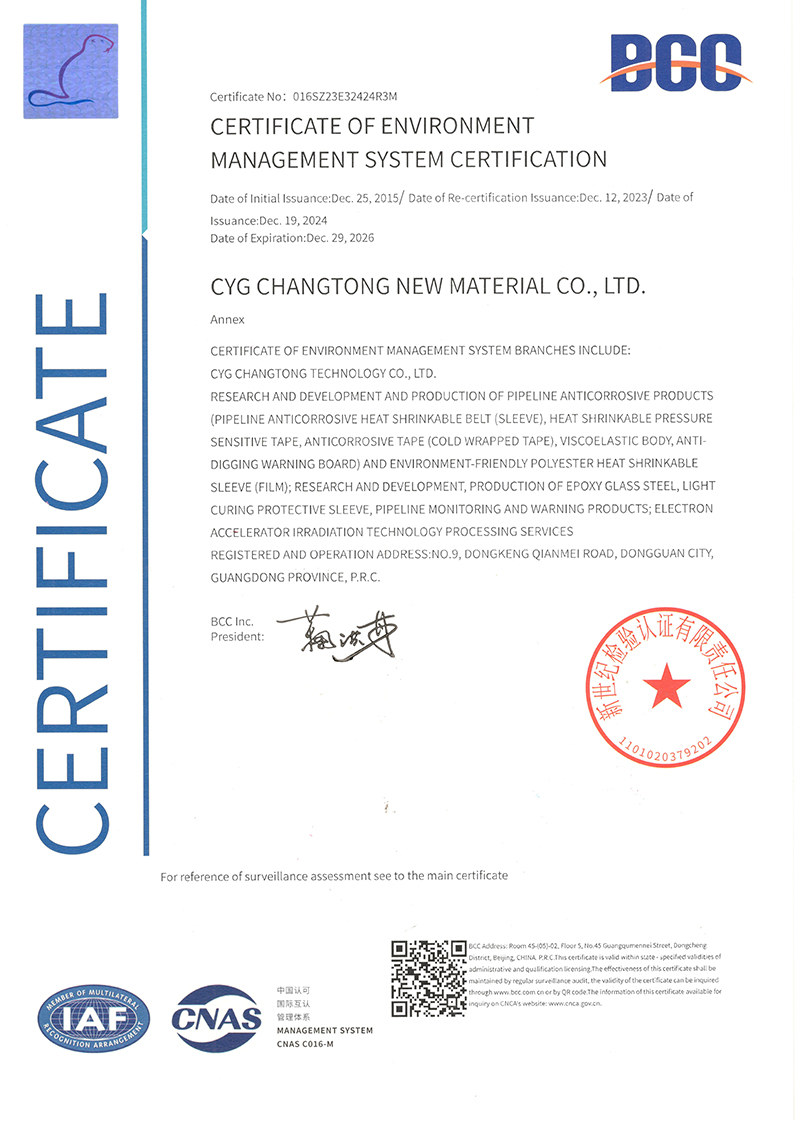
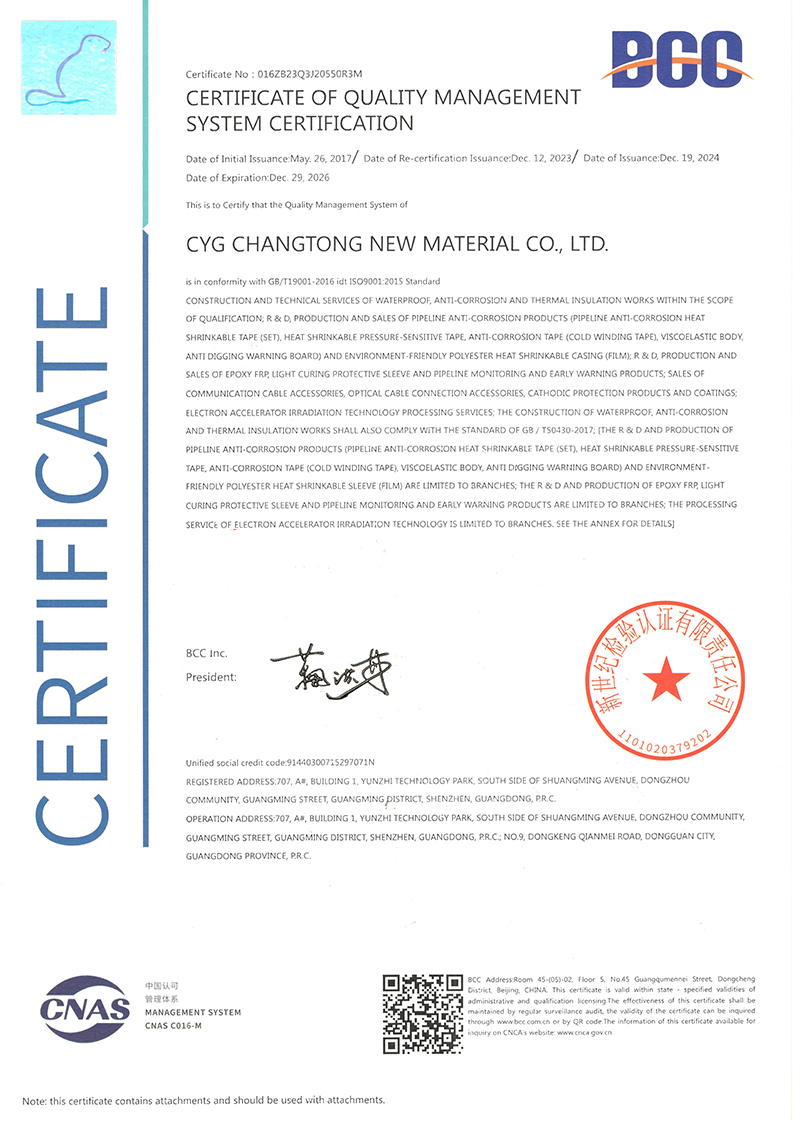
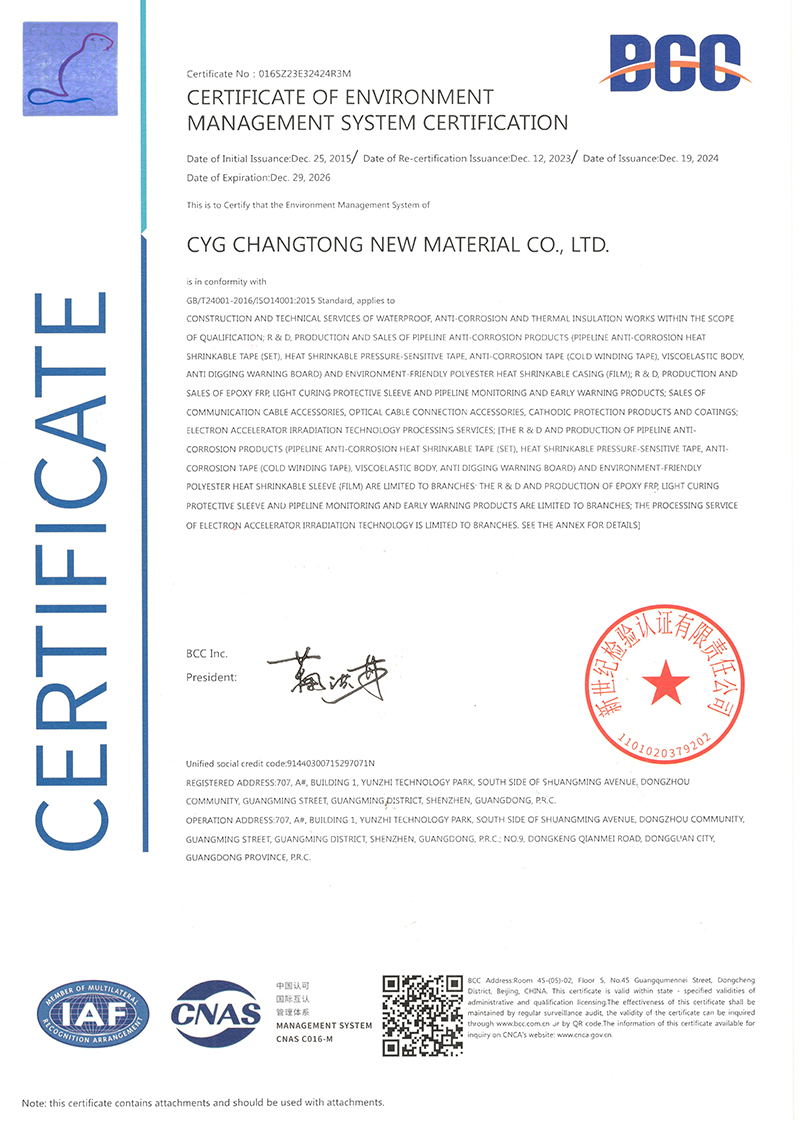
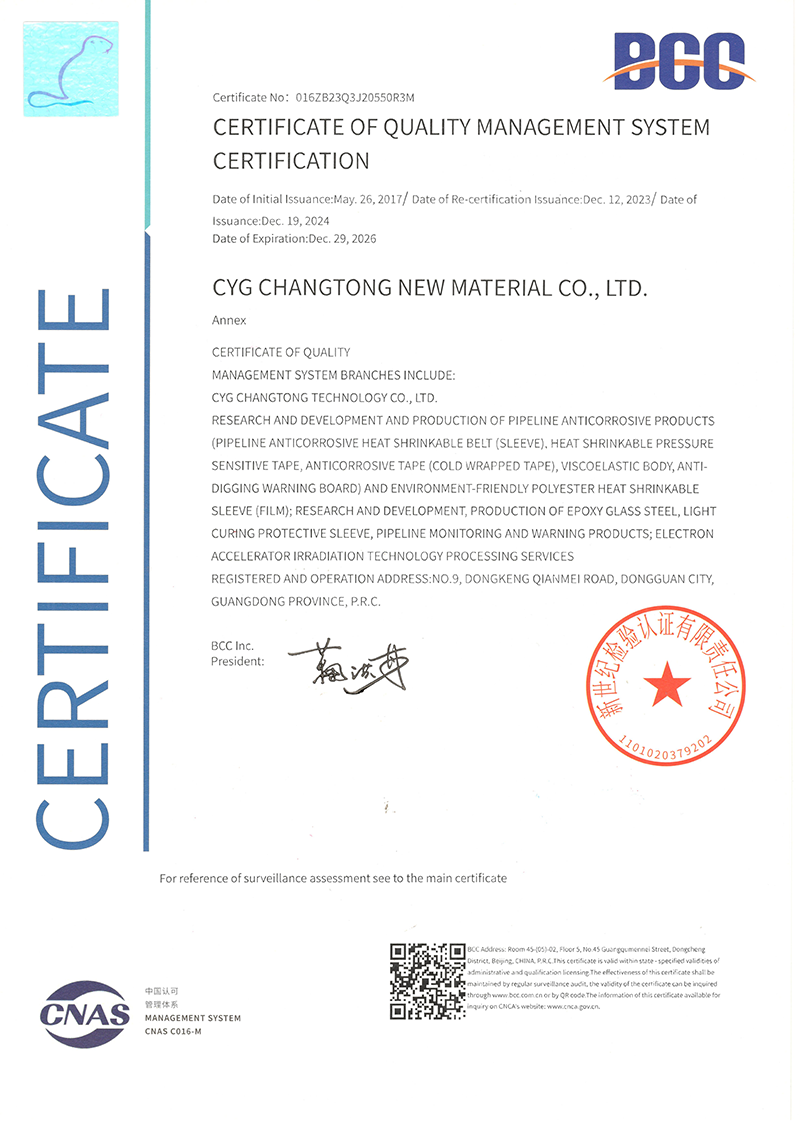
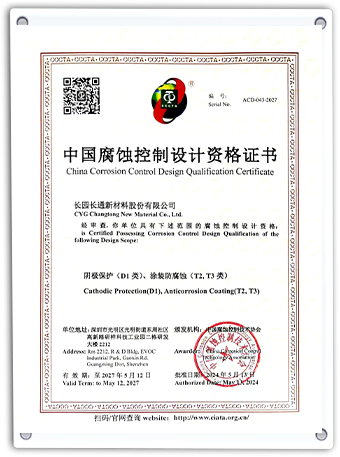
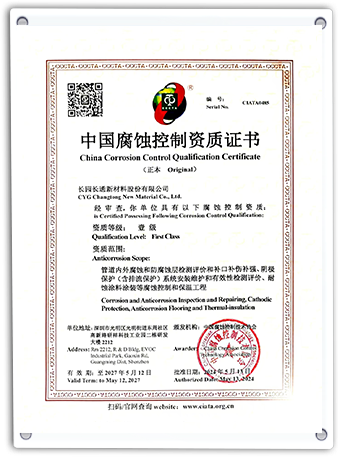
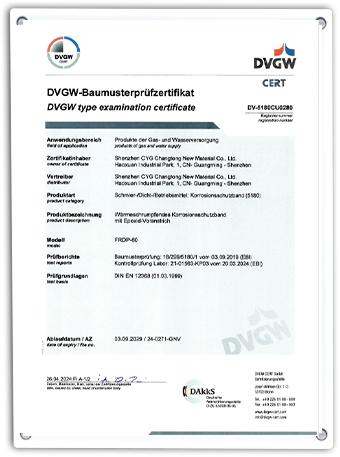
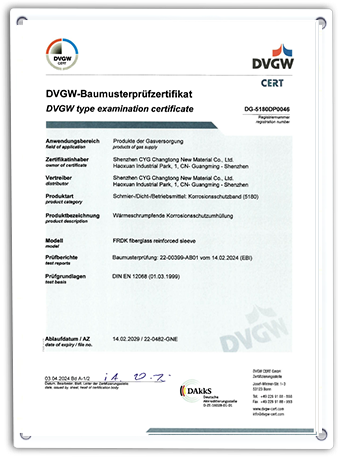
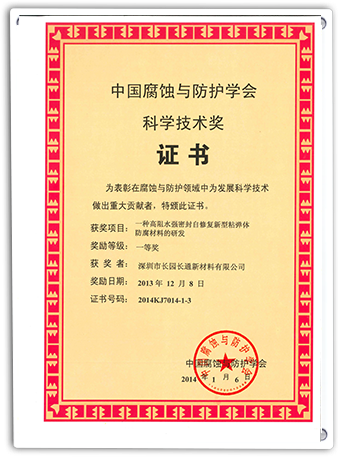
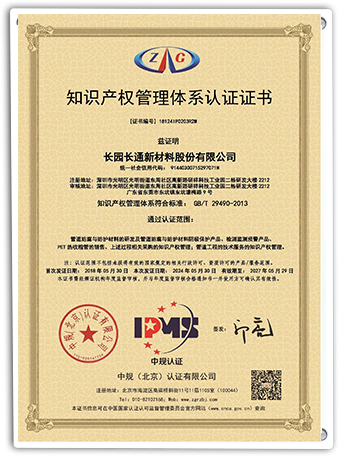
Our company is a Council Member of the Chinese Society for Corrosion and Protection (CSCP), holds Qualification Certificates for Corrosion Protection Construction and Pipeline Detection, and is a state-level High-Tech Enterprise.
Technical guidance and installation parameters to ensure structural integrity and long service life.
Standard aluminum foil tape uses thin acrylic or rubber adhesives, designed primarily for static HVAC sealing and light heat reflection. Viscoelastic aluminum foil tape features a thicker polymer matrix that remains liquid-like yet highly viscous. This design allows the adhesive to flow into steel micro-irregularities, self-heal small punctures, and provide long-term corrosion resistance under high-stress conditions.
No. While standard polyethylene cold-applied tapes and heat-shrinkable sleeves require Sa 2.5 white-metal blast cleaning, viscoelastic formulations can be applied to surfaces prepared to St 2 or St 3 levels using wire brushes. The polymer matrix wets the surface, displacing minor residues and forming a tight seal.
For buried pipelines, aluminum foil tapes are typically paired with mechanical outer-wrap tapes to protect the backing from soil stress. For exposed, aboveground installations (valves, flanges, and river crossings), aluminum foil viscoelastic tape can be used as a standalone solution due to its UV resistance and barrier performance.
Traditional bitumen-based coatings can dry out, crack, and disbond over time, leading to moisture ingress. High-quality viscoelastic tapes retain their flexibility, resisting cracking, drying, and hardening. In typical C3 to C5 marine environments, these systems can provide protection for over 30 years without significant degradation.
The CNAS (China National Accreditation Service for Conformity Assessment) certification ensures our laboratory operates under international ISO/IEC 17025 standards. This allows us to perform reliable, independent testing of tensile strength, cathodic disbondment resistance, peel strength, and thermal aging, ensuring consistency for municipal and industrial projects.
Explore our complete product catalog for joint wrapping, outer protection, and high-performance repair systems.
 CYCT
CYCT