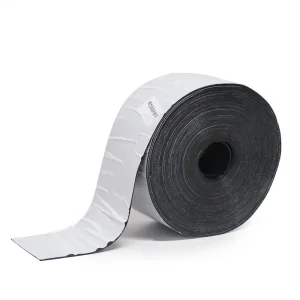
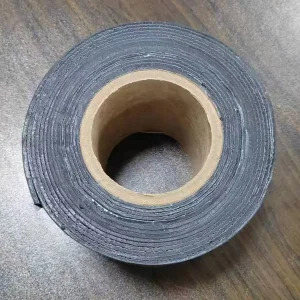
Our high-performance heat-shrinkable solutions, viscoelastic tapes, and repair systems are specifically engineered to safeguard cross-country transmission pipelines.
In modern energy infrastructure, the integrity of subsea and buried pipelines is non-negotiable. Adhesive shrink tapes and heat shrinkable sleeves (HSS) represent the frontline defense against corrosion, mechanical wear, and chemical degradation. As global transmission networks stretch across harsh geomorphic regions—ranging from sub-zero Siberian permafrost to high-salinity marine environments—the demand for highly crosslinked polyolefin backings paired with engineered visco-elastic or mastic adhesives has soared.
Industrial growth in oil, gas, water transport, and municipal piping has catalyzed strict international standards (such as ISO 21809-3 and EN 12068). To satisfy these metrics, manufacturing processes have transitioned toward hybrid multi-layer coatings. These systems rely on specialized adhesives that undergo precise chemical bonding under thermal activation, sealing field joints against moisture ingress and cathodic disbondment.
COMPANY PROFILE
CYCT New Materials Company Limited (for short, CYCT) is a state-level high-tech enterprise integrating R&D, production, and sales of pipeline corrosion protection materials, buried pipeline detection services, and pipeline coating field application services. Decades of specialized engineering have established CYCT as a stable supplier of field joint coatings for PetroChina, Sinopec, PipeChina, and local networks.
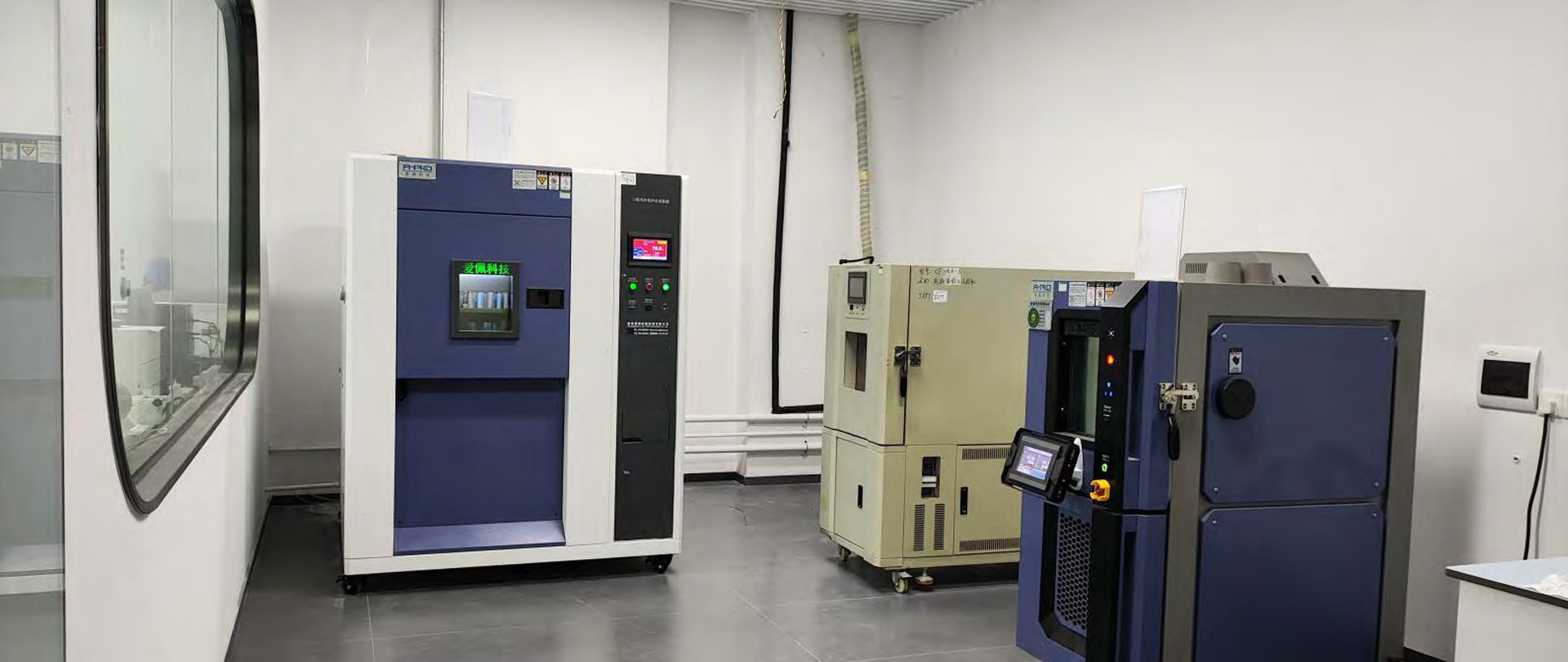
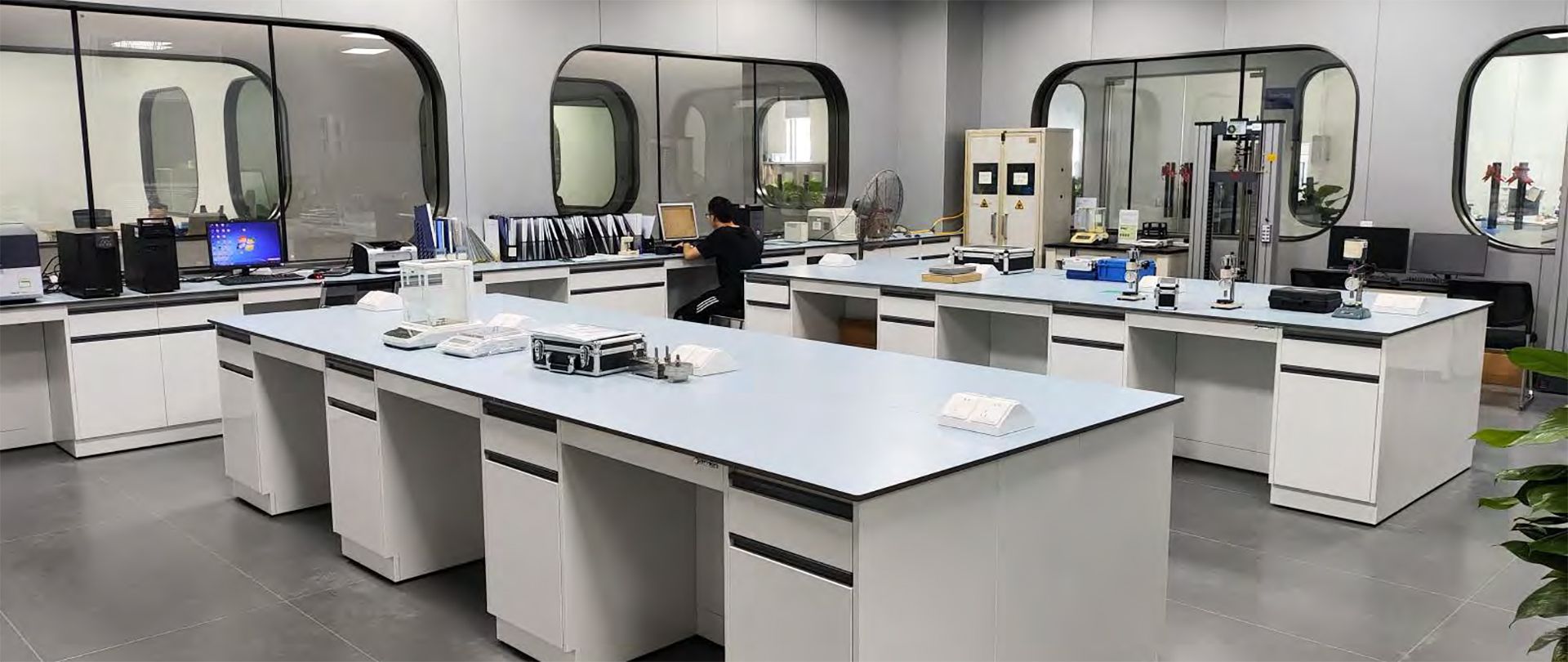
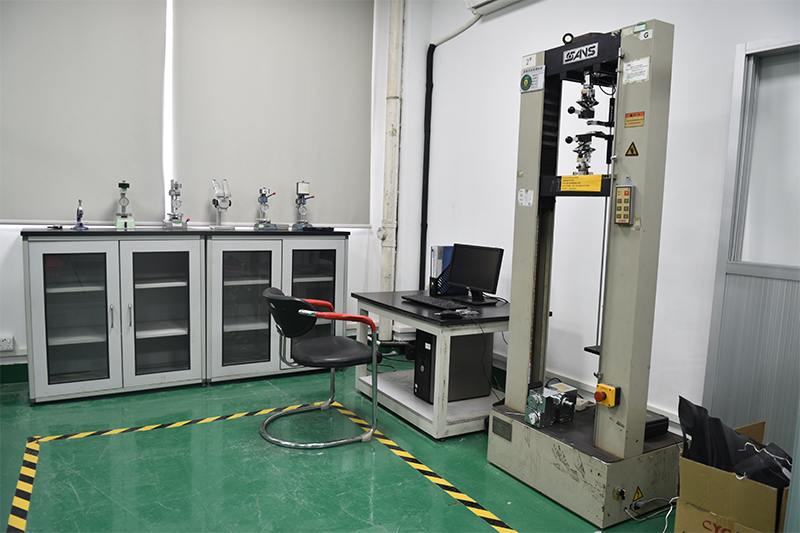
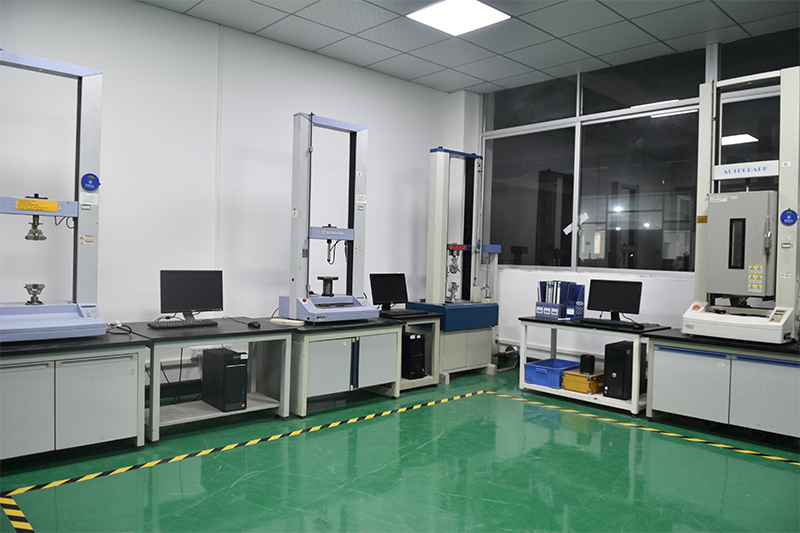
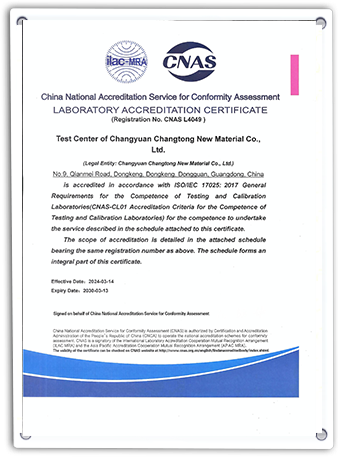
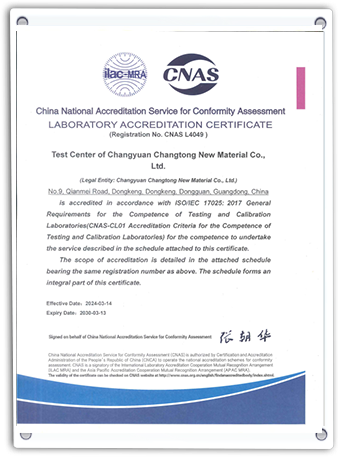
Our core strength lies in translating materials research into real-world pipeline integrity protection. Supported by a national CNAS-accredited laboratory and direct partnerships with leading research hubs like the CNPC Pipeline Science Research Institute, CYCT is capable of designing and verifying specialized protection products for the most rigorous project specifications globally.
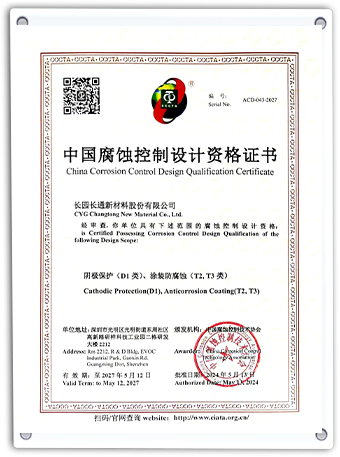
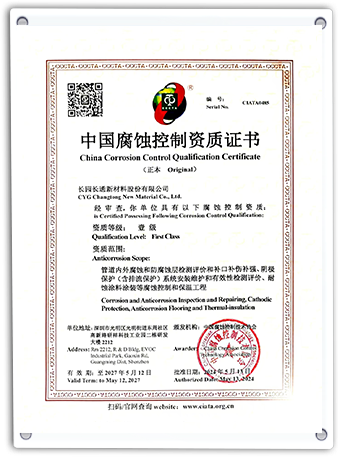
CYCT is an active Member of the Council in the Chinese Society for Corrosion and Protection (CSCP), holding certifications in Corrosion Protection Construction and Pipeline Detection. Recognized as a well-known brand in pipeline protection, our credentials also include membership in the China Association of Petroleum Engineering Construction (CAPEC) and serving as an approved vendor for the Indian Oil Corporation.
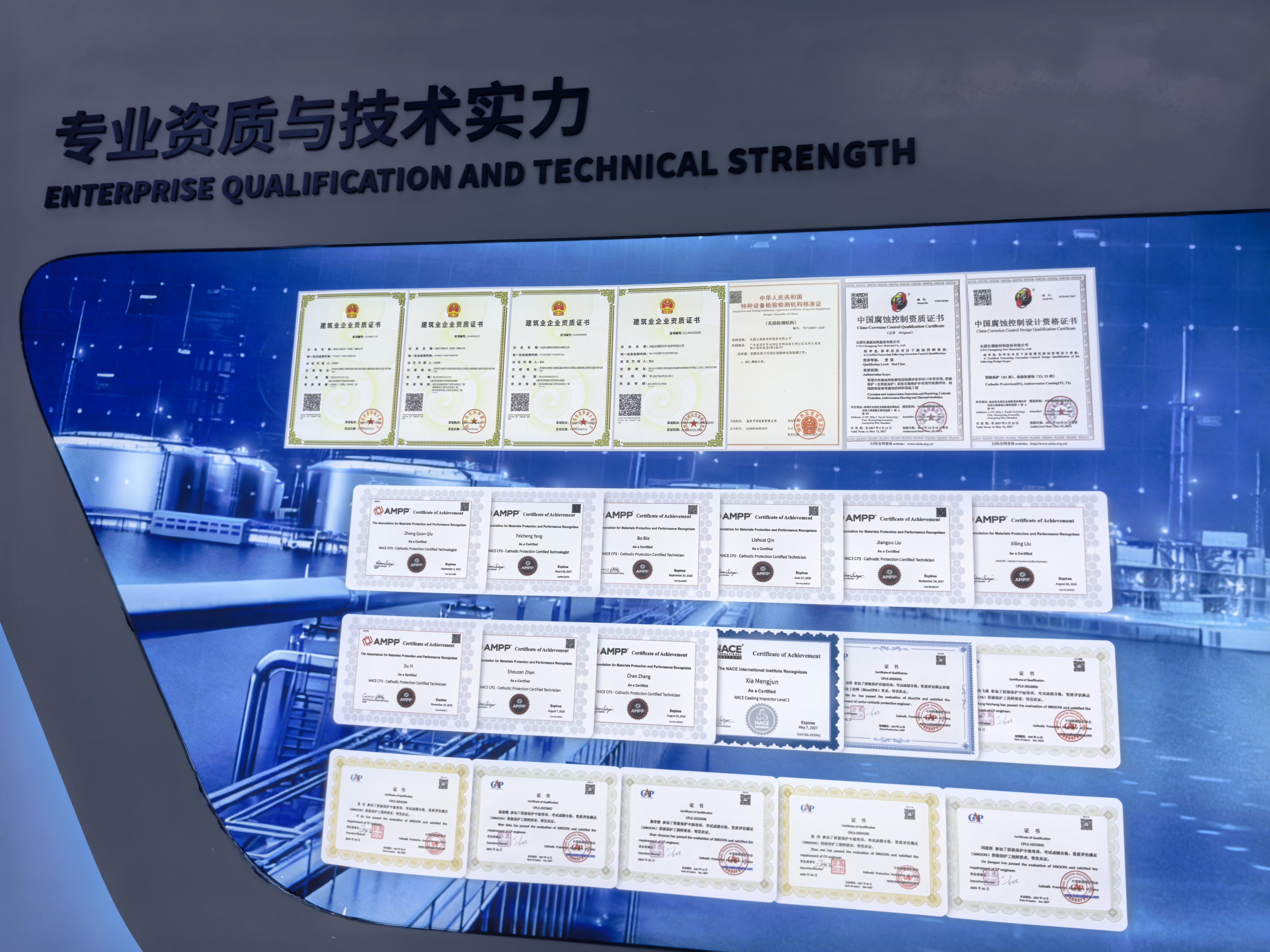

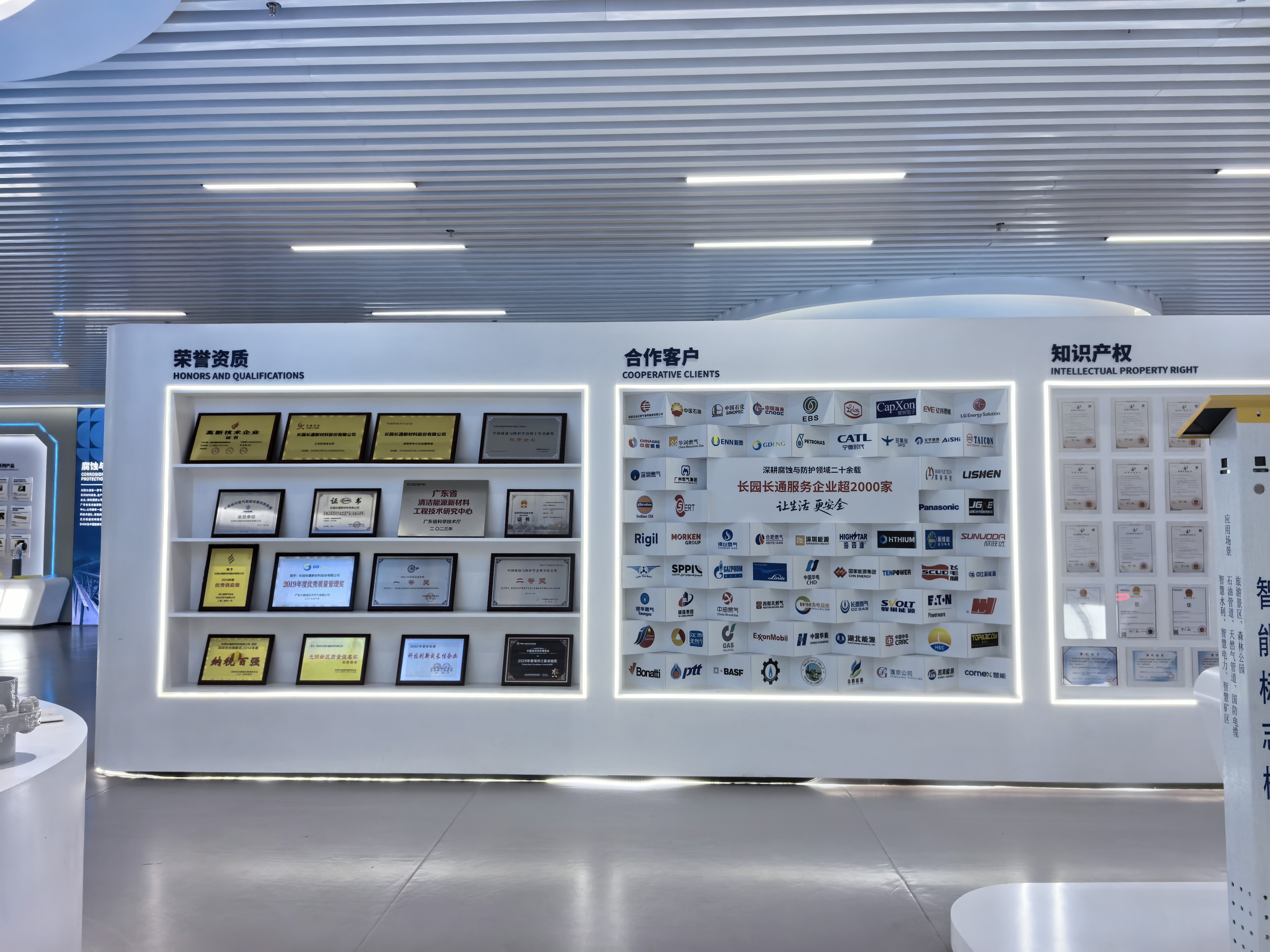

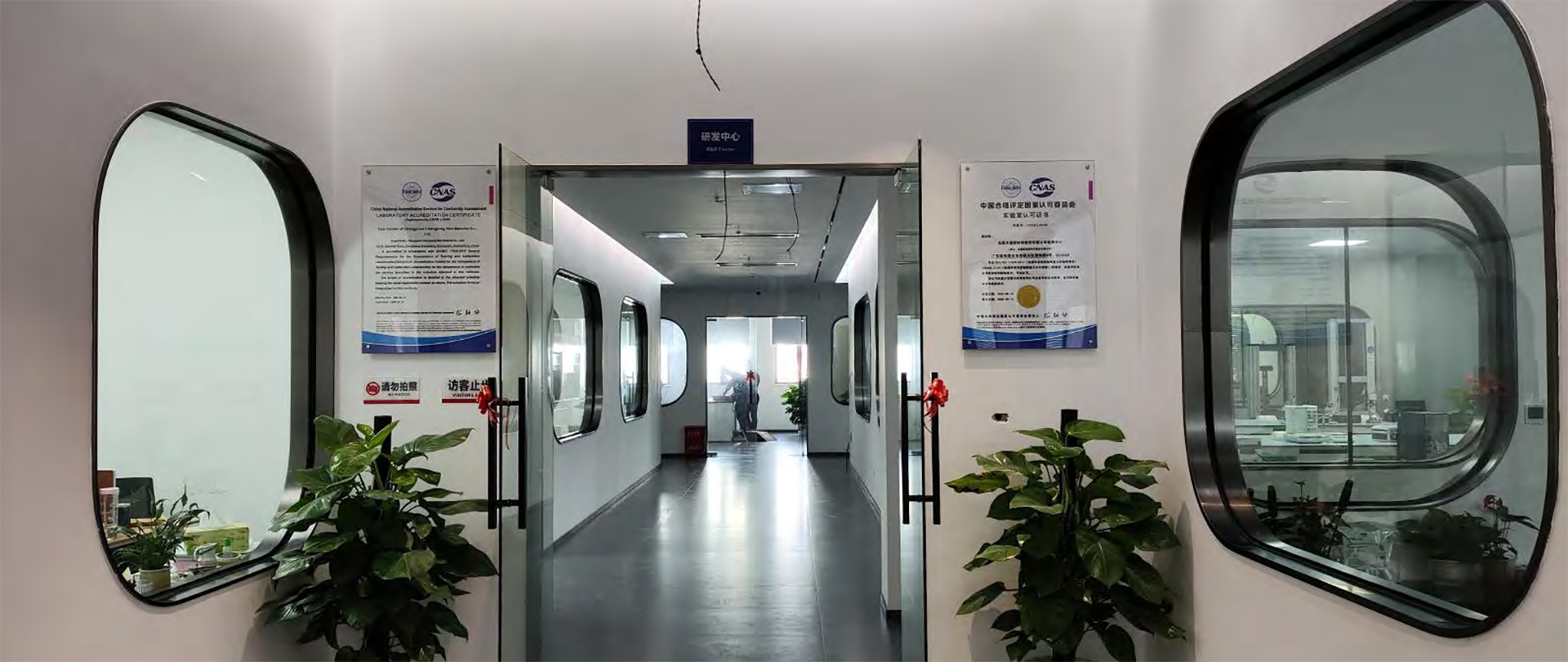

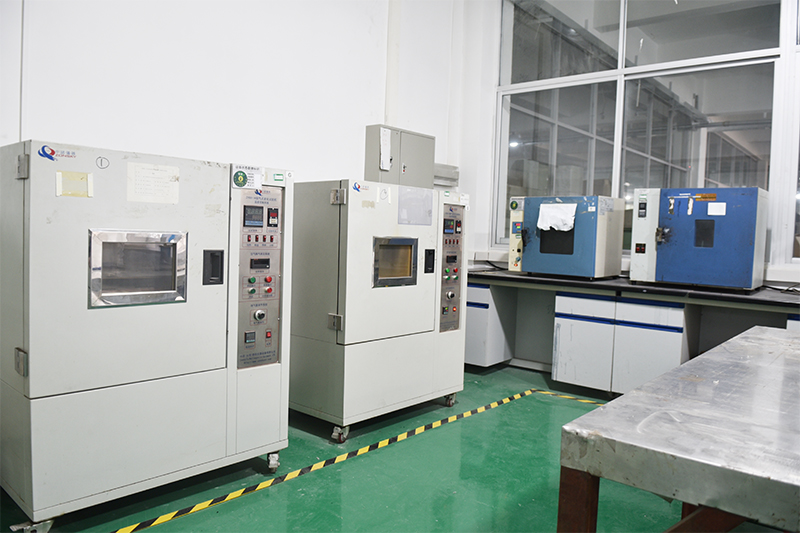
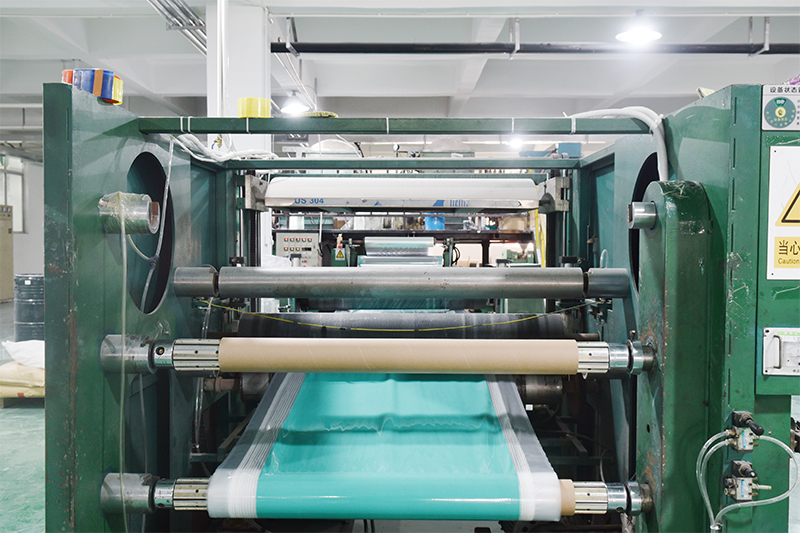
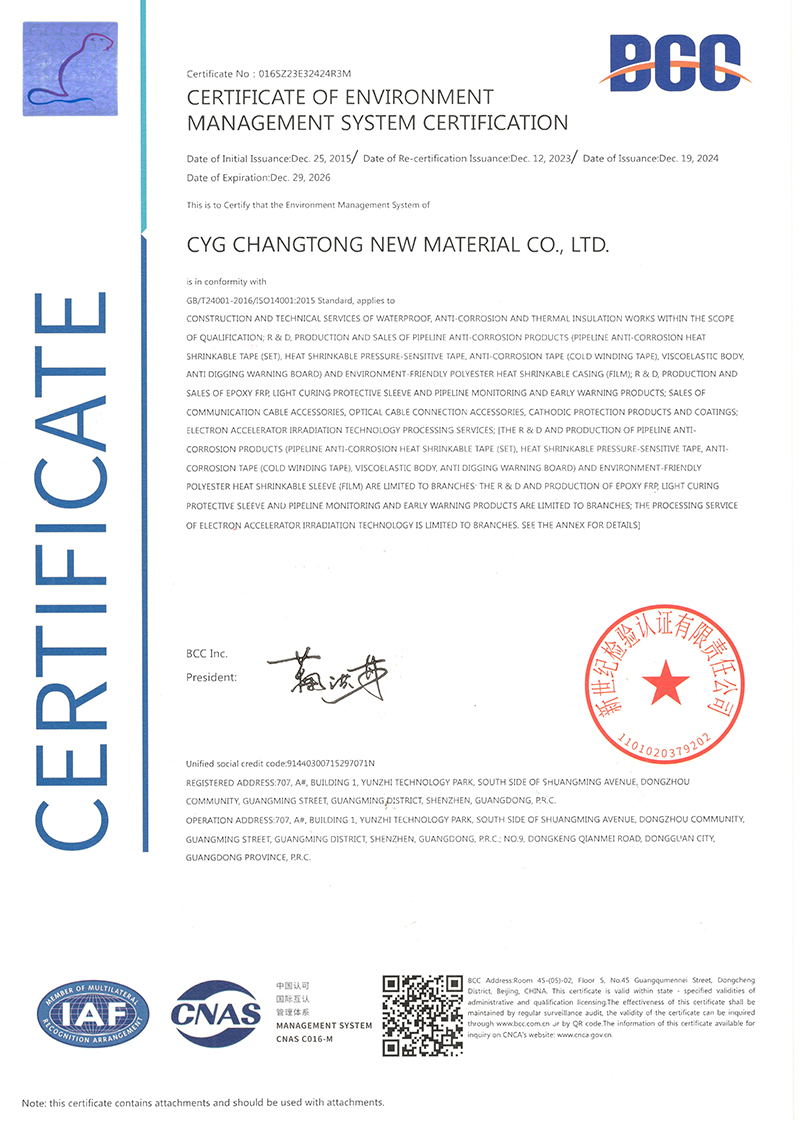
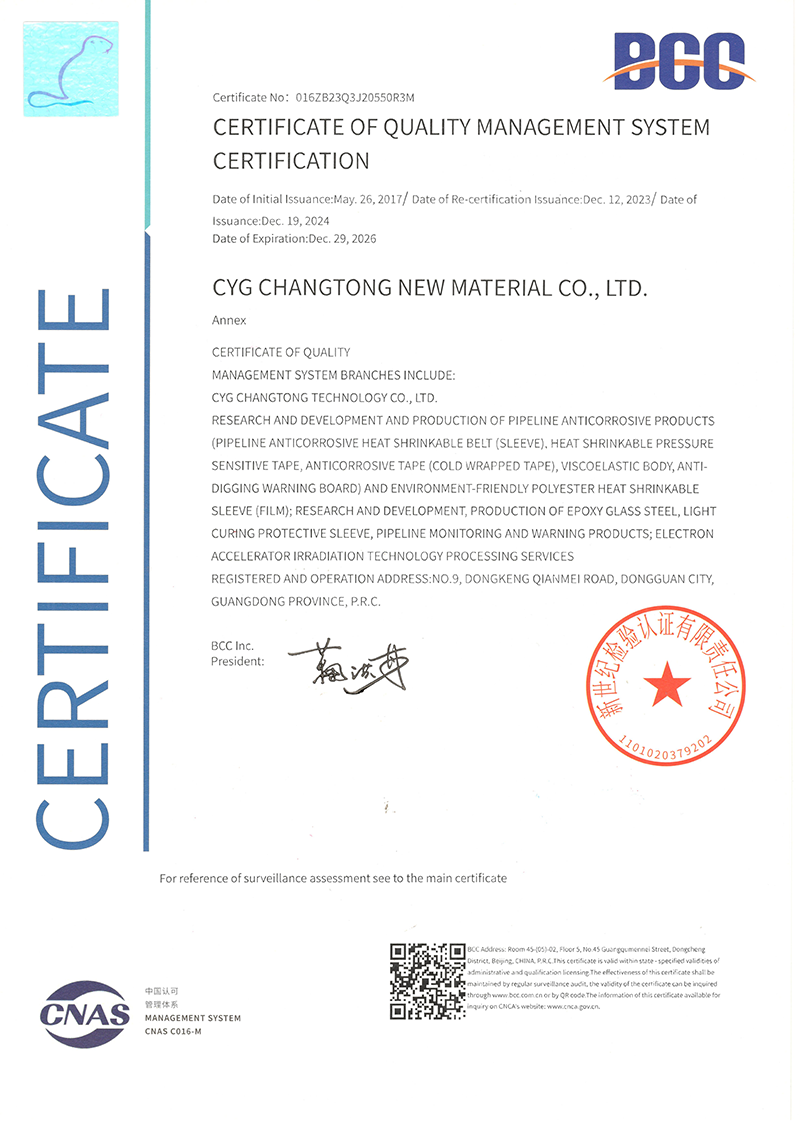
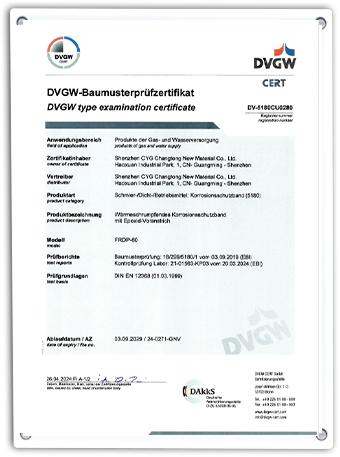
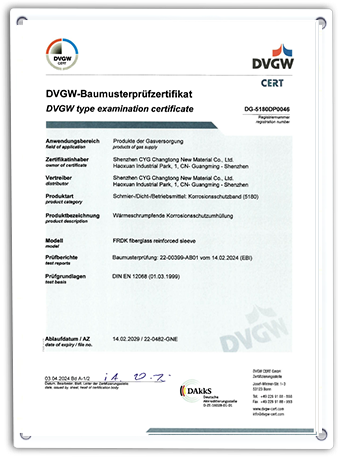
Our production plants operate under strict ISO 9001, ISO 14001, and ISO 45001 management structures. Here is a selection of our state-level corporate and product credentials.
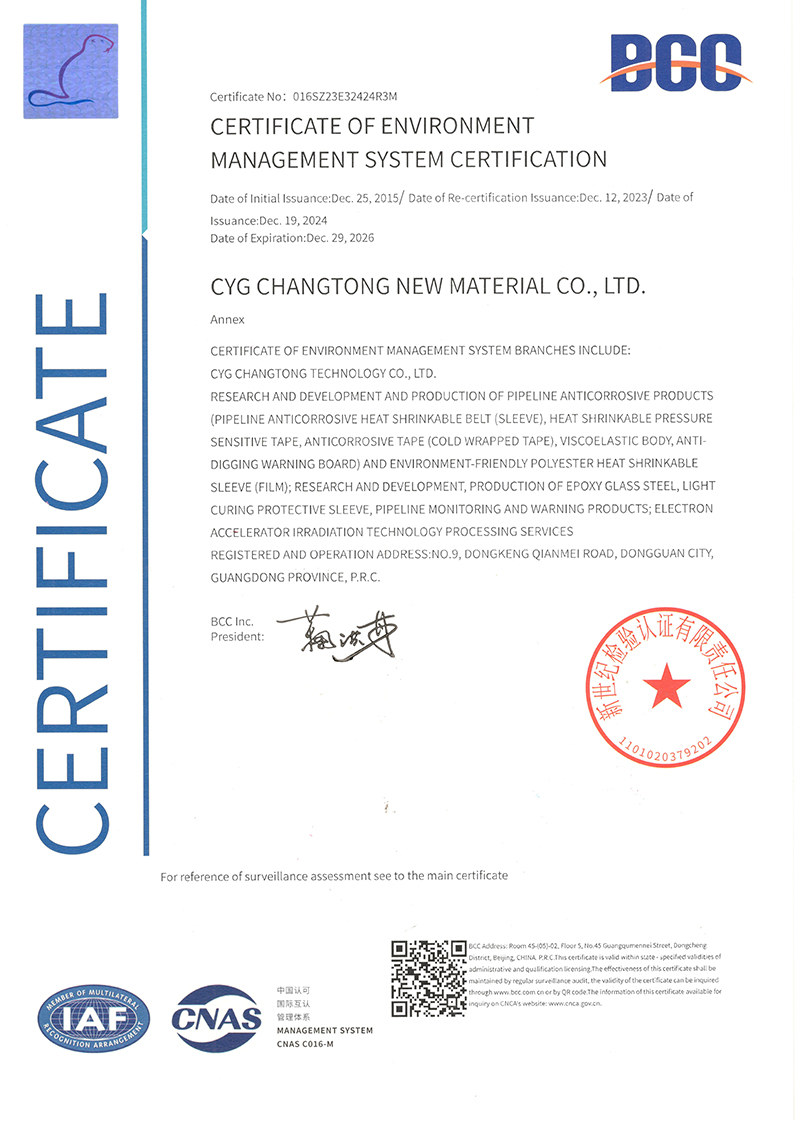
ISO Management Certification
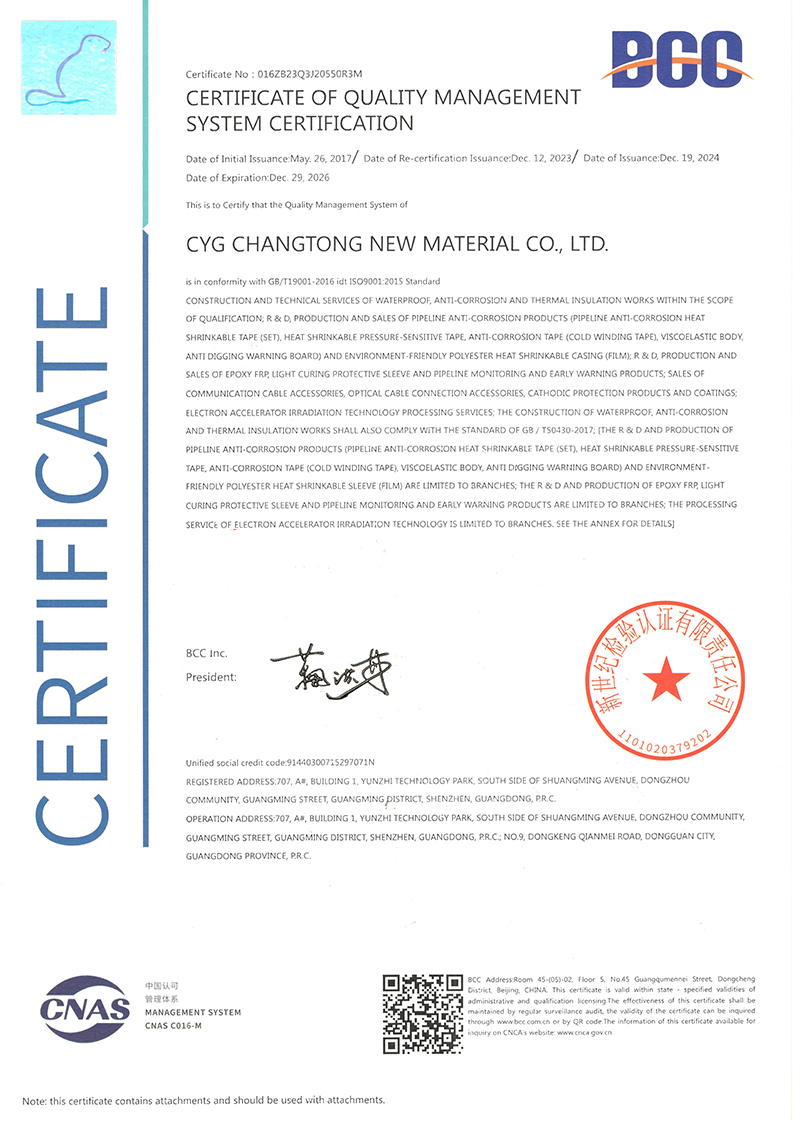
CNAS Lab Qualification
High-Tech Enterprise Certificate
PetroChina Verified Supplier
Sinopec Vendor Access
Pipeline Detection License
Patent of Innovation
Indian Oil Registration
Environmental Management
CSCP Member Council
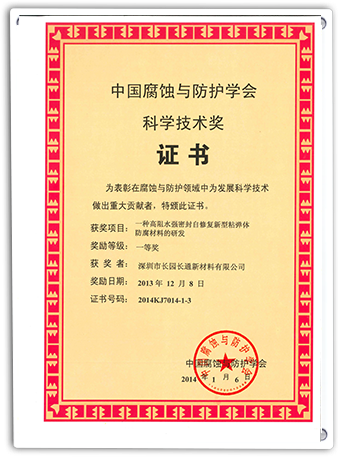
Safety Production Permit
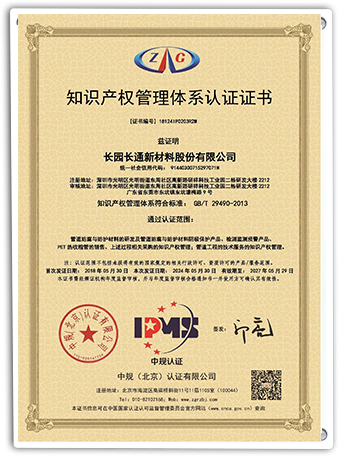
Enterprise Technology Center
Selecting the appropriate pipeline wrap system depends heavily on operating temperatures, soil load pressures, and installation conditions.
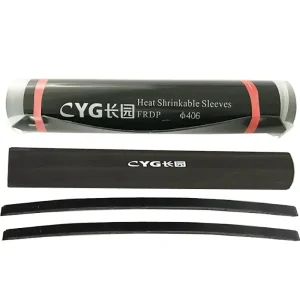
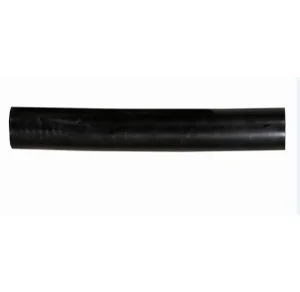
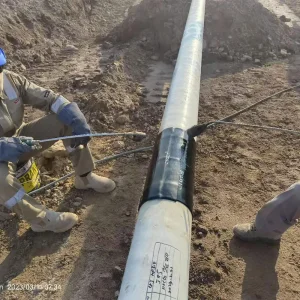
Commonly categorized into 2-layer and 3-layer systems, Heat Shrinkable Sleeves rely on crosslinked high-density polyethylene (HDPE) backing coated with a specialized reactive shear-resistant adhesive. When heat is applied, the memory-effect backing contracts, pressing the hot-melt adhesive into the steel profile.
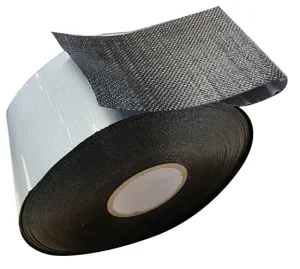
Unlike heat-shrink options, viscoelastic tapes operate on a cold-applied cold-flow principle. Consisting of a non-crystalline, low-molecular-weight polyolefin, these tapes flow into all microscopic contours of the steel surface.
Applying adhesive shrink tapes requires distinct localized adjustments based on mechanical loads and installation techniques.
Horizontal Directional Drilling (HDD) subjects coatings to extreme friction against rocks. Standard shrink wraps fail here. We offer OEM Epoxy FRP (Fiberglass Reinforced Plastic) protection wrappers as a mechanical shield over field joint heat-shrinkable sleeves to ensure zero coating displacement.
In-service pipelines require rapid, cold-applied maintenance without bringing flame to active gas fields. Our VT95 Viscoelastic Tapes and FRDX Hot Melt Repair Patches facilitate clean, fast repairs over hand-cleaned surfaces, maintaining E-E-A-T field standards.
Steel pipelines coated with factory-applied 3LPE/3LPP need joint systems matching the line pipe life span. Using our PP Heat Shrink Sleeves (Wraparound-Type) along with high-performance epoxy primers delivers a continuous polymer barrier across the joint.
The pipeline corrosion landscape is pivoting toward smarter materials, reduced carbon footprints, and extreme temperature tolerance.
Integration of color-changing temperature indicators within the backing layer of heat shrink sleeves. Installers visually verify when target heat activation is achieved, reducing field installation errors.
Transitioning backing materials and viscoelastic matrix polymers to bio-based and recyclable materials. Meeting global green construction mandates without compromising shear resistance, peel strength, or thermal stability.
Developing next-generation fluoropolymer-modified heat shrink sleeves capable of continuous service up to 150°C. Engineered specifically for high-yield geothermal extraction pipelines and steam-assisted gravity drainage (SAGD) projects.
Our VT95 viscoelastic tape features constant cold-flow self-healing capabilities. Because it never hardens, it adapts dynamically to minor soil settlement and substrate vibrations. Moreover, it achieves intimate contact on minimal surface preparation (St2/St3 mechanical wire brushing), unlike traditional PE tapes which require rigorous Sa2.5 blast cleaning.
No, PP Heat Shrink Sleeves are chemically formulated to bond with 3LPP (Polypropylene) pipeline systems due to matching melting properties. For 3LPE coatings, standard polyethylene-based Heat Shrink Sleeves (like FRDP 60C or higher class PE sleeves) are recommended. Applying mismatching materials can result in poor peel strength and inter-layer disbondment.
During Horizontal Directional Drilling, field joint sleeves face intense friction, shear force, and abrasion from rocks. The OEM Epoxy FRP system is applied as an sacrificial layer over the heat shrink sleeve, providing a high-strength fiberglass composite shell. This shell takes all mechanical wear, leaving the primary anticorrosion barrier intact.
CYCT maintains a state-of-the-art national CNAS-accredited laboratory, proving our strict oversight of polymer and adhesive research. We are council members of the CSCP, approved vendors for PetroChina, Sinopec, and Indian Oil Corporation, showing the required trust and expertise needed for massive global infrastructure projects.
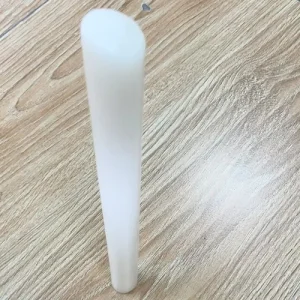
Hot melt filler is a specialized high-viscosity mastic adhesive compound applied to fill deep voids, weld steps, and damaged coating margins. It acts as an underlayment filler to ensure no air bubbles are trapped when wrapping the outer protective tape, preventing localized oxidation pockets.
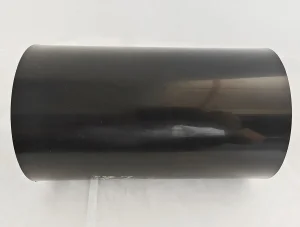
Our high-performance repair sticks, custom mastic tape systems, and polyolefin sleeves ensure comprehensive joint sealing under extreme geological pressures.
 CYCT
CYCT