Repair Factory & Factories serving Panama

Premium Anti-Corrosion Technologies and Structurally Advanced Pipeline Integrity Mitigation Systems for High-Salinity, High-Humidity Tropical Marine Logistics and Energy Corridors

Send Inquiry Now
Industrial Report

Panama's Corrosion Challenges & Infrastructure Demands

An analytical overview of structural rehabilitation for critical pipeline corridors bridging the Atlantic and Pacific oceans.

Geographical Corrosive Stressors

Panama's unique status as a global logistics capital, featuring the trans-isthmus oil pipeline (Petroterminal de Panamá - PTP) and dense municipal, marine, and canal transport networks, exposes its infrastructure to aggressive corrosion. The local tropical maritime climate is characterized by relative humidity averages exceeding 85%, soil conditions with variable salinity, high rainfall, and elevated soil saturation. These factors accelerate cathodic disbondment and degradation of protective external pipeline coatings.

Without high-performance field-applied joint coatings and structural composites, subsurface assets face severe localized pitting, general metallic loss, and stress corrosion cracking. To address these demands, pipeline operators require advanced field repair solutions that can be applied effectively in high-humidity settings without compromising adhesion or structural integrity.

The Panama Canal Zone Operational Context

Engineered pipelines in the Canal Zone must withstand wet soil environments and mechanical stresses from marine transit activity. Directional drilling (HDD) crossings through tough volcanic soils call for coatings with high shear resistance and mechanical durability.


85%+
Relative Humidity
3000mm
Annual Rainfall
ISO 21809
Global Compliance

Technical Solutions Roadmap & Anti-Corrosion Mechanisms

Modern integrity managers avoid temporary fixes, opting instead for structural composite rehabilitation and polymer chemistry modification. Our technical roadmap addresses specific failure modes in critical pipeline systems:

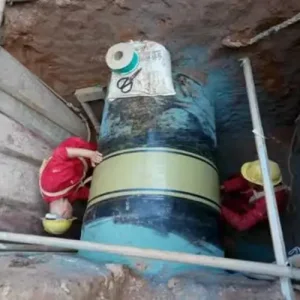
  • Structural Reinforcement via Glass Fiber Reinforced Polymers (GFRP): By wrapping defective pipeline segments with specialized GFRP systems, operators can restore the maximum allowable operating pressure (MAOP) without shutting down operations. The composite layer absorbs hoop stress, containing defect growth.
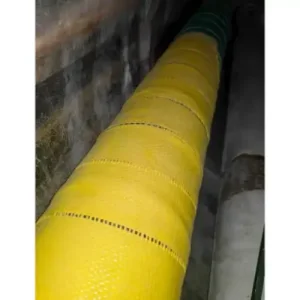
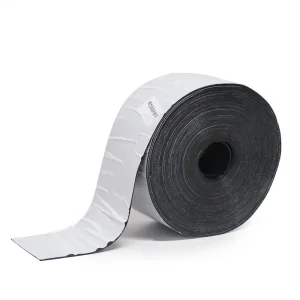
  • Viscoelastic Polymer Matrix Technology: Materials like VT95 Viscoelastic Tape utilize cold-flow behavior to spontaneously wet-out metal surfaces. This displaces air and moisture, providing long-term corrosion prevention even under low surface preparation standards (ISO 8501-1 St 2).
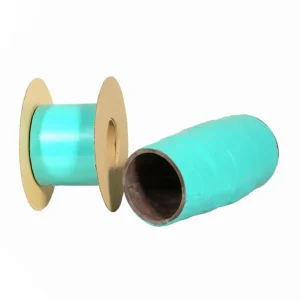
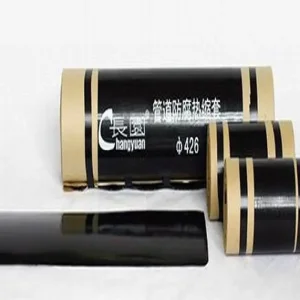
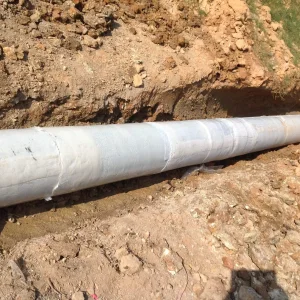
  • Heat Shrinkable Cross-Linked Polyolefin Sleeves: Incorporating copolymer adhesives that flow when heated, our heat shrinkable sleeves seal field joints, resisting mechanical damage, soil stress, and cathodic disbondment.
24+
Years R&D Experience
CNAS
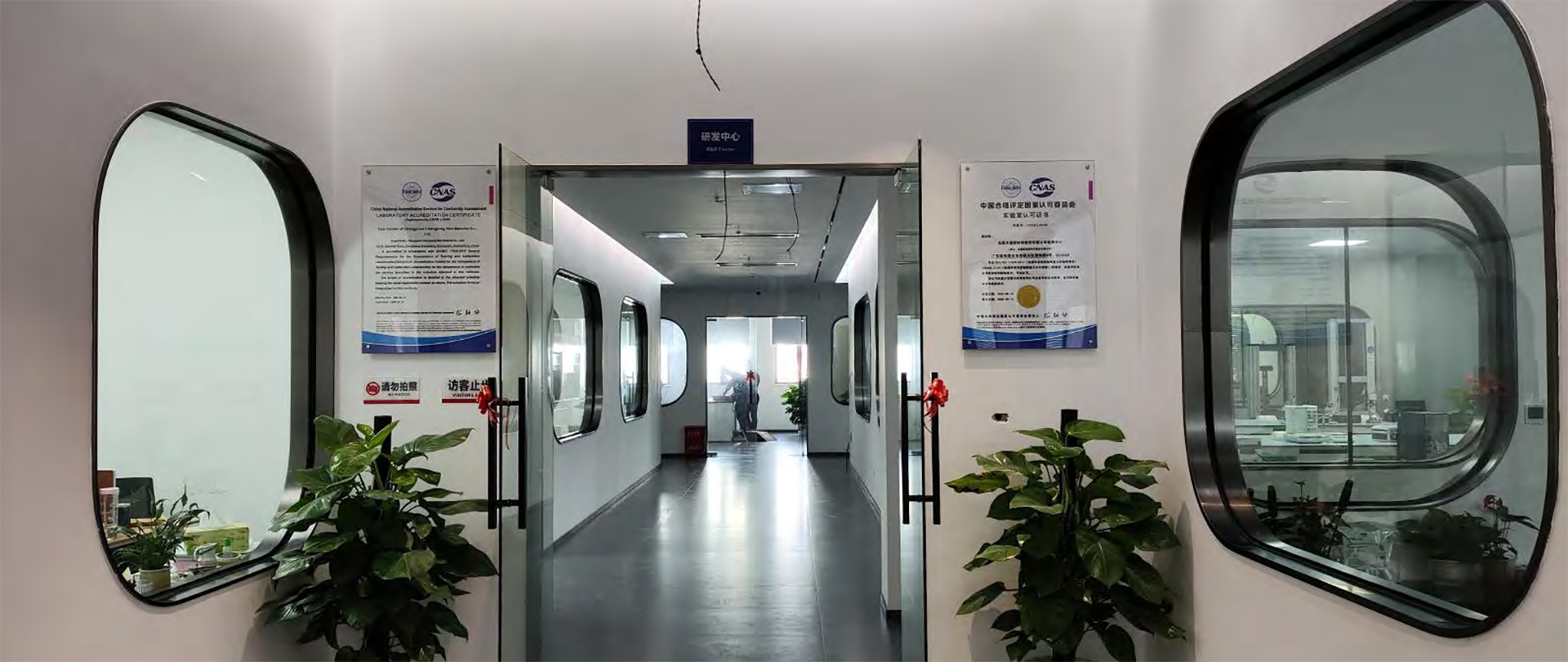
Accredited Laboratory
AMPP
Corporate Member
10+
Proprietary Patents
Supply Chain Integrity

International Standards & Quality Protocols

Meeting rigorous global performance requirements for maritime logistics, offshore platforms, and overland pipelines.

ISO 21809 Compliance

Our materials meet ISO 21809-3 specifications for field joint coatings. This standard covers tests for indentation resistance, impact strength, cathodic disbondment at elevated temperatures, and peel strength.

NACE/AMPP Calibration

As an AMPP corporate member, our production processes follow NACE SP0169 guidelines for steel pipelines, helping design systems that prevent corrosion on carbon steel infrastructures.

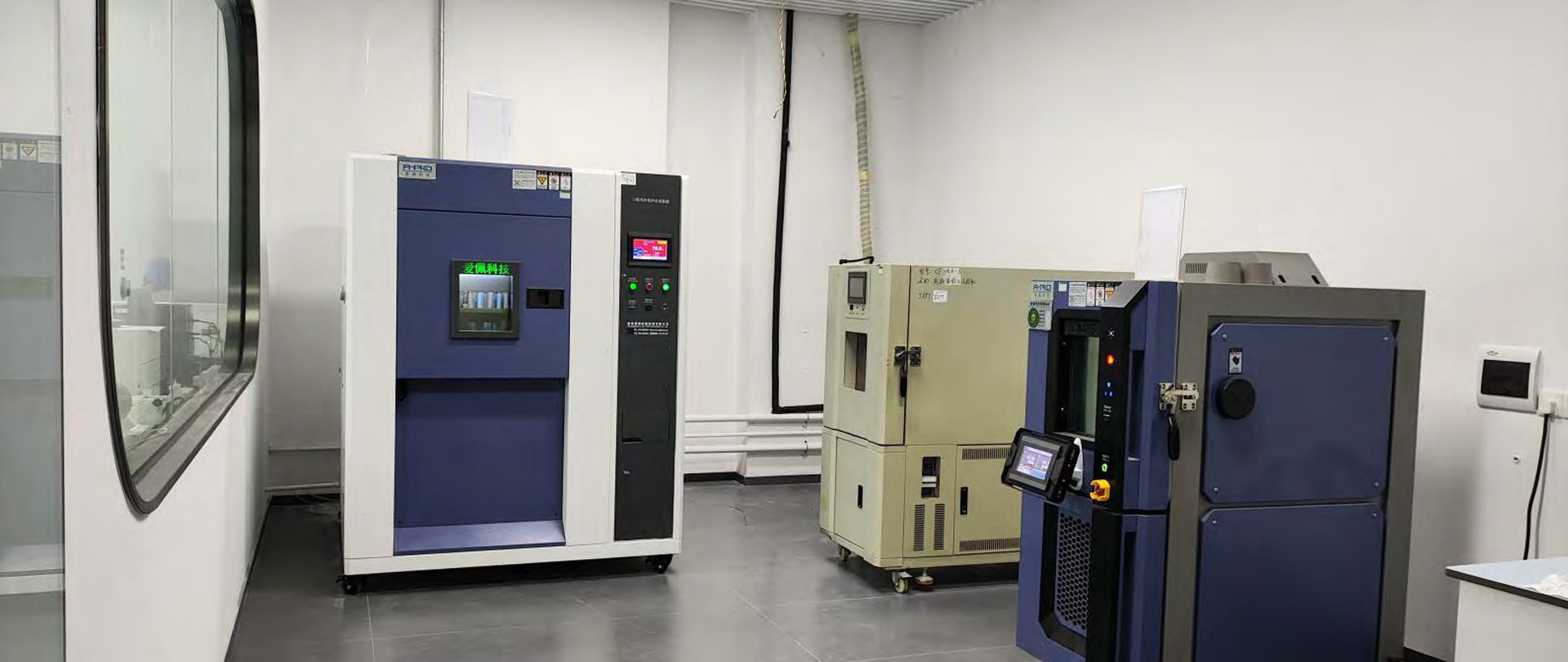
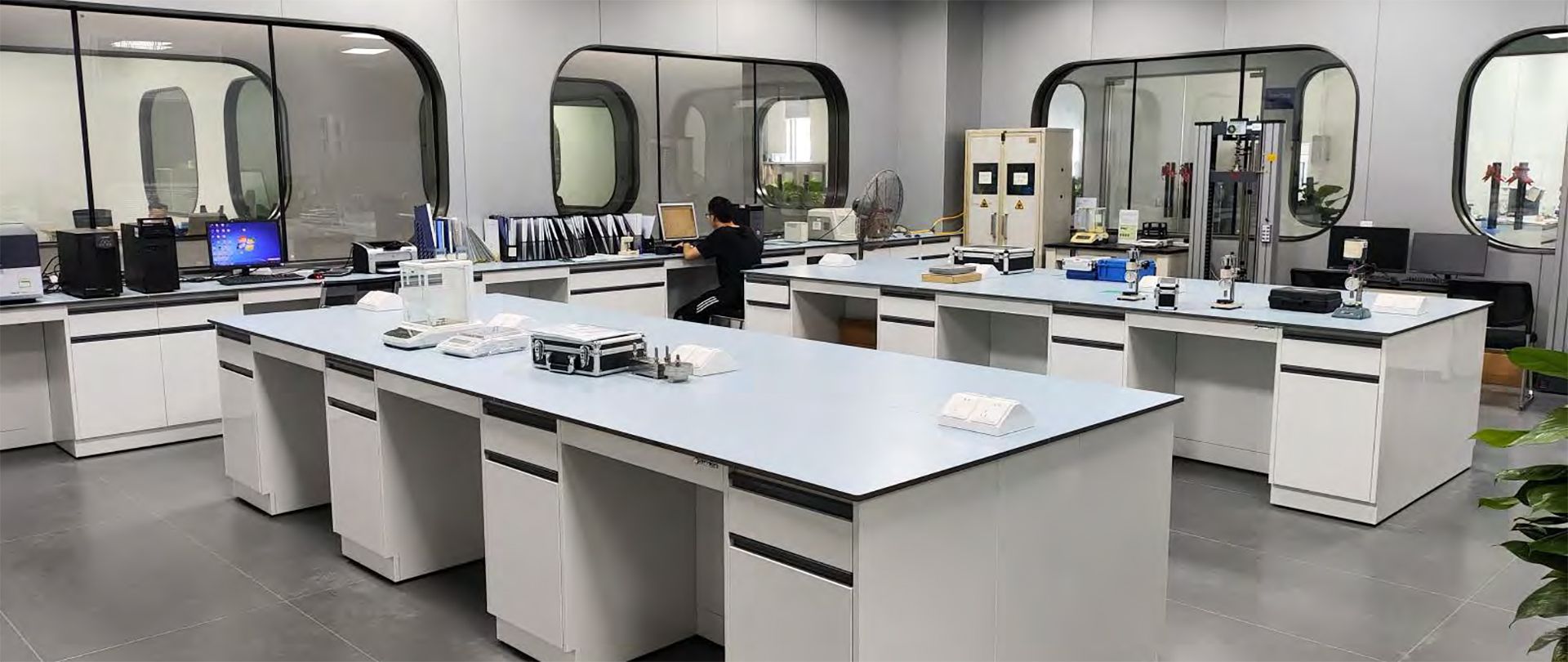
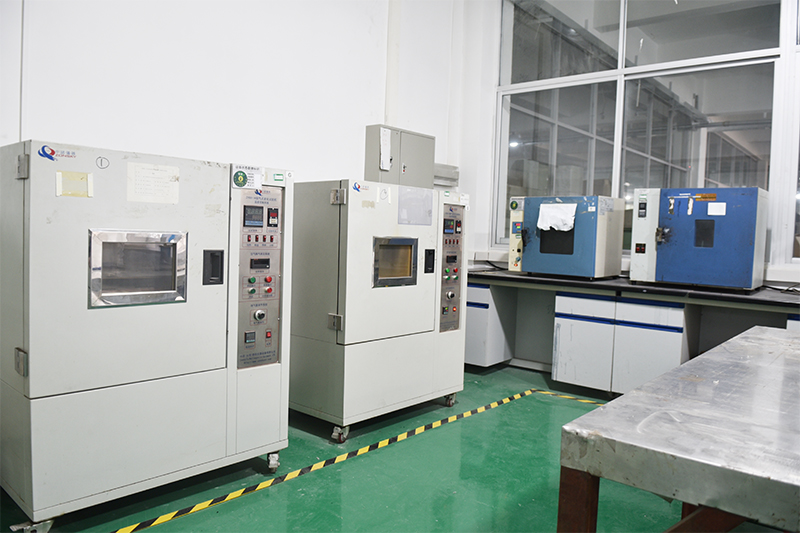
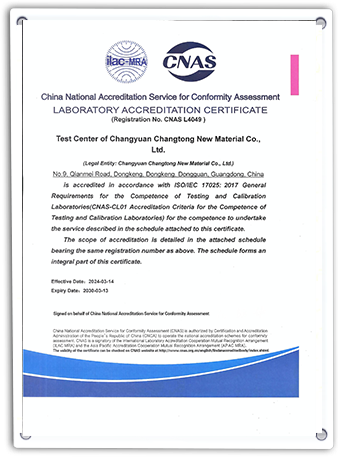
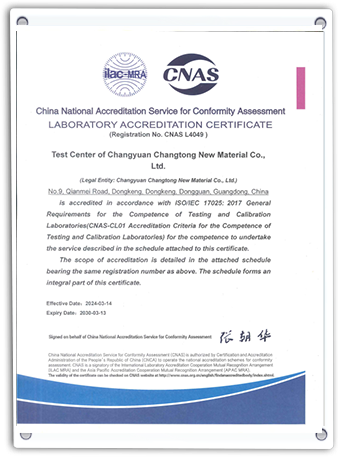
CNAS Laboratory Control

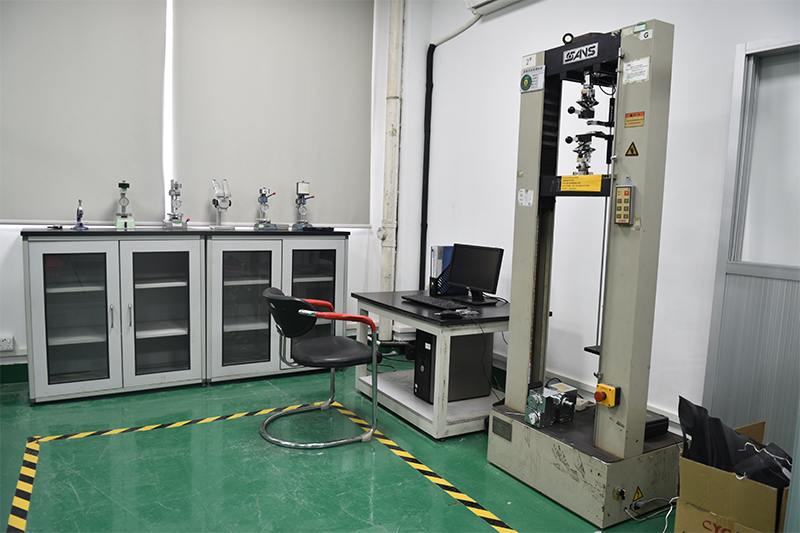
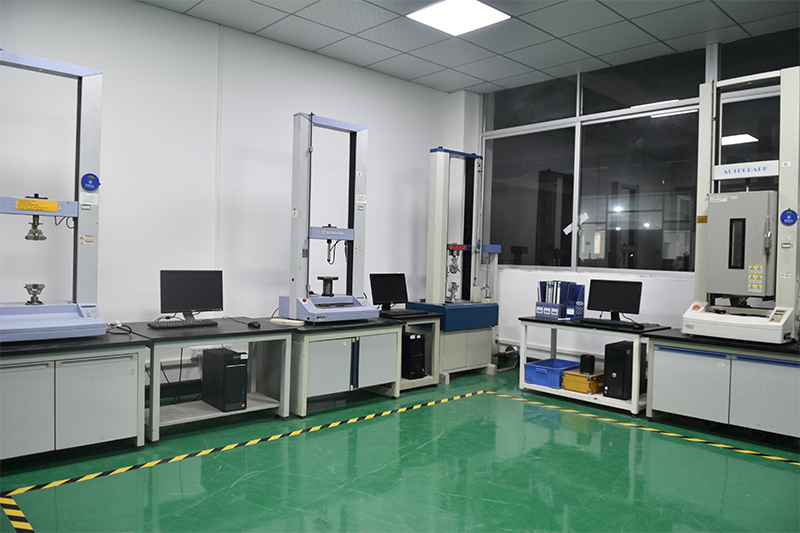
Our batch control processes are validated by a CNAS-accredited laboratory, ensuring consistent physical properties including polymer melt-flow index, tensile strength, and adhesive shear strength.

Global Procurement: Fast Logistics to Panama & Central America

Panama serves as a transit route for global shipping, facilitating logistics. CYCT materials can be routed to the Colon Free Zone (CFZ) or direct marine terminals like Balboa and Cristobal. This logistical support helps minimize lead times, assisting operations with pipeline maintenance and emergency repairs during critical maintenance shutdowns.

Our technical team can supply detailed engineering submittals, testing documentation, material safety data sheets (MSDS), and compliance declarations required for immediate customs clearance and owner acceptance in Panama and Central America.

About CYCT New Materials

Decades of Pipeline Safety Innovation

State-level high-tech enterprise integrating R&D, production, sales, detection services, and field coating application.

Corporate Background & Capabilities

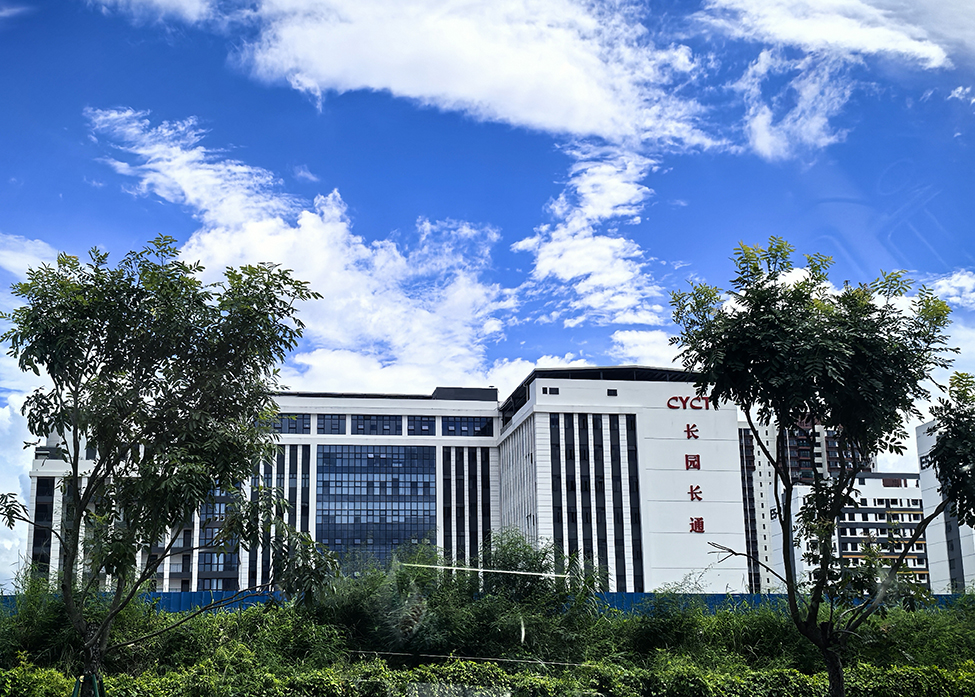
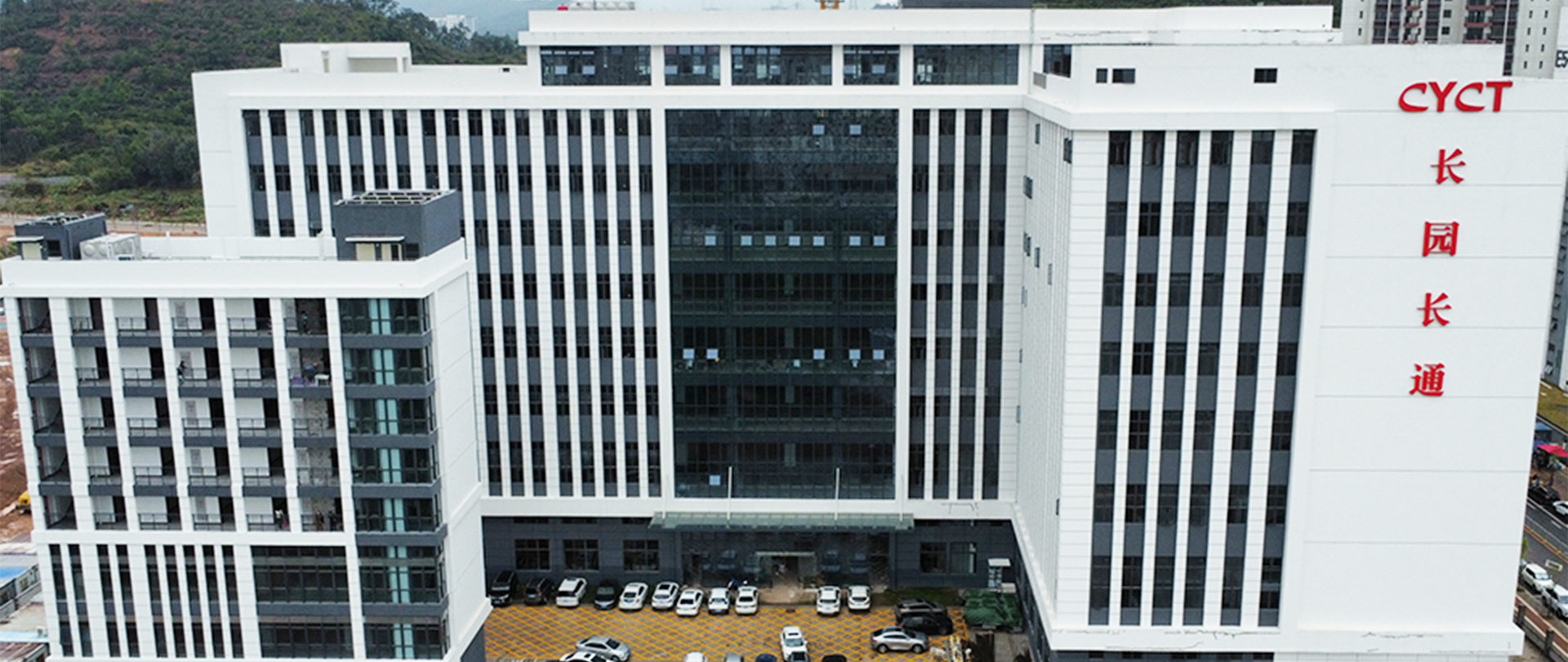
CYCT New Materials Company Limited (for short, CYCT) was founded in 2000 and is a state-level high-tech enterprise integrating R&D, production and sales of pipeline corrosion protection materials as well as buried pipeline detection service and pipeline coating field application service into one.

CYCT devotes itself to R&D, production and sales of pipeline corrosion protection materials for decades. By good cooperation with leading R&D institutes such as CNPC Pipeline Science Research Institute, CYCT is capable to provide in-service pipelines with varied technical service such as buried pipeline detection, design scheme, cathodic protection, rehabilitation project and an integrated solution for the safety protection of pipelines.

CYCT has successfully developed and introduced a number of specialty corrosion protection materials such as visco-elastic anticorrosion materials, special photo-curing sleeve for HDD protection and polyurea coating.
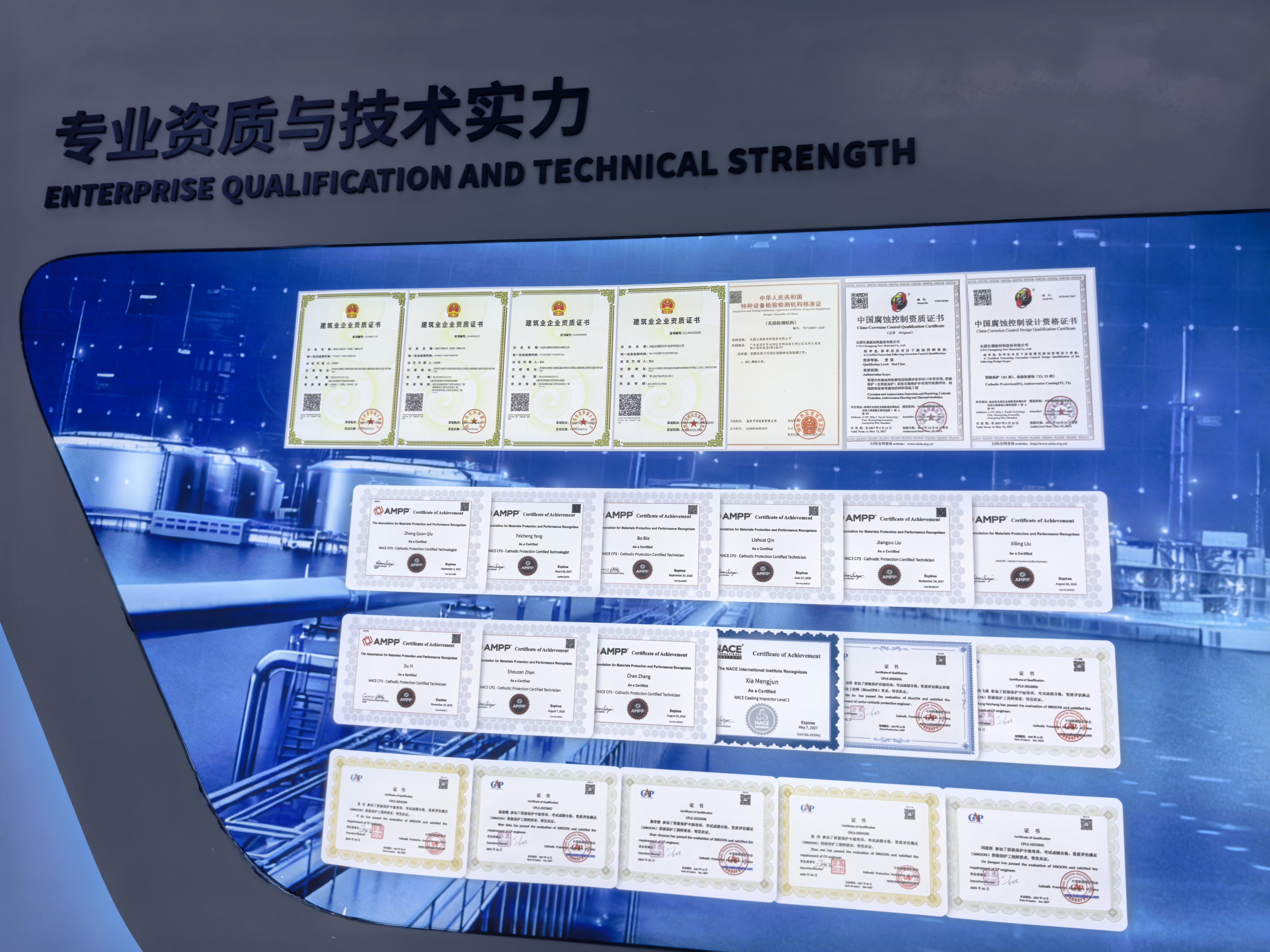
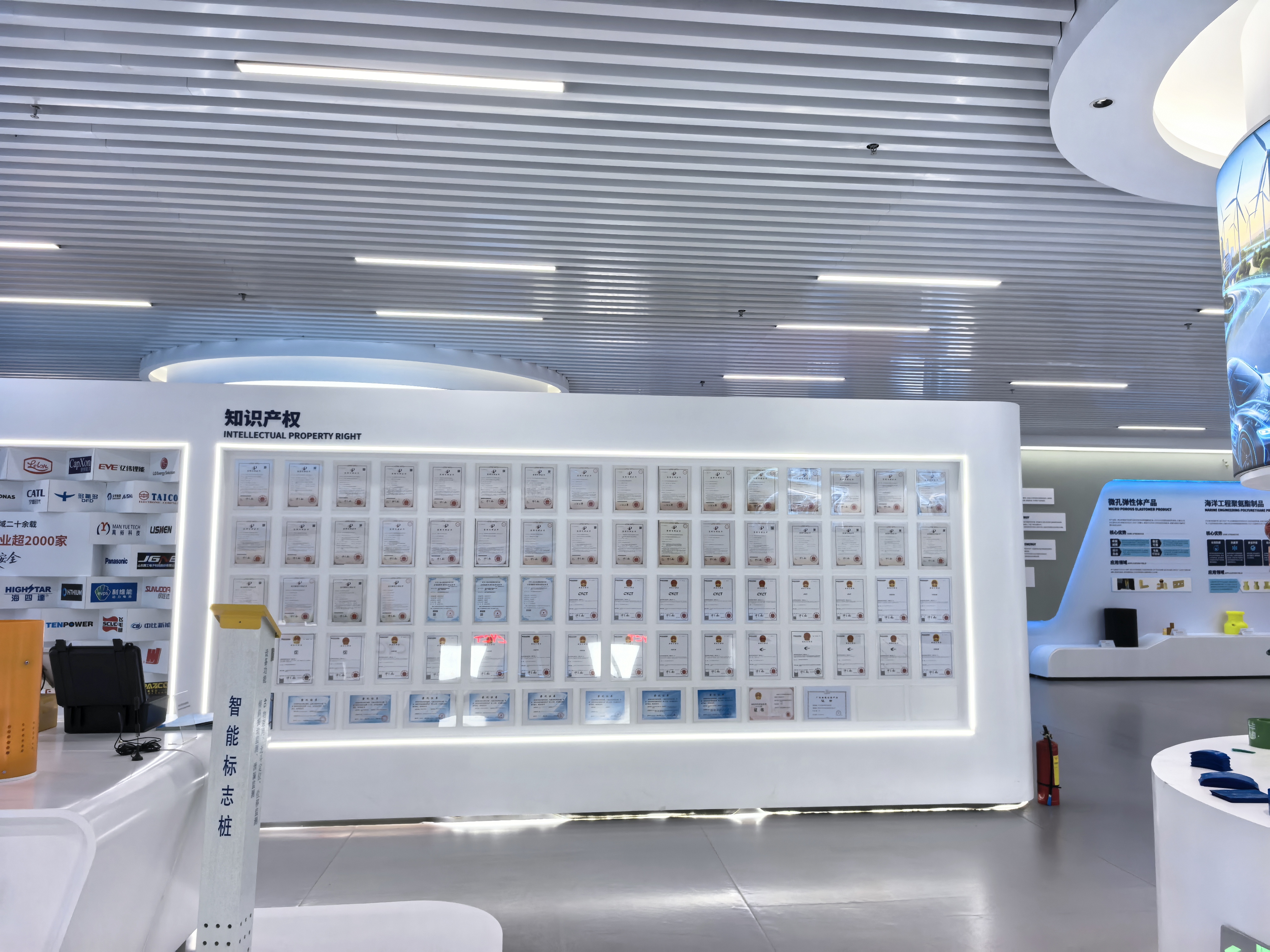
Enterprise Credentials & Associations

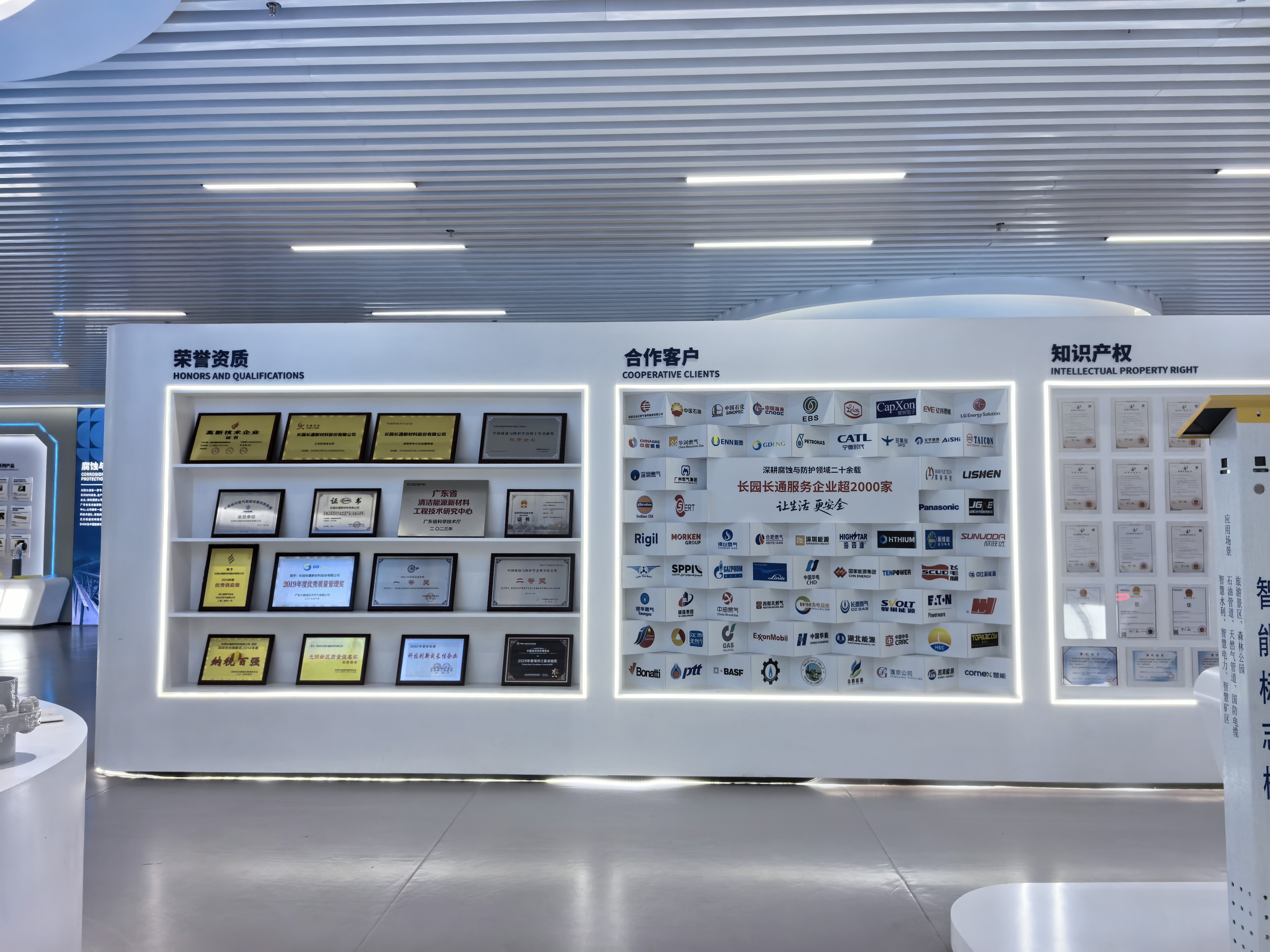
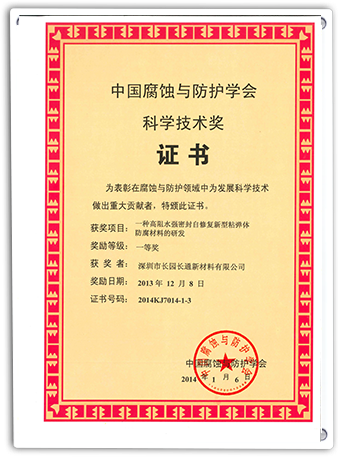
  • Member of Council in Chinese Society for Corrosion and Protection (CSCP)
  • Qualification Certificate of Corrosion Protection Construction & Pipeline Detection
  • Well-known Brand of Pipeline Corrosion Protection in China
  • Corporate Member of China Association of Petroleum Engineering Construction (CAPEC)
  • Stable supplier of field joint coatings for PetroChina, Sinopec, PipeChina, China Gas Group, and Indian Oil.

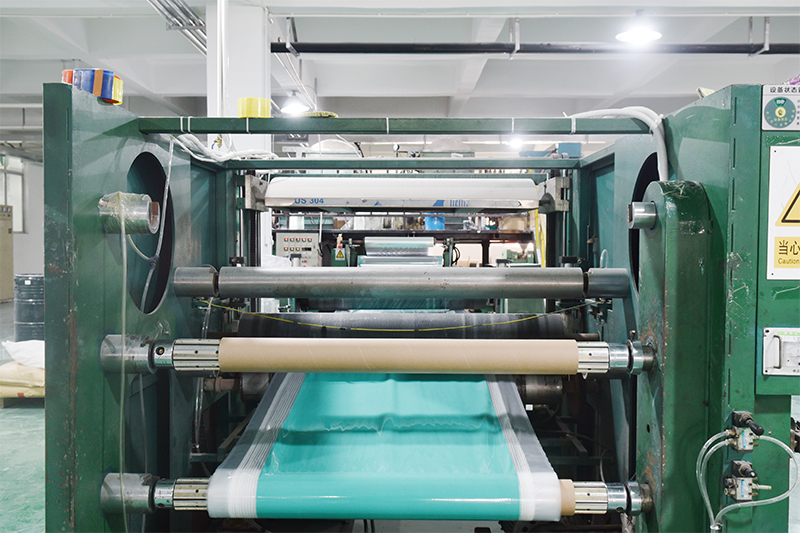
Factory & Laboratory Operations

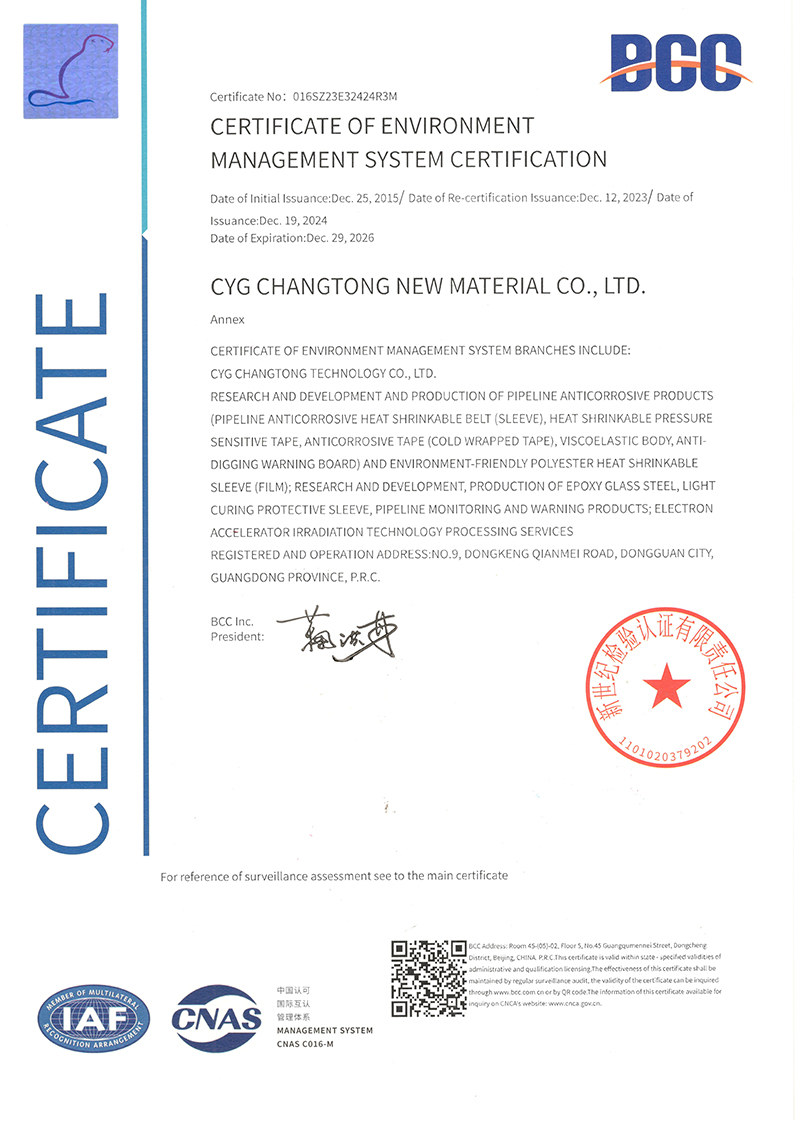
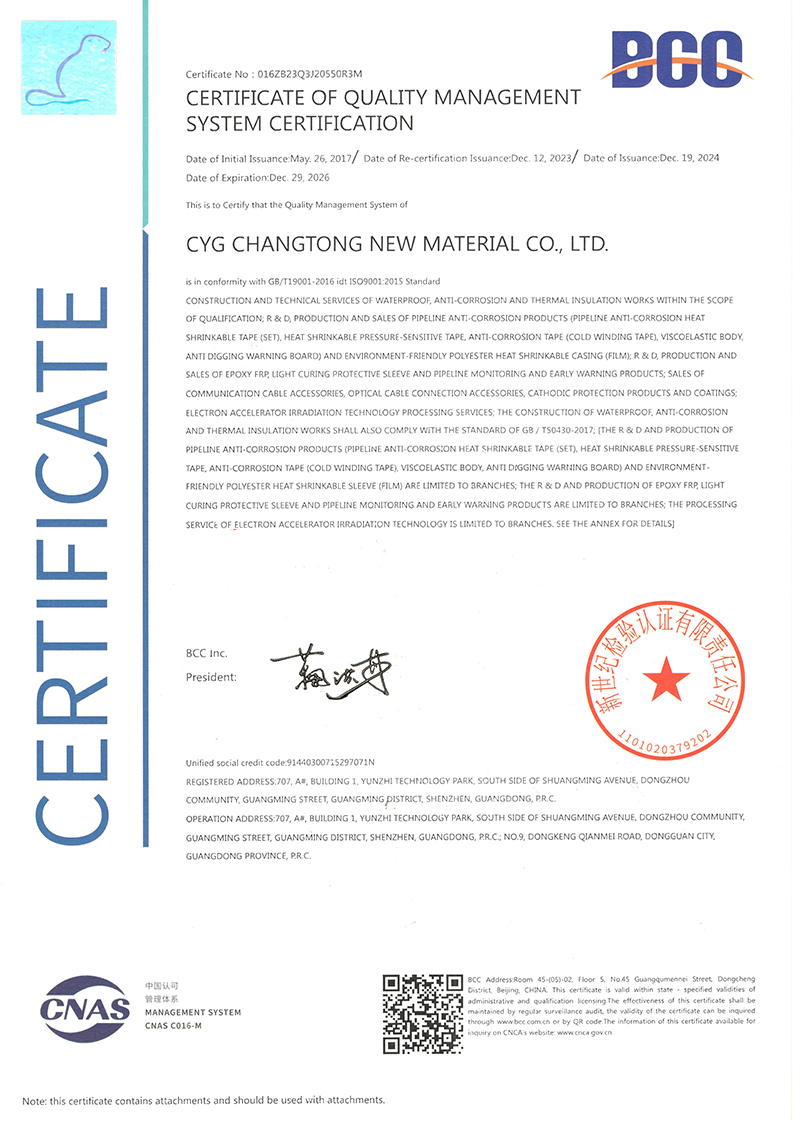
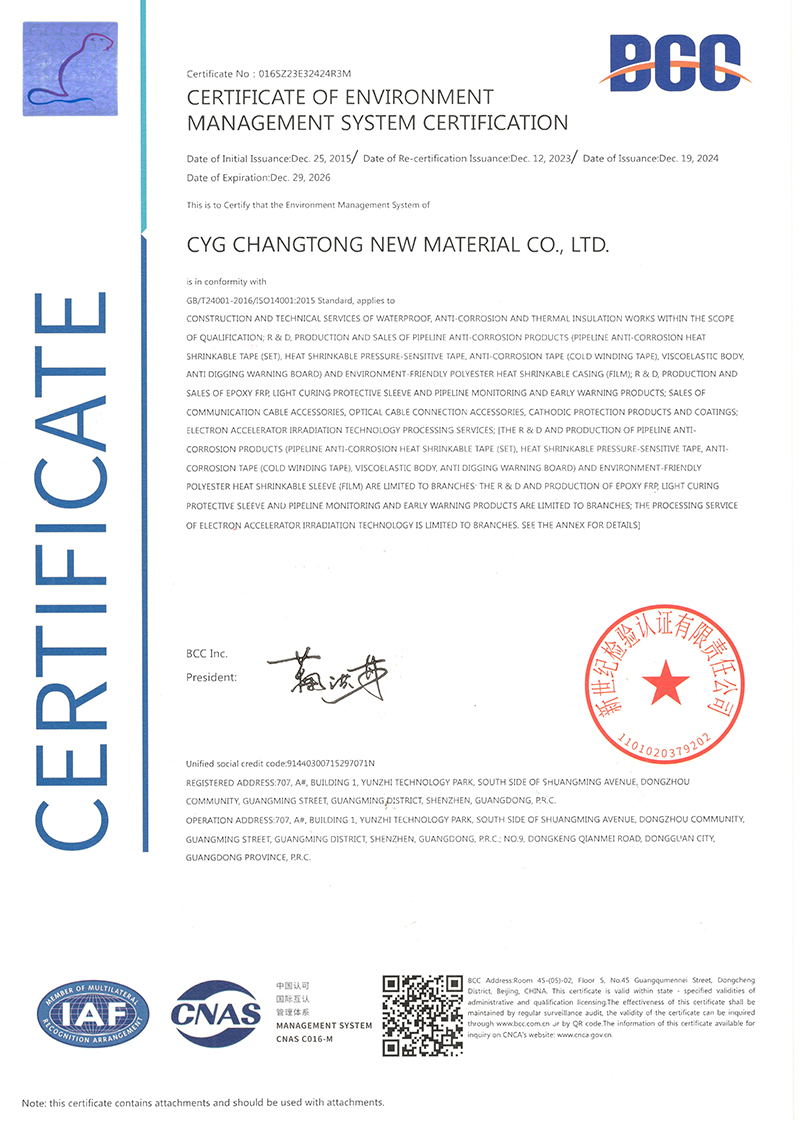
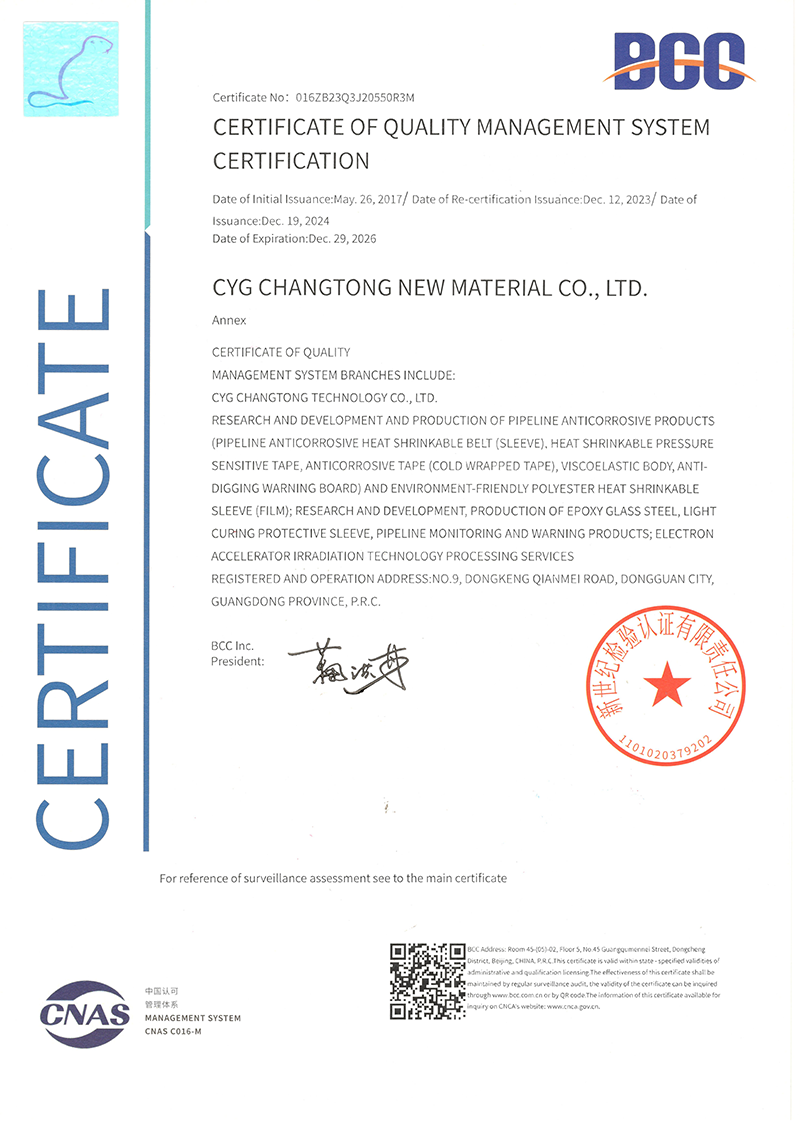
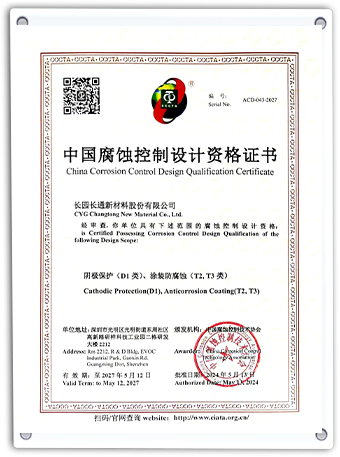
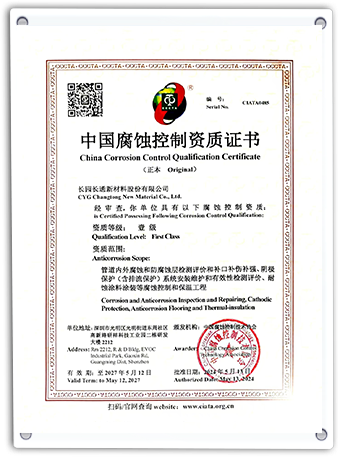
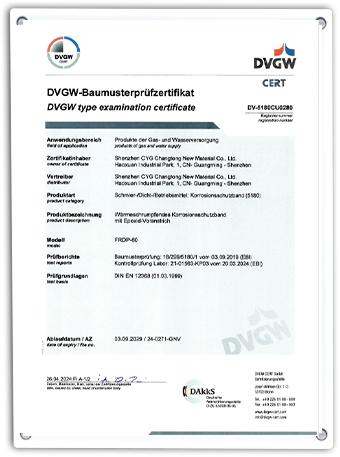
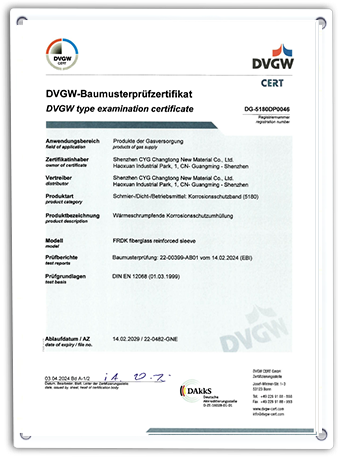
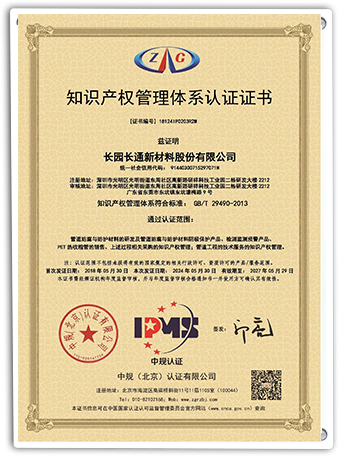
Quality Credentials & Standards Verification

@media (max-width: 900px) { .aicc-gallery-grid { grid-template-columns: repeat(3, 1fr) !important; } } @media (max-width: 600px) { .aicc-gallery-grid { grid-template-columns: repeat(2, 1fr) !important; } }
Technical FAQ

Frequently Asked Questions: Pipeline Integrity In Panama

Key engineering considerations for sourcing, applying, and qualifying anti-corrosion pipeline materials in humid marine climates.

Q1: What pipeline repair materials are recommended for high humidity conditions in the Panama Canal Zone?
For climates with high humidity (RH > 85%), we recommend using viscoelastic tapes (like VT95) and photo-curing GRP sleeves. Viscoelastic materials require minimal surface preparation (ISO St 2) and flow to wet the steel substrate directly, displacing moisture. Photo-curing sleeves utilize UV technology for rapid curing despite ambient humidity, avoiding moisture-related curing issues common with traditional liquid epoxy systems.
Q2: Can GFRP composite repair systems restore pipelines to full operating pressure without shutdown?
Yes, our GFRP (Glass Fiber Reinforced Polymer) composite systems are engineered to repair external defects (such as wall loss, gouges, or corrosion pits) while the line is in service. This wrapping method helps restore hoop stress resistance to the affected section, reducing shutdown time and the associated operational costs.
Q3: How do hot melt sticks and fillers perform in hot, tropical soil conditions?
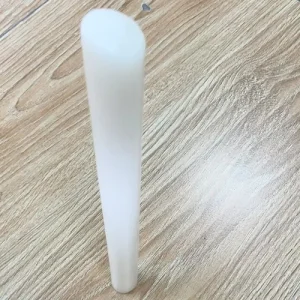
Our FRDX high-temperature hot melt fillers and sticks are formulated using modified copolymers with elevated softening points. They maintain mechanical properties and adhesion up to 80°C, providing stability against creep and soil stress in tropical ground conditions or when pipelines operate at higher temperatures.
Q4: What compliance standards do your pipeline repair coatings meet for international offshore operations?
All CYCT pipeline repair and field joint coating systems are designed, manufactured, and qualified according to international standards. These include ISO 21809-3 (external coatings for buried or submerged pipelines), DIN 30670 (polyethylene coatings of steel pipes), and NACE SP0169/SP0274 guidelines for corrosion mitigation.
Q5: What support services are available for engineering companies in Panama?
CYCT provides engineering support, including buried pipeline detection services, custom coating design schemes, cathodic protection evaluation, and on-site field training for application contractors. We can provide on-site technical supervisors to verify joint surface preparation and coating installation parameters.

Connect with CYCT Engineering Support

Request pipeline calculations, compatibility reports, custom pricing, and shipping schedules for projects in Panama and Central America.

Send Inquiry Now