High-performance field joint coatings and sealing solutions engineered for major infrastructure and municipal pipeline grids across Kuala Lumpur
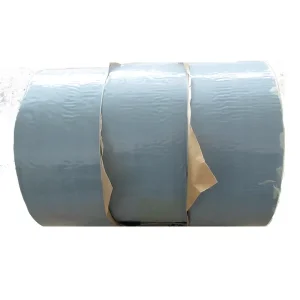
A technical examination of infrastructure expansion, tropical climate stress, and advanced polymer material engineering in Malaysia's capital region
As the metropolitan core of Malaysia, Kuala Lumpur and its surrounding Klang Valley region function as crucial hubs for heavy industry, high-tech manufacturing, logistics, and power generation. Rapid urbanization, fueled by large-scale infrastructure developments such as the MRT/LRT transit network expansions, water reticulation modernization programs, and the industrial corridor linking to Port Klang, has led to a massive expansion of underground and aboveground steel pipelines. These pipeline assets—transporting natural gas, crude oil, refined fuels, and potable water—form the lifeblood of Malaysia’s economic growth.
However, the geographical and climatic profiles of Kuala Lumpur present severe engineering challenges for asset owners and pipeline operators. Characterized by high annual rainfall, high relative humidity (often exceeding 80%), and acidic tropical soil profiles, the local environment acts as a catalyst for electrochemical and microbiological corrosion. Soil-stress cycles, fluctuations in the water table, and high ground temperatures accelerate coating degradation, leading to structural failures and environmental hazards. To safeguard these multi-billion-dollar investments, modern contractors must move beyond legacy coal-tar coatings toward advanced, cross-linked polyolefin heat shrinkable sleeves, viscoelastic coatings, and high-performance UV-cured Glass Reinforced Plastic (GRP) shields.
The pipeline procurement landscape in Southeast Asia, particularly within Malaysia, is tightly regulated by national oil corporations like PETRONAS, along with municipal water authorities. Procurement managers, EPC (Engineering, Procurement, and Construction) contractors, and asset integrity engineers are no longer looking simply for low-cost materials; they demand compliance with rigorous global frameworks. Standard protocols such as ISO 21809-3 (specifying field joint coatings for buried or submerged pipelines), ASTM D1000 (governing pressure-sensitive adhesive tapes), and NACE/AMPP SP0169 (establishing practices for external corrosion control) serve as benchmarks.
Sourcing materials that offer a low Total Cost of Ownership (TCO) while guaranteeing a operational life of 30 to 50 years is crucial. Global sourcing routes must integrate seamlessly with local distribution channels in Kuala Lumpur to guarantee short lead times, continuous technical support, and strict quality verification. Suppliers must provide complete traceability of raw polymer materials, high-temperature shear resistance validation, and holiday detection compliance certificates to meet the requirements of today's risk-averse engineering landscape.
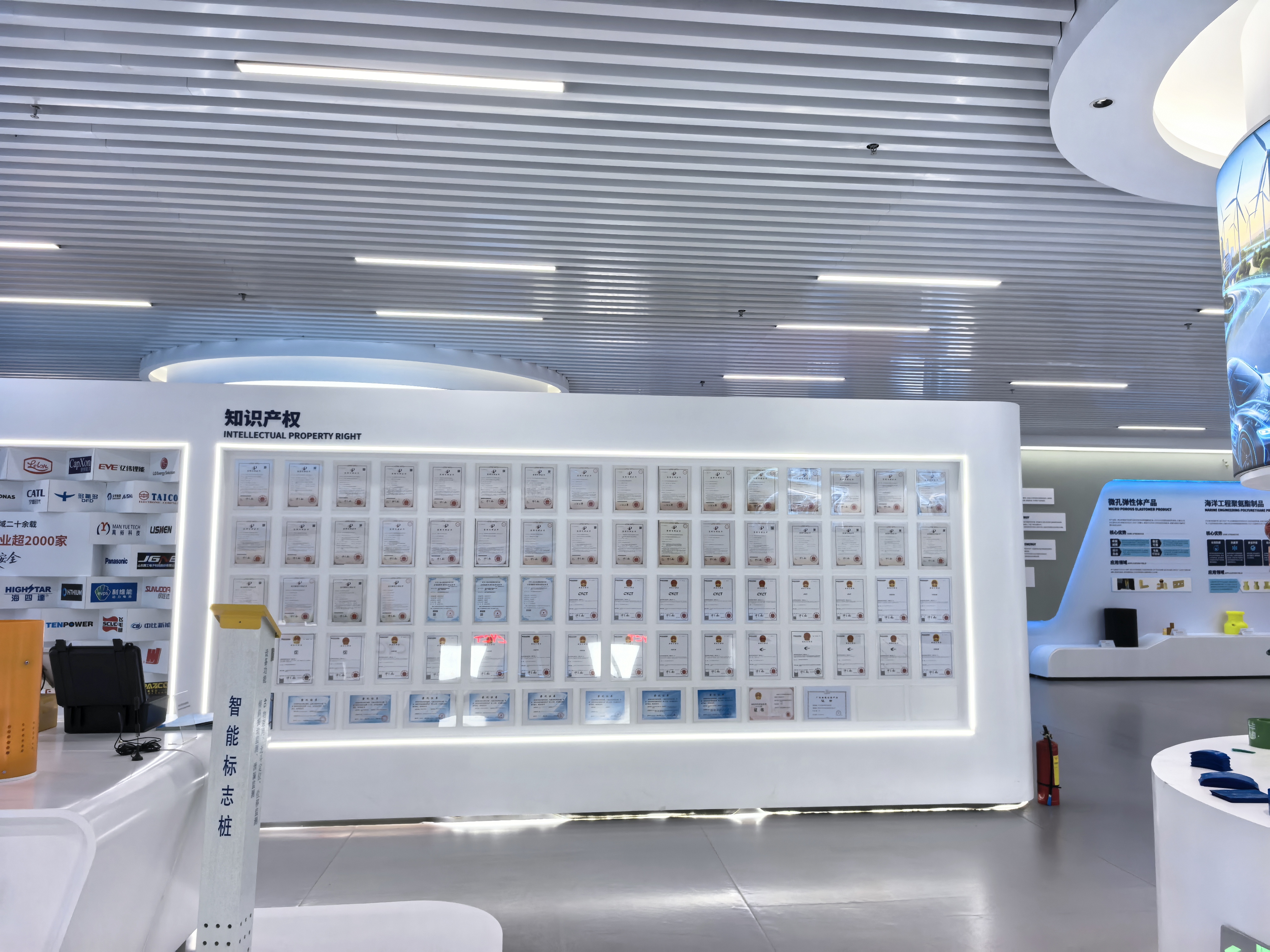
The modernization of manufacturing facilities under the Industry 4.0 paradigm has transformed China's advanced materials sector. CYCT New Materials has implemented automated compounding, precise co-extrusion technology, and real-time electronic monitoring across its production lines. By controlling the cross-linking of polyolefins via electronic radiation and utilizing state-of-the-art adhesive coating machinery, we ensure that every square meter of tape and every heat shrink sleeve conforms to precise dimensional tolerances and molecular structures.
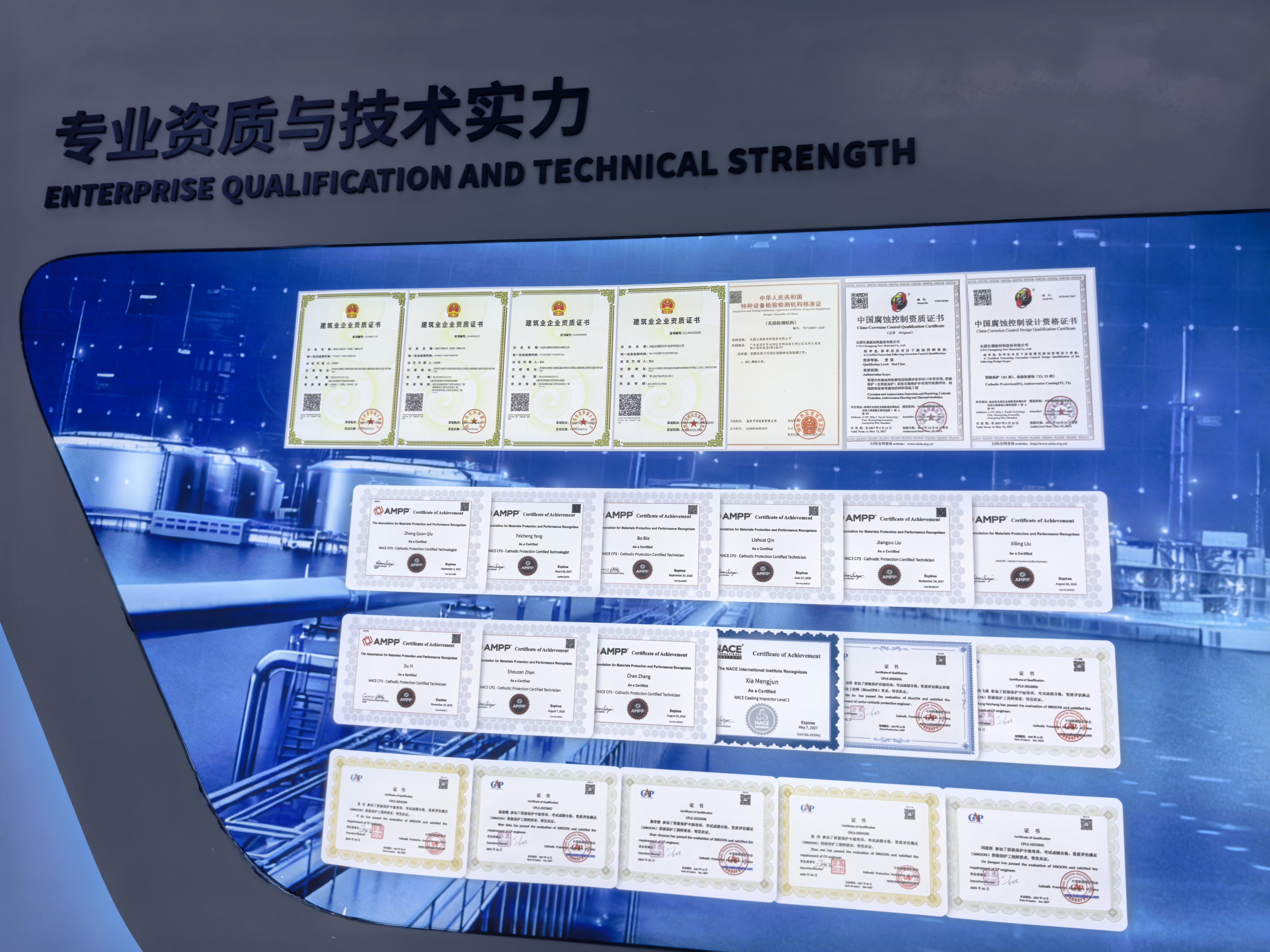
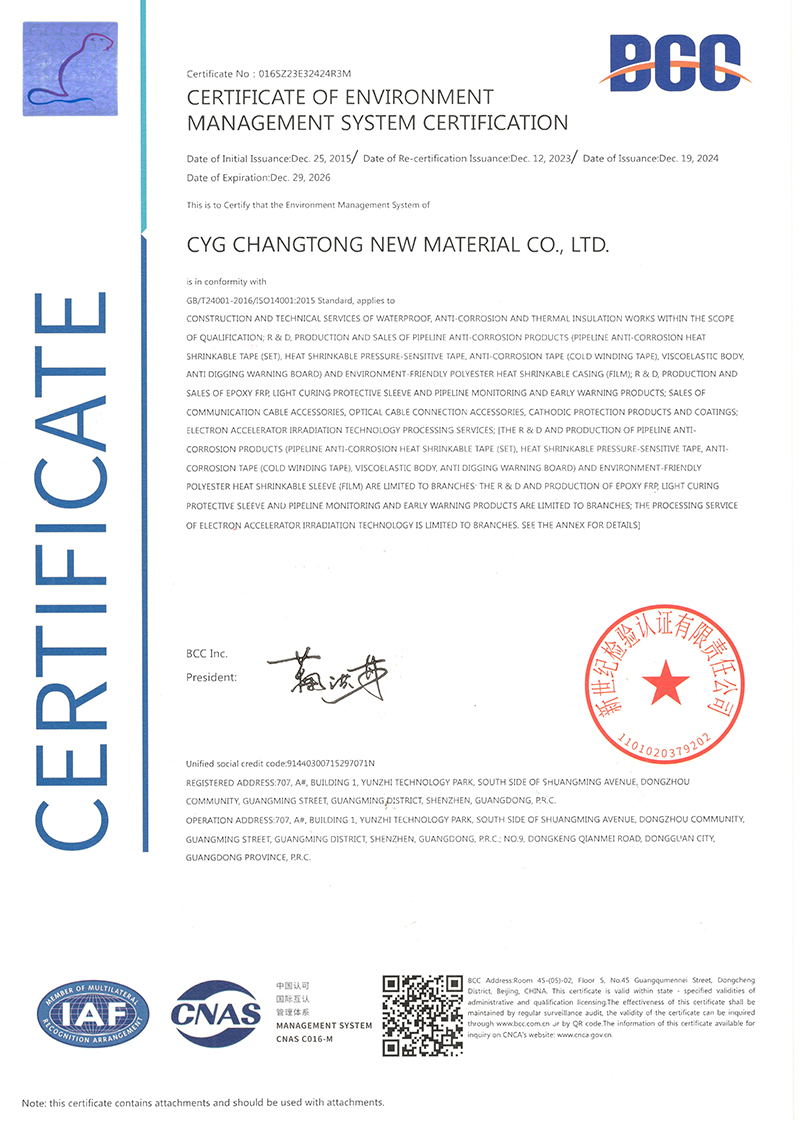
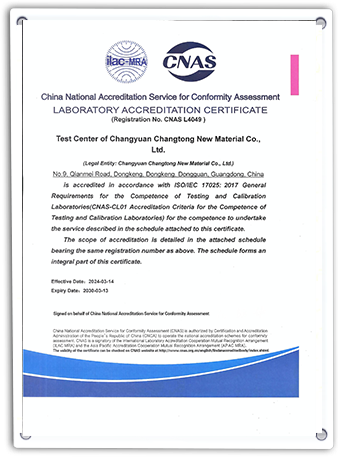
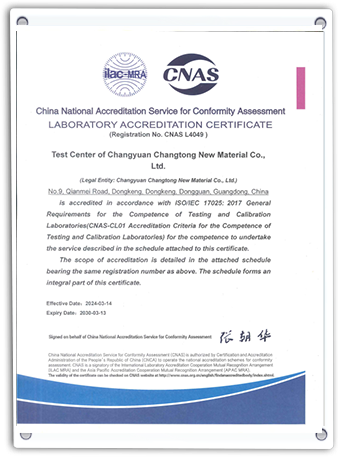
Our CNAS-accredited national laboratory allows us to run extensive environmental chambers, simulated hot-water immersion tests, and mechanical shear testing. This guarantees that when products arrive at Kuala Lumpur ports, they perform under the exact specifications stated. This supply chain reliability reduces lead times from weeks to days, allowing large-scale pipeline projects in Southeast Asia to remain on track, budget-compliant, and fully protected against corrosion.
Tailoring anti-corrosion materials to perform in Malaysia's high-stress soils and coastal zones
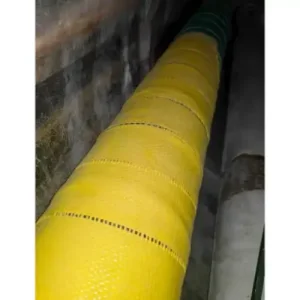
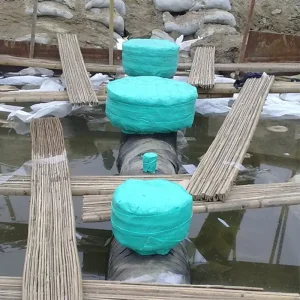
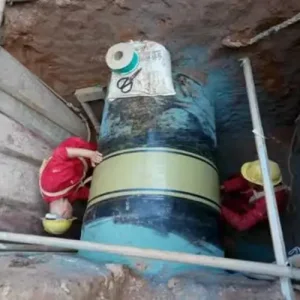
For river crossings and urban pipe-jacking in KL, photo-curing sleeves protect joints from abrasion, rock impact, and high shear forces during pull-back.
Water-resistant VE Putty seals irregular pipe fittings and valves, preventing water ingress and microbial attacks in saturated soils.
Moisture-curing shields block aggressive salt sprays and continuous UV exposure along the coastal pipelines of Selangor and Port Klang.
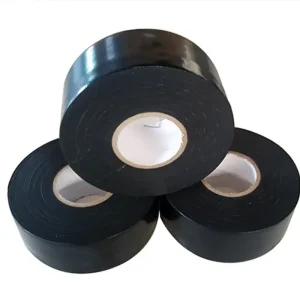
Select from our comprehensive list of field-proven anti-corrosion tapes, patches, sleeves, and fillers
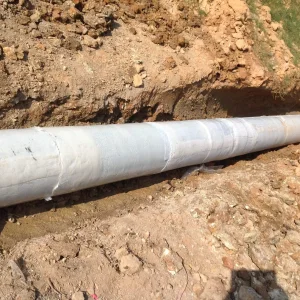
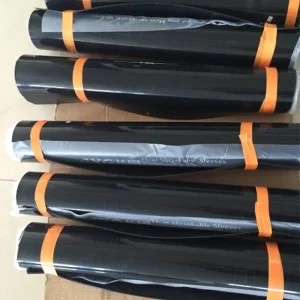
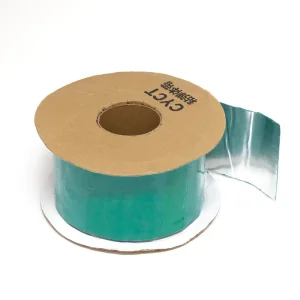
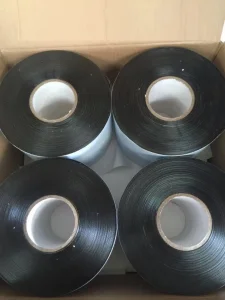
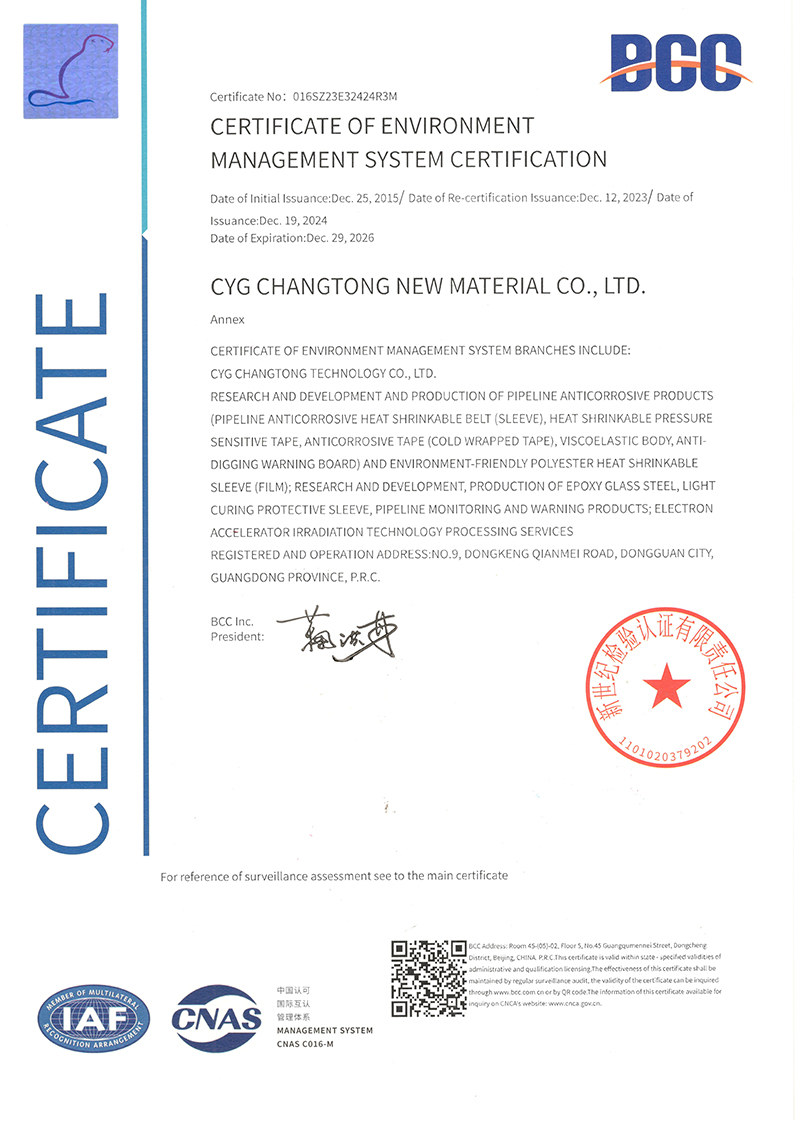
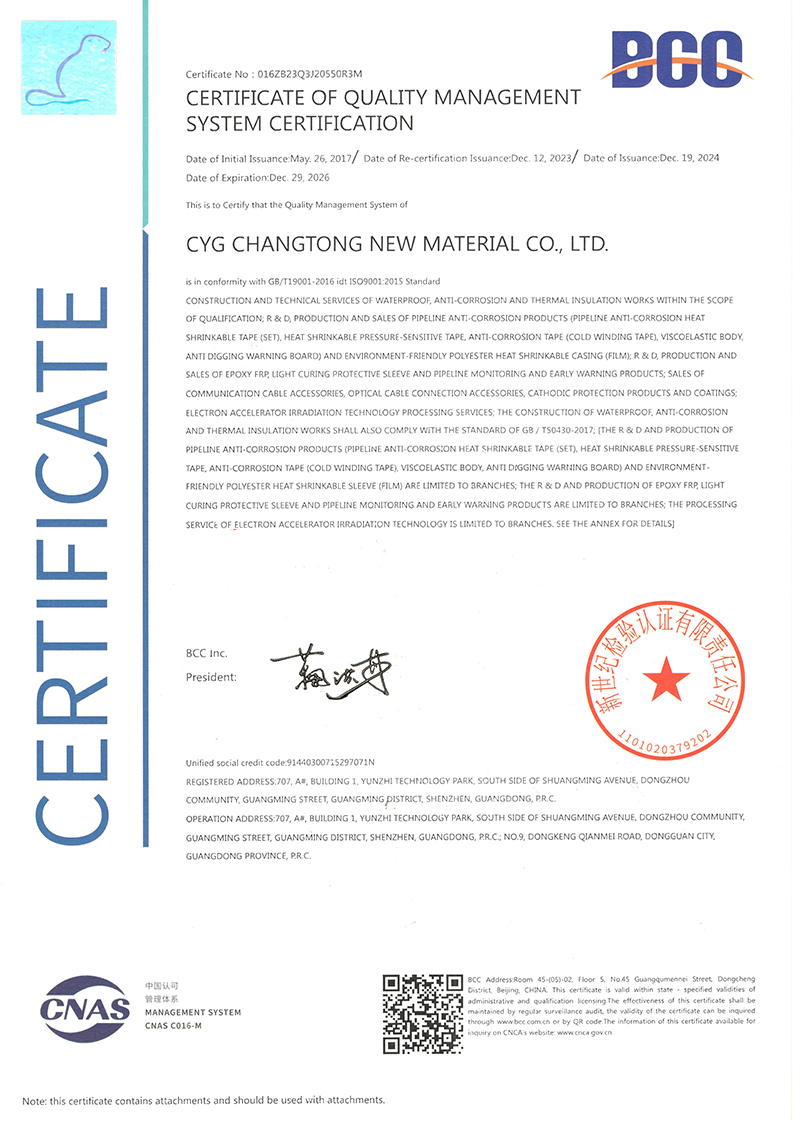
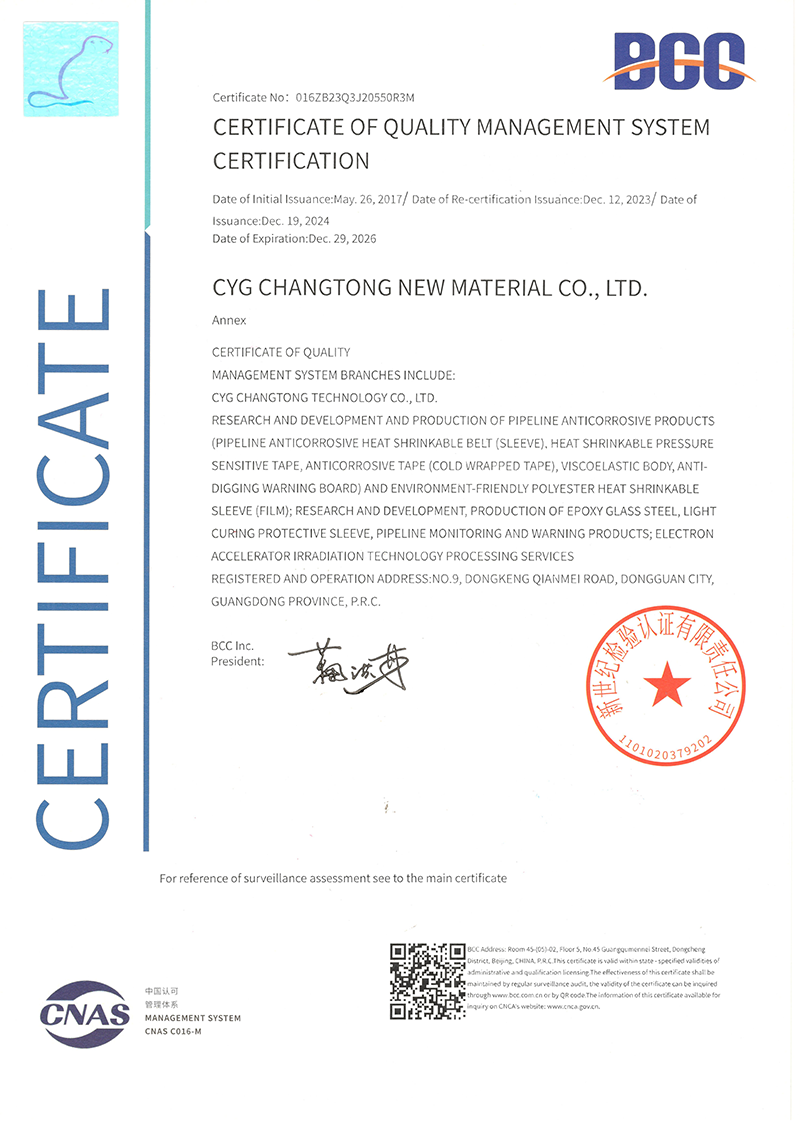
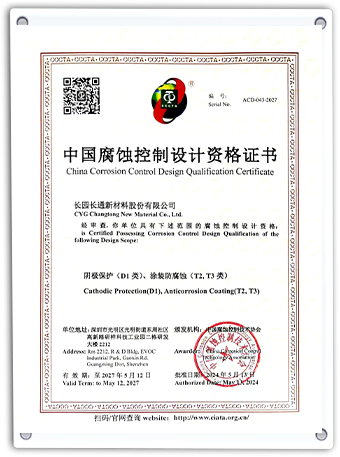
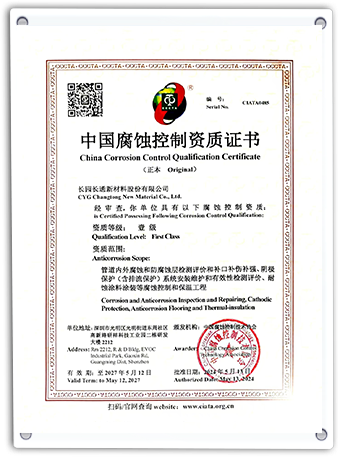
Tested and certified according to global standards, meeting international requirements
Detailed answers to common engineering questions regarding the application and performance of protective coatings in tropical environments
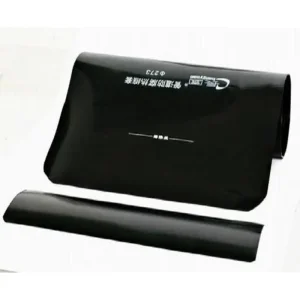
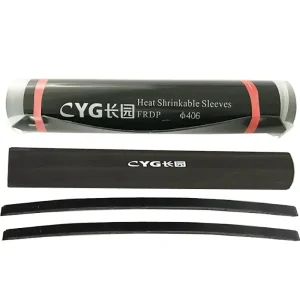
Malaysia's hot, humid climate accelerates chemical degradation reactions and biological activity in the soil. Constant high temperatures (often keeping groundwater above 30°C) reduce the viscosity of lower-grade adhesives, leading to soil-stress-induced coating slippage. High humidity levels demand materials with low moisture vapor transmission rates (MVTR) and high resistance to cathodic disbondment. Cross-linked polyolefin heat shrinkable sleeves (such as our 80°C FRDP sleeves) and viscoelastic polymer systems are specifically formulated to remain stable under continuous thermal and moisture exposure.
Viscoelastic coatings do not cure. They maintain a liquid-like cold-flow behavior that allows them to flow into microscopic substrate irregularities, ensuring 100% surface contact. They are self-healing: if minor mechanical damage occurs, the viscoelastic polymer flows to seal the holiday. Unlike standard PE tapes, which require rigorous surface profiling and can experience cathodic shielding, viscoelastic systems prevent moisture ingress and allow cathodic protection currents to reach the steel if the coating is damaged.
A CNAS (China National Accreditation Service) laboratory operates under ISO/IEC 17025. This ensures that all technical performance data—including peel strength, shear resistance, thermal aging, and impact resistance—is generated using calibrated equipment under standardized, audited methods. This certification gives Malaysian engineers, PETRONAS auditors, and municipal inspectors assurance that the physical properties of the materials match the specifications in the project design.
Photo-Curing GRP (Glass Reinforced Plastic) sleeves are specified when field joints are subjected to high mechanical stress, such as during trenchless Horizontal Directional Drilling (HDD) or microtunneling. While PE heat shrinkable sleeves offer excellent corrosion protection, they can tear under shear forces when pulled through rocky or compacted soil. A GRP shield cured under UV light provides a hard, abrasion-resistant outer shell that protects the underlying anti-corrosion layer from damage during the pull-back operation.
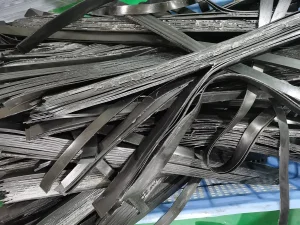
During transport or installation, three-layer polyethylene (3LPE) coatings can suffer pinholes, gouges, or small mechanical holidays. The FRDX Hot Melt Stick is formulated from modified polyolefin resins that melt under a torch flame. The melted polymer fills the cavity, bonding with the steel substrate and the surrounding 3LPE coating to restore the continuity of the barrier. It is a fast, reliable, and cost-effective repair method that eliminates the need to replace entire coating segments.
For potable water infrastructure, authorities must ensure that sealing materials do not leach harmful compounds into the water supply. Sealants like the CYG Changtong VE Putty are formulated to be non-toxic and water-resistant. Compliance with national standards and testing for contact with drinking water are crucial to prevent toxic chemical leaching and microbiological growth inside joint gaps, ensuring clean, safe municipal water networks.
 CYCT
CYCT