Iraq possesses some of the world's largest proven crude oil reserves, with major production hubs centered around the southern Basra fields, West Qurna, Rumaila, and northern regions near Kirkuk. These reservoirs demand an extensive network of thousands of kilometers of crude transmission pipelines, gas gathering systems, and refined product infrastructure. Because of the vast geographic variety, Iraq's transmission infrastructure runs through some of the harshest environments on Earth.
Engineers operating in the Iraqi desert face a dual threat: extreme ambient temperatures reaching up to 55°C (resulting in pipeline steel skin temperatures exceeding 75°C) and highly corrosive, saline sabkha soils. High soil salinity, combined with variable seasonal moisture, creates a highly active electrochemical cell. Under these conditions, standard pipeline coatings decay quickly, causing pinhole leaks, structural weakness, and catastrophic ruptures.
To secure long-term asset integrity, oil and gas companies like South Oil Company (SOC), Missan Oil Company (MOC), and Midland Oil Company require field joint coatings (FJC) and repair materials that maintain structural stability, resist chemical penetration, and withstand cathodic disbondment. This has turned the procurement of premium heat-shrinkable sleeves, viscoelastic tapes, and photo-curing composite wraps into a critical priority for regional operators.
"Sabkha soils in Southern Iraq contain high concentrations of sulfate and chloride salts. These salts accelerate localized pitting corrosion. Conventional coatings struggle with water vapor transmission in these high-salinity zones, necessitating the use of specialized hydrophobic polymers like CYG Changtong viscoelastic systems."
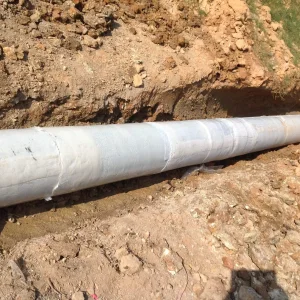
In the international energy sector, pipeline engineering is moving toward a zero-failure paradigm. High-density polyethylene (3LPE) and three-layer polypropylene (3LPP) coatings are standard for factory-coated pipes. However, the field joint—where individual pipe segments are welded together in the field—remains the most vulnerable link. If the field joint coating does not match the performance of the parent factory-applied coating, the integrity of the entire pipeline is compromised.
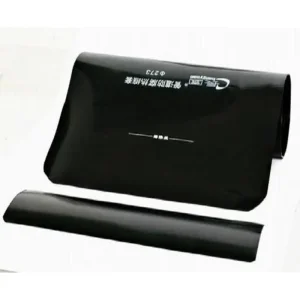
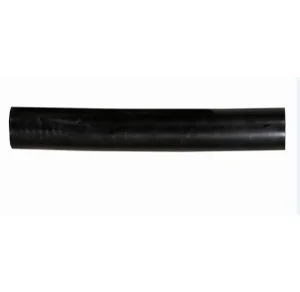
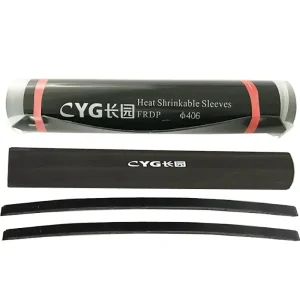
Cross-linked high-density polyethylene (HDPE) backing combined with high-shear hot-melt adhesives remains the global standard for field joint coatings. The backing provides mechanical protection against soil stress and backfilling impact, while the adhesive layer flows into minor steel surface irregularities, providing active barrier protection. For high-temperature pipelines in Iraq, systems rated for continuous operation at 80°C (like the FRPD-PP or FRDP-80 series) are vital to prevent adhesive softening and sliding under axial pipeline movements.
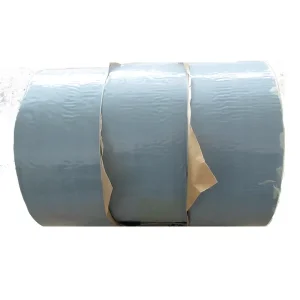
Viscoelastic materials represent a major step forward in cold-applied coating technology. Exhibiting both liquid and solid properties, these materials have cold-flow characteristics that allow them to self-heal minor mechanical damage. They have low surface tension, allowing them to thoroughly wet the steel substrate and eliminate air pockets. This makes viscoelastic systems highly effective in field conditions where sandblasting to near-white metal (Sa 2.5) is difficult due to local winds and dust storms. They provide reliable protection even with hand-tool cleaning (St 2 or St 3).
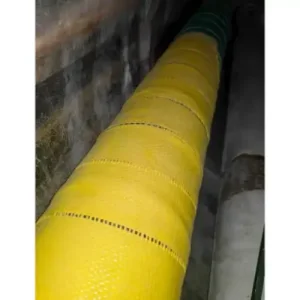
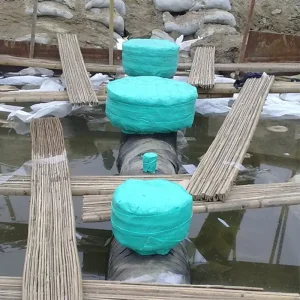
For Horizontal Directional Drilling (HDD) and road/river crossings, pipeline coatings must withstand severe abrasion and shear forces as the pipe string is pulled through the borehole. Traditional coatings often strip off during this process. Polyurethane or glass-reinforced plastic (GRP) outer wraps, such as the CYG Changtong GRF Moisture Curing Shield or UV-curing GRP sleeves, provide an armor-like shell over the primary anti-corrosion coating. This prevents damage from rocks and soil debris during pull-back operations.
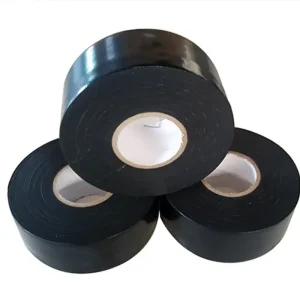
Viscoelastic compounds dynamically flow into microscopic surface defects, maintaining constant contact with the steel substrate even when subjected to thermal cycles.
High-density cross-linked polyethylene backing resists soil stress and shear forces at operating temperatures up to 80°C in direct desert exposure.
Trenchless construction protection shields that cure under ambient humidity or UV light to form an impact-resistant outer shell.
"Chinese advanced manufacturing combines large-scale industrial output with strict quality control. For massive projects like the Basra Gas Infrastructure or Iraq-Jordan export pipelines, sourcing materials from CYCT ensures prompt delivery, consistent batch quality, and complete compatibility with ISO standards."
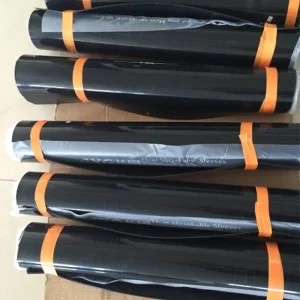
Securing the materials for pipeline construction in Iraq requires a manufacturer that can deliver large-scale orders on tight schedules. CYCT New Materials Co., Ltd. runs state-of-the-art automated production lines that produce heat shrinkable sleeves, viscoelastic tapes, and cold-applied wraps in high volumes, ensuring uniform coating thickness and consistent adhesive properties across batches.
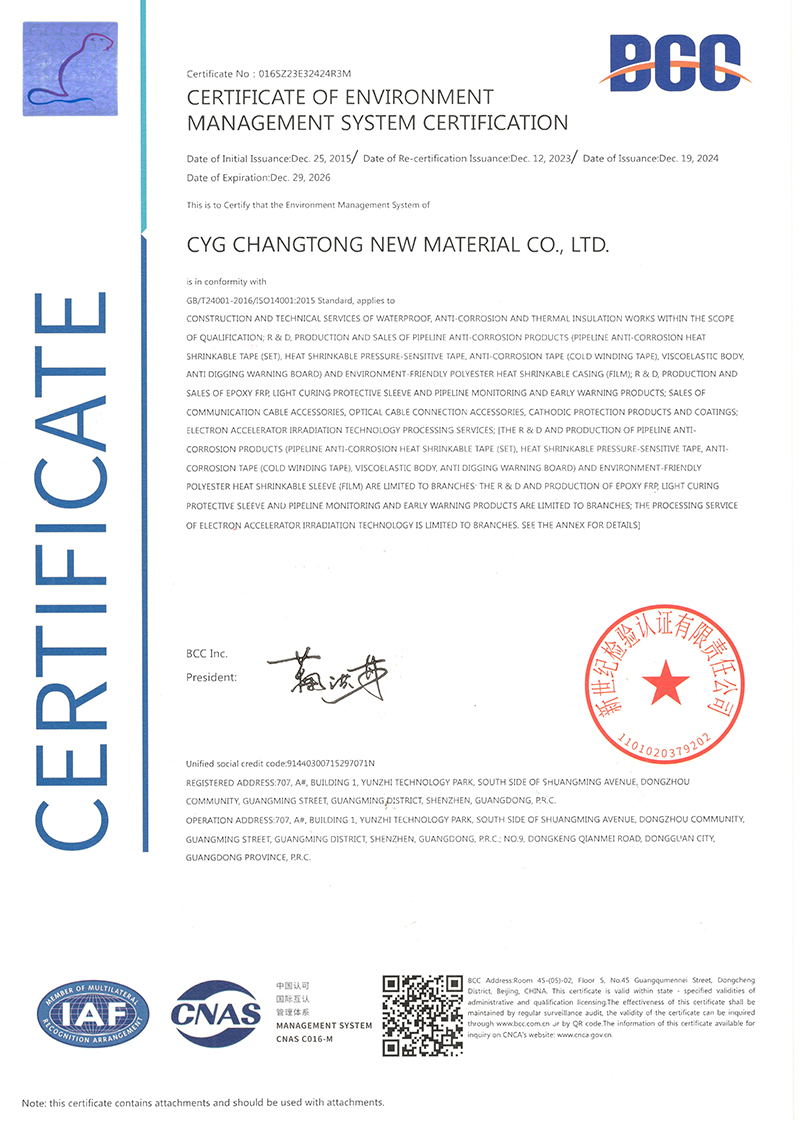
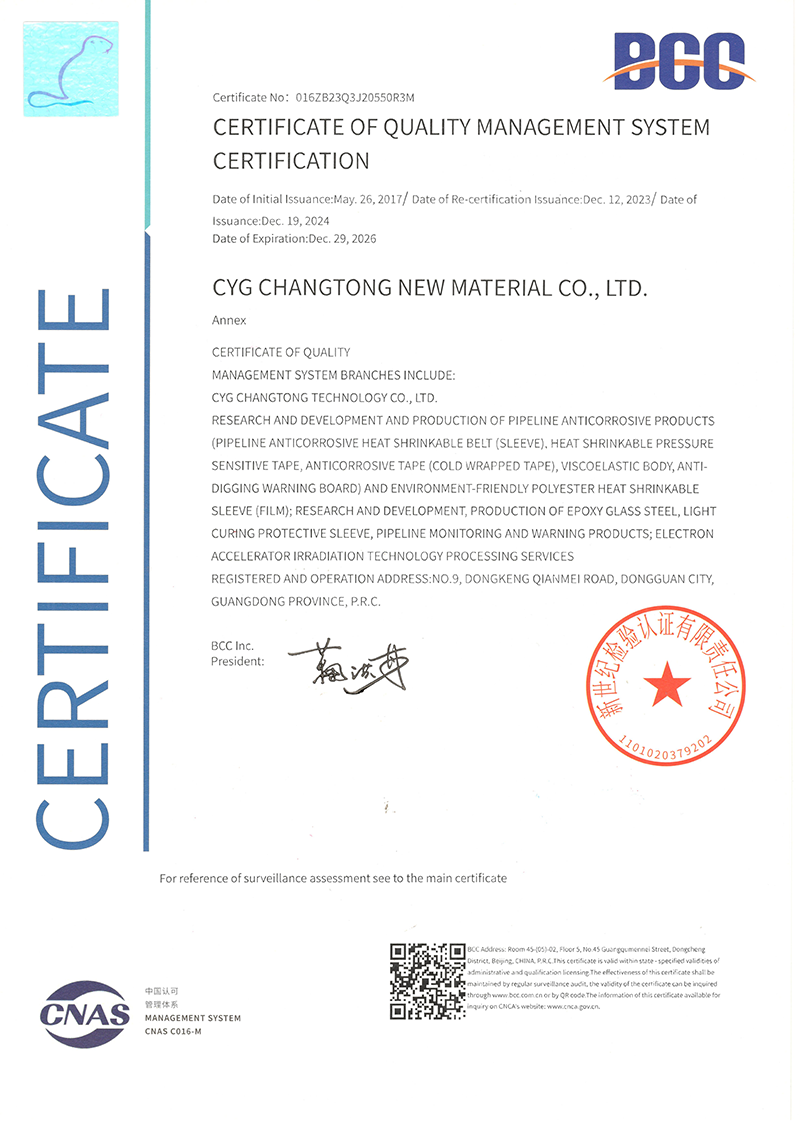
Additionally, CYCT operates a CNAS-accredited national laboratory. Every batch undergoes strict testing, including tests for shear resistance, peel strength, thermal aging, water vapor transmission, and cathodic disbondment. This ensures compliance with international standards such as ISO 21809-3, DIN 30672, and EN 12068 before shipping. CYCT's facility in China is located near key international shipping hubs, enabling rapid logistics routing directly to Iraq's primary deep-water gateway at Umm Qasr Port.
| Coating System | Typical Iraqi Site Application | Max Service Temp | Soil Stress Resistance | Cathodic Disbondment Resistance | Key Standard Compliance |
|---|---|---|---|---|---|
| FRDP-80 Heat Shrinkable Sleeve | Mainline Welds (High-temp Crude oil lines) | 80°C | Excellent | Very High (<10mm at 80°C) | ISO 21809-3, EN 12068 Class C |
| Viscoelastic Anti-Corrosion Tape | Irregular Fittings, Valves, & Sandy Soil Repairs | 70°C | Good (requires outerwrap) | Outstanding (Self-Healing) | ISO 21809-3 Type 1A, EN 12068 |
| GRF Moisture Curing Shield | HDD Crossings, Wetland & Marsh Areas | 90°C | Maximum (Glass fiber reinforced) | Excellent | ASTM G14 (Impact resistance) |
| Polypropylene Fiber Bitumen Tape | Municipal Water & Low-Pressure Gas Lines | 60°C | Moderate | Good | DIN 30672, EN 12068 Class B |
| FRDX Hot Melt Stick / Filler | Spot Repair of Parent 3LPE/3LPP Coatings | 80°C | High | Excellent Bonding | ISO 21809-3 Repair Category |
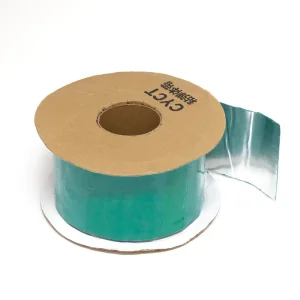
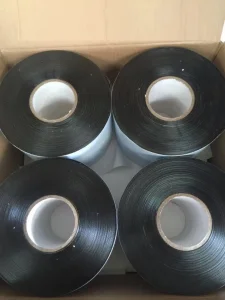
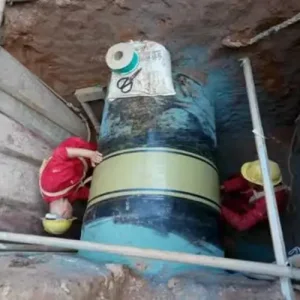
CYCT New Materials Company Limited (for short, CYCT) is a state-level high-tech enterprise integrating the R&D, production, and sales of pipeline corrosion protection materials, as well as buried pipeline detection services and pipeline coating field application services, into one comprehensive provider.
CYCT has dedicated itself to the R&D, production, and sales of pipeline corrosion protection materials for decades. Through close cooperation with leading research institutes like the CNPC Pipeline Science Research Institute, CYCT is capable of providing operating pipelines with varied technical services, including pipeline detection, design schemes, cathodic protection, rehabilitation projects, and integrated security solutions.
CYCT is a council member of the Chinese Society for Corrosion and Protection (CSCP), holds Qualification Certificates for Corrosion Protection Construction, Pipeline Detection, and is a corporate member of the China Association of Petroleum Engineering Construction (CAPEC). We are an approved supplier for PetroChina, Sinopec, China Gas Group, and Indian Oil.
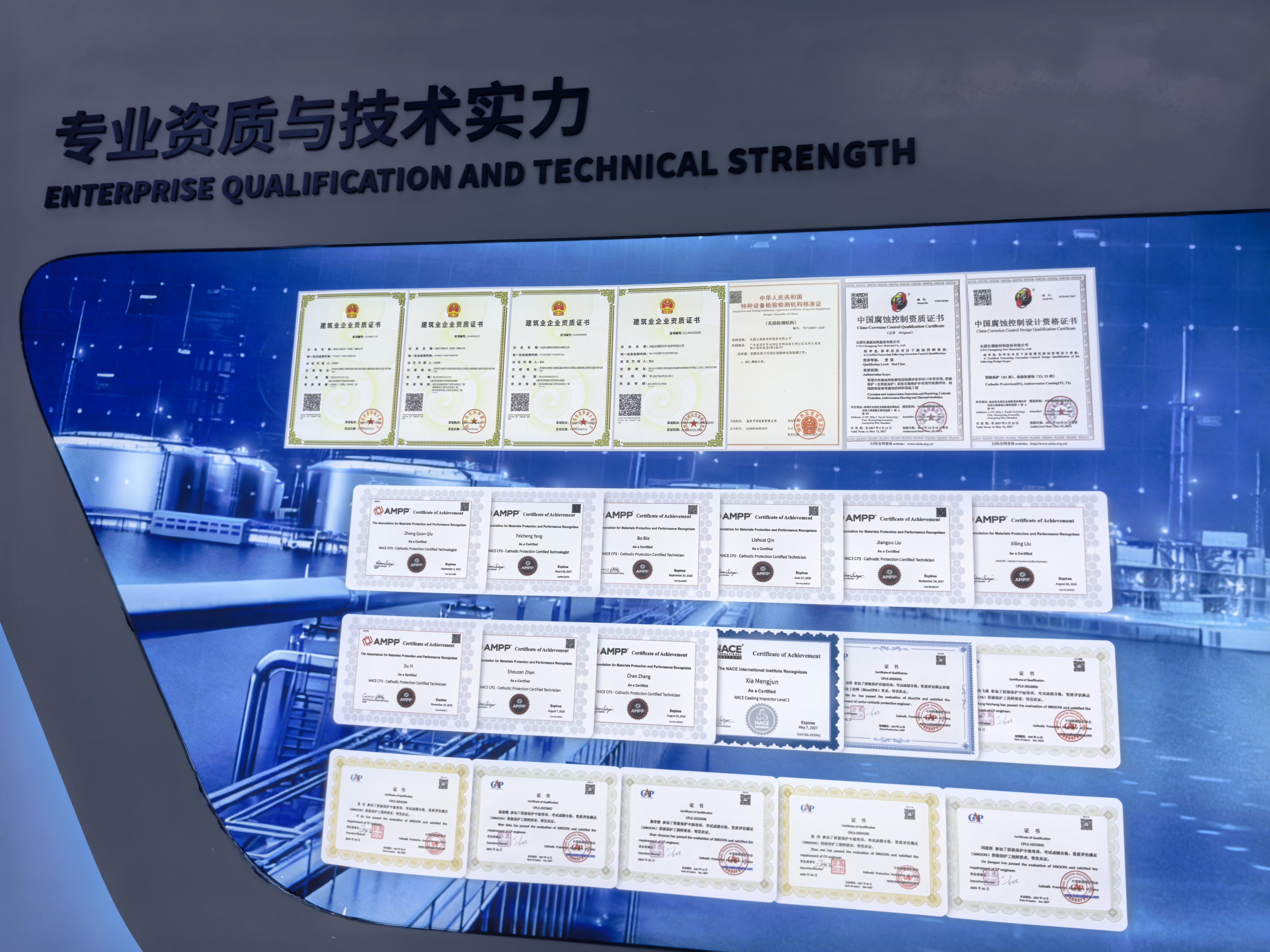
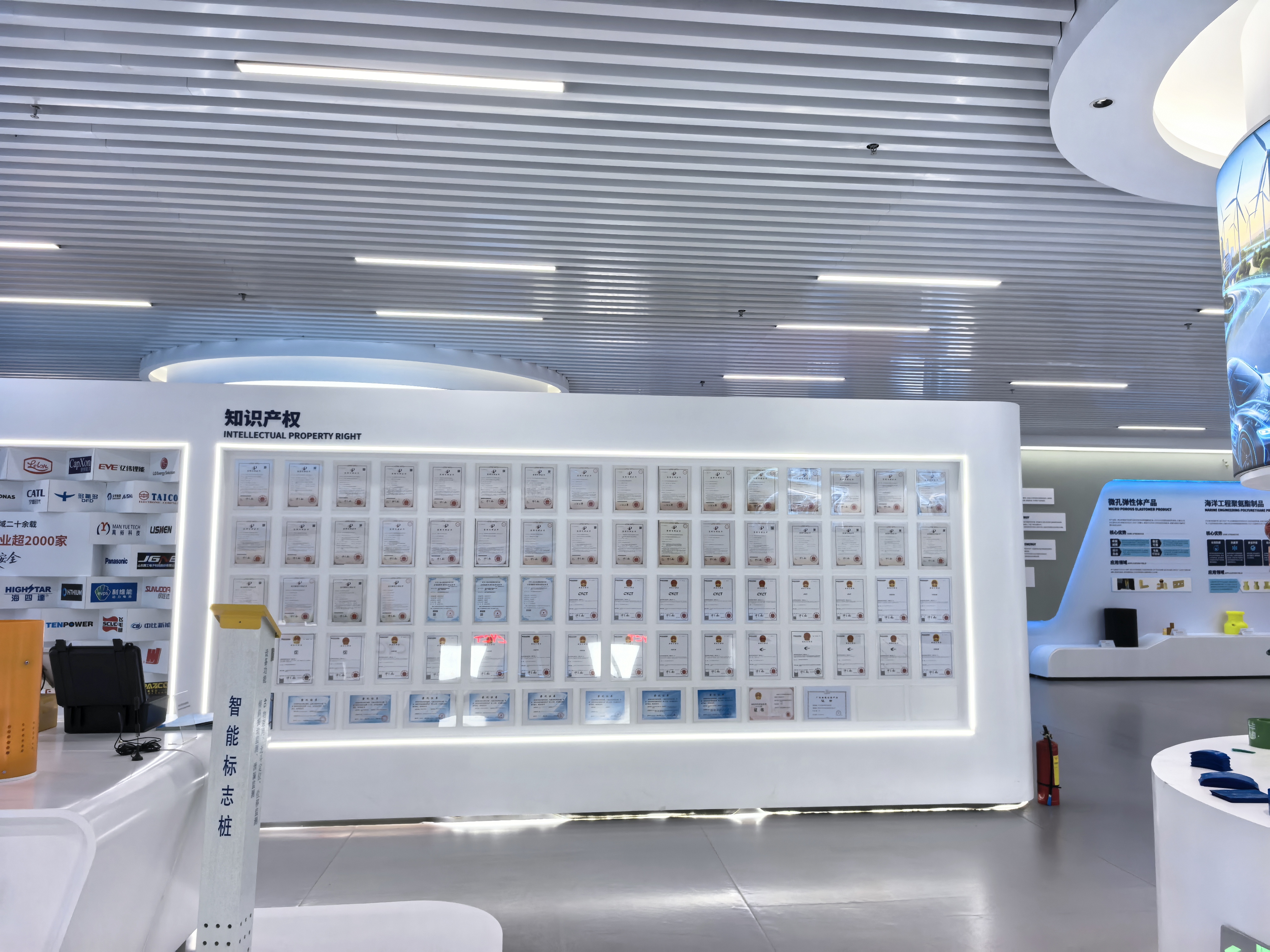
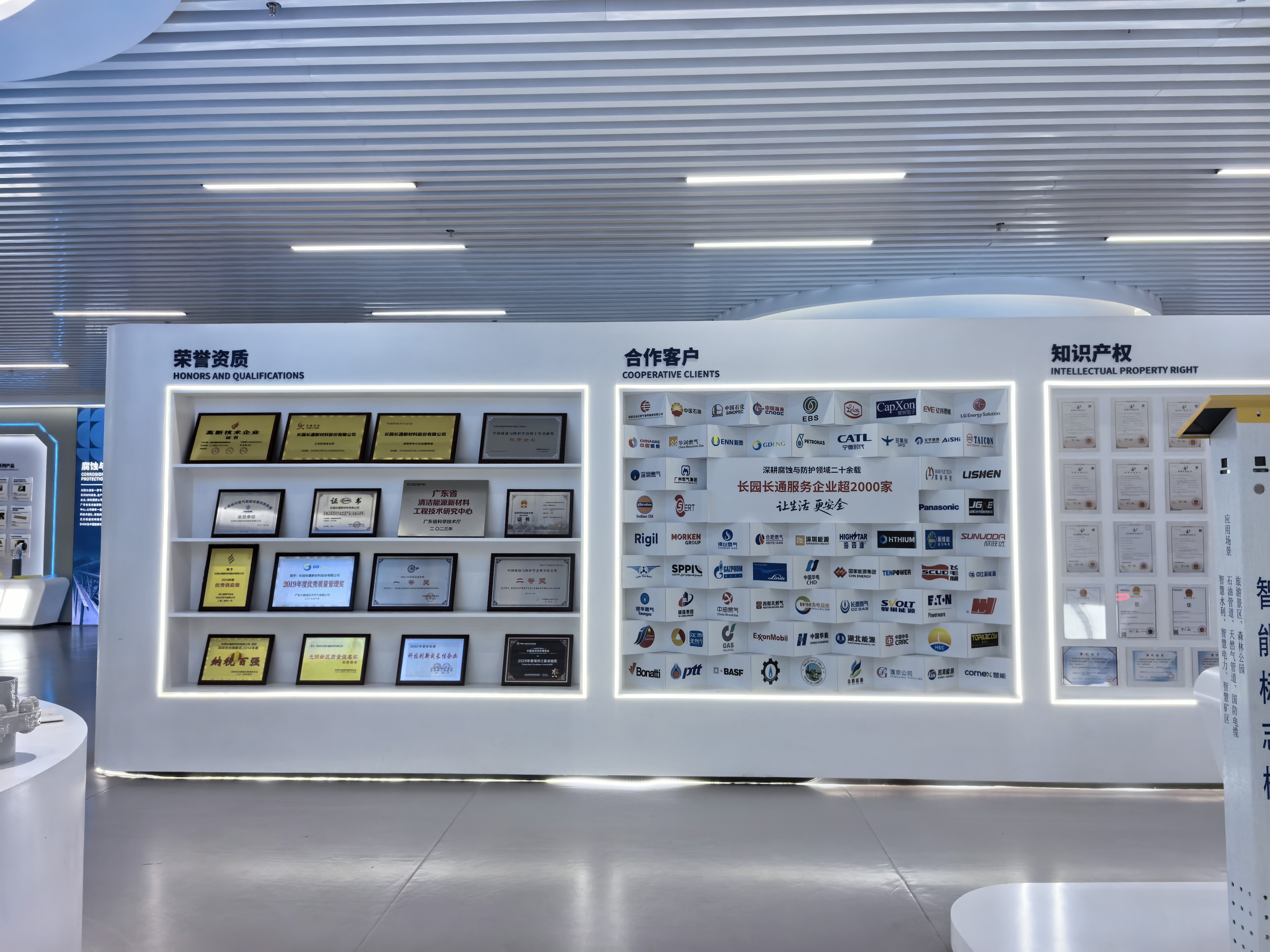
CYCT owns advanced testing and R&D capabilities, supported by a professional R&D team and a national CNAS-accredited laboratory, ensuring that all materials supplied to international projects meet strict ISO specifications.
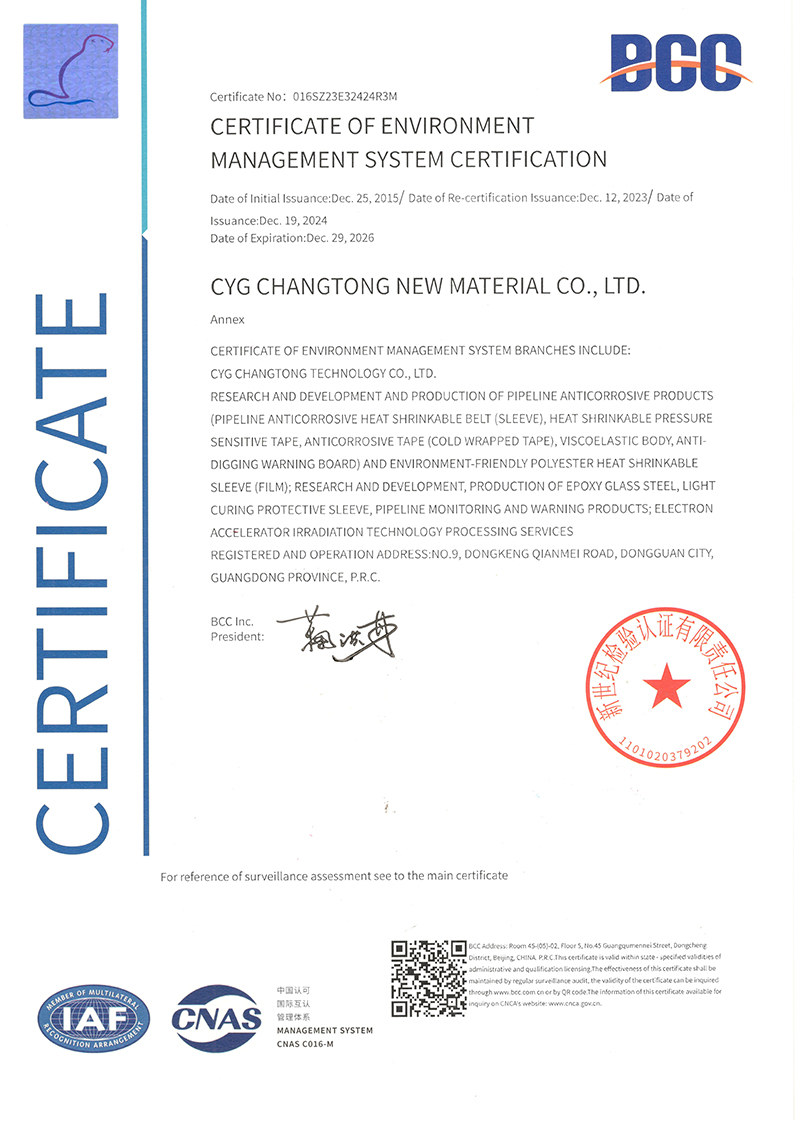
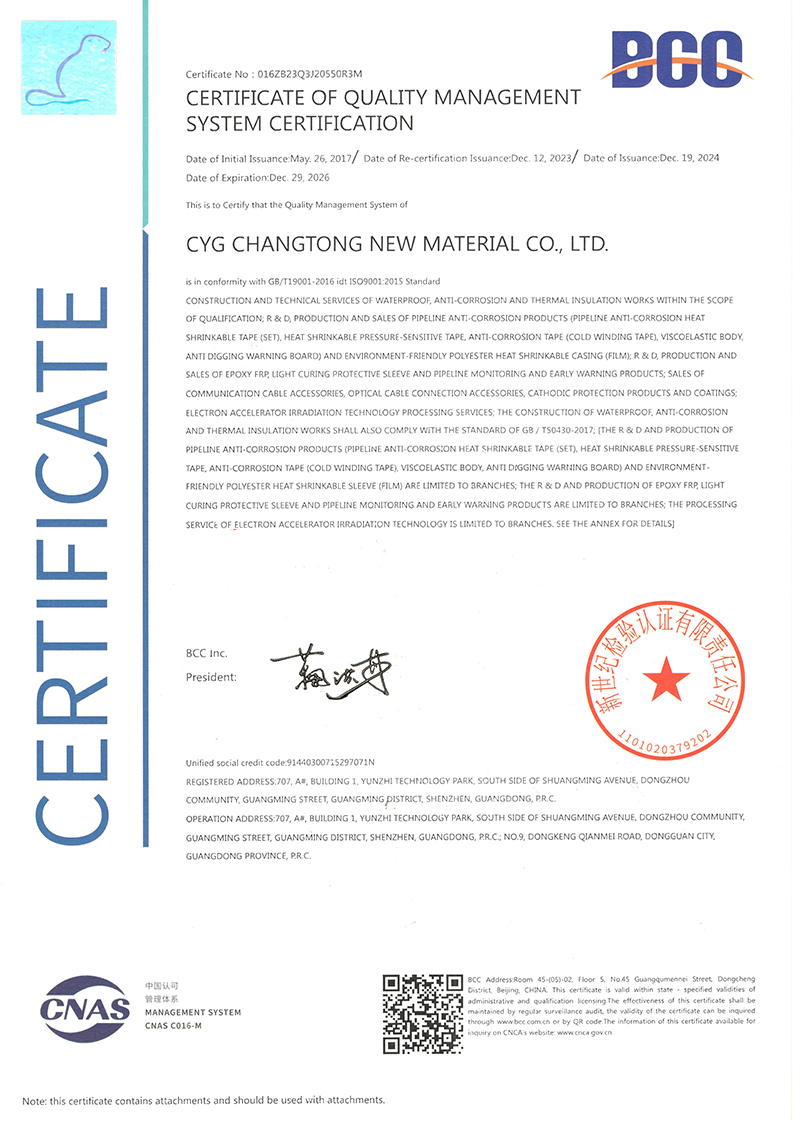
 CYCT
CYCT