Premium solutions specifically optimized for high-altitude pipelines, humid coastal distributions, and high-abrasion mining slurry networks.
Peru presents one of the most geographically diverse and hostile terrains for buried and exposed pipeline systems. From the ultra-arid coastal deserts of Piura and Talara, through the high-altitude Andes crossings at over 4,500 meters above sea level, to the humid tropical ecosystems of the Camisea gas projects in the Amazonian basin, pipeline operators face multi-layered corrosion threats. Standard polyolefin coatings often fail to meet the rigorous physical and environmental stresses of these terrains.
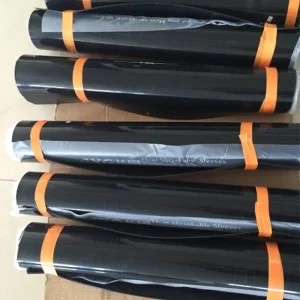
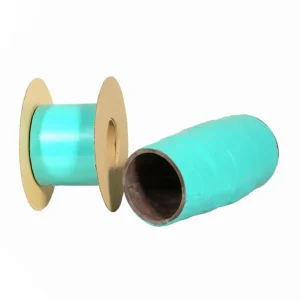
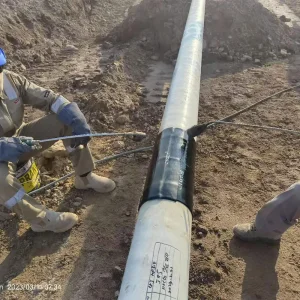
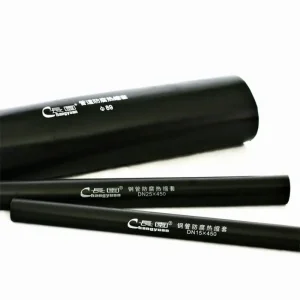
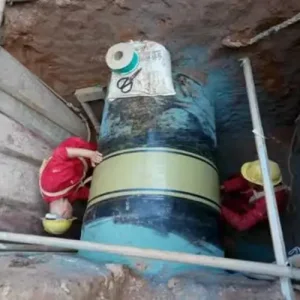
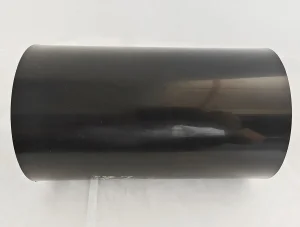
FRDP Heat Shrink Sleeves feature a high-modulus structural fiber mesh backing combined with a high-shear viscoelastic or hot-melt co-polymer adhesive. The fiber reinforcement stops cold-flow behavior, handles structural settlement in soil prone to seismic movements (highly prevalent in Peru's Pacific coast), and offers superior resistance against construction backfill impacts.
Peru's economic growth is heavily tied to its key industries: mining (copper, gold, and zinc), hydrocarbon extraction, and municipal water expansion. Pipelines like the Oleoducto Norperuano (ONP) and major mineral concentrate pipes cross rough topographies. High-altitude environments present low atmospheric pressure and extreme ultraviolet exposure, which accelerate material aging. Traditional heat shrink materials are vulnerable to stress cracking and thermal contraction variations. FRDP sleeves solve this by using cross-linked polymers reinforced with continuous fiber patterns, guaranteeing excellent dimensional stability and physical barrier characteristics.
In municipal and industrial zones near Lima or Arequipa, high soil salinity combined with cathodic protection (CP) systems can lead to cathodic disbondment if the joint coating lacks a strong adhesive boundary. The viscoelastic adhesive layer within our PP and PE heat shrink systems ensures self-healing capacities and zero moisture transmission. They prevent cathodic shielding, allowing CP currents to flow correctly if the barrier is breached, maintaining complete safety.
Preheating pipeline steel to the correct application temperature (usually 60°C to 110°C depending on PP or PE systems) is critical in low-oxygen, low-temperature Andean regions. Standard gas torches experience reduced heating efficiency due to thinner air. Using specialized induction preheating systems or high-output burners with FRDP sleeves ensures the adhesive activates correctly, achieving the target peel strength of over 100 N/cm as per ISO 21809-3 standards.
Designed and certified to meet high international standards required by local operators like Petroperú, Cálidda, and major mining consortia.
Get specialized pipeline calculations, custom sleeve dimensions, and expert installation guidance from our technical team.
Get Technical QuoteCombining world-class R&D capabilities with large-scale production efficiencies to deliver high-quality corrosion protection products directly to Peru's primary ports.
We manufacture sleeves tailoring width, backing thickness, and adhesive formulation to match site-specific temperatures and soil conditions in Peru's copper mines and offshore setups.
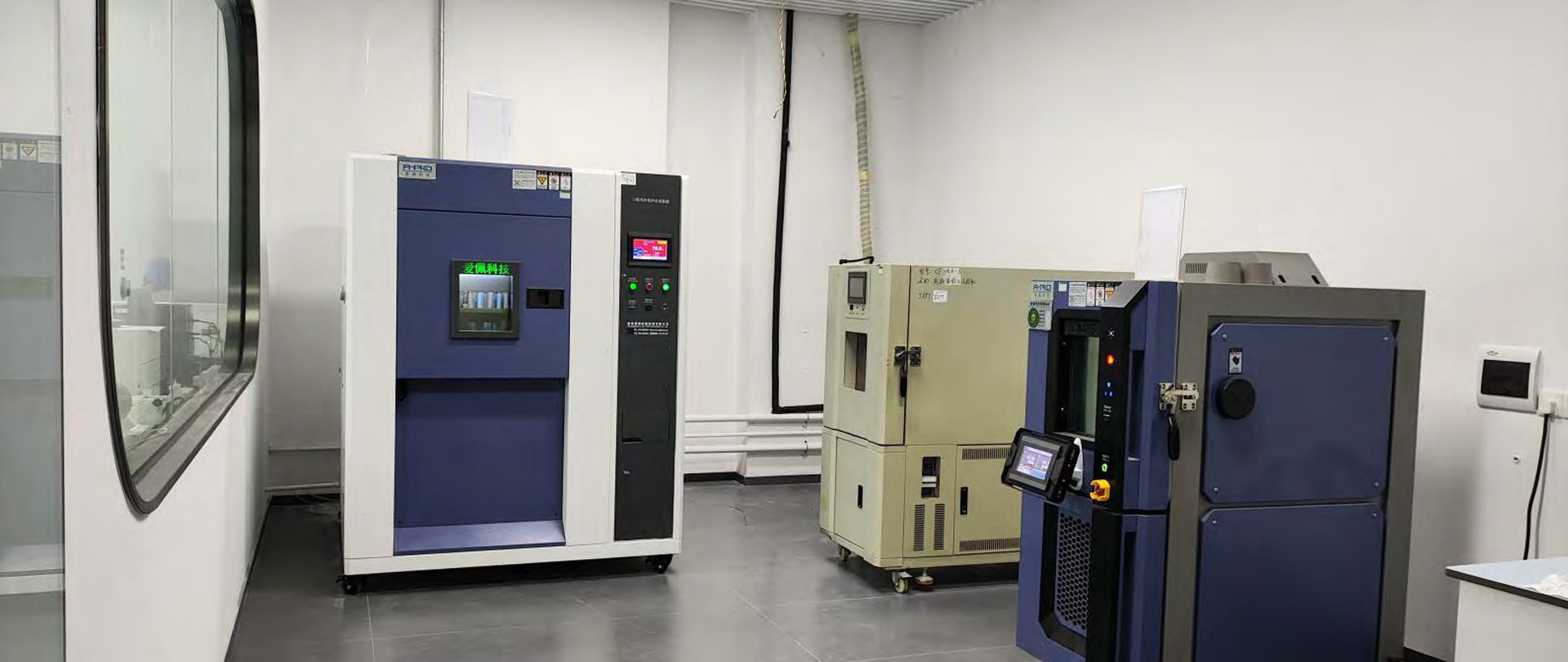
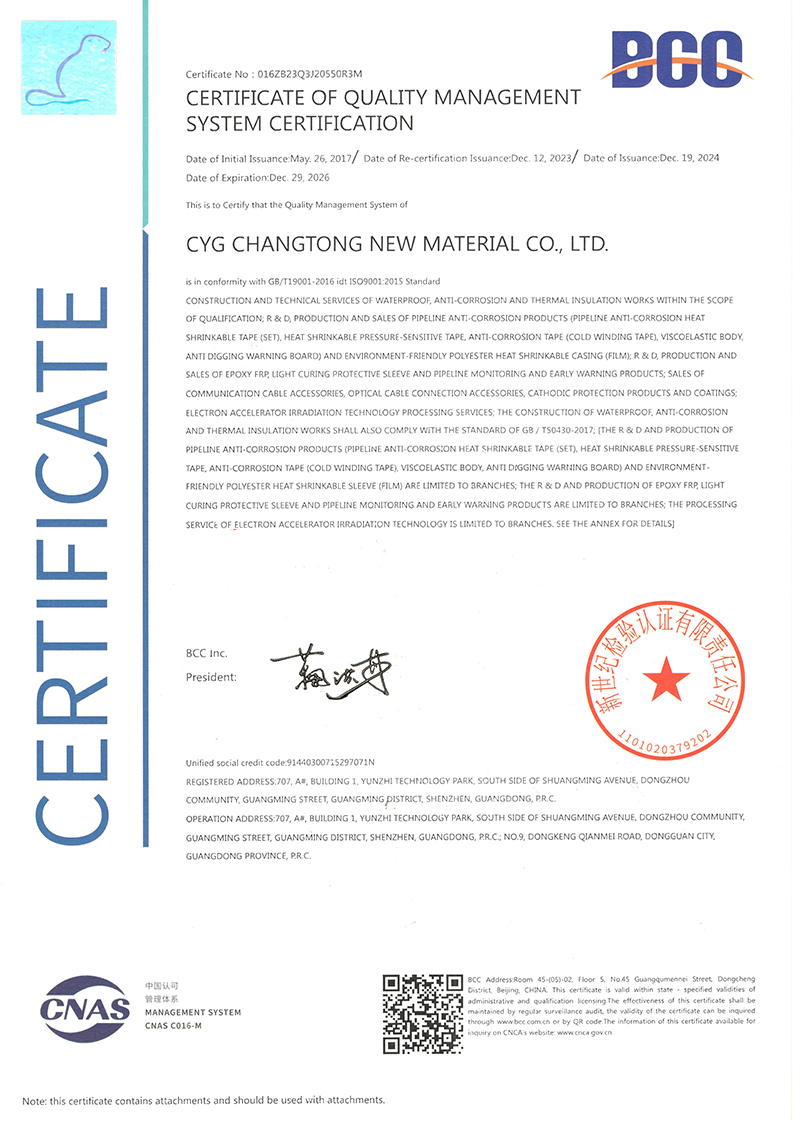
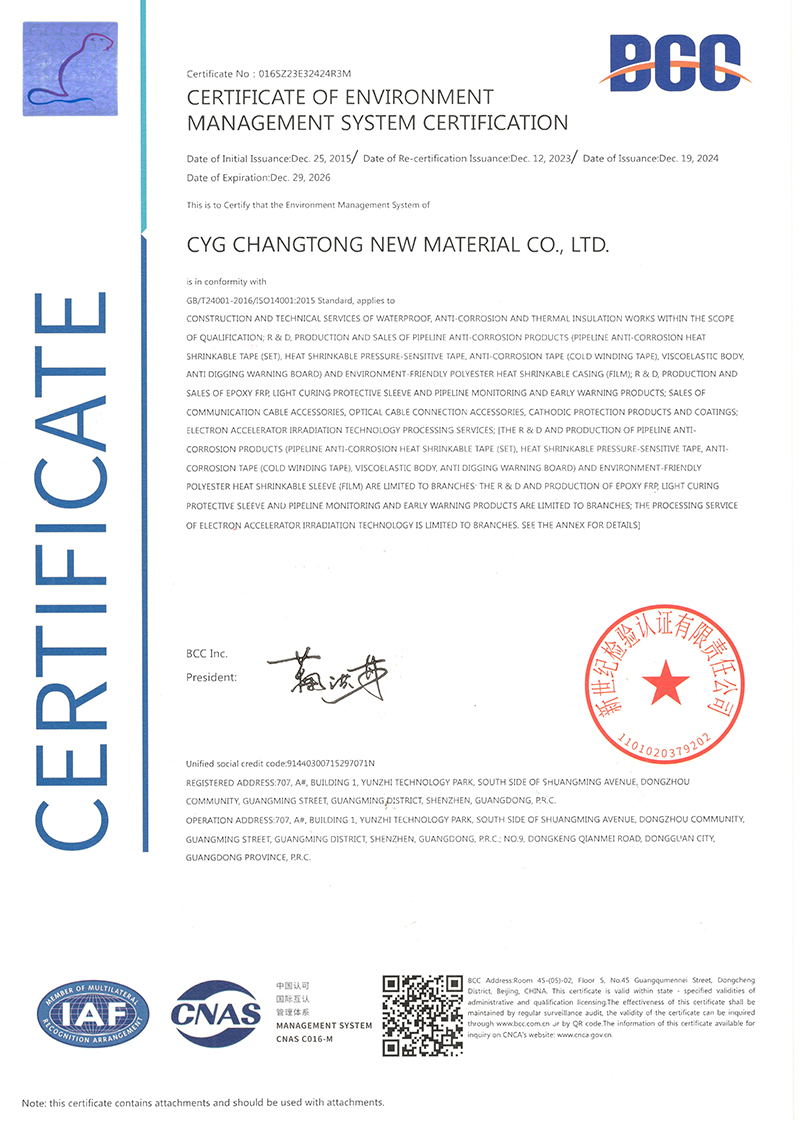
All batches undergo testing in our CNAS-accredited laboratory for peel strength, impact resistance, thermal aging, and cathodic disbondment to ensure performance in the field.
Streamlined shipping routes from Qingdao/Shanghai to Callao and Matarani, providing Peruvian contractors with optimal lead times and lower freight costs.
Year Founded
Accredited Lab Testing
Proprietary Patents
Corporate Membership
CYCT New Materials Company Limited (for short, CYCT) is a state-level high-tech enterprise integrating R&D, production and sales of pipeline corrosion protection materials as well as buried pipeline detection service and pipeline coating field application service into one. CYCT devotes itself to R&D, production and sales of pipeline corrosion protection materials for decades.
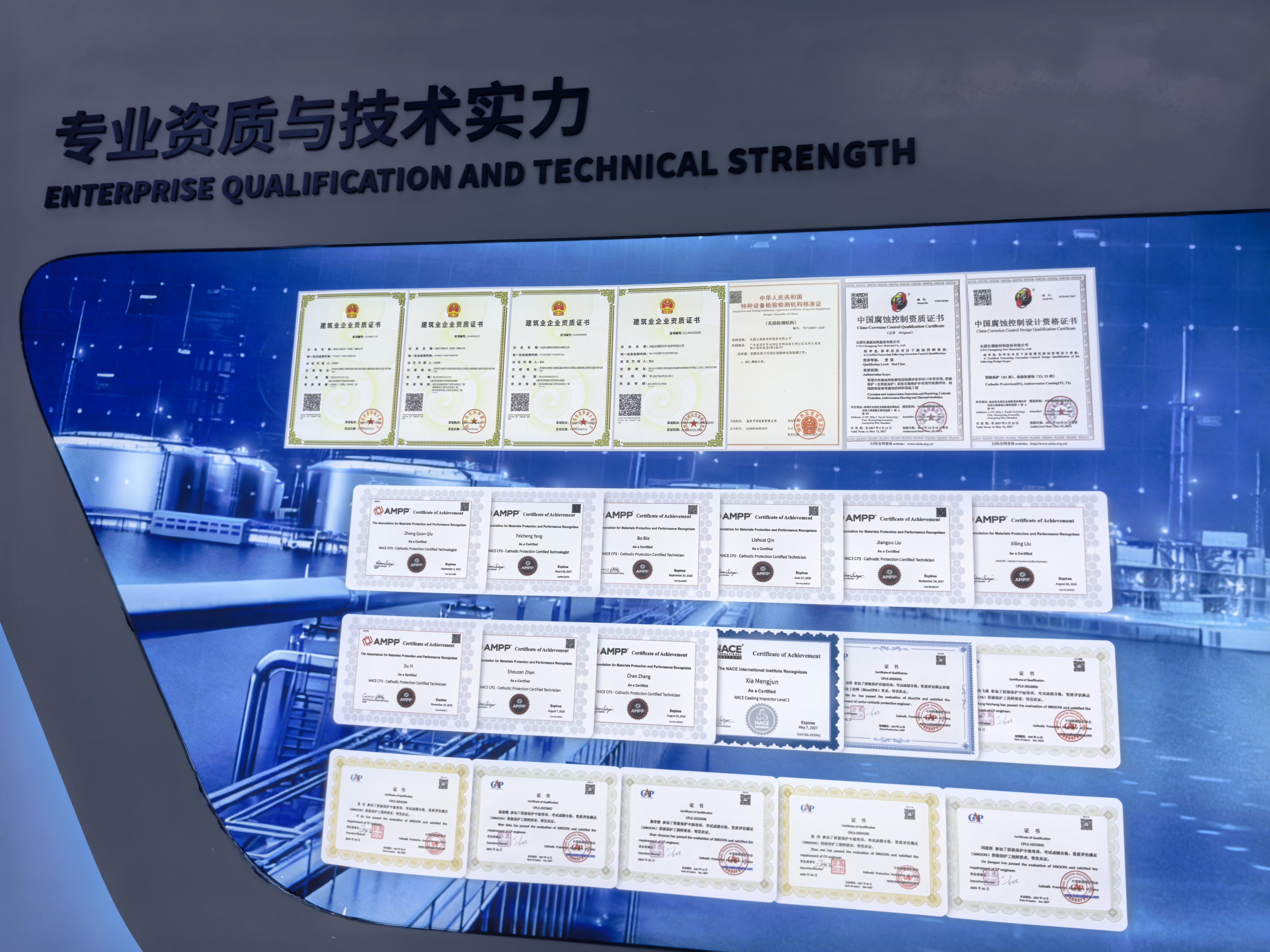
CYCT owns leading testing and R&D capabilities, a professional R&D team, and a national CNAS-accredited laboratory. CYCT has become a stable supplier of field joint coatings for years to PetroChina, Sinopec, PipeChina, and local pipelines, holding a high market share. Furthermore, CYCT has successfully developed and introduced a number of specialty corrosion protection materials such as viscoelastic anticorrosion materials, special photo-curing sleeves for HDD protection, and polyurea coatings.
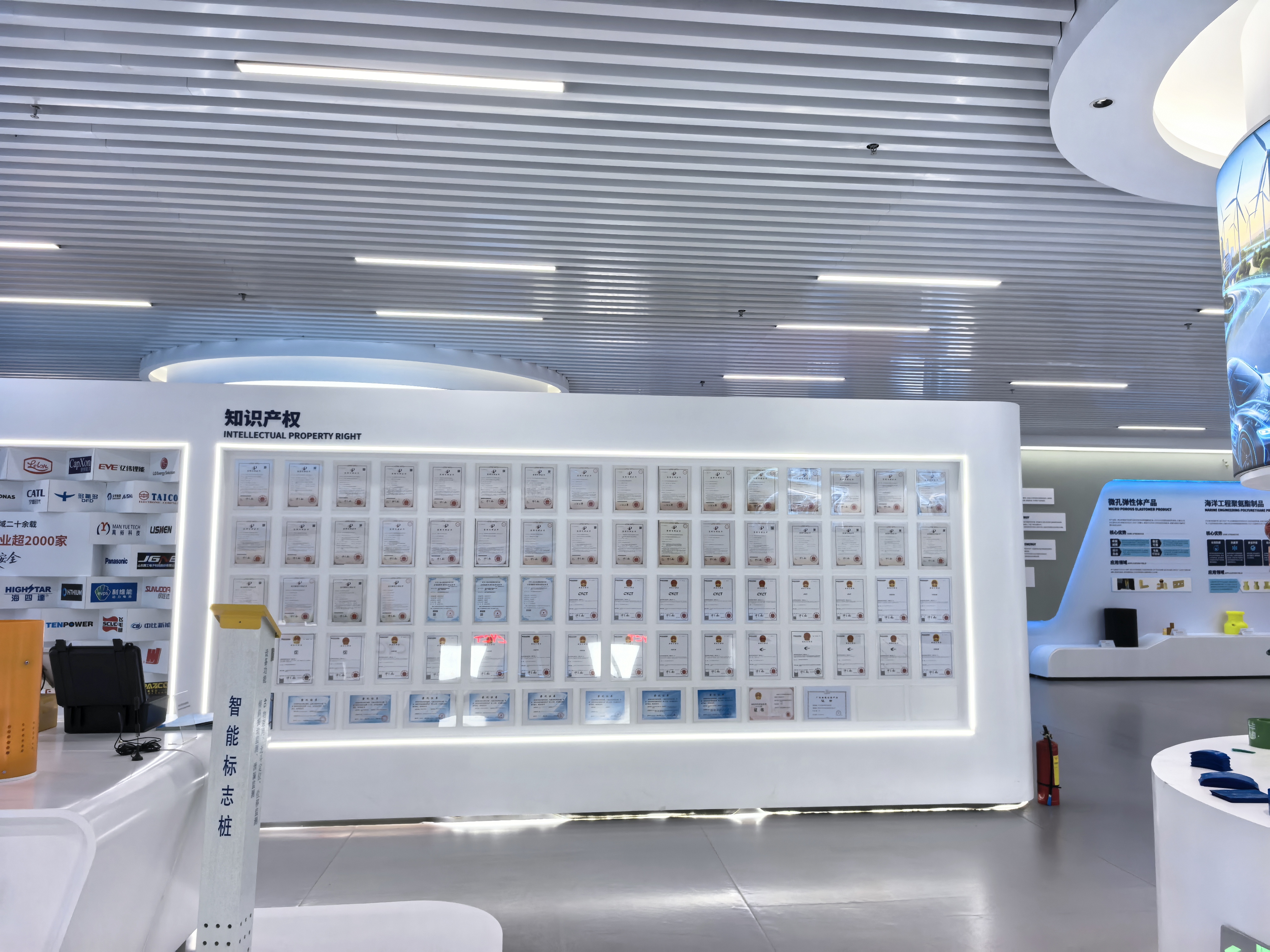
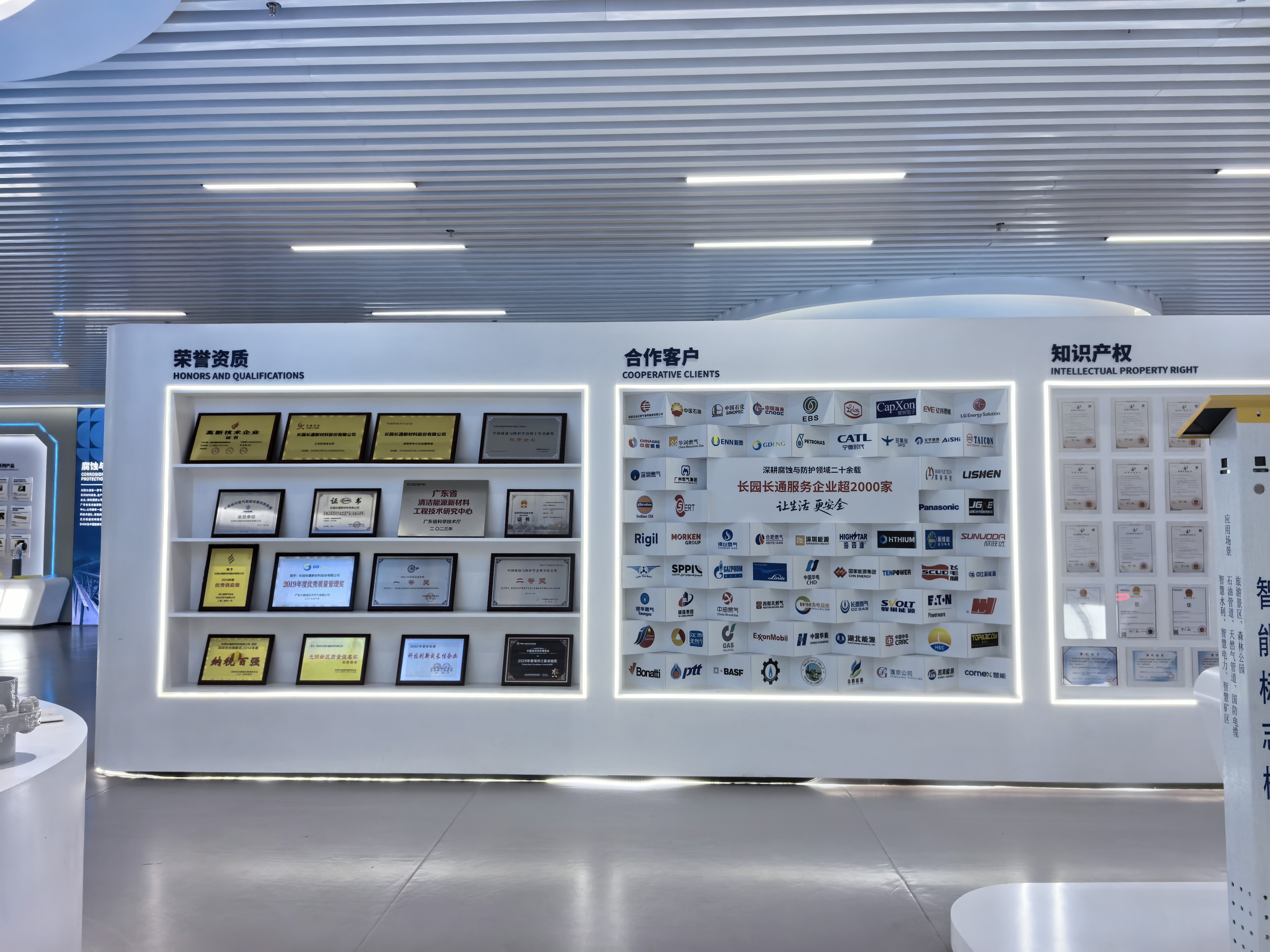
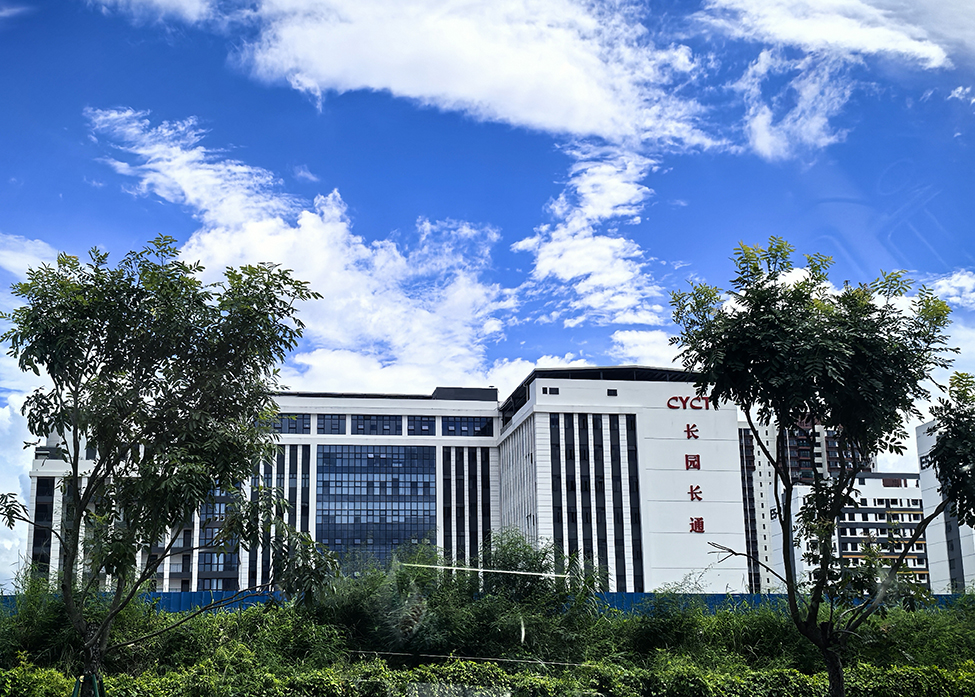
By good cooperation with leading R&D institutes such as CNPC Pipeline Science Research Institute, CYCT is capable of providing in-service pipelines with varied technical services such as buried pipeline detection, design schemes, cathodic protection, rehabilitation projects, and integrated solutions for pipeline safety.
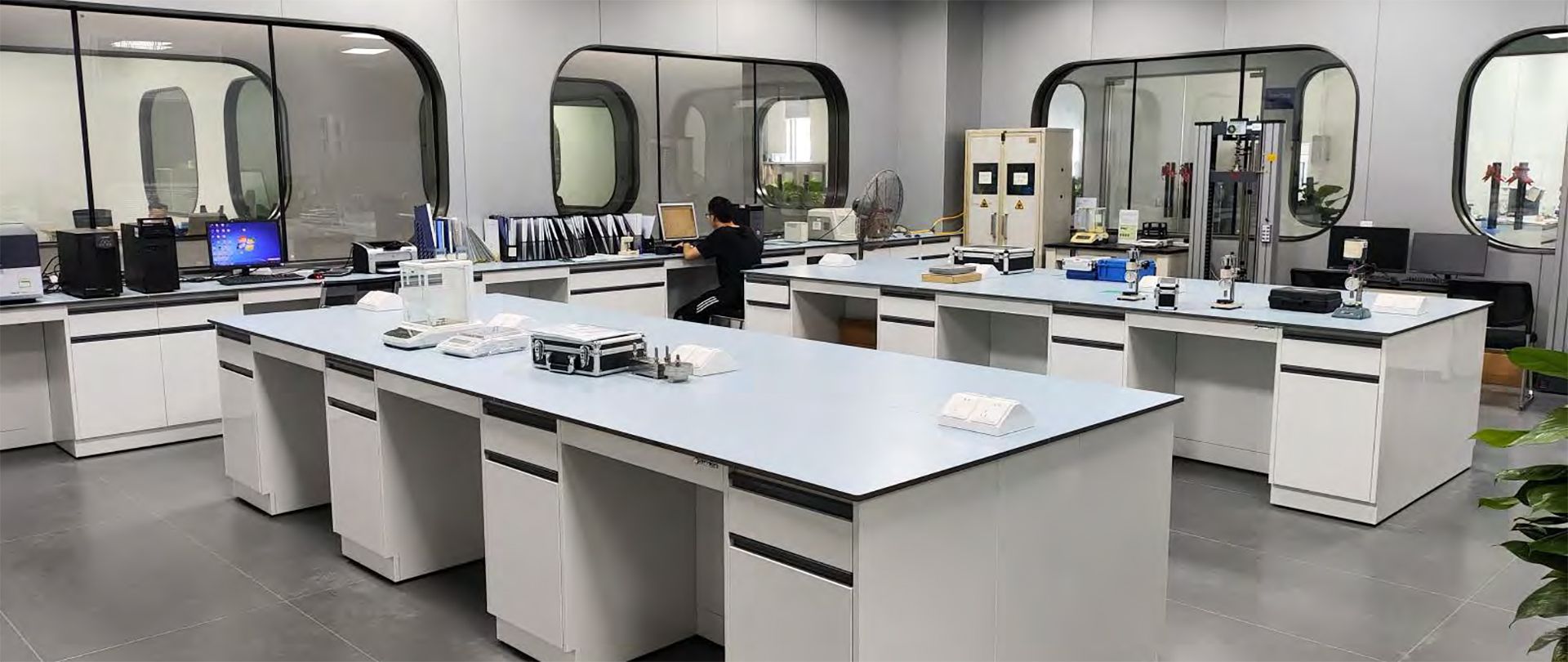
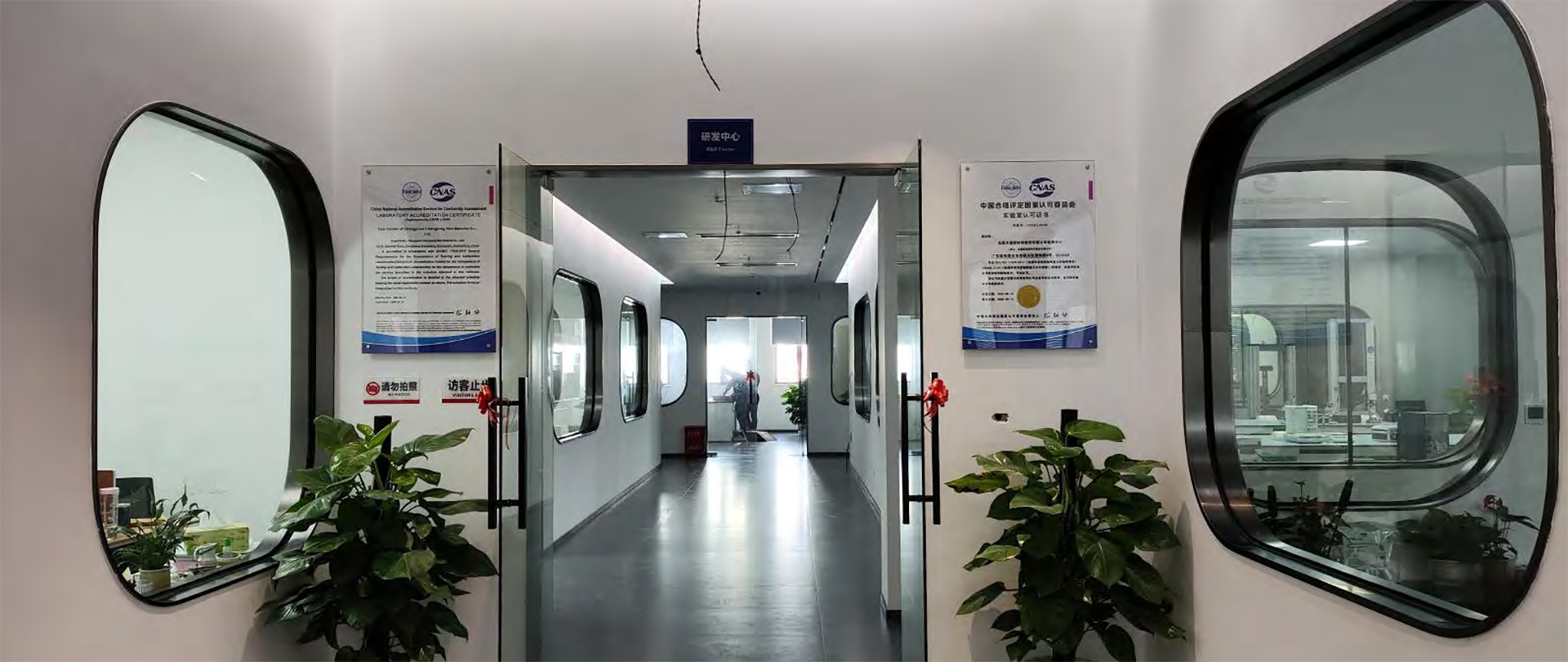
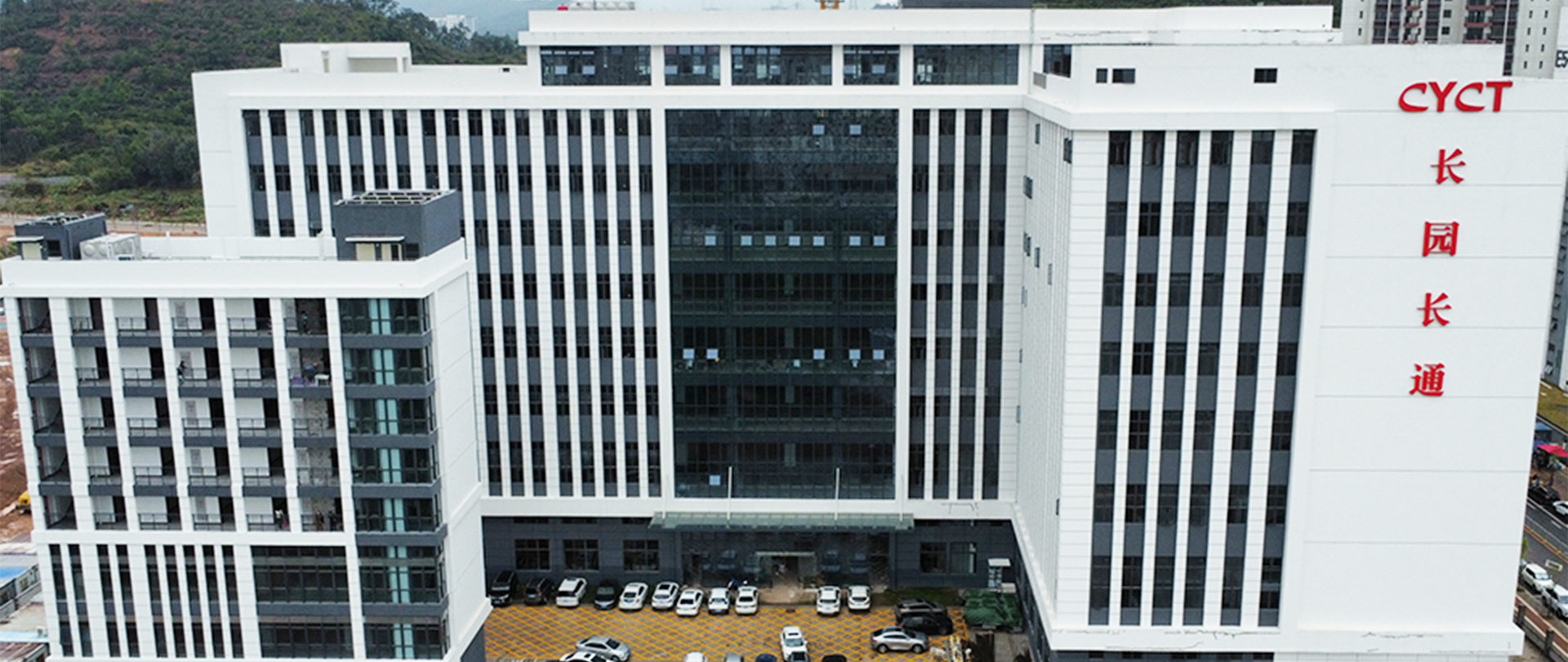
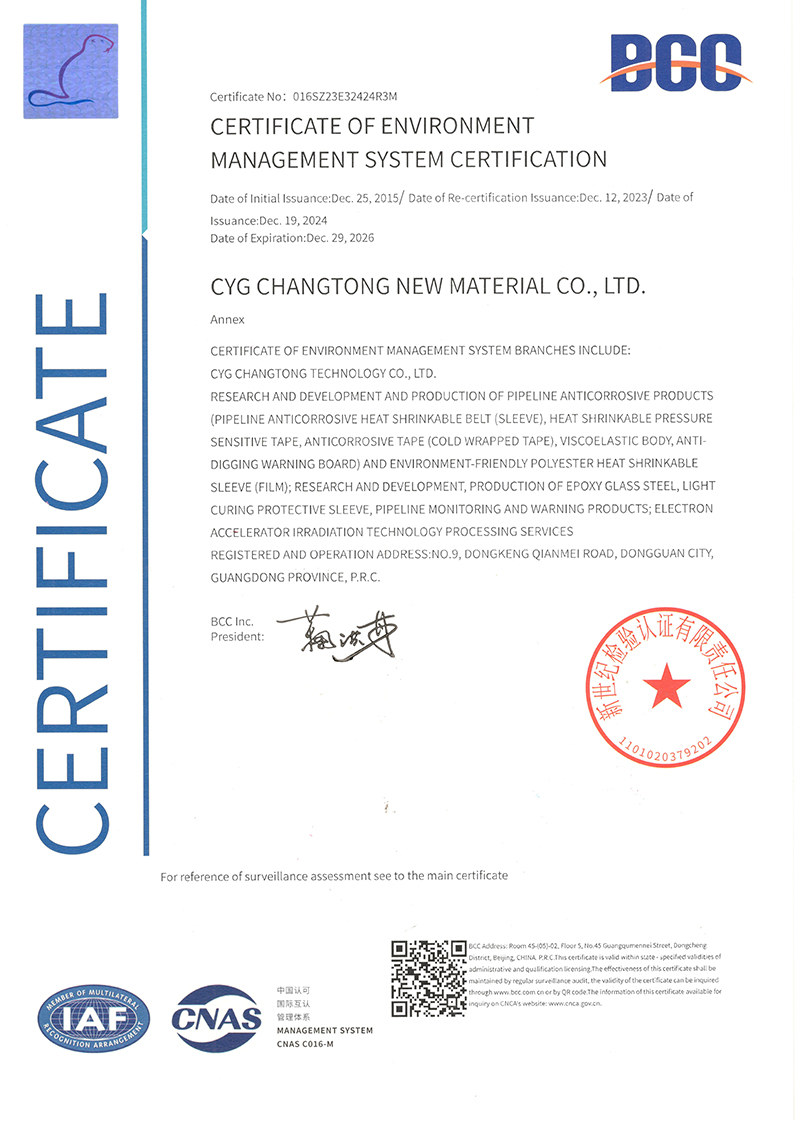
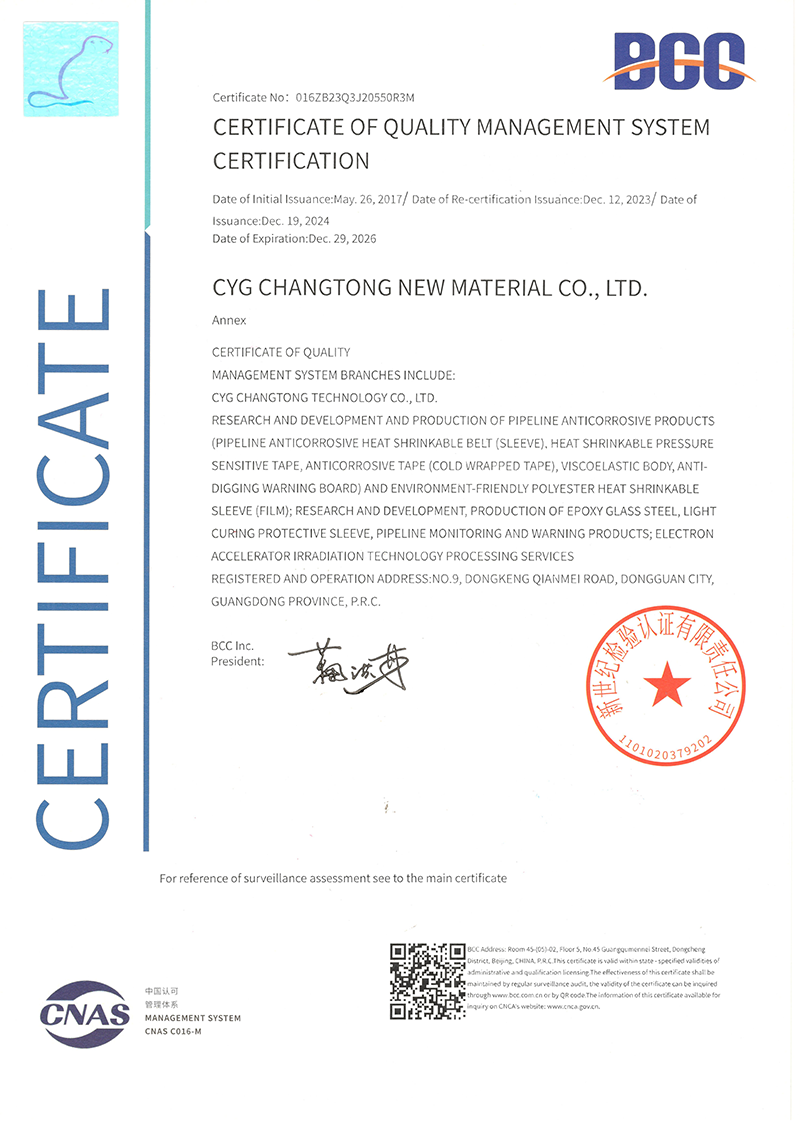
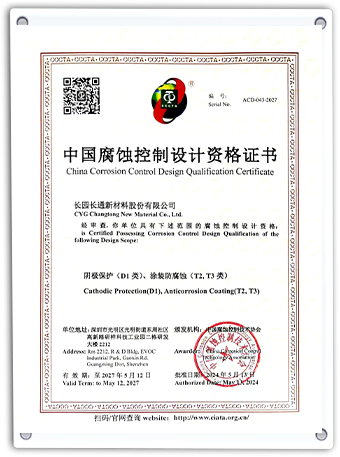
Member of Council in Chinese Society for Corrosion and Protection (CSCP), Qualification Certificate of Corrosion Protection Construction, Qualification Certificate of Pipeline Detection, Well-known Brand of Pipeline Corrosion Protection in China, Corporate Member of China Association of Petroleum Engineering Construction (CAPEC), State-Level High-Tech Enterprise with more than ten proprietary intellectual property rights. Stable supplier of PetroChina, Sinopec, China Gas Group, and supplier of Indian Oil.
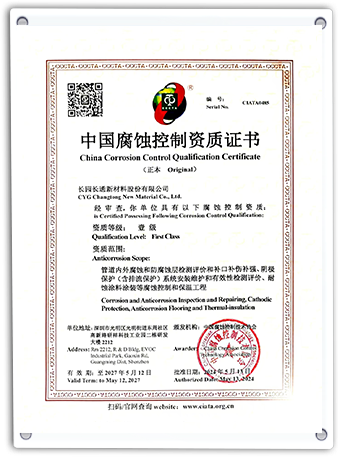
Deep technical insights compiled by CYCT's Senior Engineering Team to help pipeline asset managers choose the right system.
Preserving our full engineering catalog. Explore our range of pipeline tapes, repair patches, and specialty sealants designed for long-term infrastructure protection.
 CYCT
CYCT