Advanced corrosion isolation solutions engineered to resist the high soil temperatures and coastal salinity of Singapore.
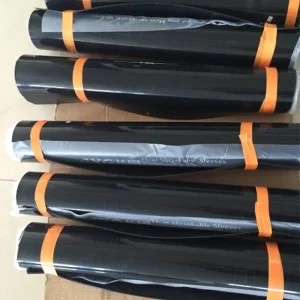
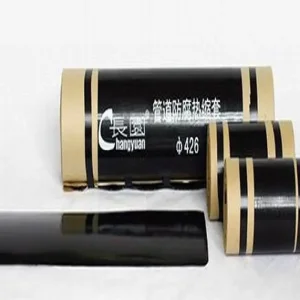
As one of the world's most dense petrochemical hubs and major maritime crossroads, Singapore operates an expansive network of subterranean and marine transmission pipelines. The tropical environment presents extreme challenges to asset integrity: high ambient humidity, elevated soil temperatures, marine salinity levels, and highly corrosive tidal fluctuation zones on Jurong Island and coastal terminals.
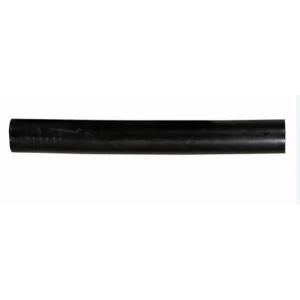
Conventional pipeline wrap systems often suffer from premature degradation, backing shear, and cathodic disbondment under these conditions. The FRDP (Fiberglass Reinforced Dual-layer Polyolefin) heat shrink sleeve represents a technological leap forward, specifically designed to withstand high mechanical soil stress and dynamic thermal profiles encountered in Singapore's utility networks and HDD (Horizontal Directional Drilling) installations.
Understanding the mechanical reinforcing layers and viscoelastic adhesive chemistries that guarantee 30+ year pipeline lifespans.
| Performance Parameter | Standard Test Method | FRDP High-Stress Specification | Standard PE Sleeve Comparison |
|---|---|---|---|
| Backing Material | Visual / FTIR | Fiberglass Reinforced Cross-linked Polyolefin | Standard Cross-linked Polyolefin |
| Tensile Strength | ASTM D638 / ISO 527 | ≥ 28 MPa | ≥ 18 MPa |
| Impact Resistance | EN 12068 / ISO 21809-3 | ≥ 20 J (Class C Specification) | ≥ 12 J |
| Cathodic Disbondment (28 days @ 60°C) | ASTM G42 | ≤ 5 mm radius | ≤ 12 mm radius |
| Peel Strength to Steel (at 23°C / 80°C) | EN 12068 | ≥ 120 N/cm / ≥ 25 N/cm | ≥ 80 N/cm / ≥ 5 N/cm |
| Shear Resistance | ISO 21809-3 App K | Excellent (Anti-slip mesh integrated) | Moderate (Subject to creep) |
The primary differentiation of the FRDP heat shrink sleeve is its integration of a multi-directional fiberglass structural mesh into the radiation cross-linked polyethylene backing. When heated during field installation, the sleeve shrinks while the glass fibers maintain structural tension, preventing the viscoelastic hot melt or copolymer adhesive from migrating under soil stress or pipe movement. This mechanism is critical for directional drilling setups where the pipeline is pulled through abrasive subterranean channels beneath Singapore's shipping lanes or road systems.
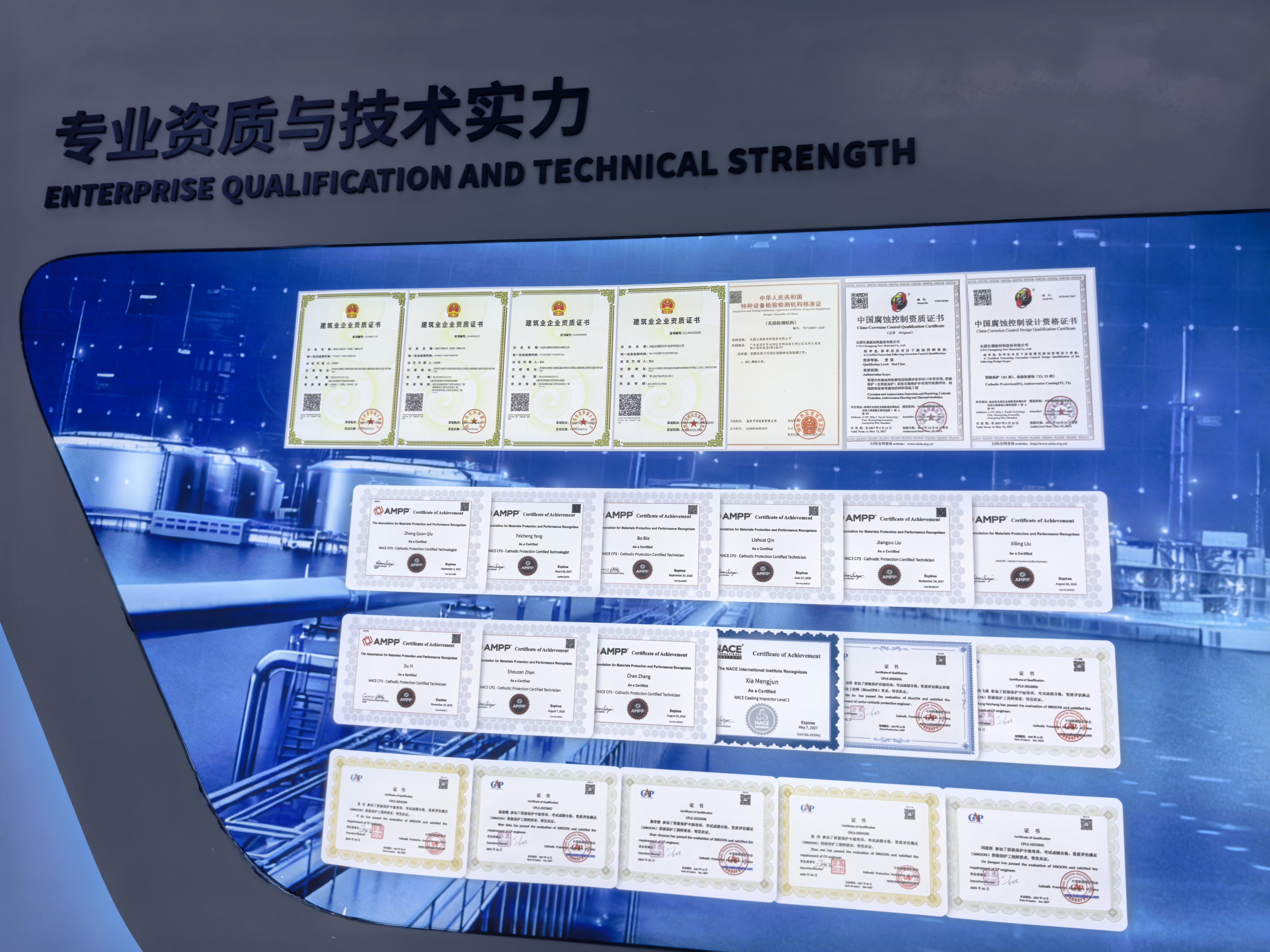
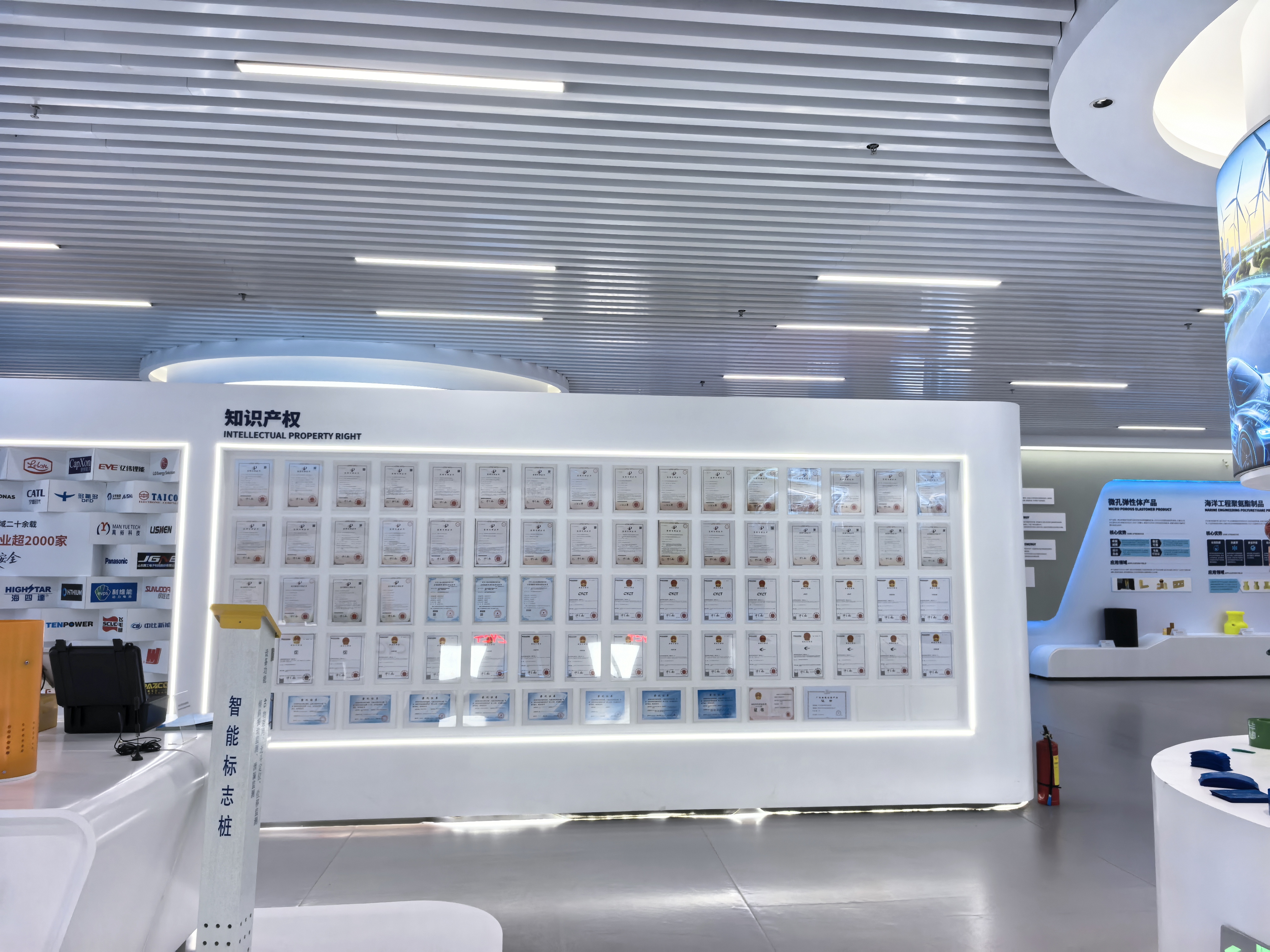
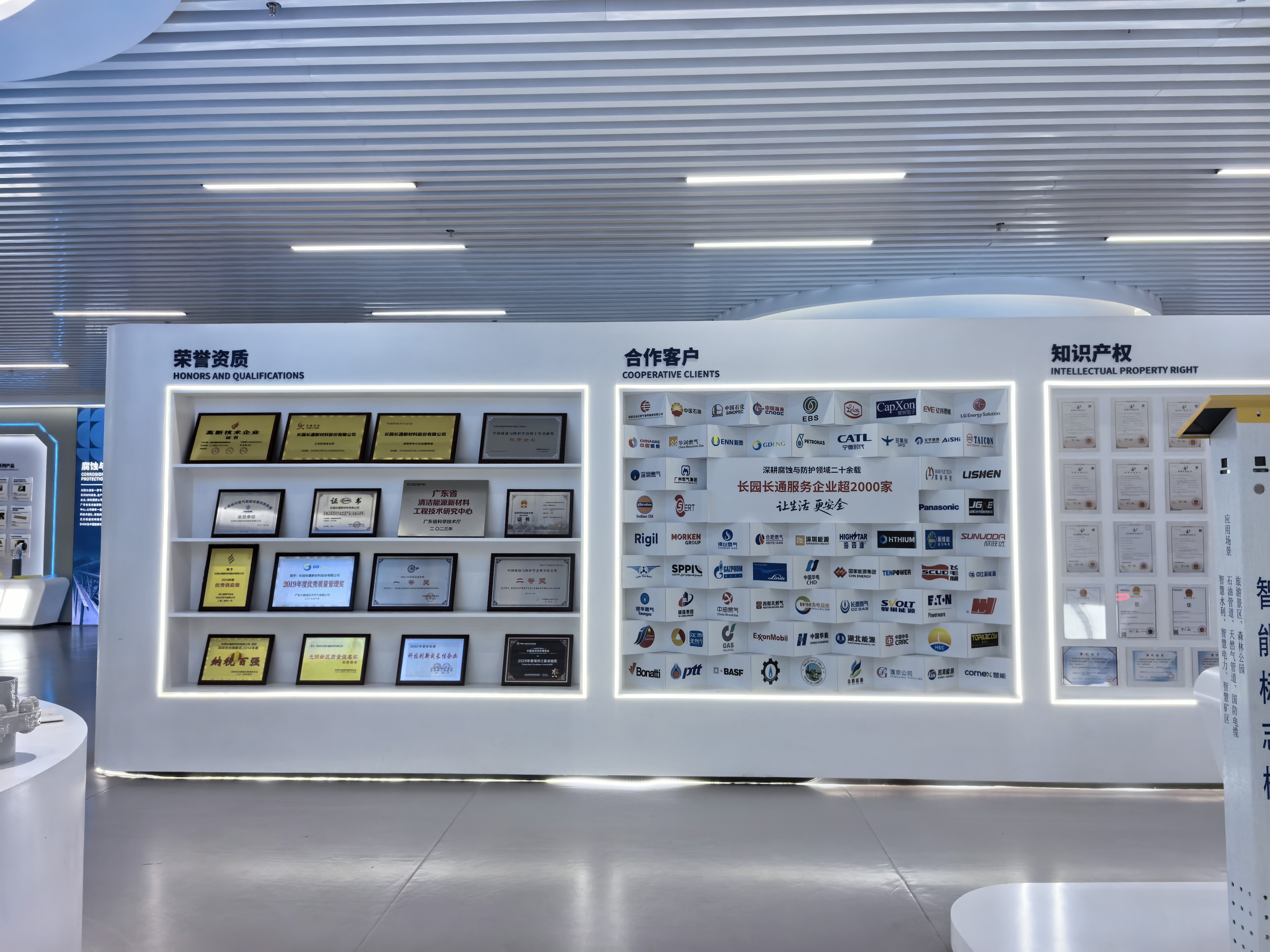
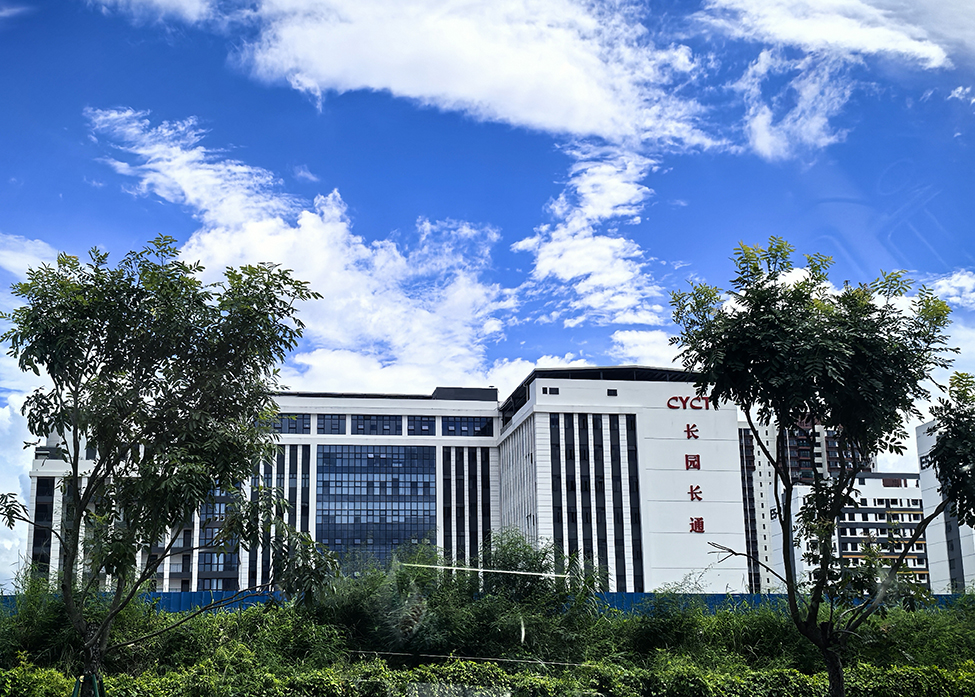
CYCT New Materials Company Limited is a premier, state-level high-tech enterprise combining state-of-the-art research, advanced manufacturing, and specialized diagnostic pipeline engineering. Over the past two decades, we have dedicated ourselves to tackling the most challenging corrosion problems across mainland China and globally.
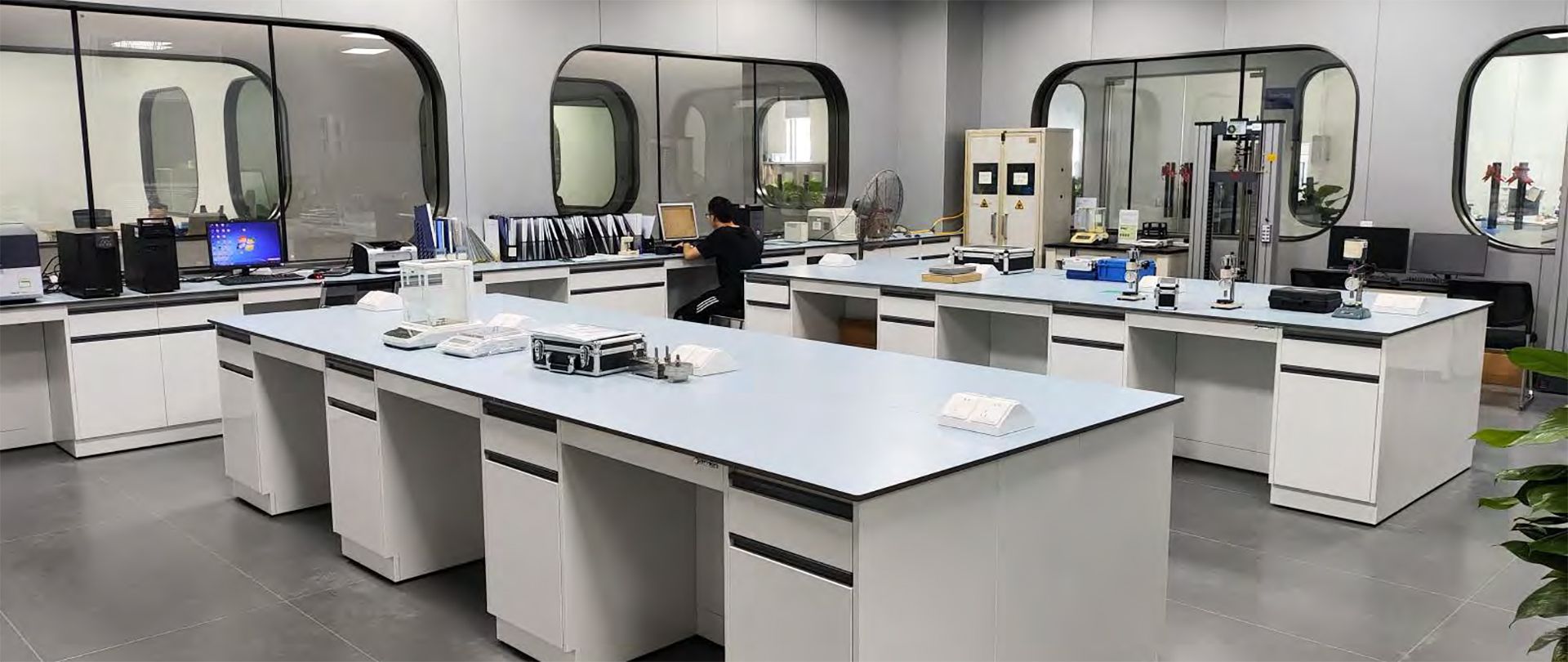
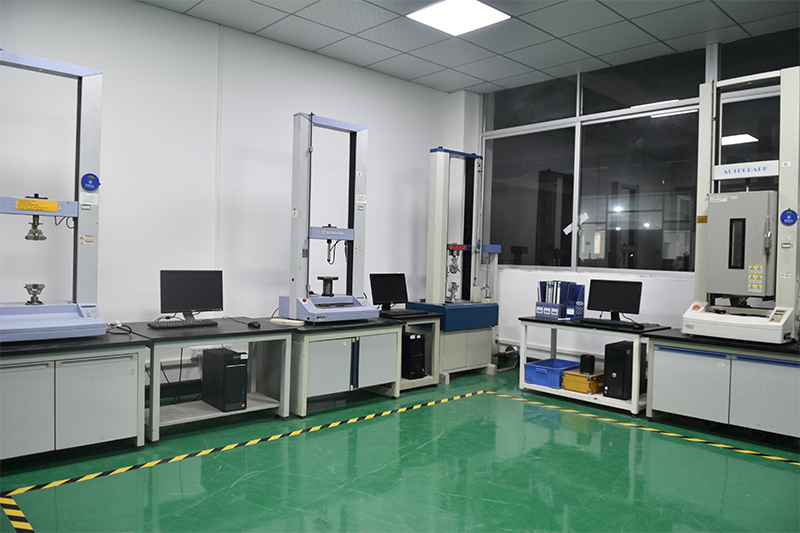
Our facility features a nationally accredited CNAS laboratory and a professional research and development team, driving material science innovations in viscoelastic coatings, photo-curing sleeves, and polyurea products.
From deep-sea pipeline networks to micro-tunnelling urban water systems.
Providing specialized anti-corrosion barriers for offshore jetty piles, sea-intake piping, and subsea pipelines subjected to constant wave splash, mechanical impact, and biological colonization in the Singapore Strait.
When pulling pipes under highways, rivers, or existing urban structures, our FRDP reinforced sleeves offer maximum resistance to shear, scrape, and soil friction, ensuring zero coating compromise during pullback.
Singapore's district cooling infrastructure relies on large-diameter insulated steel water pipelines. CYCT provides tailor-made field joint protection that maintains insulating properties while sealing out high-salinity groundwater.
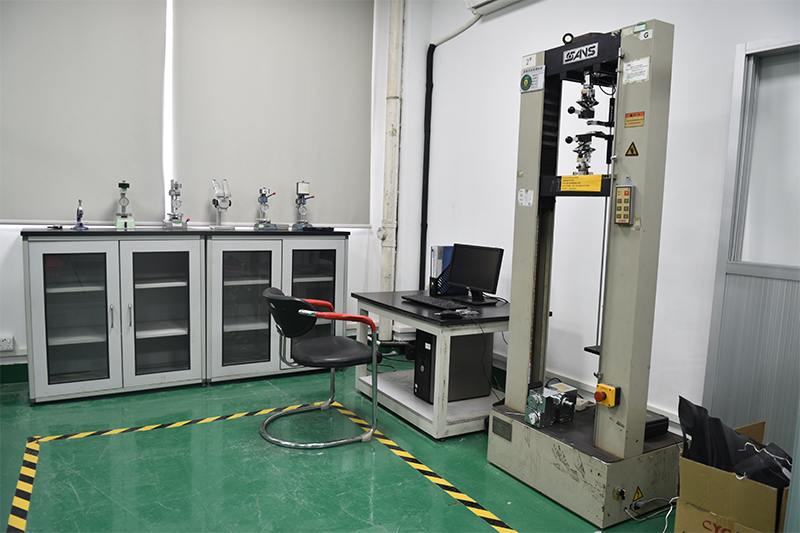
Executing infrastructure projects within Singapore requires strict adherence to international and local codes. CYCT products undergo testing to align with regional guidelines, including:
We supply complete documentation packages, including material test certificates (MTCs), installation manuals, and NACE-certified inspector field guidelines to streamline the engineering approval process at Singapore port and municipal sites.
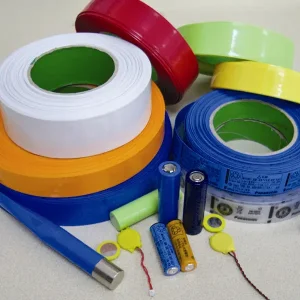
A full portfolio of advanced materials supporting Singapore's energy transit, water management, and heavy manufacturing sectors.
CYCT's Next-Generation Research Initiatives for Greener and Smarter Infrastructures.
The global push for green infrastructure and net-zero goals directly impacts the anti-corrosion industry. Our R&D team is working with pipeline science research institutes to pioneer next-generation technologies:
1. Embedded Optical Sensor Sleeves: Incorporating fiber-optic sensor layers directly within the FRDP sleeve backing to enable real-time stress and leak monitoring in critical HDD crossings.
2. Bio-Based Viscoelastic Adhesives: Developing solvent-free adhesives that meet stringent environmental guidelines for drinking water networks without sacrificing adhesion strength or long-term durability.
3. Advanced Thermal Barriers: Transitioning materials to withstand operating environments exceeding 120°C for deep geothermal energy networks and high-pressure steam distribution systems.
Expert clarifications on selection, application, and compliance for pipeline engineers.
Connect with our senior technical engineering team for custom sizes, regional specification alignments, and competitive project pricing for Singapore and worldwide.
Send Inquiry Now CYCT
CYCT