Engineered for extreme soil stress and high temperatures in GCC energy infrastructure.
The Sultanate of Oman is home to some of the most sophisticated hydrocarbon and water transmission pipelines globally. Running through rugged desert zones, rocky mountainous terrains, and corrosive salt flats (Sabkha), these pipelines face extreme operational demands. High ambient ground temperatures, coupled with saline soil structures, accelerate the rate of electrochemical corrosion. In this harsh environment, traditional pipeline coatings are prone to degradation, cracking, and disbondment, compromising the entire network’s structural integrity.
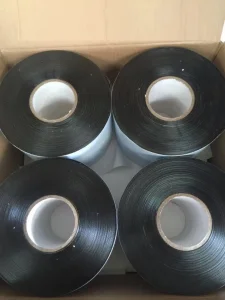
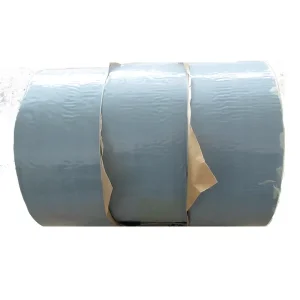
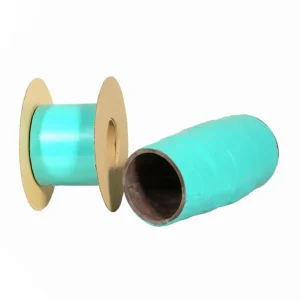
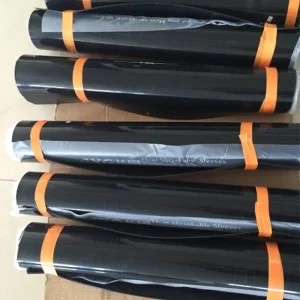
FRDM (Fiber-Reinforced Directional Mastic) heat shrinkable sleeves represent the absolute standard in field joint coating systems in the Oman market. Characterized by high-density cross-linked polyolefin backing coated with an aggressive protective mastic sealant, these sleeves offer unbeatable defense against cathodic disbondment and mechanical forces during soil settlement and thermal cycling.
High Ambient Soils: In locations like the Fahud and Mukhaizna oilfields, summer underground temperatures can soar, necessitating mastic sleeves that retain structural stability up to 80°C.
Near coastal regions such as Duqm and Salalah, high chloride concentrations demand an absolute moisture barrier. FRDM mastic provides a thick, impenetrable layer that does not permit cathodic tracking.
The movement of heavy sands and gravel backfill exerts severe shear forces on pipeline joints. FRDM's viscoelastic mastic layer absorbs these movements without exposing the underlying steel.
Providing verified reliability through advanced materials manufacturing and global testing certifications.
Leveraging automation and state-of-the-art polymer engineering to meet Oman's massive supply demands.
Our FRDM Mastic Heat Shrink Sleeves are built utilizing advanced electron-beam radiation crosslinking. This molecular reconfiguration transforms the standard polyolefin into a tough, elastic material that remembers its original extruded dimension. When heat is applied in the field, the backing shrinks uniformly while the underlying mastic melt-flows, filling every surface micro-cavity on the steel pipe. Our fully automated factory ensures uniform thickness, precise backing strength, and consistent adhesive application across entire production runs.
International procurement managers from oil and gas operators (such as PDO, OQ, and Be'ah) demand reliable supply schedules. With raw material prices and shipping rates fluctuating globally, our production model relies on vertically integrated sourcing. Because we control the extrusion, crosslinking, formulation of viscoelastic mastic, and packaging inside a single state-of-the-art facility in China, we protect our Omani partners from localized supply shocks and deliver high-performance field joint protection materials up to 30% faster than regional distributors.
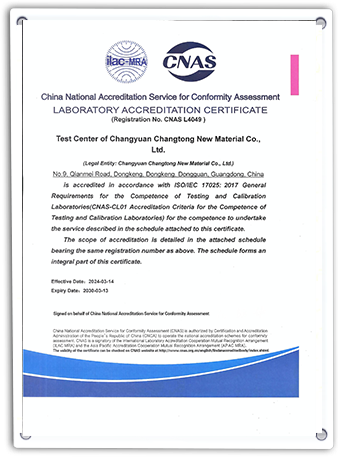
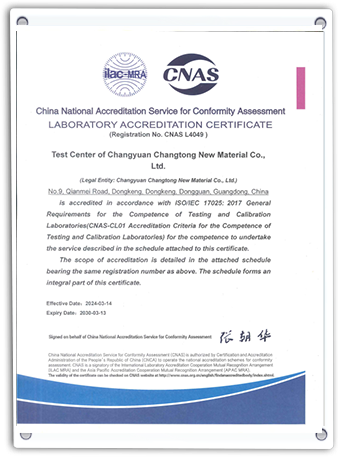
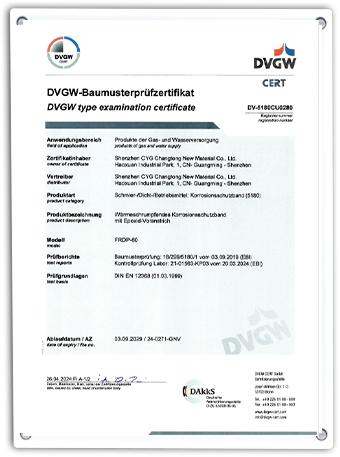
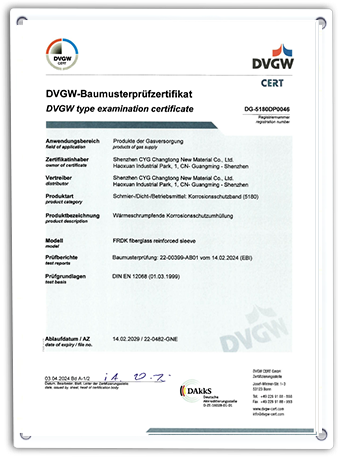
Engineering specifications in Muscat, Sohar, and Salalah generally mirror rigorous ISO 21809-3 and EN 12068 standards. Our materials are subjected to extreme test programs at our national CNAS laboratory, demonstrating high resistance to thermal aging, chemical immersion, indentation, and cathodic disbondment up to temperatures matching maximum pipeline designs.
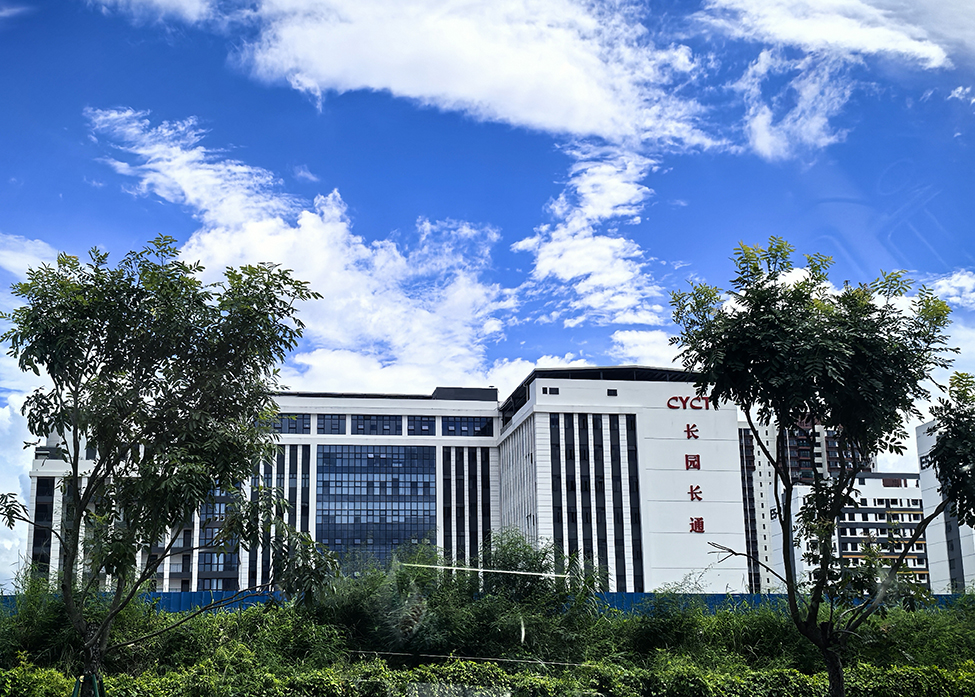
Founded in 2000, CYCT is a state-level high-tech enterprise integrating R&D, manufacturing, and global pipeline field joint services.
CYCT New Materials Company Limited (for short, CYCT) is a state-level high-tech enterprise integrating R&D, production and sales of pipeline corrosion protection materials as well as buried pipeline detection service and pipeline coating field application service into one. CYCT devotes itself to R&D, production and sales of pipeline corrosion protection materials for decades.
CYCT owns leading testing and R&D capabilities, a professional R&D team, and a national CNAS-accredited laboratory. CYCT becomes the stable supplier of field joint coating for years in PetroChina, Sinopec, PipeChina and local pipelines and has a very high market share. Furthermore, CYCT has successfully developed and introduced a number of specialty corrosion protection materials such as visco-elastic anticorrosion materials, special photo-curing sleeve for HDD protection and polyurea coating.
By good cooperation with leading R&D institutes such as CNPC Pipeline Science Research Institute, CYCT is capable to provide in-service pipelines with varied technical services such as buried pipeline detection, design schemes, cathodic protection, rehabilitation projects, and integrated safety solutions.
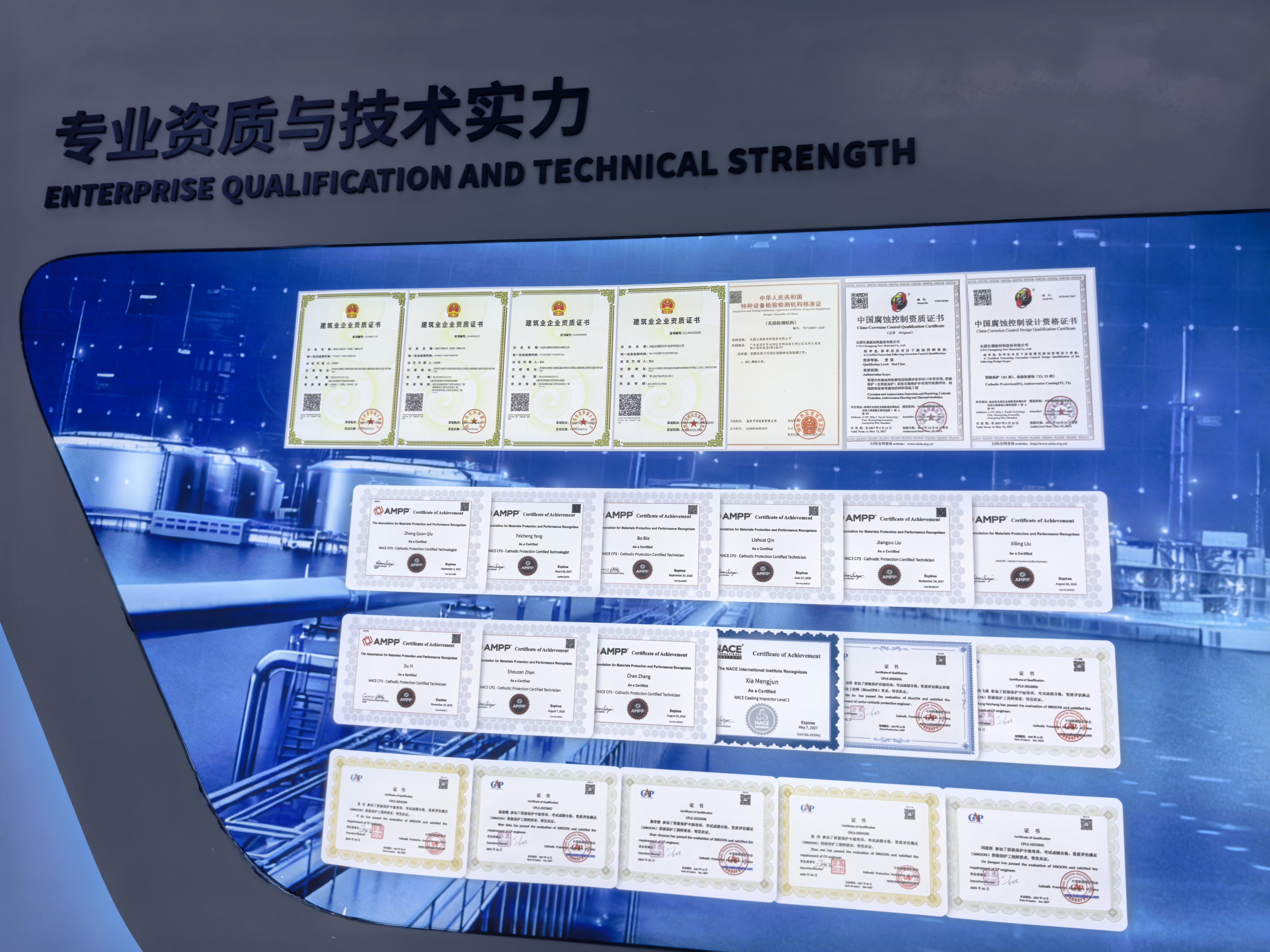
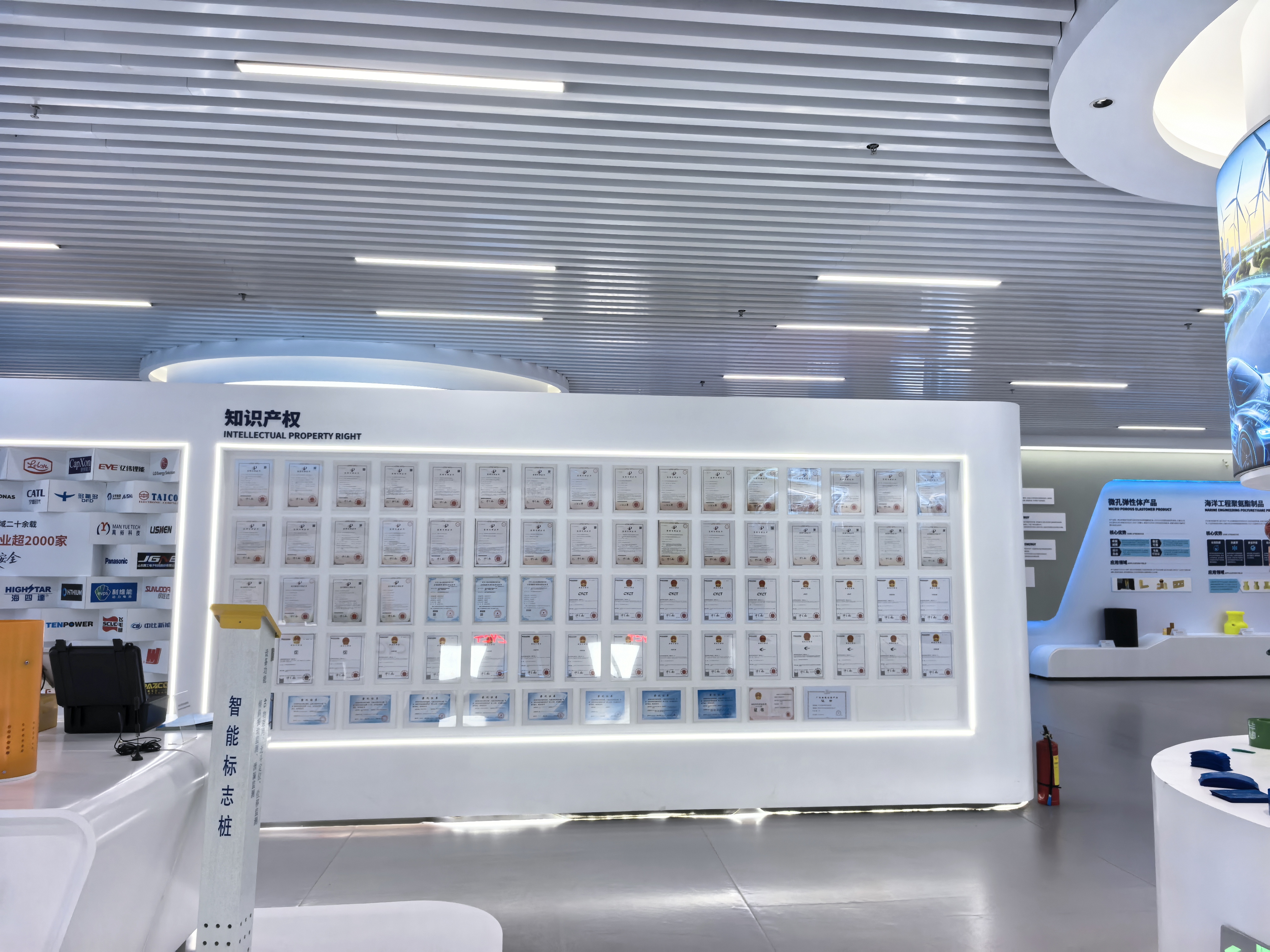
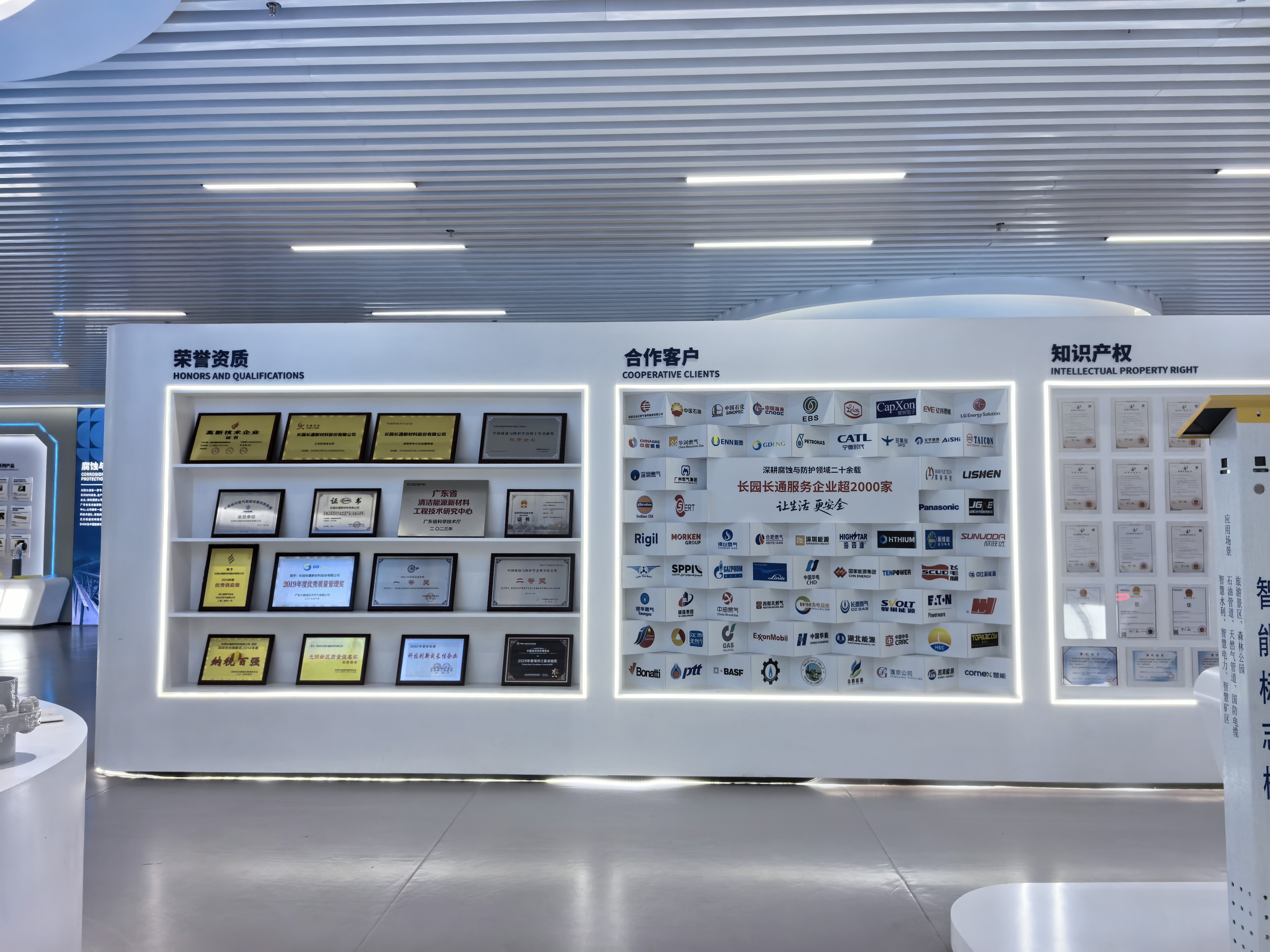
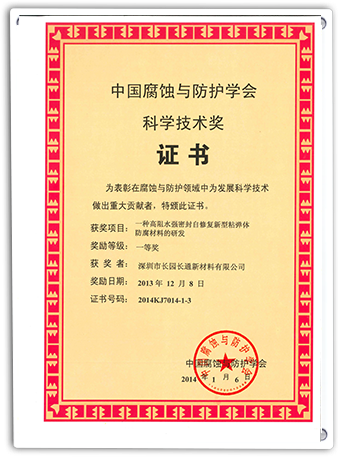
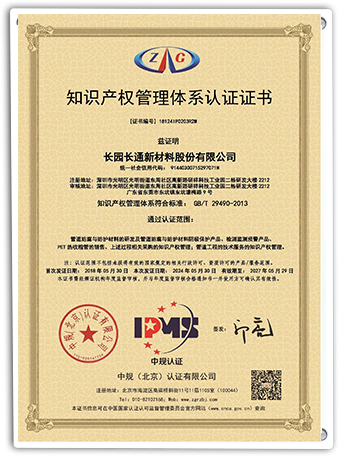
Member of Council in Chinese Society for Corrosion and Protection (CSCP), Qualification Certificate of Corrosion Protection Construction, Qualification Certificate of Pipeline Detection, Well-known Brand of Pipeline Corrosion Protection in China, Corporate Member of China Association of Petroleum Engineering Construction (CAPEC), State-Level High-Tech Enterprise with more than ten proprietary intellectual property rights. Stable supplier of PetroChina, Stable supplier of Sinopec, Stable supplier of China Gas Group, Supplier of Indian Oil.
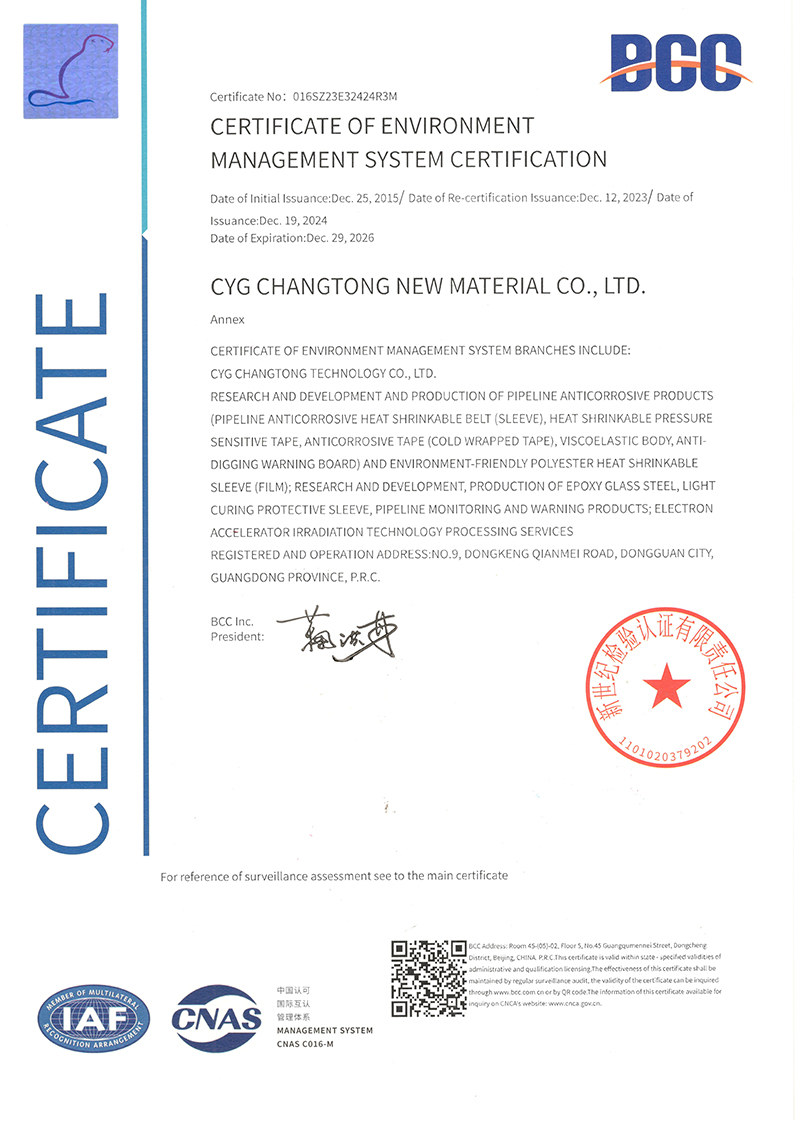
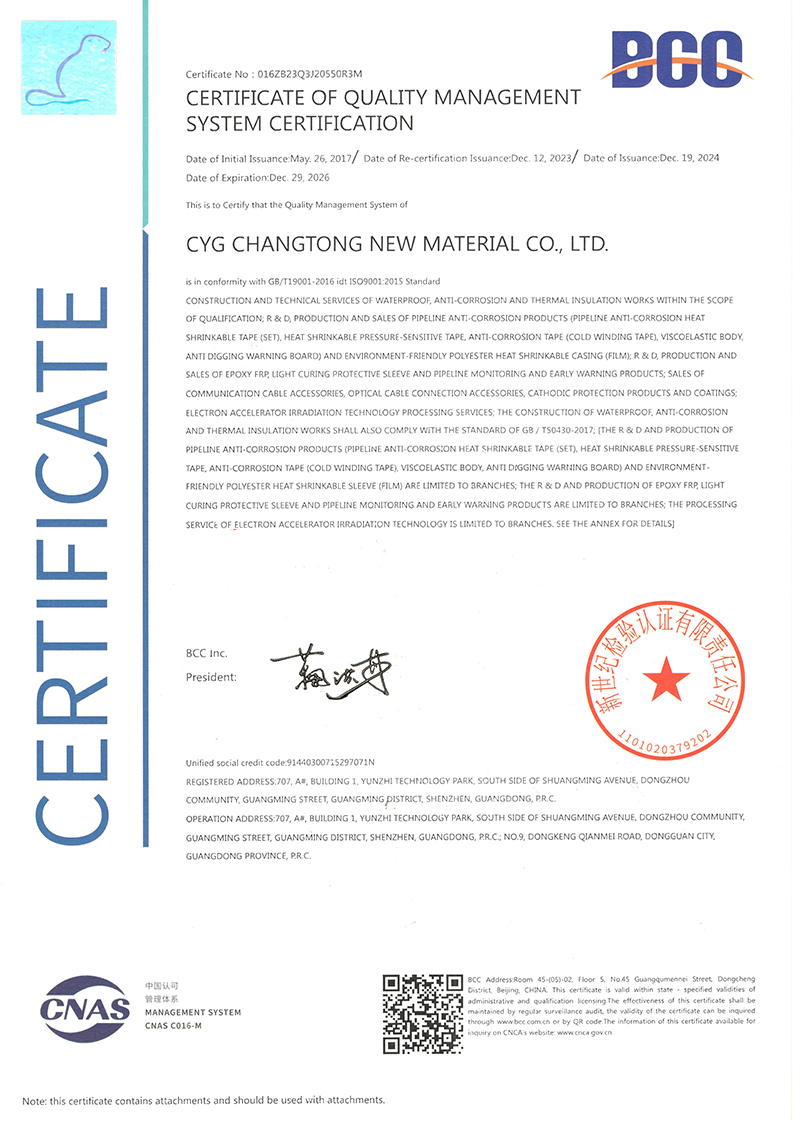
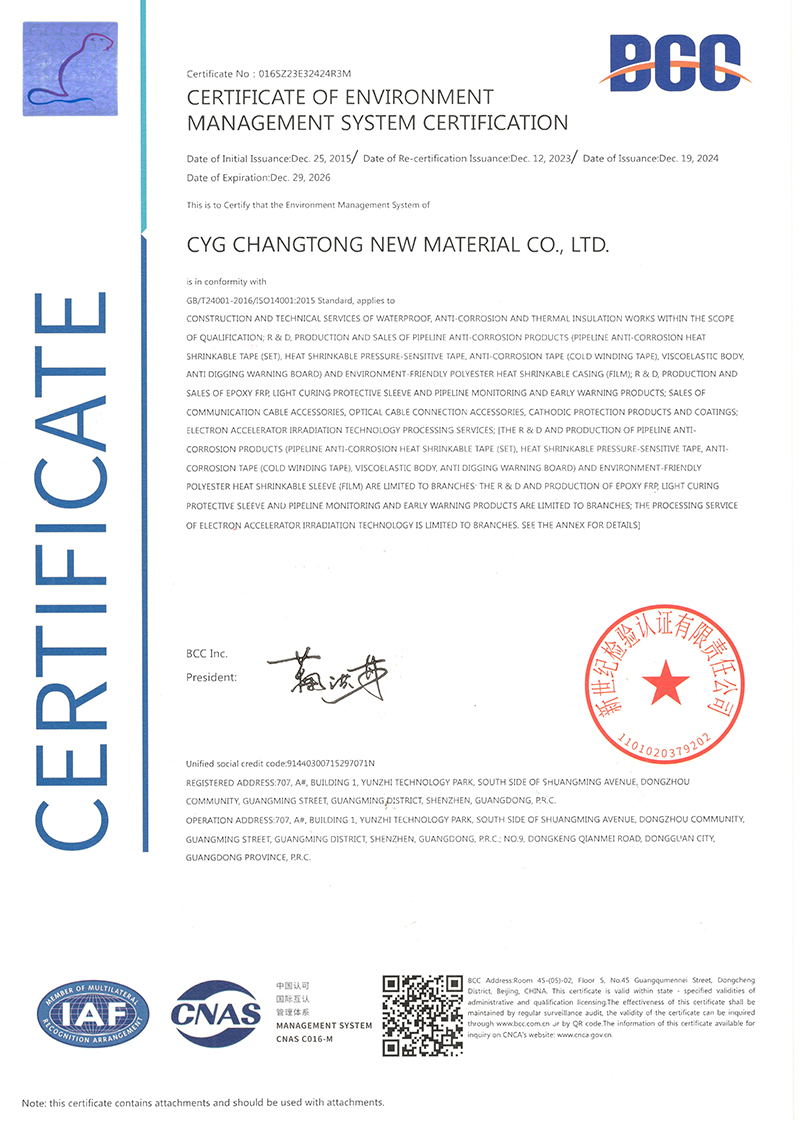
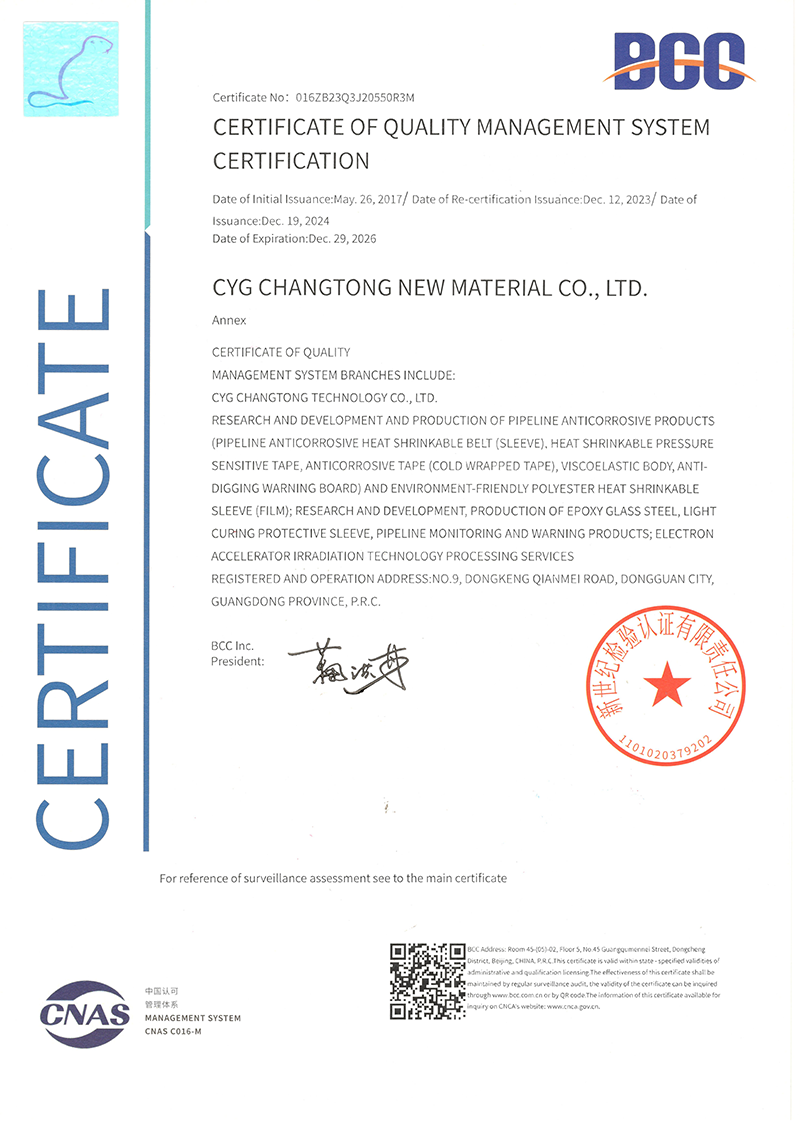
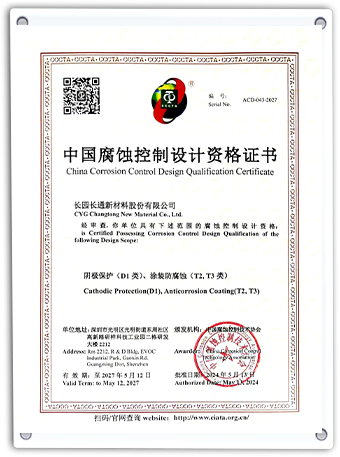
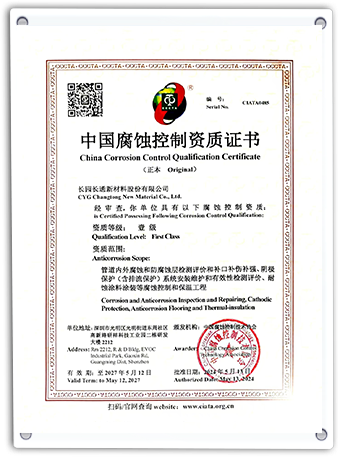
Ensuring field joint integrity in harsh GCC conditions according to local engineering specifications.
Steel surface must be sand or grit-blasted to Sa 2.5 cleanliness with an anchor profile of 50-80 microns. Contaminants such as salt deposits, oil, and moisture must be completely eliminated. Preheating the area to 60-70°C using an induction coil or propane torch is crucial in the humid coastal zones of Oman.
The FRDM mastic heat shrink sleeve is wrapped around the dry, pre-heated field joint, ensuring a minimum 50mm overlap onto the adjacent mill-applied pipe coating (typically 3LPE or FBE). Use a closure patch to secure the sleeve seam flatly before starting the shrinking process.
Using a propane torch (or infrared heating system), heat the sleeve from the center outwards to push out air pockets. Shrinkage is complete when the sleeve conforms perfectly to the joint shape and a smooth bead of mastic adhesive is squeezed out at both sleeve borders.
Once cooled down to ambient temperature, the wrapped joint is tested using a high-voltage holiday detector (typically set at 15-25kV) to ensure a complete dielectric seal. Visual checks should verify uniform shrink profile, absence of air voids, and proper overlap adhesion.
Helping procurement and corrosion engineers find immediate, expert answers for pipeline design specs.
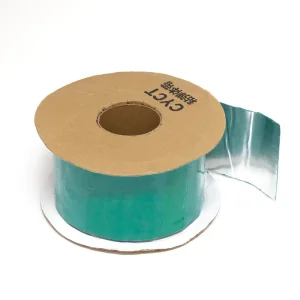
Full catalog of pipeline tape, viscoelastic systems, heat shrinkable materials, and pipeline repair solutions.
Get in touch with our engineering and commercial teams to discuss custom sizes, certification approvals, and bulk pricing schedules for Oman and GCC energy networks.
 CYCT
CYCT