Explore our industrial grade anti-corrosion, heat shrinkable sleeves, and cold-applied tapes designed to protect modern pipeline infrastructures.
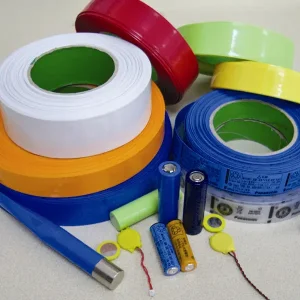
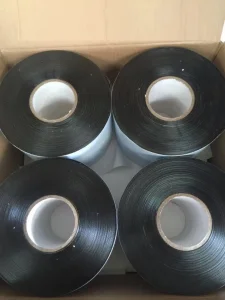
An in-depth study of pipeline shielding, global commercial demand, and the chemical composition of superior barrier systems.
In the modern era of energy, municipal, and chemical transportation, pipeline integrity stands as a fundamental pillar of global industrial growth. Millions of miles of steel pipelines cross harsh terrains, marine environments, and acidic soils. According to estimations by the Association for Materials Protection and Performance (AMPP), corrosion costs the global economy over $2.5 trillion annually.
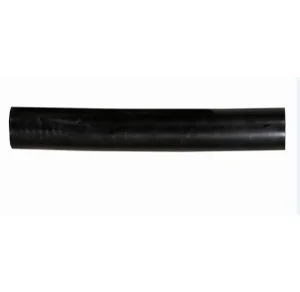
A vital component in mitigating these risks is the weatherproof heat shrinkable sleeve and cold-applied coating systems. As pipelines expand across extreme geographies—such as the sub-zero fields of Siberia, the scorching deserts of the Middle East, or heavy-duty subsea installations—the demand for high-performance protection is skyrocketing. Global utilities, oil and gas conglomerates, and infrastructure contractors require highly reliable, factory-tested protective barriers that prevent moisture, salt, oxygen, and acidic elements from coming into contact with steel pipeline substrates.
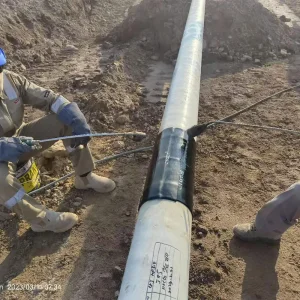
Historically, simple bitumen or generic plastic wraps were used for pipe jointing. Modern standards (such as ISO 21809-3 and EN 12068) dictate that field joint coatings must exhibit mechanical resistance, chemical stability, and cathodic disbondment resistance comparable to, or exceeding, the parent mill-applied coating (typically 3-layer Polyethylene [3LPE] or 3-layer Polypropylene [3LPP]). Weatherproof sleeves act as the critical outer envelope that seals these joints against moisture ingress and soil stress.
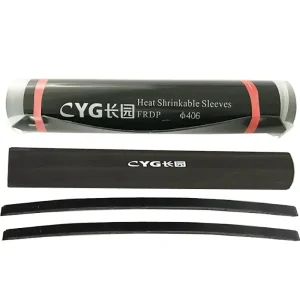
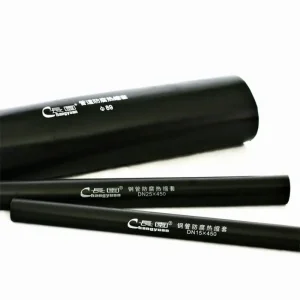
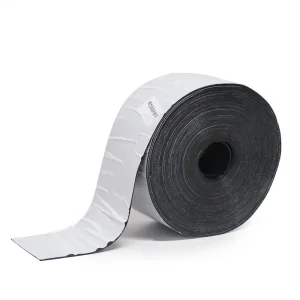
The performance of a high-quality weatherproof sleeve rests upon its chemical and mechanical architecture. These products typically consist of a cross-linked polyolefin backing, coated internally with a specialty hot-melt adhesive or visco-elastic mastic sealant.
During production, the polyolefin backing undergoes electron beam cross-linking. This process converts the linear molecular structure into a stable three-dimensional network. This cross-linked polymer possesses "shape memory." When heated during installation, the backing shrinks tightly around the pipe substrate, while the internal mastic/hot-melt layer melts and flows into all surface irregularities, forming a completely hermetic, void-free bond.
For extreme temperature environments, specialized components such as PP (polypropylene) based heat shrinkable sleeves are formulated. PP sleeves can withstand operating temperatures up to 100°C and above, rendering them ideal for hot oil or deep well-bore pipelines. In contrast, PET shrink tubes provide high dielectric strength and mechanical properties for smaller electrical and mechanical assemblies.
Decades of continuous material science R&D, certified quality systems, and strategic partnerships with industry giants.
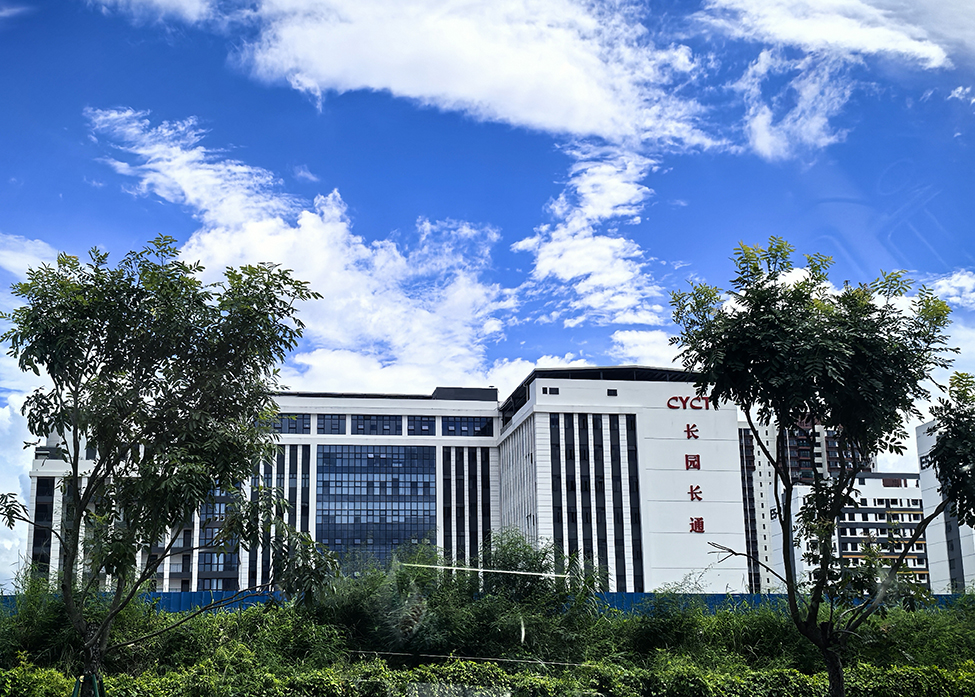
CYCT New Materials Company Limited (for short, CYCT) is a state-level high-tech enterprise integrating R&D, production, and sales of pipeline corrosion protection materials, as well as buried pipeline detection services and pipeline coating field application services into one integrated system. Founded in 2000, CYCT has dedicated itself to the design, testing, and continuous improvement of anti-corrosion materials.
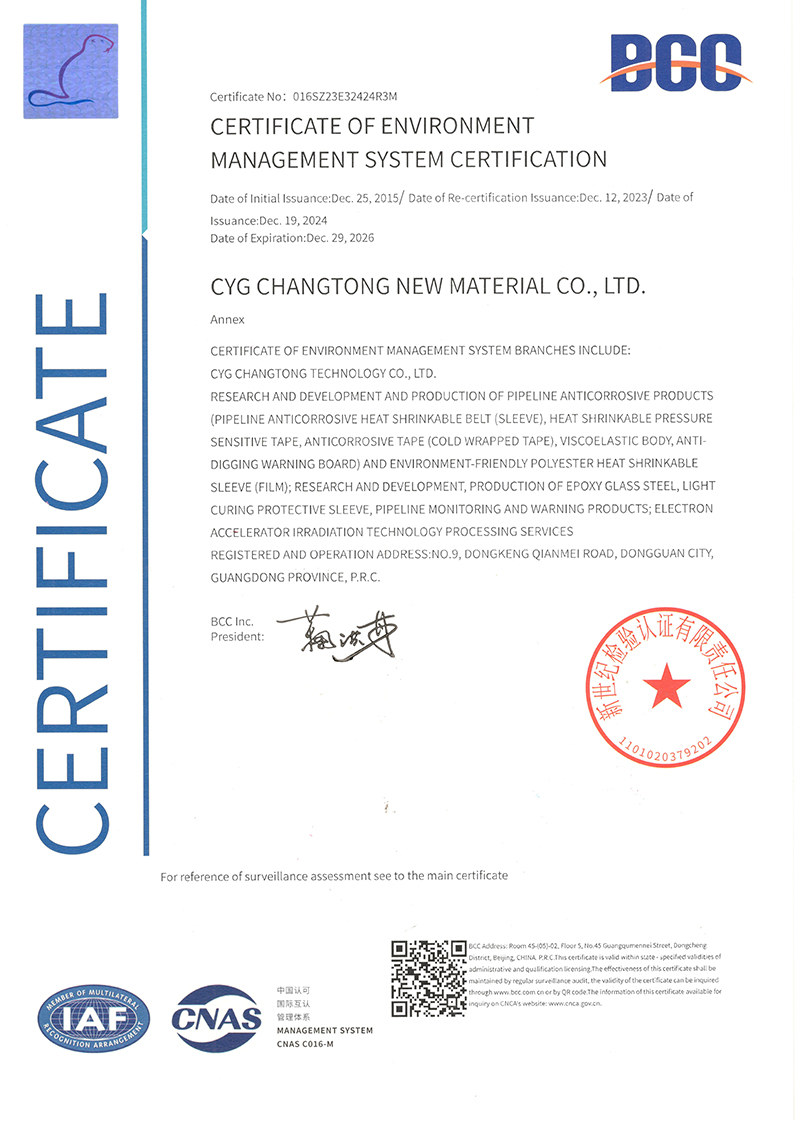
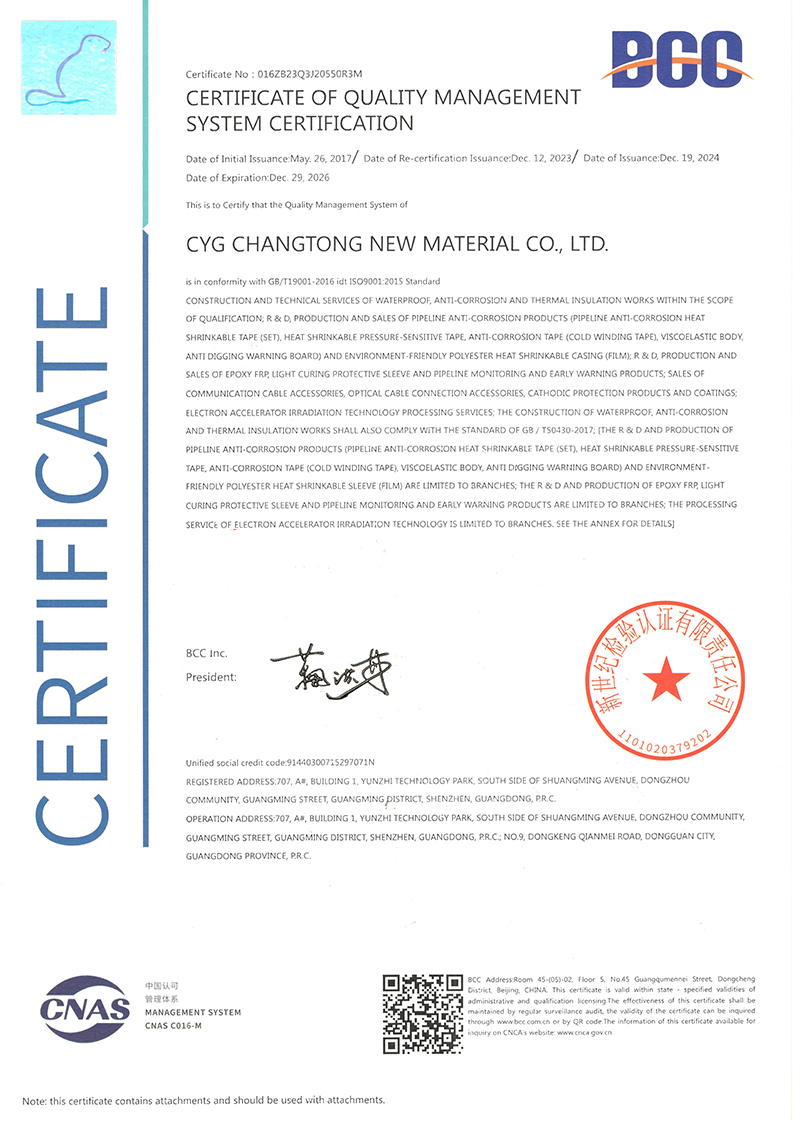
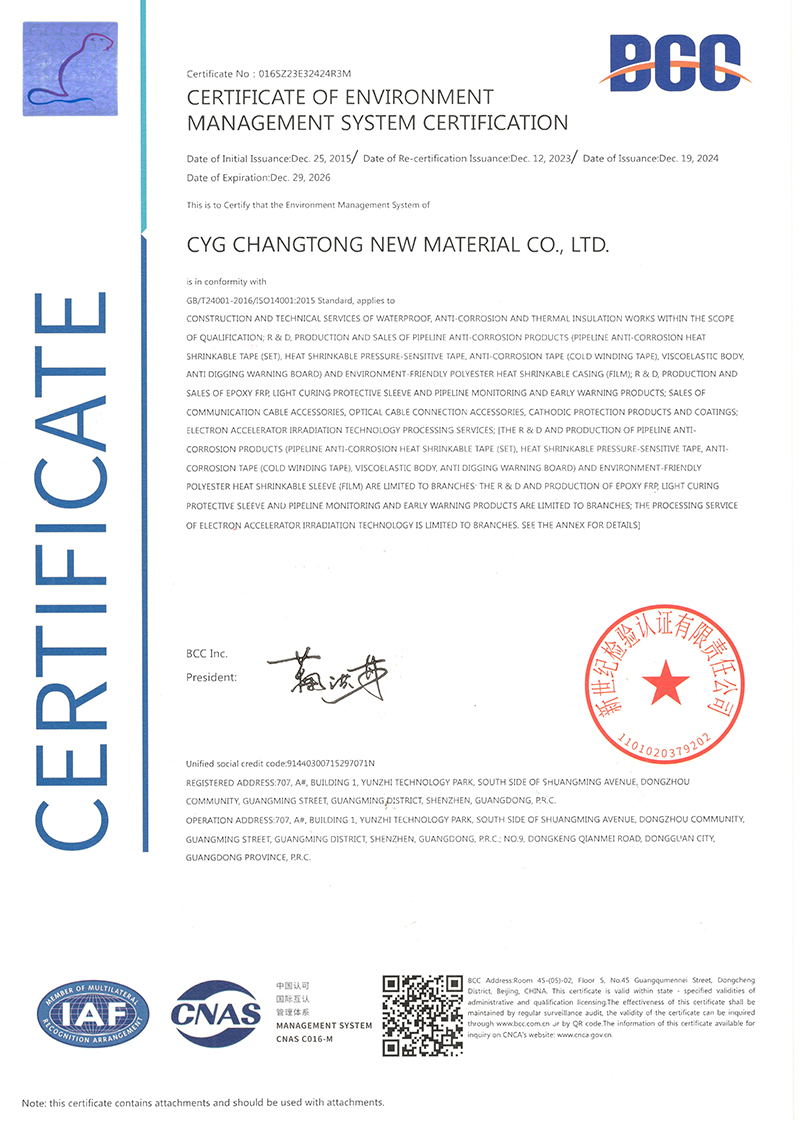
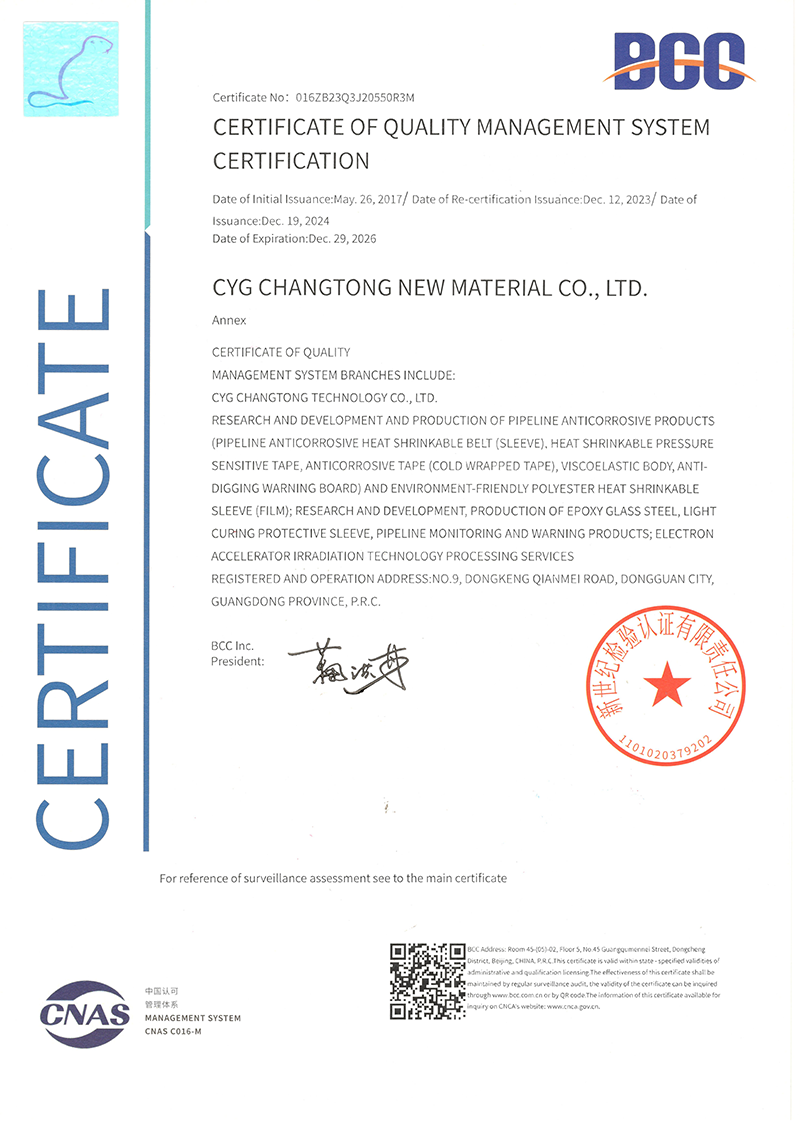
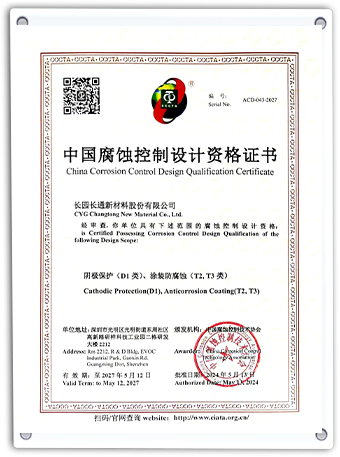
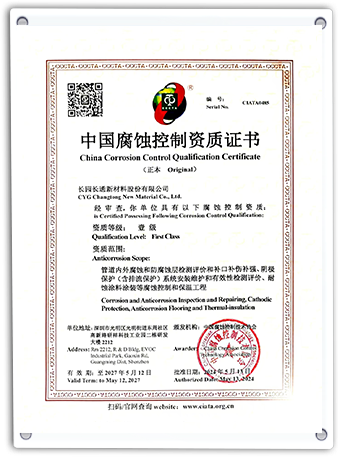
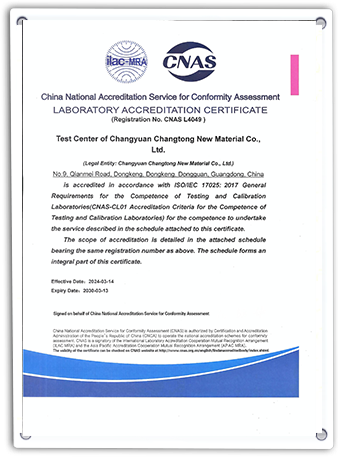
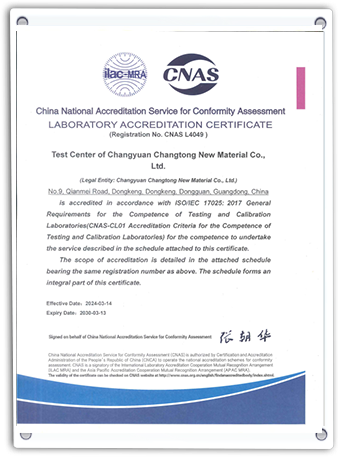
A cornerstone of our corporate reliability is our national CNAS-accredited laboratory, which provides peerless R&D testing and quality validation capabilities. Thanks to strategic cooperation with leading R&D institutes such as the CNPC Pipeline Science Research Institute, CYCT is capable of providing in-service pipelines with varied technical services, including cathodic protection, rehabilitation schemes, buried pipeline detection, and custom-designed protective solutions.
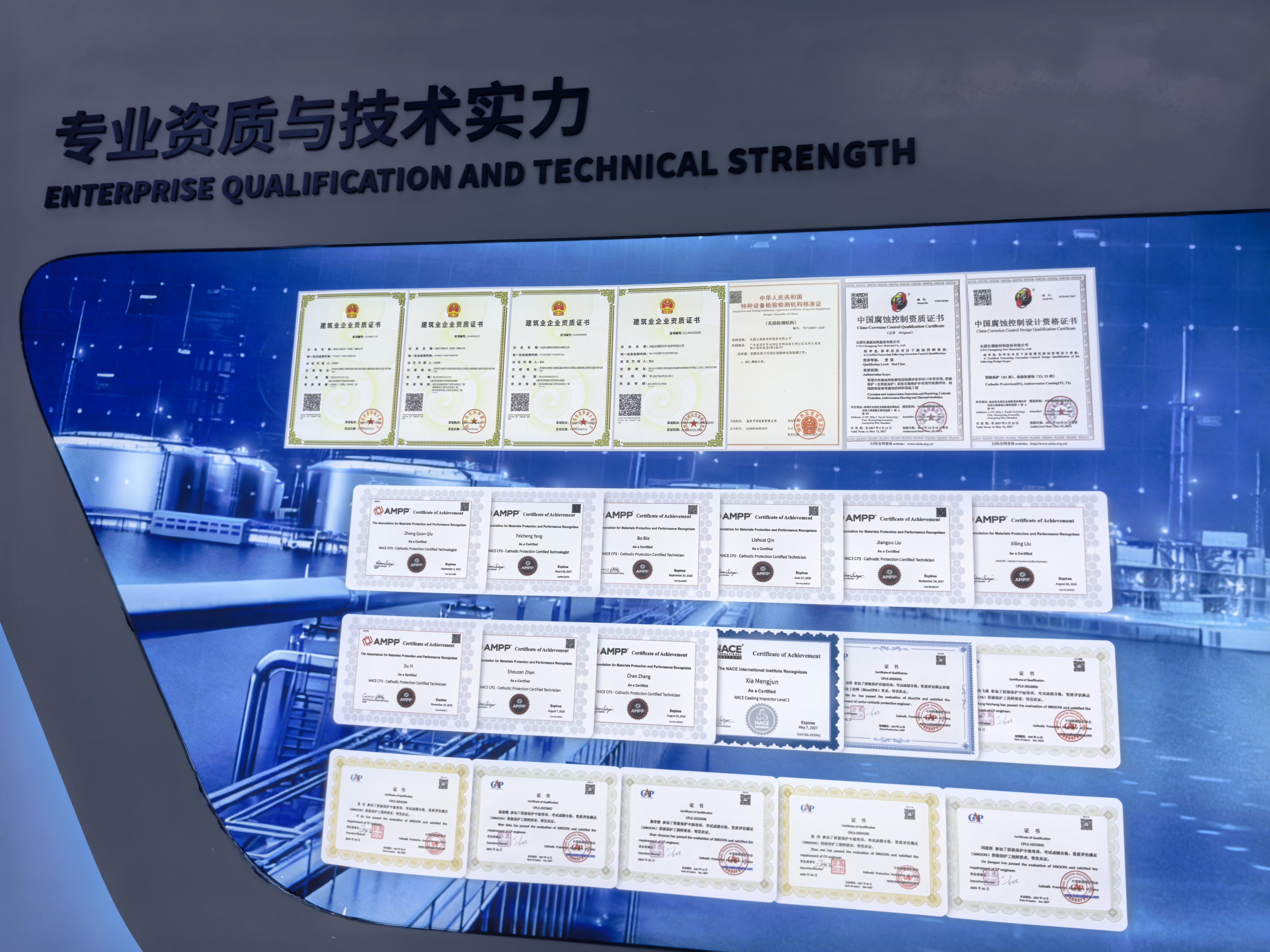
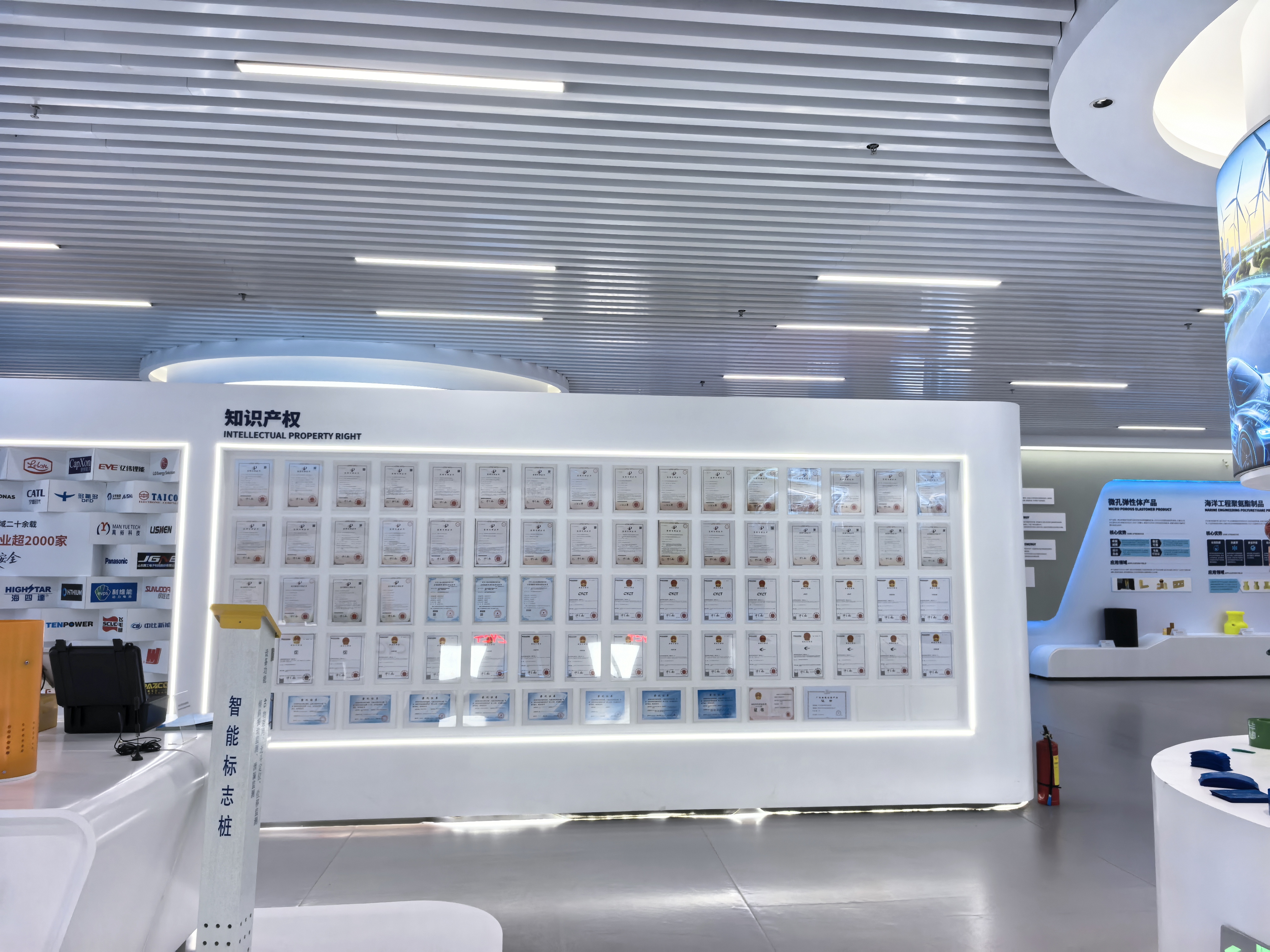
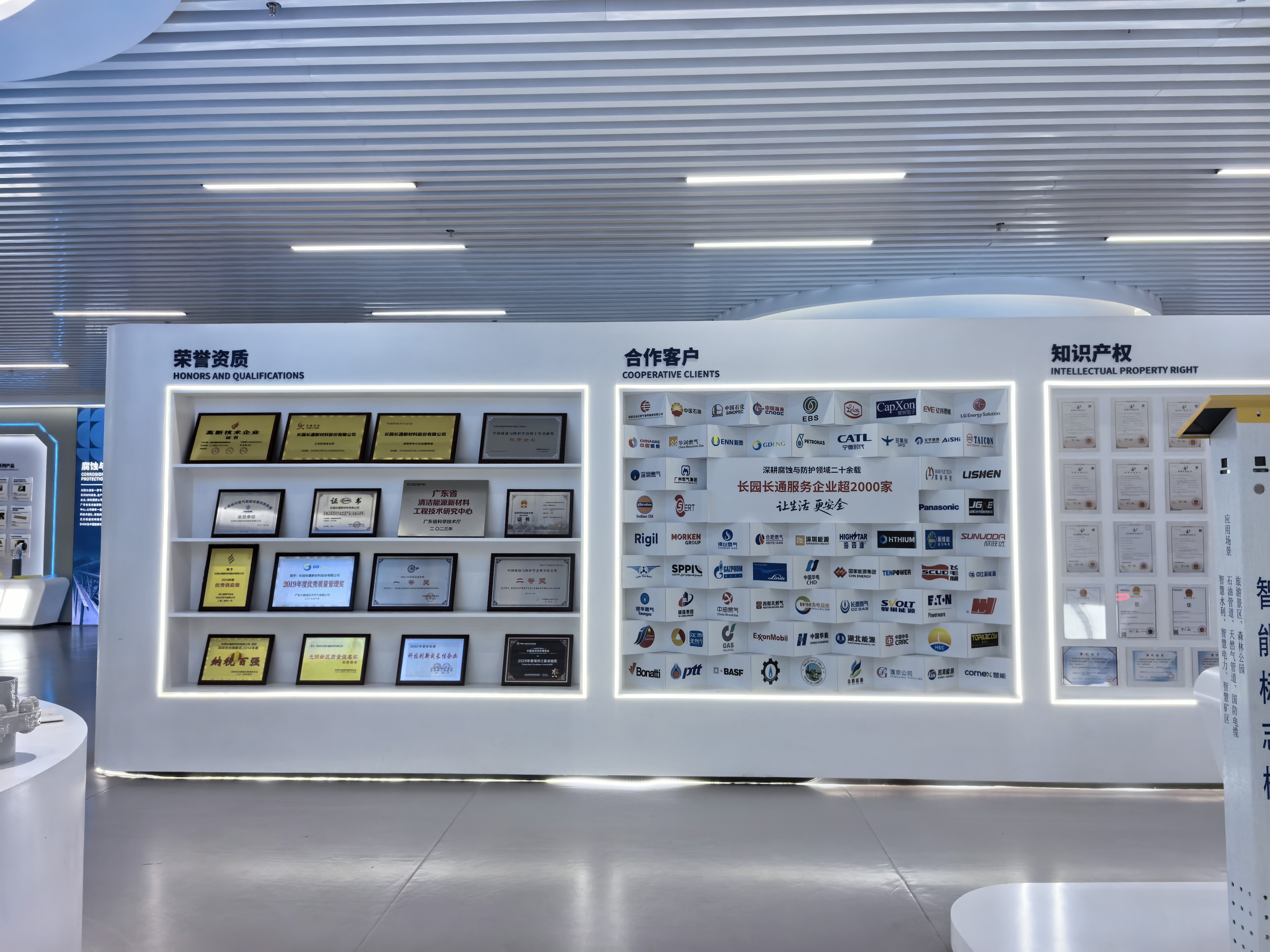
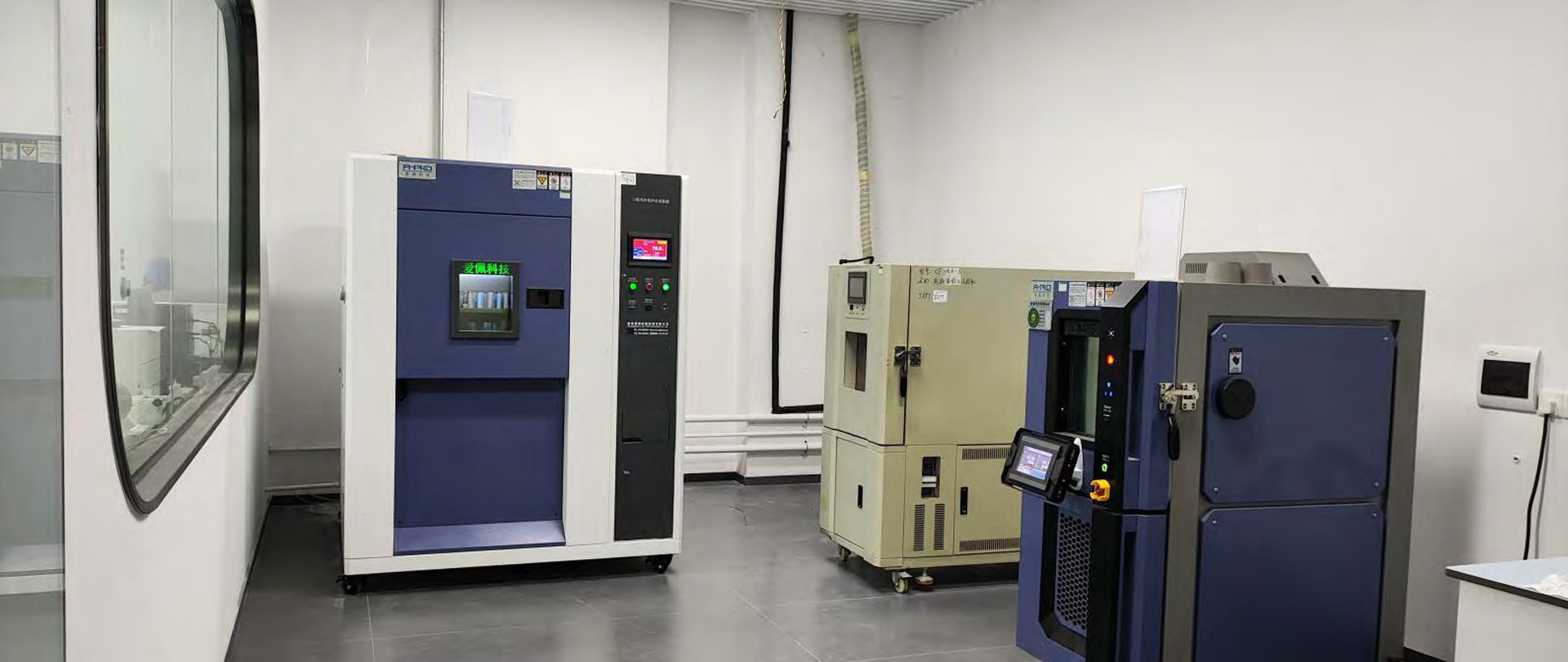
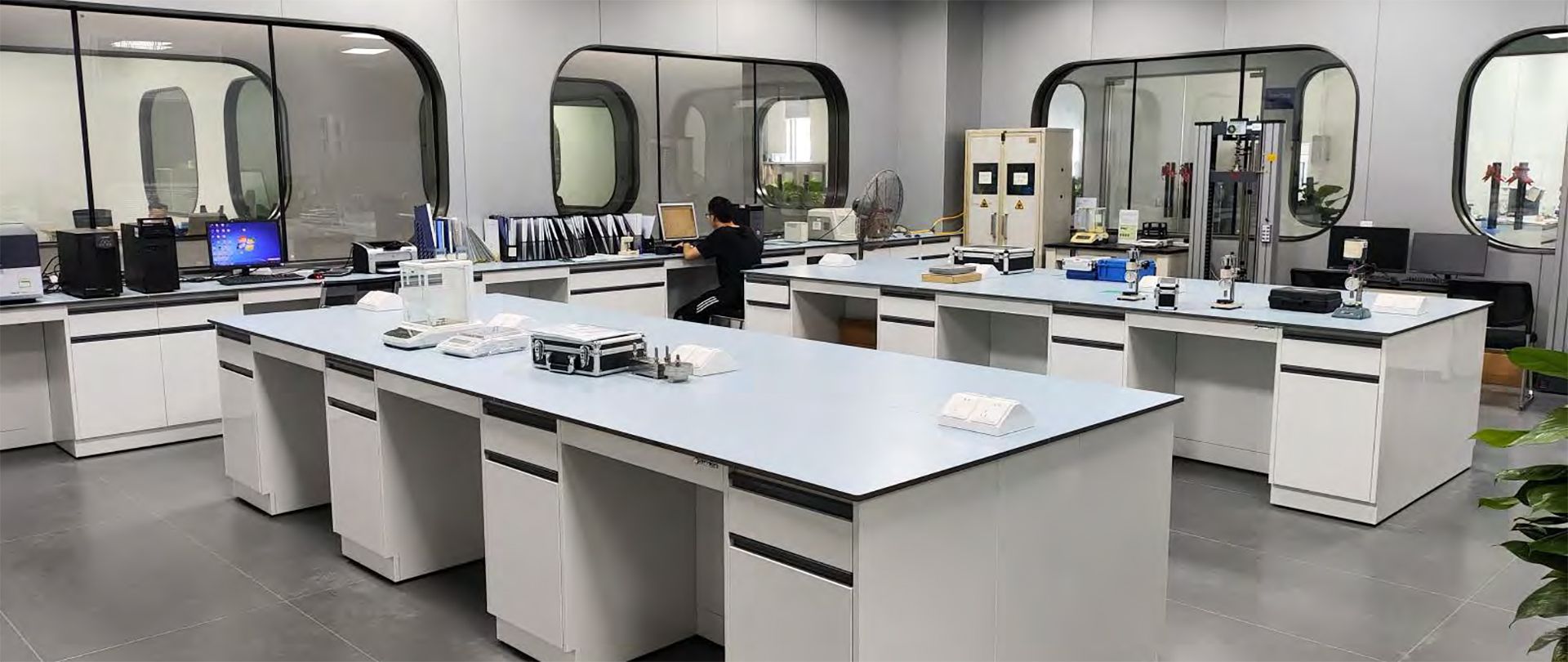
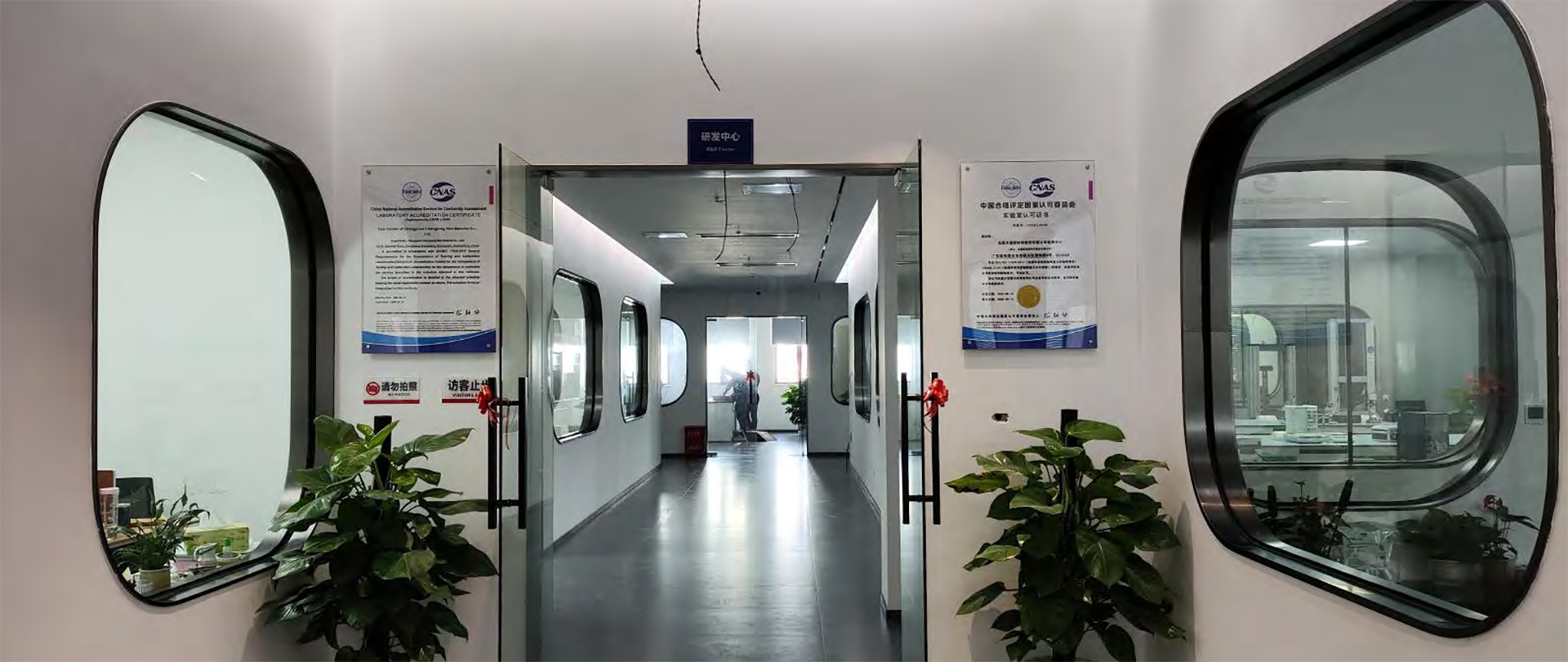
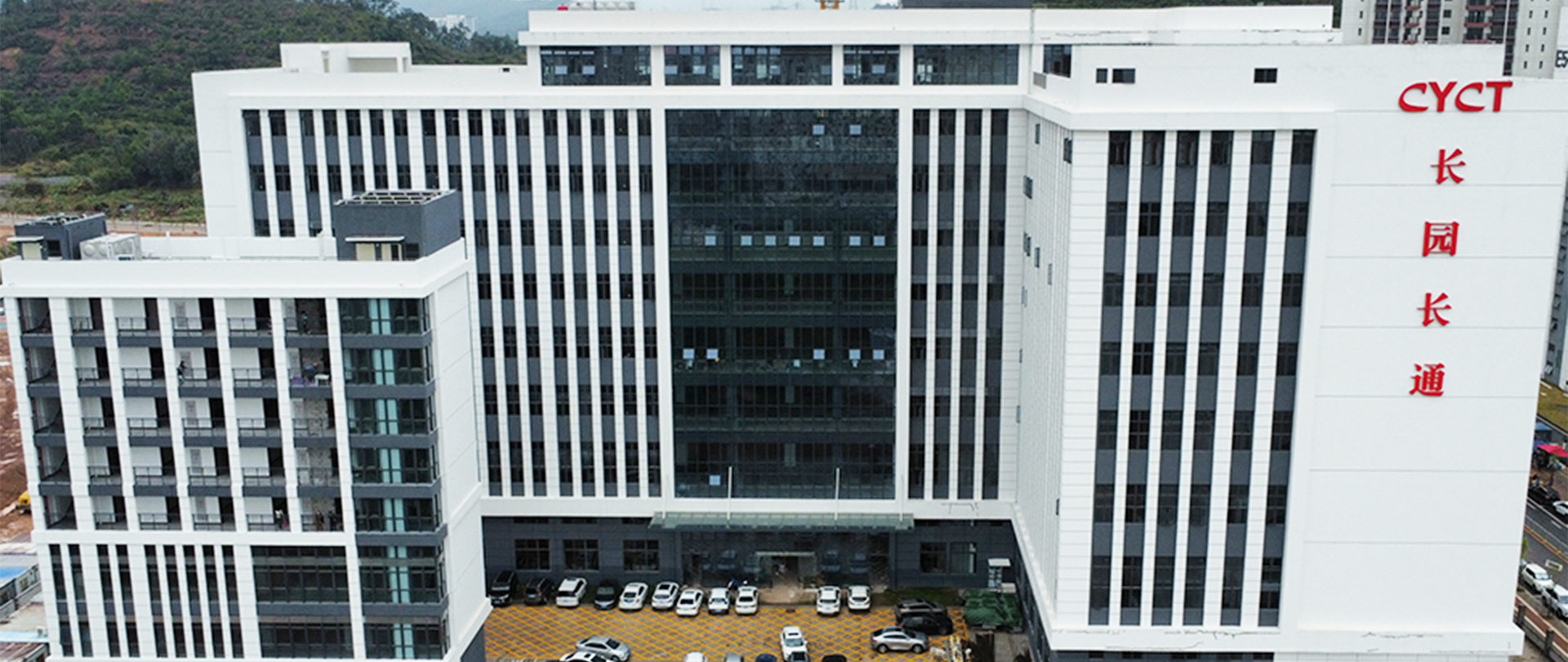
Over the years, CYCT has established itself as a stable supplier of field joint coatings for PetroChina, Sinopec, PipeChina, Indian Oil, and local pipeline operators worldwide. As a council member of the Chinese Society for Corrosion and Protection (CSCP) and a corporate member of the China Association of Petroleum Engineering Construction (CAPEC), we uphold the highest international industrial benchmarks.
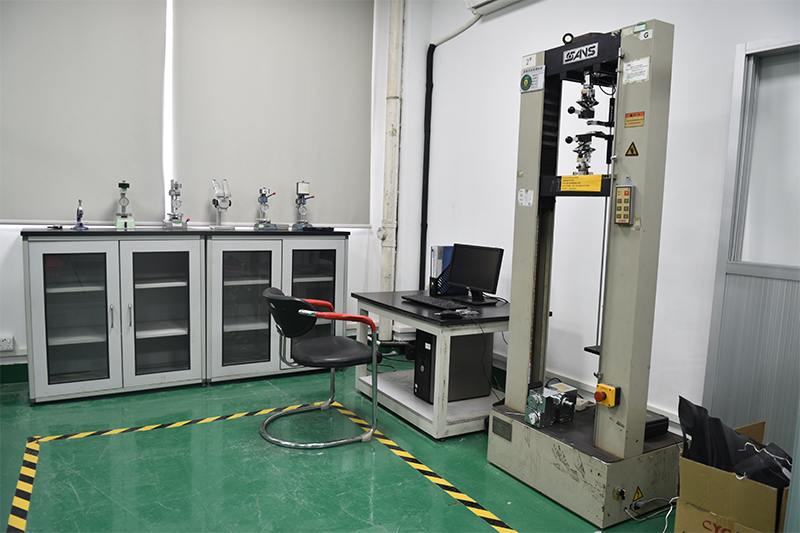
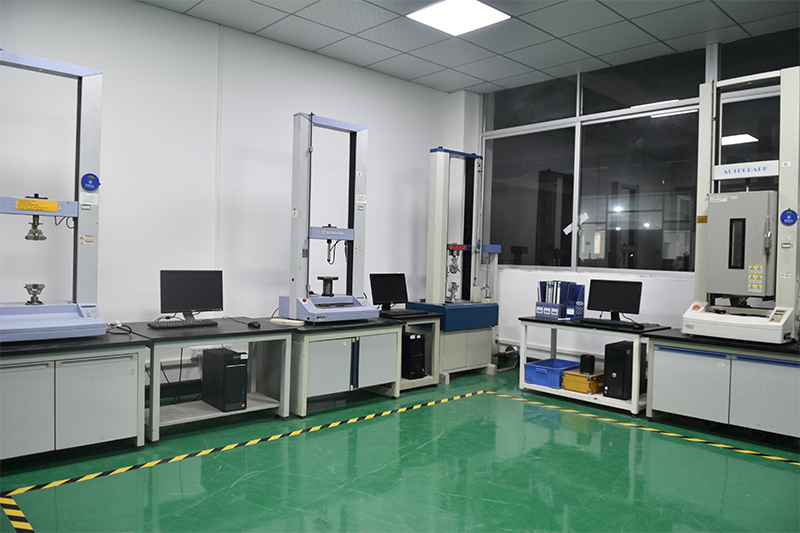
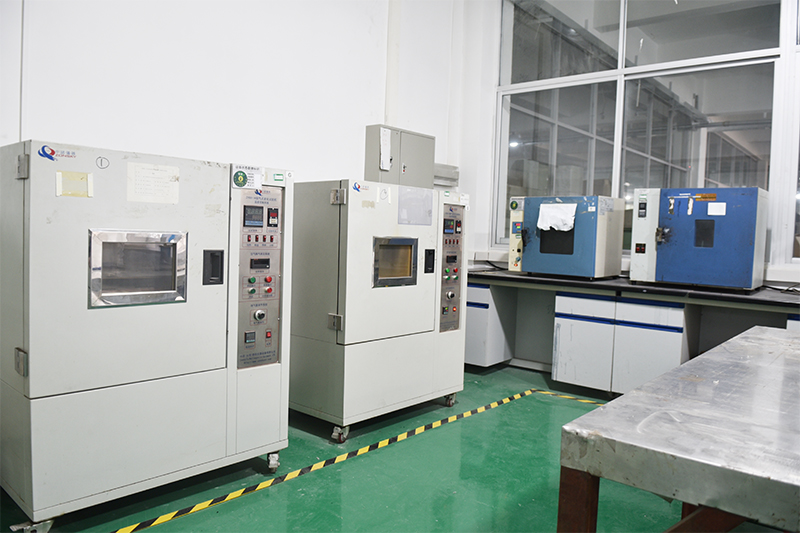
Our commitment to quality is backed by various international standards, product audits, and official state patents, ensuring absolute confidence in every industrial purchase.
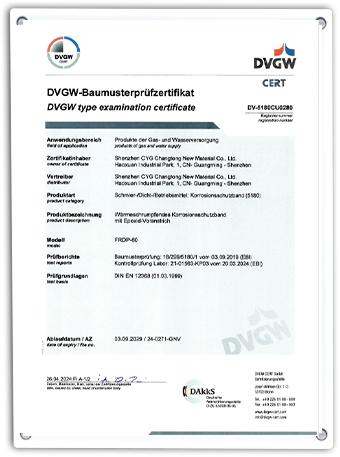
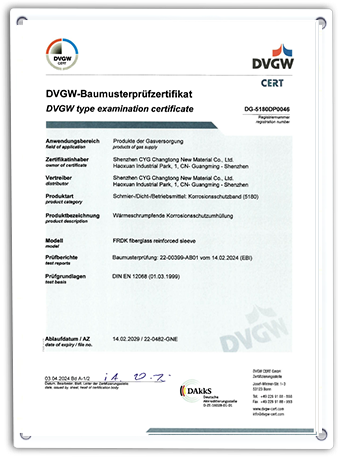
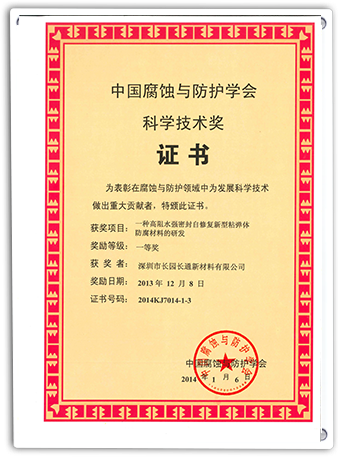
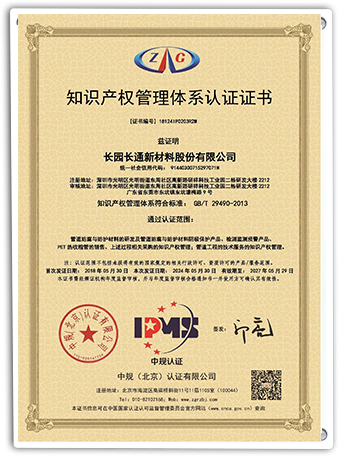
Why domestic production efficiency coupled with state-of-the-art polymer science provides high-yield, cost-effective solutions globally.
China’s industrial infrastructure provides a significant competitive advantage for global pipeline projects. Due to raw material localization (PE/PP polymers, masterbatch pigments, specialized hot-melt adhesives, viscoelastic matrices) and highly integrated chemical production zones, Chinese factories deliver massive economies of scale.
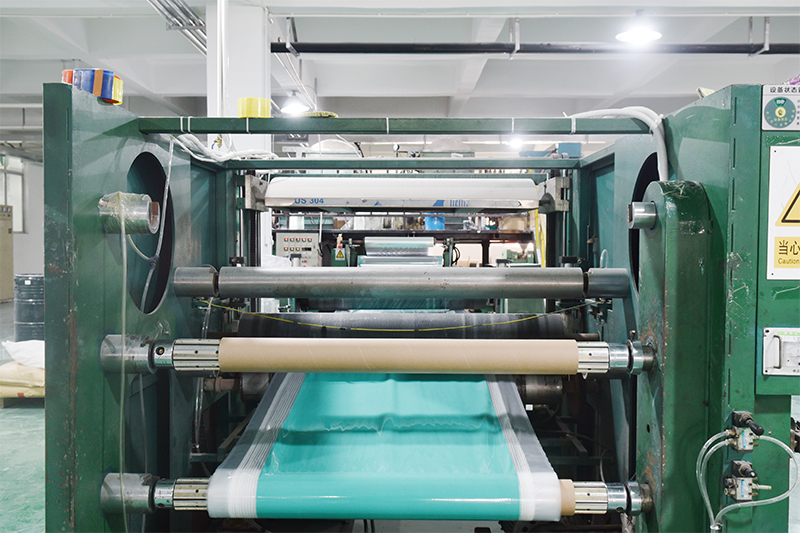
At CYCT, this advantage manifests as a complete in-house manufacturing process. From polyolefin extrusion and radiation cross-linking to custom adhesive formulation and compounding, every step is controlled. This eliminates third-party reliance, resulting in short lead times, precise batch consistency, and significant cost savings. The savings are directly passed on to procurement teams globally without compromising mechanical performance or anti-corrosion properties.
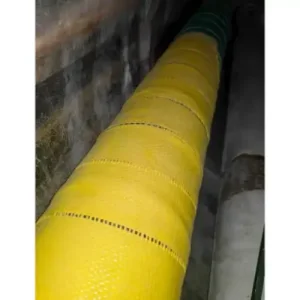
Weatherproof sleeves are engineered to excel in distinct operational settings:
Technical guidance for asset owners, EPC consultants, and QA/QC procurement managers.
Procuring pipeline protective sleeves requires strict adherence to international engineering criteria. When selecting an OEM partner, procurement teams must verify that the products conform to standards such as ISO 21809-3, DIN 30672, and EN 12068. Critical factors for long-term pipeline design life include:
Peel strength to steel and mill-applied PE/PP substrates is tested under various temperatures to ensure the adhesive resists mechanical soil stresses.
Essential for systems with active cathodic protection. Low CD values prevent the corrosion barrier from detaching when current flows through the pipe.
Thermal stability of the adhesive determines the maximum continuous operating temperature (e.g., up to 85°C for specialized PE and 110°C for PP systems).
The pipeline protection market is shifting towards smarter, environmentally sustainable materials. Future pipelines will integrate optical fiber sensors beneath the weatherproof sleeves to detect moisture and stress in real-time. Correspondingly, manufacturers are developing bio-degradable adhesive additives and ultra-low preheat wraparound sleeves to reduce installation energy requirements. CYCT remains at the forefront of this evolution, utilizing our CNAS testing facility to design the next generation of smart viscoelastic coatings.
Technical guidance from CYCT’s senior engineers on installation, selection, and long-term storage.
Explore our heavy-duty repair patches, moisture-curing composite shields, and high-temperature repair adhesives.
 CYCT
CYCT