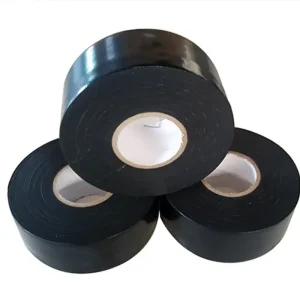
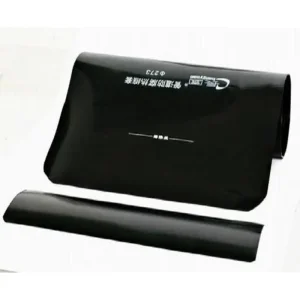
Explore our range of pipeline corrosion protection products, custom-engineered for extreme industrial environments and validated by international industry standards.
In modern pipeline engineering, mechanical degradation and corrosion present multi-billion dollar threats to midstream assets and global infrastructure. Traditional coating methods, while widely used, often fall short when subjected to thermal expansion, mechanical shifting, and moisture ingress. Viscoelastic fillers and putties have emerged as the premier engineering answer to these challenges, providing an impermeable barrier with unique physical behaviors.
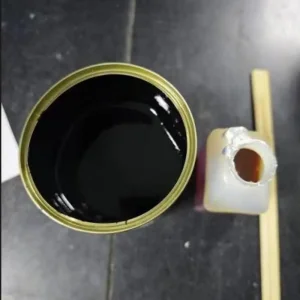
Viscoelastic materials represent a distinct class of amorphous apolar polymers that simultaneously exhibit both viscous fluid and elastic solid characteristics. When applied to a steel substrate, a viscoelastic filler flows easily into microscopic anchor patterns (its viscous nature) while maintaining an elastic internal cohesive strength. This behavior prevents moisture, oxygen, and electrolytes from ever contacting the steel surface, establishing an exceptionally robust barrier that remains active for decades.
Unlike traditional coatings that rely heavily on chemical bonding or rigid adhesion, viscoelastic anti-corrosion materials rely on continuous physical contact and surface energy dynamics. They are highly valued for their self-healing capabilities, meaning that any minor mechanical puncture or damage will automatically seal over time under the influence of cold flow. This eliminates the risk of under-film corrosion propagation, which is a major point of failure in conventional pipeline protection.
For over two decades, CYCT has operated at the intersection of material science and field performance, providing high-integrity solutions for the world's most demanding pipeline systems.
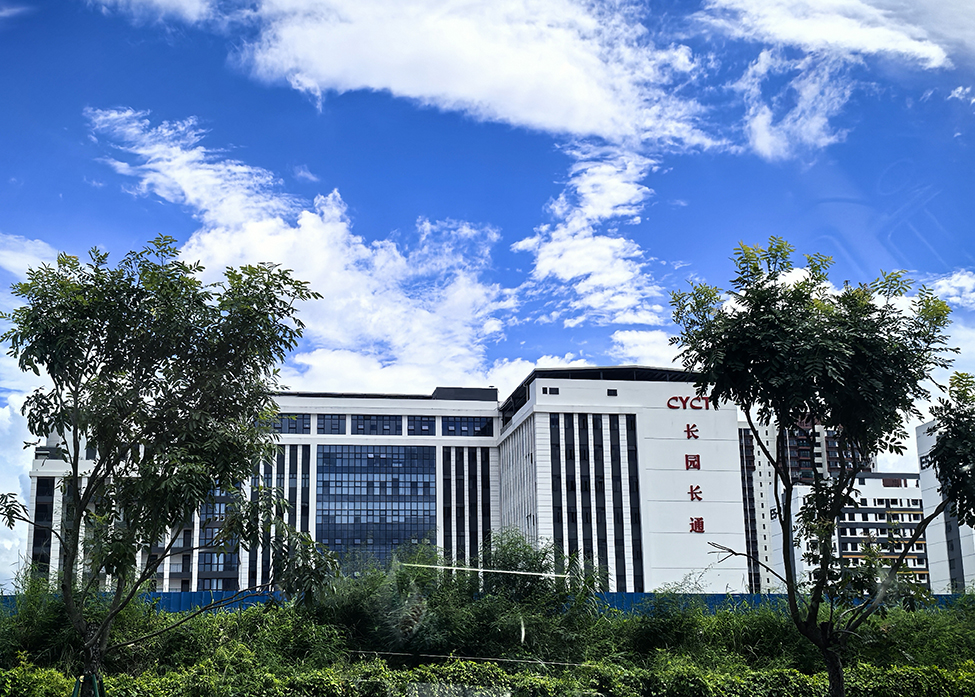
CYCT New Materials Company Limited (for short, CYCT) is a state-level high-tech enterprise integrating R&D, production, and sales of pipeline corrosion protection materials, as well as buried pipeline detection and pipeline coating application services. Founded in 2000, the company has devoted itself to solving the world's toughest pipeline corrosion challenges, maintaining a prominent position in both domestic and international markets.
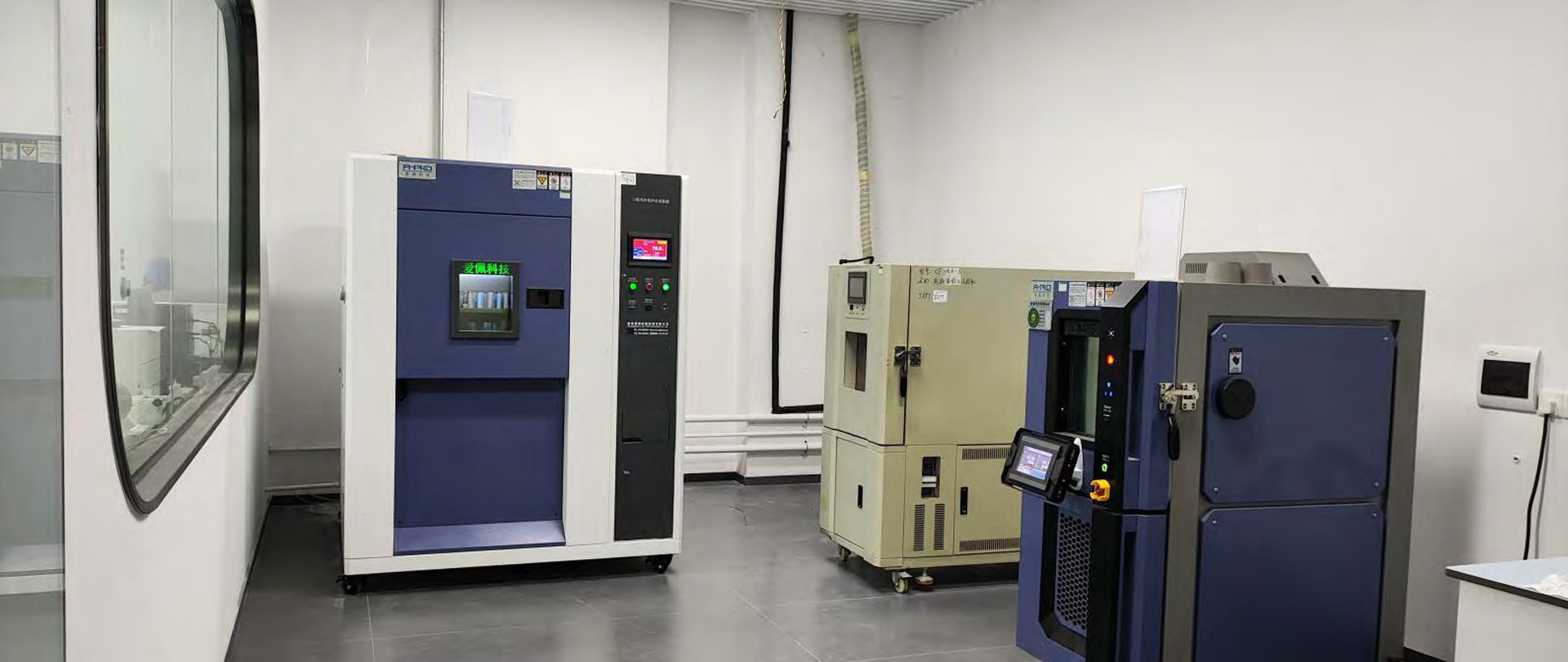
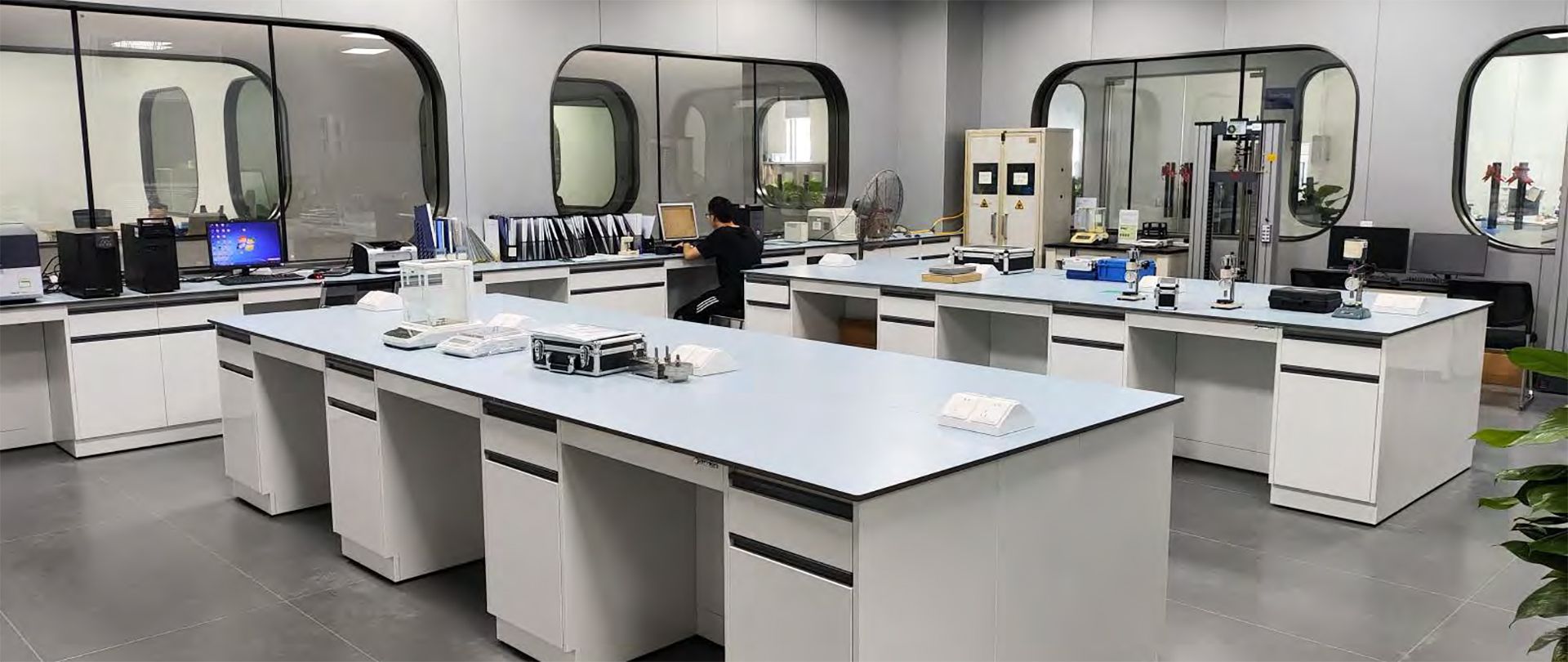
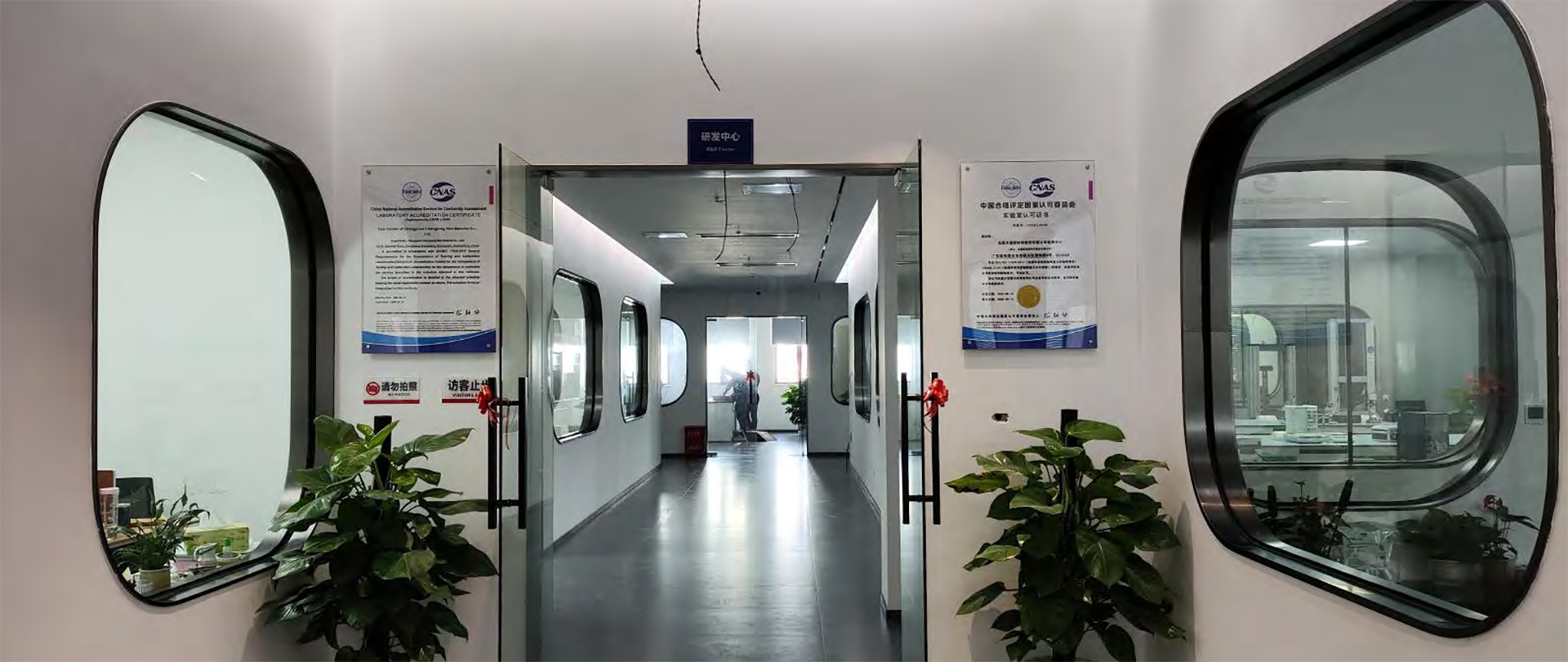
CYCT owns leading testing and R&D capabilities, supported by a professional R&D team and a national CNAS-accredited laboratory. This ensures that every batch of viscoelastic putty, heat shrinkable sleeves, and PE/PP repair systems conforms precisely to strict international quality standards. Our testing covers glass transition temperatures, thermal aging, shear resistance, and water vapor transmission rates.
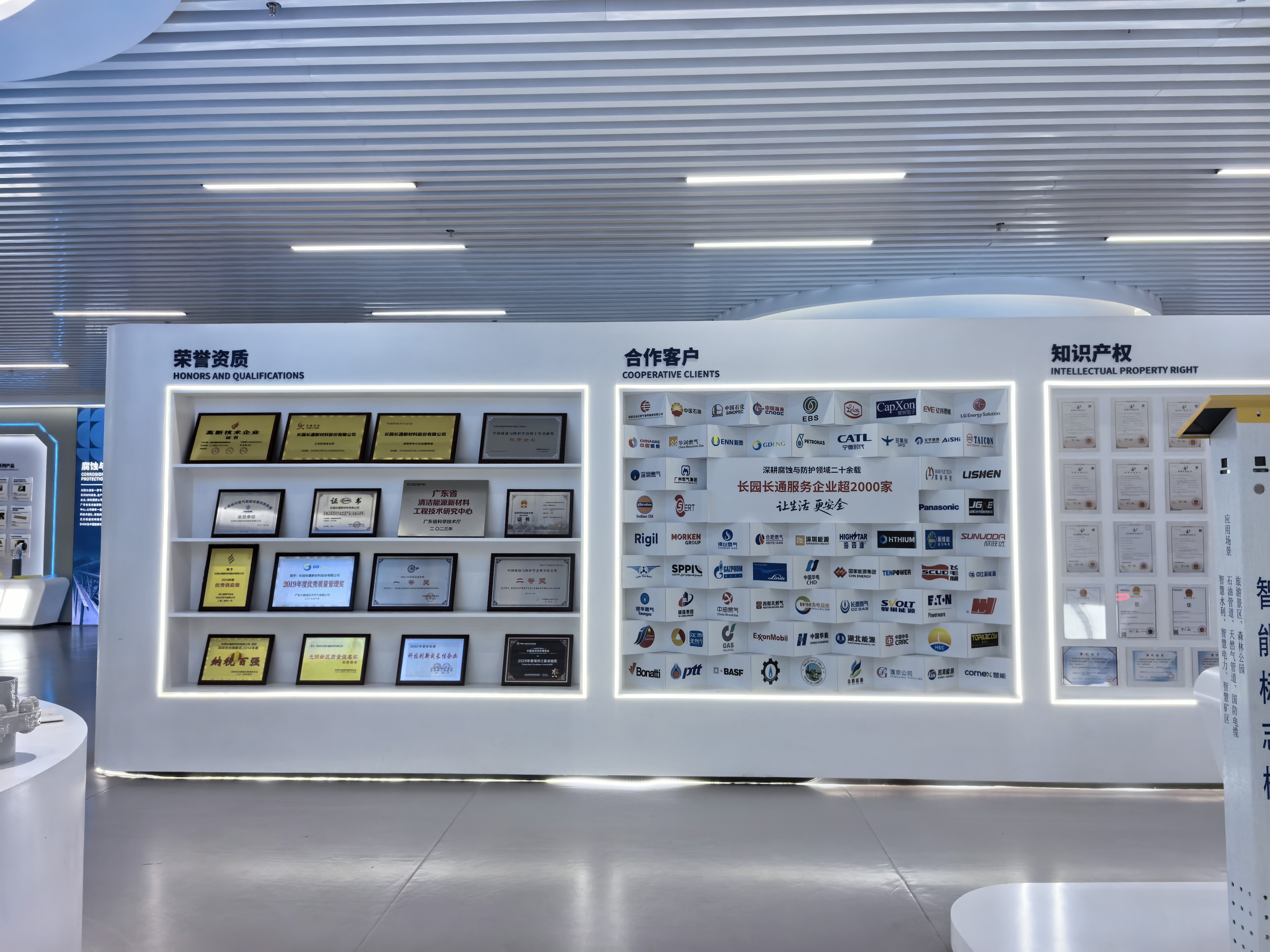
Through decades of high-performance delivery, CYCT has become a stable supplier of field joint coatings for PetroChina, Sinopec, PipeChina, and local gas distributors, securing a massive market share. Beyond domestic borders, our reach extends to major global entities like the Indian Oil Corporation, providing high-reliability solutions to critical pipeline corridors.
"By collaborating with leading scientific bodies like the CNPC Pipeline Science Research Institute, CYCT delivers integrated engineering design, cathodic protection assessments, rehabilitation projects, and high-performance viscoelastic polymer coatings."
As the global demand for energy infrastructure grows, procuring pipeline protection materials from China has transitioned from a cost-driven decision to a technology-first approach. Here is how CYCT's Chinese manufacturing base delivers unmatched value:
Our close proximity to key chemical processing zones in China ensures steady access to high-purity polyisobutene (PIB) bases and reinforcing agents, insulating global buyers from supply disruptions.
We employ advanced, automated mixers that maintain exact temperature profiles during compounding, ensuring viscoelastic materials achieve precise cold-flow and cohesion properties batch after batch.
Our testing protocols align with ISO 21809-3 and EN 12068. The CNAS laboratory tests peel strength, shear resistance, and electrical impedance, providing complete transparency for major international audits.
With vast production capacities, CYCT handles high-volume requests for major transcontinental pipeline projects, offering custom roll dimensions, thicknesses, and specialized packaging designs.
Viscoelastic materials are formulated for long-term reliability under challenging operational conditions. The table below highlights the physical and mechanical properties that define our high-performance coatings:
| Property Parameter | Typical Value (Viscoelastic Filler / Putty) | Test Standard Reference | Engineering Significance |
|---|---|---|---|
| Specific Gravity (Density) | 1.15 to 1.30 g/cm³ | ASTM D792 | Ensures proper material compactness and displacement of air/moisture. |
| Glass Transition Temp (Tg) | < -45°C | ASTM E1356 (DSC) | Guarantees flexibility and self-healing in sub-zero winter conditions. |
| Water Vapor Transmission | < 0.15 g/m² · 24h | ASTM E96 | Highly effective barrier against moisture permeation. |
| Peel Strength to Steel | Cohesive failure (no adhesive residue) | ISO 21809-3 / EN 12068 | Demonstrates outstanding surface wetting and interface stability. |
| Dielectric Strength | > 15 kV/mm | ASTM D149 | Works in harmony with cathodic protection systems to prevent shielding. |
| Operating Temperature | -45°C to +85°C (continuous) | Field validated | Suitable for cold northern climates as well as heated crude pipeline lines. |
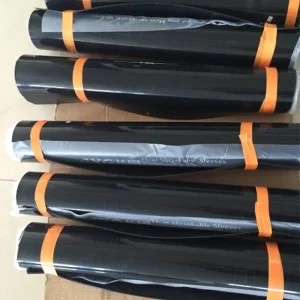
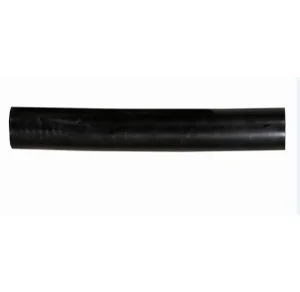
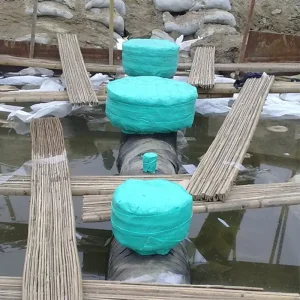
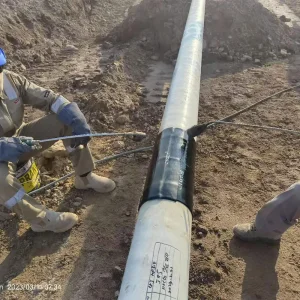
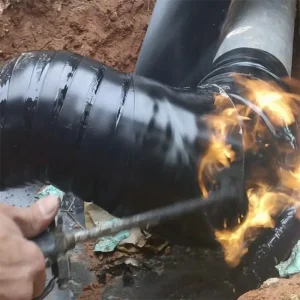
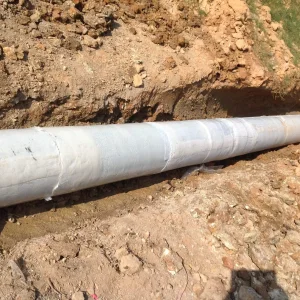
To maximize mechanical defense, CYCT's viscoelastic coatings are typically applied as part of an integrated, multi-layer protection system. The viscoelastic filler or putty is first packed into irregular geometries—such as flanges, valves, or T-joints—to eliminate air pockets. Next, a high-performance viscoelastic tape is wrapped around the joint. Finally, a mechanical outer wrap, such as our PE/PP heat shrink sleeves or photo-curing protective sleeves (GRP sheets), is applied to safeguard the inner layers from soil stress, rock impact, and directional drilling friction.
HDD installations subject pipeline coatings to severe shear and abrasive forces. Combining viscoelastic putty with our photo-curing GRP protective sleeve creates a highly impact-resistant armor, ensuring the corrosion barrier remains intact as it passes through rock formations.
Clay soils expand and contract with moisture changes, placing high shear stress on standard tapes. Viscoelastic coatings maintain a low-modulus, flexible interface that absorbs soil movements without detaching from the pipe wall.
In congested utility tunnels and municipal pipeline networks, surface preparation options are often restricted due to safety and spatial constraints. The surface-tolerant nature of viscoelastic putties makes them ideal for environments where high-blast cleaning is not feasible.
The global pipeline industry is rapidly shifting away from sacrificial barrier coatings toward long-term integrity management. Key trends driving the market include:
Managing large infrastructure projects requires confidence in quality assurance, supply chain compliance, and technical expertise. CYCT has structured its operations to support global procurement needs:
Our materials are tested to ensure compatibility with international standards (such as ISO 21809-3, ISO 12944, and EN 12068) and undergo verification in our CNAS-certified testing facilities.
We utilize specialized, climate-controlled packaging options to prevent pre-installation deformation of viscoelastic products during long ocean transits.
CYCT provides on-site application guidance, custom installation manuals, and training programs to ensure third-party contractors achieve optimal results.
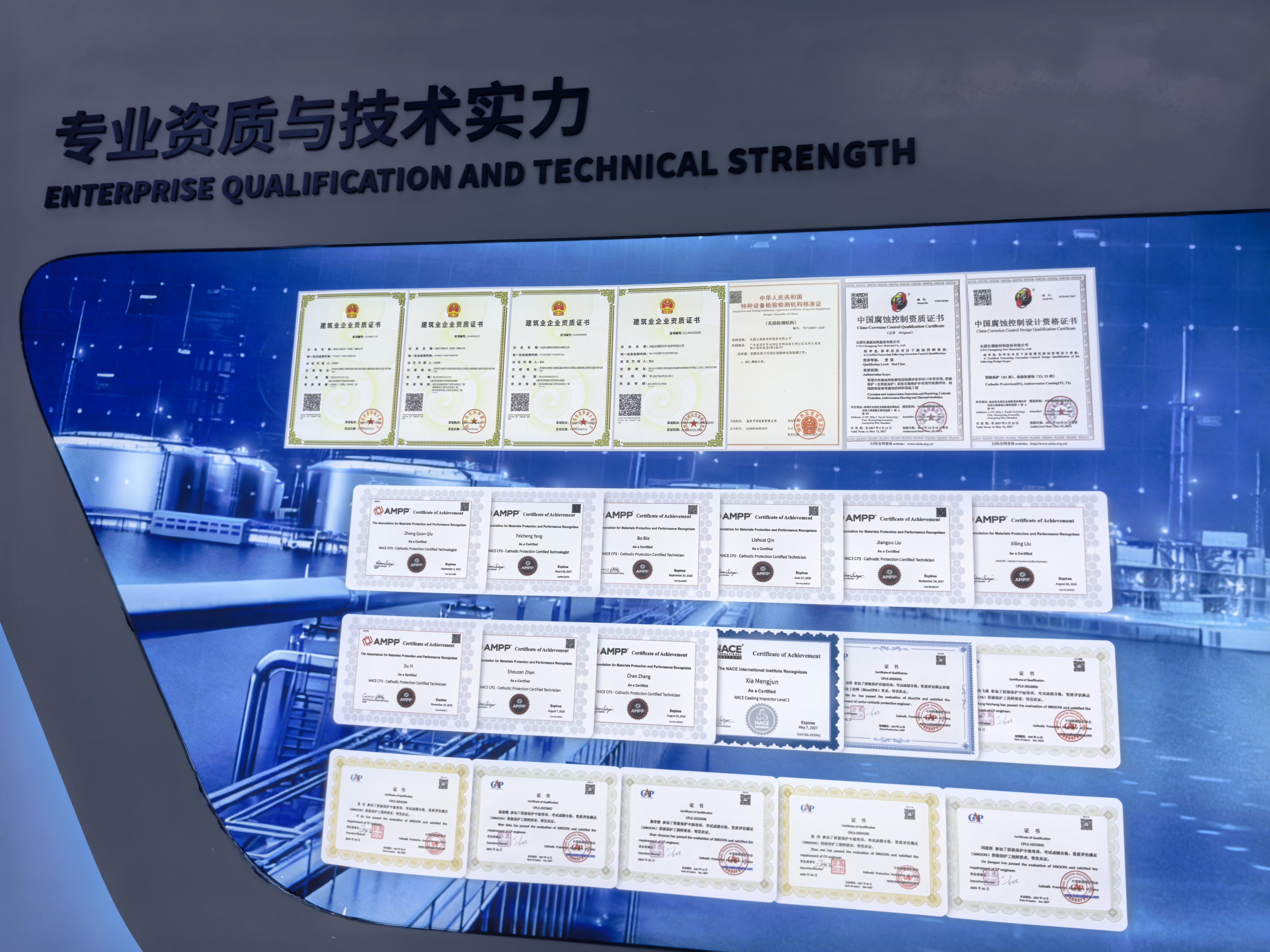
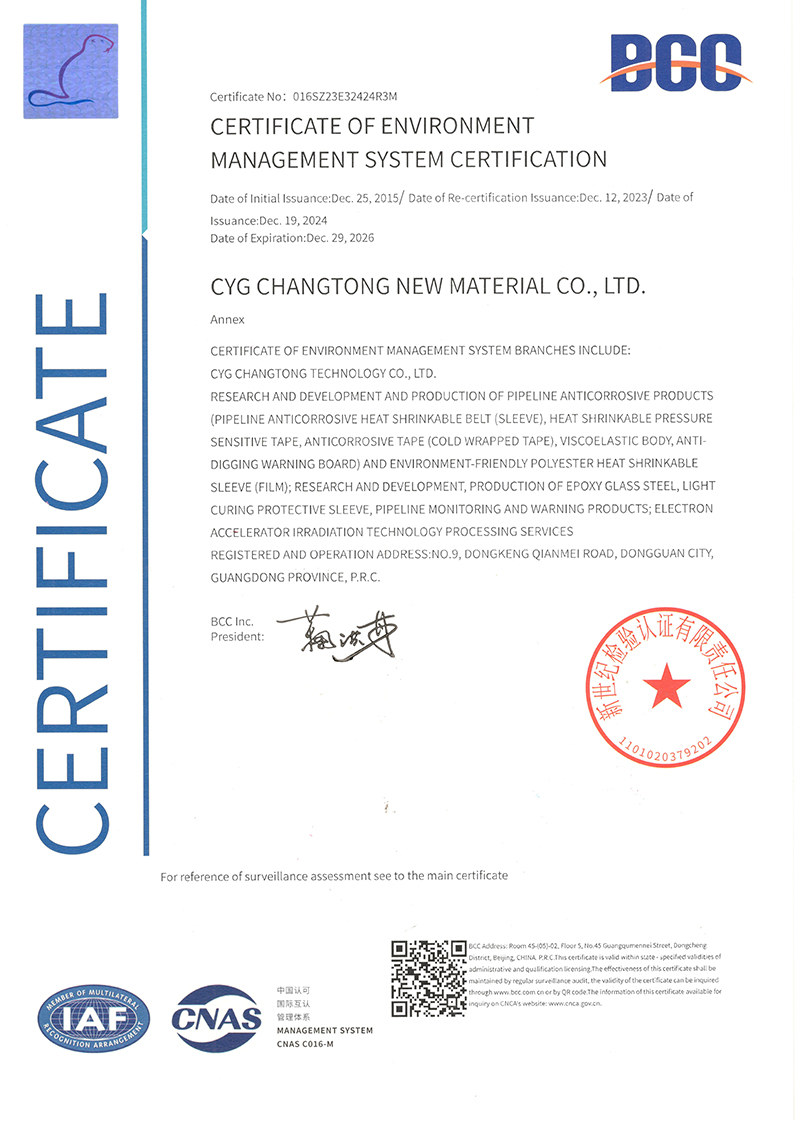
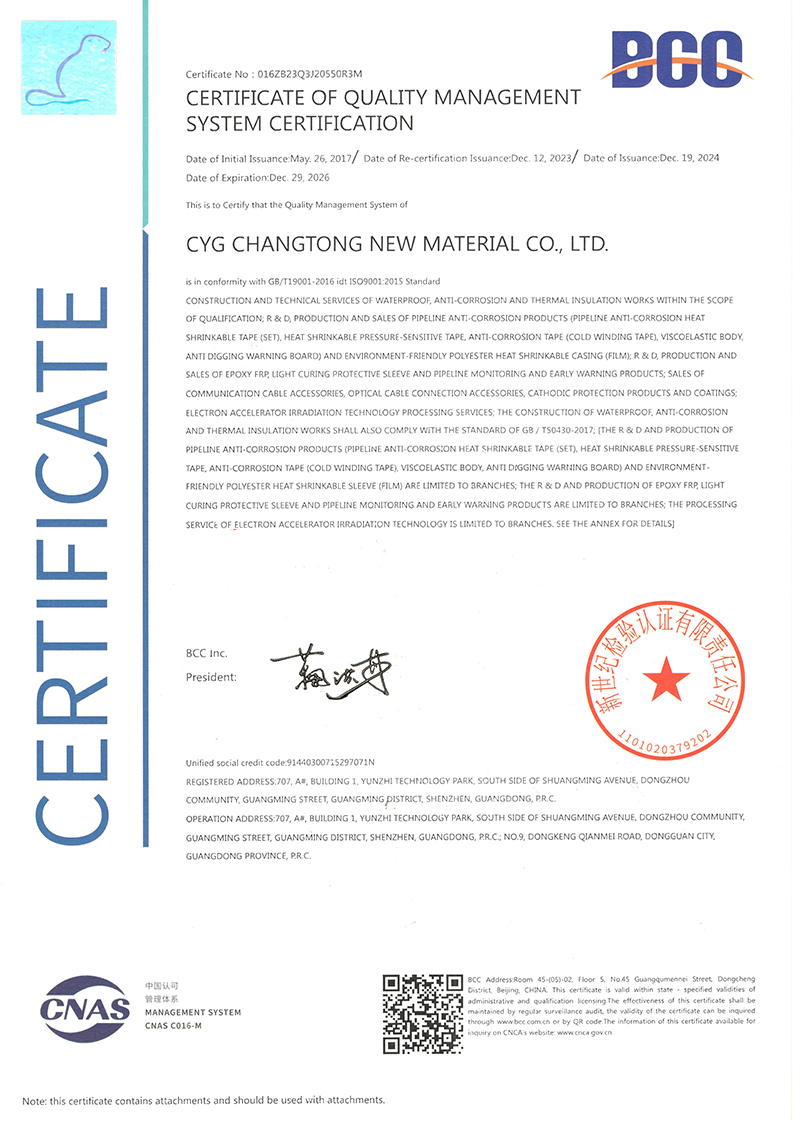
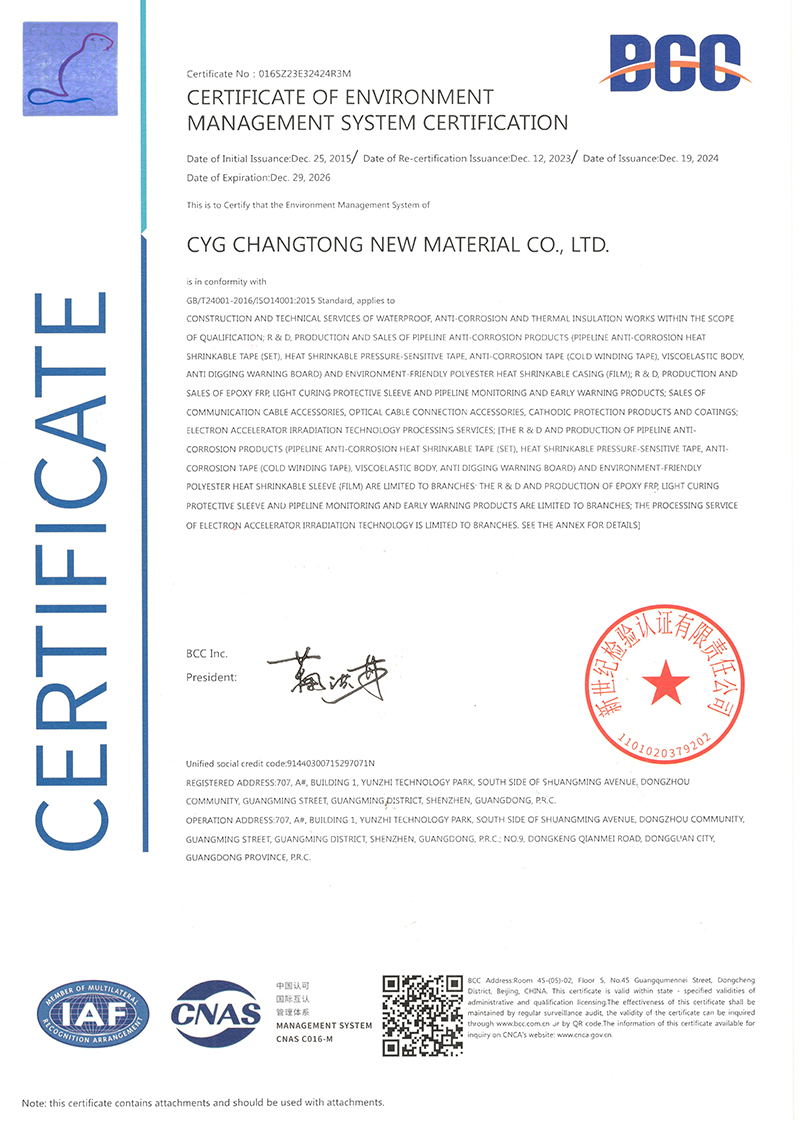
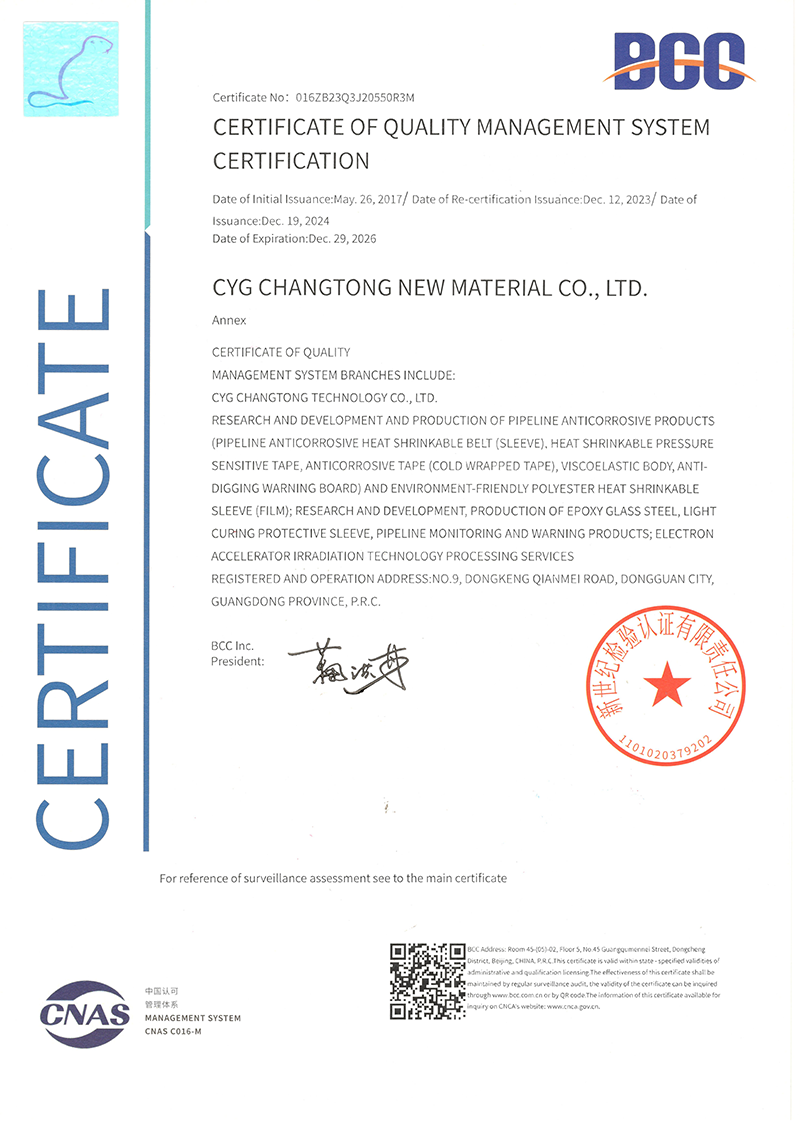
Our commitment to quality and technical innovation is reflected in our professional memberships and industry certifications:
Find answers to common questions about viscoelastic fillers, putty coatings, and pipeline protection systems.
Select from our wide range of field joint systems, repair patches, and specialty primers designed for long-term corrosion prevention.
Take an inside look at our production lines, testing laboratories, and international quality certifications.
 CYCT
CYCT