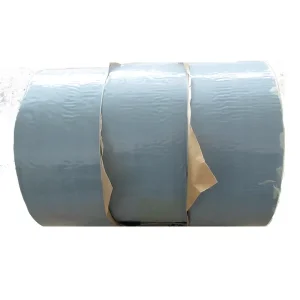
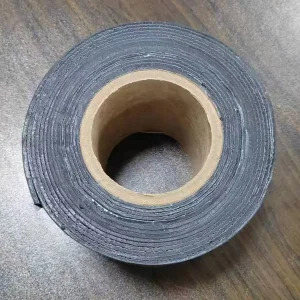
In modern civil engineering, oil and gas logistics, and industrial HVAC infrastructure, the degradation of external protective wraps due to solar ultraviolet (UV) radiation is a leading cause of premature material failure. Standard aluminum foil tapes frequently experience delamination, micro-cracking, and adhesive dry-out when subjected to constant solar exposure.
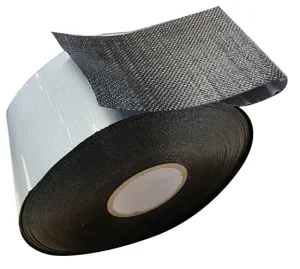
OEM UV Resistant Aluminum Foil Tapes solve this issue by incorporating customized polymeric backings, metallized alloy sheets, and specialized cross-linked acrylic or synthetic butyl-rubber adhesives formulated with UV absorbers and hindered amine light stabilizers (HALS). This creates an impenetrable barrier against photons in the 290nm to 400nm spectrum.
The global market is shifting rapidly from conventional single-layer protective wraps to smart, multi-functional composite systems. Key drivers include:
Owners expect anti-corrosion applications to last over 30 years without maintenance, driving demands for heavy-duty foil-butyl laminate tapes.
Increased project construction in desert regions, high-altitude solar farms, and offshore zones necessitates tapes that resist thermal cycling and salt fog.
Zero-solvent adhesives and low-VOC formulations are now standardized under international environmental assessment protocols.
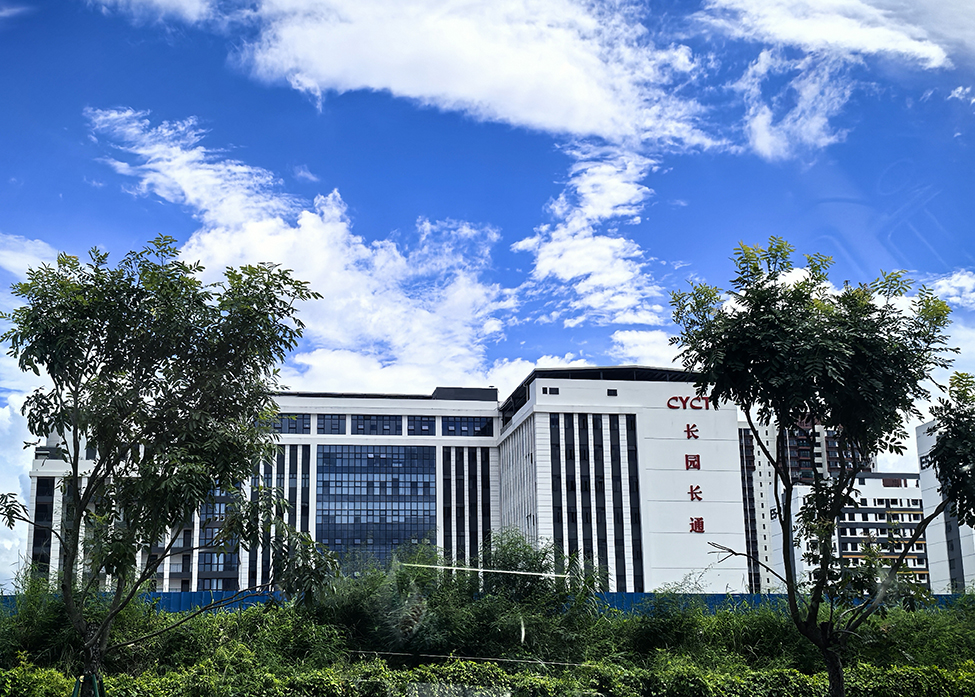
CYCT New Materials Company Limited (for short, CYCT) is a premier high-tech enterprise dedicated to the research, development, production, and sales of pipeline corrosion protection materials. We support our high-grade materials with specialized buried pipeline detection services and customized on-site coating application technical assistance.
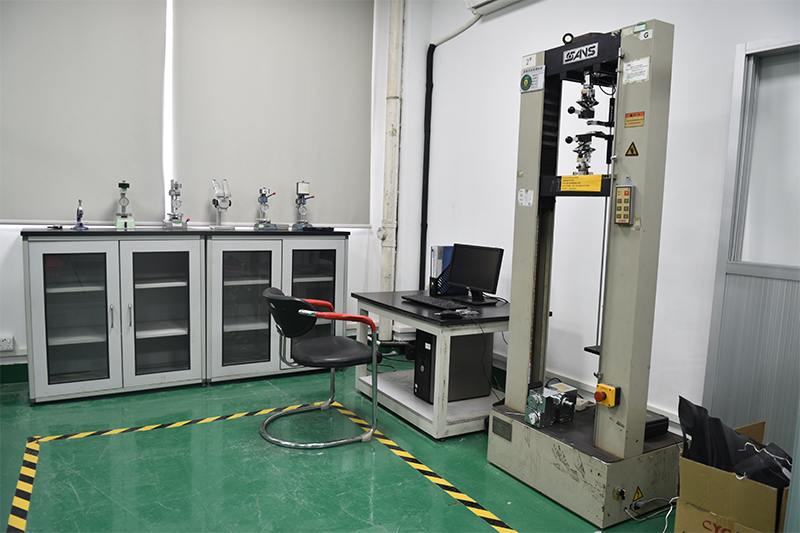
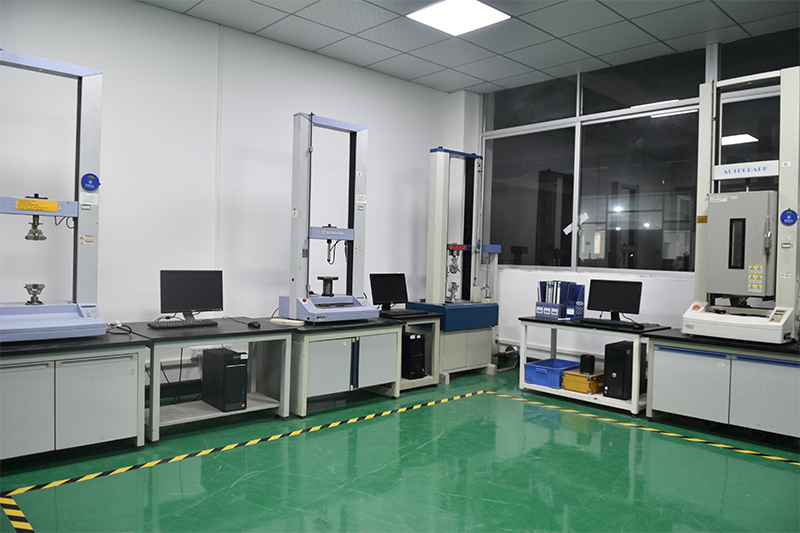
For decades, CYCT has developed industry-standard solutions, building a stellar reputation as a reliable field joint coating supplier. Our products are utilized by global giants such as PetroChina, Sinopec, PipeChina, and the Indian Oil Corporation. We stand out in the anti-corrosion sector by operating a state-of-the-art national CNAS-accredited laboratory.
By collaborating closely with leading research institutes, including the CNPC Pipeline Science Research Institute, CYCT delivers integrated pipeline protection programs. These comprise cathodic protection assessments, field rehabilitation schemes, and customized material engineering.
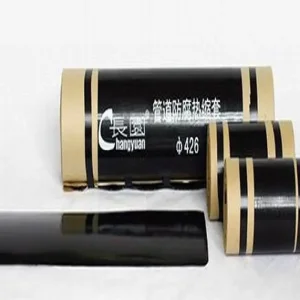
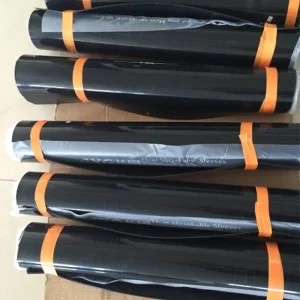
CYCT has developed high-performance protective solutions, including visco-elastic anti-corrosion materials, specialized photo-curing sleeves for Horizontal Directional Drilling (HDD) protection, polyurea coatings, and advanced weather-resistant backing tapes.
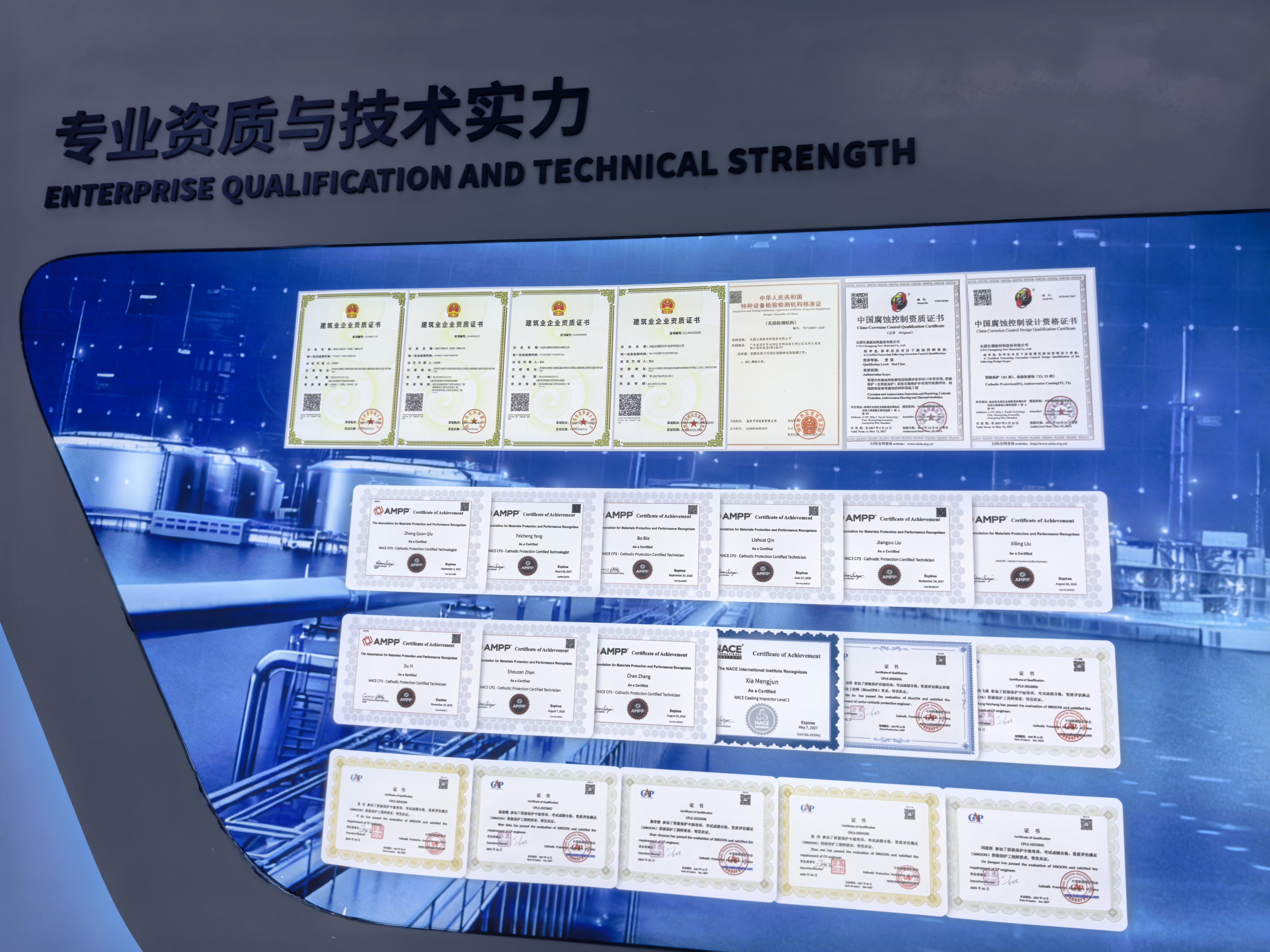
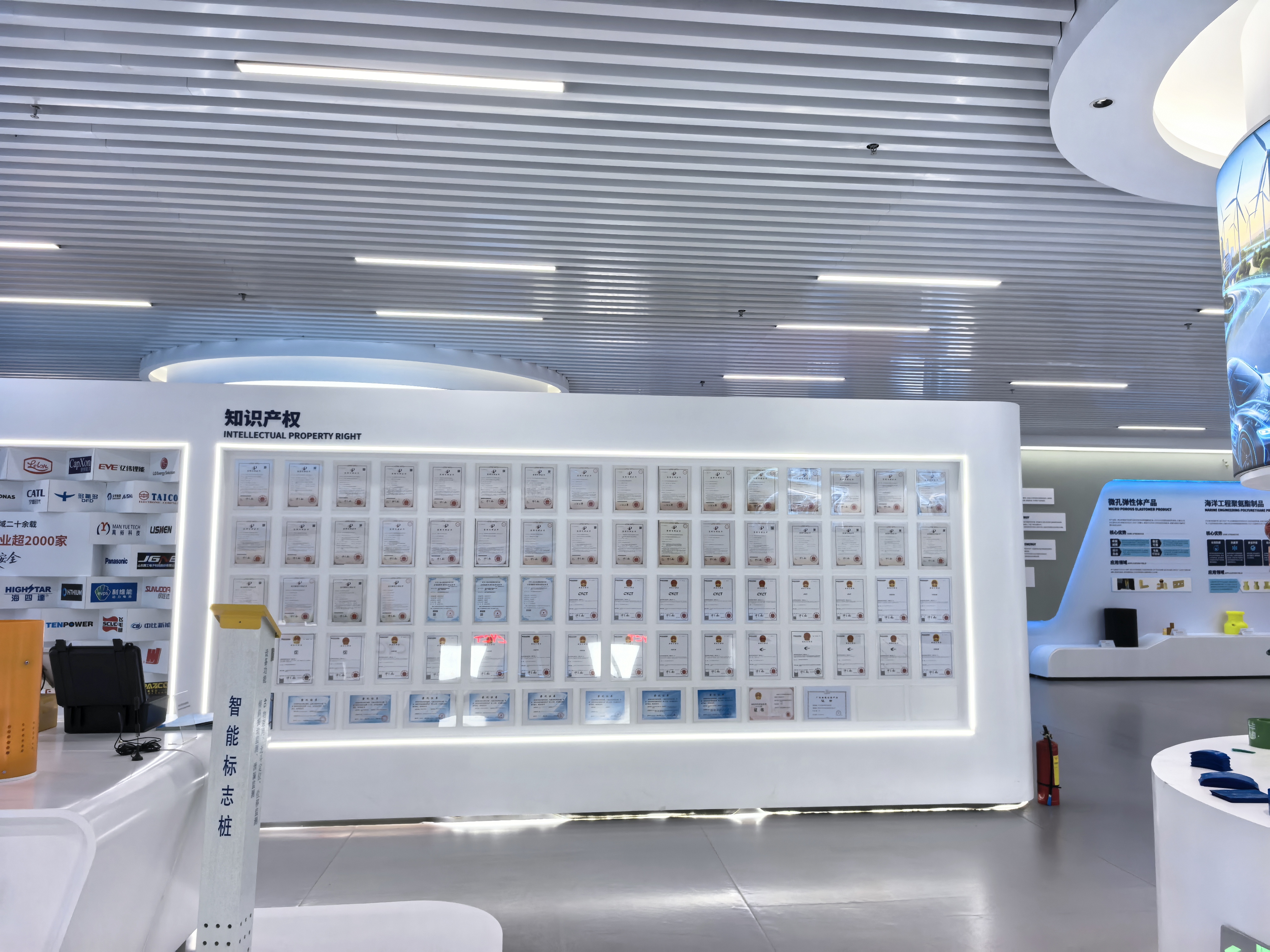
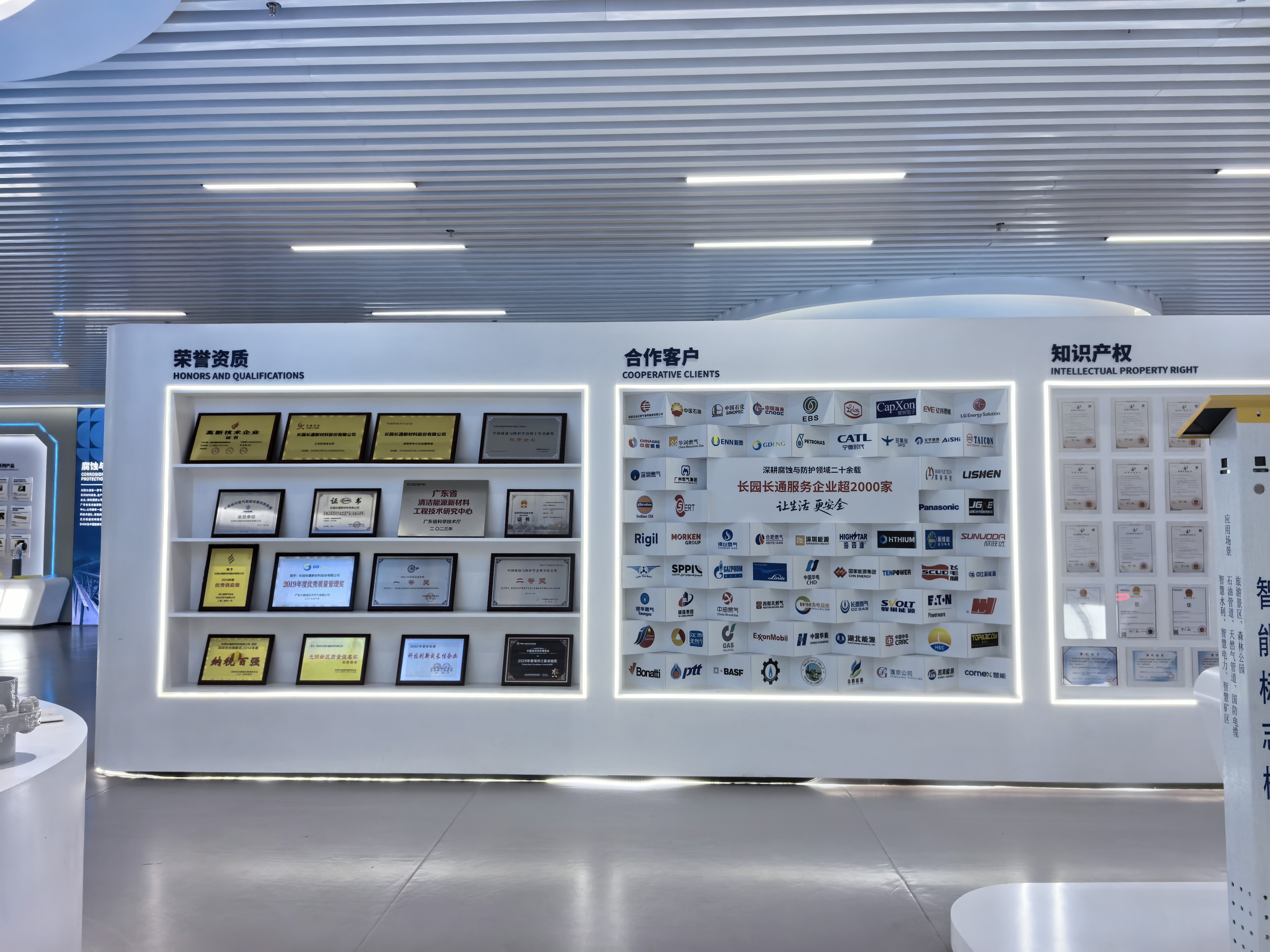
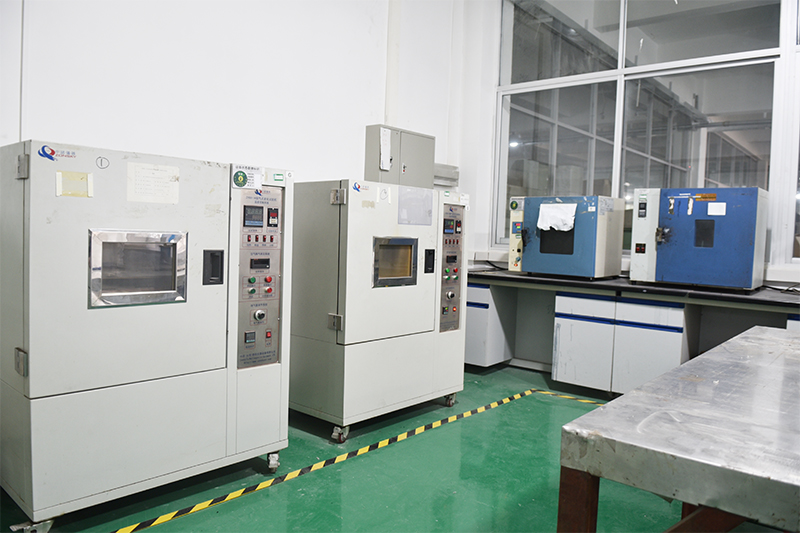
CYCT owns leading testing and R&D capabilities, a professional R&D team, and a national CNAS-accredited laboratory.
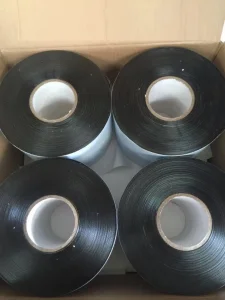
International EPC contractors demand compliance with ASTM D1000, ASTM E96 (water vapor transmission rate), and DIN 30672 specifications. Our OEM team supplies custom widths, foil thicknesses (from 25μm to 150μm), and reinforced liner designs to align with automated orbital wrapping machinery.
In high-velocity HVAC environments, UV foil tape seals joints on foil-faced fiberglass duct boards and elastomeric foam insulation. The UV protection prevents degradation of the foam under glass-clad structures or outdoor roof-mounted runs.
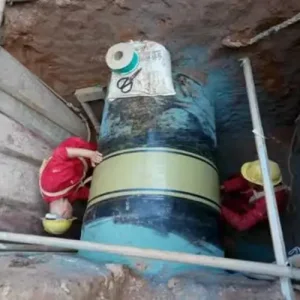
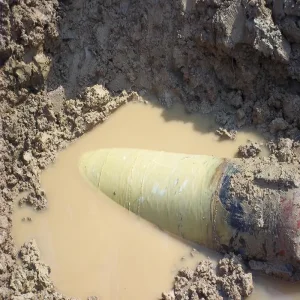
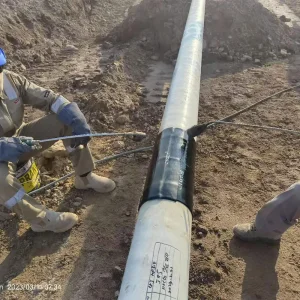
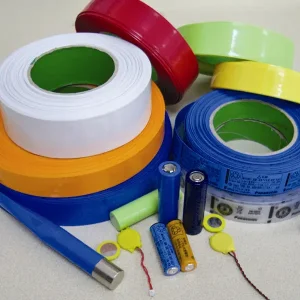
As a barrier layer, our foil tape prevents degradation of primary pipeline wraps (like PE/PP outer tapes and heat shrinkable sleeves) when storage, logistics, or project delays expose pipeline segments to ambient sunlight.
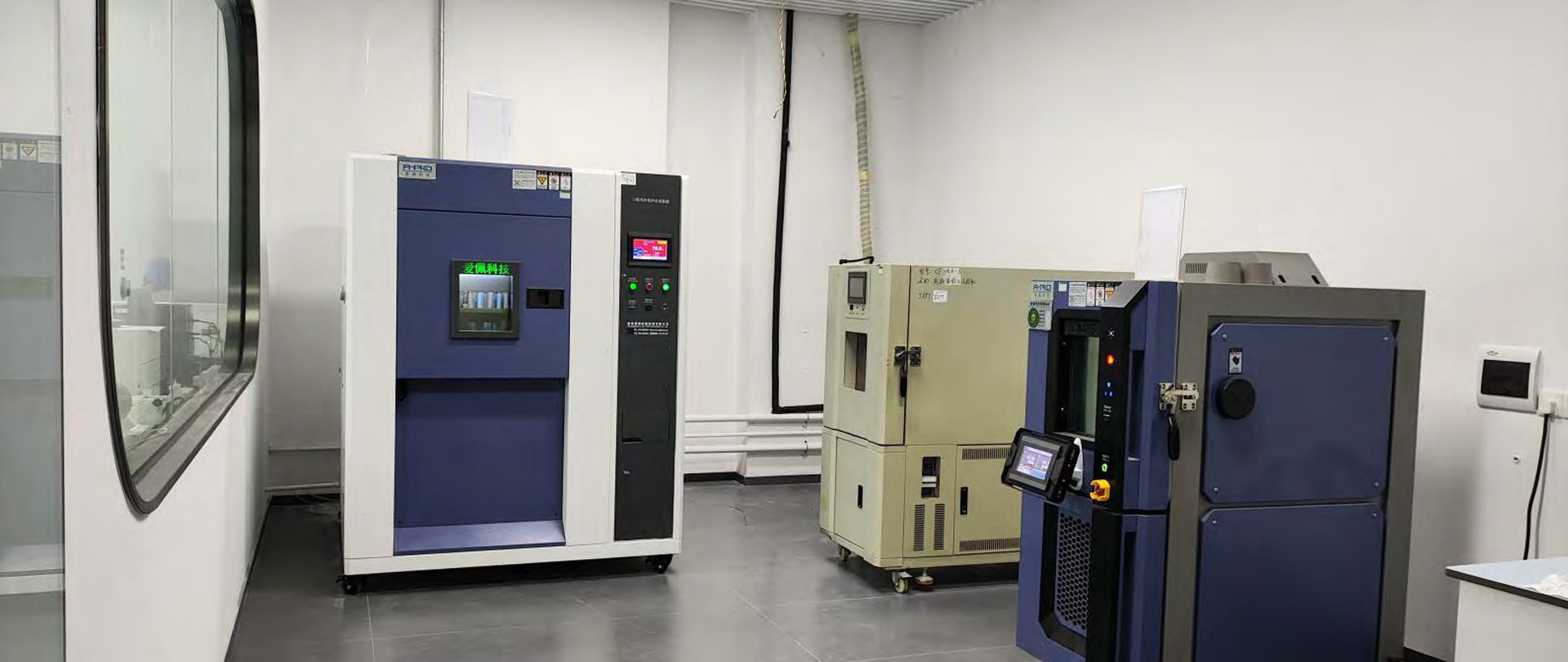
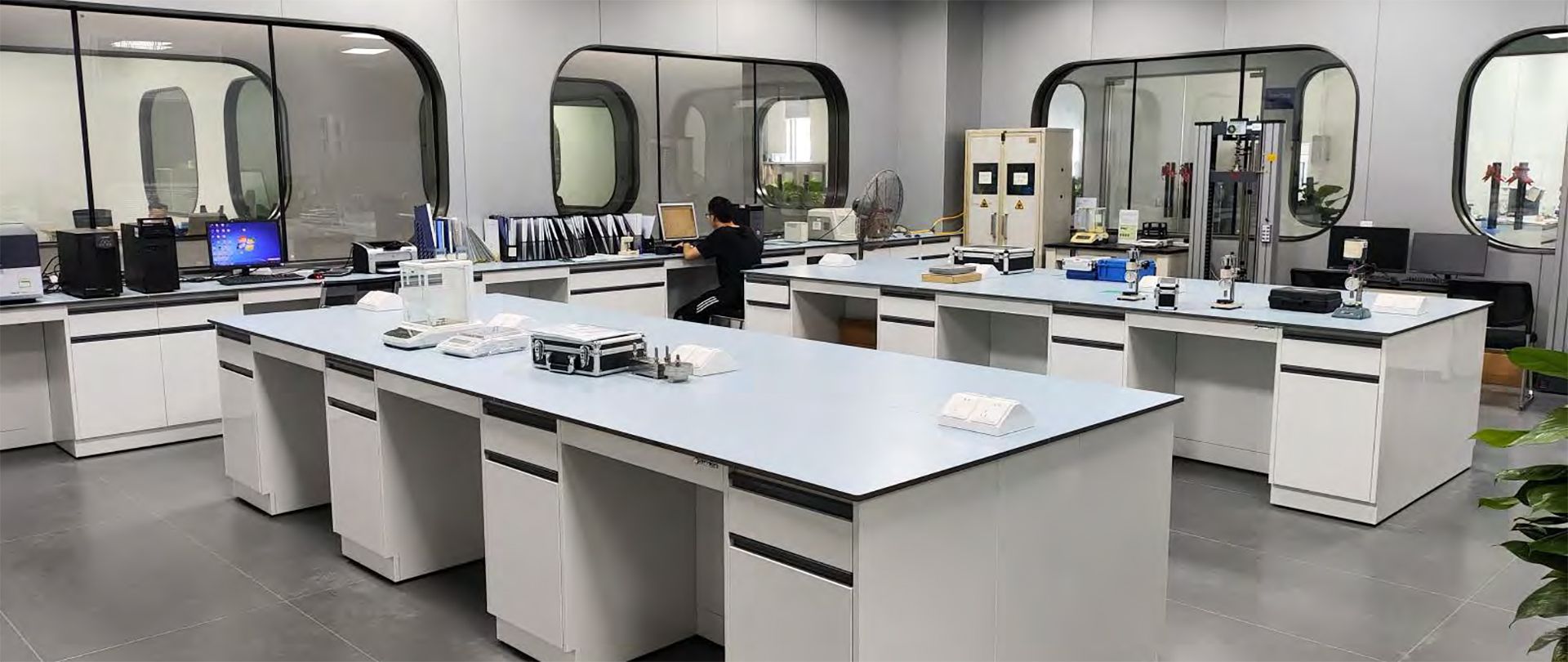
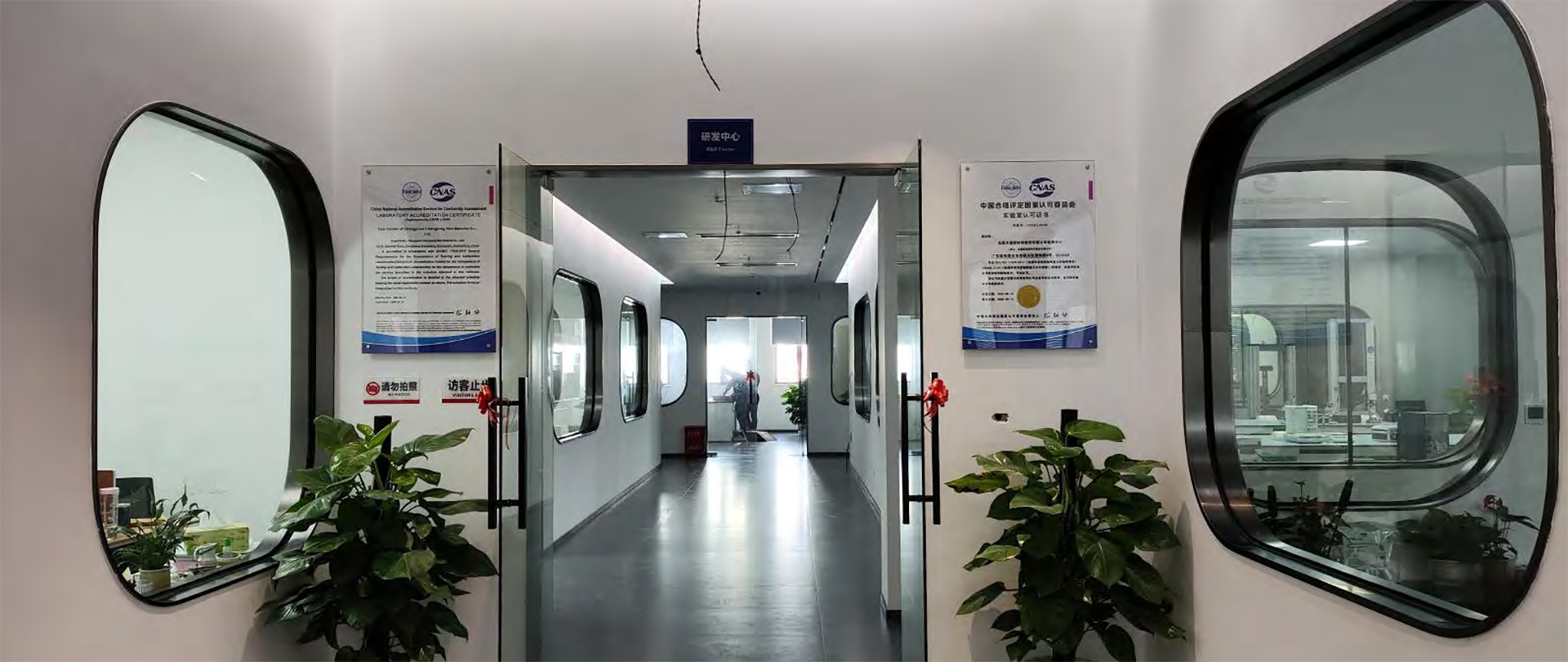
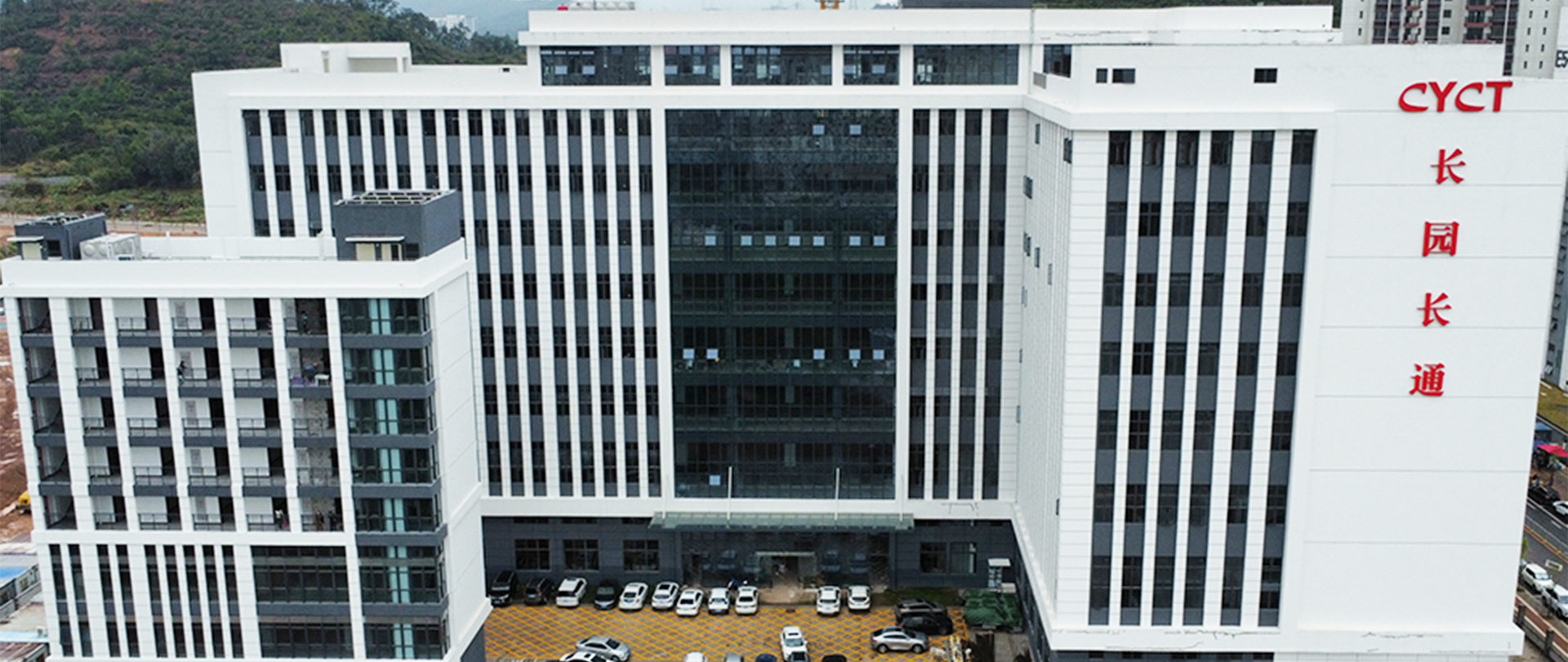
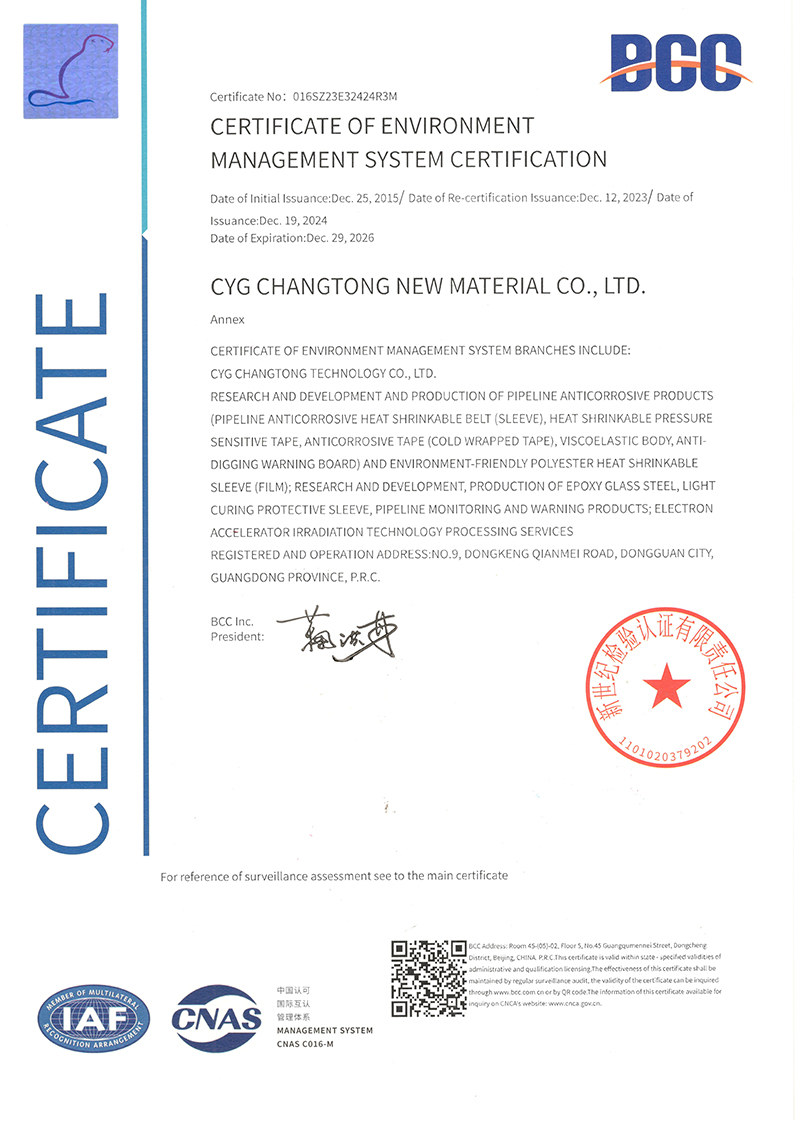
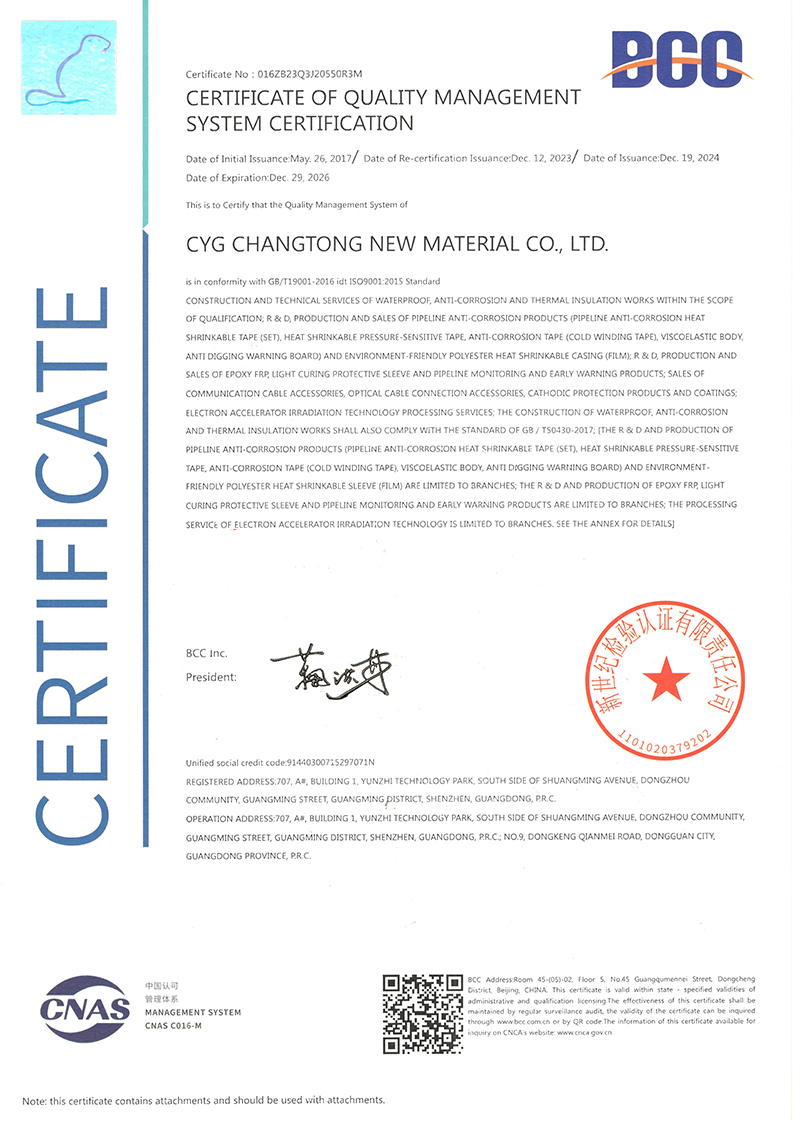
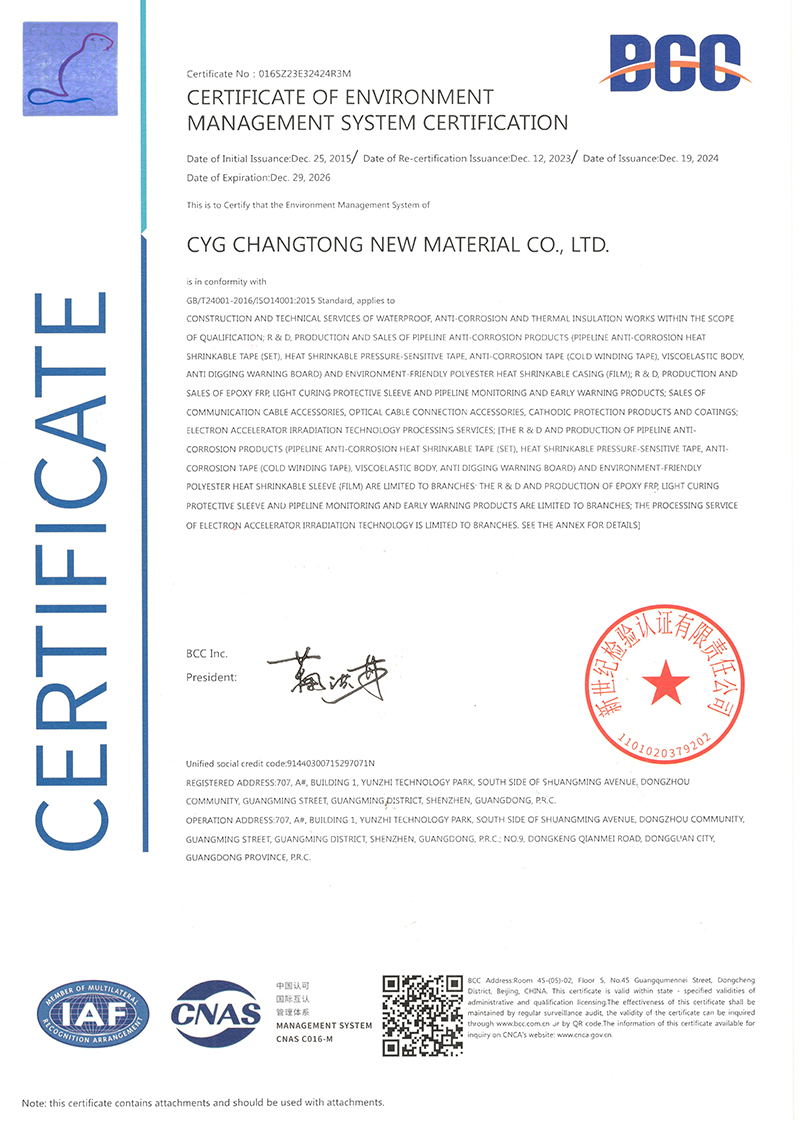
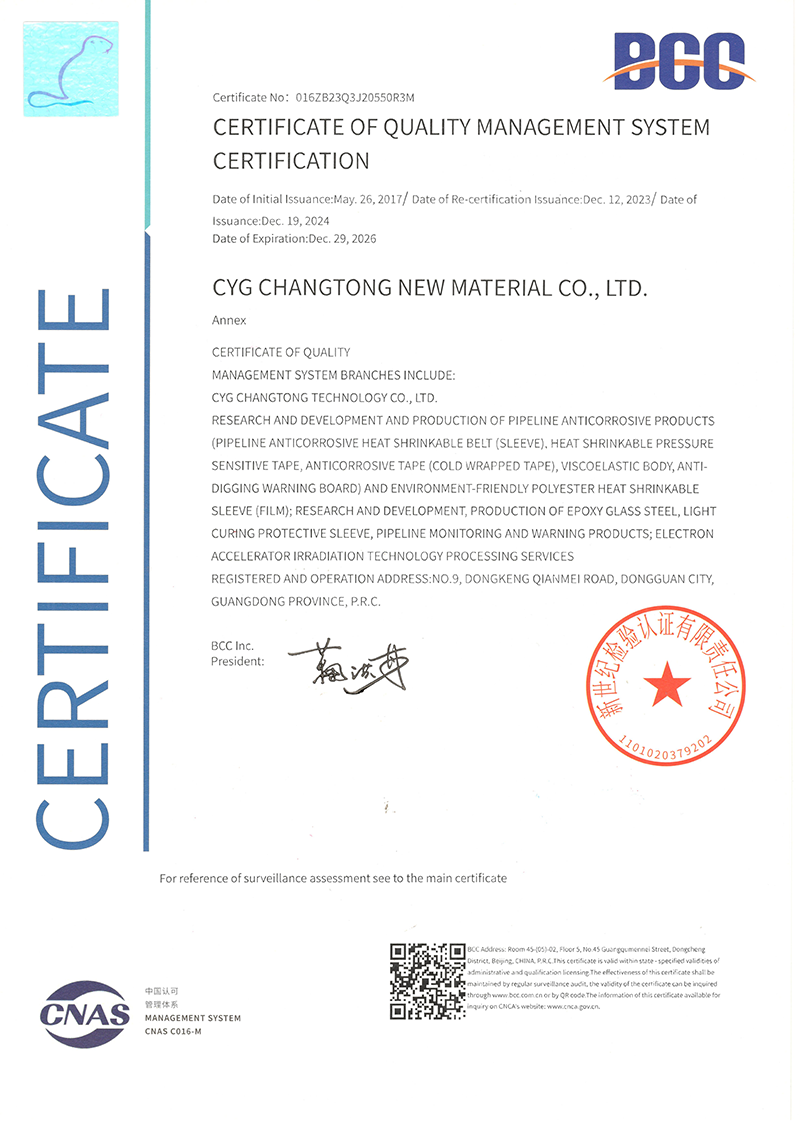
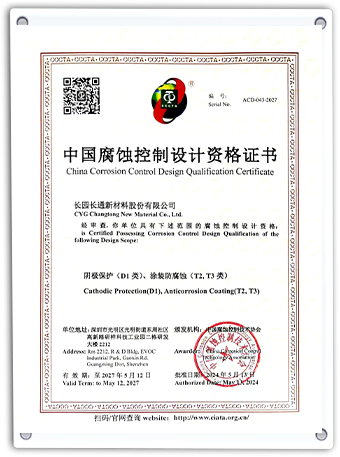
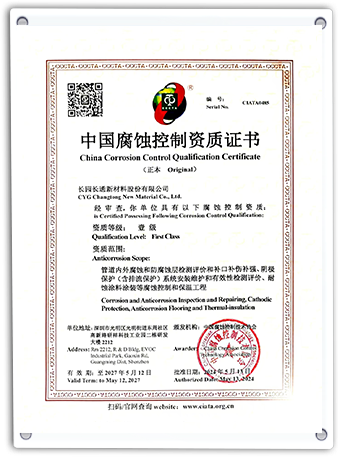
Global industrial procurement teams prioritize product origin traceability and strict compliance with international standards. CYCT is certified as a State-Level High-Tech Enterprise, backed by more than ten proprietary intellectual property rights.
Our association affiliations demonstrate our focus on technical expertise: CYCT is a Council Member of the Chinese Society for Corrosion and Protection (CSCP), an active member of AMPP (formerly NACE/SSPC), and a verified Corporate Member of the China Association of Petroleum Engineering Construction (CAPEC).
Whether managing pipeline joint coatings or bulk supply logistics to Indian Oil, PetroChina, Sinopec, or gas grid complexes, we provide comprehensive localized support, material testing reports, safety data sheets, and custom installation training manuals.
As global energy and industrial systems pivot toward green transition pathways (such as hydrogen distribution and solar thermal infrastructure), the materials science behind surface cladding must evolve to meet new specifications. CYCT's technical roadmap outlines key research directions through 2030:
Integrating micro-encapsulated polymers into pressure-sensitive adhesives to automatically seal micro-tears caused by installation stress or ambient expansion.
Engineering foil alloys with high solar reflectance indices (SRI) to keep insulation layers cool and mitigate heat absorption in hot climates.
Transitioning to plant-based raw materials and high-solid cross-linked acrylics to eliminate VOC emissions during production.
 CYCT
CYCT