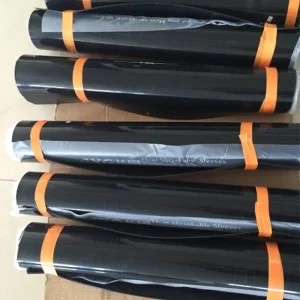
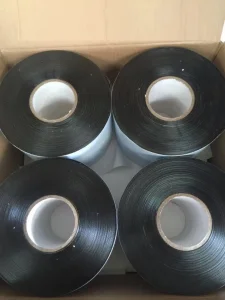
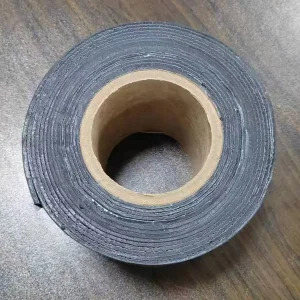
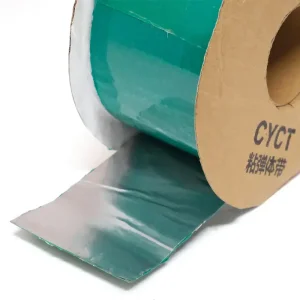
Explore our comprehensive lineup of industrial-grade thermo sleeves, viscoelastic tapes, and composite repair products designed to safeguard energy pipelines under severe operational stresses.
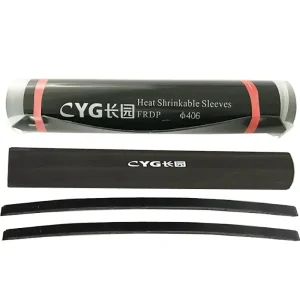
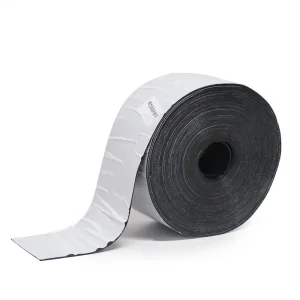
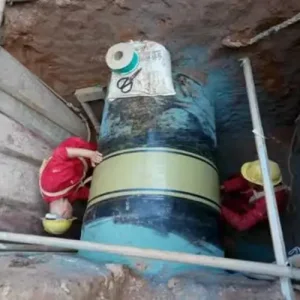
Within the highly regulated sectors of pipeline transport, oil and gas distribution, and municipal water logistics, pipeline corrosion represents an immense financial and environmental hazard. Modern design relies on robust mill-applied external coatings (such as 3-layer polyethylene (3LPE) or 3-layer polypropylene (3LPP)). However, the field joint—the welded interface joining individual linepipes—is uniquely exposed to degradation during transport, installation, and backfilling. Protecting this joint demands high-integrity field joint coating (FJC) solutions, predominantly thermo sleeves (heat shrinkable sleeves) and viscoelastic tape systems.
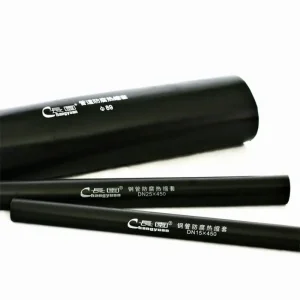
As a leading state-level high-tech enterprise, CYCT has spent over two decades developing field joint protection materials. These materials provide low moisture permeability, high shear resistance under soil weight, and outstanding cathodic disbondment protection. Our thermo sleeve systems use radiation-crosslinked polyolefin backings, laminated with specialized hot-melt or mastic adhesives, forming a seamless structural barrier over the bare steel weld and adjacent mill coatings.
"Field joint performance directly dictates the life expectancy of critical transmission systems. Substandard materials or flawed field applications account for over 70% of premature corrosion failures."
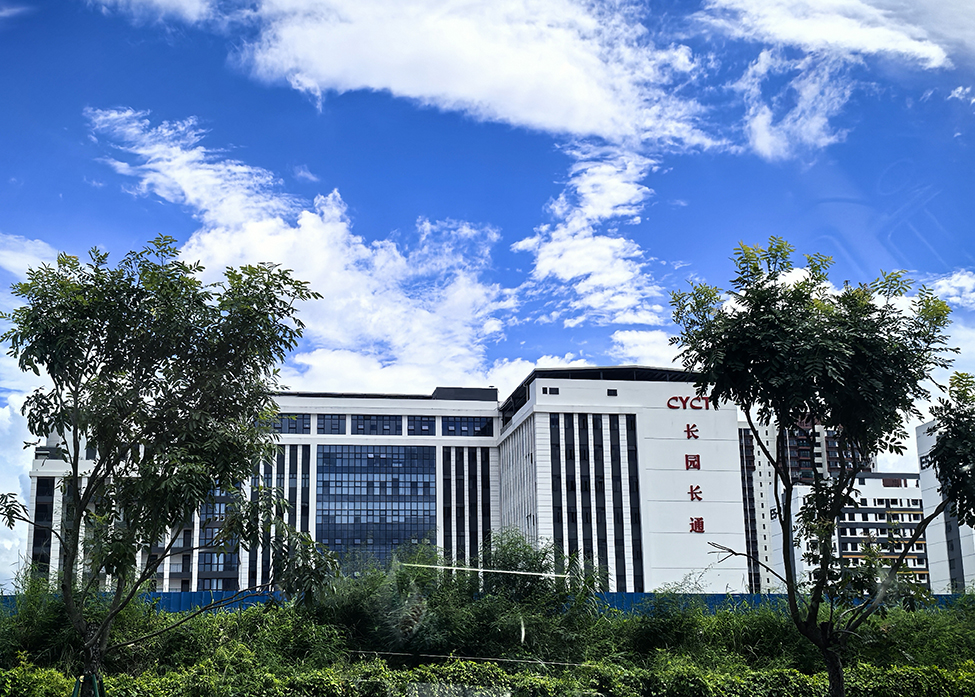
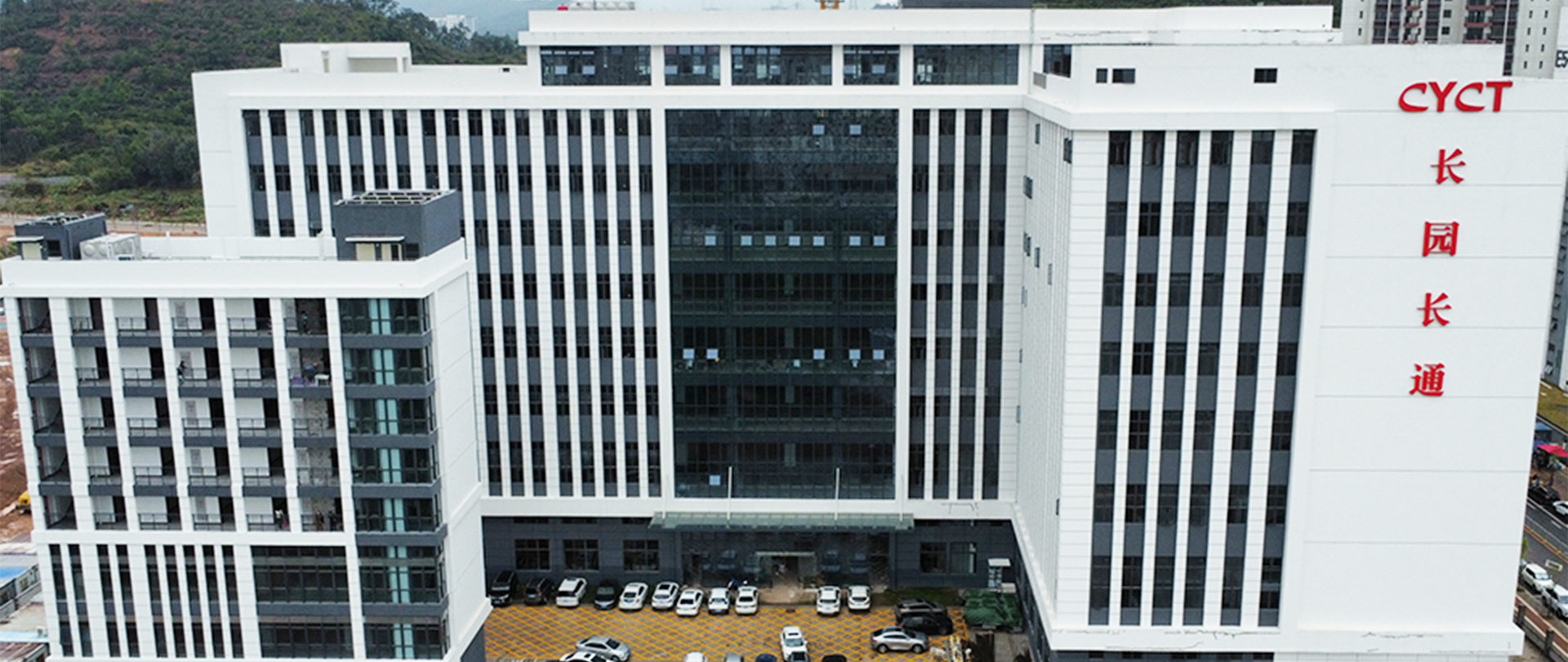
CYCT New Materials Company Limited (for short, CYCT) is a state-level high-tech enterprise established in 2000. We integrate the R&D, manufacturing, and distribution of high-performance pipeline corrosion protection materials with specialized buried pipeline detection and on-site coating application services.
Over several decades, CYCT has maintained a leadership position in China's anti-corrosion sector. By collaborating with leading scientific institutes, including the CNPC Pipeline Science Research Institute, CYCT delivers integrated safety protection solutions. These solutions support in-service pipelines through detection, cathodic protection design, and targeted pipeline rehabilitation projects.
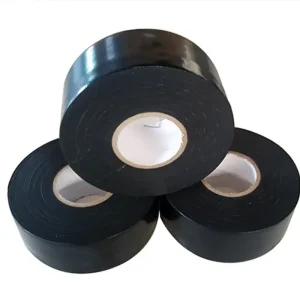
Our long-term performance has made CYCT a primary field joint coating supplier to energy conglomerates like PetroChina (CNPC), Sinopec, PipeChina, China Gas Group, and Indian Oil. In addition to heat shrinkable sleeves, CYCT has successfully developed viscoelastic anti-corrosion tapes, specialized photo-curing sleeves for Horizontal Directional Drilling (HDD), and polyurea coatings.
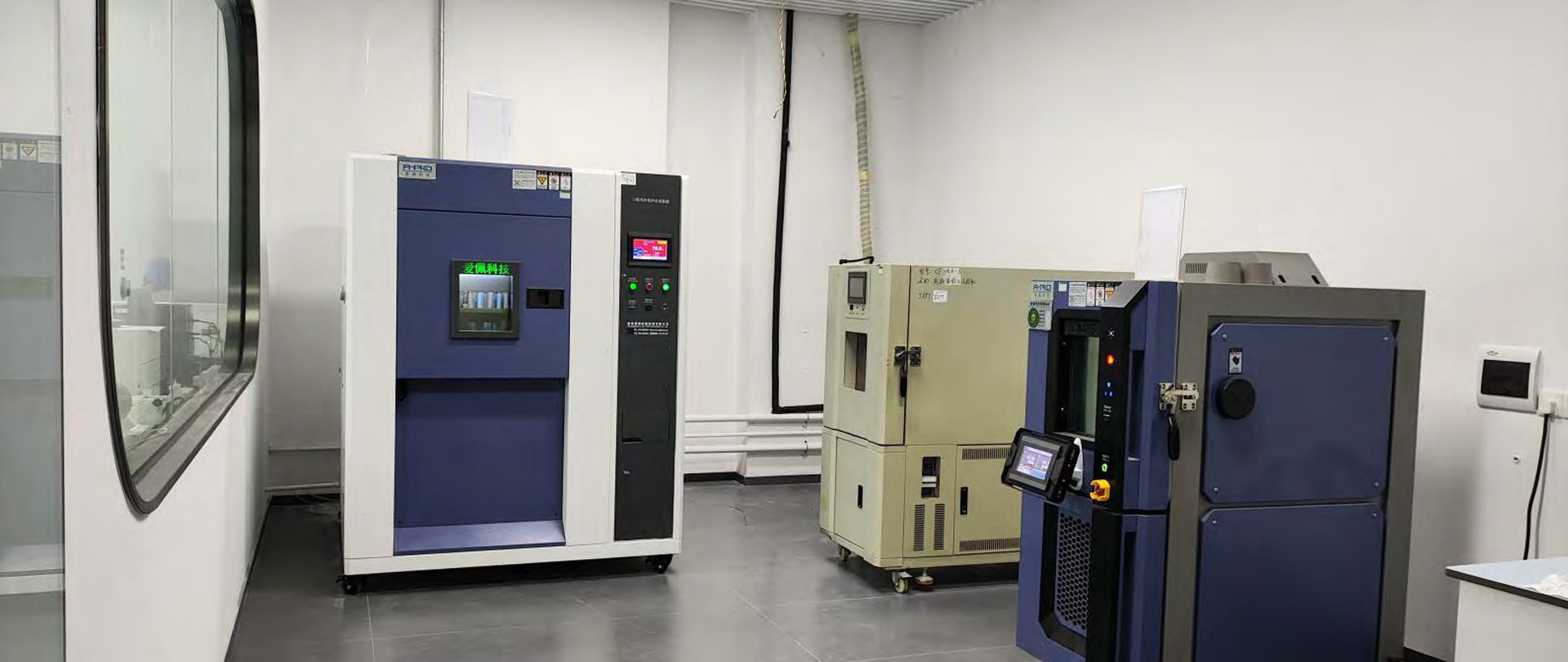
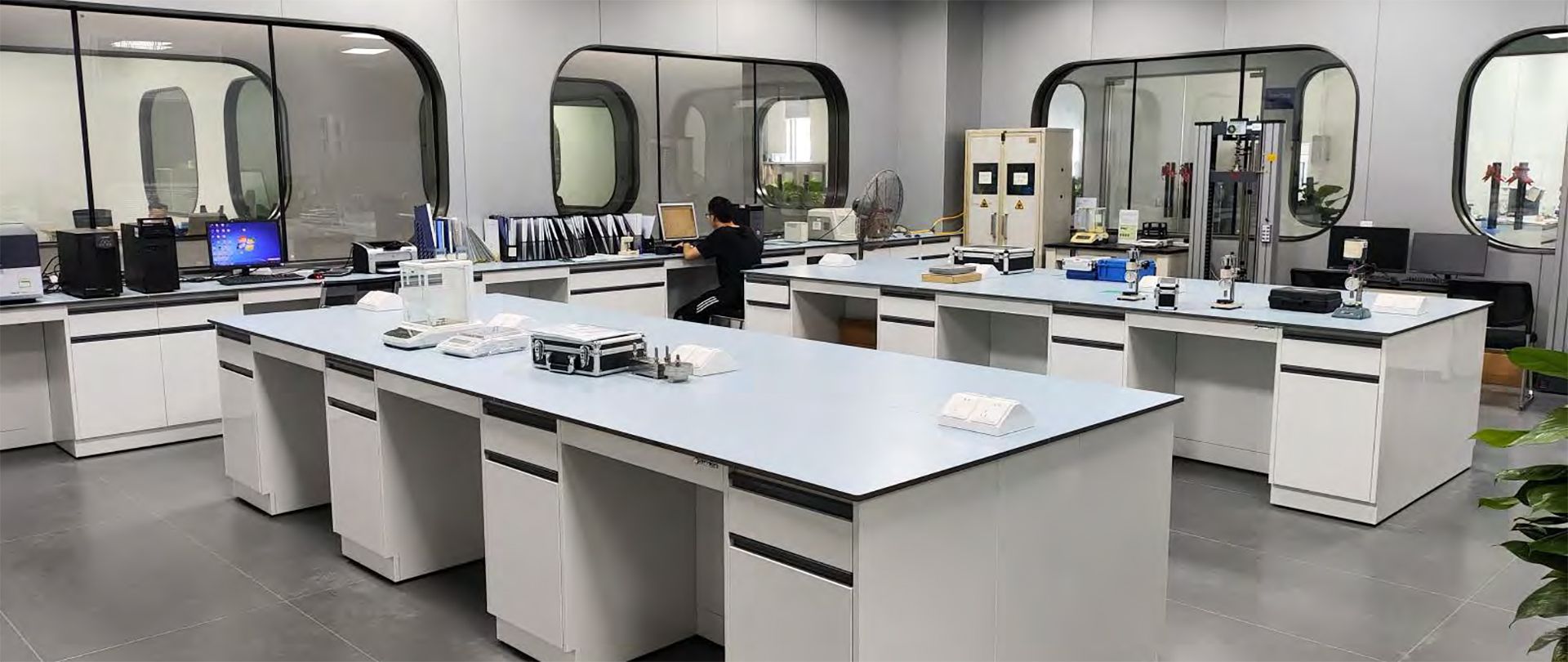
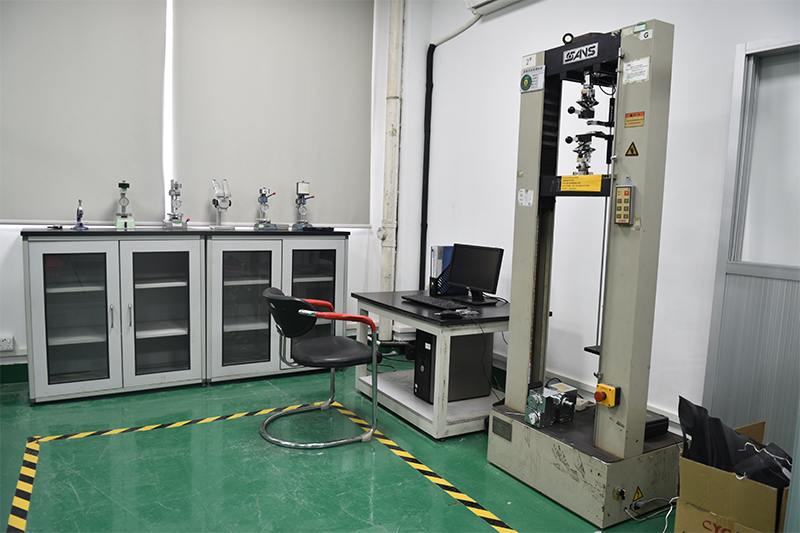
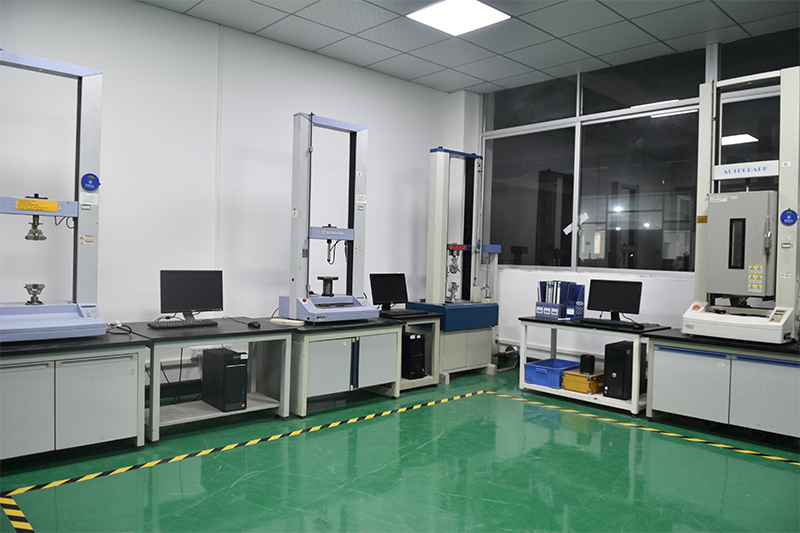
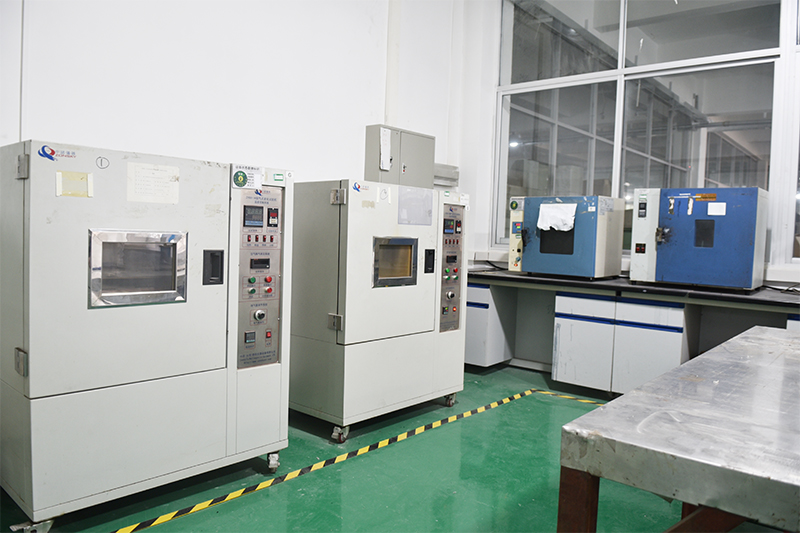
CYCT operates a national CNAS-accredited laboratory and a dedicated testing center. These facilities allow us to conduct comprehensive performance evaluation tests across various simulated soil environments, chemical exposure scenarios, and shear/impact stress profiles.
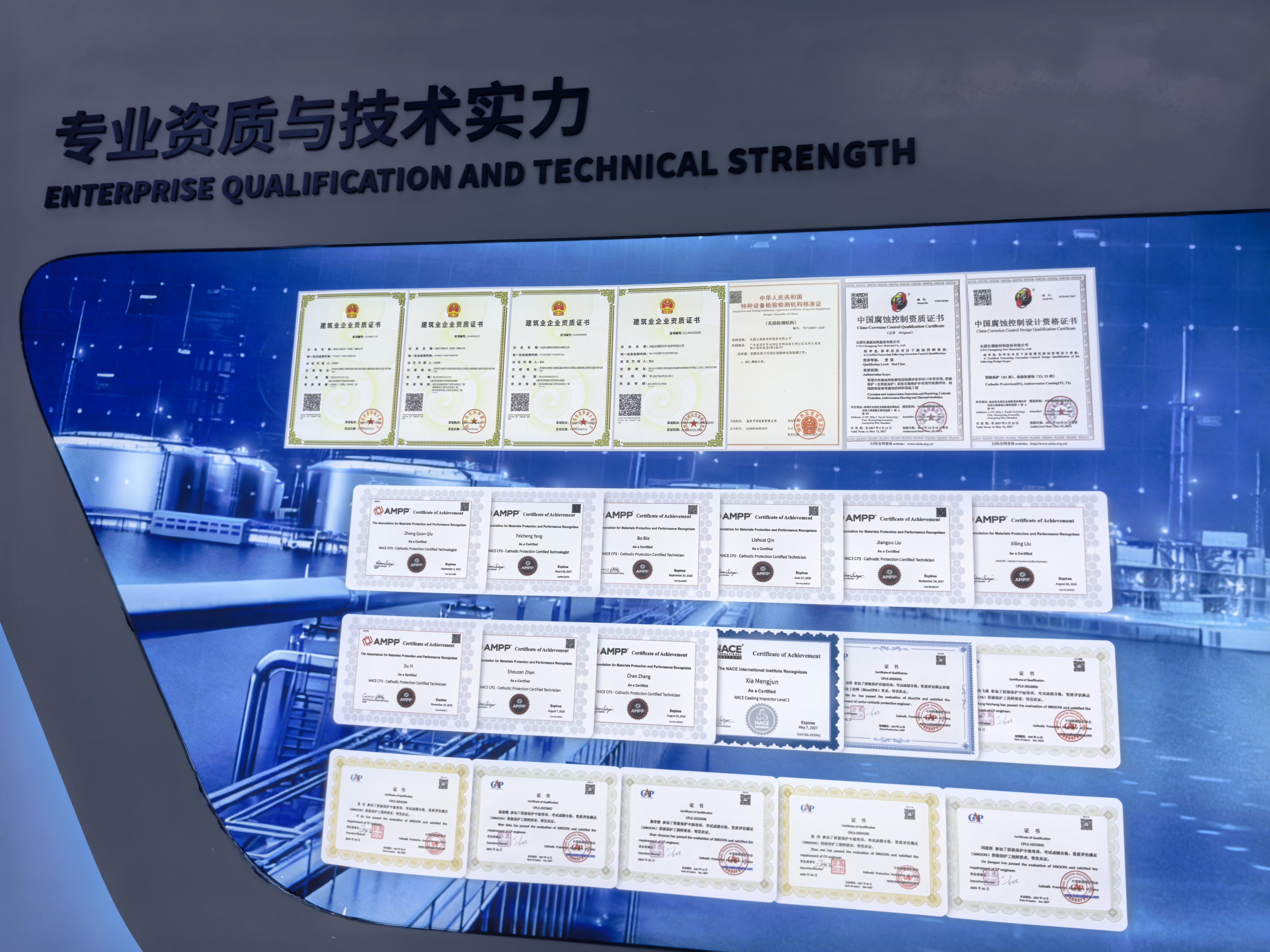

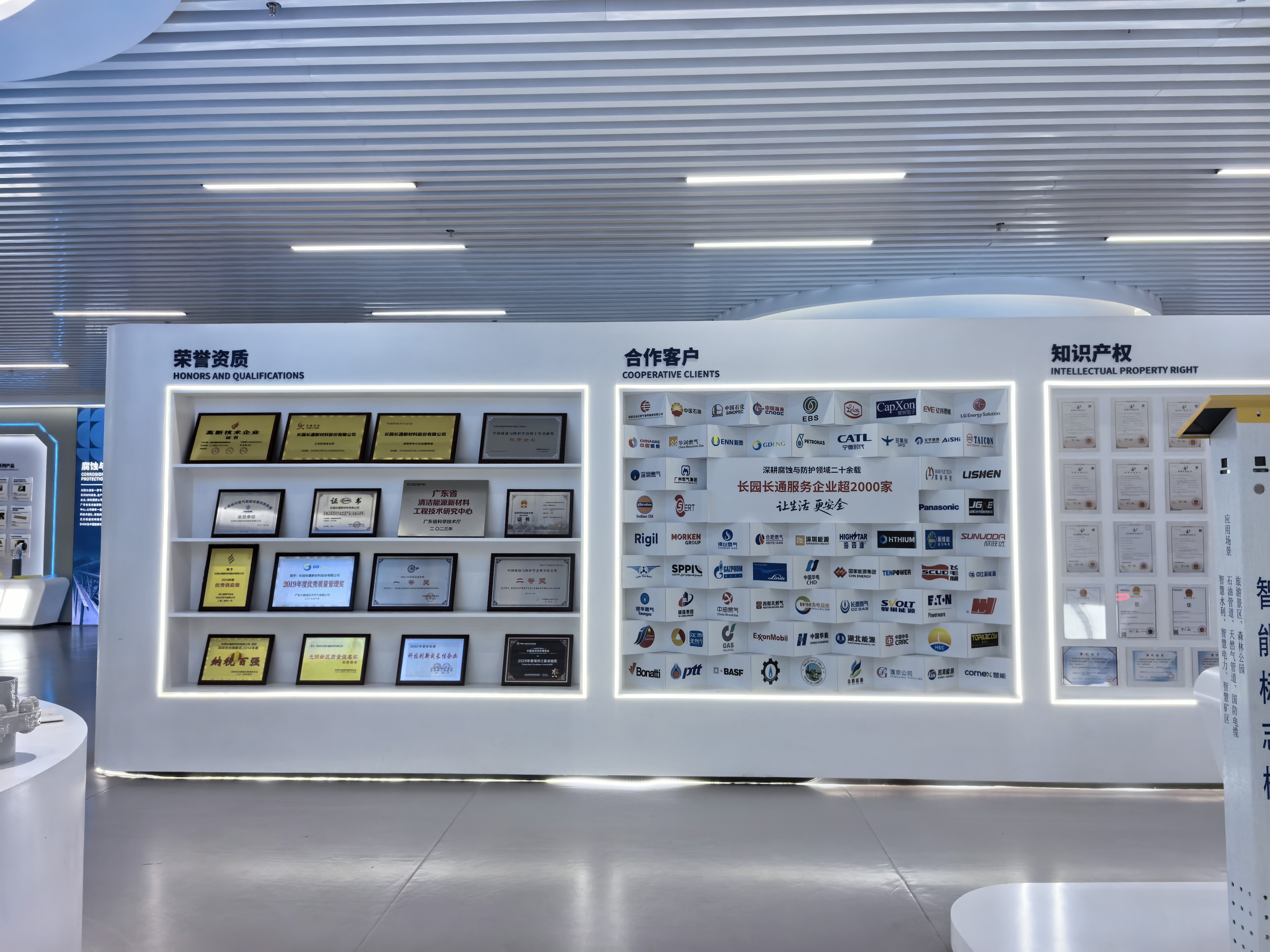
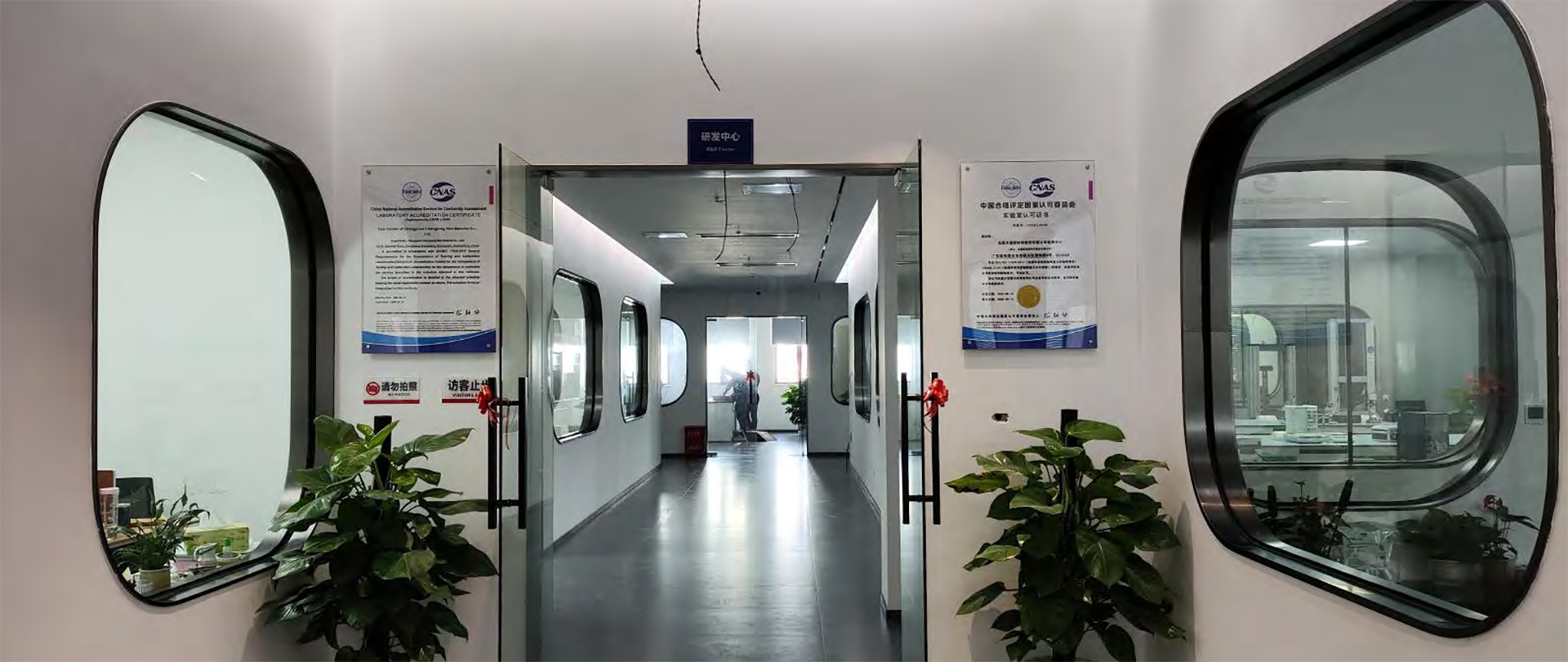
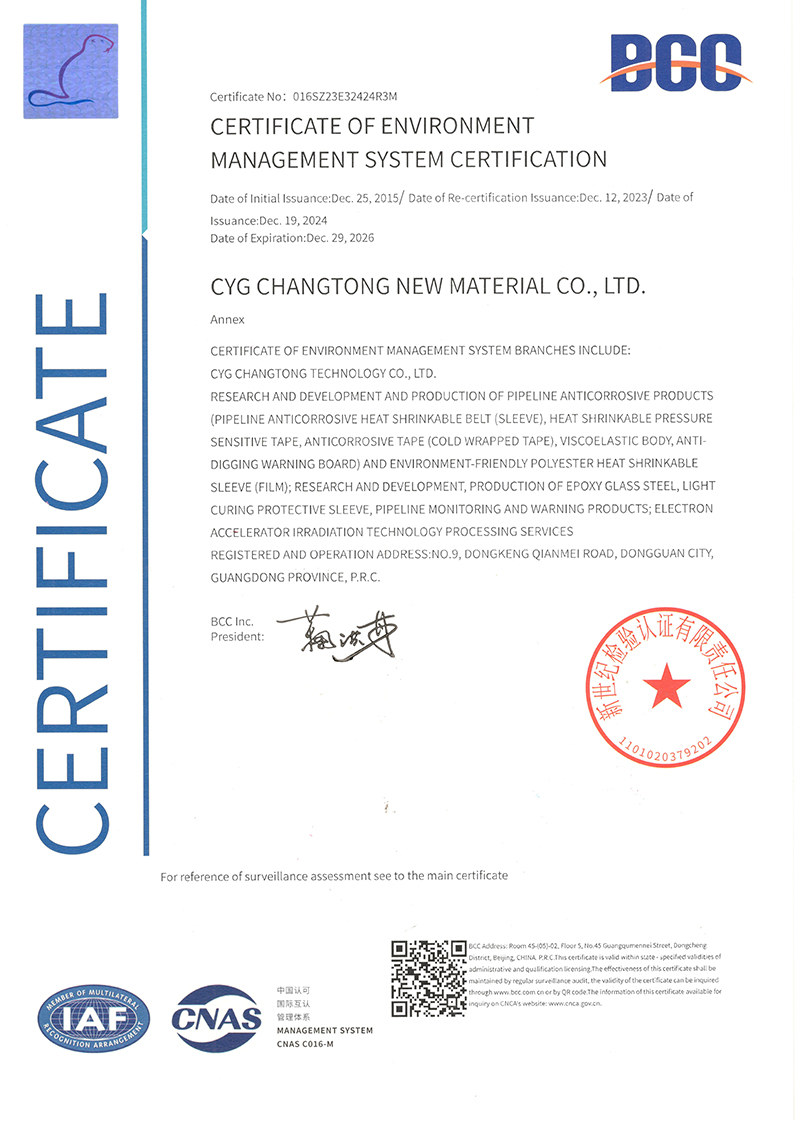
CYCT holds key credentials, reflecting our compliance with domestic and international engineering, safety, and environmental standards.
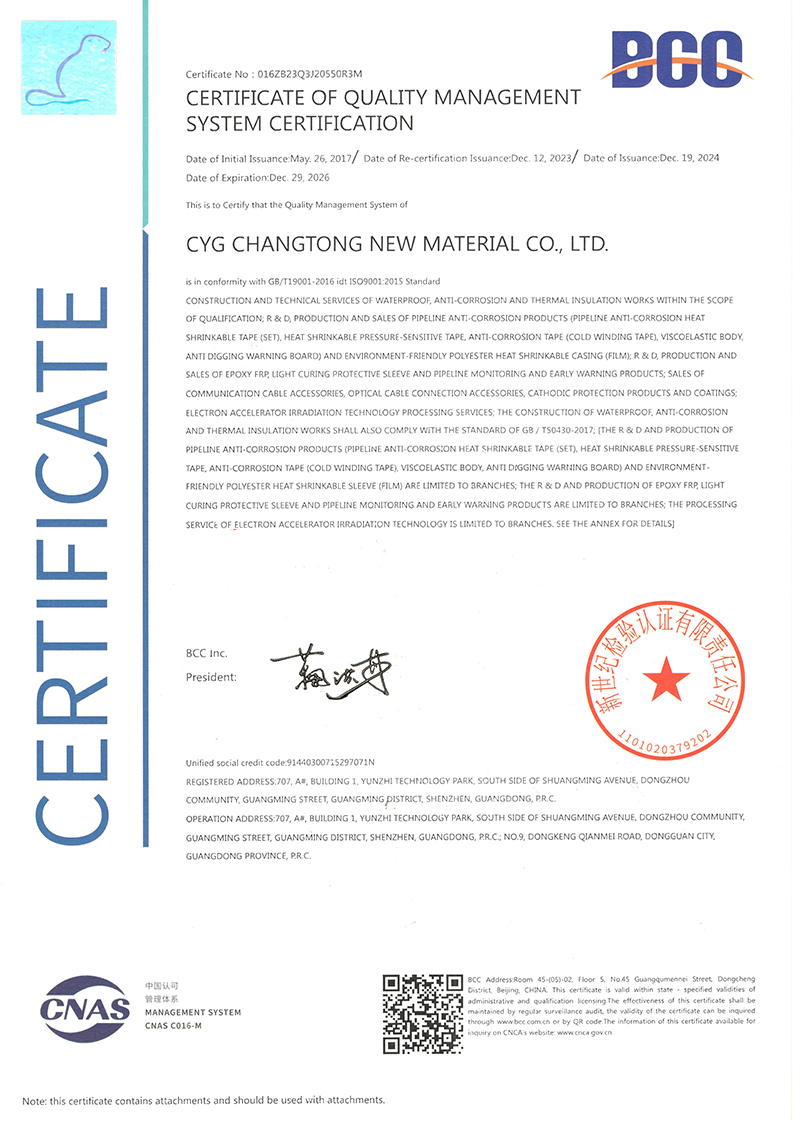
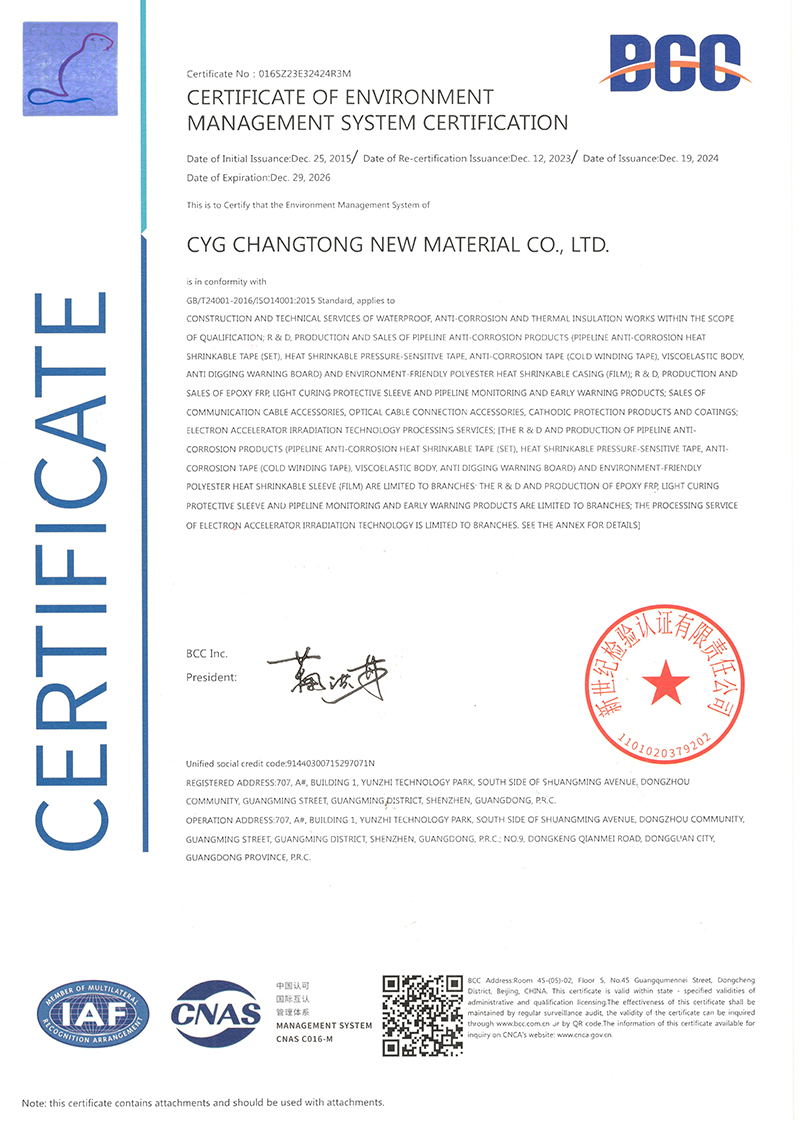
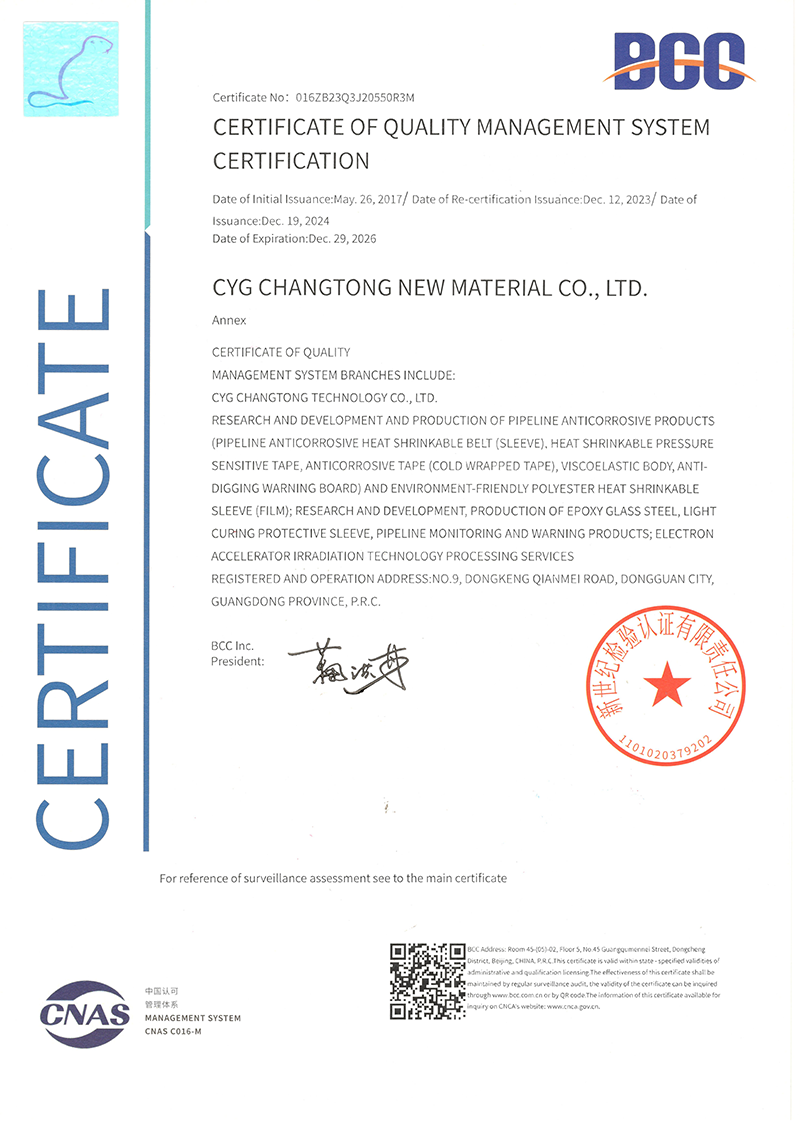
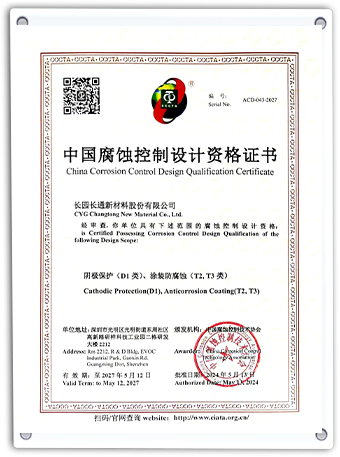
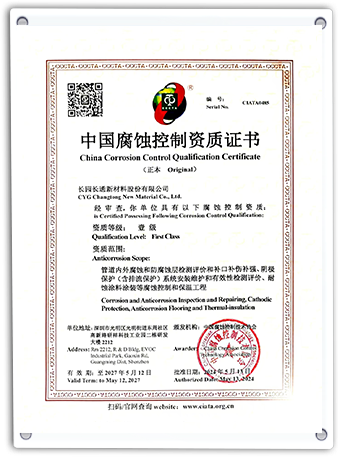
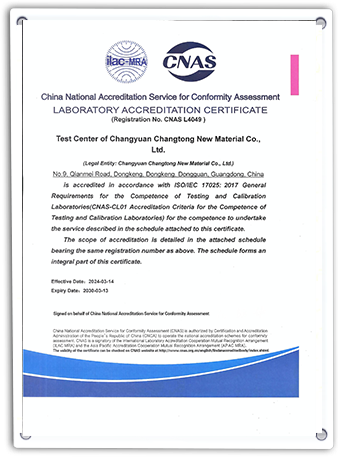
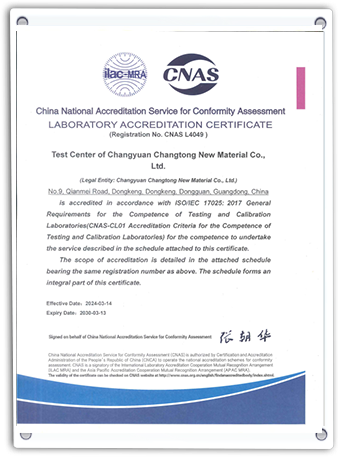
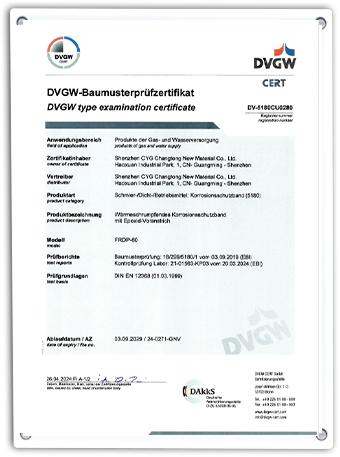
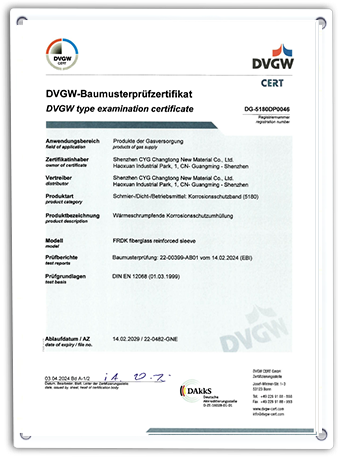
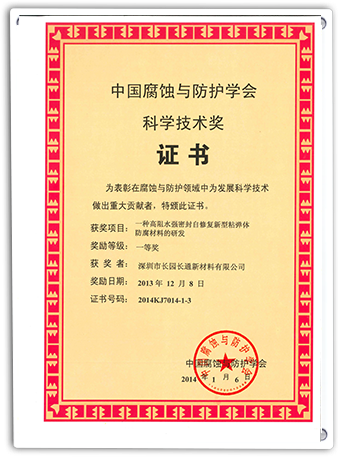
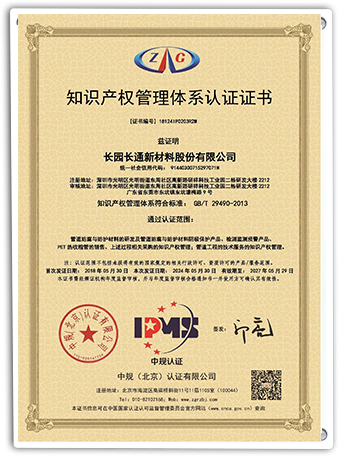
Member of Council in Chinese Society for Corrosion and Protection (CSCP) | Corporate Member of China Association of Petroleum Engineering Construction (CAPEC) | State-Level High-Tech Enterprise with more than ten proprietary intellectual property rights.
Why international pipeline projects and global EPC contractors partner with CYCT for OEM and ODM thermo sleeve manufacturing.
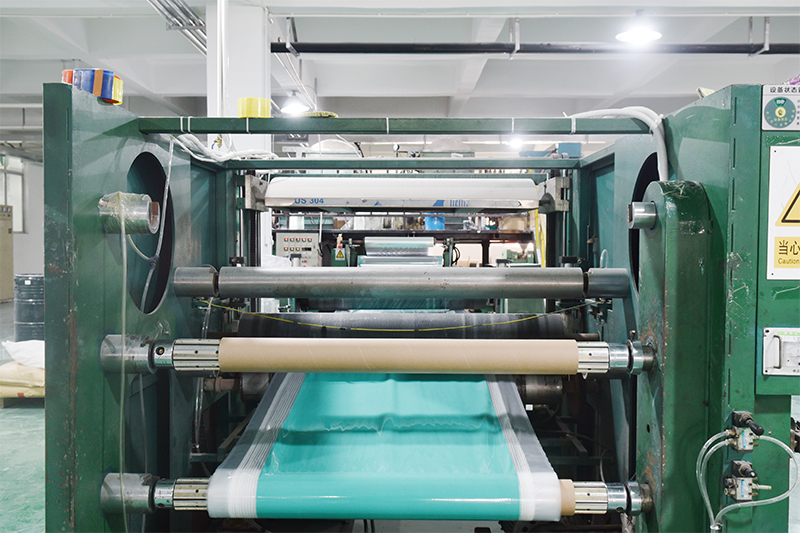
CYCT manages the full production process: from masterbatch compounding and backing sheet extrusion to electron-beam radiation crosslinking, expansion, and adhesive formulation/lamination. This vertical integration ensures consistent quality control and pricing stability.
Our advanced radiation crosslinking lines modify the molecular structure of our polyethylene (PE) and polypropylene (PP) backings. This crosslinking provides high physical strength, elasticity, and shape-memory performance, facilitating rapid shrinking during field installation.
CYCT manufactures products in compliance with international standards, including ISO 21809-3, EN 12068, and ASTM. This ensures our sleeves integrate with diverse mill-applied materials, including coal tar enamel, fusion bonded epoxy (FBE), 3LPE, and 3LPP.
EPC pipeline design engineers select FJC systems based on specific geotechnical and operational constraints. Our team produces OEM thermo sleeves categorized by raw material compositions and operational thermal ratings:
Designed for pipeline operating temperatures up to 60°C or 80°C. Composed of a radiation-crosslinked high-density polyethylene backing and a protective mastic or hot-melt copolymer adhesive. Suitable for multi-diameter gas distribution and trunk pipelines.
Formulated for high-temperature pipelines (up to 110°C–120°C). Designed to protect polypropylene-coated linepipes (3LPP). These sleeves exhibit high resistance to thermal aging and hot-water immersion, making them suitable for deep-well extraction and high-temp product lines.
A cold-applied, self-healing compound that does not cure. It flows into micro-fissures and rough surfaces of the steel substrate. Viscoelastic systems offer simple installation, requiring minimal surface preparation (often St 2/St 3 wire brushing instead of Sa 2.5 blast cleaning).
CYCT products are tested against major international pipeline standards. Our internal quality assurance program measures the following key engineering metrics:
High-quality FJC materials require correct on-site application to perform effectively. Overheating, underheating, or inadequate surface prep can compromise the performance of a thermo sleeve. CYCT addresses this by providing dedicated technical support teams for field applications.
We provide localized engineering support, on-site technician training, and digital application guidelines. For international markets, CYCT customizes packaging and labeling to meet localized health, safety, and environmental (HSE) standards. Our formulations also comply with RoHS and REACH regulations, facilitating smoother import clearance and local compliance.
Pipelines cross varied geographic terrain. Standard formulations may not perform ideally across both arctic tundras and desert heat. CYCT manufactures custom variations optimized for specific regions:
CYCT materials are designed for diverse pipeline construction and rehabilitation environments:
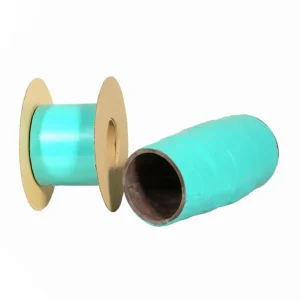
Trenchless pipeline crossings under rivers, highways, or structures expose coatings to high shear forces. CYCT photo-curing sleeves and glass fiber reinforced plastic (GFRP) repair systems protect joints from mechanical damage during pulling operations.
High-pressure oil and gas trunklines require durable corrosion protection. Our 3-layer thermo sleeve systems (incorporating liquid epoxy primer, hot-melt copolymer adhesive, and radiation-crosslinked PE backing) mimic the protection of mill-applied 3LPE coatings.
Urban distribution networks require materials that are fast and safe to install near high-density areas. CYCT non-toxic viscoelastic sealant putties and mastic-coated sleeves install quickly with minimal equipment, reducing excavation footprint and street closure time.
Key technical shifts shaping the development and manufacturing of next-generation thermo sleeves.
Deep-well oil extraction and high-volume gas lines increasingly operate at temperatures above 100°C. Standard PE sleeves soften at these levels. Next-generation PP thermo sleeves match the performance of PP-insulated pipe, preventing sag and chemical breakdown.
Modern specifications combine different protection methods, such as applying viscoelastic inner layers for substrate adhesion and structural polyolefin outer sleeves to protect against mechanical forces.
Global environmental regulations restrict volatile organic compounds (VOCs) and hazardous residues. Modern R&D focuses on solvent-free epoxy primers, lead-free heat indicators, and recyclable materials to lower environmental impact.
Technical answers to common questions about thermo sleeves and pipeline field joint coatings.
Explore our additional pipeline maintenance materials, repair systems, and sealing putties.
 CYCT
CYCT