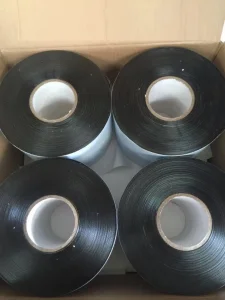
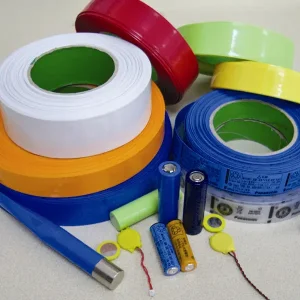
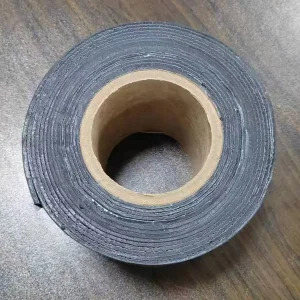
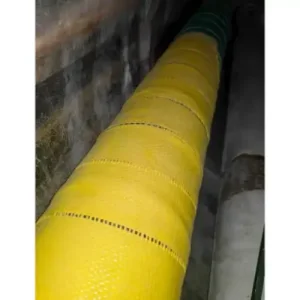
Explore our engineered line of field-applied heat shrink sleeves, cold tapes, and pipeline repair solutions designed to meet the rigorous demands of global oil, gas, and water distribution networks.
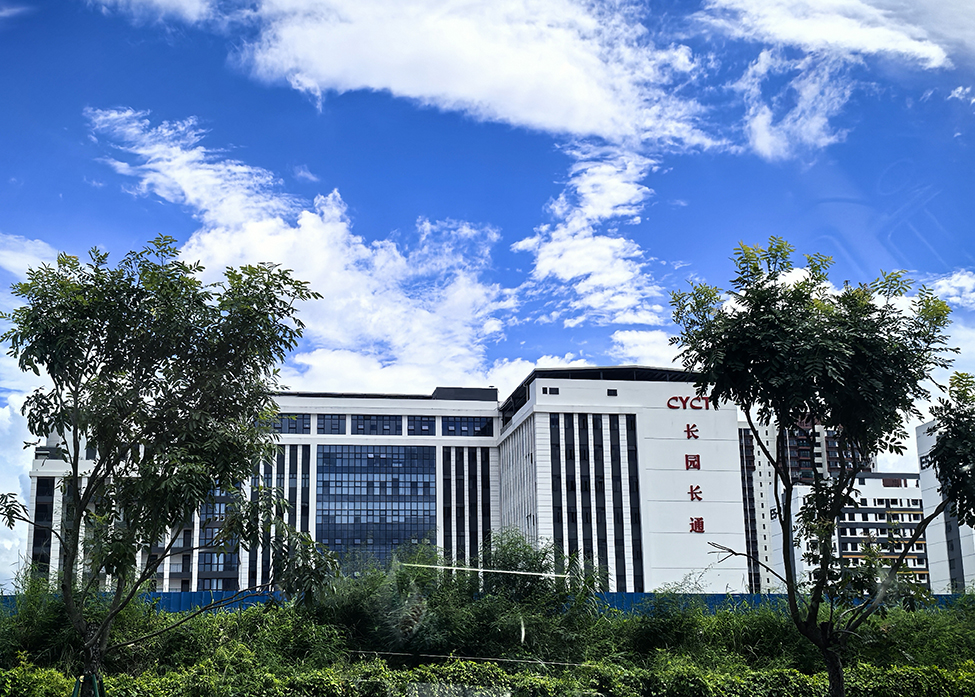
CYCT New Materials Company Limited (short for CYCT) is a state-level high-tech enterprise integrating R&D, production, and sales of pipeline corrosion protection materials. We support international energy networks through direct material supply, buried pipeline detection services, and pipeline coating field application services.
Over decades of focused operation, CYCT has developed an industry-leading capacity for manufacturing high-performance shrink pipe sleeves. By partnering with leading research institutes such as the CNPC Pipeline Science Research Institute, we provide full lifecycle protection design schemes, cathodic protection coordination, rehabilitation project execution, and integrated solutions for pipeline safety.
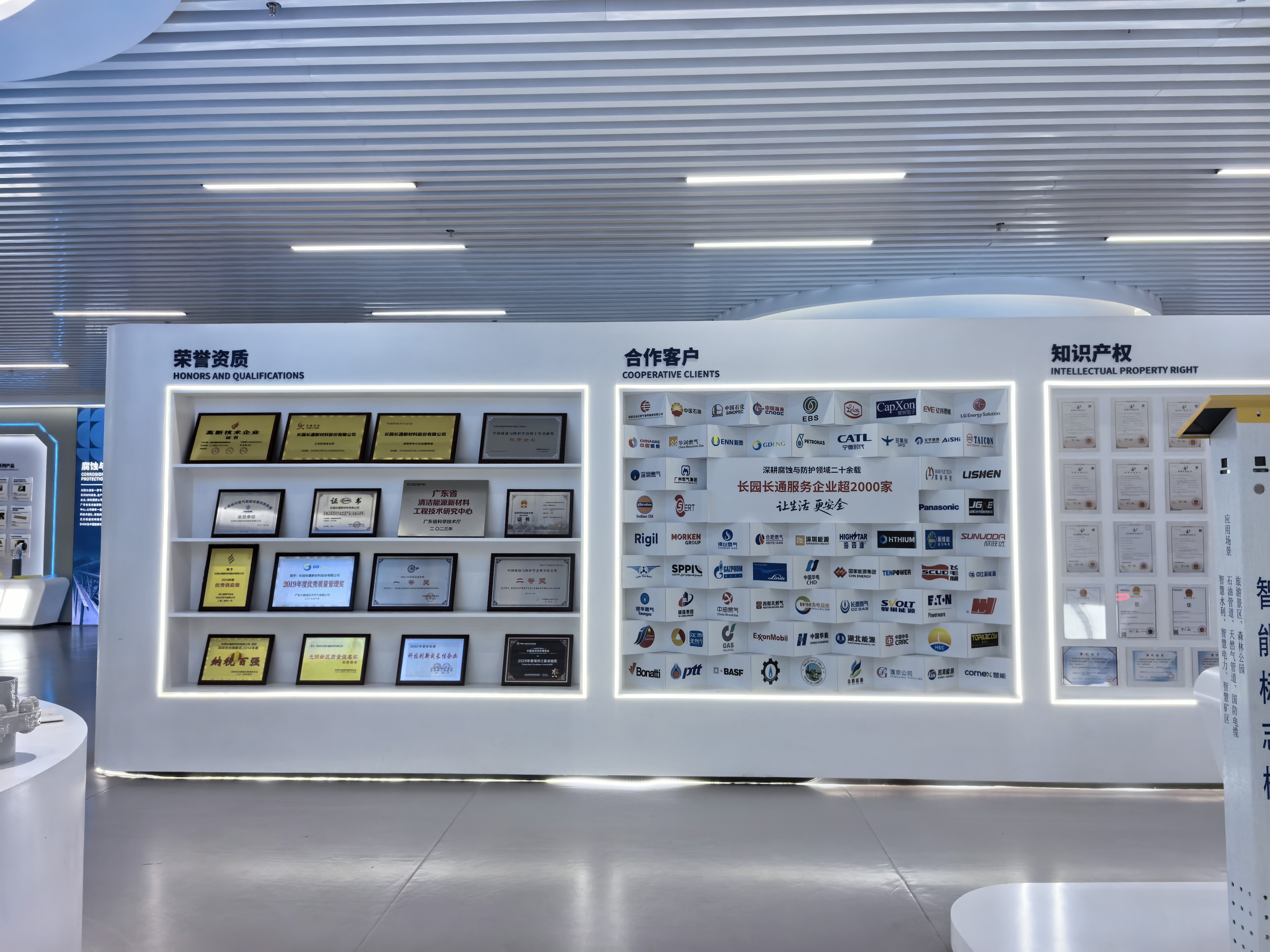
Today, CYCT is a stable, key field joint coating supplier for PetroChina, Sinopec, PipeChina, and Indian Oil, maintaining a dominant market share in domestic and regional pipeline networks.
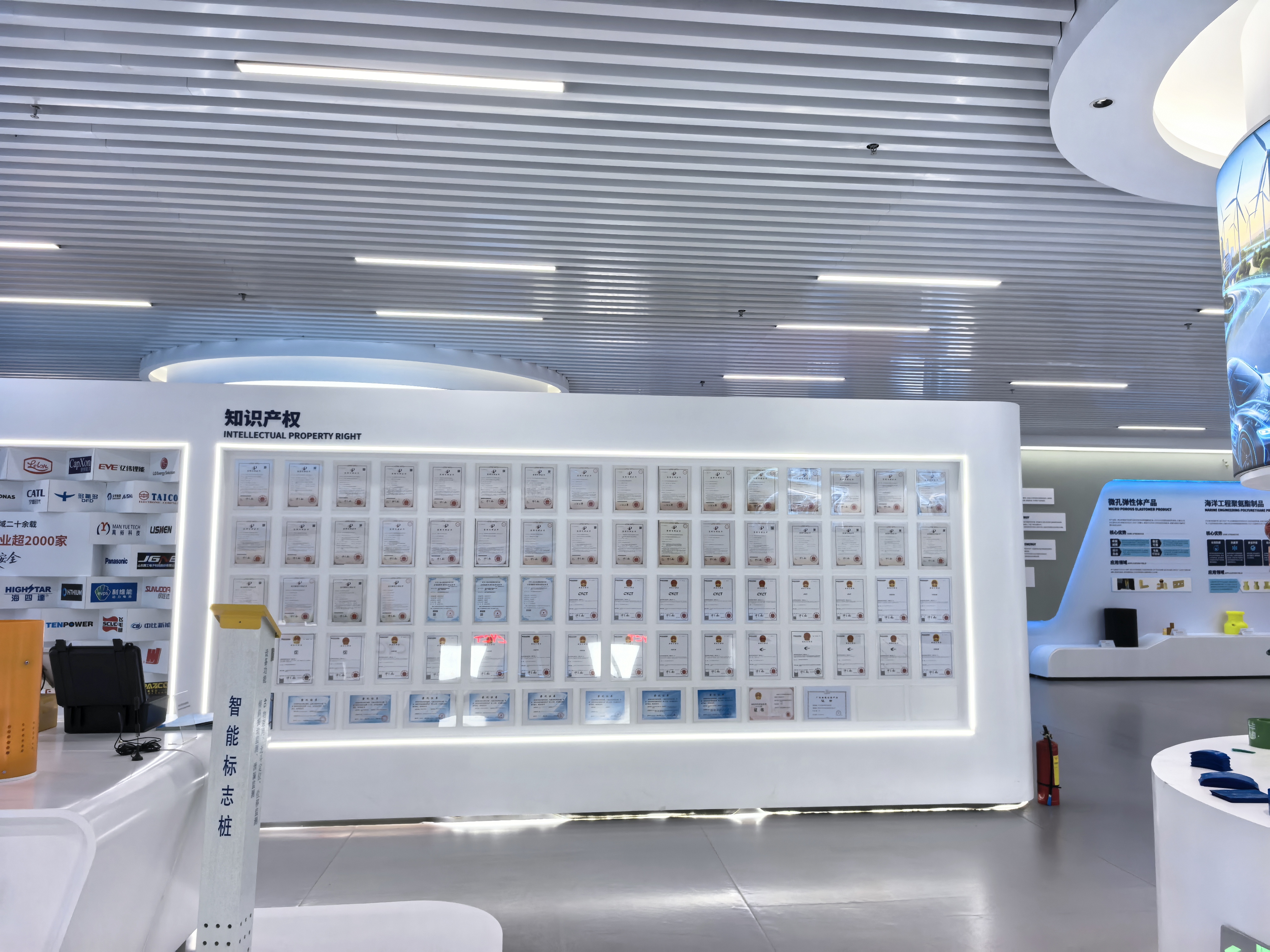
CYCT houses a professional chemical and mechanical R&D team operating in a national CNAS-accredited laboratory. This facility supports rigorous material analysis, aging simulations, and custom OEM development.
An authoritative analysis of material properties, mastic flow dynamics, and shear strength parameters governing field joint coatings (FJC).
Heat-shrinkable sleeves rely on "elastic memory" engineered via high-energy electron beam irradiation. This alters the linear polymer chain structure of polyethylene (PE) or polypropylene (PP) into a stable, three-dimensional cross-linked network. Upon applying heat, the crystalline domains melt, allowing the sleeve to shrink recovery to its original extruded dimensions, tightly sealing the joint.
Standard mastic layers flow under residual heat to fill surface profile irregularities. CYCT's custom co-polymer hot-melt formulations ensure high shear resistance at design operating temperatures (up to 80°C for PE systems and up to 120°C for specialized PP joint systems), preventing soil stress disbondment.
Modern field joint coatings are not simple plastics; they are composite barrier systems. When selecting an OEM shrink sleeve partner, engineers analyze three primary functional layers:
By tailoring the cross-linking density and adhesive chemistry, CYCT aligns its OEM sleeves with international standards, ensuring pipeline operators receive custom specifications tailored to regional soil compositions and thermal load profiles.
Consolidated industrial clusters, scale economies, and precision quality engineering at CYCT.
CYCT maintains end-to-end control of raw material formulation, sheet extrusion, radiation cross-linking, adhesive compounding, and slitting. By eliminating external sub-processing, we optimize raw material yields and minimize downstream bottlenecks.
Our state-of-the-art facility features automated manufacturing units capable of outputting millions of square meters of anti-corrosion tapes and heat shrink sleeves annually. This massive scale ensures shorter lead times for large-scale EPC tenders.
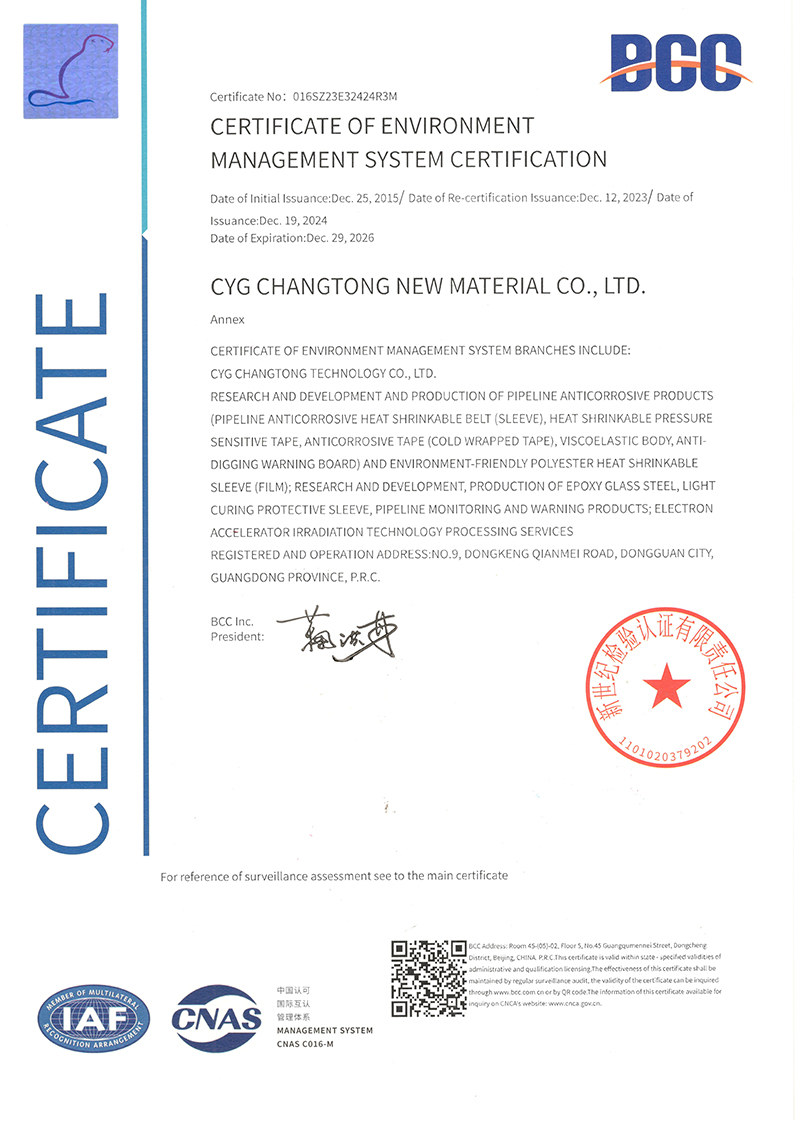
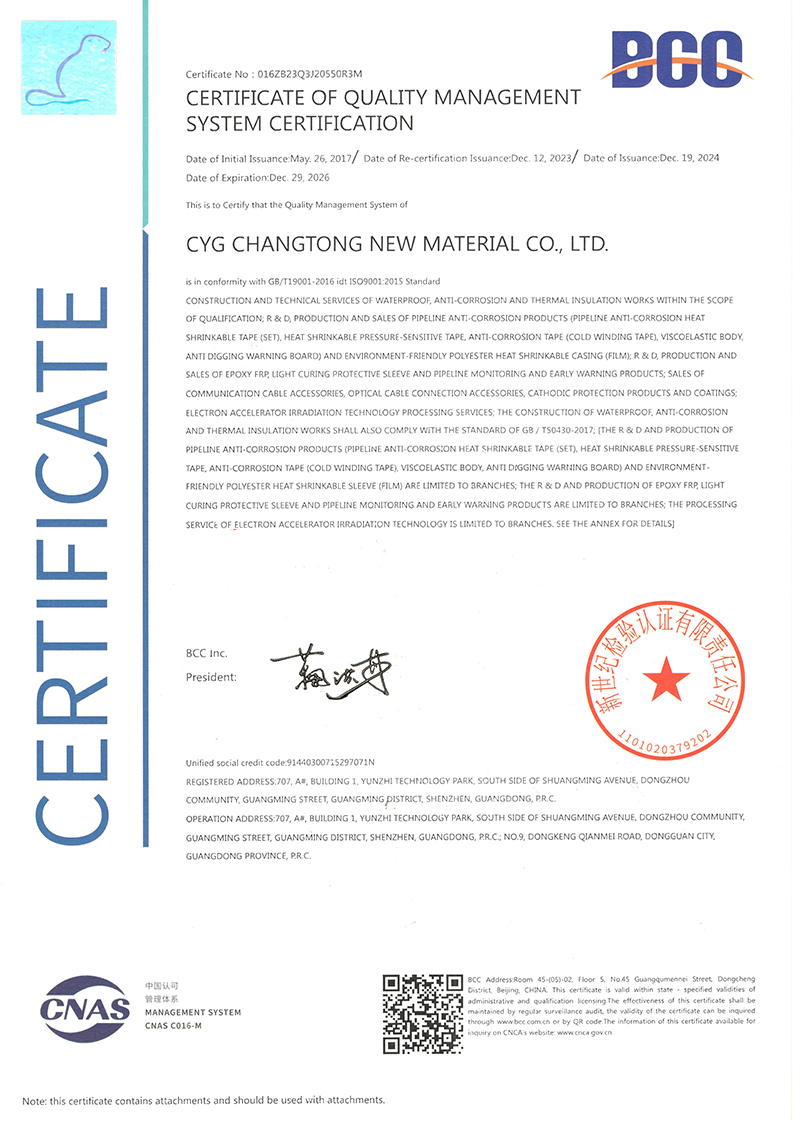
With ISO 9001, ISO 14001, and ISO 45001 systems active across all lines, CYCT monitors thickness consistency, peel strength, heat recovery ratio, and impact resistance in real time, guaranteeing batch-to-batch consistency.
International pipeline engineering firms (EPCs) and utility operators demand more than just low-cost materials. High-stakes pipeline installations require suppliers who can mitigate supply chain risks, guarantee legal compliance, and deliver structural integrity.
Before ordering heat shrink sleeves, ensure the manufacturer meets these parameters:
1. Standard Compatibility: Does the product meet ISO 21809-3 Type 2A/2B or EN 12068 Class C?
2. Operating Temp: What is the continuous design temperature of the linepipe?
3. Site Conditions: Is it a trenchless installation requiring specialized mechanical protection sleeves?
At CYCT, compliance isn’t just a target; it is the core of our engineering design.
Our heat shrink sleeves, PVC/PE cold-applied tapes, and hot-melt fillers conform to major international pipeline standards: ISO 21809-3, EN 12068, DVGW, and NACE SP0169/SP0274. This ensures compliance with local municipal and federal pipeline safety codes globally.
We collaborate with regional distributors, testing laboratories, and certified application engineers across Europe, the Middle East, Southeast Asia, and South America to provide onsite training, inspection, and local customs documentation support.
CYCT products are formulated without toxic VOCs or restricted halogenated compounds. The materials satisfy REACH and RoHS standards, protecting construction crews and subterranean water tables from chemical leaching.
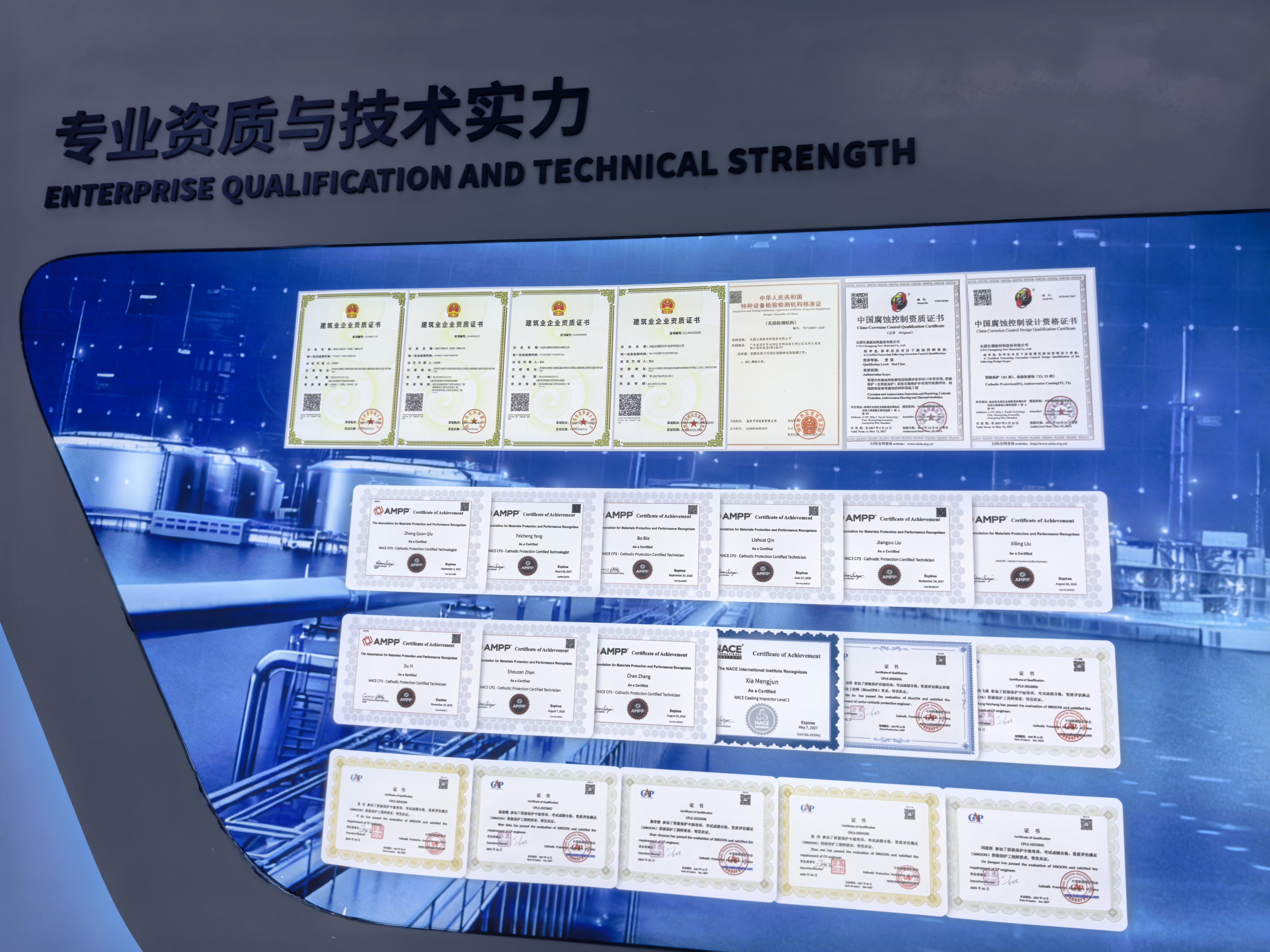
Recognized by Global Bodies & Industrial Authorities
Member of Council in Chinese Society for Corrosion and Protection (CSCP) | Qualification Certificate of Corrosion Protection Construction | Qualification Certificate of Pipeline Detection | Well-known Brand of Pipeline Corrosion Protection in China | Corporate Member of China Association of Petroleum Engineering Construction (CAPEC) | State-Level High-Tech Enterprise | AMPP (Association for Materials Protection and Performance) Member
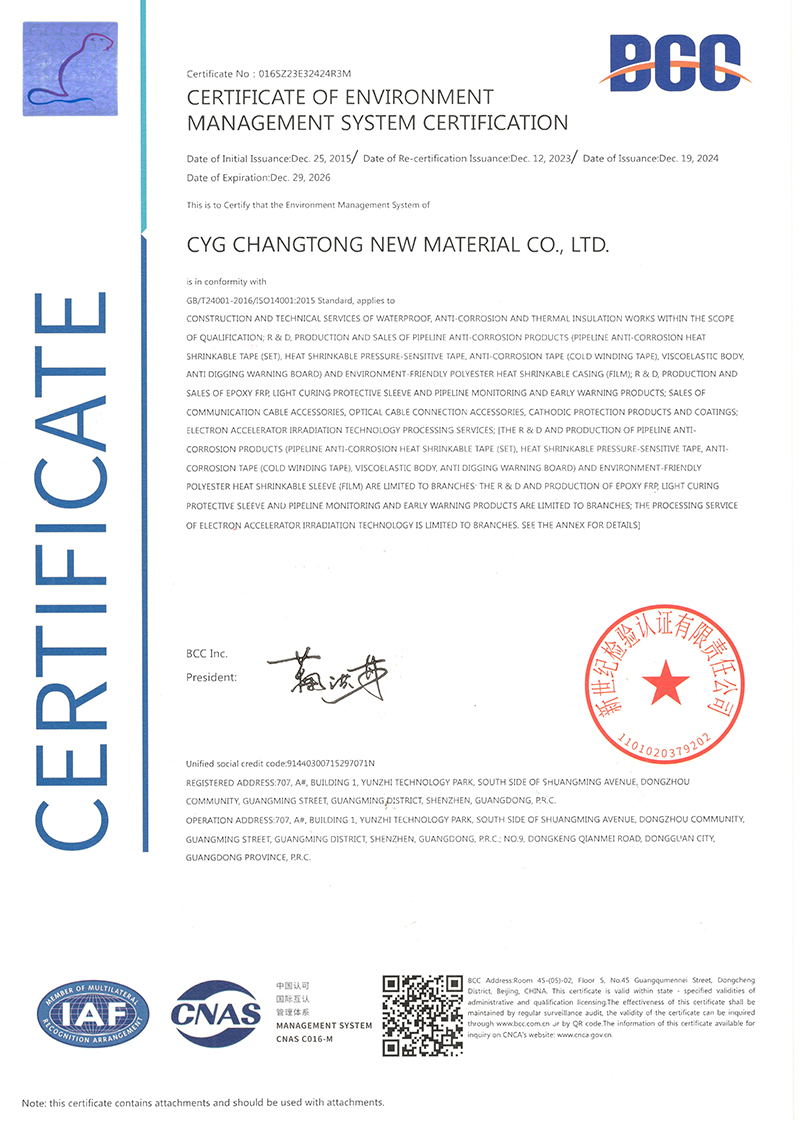
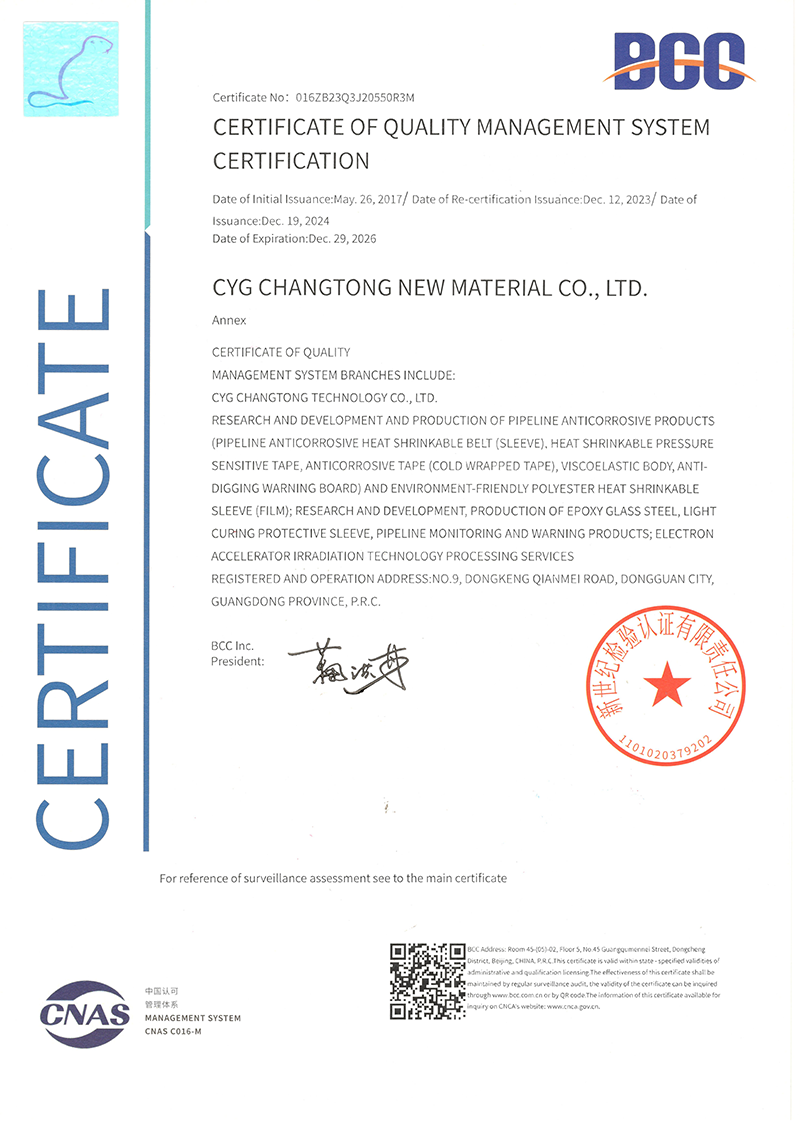
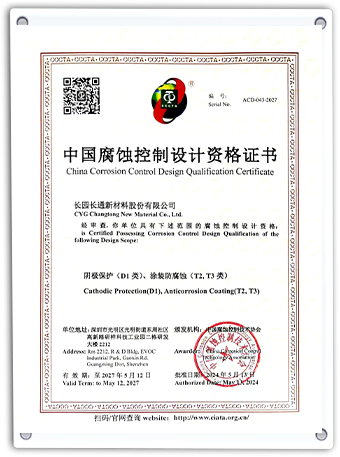
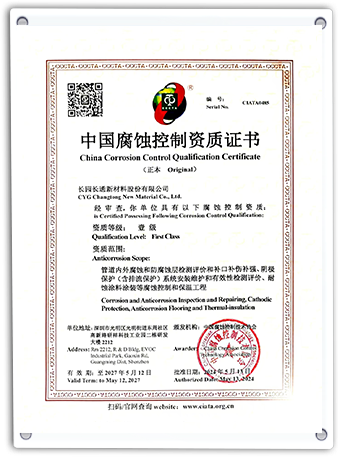
From deep subsea pipelines to congested metropolitan gas lines, CYCT sleeves deliver robust protection.
High-stress soil conditions, temperature fluctuations, and cathodic disbondment pressures require premium field joint coatings. Our wrap-around and tubular sleeves seal joints on oil and gas networks traversing deserts, frozen soils, and swampy terrain.
Saltwater environments accelerate steel oxidation. CYCT's specialized products, such as the CYG Changtong GRF Moisture Curing Shield, provide offshore structures, risers, and undersea lines with extreme resistance to wave action, marine organisms, and chemical ingress.
Horizontal Directional Drilling (HDD) subjects the pipeline to high frictional shear forces. Using standard sleeves can cause tearing. CYCT provides high-strength photo-curing sleeves and mechanical protection sleeves designed to withstand abrasive rocky soils during HDD pullback operations.
Understanding where the pipeline integrity market is heading helps procurement teams choose future-proof materials.
Deep geothermal wells and heavy oil extraction lines operate at high temperatures. Traditional PE coatings melt or lose shear strength above 80°C. Development focuses on polypropylene (PP) heat shrinkable sleeves engineered to handle continuous temperatures up to 120°C.
Visco-elastic polymer technologies allow coatings to flow into minor scratches or punctures caused by soil shift, self-healing without manual repair. This significantly decreases the risk of localized corrosion underneath the coating.
Modern pipeline management increasingly integrates smart indicators, such as thermo-chromic paints or sensor strips on the sleeve backing. These changes visually indicate when the sleeve has achieved optimal shrinkage temperature, reducing contractor application errors.
As ESG guidelines restrict petrochemical materials, researchers are exploring plant-derived polymers and bio-resins for backing sheets and adhesives, reducing the carbon footprint of cross-country projects.
Answers to crucial engineering and procurement queries regarding shrink pipe sleeves and corrosion protection systems.
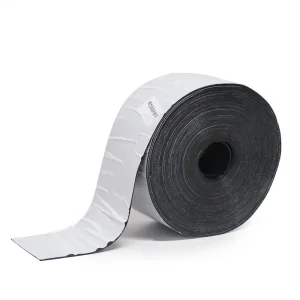
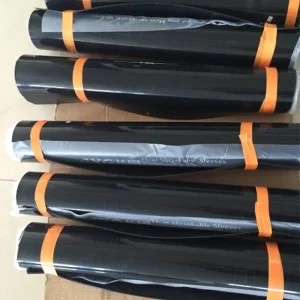
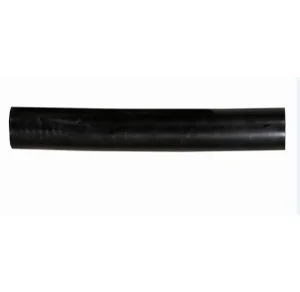
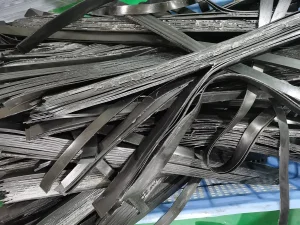
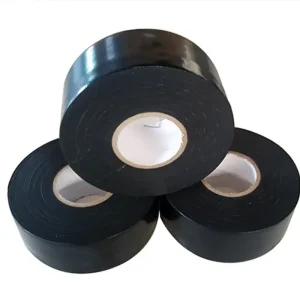
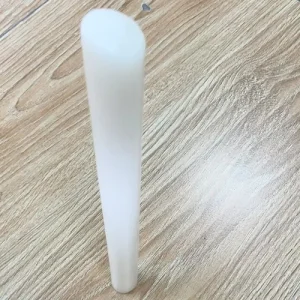
Ensure complete line protection with our specialized anti-corrosion tapes, hot melt filler sticks, and subsea curing shields.
 CYCT
CYCT