High-performance anti-corrosion materials engineered to meet strict international standards and rugged field conditions.
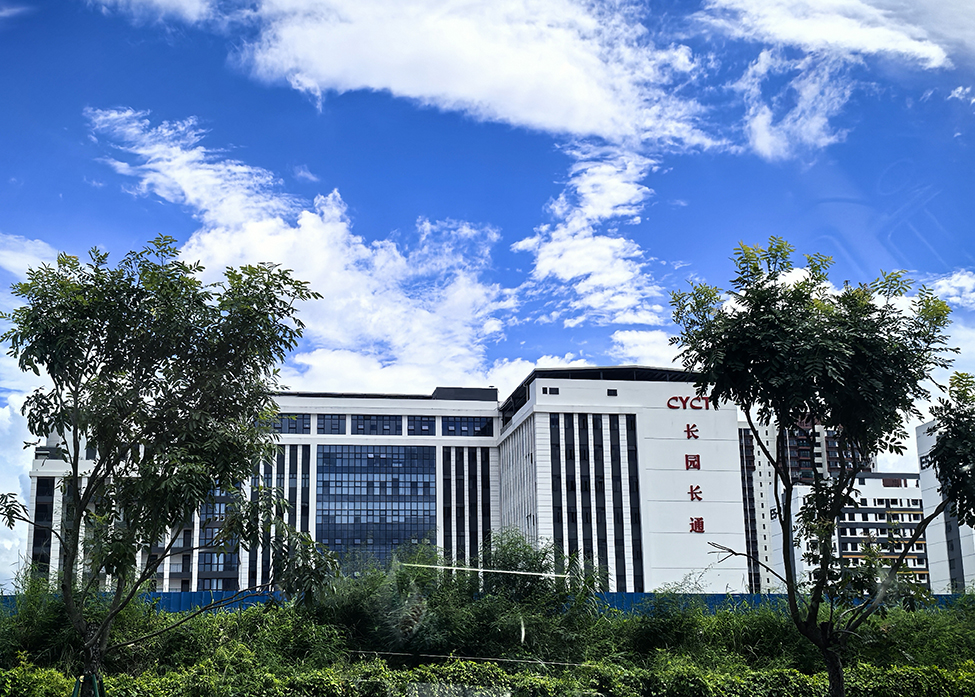
CYCT New Materials Company Limited (CYCT) is a state-level high-tech enterprise integrating the R&D, production, and sales of pipeline corrosion protection materials, buried pipeline detection services, and pipeline coating field application services into a singular comprehensive ecosystem.
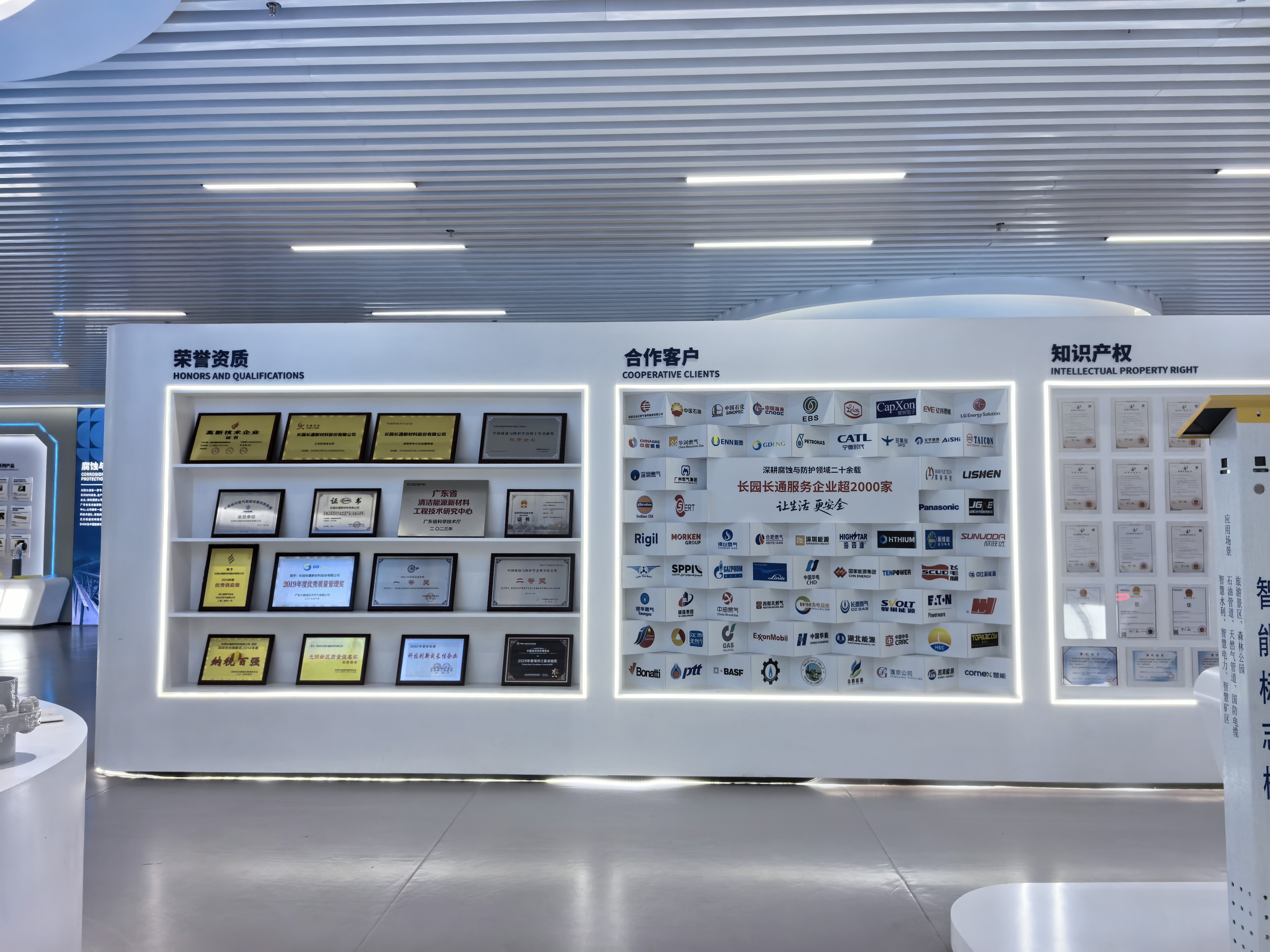
For decades, CYCT has dedicated itself to pioneering materials and methods that protect critical infrastructure. With a focus on structural longevity and operating safety, CYCT has established itself as an essential partner to giants like PetroChina, Sinopec, PipeChina, Indian Oil, and local municipal gas and oil distribution grids worldwide.
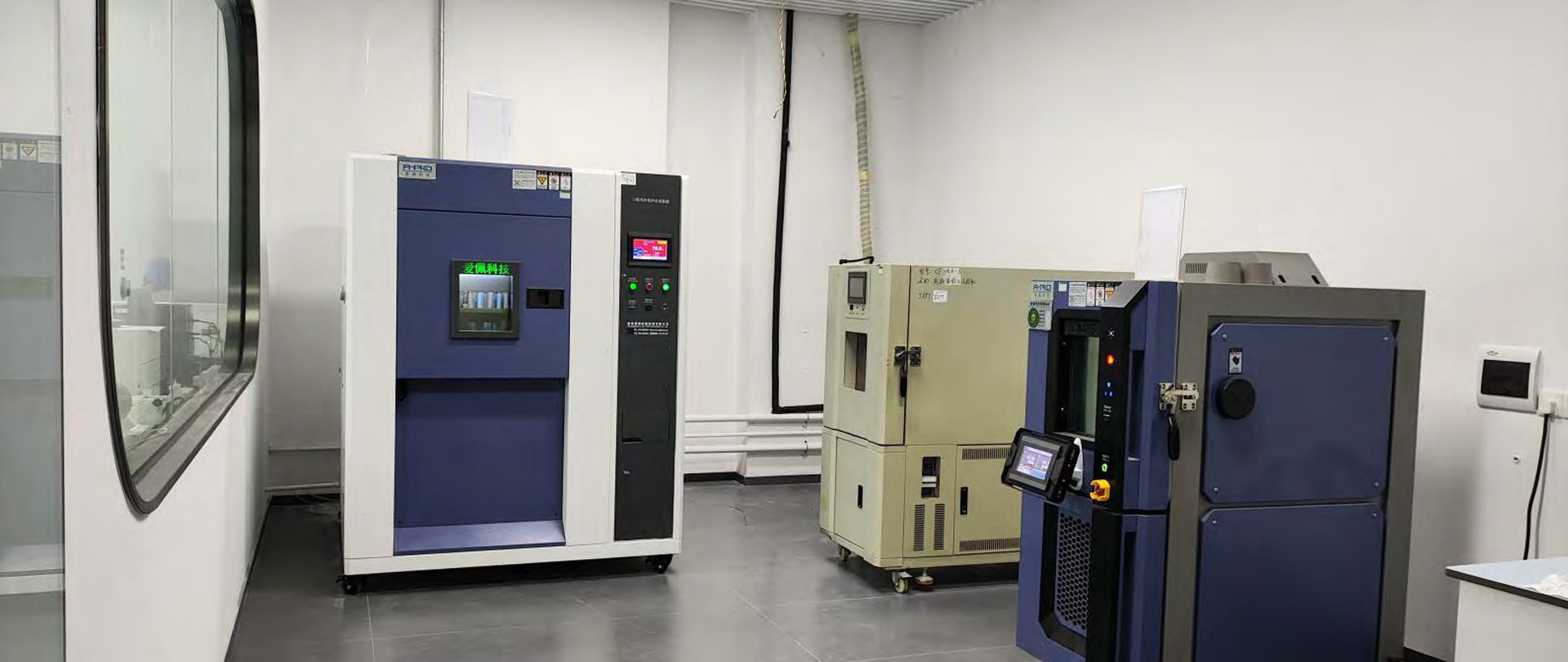
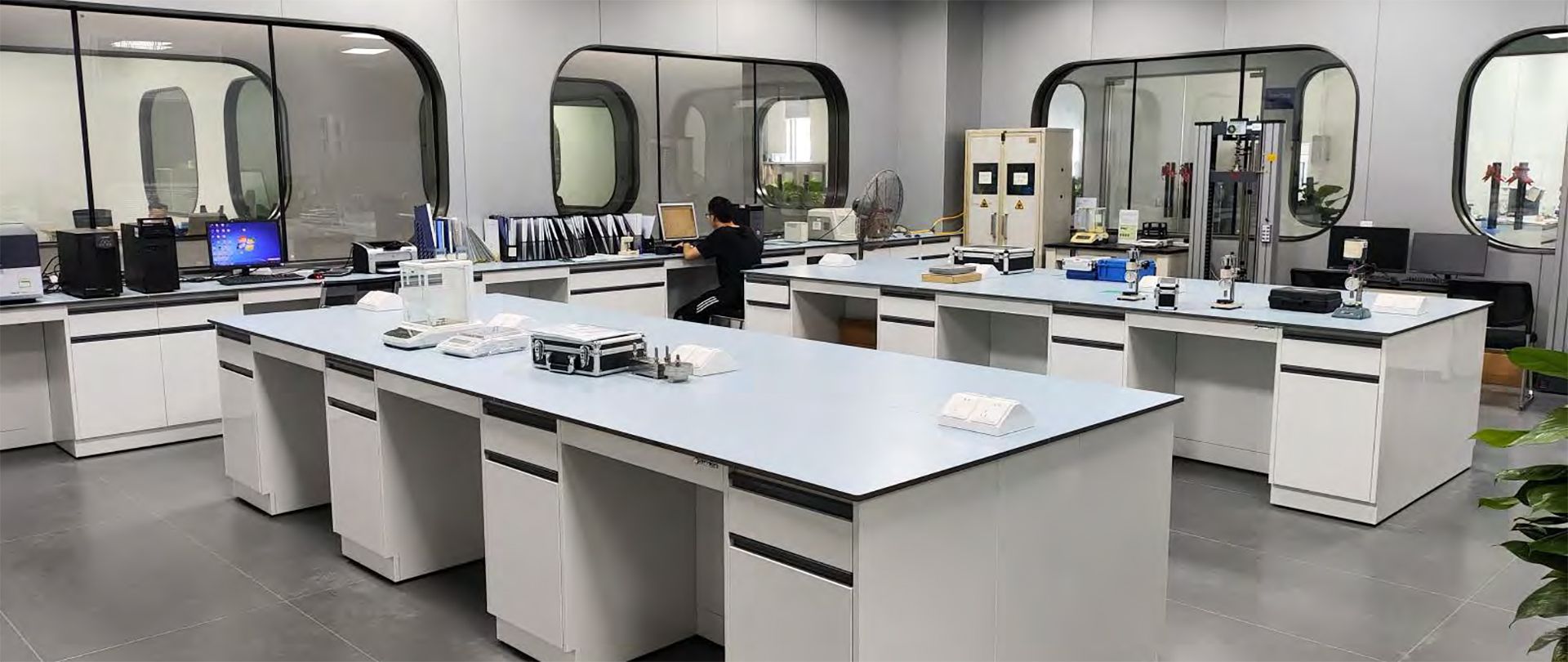
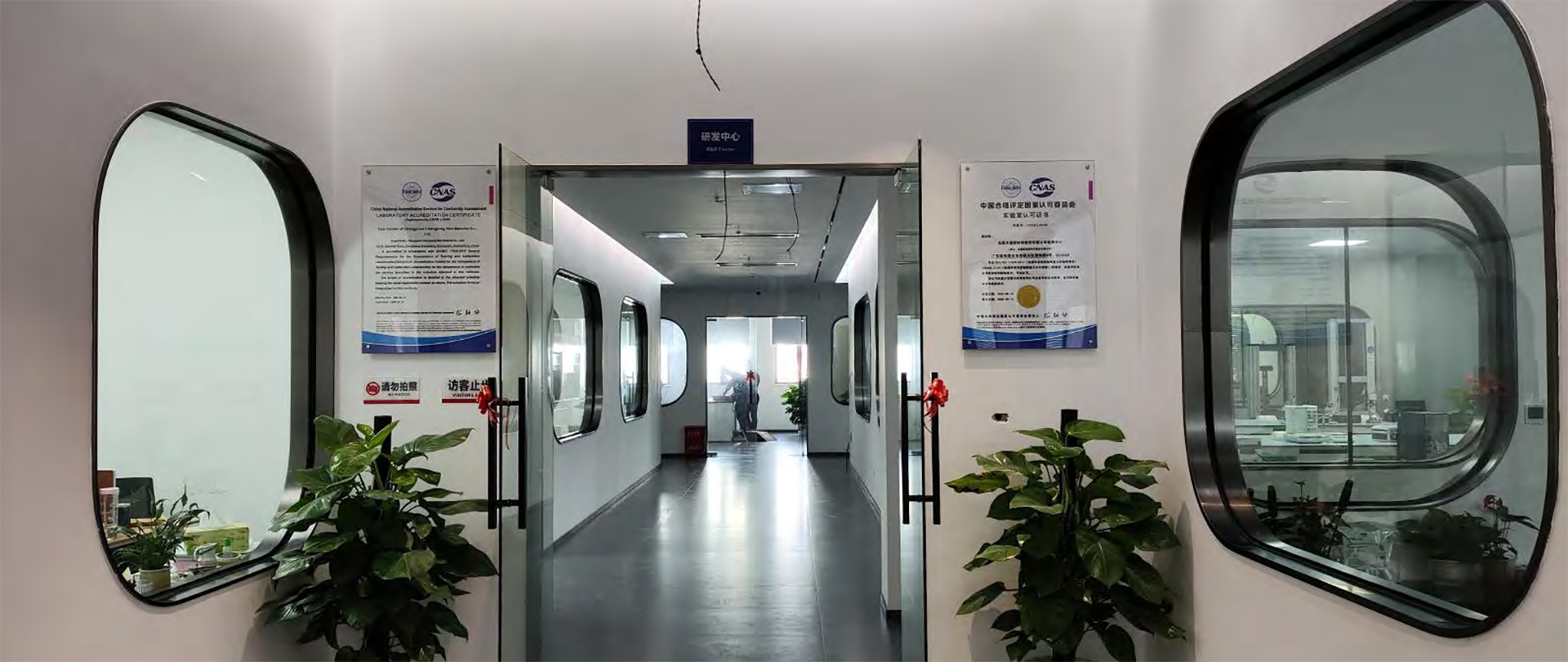
“CYCT is proud to run a national CNAS-accredited laboratory, ensuring every batch of heat-shrinkable materials, viscoelastic coatings, and photo-curing sleeves undergoes rigid testing for tensile strength, cathodic disbondment, shear stress, and thermal aging.”

Year Founded
National Lab
Proprietary Patents
Active Corporate Member
The pipeline infrastructure industry is undergoing a structural transition driven by the necessity for longer asset lifetimes, lower lifecycle costs, and more strict ecological rules. As municipal and transmission pipelines face harsher geographies, traditional bitumen and coal tar wraps are being replaced by high-performance polymer-based coatings. This macro-environmental shift centers on three primary performance vectors:
Unlike conventional crystalline polymer backings that require high-temperature preheating and can experience adhesive failure under shear stress, viscoelastic polymer systems maintain fluid-like flow dynamics even at low ambient temperatures. They flow into micro-rough metal substrates, establishing an intimate molecular bond that repels water and oxygen. Viscoelastic tapes are self-healing, resisting mechanical punctures and stress corrosion cracking (SCC) by continuously creeping back to fill voids.
Regulatory guidelines such as REACH and RoHS have targeted toxic volatile organic compounds (VOCs) and heavy-metal primers. Contemporary OEM manufacturers focus heavily on solvent-free, non-toxic elastomeric adhesives (such as the non-toxic VE Putty and viscoelastic coatings listed in our catalog) that require minimal surface preparation and pose zero health risks to application crews.
The growth of trenchless engineering has created a critical demand for mechanical protective layers. During pull-back operations in directional drilling, field joint coatings are subjected to extreme abrasion against rock and gravel. The industry has adopted hybrid solutions: applying high-strength UV-cured glass reinforced plastics (GRP) over primary anti-corrosion viscoelastic layers to construct a shield capable of withstanding immense mechanical stresses without compromising the underlying protective barrier.
How CYCT implements next-generation material science to solve corrosion, impact, and shear failures in buried and aboveground pipeline installations.
Every batch of raw polyolefin, elastomer, and structural backing is verified in our CNAS laboratory to guarantee consistent mechanical performance and long-term stability.
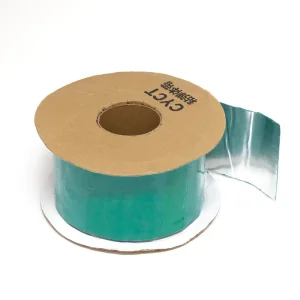
Our viscoelastic products (such as VT95) exhibit high rheological flow under micro-roughness, maintaining permanent self-healing protection across temperature extremes.
Using photo-curing GRP systems, we shield underlying pipeline joints against shear, impact, and abrasion during complex directional drilling pulls.
International energy companies and engineering, procurement, and construction (EPC) contractors require high reliability when sourcing field joint coating (FJC) systems. Procurement engineers focus on key parameters to guarantee that the selected anti-corrosion system matches the design life of the parent coating (typically 30 to 50 years).
Our continuous investment in advanced extrusion lines, chemical synthesis reactors, and high-precision analytical equipment guarantees top-tier production quality.

CYCT does not simply sell products; we deliver engineering systems engineered to perform under specific mechanical and environmental conditions. Our solutions cover the entire lifecycle of long-distance oil, gas, water, and chemical transmission lines.
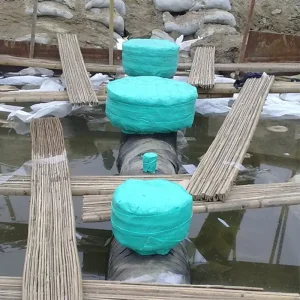
Horizontal Directional Drilling (HDD) is essential for crossing rivers, highways, and environmentally sensitive areas. However, pulling steel pipelines through rock formations subjects the corrosion coating to high friction and point loads. CYCT’s GRP photo-curing protective sleeve constructs a high-toughness, rigid casing over the anti-corrosion layer. The UV-curing matrix cures within minutes when exposed to sunlight or portable UV lamps, forming an outer shell with superior hardness and shear resistance that prevents damage during pull-back.
Irregular geometries like valves, tees, and flanges are historically challenging to coat with heat-shrinkable sleeves or liquid coatings, which can lead to high failure rates. CYCT's Viscoelastic VT95 Tape and VE Putty system flow into complex shapes, achieving 100% surface coverage. This non-toxic, hydrophobic putty fills transitions, allowing easy wrapping with viscoelastic outerwrap tapes. The system remains flexible and accommodates thermal expansion and contraction without disbonding.
Mill-applied three-layer polyethylene (3LPE) and three-layer polypropylene (3LPP) coatings can suffer damage during transport, bending, or handling. For minor defects, our Hot Melt Sticks (like the FRDX and CYG series) provide a fast, reliable repair. For larger damages, our PE and PP Repair Patches, applied with a hot melt adhesive layer, seal the exposed steel and bond with the factory coating to restore the continuity of the anti-corrosion barrier.
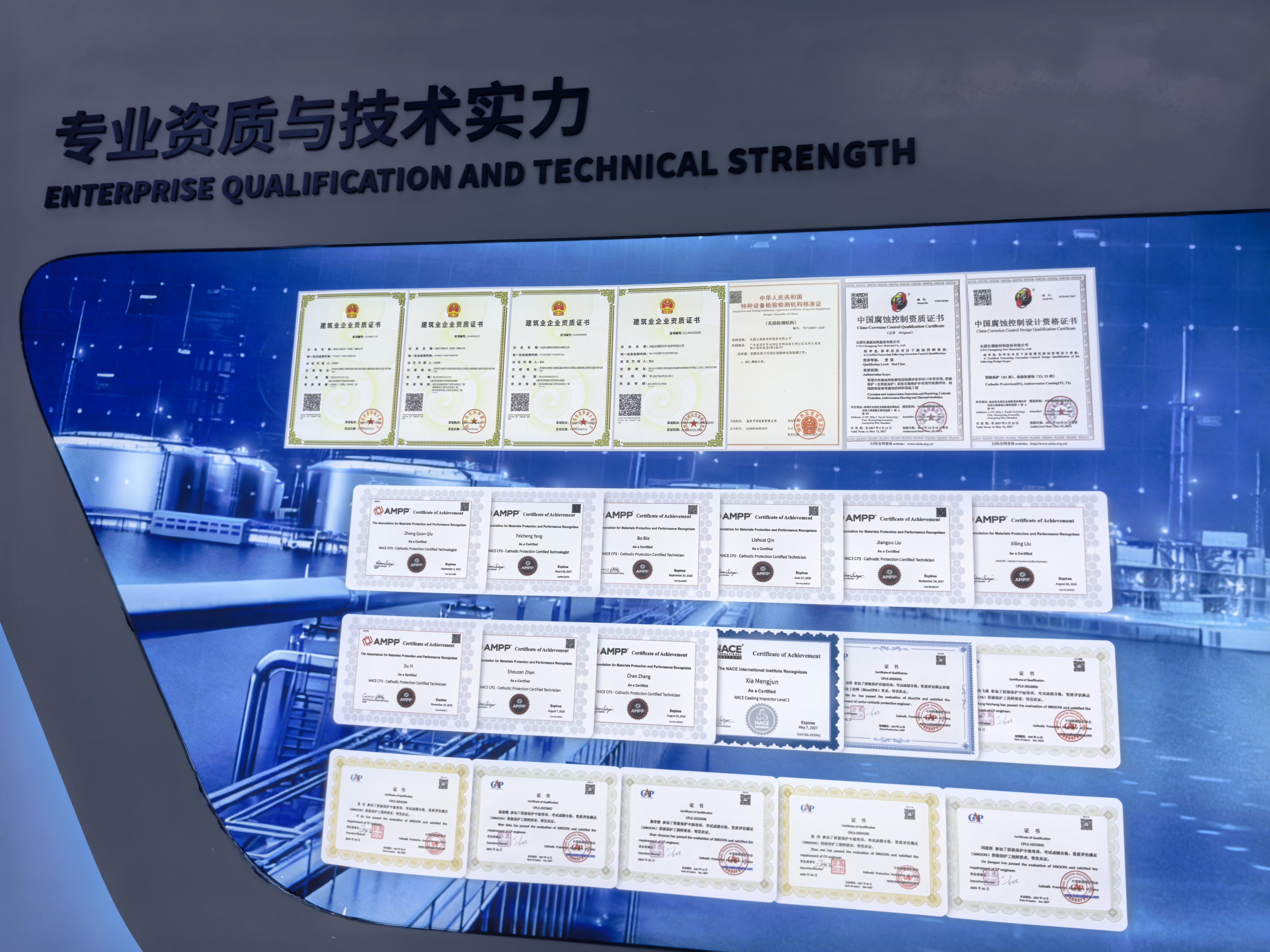
Recognized for our contribution to pipeline material science, CYCT holds key industry memberships, council positions, and strict product performance validations.
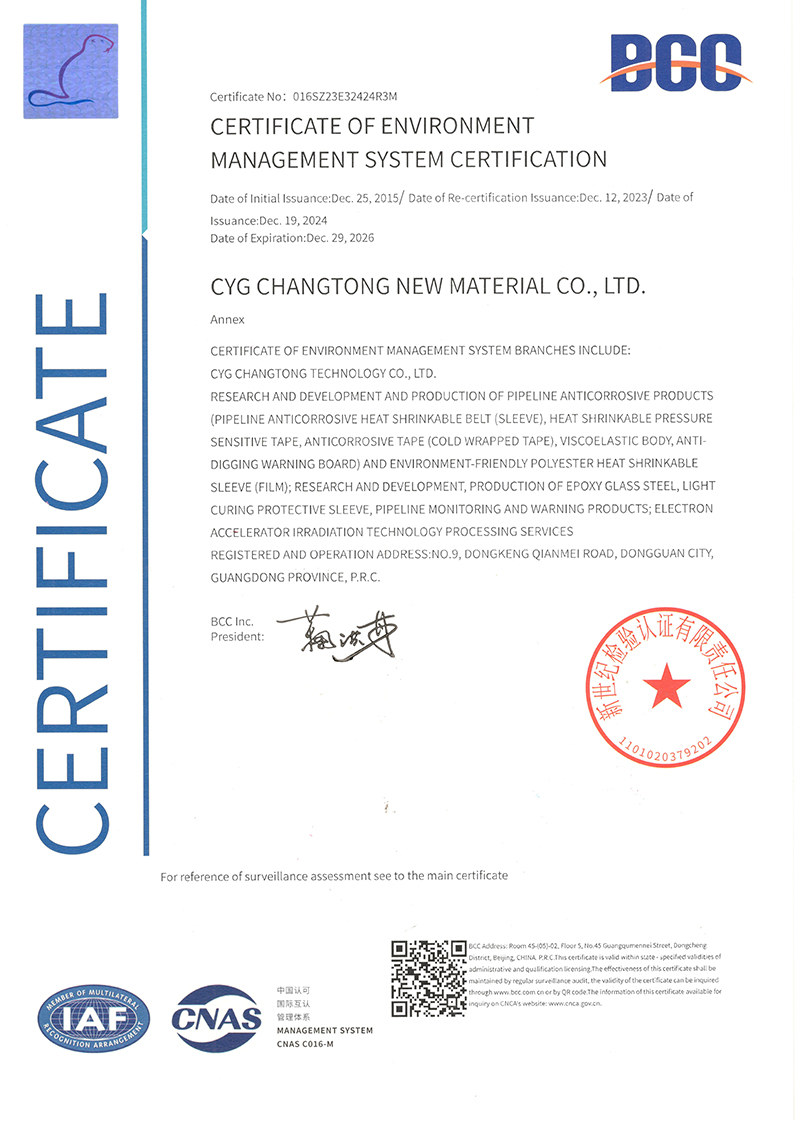
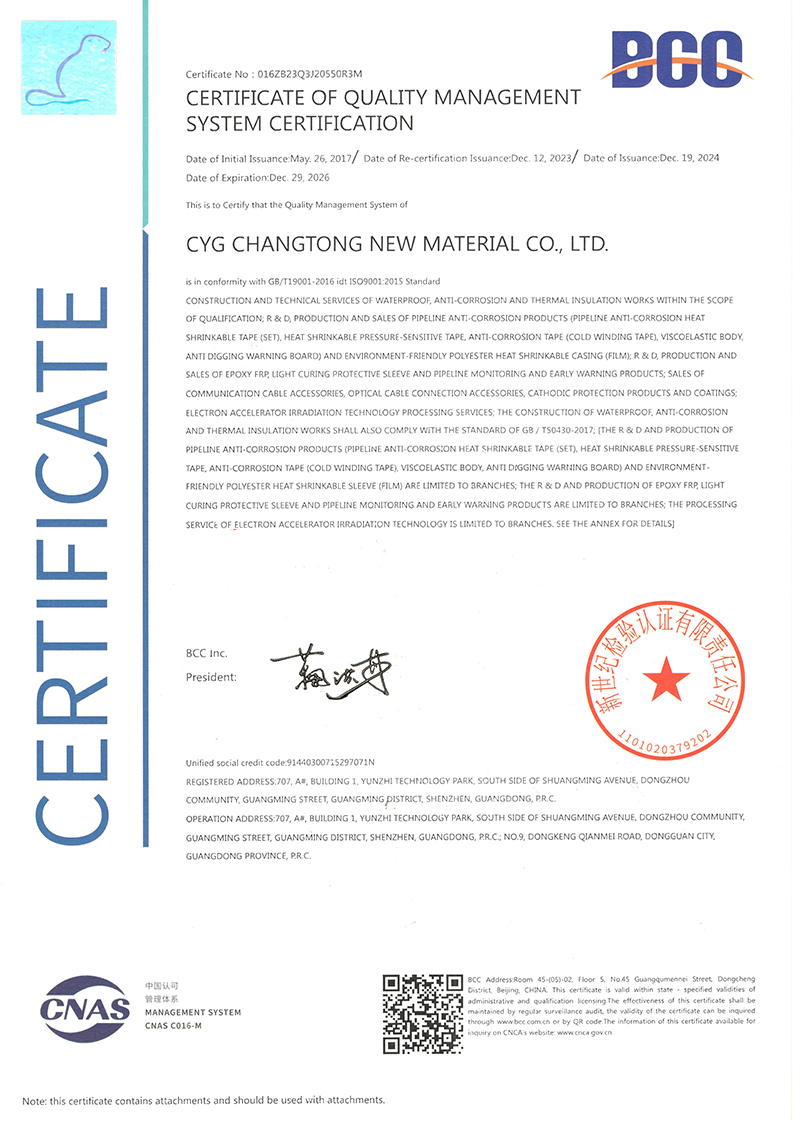
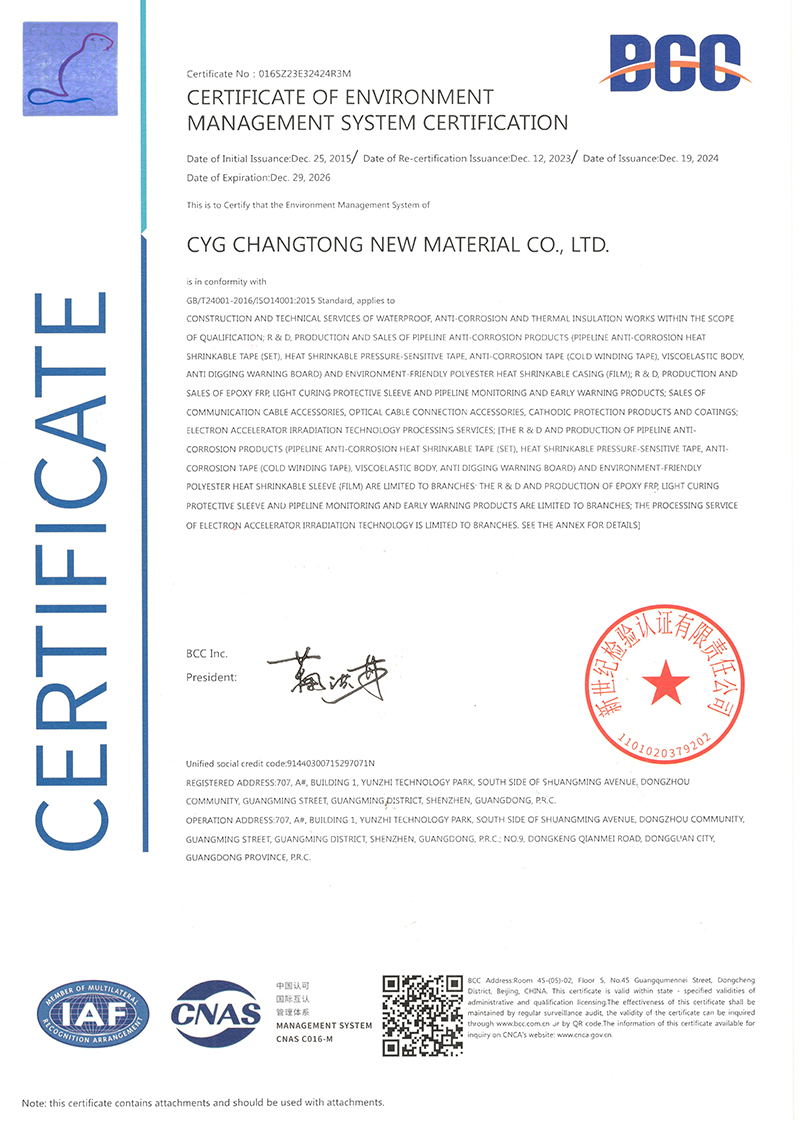
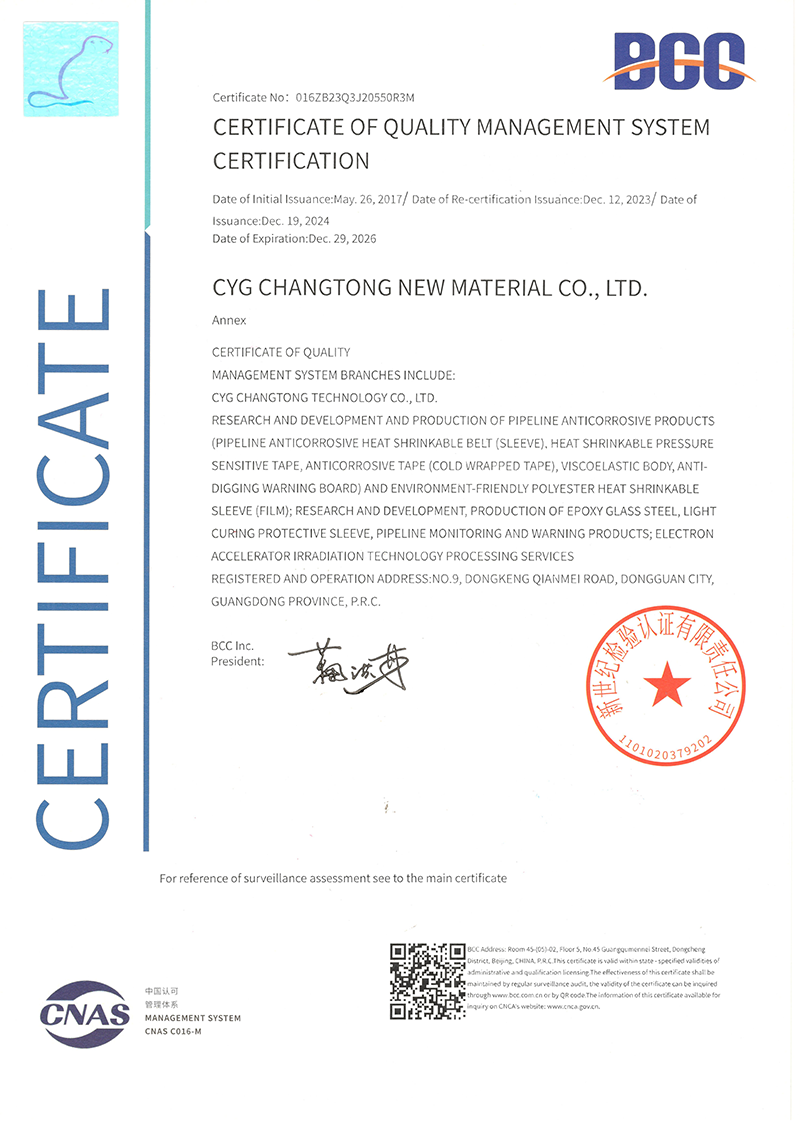
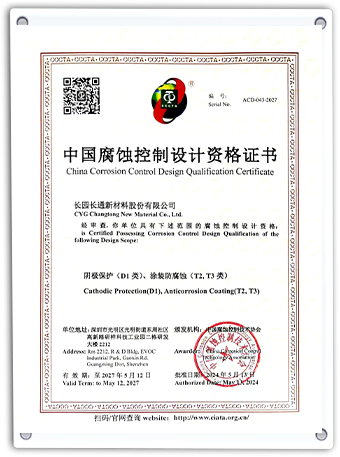
Member of Council in Chinese Society for Corrosion and Protection (CSCP), Qualification Certificate of Corrosion Protection Construction, Qualification Certificate of Pipeline Detection, Well-known Brand of Pipeline Corrosion Protection in China, Corporate Member of China Association of Petroleum Engineering Construction (CAPEC), State-Level High-Tech Enterprise with more than ten proprietary intellectual property rights. We are an approved, stable supplier to PetroChina, Sinopec, China Gas Group, and Indian Oil.
As energy systems expand to include hydrogen blending, carbon capture, utilization, and storage (CCUS), pipeline operators require coatings that perform under more demanding conditions. CYCT’s R&D team is developing next-generation protective tapes to address these trends.
Traditional viscoelastic tapes are limited to continuous operating temperatures of 50°C to 80°C. Deep gas extraction and heavy oil pipelines run much hotter. CYCT is testing cross-linked viscoelastic compounds designed to withstand continuous operating temperatures of up to 120°C without shifting or losing adhesion.
Monitoring cathodic protection current efficiency under thermal insulation or protective sleeves is challenging. Our R&D pipeline is evaluating thin-film sensor arrays that embed directly under the backing of heat-shrinkable sleeves to transmit real-time moisture, temperature, and corrosion potential data to pipeline operators, enabling predictive maintenance.
With a focus on lowering carbon footprints, CYCT is researching bio-derived polymers for backings. This includes synthesizing PE backings from renewable plant starches that provide identical tensile strength and thermal resistance to petroleum-derived resins, helping energy operators meet their sustainability goals.
Constructing cross-border pipelines involves complex supply chains and local engineering regulations. CYCT supports project lifecycles with customized engineering and compliance solutions.
Find technical answers regarding the application, properties, and specifications of our pipeline protection materials.
Explore our specialized solutions, including viscoelastic coatings, hot-melt adhesives, and structural sleeves.
 CYCT
CYCT