Engineered Systems for Pipe Joints, Damage Repairs, and Long-Term Integrity Protection
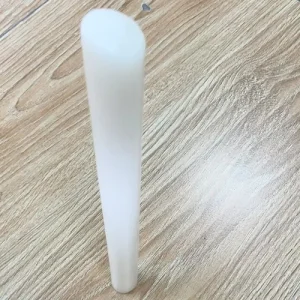
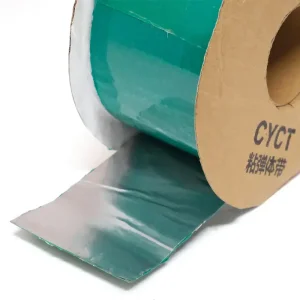
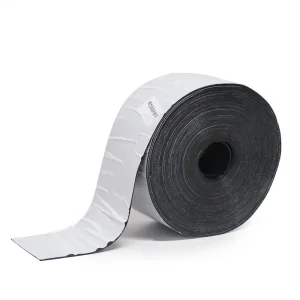
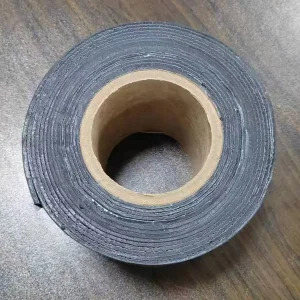
In modern pipeline infrastructure management, securing field joint coatings (FJC) against corrosion, mechanical stresses, and temperature fluctuations remains a premier engineering objective. Historically, 3-layer polyethylene (3LPE) and 3-layer polypropylene (3LPP) coatings have formed the backbone of global cross-country pipelines. However, as extraction ventures push deeper into high-temperature profiles, deep offshore basins, and demanding geological strata, the field joint system must exhibit identical thermal and mechanical footprints to the parent mill-applied coating. This imperative has driven the widespread adoption of OEM PP Wrap Around Tapes.
Polypropylene (PP) wrap-around tape represents a quantum leap in polymer engineering for pipeline protection. Traditional polyethylene (PE) cold-applied or heat-shrinkable systems, while reliable under 80°C operating conditions, encounter significant physical degradation at elevated temperatures. Modern offshore and heavy oil transport pipelines operate at temperatures ranging from 100°C up to 140°C. Under these thermal profiles, PE backings experience structural relaxation, reducing their shear resistance and adhesion to the substrate.
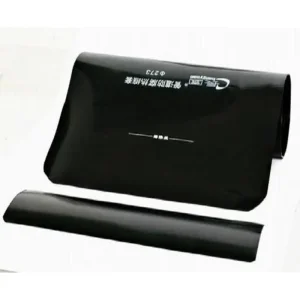
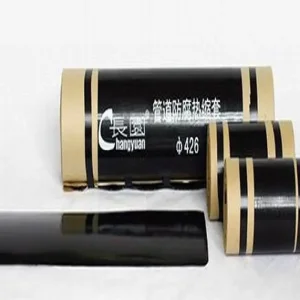
PP wrap-around tapes are composed of a specially formulated, radiation cross-linked polypropylene backing coated with a high-shear hot-melt copolymer adhesive. This chemistry allows the tape to retain high mechanical strength, resistance to soil stress, and excellent barrier properties against water vapor transmission at high temperatures. The global industry is witnessing a structural shift towards PP-based field joint systems, driven by the expanding network of high-temperature transmission pipelines in the Middle East, North America, and Central Asia.
E-E-A-T Metric Insight: According to ISO 21809-3 standards, joint coatings must match or exceed the design parameters of the main line. PP systems demonstrate up to 300% higher shear resistance at 110°C compared to their PE counterparts, rendering them the standard for deepwater and deep-trench oil lines.
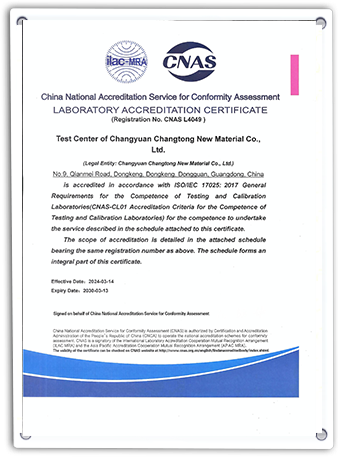
For international procurement managers, sourcing OEM PP Wrap Around Tapes demands high validation of manufacturing consistency. A typical project lifecycle requires materials that are certified by international testing bodies, packaged to survive maritime logistics, and designed for user-friendly installation in extreme weather conditions (from Siberian sub-zero climates to Middle Eastern deserts).
Strategic purchasing demands key features from suppliers: raw material traceability, continuous batch testing, and customized sizing. As pipelines vary in diameter from small-bore gathering lines to 48-inch high-pressure transmission networks, the wrap-around tapes must be supplied in tailored roll widths and thicknesses, optimized to minimize waste while ensuring the required overlap parameters are consistently met on-site.
Pipeline engineering challenges extend far beyond flat terrain installations. Horizontal Directional Drilling (HDD), mountain terrain trenching, and offshore pipe-laying call for highly resilient mechanical protection over the field joint coating. When pulling a pipeline through a pre-drilled rock borehole, conventional tapes can delaminate or tear under high frictional shear stresses.
To combat this, manufacturers engineer composite systems: combining PP wrap-around tape with fiberglass-reinforced outer wraps or UV-curing photo-polymer sleeves. This multi-layered defense creates an armor-like shield, keeping the underlying anti-corrosion barrier intact even when scraped against fractured granite or heavy gravel during installation.
Looking ahead, the development of PP wrap-around tapes is centered on two fronts: environmental compatibility and intelligent application. Next-generation tapes will incorporate self-healing polymer additives that automatically reseal minor micro-cracks caused by soil shifting. Furthermore, hot-melt adhesive formulations are shifting away from organic solvents to zero-VOC solid systems, ensuring full compliance with upcoming global environmental mandates.
Simultaneously, the industry is moving towards induction-heated installation processes that eliminate open-flame torches on-site. This improves safety in hazardous petrochemical zones and ensures uniform heat distribution over the entire circumference of the pipe joint, mitigating human error during field application.
State-Level High-Tech Enterprise Dedicated to Pipeline Integrity Since 2000
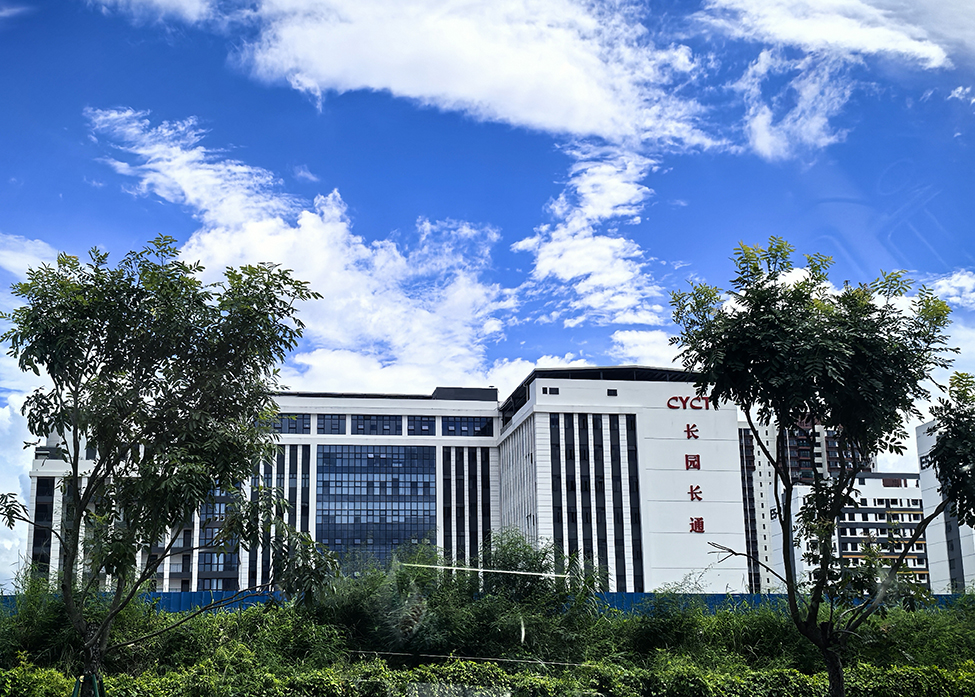
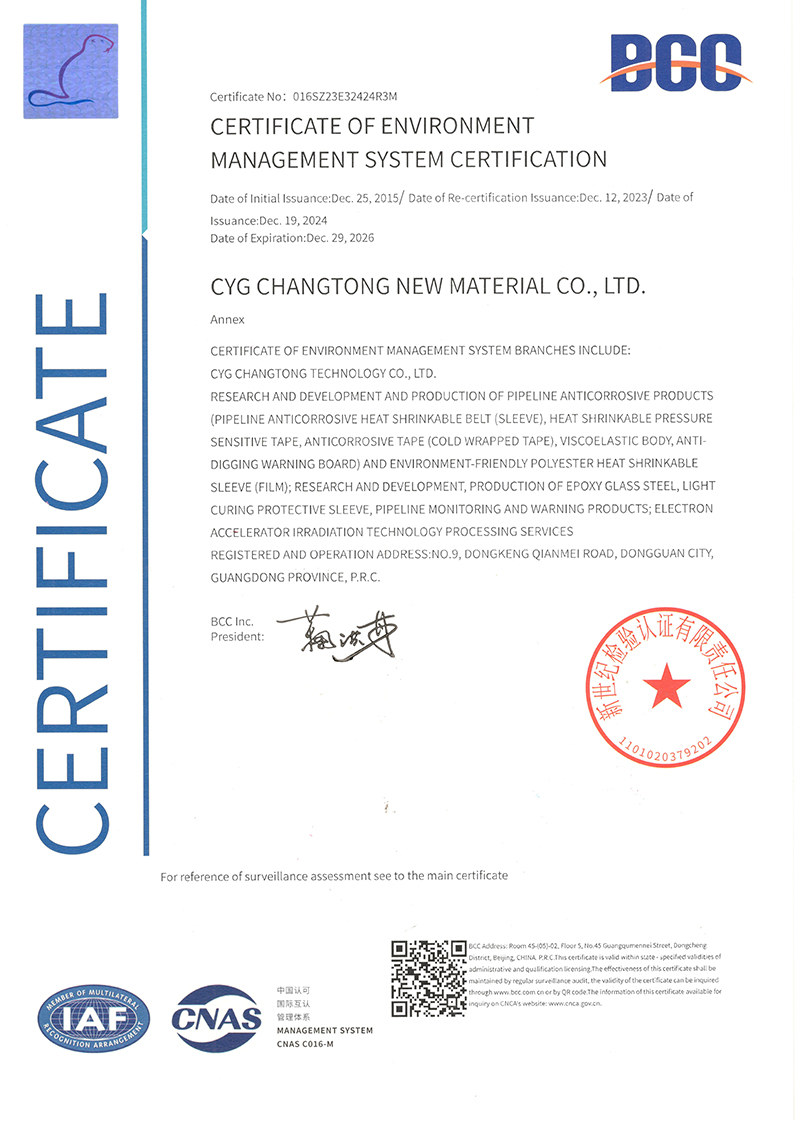
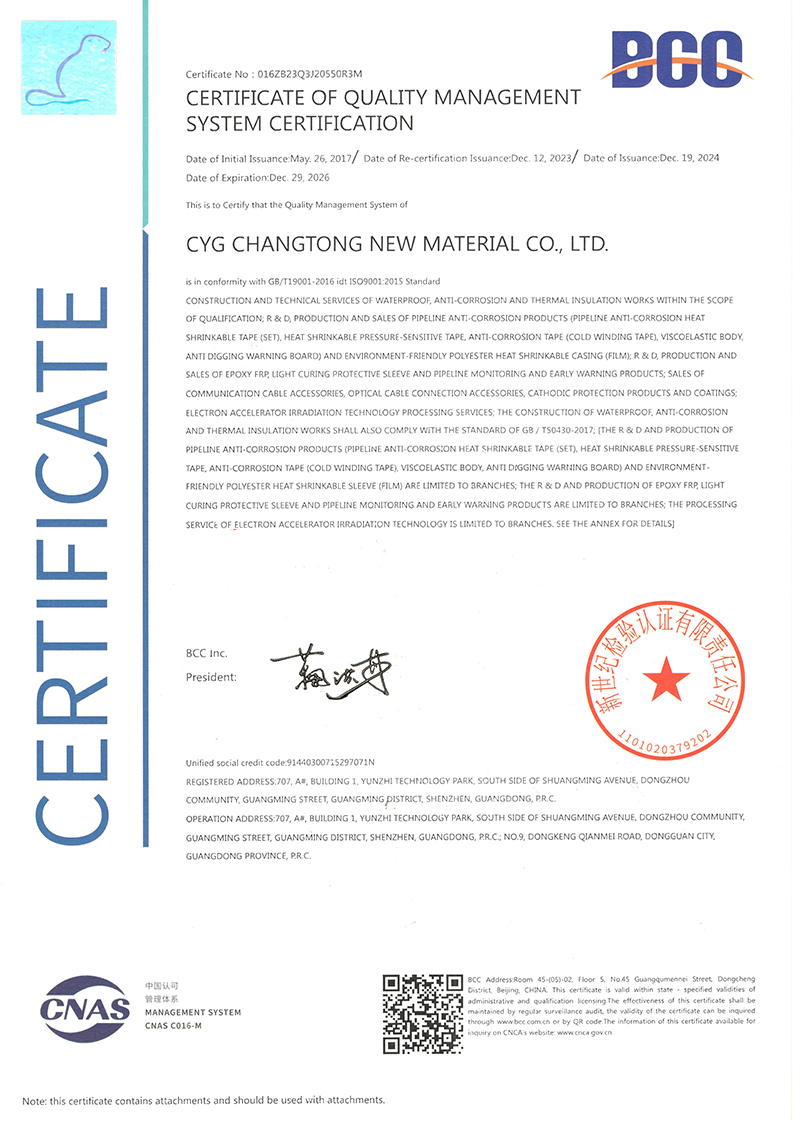
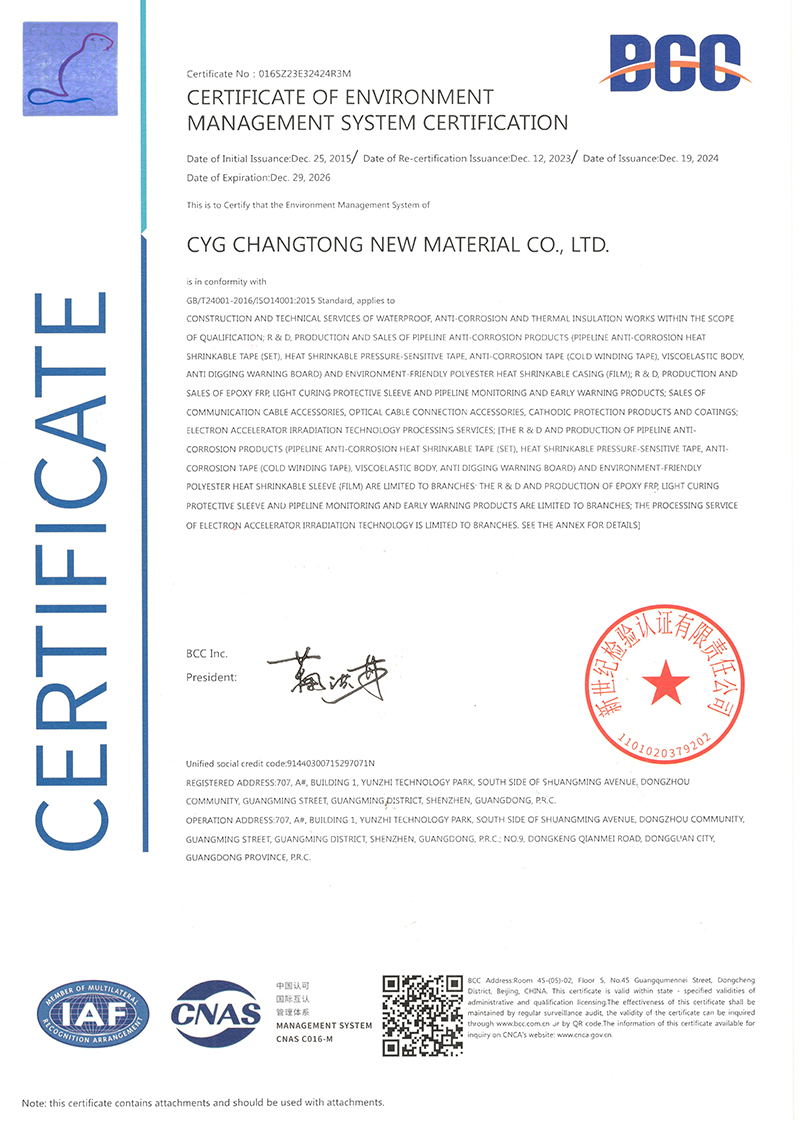
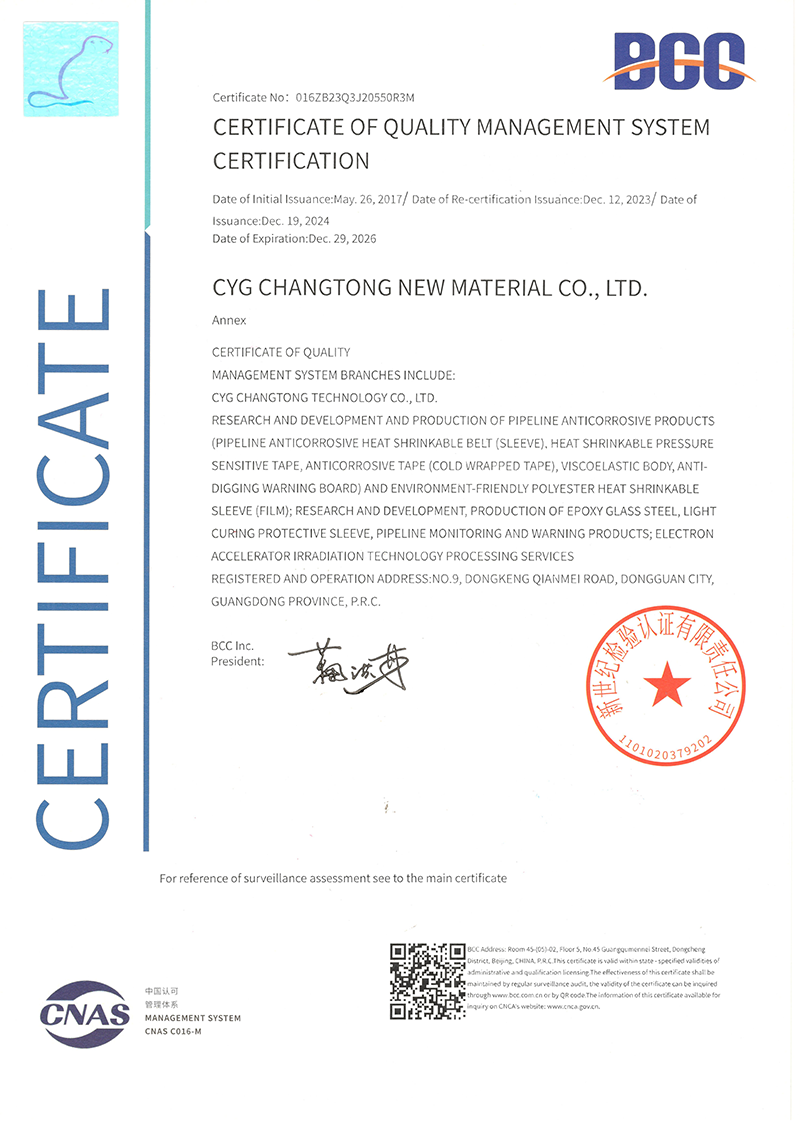
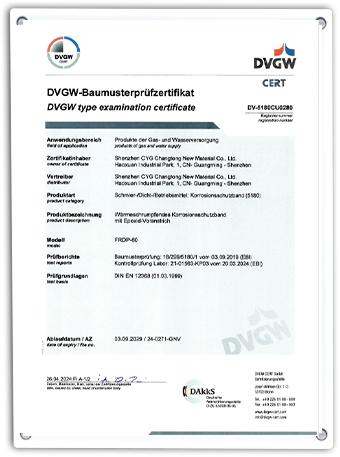
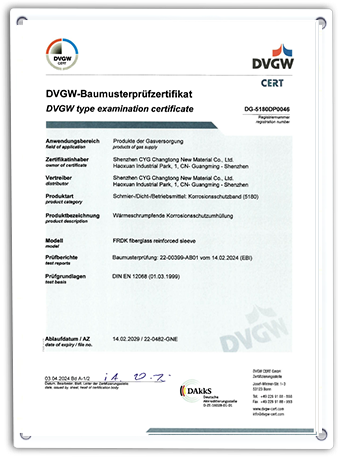
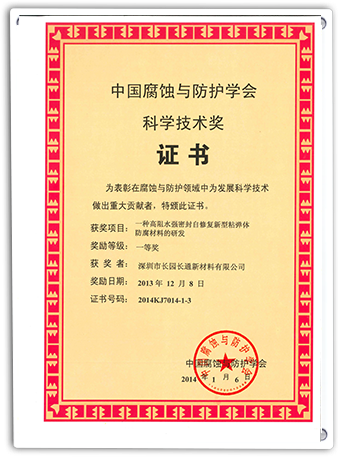
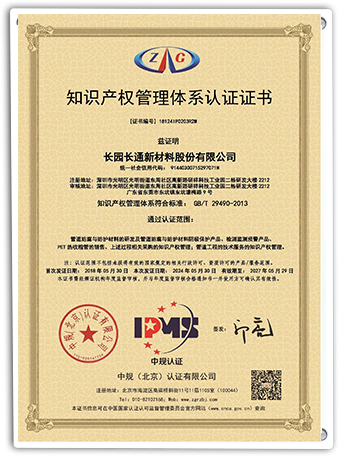
CYCT New Materials Company Limited (for short, CYCT) is a state-level high-tech enterprise integrating R&D, production, and sales of pipeline corrosion protection materials, as well as buried pipeline detection services and pipeline coating field application services into one integrated platform.
CYCT has dedicated decades to the R&D, production, and sales of pipeline corrosion protection materials. Today, we stand as a key strategic partner and supplier to global giants like PetroChina, Sinopec, PipeChina, and various international energy organizations including Indian Oil.
By partnering with research bodies such as the CNPC Pipeline Science Research Institute, CYCT delivers buried pipeline detection, design schemes, cathodic protection, rehabilitation projects, and integrated solutions for the safety protection of pipelines globally.
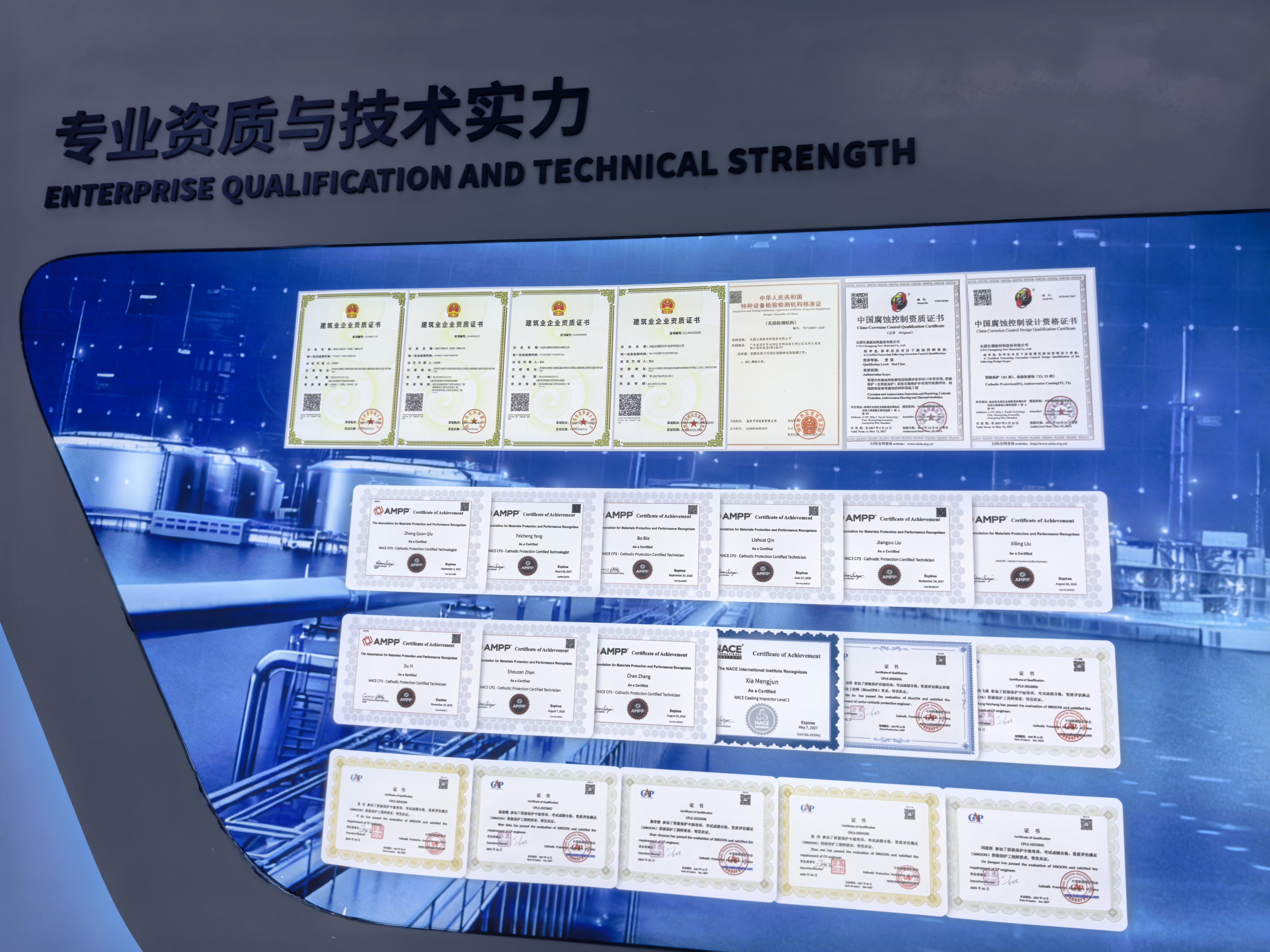
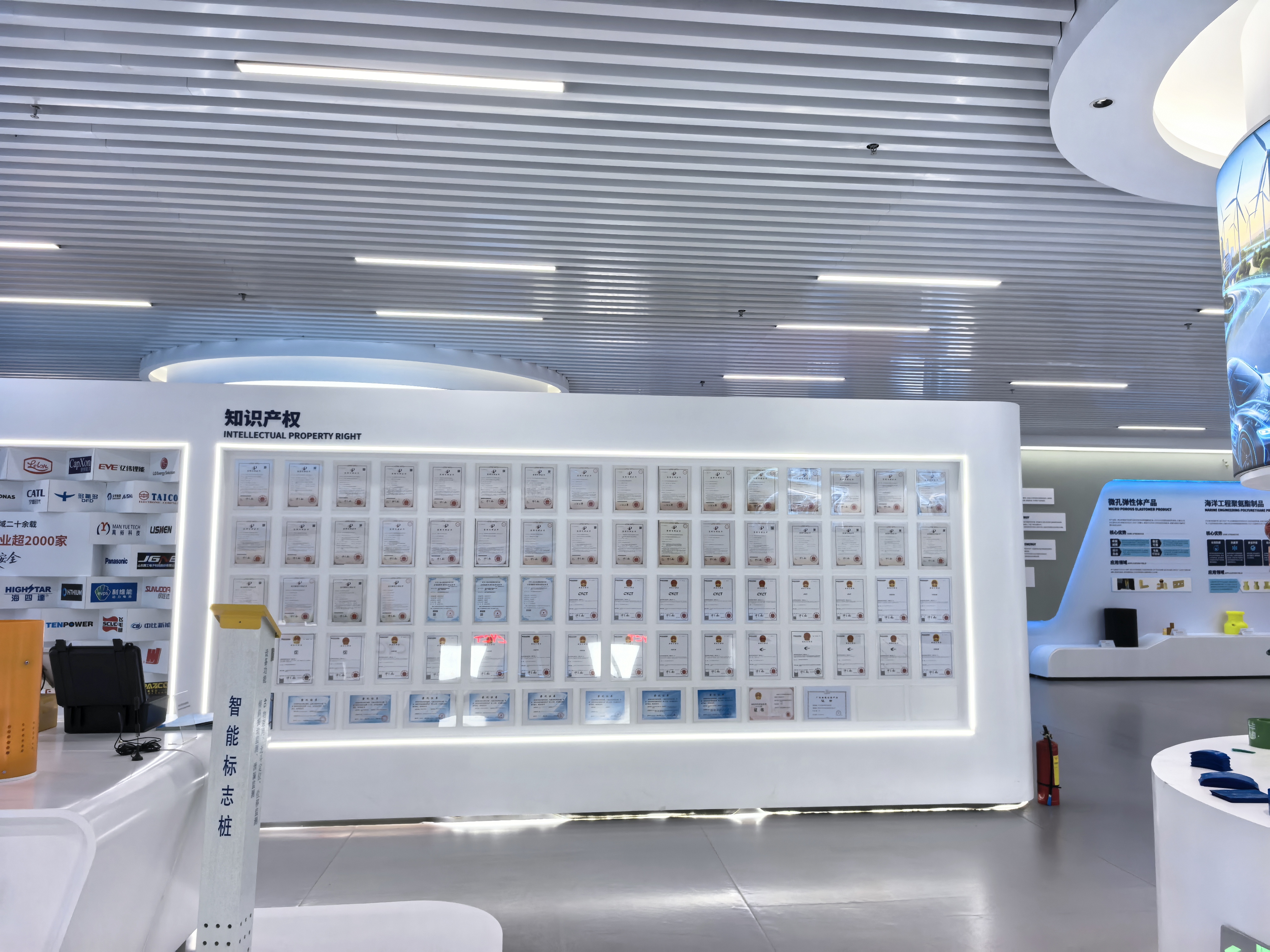
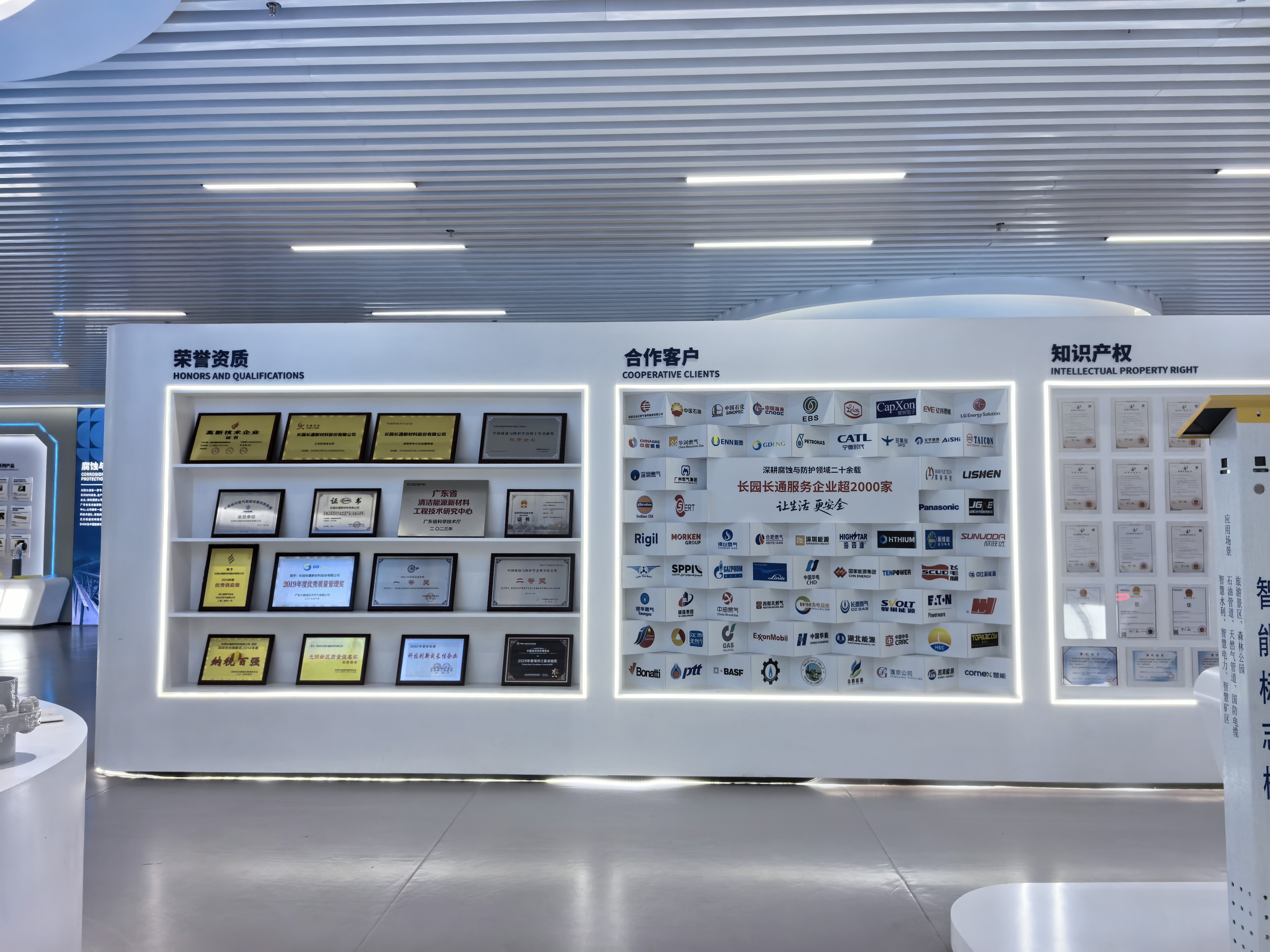
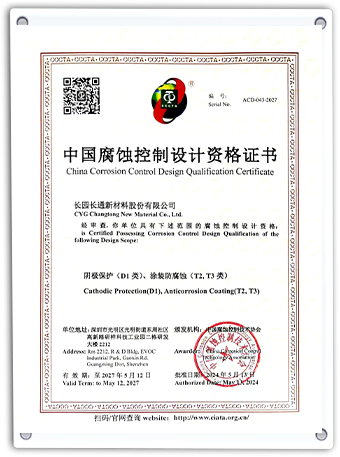
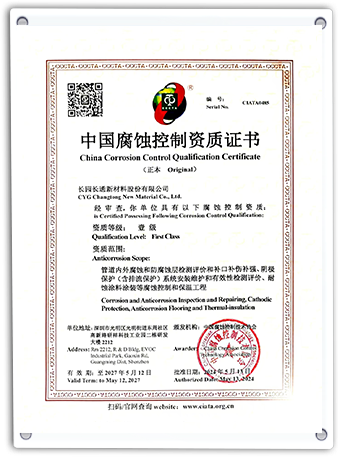
Member of Council in Chinese Society for Corrosion and Protection (CSCP), Corporate Member of China Association of Petroleum Engineering Construction (CAPEC), AMPP Member.
Critical Engineering and Commercial Answers for Pipeline Operations
Premium Material Specifications Engineered for the Toughest Field Environments
 CYCT
CYCT