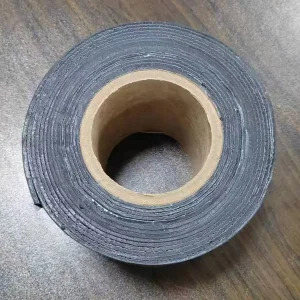
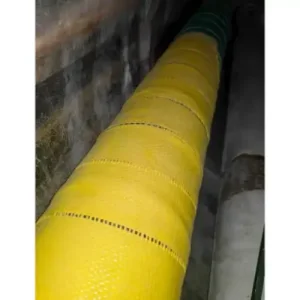
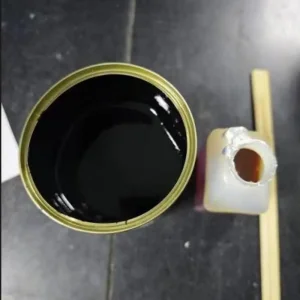
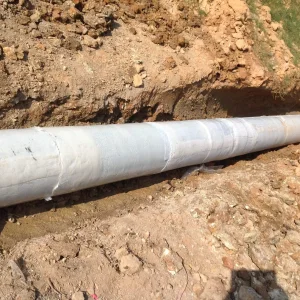
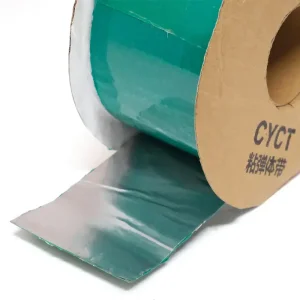
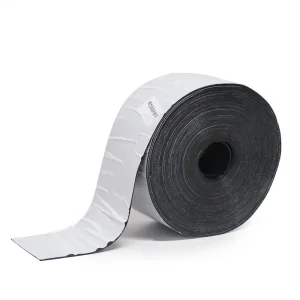
As global energy transmission structures span across increasingly harsh terrains, pipeline integrity managers demand insulation systems that survive extreme thermal stress, heavy mechanical friction, and aggressive chemical environments. PP (Polypropylene) Tape systems represent a technological peak in these challenging segments.
Standard Polyethylene (PE) tapes soften above 60°C. OEM PP Tapes, designed with crystalline copolymer matrices, safely withstand operating limits exceeding 110°C in high-pressure steam and crude pipeline field joints.
Polypropylene exhibits unparalleled shear resistance, protecting pipeline steel against the continuous shifting, swelling, and settling forces characteristic of clay-rich and seismic soils.
Optimized PP formulations limit oxygen and water vapor transmission to negligible rates. Combined with high-performance primers, they form a solid barrier against localized cathodic disbondment.
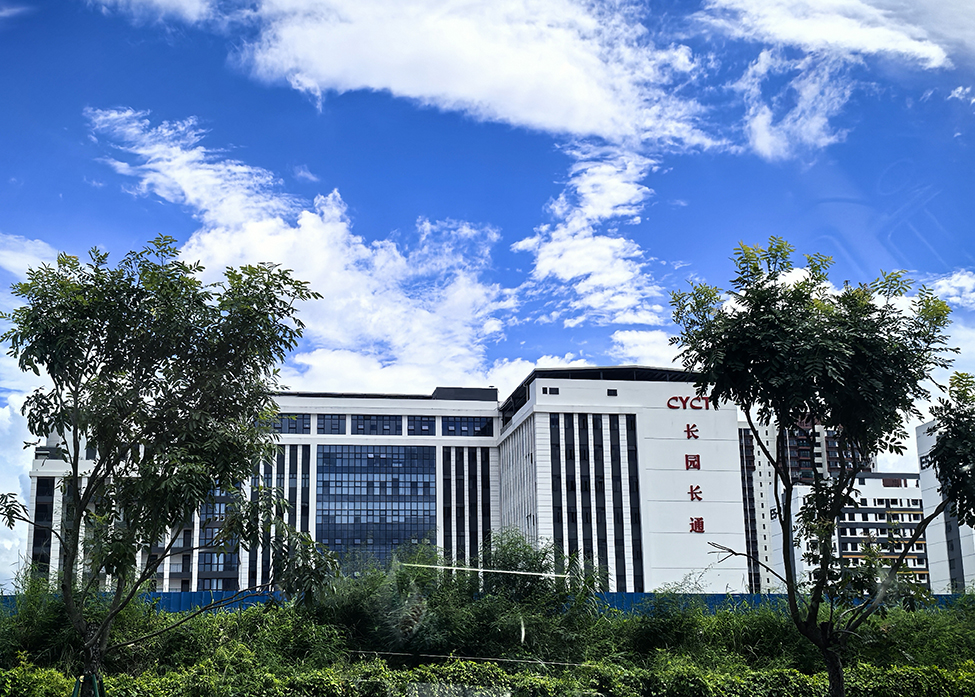
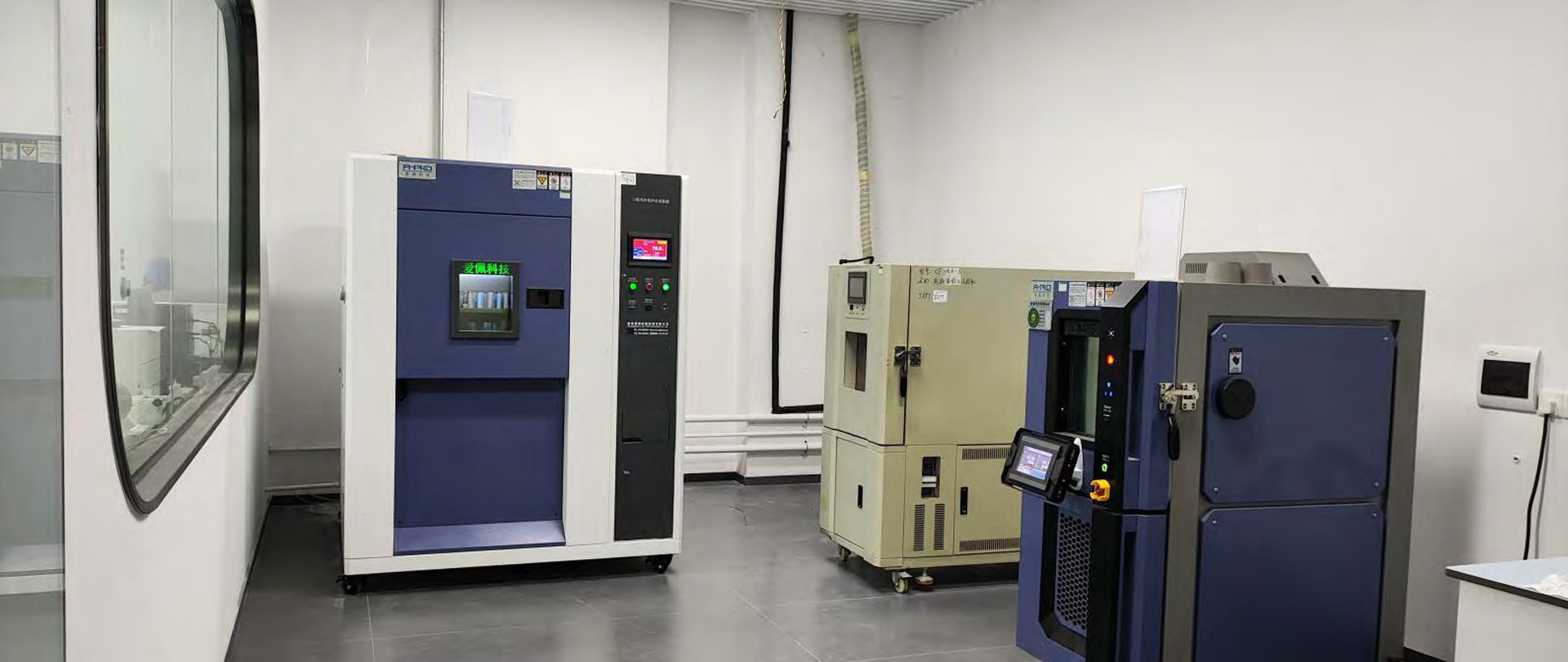
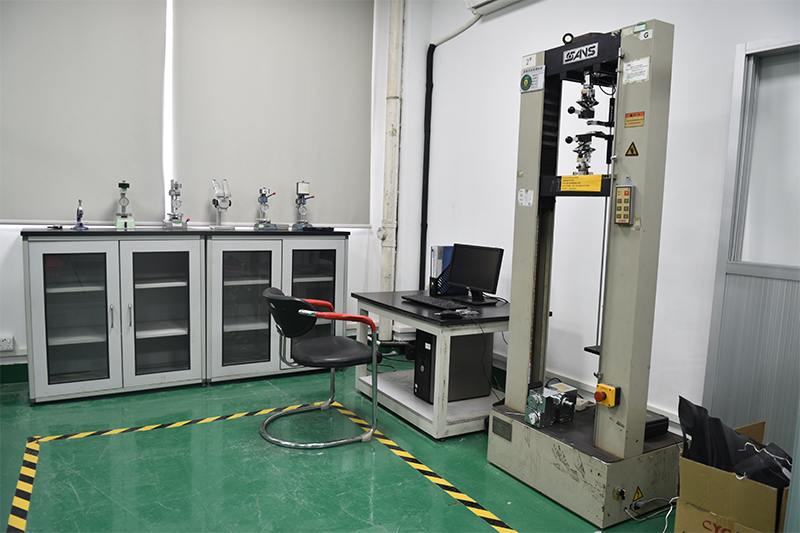
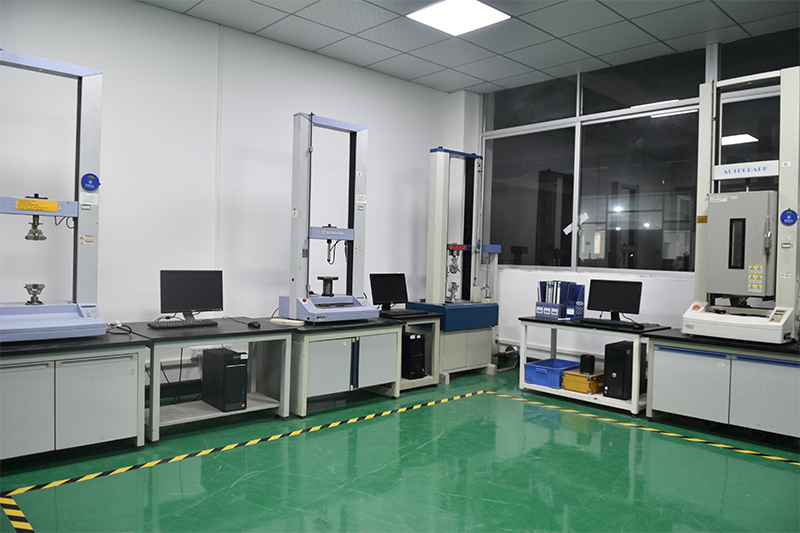
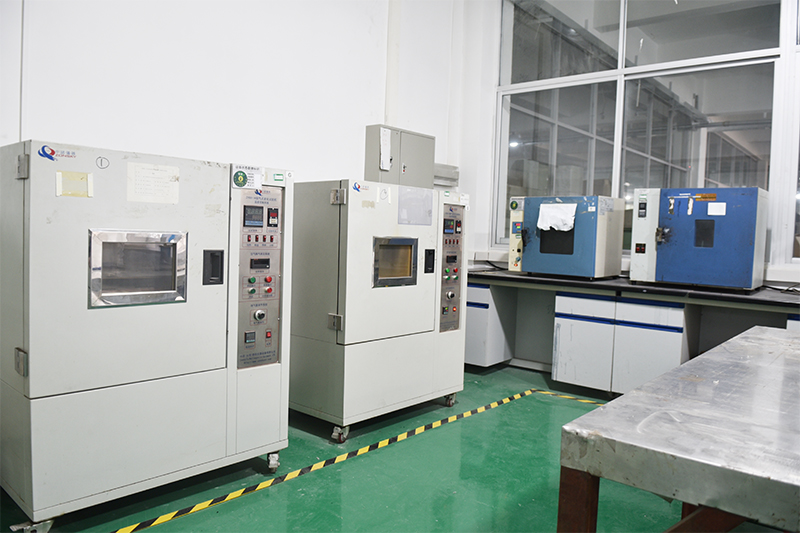
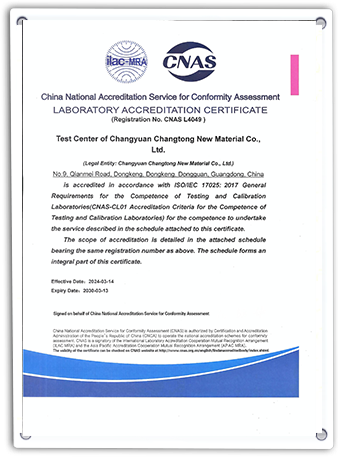
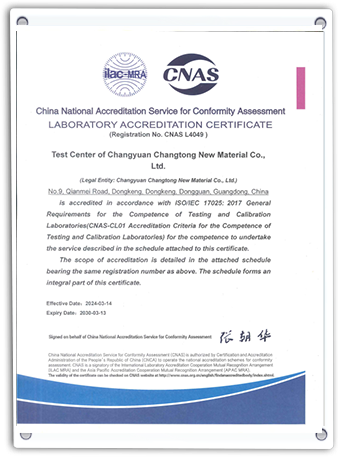
Since our founding in 2000, CYCT has dedicated itself to resolving the oil, gas, and municipal pipeline sectors' toughest coating integrity issues. We operate leading testing and R&D facilities, including a professional R&D team and a national CNAS-accredited laboratory. This high testing threshold guarantees that every batch of OEM PP Tape, Heat Shrinkable Sleeve, and Viscoelastic Coating matches the demanding international field standards.
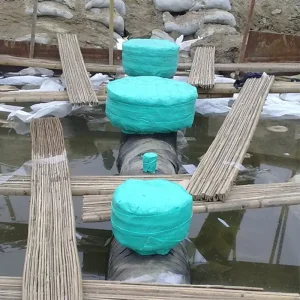
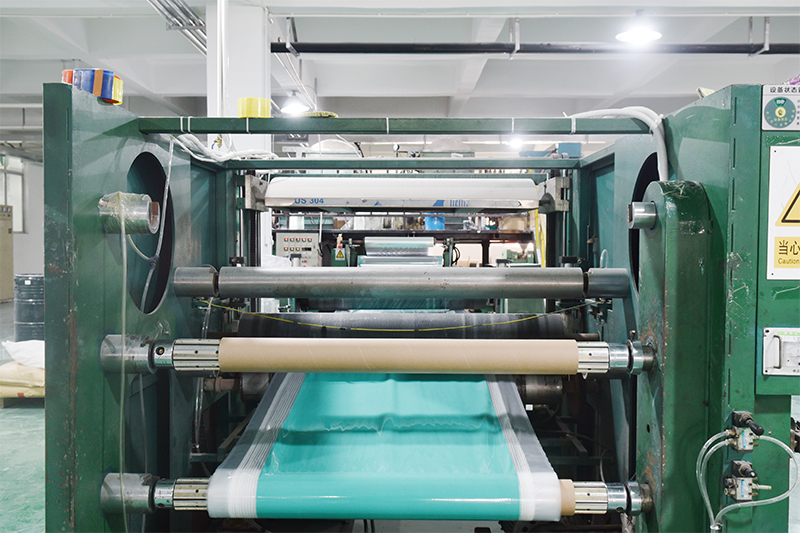
CYCT's integrated industrial park maintains automated extruders, polymer synthesis systems, and adhesive coating lines, optimizing the manufacture of field joint coatings (FJC) under sterile, quality-controlled conditions. Below is a glance at our manufacturing facilities and technical deployment across projects.
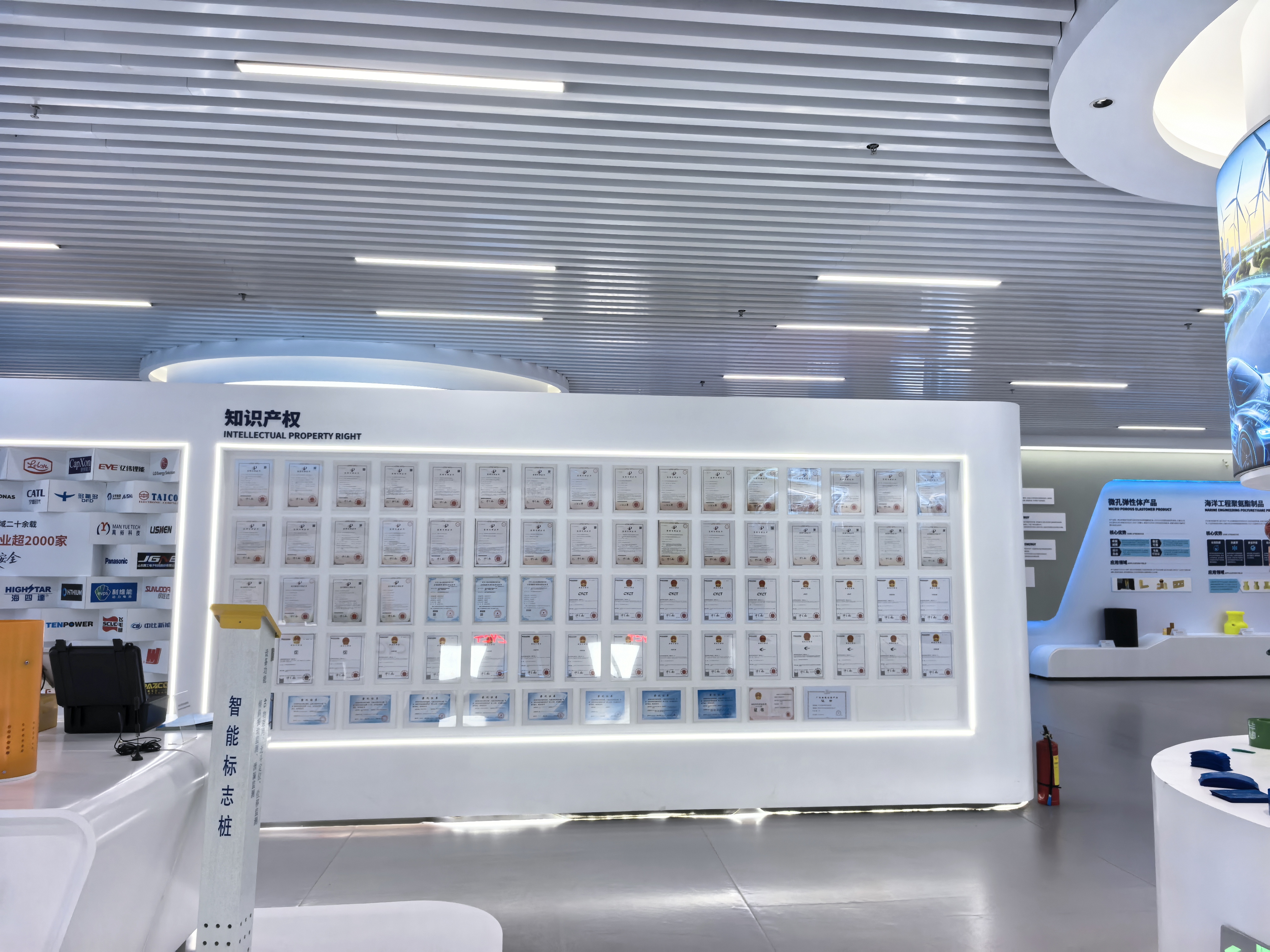
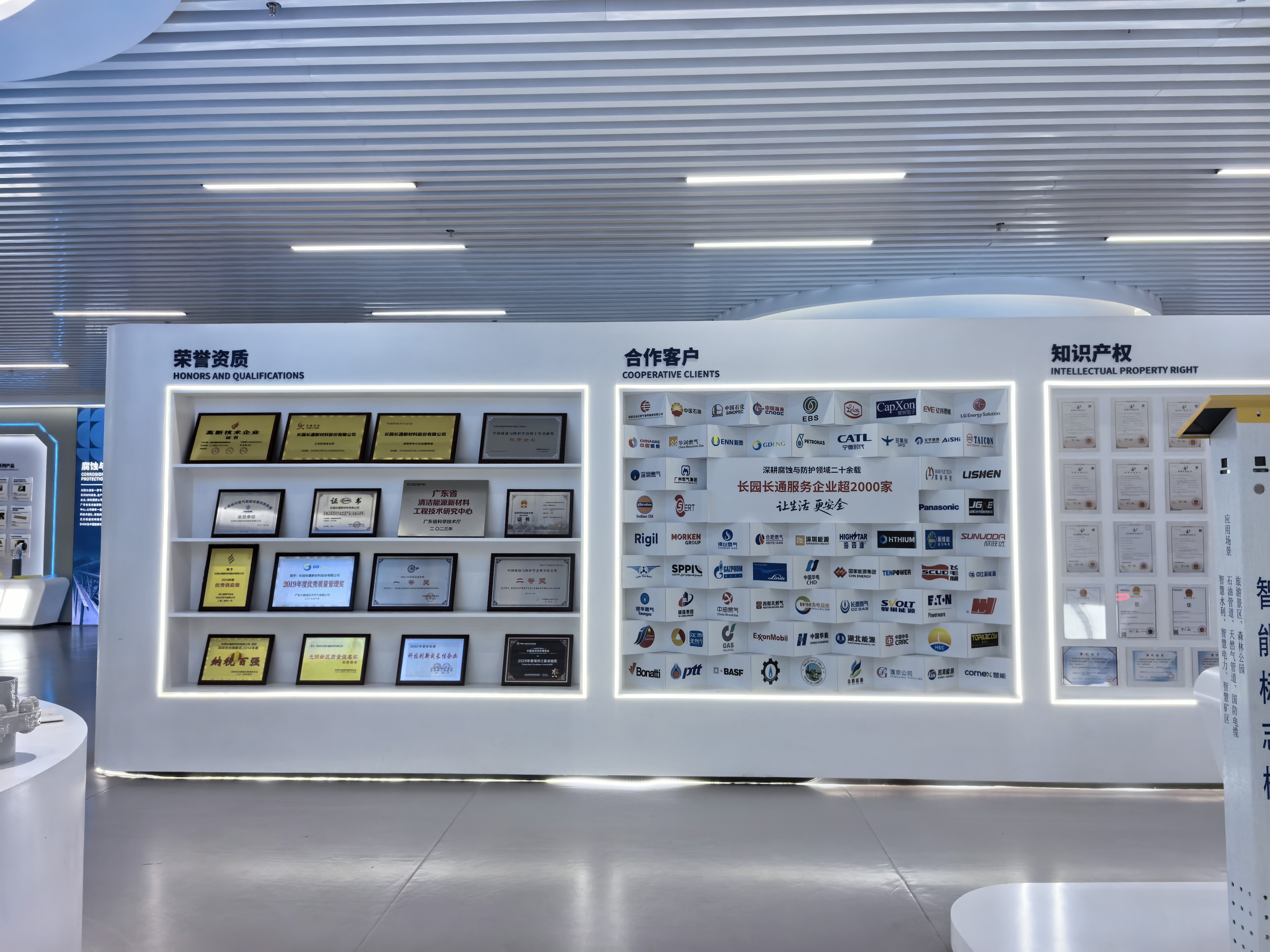
As a key vendor in the pipeline infrastructure supply chain, CYCT has maintained its position as a stable supplier of field joint coatings for years to national energy giants, including PetroChina, Sinopec, and PipeChina, and has acquired massive market shares in critical domestic projects. Beyond national boundaries, we provide custom corrosion protection materials—such as viscoelastic anti-corrosion systems, specialty photo-curing sleeves for Horizontal Directional Drilling (HDD) protection, and high-performance polyurea coatings—to international operators in Southeast Asia, the Middle East, Europe, and the Americas.
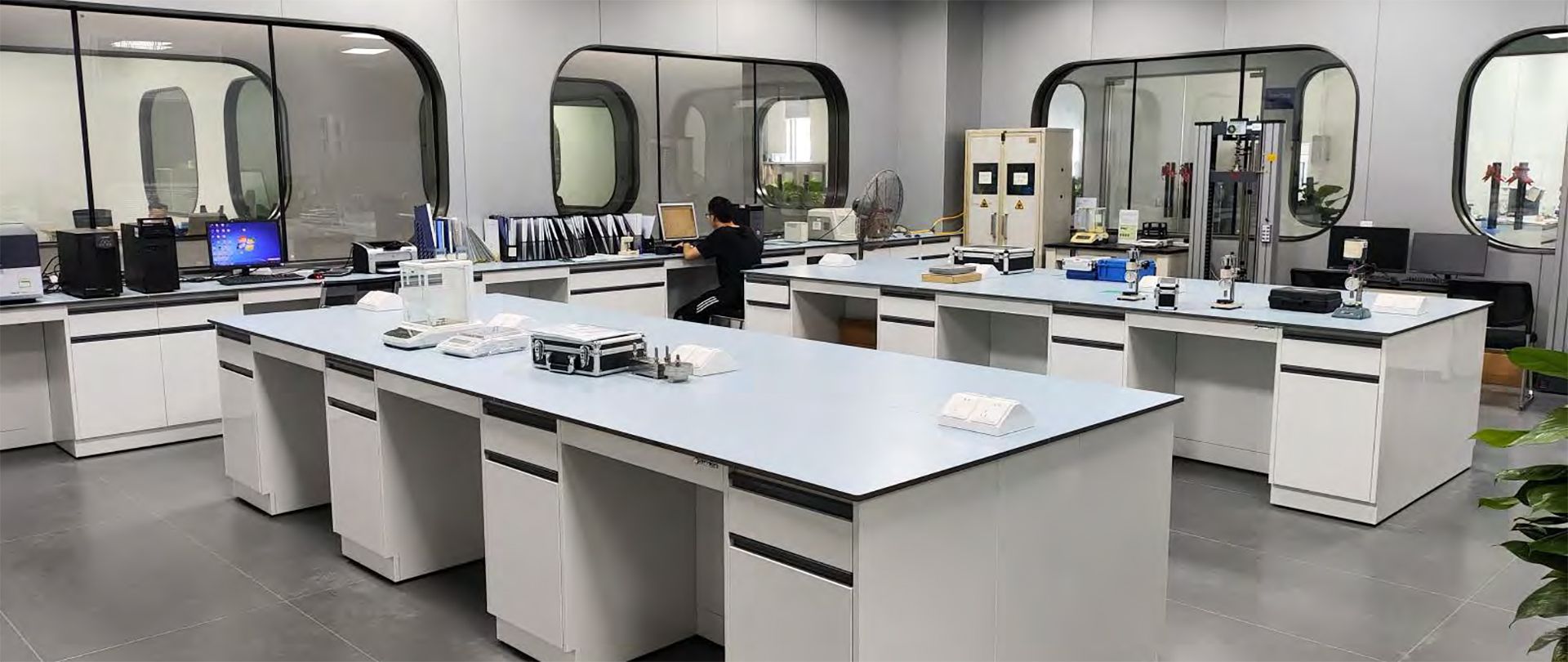
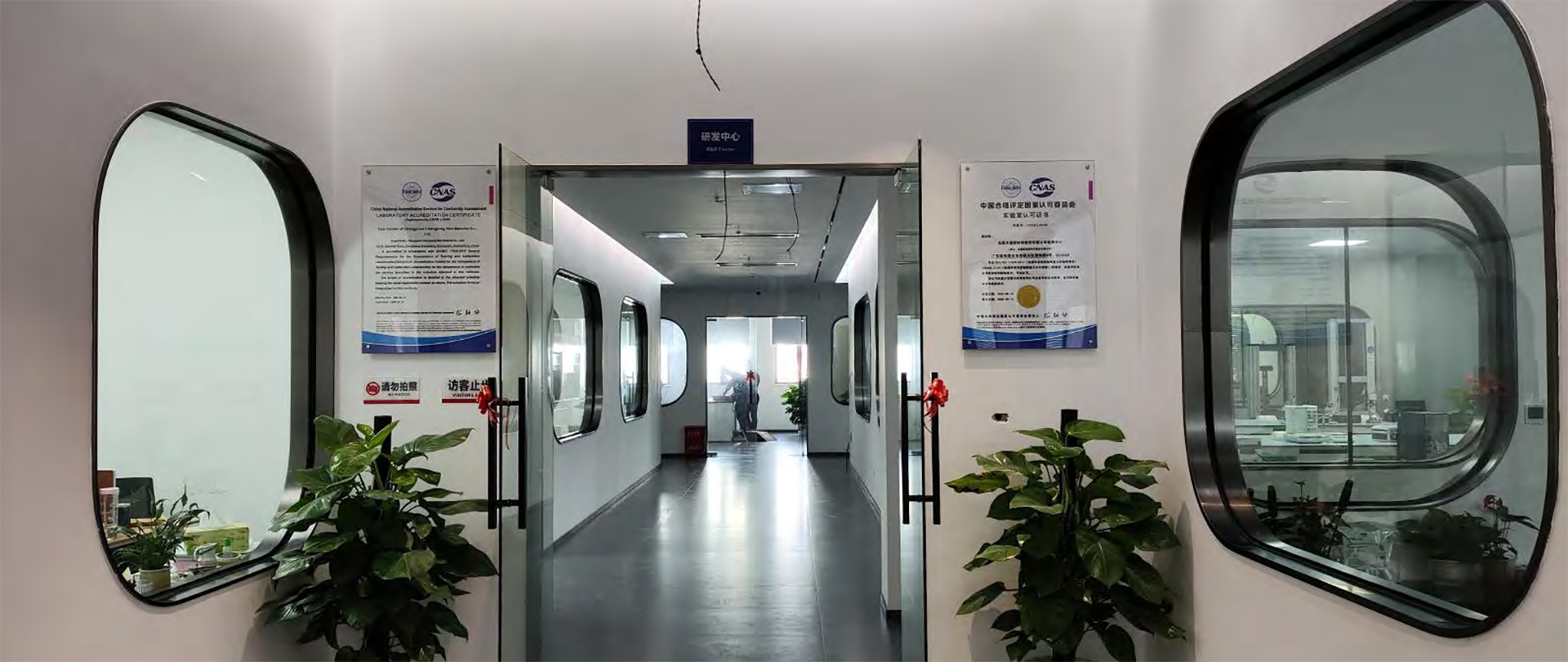
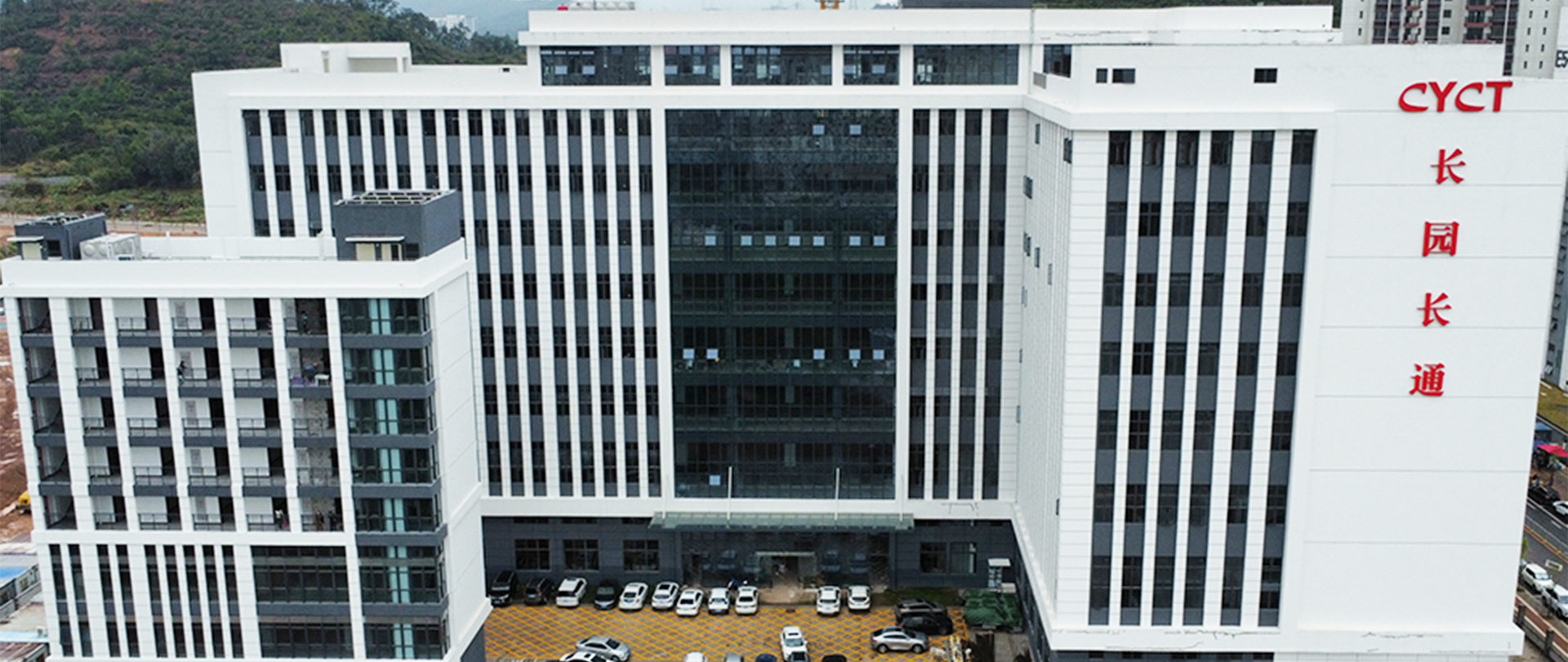
Our competitive advantage lies in our collaborative agreements with leading institutes, such as the CNPC Pipeline Science Research Institute. This partnership allows CYCT to offer full life-cycle services for pipelines in service, including buried pipeline inspection, custom coating design schemes, cathodic protection system checks, pipeline rehabilitation projects, and integrated security protection solutions.
To design an optimized pipeline coating plan, engineers must evaluate material behaviors across temperature ranges, environmental stresses, and mechanical forces. The comparison table below highlights why engineering designs choose PP Tapes for high-stress operations:
| Engineering Property | OEM PP Tape System (Copolymer Backing) | Standard PE Cold Tape (Polyethylene Backing) | Viscoelastic Coating System (Visco Backing) | |
|---|---|---|---|---|
| Operating Temperature | -20°C to +110°C (Up to 120°C Peak) | -10°C to +60°C | -45°C to +85°C | |
| Shear Resistance | High (> 2.5 MPa at 23°C) | Moderate (~ 0.8 MPa) | Low (Self-healing, flows under pressure) | |
| Cathodic Disbondment | < 5 mm at 95°C (with Liquid Epoxy) | < 15 mm at 60°C | < 8 mm at 80°C (with outer wrap) | |
| Mechanical Impact | > 15 Joules (High Resistance) | > 8 Joules | Requires mechanical protective outer shield | |
| Best Application Scenario | High-temperature oil and gas trunklines, FJC | Water pipelines, distribution lines | Irregular fittings, valves, rehabilitation |
Developing an OEM anti-corrosion system demands a reliable supply chain. Sourcing PP Tapes from CYCT's facility in China provides global pipeline developers with several distinct operational benefits:
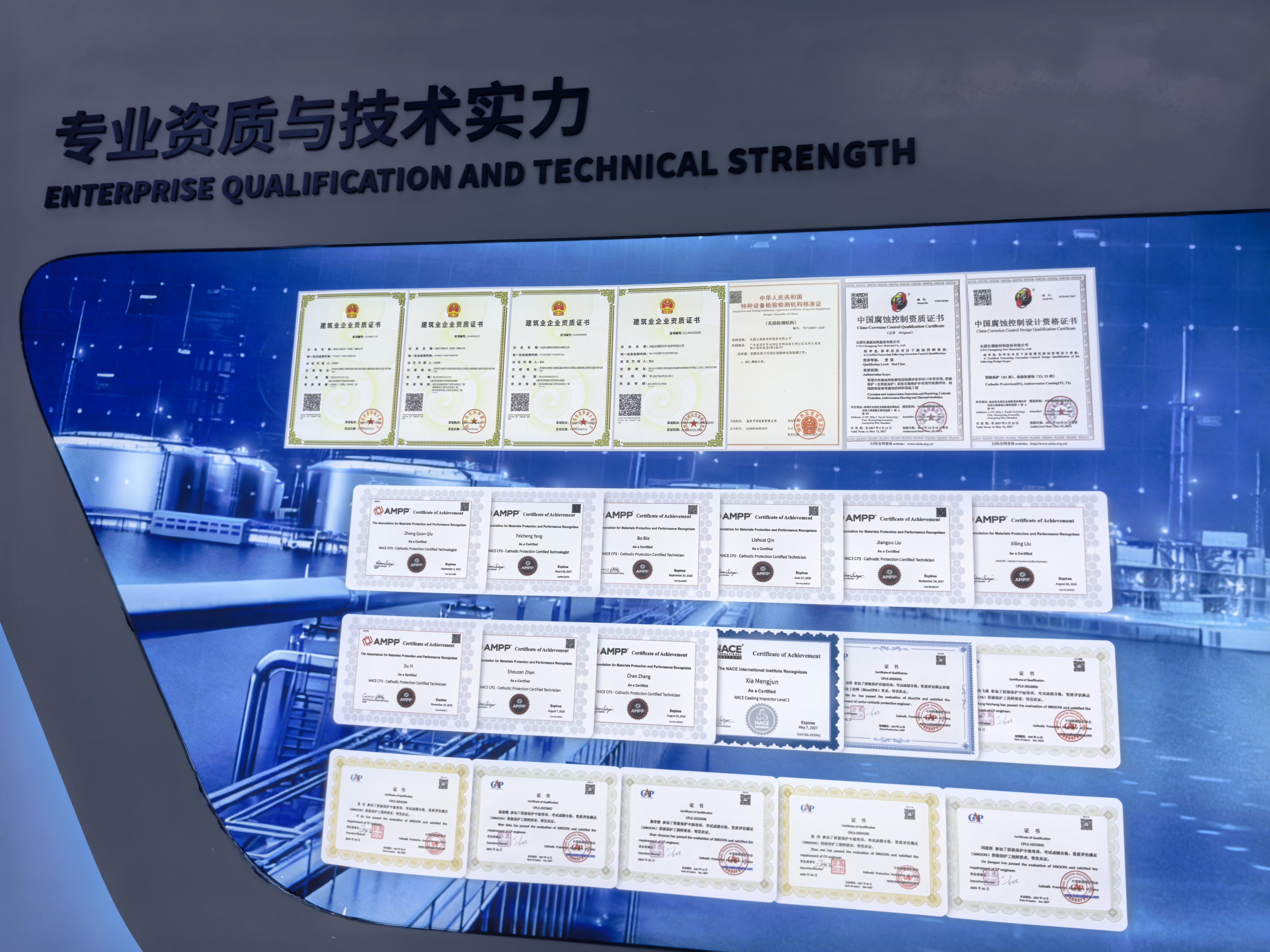
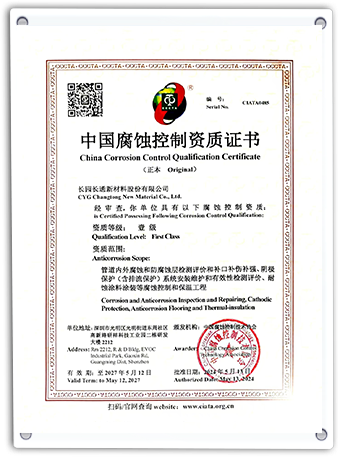
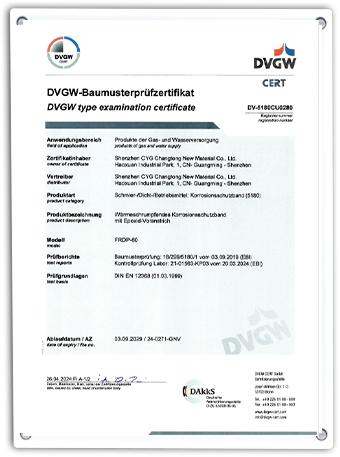
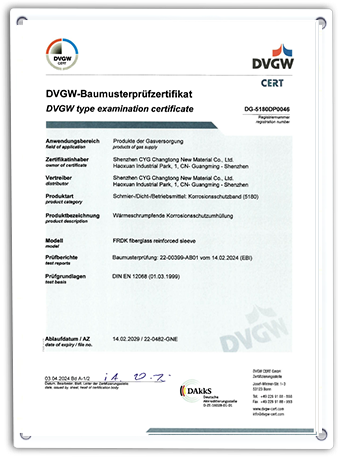
Engineering compliance is a prerequisite in pipeline materials procurement. CYCT's PP tapes and protective sleeves undergo rigorous verification testing to satisfy international pipeline safety protocols.
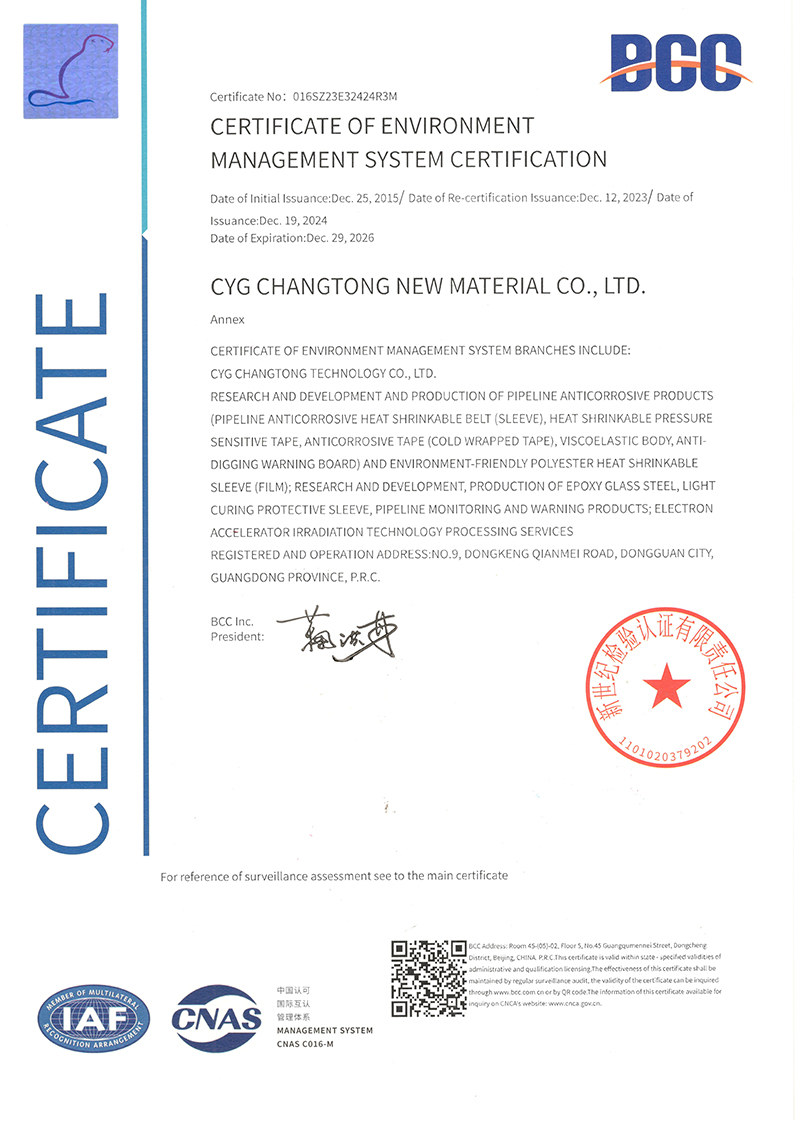
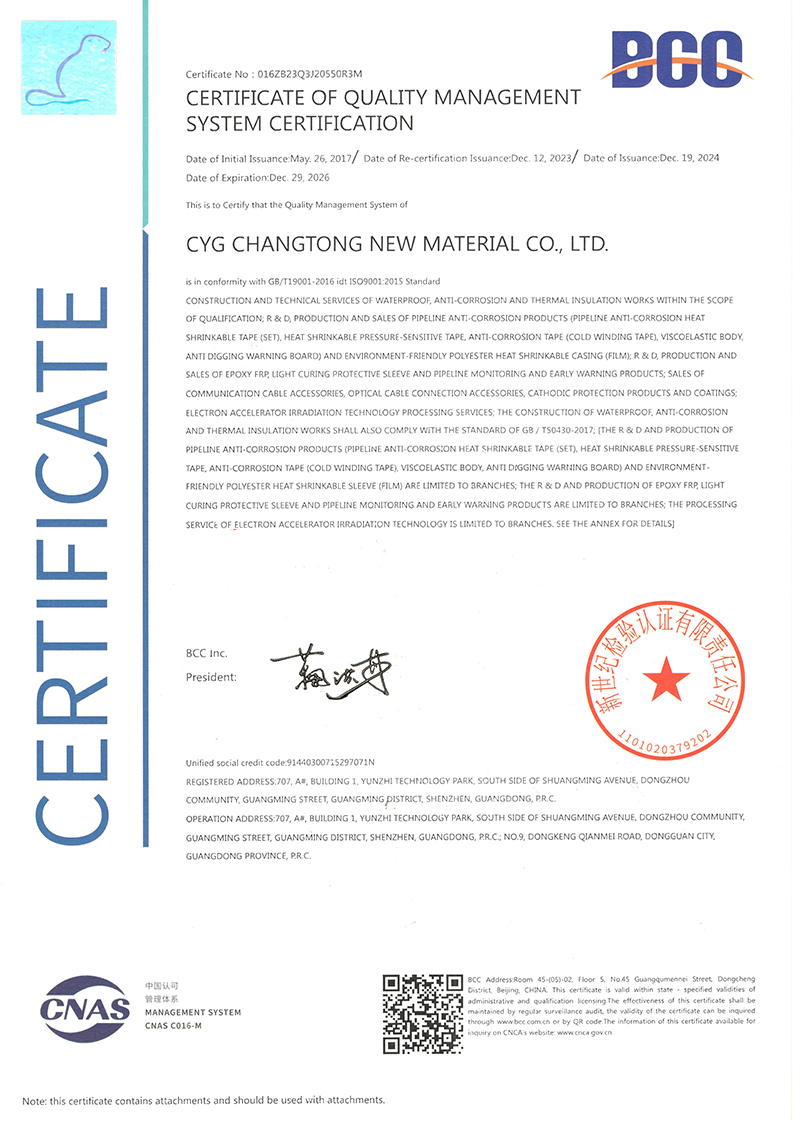
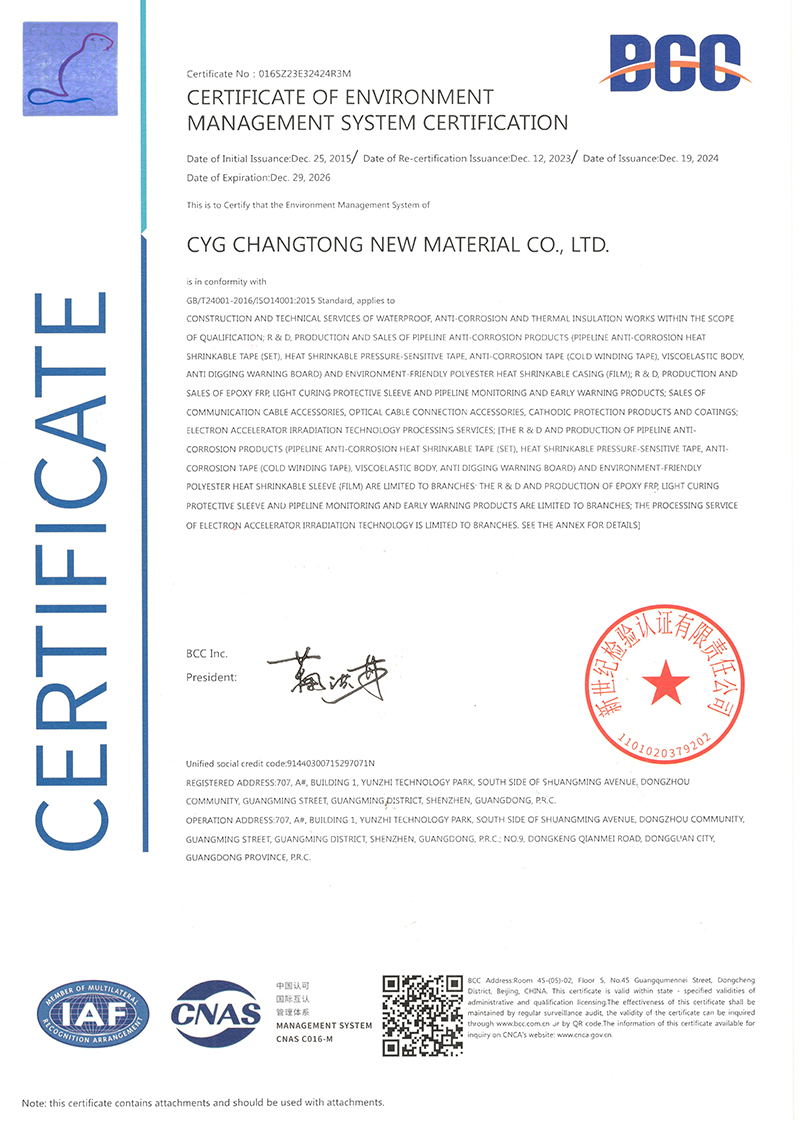
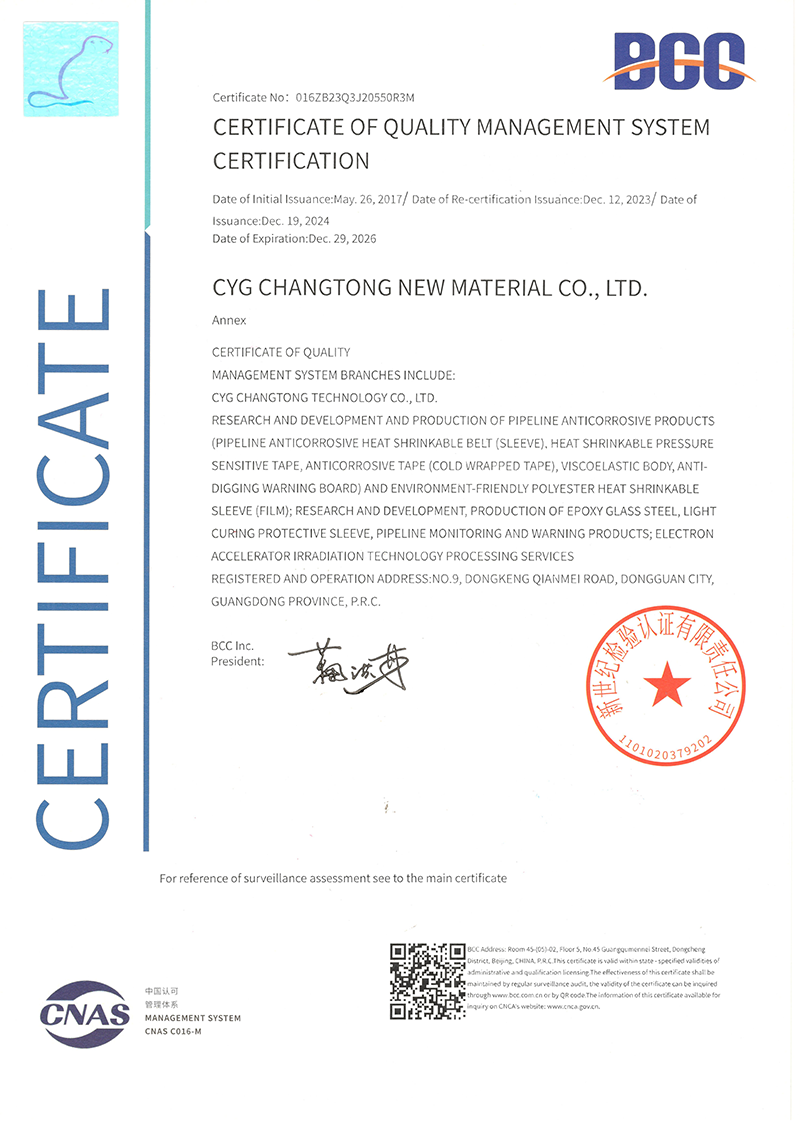
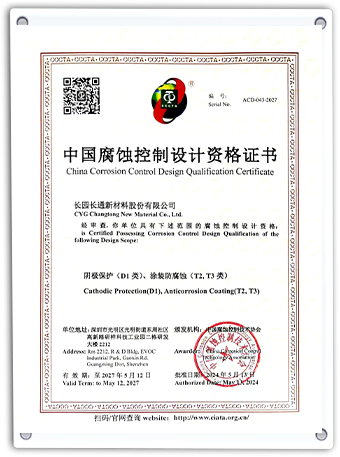
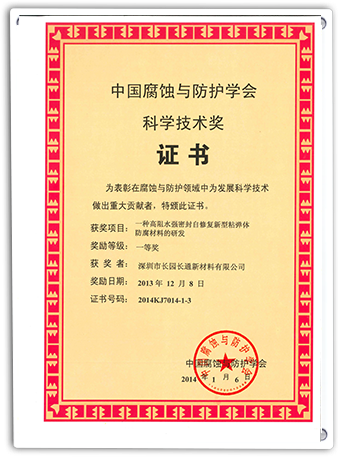
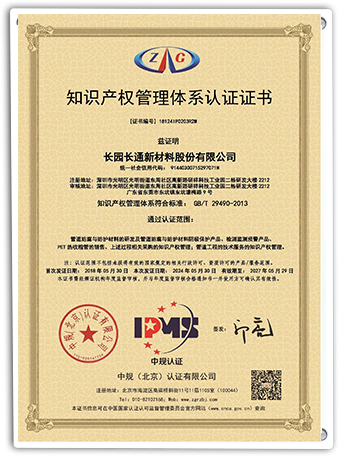
We maintain active council memberships and certifications in the Chinese Society for Corrosion and Protection (CSCP), and the China Association of Petroleum Engineering Construction (CAPEC), and operate in compliance with AMPP standards. Our products satisfy international criteria including ISO 21809-3, EN 12068, and DIN 30678. Our manufacturing plants maintain ISO 9001, ISO 14001, and ISO 45001 certifications, ensuring environmental safety and workplace health during fabrication.
CYCT's anti-corrosion products are built for diverse engineering environments, including:
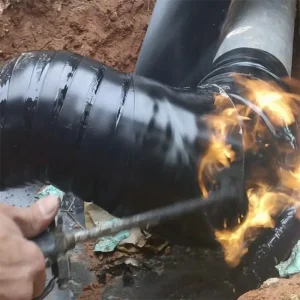
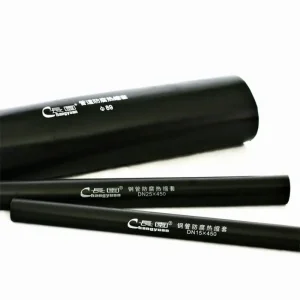
In three-layer polypropylene (3LPP) trunklines, using PP heat-shrinkable sleeves provides a seamless connection over field weld regions. This system matches the parent pipe's operational temperature limits, preventing weak points along the line.
Pulling pipelines through boreholes exposes standard wrap tapes to high soil abrasion and shear stress. Our photo-curing protective sleeves and UV-curing GRP systems wrap over the corrosion barrier, protecting the pipe against mechanical wear during installation.
In storage fields and urban hubs, irregularly shaped fittings, flanges, and valves are prone to micro-environment corrosion. Our non-toxic VE Putty and viscoelastic coating systems flow into small crevices, providing moisture-resistant, self-healing protection.
A: PP (Polypropylene) has a higher crystalline melting point than PE (Polyethylene). Consequently, PP tapes retain their structural density, indentation resistance, and shear strength at high temperatures (up to 110°C–120°C), whereas PE tapes soften and lose their adhesion strength around 60°C. PP is the standard option for high-temperature oil and gas transmission lines.
A: We check all polymer blends, adhesive parameters, and corrosion properties in our national CNAS-accredited laboratory. Testing includes differential scanning calorimetry (DSC), accelerated aging, cathodic disbondment resistance checks, and shear stress verification under temperature cycles, ensuring compliance with ISO 21809-3 standards.
A: Viscoelastic materials are viscous liquids that display self-healing characteristics, cold flow properties, and minimal surface preparation requirements (ISO St2/St3). They are excellent for complex geometries, flanges, and municipal repairs. Heat shrink sleeves, by contrast, offer robust mechanical protection and are preferred for linear joint welds on new line builds.
A: Yes, as an OEM manufacturer, we provide tailored backings from 0.5 mm to 2.0 mm, alongside adhesive layers customized to your operating conditions and project specifications. We also accommodate custom width rolls and logo branding.
 CYCT
CYCT