Engineered to mitigate shear stress, mechanical load, and thermal degradation in oil, gas, and water distribution networks.
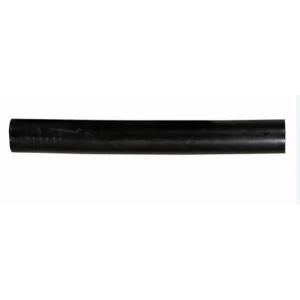
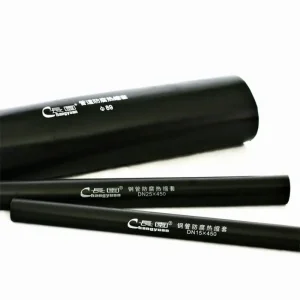
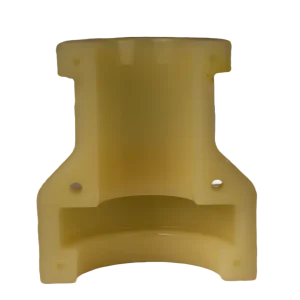
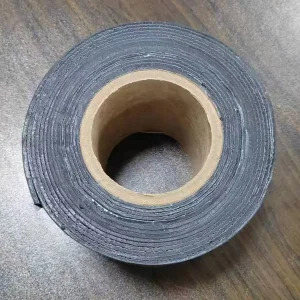
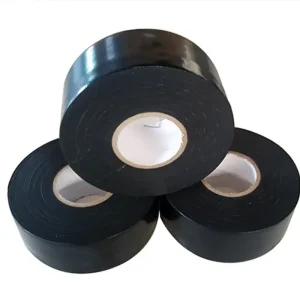
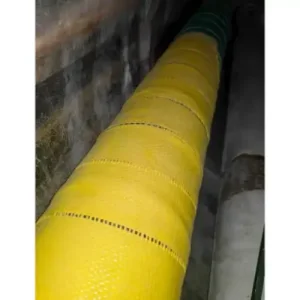
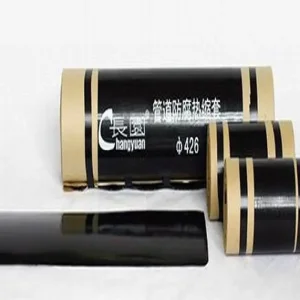
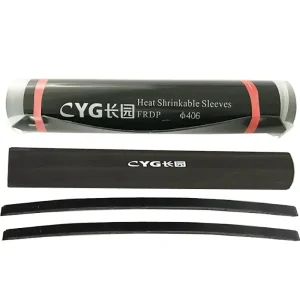
In modern pipeline construction, particularly for oil, natural gas, and petrochemical transfer infrastructures, the 3-Layer Polypropylene (3LPP) system has become the global standard for high-temperature and high-pressure transmission. While the main body of the steel pipe is protected by factory-applied 3LPP coatings, field joint coatings (FJC) remain the most critical vulnerability. As a leading OEM Polypropylene Heat Shrinkable Sleeve Supplier & Factory, CYCT specializes in resolving this critical vulnerability through advanced formulation and electron-beam crosslinking technology.
Polypropylene (PP) is a semi-crystalline thermoplastic with high mechanical stiffness, high heat distortion resistance, and superior resistance to chemical attack and environmental stress cracking. When subjected to electron-beam radiation during our manufacturing process, the linear macromolecular structure of polypropylene undergoes controlled crosslinking. This creates a "memory effect" or thermodynamic programming.
Upon reheating beyond its crystalline melting point (typically 150°C to 165°C), the backing shrinks rapidly. The radial tension generated during this recovery squeezes the co-polymer hot-melt adhesive layer underneath, forcing it to fill any substrate microscopic irregularities. This creates an impenetrable molecular barrier against water ingress, soil stress, and corrosive salts.
Traditional Polyethylene (PE) sleeves are often limited to operating temperatures below 60°C to 80°C. In high-operating temperature trunklines (up to 110°C or 120°C), clay soil expansion and contraction, combined with axial pipeline movement, creates significant shear stress at the field joint interfaces. Polypropylene sleeves exhibit exceptional shear strength and creep resistance at elevated temperatures, preventing the buckling, sagging, or delamination of the field joint coating under high shear conditions.
A high-quality polypropylene heat shrinkable sleeve does not work in isolation; it is a synergistic multilayer system:
| Property Class | Test Metric (Standard) | 3LPP Sleeve Performance Data | 3LPE Sleeve Comparison |
|---|---|---|---|
| Maximum Operating Temp | Continuous service limit | Up to 110°C - 120°C | Up to 60°C - 80°C |
| Peel Strength to Pipe | ISO 21809-3 @ 23°C | > 120 N/cm | > 80 N/cm |
| Indentation Resistance | ISO 21809-3 @ 90°C / 100°C | Residual thickness > 0.6 mm | Not recommended / Fails |
| Cathodic Disbondment | ASTM G8 @ 28 Days / Temp | < 5 mm radius (at 95°C) | < 10 mm radius (at 60°C) |
Our OEM manufacturing lines strictly follow international standards. Every batch of Polypropylene Heat Shrinkable Sleeves is verified for mechanical shielding and cathodic protection in harsh environments.
For pipeline operators and EPC contractors, purchasing from a verified direct factory ensures:
Supporting critical energy corridors, deep-water pipelines, and challenging horizontal directional drilling (HDD) projects worldwide.
High-operating temperature (90°C - 120°C) gas trunklines face severe soil-stress cycles. Our PP sleeves offer high resistance to shear forces, preventing soil stress from causing displacement or wrinkling of the joint coating.
During Horizontal Directional Drilling (HDD), the field joint coating experiences severe friction and mechanical shear. Our reinforced PP sleeves resist tearing and mechanical abrasion, maintaining joint integrity throughout the pull-back process.
Deepsea environments require high hydrostatic pressure resistance and moisture curing shields. CYCT's PP sleeves are compatible with marine concrete weight coatings (CWC) and withstand thermal gradients in subsea conditions.
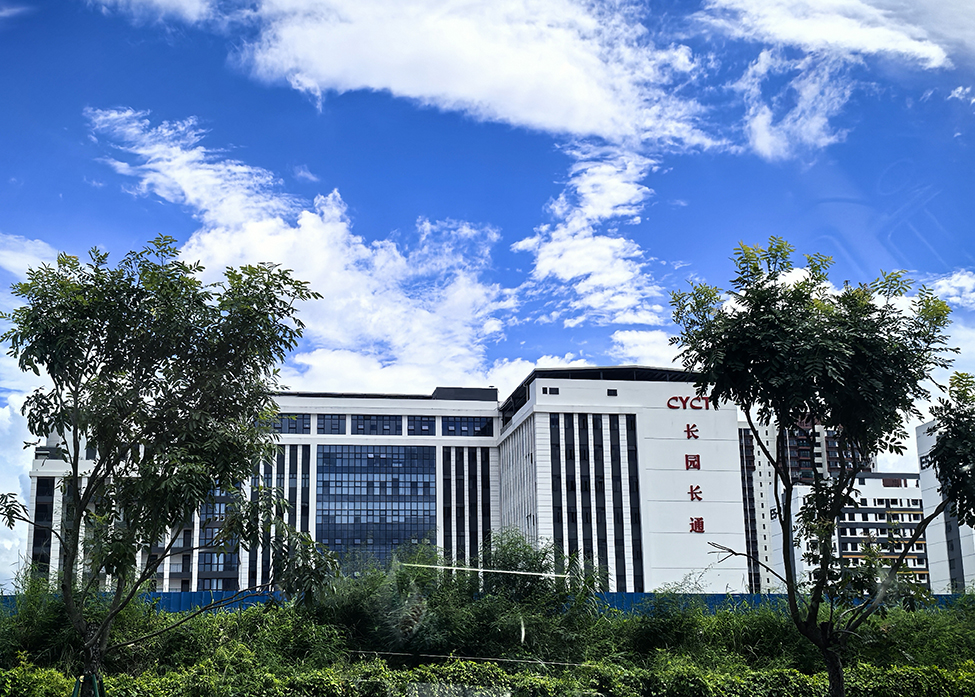
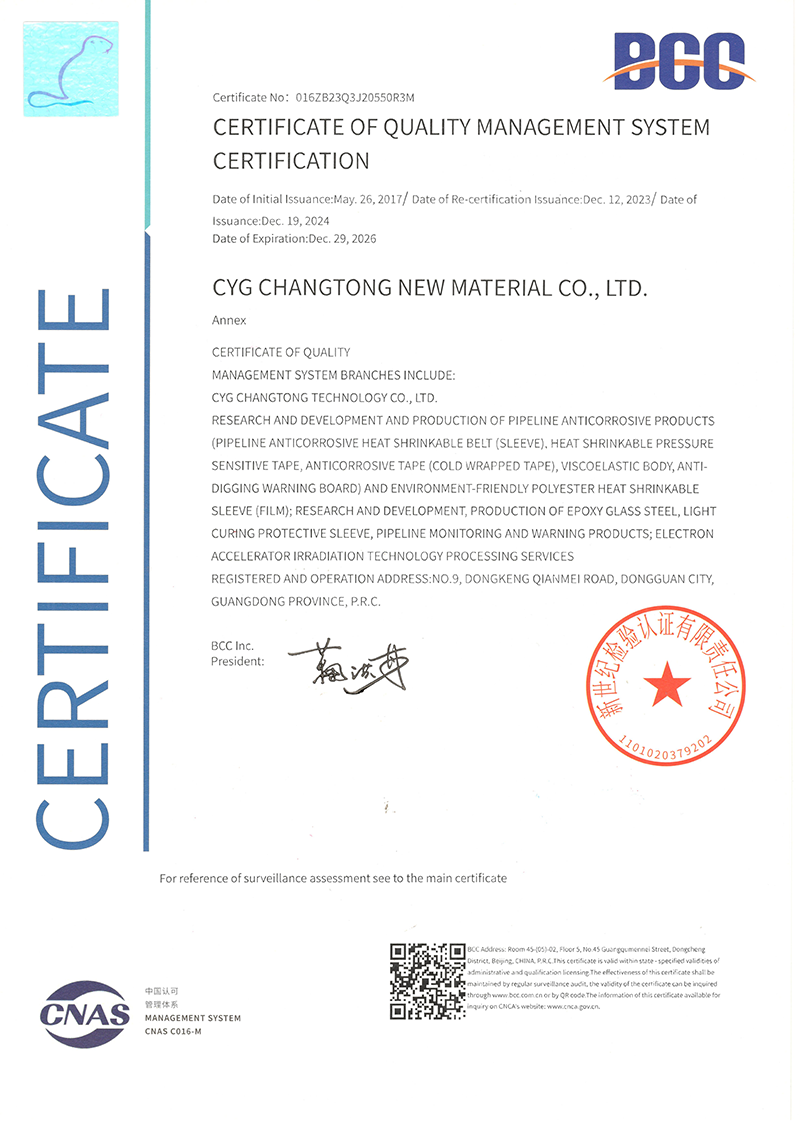
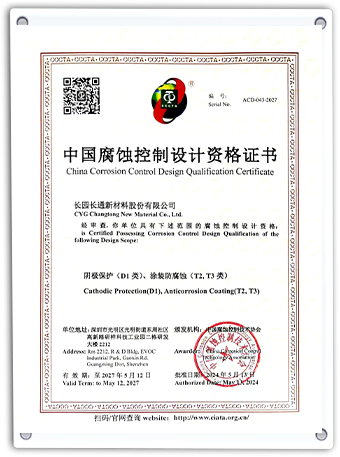
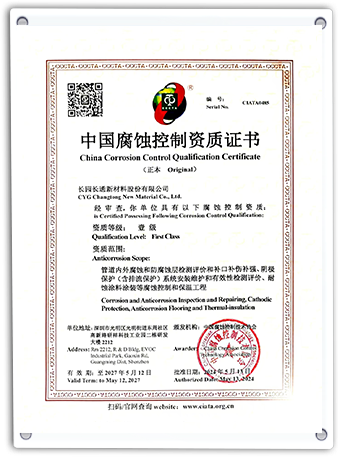
Integrating research and development, manufacturing, and buried pipeline detection services into a unified, state-certified enterprise.
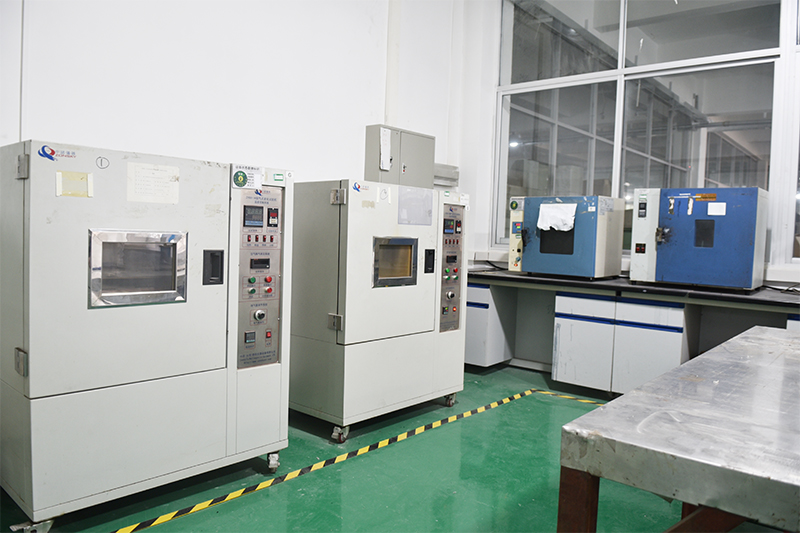
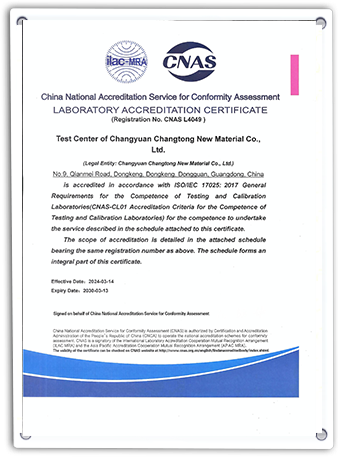
Experience precision manufacturing and rigorous quality control testing inside CYCT's production and testing facilities.
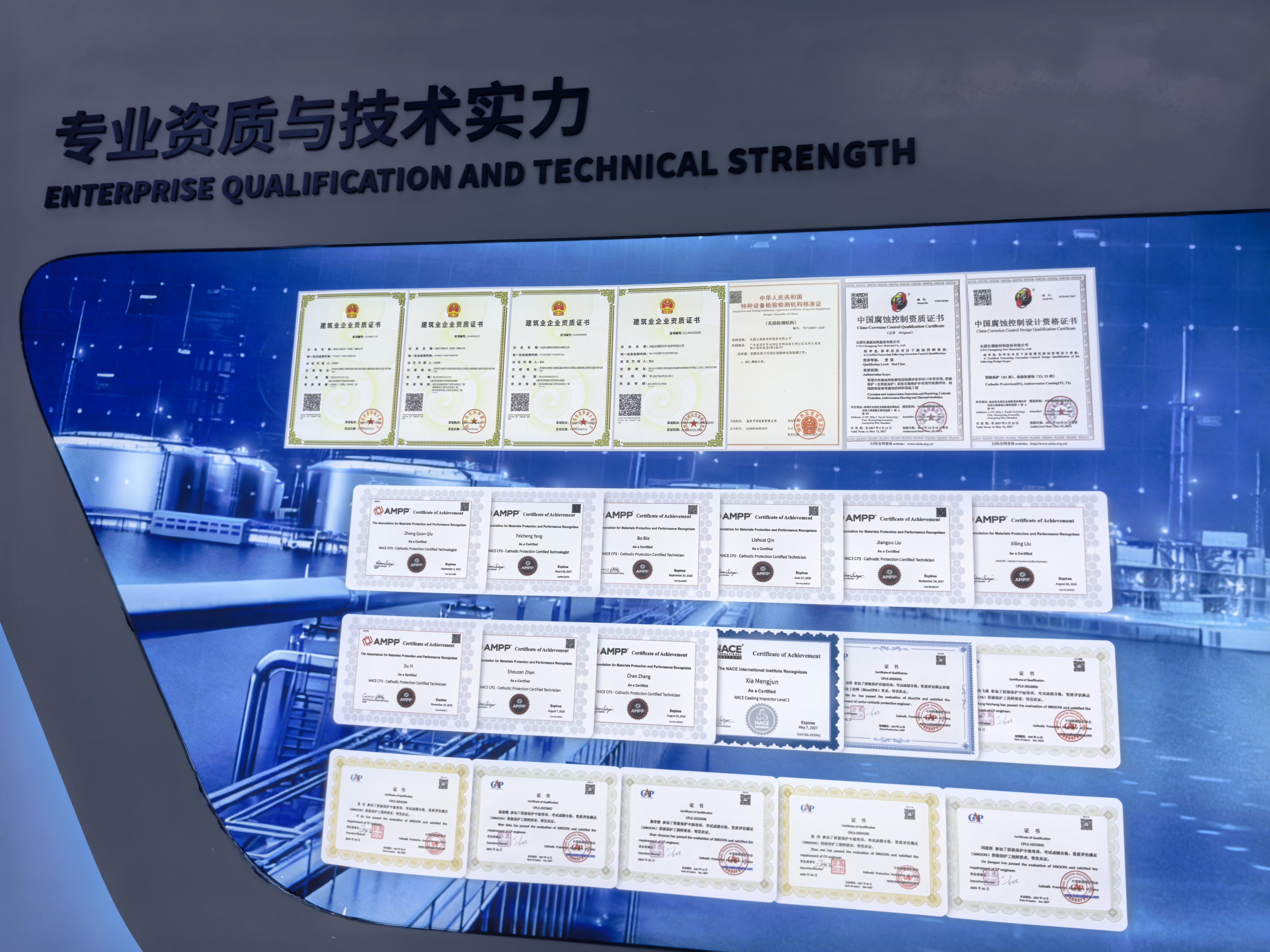
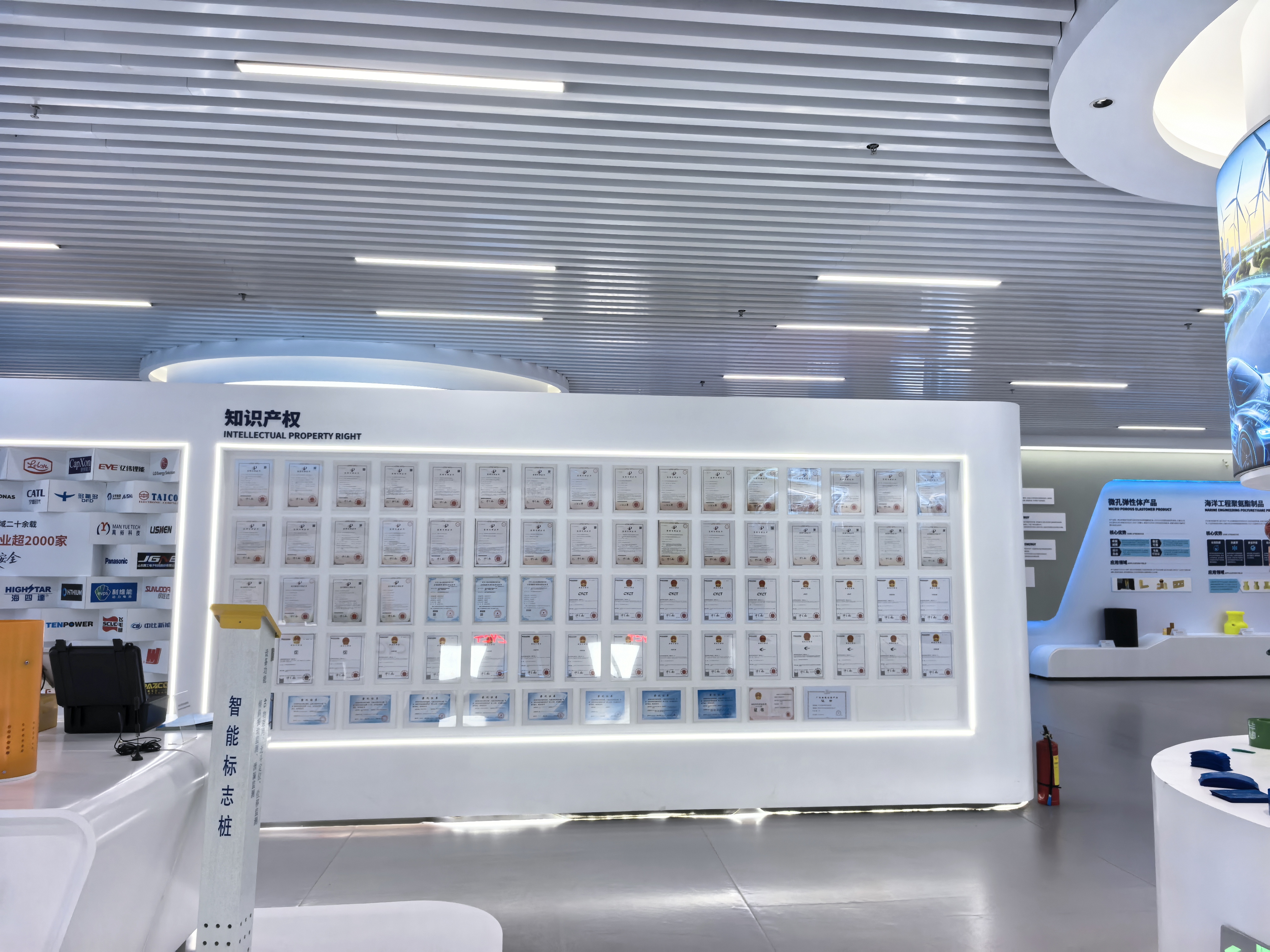
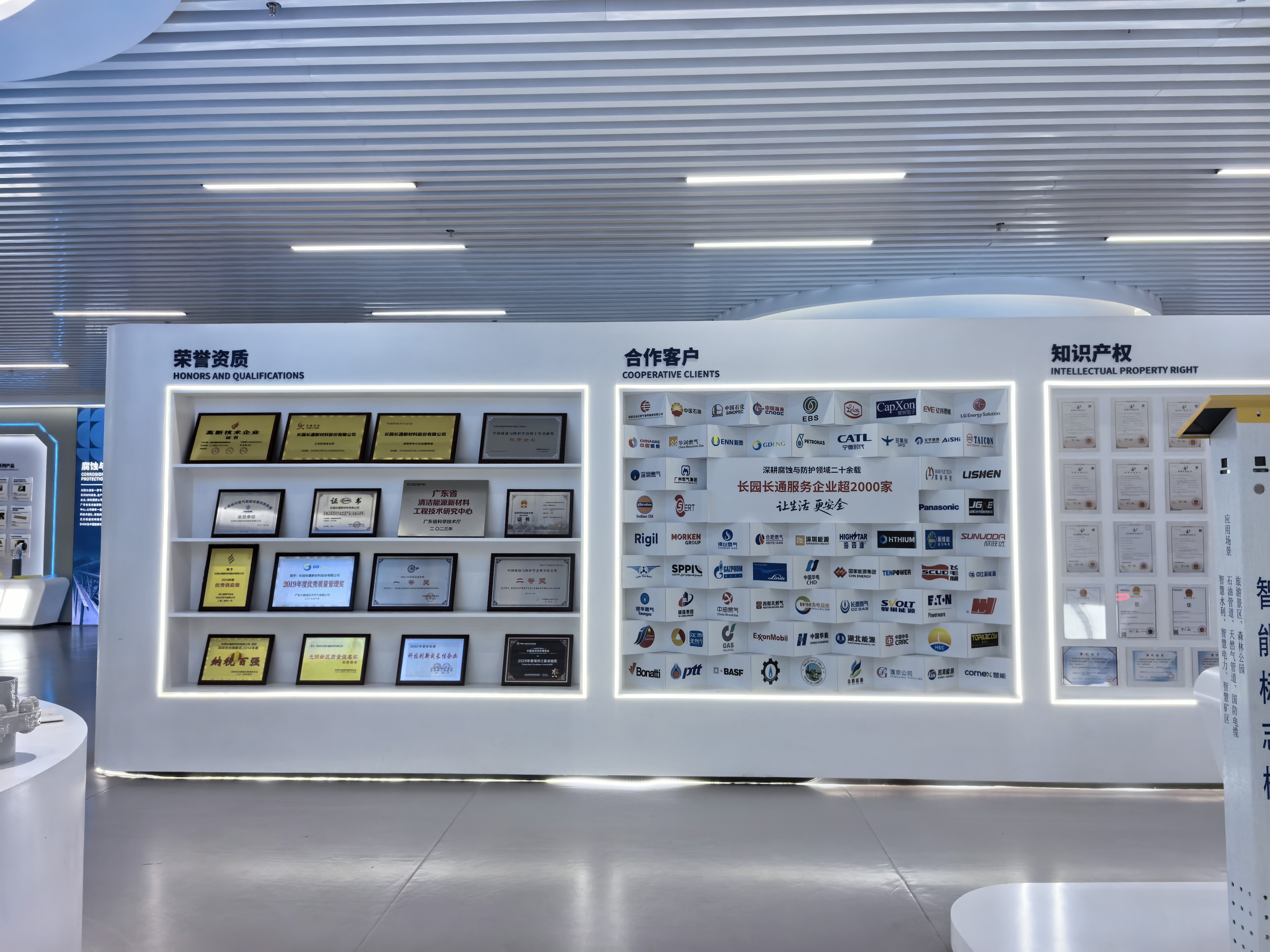
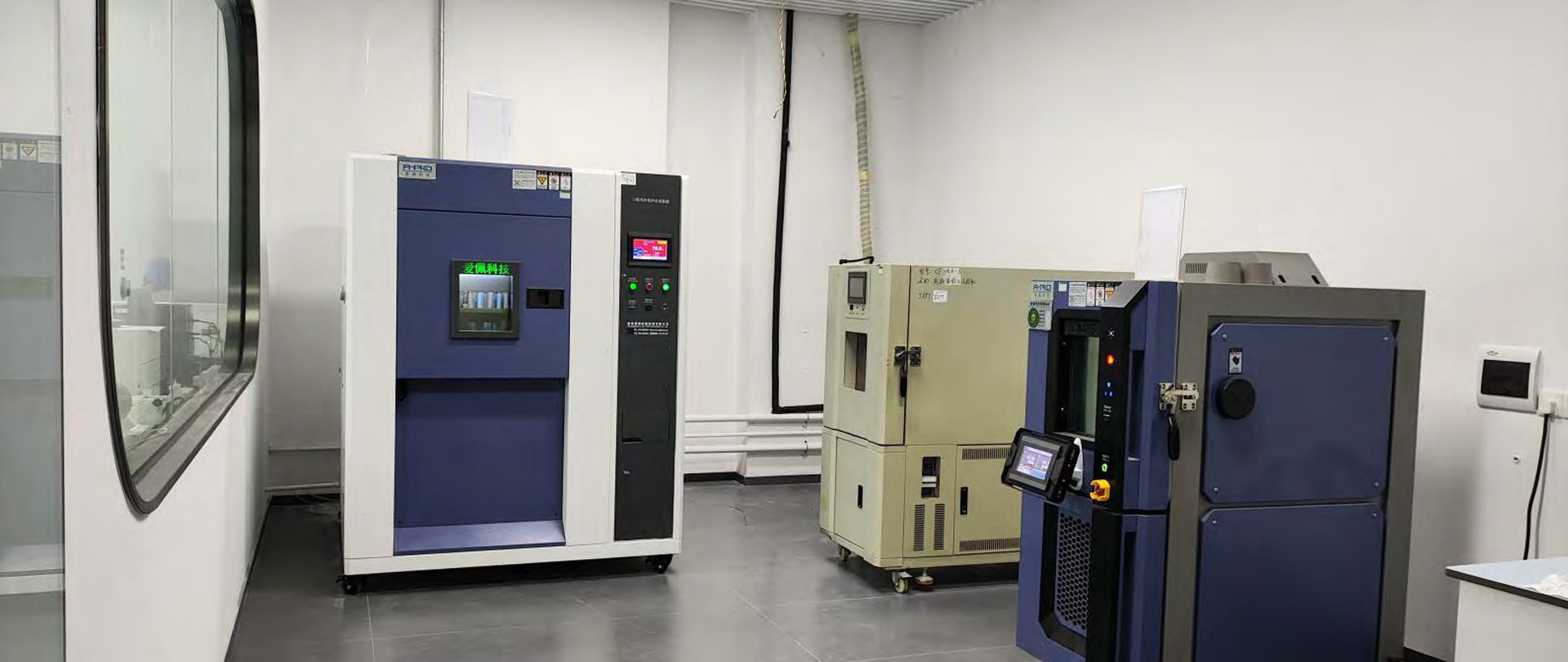
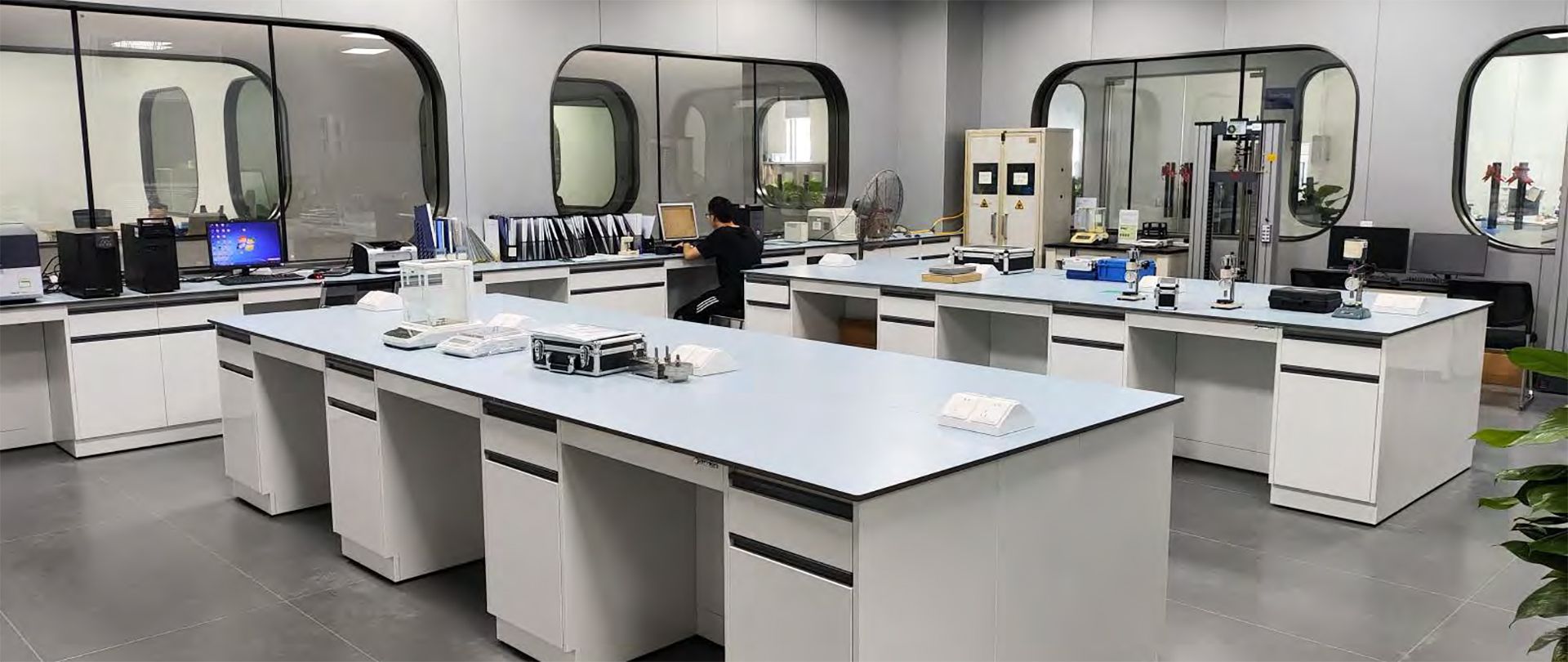
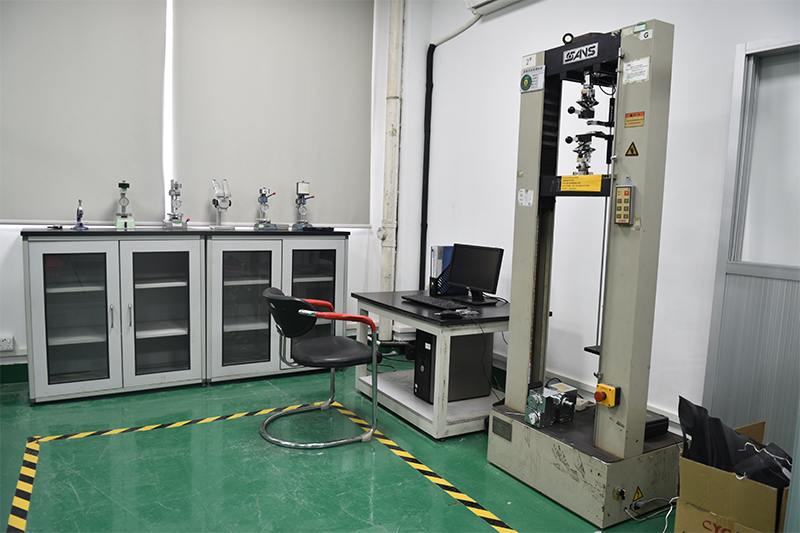
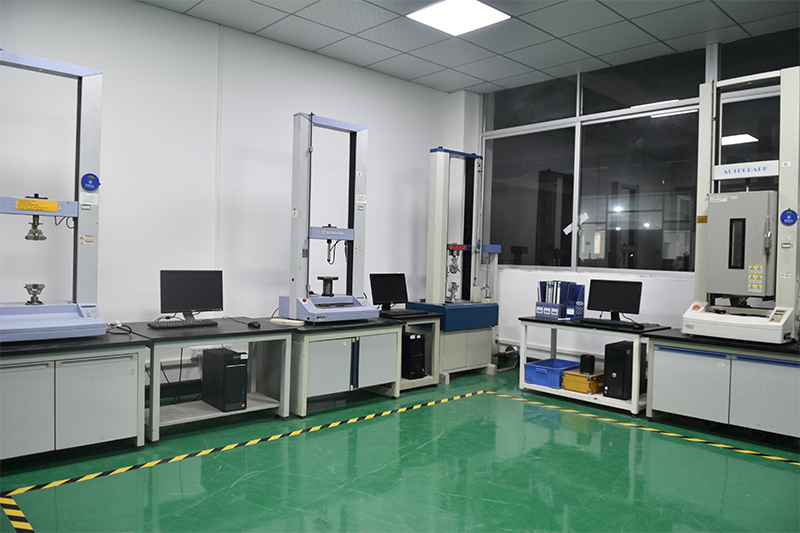
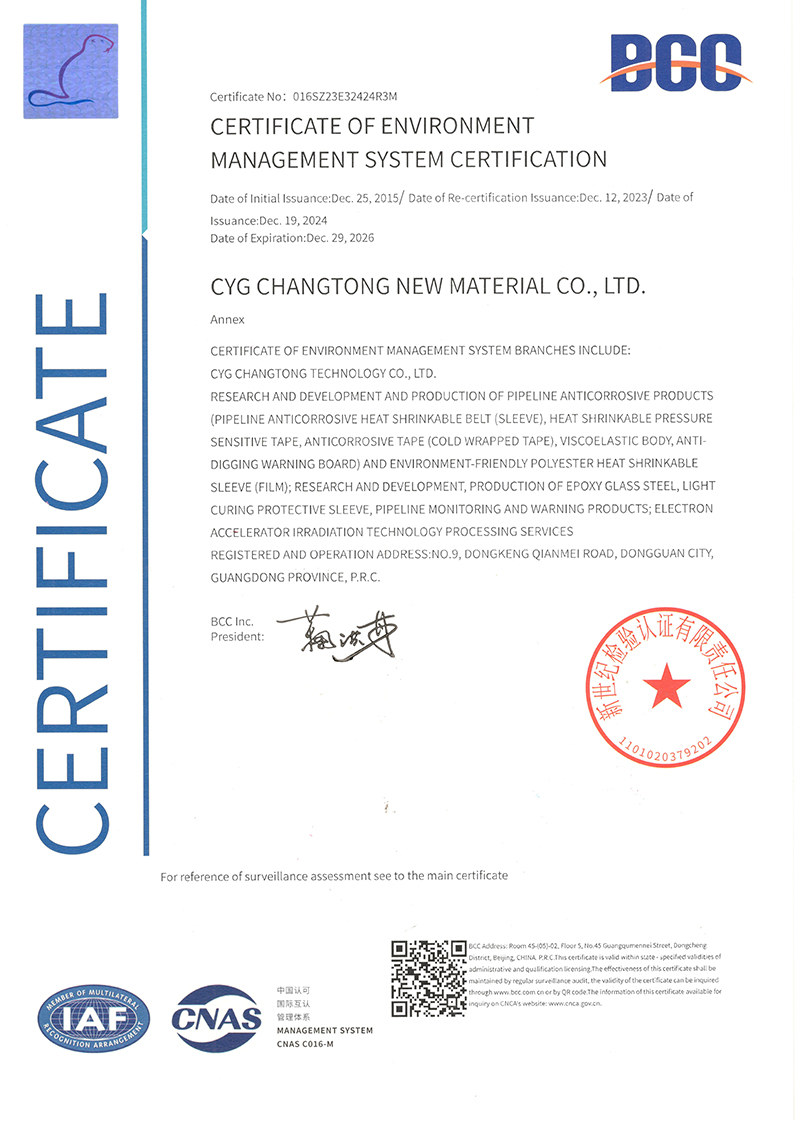
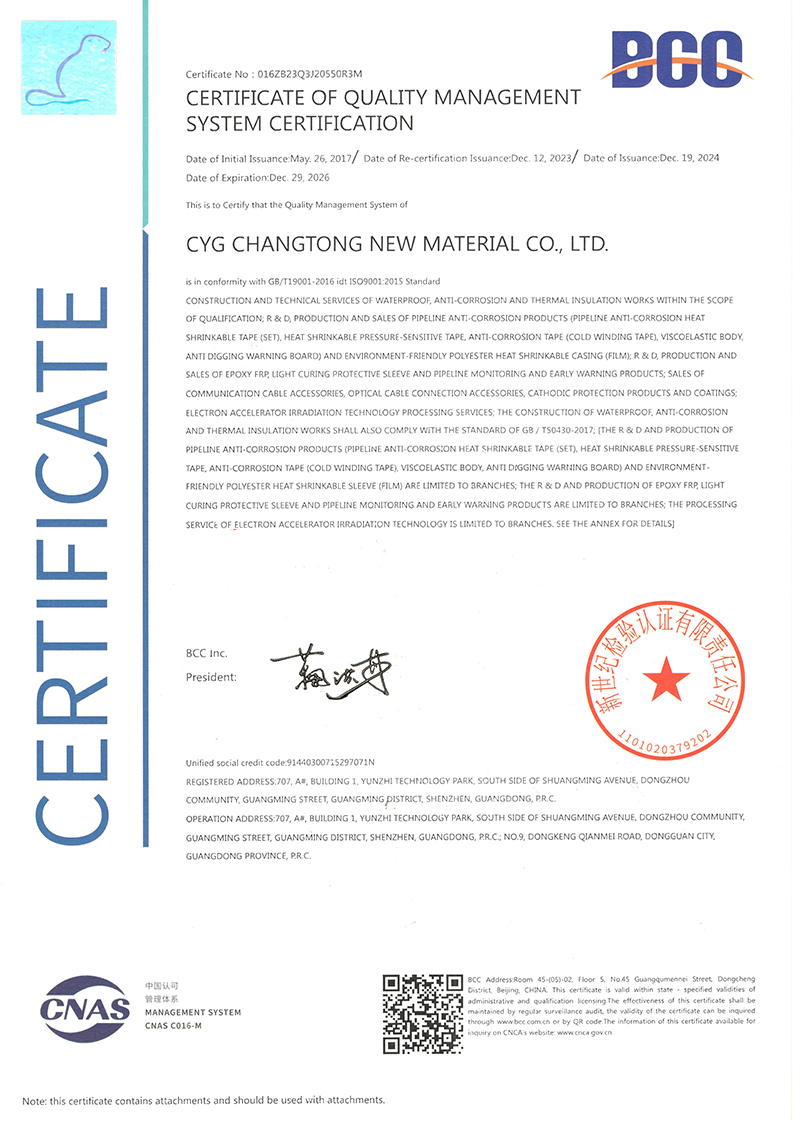
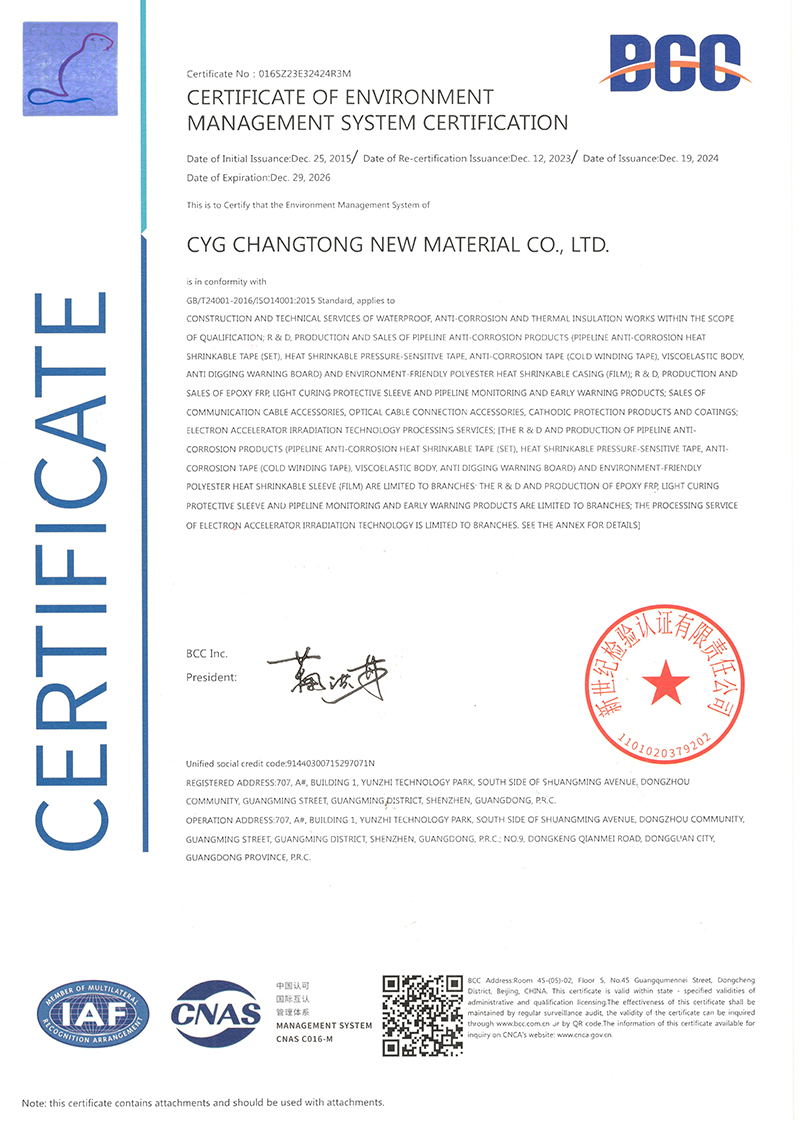
CYCT holds Council Membership in the Chinese Society for Corrosion and Protection (CSCP), high-tech designations, and certifications for global supply.
How CYCT is adapting to future pipeline requirements, including hydrogen transmission and green energy infrastructure.
Pure hydrogen and blended hydrogen pipelines experience different thermal dynamics. We are developing modified polymer backings with ultra-low gas permeability to prevent hydrogen embrittlement and under-film gas accumulation.
As deep-well extraction temperatures exceed 130°C, CYCT's R&D division is optimizing new polypropylene grades designed to maintain shear strength and indentation resistance at continuous service temperatures up to 150°C.
To support corporate decarbonization targets, we are evaluating bio-derived polypropylene matrices that deliver the same mechanical performance with a reduced carbon footprint during raw material processing.
Detailed technical answers for procurement managers, pipeline design engineers, and QC inspectors.
Polypropylene (PP) sleeves offer superior operating temperature resistance (up to 120°C vs 80°C for PE), higher mechanical indentation resistance, and increased shear strength. This makes PP sleeves the industry choice for 3LPP-coated steel trunklines and heavy-duty soils.
Yes. As a direct manufacturer, we offer full OEM support. We can customize the backing thickness (from 1.0mm to 2.2mm), adhesive thickness (from 0.8mm to 2.0mm), and sleeve width to match the cutback length of your pipeline design.
For 3-layer systems (3LPP field joints), a wet, solvent-free epoxy primer is applied to the clean steel. This ensures low cathodic disbondment and a strong chemical bond. For some lower-stress applications, a 2-layer system without primer can be used, depending on project specifications.
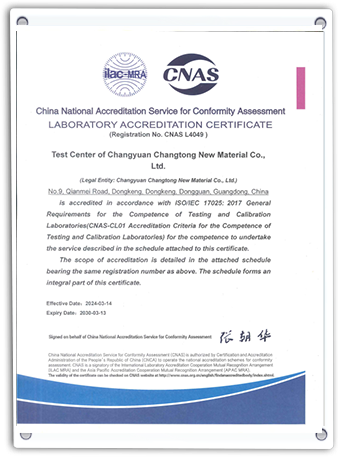
Every batch undergoes strict testing in our CNAS laboratory. We test peel strength to steel and PE/PP backing, hot-water immersion stability, cathodic disbondment, heat shock, and tensile strength to ensure compliance with ISO 21809-3 standards.
Browse our catalog of viscoelastic systems, hot-melt compounds, repair patches, and structural sleeves.
 CYCT
CYCT