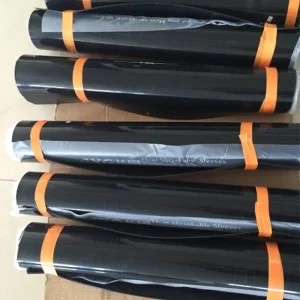
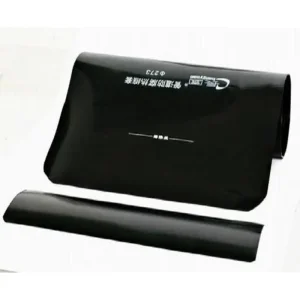
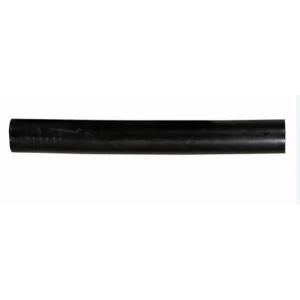
OEM Polyolefin Heat Shrink Sleeve Manufacturer & Supplier

High-Performance Corrosion Mitigation Systems & Advanced Joint Coating Technologies for Global Midstream Infrastructure

Global Enterprise Procurement Dynamics for Pipeline Coatings

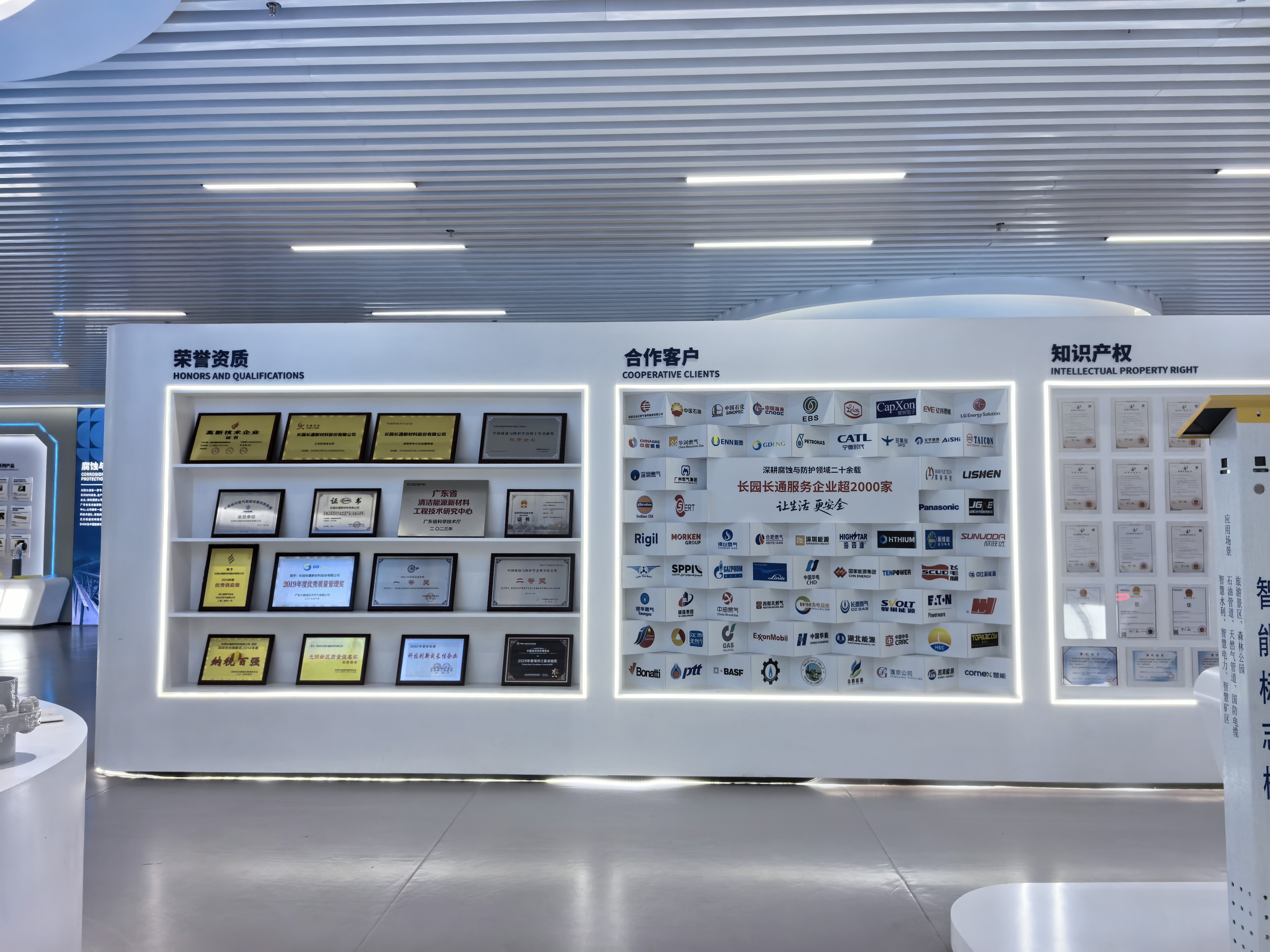
In modern pipeline transport infrastructure projects, the integrity of the field joint coating (FJC) is paramount. Energy majors, EPC companies, and utility operators across the globe—such as PetroChina, Sinopec, PipeChina, and Indian Oil—demand high-performance corrosion mitigation solutions. The critical challenge lies in transitioning from standard factory-applied mill coatings (such as 3LPE, 3LPP, or FBE) to the field-applied joint area without compromising long-term reliability.

Our role as a primary OEM Polyolefin Heat Shrink Sleeve Manufacturer & Supplier focuses heavily on meeting rigorous international validation metrics. Long-distance transport systems carrying hazardous liquids, compressed natural gas, or green hydrogen mixtures require field joint sleeves that resist extreme geological shear, water permeation, and mechanical stress.

Global procurement teams prioritize three critical vectors when auditing manufacturer supply chains:

  • Standard Compliance: Strict alignment with ISO 21809-3, EN 12068, and NACE RP0303.
  • Supply Stability: End-to-end logistics with scalable extrusion capacities.
  • Validation Testing: Third-party verified resistance to cathodic disbondment and hot-water immersion.

The Geo-Industrial Reality

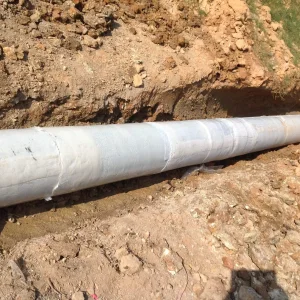
Pipelines cross varied topographies—from frozen tundra to desert sands. Heat shrinkable sleeves must withstand constant mechanical friction, thermal expansion, and soil loading. As hydrogen pipelines emerge as a cornerstone of the future green transition, the permeability of external coatings is receiving heightened focus. Polyolefin systems remain the most robust barriers against structural soil stress and moisture intrusion.

2000
Established Year
10+
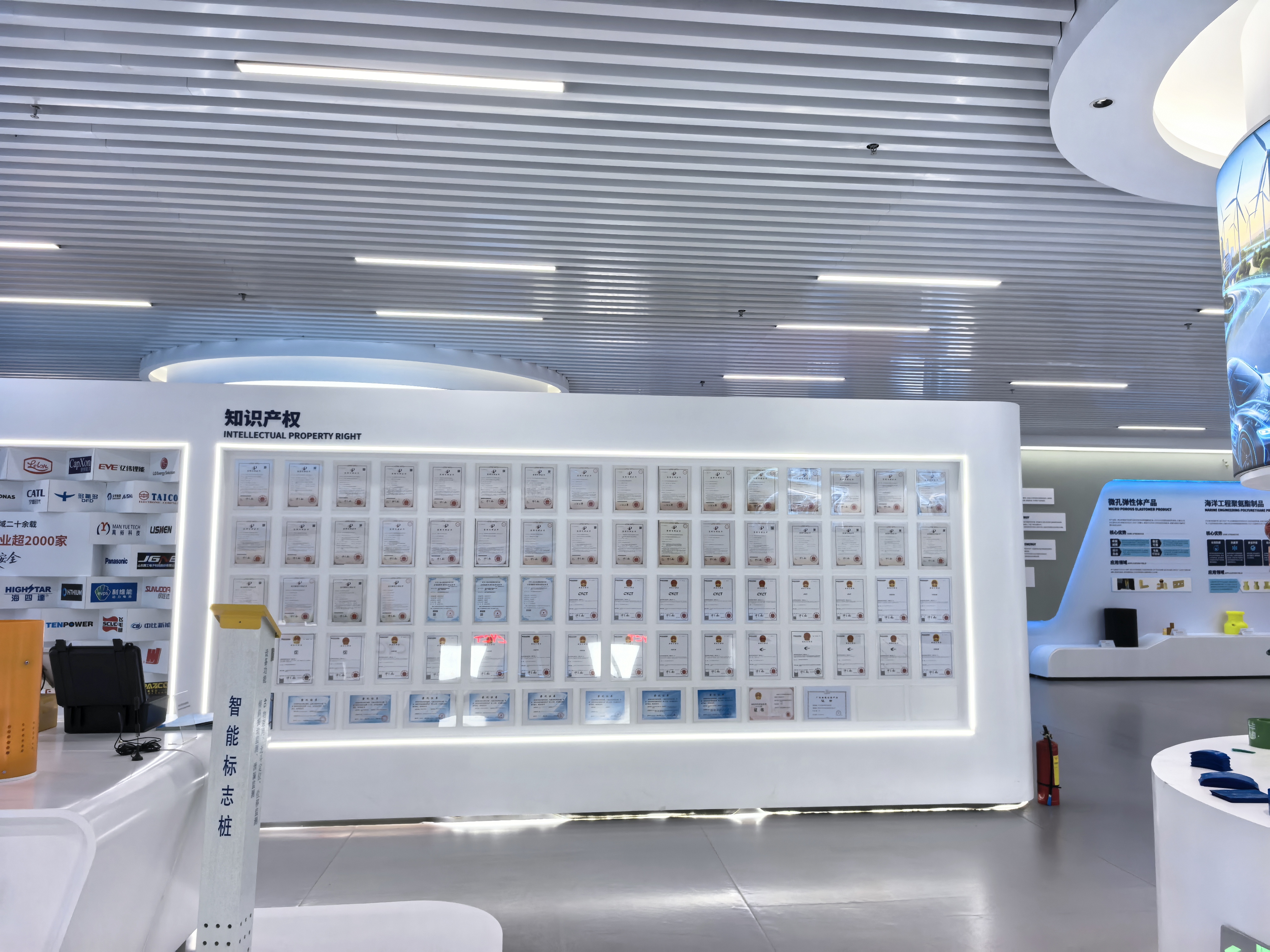
Proprietary IP Rights
CNAS
National Accredited Lab
AMPP
Corporate Member

Technical Roadmap & Material Science

Understanding the polymer physics behind high-performance cross-linked polyolefin heat shrinkable sleeves.

Radiation Cross-linking

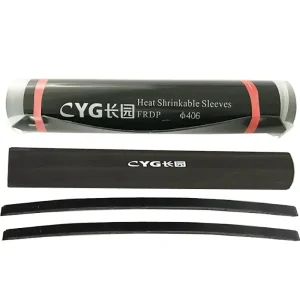
Our polyolefin backings are subjected to high-energy electron beam processing. This alters the molecular structure, introducing inter-chain covalent bonds that give the material a 'shape memory' effect. Upon application of heat, the backing shrinks to seal the pipeline field joint.

Rheological Adhesive Design

The inner layer of our heat shrinkable sleeves consists of specialized hot-melt copolymer adhesives. These adhesives exhibit superior visco-elastic flow during installation, filling the step-down area at the main-line coating's edge and eliminating air pockets to resist cathodic disbondment.

Trenchless HDD Solutions

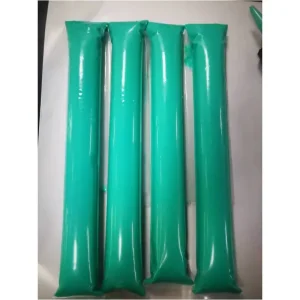
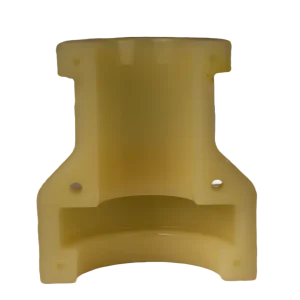
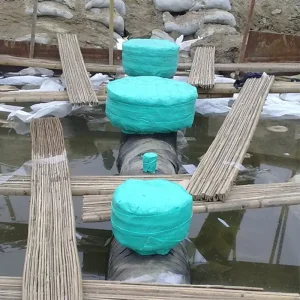
For Horizontal Directional Drilling (HDD), we provide mechanical shields such as GRP (Glass Reinforced Plastic) photo-curing sleeves. These protect the polyolefin sleeve from being scraped off by solid rock formations during pipeline pulling operations.

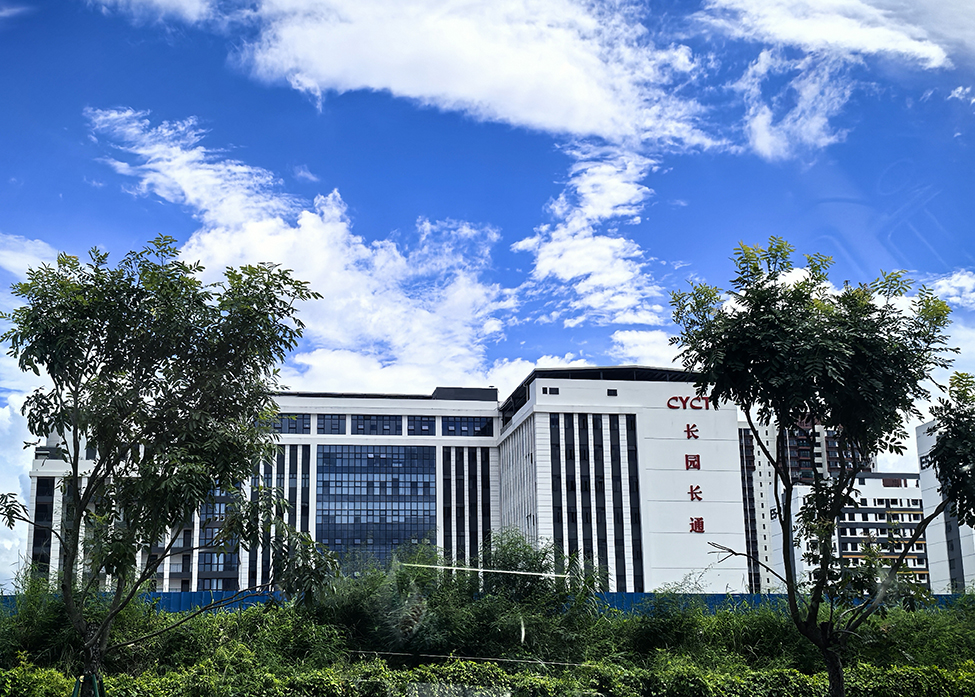
CYCT New Materials Company Limited (CYCT)

CYCT · Founded in 2000

CYCT is a state-level high-tech enterprise integrating R&D, production, and sales of pipeline corrosion protection materials, as well as buried pipeline detection services and field coating application services. CYCT has dedicated itself to the development and production of premium corrosion protection products for decades.

By cooperating with leading R&D institutes, such as the CNPC Pipeline Science Research Institute, CYCT is capable of providing in-service pipelines with varied technical services, including buried pipeline detection, design schemes, cathodic protection, rehabilitation projects, and integrated pipeline safety solutions.

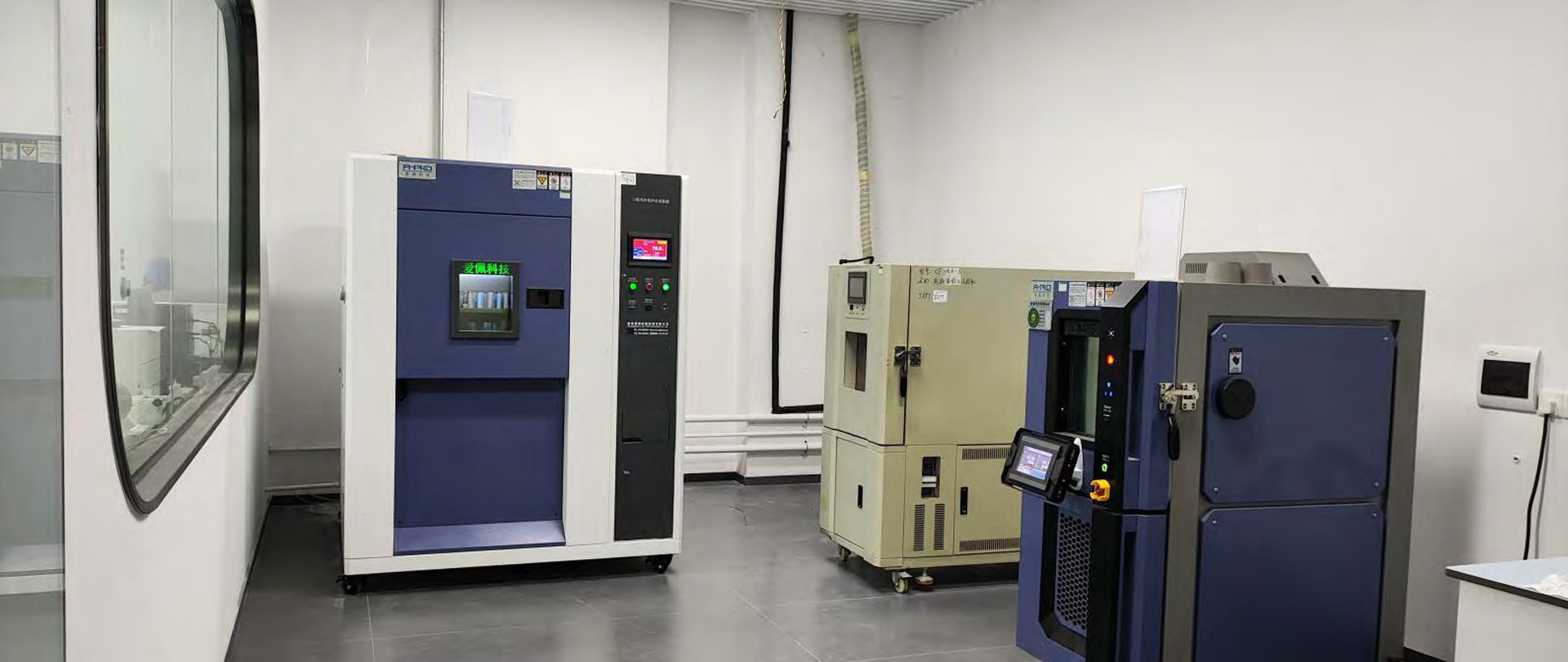
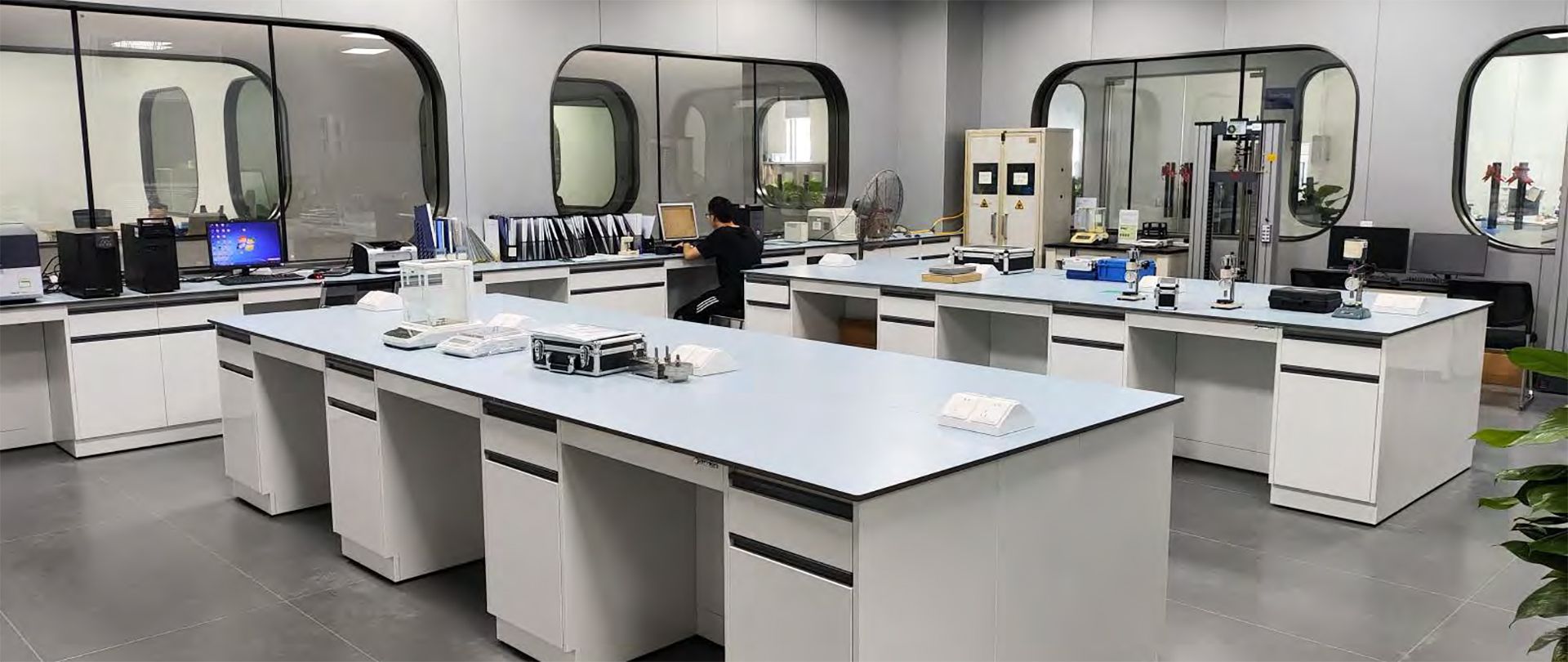
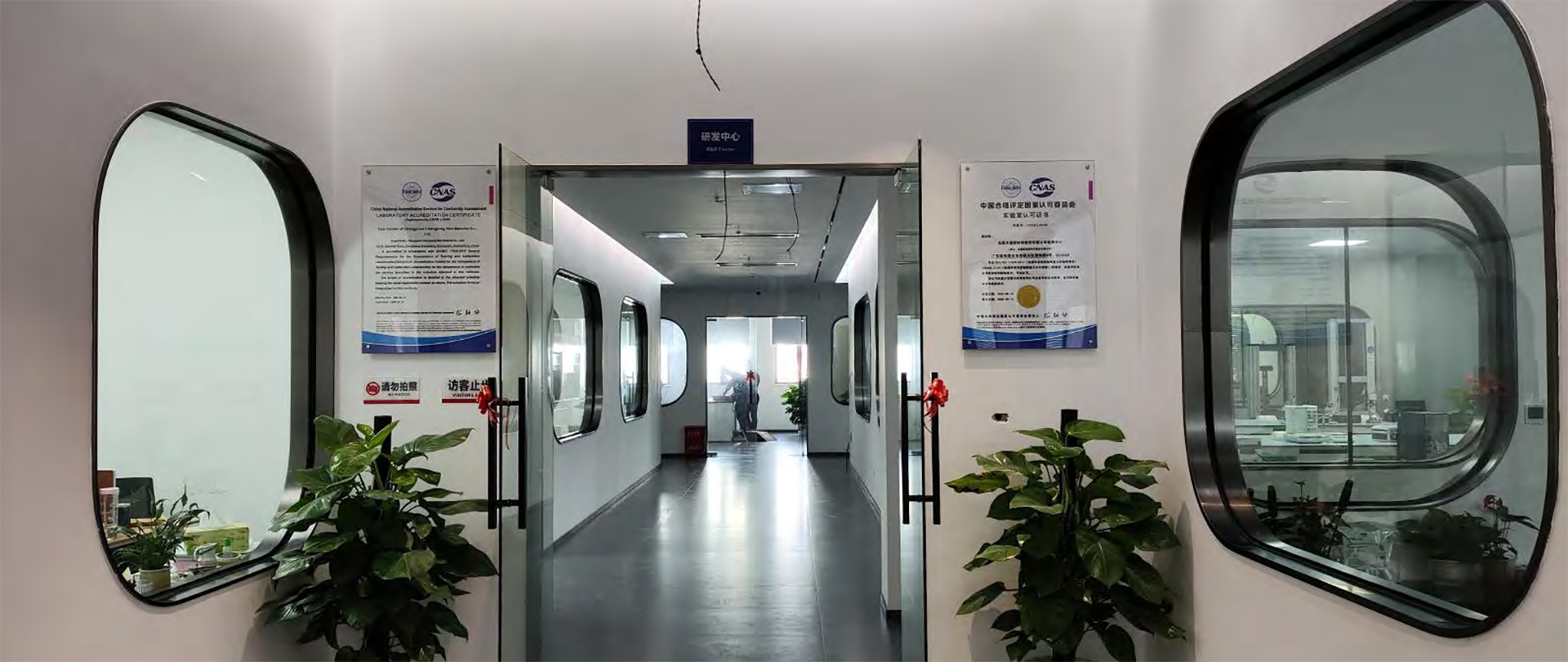
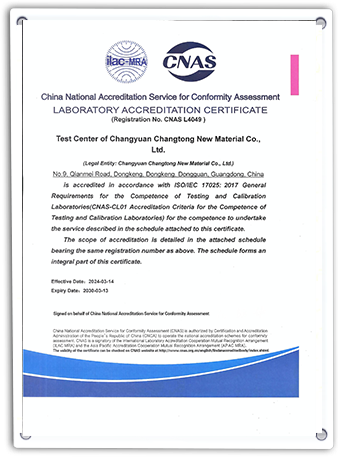
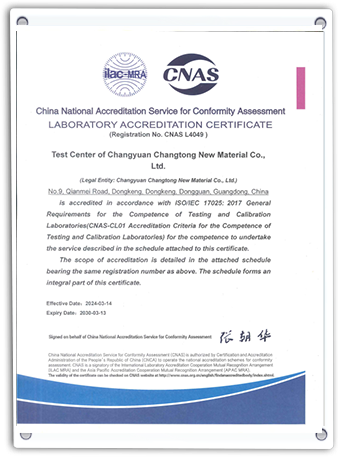
CYCT possesses leading testing and R&D capabilities, an experienced technical team, and a national CNAS-accredited laboratory, making it a stable long-term supplier of field joint coatings for PetroChina, Sinopec, PipeChina, and international operators like Indian Oil.
Corporate Style & Facilities

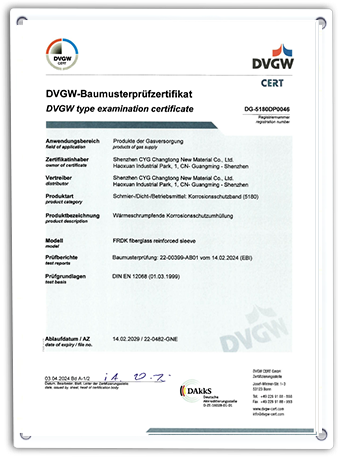
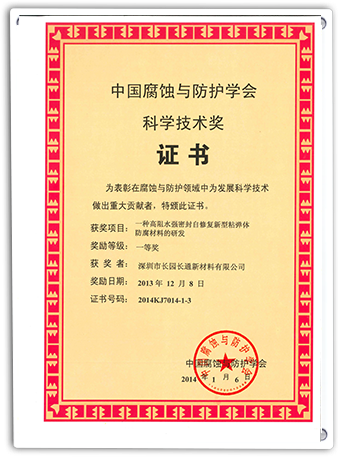
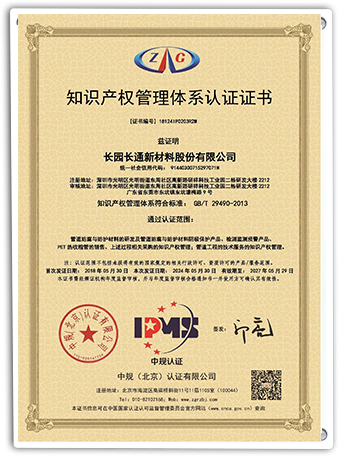
Corporate Credentials & Industry Honors

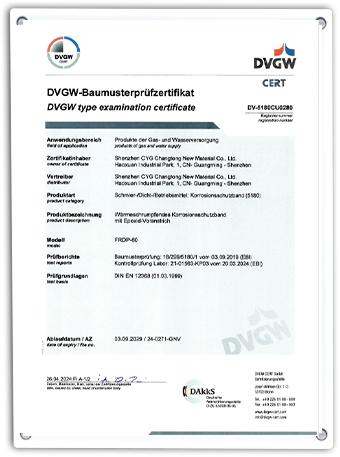
Our commitment to quality control, rigorous material science, and global compliance is verified by multiple international certifications.

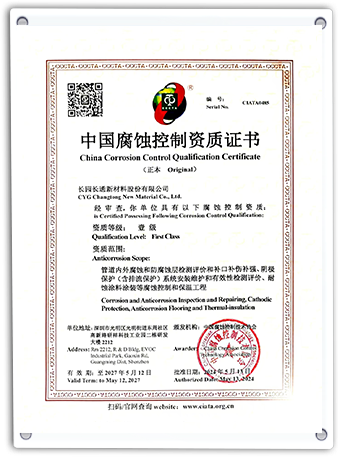
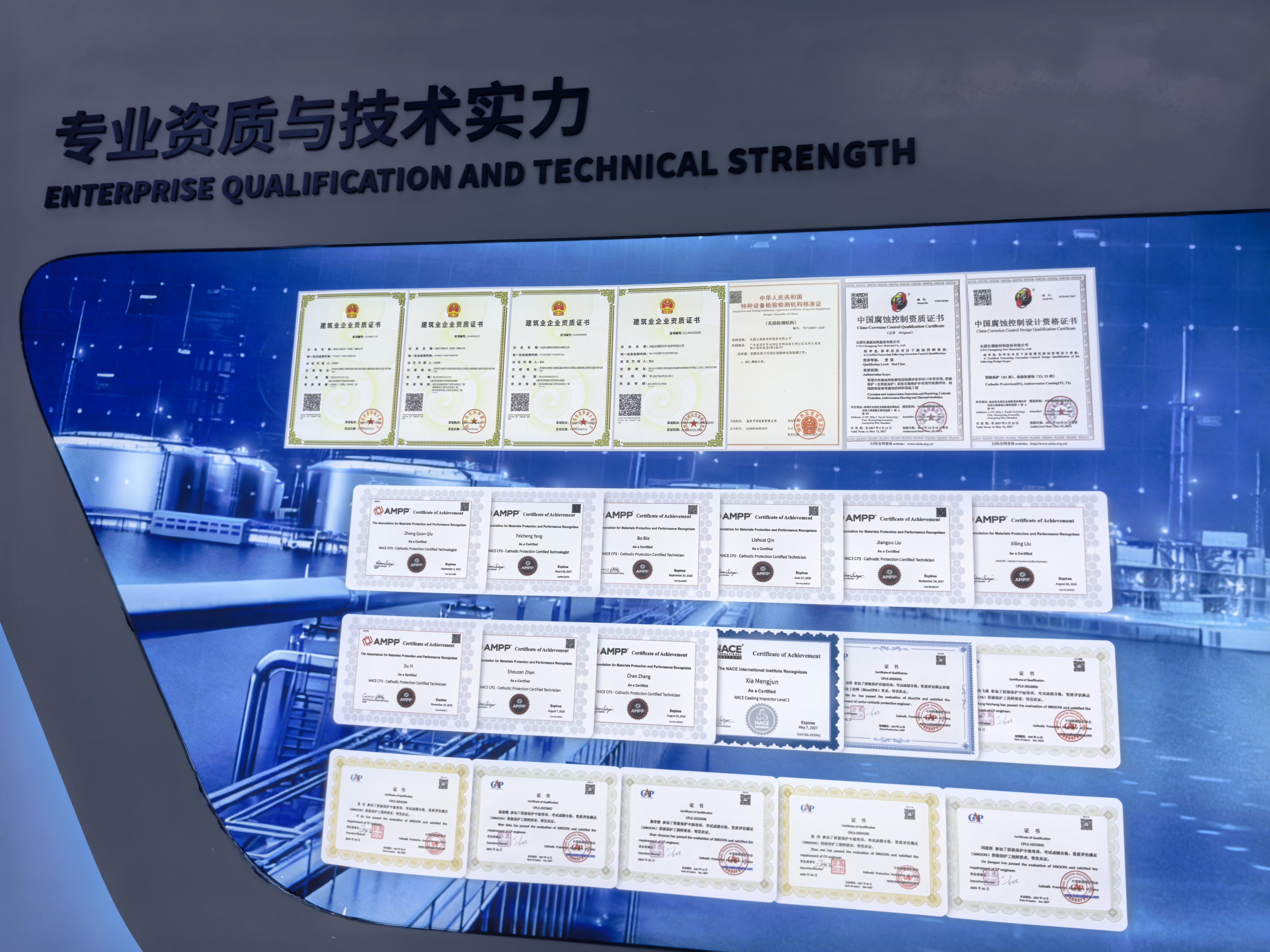
Member of Council in Chinese Society for Corrosion and Protection (CSCP), Qualification Certificate of Corrosion Protection Construction, Qualification Certificate of Pipeline Detection, Well-known Brand of Pipeline Corrosion Protection in China, Corporate Member of China Association of Petroleum Engineering Construction (CAPEC), State-Level High-Tech Enterprise with more than ten proprietary intellectual property rights, Stable supplier of PetroChina, Sinopec, China Gas Group, and Supplier of Indian Oil.
Certificate 1

Innovative Small & Medium-Sized Enterprise

Certificate 2

State-Level High-Tech Enterprise

Certificate 3

Outstanding Enterprise Award

Certificate 4

Technology Development Award

Clean Energy Research Center

Clean Energy Research Center

AMPP member

AMPP Member

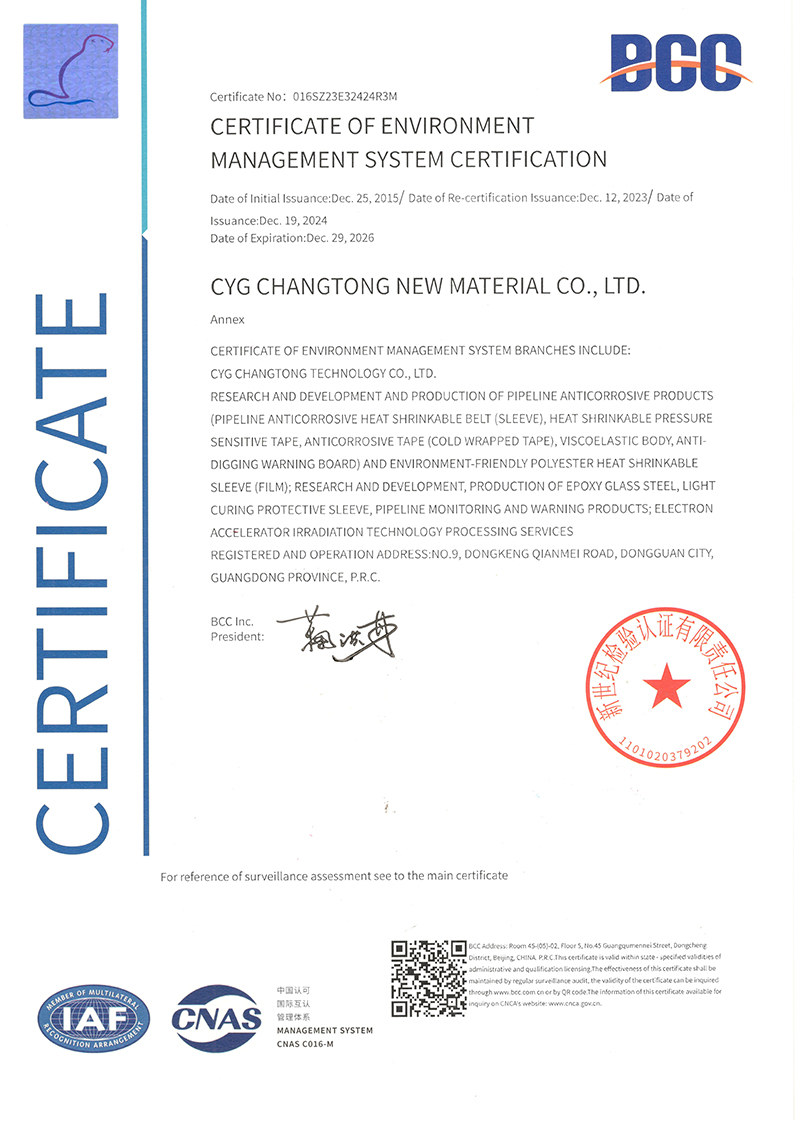
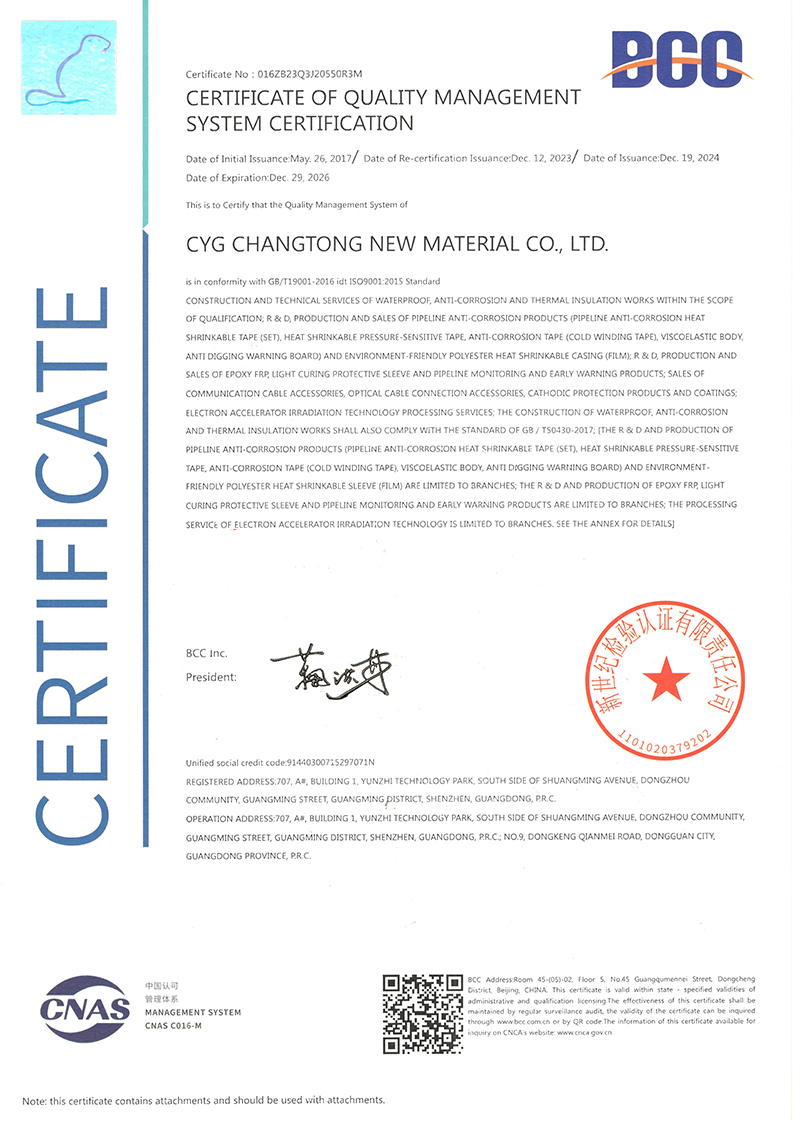
ISO Quality

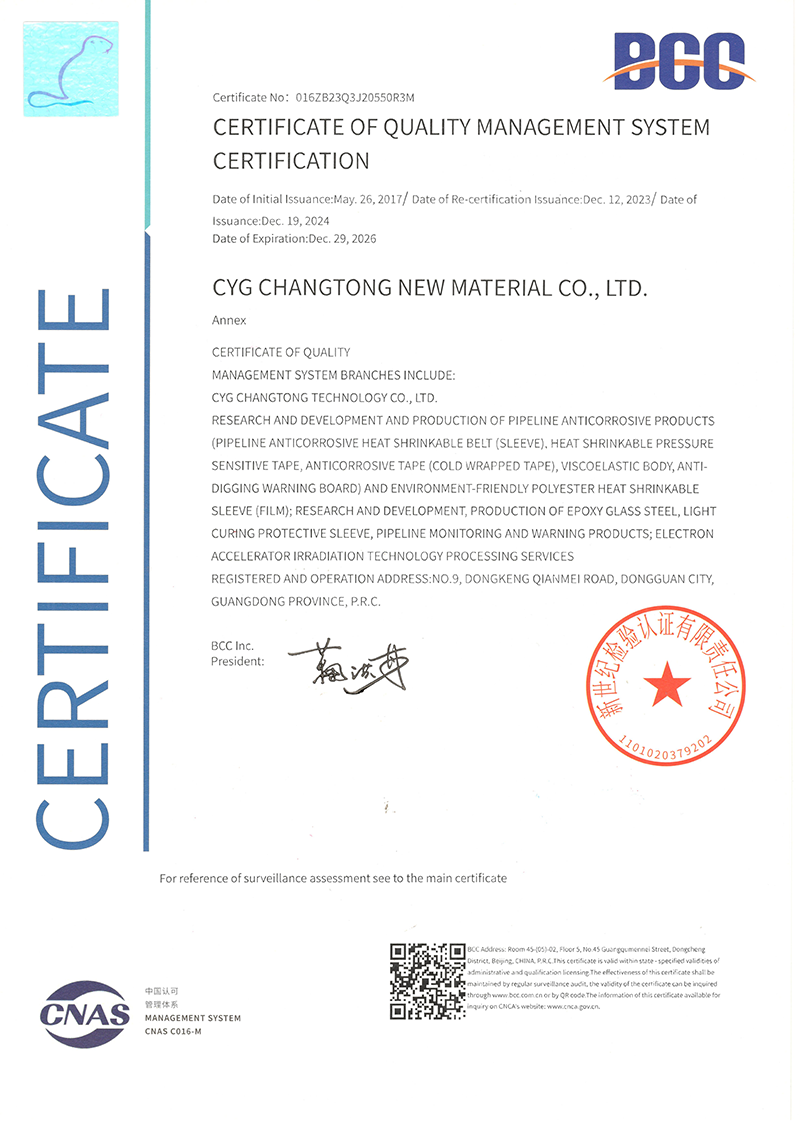
Quality Management System Certificate

HSE system

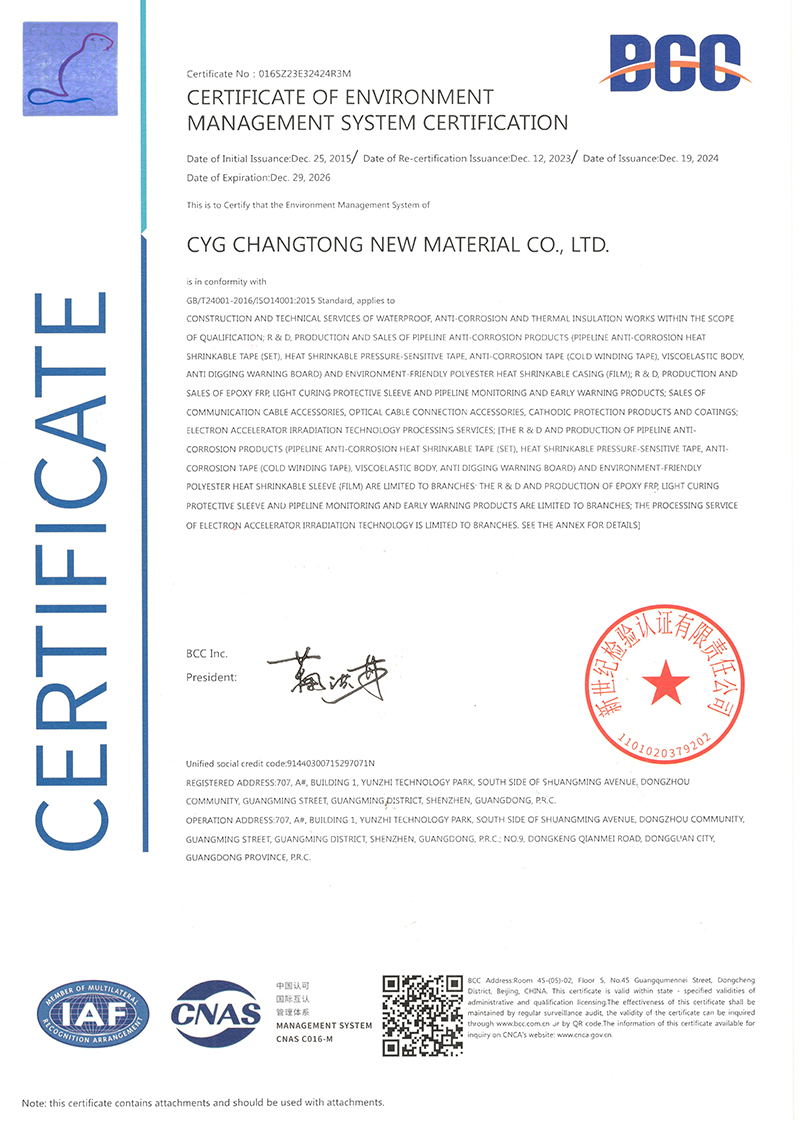
Environmental Management Certificate

Addt Certificate System Cert Regulatory Cert Additional Cert

Technical FAQ & Engineering Guide

Answers to critical engineering questions about polyolefin heat shrinkable sleeves, installation parameters, and selection guidelines.

1. What is the difference between a 2-layer and 3-layer polyolefin heat shrinkable sleeve system?
A 2-layer system consists of a radiation cross-linked polyolefin backing coated with a hot-melt mastic or copolymer adhesive. It is directly applied to the prepared steel surface (usually blasted to Sa 2.5). A 3-layer system requires the application of a liquid epoxy primer (wet-in-wet) directly onto the steel surface before installing the heat shrinkable sleeve. The epoxy primer provides superior chemical bonding, which enhances cathodic disbondment resistance and long-term shear strength, especially at elevated pipeline operating temperatures.
2. Why is radiation cross-linking critical for polyolefin backing materials?
Un-crosslinked polyolefin melts and flows like a liquid when heated above its crystalline melting point. By subjecting the extruded polyolefin sheet to high-energy electron beam radiation, covalent chemical bonds are formed between the polymer chains. This cross-linking process changes the polyolefin from a thermoplastic to a thermoset-like elastic material. The resulting backing displays "elastic memory," meaning it retains its original shape when heated, exerting shrink force around the pipe joint.
3. How does pipeline operating temperature affect the choice of hot-melt copolymer adhesive?
The shear strength of copolymer adhesives decreases as temperature rises. For low-temperature environments (up to 60°C), standard mastic or EVA-based hot melts are sufficient. For high-temperature lines (80°C or higher), special modified copolymers with elevated softening points are used. Selecting an adhesive with an inadequate thermal rating will lead to progressive shear creep from soil weight, eventually causing coating disbondment and water ingress.
4. What surface preparation steps are required before applying polyolefin sleeves?
To achieve maximum adhesion, the steel surface must be abrasive blasted to a minimum of Sa 2.5 (ISO 8501-1), with an anchor profile of 50 to 100 microns. The adjacent mill coating (3LPE or 3LPP) must be beveled (usually at a 30-degree angle) and abraded to a distance of 100-150mm. The substrate must be preheated to the specified application temperature using a propane torch or induction heating coil before sleeve installation.
5. What causes Cathodic Disbondment (CD) and how do CYCT coatings prevent it?
Cathodic disbondment occurs when the electrical current from the cathodic protection (CP) system generates hydroxyl ions at holidays (defects) in the coating, causing the polymer adhesive to detach. CYCT’s sleeves mitigate this issue by using adhesives formulated with chemical agents that resist alkaline degradation. When combined with a liquid epoxy primer (3-layer configuration), our systems achieve excellent performance (less than 5mm disbondment radius at high test temperatures), maintaining isolation of the steel pipeline.
6. How do photo-curing protective sleeves enhance trenchless pipeline construction?
During Horizontal Directional Drilling (HDD), the pipeline is pulled through a borehole where it can encounter rock, gravel, and concrete. Standard polyolefin shrink sleeves can suffer tear damage under these conditions. Our photo-curing GRP (Glass Reinforced Plastic) protective sleeve wraps over the shrink sleeve and cures under UV light to form a hard, impact-resistant shield, protecting the primary corrosion barrier from mechanical wear.