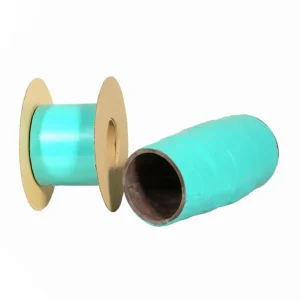
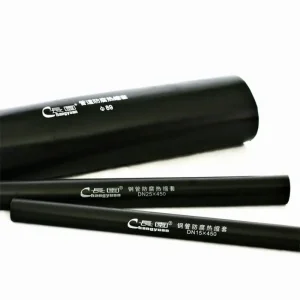
Engineered to mitigate harsh industrial environments, long-distance pipelines, and municipal construction demands.
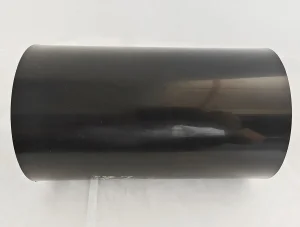
An executive analysis of supply chain requirements, specification alignments, and long-term cost benefits for structural infrastructure.
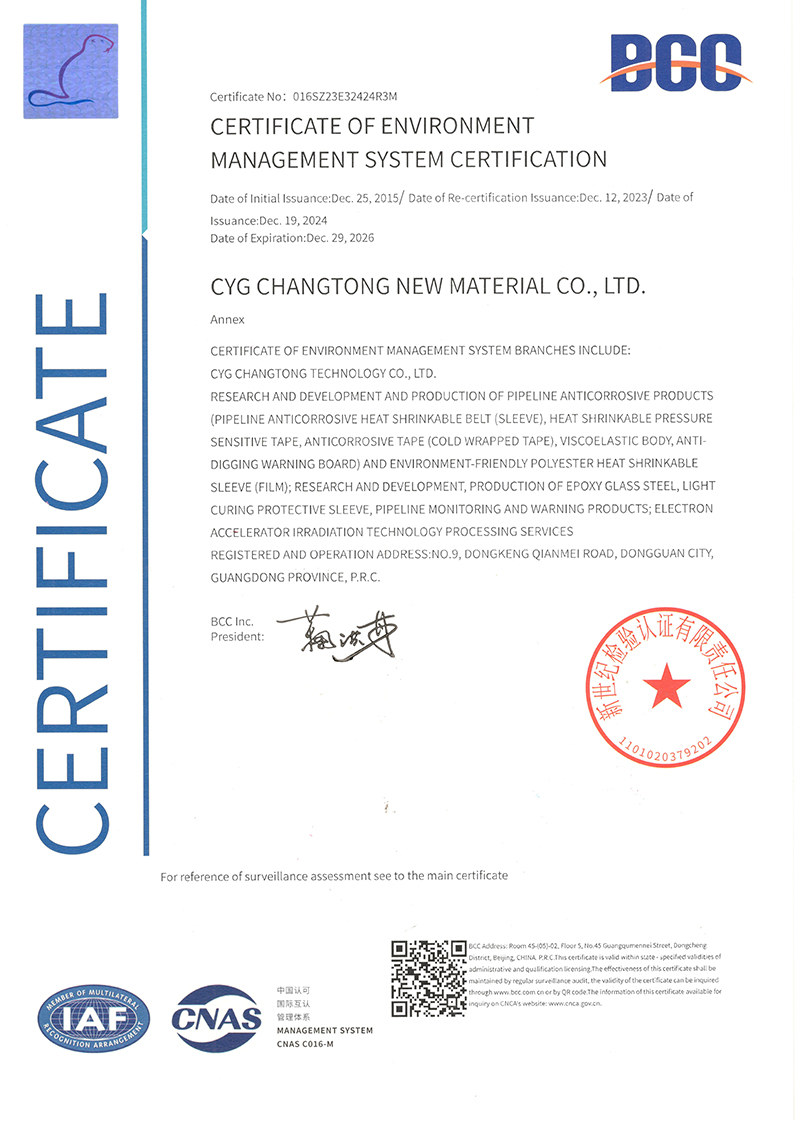
Global EPC contractors and pipeline authorities require suppliers with verified certifications like ISO 9001, ISO 14001, and ISO 45001. Sourcing polymeric tape demands complete traceability of raw polymer materials, rheological consistency, and adherence to international cathodic disbondment standards.
For buried pipelines traversing variable geologic regions, soil-induced shear stress is a critical degradation vector. Procurement managers actively source polymeric solutions that utilize specialized elastomer-modified backing layers to resist mechanical displacement under high-load dynamics.
With modern pipelines and district heating lines operating at elevated temperatures, material specifications have shifted toward high-temperature polypropylene (PP) and cross-linked polyethylene (PE) backing compounds capable of sustaining integrity up to 110°C to 120°C.
Long-distance pipeline projects span months across remote geographical environments. Anti-corrosion and waterproofing tapes must remain structurally stable under harsh on-site storage conditions (exposed to high UV exposure and extreme heat) without experiencing pre-activation of the adhesive layer.
CYCT New Materials Company Limited (for short, CYCT) is a state-level high-tech enterprise integrating R&D, production, and sales of pipeline corrosion protection materials. Our capabilities extend to buried pipeline detection service and pipeline coating field application service.
Decades of focus on R&D has positioned CYCT as a stable supplier of field joint coatings for PetroChina, Sinopec, PipeChina, and localized pipeline operators, representing a significant market footprint. Partnered with key institutions like the CNPC Pipeline Science Research Institute, we deliver integrated safety solutions including cathodic protection, design schemes, and rehabilitation projects.
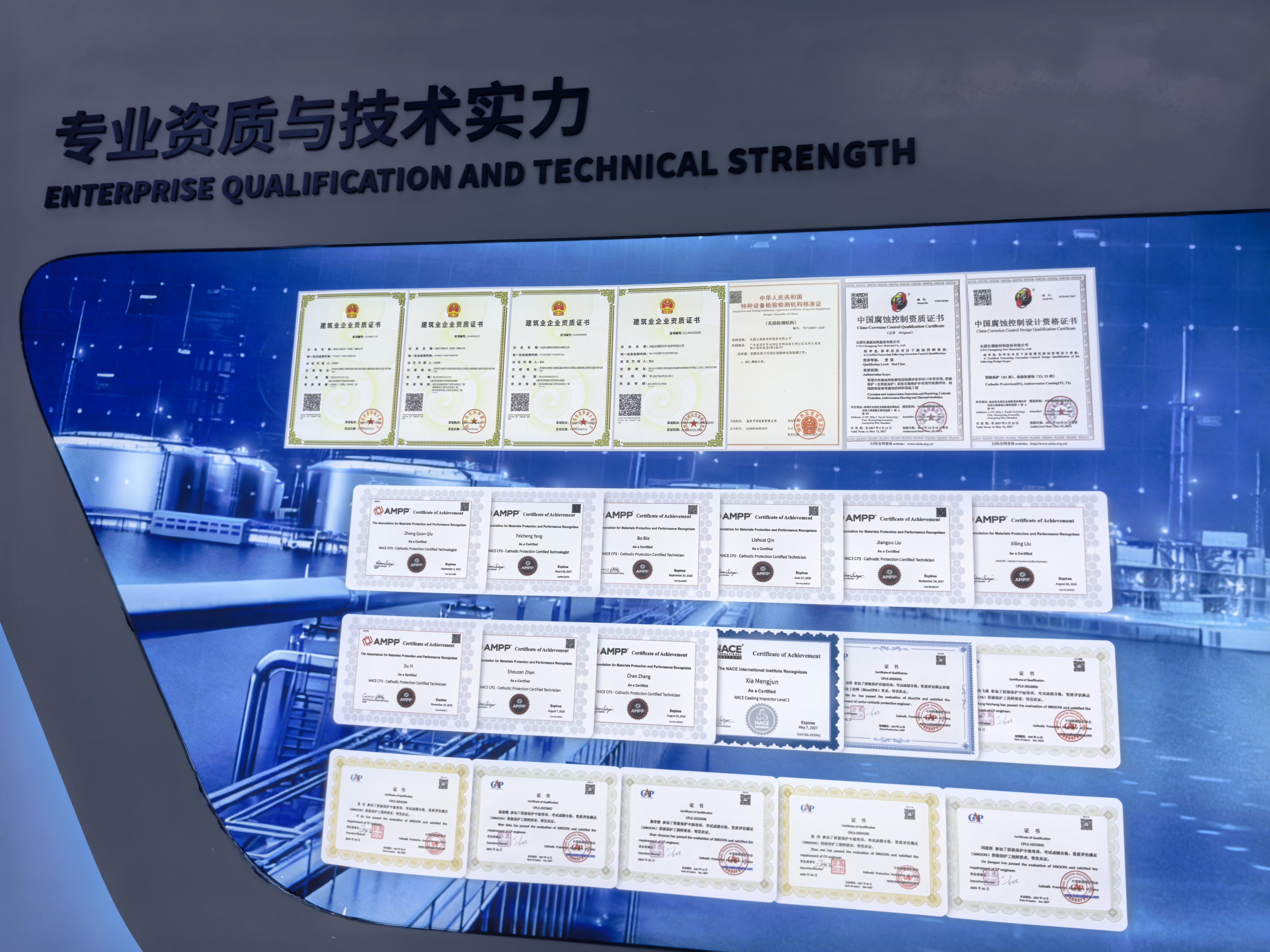
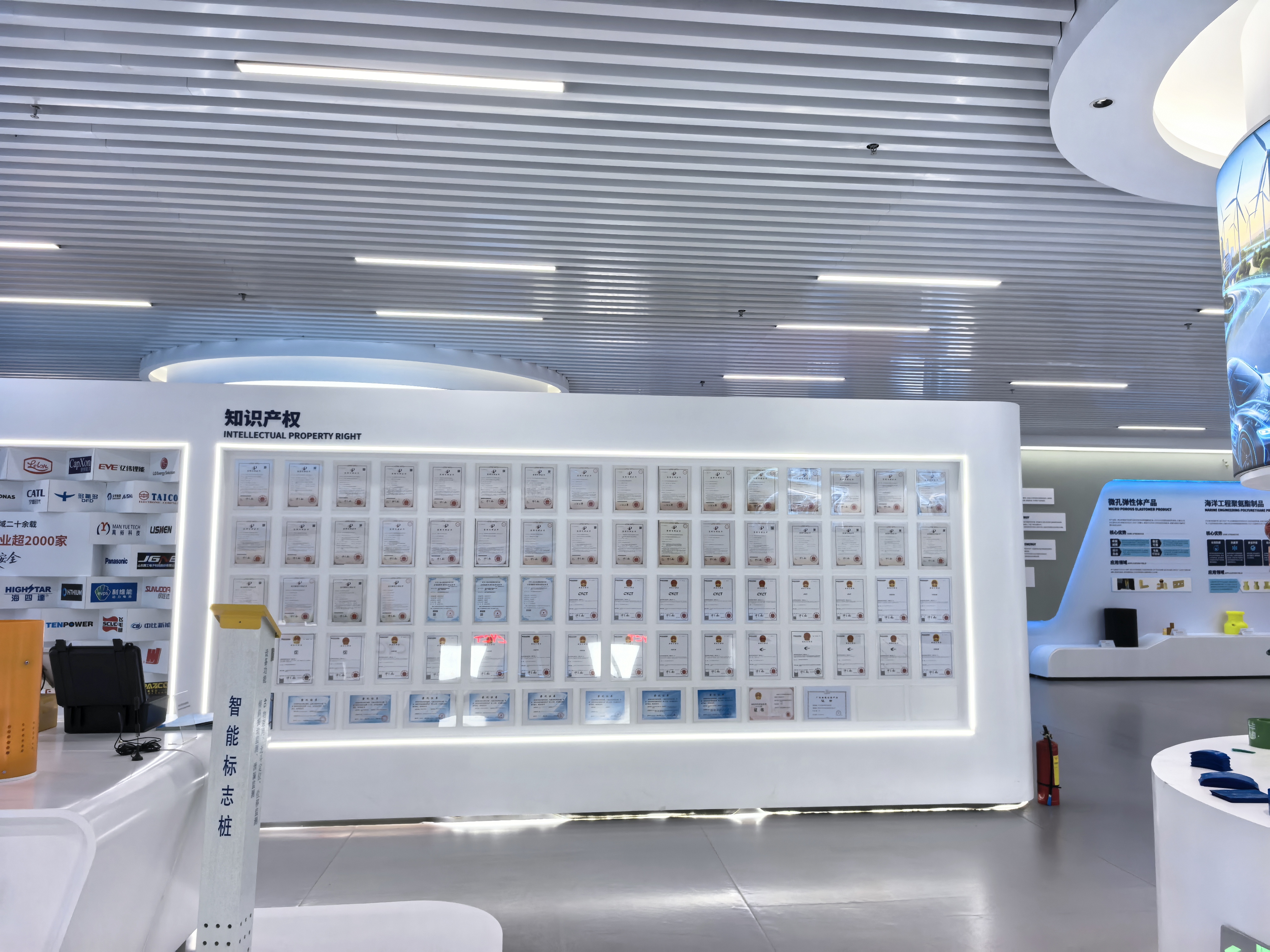
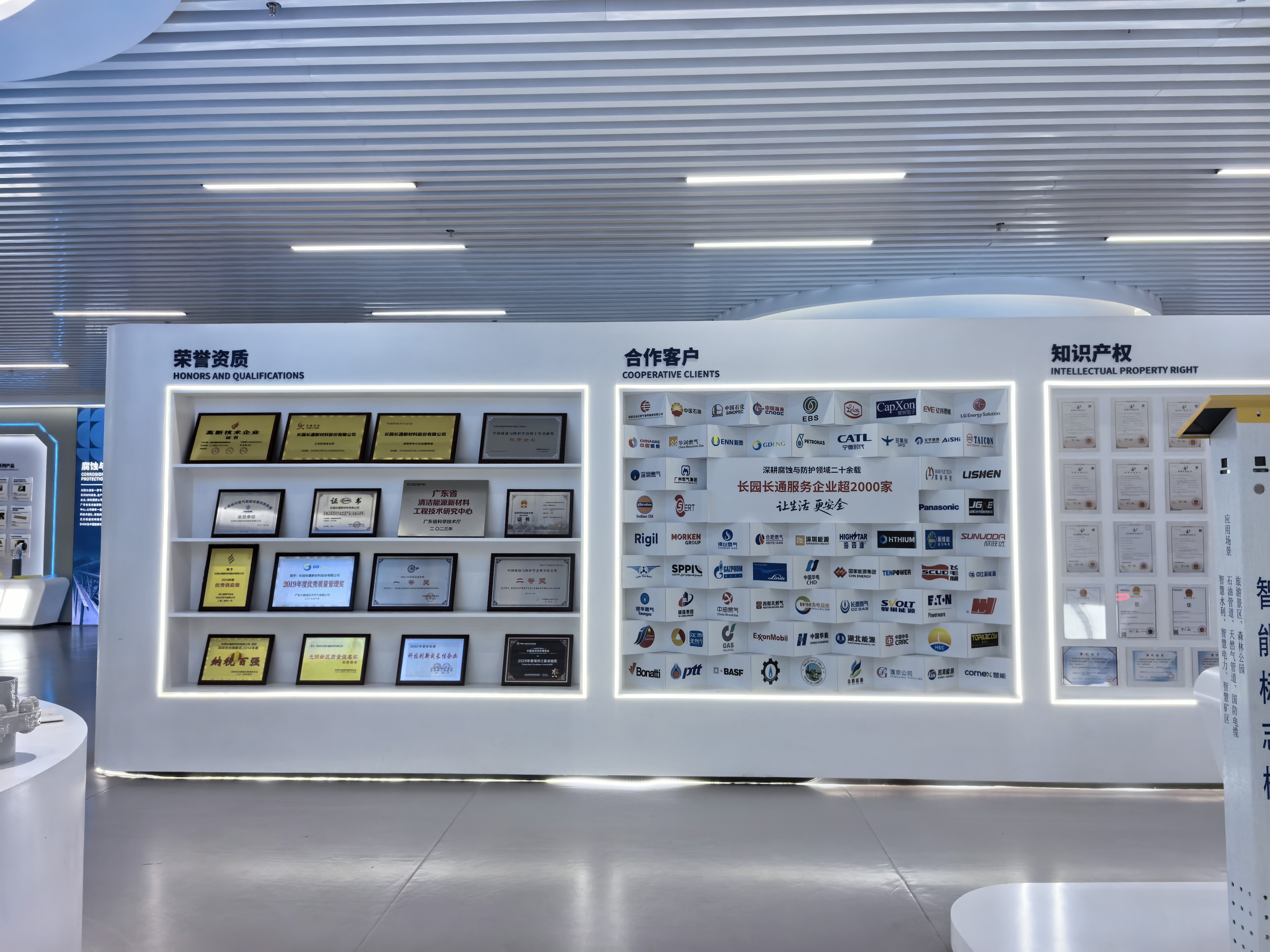
"CYCT owns leading testing and R&D capabilities, a professional R&D team, and a national CNAS-accredited laboratory."
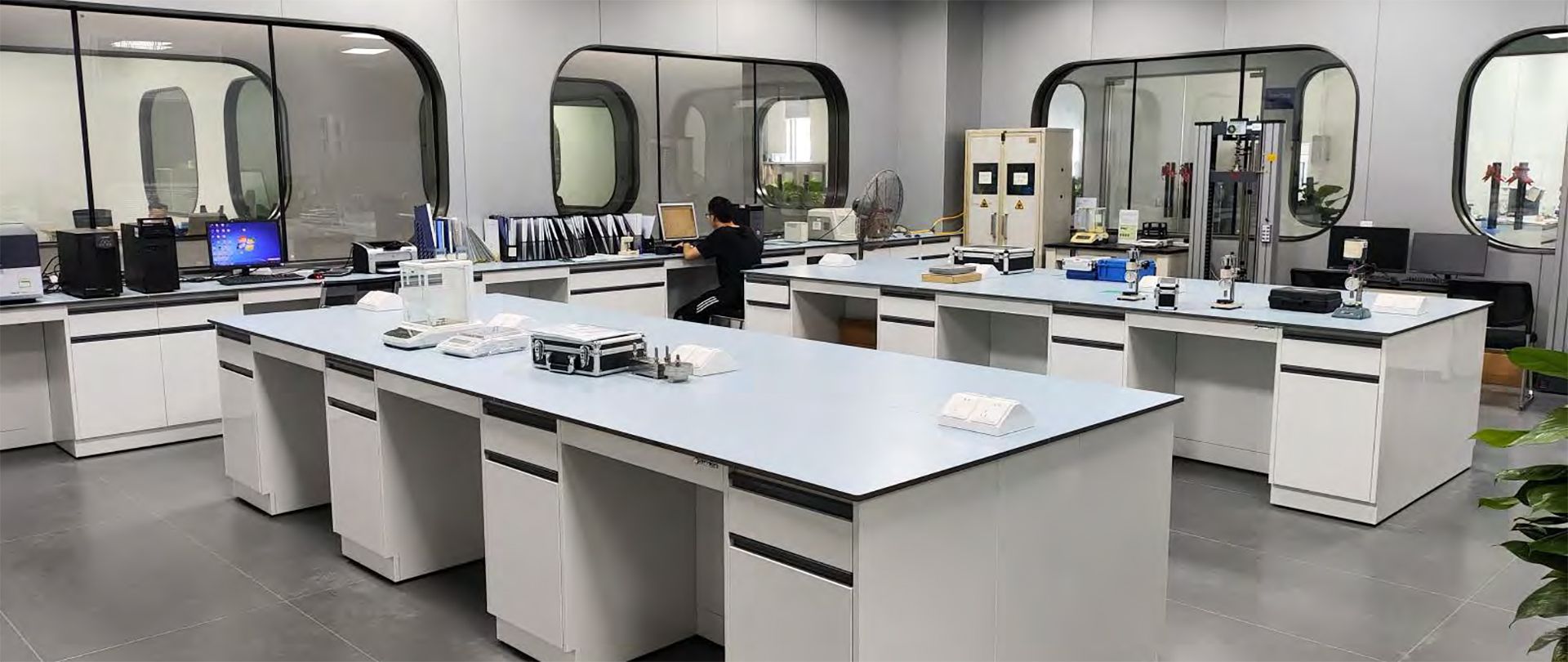 CYCT Research & Diagnostics Laboratory
Tailored structural protections engineered to withstand extreme physical and chemical stress profiles.
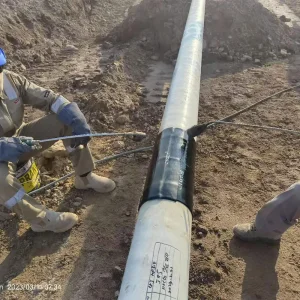
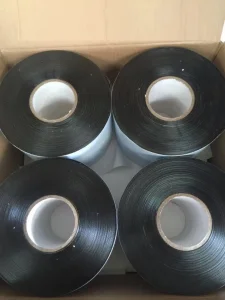
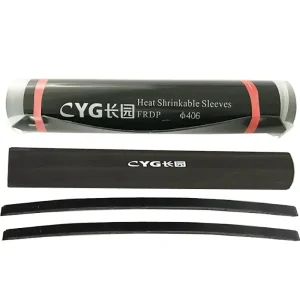
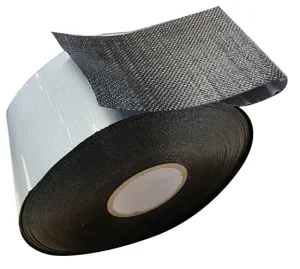
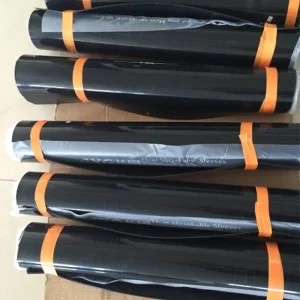
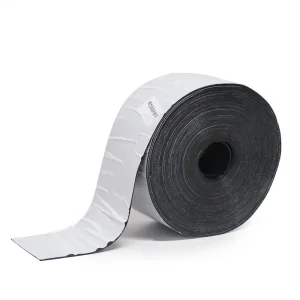
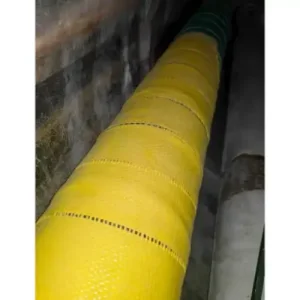
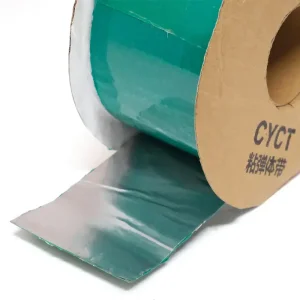
Long-distance high-pressure transport requires reliable field joint systems. Our PP/PE cold applied tapes and heat shrinkable sleeves form an impenetrable barrier against cathodic disbondment and chemical ingress.
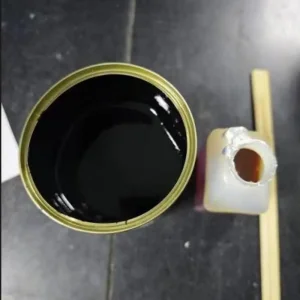
Offshore oil rigs, coastal metal facilities, and subsea structures are subject to violent mechanical stresses and high salt concentrations. Specialized moisture-curing shields and viscoelastic wraps prevent marine oxidation.
Underground district heating conduits demand high thermal stability. The implementation of high-temperature polymeric systems prevents water ingress and insulation degradation under cycling temperatures.
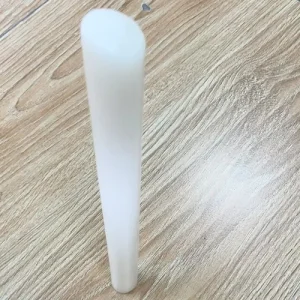
Fast-curing repair patches and hot-melt sticks provide immediate resolution for damaged 3LPE/3LPP pipeline coatings, avoiding complete system shutdown and minimizing maintenance overhead.
An engineering forecast detailing the modernization of pipeline coatings and advanced compound formulations.
Historical reliance on petroleum asphalt and coal tar tapes. While economical, these materials suffered from severe brittleness at low temperatures and high environmental hazards.
The integration of PE/PP backing materials paired with elastomeric butyl adhesives. This transition drastically improved tensile strength, chemical resistance, and installation flexibility.
Development of self-healing viscoelastic polymers that maintain perpetual flow behaviors, filling microscopic substrate profile voids and offering complete cold-flow corrosion prevention.
The research frontier incorporates nanomaterials, photo-curing protective sleeves, and self-diagnostic layers to detect pipeline coating integrity breaches in real-time.
Under the guidelines of the AMPP (Association for Materials Protection and Performance) and the Chinese Society for Corrosion and Protection (CSCP), CYCT enforces strict testing on all manufacturing batches. Operating with a fully integrated in-house CNAS-accredited laboratory, our QA/QC specialists perform the following evaluations:
CYCT holds credentials representing our quality verification across national and global petroleum operators. Our strategic partners include Sinopec, PetroChina, China Gas Group, and Indian Oil.
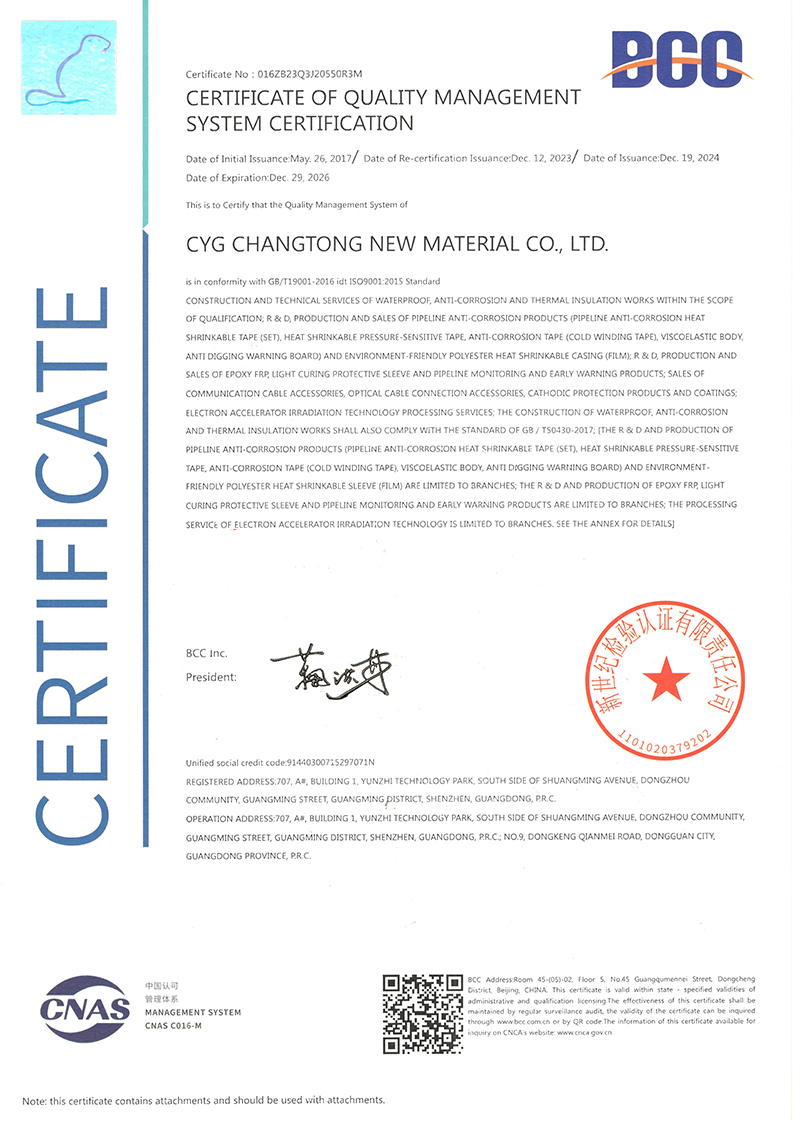
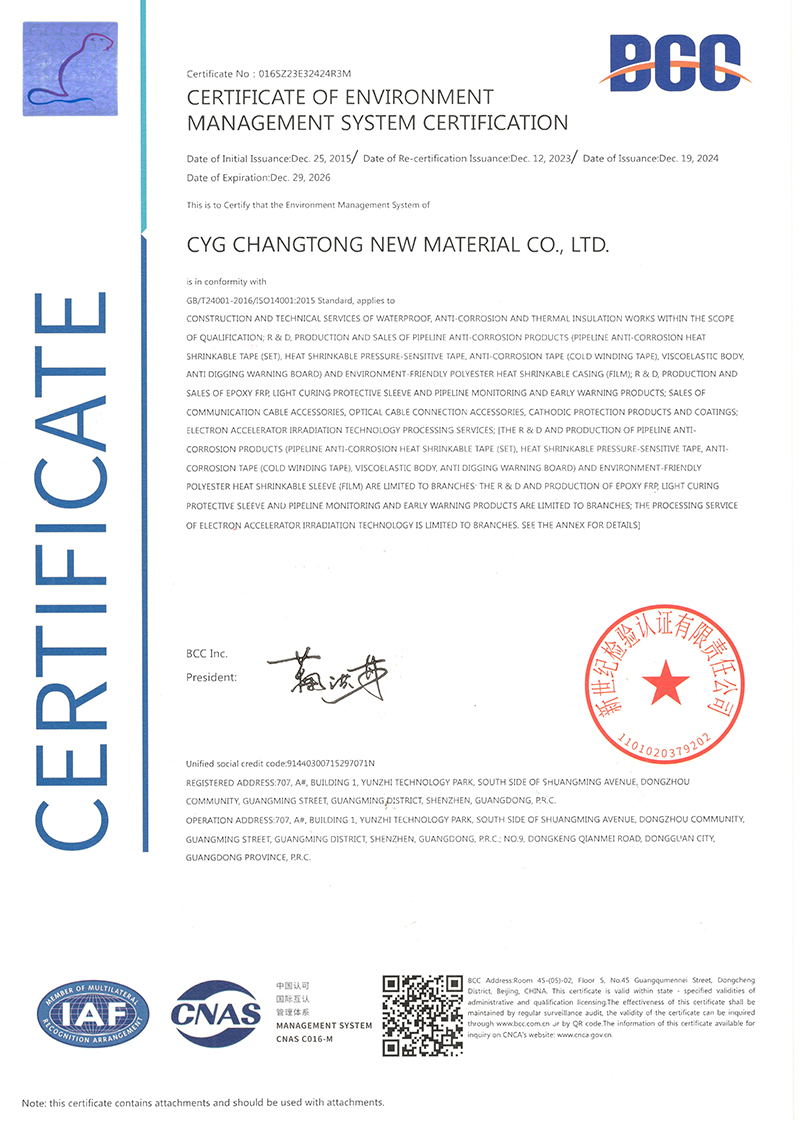
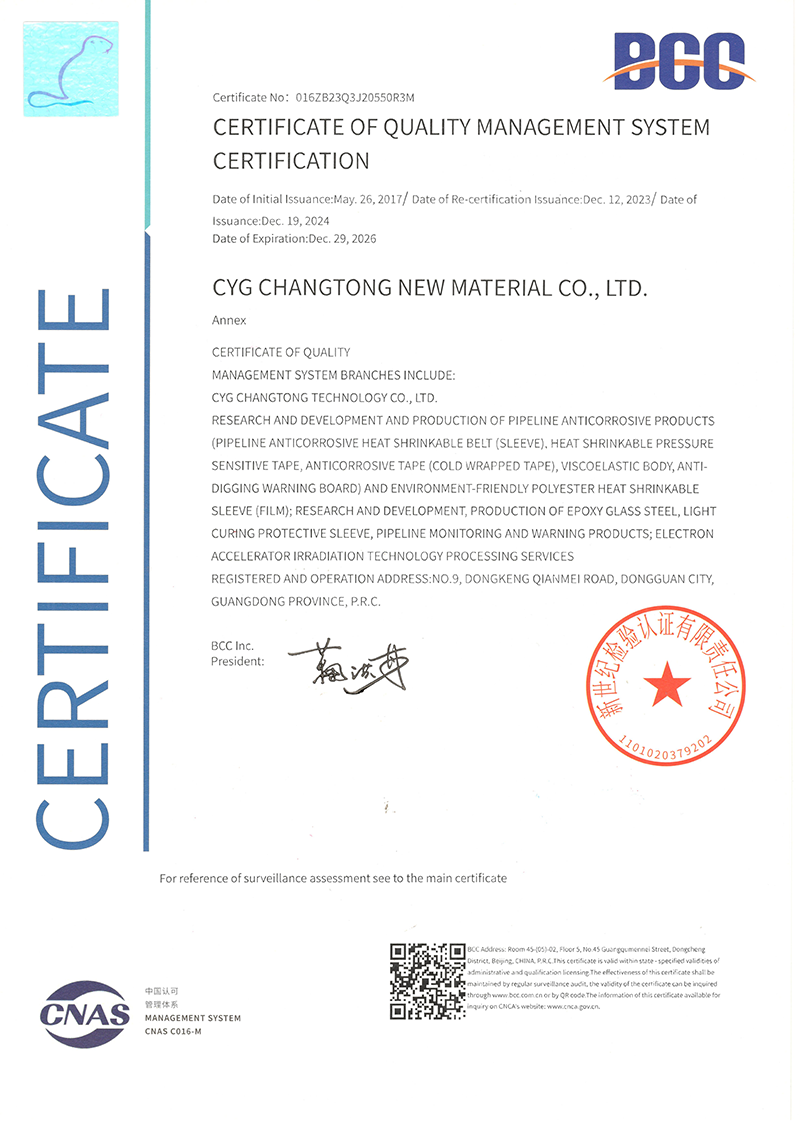
Direct responses from our lead laboratory engineering team regarding polymeric waterproofing and corrosion prevention materials.
Select products dedicated to offshore structural protection, metal repair, and complex field joints.
 CYCT
CYCT