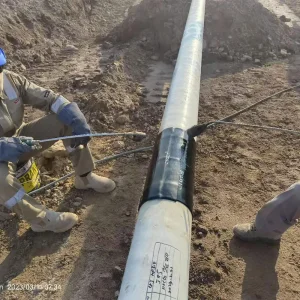
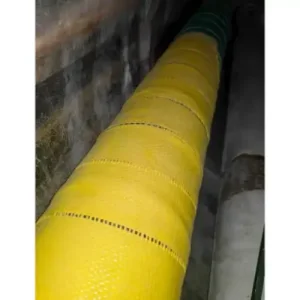
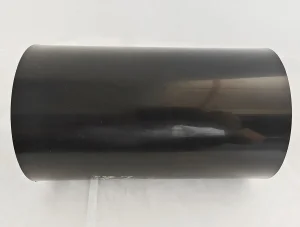
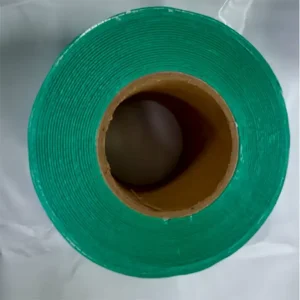
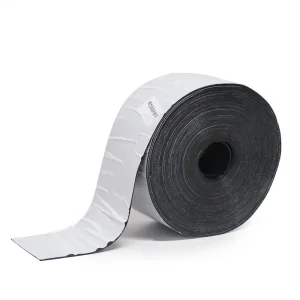
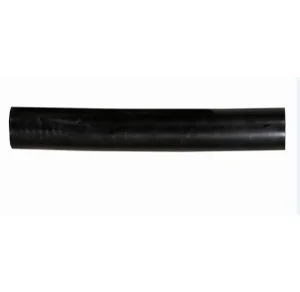
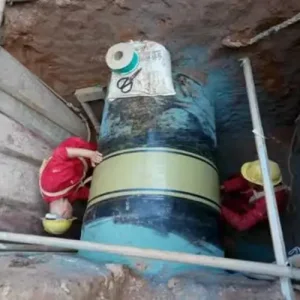
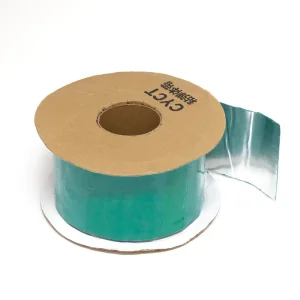
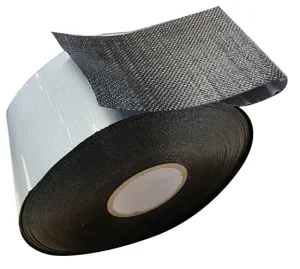
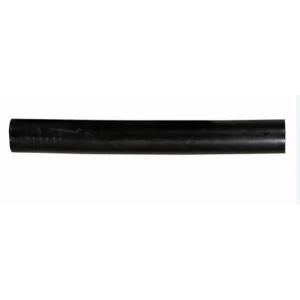
In high-pressure oil, natural gas, and petrochemical transmission lines, field joint coatings are historically the most vulnerable zones for external corrosion. To combat severe environmental stressors and high operating temperatures, engineering specifications demand advanced polymer sleeves. High-temperature heat shrink tubing, sleeves, and wraps designed by leading OEM factories deploy custom-formulated radiation cross-linked polyolefin backings coupled with high-shear hot-melt adhesives or viscoelastic sealants.
At the molecular level, radiation cross-linking alters the thermoplastic structure of polyethylene (PE) or polypropylene (PP). Under high-energy electron beam treatment, the parallel polymer chains form covalent bonds, transforming the material into a thermoset elastomer that retains a "elastic memory." When heated during installation, the backing shrinks, exerting continuous radial pressure. Simultaneously, the internal adhesive layer melts, filling micro-cavities on the steel surface and anchoring to the mill-applied 3LPE or 3LPP parent coating. This dual-action dynamic delivers an impermeable barrier against moisture ingress, chemical degradation, and cathodic disbondment.
Under cathodic protection (CP) currents, moisture and oxygen can cause standard polymer coatings to peel off, leading to rapid steel oxidation. CYCT's high-temperature systems are engineered using specialty polar-grafted copolymer adhesives. These adhesives form robust chemical and mechanical bonds with the epoxy-primed steel substrate, ensuring the cathodic disbondment radius remains well below the strict limits set by ISO 21809-3 and EN 12068, even when subjected to continuous operations at 85°C to 120°C.
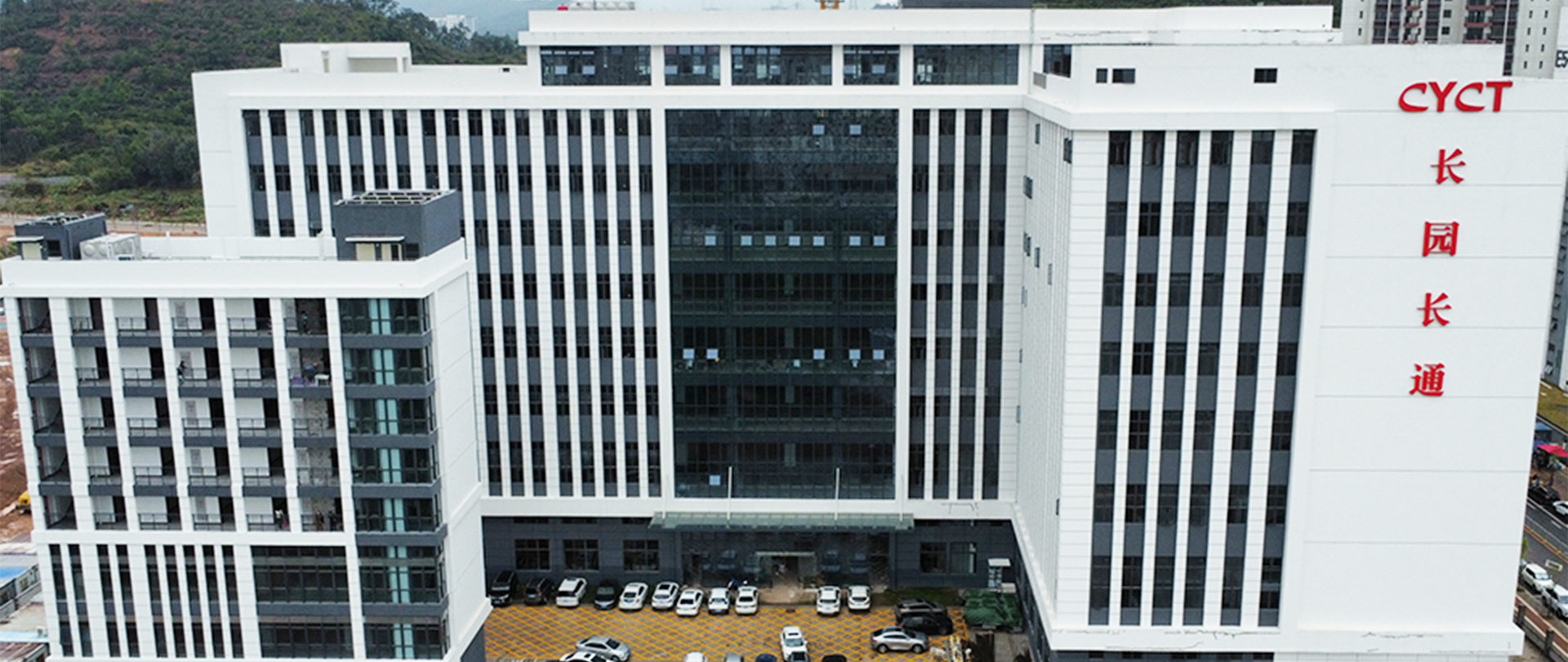
CYCT New Materials Company Limited (commonly known as CYCT), founded in the year 2000, has evolved into a premier state-level high-tech enterprise. CYCT successfully integrates high-end Research and Development, state-of-the-art production lines, global sales channels, buried pipeline detection services, and pipeline coating field application solutions. For more than two decades, our engineering teams have focused exclusively on mitigating pipeline corrosion under the most severe operating parameters.
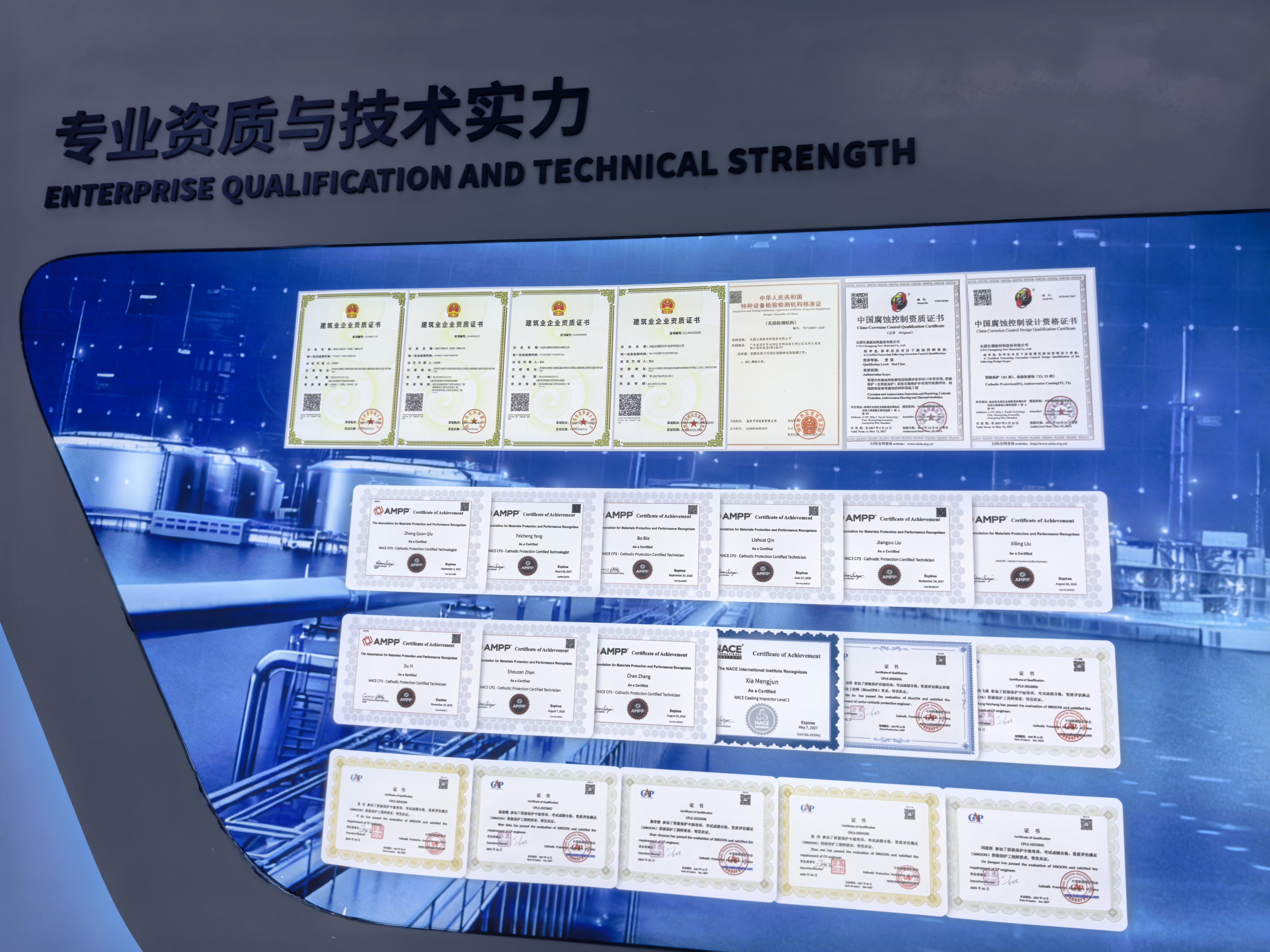
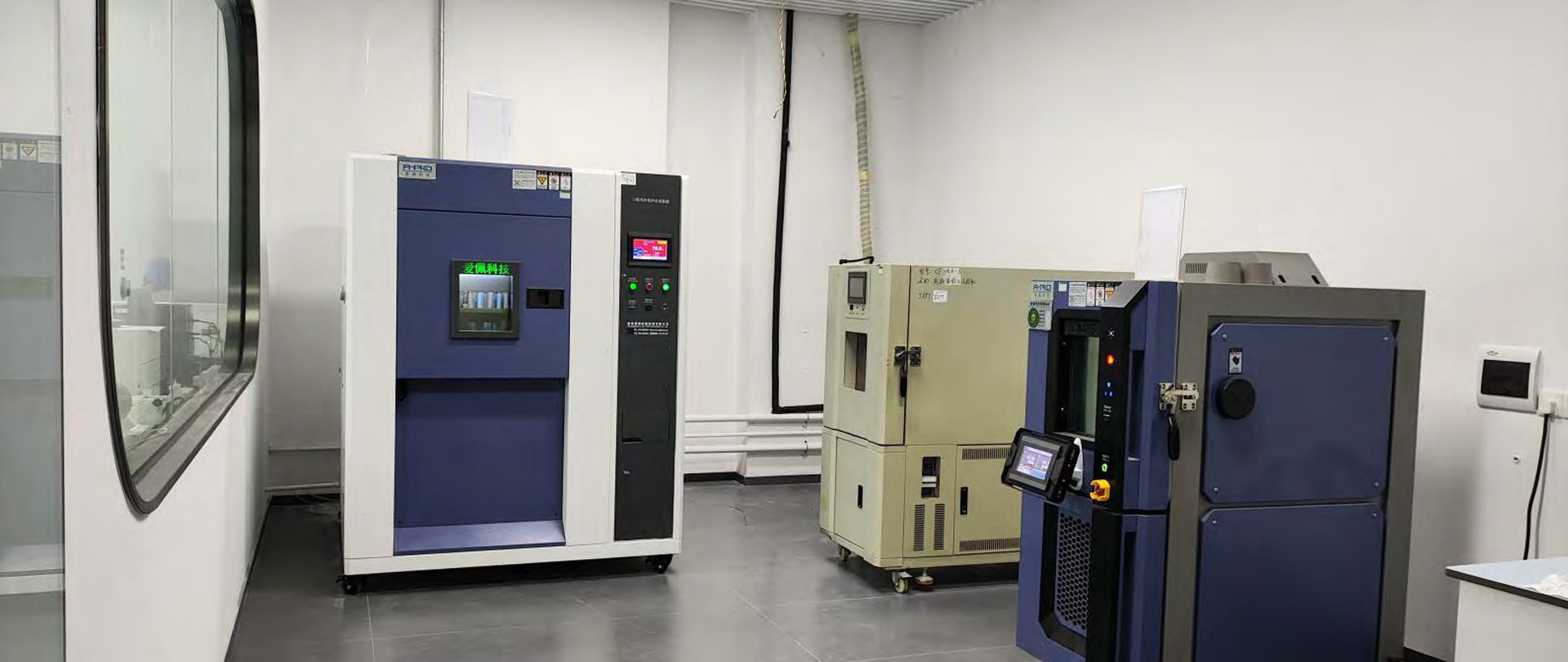
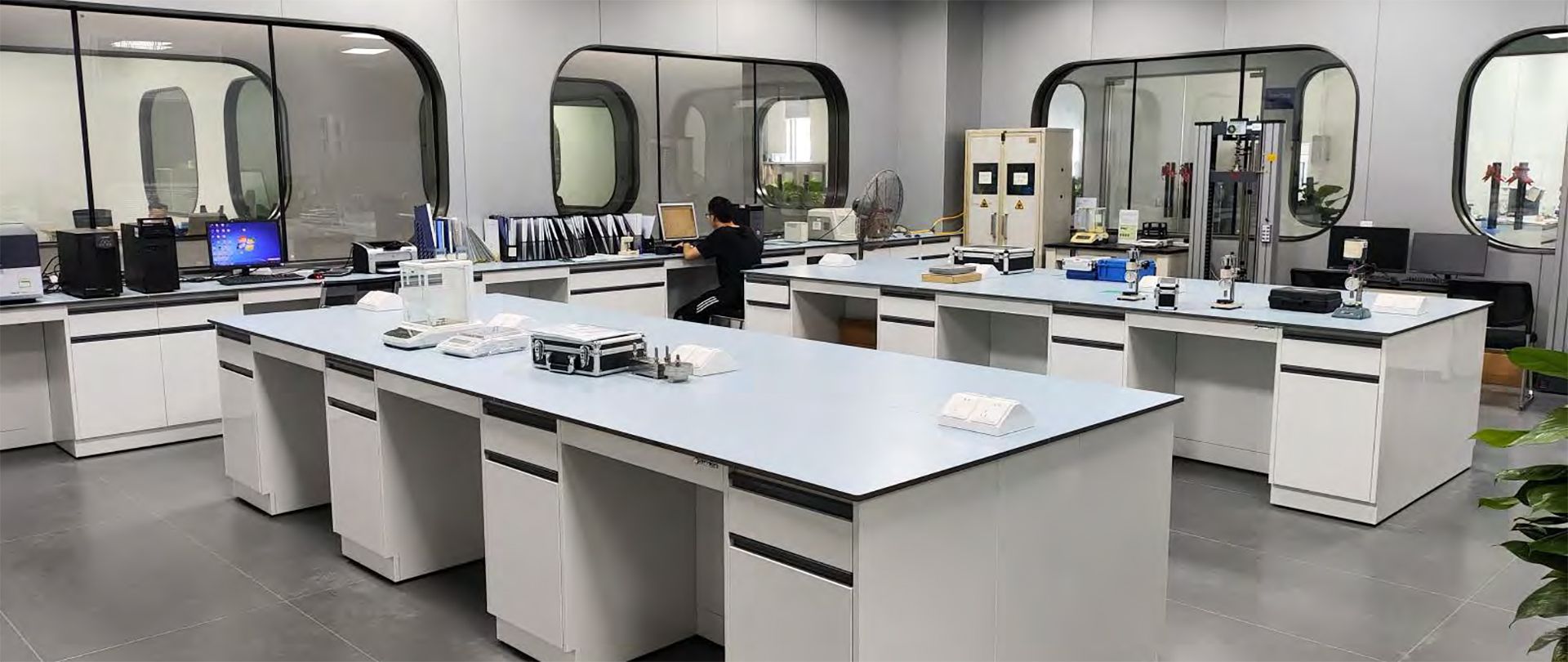
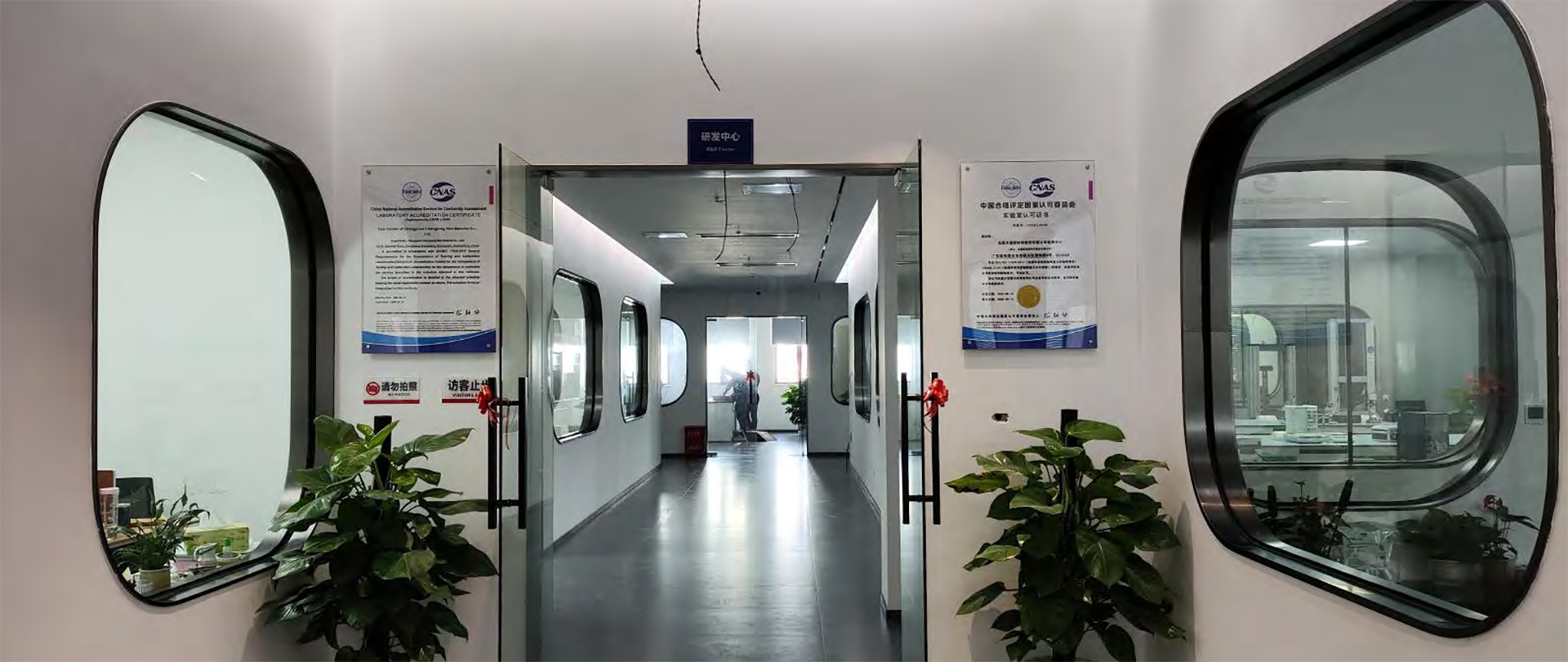
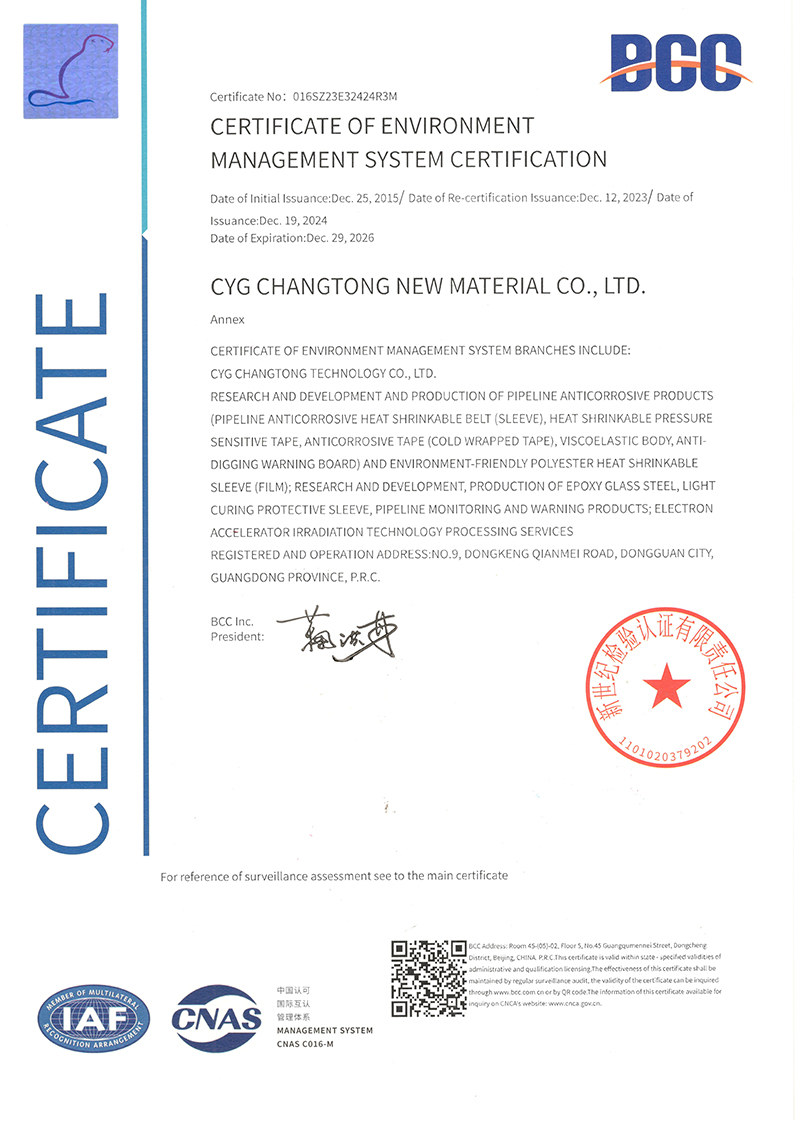
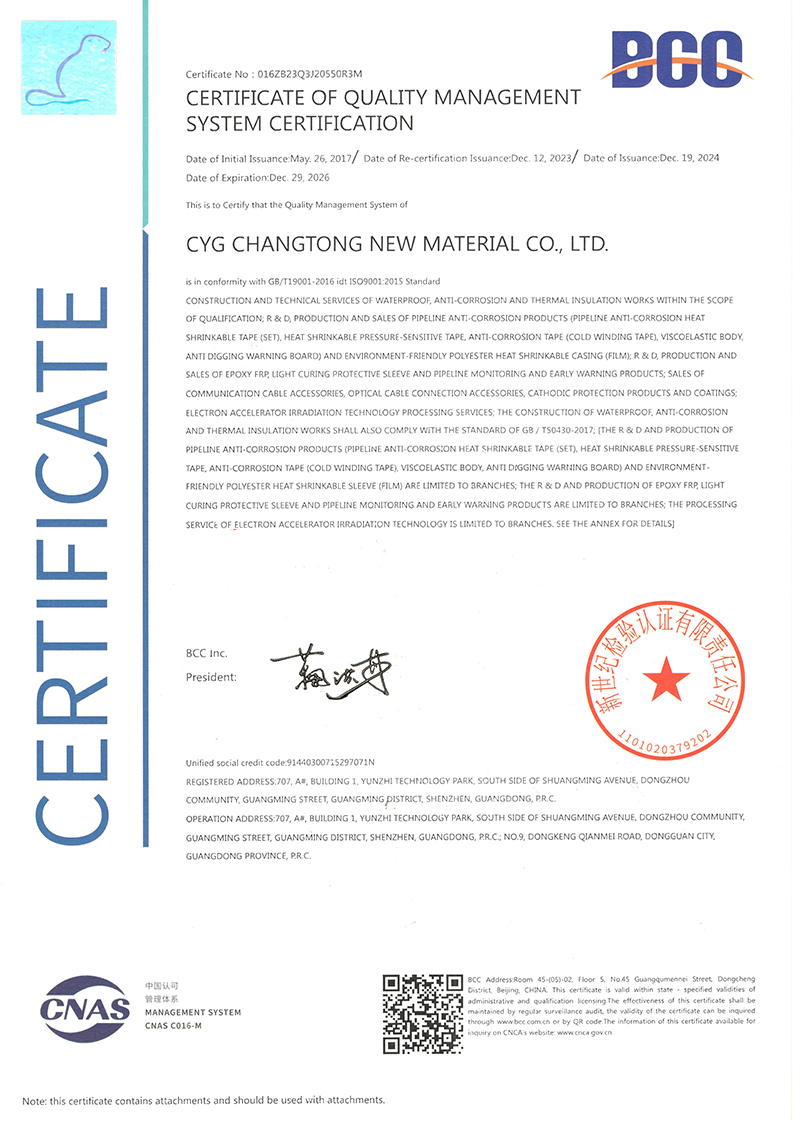
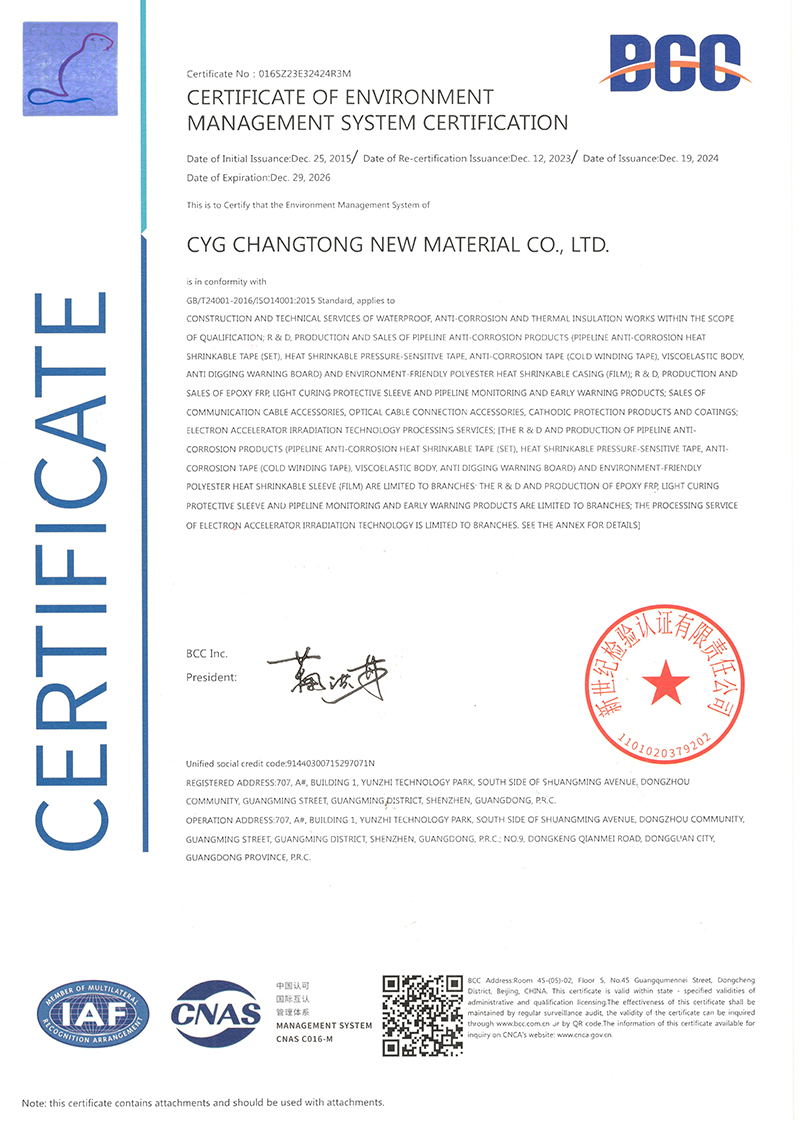
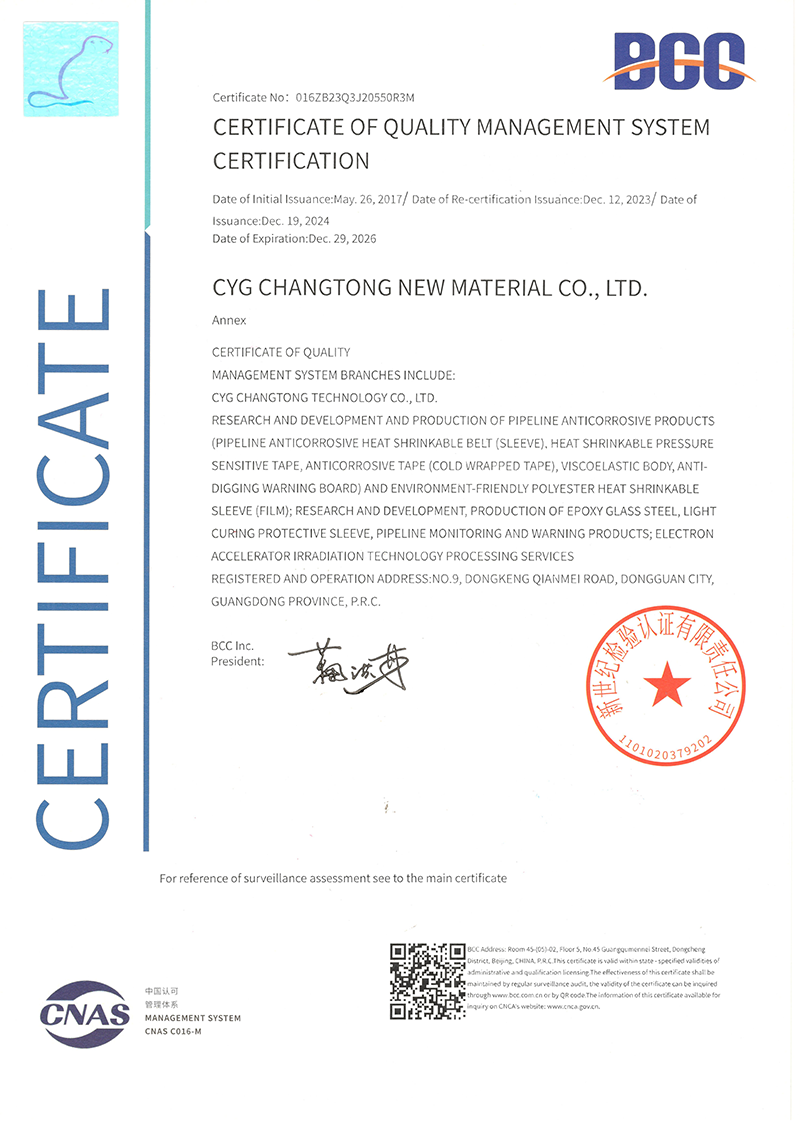
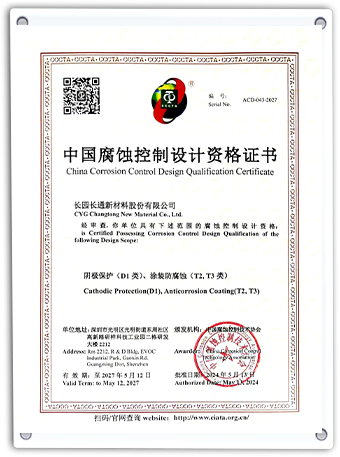
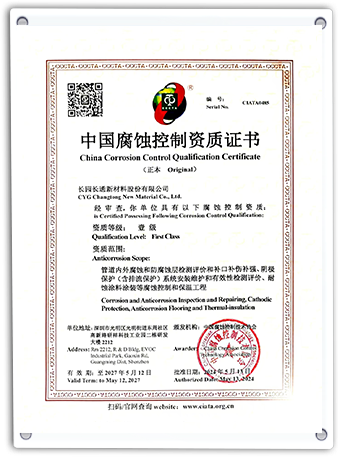
Our commitment to rigorous testing and research is anchored by a national CNAS-accredited laboratory and a professional R&D team composed of senior polymer scientists and corrosion engineers. By working in close technical collaboration with leading research institutes—such as the renowned CNPC Pipeline Science Research Institute—CYCT delivers comprehensive integrity management programs. These services range from cathodic protection design and rehabilitation project engineering to custom-tailored material formulations designed to resist high soil stress and elevated geothermal profiles.
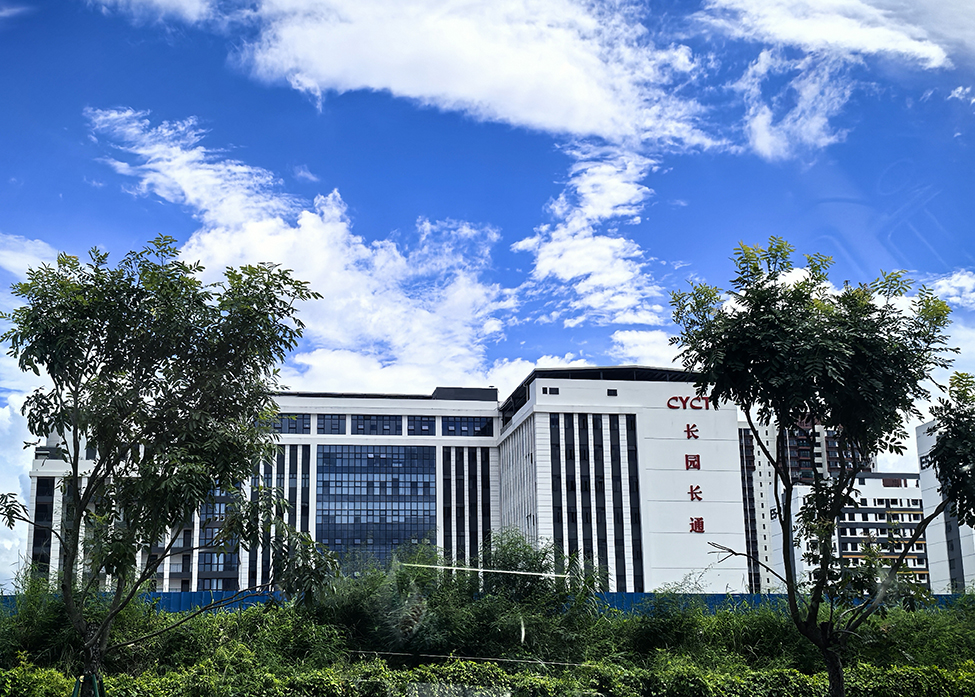
Sourcing pipeline protection materials from a China-based factory like CYCT provides global operators with a crucial competitive advantage in terms of cost efficiency, raw material access, and production scale. Our specialized manufacturing plant is optimized for rapid production cycles and high-volume orders. This setup ensures that large-scale infrastructure projects remain on schedule, even when facing tight lead times.
CYCT's production capabilities include wide-width extrusion lines, high-dosage electron beam cross-linking accelerators, and custom hot-melt adhesive laminators. This vertical integration allows us to customize physical properties such as backing thickness, adhesive shear strength, shrink ratios, and chemical resistance. Our client-focused approach enables us to manufacture bespoke products that align precisely with regional pipeline project specifications.
We partner with local petrochemical suppliers to secure high-performance polymers, reducing freight costs and manufacturing lag times.
Our high-power accelerators cure polymer backings uniformly, resulting in excellent heat recovery and shape retention.
From roll dimensions to custom private labeling and protective packaging, we adapt our output to suit diverse logistics requirements.
Every production run undergoes strict QC testing in our CNAS laboratory before dispatch, ensuring complete compliance.
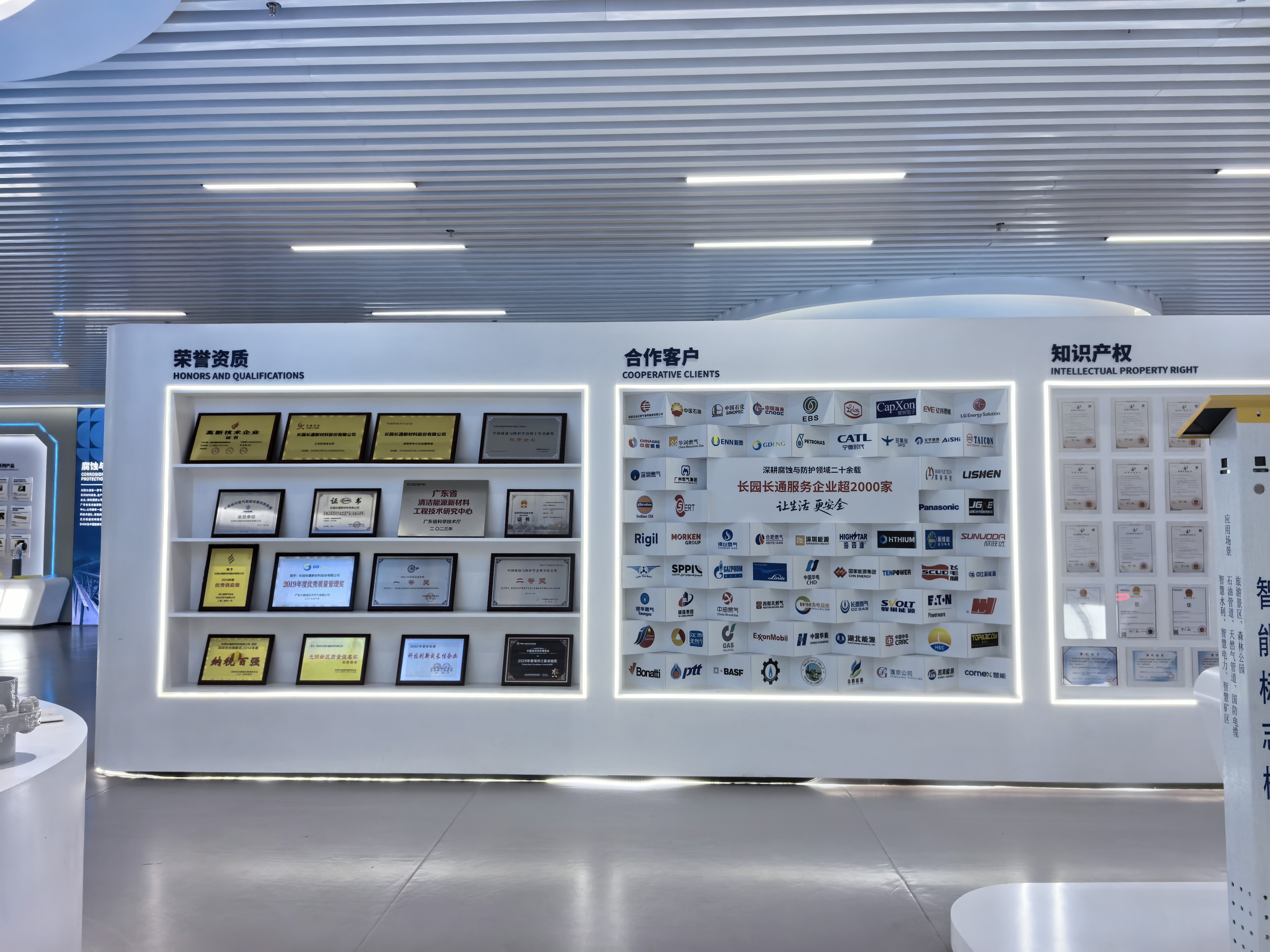
Global procurement teams must navigate diverse national regulatory frameworks, environmental mandates, and technical design codes. Sourcing materials from a supplier with international credentials is vital. CYCT is a long-standing council member of the Chinese Society for Corrosion and Protection (CSCP) and holds corporate membership with the China Association of Petroleum Engineering Construction (CAPEC). We are also recognized as a key supplier for national energy operators, including PetroChina, Sinopec, PipeChina, and international partners such as Indian Oil.
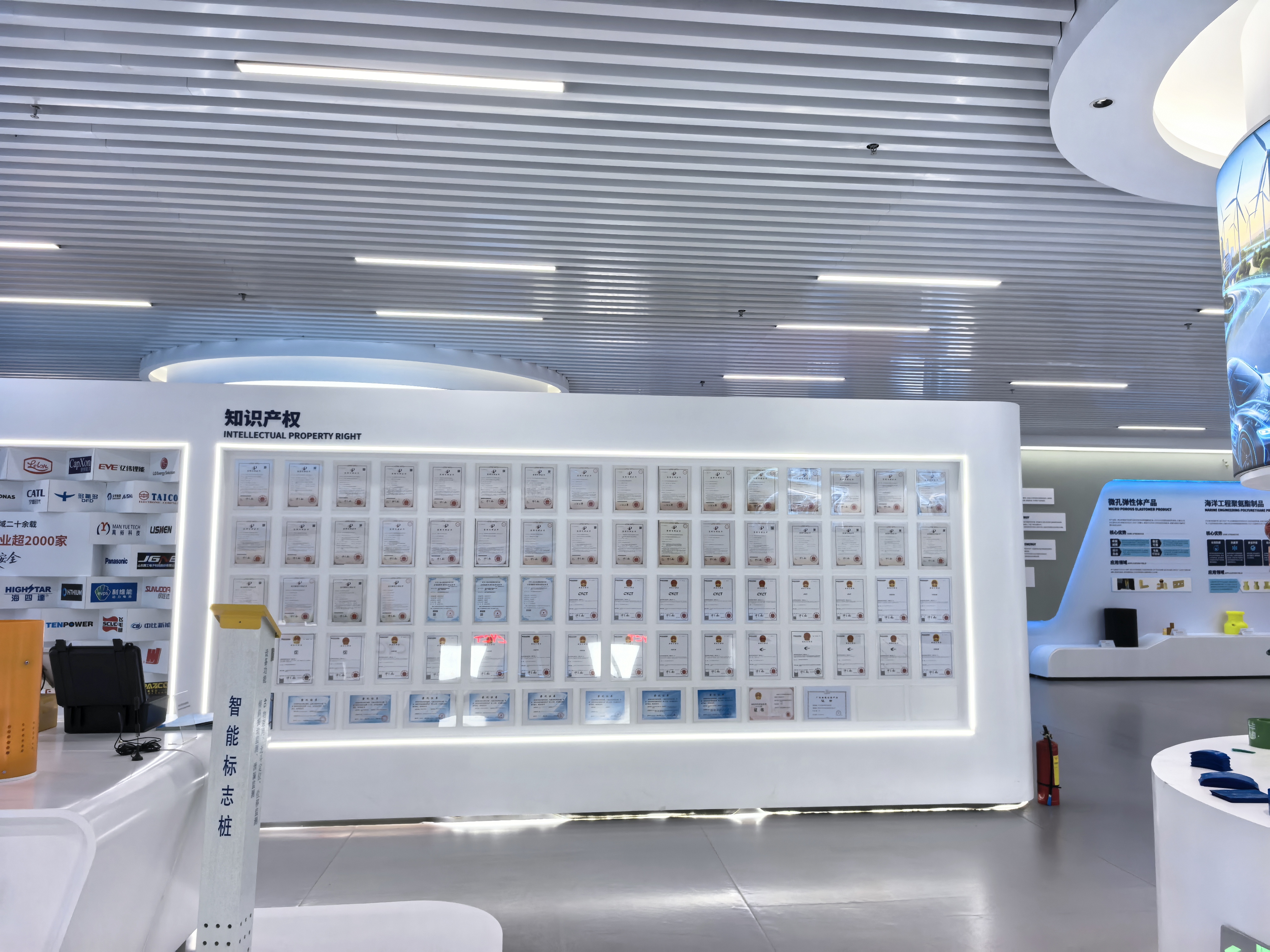
Our solutions conform to international pipeline standards, including ISO 21809-3 (External coatings for buried or submerged pipelines), EN 12068, and relevant DVGW requirements. This compliance ensures that CYCT coatings maintain their protective barrier properties over decades of service, helping to mitigate the risk of stress corrosion cracking (SCC) or microbially induced corrosion (MIC).
| Standard | Focus Area | CYCT Conformity Details |
|---|---|---|
| ISO 21809-3 | Field Joint Coatings for Buried & Submerged Pipelines | Certified for Type 14 (Heat Shrink Sleeves) and Type 15 (PP Field Joint Systems) up to 120°C. |
| EN 12068 | Organic Coatings for Cathodic Protection of Steel Pipelines | Meets Class C-80 and C-120 high stress resistance standards. |
| AMPP / NACE SP0169 | Control of External Corrosion on Underground Metallic Piping | Formulated to remain fully compatible with cathodic protection systems without shielding current. |
| ASTM D1000 | Pressure-Sensitive Adhesive Tapes for Electrical/Industrial Use | Tested for superior peel adhesion, tensile properties, and dielectric strength. |
Different installation and environmental conditions require specific pipeline protection solutions. Below, we detail three key industrial scenarios where CYCT's specialty coatings provide high-reliability performance:
During HDD operations, pipeline coatings are subjected to high shear forces and abrasive contact with gravel, rock, and soil. Standard heat shrink sleeves can tear or peel under these conditions. CYCT addresses this with a specialized photo-curing composite sleeve and glass-fiber reinforced polymer (GFRP) repair systems. These materials cure under UV light to form an outer shell that shields the underlying anti-corrosion barrier during pipeline pullback.
As oil and gas reserves are tapped from deeper, higher-temperature reservoirs, transport pipelines run hotter. Traditional polyethylene-based heat shrink sleeves can soften and degrade at these temperatures. CYCT developed a high-temperature PP (polypropylene) heat-shrink sleeve designed to withstand operating profiles up to 120°C. It matches the physical properties of the main line's 3LPP coating, creating a continuous, high-strength protective barrier.
Offshore splash zones present a highly corrosive environment due to salt spray, oxygen exposure, and wave action. For these demanding areas, CYCT provides a moisture-curing composite shield. This material reacts with atmospheric or seawater moisture to form a tough, impact-resistant barrier, helping protect offshore steel structures from localized corrosion.
The global pipeline industry is shifting toward materials with lower environmental impact and smart capabilities. Next-generation coatings are being designed to reduce energy consumption during field installation while maintaining high performance. Low-preheat shrink sleeves are a key development in this area, allowing for successful installation at lower temperatures to reduce field energy use.
Another emerging trend is the integration of smart sensors within heat shrinkable materials. Embedding fiber-optic lines or conductive polymers directly into the sleeve backing or adhesive layer allows operators to monitor field joint integrity in real time. These smart systems can detect moisture ingress, temperature fluctuations, and localized shear movement, helping operators identify potential corrosion risks before they lead to pipeline failure.
 CYCT
CYCT