Engineered for high-stress field joints and comprehensive pipeline rehabilitation campaigns.
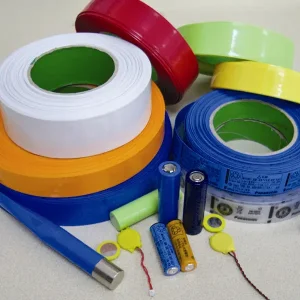
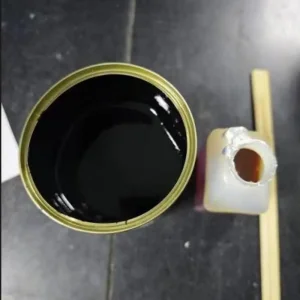
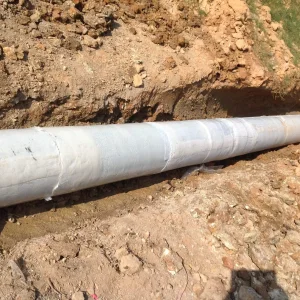
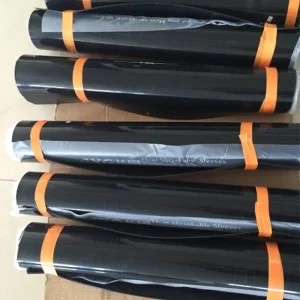
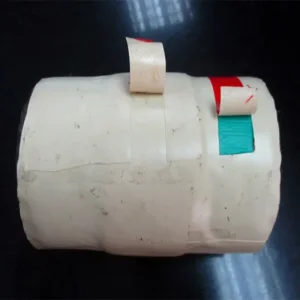
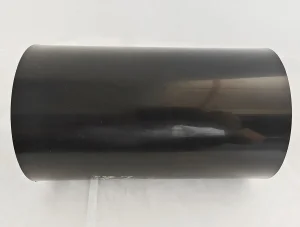
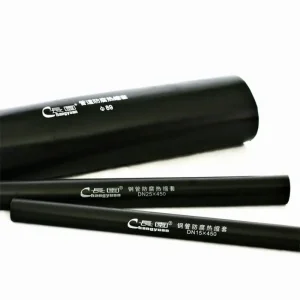
Within large-scale infrastructure investments, specifically across trans-continental natural gas grids, petroleum distribution lines, and water reclamation networks, pipeline integrity is paramount. Global EPC (Engineering, Procurement, and Construction) contractors struggle constantly against the localized degradation of buried steel. Soil stressors, mechanical friction from directional drilling (HDD), and moisture migration represent multi-billion-dollar liabilities.
Consequently, procurement divisions are shifting away from generic off-the-shelf anti-corrosion wraps. Modern asset managers demand engineered, long-term performance. This transition dictates specialized OEM Heat Shrinkable Strap engineering. Customization is no longer optional; projects require specific polymer thicknesses, custom backing materials, modified shear strength ratings, and custom-formulated hot-melt adhesives optimized for the target environment's soil temperature profile (ranging from sub-zero Arctic conditions to high-heat Middle Eastern deserts).
Our global pipeline procurement study identifies three core criteria for selecting an anti-corrosion OEM supplier:
From Field Joint Coatings (FJC) to Directional Drilling Protection, CYCT provides the precise chemical formulations required for severe operating conditions.
Most main line pipe coatings consist of 3-Layer Polyethylene (3LPE) or 3-Layer Polypropylene (3LPP). CYCT's OEM heat shrinkable sleeves are designed to construct a seamless bond with factory parent coatings, ensuring there are no weaknesses at field welds.
For operations prioritizing ease of application and self-healing properties, our viscoelastic coatings provide immediate cold-flow wetting action. They flow into micro-voids in the steel and never harden, resisting moisture ingress even if the outer protective wrap is structurally compromised.
Featuring operating profiles up to 85°C and specialty PP-based variants scaling higher, our materials maintain structural performance and chemical resistance in high-temperature pipelines, resisting thermal aging and mechanical soil creep.
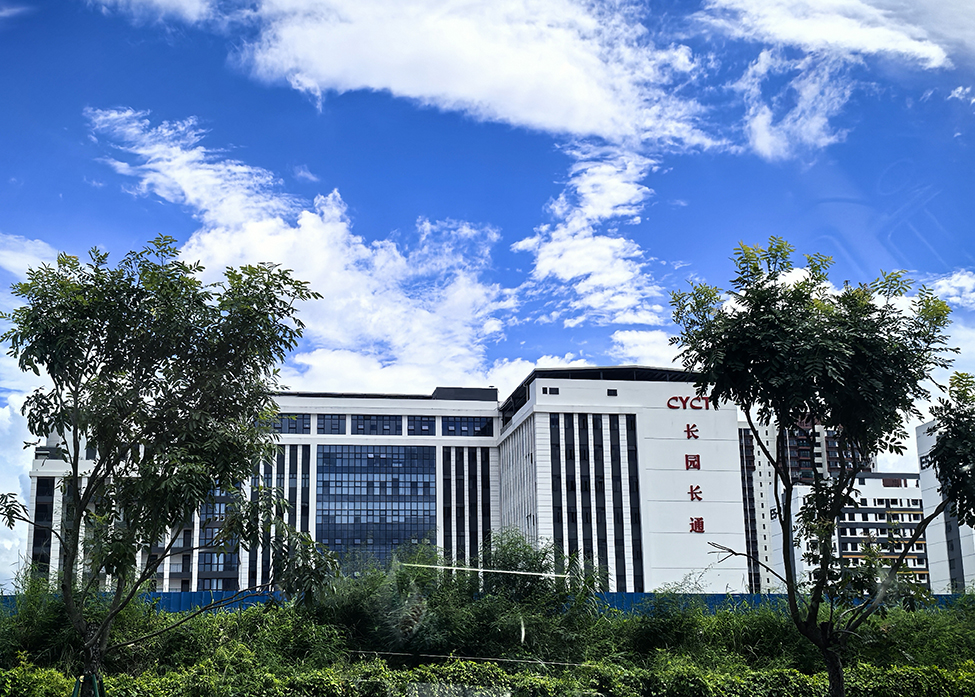
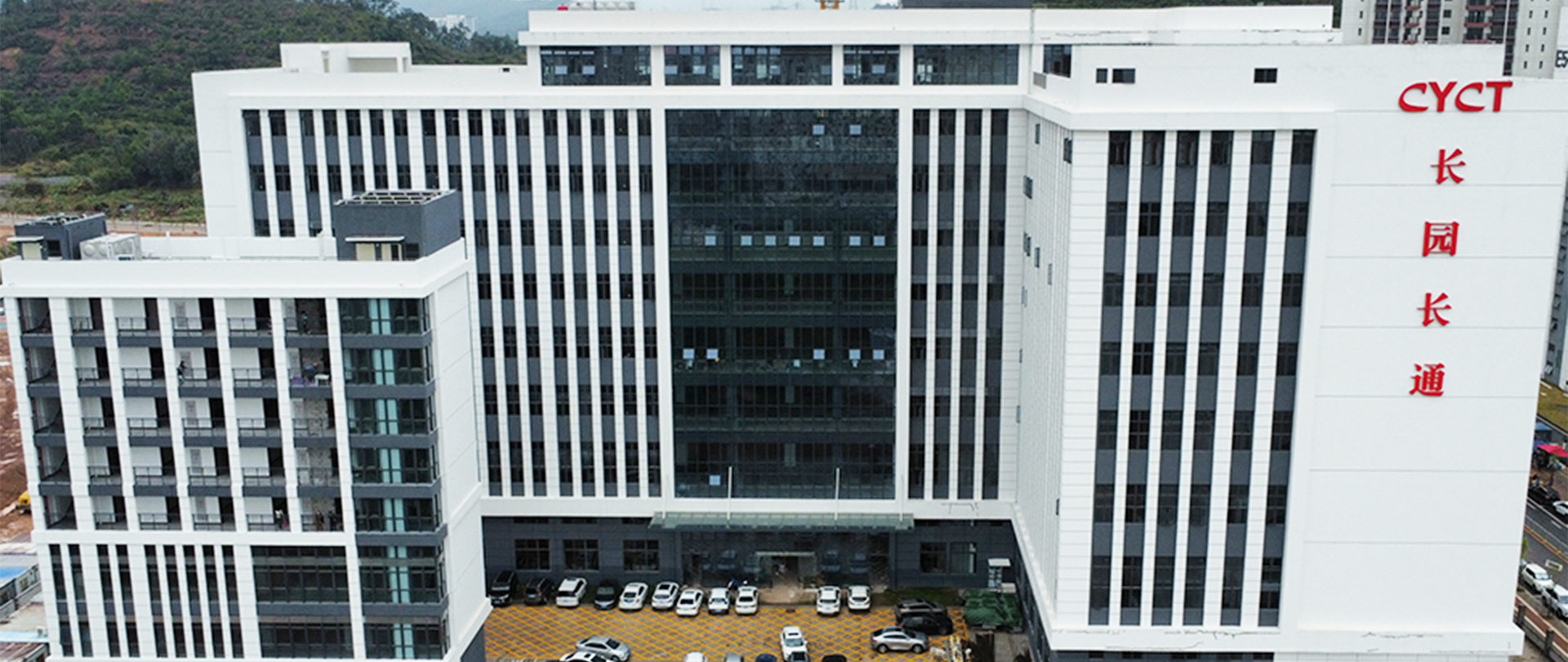
CYCT New Materials Company Limited (for short, CYCT) is a state-level high-tech enterprise integrating R&D, production and sales of pipeline corrosion protection materials as well as buried pipeline detection service and pipeline coating field application service into one.
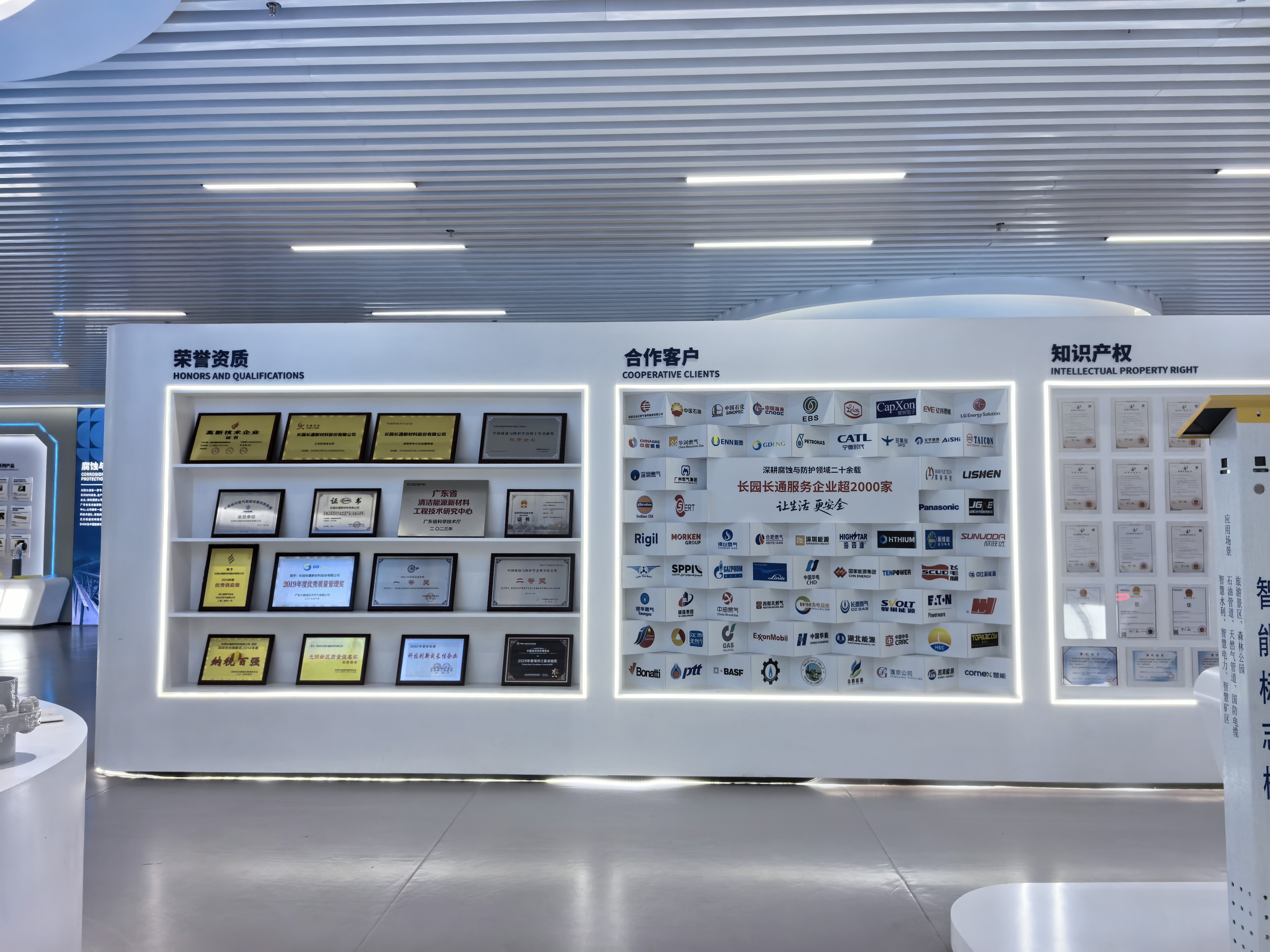
CYCT devotes itself to R&D, production and sales of pipeline corrosion protection materials for decades. The company has become a stable supplier of field joint coating for years in PetroChina, Sinopec, PipeChina and local pipelines, capturing a dominant market share. Furthermore, CYCT has successfully developed and introduced a number of specialty corrosion protection materials such as visco-elastic anticorrosion materials, special photo-curing sleeves for HDD protection, and polyurea coatings.
By cooperating with leading R&D institutes such as CNPC Pipeline Science Research Institute, CYCT is capable of providing in-service pipelines with varied technical services including buried pipeline detection, design scheme, cathodic protection, rehabilitation project, and an integrated solution for the safety protection of pipelines.
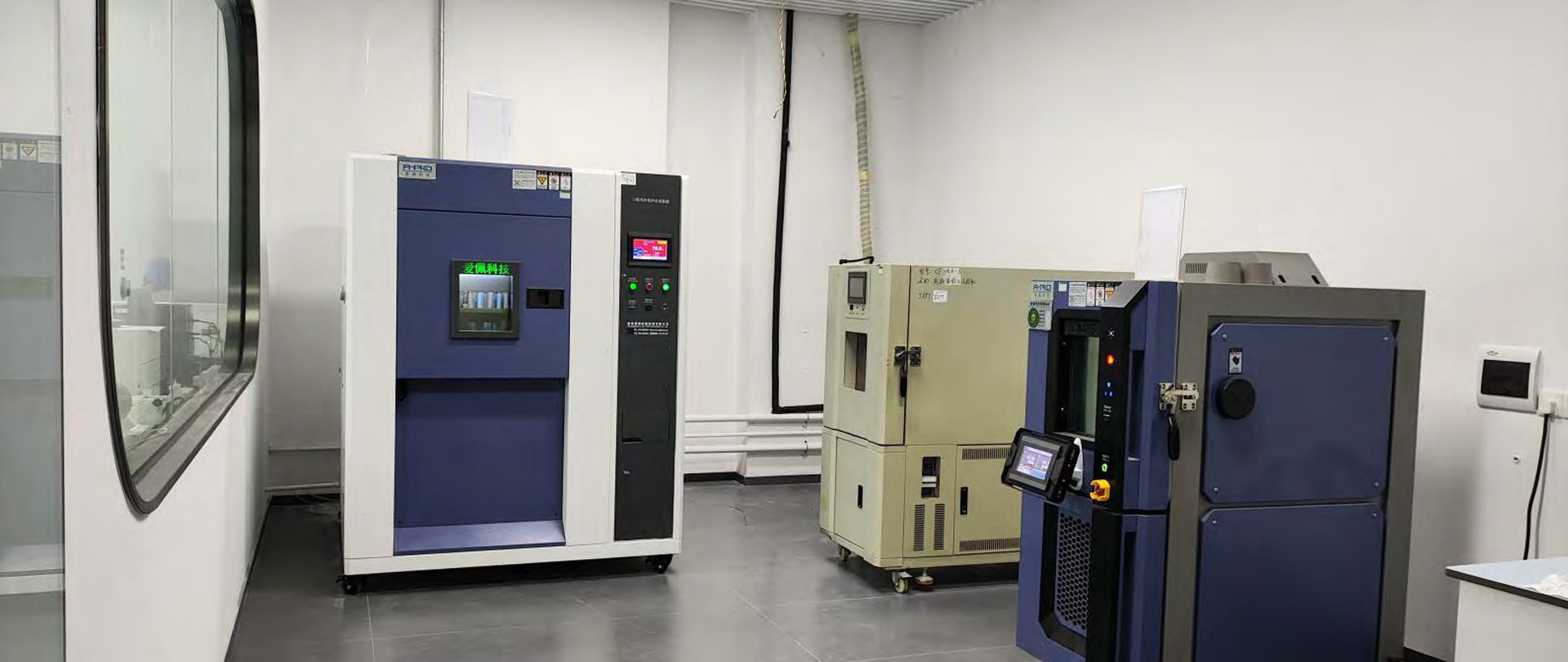
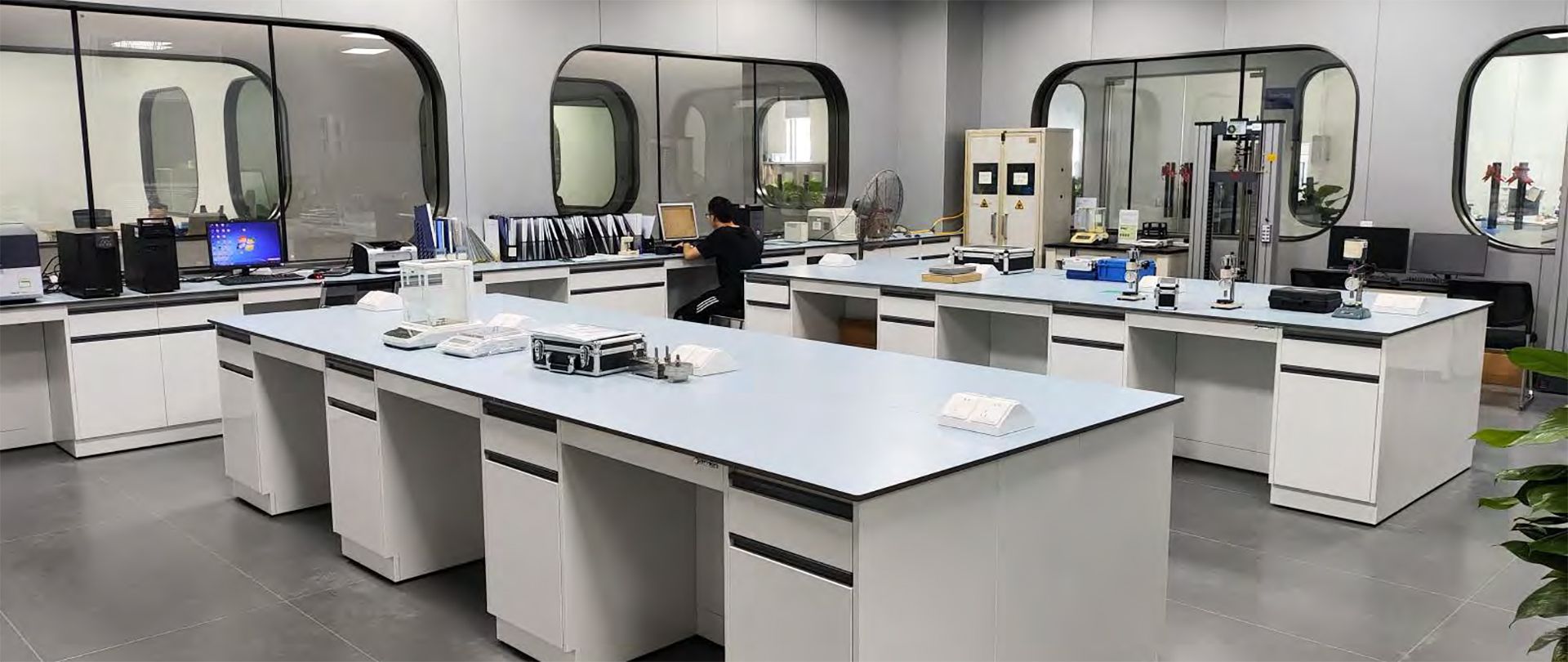
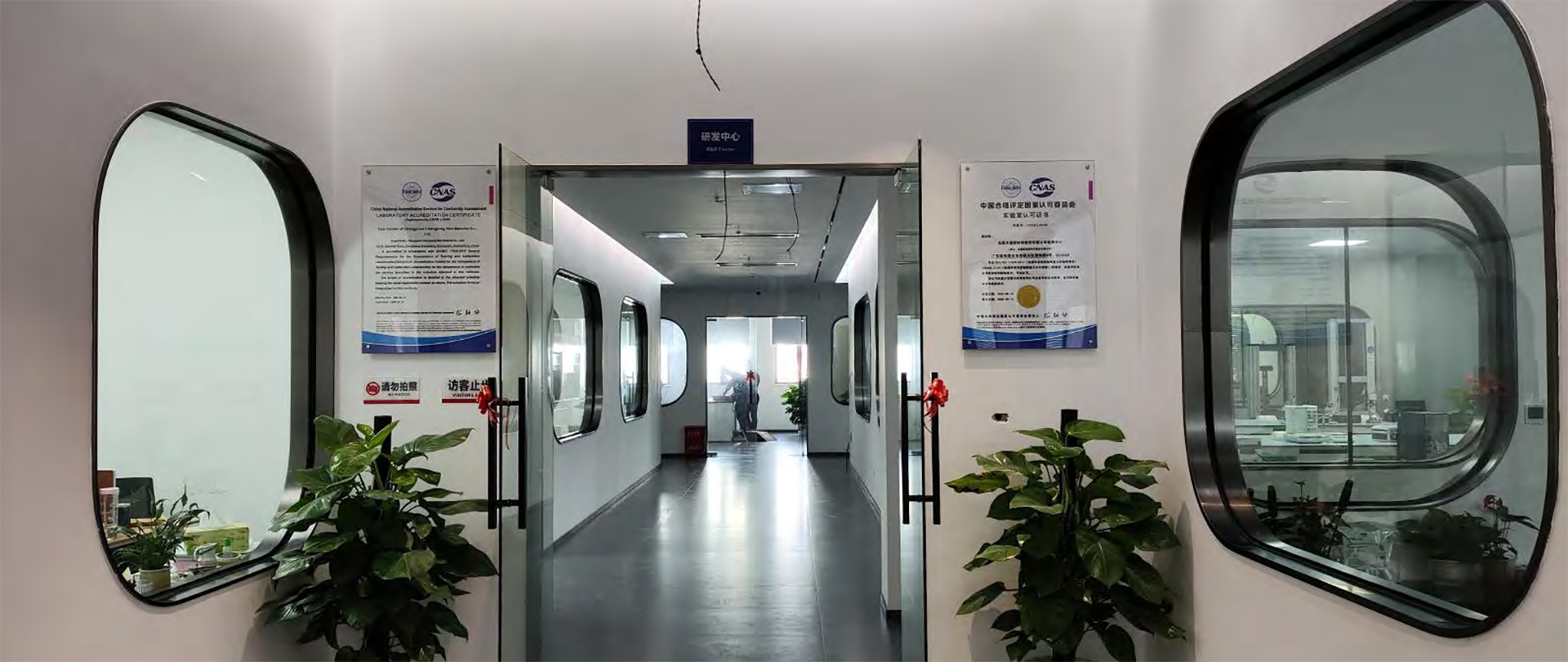
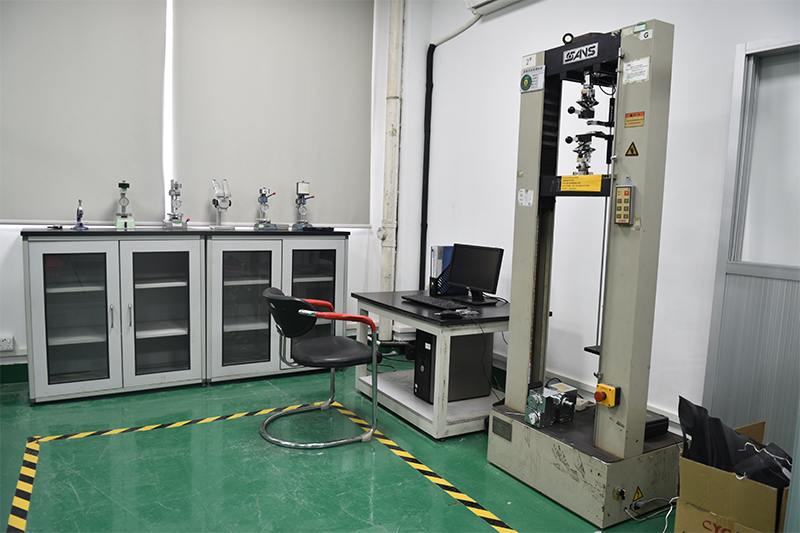
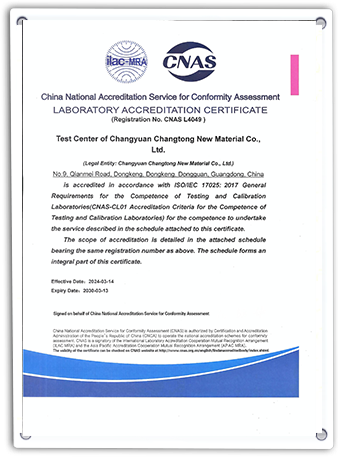
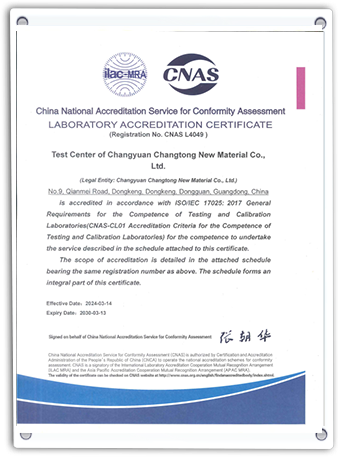
CYCT owns leading testing and R&D capabilities, a professional R&D team, and a national CNAS-accredited laboratory.
Understanding the chemistry of heat-shrinkable wraps is essential for long-term pipeline design.
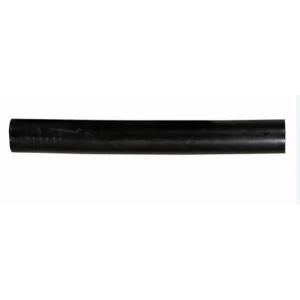
The primary barrier layer consists of high-density polyethylene (HDPE) or modified polypropylene. During manufacturing, this polymer matrix is subjected to electron beam irradiation, cross-linking the polymer chains into a structural network. This molecular modification imparts elastic memory: when heated, the backing shrinks to its original dimensions, exerting continuous radial pressure on the pipe joint.
The inner layer contains a specialty formulated, high-viscosity hot-melt adhesive. During installation, the heat melts the adhesive, causing it to flow and fill the steel surface profile. This creates a strong mechanical bond with both the bare steel and the parent coating, blocking moisture and preventing oxygen migration to the pipe.
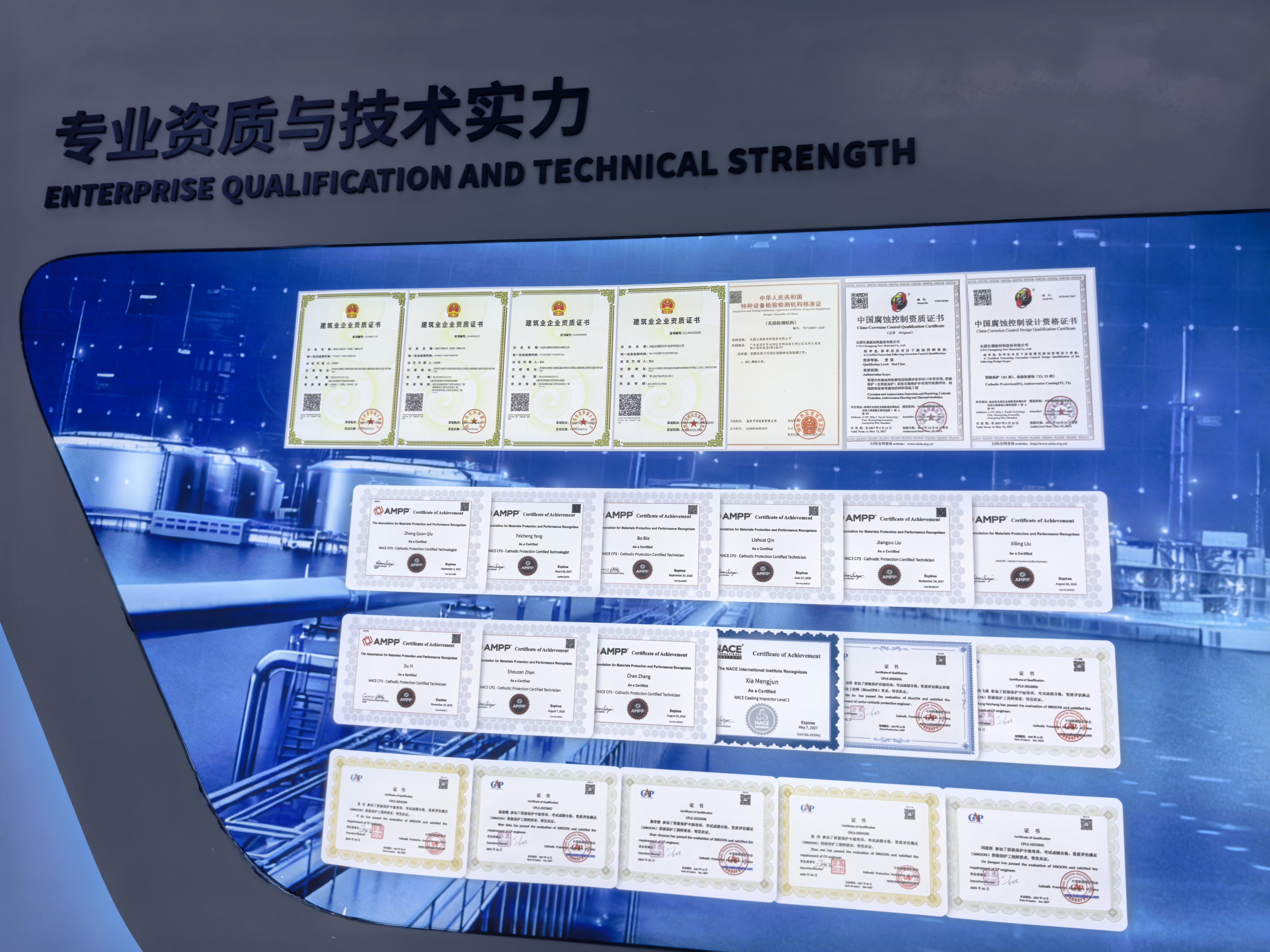
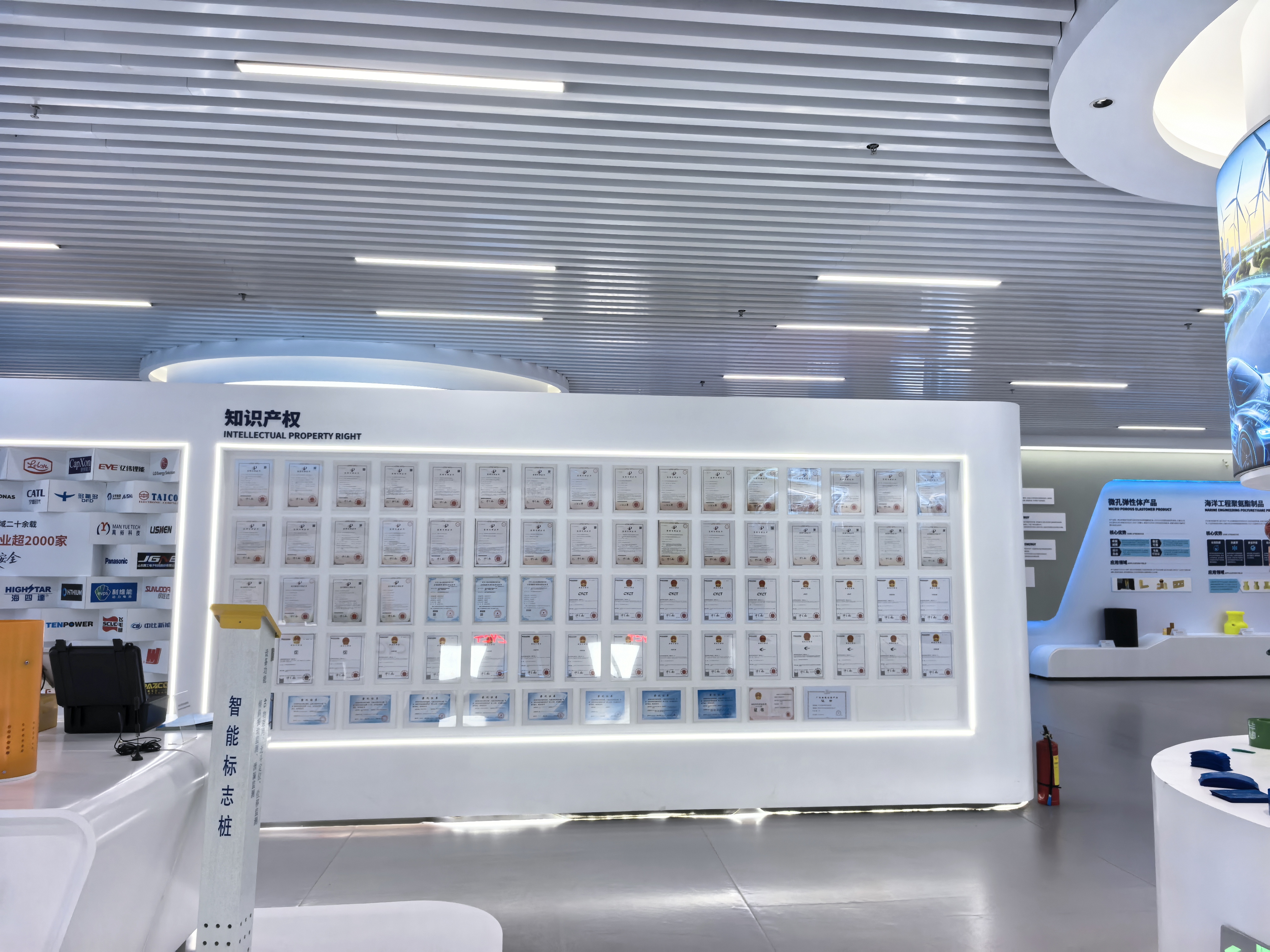
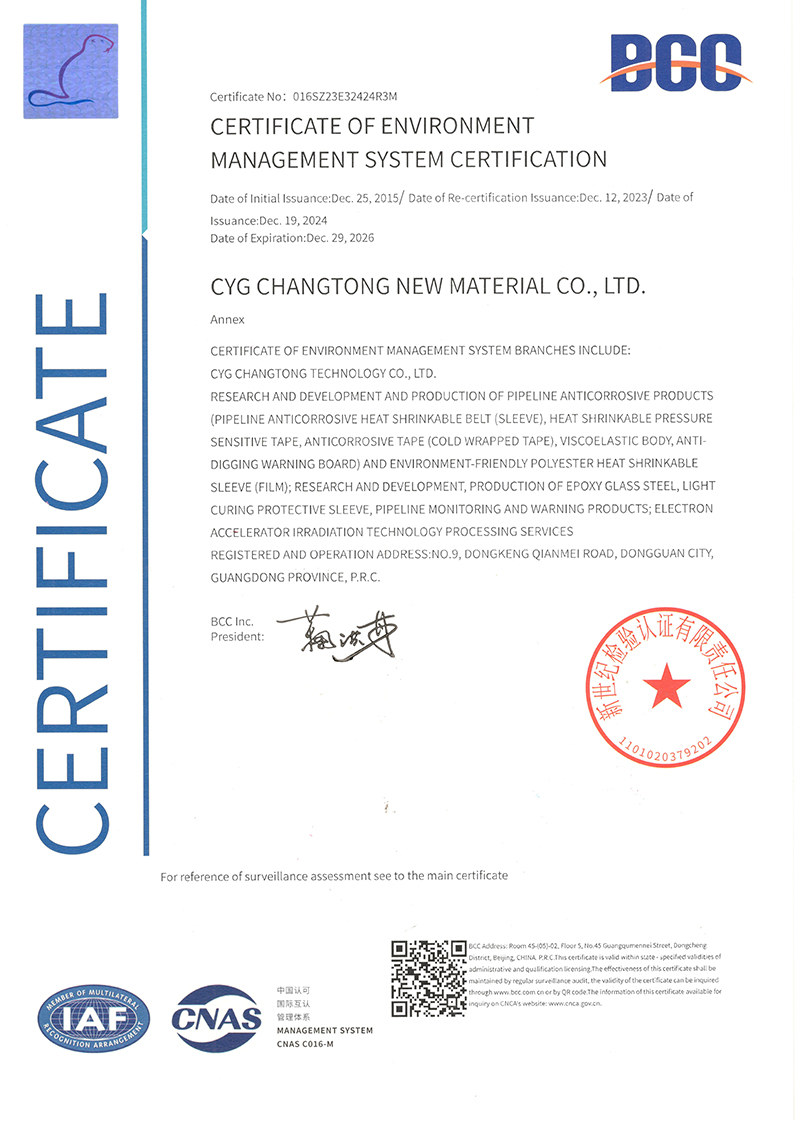
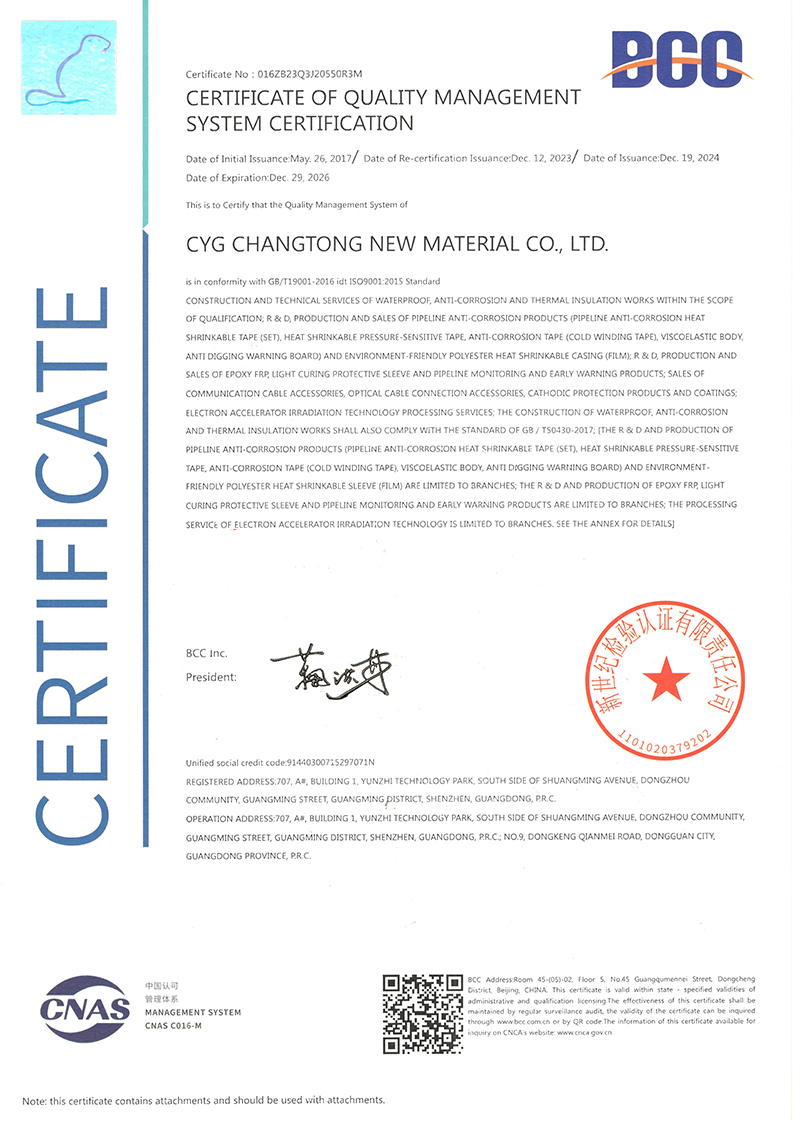
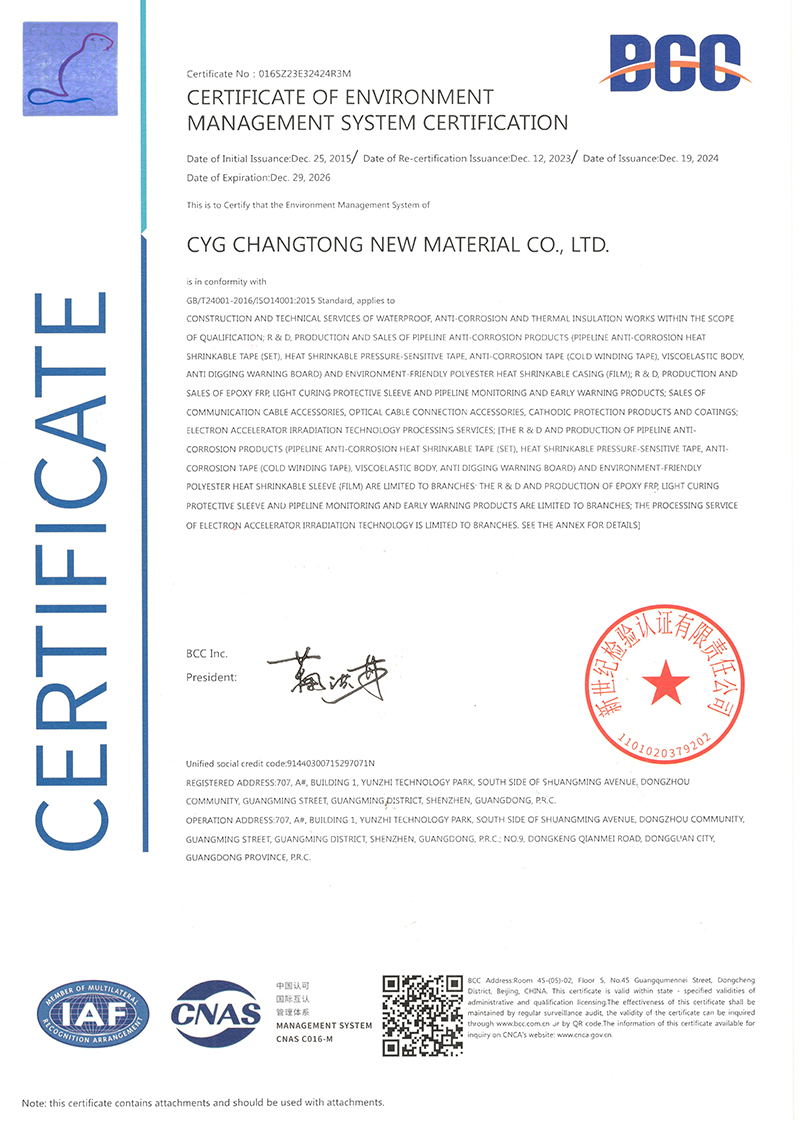
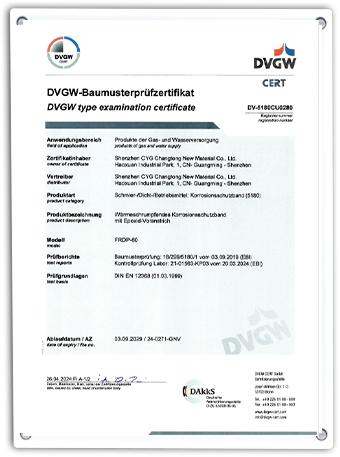
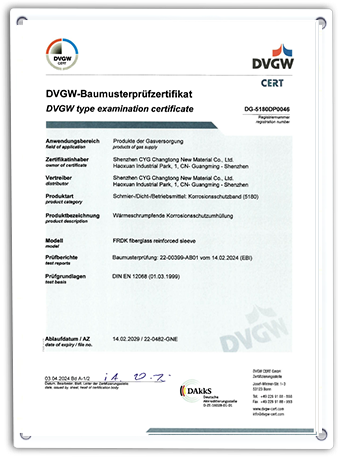
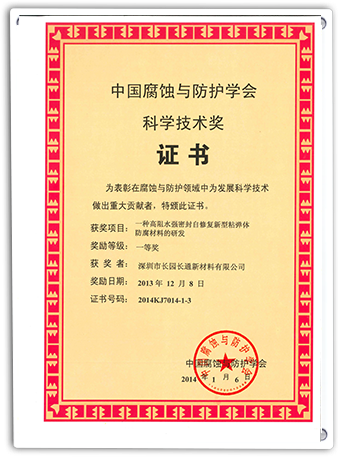
CYCT maintains international manufacturing standards, verified by major industry associations and third-party inspectors.
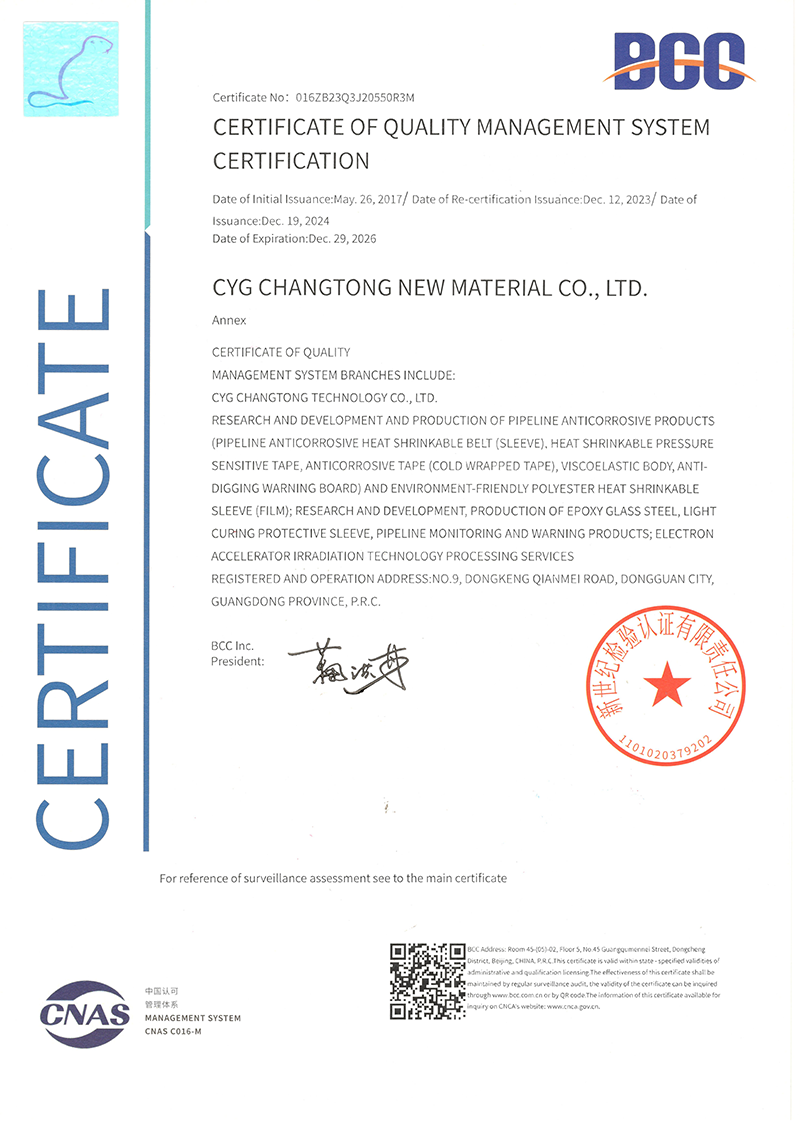
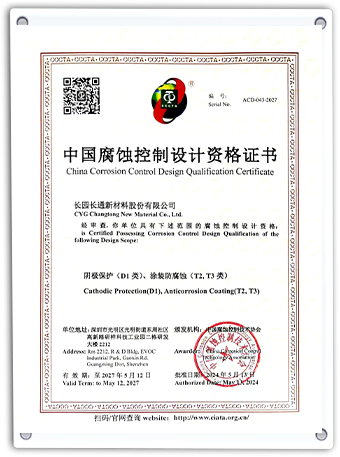
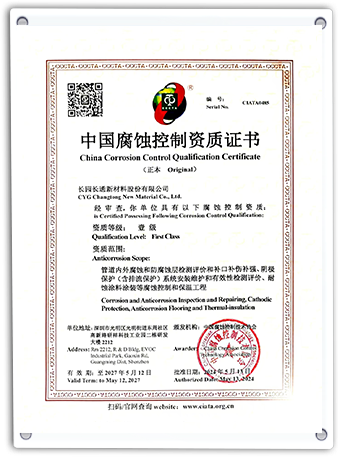
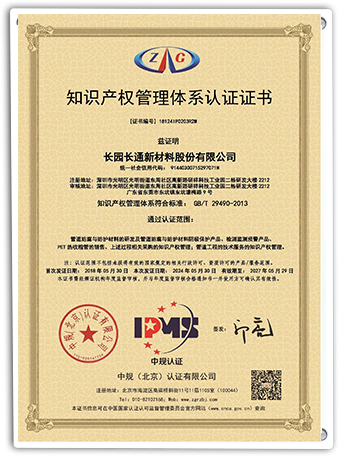
CYCT is a Member of the Council in the Chinese Society for Corrosion and Protection (CSCP), and holds the Qualification Certificate of Corrosion Protection Construction as well as the Qualification Certificate of Pipeline Detection. A recognized brand of pipeline corrosion protection in China, CYCT is a Corporate Member of the China Association of Petroleum Engineering Construction (CAPEC), and a State-Level High-Tech Enterprise with more than ten proprietary intellectual property rights. We are a stable supplier to PetroChina, Sinopec, China Gas Group, and Indian Oil.
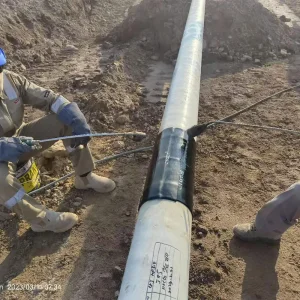
An anti-corrosion system is only as good as its field installation. CYCT offers comprehensive on-site support to global customers:
CYCT's production complex is strategically optimized for international logistics, supporting delivery to remote project sites. With high-capacity extrusion and cross-linking machinery, we provide short lead times for high-volume orders.
We work closely with global shipping networks to support custom delivery requirements, ensuring materials arrive undamaged and ready for installation. Every shipment includes comprehensive test certificates, safety data sheets (SDS), and localized step-by-step installation manuals, helping engineers maintain quality control in the field.
Detailed technical answers to common questions from engineers and procurement teams.
Polyethylene (PE) sleeves are the industry standard for pipelines operating below 60°C to 80°C. Polypropylene (PP) sleeves feature higher mechanical hardness, superior resistance to soil stress, and can operate at higher temperatures (typically up to 110°C or 120°C). PP sleeves require higher installation temperatures and precise pre-heating procedures.
A liquid epoxy primer forms the base layer of a 3-layer field joint coating system. It bonds chemically with the bare steel, providing primary resistance to cathodic disbondment and corrosion. The heat shrinkable sleeve is then shrunk over the wet or partially cured primer, fusing the hot-melt adhesive with the epoxy for a strong, unified bond.
Viscoelastic systems remain viscous and flow over time, meaning they never cure. This provides excellent wetting properties and allows them to self-heal minor surface damage. Traditional heat shrinkable sleeves provide higher mechanical strength and resistance to shear, making them ideal for high-stress soil environments and directional drilling applications.
The steel surface must be abrasive blasted to a near-white metal finish (minimum ISO 8501-1 Sa 2.5) with an anchor profile of 50 to 100 microns. The adjacent parent coating must also be cleaned, abraded, and beveled to ensure the sleeve adhesive bonds effectively to the polyethylene or polypropylene shell.
We run a national CNAS-accredited laboratory where every batch of raw materials and finished products undergoes testing. This includes monitoring physical properties like tensile strength, peel strength, hot-water immersion performance, and cathodic disbondment resistance to ensure full compliance with international standards such as ISO 21809-3 and EN 12068.
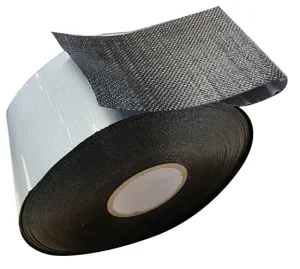
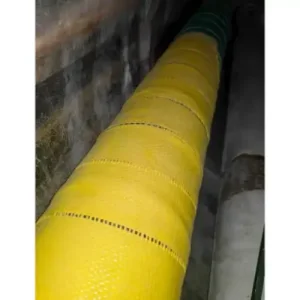
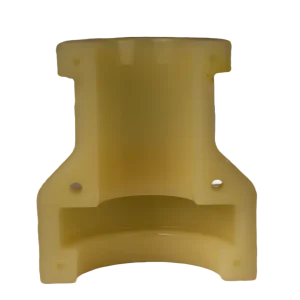
Discover our specialized maintenance patches, outer wraps, and protection systems.
 CYCT
CYCT