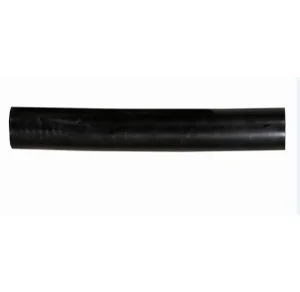
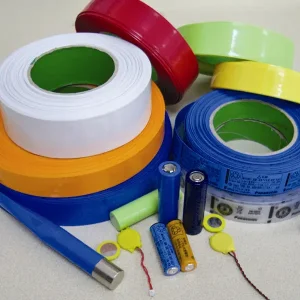
Direct supply from CYCT New Materials. Explore our field-proven portfolio covering high-temperature PE tapes, PP sleeves, repair patches, and visco-elastic corrosion protection systems.
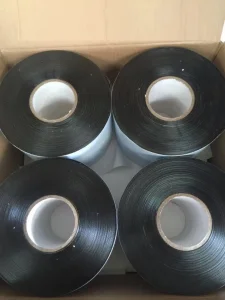
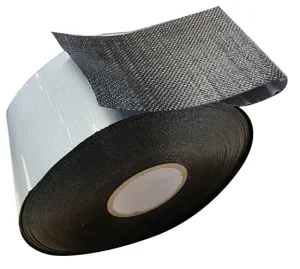
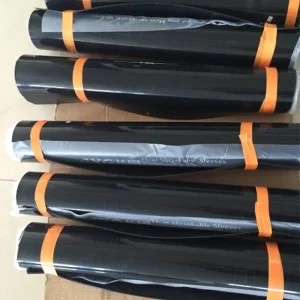
Discover how radiation cross-linked polyolefin backings and advanced viscoelastic polymers eliminate pipeline failure risk in the world's most aggressive environments.
In modern pipeline design, the selection of the field joint coating (FJC) system is crucial to the longevity of transport networks. Heat shrinkable sleeves and tape systems function as a seamless extension of the factory-applied line coating, commonly 3-Layer Polyethylene (3LPE) or 3-Layer Polypropylene (3LPP). CYCT's proprietary chemical formulas merge the high mechanical strength of cross-linked polyolefins with the self-healing and visco-elastic behaviors of high-molecular-weight structural adhesives. By preventing moisture migration, chemical attack, and electrical grounding path establishment, CYCT solutions deliver ultimate protection against Cathodic Disbondment (CD) and microbial induced corrosion (MIC).
The core mechanism of heat-shrinkable tape is the "polyolefin memory effect." Through controlled exposure to high-energy electron-beam irradiation, PE/PP polymer chains form stable molecular cross-links. Upon heating past their crystalline melting point, these materials stretch without tearing. Once locked in their expanded geometry and shipped to the field, heat activation triggers a strong, uniform radial contraction force. This force squeezes out air pockets, creating an impenetrable barrier against corrosive elements.
Underground pipelines undergo cyclic thermal expansions, causing relative soil movement. Common cold-applied tapes can buckle, tear, or disbond under this soil stress. Our specialized PP outer tapes and heat shrinkable sleeves utilize shear-resistant hot melt adhesives designed to maintain absolute bond strength at continuous operating temperatures up to 80°C and 110°C.
Cathodic protection (CP) currents can cause high pH zones near coating damages, causing conventional adhesives to liquefy or peel. CYCT's formulations undergo intense testing under EN 12068 and ISO 21809-3 protocols. They demonstrate minimal disbondment radii, ensuring long-term adhesion even when exposed to active CP current loops.
By preventing corrosion, these systems minimize the need for high-cost repairs or pipeline shutdowns over decades of service. Field joint coating application becomes faster and more reliable, reducing excavation, prep, and cycle time.
Precise dosage during electron-beam processing guarantees a gel content between 55% and 70%. This optimized range provides the ideal balance of elastic memory, heat resistance, and flexibility during winter installations.
Tailored systems engineered to withstand deep burial, high temperature, marine exposure, and trenchless pipe laying stress.
High-pressure oil and gas lines operate at elevated temperatures due to compressor heat. Our OEM weather-resistant PE/PP cold-applied tapes and heat shrinkable sleeves form a barrier against hydrocarbons, chemical spills, and elevated soil pressures, meeting strict ISO 21809-3 requirements.
Pulling pipelines through boreholes causes massive friction and rock abrasion. For these demanding installations, CYCT provides Epoxy FRP (Fiberglass Reinforced Polymer) solutions and photo-curing sleeves. These systems form a sacrificial layer that protects the undercoat from deep gouges.
Clean water transport requires non-toxic, chemical-resistant corrosion protection. Our non-toxic VE putties and PE outer wrapping tapes protect urban pipelines from aggressive soils without leaching chemicals into surrounding groundwater.
Aging pipelines need in-situ repair options that minimize downtime. The FRDX PE Repair Patches and Hot Melt Fillers allow operators to patch localized mill coating damage quickly. This restores the 3LPE coating to its original performance class without cutting the pipe.
Pioneering the next generation of smart coatings and eco-friendly raw material synthesis.
The field of pipeline anti-corrosion is evolving rapidly. CYCT is leading this shift by developing smart coatings and eco-friendly materials. Our engineering labs are currently developing and testing two main technological developments:
1. Self-Healing Visco-Elastic Polymers: Traditional hot melts can crack under extreme thermal shock. Our new visco-elastic formulations feature self-healing molecular chains. Under mechanical pressure, the adhesive flows into surface imperfections, permanently sealing micro-cracks before corrosion can start.
2. Smart Degradation Indicators: By incorporating microscopic sensor particles into our PE backings, we aim to enable remote monitoring. These particles detect moisture infiltration or pH changes, allowing pipeline operators to locate and fix coating damage before physical failure occurs.
How CYCT leverages advanced automation, local raw material integration, and rigorous testing to guarantee quality and timely delivery.
CYCT's production campus features state-of-the-art automation. We control every stage of manufacturing—from raw resin compounding to final e-beam cross-linking and adhesive extrusion. This vertical integration keeps our products highly consistent and protects our clients from global supply chain disruptions.
By sourcing raw polyolefin resins from local refineries and processing them in our automated compounding lines, we maintain stable production lead times. Our inline thickness monitoring systems continuously measure backing and adhesive layers. If the thickness varies by more than 0.05mm, the system auto-adjusts, ensuring every roll meets our strict technical specifications.
Simplifying complex specification requirements for international engineering consultants and asset managers.
Large infrastructure projects require close alignment between material properties and local regulations. As a veteran OEM manufacturer, CYCT supports engineering firms throughout the design and procurement process. We customize adhesive properties to suit local soil conditions, whether in cold northern climates or hot desert environments.
Our OEM capability includes customizing widths, thickness ratios, backing compositions, and color coding to match project specifications. Our technical team prepares comprehensive documentation, including ITPs (Inspection and Test Plans), Material Datasheets (MDS), and third-party certifications. This expedites approval cycles with end-users and major state utility boards.
A leading high-tech enterprise dedicated to research, manufacturing, and field services since 2000.
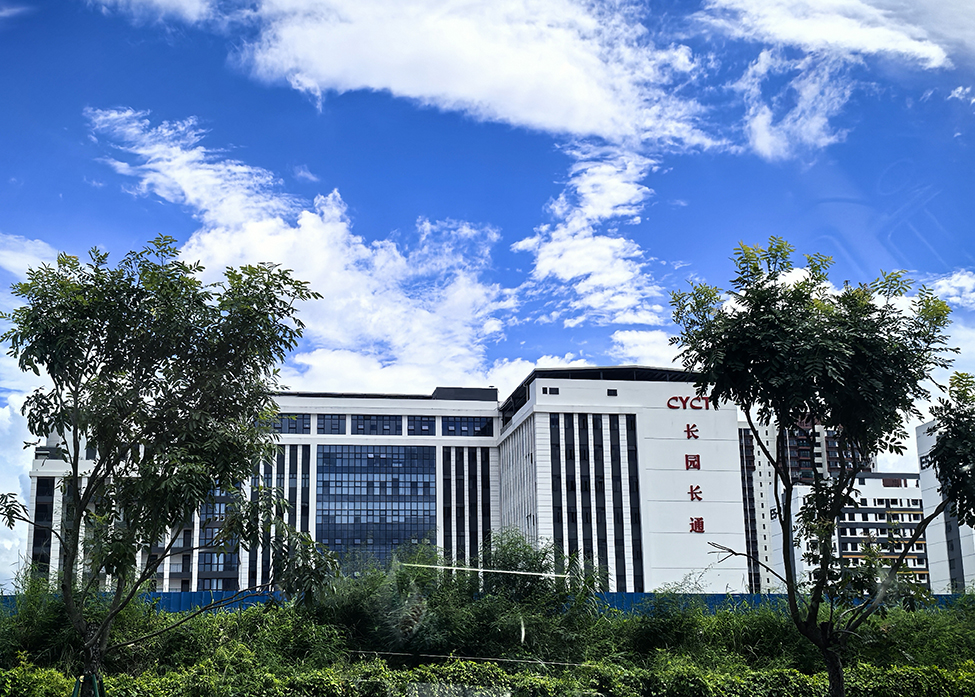
CYCT New Materials Company Limited (for short, CYCT) is a state-level high-tech enterprise integrating R&D, production and sales of pipeline corrosion protection materials as well as buried pipeline detection service and pipeline coating field application service into one. CYCT has dedicated itself to the R&D, production, and sales of pipeline corrosion protection materials for decades.
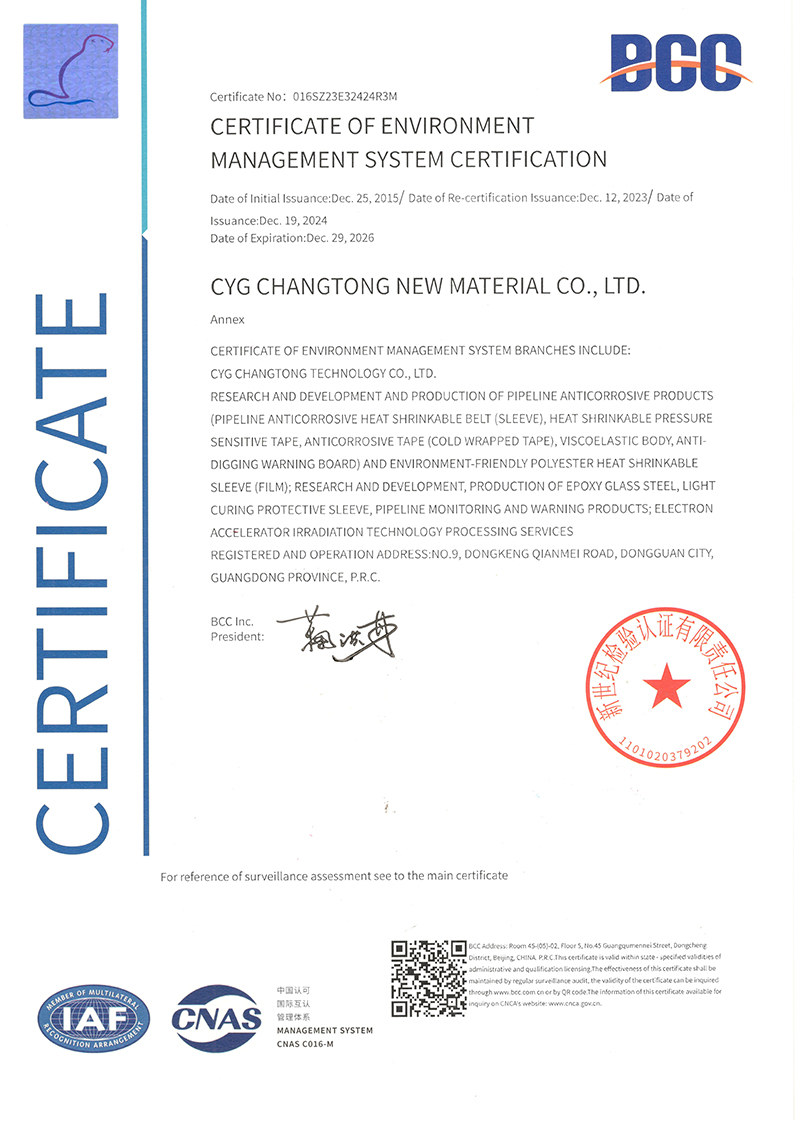
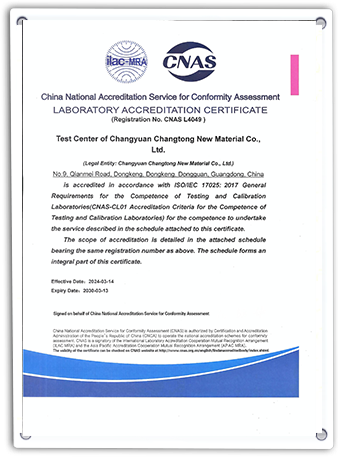
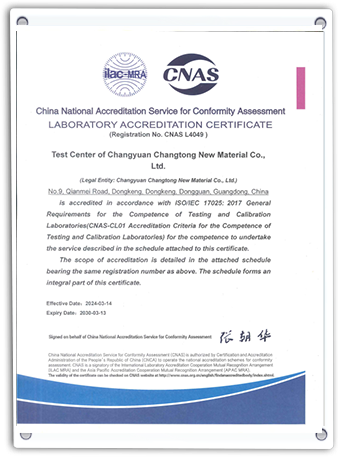
CYCT owns leading testing and R&D capabilities, a professional R&D team, and a national CNAS-accredited laboratory. By partnering with leading research institutes such as the CNPC Pipeline Science Research Institute, we provide comprehensive in-service pipeline technical services, including buried pipeline detection, design schemes, cathodic protection, rehabilitation projects, and integrated pipeline safety solutions.
CYCT has become a stable supplier of field joint coatings for PetroChina, Sinopec, PipeChina, local pipeline systems, and Indian Oil. We have developed and introduced several specialty corrosion protection products, including visco-elastic anti-corrosion materials, photo-curing sleeves for HDD protection, and polyurea coatings.
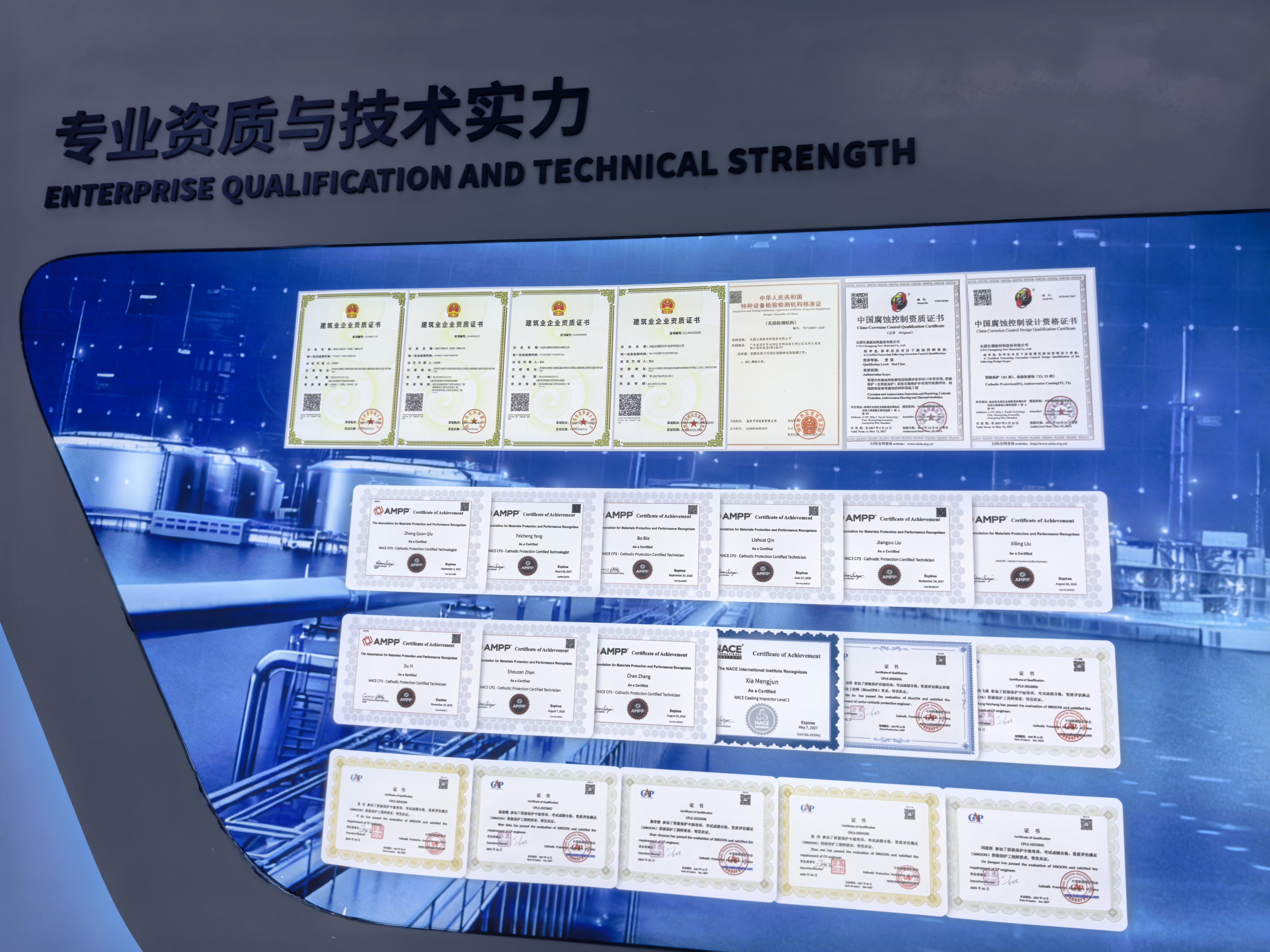
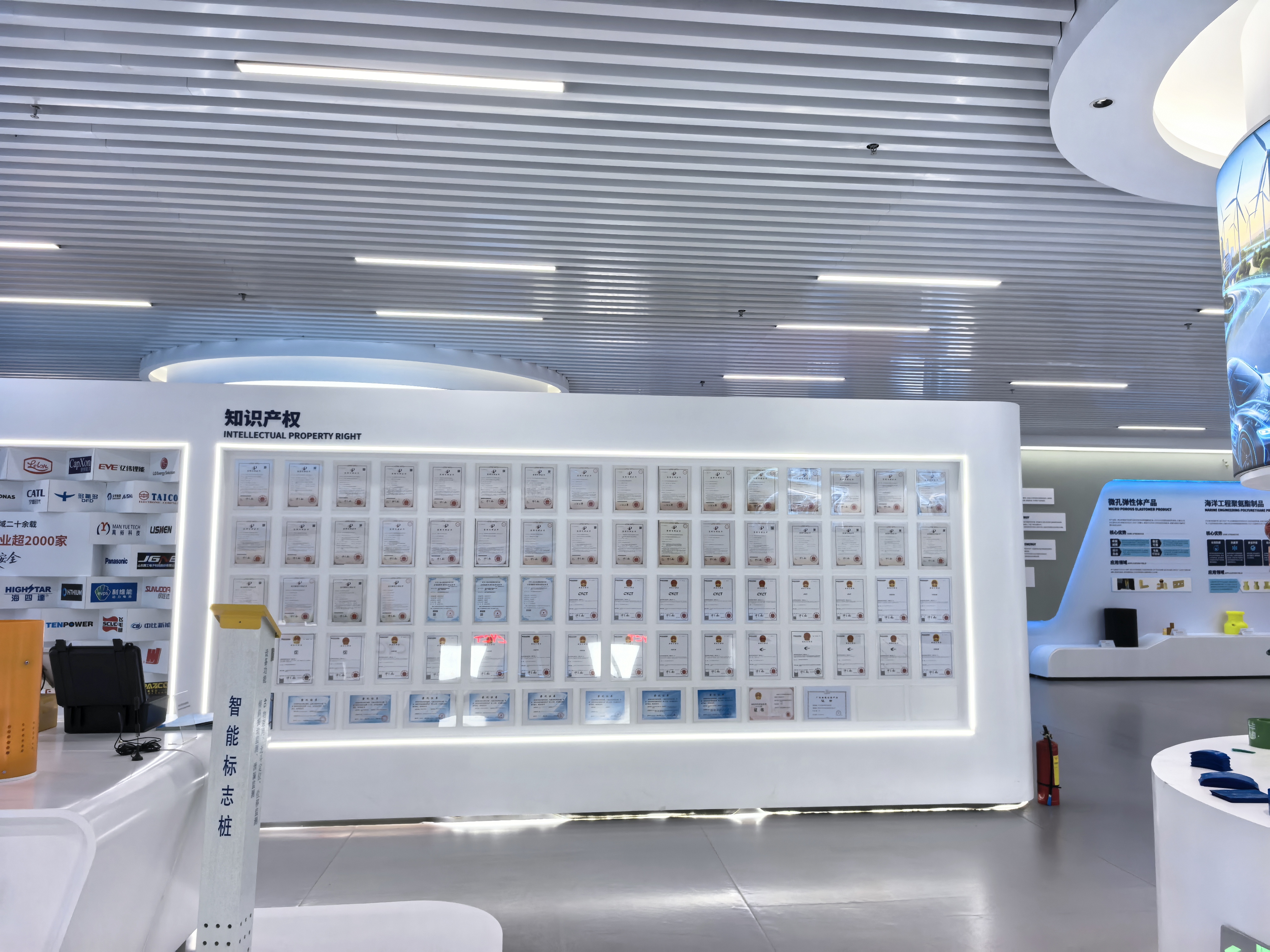
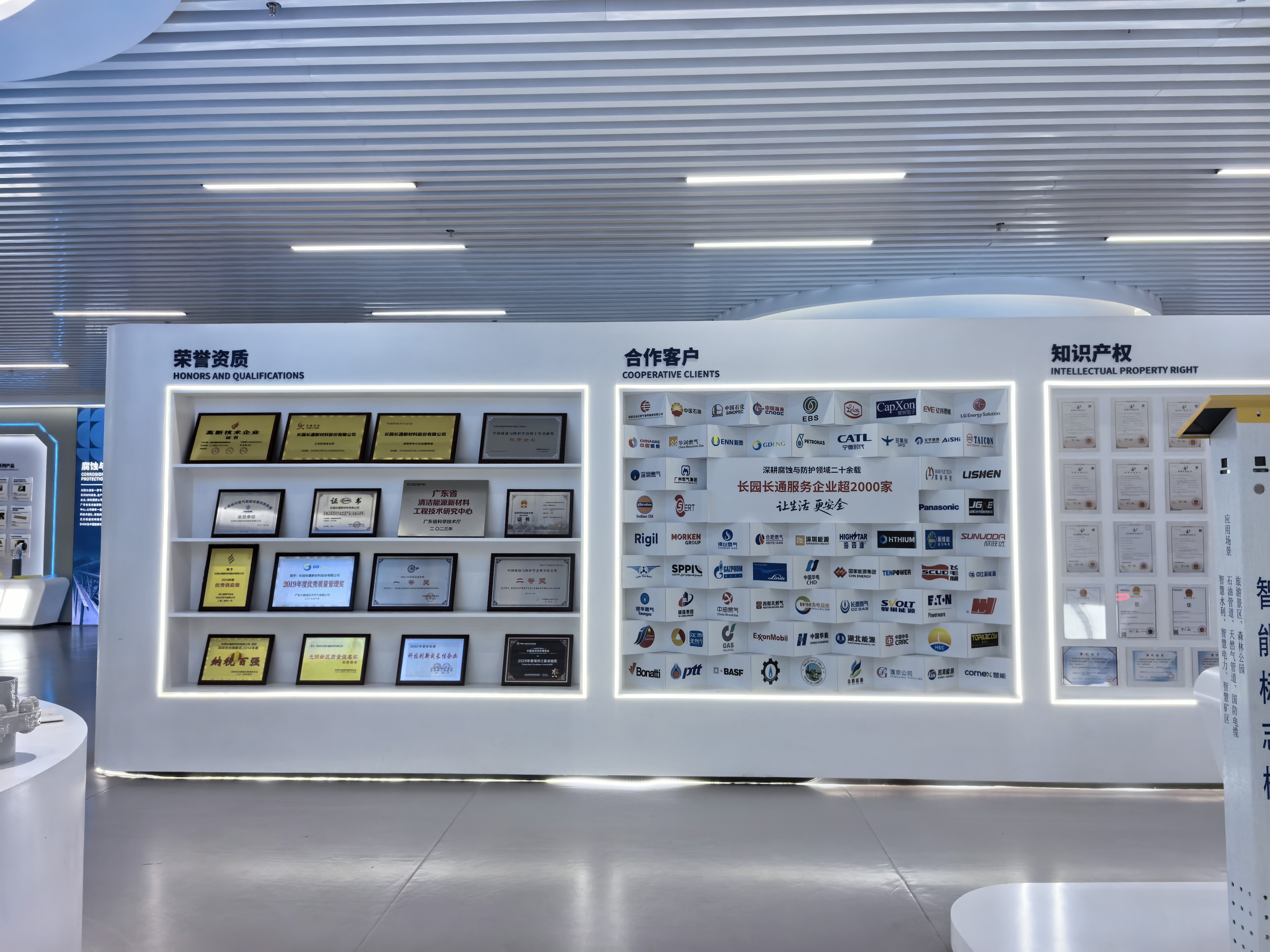
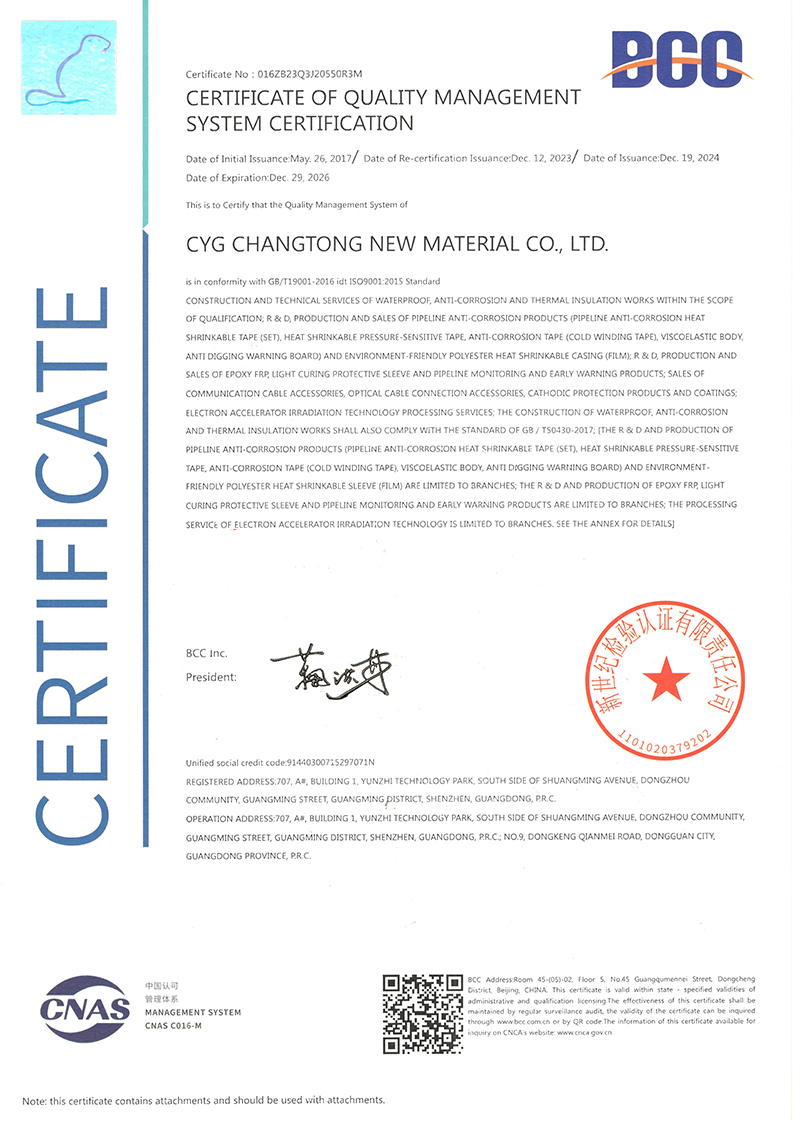
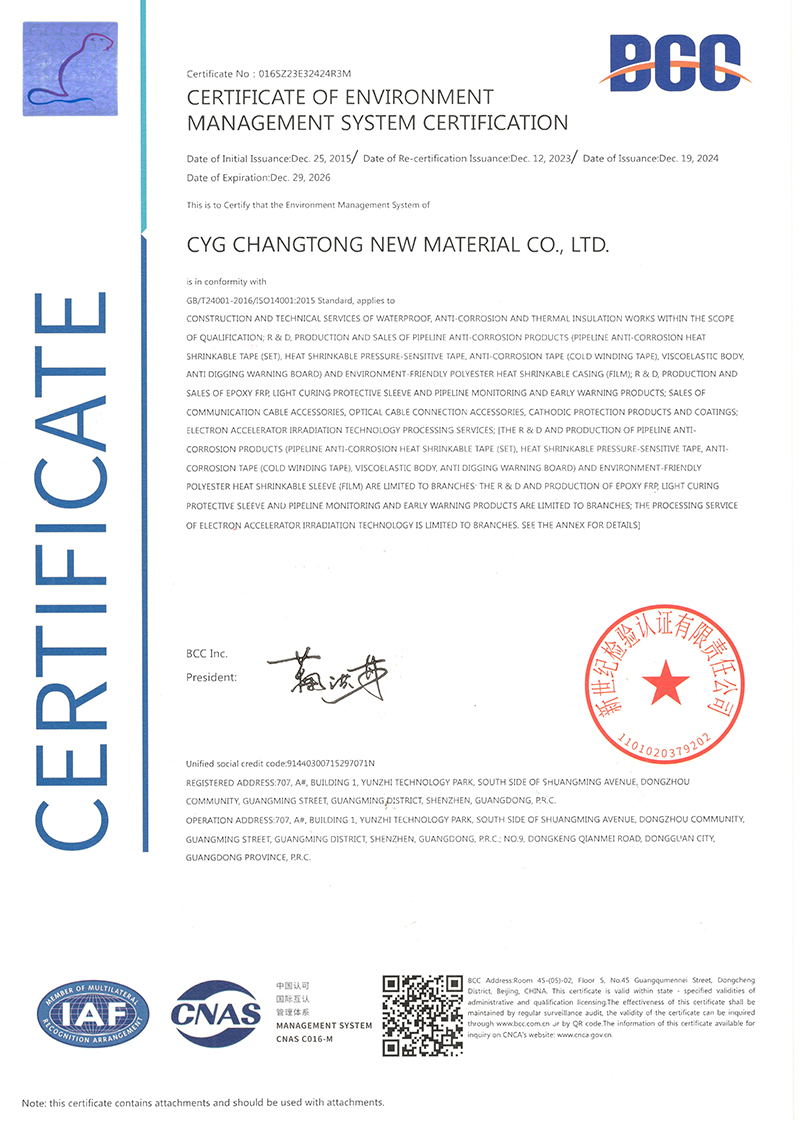
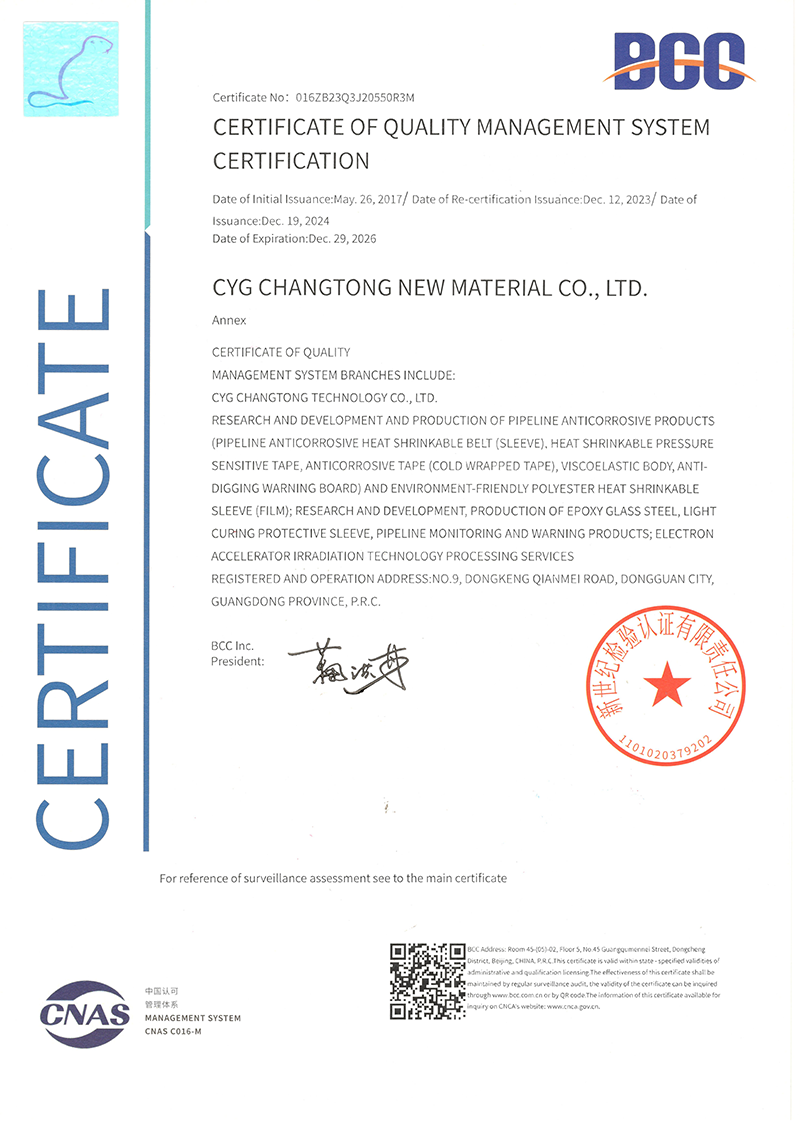
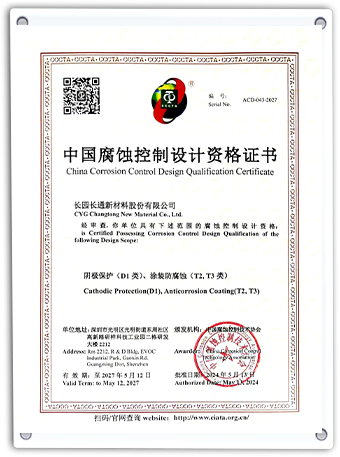
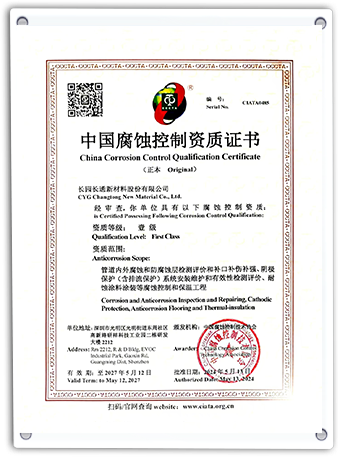
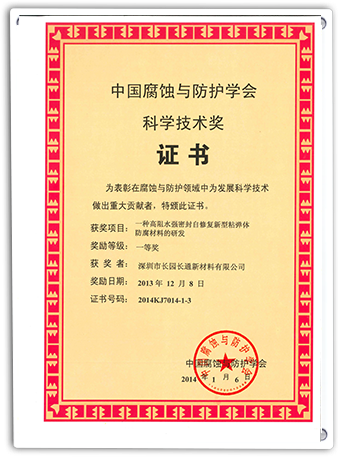
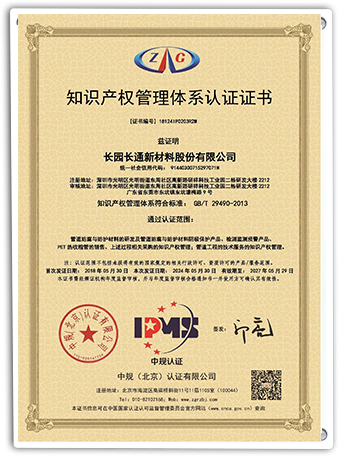
Member of Council in Chinese Society for Corrosion and Protection (CSCP) | Qualification Certificate of Corrosion Protection Construction | Qualification Certificate of Pipeline Detection | Well-known Brand of Pipeline Corrosion Protection in China | Corporate Member of China Association of Petroleum Engineering Construction (CAPEC) | State-Level High-Tech Enterprise with more than ten proprietary intellectual property rights | Stable supplier of PetroChina, Sinopec, China Gas Group, and Indian Oil.
Direct answers from our senior research team regarding installation, performance characteristics, and industry standards compliance.
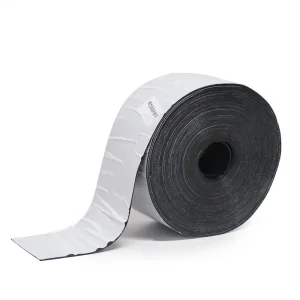
Cold applied PE tapes rely on elastomeric adhesives (like butyl rubber) and are wrapped under tension without heat. This makes them fast and easy to install on long, straight sections of pipeline. Heat shrinkable sleeves utilize radiation cross-linked polyolefin backings and hot-melt adhesives. Heating shrinks the backing, creating a tight seal with excellent shear resistance. This makes sleeves the standard choice for field joint coatings (FJC) on high-stress transmission lines.
Trenchless pipeline installations subjected to HDD experience severe friction and rock impact. Standard polyolefin sleeves can peel back. CYCT recommends our specialized Epoxy FRP (Fiberglass Reinforced Polymer) systems or photo-curing sleeves over the primary corrosion coating. This forms a hard, impact-resistant outer shell that protects the corrosion barrier from damage during the pull.
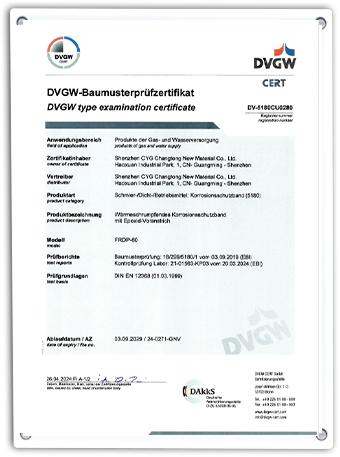
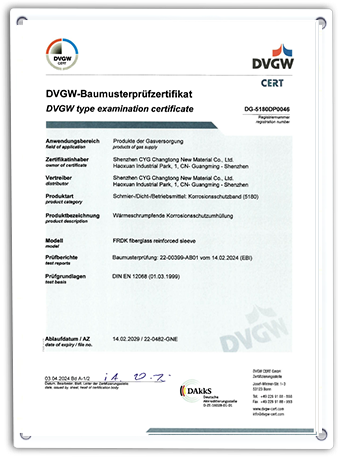
All our manufacturing processes align with international pipeline protection standards. Our materials are fully compliant with ISO 21809-3, EN 12068, ASTM D1000, and NACE/AMPP SP0169 guidelines. Each production batch undergoes rigorous testing in our CNAS-accredited laboratory prior to shipment.
Stored in a dry, ventilated warehouse at temperatures below 35°C and kept away from direct sunlight, our products have a shelf life of up to 3 years. The hot-melt and butyl adhesives remain stable, maintaining their adhesive properties for field application.
Yes. We customize backing thickness (from 0.5mm to 2.0mm) and adhesive thickness (from 0.4mm to 1.8mm) to match your pipeline design. We also adjust widths and formulate adhesives for specific operating temperatures, ranging from cold soil climates to high-heat process piping.
Explore the remainder of our engineered product range, featuring hot-melt fillers, PP sleeves, repair patches, and specialized protection tapes.
 CYCT
CYCT