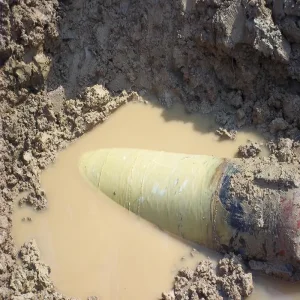
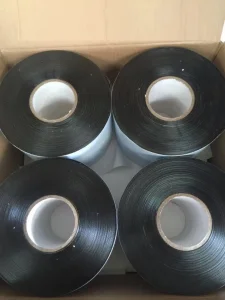
Explore our premium product series engineered for oil, gas, municipal water infrastructure, and offshore corrosion mitigation projects.
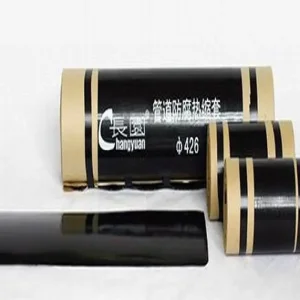
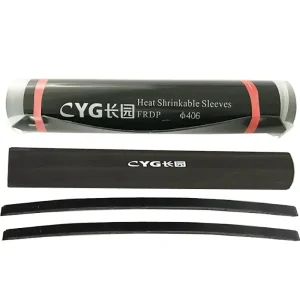
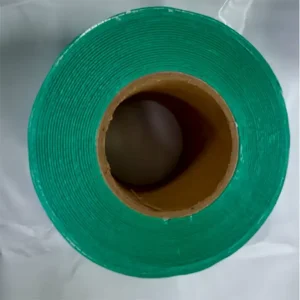
As pipeline networks cross increasingly complex and aggressive terrains, mitigating corrosion in field joint coatings (FJC) has become critical to structural integrity. Global industrial networks lose billions of dollars annually to pipeline leaks and degradation. Heat shrinkable wraparound sleeves represent a leading solution, acting as robust, continuous barriers at the weld joints of steel pipelines.
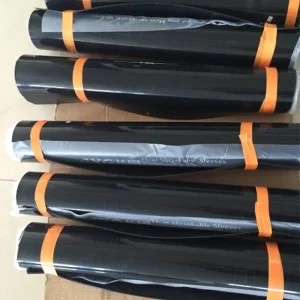
These specialized wraparound sleeves are engineered for high-performance protection in multi-layer pipeline coating systems, including 3-layer polyethylene (3LPE) and 3-layer polypropylene (3LPP). In offshore environments, municipal water lines, and massive trans-continental gas lines, wraparound sleeves deliver superior mechanical protection, cathodic disbondment resistance, and long-term chemical durability.
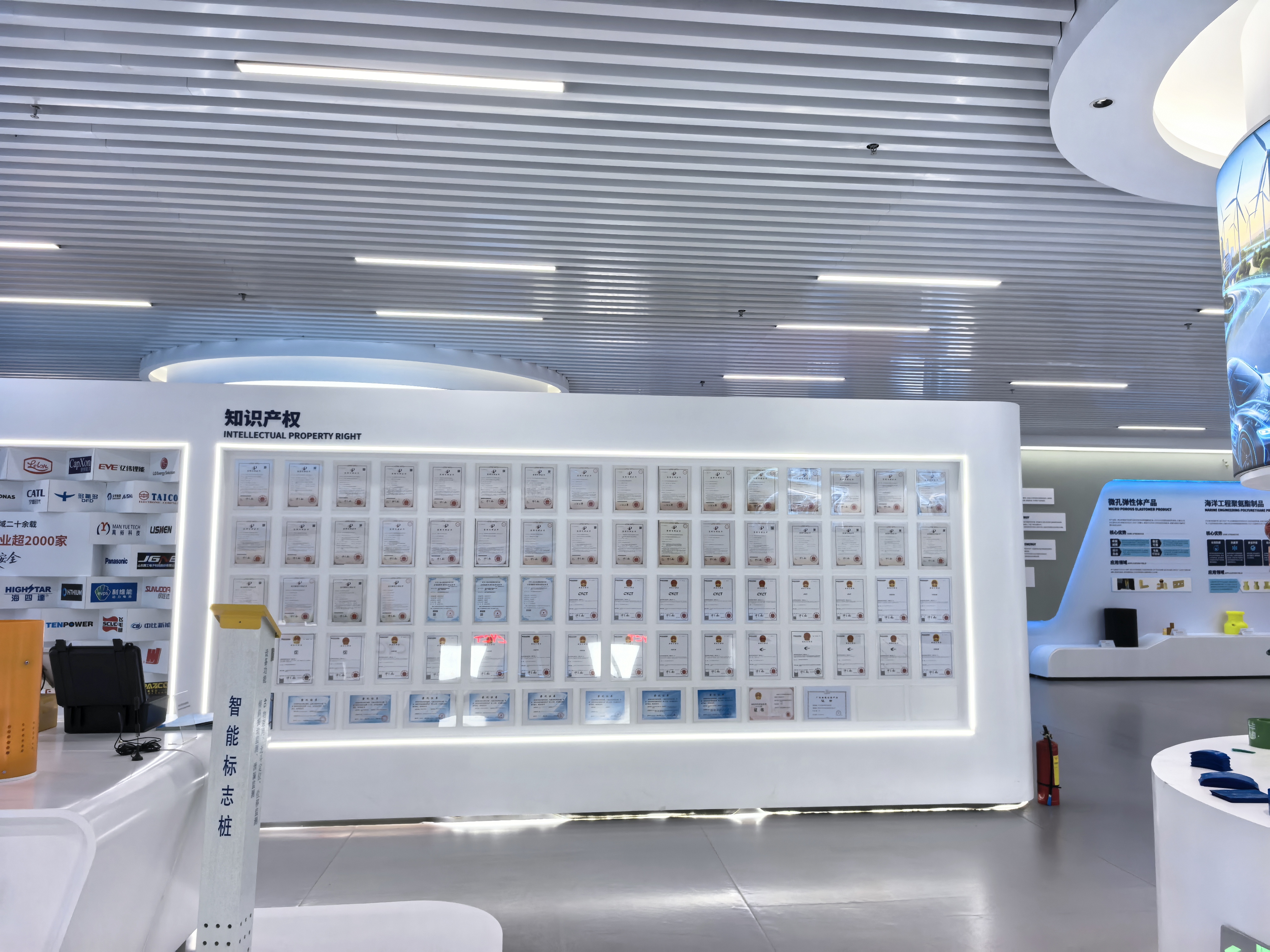
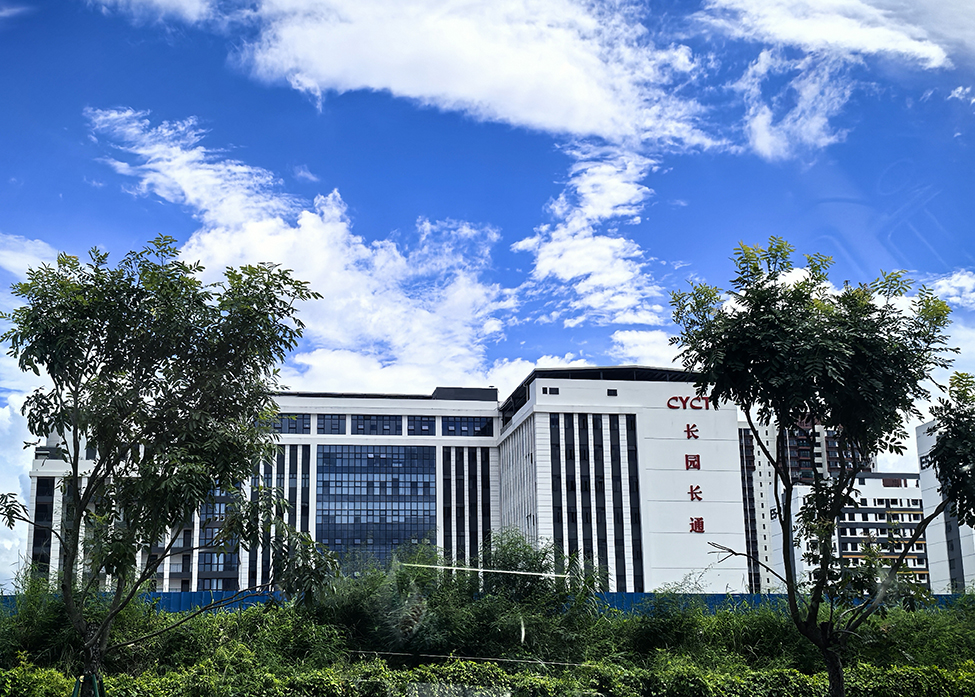
Founded in 2000, CYCT is a leading state-level high-tech enterprise integrating R&D, precision manufacturing, and professional anti-corrosion services.
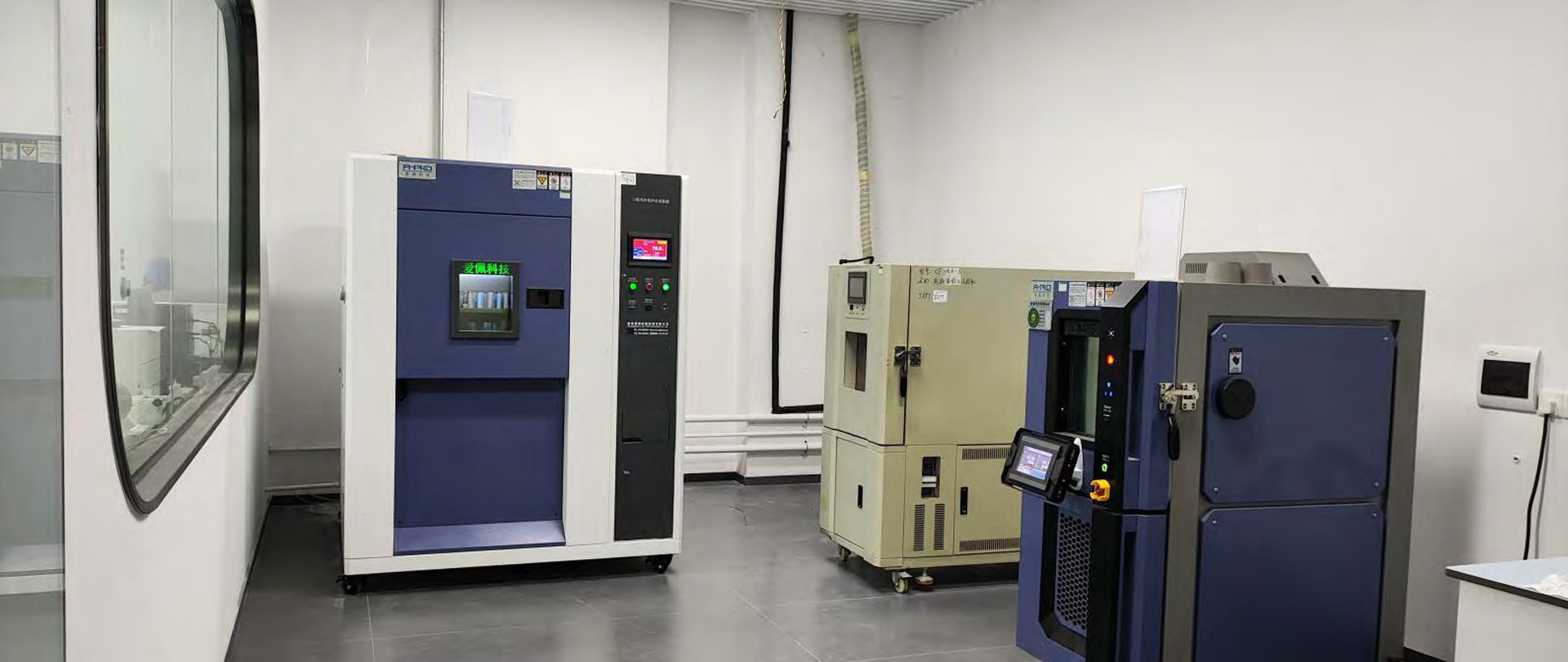
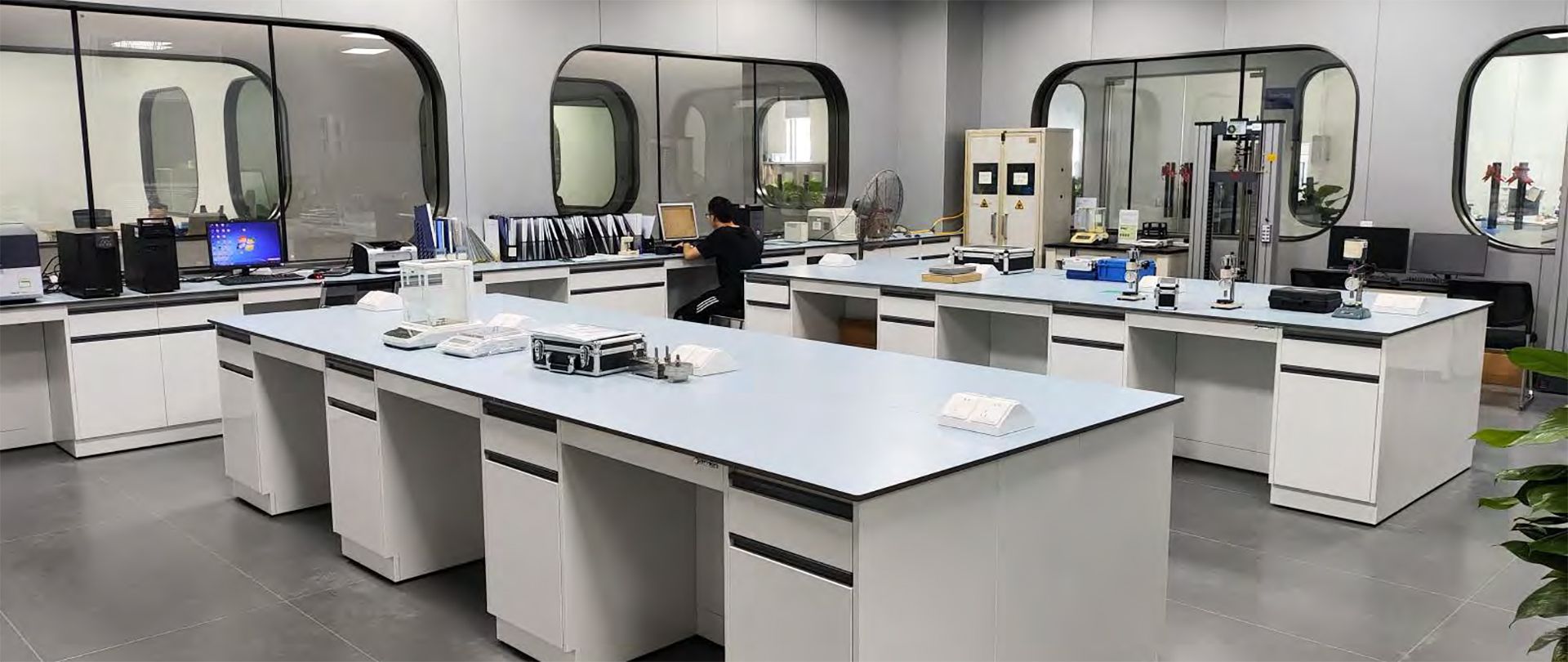
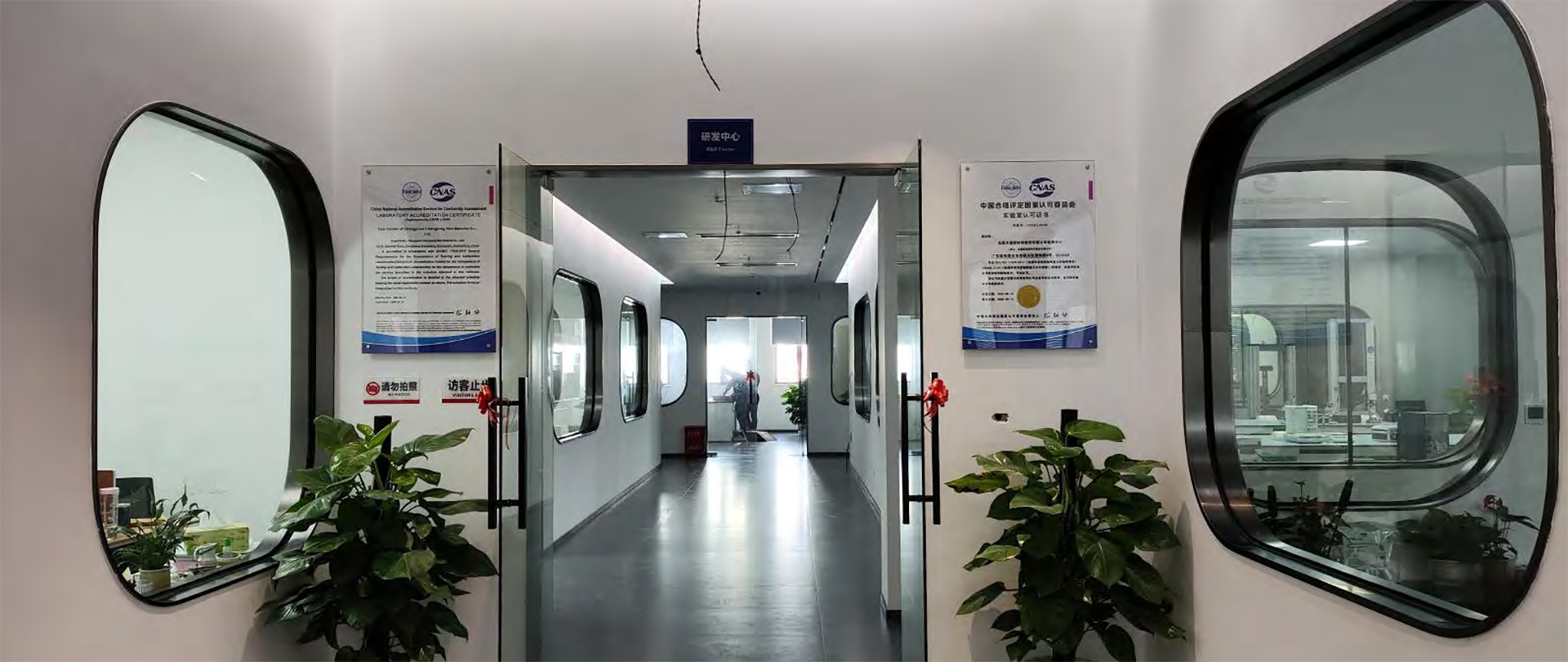
CYCT owns leading testing and R&D capabilities, supported by a professional R&D team and a national CNAS-accredited laboratory. By partnering with leading R&D institutes such as the CNPC Pipeline Science Research Institute, CYCT is capable of providing in-service pipelines with varied technical services. These services include buried pipeline detection, design schemes, cathodic protection, rehabilitation projects, and integrated safety solutions.
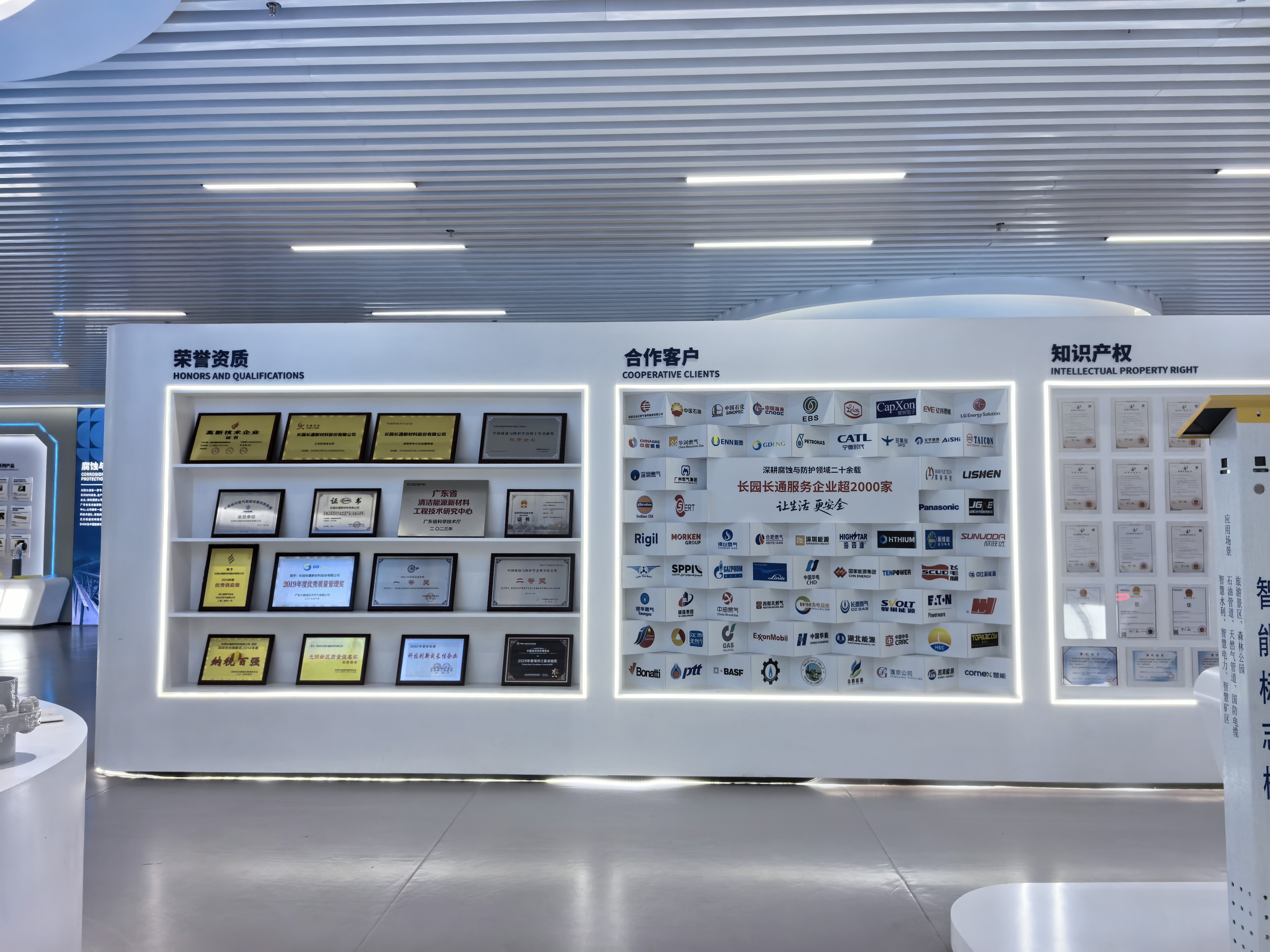
We are a stable, long-term supplier of field joint coatings for PetroChina, Sinopec, PipeChina, and China Gas Group. We also serve overseas state pipelines such as the Indian Oil Corporation, maintaining a high market share through our commitment to quality, product longevity, and localized field engineering support.
R&D Center
Quality Inspection
Production Line
Our factory utilizes state-of-the-art co-extrusion technology, combining radiation cross-linked high-density polyethylene (HDPE) backing with specialized hot-melt mastic or copolymer adhesive systems. Through high-capacity compounding, we produce wraparound sleeves with high structural uniform thickness, ensuring consistent insulation and mechanical strength.
Our advanced vertical manufacturing system allows for continuous production scheduling. Key raw materials—such as specialized polymers, adhesives, and fiberglass reinforcement materials—are processed internally or sourced from certified suppliers. This setup minimizes logistics lead times, maintains strict quality control, and offers significant cost-efficiency for international procurement projects.
Raw Material Control
Extrusion Facility
Irradiation Cross-linking
Packaging & Shipping
From the freezing conditions of Siberian gas transport networks to the scorching soil conditions of the Middle East, our wraparound heat shrink sleeves are engineered to perform reliably. Field joint coatings are customized to resist local environmental factors, such as high water tables, saline soils, and rapid temperature shifts.
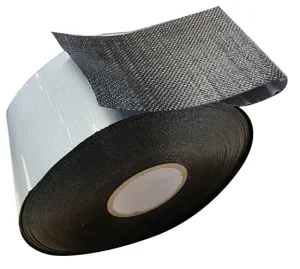
For Horizontal Directional Drilling (HDD) installations, we provide fiberglass-reinforced sleeves with exceptional abrasion resistance. These sleeves protect pipelines from mechanical damage during pulling operations through rocky soils, preventing deep scratches or gouges in the active barrier coating.
Environmental standards are driving the development of solvent-free epoxy primers and low-emission adhesives. Modern systems focus on eliminating volatile organic compounds (VOCs) to ensure worker safety during installation in enclosed spaces, such as tunnels and trench networks.
The industry is also shifting toward integrated smart inspection coatings. Future wraparound systems may feature color-changing indicator backings to confirm proper heat application, as well as embedded micro-sensors to monitor regional corrosion, cathodic shielding, and moisture ingress in real time.
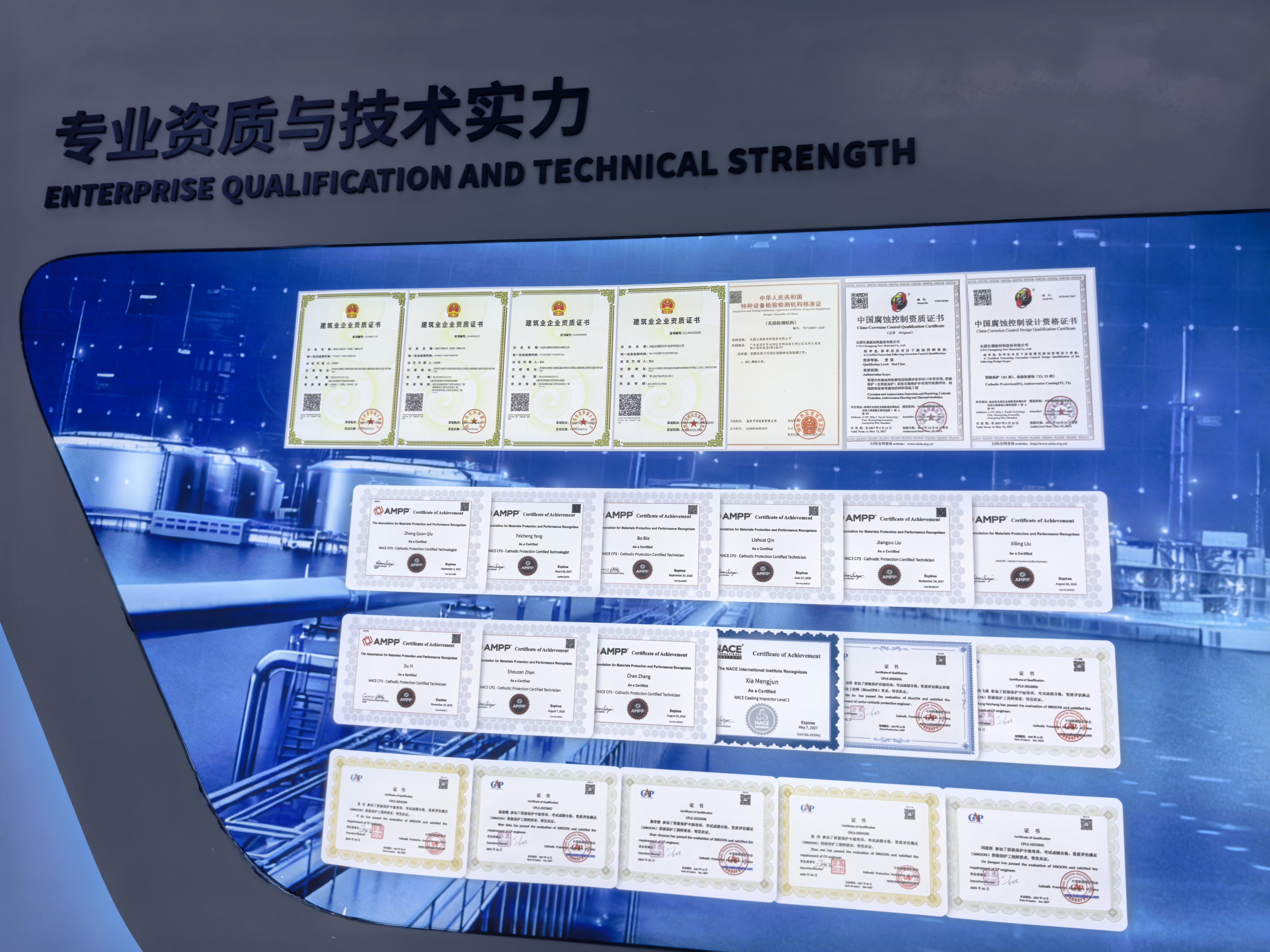
Our commitment to rigorous testing and manufacturing quality is validated by international regulatory compliance and certified safety systems.
CYCT is a Council Member of the Chinese Society for Corrosion and Protection (CSCP), holding professional Qualification Certificates for Corrosion Protection Construction and Pipeline Detection. We are a registered Corporate Member of the China Association of Petroleum Engineering Construction (CAPEC) and maintain active memberships in global industry organizations, including AMPP (Association for Materials Protection and Performance).
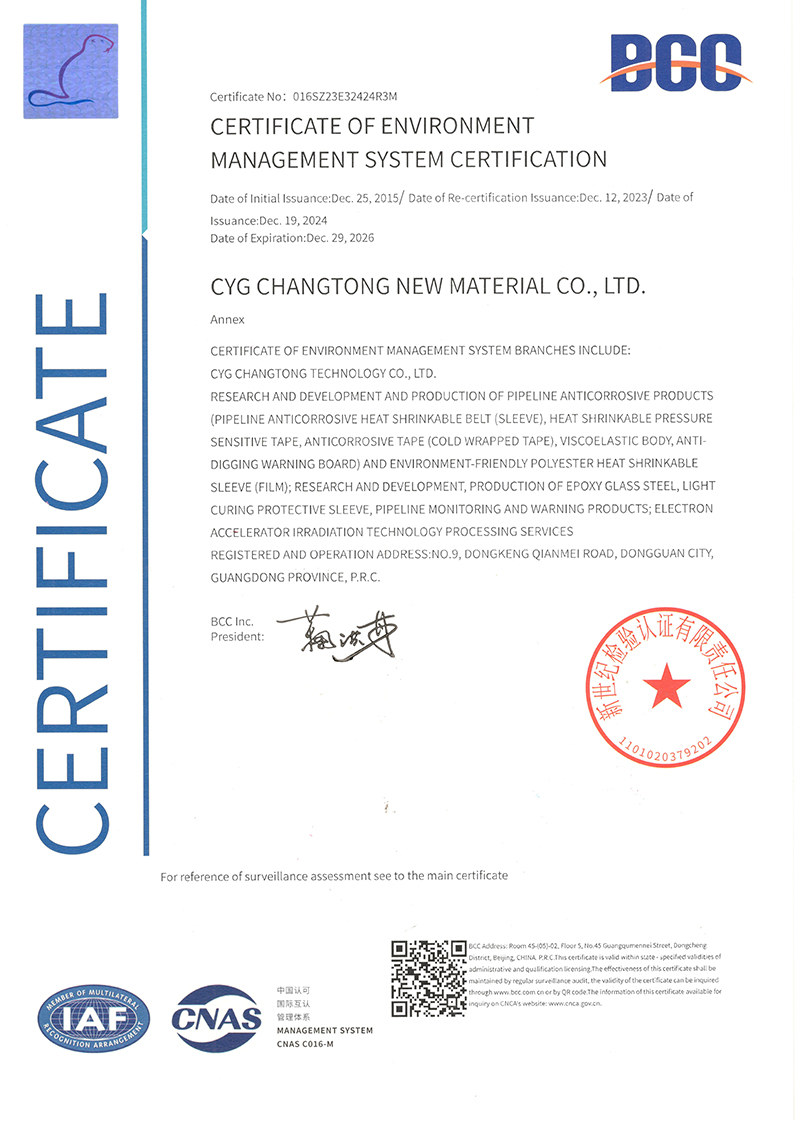
Quality Management System Certificate
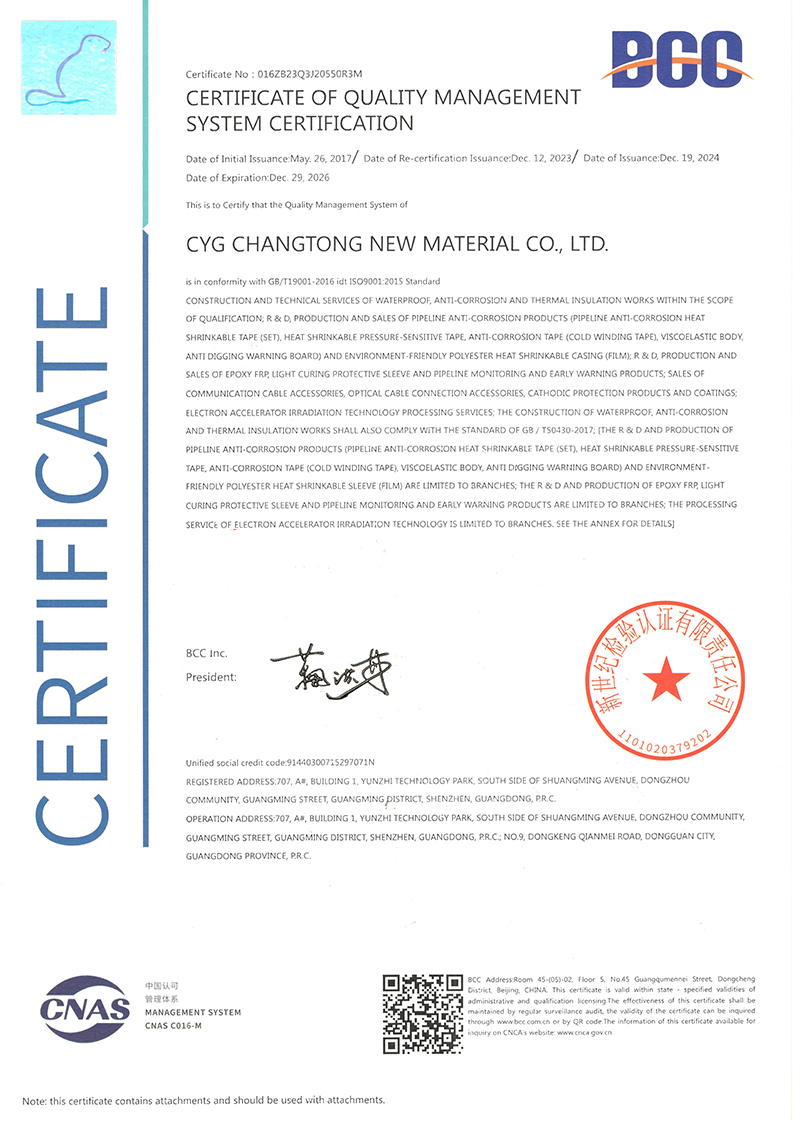
Health & Safety Certificate
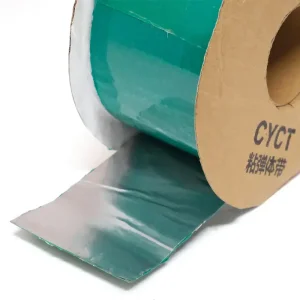
Explore our high-temperature protective tapes, repair patches, and composite reinforcement shields designed for pipeline maintenance.
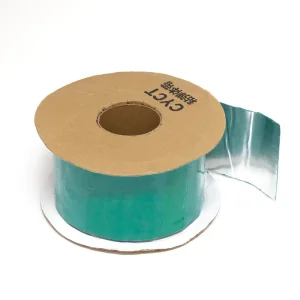
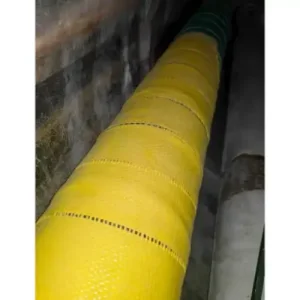
Expert answers to critical engineering, installation, and procurement questions regarding wraparound heat shrinkable sleeves.
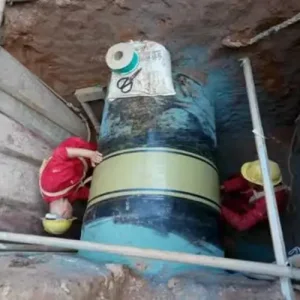
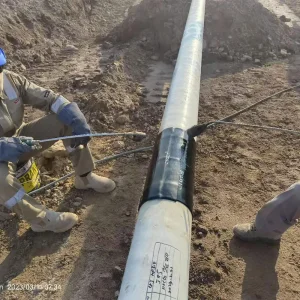
Tubular sleeves are closed cylinders that must be slid onto the pipe before welding the joint, making them unsuitable for pipeline retrofits or repair projects. Wraparound sleeves feature an open structure and a separate closure patch. This design allows them to be wrapped around the pipe joint after the weld is completed. This flexibility makes them ideal for both new field joint coatings and repairing in-service pipeline systems.
Preheating the steel substrate and adjacent factory coatings (typically between 60°C to 90°C depending on the adhesive chemistry) is essential to ensure the hot-melt mastic or copolymer adhesive flows and bonds correctly. Insufficient preheating can lead to inadequate adhesion, higher rates of cathodic disbondment, and moisture ingress underneath the backing material.
During HDD operations, the pipeline is pulled through a borehole where it is exposed to rocks, soil, and other debris. Standard PE backing materials can wear through or shear off under these conditions. Fiberglass reinforcement provides a high-strength outer layer that absorbs abrasive forces, preserving the integrity of the primary corrosion-resistant coating underneath.
Engineers should verify that materials comply with ISO 21809-3 (Categories 1A, 1B, or 2A/2B depending on thermal operating conditions) and EN 12068 Class C standards. It is also important to request reports for cathodic disbondment resistance, lap shear strength, hot water immersion tests, and indentation resistance to ensure long-term performance.
 CYCT
CYCT