Engineered to mitigate cathodic disbondment and survive extreme environmental stresses.
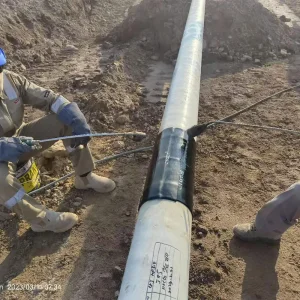
Corrosion represents one of the most critical structural threats to buried and offshore steel pipelines globally. Each year, material degradation leads to billions of dollars in operations maintenance costs, environmental impacts, and unplanned shutdowns. Selecting the correct high-performance anti-corrosion barrier is a foundational engineering mandate for modern energy infrastructure.
The pipeline anti-corrosion sector has transitioned rapidly from basic, passive barrier coatings to smart, active protection technologies. Historically, bitumen and coal tar wraps dominated the market, but environmental limitations and mechanical degradation under soil stress led to their obsolescence. Today, the industry prioritizes highly engineered polymeric materials featuring multi-layered systems.
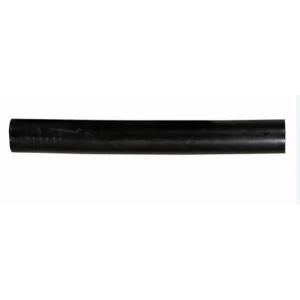
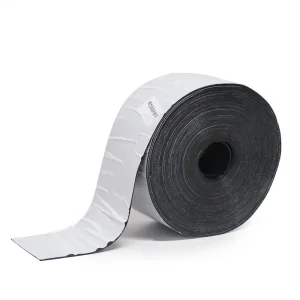
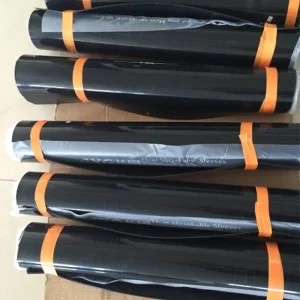
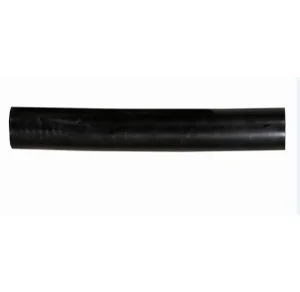
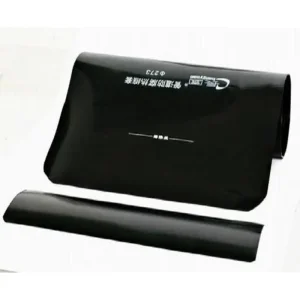
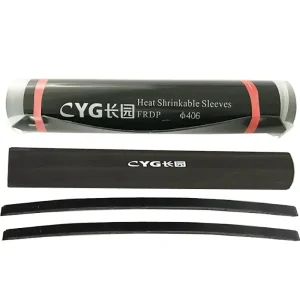
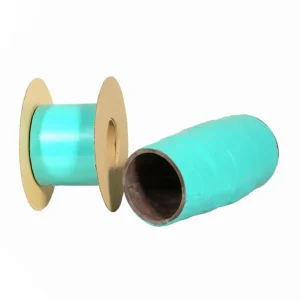
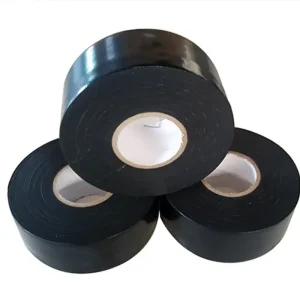
Key materials like viscoelastic tapes, high-performance polyethylene (PE) cold-applied tapes, and polypropylene (PP) heat shrinkable sleeves are driving growth. These systems exhibit outstanding cold flow characteristics, self-healing properties, and exceptional mechanical resistance. As major transmission pipelines stretch across harsh, remote territories—from the sub-zero temperatures of Arctic zones to extreme desert climates—material systems must demonstrate superior resistance to cathodic disbondment and continuous thermal cycling up to 85°C and beyond.
Viscoelastic materials flow into microscopic surface imperfections, actively repair minor mechanical damages, and prevent water ingress.
Excellent adhesion properties minimize current leakage, ensuring absolute compatibility with active cathodic protection systems.
Engineered compounds sustain stable mechanical structures and high shear resistance at design temperatures up to 85°C.
Engineering, Procurement, and Construction (EPC) companies, pipeline operators, and utility managers operate in a highly regulated landscape. Modern procurement requires manufacturers to serve as technical design partners rather than simple transactional vendors. OEM tape manufacturers must support custom thicknesses, variable backing-to-adhesive ratios, specific chemical formulations (e.g., customized viscoelasticity values or backing configurations), and tailor-made packaging configurations to withstand marine transport and harsh field site storage conditions.
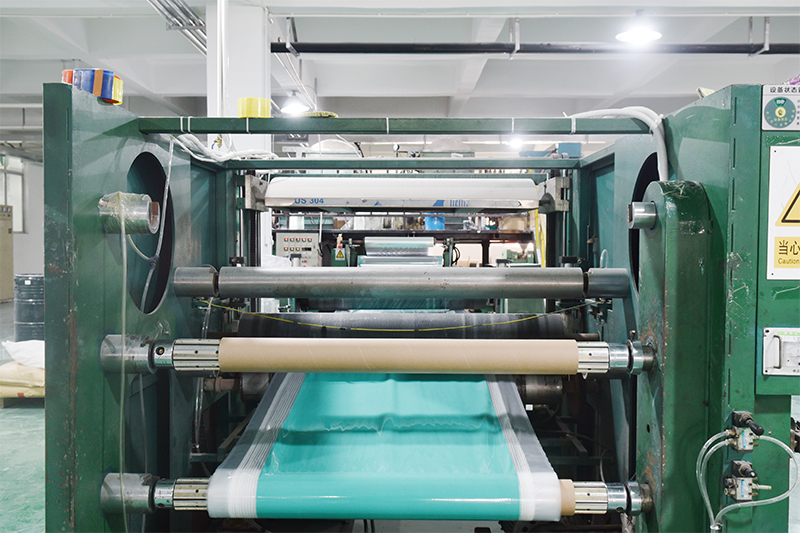
Furthermore, supply chain resilience is a critical parameter. Procurement directors actively look for direct-to-factory partnerships to reduce structural costs and assure high-volume shipping consistency. With mega-projects requiring thousands of field joints, the supply chain cannot afford delivery delays. Reliable manufacturers with high-volume, automated production lines, such as CYCT, ensure project lifecycles stay on schedule.
No single anti-corrosion system fits all installation environments. Standard engineering practices demand a suite of tailored materials depending on pipeline depth, environment, and physical stresses:
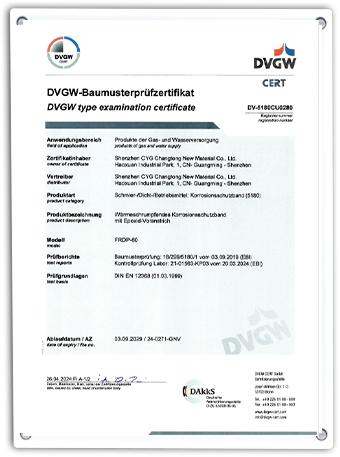
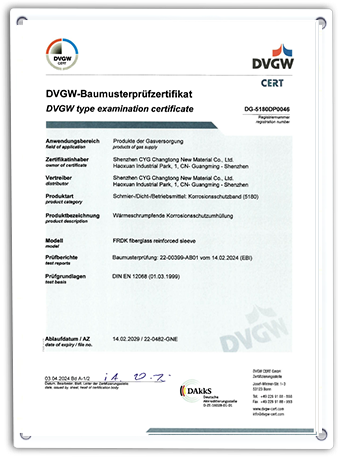
In high-risk engineering environments, reliability and authority must be backed by third-party testing and global standards. Anti-corrosion materials must pass rigorous testing criteria specified by international standards like ISO 21809-3, EN 12068, and NACE SP0169.
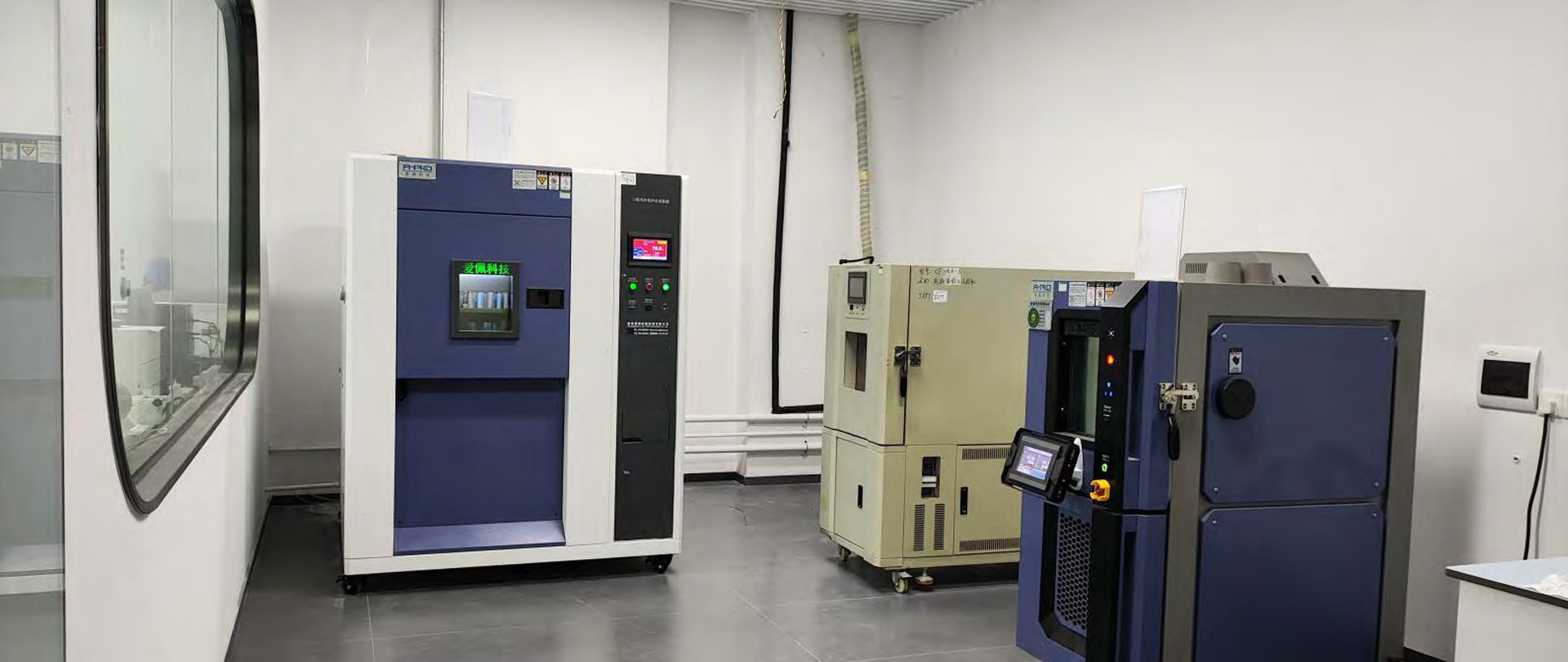
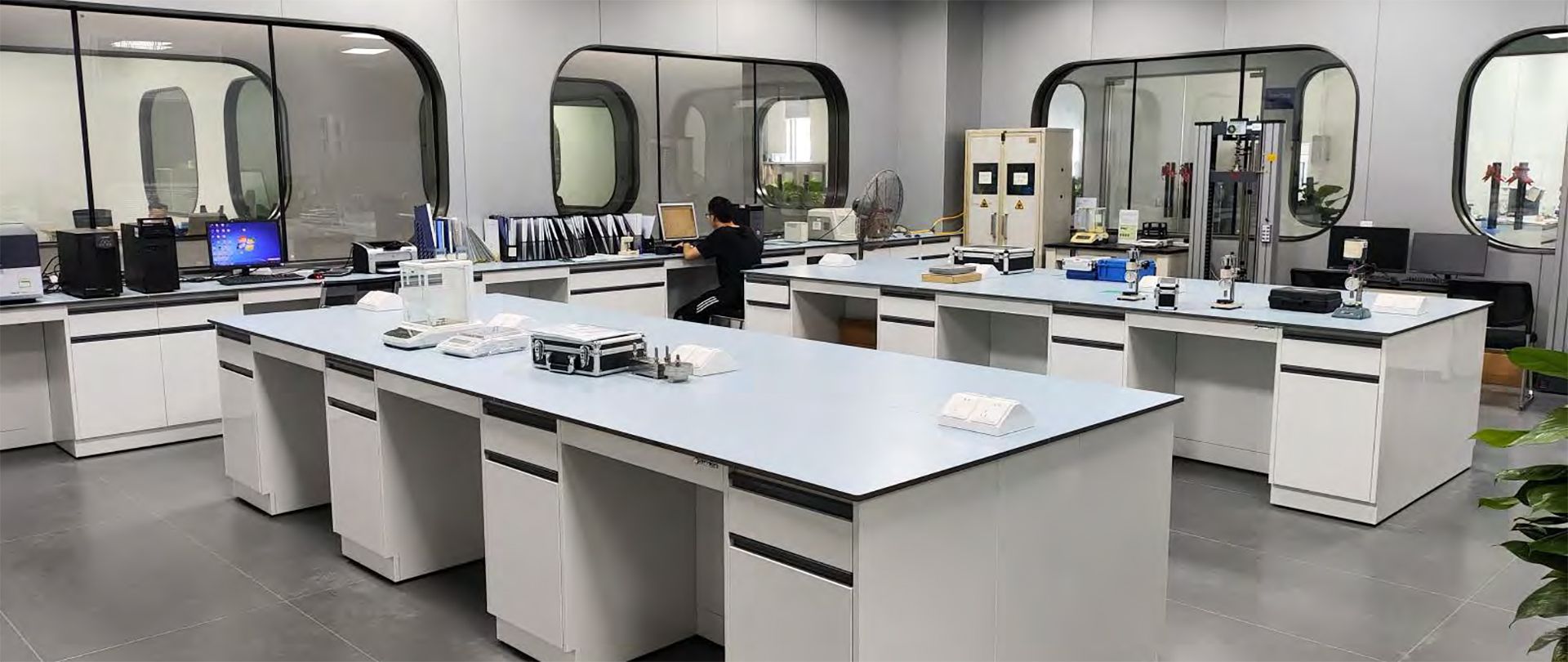
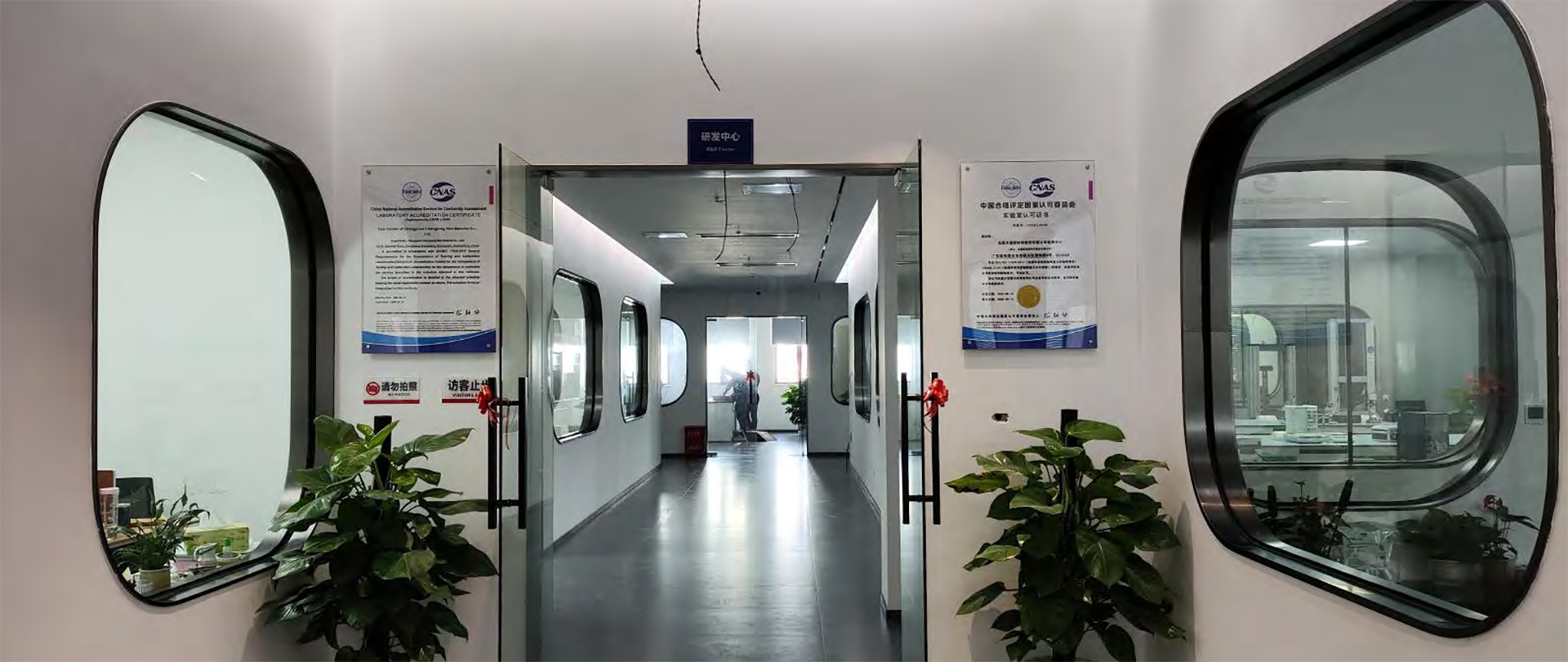
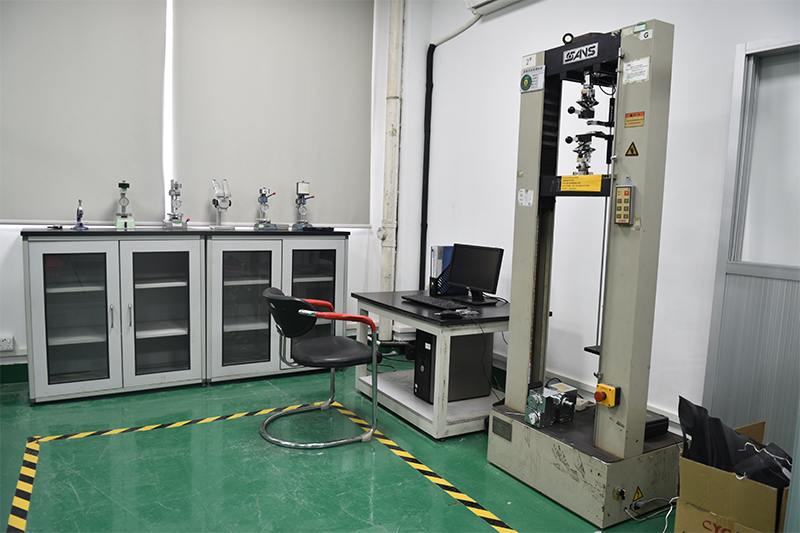
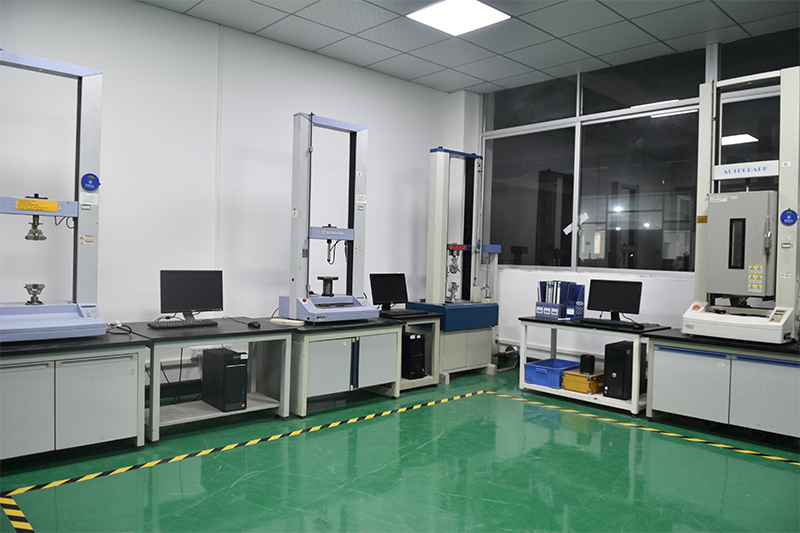
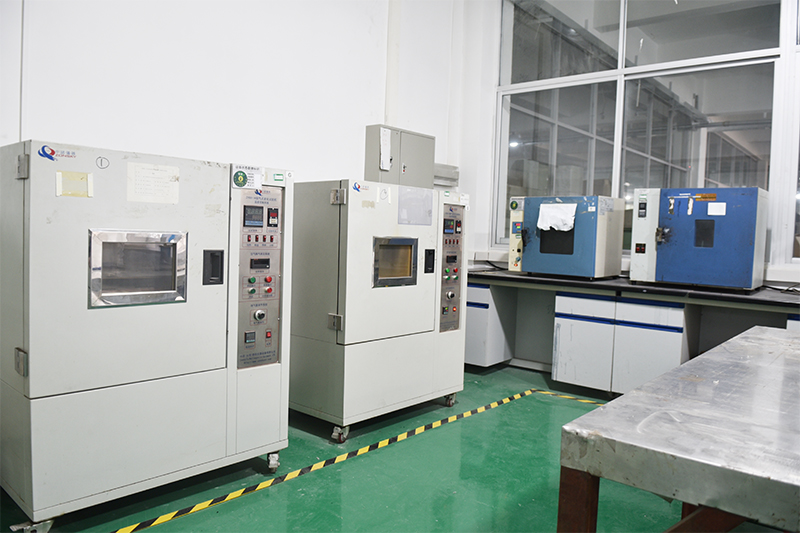
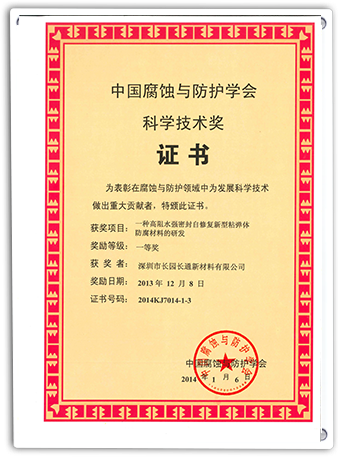
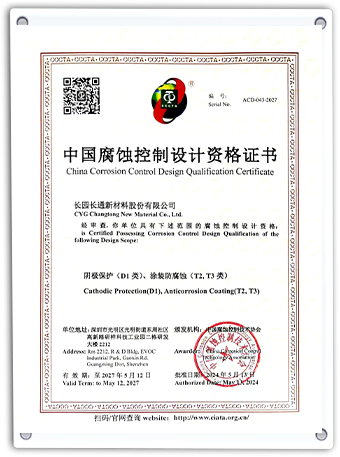
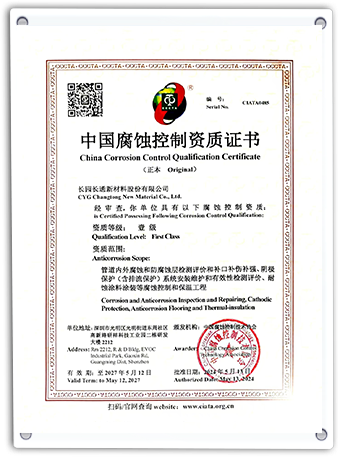
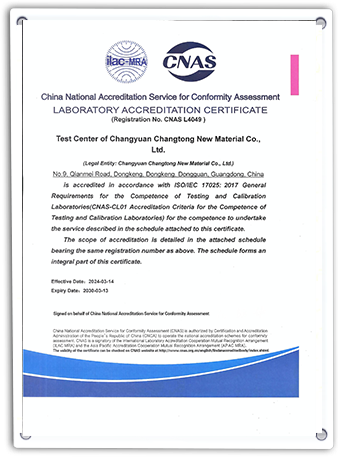
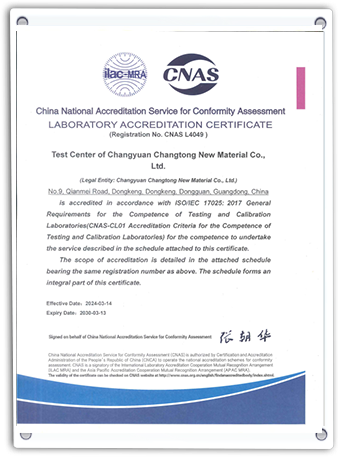
As an established industry authority, CYCT is a Member of the Council in the Chinese Society for Corrosion and Protection (CSCP) and a Corporate Member of the China Association of Petroleum Engineering Construction (CAPEC). Our in-house research facility features a national CNAS-accredited laboratory, allowing our engineers to conduct localized testing under real-world simulations. Aligning with AMPP (Association for Materials Protection and Performance) methodologies, we maintain stable vendor relationships with premier oil and gas operators, including PetroChina, Sinopec, PipeChina, China Gas Group, and Indian Oil.
The next generation of corrosion protection focuses on digital integration and eco-friendly chemistry. We are currently researching smart coatings embedded with micro-sensors to monitor regional cathodic protection currents, stress changes, and local moisture levels in real time.
Simultaneously, we are developing bio-based adhesive polymers that reduce volatile organic compound (VOC) emissions during production and field application, supporting global environmental mandates without sacrificing mechanical performance. Our strategic alignment with the Clean Energy Research Center and the CNPC Pipeline Science Research Institute keeps us at the forefront of sustainable pipeline design.
A trusted legacy in material science and infrastructure protection since 2000.
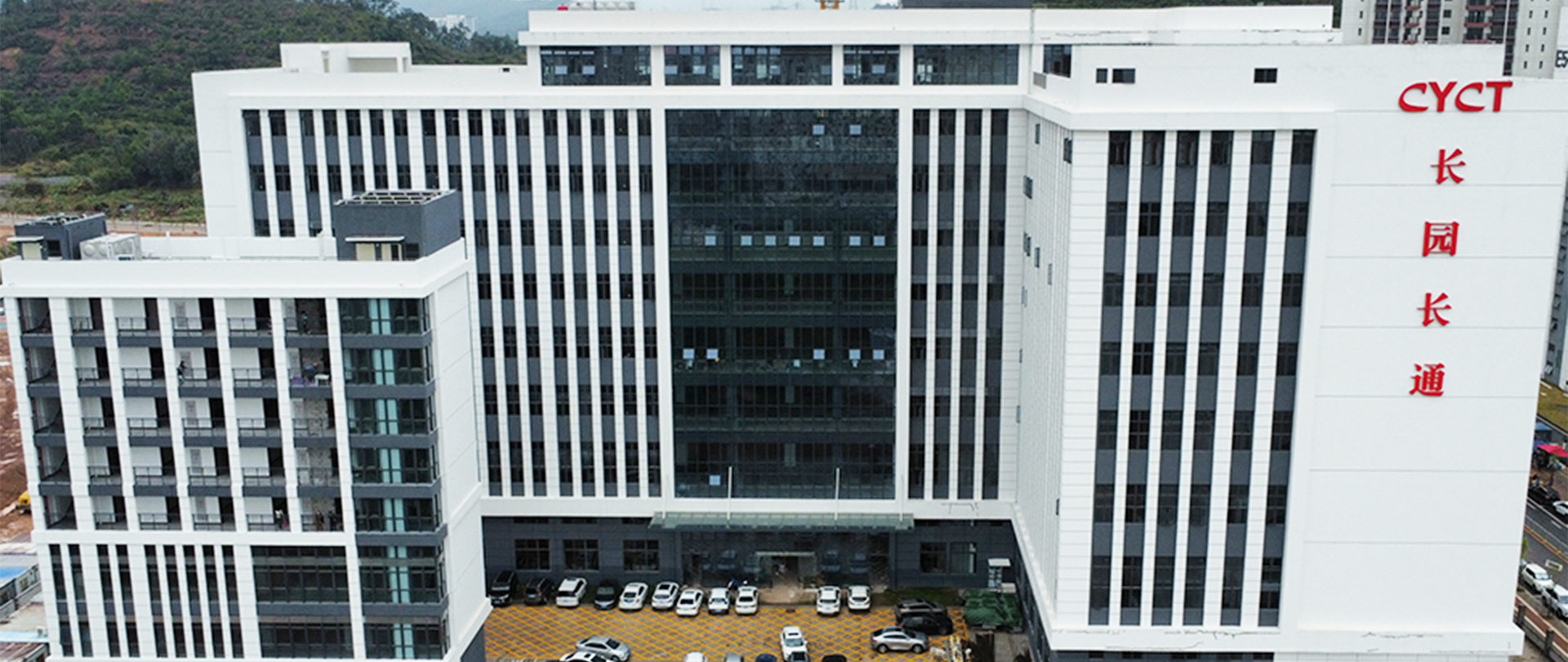
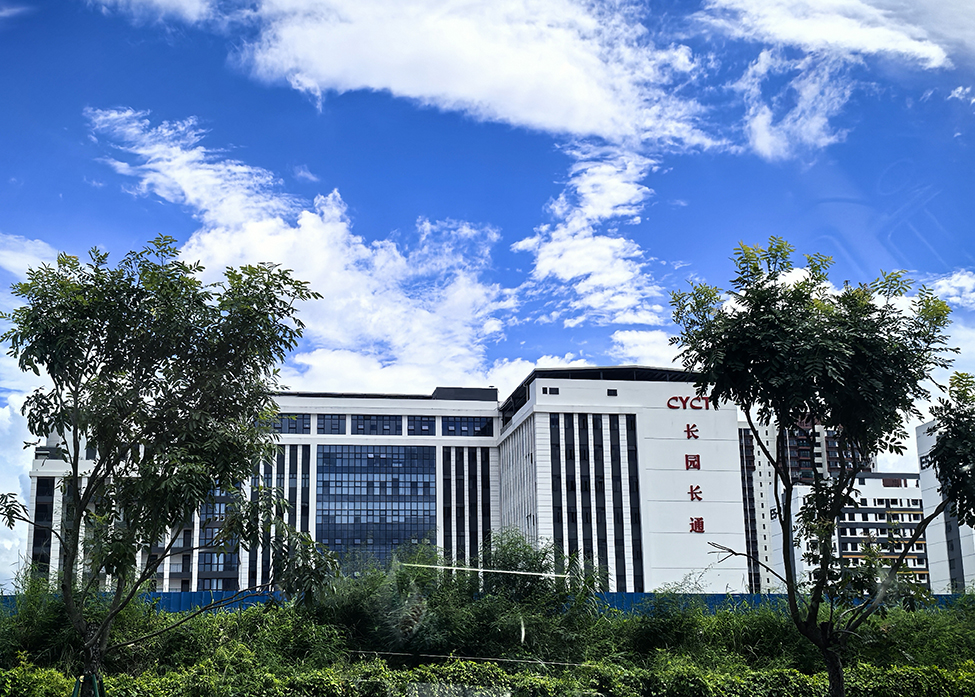
CYCT New Materials Company Limited (for short, CYCT) is a state-level high-tech enterprise integrating R&D, production, and sales of pipeline corrosion protection materials. We also offer specialized buried pipeline detection services and pipeline coating field application services.
For decades, CYCT has dedicated itself to the technical advancement of pipeline integrity. Collaborating closely with prestigious research institutions like the CNPC Pipeline Science Research Institute, we provide tailored engineering solutions for operational pipelines, including cathodic protection design, pipeline rehabilitation, and safety management.
We maintain a high market share in key pipeline infrastructure networks. Beyond traditional heat-shrinkable materials, CYCT has successfully introduced advanced specialty items, including viscoelastic anti-corrosion tapes, photo-curing sleeves for Horizontal Directional Drilling (HDD) protection, and high-durability polyurea coatings.
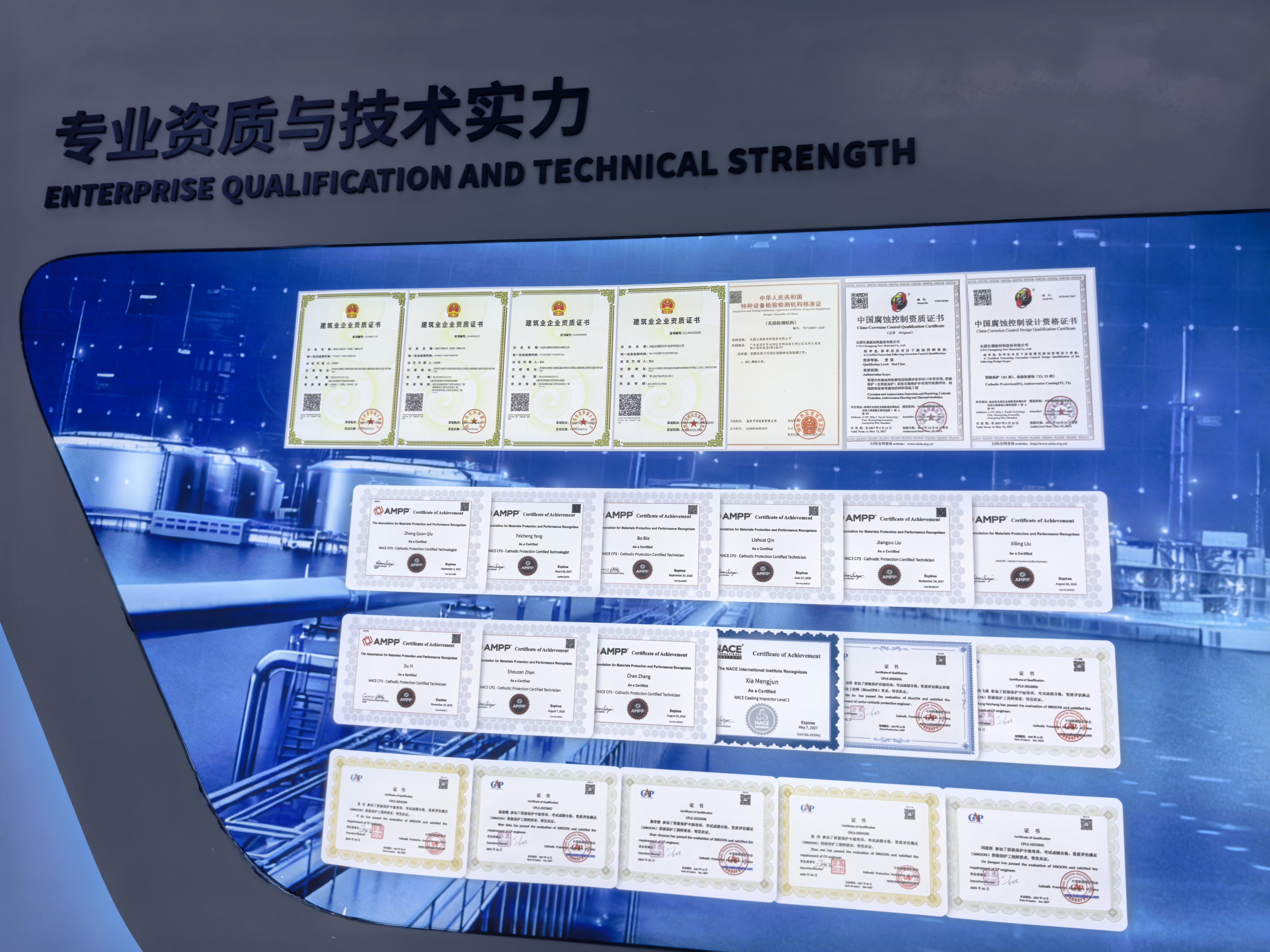
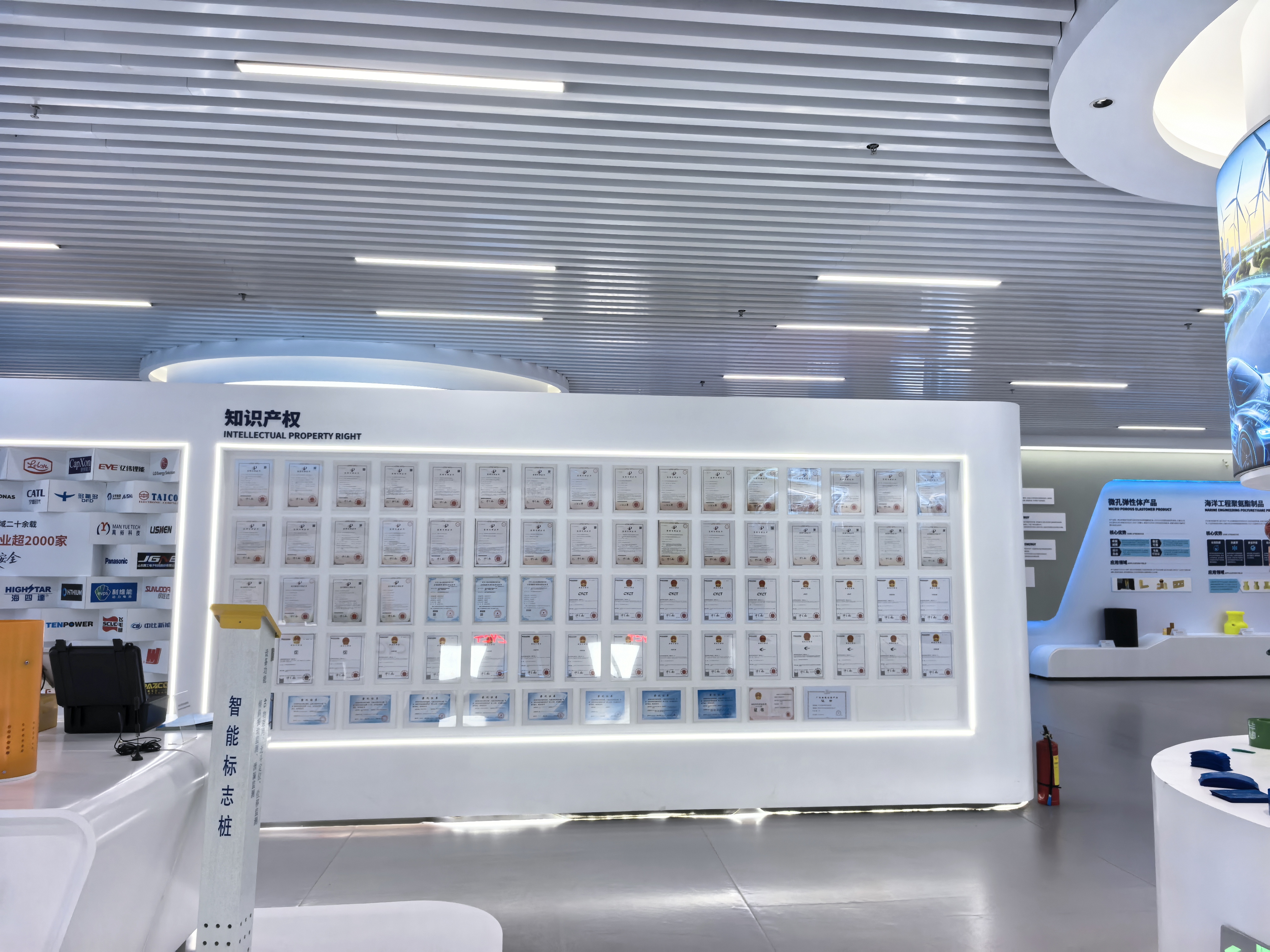
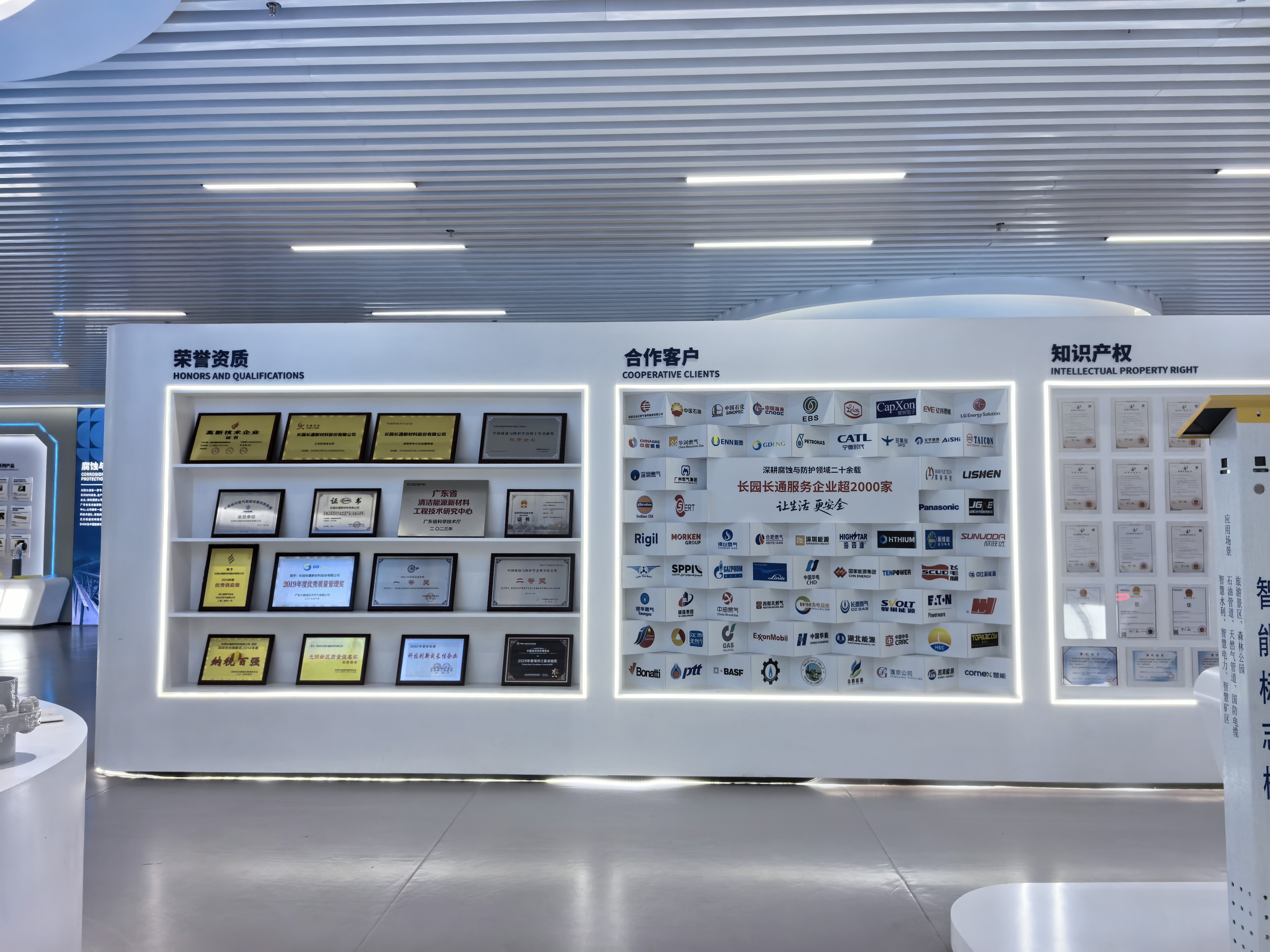
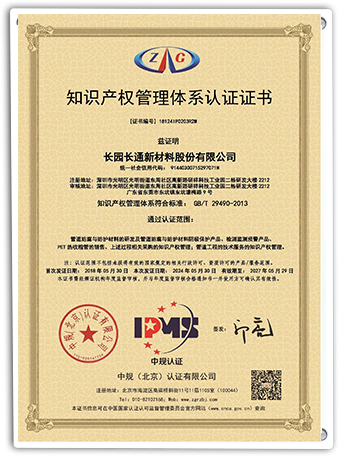
We maintain absolute compliance with international quality, environmental, and occupational safety frameworks.
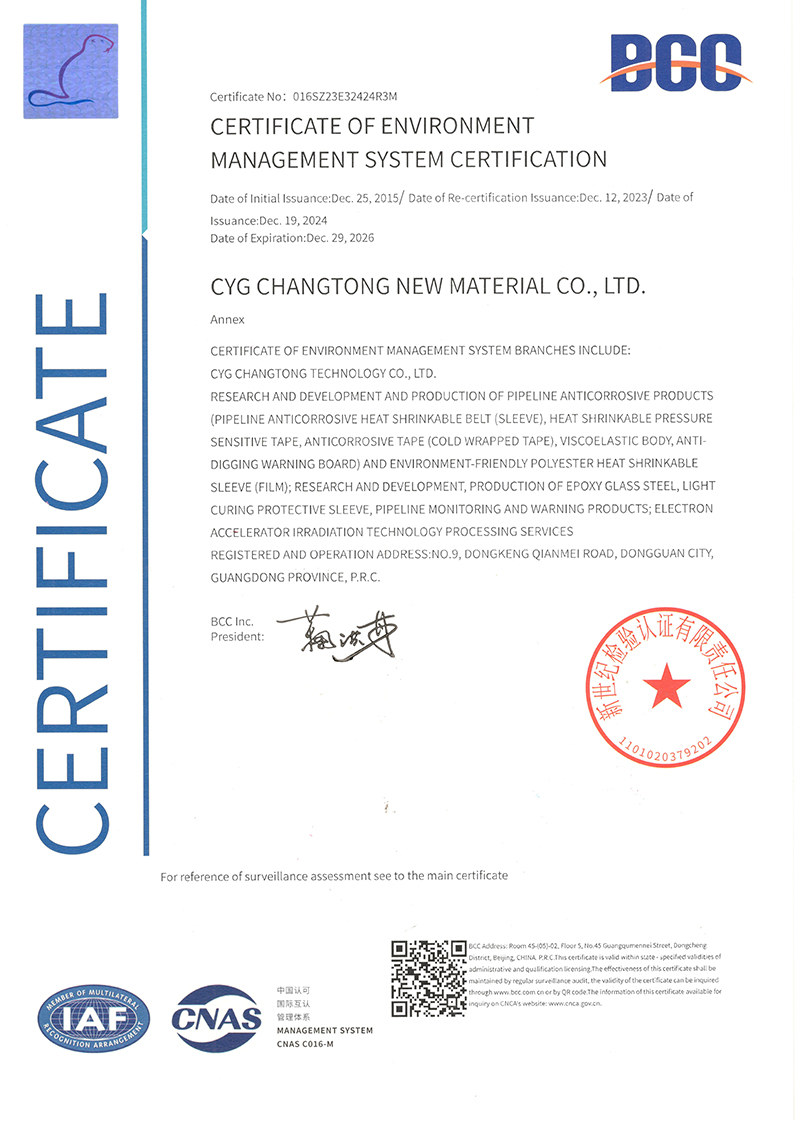
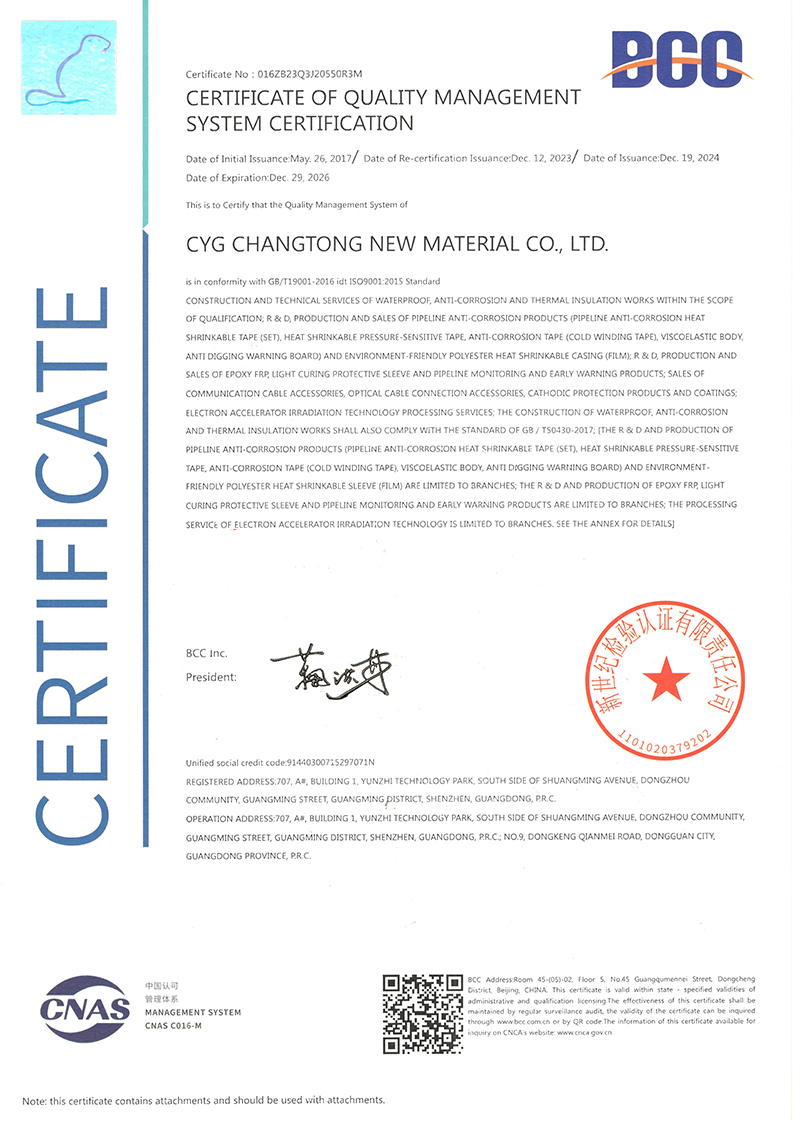
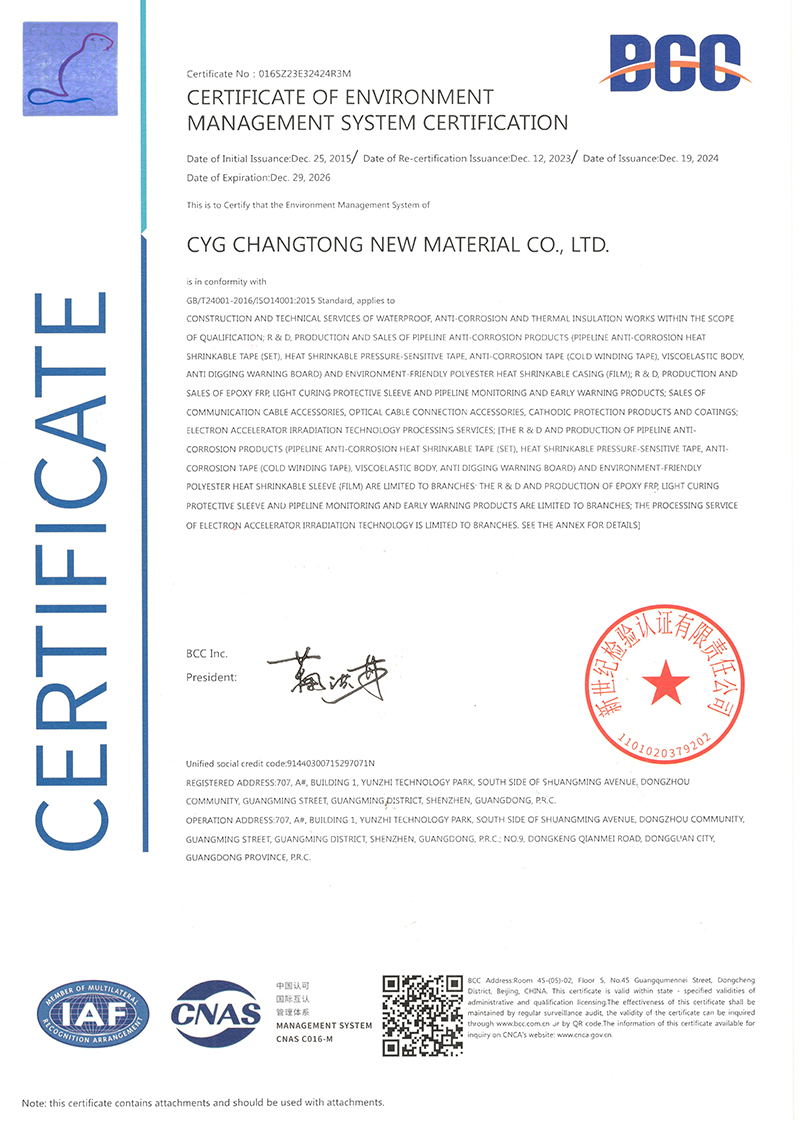
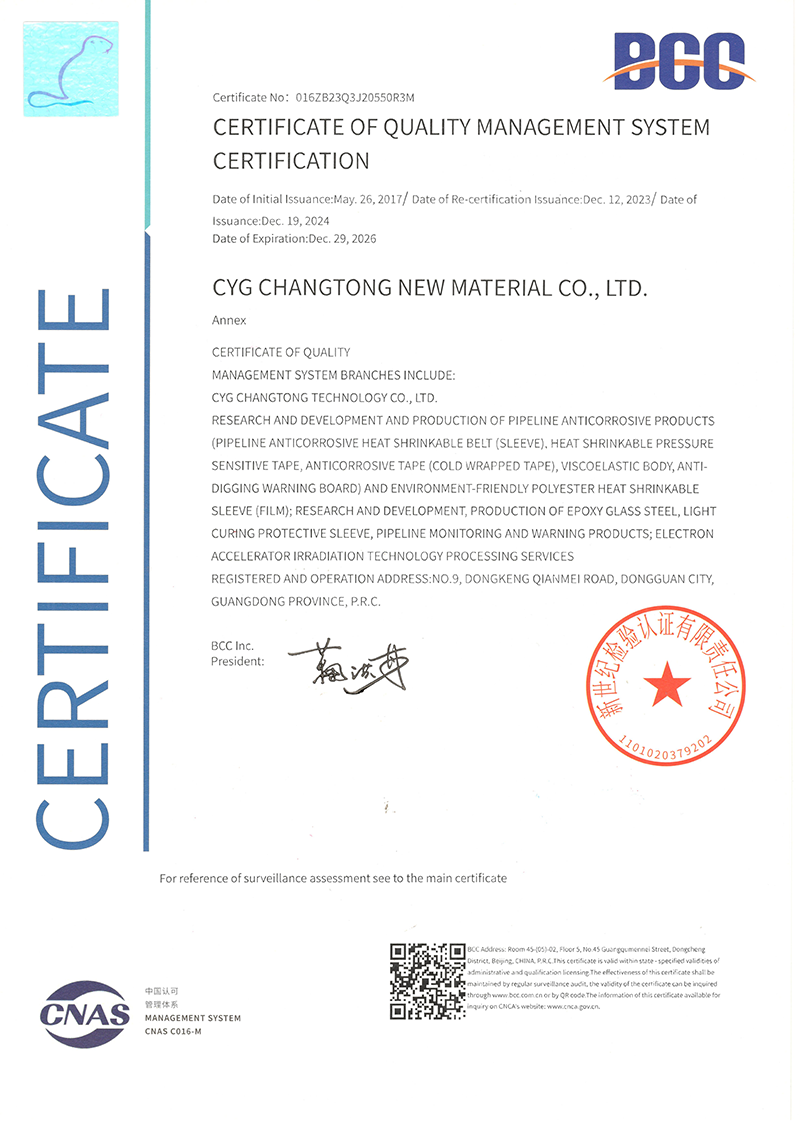
Key engineering queries concerning pipeline anti-corrosion tape design, selection, and field application.
Designed for pipeline defects, field repairs, and high-performance reinforcement projects.
 CYCT
CYCT