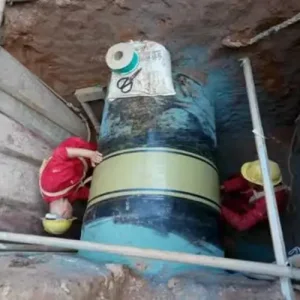
Explore our premium range of factory-grade anti-corrosion adhesive tubing, protective outer tapes, and hot melt repair formulations tailored for critical pipeline applications.
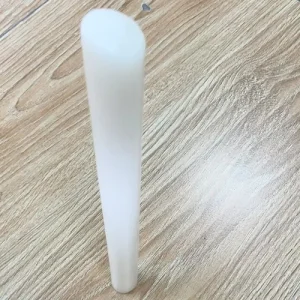
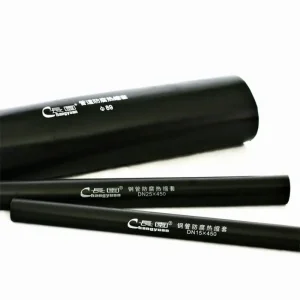
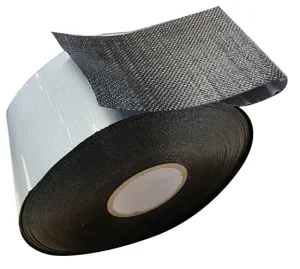
An in-depth whitepaper analysis of corrosion mitigation technologies, polymer dynamics, and thermal dynamics in harsh pipeline environments.
Adhesive tubing and corrosion protection layers form the frontline defense for global infrastructure. In high-stakes operations such as subsea gas extraction, trans-continental petrochemical distribution, and major civil municipal engineering networks, structural failures induced by atmospheric, galvanic, or microbiological corrosion can cause catastrophic financial losses and severe environmental damage.
The transition from basic protective wraps to advanced multi-layer systems (specifically 3-Layer Polyethylene (3LPE) and 3-Layer Polypropylene (3LPP) coatings) has set new standards for pipeline durability. These environments demand repair materials like hot-melt adhesive sticks and heat-shrink sleeves that can match or exceed the parent coating's thermal, mechanical, and chemical thresholds.
“As pipelines push into higher temperature ranges and high-shear geotechnical zones, specialized hot-melt formulations and high-density polyolefin heat-shrink sleeves are required to maintain continuous, void-free barriers.”
Polypropylene (PP) and Polyethylene (PE) materials behave differently under mechanical stress and temperature cycles. Understanding these variations is essential for choosing the right coating system:
| Polymer Type | Design Temperature Range | Shear & Impact Resistance | Primary Application Fields | Failure Modes Addressed |
|---|---|---|---|---|
| Polypropylene (PP / 3LPP) | -20°C to +110°C / 120°C | Exceptionally High (Hard) | Deepwater Offshore, High-Temp Gas Lines | Soil Stress, High-temp Delamination, Hydrolysis |
| Polyethylene (PE / 3LPE) | -40°C to +85°C | High (Flexible, Ductile) | Cross-Country Onshore, Water Mains | Cathodic Disbondment, Microbial Attack, Cracking |
| Fiberglass Reinforced | Engineered per application | Extreme Structural Strength | Horizontal Directional Drilling (HDD) | Severe Mechanical Abrasion, Rock Gouging |
Custom formulations for adhesive tubing must address three primary performance metrics:
Tailored engineering packages designed to secure key assets across complex operational conditions.
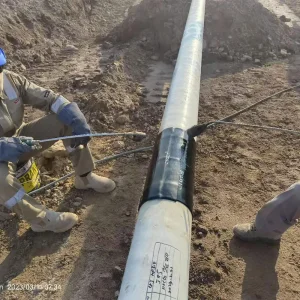
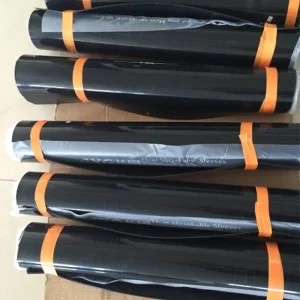
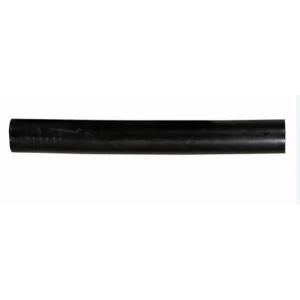
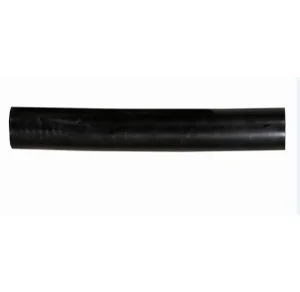
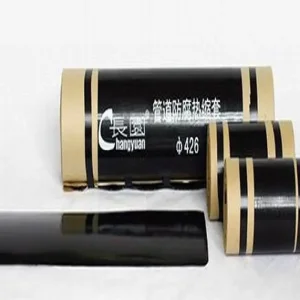
Girth welds represent the most vulnerable areas on coated steel pipelines. Our heat-shrinkable sleeves, available in wraparound and tubular styles, provide a continuous barrier that matches the performance profile of factory-applied 3LPE or 3LPP coatings.
Horizontal Directional Drilling (HDD) subjects coatings to high shear and abrasion forces. Fiberglass-reinforced sleeves provide structural reinforcement to protect parent coatings from mechanical damage during pulling operations.
Our repair patches and co-polymer hot-melt sticks repair pipeline damage incurred during transit or installation. These materials restore the protective coating's barrier properties without requiring recoating of the entire pipe section.
Founded in 2000: State-level high-tech enterprise pioneering high-performance pipeline corrosion protection solutions.
CYCT New Materials Company Limited (for short, CYCT) is a state-level high-tech enterprise integrating R&D, production and sales of pipeline corrosion protection materials as well as buried pipeline detection service and pipeline coating field application service into one.
CYCT has dedicated itself to the R&D, production, and sales of pipeline corrosion protection materials for decades. The company is a stable supplier of field joint coatings for PetroChina, Sinopec, PipeChina, and local networks, holding a strong market share. We have developed and introduced specialized corrosion protection systems, including visco-elastic materials, photo-curing sleeves for HDD protection, and polyurea coatings.
By collaborating with research institutions such as the CNPC Pipeline Science Research Institute, CYCT provides pipeline technical services, including buried pipeline detection, design schemes, cathodic protection, rehabilitation projects, and integrated pipeline safety solutions.
Our facilities are designed to maintain high quality control standards, ensuring that every batch of adhesive tubing, hot melt sticks, and heat-shrink sleeves meets international standards.
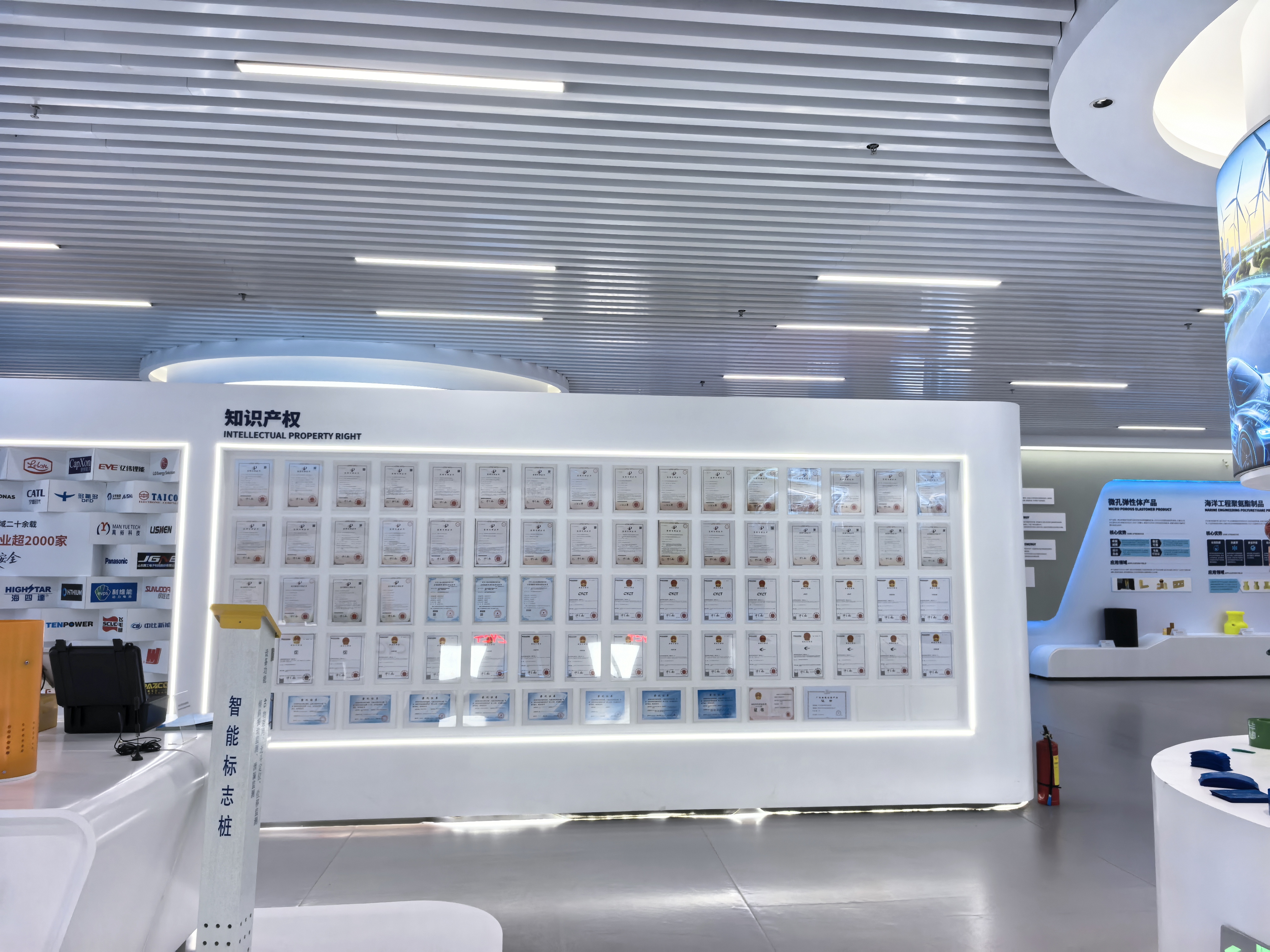
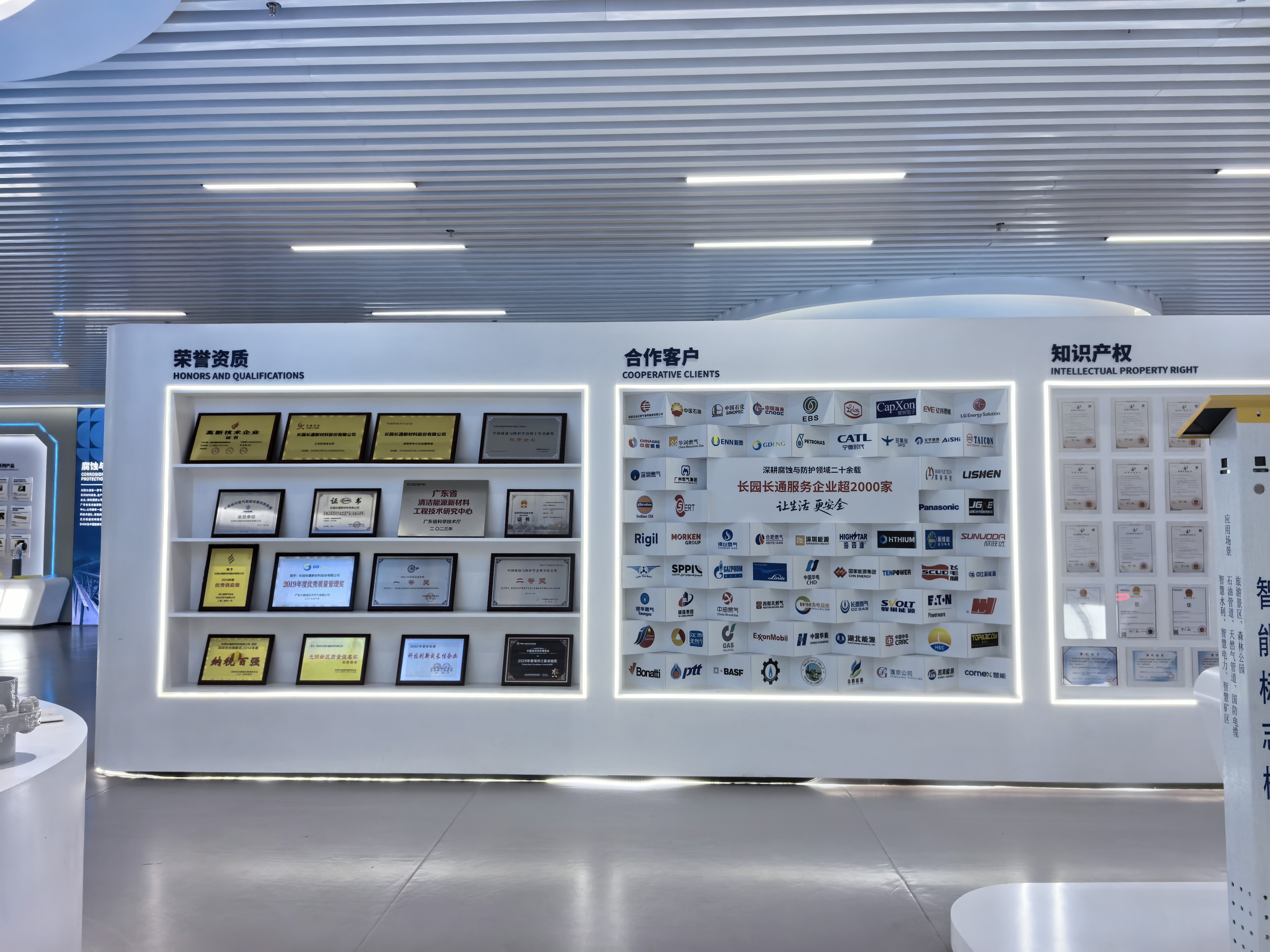
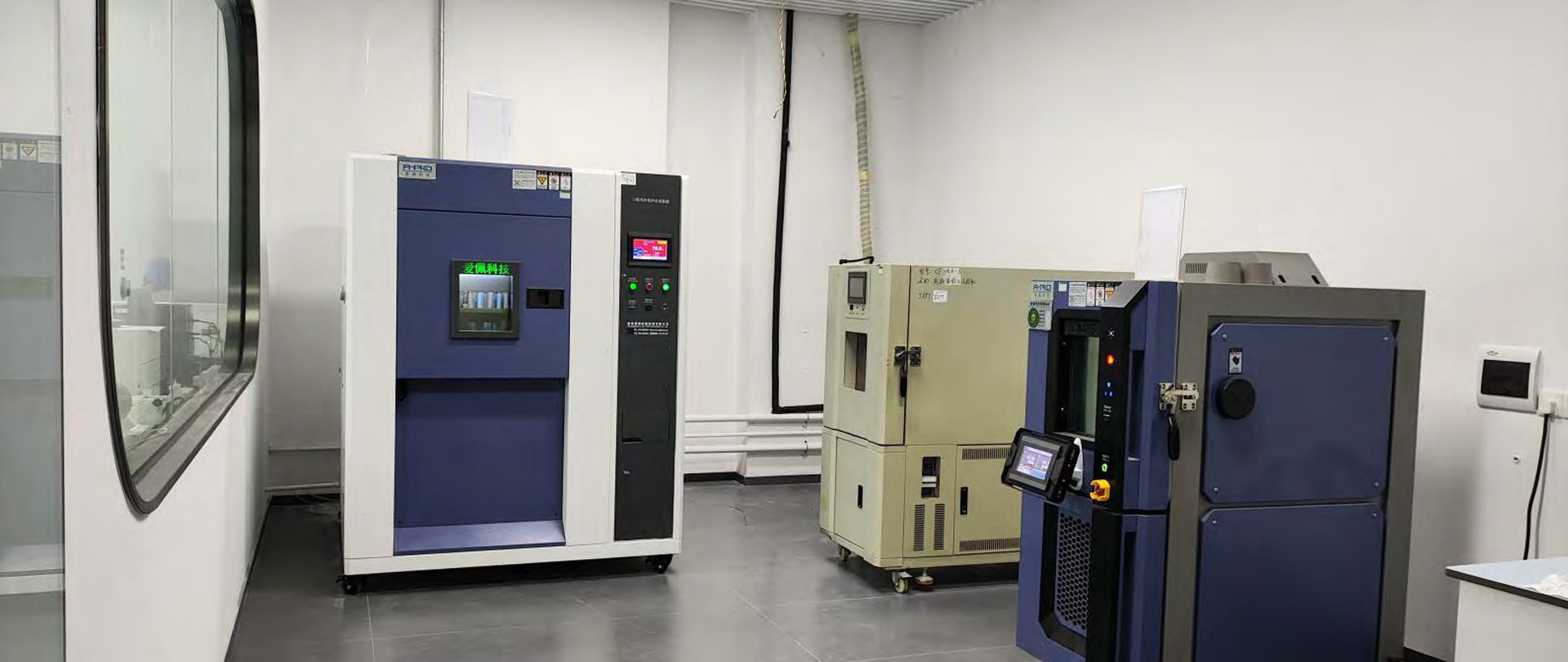
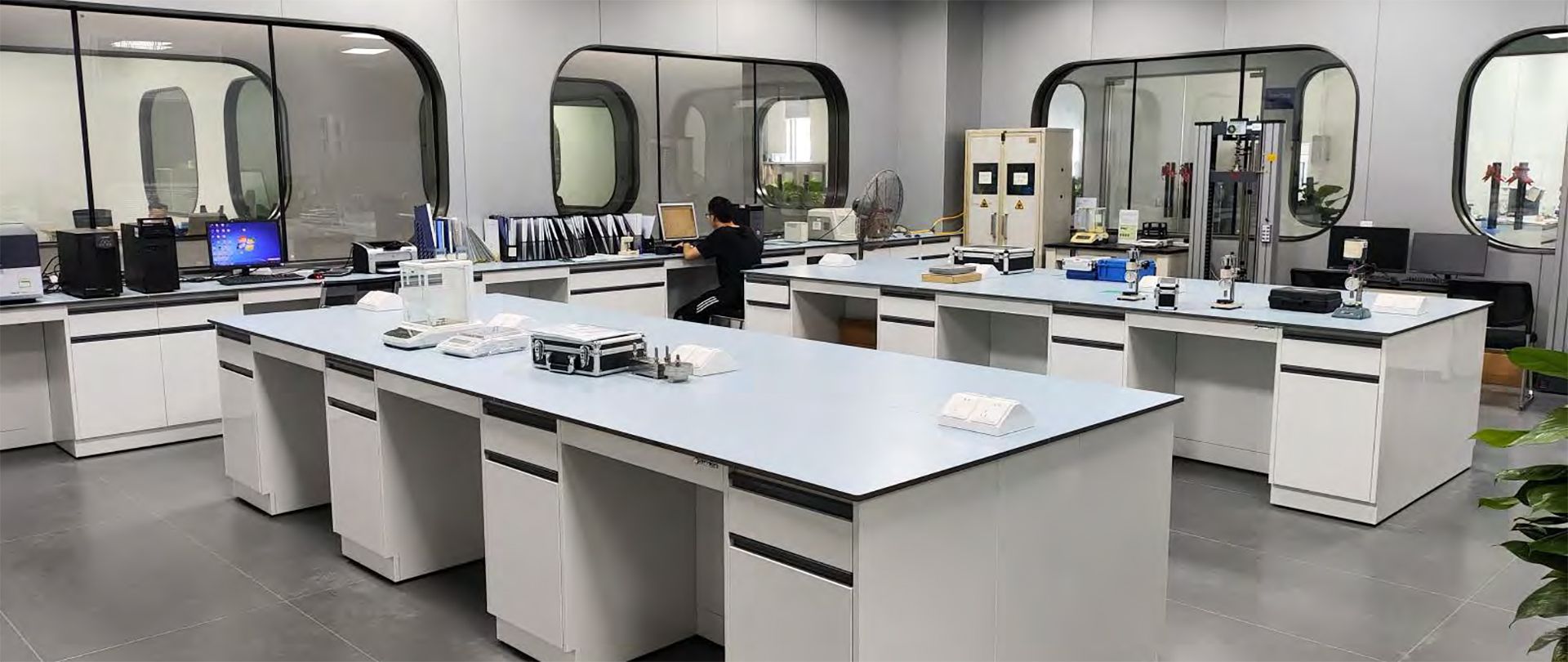
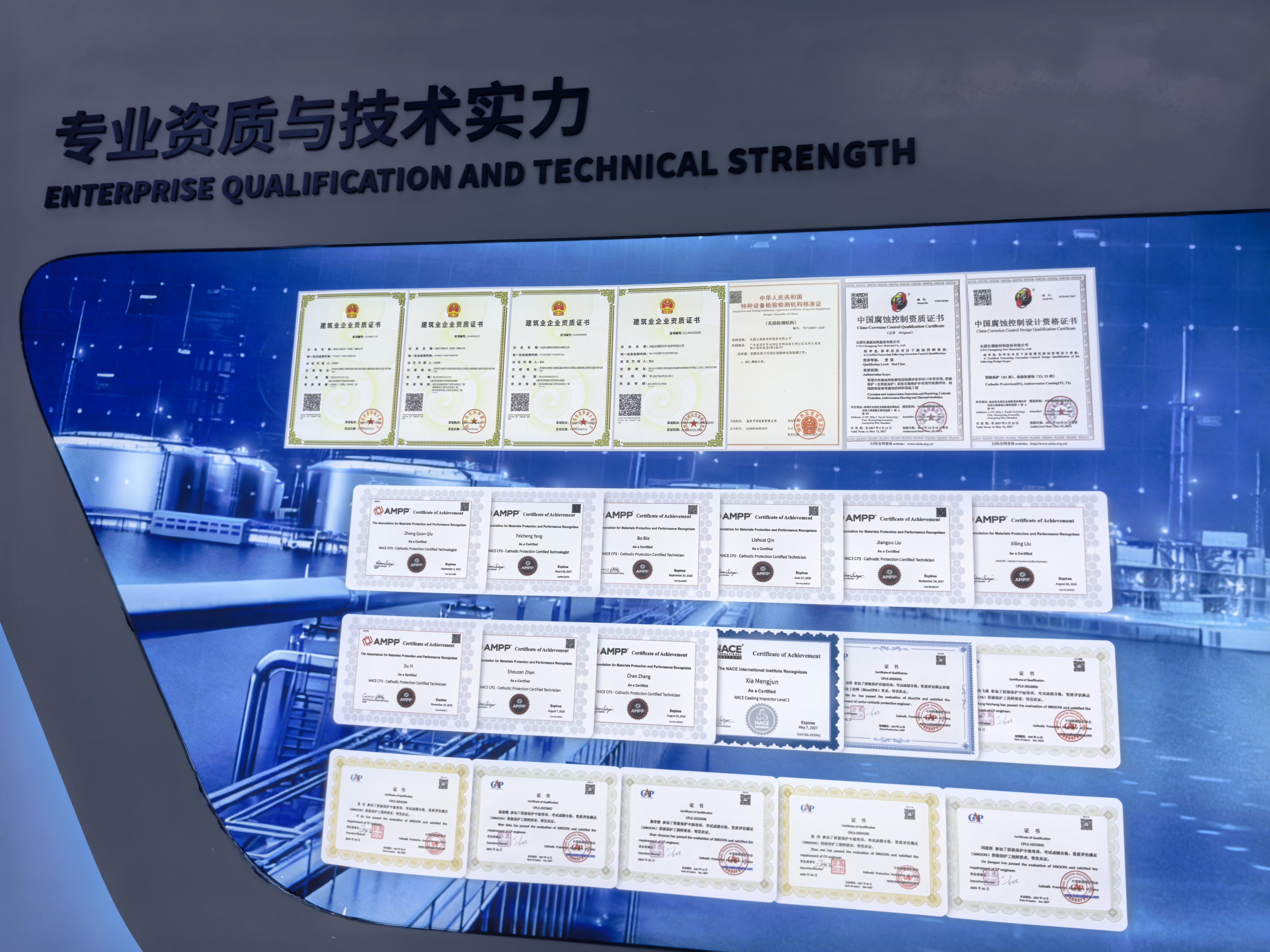
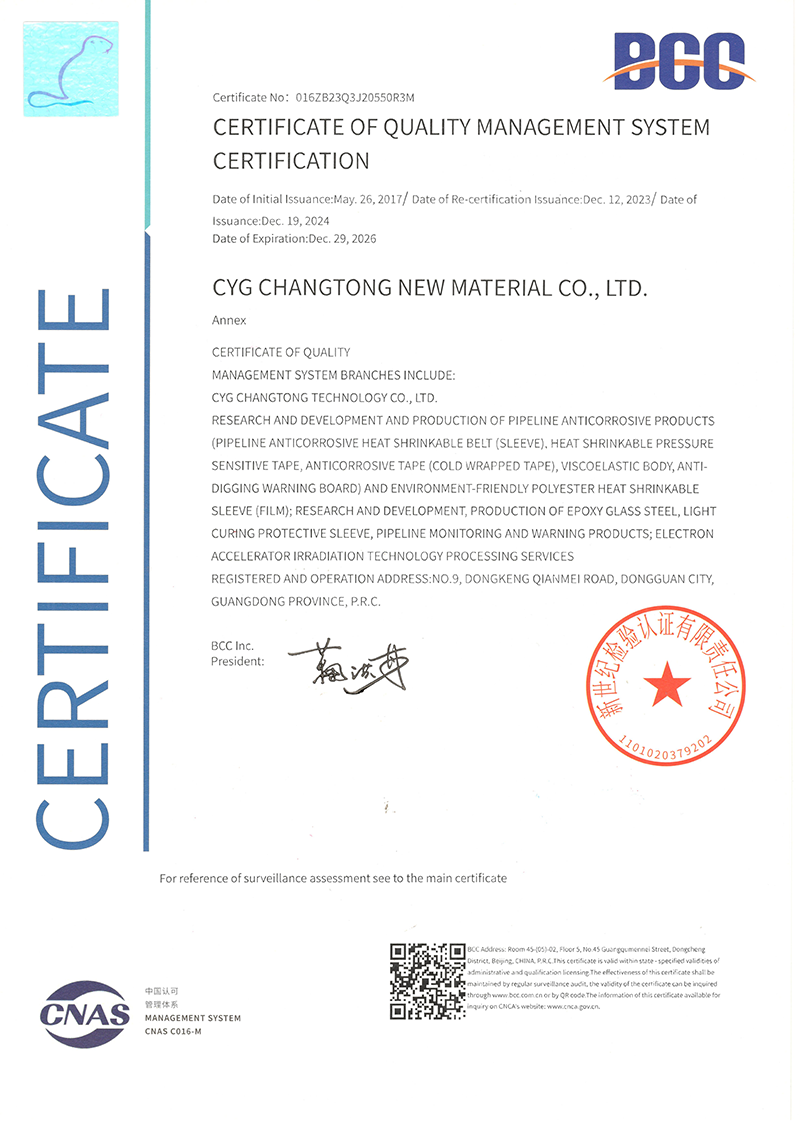
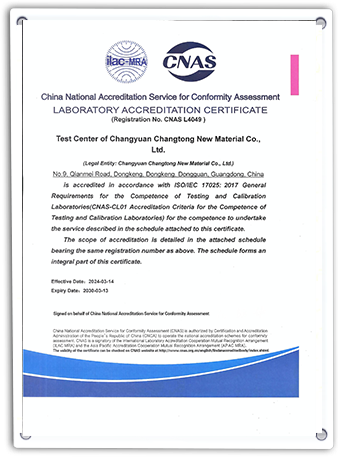
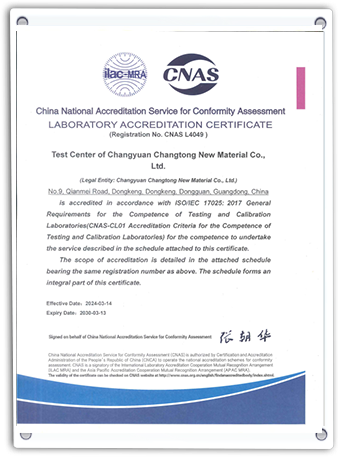
Technical Competence Notice: CYCT owns advanced testing and R&D capabilities, a professional R&D team, and a national CNAS-accredited laboratory, ensuring compliance with ISO, ASTM, and EN standard requirements.
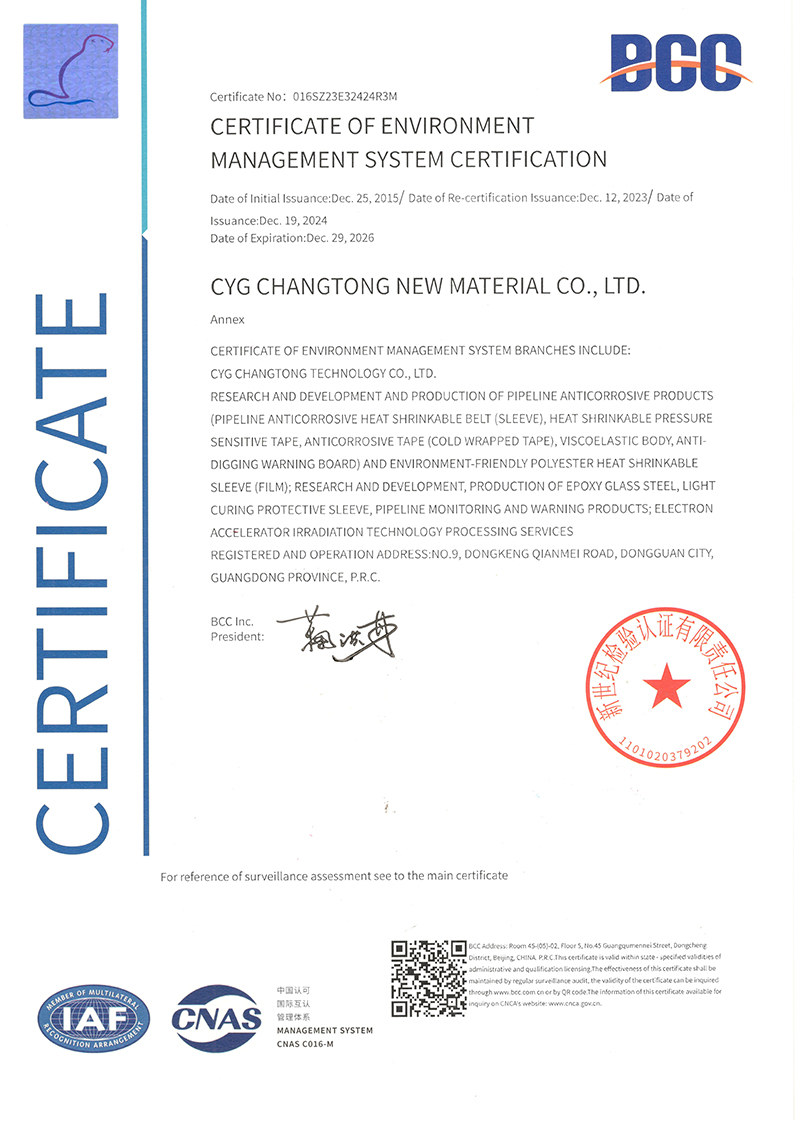
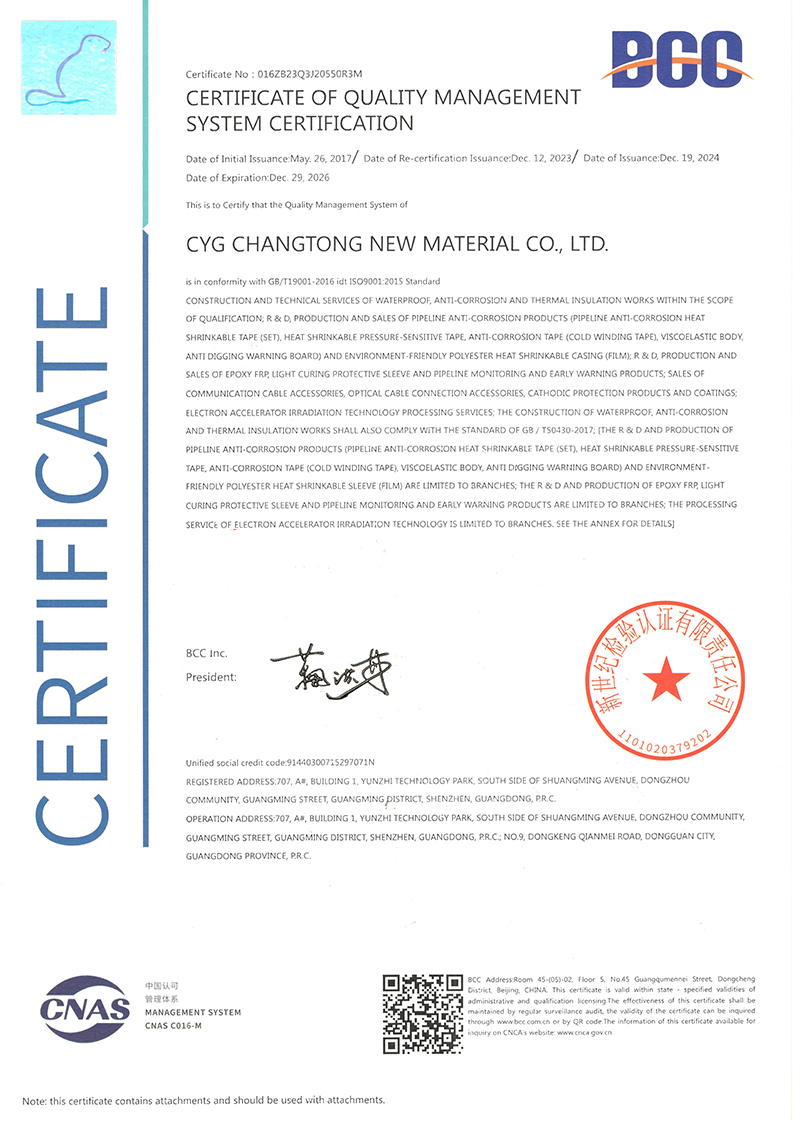
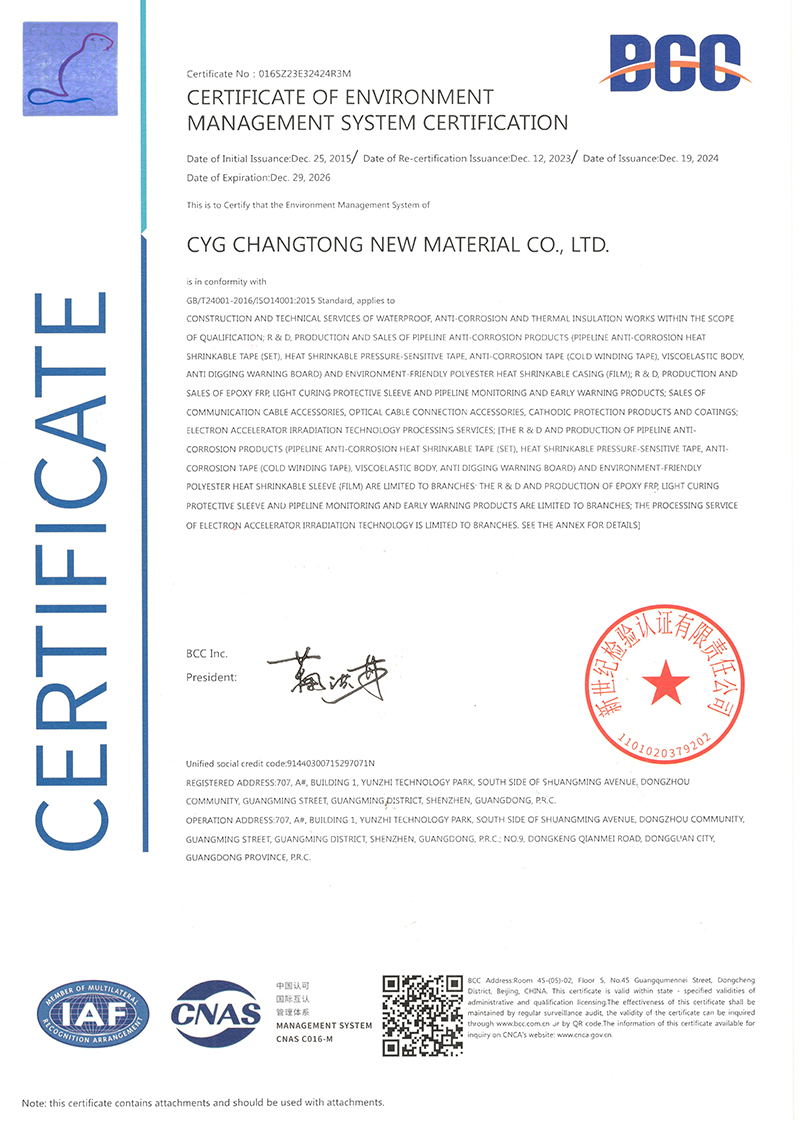
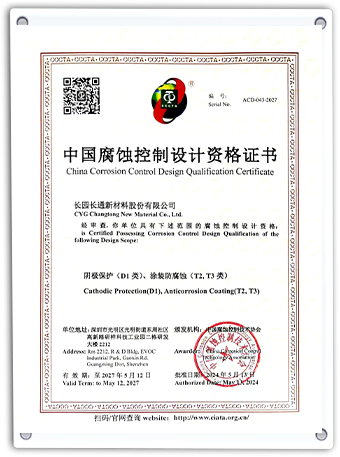
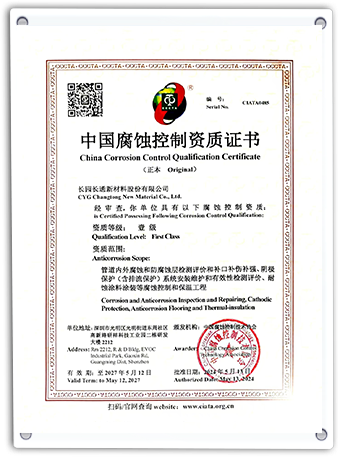
CYCT maintains active memberships in international materials associations and holds certifications for its pipeline integrity products.
Accreditation Overview:
Member of Council in Chinese Society for Corrosion and Protection (CSCP) | Qualification Certificate of Corrosion Protection Construction | Qualification Certificate of Pipeline Detection | Well-known Brand of Pipeline Corrosion Protection in China | Corporate Member of China Association of Petroleum Engineering Construction (CAPEC) | State-Level High-Tech Enterprise with more than ten proprietary intellectual property rights | Approved Supplier of PetroChina, Sinopec, China Gas Group, and Indian Oil Corporation.
Founded Year
Years of R&D Excellence
Proprietary Patents
CNAS Laboratory QA
Exploring the next generation of corrosion mitigation materials: bio-based polymers, smart coatings, and hydrogen transport compatibility.
The pipeline industry is shifting toward materials with lower environmental impact and higher performance thresholds. CYCT is researching green chemistry pathways, including bio-based polyolefins and solvent-free epoxy primers, to minimize VOC emissions during installation.
Another area of focus is Smart Self-Healing Coatings. These systems use micro-encapsulated active corrosion inhibitors within the adhesive matrix. If mechanical damage breaches the polymer backing, the microcapsules rupture, releasing inhibitors to protect the steel surface from local oxidation.
As gas distribution networks adapt to carry hydrogen-blended fuels, coatings must change to match. Hydrogen molecules are small enough to diffuse through conventional polymer barriers, which can lead to high-pressure hydrogen blistering or damage to the steel substrate. CYCT is developing modified polypropylene formulations with dense molecular structures to reduce gas permeation rates and protect pipeline integrity in hydrogen-rich environments.
Direct answers from our materials engineers and quality assurance department regarding pipeline protection technology.
Explore our complete range of specialized repair patches, fiberglass sleeves, primers, and hot-melt sticks for pipeline rehabilitation projects.
 CYCT
CYCT