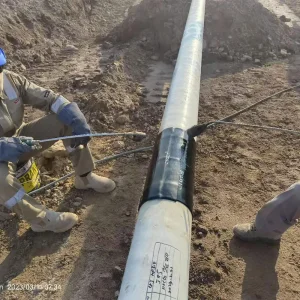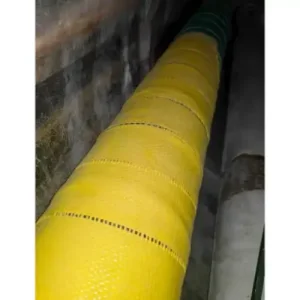
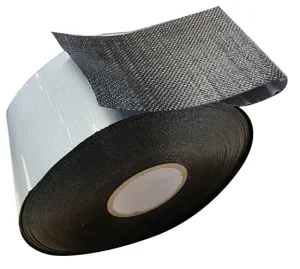
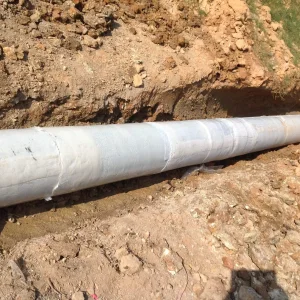
In midstream energy transportation, subterranean municipal utilities, and heavy industrial plant construction, steel pipeline networks represent critical long-term capital assets. The degradation of steel pipelines due to soil corrosion, water ingress, biological agents, and chemical degradation poses massive environmental and financial hazards. Here, high-performance pipeline heat shrink wraps (also known as heat-shrinkable sleeves) represent the baseline barrier security standard. These wraps utilize advanced polymer physics to deliver durable, monolithic sealing around field joints, elbows, transitions, and repaired sections of pipelines.
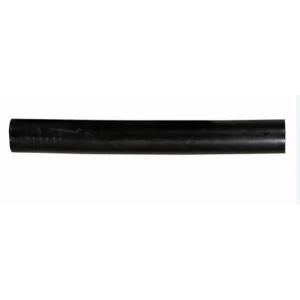
Modern heat-shrinkable pipeline sleeves typically consist of a two-layer or three-layer protective architecture. The exterior layer is an engineered, radiation-crosslinked polyolefin backing (either High-Density Polyethylene - HDPE or Polypropylene - PP). During the extrusion process, this polymer layer is formulated and subsequently exposed to a high-energy electron beam. This crosslinking process chemically welds the polymer chains together into a structural matrix, imparting a "molecular memory." When heated during installation, this backing naturally shrinks to its original dimensions, generating high radial tension. Underneath, a layer of viscoelastic mastic or high-shear co-polymer hot-melt adhesive flows under heat, filling profile imperfections and forming an impenetrable barrier against cathodic disbondment and water ingress. When integrated with a liquid epoxy primer on the raw steel substrate, this forms a robust, multi-layer anti-corrosion system comparable to factory 3LPE/3LPP coatings.
International pipeline engineering companies, EPC contractors, and global supply chain managers enforce rigorous performance metrics on pipeline joint protection materials. For projects across Europe, North America, the Middle East, and Asia Pacific, compliance with standardized regulatory frameworks is mandatory. Major specifications include:
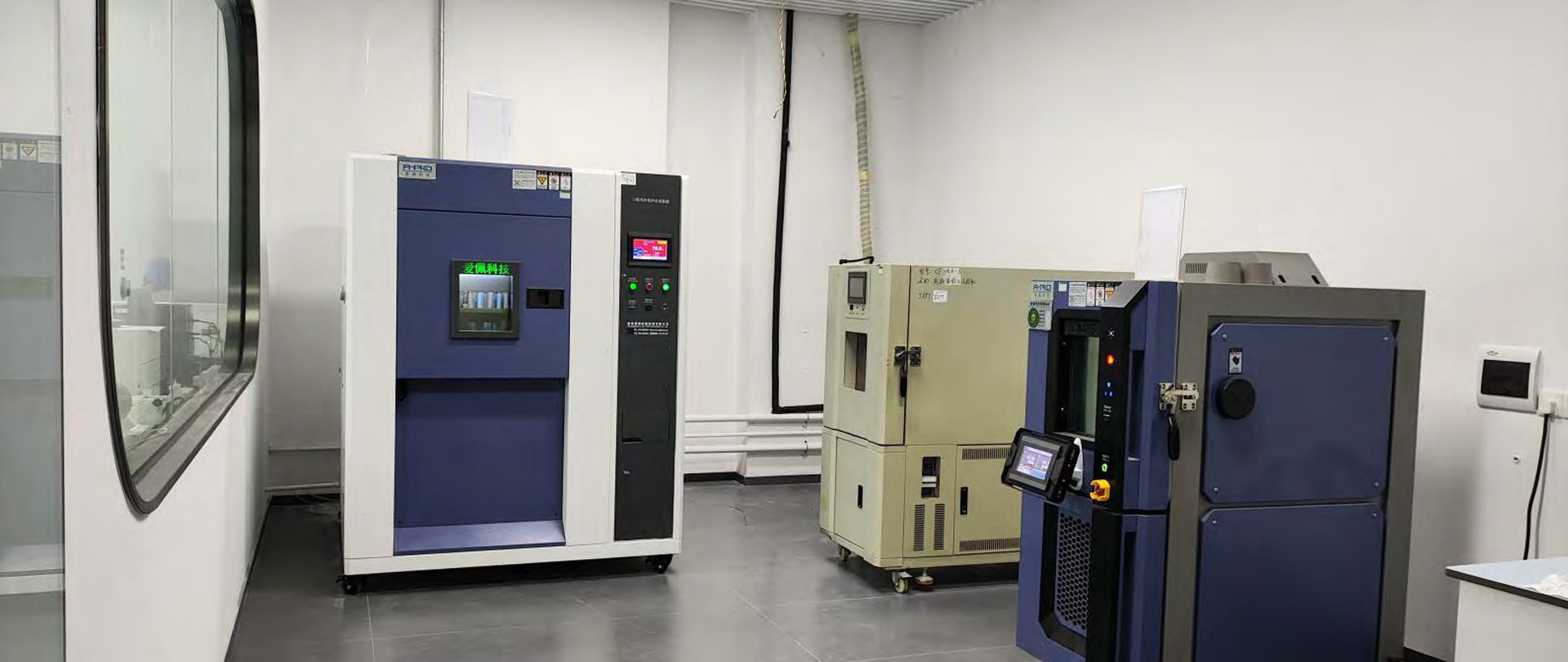
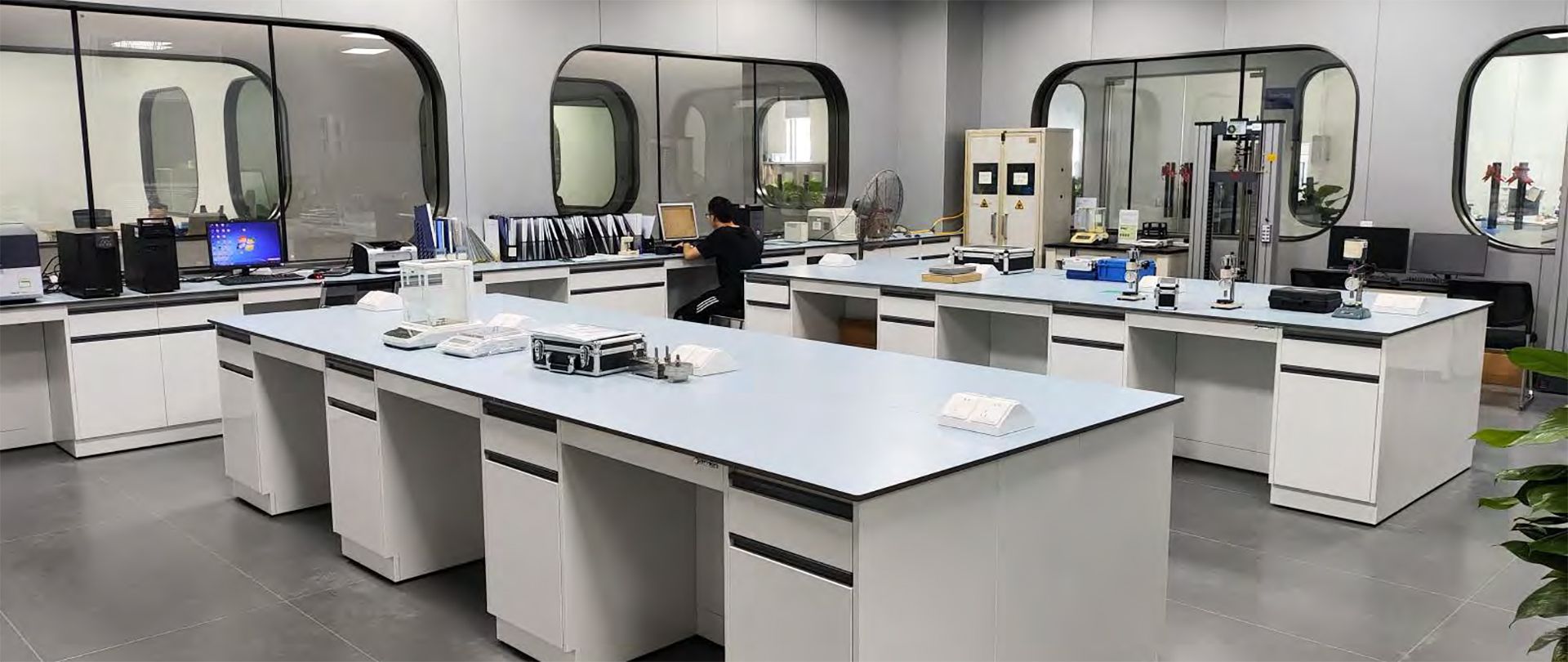
Procurement teams evaluate manufacturers on their ability to resist Cathodic Disbondment (CD), maintain high peel strength at operational temperatures (ranging from ambient up to 85°C or 100°C+ for PP systems), and provide high impact resistance during backfilling. To ensure compliance, manufacturers must maintain in-house, state-of-the-art testing facilities validated by national accreditation bodies.
By leveraging advanced raw materials and specialized compound engineering, Chinese factories produce HDPE and PP backing structures that withstand mechanical stresses, UV degradation, and aggressive soil conditions.
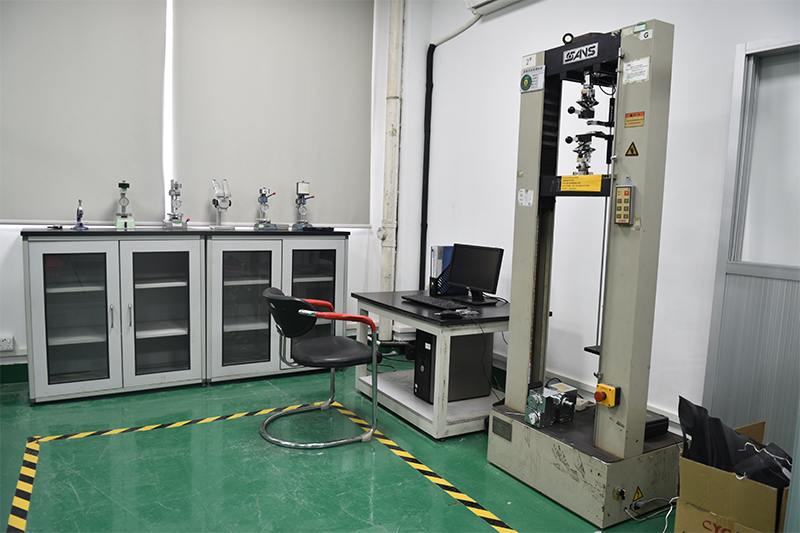
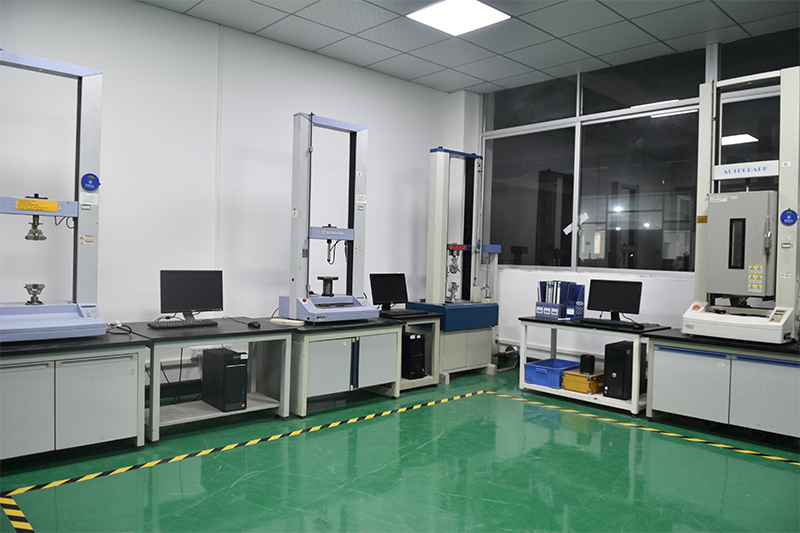
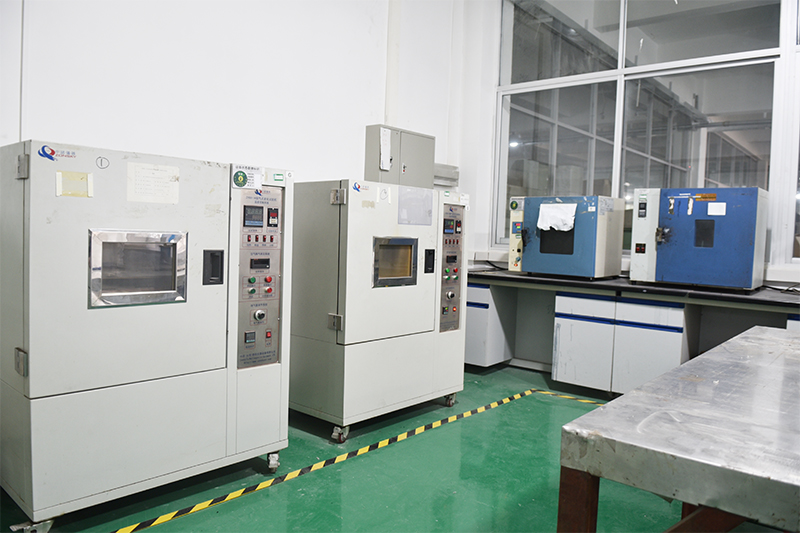
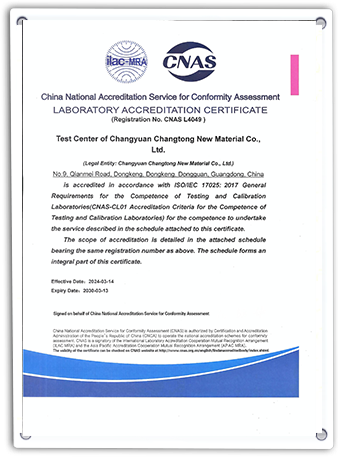
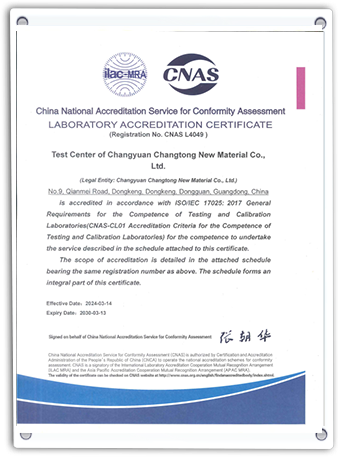
All pipeline coatings undergo systematic validation. Our national CNAS-accredited lab conducts rigorous aging, peel strength, hot water immersion, and cathodic disbondment tests under strict temperature control.
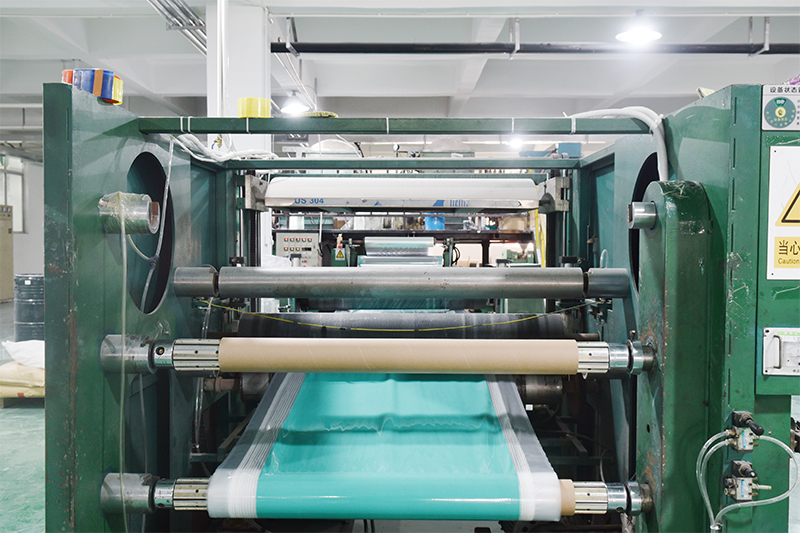
From base chemical processing to extrusion, radiation crosslinking, expansion, and adhesive coating, every step is vertically integrated. This guarantees product consistency, fast turnaround, and stable pricing.
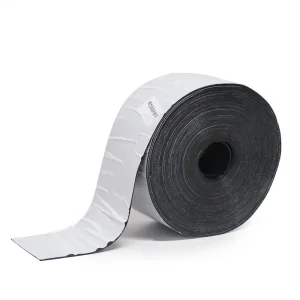
The global energy network is transitioning toward higher operating efficiency, which translates directly to higher operational temperatures in steel transmission pipelines. High-temperature oil and gas lines operate up to 80°C or even 120°C. Standard mastic-based heat shrink wraps deteriorate under prolonged exposure to such temperatures due to mechanical shear failure and chemical oxidation. As a result, global procurement trends are shifting toward High-Temperature Polypropylene Heat Shrink Sleeves and Visco-elastic anti-corrosion tapes. These systems maintain molecular structure and backing tension, resisting high soil stresses and thermal expansion cycles.
Two distinct application environments require unique mechanical and chemical properties from heat shrink wraps:
For international buyers, the Chinese manufacturing ecosystem offers a key advantage: the implementation of Industry 4.0 principles. Advanced pipeline wrap manufacturers in China utilize automated raw material dosing, real-time thickness control systems on extrusion lines, and closed-loop feedback during the electron beam radiation crosslinking process. This level of automation significantly reduces human error, ensuring consistent crosslinking density, which is critical for the sleeve's heat recovery ratio.
Furthermore, China's massive industrial cluster means raw materials, energy, packaging, and logistical networks are optimized. This structural integration allows Chinese manufacturers to offer superior quality-to-cost ratios. During global supply chain disruptions, the resilience of domestic shipping networks and deep supply channels guarantees that major pipeline projects receive their field joint materials on time, minimizing downtime at site locations.
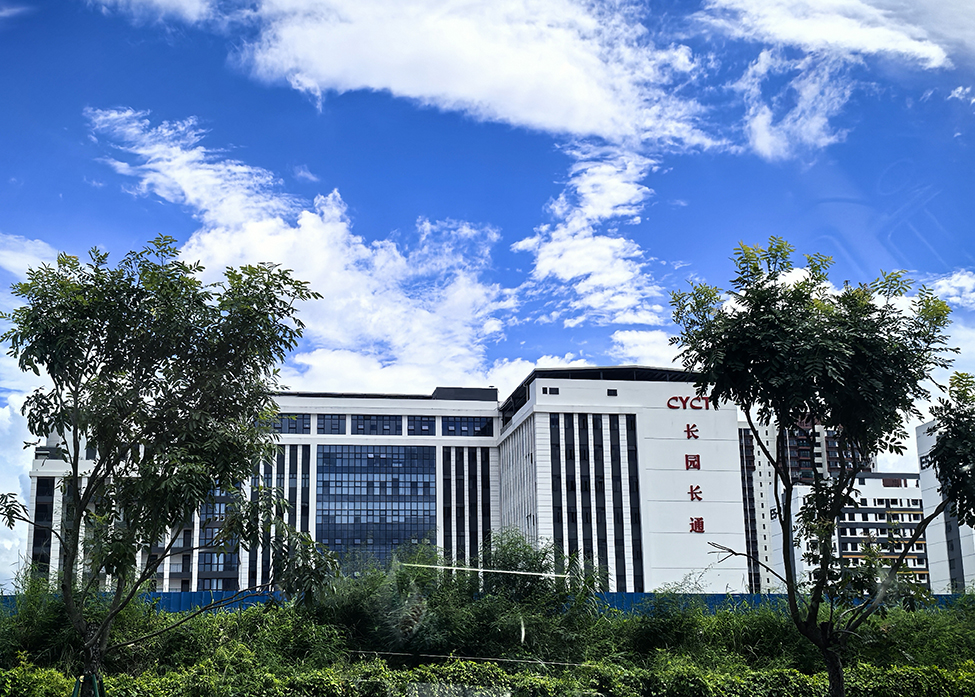
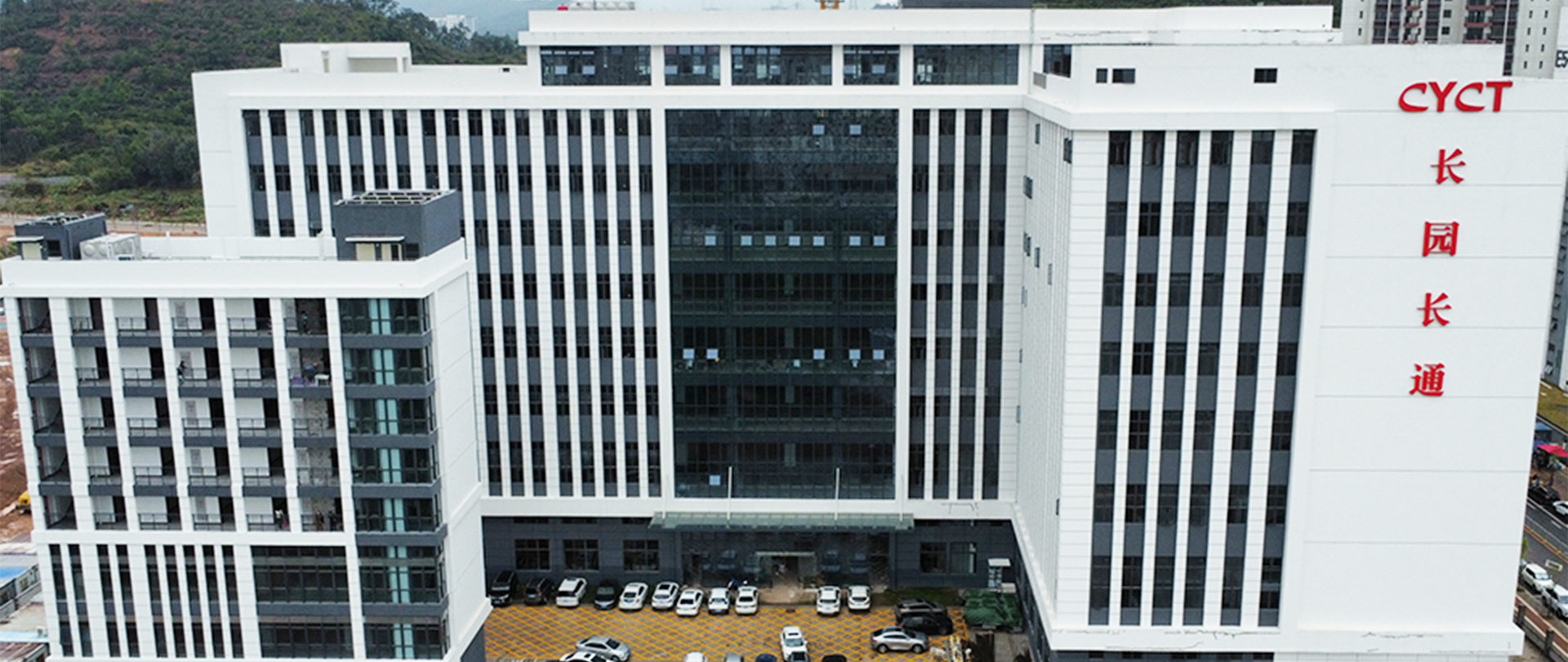
Founded in 2000, CYCT New Materials Company Limited (CYCT) is a state-level high-tech enterprise integrating R&D, production, and sales of pipeline corrosion protection materials, buried pipeline detection services, and pipeline coating field application services. With over two decades of experience, CYCT is committed to the research, development, and engineering of premium anti-corrosion materials.
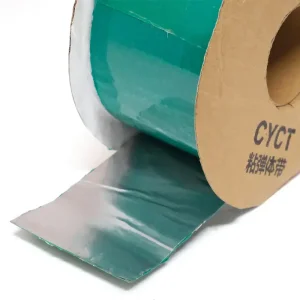
CYCT features a professional R&D team and a national CNAS-accredited laboratory, allowing us to perform rigorous materials characterization and validation. Through years of consistent performance, CYCT has become a stable supplier of field joint coatings for oil and gas giants, including PetroChina, Sinopec, PipeChina, China Gas Group, and Indian Oil, holding a dominant market share in domestic and regional pipeline networks. In addition, CYCT has developed and commercialized specialized materials such as viscoelastic anticorrosion tapes, photo-curing sleeves for HDD protection, and high-durability polyurea coatings.
Through strategic partnerships with institutions like the CNPC Pipeline Science Research Institute, CYCT provides integrated technical services, cathodic protection design, pipeline health detection, and comprehensive rehabilitation solutions for operating pipelines globally.
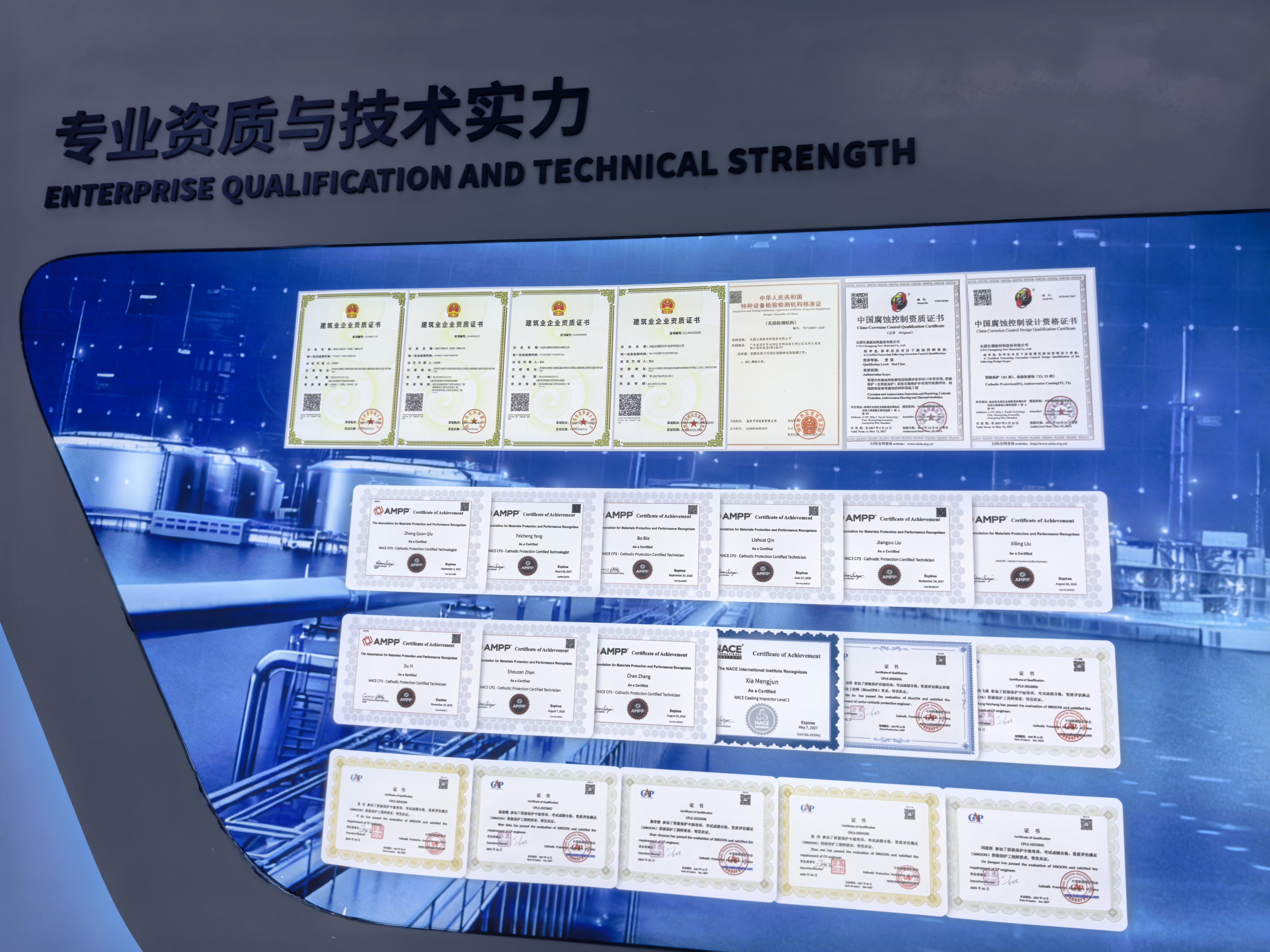
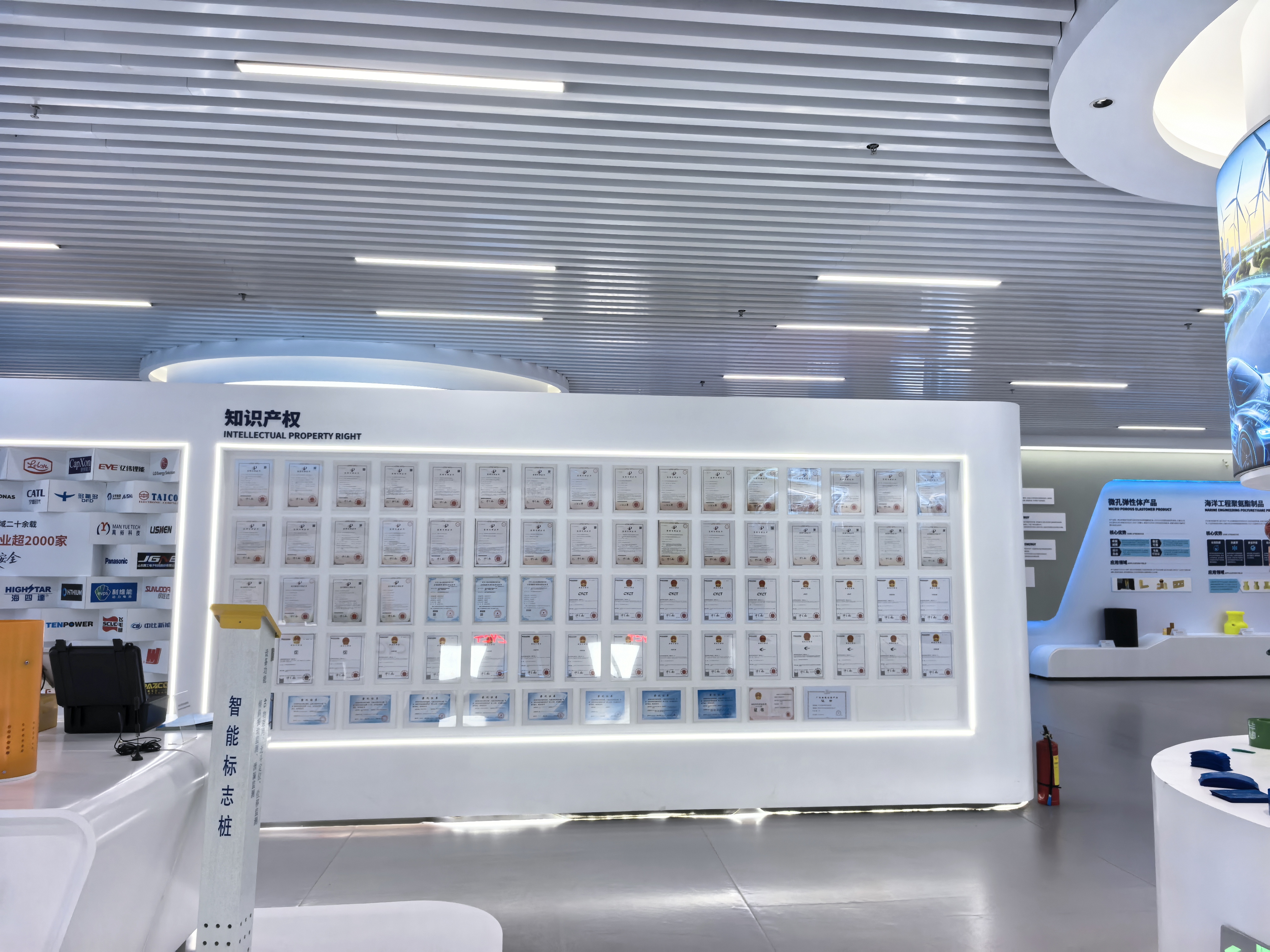
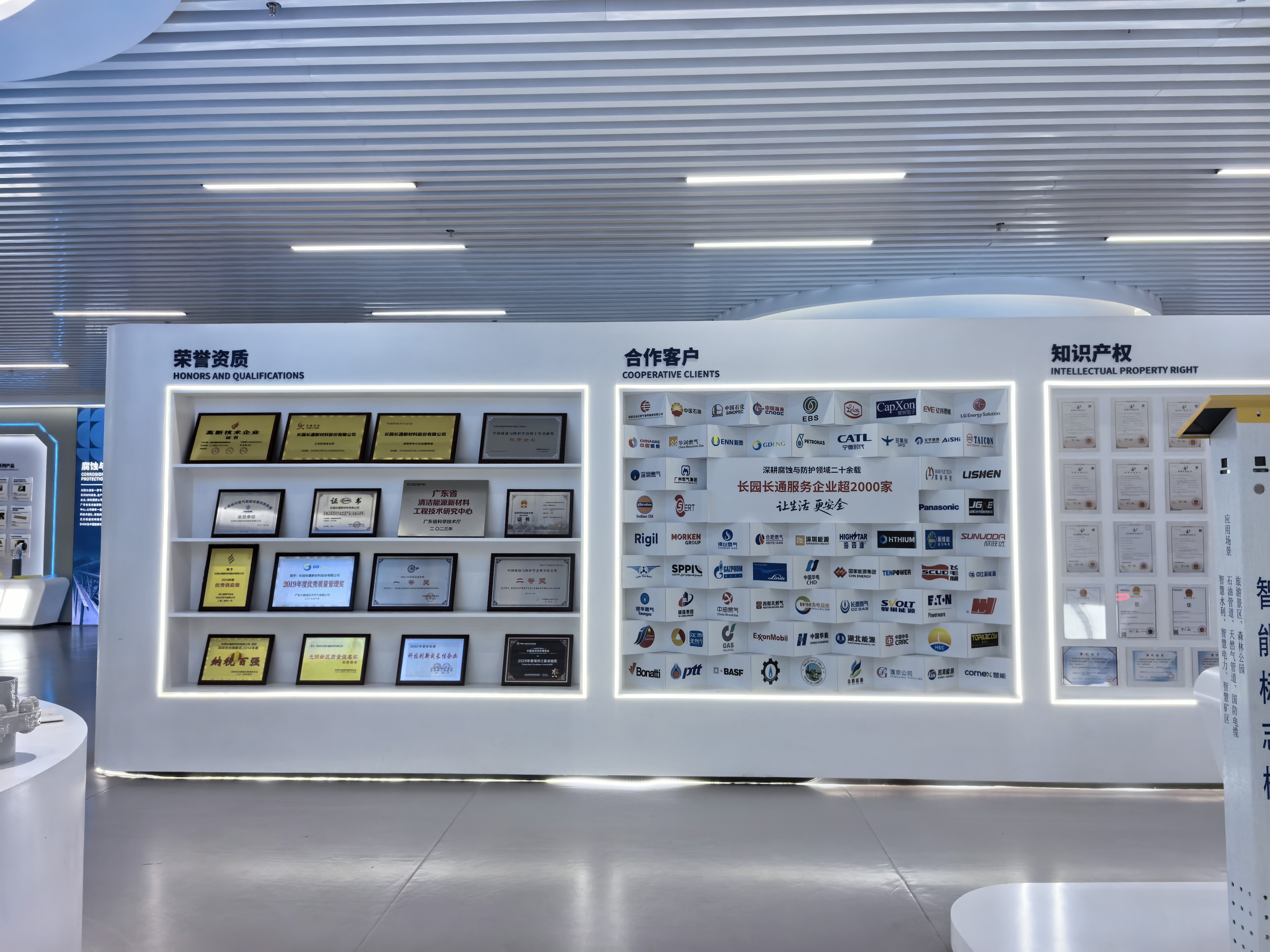
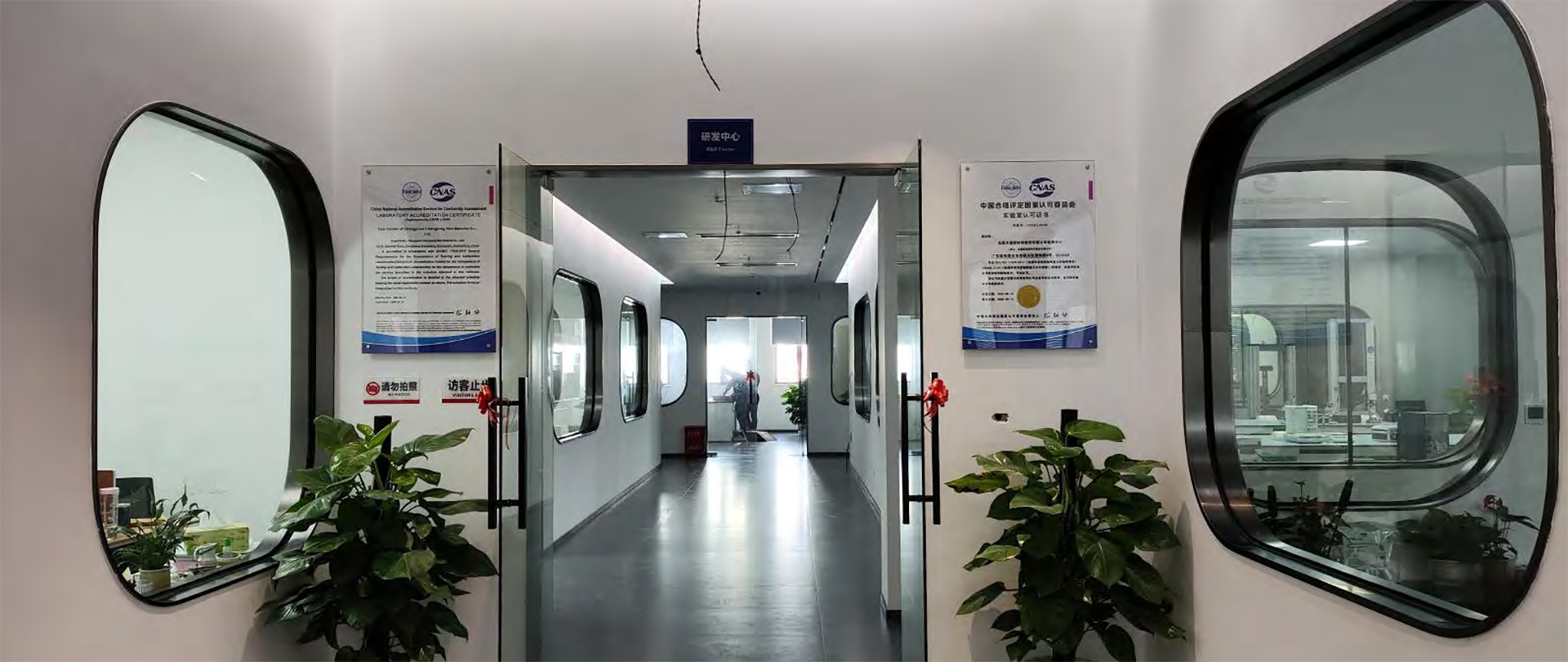
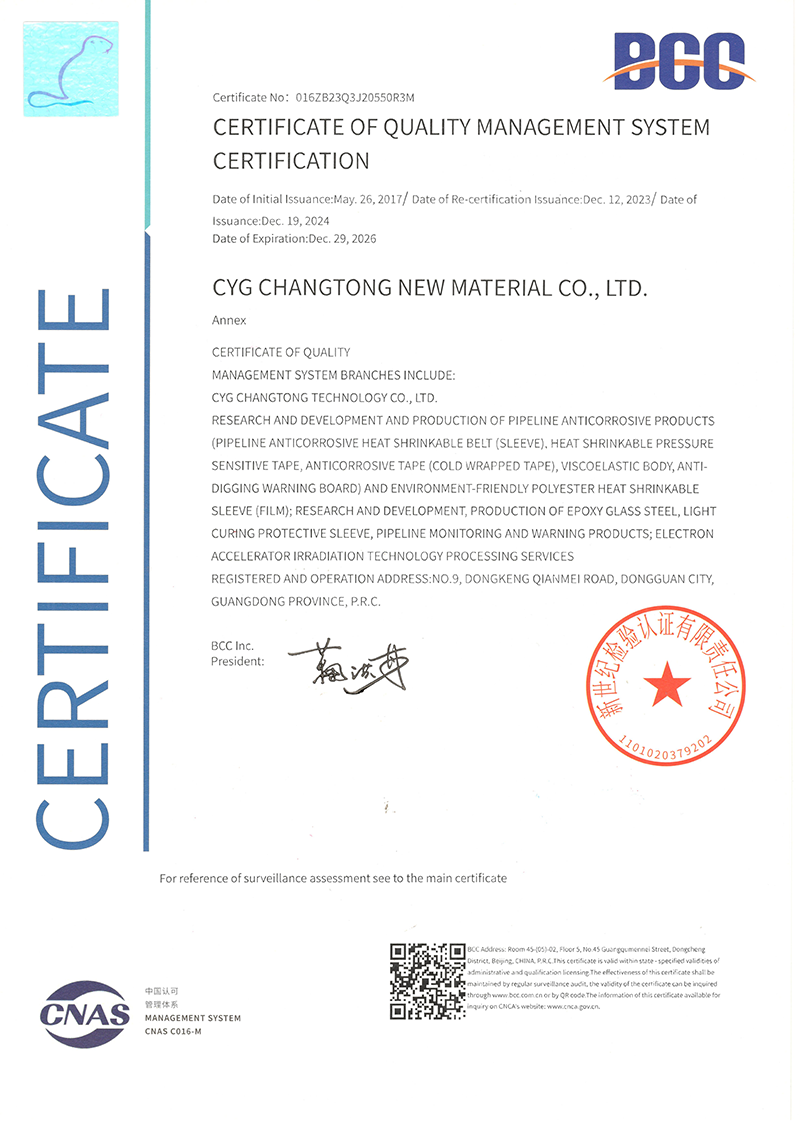
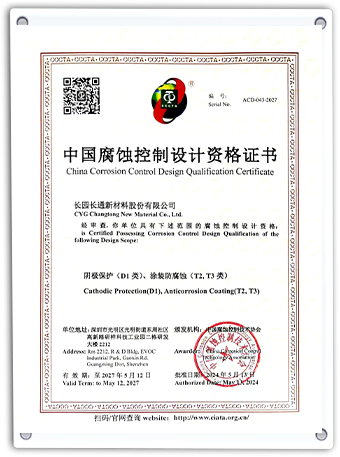
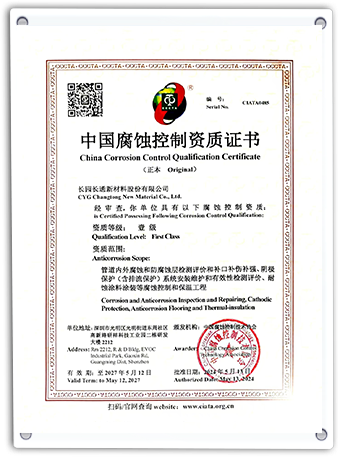
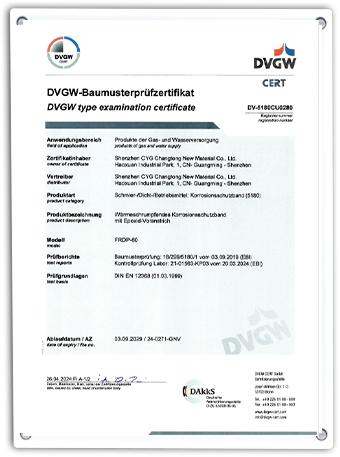
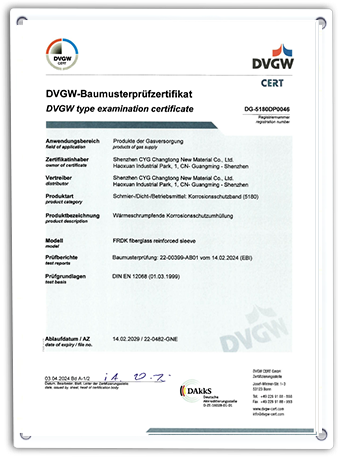
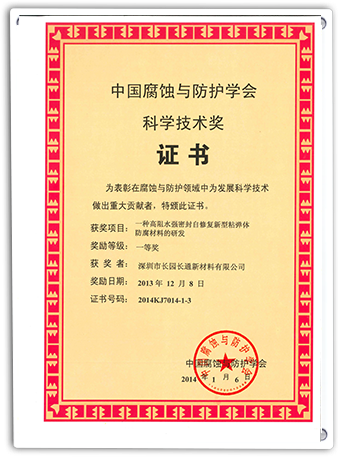
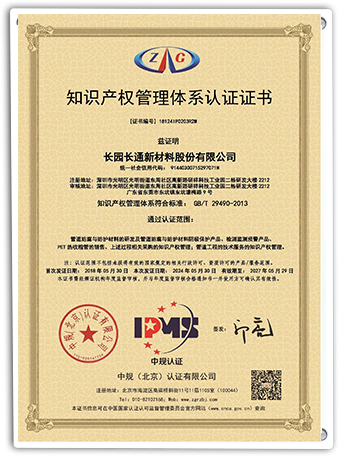
Member of Council in Chinese Society for Corrosion and Protection (CSCP) | Qualification Certificate of Corrosion Protection Construction | Qualification Certificate of Pipeline Detection | Well-known Brand of Pipeline Corrosion Protection in China | Corporate Member of China Association of Petroleum Engineering Construction (CAPEC) | State-Level High-Tech Enterprise | CNAS Laboratory Accreditation
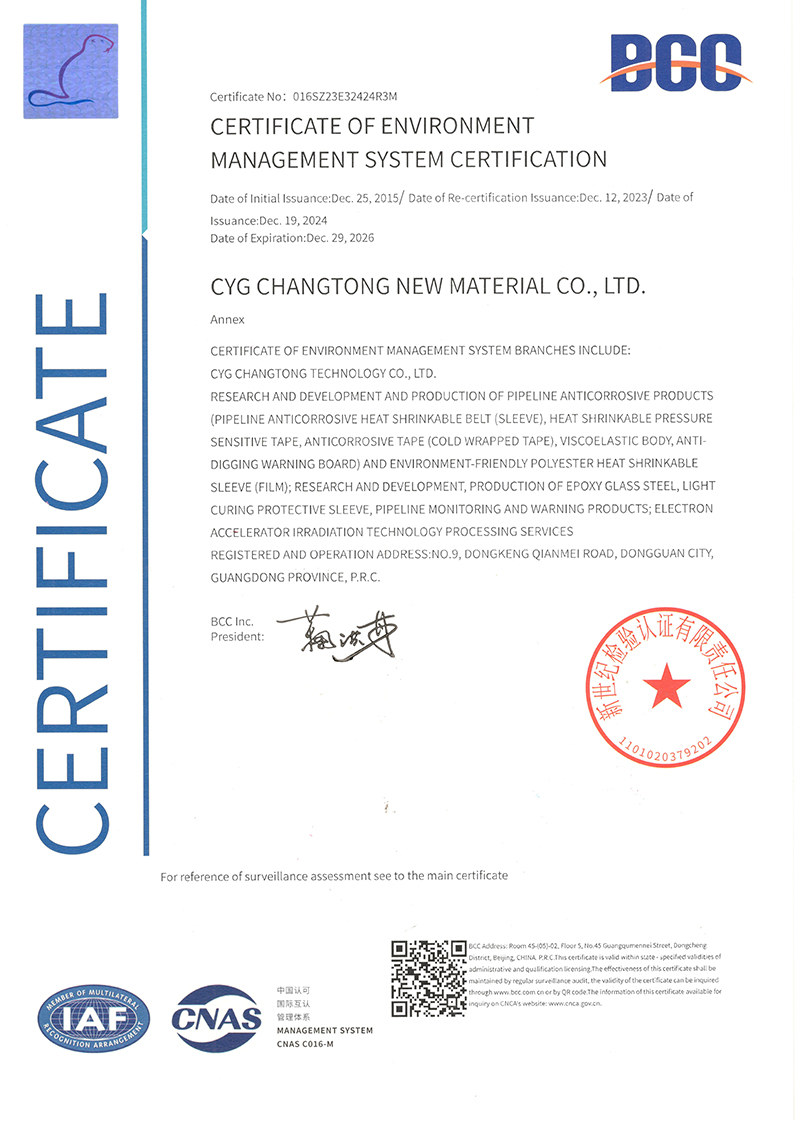
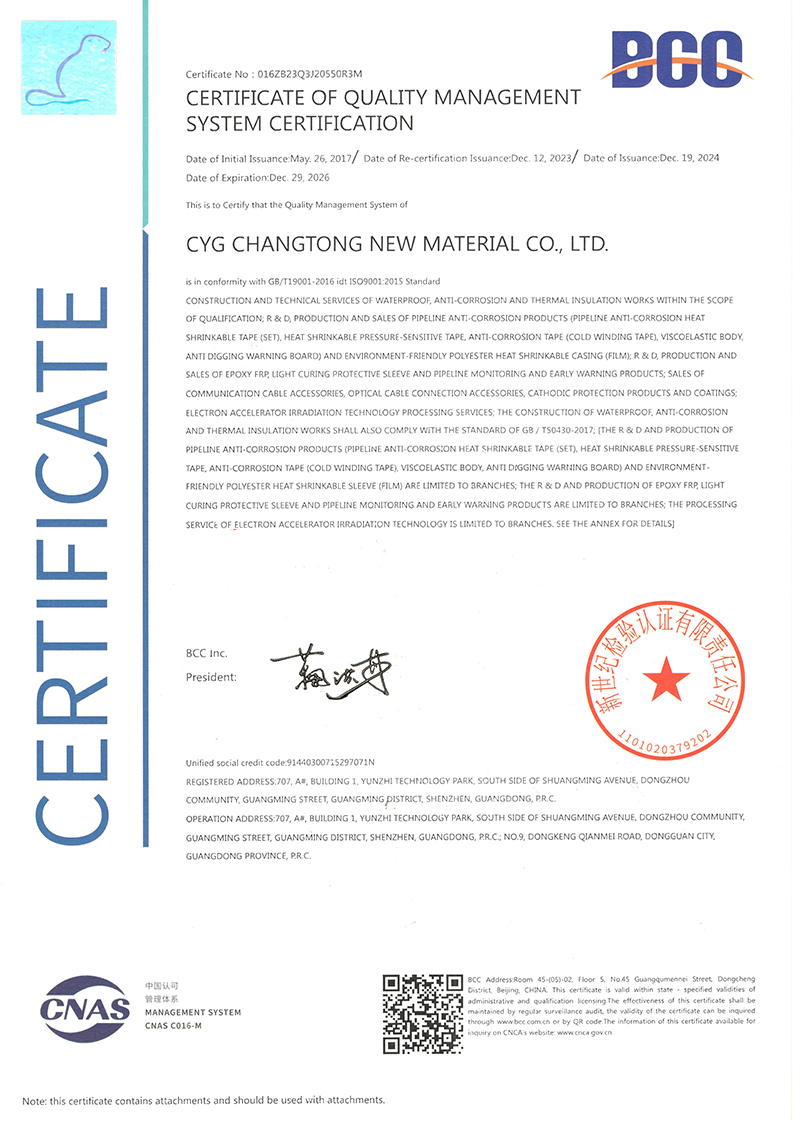
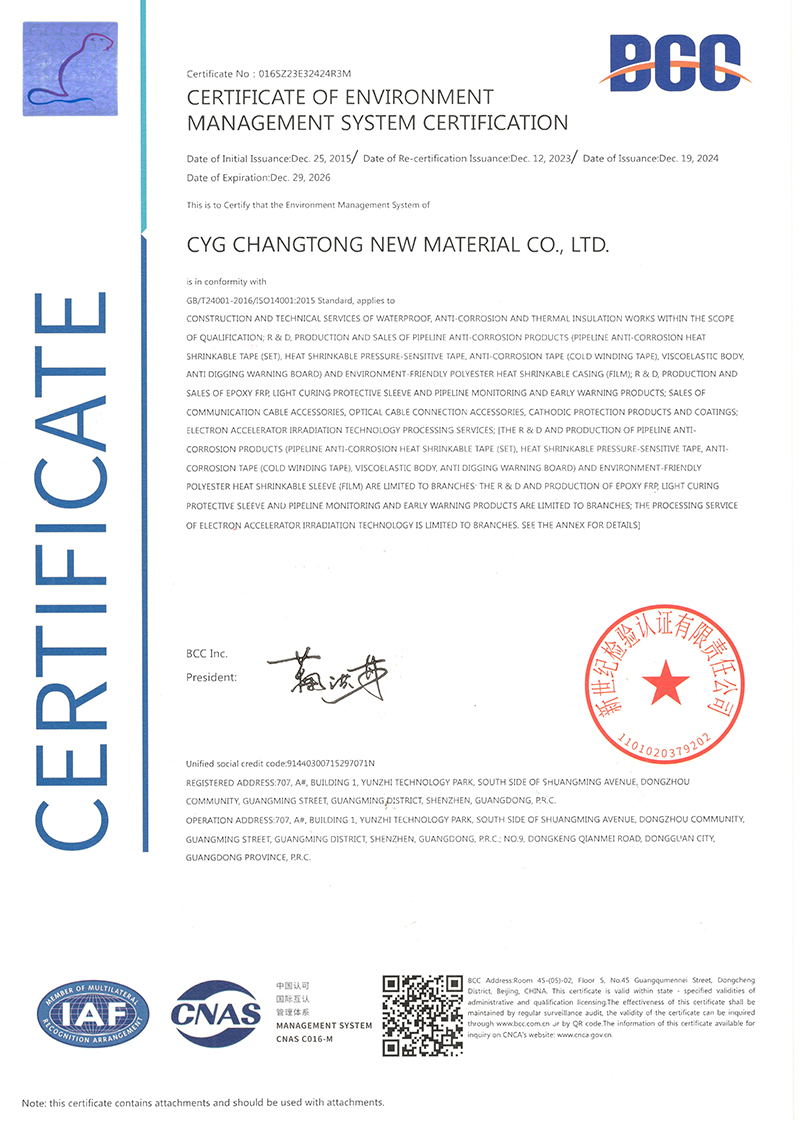
 CYCT
CYCT