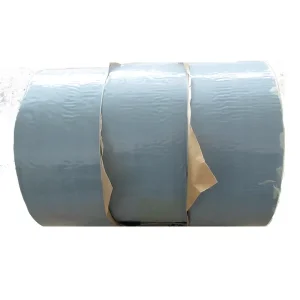
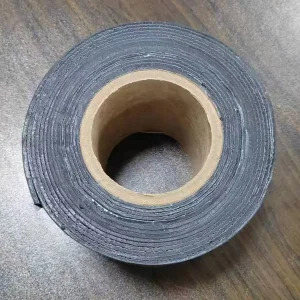
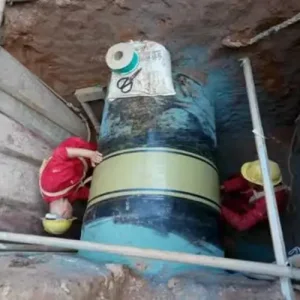
Engineered to exceed ASTM, DIN, and ISO performance thresholds. Direct mill-applied protection and heavy-duty field repair products manufactured under rigorous CNAS laboratory control.
In modern industrial pipeline engineering and electronics protection, hot glue heat shrink systems form the foundation of long-term structural integrity. Crucial oil, gas, and municipal water infrastructures rely heavily on polyolefin and polypropylene (PP) heat shrink wraps to prevent galvanic corrosion and environmental moisture ingress. These technologies represent a complex synthesis of radiation-crosslinked polymer chemistry and visco-elastic adhesive engineering.
As global pipeline infrastructure moves deeper into challenging geographical terrain—such as high-temperature operating fields, deepwater channels, and trenchless Horizontal Directional Drilling (HDD)—traditional field joint coating methods have evolved. Modern factories now formulate specialized hot melt adhesives (hot glue) based on EVA, polyolefins, or polyamides that possess precise viscosity control, high peel strength, and long-term thermal stability to shield joints from cathodic disbondment.
Understanding the functionality of hot glue heat shrink systems requires looking at two distinct mechanisms: the elastic memory of cross-linked polymers and the rheological behavior of hot melt adhesives.
By bombarding extruded polyethylene (PE) or polypropylene (PP) sheets with high-energy electron beams, covalent chemical bonds are formed between adjacent polymer chains. This cross-linking process changes the polymer from a thermoplastic to a material with a "shape memory" effect, enabling it to shrink tightly upon heating.
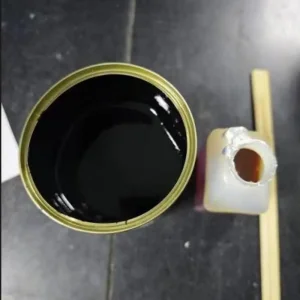
The inner adhesive layer (hot glue) is formulated from custom copolymers. This compound remains solid at room temperature but melts and flows under heat, filling the micro-cavities of the steel pipe's surface. When cooled, it creates a robust bond that resists shear stresses from soil movement.
To survive operating temperatures ranging from -50°C to 120°C, the polymers are blended with proprietary thermal stabilizers, carbon black fillers, and UV blockers, ensuring an operational lifetime exceeding 30 years without chemical degradation.
In the global industrial landscape, the production of heat shrinkable sleeves, mastic tapes, and hot melt adhesives has shifted towards vertically integrated manufacturers in China. Chinese factories have transformed from simple component fabricators into highly innovative high-tech enterprises. They now supply critical materials to state-run giants such as PetroChina, Sinopec, PipeChina, and Indian Oil.
| Material Class | Common Base Polymers | Primary Industrial Use Cases | Peel Strength / Adhesion Standards |
|---|---|---|---|
| PP Heat Shrink Sleeves | Polypropylene + Specialty Co-polymers | High operating temperature field joints (Up to 110°C-120°C) | > 120 N/cm at 23°C (ISO 21809-3) |
| PE Heat Shrink Patches | Radiation Cross-linked Polyethylene | 3LPE mill-applied coating repair (FRDX / Patch system) | > 80 N/cm at 23°C (DIN 30672) |
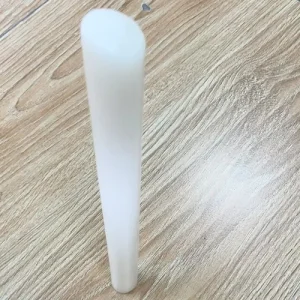
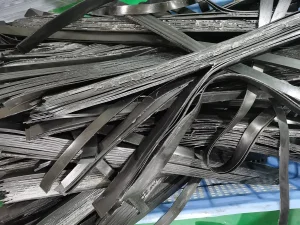
| Hot Melt Filler Stick | Ethylene-Vinyl Acetate (EVA) / Polyamide | Filling deep pipeline gouges and coating defects | Excellent cohesive shear properties |
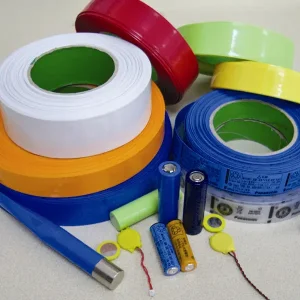
| PET Heat Shrink Tubes | Polyester Polymer Matrix | Capacitors, inductors, batteries, and electronics insulation | High dielectric strength (> 20 kV/mm) |
CYCT New Materials Company Limited (for short, CYCT) is a state-level high-tech enterprise integrating R&D, production, and sales of pipeline corrosion protection materials, buried pipeline detection services, and pipeline coating field application services. Founded in 2000, CYCT has dedicated decades to advancing pipeline corrosion protection materials, earning a trusted reputation across international markets.
Our state-of-the-art laboratory features cutting-edge testing instruments. We perform mechanical, thermal, and electrochemical evaluations to ensure all products comply with international standards.
By cooperating closely with research institutes like the CNPC Pipeline Science Research Institute, CYCT delivers integrated safety and rehabilitation solutions for in-service pipelines.
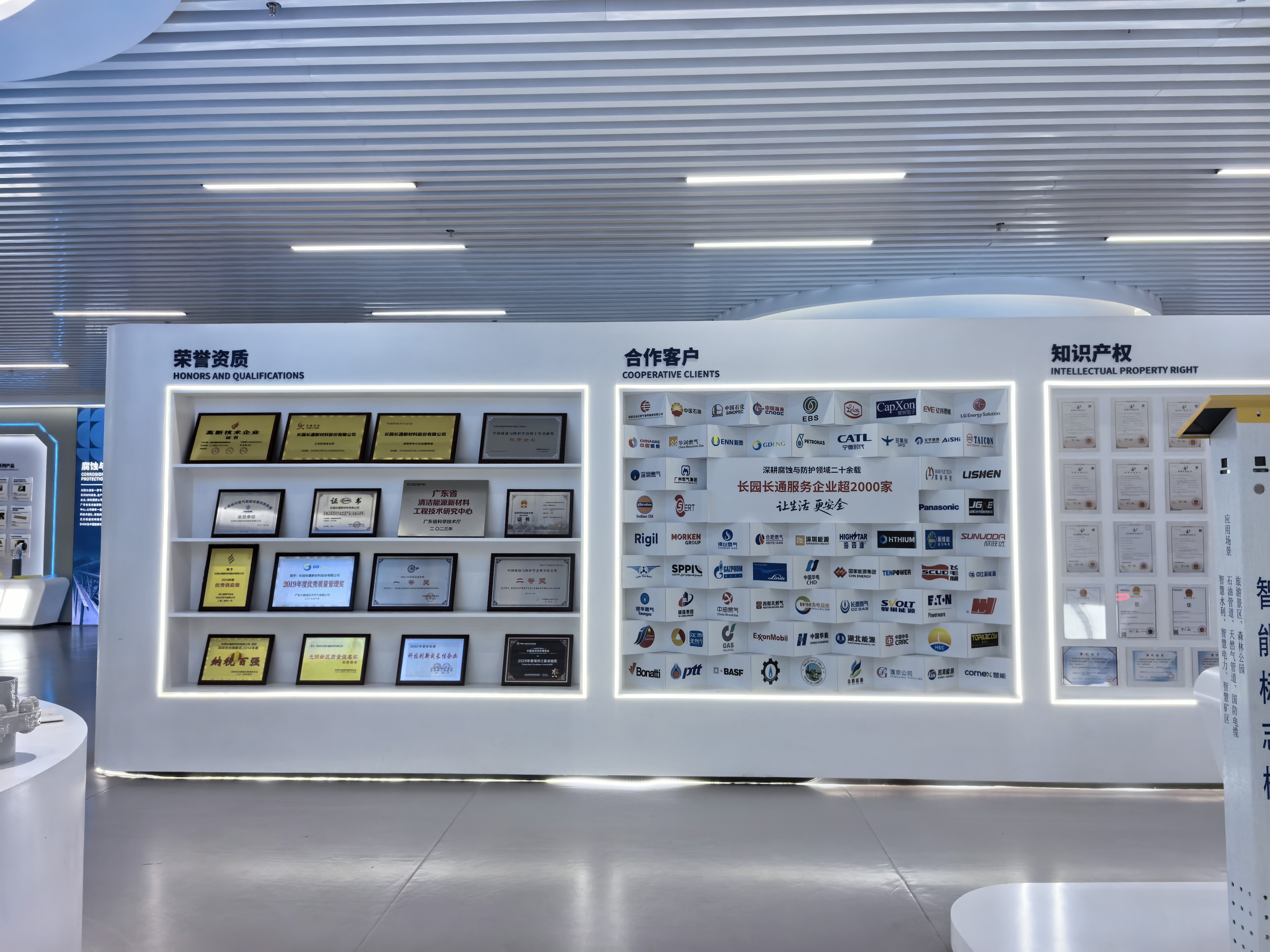
As an approved supplier for PetroChina, Sinopec, China Gas Group, and Indian Oil, CYCT products are specified on thousands of kilometers of pipelines globally.
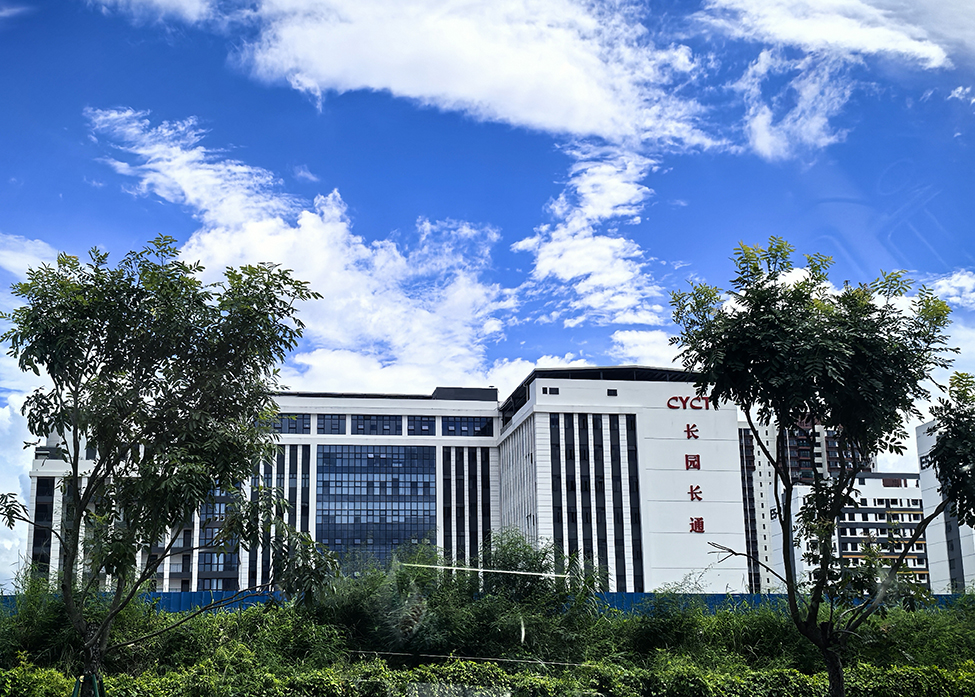
Hot glue heat shrink products are engineered to solve specific environmental challenges. Depending on the soil profile, temperature range, and mechanical stresses, localized solutions vary:
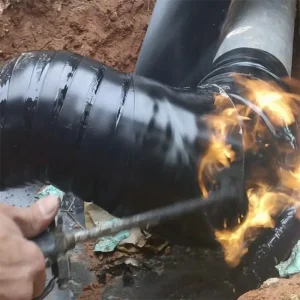
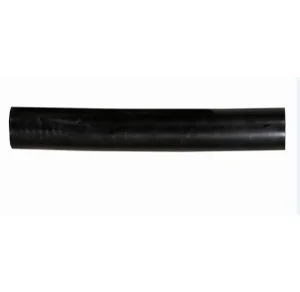
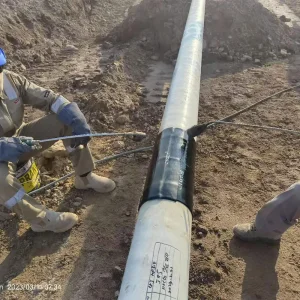
During field joint coating (FJC), standard 3LPE/3LPP mill-applied pipeline ends are left bare for welding. Our wraparound heat shrinkable sleeves, applied with high-viscosity hot melts, seal these joints against groundwater penetration and chemical corrosion.
Horizontal Directional Drilling (HDD) subjects coatings to extreme shear stress. Specialized photo-curing sleeves and high-shear hot melt adhesives prevent the coating from peeling off as the pipe is pulled through rocky soil.
In the electronics and electric vehicle markets, thin-walled PET heat-shrinkable tubing provides electrical insulation and heat protection for battery banks, capacitors, and complex wiring harnesses.
The future of pipeline protection and electrical insulation lies in smarter, cleaner, and more durable materials. CYCT is investing in several key developmental paths:
Developing copolymer hot melts with micro-encapsulated corrosion inhibitors. When minor mechanical damage occurs, the capsule breaks to release compounds that actively protect the steel.
Expanding operating limits up to 130°C to accommodate high-temperature crude flow, requiring advanced polypropylene outer backings and high-viscosity hot melts.
Integrating plant-derived monomers into the shrink sleeve base to reduce carbon footprints while maintaining high mechanical strength and chemical resistance.
Researching the integration of thin-film sensor arrays into the heat shrink matrix to monitor temperature, stress, and moisture penetration in real-time.
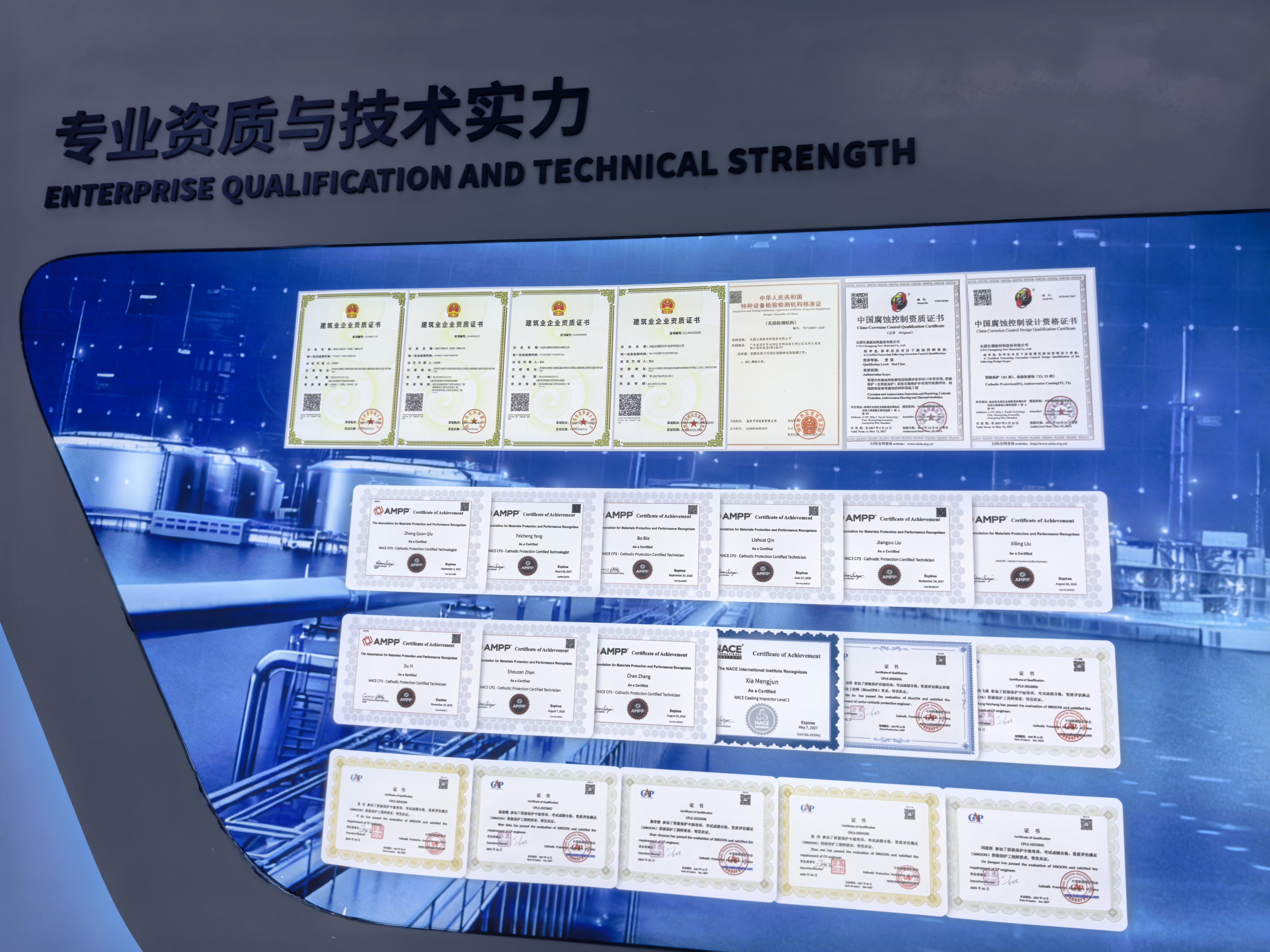
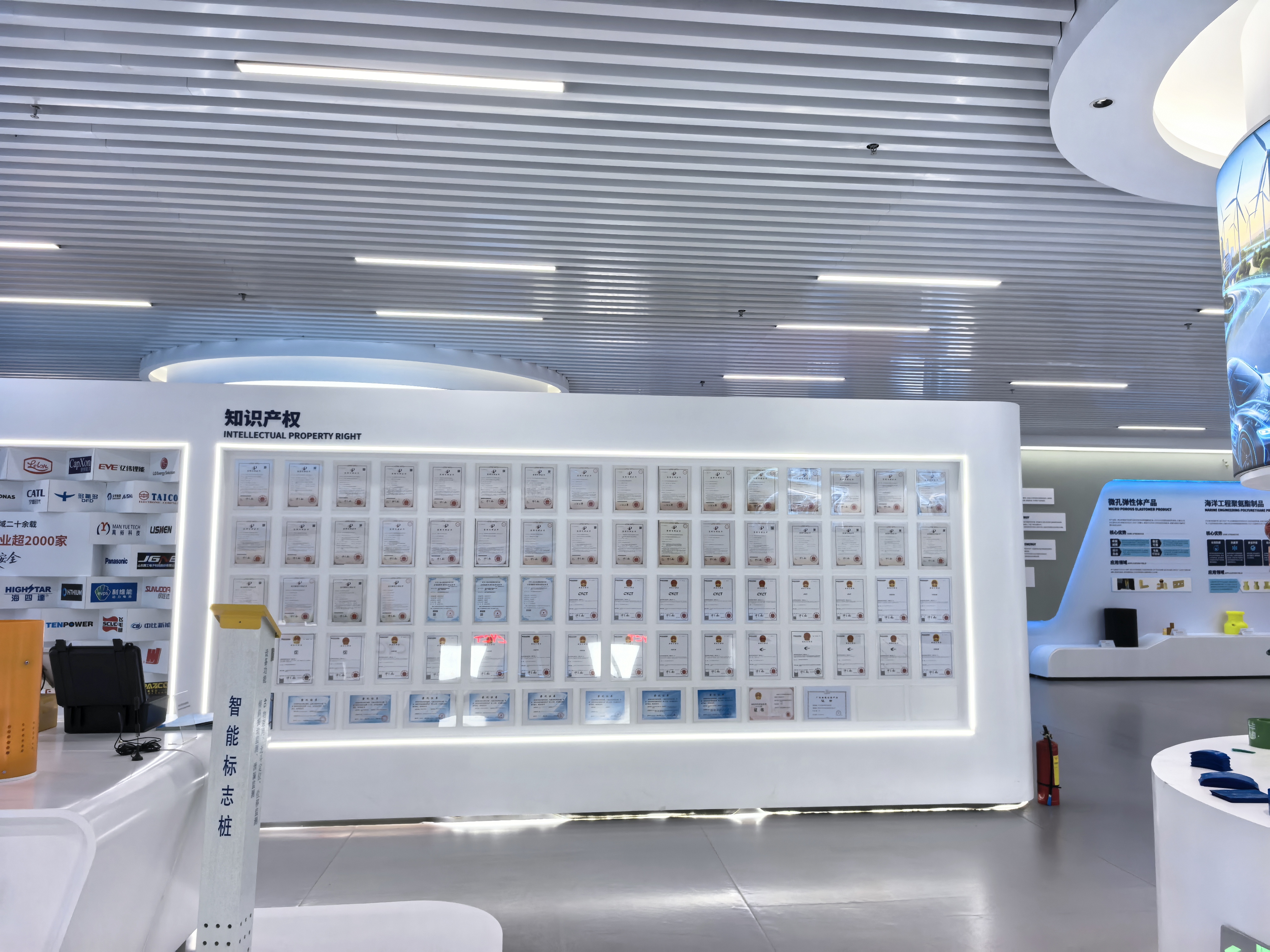
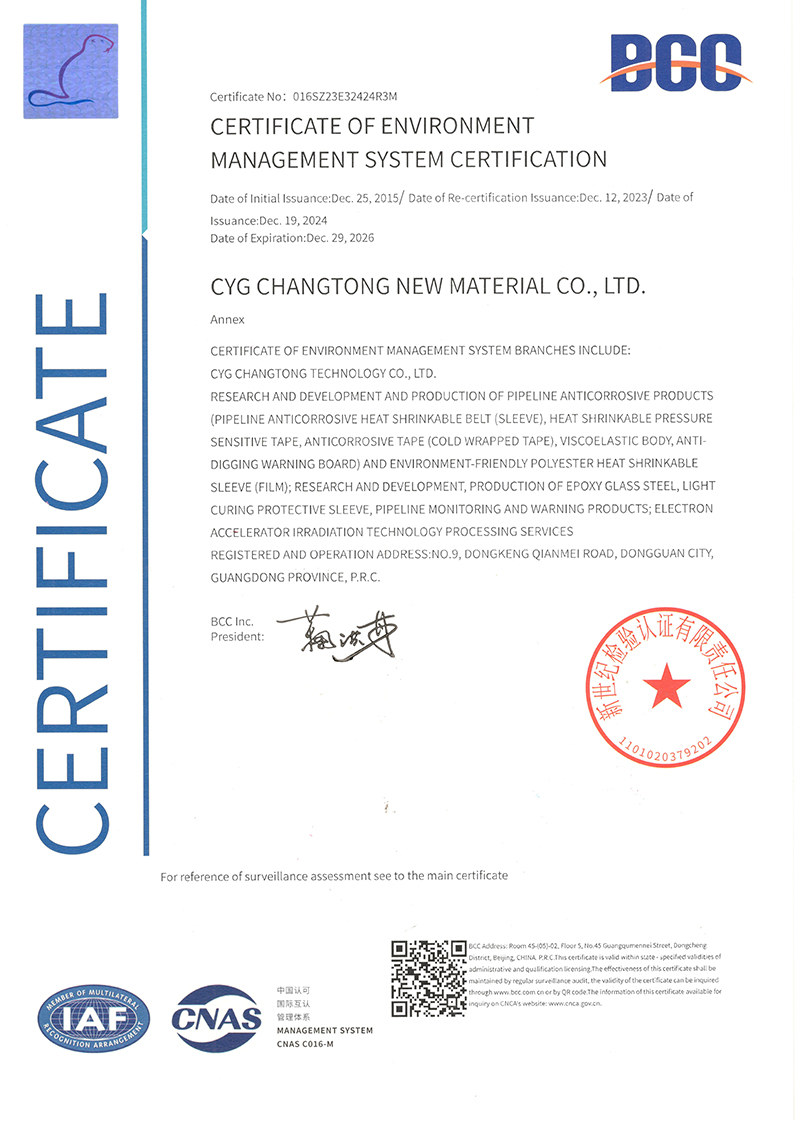
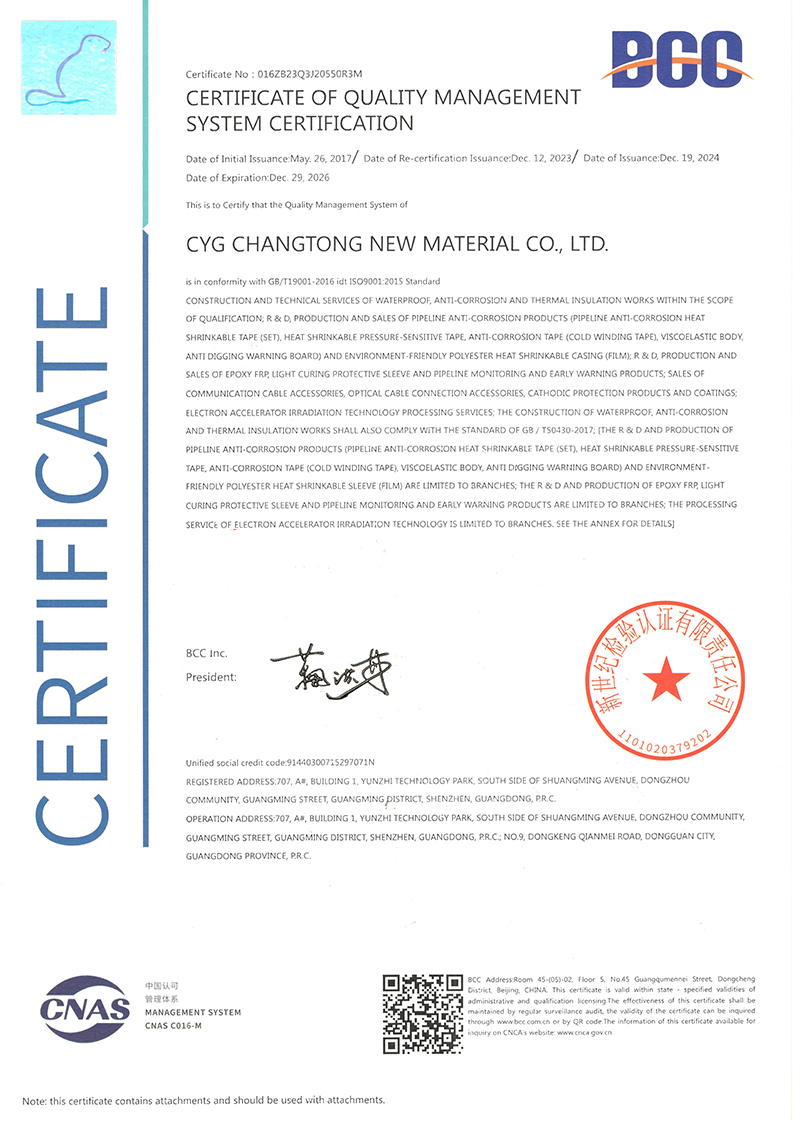
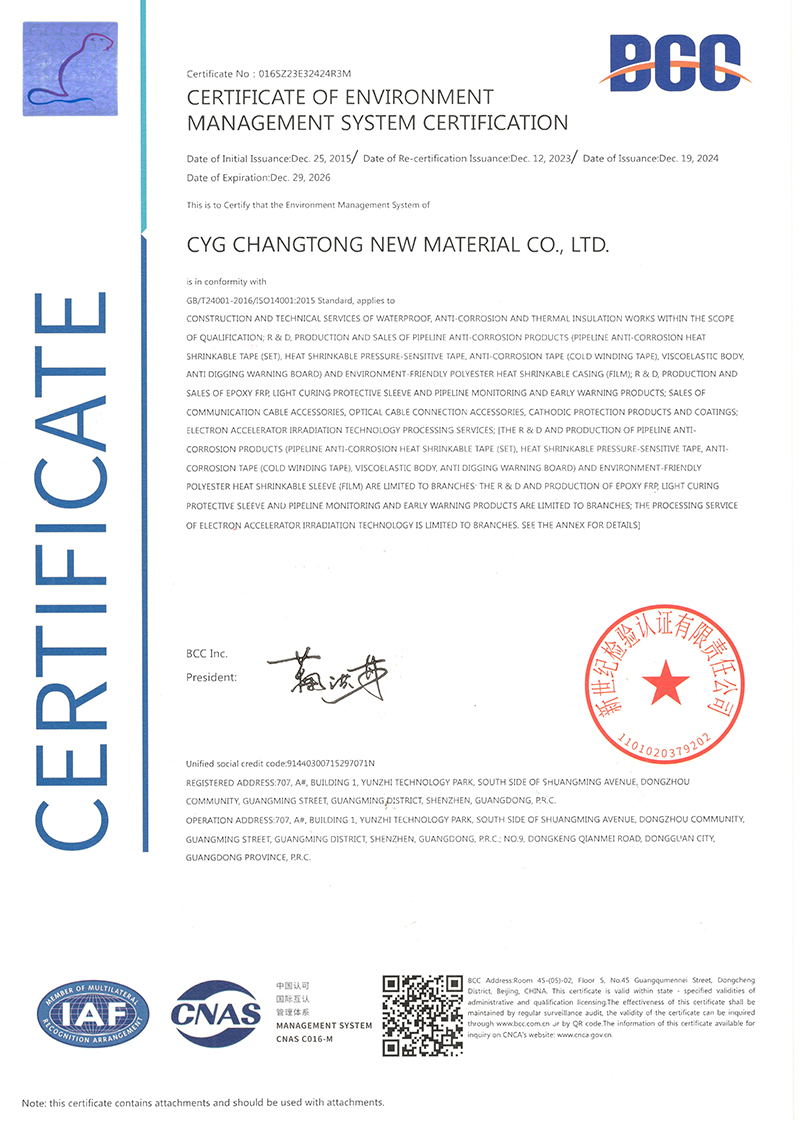
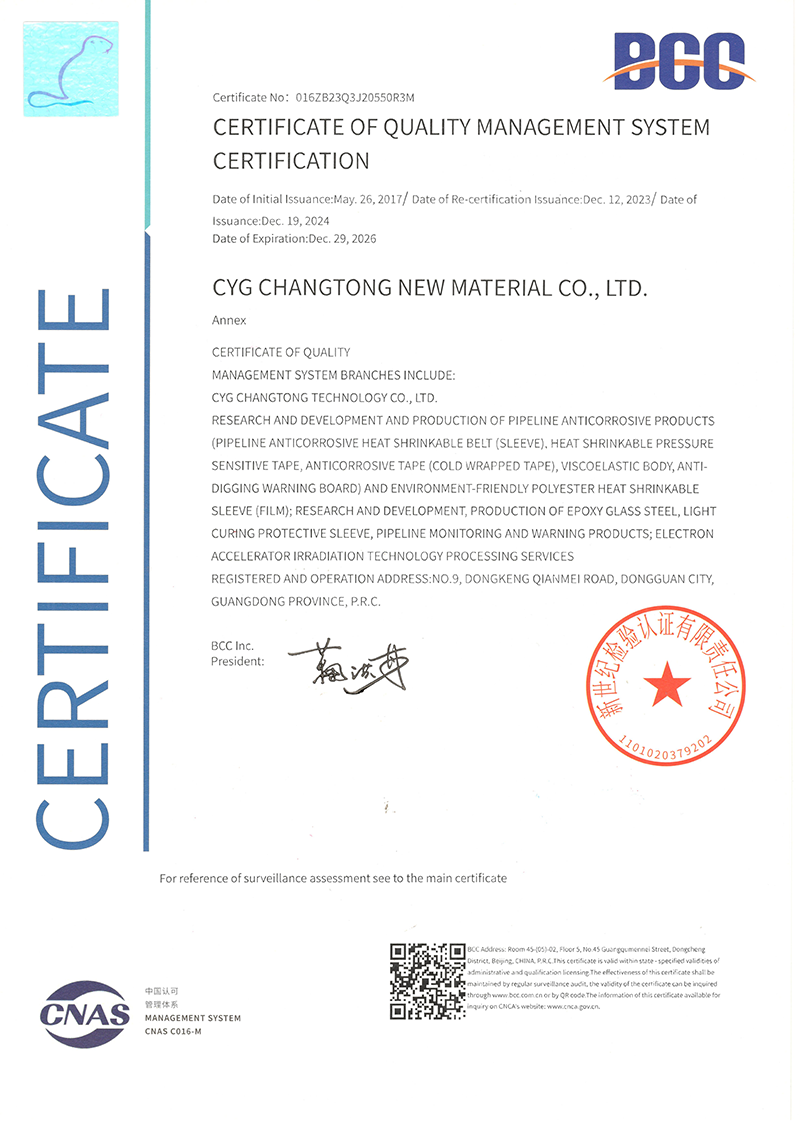
CYCT is a Council Member of the Chinese Society for Corrosion and Protection (CSCP), holds qualifications for pipeline detection and corrosion protection construction, and is a corporate member of AMPP. Below are some of our official company and product certificates validating our manufacturing standards:
Get expert insights regarding selection, installation, and manufacturing standards for hot glue heat shrink systems.
Complete your project specifications with our certified insulation tubing, repair patches, and field joint sleeves.
 CYCT
CYCT