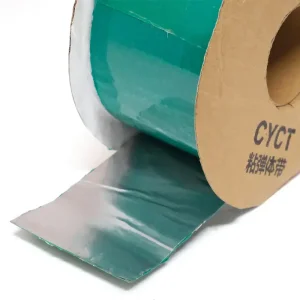
Premium hot melt adhesives, viscoelastic tapes, and custom heat shrink sleeves designed to safeguard critical pipeline infrastructure.
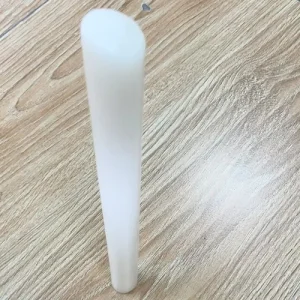
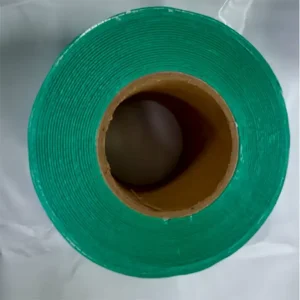
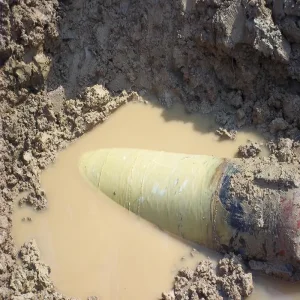
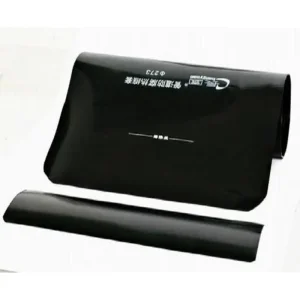
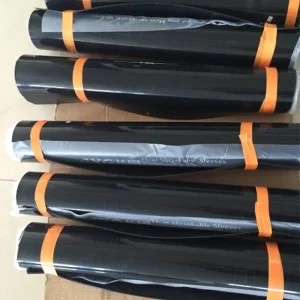
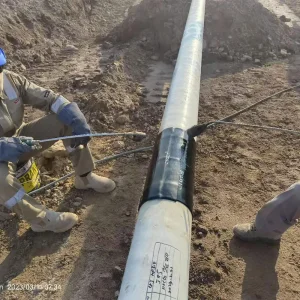
In modern structural engineering, high-temperature wrapping tapes have transitioned from standard insulation to critical assets. With pipelines operating at elevated temperatures under aggressive soil conditions, the demand for high-temperature wrapping systems and viscoelastic tapes has risen significantly.
Whether transporting crude oil, chemical derivatives, or natural gas, long-distance pipelines face dynamic mechanical stress, moisture penetration, and thermal shifts. Leading oil and gas majors, alongside municipal utilities worldwide, prioritize structural integrity over initial cost.
This shift drives the demand for specialized, high-temperature corrosion prevention tapes. These tapes must withstand continuous operating temperatures from 80°C up to 95°C and higher without experiencing degradation, shear displacement, or adhesive failure.
A comprehensive overview of material science innovations reshaping pipeline integrity and corrosion mitigation.
As oil and gas pipelines increasingly transition from Three-Layer Polyethylene (3LPE) to Three-Layer Polypropylene (3LPP) coatings for higher operational temperatures, field joint systems must adapt. Modern systems utilize advanced polypropylene-backed heat-shrinkable sleeves to maintain consistent thermal protection across the field joint.
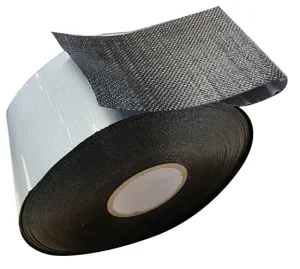
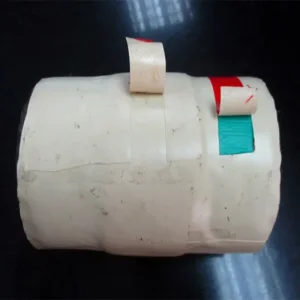
Viscoelastic materials represent a key development in cold-applied coating systems. Exhibiting both viscous and elastic properties, these materials flow into substrate micro-fissures to self-heal minor installation defects. Fabric viscoelastic tapes provide immediate adhesion and corrosion protection without requiring complex primer systems.
For trenchless installation methods like Horizontal Directional Drilling (HDD), wrapping tapes face intense shear forces. Integrating photo-curing Glass Fiber Reinforced Plastics (GRP/FRP) provides a tough outer protective sleeve that prevents gouging and mechanical damage during pipe pulling.
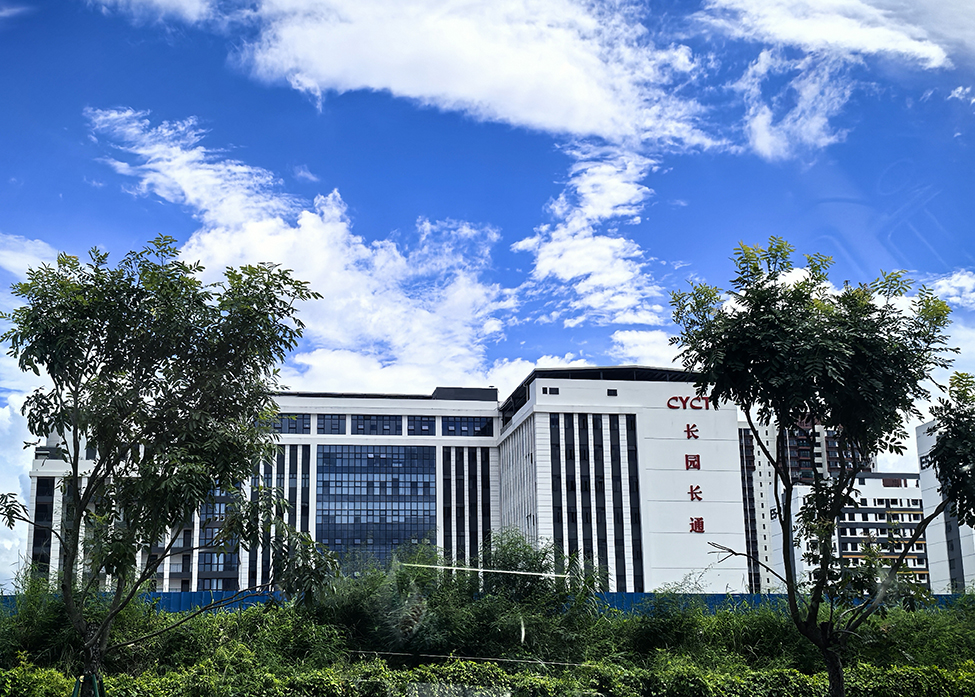
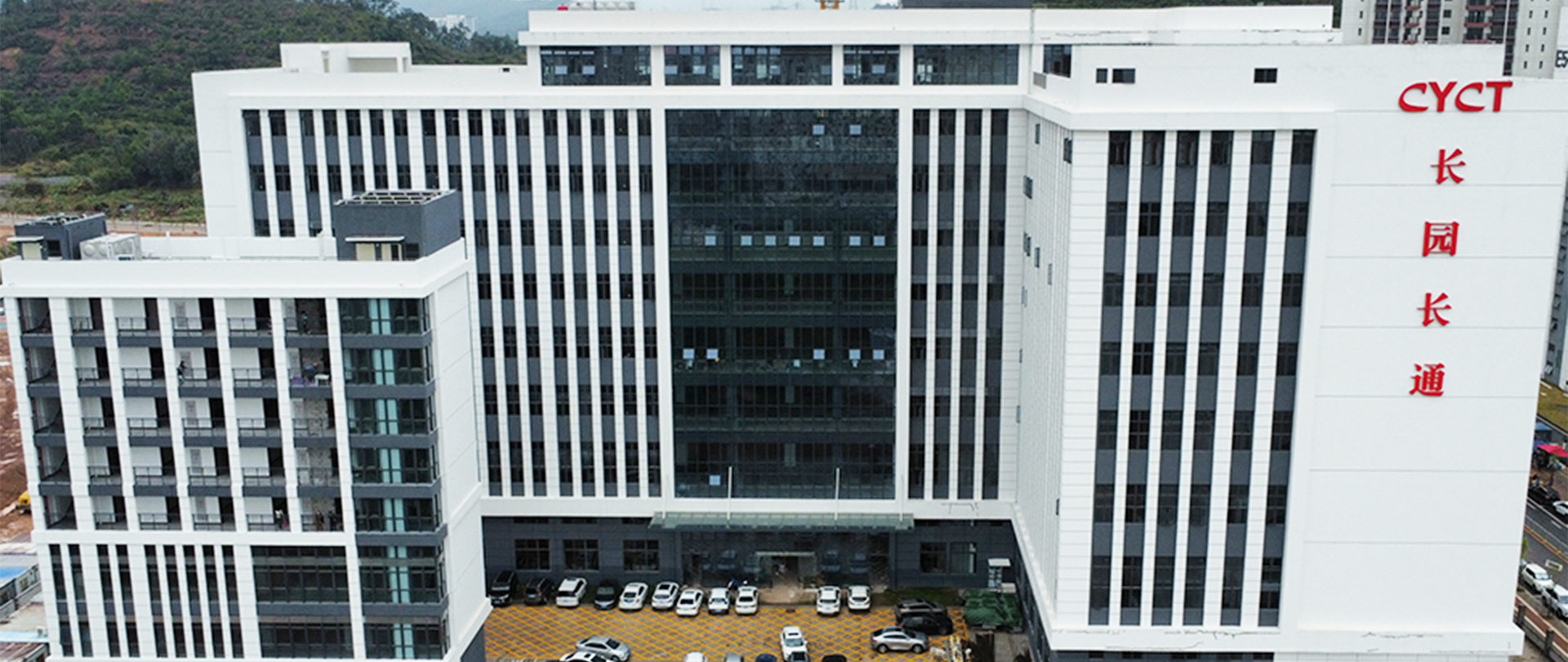
CYCT New Materials Company Limited (for short, CYCT) is a state-level high-tech enterprise integrating R&D, production, and sales of pipeline corrosion protection materials, as well as buried pipeline detection and pipeline coating field application services.
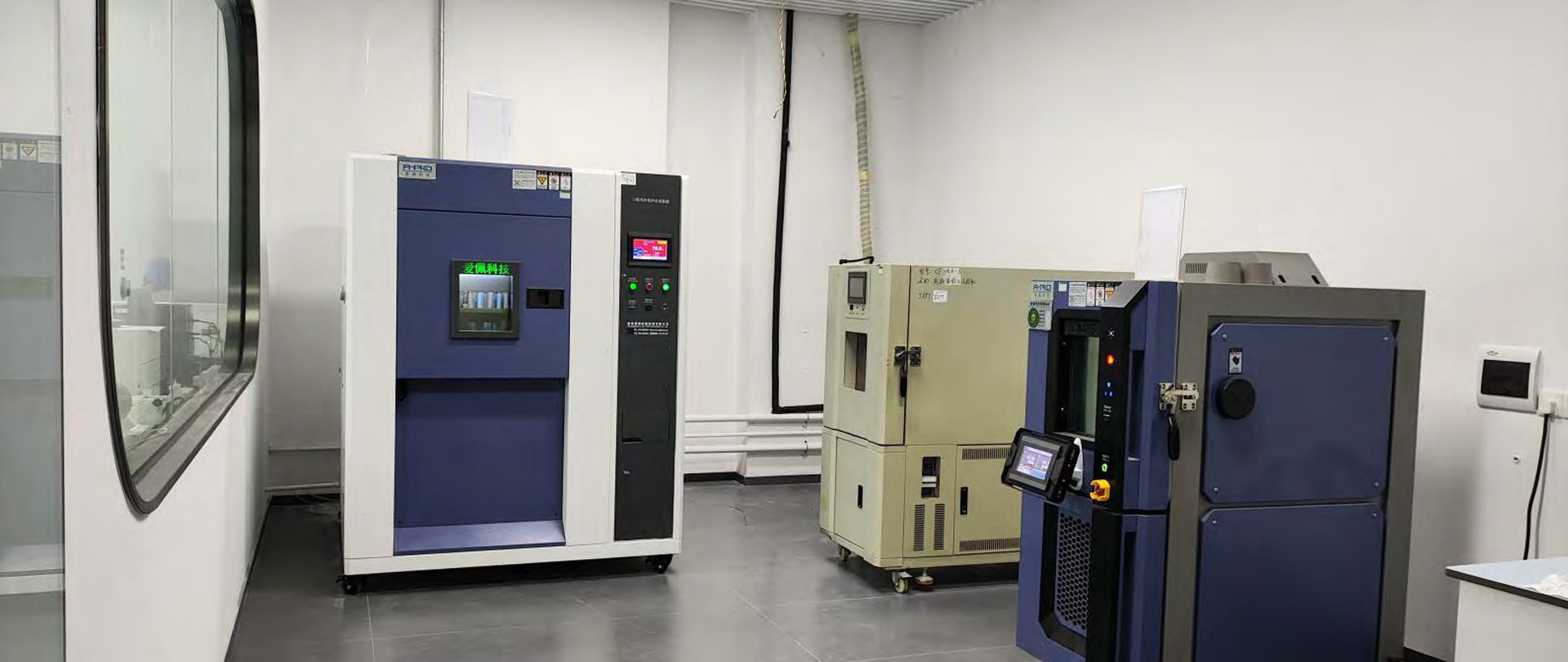
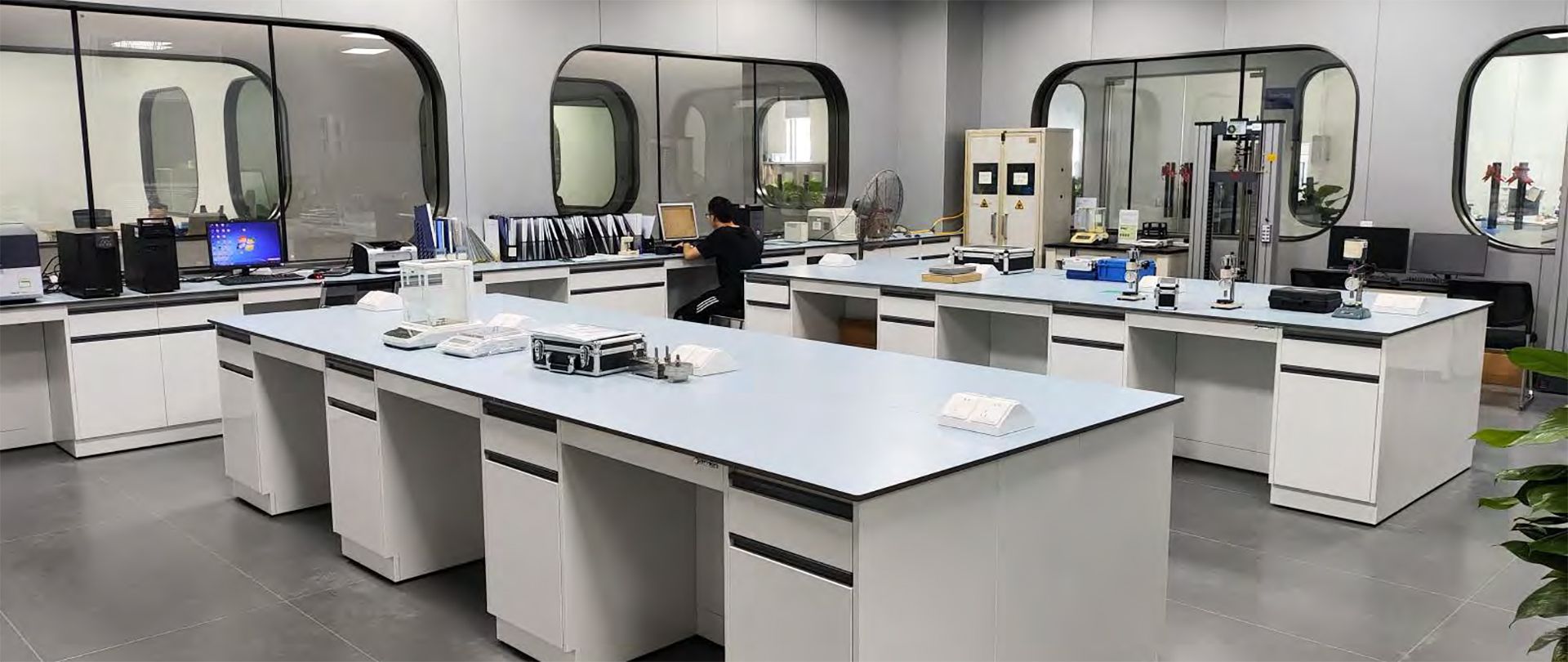
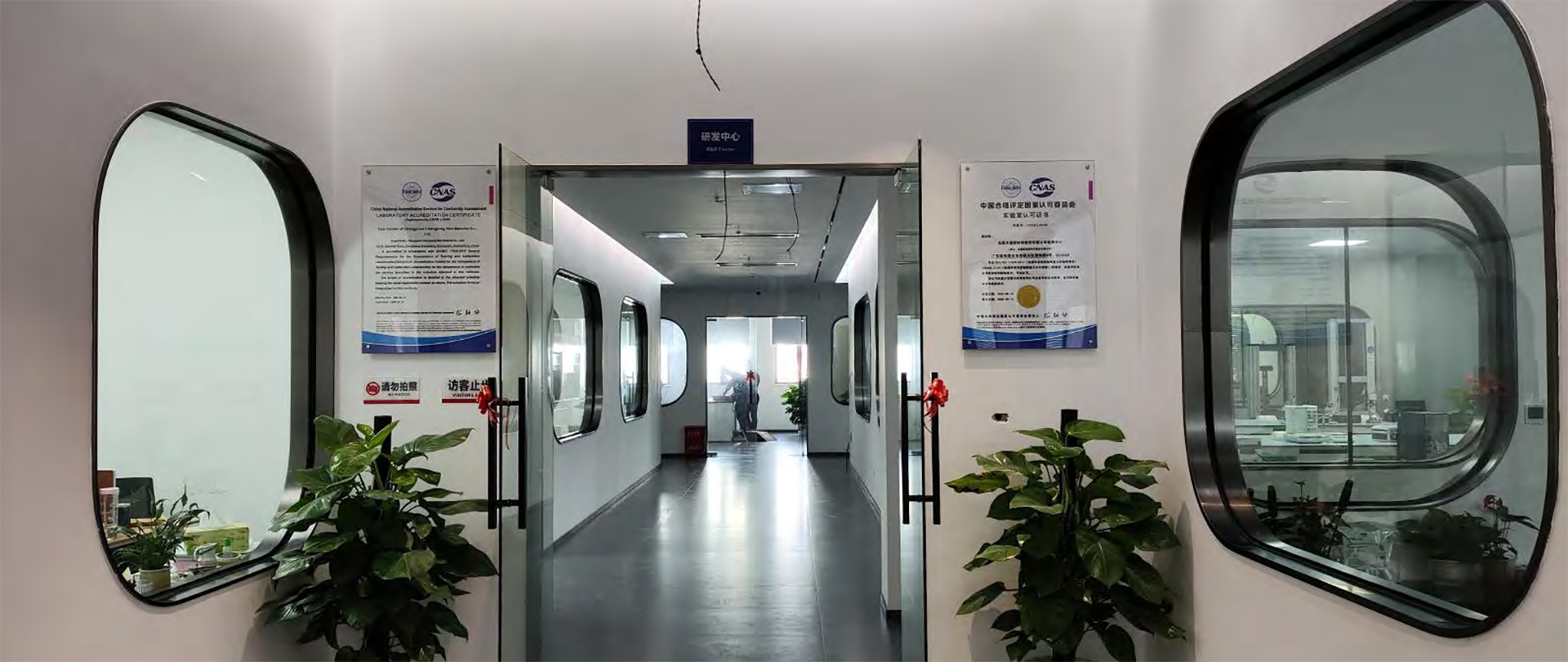
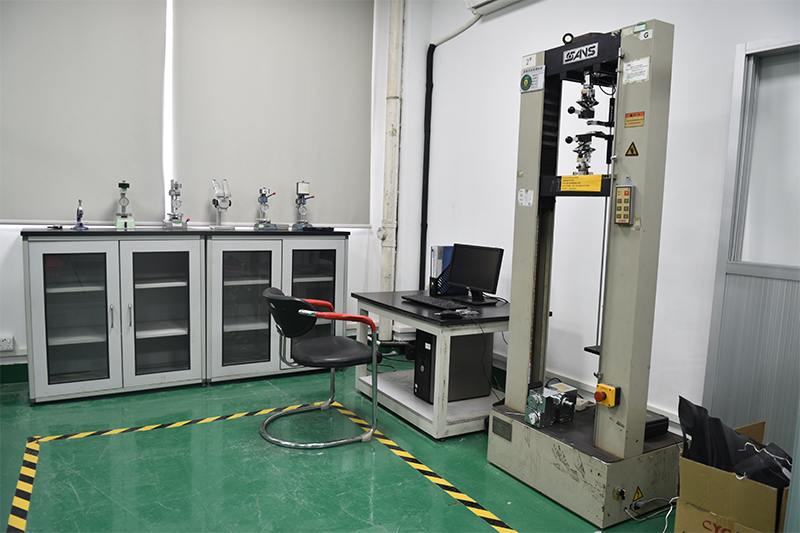
For decades, CYCT has focused on pipeline protection technology. The company owns advanced testing and R&D facilities, a professional R&D team, and a national CNAS-accredited laboratory. This infrastructure supports rigorous quality assurance and continuous product refinement.
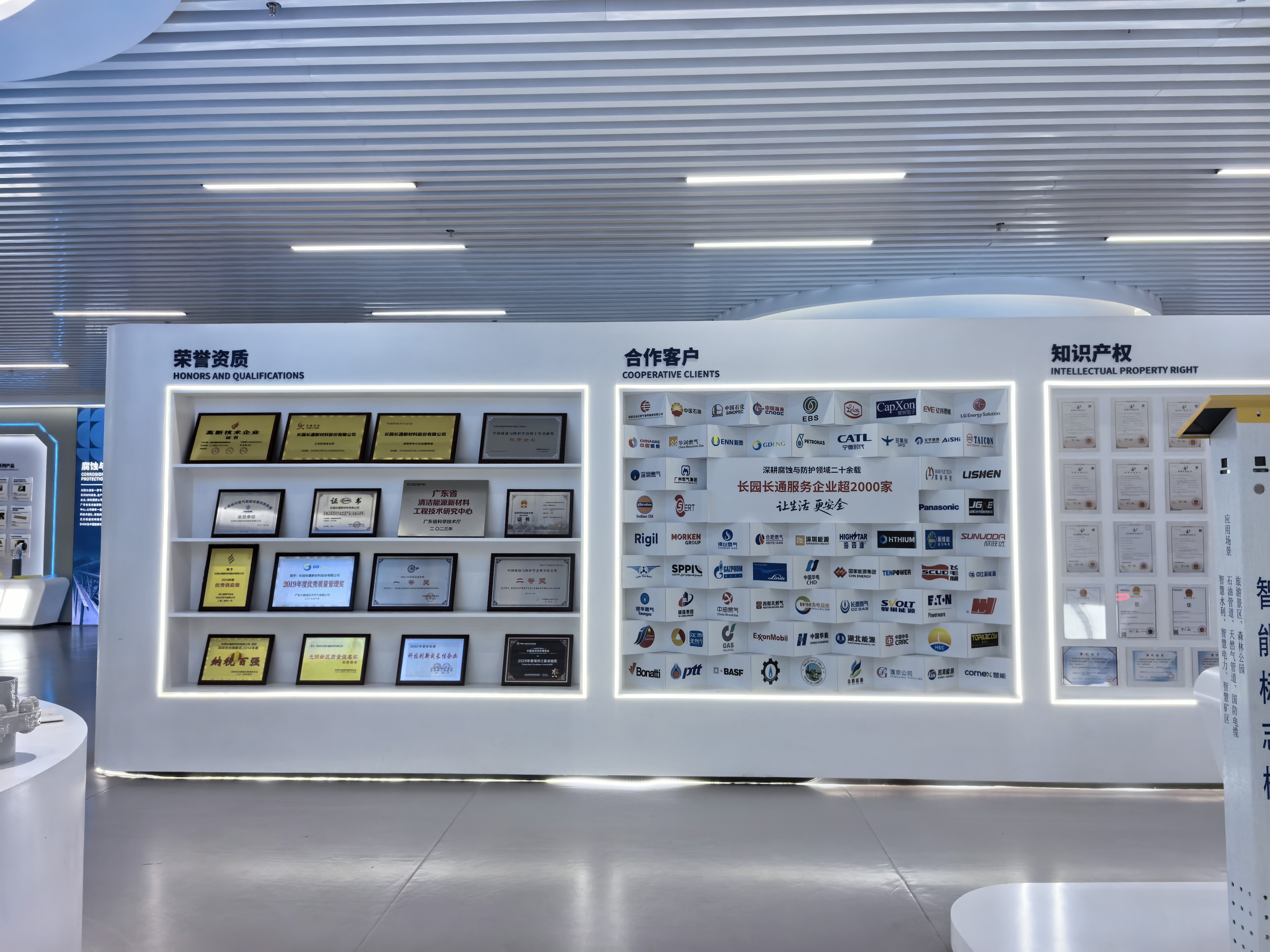
As an established supplier in the pipeline corrosion sector, CYCT maintains long-term supply relationships with major enterprises such as PetroChina, Sinopec, PipeChina, China Gas Group, and Indian Oil. In addition to standard products, CYCT has developed specialty materials, including viscoelastic coatings, photo-curing GRP sleeves for HDD applications, and high-performance polyurea coatings.
Through technical partnerships with institutes like the CNPC Pipeline Science Research Institute, CYCT provides technical services including buried pipeline detection, cathodic protection design, rehabilitation planning, and integrated security engineering.
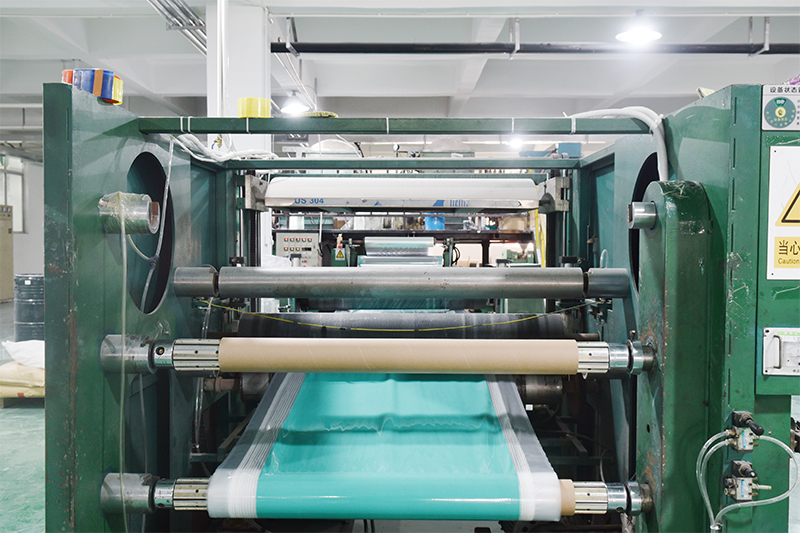
CYCT integrates automated manufacturing processes to ensure batch-to-batch consistency and high production volumes for large-scale infrastructure projects.
By utilizing high-speed extrusion lines, automated chemical dosing systems, and inline thickness monitoring, CYCT reduces deviations in adhesive coating thickness and backing tape uniformity. This manufacturing stability is crucial for heat-shrinkable sleeves and viscoelastic tapes, where minor defects can compromise field performance.
CYCT's supply chain is anchored by domestic sourcing of raw polymers and additives, minimizing external logistics disruptions. Combined with large-scale storage facilities, this ensures stable supply cycles for global infrastructure projects.
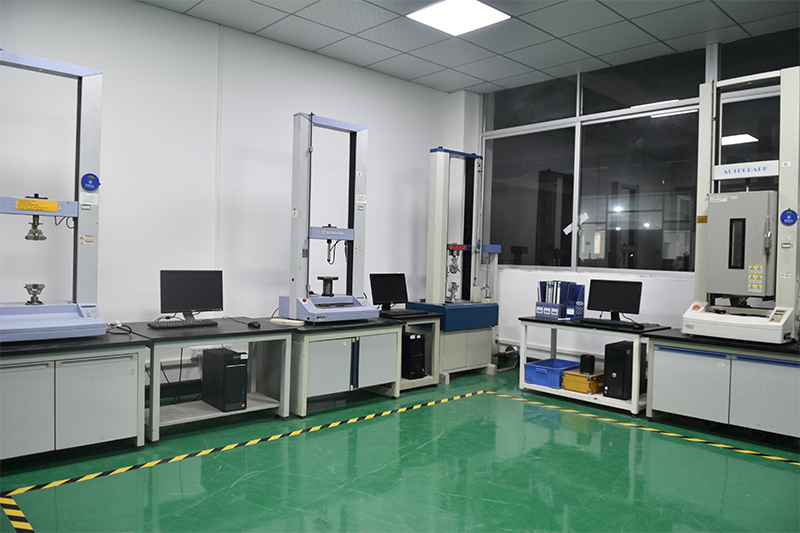
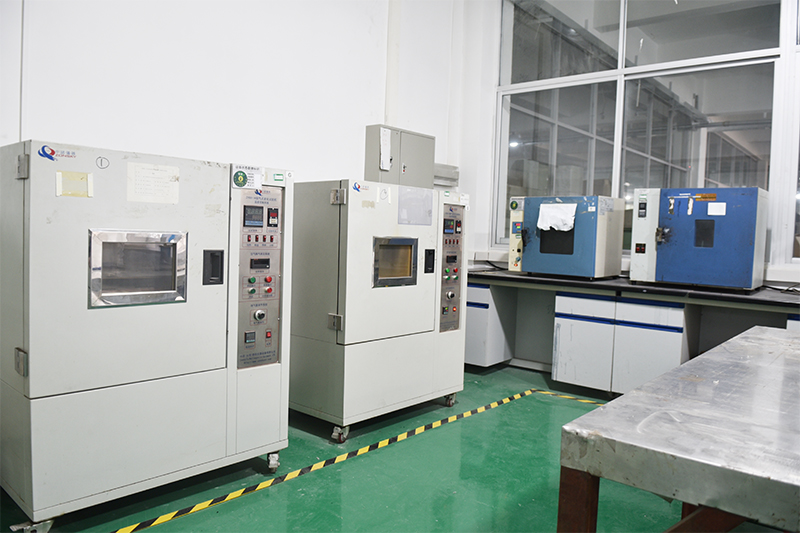
How CYCT's pipeline protection materials perform across diverse challenging environmental and geographical terrains.
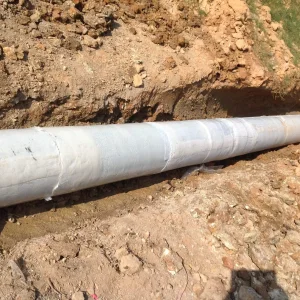
In heavy clay regions, natural soil movements subject buried pipelines to continuous shear stresses. Standard wrapping tapes can sag or buckle, leading to moisture intrusion. CYCT's high-temperature polypropylene outer tapes and heavy-duty wraparound sleeves are designed to resist soil shear, protecting field joint integrity under shifting loads.
Pulling pipeline strings through directional boreholes exposes them to severe abrasion from stones and bedrock. CYCT's Epoxy FRP (Fiberglass Reinforced Polymer) systems, paired with UV-curing photo-curing sleeves, act as a sacrificial mechanical shield over the corrosion barrier, preventing damage during pull-back.
Excavating and repairing aged coatings requires materials that install reliably with minimal surface preparation. CYCT's viscoelastic tapes and PE repair patches offer field joint rehabilitation options that bond directly to steel, PE, or PP substrates without needing sandblasting or high-temperature preheating.
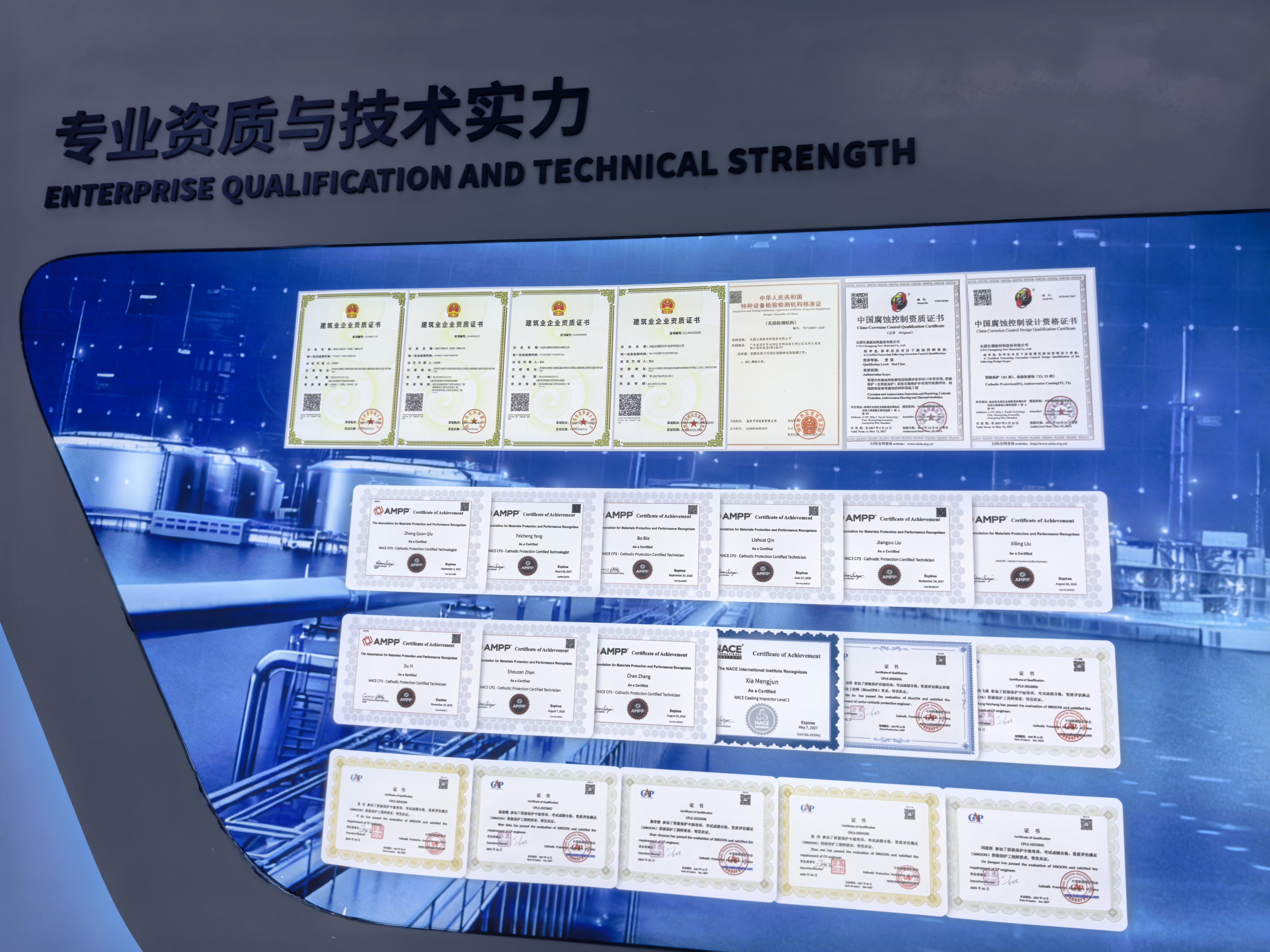
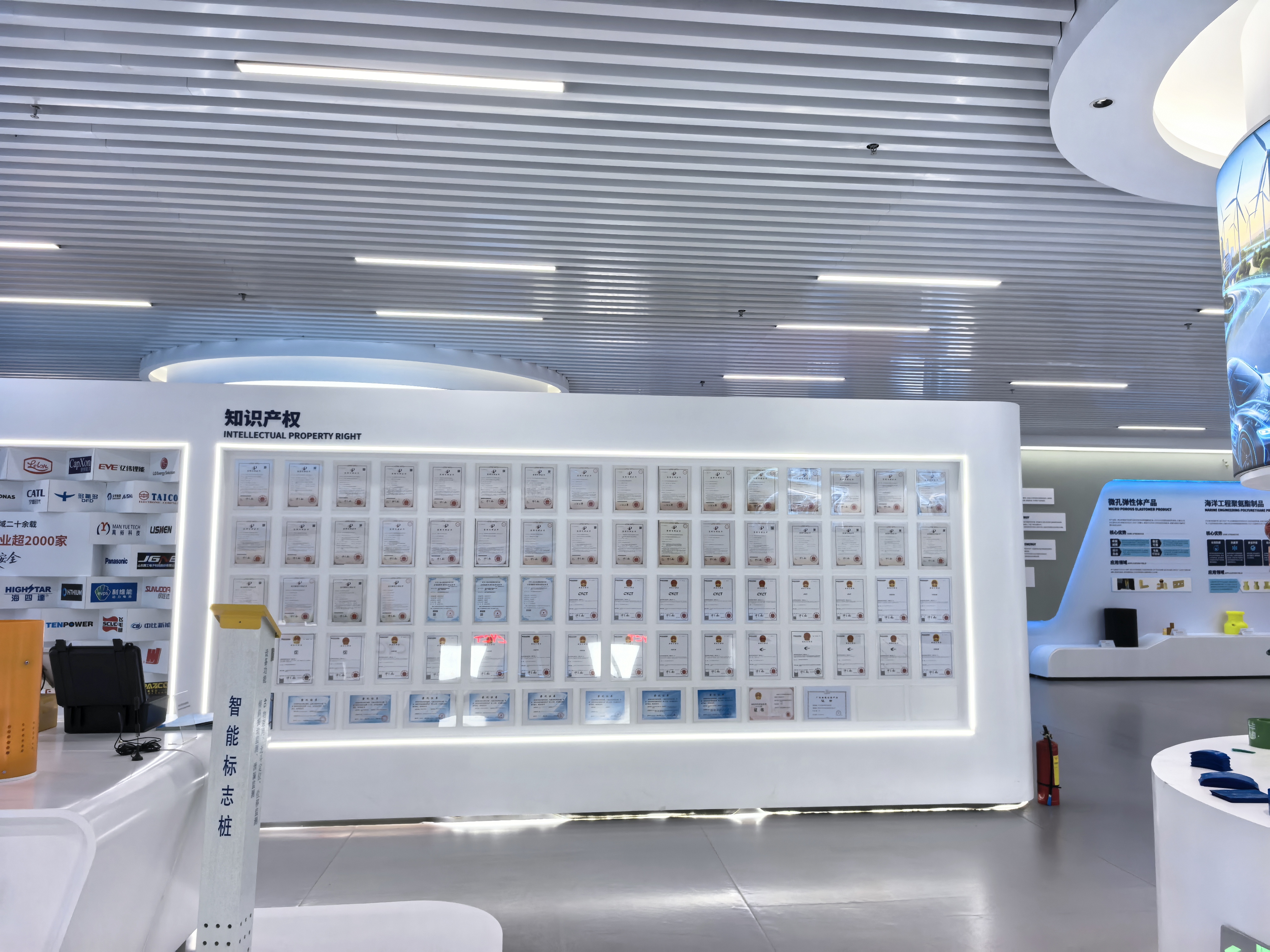
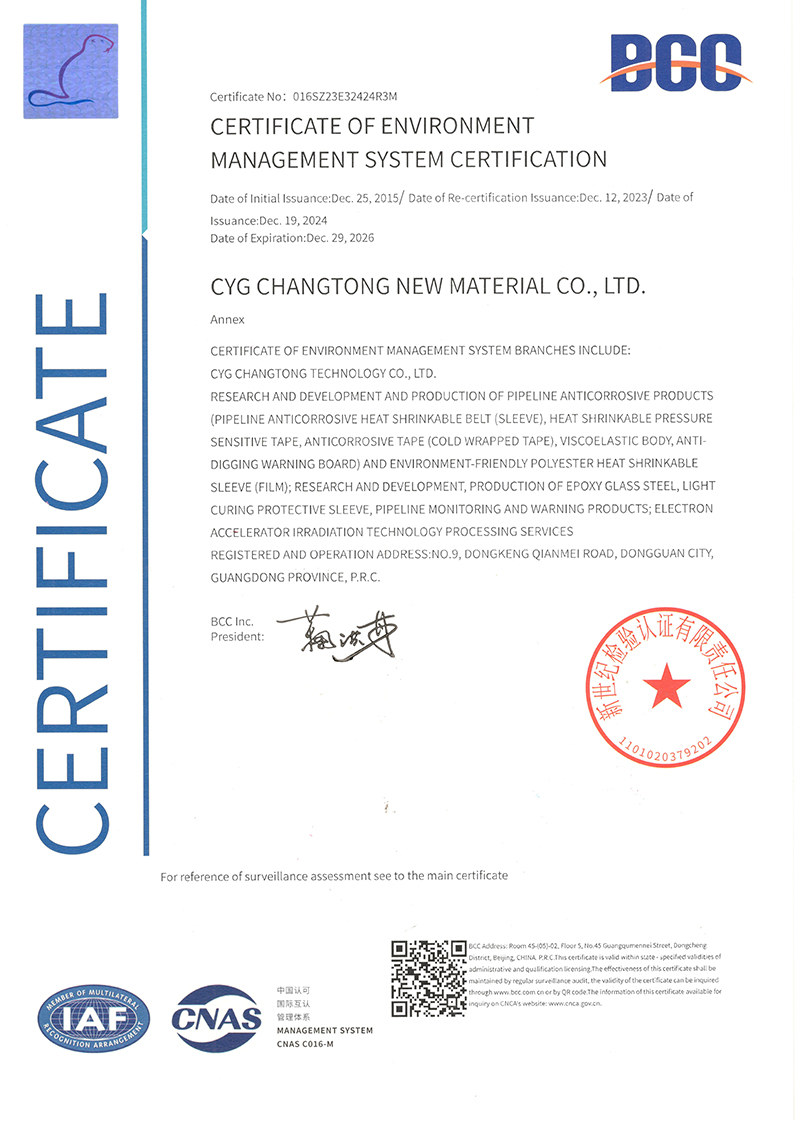
CYCT's corporate credentials and product lines conform to global regulatory standards and quality certifications.
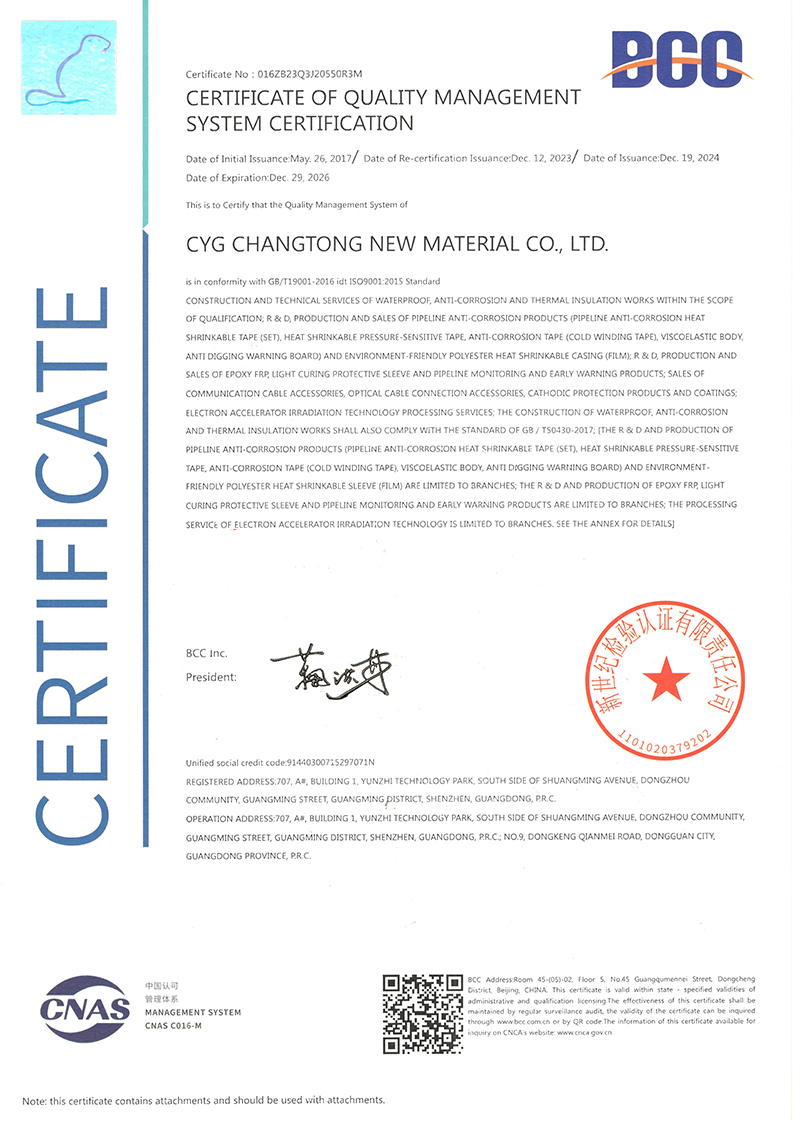
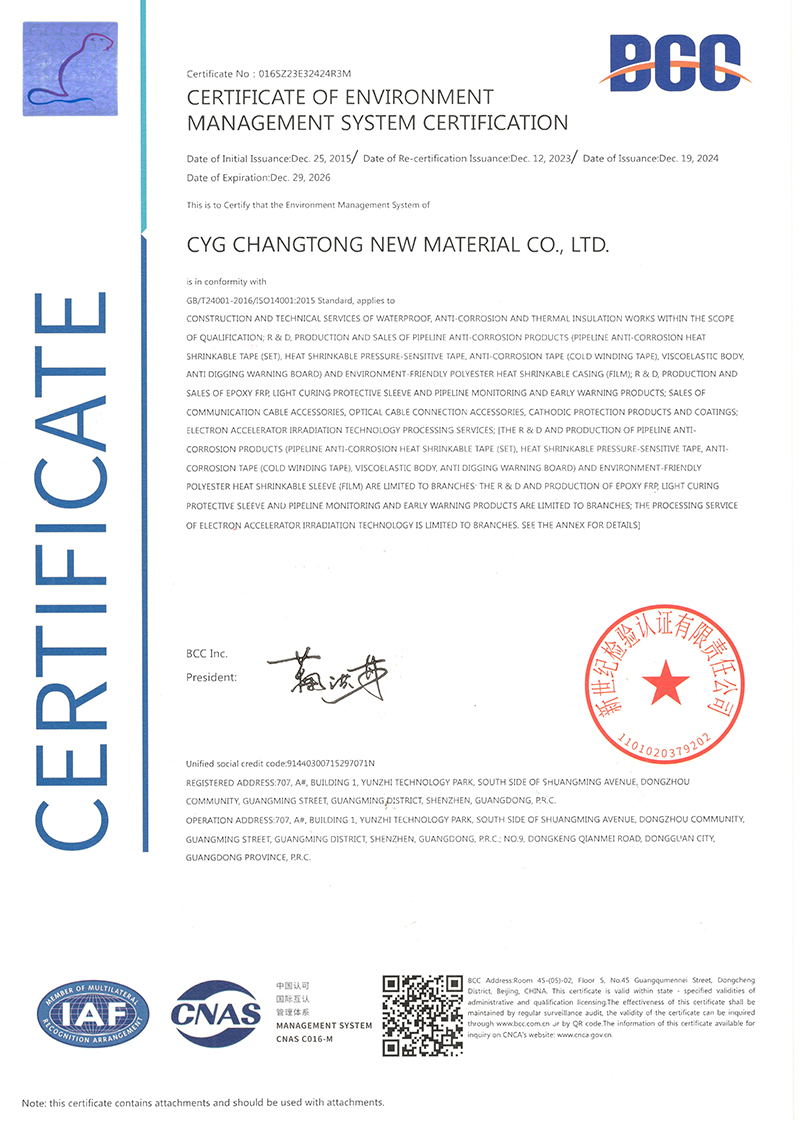
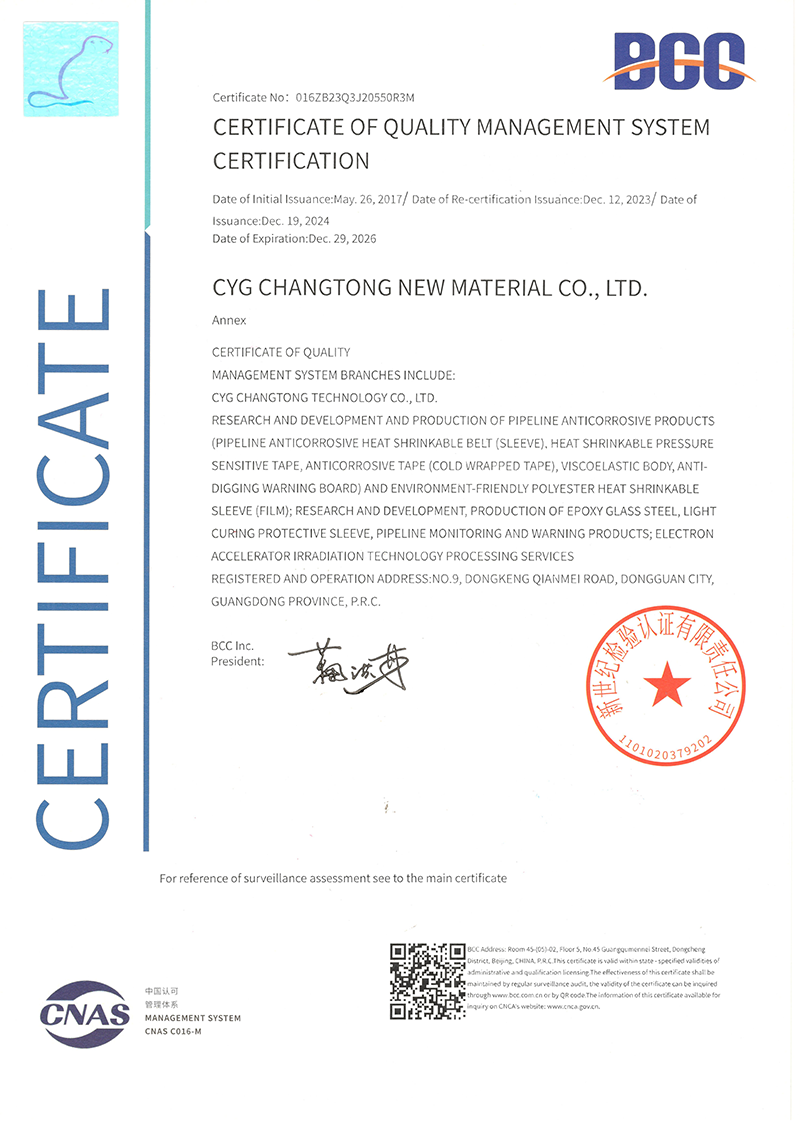
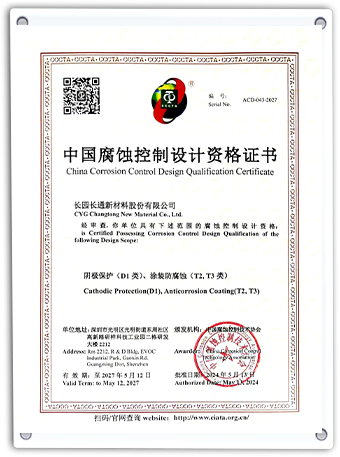
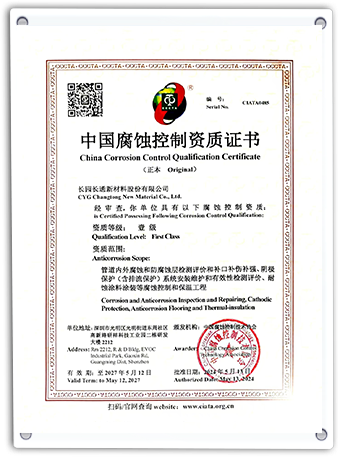
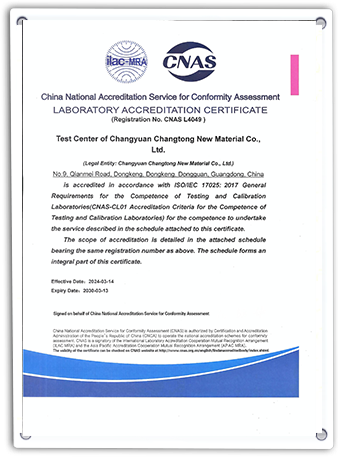
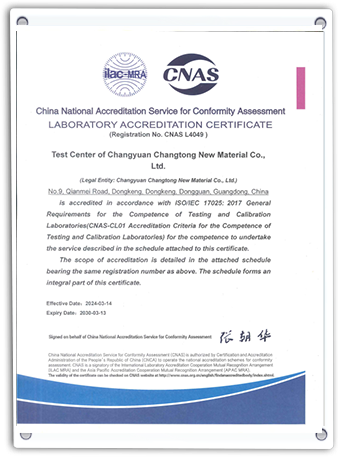
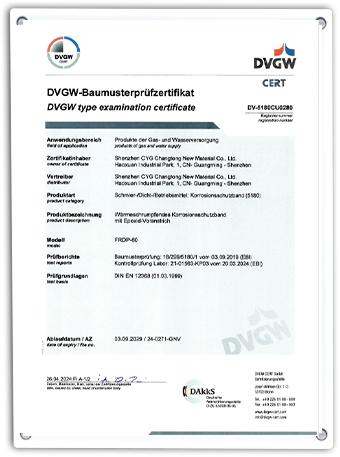
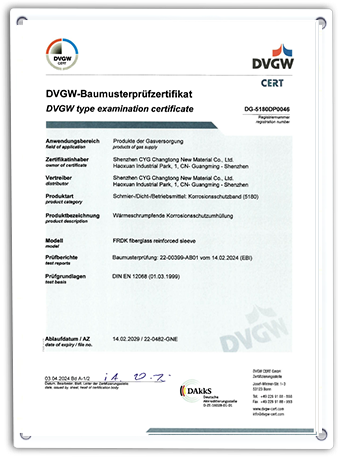
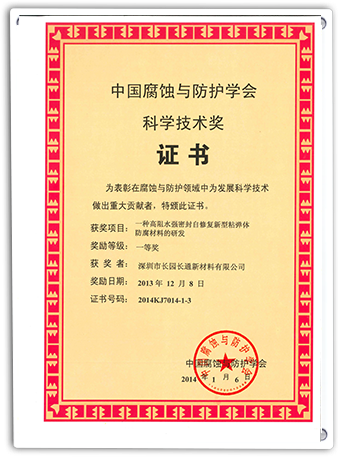
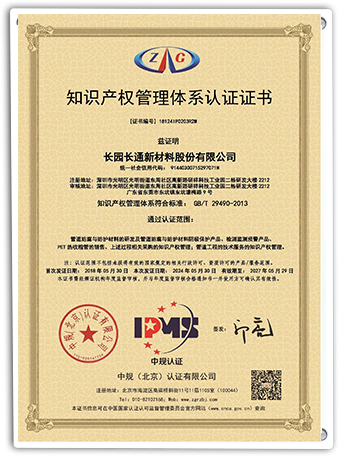
Get answers to critical technical questions regarding polymer chemistry, application techniques, and engineering specifications.
Premium PE/PP repair kits, UV-cured GRP sleeves, and aluminum viscoelastic tapes for industrial piping applications.
 CYCT
CYCT