Precision-engineered protection systems for oil, gas, water pipelines, and field joint coating
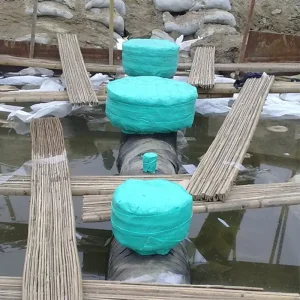
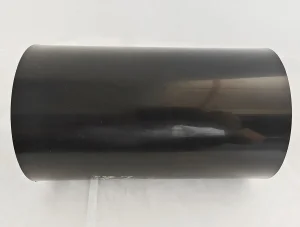
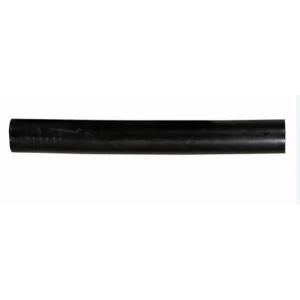
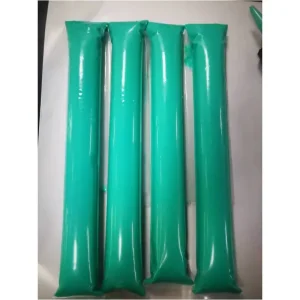
Pipeline networks form the biological backbone of global energy security, carrying natural gas, crude oil, petrochemicals, and municipal water supplies across harsh geographical terrains. Protecting these metallic assets from electrochemical, galvanic, and microbiological corrosion is paramount. Heat Shrinkable Tubular Sleeves (HSTS) represent one of the most reliable and field-proven technologies for Field Joint Coating (FJC) applications, addressing the vulnerable segment of pipelines—the weld joints.
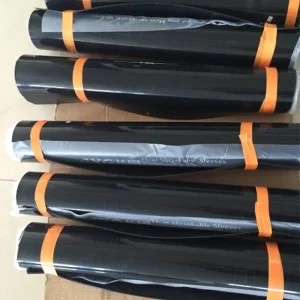
From a materials science perspective, a heat shrinkable tubular sleeve is not merely a plastic wrap. It is a highly engineered, multi-layered polymer structure comprised of an outer radiation-crosslinked high-density polyethylene (HDPE) or polypropylene (PP) backing, paired with an inner layer of a high-shear, hot-melt adhesive or viscoelastic mastic sealant. The backing is crosslinked using high-energy electron beam radiation, which creates a molecular "memory" effect. Upon heating during field installation, the backing shrinks to its original dimensions, exerting continuous, uniform radial pressure on the steel substrate. This pressure, combined with the heat-activated adhesive, forces the mastic/glue layer to flow into surface microscopic cavities, forming a hermetic barrier impervious to moisture, oxygen, and electrolytes.
Modern pipeline designs demand varying operating temperatures. HSTS systems are classified based on their continuous design service temperatures. The industry differentiates between 2-layer (2LPE) and 3-layer (3LPE/3LPP) coating configurations. For high-temperature lines carrying heavy crude or high-pressure gas, Polypropylene-based heat shrinkable sleeves are mandatory to prevent sliding and degradation at operating thresholds exceeding 80°C up to 100°C. OEM manufacturers like CYCT construct these systems with specific melt flow indexes to ensure the cohesive strength of the adhesive matches the mechanical resilience of the backing under thermal expansion cycles.
The convergence of state-of-the-art irradiation technology, raw material supply-chain integration, and rigorous testing standards
Chinese factories leverage high-energy industrial electron-beam accelerators. This permits precise control over crosslinking densities, ensuring the backing achieves the optimal "gel content" required for consistent shrink ratios and superior physical stress relaxation characteristics.
Operating under proprietary chemical research, leading suppliers utilize hybrid copolymer adhesives capable of bonding seamlessly to both FBE (Fusion Bonded Epoxy) primers and parent plant-applied PE/PP line coatings. This eliminates cathodic disbondment concerns.
With integrated chemical complexes producing basic resins to finished masterbatches, Chinese manufacturers offer fast turnaround times even for complex, large-diameter pipeline tenders (up to DN 1600/60") without compromising quality standards like ISO 21809-3.
How specialized shrinkable coatings resolve major engineering challenges in the field
Traditional heat shrinkable sleeves suffer severe shear stress and mechanical tearing when a pipeline is pulled through a rocky borehole during HDD crossings. To mitigate this risk, CYCT has developed photo-curing and moisture-curing fiberglass reinforced plastic (FRP) outer-shields. Applying a moisture-curing composite wrap over the primary heat shrinkable sleeve creates a rock-shield barrier. This composite layout ensures the primary corrosion protection layer remains fully intact, even under massive abrasive forces.
Subsea lines face continuous salt spray, high hydrostatic pressures, and severe temperature transitions. The field joint system must exhibit zero water permeation and highly stable cathodic disbondment resistance. Utilizing heavy-duty viscoelastic sealants combined with Polypropylene (PP) heat shrinkable wraps ensures the weld area maintains structural parity with the mill-applied 3LPP coating, preventing subsea joint failures.
District heating involves the distribution of hot steam or pressurized water. The temperature gradients can cause significant axial displacement. The polymer backing must offer high longitudinal stability (low thermal shrinkage in the machine direction, high shrinkage in the transverse direction) to prevent the sleeves from slipping down the pipe axis.
Founded in 2000 - Pioneers in Pipeline Corrosion Protection & Materials R&D
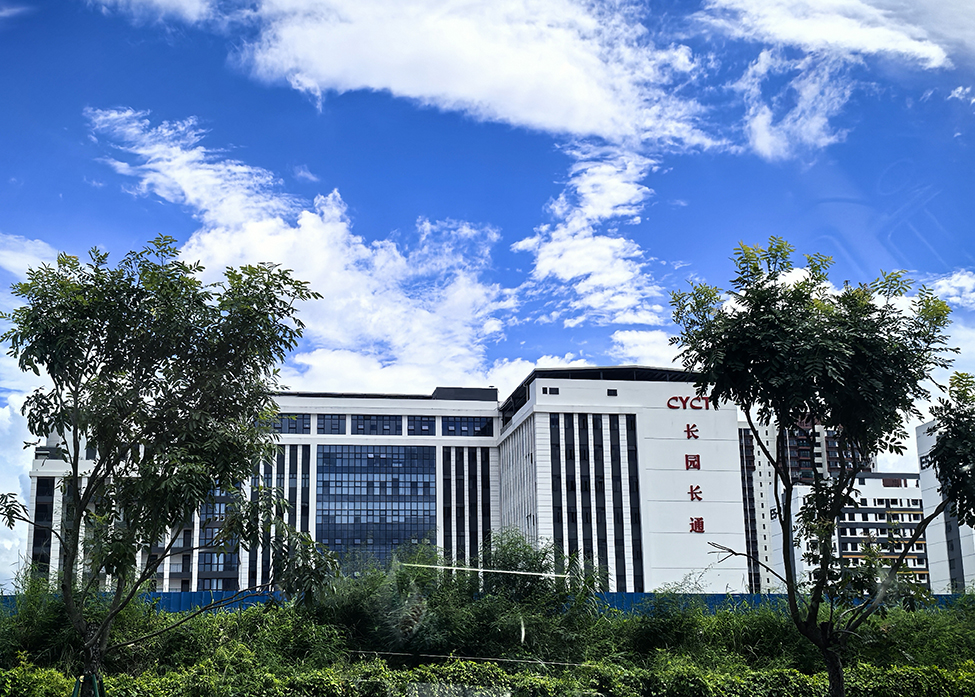
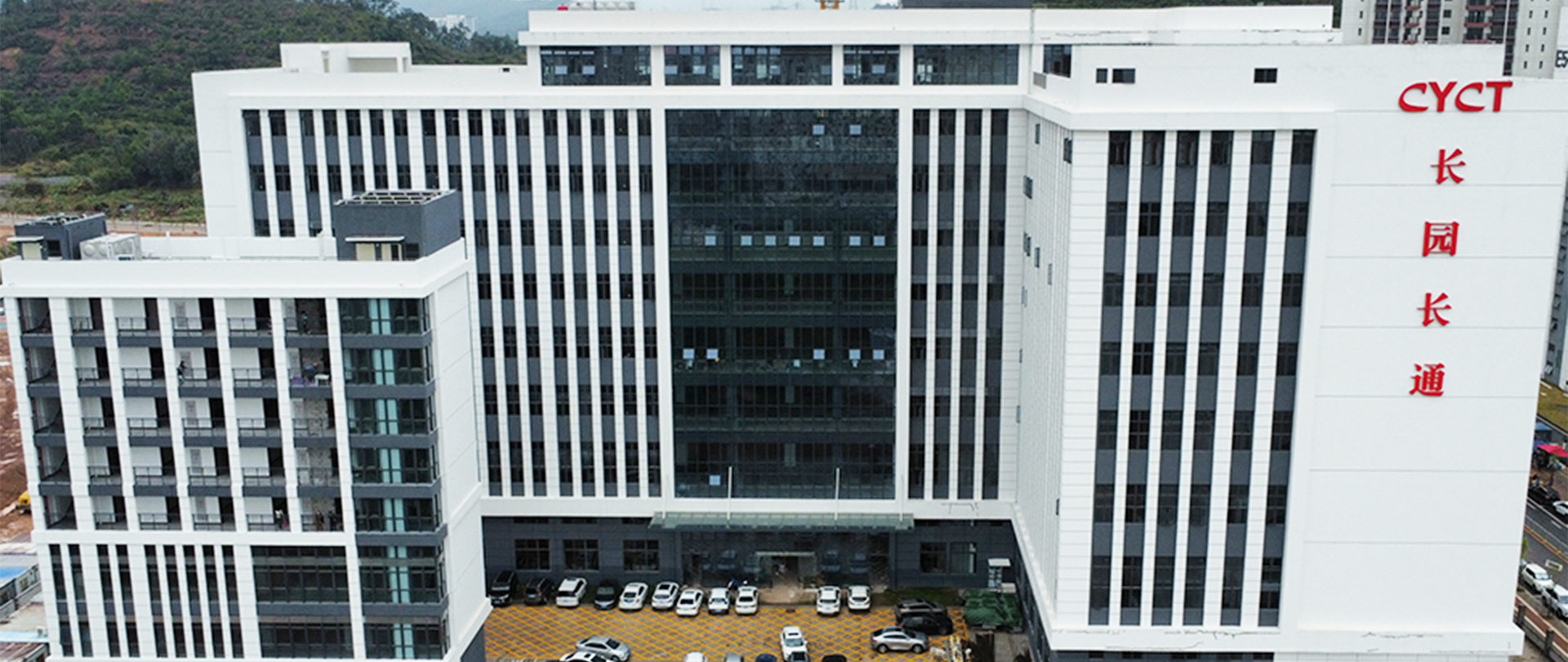
CYCT New Materials Company Limited (for short, CYCT) is a state-level high-tech enterprise integrating R&D, production and sales of pipeline corrosion protection materials as well as buried pipeline detection service and pipeline coating field application service into one. CYCT devotes itself to R&D, production and sales of pipeline corrosion protection materials for decades.
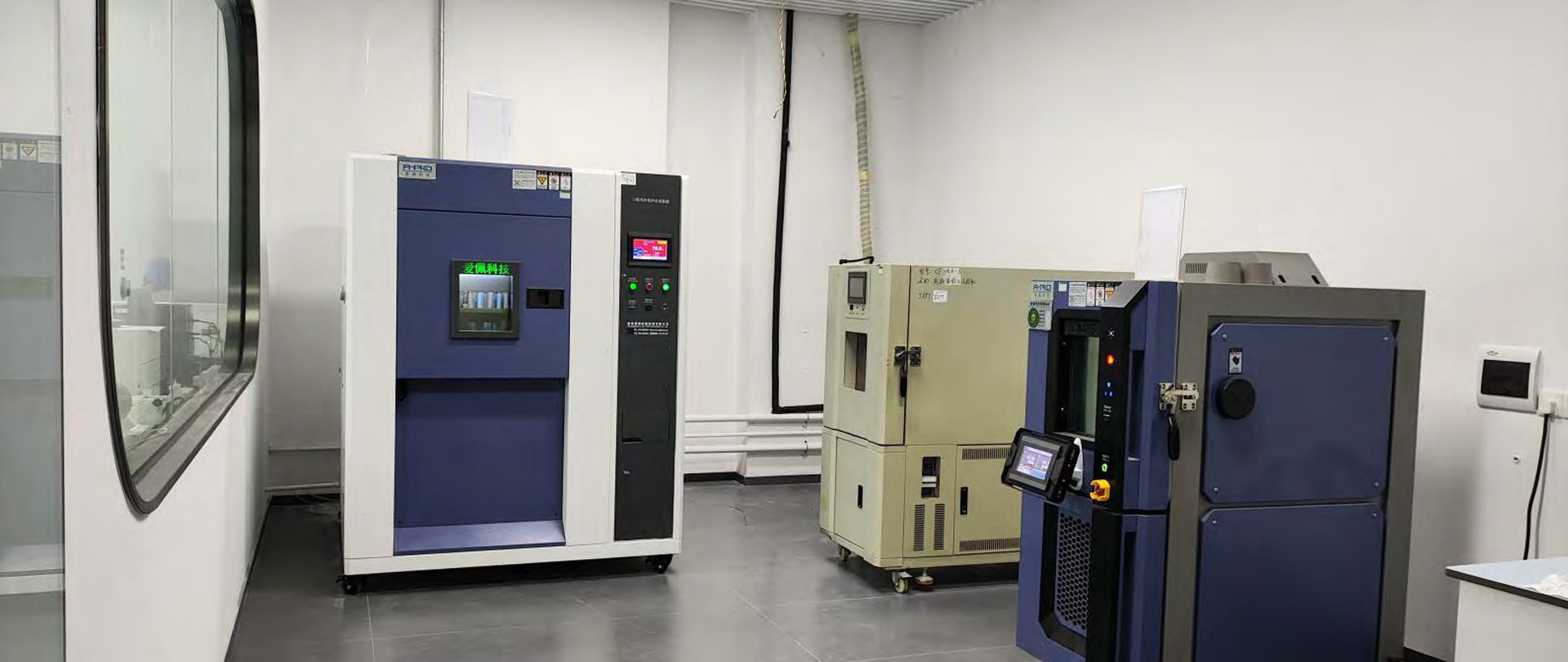
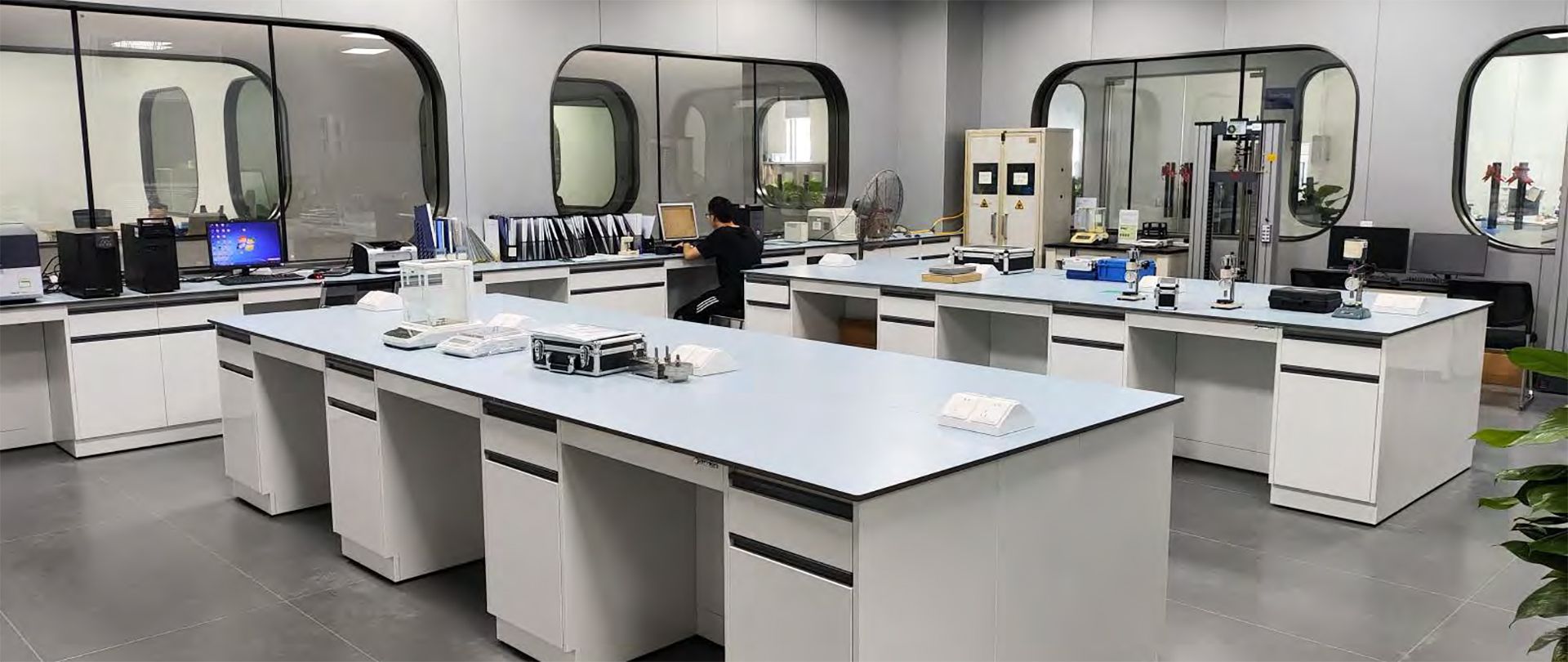
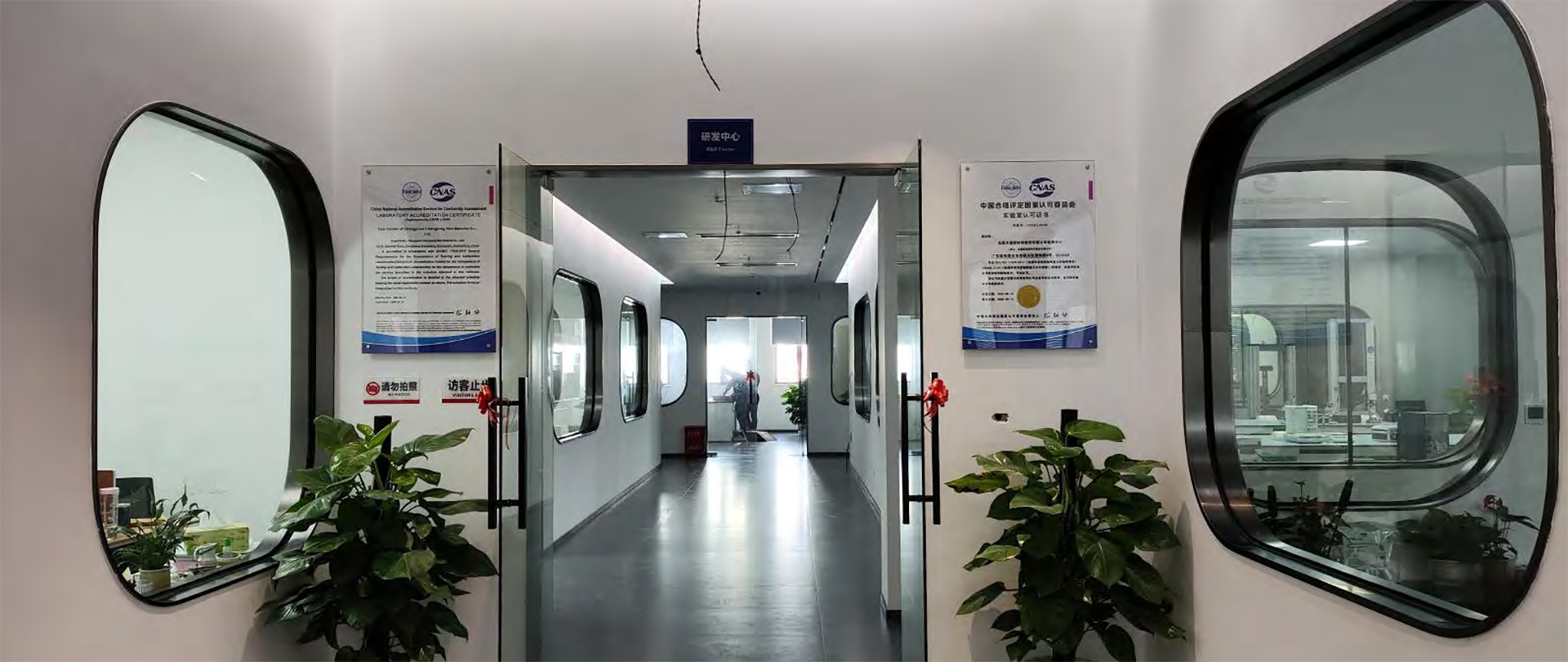
CYCT owns leading testing and R&D capabilities, a professional R&D team, and a national CNAS-accredited laboratory. Over the years, we have become a stable supplier of field joint coating for PetroChina, Sinopec, PipeChina, and local pipelines, capturing a significant market share. Furthermore, CYCT has successfully developed and introduced a number of specialty corrosion protection materials such as visco-elastic anticorrosion materials, special photo-curing sleeves for HDD protection, and polyurea coatings.
By establishing good cooperation with leading R&D institutes such as CNPC Pipeline Science Research Institute, CYCT is capable of providing in-service pipelines with varied technical services such as buried pipeline detection, design schemes, cathodic protection, rehabilitation projects, and integrated safety protection solutions.
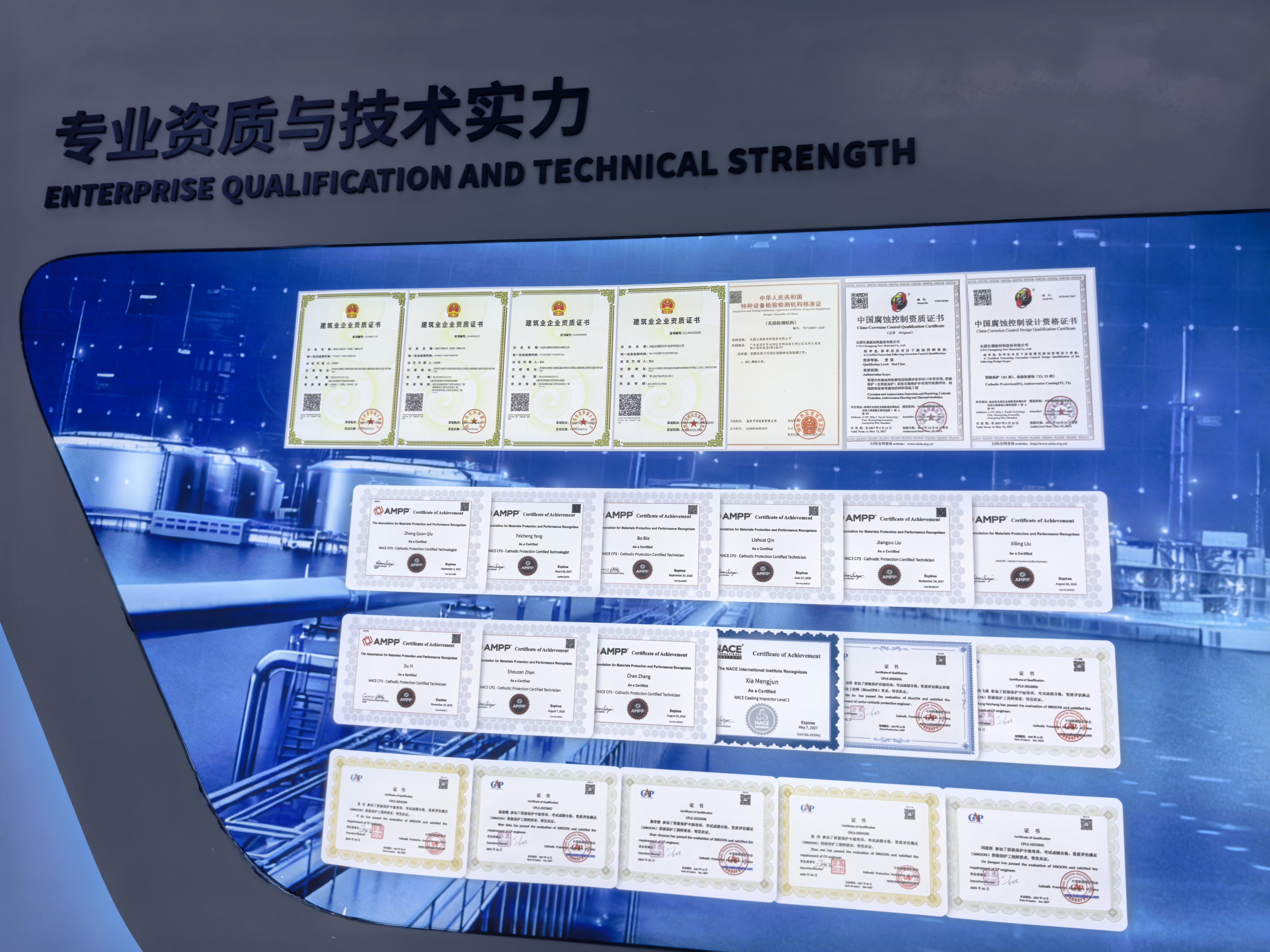
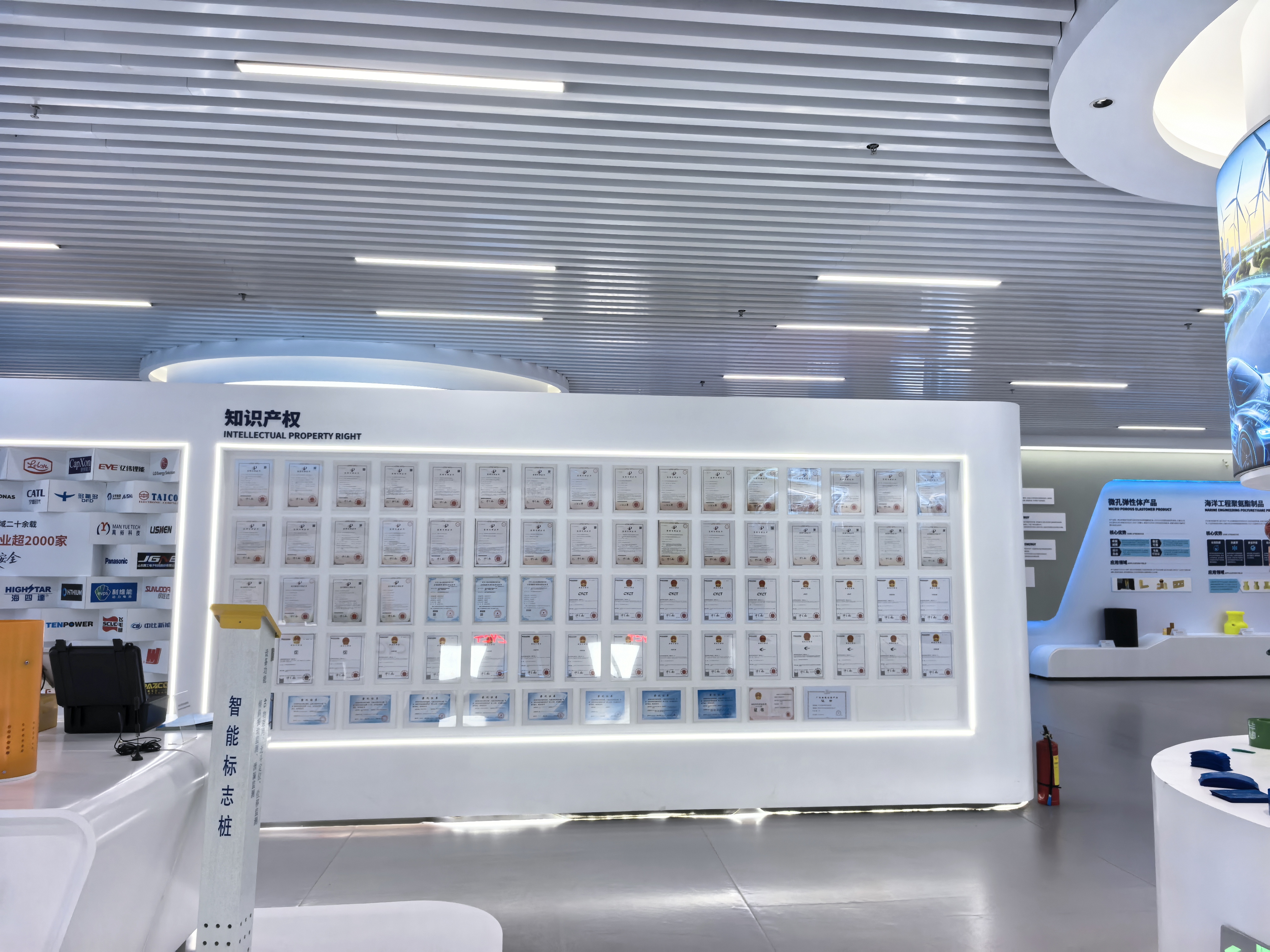
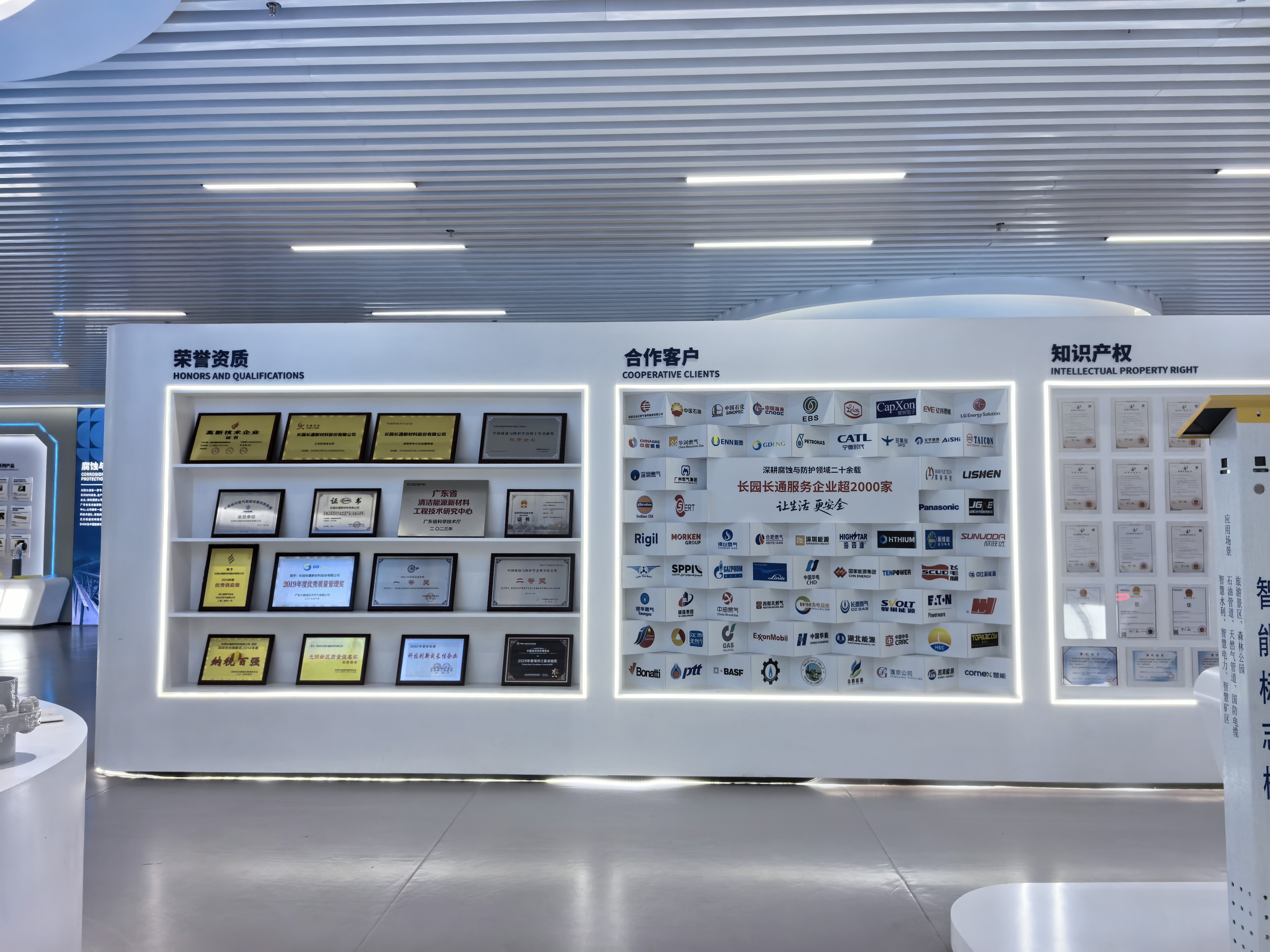
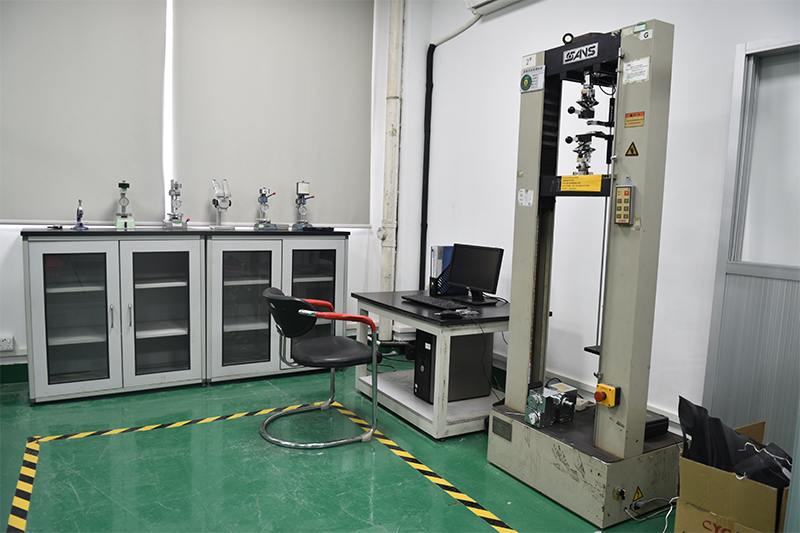
Member of Council in Chinese Society for Corrosion and Protection (CSCP) | Qualification Certificate of Corrosion Protection Construction | Qualification Certificate of Pipeline Detection | Supplier of Indian Oil
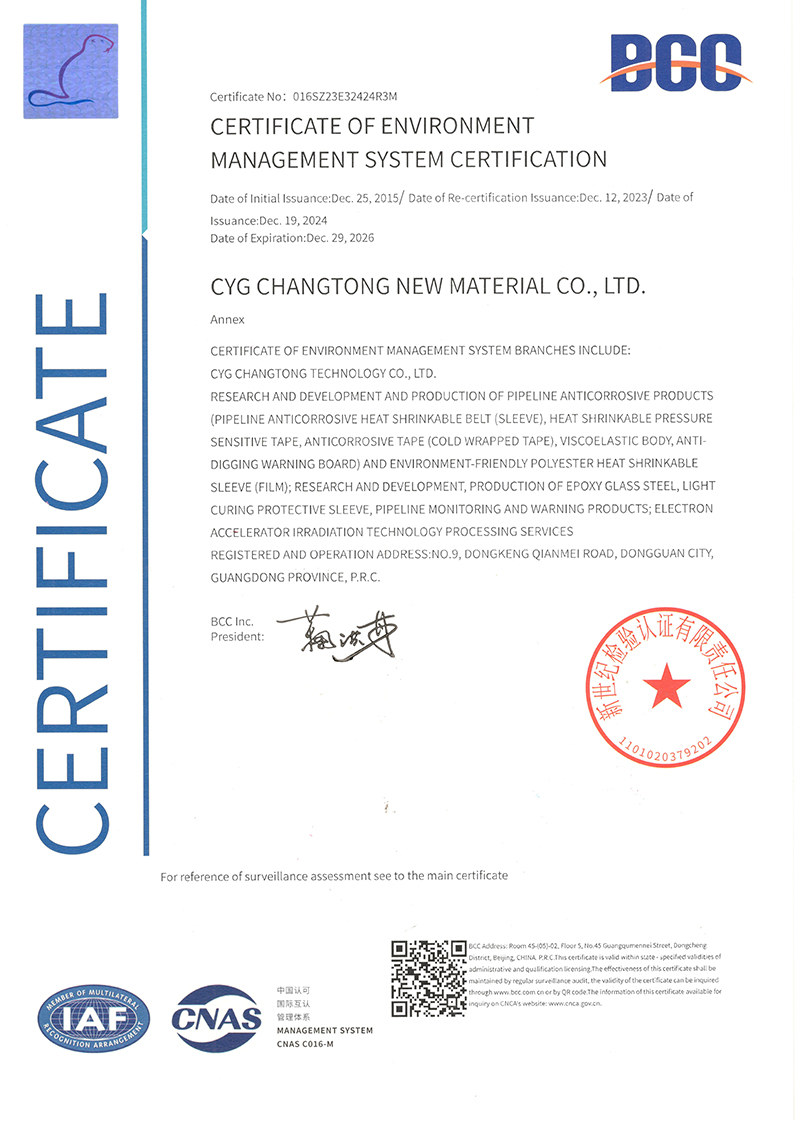
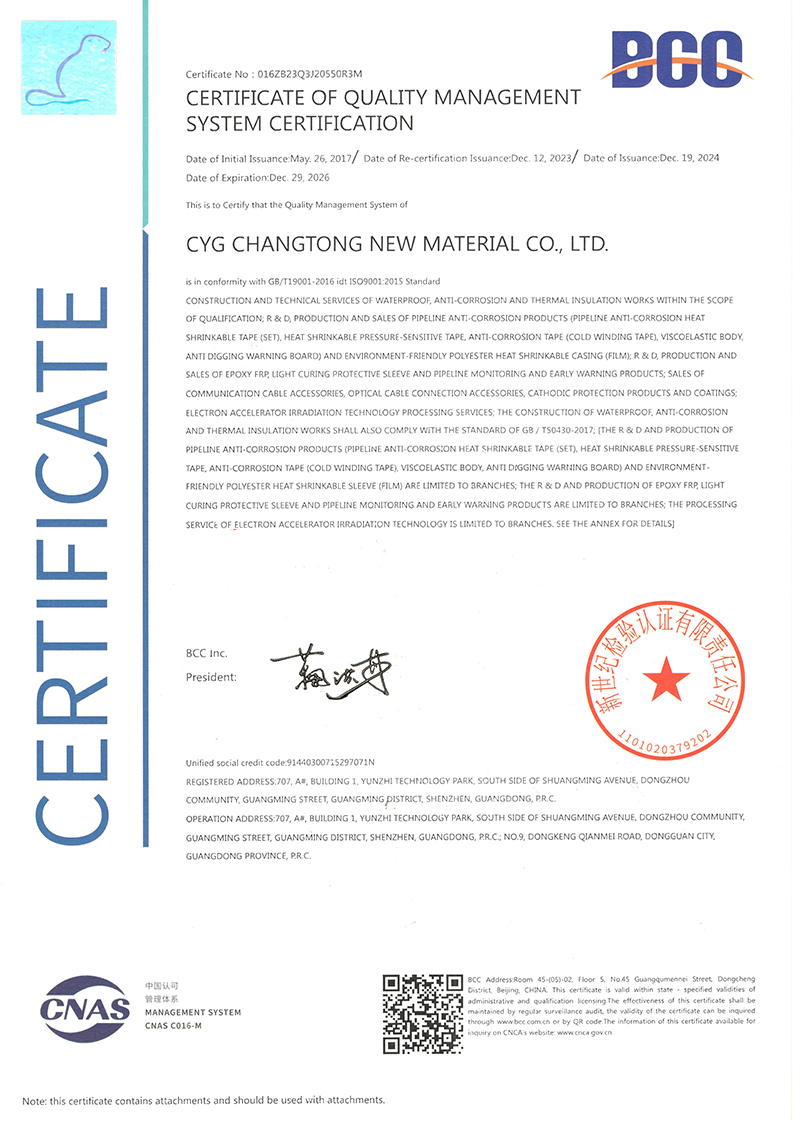
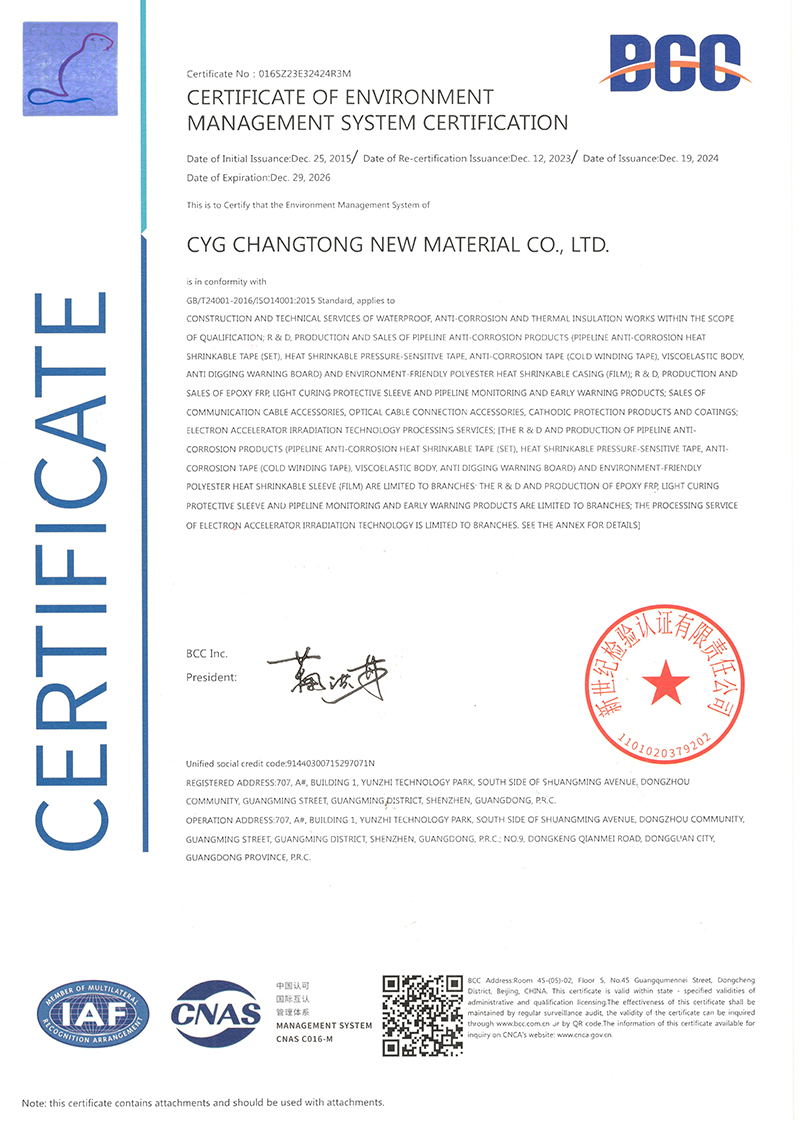
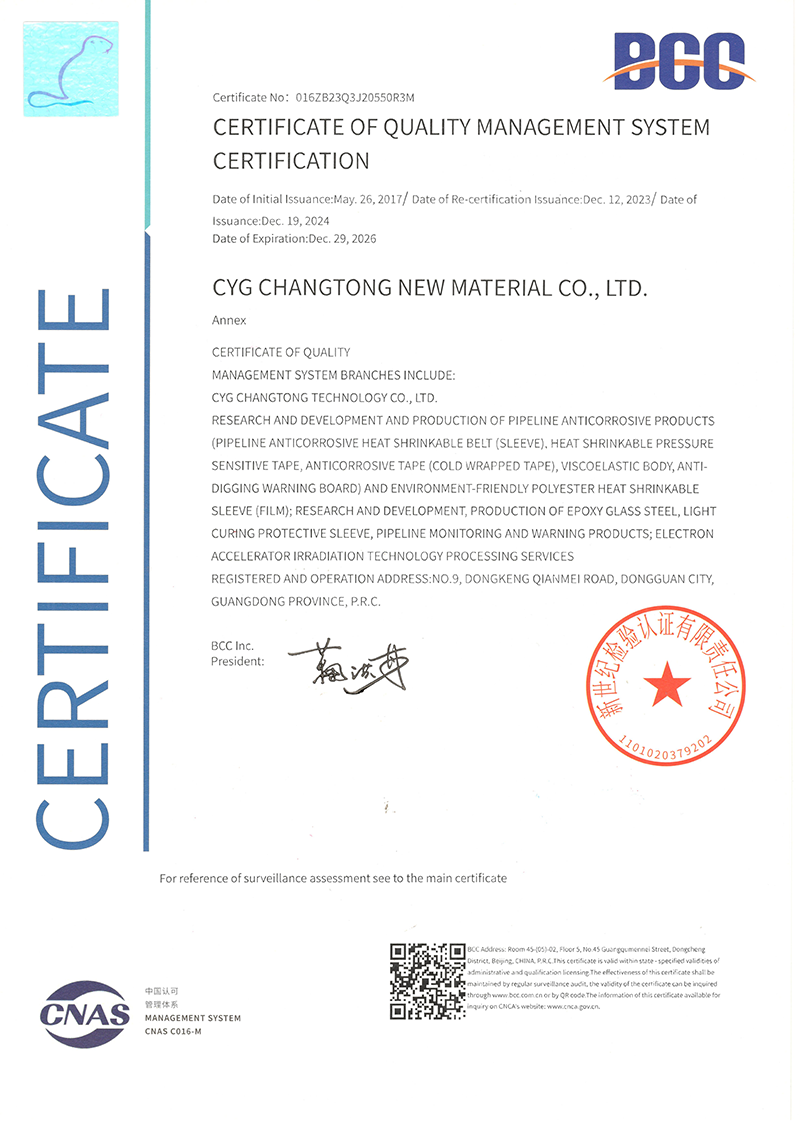
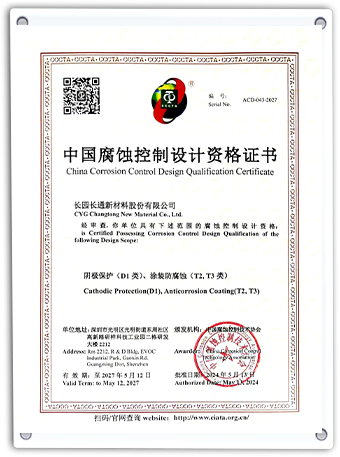
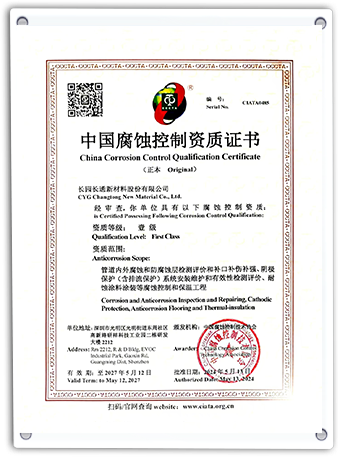
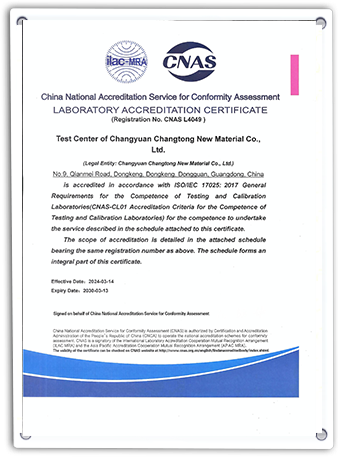
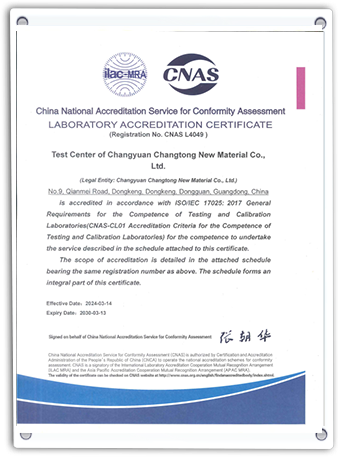
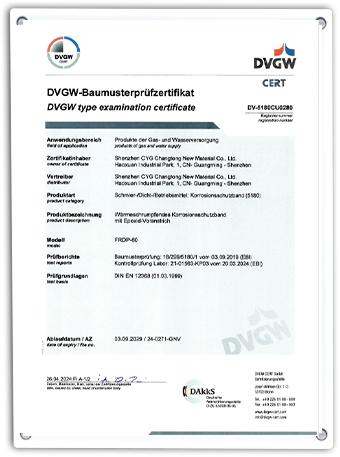
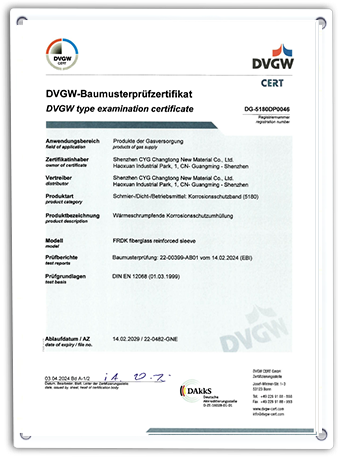
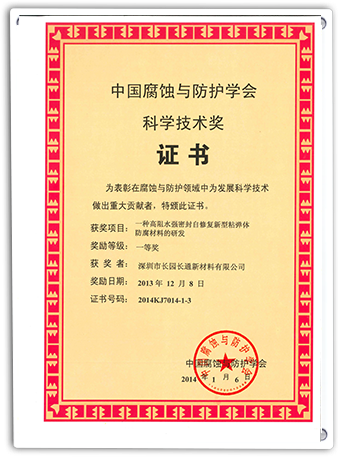
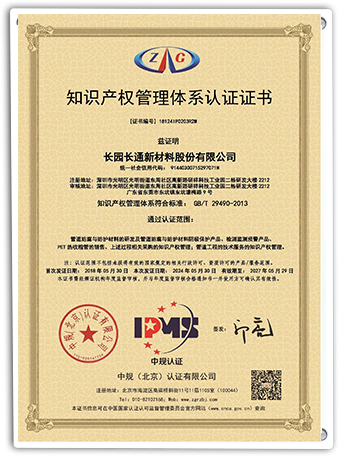
Key quality milestones and parameters that global buyers must prioritize when selecting suppliers
Sourcing pipeline materials for long-distance oil and gas schemes requires compliance with strict performance protocols. Engineering, Procurement, and Construction (EPC) firms, along with pipeline operators, must ensure their chosen manufacturers provide comprehensive documentation proving compliance with key performance baselines:
Adapting to tougher environment thresholds, greener products, and smart installation tracking
Deepwell extraction and advanced recovery techniques mean extracted hydrocarbons exit the wellbore at increasingly high temperatures. Standard polyethylene-based sleeves tend to soften and sag under these conditions. Next-generation coatings use modified Polypropylene (3LPP) backing systems combined with proprietary high-tack copolymer formulations to maintain performance in these extreme operating environments.
Environmental regulations are driving the reduction of Volatile Organic Compounds (VOCs). Traditional field joints require solvent-based epoxy primers. The industry is moving toward solvent-free liquid epoxies and viscoelastic materials that do not require primers, reducing chemical emissions in the field.
Modern quality assurance systems demand tracking data for every joint. Manufacturers are incorporating QR codes and digital tracking indices directly onto the backing of sleeves. This enables field engineers to log prep quality, preheating temperatures, batch numbers, and installation dates to a cloud database, streamlining maintenance for the pipeline's operational life.
Expert answers addressing the selection, testing, and field application of tubular sleeves
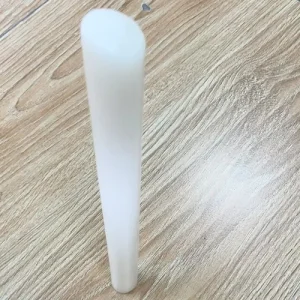
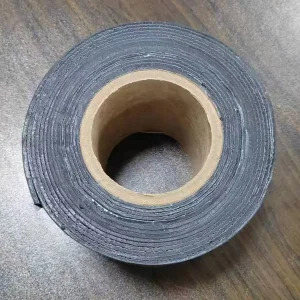
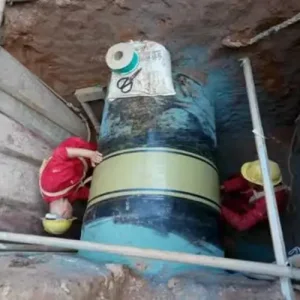
Explore our full line of corrosion protection materials, repair patches, and specialty sealants
 CYCT
CYCT